2.46μSv/h Hot Spot in Misato, Saitama Prefecture, at Tokyo’s door

Hot Spot (2.46μSv/h at ground level, 0.64μSv/h at 50cm from the ground) in Misato, Saitama Prefecture.


The sign says in Japanese “We will keep the river clean”.
Misato, Saitama Prefecture is at 32km from Tokyo’s center and 223km from Fukushima Daiichi.

Misato, Saitama Prefecture is at 223km from Fukushima Daiichi.

Misato, Saitama Prefecture is at 32km from Tokyo’s center
Source: Sugar Nat https://www.facebook.com/shinpei.tn
0.72μSv in Nasunagahara Park, Nasu, Tochigi Prefecture
People when thinking about the nuclear disaster of Tepco’s Fukushima Daiichi often are misled by the mainstream media to think that only Fukushima Prefecture is affected by the radiation. That is so untrue.
Actually the Fukushima Daiichi ‘s radioactive plume has contaminated many other prefectures of Eastern Japan, prefectures of Tohoku region and prefectures of Kanto region (Tokyo area), radiation having being spread unevenly as a leopard skin, with hot spots everywhere, needing to be identified, indicated for public protection, and decontaminated..

This measurement was taken in the public park of Nasu, Tochigi Prefecture, 122km from Fukushima Daiichi and 188km from Tokyo.

Nasu, Tochigi Prefecture, 122km from Fukushima Daiichi

Nasu, Tochigi Prefecture, 188km from Tokyo
The children playing there will be exposed to radiation if it is not decontaminated nor indicated by a warning sign.

Source: http://ameblo.jp/kienaiyoru/entry-12234453760.html
Fukushima, the Gift That Keeps on Giving

Radiation from Fukushima has now officially entered the food chain, can it be fixed?
Fukushima, as you may recall, was an accident at a Japanese nuclear complex back in 2011. A combination of an earthquake and a tsunami damaged the facility, allowing radioactive water to pour into the ocean. In fact, ABC news reported that — “The 2011 quake of magnitude-9 was the strongest quake ever recorded in Japan, and it generated a tsunami that knocked out the Fukushima plant, causing the worst nuclear crisis since Chernobyl a quarter of a century earlier.”
Since then, there have been various plans to stabilize the situation, but all have failed. Robots sent in to find the cores have failed. The National Post wrote that — “It takes two years to build them. Each operator trains for a month before picking up their controls. And they get fried by radiation after working for just 10 hours.” That’s right. In just 10 hours, the robots are so damaged, they don’t work. In fact, the article continued by writing — “The reason the robots need to get inside core is that officials need to locate the plant’s melted (and still very radioactive) fuel rods before they can plan on what to do next”.
Wait, you might be asking yourself, what about the ice wall? Well, RT reported that — “In March, (a Japanese) construction company began building the frozen wall of earth around the four damaged nuclear reactors and had completed most of the 1.5-km (1 mile) barrier. TEPCO hoped that the frozen earth barrier would thwart most of the groundwater from reaching the plant and divert it into the ocean instead.
However, little or no success was recorded in the wall’s ability to block the groundwater during the five-month-period. The amount of groundwater reaching the plant has not changed after the wall was built.” That’s right. This plan has also failed.
And while media has effectively been silent on the issue, it does pop up from time to time, such as this article in Science World Report — “(a) Woods Hole chemical oceanographer, tracked down the radiation plume in the seawater. He proposed that the (contaminated) seawater crossed the Pacific Ocean and reached (America’s) west coast.” In fact, that article revealed that — “the seawater samples collected last winter from the Tillamook Bay and Gold Beach in the west coast indicated the presence of low levels of nuclear radiations. Thankfully, the levels were calculated too low to cause any harmful impact on the human or animal population of the region.” But that is missing the point – radiation has now officially entered the food chain.
Although the article in Science World Report notes that the levels were low, it should also be noted that their samples were all the way across the ocean. What if they took a sample in other places? Surely, logic would dictate that it would become stronger, the closer one gets to Japan.
It should also be noted that radioactive water continues to pour into the ocean on a daily, hourly, and by the minute basis. That hasn’t stopped. It is happening right now. It happens while you sleep. It happens while you are awake. It happens even if no one is talking about it and has been happening for more than 5 years, and there is no plan to stop it.
Fukushima Trucks Spreading Unmeasurable Amount of Radiation
In Yamada, Futaba District, Fukushima, trucks carrying waste after decontamination work, go by spreading unmeasurable amount of radiation.
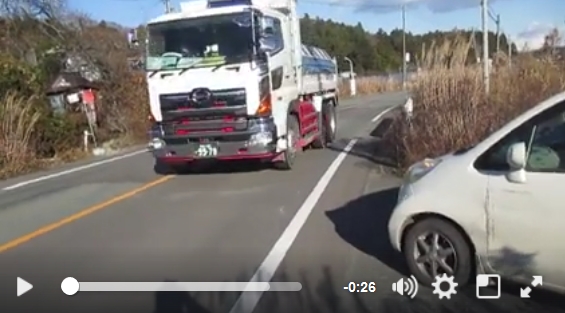

The Geiger counter hits 9.99 microSv/h which is its limit!


Recovery effort? Is n’t it better to relocate the entire residents elsewhere safe? In Japan, there are many villages and small towns where they suffer with depopulation.
What they do now is just to keep feeding big contractors, not helping affected people…..


Source: Oz Yo
Mountain of Light by Gen’yū Sōkyū – excerpt
As a writer and priest in Fukushima, Sōkyū grapples with the aftermath of the 2011 nuclear disaster in this short story about a son organising a funeral for his father, who collected radiation-contaminated waste
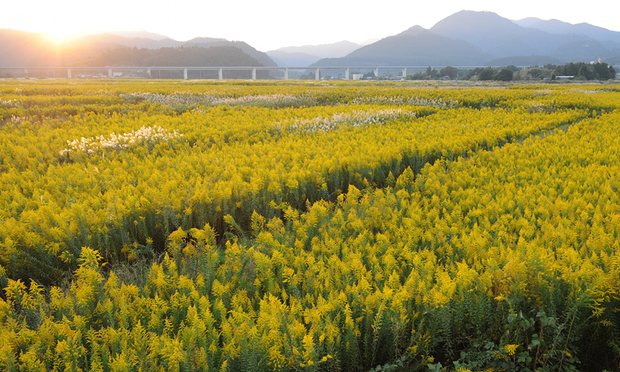
Rice fields in Fukushima, no longer cultivatable after the evacuation zone was dissolved in August 2012.
Akutagawa Prize winner Gen’yū Sōkyū has an unusual vocation among litterateurs: he is the chief priest of a temple in Fukushima, where nuclear disaster struck following the earthquake and tsunami of March 2011. Both a leader and a major voice in reconstruction efforts, Gen’yū uses fiction to grapple with the catastrophe, and in this story, Mountain of Light, he imagines (perhaps even hopes for) a future of provincial ascendance and “Irradiation Tours”. In this excerpt, the narrator relates his coming to terms with his father’s devotion in collecting the community’s “irradiated” — their radiation-contaminated waste, in other words.
—The editors at Asymptote
The next time I saw Dad was at Mom’s funeral. He himself would die three years later at ninety-five—twenty-five years after our last conversation—of old age, not cancer. After my mother’s cremation, he spoke to me.
“Your ma had a hard time of it, but it was all worthwhile. Thanks to the irradiated, we managed to live meaningfully, right up to the end, and that’s no joke. When my time comes… you’ll burn me on top of that mountain, right?”
His hearing wasn’t so good by that time, so while I said “Don’t be stupid,” apparently what he heard was “Okay, I’ll do it,” although I didn’t realise this until much later. He held my hands in front of Mom’s altar and said “Thank you” over and over again… It might’ve been a misunderstanding, but that was the first time he had ever shown me gratitude.
My brother and sister-in-law had only offered incense at the crematorium, and were no longer there. He was a consultant to an electronics manufacturer, and even though he said he had a meeting to attend, I was sure they had left out of fear. I too had debates with the missus about the effects of low-level exposure, almost every night. Eventually we stopped speaking, and came to see each other as “contaminated.” We’d separated by then. And that’s when I finally realised that we were both being completely ridiculous.
I’m sure all of you will agree—I mean, think about it, academics had all these opposing theories and no one was willing to budge. Some people said that anything up to one hundred thousand times the intensity of background radiation is fine, look at astronauts, they’re fine—and then others demanded that we spend trillions of yen on decontamination to scrape off fertile soil with low-level radiation. The Hormesis and Prophylaxis camps, yeah, that’s what they were called. Both sides wanted the other to calm down and talk things through, but like me and the ex, they just couldn’t do it. You could say my divorce was the result of a proxy war, haha.
People—organisations are even worse—go to terrifying lengths to save face. The ICRP, that’s the International Commission on Radiological Protection, they of all people should’ve created spaces for discussion, but showed no intention of doing so. And then public opinion was set on throwing every last baby out with the bathwater: if nuclear reactors were bad, then all radiation was bad too. In short, no one was calm.
But as you know, after the power plant accident, it was the ICRP who recommended raising the radiation exposure limit by twenty to a hundred times of the normal value. After that was rejected, they just stayed silent, same as me and the ex. Even now I have no idea who’s right. But what’s certain is that the radioactive potassium and carbon and whatnot in our bodies emit a fair amount of radiation, with or without the reactors. Somebody weighing sixty kilos would put out, oh, five thousand becquerels or so. Anyway, the Commission never officially changed their stance on low-level exposure after that. And now we have all of you taking part in this Irradiation Tour, coming to see the mountain my old man made. Radon hot springs are popular once more, and Fukushima’s population is even growing rapidly.
What was I… oh, right—that was quite a ramble—I was telling you about Dad’s request.
For the record, it wasn’t cancer. He might’ve said “Cancer wouldn’t be bad,” but in the end he had a prolonged bout of the autumn flu and kicked the bucket, just like that.
I got the news from my cousin, and when I came back Dad was already laid out in the main room, around there. Yes, right there, where the blond man is sitting, haha. I lifted the white cloth, and saw my old man looking solemn for the first time. It was as if he’d taken off the okame mask—I had never seen that face before, honest.
I spent the whole night thinking. I recalled what Dad said at Mom’s funeral, and I wasn’t sure what to do about his cremation. But the answer soon came to me. You see, my mother’s remains had disappeared from the altar.
Since Mom died eight years ago, I’d started coming back home a little more often. I’d retired from my job, and I didn’t have a family of my own. I wasn’t that worried about Dad living alone, rather I’d come to believe his mountain may have been some kind of miracle.
On one of those visits, he’d told me about their dog’s death, and how he had buried it atop that mountain. Sitting by my old man’s pillow, I looked over at the altar and noticed that while my mother’s picture was there, her remains were not. I put the pieces together and went outside. It was a still, humid night at the beginning of summer.
The sound of insects filled the air. It was my first time ever on that mountain. I realised, halfway up, that it had become much taller than before. It was even taller than it is now, nearly thirty metres, I’d wager. As I went up the winding path, I was aware of the dosimeter packed in my bag, but you know, I didn’t take any measurements. I think my feet were a bit shaky, but I wasn’t scared of anything anymore. Dad did the same thing every day, and he lived peacefully until the age of ninety-five, just like Mom.
Now and then, I felt his presence. Staring at the ground as I climbed, in the dim light of the moon, it seemed my old man was saying “It’s okay, it’s okay” and smiling overhead.
As I expected, there were two pieces of natural stone at the top, set about one metre apart. At some point, Dad had made and maintained a grave for Mom and another for their dog up there. And that’s why this mountain is like one of those burial mounds.
Looking around, I saw the neon signs of the neighbouring town twinkling like countless stars. Of course, the stars in the sky were also countless, and so beautiful. Perhaps Dad built the mountain with the knowledge of this view. I was suddenly reminded of him saying the word “meaningfully” at Mom’s funeral. The last words I’d heard Mom say also seemed to echo in my ear: “Someone come by?”
Thinking back later, the mountain seemed to be glowing faintly that time too, but I couldn’t distinguish it from the silvery moonlight.
I went to the temple the next morning and asked the priest to carry out the funeral at my home. I had the newspapers run not just a death notice, but a full obituary too. My old man had single-handedly taken on the irradiated of this town as well as other parts of the prefecture, so I felt the public ought to know about his death. I might’ve been a little carried away.
The funeral was an incredible affair.
I was very grateful for the hundred-odd wreaths, and the not one but five priests, but this wasn’t your regular congregation—this was a mob. The prefectural governor came, five or six mayors came too. Pretty sure there were over two thousand attendees. But the real highlight came during the cremation, after everyone had gone home.
The priest from my family temple was actually very supportive. When I told him about my old man’s request, he said “Let’s do it. We’ll perform the cremation on top of that mountain.” After the ceremony, the guys from the neighbours’ association carried Dad’s coffin up the mountain. As our ancestors did, we gathered kindling, placed a board on the kindling, and laid the coffin on the board. Straw from nearby rice fields, once considered hazardous, was piled up high on the coffin. It was starting to get dark, and the fire burned beautifully, it did. By that time, the Hormesis school of thought was already pretty mainstream, so I wasn’t surprised by the hundred or so people who had stayed behind to watch from the foot of the mountain. What I didn’t expect was what happened after those people had left. I’d invited the priest into the house, and as we were drinking, I heard a massive bang. I went outside to take a look, and the whole mountain was smouldering, not just the area around my old man’s body.
“It’s okay.”
That wasn’t my old man, it was the priest standing next to me.
After all, the mountain was made up of countless trees, branches, grass, all perfectly flammable. The priest probably also knew that the temperature would go up to five, six hundred degrees at most, and as long as it didn’t go over seven hundred degrees the caesium wouldn’t disperse.
“Is that true?”
“Yes, it’s okay, it’s okay, all of it will stay in the ashes.”
The priest came across as a salesman—no, I hear he used to work at an incinerator, maybe that was it—he spoke with complete assurance. I have no idea which of them first came up with the “it’s okay” mantra. Anyway, we made a makeshift table and continued drinking outside, sitting on upturned beer crates.
That’s when we finally saw it. Where the sky was turning into night, the air had a kind of sheen, it seemed to be lit from some deeper layer. It was the mountain, giving off a pale purple fluorescence. Now and then flames peeked out, smoke billowed up, but the purple aura that encompassed the whole shone with a light that would repel darkness forever. It was as if the cloud bearing the noble Amitābha had descended before our eyes.
The mountain continued to smoulder for several days, gradually shrinking and becoming more compact. And every night, the whole mountain would emit a soft light. No one knows why. All sorts of experts came and investigated the thing, but it’s still a mystery. After the usual forty-nine days of mourning, Dad’s bones were buried close to Mom’s gravestone, and since then the light seems to have become stronger, haha, but that’s probably my eyes playing tricks on me.
Look, there it is, you’ll start to see it as night falls. On your feet, everyone, and let’s ascend the Mountain of Light.
It’s okay, no need to rush. Radiation’s not as strong as it was five years ago, but there’s still plenty to soak up.
Sorry, one more thing—I said earlier that this mountain’s also a burial mound, so first, I’d like all of you to put your hands together in prayer for a moment.
Thank you.
Okay then, please put on your shoes and head outside. Now, now, no pushing. I know you can’t wait to get all the exposure you can, but as in all things, sharing is caring. More and more foreigners visiting these days, but I still don’t have any materials in English, sorry about that. PU-RI-I-ZU KA-MU A-GE-I-N, haha.
Ah, just look at that. You wouldn’t think such beauty could come from this world. Translucent, pure, noble, and absolutely toxic. If it were the colour of lapis lazuli, I guess it’d herald the coming of Bhaiṣajyaguru the Medicine Buddha instead of Amitābha. Wow, even the souvenir store’s neon sign is reflected in the sky—we’re looking at the Pure Land of the East here, everyone.
All right, everyone. Please follow me, single file. The staff will give you detailed instructions, please do as they say. It’s okay, it’s okay. Everyone gets the same exposure. Yes, this is the eighty millisievert course. Hey, you there, no sneaking off to get two rounds in, that’s a violation. Good grief, you guys… Those of you who haven’t changed into your white robes, it’s okay, take your time. Right, we’re heading out now, nice and easy… rokkonshōjō, the sky is clear, rokkonshōjō the mountain shines…
Translated from Japanese by Sim Yee Chiang.
For more of Gen’yū, read one of his early reactions to the events of March 2011 here, translated and published in the July 2011 issue of Asymptote.
****
- Gen’yū Sōkyū is a novelist and essayist, as well as the 35th chief priest of the Fukuju-ji Zen Buddhist temple in the town of Miharu, Fukushima. Born and raised in Miharu, he started writing novels while reading Chinese literature and drama at Keio University, Tokyo. His second novel, Chūin no hana (Flowers in Limbo), was awarded the prestigious Akutagawa Prize in 2001. His work, which explores the application of Buddhist or Zen teachings in everyday contexts, has been translated into French, German, Korean and Chinese. As an influential leading writer and committee member of the government’s Reconstruction Design Council, Gen’yū is currently a major voice in national reconstruction after the massive earthquake that hit Japan in 2011. His website can be found here.
- Sim Yee Chiang is a contributing editor at Asymptote. He was born in Singapore, received an undergraduate education and a master’s in English from Stanford University, and researched issues of English-Japanese and Japanese-English literary translation under the auspices of the University of Tokyo, where, seduced by the praxis itself, he now hopes to contribute to the exponentially growing mass that is world literature.
Listen to the Sounds of Contamination
What is going on in Japan since March 11, 2011?
Radiation generated by collapse of radioactive material that is invisible to the eye pierces cells of animals and plants and human body.
In Fukushima contamination is now omnipresent, you cannot see it nor smell it, nor taste it but it is there.
And in 2016, an unprecedented public project is about to start in the world. Japan’s contamination is made visible by its 1/1000 second clicking sounds.
You can’t see it but you can now visualize the power of those radioactive disintegrations by hearing their sounds, so that the inoffensive looking becquerel per kg numbers of an invisible contamination now take a new dimension, as the violence of their power is suddenly revealed through their disingration sounds…..
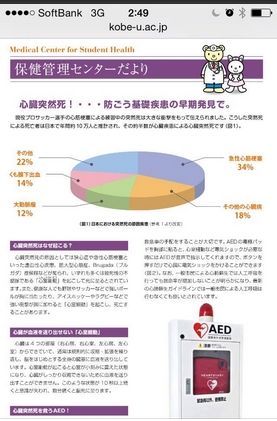
70,000 Sudden Cardiac Deaths per Year in Japan
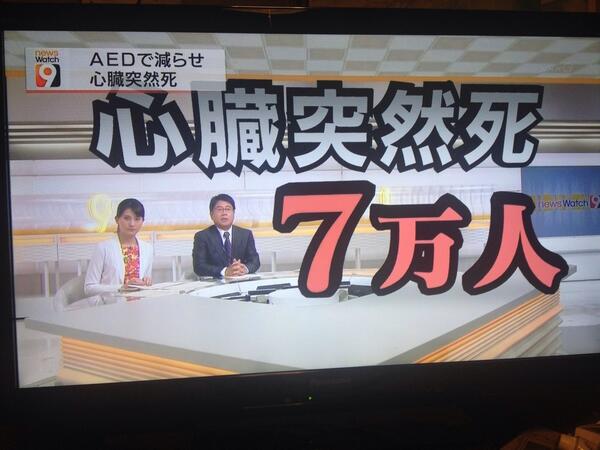
Sudden cardiac death seems to have increased to 70,000 per year in Japan. Previously it was said to be around 50,000 a year.
Is it the influence of radioactive contamination which is still leaking in the Fukushima Nuclear Power Plant ever since the March 2011 meltdowns and explosions?
https://twitter.com/kinmiraixx/status/812923365962825730
Ionizing radiation from Chernobyl affects development of wild carrot plants. Abstract
Latest Chernobyl paper shows radiation effects of wild carrots!
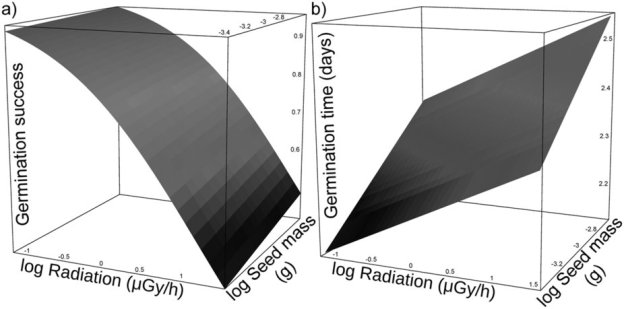
Abstract
“Radioactivity released from disasters like Chernobyl and Fukushima is a global hazard and a threat to exposed biota. To minimize the deleterious effects of stressors organisms adopt various strategies. Plants, for example, may delay germination or stay dormant during stressful periods. However, an intense stress may halt germination or heavily affect various developmental stages and select for life history changes. Here, we test for the consequence of exposure to ionizing radiation on plant development. We conducted a common garden experiment in an uncontaminated greenhouse using 660 seeds originating from 33 wild carrots (Daucus carota) collected near the Chernobyl nuclear power plant. These maternal plants had been exposed to radiation levels that varied by three orders of magnitude. We found strong negative effects of elevated radiation on the timing and rates of seed germination. In addition, later stages of development and the timing of emergence of consecutive leaves were delayed by exposure to radiation. We hypothesize that low quality of resources stored in seeds, damaged DNA, or both, delayed development and halted germination of seeds from plants exposed to elevated levels of ionizing radiation. We propose that high levels of spatial heterogeneity in background radiation may hamper adaptive life history responses.”
Zbyszek Boratyński, Javi Miranda Arias, Cristina Garcia, Tapio Mappes, Timothy A. Mousseau, Anders P. Møller, Antonio Jesús Muñoz Pajares, Marcin Piwczyński & Eugene Tukalenko
Fukushima radiation has reached U.S. shores

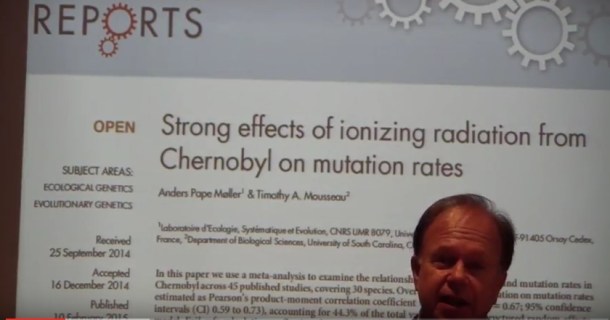
Dr. Timothy Mousseau speaks on consequences of Chernobyl and Fukushima
Dr Mousseau’s lecture on consequences of Chernobyl and Fukushima on plants and animals. Nov 4 2016
Dr. Timothy Mousseau speaks Nov. 4, 2016 to students and faculty of U of T about his research into the consequences of the Chernobyl and Fukushima nuclear accidents on plants and animals. His research shows increased mutations, genetic damage, poorer performing and malformed sperm, sterility, pollen inviability, cancers, cataracts, mental retardation, fewer species, fewer numbers, deadzones, and no evidence of adaptation.
His website is: http://cricket.biol.sc.edu/chernobyl/Chernobyl_Research_Initiative/Introduction.html
https://www.youtube.com/watch?v=cPWRinjQKyg
Nov 12, 2016 (5 years & 8 months after the Fukushima Daiichi nuclear disaster)
Radiation was monitored around Oguraji-Terasaka of Fukushima city, Fukushima Prefecture, Japan.
Oguraji-Terasaka is a name of the place. Oguraji-Terasaka litaraly means a slope to the Oguraji temple. People of Fukushima respect the Oguraji-temple, and come there to pray for Senju Kannon statue, thousand-armed goddess who rescues all people.
Rain water from the previous night was flowing down the slope, accumulating at the slope road side, radioactive materials also accumulating there.
The air dose rate of the place was 0.5 micro Sv/h
The measuring instrument that was used in this video, is Ukraine made, ECOTEST’s MKS-05.
Fukusima city has a population of 284 000 people, it is located 94,9 km North-East from the Tepco Fukushima Daiichi nuclear power plant.
Fukushima Radiation is not safe
A repost of a December 2011 video from Goddard’s Journal
Studies cited in order presented:
National Academy of Sciences Low-Dose Radiation Report
http://www.nap.edu/openbook.php?record_id=11340&page=R1
Data tables used, 12D-1 and 12D-2:
http://www.nap.edu/openbook.php?record_id=11340&page=311
http://www.nap.edu/openbook/030909156X/gifmid/311.gif
How to scale that data to unique exposure scenarios, Annex 12D, Example 1:
http://www.nap.edu/openbook.php?record_id=11340&page=310
15-country study of nuclear-worker cancer risk
http://www.ncbi.nlm.nih.gov/pubmed/17388693
Table 5 shown is from Part II of the study
http://www.ncbi.nlm.nih.gov/pubmed/17388694
http://iangoddard.com/15countries_Part2_Table5.png
Jacob et al. (2009) meta-analysis of nuclear-worker studies
http://oem.bmj.com/content/66/12/789.full.pdf
Editorial on Jacob et al. quoted
http://oem.bmj.com/content/66/12/785.extract
Chromosomal translocations are associated with cancer
http://www.ncbi.nlm.nih.gov/pmc/articles/PMC3152359/
Boffetta et al. (2007) more chromoHarm entails more cancer
http://www.ncbi.nlm.nih.gov/pubmed/17071846
Bhatti et al. (2010) meta-analysis of chromosomal damage
http://www.ncbi.nlm.nih.gov/pmc/articles/PMC3075914/
# Addendum #
Since I posted this video, the ‘Bulletin of the Atomic Scientists’ published a special edition on low-dose radiation, the lead article of which matches and thereby corroborates the case I present in this video. It also covers additional research and nuclear-industry efforts to derail scientific investigation of radiation risks http://bos.sagepub.com/content/68/3/10.full.pdf
Some friends created PDF files of this video available here
In English
https://docs.google.com/file/d/0B5qUOl0_hAfneW9rWmJ0akNMZEk/edit
In Japanese
The Minamisoma Whistleblowers, Fukushima
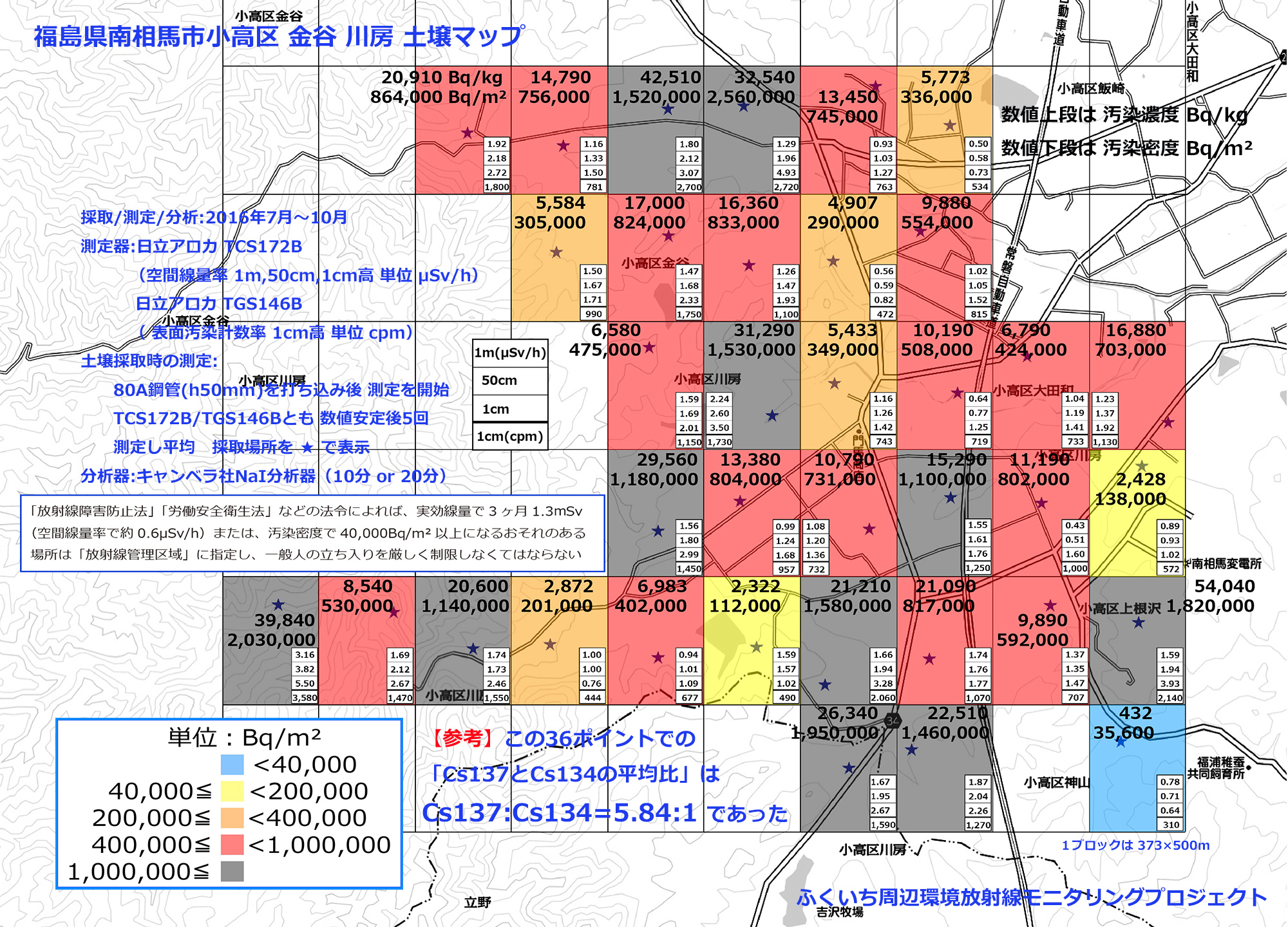
A few days ago Pierre Fetet learned of a map which immediately called his attention.
That map displays at the same time precise and unsettling measurements. Not knowing Japanese, Pierre Fetet asked Kurumi Sugita, the president of Nos voisins lointains 3.11 association, to translate for him the text. She immediately accepted and explained to him what it was:
“The project to measure environmental radioactivity around the Fukushima Daiichi nuclear power plant (“Fukuichi Area Environmental Radiation Monitoring Project“) is conducted by a team of relatively old volunteers (who are less radiosensitive than youth) to perform radioactivity measurements with a tight mesh size of 75 x 100 m for radioactivity in air and 375 x 500 m for soil contamination. Measurements of ambient radioactivity and soil radioactivity are carried out mainly in the city of Minamisōma and its surroundings. They try to make detailed measurements so as to show the inhabitants the real conditions of their lives, and also to accumulate data for the analysis of long-term health and environmental damages.”
Thanks to the Kurumi Sugita’s translation and with the agreement of Mr. Ozawa, author of the document, Pierre Fetet was able to make a French version of this map, which I translated into english here below:
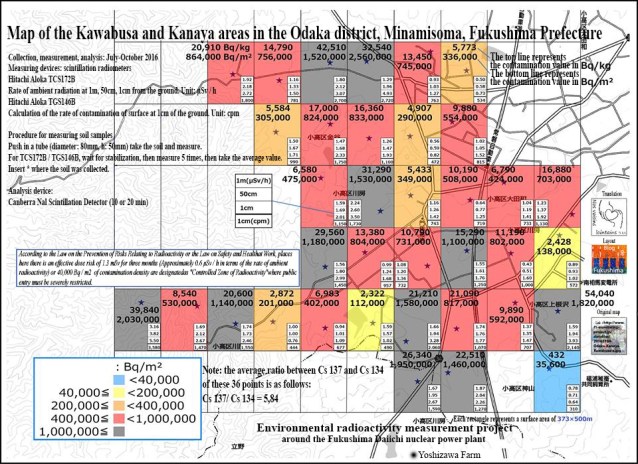
Map of Mr. Ozawa’s team,“Fukuichi Area Environmental Radiation Monitoring Project” (translation first by Kurumi Sugita, then by Hervé Courtois)
In the context of the normalization of contaminated areas into habitable areas, the evacuation order of the Odaka district of the city of Minamisōma was lifted on 12 July 2016, except the area bordering Namie (Hamlet of Ohatake where a single household lives) classified as a “difficult return” area.
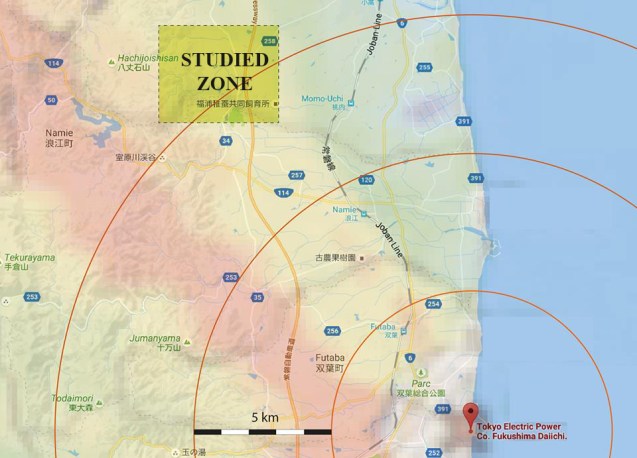
Situation of the study area
The contamination map examines the Kanaya and Kawabusa areas of the Odaka district, about fifteen kilometers from the former Fukushima Daiichi nuclear power plant. Mr. Ozawa, the engineer who launched this investigation, has chosen the precision of the measurements, that is to say laboratory scintillation radiometers are used to measure radioactivity: Hitachi Aloka TCS172B, Hitachi Aloka TGS146B and Canberra NaI Scintillation Detector.
The originality of this map is due as much to the quality of its realization as to the abundance of its informations: it can be read, for each of the 36 samples taken, measurements in Bq / m², in Bq / kg, in μSv / h at three different soil heights (1 m, 50 cm, 1 cm) And in cpm (counts per minute) at the height of 1 cm. For those who know a little about radioactivity, these informations are very valuable informations. Usually, measurements are given in either unit, but never simultaneously with 4 units. Official organizations should learn this way of working.
The measures revealed by the map are very disturbing. They show that the earth has a level of contamination that would make it a radioactive waste in any uncontaminated country. As Mr. Ozawa writes, these lands should be considered a “controlled zone”, that is to say a secure space, as in nuclear power plants, where the doses received must be constantly checked. In fact, it is worse than inside of a nuclear power plant because in Japan the inhabitants evacuated since five and a half years are now asked to return home, whereas it is known that they will be irradiated (Up to 20 mSv / year) and contaminated (by inhalation and ingestion).
This citizen research is remarkable in more ways than one:
- It is independent of any organization. There is no lobby to alter or play down this or that measure. These are just raw data, taken by honest people, in search of truth.
- It respects a scientific protocol, explained on the map. There will always be people to criticize this or that aspect of the process, But this one is rigorous and objective.
- It takes measurements 1 m from the ground but also 1 cm from the ground. This approach is more logical because until now men are walking on the ground no? The contamination maps of Japan often show measurements at 1 m from the ground, Which does not reflect reality and seems to be done to minimize the facts. Indeed, the measurement is often twice as high at 1 cm from the ground as at 1 m.
- It acts as a revealing map. Mr. Ozawa and his team are whistleblowers. Their maps say: Watch out ! Laws contradict each other in Japan. What the government claims, namely that a dose of 20 mSv / year will not produce any health effect, is not necessarily the truth. If you come back, you are going to be irradiated and contaminated.
France is preparing for the same forfeiture, namely that ‘it is transposing into national law the provisions of Directive 2013/59 / Euratom: the French authorities retained the upper limit of the interval: 100 mSv for the emergency phase and 20 mSv for the following 12 months (And for the following years there is no guarantee that this reference level will not be renewed). These values apply to all, including infants, children and pregnant women! ” (source Criirad)
The Japanese government is asking residents to return home and abolishing compensation for evacuees. The Olympics are coming, Fukushima must be perceived as “normal” so that the athletes and supporters of the whole world won’t be afraid, even if it means sacrificing the health of the local population. It is therefore necessary to make known the map of Mr. Ozawa so that future advertising campaigns do not stifle the reality of the facts.
Pierre Fetet
Data on measurements at Minamisōma
http://www.f1-monitoring-project.jp/open_deta.html
Website of the measuring team: “Fukuichi Area Environmental Radiation Monitoring Project“
http://www.f1-monitoring-project.jp/index.html
Address of the original map (HD)
http://www.f1-monitoring-project.jp/dirtsfiles/20161104-Odaka-Kanaya-Kawabusa-s.jpg
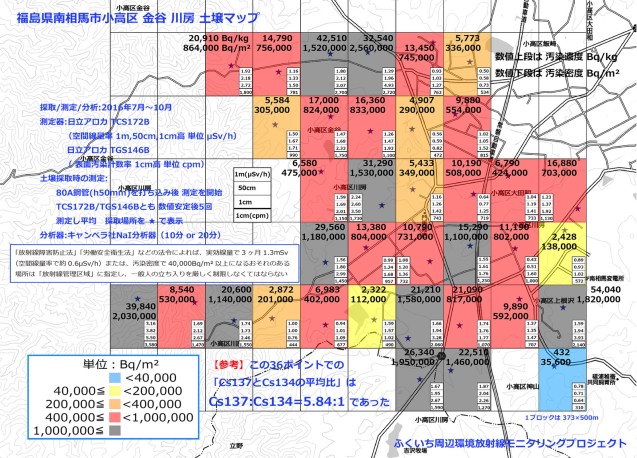
Source : Article of Pierre Fetet
http://www.fukushima-blog.com/2016/11/alerte-a-minamisoma.html
(Translation Hervé Courtois)
Study pinpoints protein that detects damage from radiation
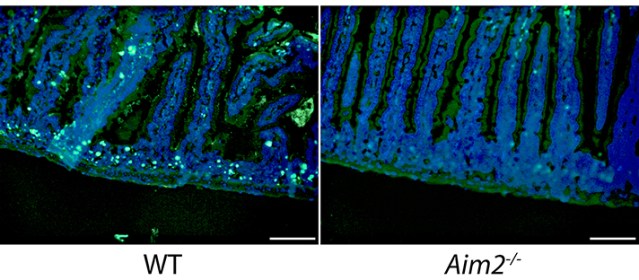
Small intestine tissue from mouse after high-dose X-ray radiation. Green fluorescence shows dying epithelial cells.
High doses of radiation from cancer treatment can cause severe damage to cells and tissues, resulting in injury to bone marrow and the gastrointestinal tract. The consequences can be fatal. Yet researchers do not fully understand how exposure to radiation triggers this damage at the molecular level.
Led by Yale professor of immunobiology Richard Flavell, an international team of researchers studied the radiation response using animal models. They identified a novel mechanism of radiation-induced tissue injury involving a protein called AIM2, which can sense double-strand DNA damage and mediate a special form of cell death known as pyroptosis.
They observed that in animals lacking AIM2, both the gastrointestinal tract and bone marrow were protected from radiation. While the role of AIM2 as a sensor that detects infectious threats to the body was known, this study is the first to describe the protein’s function in the detection of radiation damage to the chromosomes in the nucleus, said the researchers.
When a cell receives a high dose of radiation, the DNA is broken into pieces, which can be joined together again. However this aberrant rejoining of chromosomal fragments can lead to chromosomal abnormalities and cancer. Flavell and his team believe that when this chromosomal damage is inflicted, the AIM2 pathway is activated in order to kill the cell to avoid the deleterious consequences of these chromosomal translocations, such as those commonly seen in cancer cells.
For this reason, the cells that accumulate this chromosomal damage are dangerous to the person or animal and are therefore killed by this AIM2 pathway. This pathway is beneficial to the person or animal under normal circumstances because it eliminates dangerous cells, but when a high dose of radiation is given the pathway is detrimental because it leads to bone marrow and digestive tract injury.
These findings suggest that a drug that blocks or inhibits the AIM2 pathway could potentially limit the deleterious side effect of chemotherapy or radiotherapy on cancer patients, said the researchers.
Read the full paper in Science.
http://news.yale.edu/2016/11/10/study-pinpoints-protein-detects-damage-radiation
Fukushima Car Wash Septic Tanks Contain Highly Radioactive Sludge
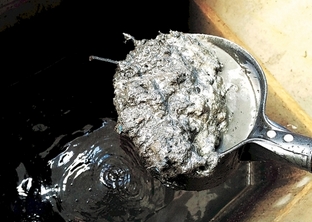
Highly radioactive sludge is turning up in septic tanks at car washes in Fukushima Prefecture, and the readings are as much as seven times higher than the government’s limit, auto industry officials say.
While the government-set limit is 8,000 becquerels per kilogram, some of the sludge is giving off 57,400 becquerels per kg, a document obtained by Kyodo News says.
The source of the radioactivity is believed to be ash and soot that stuck to vehicles shortly after the triple core meltdown at the Fukushima No. 1 nuclear power plant in March 2011, the officials said Saturday.
Fukushima Prefecture has some 1,700 auto maintenance facilities where a growing number of septic tanks are reaching capacity, they said, adding that the amount of tainted sludge accumulated from washing cars likely weighs several thousands of tons.
To the prevent the septic tanks from overflowing, some of the maintenance facilities are manually scooping up the mud, which has prompted industry groups to warn authorities about the health hazards workers face, the officials said.
The Japan Automobile Dealers Association, Japan Automobile Service Promotion Association and Japan Light Motor Vehicle and Motorcycle Association have been urging the central government and Tokyo Electric Power Co., which manages the defunct Fukushima No. 1 plant, to address the issue.
But their calls for action have not been heeded, the Environment Ministry and the utility admitted.
The issue has failed to gain attention until now in part because the decontamination law only requires that companies report on radiation levels in sewage sludge and incinerated ash, not other waste products.
Although the companies that install the septic tanks know about the radiation problem, they couldn’t go public about it for fear of losing customers.
Kunikazu Noguchi, associate professor of radiation protection studies at Nihon University in Tokyo, said all tainted sludge should have been designated as radioactive waste and disposed of by the central government, instead of being kept in septic tanks.
“The fact that the government failed to act on this problem for 5½ years shows its negligence,” Noguchi said. “To remove sludge that contains nearly 60,000 becquerels of radioactive material per kilogram, you need to do so with extra caution, in line with guidelines set by the Environment Ministry.”
1 This Month

of the week – Shut Down Drone Warfare!


Tell the Ukrainian Government to Drop Prosecution of Peace Activist Yurii Sheliazhenko

Petition to revoke the licensing of the Near Surface Nuclear Disposal Facility (NSDF) at Chalk River. https://www.ourcommons.ca/petitions/en/Petition/Details?Petition=e-7247
To see nuclear-related stories in greater depth and intensity – go to https://nuclearinformation.wordpress.com
-
Archives
- April 2026 (68)
- March 2026 (251)
- February 2026 (268)
- January 2026 (308)
- December 2025 (358)
- November 2025 (359)
- October 2025 (376)
- September 2025 (257)
- August 2025 (319)
- July 2025 (230)
- June 2025 (348)
- May 2025 (261)
-
Categories
- 1
- 1 NUCLEAR ISSUES
- business and costs
- climate change
- culture and arts
- ENERGY
- environment
- health
- history
- indigenous issues
- Legal
- marketing of nuclear
- media
- opposition to nuclear
- PERSONAL STORIES
- politics
- politics international
- Religion and ethics
- safety
- secrets,lies and civil liberties
- spinbuster
- technology
- Uranium
- wastes
- weapons and war
- Women
- 2 WORLD
- ACTION
- AFRICA
- Atrocities
- AUSTRALIA
- Christina's notes
- Christina's themes
- culture and arts
- Events
- Fuk 2022
- Fuk 2023
- Fukushima 2017
- Fukushima 2018
- fukushima 2019
- Fukushima 2020
- Fukushima 2021
- general
- global warming
- Humour (God we need it)
- Nuclear
- RARE EARTHS
- Reference
- resources – print
- Resources -audiovicual
- Weekly Newsletter
- World
- World Nuclear
- YouTube
-
RSS
Entries RSS
Comments RSS
 nuclear-news