
First of all, the standard of 20 millisieverts per year is the international standard for nuclear workers inside nuclear power plants. In comparison the international standard for civilians is 1 millisievert per year. Nuclear workers are willingly choosing the risks to their health and are paid to take those risks. To make people live in an environment with more than 1 milliesievert per year and to lie to them that it won’t be harmful to their health is plainly criminal, especially when it comes to pregnant women, children, infants, who are so much more vulnerable to radiation.
Second, to place such Radiation Council under the jurisdiction of the Nuclear Regulation Authority, is to put the fox in charge of the chicken house.
All the rest is damage control, lies and deception….The Japan News, The Yomiuri Shimbun, is a pro-government newspaper, a government propaganda organ.
Thoroughly implementing scientific radiation protection and safety measures so that post-disaster reconstruction from the nuclear accident at a power plant in Fukushima Prefecture can be accelerated: This is the duty the government’s Radiation Council must carry out.
The council, under the jurisdiction of the Nuclear Regulation Authority, comprises experts working at medical institutions or universities.
The matters taken up for discussion by the council had previously been limited to inquiries submitted by government ministries or agencies. As radiation measures have gained importance, the council’s functions were strengthened with the revision of a related law in April, enabling the council to conduct investigations and make proposals based on its own judgment. Now with five additional members, the council has become a 13-member entity, and related research budgets have been allocated.
Rebuilding a legal structure is a task at hand for the council.
After the accident, ministries and agencies concerned developed a number of laws and regulations. The government’s headquarters has set a radiation standard by which residents must evacuate from a place where 20 or more millisieverts are gauged in a year. The Health, Labor and Welfare Ministry has set standards for levels of radioactive cesium in food products, while the Environment Ministry has set standards for decontaminated waste.
As all of these standards were set by the ministries and agencies concerned on their own, the safety levels are difficult to understand for ordinary citizens.
The standard of 20 millisieverts for evacuation orders was adopted by the administration led by the then Democratic Party of Japan based on the opinions of the International Commission on Radiological Protection (ICRP) and others. It is in line with international standards, but there are some who have misgivings about it.
Reflect reality in law
The standard limits for radioactive substances in food products are far lower than those adopted overseas. While the United States allows 1,200 becquerels of radioactive cesium per kilogram of drinking water, the permissible level is 10 becquerels in Japan.
The standard limits for radioactive substances in general foods other than drinking water and the like are calculated on the presumption that 50 percent of the general foods eaten by Japanese people are contaminated with radioactive substances. Given the current situation, in which food contamination has rarely been detected, the standard limits are out of tune with the reality.
Regarding these standards, the Environment Ministry has compiled “uniform, basic data,” which have been widely circulated in pamphlets and via the internet. It also presents information saying that radiation exposure of less than 100 millisieverts does not pose a significant cancer risk. But disaster-hit areas and the like remain in the grip of the “1-millisievert curse.”
From now, the council plans to scrutinize the ICRP’s latest recommendations on radiation protection and safety measures, and have them reflected in related laws.
Laws and regulations should be created to reflect the real situation of the areas concerned, including the fact that there has been a steady decline in the amount of radiation.
In a speech advocating the phase-out of nuclear power generation in his country, South Korean President Moon Jae In said that 1,368 people died in the accident at the Fukushima nuclear power plant, and that it is impossible to even grasp the number of deaths or how many have developed cancer due to the impact of radiation. On what basis did Moon say this?
The World Health Organization and other bodies have presented a view that there is a low possibility of confirming the health impacts from radiation. In order to wipe out harmful misconceptions, the council must communicate reliable information both inside and outside the country.
http://the-japan-news.com/news/article/0003784039
June 26, 2017
Posted by dunrenard |
Fukushima 2017 | Deception, Fukushima, Government Propaganda, Lies & Cover-up, radiation |
Leave a comment
 The deserted streets of the town of Namie, Fukushima Prefecture, are seen at night after its evacuation order was lifted in this undated photo.
Via Fukushima Minpo – It’s like a dream to once again be able to live in my “home, sweet home.”
That’s what Hidezo Sato, 72, says he feels every day since returning to his fallout-hit hometown of Namie, Fukushima Prefecture.
The government partially lifted its nuclear evacuation order on March 31, six years after radiation from the triple meltdown at the Fukushima No. 1 nuclear power plant forced them to evacuate.
Now, friends come by to chat at his home in the Gongendo district, which is much more comfortable than where he spent the past six years living as a Fukushima evacuee.
But one thing still bugs him — he doesn’t feel safe at night.
According to town officials, only about 300 residents have come back so far.
Many of the houses in Sato’s neighborhood remain uninhabited. So when he spots a car parked in the dark, it frightens him.
“If safety and security aren’t ensured, there won’t be more people coming back,” Sato said.
Sparked by returnees’ concerns about security, many recovering municipalities have set up neighborhood watch groups, installed security cameras and taken other measures to increase safety.
In December, two men were arrested on theft charges after spotted by security cameras.
In Minamisoma, City Hall is installing home security systems for returnees in the Odaka district that allow them to alert a security company simply by pushing a button. As of April 27, about 240 households, or 30 percent of the roughly 770 households that have returned, had the system installed by the city.
The number of police officers brought in from outside Fukushima to help patrol the no-go zone has been reduced to 192, or about 150 fewer than five years ago. The police presence is expected to decline further as decontamination progresses, raising concerns on how to ensure security there in the future.
Many municipalities have been funding security costs with central government subsidies, but it is unclear whether that will continue after fiscal 2020, when the state-designated reconstruction and revitalization period is scheduled to end. The Reconstruction Agency is also slated to be dissolved by then.
A top Reconstruction Agency official would only say it will “consider the issue in the future.”
For its part, the town of Namie is expected to spend about ¥700 million in fiscal 2017 to fund the neighborhood watch teams and surveillance systems. But town officials are worried whether they’ll be able to afford the systems once the subsidies dry up.
Reconstruction minister Masayoshi Yoshino, a Lower House politician representing the Fukushima No. 5 district, said in April that he will consider creating a new government entity to take over the work of the Reconstruction Agency.
“I want the government to tell us that it will continue to fund” such projects, said Namie Deputy Mayor Katsumi Miyaguchi.
http://www.japantimes.co.jp/news/2017/06/18/national/fukushima-returnees-security-growing-concern-deserted-towns/
June 19, 2017
Posted by dunrenard |
Fukushima 2017 | Evacuees Return, Fukushima, Security |
Leave a comment
Thank you, now I feel so much safer:
Mutant rice to be introduced into Fukushima prefecture as part of efforts to dispel lingering negative publicity.
 The Koshihikari rice variant with low cesium absorption, right, looks almost indistinguishable from normal Koshihikari rice.
TSUKUBA, Ibaraki Prefecture–A new type of the famed Koshihikari rice strain that absorbs just half as much radioactive cesium as the regular variety may be grown in Fukushima Prefecture.
The National Agriculture and Food Research Organization hopes to introduce it into the prefecture as part of efforts to dispel lingering negative publicity after the Fukushima No. 1 nuclear power plant disaster of 2011.
Satoru Ishikawa, who leads NARO’s Crop Safety Unit, and his co-workers used ion-beam irradiation to cause a gene mutation in Koshihikari to block the discharge of sodium ions from its roots. That enhanced the concentration of sodium ions in its root cells and suppressed the intake of cesium.
When the mutant was test-grown on contaminated soil alongside conventional Koshihikari, the cesium concentration in the mutant turned out to be 55 percent lower in unpolished rice grains and 59 percent lower in rice straw, both well below the government’s safety limit.
The mutant had about the same number of rice ears and about the same yield of unpolished rice grains as traditional Koshihikari, and its taste was evaluated by an external organization as being “almost equal” to that of the parent strain.
The use of potassium ion fertilizer to suppress cesium absorption has been effective in reducing cesium, but that method is expensive and labor intensive.
“(Use of the mutant suppresses cesium uptake) more effectively when combined with the use of potassium fertilizer,” Ishikawa said. “We hope introduction of the mutant will be considered as an option in areas where farming is going to be resumed.”
http://www.asahi.com/ajw/articles/AJ201706130005.html
June 13, 2017
Posted by dunrenard |
Fukushima 2017 | Cesium, Fukushima, Rice Farming |
Leave a comment
The technology to fully decontaminate a contaminated land has not yet been invented. Despite of all their efforts and hopes, those farmers’ struggle is just beginning and will last for ages…

Farmers in Fukushima are struggling to revive their livelihoods. The 2011 nuclear accident and subsequent evacuation devastated farms — the area’s main source of jobs.
Some areas, like the village of Iitate, have lifted most of their evacuation orders. But getting back to normal is taking some time.
More than 200 farmers used to raise cows in this region. But 2 months after authorities lifted their evacuation order, few farmers have tried to return to raising animals.
Six cows were released into a paddy field to graze. It’s a step to revive the farm work that was widely seen in Iitate village.
One farmer is using his cows as an experiment that could bring hope to others.
After the animals eat these fields for 2 months, they’ll have their blood tested to check if they have been influenced in any way by radioactive material.
“It’s finally starting. For those who are worried or not confident about resuming cattle raising, I hope what I’m doing will encourage them,” says the farmer, Takeshi Yamada.
Before the accident, farmers in Iitate used to cultivate some 2,300 hectares of land. But this year, only 20 are being used to grow rice and buckwheat.
Some 60 farmers plan to resume farming this year — a small fraction of the previous total.
A major concern behind the slow uptake is the uncertainty farmers have about being able to sell their produce. Surface soil in the area was removed to help decontaminate the ground, but doing that also lowered its fertility.
Another challenge according to farmers is weakened community bonds.
“We used to work together. We were ready to take on whatever tasks we had. But it’s been 6 years, and the motivation to work is low. Nobody now says ‘let’s work together,'” says farmer Koichi Aoki.
To counter their plight, farmers are doing small things.
They formed a group of volunteers to remove weeds. They’re planting flower seeds to beautify the land and keep weeds from coming back. And there’s an even bigger benefit.
“We’ve been protecting our farmland. We want to keep it from turning to wasteland. And by working together, we’ll be able to form human bonds again. That’s our main goal,” says farmer Masuo Nagasho.
It will take time, but people here are hopeful these small steps are just the beginning.
https://www3.nhk.or.jp/nhkworld/en/news/editors/3/fukushimafarmersstruggle/
June 11, 2017
Posted by dunrenard |
Japan | Contamination, Farmers, Fukushima |
Leave a comment

Seven more young Fukushima Prefecture residents have been diagnosed with thyroid cancer, according to a prefectural government statement on Monday. All of the patients were 18 or younger at the time of the 2011 nuclear reactor meltdown.
This bumps the number of Fukushima residents diagnosed with thyroid cancer up to 152. Although many times higher than the national average, the thyroid cancer rates are “unlikely” to have been increased by the reactor accident, according to vice chair of Fukushima’s medical association Hokuto Hoshi.
“Those thyroid cases have been found because we conducted the survey, not because of the radiation,” concurred Akira Ohtsuru, a radiologist who examined many of the patients. “The survey has caused over-diagnosis.”
One of those suspected of having cancer is a 4-year-old boy who hadn’t even been conceived yet when his parents fled Fukushima.
The prefectural government has been conducting thyroid checkups on evacuees every year since 2013. The number of cases continuously rises every time they do so: five additional cases in 2014 and two additional ones in May 2015. This means more and more evacuees are metastasizing the illness.
Fukushima University researchers have also found that evacuees have markedly higher rates of diabetes, liver and heart disease and obesity than the national average.
A May 2017 study from the Norwegian Institute for Air Research found that the Fukushima nuclear disaster had spread additional radiation across the entire planet, with the same amount of radiation as a single x-ray hitting the average person.
That same month, Penn State Medical Center published a study linking the Three Mile Island nuclear disaster of 1979 to higher rates of thyroid cancer near the Pennsylvania reactor.
https://sputniknews.com/asia/201706071054381393-fukushima-evacuee-thyroid-cancer-epidemic/
June 7, 2017
Posted by dunrenard |
Fukushima 2017 | Fukushima, Thyroid Cancers |
2 Comments
“This is an accident that does not exist in the past tense, but in the present progressive form,” exclaimed Fukushima Gov. Masao Uchibori earlier in March, criticizing Japanese Prime Minister Shinzo Abe for not explicitly the disaster in his annual speech. “It’s not possible to avoid using the important and significant terms of the nuclear plant accident of nuclear power disaster.”
As IBTimes’s Juliana Rose Pignataro notes (and exposes in the images below), it’s been an uphill battle for the coastal prefecture of Fukushima, Japan, since an earthquake and tsunami devastated the region in 2011, causing a nuclear disaster at its power plant.
Six years later, workers are still battling to decommission the plant, where radiation is deadly. Officials expect the cleaning won’t be finished for decades.
 In this handout provided by TEPCO, the deformed grating vessel of Fukushima’s No. 2 reactor is shown Jan. 30, 2017.
 Workers remove nuclear fuel rods from a pool inside the No. 4 reactor at the Fukushima nuclear plant in Japan, Nov. 18, 2013
 TEPCO employee looks at the destroyed reactor in Fukushima, Japan, Feb. 25, 2016
 Personal items were left behind in Fukushima, Japan, Feb. 26, 2016.
 A wild boar roams in barren, Fukushima, Japan, Mar. 1, 2017
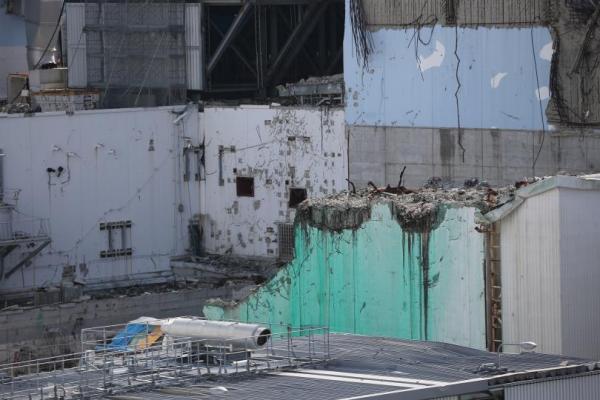 The damaged No. 3 reactor at Fukushima Daiichi plant in Japan is shown Feb. 25, 2016.
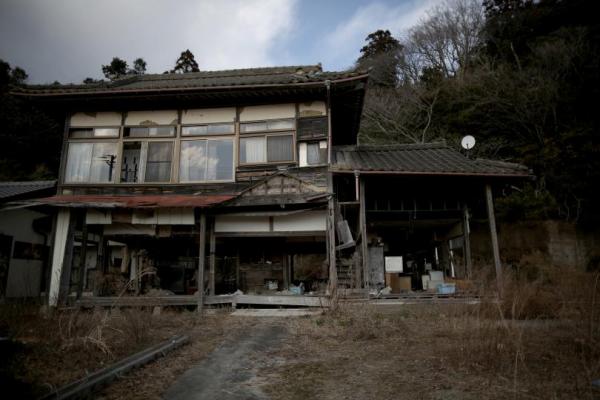 A deserted home is shown in Fukushima, Japan, Mar. 11, 2016.
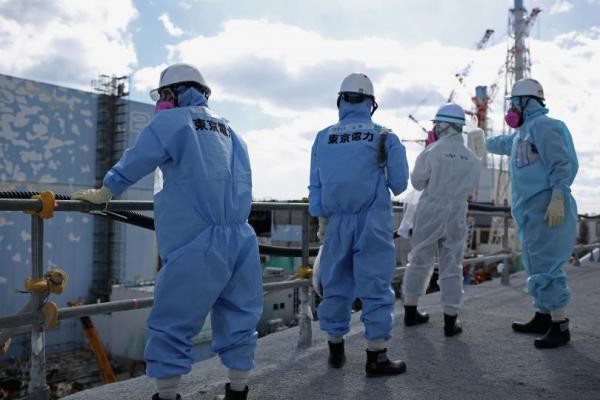 Workers stand near the deserted nuclear power plant in Fukushima, Japan, Feb. 25, 2016.
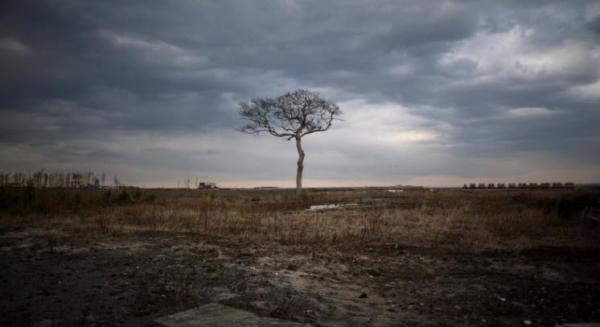 The barren landscape of Fukushima, Japan sits empty, Mar. 11, 2016.
Despite the ongoing decommissioning, increasingly high levels of radiation and wild boar problem, officials have begun welcoming some evacuated people back to their homes. It’s unclear how many residents will choose to return.
http://www.zerohedge.com/news/2017-06-05/fukushima-remains-nuclear-radiation-nightmare-pictures
June 7, 2017
Posted by dunrenard |
Fukushima 2017 | Fukushima, Fukushima Daiichi |
Leave a comment

NHK has learned that a town near the Fukushima Daiichi nuclear power plant is to receive compensation for a drop in the value of its land that was caused by the 2011 nuclear accident.
The plant’s operator, Tokyo Electric Power Company, will pay Namie Town 2.5 billion yen, or more than 22 million dollars.
This is the first time that the operator has agreed to compensate a municipality for assets that were affected by the accident.
In June of last year, Namie officials asked the company to pay about 104 million dollars in compensation for damage to 262 hectares of land owned by the town. Evacuation orders for parts of the town remained in effect for over 6 years.
The officials say they will negotiate with the power company over the remainder of the requested amount.
The Fukushima prefectural government says the town of Futaba has made a similar request and that other municipalities may follow suit.
Tokyo Electric is paying individuals and businesses compensation for damage to properties located in areas where evacuation orders were issued.
https://www3.nhk.or.jp/nhkworld/en/news/20170606_03/
June 7, 2017
Posted by dunrenard |
Fukushima 2017 | Fukushima, Namie, Tepco Compensation |
Leave a comment
7 new thyroid cancers in Fukushima but don’t worry: Hokuto Hoshi, head of the panel and vice chair of the prefectural medical association, called it “unlikely” that radiation was responsible for the increase.
 A boy undergoes a thyroid cancer test at a hospital. The Fukushima Prefectural Government said seven more residents who were aged 18 or under at the time of the 2011 nuclear disaster have been found to have thyroid cancer.
FUKUSHIMA – Seven more Fukushima Prefecture residents who were aged 18 or under at the time of the 2011 nuclear accident have been found to have thyroid cancer, the prefectural government said Monday.
The number of Fukushima residents suffering from thyroid cancer now totals 152, the prefectural government said in a meeting of an expert panel.
Hokuto Hoshi, head of the panel and vice chair of the prefectural medical association, called it “unlikely” that radiation was responsible for the increase.
The prefectural government has conducted three sets of thyroid checkups following the March 2011 triple meltdown at Tokyo Electric Power Company Holdings Inc.’s Fukushima No. 1 nuclear power plant. The checkups also covered people who evacuated to other prefectures.
The second round of checkups from 2014 confirmed five new sufferers, and a third round launched in May last year uncovered two more.
The panel decided to consider improving its counting method, as the cancer can be detected during regular medical examinations, not only the government checkups.
http://www.japantimes.co.jp/news/2017/06/06/national/seven-fukushima-residents-diagnosed-thyroid-cancer/#.WTaLVDQlFzA
June 6, 2017
Posted by dunrenard |
Fukushima 2017 | Fukushima, Thyroid Cancers |
Leave a comment
The Japanese government has lifted evacuation orders for zones it had designated as “areas to which evacuation orders are ready to be lifted” and “areas in which residents are not permitted to live” as a result of the Tokyo Electric Power Company (TEPCO) Fukushima Daiichi nuclear accident. The orders were lifted in Iitate, Namie and the Yamakiya district of Kawamata on March 31 and in Tomioka on April 1. Evacuation orders for “areas where it is expected that residents will face difficulties in returning for a long time” (or, more briefly, “difficult-to-return zones”) remain in place. The evacuation orders originally affected a total of 12 municipalities, but had been lifted for six of those as of last year. The latest rescission of orders has brought the ratio of refugees allowed to return to their homes to about 70%, with the area still under evacuation orders reduced to about 30% of its original size. TEPCO intends to cut off compensation to these refugees, with a target date of March 2018, roughly a year after the evacuation orders were lifted. Additionally, the provision of free housing to “voluntary evacuees,” who evacuated from areas not under evacuation orders, was discontinued at the end of March 2017.
Lifting of Orders Affects 32,000 People
The number of people forced to abandon their homes due to the Fukushima nuclear accident reached a peak of 164,865 people in May 2012, when they had no choice but to evacuate. Now, even six years later, 79,446 evacuees (as of February 2017) continue to lead difficult lives as refugees.
In the six municipalities for which the evacuation orders were lifted last year, the repatriation of residents has not proceeded well. Repatriation ratios compared to the pre-disaster population have been about 50 to 60% for Hirono and Tamura, about 20% for Kawauchi, and not even 10% for Naraha, Katsurao and the Odaka district of Minamisoma, where radiation doses were high (see Table 1).

The number of evacuees affected by the current lifting of evacuation orders for the four municipalities is 32,169. The ratio of positive responses to a residents’ opinion survey conducted by the Reconstruction Agency from last year to this year saying they would like to be repatriated was rather low, with about 30 to 40% for Iitate and Kawamata, and less than 20% for Namie and Tomioka. During the long course of their evacuation, spanning six years, many of the residents had already built foundations for their lives in the places to which they had evacuated.
House and Building Demolition Proceeding (Namie)
A total of 15,356 evacuees (as of the end of 2016) are affected by the rescission of evacuation orders for Namie, amounting to about 80% of the town’s residents. Results of an opinion survey published by the Reconstruction Agency in November showed 17.5% of the residents saying they wanted to return to Namie. Most replied that they did not want to return or that they could not return yet.
A temporary shopping center named “Machi Nami Marushe” has been newly opened next to the main Namie Town Office building, where the evacuation orders have been lifted. The rail service on the Joban Line to JR Namie Station was restored when the orders were lifted. In the area around Namie Station and the shopping center in front of it, houses and buildings are being demolished and decontamination and road repair work are proceeding at a high pitch.
Meanwhile, Namie’s residents say their houses have been made uninhabitable by damage from various wild animals, including boars, raccoon dogs, palm civets, raccoons, martens and monkeys. Many houses have been ruined, necessitating their demolition.
‘Forward Base’ for Reactor Decommissioning (Tomioka)
A total of 9,601 evacuees (as of January 1, 2017) are affected by the rescission of evacuation orders for Tomioka, about 70% of the town’s residents. Results of a residents’ opinion survey show no more than 16% of them wishing to return to the town.
Last November, a commercial zone called “Sakura Mall Tomioka” was established along National Route 6. A supermarket and drug store opened for business there at the end of March. Nearby is the “Energy Hall”—TEPCO’s nuclear power PR facilities. Right next door to that, housing is being built for reconstruction workers, consisting of 50 detached houses and 140 apartment complex units. There are plans to relocate JR Tomioka Station to a position near these.
The town will play a role as a “forward base for reactor decommissioning.” The Japan Atomic Energy Agency (JAEA) is promoting the construction of an international research center for the International Research Institute for Nuclear Decommissioning (IRID), scheduled for completion by the end of March. It will carry out research on human resource development and methods for the disposal of radioactive wastes. These facilities are not meant for returning residents. Instead, they are being promoted as part of plans for a new “workers’ town” and will have decontamination and decommissioning workers move in as new residents along with decommissioning researchers.
On the other hand, the “difficult-to-return zones” of about 8 km2, including the Yonomori district, famous for its cherry tree tunnel that used to be lit up at night, will remain under evacuation orders. At a residents’ briefing, people expressed worries about matters like having to see the barricades to those zones on a daily basis.
Non-repatriating Residents Cut Off (Iitate)
The village of Iitate, located about 40 km northwest of the Fukushima Daiichi Nuclear Power Station, is making a massive decontamination effort across its entire area, including agricultural fields, to prepare for repatriation of its residents. About 2.35 million large flexible container bags into which contaminated waste is stuffed are stacked in temporary storage areas, accounting for about 30% of the total 7.53 million bags overall in the special decontamination area (for decontamination directly implemented by the national government). Prior to rescission of the evacuation orders, Iitate Mayor Norio Kanno made the controversial remark, “We will honor support from residents who repatriate to the village.” This brought an angry response from the residents, declaring that they were adamantly opposed to an attitude of treating those not returning as non-residents. The village’s position on repatriation is that it should be up to the judgement of the villagers themselves.
Three Requirements for Lifting Evacuation Orders
On December 26, 2011, Japan’s government determined three conditions needed to be fulfilled before evacuation orders could be lifted. These were (1) certainty that the accumulative annual dose at the estimated air dose rate would be 20 mSv or less, (2) that infrastructure and everyday services had been restored and decontamination work had proceeded sufficiently, especially in environments where children would be active, and (3) that there had been sufficient consultation with the prefecture, municipalities and residents. In May 2015, the government decided on a target of March 2017 for lifting the evacuation orders for all but the “difficult-to-return zones.” They proceeded with the decontamination work and provision of infrastructure for the residents’ return, but gaining consent was a hopeless cause.
Requirement 1: Coerced Exposure The annual 20 mSv standard the government established is puzzling. The ICRP’s recommendations and laws such as Japan’s Nuclear Reactor Regulation Law stipulate a public radiation exposure limit of 1 mSv a year. The government is repatriating the residents even at radiation doses exceeding this, and of most concern is how this will affect their health. The residents argue, “We cannot return to places with such a high risk of exposure.”
Trial calculations of the radiation doses received by individuals staying in Namie and Tomioka to conduct preparatory work were published prior to the rescission of evacuation orders for those towns, showing annual doses of 1.54 mSv for Namie and 1.52 mSv for Tomioka. These are below the government’s standard of 20 mSv a year (3.8 μSv per hour)* for lifting evacuation orders, but both exceed the annual limit for public exposure. They are not conditions ensuring “safety and security” as the government says.
At the residents’ briefings, the government explained that its basis for lifting the orders was that decontamination had been completed. However, even if the annual radiation dose has not fallen below 1mSv (the government’s decontamination standard, equivalent to an hourly dose of 0.23 μSv) after decontamination, they will press ahead with lifting the evacuation orders anyway. This drew strong reactions from the residents who said, “Are you making us return just because of the decontamination?” and “Are you forcing us to be exposed?”
Requirement 2: Shopping Close By
Prior to the earthquake and tsunami disaster, the Odaka district of Minamisoma, where the evacuation orders were lifted last July, had six supermarkets, two home centers, six fish shops and three drugstores. All of those, however, were lost in the disaster. At last, after the evacuation orders were lifted, two convenience stores opened, but they are far from the residential area near JR Odaka Station, and cannot be reached on foot. A clinic reopened, but since there is no pharmacy, there is no way for patients to buy prescribed medicines. Repatriated residents have to travel for about 20 minutes by car to the adjacent Haramachi district about 10 kilometers away to supplement their shopping and other necessities. Residents without cars, such as the elderly, have difficulty living there. They say, “Nobody wants to reopen the stores because it is obvious that they’ll run at a loss.” A vicious cycle continues, with stores unable to open because the residents who would be their customers are not returning.
Requirement 3: Spurn Residents’ Wishes Almost none of the residents attending the residents’ briefings have been in favor of lifting the evacuation orders. Nine or more out of 10 have expressed opposition. They are always given the same canned explanation, with the national and municipal governments brazenly and unilaterally insisting on lifting the orders.
“It is too soon to lift the evacuation orders,” complained one resident at Namie’s residents’ briefing on February 7. The 74-year-old woman living as an evacuee in Tokyo had been getting by on 100,000 yen a month in pension payments and compensation for mental anguish and was living in a single-bedroom public apartment (UR Housing) in Tokyo that qualifies as post-disaster public-funded rental accommodation. Her compensation will be cut off, and if she chooses to continue living in the housing where she currently resides, the rent is expected to exceed 100,000 yen. She considers how many years she could continue paying and doesn’t know what she would do if she became unable to pay. Such constant thoughts increase her anxiety. The minute the evacuation orders are lifted, she too will be rendered a “voluntary evacuee.”
The woman said, “Even if they tell me to go back to Namie because it is safe, I will not return.” They have finished decontaminating her house, but high levels of radiation remain, measuring 0.4 μSv per hour in her garden and 0.6 μSv per hour in her living room. With regard to this, Namie Mayor Tamotsu Baba keeps repeating the same response that “the environment is in good order for people to come back and live in our town.”
A multitude of residents expressed a litany of angry opinions, such as, “If the government says it is safe, they ought to send some of their officials to live here first,” “Say we come back, but if we are going to live next to where dangerous decommissioning work is going on, are they still going to cut off our compensation?” and “The government and town officials say they are striving for the safety and security of the residents, but we can’t trust them at all.” Following this briefing, though, on February 27, the town of Namie accepted the national government’s policy of lifting the evacuation orders, formally deciding on the end of March as the date for rescission. They pooh-poohed the views of many of the town’s residents opposed to lifting of the orders.
Conclusion In a Cabinet Decision on December 20, 2016, the Japanese government adopted a “Policy for Accelerating Fukushima’s Reconstruction.” This policy promotes the preparation of “reconstruction bases” in parts of the “difficult-to-return zones” and the use of government funds for decontamination toward a target of lifting the evacuation orders for these areas in five years and urging repatriation. “Difficult-to-return zones” span the seven municipalities of Futaba, Okuma, Tomioka, Namie, Iitate, Katsurao and Minamisoma. By area, they account for 62% of Okuma and 96% of Futaba. The affected population numbers about 24,000 people.
The government’s repatriation policy, however, is resulting in bankruptcies. Rather than repatriation, they should be promoting a “policy of evacuation” in consideration of current conditions. Policies should be immediately implemented to provide economic, social and health support to the evacuees, enabling them to live healthy, civilized lives, regardless of whether they choose to repatriate or continue their evacuation.
Ryohei Kataoka, CNIC
* This calculation is based on a government approved formula which assumes that people will be exposed to 3.8 μSv per hour only for 8 hours per day when they are outside the house. It is assumed that they will be indoors for 16 hours per day and the screening effect will reduce the exposure rate to 1.52 μSv per hour. On a yearly basis, this calculates to slightly less than 20 mSv per year.
http://www.cnic.jp/english/?p=3855
June 4, 2017
Posted by dunrenard |
Fukushima 2017 | Evacuation Orders Lifted, Evacuation Zones, Fukushima, Iitate, Kawamata, Namie, Tomioka |
Leave a comment

The other day I read a headline at The Asahi Shimbun that made me pause and read the entire article carefully.
Please note that the headline states that the Director General of the UN FAO is “convinced” that Fukushima food is safe to eat.
However, if you read his actual words, as quoted in the article, you will see that he is not in fact arguing that Fukushima food is safe to eat.
Rather, what he is saying is at this “moment” the agency sees “no immediate problem”:
Yukie Yamao. (2017). U.N. food agency ‘convinced’ that Fukushima food is safe to eat. The Asahi Shimbun http://www.asahi.com/ajw/articles/AJ201705080043.html
ROME–Food produced in Fukushima Prefecture is safe, but continued monitoring will be needed to ensure that remains the case, according to the U.N. Food and Agricultural Organization’s top official.
“We’ve been following this issue very closely,” said FAO Director-General Jose Graziano da Silva in a recent interview with The Asahi Shimbun, referring to the safety of agricultural products and other food items grown and manufactured in the prefecture.
“We are also periodically testing samples to certify that the food presents no danger to human beings. For the moment we are convinced that there is no immediate problem with the food coming from that area.”
He added that maintaining control over the situation is crucial.
Whenever I read “no immediate” risk, I know that there are very likely to be long-term risks.
Long-term risks derive from chronic exposure to elevated gamma, beta and alpha radiation from sources internal and external to human bodies.
Concentration of radioactive isotopes – such as cesium-137, iodine-131, and strontium-90 – in food is a well-established problem and poses risk for internal contamination and bio-accumulation in biological bodies.
Japan has historically had strict standards for radionuclides in food compared to the US, but even low-levels of isotopes in food can create problems over time. For example, strontium-90 ends up in bone and teeth. Most isotopes are chemically toxic in addition to being radioactive.
Monkeys living in Fukushima have been found to have bio-accumulated radio-cesium:
Bahar Gholipour Fukushima monkeys show signs of radiation exposure Livescience.com July 24, 2014, http://www.cbsnews.com/news/fukushima-monkeys-blood-shows-signs-of-radiation-exposure/
The results showed Fukushima monkeys had lower counts of red and white blood cells, and other blood parts compared with 31 monkeys from Shimokita Penisula in northern Japan. The researchers also found radioactive cesium in the muscles of Fukushima monkeys, ranging from 78 to 1778 becquerels (units of radioactivity representing decay per second) per kilogram, but they didn’t find any in Shimokita monkeys. [7 Craziest Ways Japan’s Earthquake Affected Earth] Exposure to radioactive materials may have contributed to the blood changes seen in Fukushima monkeys, study researchers Shin-ichi Hayama and colleagues wrote in their study, published today in the journal Scientific Reports. Low blood cell counts could be a sign of a compromised immune system and could potentially make the monkeys vulnerable to infectious diseases, the researchers said.
Here is the relevant academic publication and an excerpt from the abstract, that describes cesium concentrations:
Kazuhiko Ochiai , Shin-ichi Hayama , Sachie Nakiri et al “Low blood cell counts in wild Japanese monkeys after the Fukushima Daiichi nuclear disaster,”Scientific Reports 4, Article number: 5793 (2014) doi:10.1038/srep05793, http://www.nature.com/articles/srep05793
[excerpted] Total muscle cesium concentration in Fukushima monkeys was in the range of 78–1778 Bq/kg, whereas the level of cesium was below the detection limit in all Shimokita monkeys. Compared with Shimokita monkeys, Fukushima monkeys had significantly low white and red blood cell counts, hemoglobin, and hematocrit, and the white blood cell count in immature monkeys showed a significant negative correlation with muscle cesium concentration. These results suggest that the exposure to some form of radioactive material contributed to hematological changes in Fukushima monkeys.
The study in Scientific Reports detected cesium levels ranging from 78-1778 Bq/kg in monkey muscle. What are the implications for monkeys bio-accumulating cesium in their muscles? My guess is that what happens to monkeys is likely to follow what happens to people.
In a 2003 video titled Nuclear Controversies by Vladimir Tchertkoff,Professor Yury Bandazhevsky (former director of the Medical Institute in Gomel), states that based on his research on children exposed to radiocesium from Chernobyl, ‘Over 50 Bq/kg of body weight lead to irreversible lesions in vital organs.’
In a short summary of his work published in 2003, Bandazhevsky described high levels of Cesium-137 bioaccumulation in Chernobyl children’s heart and endocrine glands, particularly the thyroid gland, the adrenals, and the pancreas. He also found high levels in the thymus and the spleen. He found higher levels of bio-accumulation in children than adults. This research demonstrates how radiocesium bioacccumulates within organs and establishes the vulnerability of young people to that process.
Is Fukushima food safe? Based on the monkey research and comments made by the head of the FAO, my conclusion is that Fukushima momentarily poses no immediate risks but long-term consumption could lead to bioaccumulation of radionuclildes, a situation which probably is not, at all, limited to Japan, and poses excess risks for disease and disability.
http://majiasblog.blogspot.fr/2017/06/fukushima-food-presents-no-immediate.html
June 4, 2017
Posted by dunrenard |
Fukushima 2017 | Contaminated Food, Fukushima, radiation, United Nations |
1 Comment

More than 80 percent of households voluntarily evacuating from Fukushima Prefecture after the nuclear accident at Tokyo Electric Power Company Holdings Inc.’s Fukushima No. 1 nuclear power plant apparently have not returned to the prefecture even after the prefectural government stopped providing free housing, according to a survey by the Fukushima prefectural government.
More than six years have passed since the nuclear accident occurred. Many households have started new lives in the locations they evacuated to outside of the prefecture, finding jobs and seeing their children advancing to higher education. More and more voluntary evacuees have settled down in their new homes.
The survey was conducted on 12,239 households who voluntarily evacuated from areas outside the evacuation zone, including households in a part of eastern areas of the village of Kawauchi and other places where evacuation orders were lifted by June 2015, when the Fukushima prefectural government announced a plan to stop providing free housing.
Before the termination at the end of March this year, prefectural government officials visited individual households concerned to learn their intentions regarding where they would live from April. The prefectural government compiled the survey based on the results obtained from 8,744 households whose intentions the prefectural government could learn.
Of them, 4,781 households evacuated to areas outside Fukushima Prefecture, and 3,736 of those said they would continue to live in the prefectures where they had evacuated to.
Furthermore, 169 households said they would move to other prefectures from their current evacuation destinations. A total of 81.7 percent of those living outside Fukushima Prefecture said they would continue to do so.
The prefecture failed to learn the intentions of about 3,500 households. An official at the prefectural government said, “There might be more voluntary evacuees who will not return to Fukushima Prefecture.”
Of the 3,963 households who evacuated to other municipalities within the prefecture, 2,639 households, or 66.6 percent, said they would return to the municipalities where their homes are located.
http://the-japan-news.com/news/article/0003667462
June 2, 2017
Posted by dunrenard |
Fukushima 2017 | Evacuees Return, Fukushima |
Leave a comment
 USAF bombing of hiroshima-nagasaki fall 1945, color enhanced.
“I have also received first-hand reports of newspapers delaying or cancelling the publication of articles, or demoting or transferring reporters after writing articles critical of the government. Several journalists told me that media outlets avoid covering topics that may lead to criticism by the government, such as the Fukushima disaster and historical issues such as “comfort women”. A reporter was demoted and salary reduced after writing an article regarding the Fukushima plant manager’s testimony.” Excerpted from: “Preliminary observations by the United Nations Special Rapporteur on the right to freedom of opinion and expression, Mr. David Kaye at the end of his visit to Japan (12-19 April 2016)” Emphasis our own. See more at: http://www.ohchr.org/EN/NewsEvents/Pages/DisplayNews.aspx?NewsID=19842&LangID=E
Clamp-down on media by (authoritarian) regimes can actually backfire because people cannot know what is going on, which could lead to even more panic than the facts, which are already very dire for Fukushima. Whether or not the reactors literally fall into the ocean, as recently reported by some, long-lived radioactive materials apparently continue to be discharged into the air, groundwater and ocean. Even fairly short-lived tritium, half-life 12 years, will make the ocean water literally radioactive (tritiated water) for around 200 years. (An explanation of the dangerous lie about potassium is found at the bottom of our blog post.)
“Groundwater runs down from the highland and seeps into the damaged reactor buildings, where it becomes tainted with radioactive material before flowing out into the ocean.” (AsiaNikkei .com: https://nuclear-news.net/2016/09/29/fukushima-ice-wall-failing-to-deliver-on-promise )
Fukushima geology: http://www-naweb.iaea.org/napc/ih/documents/FDNPP%20presentations/05Marui.pdf
News Release: “Japan: UN rights expert warns of serious threats to the independence of the press TOKYO / GENEVA (19 April 2016) – The United Nations Special Rapporteur on the right to freedom of opinion and expression, David Kaye, on Tuesday called upon the Japanese Government to take urgent steps to protect the independence of the media and promote the public’s right of access to information.
“Japan has well-earned pride in a Constitution that expressly protects the freedom of the press. Yet the independence of the press is facing serious threats,” said Kaye after a week-long visit to the country.
“Weak legal protection, the newly adopted Specially Designated Secrets Act, and persistent Government pressure for ‘neutrality’ and ‘fairness’ appear to be producing high levels of self-censorship,” Kaye said. “Such pressure has its intended effect because the media itself depends upon the exclusivity of the press club system and lacks a broad professional union that could advocate for basic principles of independence.”
“Numerous journalists, many agreeing to meet with me only on condition of anonymity to protect their livelihoods, highlighted the pressure to avoid sensitive areas of public interest. Many claimed to have been sidelined or silenced following indirect pressure from leading politicians. A country with such strong democratic foundations should resist and protect against such interference.”
According to Mr. Kaye, the Broadcast Act, adopted in 1950 to give the Government direct authority to regulate the broadcast media, confuses the professional obligations of journalists, in Article 4, with the Government’s power to suspend broadcasting licenses. “The Government should repeal Article 4 and get itself out of the media-regulation business,” he said.
Mr. Kaye noted that, in this environment, the Specially Designated Secrets Act, still in its early stages of implementation, is likely to have a chilling effect on the media’s coverage of matters of serious public concern. The weakness of whistleblower protection, for example, could lead to information sources drying up, while journalists themselves may fear punishment for their work to gain access to information. Such fears may have particular impact on areas of major contemporary public interest in Japan, such as the future of the nuclear power industry, disaster response, and the national security policies adopted by the Government.
According to the Special Rapporteur, Government pressure also undermines debate on issues of crucial importance, such as the use of “comfort women” during the Second World War. While noting that international human rights mechanisms have repeatedly urged Japan to address the issue, Mr. Kaye voiced his frustration about the attempts to limit debate over the country’s past.
“References to ‘comfort women’ are being edited out of textbooks in junior high schools, where Japanese history is compulsory,” Kaye found. “Government interference with how textbooks treat the reality of the crimes committed during the Second World War undermines the public’s right to know and its ability to grapple with and understand its past.”
Mr. Kaye visited the Diet, where he met the Committee on Judicial Affairs and expressed his interest in ongoing discussions on hate speech and surveillance legislation. “Japan must adopt a broadly applicable anti-discrimination law,” he said. “The first answer to hate speech is to have a law that prohibits acts of discrimination. Once that is in place, broad Government action against hateful expression — such as educational and public statements against hatred — can have a real impact on the fight against discrimination.”
“I want to emphasize as well how important a model Japan presents in the area of freedom on the Internet,” Kaye added. “The very low level of Government interference with digital freedoms illustrates the Government’s commitment to freedom of expression. As the Government considers legislation related to wiretaps and new approaches to cybersecurity, I hope that this spirit of freedom, communication security and innovation online is kept at the forefront of regulatory efforts.”
David Kaye visited Japan at the invitation of the Government and met with various national authorities. He also held discussions with non-governmental organizations, journalists, private media associations and lawyers. The Special Rapporteur will prepare a report to be presented in 2017 at the Human Rights Council on the main findings of his visit.
(*) Check the Special Rapporteur’s full end-of-mission statement: http://www.ohchr.org/EN/NewsEvents/Pages/DisplayNews.aspx?NewsID=19842&LangID=E
ENDS
David Kaye (USA) was appointed as Special Rapporteur on the promotion and protection of the right to freedom of opinion and expression in August 2014 by the United Nations Human Rights Council. Learn more, log on to: http://www.ohchr.org/EN/Issues/FreedomOpinion/Pages/OpinionIndex.aspx
The Special Rapporteurs are part of what is known as the Special Procedures of the Human Rights Council. Special Procedures, the largest body of independent experts in the UN Human Rights system, is the general name of the Council’s independent fact-finding and monitoring mechanisms. Special Procedures mandate-holders are independent human rights experts appointed by the Human Rights Council to address either specific country situations or thematic issues in all parts of the world. They are not UN staff and are independent from any government or organization. They serve in their individual capacity and do not receive a salary for their work.
Check the International Covenant on Civil and Political Rights:
http://www.ohchr.org/EN/ProfessionalInterest/Pages/CCPR.aspx ”
Original News Release here: http://www.ohchr.org/en/NewsEvents/Pages/DisplayNews.aspx?NewsID=19843&LangID=E ( Emphasis our own).
Oak Ridge (National Nuclear Lab) Associated universities (ORAU) make clear the deception by Ken Buessler, Jay Cullen, and others, regarding potassium. Oak Ridge Associated Universities (ORAU) state: “The human body maintains relatively tight homeostatic control over potassium levels. This means that the consumption of foods containing large amounts of potassium will not increase the body’s potassium content. As such, eating foods like bananas does not increase your annual radiation dose. If someone ingested potassium that had been enriched in K-40, that would be another story.“
http://www.orau.org/ptp/collection/consumer%20products/potassiumgeneralinfo.htm
“General Information About K-40, Paul Frame, Oak Ridge Associated Universities” Radioactive K40 makes up only 0.012% (120 ppm) of the total amount of potassium found in nature. http://en.wikipedia.org/wiki/Potassium-40 On the other hand, radioactive cesium can be taken up in potassium’s stead. Cesium acts as both a chemical and radiological poison. The banana and potato industry need to take Buesseler, Cullen, et. al. to court for trying to scare people away from life-giving bananas and potatoes. Bananas and organic (bio) potatoes are protective. They must have lost a lot of money from this con-game of trying to scare people away from bananas, in an apparent attempt to make man-made radioactive pollution of the earth look ok.
The Irish government seconds Oak Ridge Universities: “Potassium-40, a naturally occurring radionuclide, is present in relatively large activity concentrations in the marine environment. However it is controlled by homeostatic processes in the human body [Eisenbud and Gessell, 1997] and its equilibrium activity concentration in the body is normally independent of the amount consumed. Therefore, while the activity concentrations of this radionuclide in seafood are considerably higher than many other natural radionuclides, its presence does not result in an increased radiological hazard” https://www.rpii.ie/RPII/files/7d/7dd84765-857b-4c45-9fab-8542a428a3e4.pdf
Beware Fukushima and other Japanese food, as the non-Japanese standards are much weaker than the Japanese ones, meaning that Japan will likely export its radioactive produce.
UN Rapporteur Received Reports that Japan Media Avoids Covering Ongoing Fukushima Nuclear Disaster; Reporter Demoted-Salary Reduced for Writing About Fukushima

May 29, 2017
Posted by dunrenard |
Fukushima 2017 | Censorship, Fukushima, Japanese Media |
1 Comment
Six years after the nuclear disaster, Japan is pushing villagers back to the homes they left

FROM his desk, the mayor of Iitate, Norio Kanno, can see the beloved patchwork of forests, hills and rice paddies that he has governed for over two decades. A book in the lobby of his office calls it one of Japan’s most beautiful places, a centre of organic farming. The reality outside mocks that description. The fields are mostly bald, shorn of vegetation in a Herculean attempt to remove the radioactive fallout that settled six years ago. There is not a cow or farmer in sight. Tractors sit idle in the fields. The local schools are empty.
Iitate, a cluster of hamlets spread over 230 square kilometres, was hit by a quirk of the weather. After the accident at the Fukushima Dai-ichi nuclear power plant, 45km (28 miles) away, which suffered meltdowns after a tsunami in 2011, wind carried radioactive particles that fell in rain and snow on a single night. Belatedly, the government ordered the evacuation of the 6,000 villagers. Now it says it is safe to return. With great fanfare, all but the still heavily contaminated south of Iitate—the hamlet of Nagadoro—was reopened on March 31st (see map).

The only part of the village that looks busy, however, is the home for the elderly. Locals say a few hundred people, at most, have returned, predominantly the retired. Mr Kanno will not reveal how many “because it gives the impression that we are forcing people to live here, which we don’t intend to do.” Yet many evacuees now face a stark choice: return to Iitate, or lose part of the compensation that has helped sustain them elsewhere.
Last month this dilemma was expressed with unusual clarity by Masahiro Imamura, the minister in charge of reconstruction from the disaster. Pressed by a reporter, Mr Imamura said it was the evacuees’ “own responsibility, their own choice” whether or not to return. The comment touched a nerve. “It’s economic blackmail,” says Nobuyoshi Ito, a local farmer. Mr Imamura has since resigned.
Nobody wants Fukushima mentioned in the same breath as Chernobyl. Almost three decades after the world’s worst nuclear accident, life there is still frozen in time, a snapshot of the mid-1980s Soviet Union, complete with posters of Lenin on school walls. By contrast, about ¥200m ($1.8m) per household has been spent decontaminating Iitate, helping to reduce radiation in many areas to well under 20 millisievert per year (the typical limit for nuclear-industry workers). But the clean-up extends to only 20 metres around each house, and most of the village is forested mountains. In windy weather, radioactive caesium is blown back onto the fields and homes.
Nevertheless, Mr Kanno says it is time to cut monthly compensation payments which, in his view, encourage dependence. In 2012 Iitate’s became the first local authority in Fukushima prefecture to set a date for ending evacuation. The mayor pledged that year to revive the village in five years, a promise he has kept. A new sports ground, convenience store and noodle restaurant have opened. A clinic operates twice a week.
All that is missing is people. Less than 30% of Iitate’s former residents want to return. (In Nagadoro, over half said they would never go back.) Many have used earlier lump-sum payments to build lives elsewhere. Before the disaster struck, the village had already lost a third of its population since 1970 as young folk moved to the cities—a process that has hollowed out many a furusato, or home town.
Families left behind quarrel about whether to leave or stay, says Yoshitomo Shigihara, a villager. “Some try to feel out whether others are receiving benefits, what they are getting or how much they have received in compensation. It’s very stressful to talk to anyone in Iitate.” Some wanted to move the entire village to one of the country’s many depopulated areas but Mr Kanno would not hear of it. In trying to save the village, says Mr Ito, the mayor may be destroying it for good.
http://www.economist.com/news/asia/21722671-six-years-after-nuclear-disaster-japan-pushing-villagers-back-homes-they-left?journey=d
May 29, 2017
Posted by dunrenard |
Fukushima 2017 | Evacuees Return, Fukushima, Repopulate |
Leave a comment

With specific information on Tritium, Strontium 90, Cesium 137, radioactive Iodine 131, and Plutonium.
By Helen Caldicott, Volume 4, Issue 2 2014, Australian Medical Student Journal
…Fukushima is now described as the greatest industrial accident in history.
The Japanese government was so concerned that they were considering plans to evacuate 35 million people from Tokyo, as other reactors including Fukushima Daiini on the east coast were also at risk. Thousands of people fleeing from the smoldering reactors were not notified where the radioactive plumes were travelling, despite the fact that there was a system in place to track the plumes. As a result, people fled directly into regions with the highest radiation concentrations, where they were exposed to high levels of whole-body external gamma radiation being emitted by the radioactive elements, inhaling radioactive air and swallowing radioactive elements. [2] Unfortunately, inert potassium iodide was not supplied, which would have blocked the uptake of radioactive iodine by their thyroid glands, except in the town of Miharu. Prophylactic iodine was eventually distributed to the staff of Fukushima Medical University in the days after the accident, after extremely high levels of radioactive iodine – 1.9 million becquerels/kg were found in leafy vegetables near the University. [3] Iodine contamination was widespread in leafy vegetables and milk, whilst other isotopic contamination from substances such as caesium is widespread in vegetables, fruit, meat, milk, rice and tea in many areas of Japan. [4]
The Fukushima meltdown disaster is not over and will never end. The radioactive fallout which remains toxic for hundreds to thousands of years covers large swathes of Japan and will never be “cleaned up.” It will contaminate food, humans and animals virtually forever. I predict that the three reactors which experienced total meltdowns will never be dissembled or decommissioned. TEPCO (Tokyo Electric Power Company) – says it will take at least 30 to 40 years and the International Atomic Energy Agency predicts at least 40 years before they can make any progress because of the extremely high levels of radiation at these damaged reactors.
This accident is enormous in its medical implications. It will induce an epidemic of cancer as people inhale the radioactive elements, eat radioactive food and drink radioactive beverages. In 1986, a single meltdown and explosion at Chernobyl covered 40% of the European land mass with radioactive elements. Already, according to a 2009 report published by the New York Academy of Sciences, over one million people have already perished as a direct result of this catastrophe. This is just the tip of the iceberg, because large parts of Europe and the food grown there will remain radioactive for hundreds of years. [5]
Medical Implications of Radiation
Fact number one
No dose of radiation is safe. Each dose received by the body is cumulative and adds to the risk of developing malignancy or genetic disease.
Fact number two
Children are ten to twenty times more vulnerable to the carcinogenic effects of radiation than adults. Females tend to be more sensitive compared to males, whilst foetuses and immuno-compromised patients are also extremely sensitive.
Fact number three
High doses of radiation received from a nuclear meltdown or from a nuclear weapon explosion can cause acute radiation sickness, with alopecia, severe nausea, diarrhea and thrombocytopenia. Reports of such illnesses, particularly in children, appeared within the first few months after the Fukushima accident.
Fact number four
Ionizing radiation from radioactive elements and radiation emitted from X-ray machines and CT scanners can be carcinogenic. The latent period of carcinogenesis for leukemia is 5-10 years and solid cancers 15-80 years. It has been shown that all modes of cancer can be induced by radiation, as well as over 6000 genetic diseases now described in the medical literature.
But, as we increase the level of background radiation in our environment from medical procedures, X-ray scanning machines at airports, or radioactive materials continually escaping from nuclear reactors and nuclear waste dumps, we will inevitably increase the incidence of cancer as well as the incidence of genetic disease in future generations.
Types of ionizing radiation
- X-rays are electromagnetic, and cause mutations the instant they pass through the body.
- Similarly, gamma radiation is also electromagnetic, being emitted by radioactive materials generated in nuclear reactors and from some naturally occurring radioactive elements in the soil.
- Alpha radiation is particulate and is composed of two protons and two neutrons emitted from uranium atoms and other dangerous elements generated in reactors (such as plutonium, americium, curium, einsteinium, etc – all which are known as alpha emitters and have an atomic weight greater than uranium). Alpha particles travel a very short distance in the human body. They cannot penetrate the layers of dead skin in the epidermis to damage living skin cells. But when these radioactive elements enter the lung, liver, bone or other organs, they transfer a large dose of radiation over a long period of time to a very small volume of cells. Most of these cells are killed; however, some on the edge of the radiation field remain viable to be mutated, and cancer may later develop. Alpha emitters are among the most carcinogenic materials known.
- Beta radiation, like alpha radiation, is also particulate. It is a charged electron emitted from radioactive elements such as strontium 90, cesium 137 and iodine 131. The beta particle is light in mass, travels further than an alpha particle and is also mutagenic.
- Neutron radiation is released during the fission process in a reactor or a bomb. Reactor 1 at Fukushima has been periodically emitting neutron radiation as sections of the molten core become intermittently critical. Neutrons are large radioactive particles that travel many kilometers, and they pass through everything including concrete and steel. There is no way to hide from them and they are extremely mutagenic.
So, let’s describe just five of the radioactive elements that are continually being released into the air and water at Fukushima. Remember, though, there are over 200 such elements each with its own half-life, biological characteristic and pathway in the food chain and the human body. Most have never had their biological pathways examined. They are invisible, tasteless and odourless. When the cancer manifests it is impossible to determine its aetiology, but there is a large body of literature proving that radiation causes cancer, including the data from Hiroshima and Nagasaki.
- Tritium is radioactive hydrogen H3 and there is no way to separate tritium from contaminated water as it combines with oxygen to form H3O. There is no material that can prevent the escape of tritium except gold, so all reactors continuously emit tritium into the air and cooling water as they operate. It concentrates in aquatic organisms, including algae, seaweed, crustaceans and fish, and also in terrestrial food. Like all radioactive elements, it is tasteless, odorless and invisible, and will therefore inevitably be ingested in food, including seafood, for many decades. It passes unhindered through the skin if a person is immersed in fog containing tritiated water near a reactor, and also enters the body via inhalation and ingestion. It causes brain tumors, birth deformities and cancers of many organs.
- Cesium 137 is a beta and gamma emitter with a half-life of 30 years. That means in 30 years only half of its radioactive energy has decayed, so it is detectable as a radioactive hazard for over 300 years. Cesium, like all radioactive elements, bio-concentrates at each level of the food chain. The human body stands atop the food chain. As an analogue of potassium, cesium becomes ubiquitous in all cells. It concentrates in the myocardium where it induces cardiac irregularities, and in the endocrine organs where it can cause diabetes, hypothyroidism and thyroid cancer. It can also induce brain cancer, rhabdomyosarcomas, ovarian or testicular cancer and genetic disease.
- Strontium 90 is a high-energy beta emitter with a half-life of 28 years. As a calcium analogue, it is a bone-seeker. It concentrates in the food chain, specifically milk (including breast milk), and is laid down in bones and teeth in the human body. It can lead to carcinomas of the bone and leukaemia.
- Radioactive iodine 131 is a beta and gamma emitter. It has a half-life of eight days and is hazardous for ten weeks. It bio-concentrates in the food chain, in vegetables and milk, then in the the human thyroid gland where it is a potent carcinogen, inducing thyroid disease and/or thyroid cancer. It is important to note that of 174,376 children under the age of 18 that have been examined by thyroid ultrasound in the Fukushima Prefecture, 12 have been definitively diagnosed with thyroid cancer and 15 more are suspected to have the disease. Almost 200,000 more children are yet to be examined. Of these 174,367 children, 43.2% have either thyroid cysts and/or nodules.In Chernobyl, thyroid cancers were not diagnosed until four years post-accident. This early presentation indicates that these Japanese children almost certainly received a high dose of radioactive iodine. High doses of other radioactive elements released during the meltdowns were received by the exposed population so the rate of cancer is almost certain to rise.
- Plutonium, one of the most deadly radioactive substances, is an alpha emitter. It is highly toxic, and one millionth of a gram will induce cancer if inhaled into the lung. As an iron analogue, it combines with transferrin. It causes liver cancer, bone cancer, leukemia, or multiple myeloma. It concentrates in the testicles and ovaries where it can induce testicular or ovarian cancer, or genetic diseases in future generations. It also crosses the placenta where it is teratogenic, like thalidomide. There are medical homes near Chernobyl full of grossly deformed children, the deformities of which have never before been seen in the history of medicine.The half-life of plutonium is 24,400 years, and thus it is radioactive for 250,000 years. It will induce cancers, congenital deformities, and genetic diseases for virtually the rest of time.Plutonium is also fuel for atomic bombs. Five kilos is fuel for a weapon which would vaporize a city. Each reactor makes 250 kg of plutonium a year. It is postulated that less than one kilo of plutonium, if adequately distributed, could induce lung cancer in every person on earth.
Conclusion
In summary, the radioactive contamination and fallout from nuclear power plant accidents will have medical ramifications that will never cease, because the food will continue to concentrate the radioactive elements for hundreds to thousands of years. This will induce epidemics of cancer, leukemia and genetic disease. Already we are seeing such pathology and abnormalities in birds and insects, and because they reproduce very fast it is possible to observe disease caused by radiation over many generations within a relatively short space of time.
Pioneering research conducted by Dr Tim Mousseau, an evolutionary biologist, has demonstrated high rates of tumors, cataracts, genetic mutations, sterility and reduced brain size amongst birds in the exclusion zones of both Chernobyl and Fukushima. What happens to animals will happen to human beings. [7]
The Japanese government is desperately trying to “clean up” radioactive contamination. But in reality all that can be done is collect it, place it in containers and transfer it to another location. It cannot be made neutral and it cannot be prevented from spreading in the future. Some contractors have allowed their workers to empty radioactive debris, soil and leaves into streams and other illegal places. The main question becomes: Where can they place the contaminated material to be stored safely away from the environment for thousands of years? There is no safe place in Japan for this to happen, let alone to store thousands of tons of high level radioactive waste which rests precariously at the 54 Japanese nuclear reactors.
Last but not least, Australian uranium fuelled the Fukushima reactors. Australia exports uranium for use in nuclear power plants to 12 countries, including the US, Japan, France, Britain, Finland, Sweden, South Korea, China, Belgium, Spain, Canada and Taiwan. 270,000 metric tons of deadly radioactive waste exists in the world today, with 12,000 metric tons being added yearly. (Each reactor manufactures 30 tons per year and there are over 400 reactors globally.)
This high-level waste must be isolated from the environment for one million years – but no container lasts longer than 100 years. The isotopes will inevitably leak, contaminating the food chain, inducing epidemics of cancer, leukemia, congenital deformities and genetic diseases for the rest of time.
This, then, is the legacy we leave to future generations so that we can turn on our lights and computers or make nuclear weapons. It was Einstein who said “the splitting of the atom changed everything save mans’ mode of thinking, thus we drift towards unparalleled catastrophe.”
The question now is: Have we, the human species, the ability to mature psychologically in time to avert these catastrophes, or, is it in fact, too late?
Disclaimer: The views, opinions and perspectives presented in this article are those of the author alone and does not reflect the views of the Australian Medical Student Journal. The accuracy, completeness and validity of any statements made within this article are not guaranteed. We accept no liability for any errors or omissions.
References
[1] Caldicott H. Helen Caldicott Foundation’s Fukushima Symposium. 2013; Available from: http://www.helencaldicott.com/2012/12/helen-caldicott-foundations-fukushima-symposium/.
[2] Japan sat on U.S. radiation maps showing immediate fallout from nuke crisis. The Japan Times. 2012.
[3] Bagge E, Bjelle A, Eden S, Svanborg A. Osteoarthritis in the elderly: clinical and radiological findings in 79 and 85 year olds. Ann Rheum Dis. 1991;50(8):535-9. Epub 1991/08/01.
[4] Tests find cesium 172 times the limit in Miyagi Yacon tea. The Asahi Shimbun. 2012.
[5] Yablokov AV, Nesterenko VB, Nesterenko AV, Sherman-Nevinger JD. Chernobyl: Consequences of the Catastrophe for People and the Environment: Wiley. com; 2010.
[6] Fukushima Health Management. Proceedings of the 11th Prefectural Oversight Committee Meeting for Fukushima Health Management Survey. Fukushima, Japan2013.
[7] Møller AP, Mousseau TA. The effects of low-dose radiation: Soviet science, the nuclear industry – and independence? Significance. 2013;10(1):14-9.
Originally published: http://www.amsj.org/archives/3487
http://www.helencaldicott.com/the-impact-of-the-nuclear-crisis-on-global-health/
May 29, 2017
Posted by dunrenard |
Fukushima 2017 | cesium 137, Fukushima, Iodine-131, plutonium, Radioactivity, Radionuclides, Strontium-90, Tritium |
1 Comment
 nuclear-news