Let’s Hear Voices from Fukushima: “I feel like a tree in my garden is gone and my roots have been pulled out”
Vol. 41: Talk Session “Let’s Hear Voices from Fukushima! vol.41 Report (Part 2) “I feel like a tree in my garden is gone and my roots have been pulled out” (Kazue Watanabe)
October 26, 2022
Let’s Hear from Fukushima!” In the first part, Fumio Horikawa, who evacuated from the town of Namie in Fukushima Prefecture to Fuji City in Shizuoka Prefecture, spoke about his life before the disaster in Namie, at the time of 3/11, in the evacuation line and his current life at the evacuation site, intertwining his personal history with his companion Takako’s comments from time to time. In this issue, we would like to report on the second part. A video recording of the demolition of Mr. Horikawa’s house and the cutting down of trees on his property was shown, followed by a discussion between Mr. Horikawa and photographer Jun Nakasuji, who shot and edited the video.
The video was filmed and edited by photographer Jun Nakasuji, who also shot the video.
Fumio Horikawa
Before you watch the video of the demolition of our house.
This house was built by my father and mother in 1967. I was in the fifth or sixth grade at the time. Every day after school, I would stop by the building site to help out. My role was to carry two wheelbarrows of gravel from the nearby river to the site where the foundation had been dug. I did this every day without fail. It was also my daily job to polish the materials for the hallway and floor with a bag of rice bran.
My father traveled around the country with the master carpenter to purchase building materials such as Kiso cypress, Akita cedar, and Aomori hiba (hiba). It was the first house built by my father, who was the third son of a poor farmer, and he and the master carpenter purchased the materials from all over the country.
For me, too, it was a house that I helped build day in and day out. Therefore, I felt very strong resistance to dismantling the house, but due to the circumstances I have just described (in Part I), I was forced to sign the application for demolition. I then asked Mr. Nakasuji to record the “end-of-life care” of our house on video. I feel a little warmed and healed by the fact that he left this work of art.
Projection of “fine 2-2-A-219
We watched Jun Nakasuji’s video work projected on the screen installed at the venue
The film was shot by Jun Nakasuji.
In this video, the stakes that are driven into the cleared land at the end seem to be grave markers. I have been going to Namie-cho once or twice a month since 2013, and it is not often that I go to the same place like that in my life, so it had become a familiar sight to me. Then all of a sudden, the demolition went ahead and there was a row of what looked like grave markers. After six or seven years, new initiatives were slowly emerging, and finally the wave of these initiatives had arrived in Namie. So when Mr. Horikawa asked me to take pictures of the demolition, I said I would be happy to do so.
Demolition takes about a month, and I thought about what kind of method I should use to film the demolition. Mr. Horikawa kept in touch with people on site and gave me information, which I listened to and made a schedule. Even though I was at the construction site all day, I could not approach the site while work was in progress, so I took pictures of the site while the workers were eating their lunches, and after a while I became friends with the workers. After a while, I became friends with the workers, and they let me plant my camera in various places.
That’s how I was shooting, but I was originally a still photographer. Still photography is always looking at various places, and my eyes are constantly moving to find new poses, but this time the work was heavy with history, with the Horikawas’ memories of the house, the thoughts of the previous generation, and the wood used for the materials. In order to compress the history into a short work, I decided to use the method of staring at a single point for a long time, so I set up a tape measure and used a slow speed method of staring at a single point for a long time. I could have made a documentary-style film with Mr. Horikawa’s dialogue, but instead I decided to have the god of the house speak silently, and this work was completed.
It was February. I spent a little over a month traveling back and forth between my home and Namie, sometimes staying overnight in my car, and sometimes drinking until morning with Sumio Konno at a karaoke snack bar in front of Namie station. Thanks to this connection, the owner of the snack bar gave me the key to her apartment, and I was able to take pictures while sleeping under a roof. There was no running water or electricity, but I felt that being in such a place opened a window to my sensibilities.
Even now, when I go to Namie to shoot, I stay in my car at a cemetery called Ohirayama. People ask me why I stay at a cemetery, but the people who sleep there were the first to experience the pain of the nuclear power plant accident. They were alive, but their search was cut off because of the nuclear accident. I feel as if I am being told to keep proper records while being protected by the spirits of those people. Every time I go there and lay down on the floor to sleep, a police officer comes to question me about my duties. It has become a regular occurrence.
After filming the demolition of Mr. Horikawa’s house, I was asked by Mr. Konno to film the demolition of his house as well. A year later, I was asked to photograph the demolition of Namie Elementary School, but I thought it was too much for me to do alone. Mr. Horikawa said, “The president of that company is a graduate of my cram school,” and he gave the OK on the same day. Last year, it took about three months to complete the filming. The filming was done in a style I had never done before, in which the viewer gazes at a single point for a long time, and the absurdity of the nuclear accident that is revealed through this process is expressed not through direct human words, but by possessing the unspeakable. This was actually put to good use in the filming of the Horikawa family.
The Horikawa’s home was the demolition of a house with a garden, but the government’s definition of “demolition” is only for houses, and trees and garden stones are not included. Because of tax issues, in order to dispose of the land, the trees and stones in the garden had to be removed. So Mr. Horikawa finally decided to get rid of the garden trees. There was a large maple tree in the garden that seemed to be the guardian deity of the house, as if it had been the family’s happy place to rest in its shade. The maple tree had to be cut down. So, I made a film about the maple tree. To my delight, fellow artists from the “Moyai Exhibition” (organized by Mr. Nakasuji) painted pictures and a sculptor made wood carvings, creating works related to the maple tree.
It is difficult to get a sense of something that comes from an unspeakable object unless we are in a state of pure listening and free of any thoughts. However, I believe that sensing such things and expressing them in some way will provide an opportunity for children who have no memory of those days to learn about them in the future, 11 years after the event.
Projection of “KODAMA
A video work by Jun Nakasuji that vividly depicts the way the wind crosses the maple trees, Fumio and Takako’s one-day visit to the maple trees, the maple trees being cut down, and works by artists Kimbara, Suzuki, and Ando that depict the maple trees.
Mr. Horikawa
I can only express my gratitude to Mr. Nakasuji for the many days and hours he spent filming. Also, the painters Hisahiro Kanehara and Kunihiro Suzuki, who are here today, took the trouble to come to our house in Namie and paint the maples in our garden. Sculptor Eisaku Ando, who evacuated to Kyoto, also made a sculpture from a maple tree that had been cut down and left behind. We are very happy that so many people have done this for us, and we are filled with gratitude that both our house and the maple tree can now be put to rest.
Mr. Nakasuji
Like the maple tree, in the cleared areas of Namie, a garden tree stands as if it were a guardian deity of the house. That is the strange scenery after the demolition. I felt as if the trees in the garden were playing the role of connecting the hearts of the owners who had evacuated and were far away from their homes. They have been there, rooted to the ground, watching the city without a single day’s rest since 3/11.
Just recently, I visited the site of Mr. Horikawa’s house, which has been completely cleared, and was left with a very empty feeling.
Mr. Horikawa
When the maple trees were cut down and the yard was cleared, I felt even more empty than when the house was demolished. When I saw the cleared land in my neighborhood, I thought that everyone must be feeling the same way.
Nakasuji.
The most impressive thing I heard from various people was, “When the house was still there, I thought I was a Namie resident because of the house, even though I had evacuated far away, but when the house was demolished but the garden trees remained, I thought I was still a Namie resident because of the garden trees. However, when the garden trees were cut down and the last of the trees disappeared, it was as if this was the deciding factor as to what would really happen.
Mr. Horikawa.
That’s right. I feel like my roots have been pulled out.
Mr. Nakasuji
Until the nuclear power plant accident and reconstruction work began in earnest, I was able to express the unreasonableness of the nuclear accident through the scenes of towns that were uninhabited and falling into disrepair, but as the towns were being cleared and nothing was left, it became difficult to find a theme for my work from the standpoint of someone who had been shooting
reality. Conversely, thanks to the fact that I have been watching and photographing during that period of time, I can see that the nuclear accident exists in the form of a vacant lot with nothing in it. At such a time, Kaede seemed to call out to me, “The subject is still there. Take a picture of me.” I felt as if Kaede was calling out to me. I was sure that Kaede was calling everyone. I am sure that Kaede called everyone, including Mr. Kanehara, Mr. Suzuki, and Mr. Ando.
Mr. Horikawa
I am on the board of directors of the school governing council of the integrated elementary and junior high school in the community where I live now. That is how I got over my depression, and the local people recommended me, saying, “Since you have worked so hard in Namie, we want you to do the same here. That cleared me of a strange wet dream (the trouble with the neighbors I talked about in the first part).
Now I need a little income, so I kept the junior high school section of the cram school and eliminated the elementary school section. And as a place for children to stay, I have set up “Matsuno Tanoshiso” from 2:00 to 5:00 pm. I also volunteer once a week as a coordinator for other learning support programs for elementary school children.
(In response to Watanabe’s question, “What was it like living in Namie with its abundant nature?)
Namie was a town rich in nature. My friends and I bought a boat with 15 people, and I and one other person were the pilots, and we would go out fishing three times a week, communicating with each other like, “We’ll go tomorrow. We never bought any fish, except for the fall swordfish. I caught everything myself. I would eat them alive and slaughtered them. In the mountains, I would pick wild vegetables and mushrooms, and when the season came, I would go out to pick them, saying, “I’m going to pick some more.
He had many friends. Many of them were graduates of the cram school. But now they are all gone. The nuclear accident took away everything. In the case of a natural disaster, it doesn’t disappear. In the case of a natural disaster, people would try to somehow build the town back together again, but that is not possible in the case of a nuclear accident. Everything is gone.
Source:
Japan says repayment of TEPCO Fukushima cleanup delayed
The Japanese government says repayment of the more than 10 trillion yen ($68 billion) government funding for cleanup and compensation for the Fukushima Daiichi nuclear plant disaster has been delayed

Men in hazmat suits work inside a facility with equipment to remove radioactive materials from contaminated water at the Fukushima Daiichi nuclear power plant, run by Tokyo Electric Power Company Holdings (TEPCO), in Okuma town, northeastern Japan, Thursday, March 3, 2022
By MARI YAMAGUCHI Associated Press
November 8, 2022
TOKYO — Repayment of the more than 10 trillion yen ($68 billion) government funding for cleanup and compensation for the Fukushima Daiichi nuclear plant disaster has been delayed, the Japanese government says.
The Board of Audit said in a report released Monday that the delay stems from technical difficulties and Tokyo Electric Power Co. Holdings’ worsening financial state. It said the entire process may take more than 40 years.
The nuclear plant suffered triple meltdowns following the 2011 earthquake and tsunami, spewing radiation that contaminated areas nearby and forcing tens of thousands of people to evacuate.
Funding for the first 11 years of the disaster has already amounted to nearly half of TEPCO’s total estimate of a cost of 22 trillion yen ($150 billion) for the decades-long project.
The Board of Audit said that by April, the government had provided 10.2 trillion yen ($70 billion) in no-interest loans to TEPCO for the plant cleanup, decontamination of its surroundings and compensation to people affected by the disaster.
The government has shouldered initial costs of the compensation with money borrowed from financial institutions. TEPCO is repaying those debts out of its revenues including electricity bills.
According to the Board of Audit, the government raised its funding limit to 13.5 trillion yen ($92 billion) from an earlier 9 trillion yen ($61 billion) in anticipation of higher costs. Costs of the cleanup are funded by government bonds, so increases or delays add to the public debt.
TEPCO’s mandated repayments were cut to 40 billion yen ($270 million) a year from an initial 70 billion yen ($470 million) a year. In a worst case scenario, it could take up to 42 years for TEPCO to fully pay back the costs, the Board of Audit said, citing its own estimate.
Assessing the damage and details of melted debris inside of the reactors is technically daunting and dozens of lawsuits could raise the amount of compensation required.
TEPCO is facing other troubles on top of its burden of decommissioning the wrecked plants and paying compensation.
The expected startups of two of seven reactors at its Kashiwazaki-Kariwa nuclear plant in northern Japan were delayed by technical and safety problems, so TEPCO restarted coal-fired plants to meet demands. Rising costs for fuel are an added burden.
12.1 trillion yen ($82 billion) spent so far on Fukushima nuclear disaster

TEPCO’s Fukushima No. 1 nuclear power plant with rows of tanks storing treated wastewater
November 7, 2022
Around 12.1 trillion yen ($82 billion) has already been spent to deal with the 2011 disaster at the Fukushima No. 1 nuclear power plant, according to sources at the Board of Audit of Japan.
That means more than half of the government’s total estimated cost of 21.5 trillion yen, including compensation payments and reactor decommissioning expenses, has been used in the 11 years since the meltdowns occurred.
However, the nuclear decommissioning process is not going smoothly, and there are fears that the planned discharge of treated radioactive water from the plant into the sea could damage the reputations of the disaster-affected areas.
Expenses could still expand, and the BOA on Nov. 7 asked the government to review its projected cost.
The BOA also asked the government to explain how the public would bear the cost if it is reviewed.
The government, however, said the cost will likely not increase.
“We sincerely listen to various views but at least at the moment, we do not believe the cost will surpass the estimated figure, and we do not plan to review it,” said an official for the Agency for Natural Resources and Energy.
The BOA studied costs incurred up until fiscal 2021.
The breakdown was: 7.1472 trillion yen for damages paid to people affected by the disaster; 2.9954 trillion yen for decontamination-related costs; 268.2 billion yen related to temporary storage facilities for contaminated materials; and 1.7019 trillion yen for nuclear decommissioning work and dealing with contaminated water.
The BOA in 2018 calculated the total cost incurred until the end of 2017 was around 8.6 trillion yen.
The government has repeatedly revised its estimate of the cost.
In 2016, it nearly doubled its estimate from 11 trillion yen to 21.5 trillion yen.
Expenses for damages, decontamination work, or activities related to temporary storage facilities are categorized as “compensation costs.”
The government pays the “compensation costs” with money borrowed from financial institutions or through other means.
Such debts are paid back using revenue from electricity companies across Japan collected through electricity bills or tax revenue.
Tokyo Electric Power Co., operator of the stricken plant, and other parties published an “estimated compensation cost” of 12.5865 trillion yen as of April.
However, this figure doesn’t include projected damages to compensate businesses and others for reputational damage caused by the treated water being discharged into the sea.
Also, seven court rulings have ordered the government and TEPCO to pay damages to those who fled the disaster more than the figures recommended in the interim guidelines published by the Dispute Reconciliation Committee for Nuclear Damage Compensation.
The committee was established within the Ministry of Education, Culture, Sports, Science and Technology.
These seven rulings have been finalized. If the guidelines are reviewed, the recommended figures for damages could increase.
A BOA official said these two points–damages for reputational damage and damages for evacuees–could raise the cost to deal with the accident, including the amount the public will have to bear.
TEPCO pays for all nuclear decommissioning work and dealing with contaminated water.
According to the BOA, the breakdown of the costs in this area in the 11 years after the accident was: 195.7 billion yen for removing nuclear fuel from spent fuel pools; 182.1 billion yen for dealing with contaminated water and treated water; and 37.1 billion yen for removing melted fuel debris from nuclear reactors.
Removing fuel debris is said to be the most difficult task in the process of decommissioning, and the government estimates the cost for this process will reach 1.37 trillion yen by 2031.
TEPCO, in fact, abandoned the planned removal work this year because robotic arms used for the task haven’t been developed as quickly as predicted.
The utility now aims to start that work in the second half of fiscal 2023.
It was TEPCO’s second postponement of the work, which was initially scheduled to start in 2021.
TEPCO has saved funds every year for decommissioning the Fukushima nuclear power plant. The balance was 585.5 billion yen as of the end of fiscal 2021.
But TEPCO’s financial condition is deteriorating, and it could be forced to spend the money more quickly depending on how smoothly the task of removing fuel debris goes and run out of the funds.
Radiation dose and gene expression analysis of wild boar 10 years after the Fukushima Daiichi Nuclear Plant accident
Abstract
The Fukushima Daiichi Nuclear Power Plant accident led to contamination with radioactive cesium in an extensive environment in Japan in 2011. We evaluated the concentration of radioactive cesium in the skeletal muscles of 22 wild boars and the expression of IFN-γ, TLR3, and CyclinG1 in the small intestine and compared them with those of wild boar samples collected from Hyogo prefecture. The average 137Cs radioactivity concentration in wild boars in the ex-evacuation zone was 470 Bq/kg. Most of samples still showed radioactivity concentration that exceeded the regulatory limit for foods, but the dose remarkably decreased compared with samples just after the accident. IFN-γ expression was significantly higher in wild boars in the ex-evacuation zone than in samples from Hyogo prefecture. TLR3 expression was also upregulated. CyclinG1 expression also tended to be high. Hence, wild boars might have received some effects of low-dose radiation, and immune cells were activated to some extent. However, pathological examination revealed no inflammatory cell infiltration or pathological damage in the small intestine of wild boars in the ex-evacuation area. Long-term monitoring would be necessary, but we consider that the living body responds appropriately to a stimulus from a contaminated environment.
Introduction
On March 11, 2011, the Great East Japan Earthquake was one of the most significant disasters caused by earthquakes and tsunamis. Moreover, the accident at the Fukushima Daiichi Nuclear Power Plant resulted in widespread contamination of radioactive materials. After the accident, more than 165,000 people were evacuated, but wild and livestock animals were left behind in the evacuation zone at that time. We had earlier investigated the effect of radiation on those animals, and the results were published in several research papers1,2,3,4,5,6 and a book chapter7. However, because the half-life of 137Cesium is approximately 30 years, a long-term environmental survey in the ex-evacuation area is necessary to understand the impact of chronic low-dose radiation on wildlife physiology.
Ten years have elapsed since the earthquake, much of the area where people lived has been decontaminated already, and humans are returning now. Although several people are evacuating, the remaining wild animals are free to live contaminated with radioactive materials. Recent research has revealed that numerous wildlife species are now abundant throughout the ex-evacuation zone8. Hunters in Fukushima have exterminated numerous wild animals, but they are not used for human consumption due to the contamination. Even after the Chernobyl accident, wildlife surveys have reported high radioactive contamination rates in wild boars even after several years9. In a previous research that examined 213 wild boar muscles in Tomioka town, Fukushima Prefecture, in 2019, it was observed that 98.6% of the samples had radioactivity concentration that exceeded the standard value (100 Bq/kg)10 as a general food. Therefore, the meats of those wild boars are not edible and are discarded. However, these wild boars are considered to be affected by low doses of radiation, and analyzing them is important considering the effects on humans.
The physiological functions and immune systems of pigs are extremely similar to those of humans11,12,13. Therefore, we intended to understand the responses in abandoned pigs to radioactive contamination, which can be helpful in understanding the radiation effects and responses in humans. Our previous report demonstrated that there were alterations in gene expression in the small intestine of animals in the ex-evacuation zone after radiation4. The genes involved in inflammation showed significantly higher expression in pigs in the ex-evacuation zone than in control pigs. Therefore, exposed pigs could have an inflammatory response due to oxidative stress with the indirect action of radiation. This is caused by breaking the O–H bonds of water molecules in the body and generating reactive oxygen species14,15. As superoxide and hydroxyl radicals of reactive oxygen species have unpaired electrons, they oxidize DNA, proteins, and lipids16,17,18. Consequently, the biomolecules would be damaged. However, the body has a mechanism to eliminate reactive oxygen species. Nevertheless, if numerous reactive oxygen species are generated by radiation, the elimination will be insufficient, leading to oxidative stress. Chronic inflammation due to oxidative stress is known to induce cancer, lifestyle-related diseases, and immune-related diseases. Therefore, we performed a follow-up investigation using wild boars, which are biologically the same species as pigs, in this study. Muscles and small intestines were collected from the wild boars that were exterminated by the Hunting Association. These samples were evaluated for the amount of radioactive cesium, and the changes in the expression of genes responsible for immunological or physiological functions were analyzed (Fig. 1).

Results
Radioactivity concentration in skeletal muscles and total exposure dose rates of wild boars
Figure 2 shows relationship between the total exposure dose rates and the radioactivity concentration in the skeletal muscles of wild boars. The total exposure dose rates are summation of internal and external dose rates of whole body. Average 137Cs radioactivity concentration and total dose rates in 22 wild boars in the ex-evacuation zone were 470 Bq/kg and 7.2 µGy/d, respectively. The lowest and highest values were 124 and 1667 Bq/kg, respectively. And the medians were 289 Bq/kg and 6.8 µGy/d. In contrast, the average 137Cs radioactivity concentration and total dose rates of the three wild boars in Hyogo prefecture were 1.5 Bq/kg and 0.0 µGy. The lowest and highest values were 0.6 and 2.7 Bq/kg, respectively, and the median was 1.2 Bq/kg.

Gene expressions in the small intestine
In our previous study conducted in 2012, microarray analysis revealed that several genes in the small intestine exhibited significant expression differences after radiation in abandoned pigs. More detailed experiments using real-time PCR confirmed that IFN-γ and TLR3 expressions were significantly increased after radiation in abandoned pigs. Furthermore, our subsequent study of wild boars in the ex-evacuation zone in 2015 showed that CyclinG1 expression was significantly higher than that in the control group4. Therefore, we focused on the expression of IFN-γ, TLR3, and CyclinG1 in the present study as a follow-up survey. We found that IFN-γ and TLR3 expressions were significantly higher in Fukushima wild boars than in Hyogo wild boars. The expression of CyclinG1 also tended to be higher (Fig. 3).

Pathological and morphological changes in the small intestine
In the pathological analysis, tissues were fixed and cut for HE staining to examine whether intestinal tissues were damaged or showed inflammation because of radiation exposure. No morphological changes and infiltration of inflammatory cells were observed (Fig. 4).

Discussion
Although 10 years have elapsed since the earthquake, the reconstruction of the disaster area is in progress. In Fukushima, there are still areas where it is difficult to return home. However, decontamination of urban regions and agricultural land is progressing, and residents are rebuilding their lives. Moreover, agricultural products are sold after being thoroughly inspected for radiation dose and confirmed to be safe. It is the increase in the number of wild animals that threatens the livelihoods of the returning people. From 2016 to 2017, Lyons et al.8 surveyed the ecology of wild animals using network cameras. They found that wildlife preferred the environment without humans and increased in number in the ex-evacuation zone, despite chronic radiation exposure. The wild boar was the most abundant species in the ex-evacuation zone. Even before the Fukushima Daiichi accident, wild boars were targeted for extermination, and the Hunting Association was hunting, but at that time, the meat was also edible in this area. However, it is now just discarded after hunting. The wild boars present in the mountains have not been decontaminated but eat contaminated food and water. Several studies on the Chernobyl accident demonstrated that the pollution of mushrooms in the mountain range continued for a long time19,20.
The intestine can be significantly affected by radiation through internal exposure after oral intake of contaminated food. It is also one of the essential organs of the immune system. Therefore, we evaluated whether the expression of genes responsible for the immune system and cell cycles in the small intestine of wild boars in the ex-evacuation area is altered compared to that in animals in the noncontaminated area.
Our results demonstrated that IFN-γ and TLR3 were significantly upregulated in Fukushima wild boars compared to those in Hyogo wild boars. Moreover, CyclinG1 expression tended to increase. As mentioned earlier, these genes were selected from the microarray analysis in our previous research4. IFN-γ is one of the crucial cytokines for acquired immunity and inflammation. Recently, Zha et al. described that IFN-γ is a master regulator for several cytokines involved in numerous biological processes21. It functions as a master switch to operate cell activation or inhibition. In comparison, the major portion of innate immune cell activation is mediated by TLRs. TLR3 is involved in dsRNA recognition and is associated with antiviral responses. Furthermore, TLR3 is an important molecule for radiation susceptibility. Takemura et al. reported that TLR3-deficient mice exhibited substantial resistance to gastrointestinal syndrome (GIS)22. TLR3 is bound to cellular RNA leaking from damaged cells and induces inflammation. CyclinG1 is one of the target genes of the transcription factor p53 and is induced in response to DNA damage. It also plays a role in G2/M arrest in response to DNA damage recovery and growth promotion after cell stress23. Therefore, the changes in the expressions of the genes encoding these proteins suggested that the immune system and cell cycles in wild boars in the ex-evacuation zone were affected by low-dose radiation. These results are consistent with our previous investigation conducted in 2012. A state of high IFN-γ expression suggests an activated state of immune cells. Despite the low-dose, radiation-induced oxidative stress may result in elevated expression of inflammatory cytokines. However, no correlation was observed between IFN-γ expression and radiation levels in the skeletal muscle of wild boars in this study (data not shown). This could be due to the lower doses of 137Cs observed in the present study rather than those in the previous investigation. Furthermore, pathological examination revealed no infiltration of immune cells in the submucosa of small intestines of wild boars in the ex-evacuation area.
Therefore, the elevated expression of these genes can be considered as a consequence of the living body’s ability to appropriately process the effects of low-dose radiation. The highest radiation concentration in the skeletal muscle was 1667 Bq/kg, which was much lower than that in abandoned pigs investigated in 2012, at > 15,000 Bq/kg on average. Cui et al. investigated 213 wild boars and reported a median 137Cs value of 420 Bq/kg in 201910. Most samples collected from the wild boars in the ex-evacuation zone still showed radioactivity concentration that exceeded the regulatory radiocesium limit for foods in the present study, but the dose is steadily decreasing. Cunningham et al. investigated DNA damage and concluded that there was no evidence of significant harmful impacts to wild boars exposed to low-dose radiation24.
Furthermore, Pederson et al. investigated whether chronic low-dose radiation affects cataract prevalence in wild boars but reported no significantly higher risk in the animals in the exclusion zone25. Finally, we also report the results of this study as a record of 10 years after the accident. Although an increase in the expression of IFN-γ, TLR3, and CyclinG1 was detected, there were no pathological abnormalities in wild boars in the ex-evacuation zone. However, it is difficult to conclude the effects of radiation only ten years after the accident. We intend to continue conducting wild boar surveys regularly to elucidate the effects of long-term low-dose radiation exposure.
The Fukushima Area Has Seen Better Days as Nobuhiko Ito Shows

October 30, 2022
“The level of the contamination is too high to be inhabitable,” says photographer Nobuhiko Ito about the ever-present danger around the vicinity of the former Fukushima nuclear plant. A decade-old event that Japan is still recovering from, the impact of the accident there and resulting economic fallout was felt around the world for quite some time. As with all nuclear plant incidents, questions remain over whether life will ever return to normal in the surrounding areas.
Dominating the news for many weeks that year, the Fukushima Daiichi Accident, as it’s officially known, occurred at the city’s nuclear plant following a tsunami caused by a major earthquake in March, 2011. Almost 14-meter-high waves lashed the plant, flooding and severe damaging its reactors. It was classified as the most severe nuclear accident since Chernobyl, and over 150,000 people were evacuated from the city. Radiation-contaminated water seep into the Pacific Ocean for many days after the incident, even as late as 2013. It was estimated then that decontamination efforts could last up to 40 years. Almost a decade from later, Japanese photographer Nobuhiko Ito has begun a project to safely photograph the areas surrounding Fukushima. Large parts of it are still off-limits to the public.
The Phoblographer: Hi Nobuhiko. Please tell us about yourself and how you got into photography.
Nobuhiko Ito: I was born in 1970 in Kanagawa prefecture, Japan. I started taking pictures when I was 15 years old and have been involved in photography ever since. In 1998, I studied under photographer Hiromi Tsuchida. I became an independent photographer in 2003, and since then, I have been an active freelancer. Although I was not aware of it when I was young, the fact that seeing things through a camera is an objective and critical act is the most important reason why I continue to express myself through photography.
Photography is basically a solo activity, and I think I have been able to continue to do it because I am suited to this kind of work.

The Phoblographer: Where were you when the Fukushima Daiichi Accident occured? What was the general feeling for the next few days in your vicinity?
Nobuhiko Ito: The earthquake occurred at 14:46 on March 11, 2011, and approximately one hour later, the nuclear reactor meltdown caused by the loss of power due to tsunami damage was a direct cause of the Fukushima Daiichi nuclear accident. This was followed by three hydrogen explosions on March 12, 14, and 15, resulting in a serious situation in which a wide area of more than 30 km radius was contaminated by radioactive materials. I was in Tokyo when the earthquake hit, and I was scheduled to have a work meeting with a client at 3:00 p.m. I felt kind of silly because I was still meeting at the client’s office as scheduled, even with the numerous aftershocks that hit afterward. I drove myself home to my house in Yokohama, about 30 kilometers away, at around 5:00 p.m. All public transportation was stopped, the roads were jammed badly, and the sidewalks were full of people walking home, which was an unusual situation. It took me about 8 hours to get home, where it usually takes me about 45 minutes. It took me twice as long as it would have taken me to walk home.
I was in a car stuck in traffic, checking with relatives on my cell phone to make sure they were safe and listening to the news bulletins that came in one after another, but I was already worried about the meltdown at the Fukushima Daiichi Nuclear Power Plant at that point. I spent the next week or so at home. I heard that some people were buying up water, food, and stockpiles, but I did not act rashly and stayed put.

The Phoblographer: How long have you been working on your book, A Decade of Fukushima? Typically how many images do you photograph of the surrounding areas of the nuclear plant site each year?
Nobuhiko Ito: I started taking pictures in April 2020, so as of now it has only been 2 years and 6 months. When I started filming, it had been 9 years since the Great East Japan Earthquake and the Fukushima Daiichi Nuclear Power Plant accident and the people of this country were beginning to have fading memories of it. I may be one of them, but one thing that sets me apart from the rest of the survivors is that I have been visiting companies based around the hard-to-return zone in Fukushima Prefecture several times a year for commercial photography assignments since 2009, before the accident.

During those nine years, I watched the transition of the area from a moving car window. Buildings destroyed by the tsunami and left abandoned, cars washed away and rusting in the middle of fields, natural scenery where the topsoil is being gouged away by the large-scale decontamination work started by the government sometime after the accident… As a person involved in photography, I felt frustrated that I could do nothing in the face of this serious problem.

What prompted me to start taking photos of the hard-to-return zones in Fukushima was the fact that the 2020 Olympics would be held in Tokyo, the capital of this country. The government had billed it as a “reconstruction Olympics,” but this was not accompanied by any substance. The Olympics were postponed for a year due to the coronavirus, but I decided to document the hard-to-return areas of Fukushima, which have been neglected as time passed. The number of photos I take in a year is between 1,000 and 2,000, but in my case, I combine three shots into one, so the actual number would be one-third of that number. As you can see, the number of locations I photograph from a fixed point has been increasing, and the more times I go to Fukushima to take photographs, the more I move from searching for shooting locations to aiming for locations where I have already taken photographs one after another.

The Phoblographer: With so much happening in the world, people tend to forget the recent past. Is this like a documentation project so that the memory of the Fukushima Daiichi Accident doesn’t fade too soon?
Nobuhiko Ito: Yes, it is.

The Phoblographer: What were some of the challenges you faced in order to gain access to the surrounding areas? What safety measures did you take while doing this project?
Nobuhiko Ito: In my case, I do not go into areas that are forbidden to enter, and most of the time, I stay within their boundaries. However, the difficult-to-return zone does not mean that the entire area is sealed off. The roads that pass through the zone have gradually been open to anyone without permission since about the third year after the accident, and the area continues to expand. However, perhaps due to concerns about radiation exposure, in many cases, passage by car is permitted, but passage by foot or motorcycle is prohibited. Therefore, it is common to be questioned by police officers when you get out of your car and take pictures, as I did.

The Phoblographer: When visiting an area like this, which has been fenced off so much, how do you get images that are visually distinct from each other?
Nobuhiko Ito: Fences essentially restrict vehicular access, so it is easily possible to enter on foot. Some of the fences are such that the meaning of their installation is not clear. It may have been necessary to draw a line somewhere due to high or low radiation levels. However, considering what happened before the accident, we must be well aware of what this unusual view that is now spreading before our eyes means.

The Phoblographer: You’ve added the radiation level (μsv/h) alongside each photograph. Were there any sites where you noticed a dangerous level of radiation after arriving there?
Nobuhiko Ito: I try to record them at the same time because, unlike photographs, radiation levels are invisible. Most of the photo sites are on paved roads, and the measurements were taken at 1 meter above the ground.

Although there are regional differences, the mountains, forests, and former farmland on either side of the road have been left undisturbed since the accident and have not been decontaminated, so if you go into the area and take measurements, the radiation levels jump. The level of contamination is too high to be inhabitable.

The Phoblographer: why was panorama format chosen for this project?
Nobuhiko Ito: It is obvious, but we felt that the usual one shot was not enough to show the left and right sides of the area. When shooting with a fence in the center, it was necessary to capture a wide area in order to grasp the landscape at that point.

The Phoblographer: How long do you think it will take for life to return to normal in these areas (if ever)?
Nobuhiko Ito: Although it may not be well known internationally, government-led efforts are underway to intensively decontaminate parts of the hard-to-return zones to improve living infrastructure and promote re-housing there, and some people have returned this year. However, that is really a very small number.

Most of the areas within the zone are mountain forests, and it is practically impossible to remove the radioactive materials that have fallen on them to a complete level, let alone to make them safe, and it is meaningless to decontaminate only the areas with villages surrounded by these forests. Although it is very unfortunate, we have to assume that it is impossible for people to be able to live a normal life in these areas.

All images by Nobuhiko Ito. Used with permission. Visit his website as well as his Instagram and Facebook pages to stay up to date on this project. Want to be featured? Click here to find out how.
Bring voices from the coast into the Fukushima treated water debate

October 28, 2022
More than a decade has passed since the accident at the Fukushima Dai’ichi nuclear power plant in Japan—but the most contentious aspect of bringing the site under control is only just beginning. The Japanese Government has approved plant operator TEPCO’s plan to release treated water into the Pacific Ocean. That water is currently being stored onsite and retains some radioactive substances after treatment. The decision to release this water has provoked political contention and societal concern. South Korea, China, and Taiwan, as well as international environmental nongovernmental organizations, have expressed strong concern; and fisheries cooperatives in Japan remain opposed to the releases for fear of possible reputational impacts on Fukushima seafood. TEPCO are confirming specific details of the release process, and an International Atomic Energy Agency (IAEA) task force has made multiple visits to the Fukushima Dai’ichi site at the behest of the Japanese Government and TEPCO. The releases are scheduled to start in 2023 and run for many years.
A technical committee within Japan, formed by the Ministry of Economy, Trade, and Industry, made the recommendation to release the treated water; it’s unlikely that the Japanese Government or TEPCO will revisit their decision. And so, a key role for technical and policy communities, both within Japan and internationally, is to ensure that the concerns of affected stakeholders are identified and addressed as the releases proceed. However, despite significant global science–policy interest in the treated water situation at Fukushima Dai’ichi (1, 2), the concerns of local fishers and coastal communities in Fukushima, key stakeholders living in the shadow of the nuclear site who will live with the consequences of the releases on a daily basis, have had only limited visibility in the science–policy discourse surrounding the aftermath of the Fukushima disaster.
Even if TEPCO and the government minimize environmental impacts through careful management of the process, as some international experts believe possible (3), the indirect socioeconomic impacts of the treated water releases on Fukushima’s coastal fishing communities are likely to be experienced over the long term. Proposals made by the community of researchers and institutions working at the science–policy interface for Fukushima treated water must be informed by a deep understanding of the local community context—and they must be responsive to the concerns of local stakeholders. We believe local community concerns can be more fully incorporated into decision making for treated water at Fukushima Dai’ichi.
Local Influence
Within Japan, the government expert committees advising the management of treated water are dominated largely—albeit not exclusively—by engineering and physical science expertise (4). Despite fisheries cooperatives’ long-standing and vocal opposition to the releases, plant operator TEPCO explained in August 2021 that they had not at that point had direct consultations with fisheries representatives regarding the discharges (5). Formal dialogue between the operator and the fisheries sector in Fukushima on the topic of releases did not start until TEPCO and the Japanese Government had determined most of the technical details. This left little room for the plans to be adjusted in response to any concerns from Fukushima’s fishers or coastal residents.
Decisions over treated water at Fukushima Dai’ichi rest with the Japanese authorities and plant operator. However, the global community of researchers and organizations working at the interface of science and policy can influence local community engagement at Fukushima in at least three ways. The first is participation as experts in intergovernmental forums, such as the IAEA and United Nations Scientific Committee on the Effects of Atomic Radiation (UNSCEAR), which provide actors such as the Japanese Government with evidence-based guidelines and oversight on the management of environmental radioactivity. The second is peer-reviewed research into the marine environment in Fukushima and potential impacts of treated water releases (e.g., 6, 7), which often contains policy recommendations and forms part of the scientific record that’s drawn on to justify decisions taken about management of treated water. The third is reports and opinion pieces, grounded in scholarly evidence, on an individual or organizational basis with the intention of influencing government actions within Japan or initiating broader civil society action towards specific outcomes for the management of treated water (e.g., 8).
Both within Japan and internationally, Fukushima’s fishers and coastal residents, although not completely absent, have received limited consideration as stakeholders. Fishers and residents tend to be caricatured as being concerned over rumors and reputational damage to Fukushima seafood owing to the treated water releases (9, 10)—or as harboring “irrational” safety fears over the relatively small amounts of radioactivity from pollutants such as tritium that are contained in the tanks currently storing treated water onsite (e.g., 3). Many suggest that fishers and coastal residents can eventually be appeased with the right compensation strategies along with judicious use of language. This, they argue, would promote a precise understanding of the science behind the releases and avoid potentially stigmatizing or misleading language around radioactivity.
Missing Local Context
The Japanese Government is unlikely to reverse their decision to release treated water. Even so, it’s important to recognize that fishing is both an economic activity and the subject of deep emotional investment on the Fukushima coast. When issues of value are at stake, the social sciences have long argued (11) that providing “more and better” technical information or economic compensation alone is unlikely to be an effective risk governance approach. The resilience of Fukushima’s fishing communities during the treated water releases depends on careful engagement with and deep understanding of fishers’ and residents’ concerns.
One aspect is the significant effort that has gone into revitalizing fisheries to date and concerns over these revitalization efforts being jeopardized by the treated water releases. Trial fishing operations commenced off the Fukushima coast in 2012, with the aim of restarting fisheries on a smaller-scale basis (about 10% of pre-disaster levels) once government fisheries scientists failed to detect radioactive cesium in different species.
In spring 2021, the trial phase ended and coastal fisheries moved to a new “expansion” phase, with an aspiration to return to pre-disaster capacity. Fishers have responded positively to the gradual recovery and expansion of fisheries in Fukushima, citing factors such as renewed opportunity for interaction with and mutual support from their peers, a chance to reduce down time spent in the family home with associated tensions, and the return of a sense of pride and purpose in being out fishing and doing “their” work (12).
The revitalization of fisheries has hence brought significant benefit to the Fukushima coast, both for sales of seafood and also fishers’ wellbeing, which cannot be offset through economic compensation alone. Moreover, the amount of effort that has gone into this revitalization, through re-engaging fishers and building trust with consumers and brokers, should not be underestimated, nor should the time taken to reach a stage where local seafood is once again part of daily life (13). When viewed through this lens, any actions that may jeopardize this recovery—such as releases of water perceived as “tainted” into the marine environment—are likely to be met with concern or opposition.
A second aspect receiving little explicit attention in the debates over Fukushima treated water centers around the social and cultural significance of fisheries to the Fukushima coast. The distinctive environmental characteristics of Fukushima waters—where the warm Kuroshio and cold Oyashio currents meet—have led to particular pride in the uniqueness and quality of Fukushima’s fish (14). Consumers and Fukushima residents have responded positively to the return of Fukushima seafood to menus and supermarket shelves, with events celebrating locally landed and seasonally caught fish. If Fukushima’s waters are again perceived as being degraded, fishers’ and residents’ attitudes towards the releases may stem at least in part from concerns over the implications for their livelihoods and sense of belonging and identity—it’s not simply about their incomes.
There are actions that can be taken to more fully understand coastal communities’ concerns and hence mitigate societal impacts in Fukushima. These action have implications both within Japan and internationally.
We recommend the establishment of a body to independently evaluate the effects of treated water releases on the marine environment and fish stocks. Right now, there are good indications that the Japanese public questions the competence of government and regulatory agencies to manage radioactive waste (15). To ensure that claims of Fukushima seafood remain credible, we must create institutions viewed as trustworthy and independent assessors of marine environmental quality.
A good model may be the Environmental Evaluation Group established to monitor the Waste Isolation Pilot Plant in New Mexico from 1978 to 2004. The group was federally funded, but the state did not control the issues the group researched, the staff it hired, or the reports it published (16). There are already independent groups in Fukushima that invite citizens to collaborate with researchers to assess marine and land-based environmental quality. It’s important that such groups receive long-term core funding to undertake environmental monitoring perceived as independent and trustworthy, while, at the same time, retaining a regulatory firewall to prevent government influence. This will help maintain societal trust in the quality of Fukushima waters and seafood during the releases.
We also recommend that there be a greater diversity of experiences and stakeholders participating in committees responsible for designing and implementing the treated water releases. As outlined earlier, local and experiential knowledge, and to a lesser extent social science and humanities expertise, are under-represented on the technical committees advising the Japanese Government on treated water.
A possible template is the partnership approach adopted as part of low- and intermediate waste management in Belgium in the late 1990s. Sundqvist (17) explains partnerships involving site operators, local governments, and potentially affected stakeholders were established in candidate host communities. The Belgian national waste agency handed the partnerships power to decide on all aspects of the project (with the operator retaining a veto on proposals that were technically unfeasible) and granted budget to commission additional studies or ask for second opinions on proposals. Social science researchers were embedded and tasked with developing ground rules for fair and equitable formation and operation of the partnerships.
Stakeholder engagement exercises can sometimes be more contentious than harmonious, and there is no guarantee that collaborative models of decision making will lead to more satisfactory outcomes. Fukushima represents an extreme case, but also one where there is opportunity for innovation and setting precedents. Fishers, citizens, and local governments could work with marine scientists and plant engineers to decide on timing, locations, and monitoring strategies for releases, by drawing on fishers’ and coastal dwellers’ own knowledge of how fish move around the coastal environment. Partnerships could collate anecdotal and narrative accounts from restaurants, fishmongers, and brokers of how consumers’ perceptions of Fukushima seafood change after the releases, and they can use these accounts in combination with market data to determine compensation levels and additional support requirements for fishing communities. Funding from the national government is needed to sustain these partnerships long-term. Periodic reviews every six months, led by partnership representatives, would give an opportunity for technical details of the releases or communication and compensation strategies to be altered in response to emerging concerns.
However, we need to ensure that committees and partnerships can initiate tangible change rather than “rubber stamping” predetermined recommendations. It is also important that the technical experts who advise on releases have a diversity of opinion among themselves and are able to participate in healthy and constructive disagreement on how the releases ought to proceed. To reduce the risk of “groupthink,” technical committees should also include overseas experts as advisors or observers, individuals who may have relevant experience effectively engaging stakeholders on radioactivity. This could involve government officials who have set up and run stakeholder partnerships for radioactive waste management, scientists who have engaged publics and stakeholders in the aftermath of nuclear accidents such as Chernobyl, or even citizens from other places globally who can share first-hand experience of living with environmental radioactivity.
Last, we believe that international institutions and the science-policy community have an important role to play in informing best practice within Japan. We challenge this community to expand their remits to more explicitly incorporate the societal dimensions of treated water and to engage more fully with local researchers within Japan. At present, social science perspectives have only a marginal role within the IAEA’s work on Fukushima and the sea (18, 19) and indeed lie largely outside the remit of UNSCEAR (20).
From a natural and physical science standpoint, research into the marine environment in the wake of the Fukushima disaster stands as a good example of international collaboration on a complex scientific issue, a collaboration whose activities are meant to inform decision making. This ethos of cooperation in Fukushima’s seas could be further enhanced by more international collaboration with the social sciences, especially with researchers based in Japan who have rich contextual knowledge, spanning research and practice, into how fishers and communities on the Fukushima coast have engaged with the treated water problem (see, e.g., 21, 22).
The treated water issue at Fukushima is a cautionary tale. Investigations into environmental controversies that have international implications and require global scientific cooperation can overlook impacts on local communities. The management of the treated water releases could prove to be an important case study for how local stakeholders, such as fishers, can be embedded into the decision-making for complex marine environmental issues with long-term implications. Yet, for this learning to be realized, local community “on the ground” experiences in Fukushima, related to treated water, need to be better connected to a national and global audience.
References
1 K.O. Buesseler, Opening the floodgates at Fukushima. Science369(6504), 621–622 (2020).
2 D. Normile, Japan plans to release Fukushima’s wastewater into the ocean. Sciencehttps://doi.org/10.1126/SCIENCE.ABI9880 (2021).
3 B. Nogrady, Scientists OK plan to release one million tonnes of waste water from Fukushima. Naturehttps://doi.org/10.1038/D41586-021-01225-2 (2021)
4 METI, Measures against decommissioning, contaminated water, and treated water: Portal site (2021). https://www.meti.go.jp/earthquake/nuclear/hairo_osensui/index.html.
5 Reuters, Tepco to consult fishing communities over water release plan-official (2021, August 26). https://www.reuters.com/business/environment/tepco-consult-fishing-communities-over-water-release-plan-official-2021-08-26/. Accessed 21 October 2022.
6 R. Bezhenar, H. Takata, G. de With, V. Maderich, Planned release of contaminated water from the Fukushima storage tanks into the ocean: Simulation scenarios of radiological impact for aquatic biota and human from seafood consumption. Mar. Pollut. Bull.173 (Pt B), 112969 (2021).
7 Z. Xixi, Q. Tongkun, W. Yecheng, Optimal strategies for stakeholders of Fukushima nuclear waste water discharge in Japan. Mar. Policy135, 104881 (2022).
8 National Bureau of Asian Research, Japan’s role in the Indo-Pacific following the Fukushima nuclear disaster: Through the Pacific Islands’ lens (2022, February 8). https://www.nbr.org/publication/japans-role-in-the-indo-pacific-following-the-fukushima-nuclear-disaster-through-the-pacific-islands-lens/. Accessed 21 October 2022.
9 OECD-NEA, Fukushima Daiichi Nuclear Power Plant Accident, Ten Years On Progress, Lessons and Challenges (OECD-NEA, 2021).
10 R. Rao, Will Fukushima’s Water Dump Set a Risky Precedent? – IEEE Spectrum. IEEE Spectrum. (2021, September 24). https://spectrum.ieee.org/fukushima-wastewater-cleanup-questions#toggle-gdpr.
11 R. Kasperson, Four questions for risk communication. J. Risk Res.17, 1233–1239 (2014).
12 L. Mabon et al., Inherent resilience, major marine environmental change and revitalisation of coastal communities in Soma, Fukushima Prefecture, Japan. Int. J. Disaster Risk Reduct.51, 101852 (2020).
13 T. Morita, D. Ambe, S. Miki, H. Kaeriyama, Y. Shigenobu, “Impacts of the Fukushima Nuclear Accident on Fishery Products and Fishing Industry” in Low-Dose Radiation Effects on Animals and Ecosystems: Long-Term Study on the Fukushima Nuclear Accident, M. Fukumoto, Ed. (Springer Singapore, 2020), pp. 31–41.
14 L. Mabon, M. Kawabe, “Fighting against harmful rumours, or for fisheries? : Evaluating framings and narrations of risk governance in marine radiation after the Fukushima nuclear accident” in Split Waters: The Idea of Water Conflicts, L. Cortesi, K. Joy, Eds. (Routledge India, 2021), pp. 51–68.
15 M. Aoyagi, The impact of the Fukushima accident on nuclear power policy in Japan. Nat. Energy6, 326–328 (2021).
16 Southwest Research and Information Center, Environmental Evaluation Group Archives (2022). http://www.sric.org/nuclear/eeg.php. Accessed 21 October 2022.
17 G. Sundqvist, ‘Heating up’ or ‘cooling down’? Analysing and performing broadened participation in technoscientific conflicts. Environ. Plann. A46, 2065–2079 (2014).
18 IAEA. Review Report: IAEA Follow-up Review of Progress Made on Management of ALPS Treated Water and the Report of the Subcommittee on Handling of ALPS treated water at TEPCO’s Fukushima Daiichi Nuclear Power Station. (IAEA, 2020).
19 IAEA, International Conference on a Decade of Progress after Fukushima-Daiichi: Building on the Lessons Learned to Further Strengthen Nuclear Safety (IAEA, 2021).
20 UNSCEAR. UNSCEAR 2020 Report SCIENTIFIC ANNEX B: Levels and effects of radiation exposure due to the accident at the Fukushima Daiichi Nuclear Power Station: implications of information published since the UNSCEAR 2013 Report (UNSCEAR, 2020).
21 Y. Igarashi, H. Kainuma, Jobancentrism (Kawade, 2015) (in Japanese).
22 Y. Igarashi, Nuclear Accidents and Food: Market, Communication, Discrimination (Chuokoron-Shinsha, 2018) (in Japanese).
Long-lived radionuclides from the Fukushima nuclear power plant in Japan, and consequences for Pacific ecosystems and seafood consumers.
October 28, 2022
Nicholas Fisher
Distinguished Professor
School of Marine and Atmospheric Sciences
Stony Brook University, Stony Brook, New York
Abstract: After the Fukushima accident in March 2011, marine organisms, seawater and sediment were contaminated with both 134Cs and 137Cs that was released into coastal waters. We analyzed radionuclides in Pacific biota, including plankton, diverse invertebrates, and pelagic and benthic fish. Field data (~41,000 data points) showed temporal declines of 137Cs levels were >10x lower in benthic than pelagic fish, reflecting 137Cs declines in sediments and seawater, consistent with lab studies showing benthic fish acquiring 137Cs from benthic invertebrate diets. Bluefin tuna that spawn near Japan and migrate to waters off California were contaminated with Fukushima-derived radiocesium that they obtained from Japanese waters. The consequent risk to seafood consumers was assessed and compared to that from naturally occurring radionuclides.
Bio: I am a marine biogeochemist who has focused on the bioaccumulation of diverse contaminants in marine organisms. This research has considered the impacts of this bioaccumulation on organisms and public health, and has also considered the influence of organisms on the cycling and fate of the contaminants. Most of this work has involved metals and long-lived radionuclides. I received a BA from Brandeis University, and a PhD from Stony Brook, I was a postdoctoral investigator at the Woods Hole Oceanographic Institution, after which I worked for a government lab in Melbourne Australia, the IAEA Lab in Monaco, the Brookhaven National Lab, and Stony Brook University (since 1988).
Watch live here
Fukushima District Court Submits Motion to Reopen Argument in Evacuee Removal Trial (October 21, 2022)
October 24, 2022
On July 26, the Fukushima District Court, which had forced the conclusion of the trial for eviction of evacuees from their homes without conducting any proper proceedings, notified us on October 17 that it would deliver the verdict at 11:40 a.m. on October 27.
In response to this notice, the defendant evacuees submitted a petition to the Fukushima District Court to reopen the trial to ensure that the defendant evacuees have the “right to a trial” guaranteed by the Constitution.
The full text of the petition can be found here.
The beginning and end of the motion are as follows
Introduction
Ms. Cecilia Jimenez Damary, the UN Special Rapporteur appointed by the UN Human Rights Council to investigate the human rights situation of evacuees (internally displaced persons) from the Fukushima nuclear power plant accident and report to the UN Human Rights Council, visited Japan from September 26 to October 7 to conduct an investigation. When she left Japan, she gave an interview to Kyodo News, in which she said, “I do not agree with the lawsuit filed by Fukushima Prefecture demanding the evacuation of voluntary evacuees who continue to live in public employee housing even after the end of support (this is exactly what this court case is about). I can’t agree with it. It could be a violation of the human rights of the evacuees,” she warned (see attachment for photos and details of the interview below).
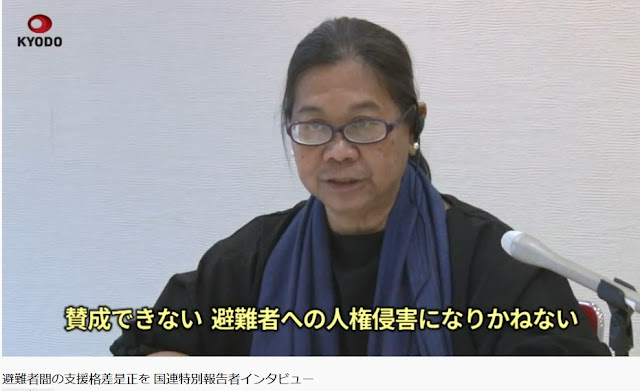
This is the first full-scale investigation of evacuees from the nuclear power plant accident by the UN, and in the course of the investigation, the UN Special Rapporteur also warned that “I do not agree with this lawsuit. The UN Special Rapporteur stated for the first time, “I do not agree with this lawsuit. It could be a violation of the human rights of the evacuees. This reference is in line with the defendants’ consistent assertion throughout the trial that “this action violates the right of residence guaranteed to internally displaced persons by international human rights law and is therefore inadmissible. In other words, the defendants’ argument was shown to be in line with the common sense of the world.
The court, by the way, has ignored or rejected every one of the six defenses and the thorough clarification of the facts through the examination of six witnesses and other parties, despite the fact that the defendants have been seeking relief from the human rights violations committed by the plaintiffs. On July 26, the trial was terminated. However, the serious concerns expressed by UN Special Rapporteur Damarie about the trial have reminded the defendants that the trial is a serious test not only for us in Japan, but also for the people and common sense of the world, and that failure is not an option. Therefore, in order to show that this trial is worthy of the world’s common sense, the Court must listen carefully to the world’s attention and common sense, decide to reopen the arguments, and conduct a thorough and true examination of the six issues and six interrogatories to ensure that the defendants’ “right to a fair and impartial trial” is guaranteed. We are now convinced that we have no other choice but to strive for a thorough clarification of the truth through the examination of the six defendants.
Therefore, for the reasons stated below, the defendants request the court to reopen the oral argument pursuant to Article 153 of the Code of Civil Procedure.
Conclusion
As stated above, if, despite the defendants’ earnest request, the court does not reopen oral argument and conduct the examination of witnesses requested by the defendants for the purpose of clarifying the truth, and if the court does not exercise its right of proper explanation to the plaintiff, and if the plaintiff continues to refuse to admit or deny or refute the defendants’ defense facts above, such plaintiff’s Not only does the boycott itself constitute an illegal act under the National CALI Act, but the root cause of this situation is the court’s negligence in not actively working to correct the plaintiff’s dishonest and illegal boycott of the issue. Therefore, if the court had not resolved this boycott and had denied all of the defendants’ applications for examination of witnesses and themselves without allowing the defendants to fully argue and prove the above defense facts, the court would have concluded the trial and issued a judgment, which would have been inevitable because of “the illegality of non-exhaustion of trial due to failure to exercise the right of explanation” and the judgment would have been reversed. The reversal of the judgment is inevitable.
Not only that, despite the fact that the defendants have repeatedly and strongly demanded that the illegal state of affairs be corrected, it is unacceptable for the court to continue to turn its back on them and refuse to exercise its right of explanation to the plaintiffs for the purpose of clarifying the issues. In this case, we strongly request the court’s decision to resume oral arguments.
Judge Masayuki Fujiyama, who once distinguished himself in the Administrative Division of the Tokyo District Court, said, “A jurist’s work must be able to withstand not only contemporaneous but also historical evaluation. These words literally apply to this trial. Moreover, it is an evaluation of world history, not merely Japanese history. The words of the UN Special Rapporteur Damarie at the beginning of this article demonstrate this point. This trial must not become a stain on world history.
https://seoul-tokyoolympic.blogspot.com/2022/10/11027.html?fbclid=IwAR2uRP2Cg8TKTUTNzn09xrqceBBsC_Gh0cYjKSOcxbZSGLYcOXmz-ccVzFA
Return to Fukushima: Decontaminated town reopens to residents, but is anybody living there?

October 24, 2022
If you ever wanted to live in a post-apocalyptic zombie film, now’s your chance.
Back in 2020, our Japanese-language reporter Tasuku Egawa visited two towns in Fukushima Prefecture that were affected by the accident at Fukushima Daiichi Nuclear Power Plant, which occurred at the time of the March 2011 Great East Japan Earthquake.
▼ Tasuku visited Futaba and Tomioka, which are five kilometres (three miles) and 11 kilometres, respectively, from the nuclear power plant.

Being within the 20-kilometre exclusion zone, both towns were evacuated after the accident, turning them into ghost towns for two years. In 2013, the government opened some areas of the towns for daytime access only, with other areas remaining closed off due to elevated radiation levels, right up to 2020 when Tasuku visited.
At the time of Tasuku’s previous visit, new decontaminated areas around both stations had opened up, with old blockades being removed as a sign of the land becoming habitable once again.
▼ The decontaminated Prefectural Route 165 and National Route 6 outside Tomioka’s Yonomori Station, as it looked in March 2020.

The west exit side of the station had returned to normal while the east side remained blocked. However, side streets on both sides remained cordoned off from the public, with permission required for anyone entering the other side of the blockade, including journalists like Tasuku.

Like all visitors, Tasuku was required to wear special protective wear due to the high radiation levels.

Back in 2020, nothing but the main roads and station buildings could be entered, and the only sign of life in the area was that of security guards at empty intersections and reconstruction-related vehicles and workers.

Both towns had their work cut out for them in terms of cleanup and redevelopment, especially as the local governments planned to repopulate the areas with thousands of residents in the next seven years.
Tasuku had high hopes they would achieve this goal, so when resettlement of the towns began in earnest earlier this year, he made a return trip to Tomioka and Yonomori Station to see what developments had taken place in the two years since he last visited.
So let’s take a look at his collection of photos chronicling the difference between 2020 and now, starting with Prefectural Route 165 and National Route 6 mentioned earlier.

Now, the barricades have totally disappeared, and the intersection looks like any other, complete with a cluster of vending machines on one street corner.

Continuing straight down this road, we come to a branch of the Yamazaki convenience store chain, located on the ground floor of a residential building.

Today, the barricades have gone, but the shutters remain closed and the curtains drawn, making it look like a scary house in a ghost town.

Heading south down National Route 6, Tasuku recalled a brightly coloured apartment block he’d photographed on his last visit.

Sure enough, the building was still there, and though the weeds and barricades had been cleared, the road, and the blinds on the store window on the left, looked a little worse for wear.

The more Tasuku walked around, the more he felt as if he were walking through a post-apocalyptic world, like the character of Jim in the British zombie flick 28 Days Later. Only this was no film set, it was a real-world town that once housed around 4,000 people.

With curtains drawn on the windows of so many buildings he walked past, the place looked like it was inhabited…but it was eerily quiet, and deep down inside, Tasuku knew there was nobody behind those curtains, as these residences had been abandoned as a matter of emergency eleven years ago.
▼ Still he kept up hope that he would see signs of life somewhere, other than this road where he spotted a wild boar and a plump male pheasant.

After walking for a while, Tasuku finally breathed a sigh of relief when he came across this new apartment building, which was advertising for tenants, where he saw fresh laundry hanging on a balcony, suggesting that someone had already moved in.

Close by, there was a demountable building which looked to be the prefabricated office of a construction company, and it too appeared to be inhabited by people, likely here on temporary assignment for reconstruction-related work.

While the two main roads had been cleared and were open to traffic, Tasuku came across some salient reminders that the entire town wasn’t yet back to normal, with other areas like the local park blocked off as a restricted location.

Yonomoritsutsumi Park , as it’s known, is closed for good reason — according to the dosimeter on the other side of the fence, radiation levels here are 0.413 microSieverts per hour. The Ministry of the Environment’s requirements for decontaminated areas is 0.23 microSieverts per hour.

The high radiation levels in the park would put the public at risk of health problems, which is a great shame, seeing as it looks like it would’ve been a nice place to unwind and relax before the disaster.

It’s a vast space, though, which would make decontamination work difficult, and looking at the expanse from a nearby hill shows it’s become wild and overgrown, with what once must’ve been a lake (marked in blue below) now covered in grass and weeds.

Before coming to the town, Tasuku had been hoping to meet up with the owner of a beauty salon who used to live here but was moved to nearby Koriyama after the earthquake. She had joined Tasuku on his previous visit to Yonomori and once she’d heard the evacuation orders were being lifted this year, she said she was looking forward to moving back here.
However, the government ban on living in the area is still in effect over a large portion of the town, with only one designated zone on one side of the station open to residents from April this year. With only around a dozen or so people applying to live in the town so far, it would be a long while yet before Tasuku’s friend would be able to re-open her hair salon here.
▼ The former site of the hair salon is now an empty lot.

It’s hard to live in a ghost town, let alone run a business there, so the government hopes to make a larger area inhabitable by spring next year, in an effort to entice more residents to support local businesses.
Business owners will need a lot of support from the government, though, as a lot of them will be starting from scratch. This York-Benimaru supermarket, for instance, has since been totally demolished in the two years since 2020, and is now an empty parking lot.


If he’s being honest, the town hadn’t progressed as far as Tasuku had hoped in the past two years. Despite reopening part of the town, the place still had a real ghost-town feel to it, and the waiting room at the unstaffed station was particularly eerie, with nothing inside but a bathroom and chairs.

By comparison, the waiting room at Futaba Station, where Tasuku visited next, was a lot more inviting, with a sense of vibrancy and life to it.
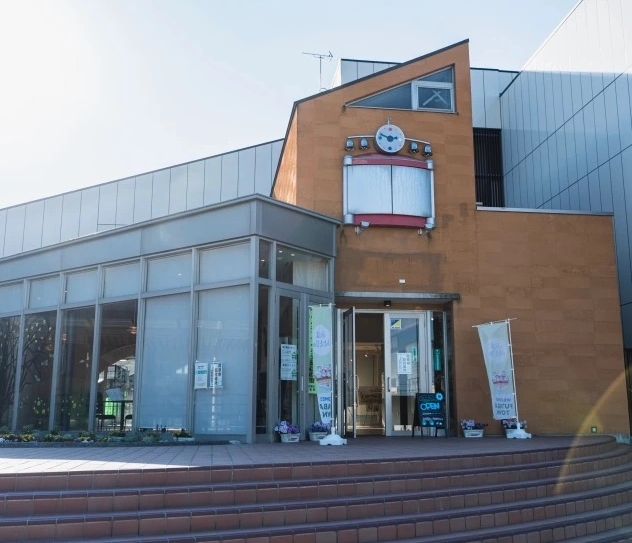
Yonomori is famous for its cherry blossom trees, which line one particularly beautiful street, and while there were fears the trees would die out in the decade that humans were prohibited access to the area, the street was finally opened to visitors this year, who were able to enjoy them for the first time since 2011.
▼ The local “standard tree” by which the Meteorological Agency declares the official start of the cherry blossom season, is still alive and well.
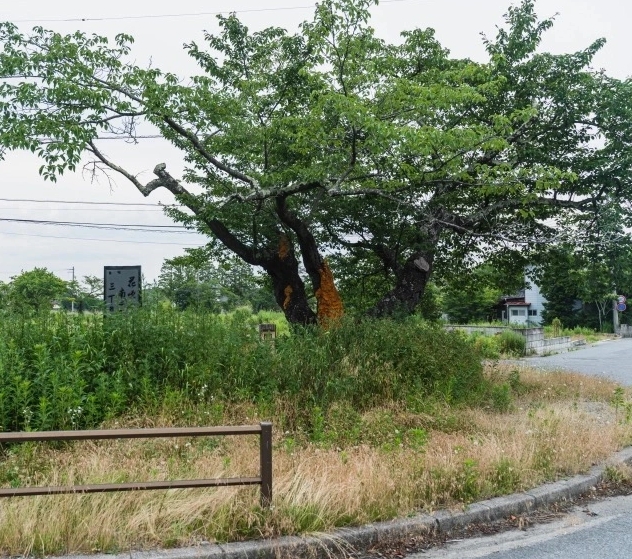
At the moment, Yonomori is mostly home to ruins, wild boars and fat pheasants, which makes it less than appealing to potential residents. However, with the cherry blossoms still blooming, there’s hopes that the the area will soon bloom too.
Now with the station open and trains operating, it’s the start the town needs to get back on its feet, and we look forward to visiting in another two years’ time, when hopefully Tasuku’s friend’s hair salon will be open, along with other blossoming businesses.
Fukushima Daiichi Nuclear Power Plant, method to remove debris by submerging the buildings in water: Symbolic of project difficulties after repeated changes, with no prospects for feasibility
October 24, 2022
In order to remove melted nuclear fuel (debris), which is considered the most difficult part of the restoration work at TEPCO’s Fukushima Daiichi Nuclear Power Plant, a method has emerged to submerge the entire reactor building, including its basement, under water. This would require unprecedented large-scale construction work, and there are doubts about its feasibility. The fact that the debris removal plan has been repeatedly changed and a proposal that seems to be grasping at a cloud has emerged is symbolic of the difficulties involved. (The fact that a proposal that seems to be grasping at a cloud has emerged is symbolic of the difficulties that lie ahead.)
Even the experts are not confident.
The first of its kind in the world,” “Technically quite difficult,”
◆”Not confident” even experts are bearish

At a press conference held on November 11 to explain the proposal that includes a new construction method for the Unit 3 reactor, Mr. Mitsuroku Ikegami, executive director of the Nuclear Damage Liability and Decommissioning Support Organization, who is in charge of providing technical support to help bring about a restoration from the accident, repeated his bearish comments.
The new construction method is based on the “hull construction method” used for tanker hull construction. The new method is characterized by enclosing the building with a structure that is resistant to water pressure, and ETIC is considering digging a tunnel under the building and enclosing the entire building with a structure consisting of a series of square rooms made of steel.
If this is realized, water filled with the building will be used to shield it from radiation, thereby increasing the safety of the work. On the other hand, submerging the building in water is expected to generate about 150,000 tons of highly contaminated water that has come into contact with debris. This is equivalent to about 150 tanks storing treated water on the site, and the risk of a leakage accident is immeasurable.
◆”Flooding” first, stop once, flood again.
At the beginning of the accident in 2011, the government and TEPCO planned to use the “flooding method” to fill the containment vessel with water and remove debris underwater. However, the containment vessels of Units 1 through 3, where debris was located, were all damaged, and even if water was filled, it would leak out of the vessels. The high radiation dose makes it inaccessible to humans, and it is still difficult to determine which parts of the containment vessels are damaged.

In 2005, they switched to the “in-air” method of removing debris without water, and are aiming to begin trial removal of debris from Unit 2 in the latter half of FY2011. However, since the method prioritizes easy access to the debris and uses a robot arm in a confined space, only about 1 gram of debris can be removed in a single operation. It is estimated that there is a total of 880 tons of debris in the three reactors, making it almost impossible to complete the removal using this method.
Therefore, JAEA has switched to a method to remove a large amount of debris from the Unit 3 reactor. The work is expected to involve the scattering of enormous amounts of radioactive materials, such as by cutting the debris into chunks, and if the debris is not shielded by water, it will be very dangerous. Since the containment vessel cannot be filled with water, the idea of submerging the entire building outside of it has emerged. In other words, it is a flooding method that has been reshaped on a large scale.
◆Even after 11 years, it remains unrealistic.
Debris from the Unit 1 reactor is believed to be scattered over a wide area of the containment vessel, and there is no way to remove the debris. Eleven and a half years after the accident, debris removal remains unrealistic.
A spokesperson for TEPCO has refused to go into the feasibility of the proposed new method, saying, “It is still in the idea stage. Even the OIST’s proposal suggests a bleak outlook, concluding with the following words: “If the criteria are not met, we will be forced to take out the debris. If the criteria are not met, we will have to start over from the identification of issues.
https://www.tokyo-np.co.jp/article/209821
The mishandling of scientifically flawed articles about radiation exposure, retracted for ethical reasons, impedes understanding of the scientific issues pointed out by Letters to the Editor

October 23, 2022
Tanimoto Y, Hamaoka Y, Kageura K, Kurokawa S, Makino J, Oshikawa M. The mishandling of scientifically flawed articles about radiation exposure, retracted for ethical reasons, impedes understanding of the scientific issues pointed out by Letters to the Editor. JoSPI. Published online October 23, 2022. doi:10.35122/001c.38474
Abstract
We discuss the editorial handling of two papers that were published in and then retracted from the Journal of Radiological Protection (JRP).1,2 The papers, which dealt with radiation exposure in Date City, were retracted because “ethically inappropriate data were used.”3,4 Before retraction, four Letters to the Editor pointing out scientific issues in the papers had been submitted to JRP. The Letters were all accepted or provisionally accepted through peer review. Nevertheless, JRP later refused to publish them. We examine the handling by JRP of the Letters, and show that it left the reader unapprised of a) the extent of the issues in the papers, which went far beyond the use of unconsented data, and b) the problems in the way the journal handled the matter. By its actions in this case, JRP has enabled unscientific, unfounded and erroneous claims to remain unacknowledged. We propose some countermeasures to prevent such inappropriate actions by academic journals in future.
Magnitude 5 earthquake jolts Fukushima; ‘no issues’ at nearby nuclear plants
‘No issues’ at nearby nuclear plants…. So they claim as usual, everything is always fine in Fukushima Daiichi….

Oct 21, 2022
A strong earthquake with an estimated magnitude of 5 jolted northeastern Japan on Friday afternoon.
The quake, which was revised downward from magnitude 5.1, occurred at a depth of about 30 kilometers off the coast of Fukushima Prefecture around 3:19 p.m., according to the Meteorological Agency.
The quake measured a lower 5 on Japan’s seismic intensity scale to 7 in the town of Naraha and 4 in the towns of Hirono, Tomioka, Okuma and Futaba.
According to the Secretariat of the Nuclear Regulation Authority, no issues have been reported at Tokyo Electric Power Company Holdings’s Fukushima No. 1 and No. 2 nuclear plants in the prefecture.
The No. 2 plant straddles Naraha and Tomioka, while the No. 1 plant, the site of the 2011 meltdowns following the Great East Japan Earthquake and tsunami, straddles Okuma and Futaba.
In a location close to the epicenter of Friday’s quake, a 7.4-magnitude temblor occurred at the depth of about 12 kilometers on Nov. 22, 2016, causing tsunami that reached up to 144 centimeters high at Sendai Port in the neighboring prefecture of Miyagi.
Unlike the 2016 temblor, which also registered up to lower 5 on the Japanese scale, Friday’s quake did not cause tsunami because it occurred at a greater depth and was smaller in scale.
https://www.japantimes.co.jp/news/2022/10/21/national/earthquake-jolts-fukushima/
PIF objects Japan’s proposal to dispose nuclear treated water

October 17, 2022
The Pacific Island Forum member-countries continue to object Japan’s proposal to dispose nuclear treated water at the Fukushima Daiichi Nuclear Power Station into the Pacific Ocean.
Secretary General Henry Puna reiterated their stance on this proposal, saying that this issue remains as one of the forum’s urgent priorities.
“This is one of the urgent priorities of the forum, because our leaders in July reiterated their objection to what Japan is proposing to do. A lot of our leaders actually spoke strongly on this Fukushima issue, the treated water issue.”
Puna says they have had the opportunity to raise their concern on this issue, with the Japanese Foreign Affairs Minister during his visit earlier this year.
He says they have asked to have an audience with the Prime Minister of Japan, to raise their concern on this issue.
Puna says there are indications that Japan is leaning in favour of this requested engagement, but they are moving in their own pace.
The Secretary-General says there is a possibility that they would be able to meet with the Japanese government, after COP27 – towards the end of November.
Reconstruction of hard-to-return zones from the perspective of structural violence
Symposium “Anthropology of Tribulation and Hope from Fukushima”
Hong Kong to follow mainland China on regulations on Japanese imports if water from Fukushima nuclear disaster released into Pacific
Japan plans to release over 1.25 million tonnes of treated waste water contaminated by wrecked Fukushima Daiichi Nuclear Power Plant into Pacific
Since nuclear disaster, Hong Kong has prohibited imports of vegetables, fruits, milk, milk-based beverages and milk powder from Fukushima prefecture

11 Oct, 2022
If mainland China steps up regulations on food products imported from Japan when it releases treated water from Fukushima into the Pacific next year, Hong Kong will follow suit, the city’s environmental minister has said.
The remark made by Secretary of Environment and Ecology Tse Chin-wan on Tuesday referred to Tokyo’s plans, which were revealed last year, to release over 1.25 million tonnes of treated waste water contaminated by the wrecked Fukushima Daiichi Nuclear Power Plant into the Pacific in 2023.
Tse said at a Legislative Council panel meeting that, because marine pollution involved international relations, the administration had expressed its concerns to the foreign ministry’s Hong Kong office.

“We will carry out closer ties and communication with the mainland and see what the mainland will do politically in the future. In this regard, Hong Kong will definitely be politically consistent with the mainland,” he told lawmakers.
Tse said the Centre for Food Safety tested more than 760,000 food samples imported from Japan from March 2011 to December 2021. None exceeded the radiation guideline levels suggested by the Codex Alimentarius under the United Nations Food and Agriculture Organisation.
After the Japanese authorities announced the radioactive waste water discharge plan, the Hong Kong government requested more information and specific information from the country and paid close attention to the International Atomic Energy Agency’s assessment, he added.
Hong Kong prohibited the imports of all vegetables, fruit, milk, milk-based beverages and milk powder from the Fukushima prefecture after the 2011 nuclear disaster.
Food from four nearby prefectures – Ibaraki, Tochigi, Chiba and Gunma – is only given entry after obtaining a radiation certificate and an exporter’s certificate issued by the Japanese authorities.
The Centre for Food Safety has published a monthly report, which includes radiation surveillance data on products from Japan.
Government statistics have shown that food imports from Japan amounted to about 1.5 per cent of the total food supply in Hong Kong last year. Aquatic products and poultry eggs had the highest import volume, accounting for about 6.3 per cent and 9.7 per cent of the city’s total food imports respectively.
Tse said at the panel meeting that authorities would continue to communicate with local food importers to ensure the industry understood the plan and made preparations as soon as possible.
Tokyo announced in April last year that it intended to discharge the water used to cool the nuclear reactors at Fukushima nuclear power plant into the ocean after treatment in 2023, causing concern among neighbouring countries, including China and South Korea.
Environmental groups and fishery operators have also warned that the waste water discharge would compromise the region’s marine ecosystem, the food chain and food safety.
In Beijing, the Ministry of Foreign Affairs has raised grave concerns and strong opposition to the plan, urging Japanese authorities to consult stakeholders and relevant international organisations.
The Consulate-General of Japan in Hong Kong said it “strongly” hoped city authorities could lift the import restriction on food products from the country since all the samples sent for inspection had proved safe for consumption.
“Japan has been taking measures strictly abiding by relevant international law and working closely with [the International Atomic Energy Agency] to give due consideration to international practice, and will continue to do so,” a spokesman said.
“Food safety for Japanese food lovers in Hong Kong is as important to the Japanese government as food safety for the Japanese people … We will also continue to explain to Hong Kong, based on a scientific manner, that the safety of Japanese food products is ensured.”
1 This Month
10 March A LIVE WEBINAR THE REAL EFFECTS OF NUCLEAR POWER
What the Industry Isn’t Telling Us
1:00 PM Mountain, 2 pm Central, 3 pm Eastern. Live on the Keepers of the Water Facebook page



18 March Webinar @ 1 PM EST: An Assessment of SMR Projects: The Case of Canada
register for the zoom:
https://us02web.zoom.us/webinar/register/WN_o8BIIOUvQ2ONJR1nta65DQ#/registration


of the week – STOP SMALL MODULAR REACTORS IN CANADA
To see nuclear-related stories in greater depth and intensity – go to https://nuclearinformation.wordpress.com
-
Archives
- March 2026 (99)
- February 2026 (268)
- January 2026 (308)
- December 2025 (358)
- November 2025 (359)
- October 2025 (376)
- September 2025 (258)
- August 2025 (319)
- July 2025 (230)
- June 2025 (348)
- May 2025 (261)
- April 2025 (305)
-
Categories
- 1
- 1 NUCLEAR ISSUES
- business and costs
- climate change
- culture and arts
- ENERGY
- environment
- health
- history
- indigenous issues
- Legal
- marketing of nuclear
- media
- opposition to nuclear
- PERSONAL STORIES
- politics
- politics international
- Religion and ethics
- safety
- secrets,lies and civil liberties
- spinbuster
- technology
- Uranium
- wastes
- weapons and war
- Women
- 2 WORLD
- ACTION
- AFRICA
- Atrocities
- AUSTRALIA
- Christina's notes
- Christina's themes
- culture and arts
- Events
- Fuk 2022
- Fuk 2023
- Fukushima 2017
- Fukushima 2018
- fukushima 2019
- Fukushima 2020
- Fukushima 2021
- general
- global warming
- Humour (God we need it)
- Nuclear
- RARE EARTHS
- Reference
- resources – print
- Resources -audiovicual
- Weekly Newsletter
- World
- World Nuclear
- YouTube
-
RSS
Entries RSS
Comments RSS
 nuclear-news