4 former executives blamed for Fukushima nuclear disaster and ordered to pay $97 billion to shareholders

July 14, 2022
Four former heads of Japanese utility Tokyo Electric Power Co. have been ordered to pay 13.32 trillion yen ($97 billion) for the damages caused by the Mar. 11, 2011, Fukushima nuclear power plant meltdown, as the country continues to struggle to deal with the aftermath of the disaster.
In the first case to lead to a verdict against TEPCO executives, presiding judge Yoshihide Asakura found that the leaders of the company at the time had failed to properly prepare for a tsunami-related accident.
The civil lawsuit, brought on by 48 TEPCO shareholders, claimed the three reactor meltdowns could have been avoided if measures had been taken to prevent flooding in the plant’s main buildings and critical equipment rooms.
The eye-popping $97 billion verdict is the largest ever awarded by a court for a civil lawsuit, according to the Japan Times.
11 years on
The aftermath of the nuclear disaster can still be felt in Japan and the rest of the world more than 11 years later. Scientists continue working to decommission and decontaminate the plant, which still has more than 1.24 million tonnes of water contaminated with radioactivity on-site. TEPCO has recently been campaigning to dump the water into the surrounding ocean—a plan met with pushback from environmentalists and the local fishing industry.
Many residents are also still not able to return to their homes near the site. Of the 154,000 people who were evacuated after the nuclear meltdown, 37,000 were still unable to return home due to the risk of radiation as of 2021.
A spokesperson for TEPCO told Fortune, “We deeply apologize for the immense burden and deep concern the accident at the Fukushima Daiichi Nuclear Power Station of TEPCO Holdings, Inc. is causing local residents and society at large.”
The spokesperson declined to comment on the litigation against TEPCO.
The lawsuit
The civil lawsuit was initially filed against five former TEPCO officials—including former chair Tsunehisa Katsumata and former president Masataka Shimizu—and centered on whether senior TEPCO management could have predicted a serious nuclear accident hitting the facility after a powerful tsunami. The court found one of the five executives not responsible in the civil suit: Akio Komori, a former managing executive officer and director of the Fukushima plant.
The plaintiffs charged the TEPCO executives with ignoring recommendations to take stronger tsunami protection measures and initially sought 22 trillion yen ($158 billion) in compensation to completely neutralize the site. The plaintiffs sought 8 trillion yen to decommission the plant completely, another 6 trillion to decontaminate the site and build interim nuclear waste storage, and 8 trillion for victim compensation.
In the case, the executives argued that the data presented to them in a long-term government assessment of possible tsunami damage published in 2002 was unreliable, and they could not have foreseen the massive tsunami that triggered the disaster.
The Tōhoku earthquake and tsunami ended up being the most powerful earthquake ever recorded in Japan and the fourth most powerful in the world, and would eventually claim 19,747 deaths, with 2,556 people still missing as of 2021.
Even if it was possible to predict the damage, the defendants argued, they didn’t have the time to take the needed countermeasures.
In the end, the judge ruled in favor of the prosecution, saying the company’s countermeasures against the tsunami “fundamentally lacked safety awareness and a sense of responsibility.” According to Kyodo News Agency, the defendants will be expected to pay as much as their assets allow.
Criminal complaint
This is not the first lawsuit brought against the TEPCO executives. The same prosecutors filed a criminal lawsuit against three of the five defendants—Katsumata, former vice president Ichiro Takekuro, and vice president Sakae Muto—in the Tokyo District Court of criminal responsibility. The prosecutors at the time sought a five-year prison term for each executive.
The three executives were found not guilty of professional negligence, as they could not have foreseen the huge tsunami, and cleared by the court in the 2019 ruling. Prosecutors have since appealed the decision; a ruling is expected in early 2023.
Fukushima nuclear disaster: ex-bosses of owner Tepco ordered to pay ¥13tn
Firm’s president at time of disaster among four defendants found liable for $95 billion in damage by Tokyo court

A court in Japan has ordered former executives of Tokyo Electric Power (Tepco) to pay ¥13tn (£80bn) in damages for failing to prevent a triple meltdown at the Fukushima Daiichi nuclear power plant in 2011.
The ruling by Tokyo district court centred on whether senior Tepco management could have predicted a serious nuclear accident striking the facility after a powerful tsunami.
Four defendants, including Tepco’s president at the time of the disaster, Masataka Shimizu, were ordered to pay the sum, while a fifth was not found liable for damages, according to the Kyodo news agency.
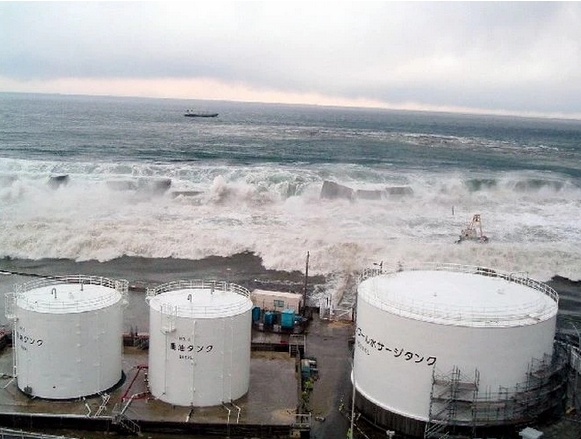
The plant in Fukushima, 150 miles north of Tokyo, experienced meltdowns in three of its six reactors after it was struck by a tsunami on 11 March 2011, flooding the backup generators.
The tsunami, which was triggered by a magnitude-9 earthquake, killed more than 18,000 people along Japan’s north-east coast.
The meltdowns at Fukushima, the world’s worst nuclear disaster since Chornobyl 25 years earlier, caused massive radiation leaks and forced the evacuation of more than 150,000 people living nearby – some of who have only recently been given permission to return to their homes.
The lawsuit, which was filed in 2012 by 48 Tepco shareholders, is the first to find company executives liable for damages connected to the Fukushima disaster, which shook Japan’s faith in nuclear energy and resulted in widespread closures of atomic power plants.
The plaintiffs had sought a record ¥22tn in damages. The executives found liable are unlikely to have the capacity to pay the full amount, according to media reports, but will be expected to pay as much as their assets allow.
Tepco did not comment on the ruling, saying it would not respond to individual lawsuits, according to Kyodo.
The court said the company’s countermeasures against tsunami “fundamentally lacked safety awareness and a sense of responsibility”.
Tepco has argued it was powerless to take precautions against a tsunami of the size that struck in March 2011, and that it had done everything possible to protect the plant. But an internal company document revealed in 2015 that it had been aware of the need to improve the facility’s defences against tsunami more than two years before the disaster, but had failed to take action.
Plaintiffs also cited a government report that showed Tepco had predicted in June 2008 that the Fukushima plant could be hit by tsunami waves of up to 15.7 metres in height after a major offshore earthquake.
The court said the government’s assessment had been reliable enough to oblige Tepco to take preventive measures.
Former Tepco executives ordered to pay $95 billion in damages over Fukushima nuclear disaster
The ruling, in a civil case brought by Tepco shareholders, marks the first time a court has found former executives responsible for the nuclear disaster, local media reports said.

The Tokyo district court on Wednesday ordered four former executives of Tokyo Electric Power Company (Tepco) to pay 13 trillion yen ($95 billion) in damages to the operator of the wrecked Fukushima Dai-ichi nuclear power plant, national broadcaster NHK reported.
The ruling, in a civil case brought by Tepco shareholders, marks the first time a court has found former executives responsible for the nuclear disaster, local media reports said.
The court judged that the executives could have prevented the disaster if they had exercised due care, the reports said.
A Tepco spokesperson declined to comment on the ruling.
“We understand that a ruling on the matter was handed down today, but we will refrain from answering questions on individual court cases,” the spokesperson said.
The ruling marks a departure from a criminal trial ruling in 2019, where the Tokyo district court found three Tepco executives not guilty of professional negligence, judging that they could not have foreseen the huge tsunami that struck the nuclear power plant.
The criminal case has been appealed and the Tokyo high court is expected to rule on the case next year.
The Fukushima Dai-ichi nuclear power disaster, triggered by a tsunami that hit the east coast of Japan in March 2011, was one of the world’s worst and generated massive clean-up, compensation and decommissioning costs for Tepco.
The civil lawsuit, brought by Tepco shareholders in 2012, demanded that five former Tepco executives pay the beleaguered company 22 trillion yen in compensation for ignoring warnings of a possible tsunami.
Ex-TEPCO execs found liable for damages over Fukushima nuclear crisis

July 13, 2022
A Tokyo court on Wednesday ordered former executives of Tokyo Electric Power Company Holdings Inc. to pay the utility some 13 trillion yen ($95 billion) in total damages for failing to prevent the 2011 crisis at the Fukushima Daiichi nuclear plant.
The ruling in favor of shareholders who filed the lawsuit in 2012 is the first to find former TEPCO executives liable for compensation after the nuclear plant in northeastern Japan caused one of the worst nuclear disasters in history triggered by a massive earthquake and tsunami in March 2011.
The Tokyo District Court’s Presiding Judge Yoshihide Asakura said the utility’s countermeasures for the tsunami “fundamentally lacked safety awareness and a sense of responsibility,” ruling that the executives failed to perform their duties.
If tsunami resilience work had been conducted to prevent flooding of main structures, TEPCO could have prevented the disaster, in which power was lost and reactor cooling functions were crippled, causing reactor meltdowns, according to the ruling.
Among five defendants — former Chairman Tsunehisa Katsumata, former vice presidents Sakae Muto and Ichiro Takekuro, former President Masataka Shimizu and former Managing Director Akio Komori — the court found all but Komori liable to pay the damages.
“It’s a historic verdict that deserves lasting praise,” Hiroyuki Kawai, a lawyer representing the shareholders, said in a press conference. “It showed company executives have such a heavy responsibility and could even be held liable for damages if an accident occurs.”
The damages of over 13 trillion yen are likely be the largest ever in a civil lawsuit in Japan, though it would be realistically difficult for the company to collect them from the former executives.
Nearly 50 shareholders had sought a total of around 22 trillion yen ($160 billion) in damages.
TEPCO declined to comment on the ruling, saying it will refrain from responding to matters related to individual lawsuits.
Chief Cabinet Secretary Hirokazu Matsuno reiterated the government’s policy to continue to use nuclear energy despite the disaster, saying, “We will make safety our top priority and make utmost efforts to resolve the Japanese people’s concerns.”
The focal point of the trial was whether the management’s decisions on tsunami countermeasures were appropriate after a TEPCO unit estimated in 2008 that a tsunami of up to 15.7 meters could hit the plant based on the government’s long-term earthquake assessment made public in 2002.
The shareholders said the government’s evaluation was the “best scientific assessment,” but the management postponed taking preventive steps, such as installing a seawall.
The former executives’ lawyers said the assessment lacked reliability and the accident occurred when the management was asking a civil engineering association to study whether the utility should incorporate the evaluation into its countermeasures.
The court judged that the government’s assessment was reliable enough to oblige the company to take measures against tsunami. “It is extremely irrational and unforgivable” to put off a decision to act on the government study, the ruling said.
In a criminal trial in 2019, defendants were acquitted on the grounds they could not foresee a giant tsunami triggering a nuclear disaster.
Yukie Yoshida, 46, who was forced to evacuate her home near the Fukushima Daiichi power plant, said, “My life won’t change even if the damages are paid to TEPCO,” adding, “I just want to go back to my home as soon as possible.”
More than 15,000 people lost their lives after the magnitude-9.0 earthquake and ensuing tsunami caused widespread damage in the country’s northeast and triggered meltdowns at the Fukushima nuclear complex.
Some 38,000 people still remain displaced as of March due mainly to the aftermath of the world’s worst nuclear accident since the 1986 Chernobyl disaster.
There is still a no-go zone near the Fukushima plant where decommissioning work is scheduled to continue until sometime between 2041 and 2051.
Court orders former TEPCO managers to pay damages for Fukushima plant losses

July 13, 2022
A Tokyo court has ruled that former managers of Tokyo Electric Power Company must pay damages to the utility, as demanded by its shareholders.
The shareholders claimed the company incurred massive losses from the 2011 accident at the Fukushima Daiichi nuclear plant.
They include costs for decommissioning the plant’s crippled reactors and compensation for local residents who had to evacuate.
The shareholders demanded 22 trillion yen, or more than 160 billion dollars, from five individuals who held managerial posts.
On Wednesday, the Tokyo District Court ordered four of them to pay a total of 13.3 trillion yen, or about 97 billion dollars.
The trial focused on the reliability of a long-term assessment of possible seismic activities issued by a government panel in 2002, nine years prior to the accident.
The shareholders claimed the assessment was reliable, and that the managers should have done more to safeguard the plant against a huge tsunami that they knew would come.
The former managers, on the other hand, claimed the assessment had low credibility, so they could not foresee damage from a massive tsunami.
They argued that even if they did, they would not have had time to take necessary preventive measures.
The shareholders filed their lawsuit in 2012. In October last year, the presiding judge inspected the plant compound for the first time.
Why was the tsunami countermeasure postponed? TEPCO resisted the NISA’s request for 40 minutes.
July 12, 2022
<The “warning” that was not utilized
On July 13, the Tokyo District Court will issue a ruling on a shareholder lawsuit seeking to hold five former TEPCO executives responsible for the accident at the Fukushima Daiichi Nuclear Power Plant. The possibility of a giant tsunami off the coast of Fukushima Prefecture surfaced nearly 10 years before the accident occurred. Why were tsunami countermeasures continually postponed? Ahead of the verdict, we take a look back at the evidence presented in court. (Keiichi Ozawa)
TEPCO Shareholders’ Suit 48 shareholders are demanding that former TEPCO chairman Tsunehisa Katsumata and five others pay approximately 22 trillion yen in compensation to TEPCO for damages, decommissioning costs, and other losses caused by the former management’s failure to take tsunami countermeasures following the Fukushima Daiichi Nuclear Power Plant accident. The other defendants are former president Masataka Shimizu, former vice president Ichiro Takekuro, former vice president Sakae Muto, and former managing director Akio Komori. Katsumata, Takekuro, and Muto were indicted on charges of manslaughter in connection with the nuclear accident, but the Tokyo District Court ruled in 2007 that they were not guilty. In June, the Supreme Court ruled against the government’s responsibility in a lawsuit against nuclear power plant evacuees and confirmed that TEPCO must pay a total of approximately 1.4 billion yen in compensation to plaintiffs in four lawsuits in Fukushima, Gunma, Chiba, and Ehime.
In July 2002, the government’s Headquarters for Earthquake Research Promotion released a “long-term assessment” of earthquake forecasts, including those for the area off Fukushima Prefecture. The reliability of this long-term assessment is one of the points of contention in the lawsuit.
The long-term assessment is not a finding, but an opinion.
At the oral argument last July, Sakae Mutoh, former vice president of the defendant, stood in front of the witness stand and emphasized that the long-term evaluation is not a finding but an opinion. The former management team claims that the long-term assessment was not reliable enough to determine the tsunami countermeasures, as some experts disagreed with the assessment.
In August 2002, the Nuclear and Industrial Safety Agency of the Ministry of Economy, Trade and Industry (METI) requested TEPCO to estimate the tsunami based on the long-term assessment. However, an e-mail sent by a TEPCO official to the relevant parties states that the company “resisted the request for about 40 minutes.

NISA further instructed TEPCO to investigate how the long-term assessment was prepared, but the person in charge merely sent an e-mail inquiry to Kenji Satake, a member of the promotion headquarters (now director of the Earthquake Research Institute of the University of Tokyo), who was skeptical about the occurrence of a tsunami off Fukushima Prefecture. The NISA did not pursue TEPCO any further.
Later, in December 2004, a tsunami caused by an earthquake off the coast of Sumatra, Indonesia, submerged a nuclear power plant in India. The plaintiffs claimed that they could have learned from this accident, but TEPCO did not take any action.
In September 2006, the “Guidelines for the Examination of Seismic Design” for nuclear power plants were revised to include tsunami countermeasures, and the NISA was assigned to conduct “seismic backchecks. In October of the same year, the NISA gathered together the personnel in charge of the power companies and instructed them to “promptly study tsunami countermeasures and take action.
At the time, the tsunami height expected at the Fukushima Daiichi Nuclear Power Plant was 5.7 meters. The height of the tsunami that the facility could withstand was the same 5.7 meters, making it the plant with the least margin of safety in the nation. Even so, TEPCO did not initiate countermeasures. The Tokyo District Public Prosecutors Office’s report to the head of the NISA’s review team, submitted in the lawsuit, states, “(TEPCO) is really reluctant to incur costs. Frankly, I was angry at the slow response.
In response to such backward-looking attitude on the part of the former management, the plaintiffs said, “If there is a warning with reasonable credibility, we should take measures for the time being. The attitude of wasting time while leaving it unattended is unacceptable.
In 2008, TEPCO took a heavy stance. It sought advice from Fumihiko Imamura, a professor of tsunami engineering at Tohoku University and an expert in civil engineering, and began to study tsunami countermeasures. The issue was also discussed at the “Gozen Conference,” which was attended by the managing board and former TEPCO chairman Tsunehisa Katsumata, among others.
In March of the same year, however, the situation changed when the height of the tsunami was estimated based on a long-term assessment. The tsunami was 15.7 meters high, nearly three times the previous height. The policy to proceed with countermeasures began to waver once again.
https://www.tokyo-np.co.jp/article/188953?fbclid=IwAR3JUUbELPYESXCxZuw7hZA1YlbR1ILncO3VyTaMQFAEGASEF4sv8rFCqnE
Young people bring new energy to revive fortunes of town devastated by Fukushima disaster
Bruce Brinkman: “It’s not a good use of time, money, or energy to encourage people to enter a radiologically contaminated area, any more than it would be wise to encourage visits to an area contaminated with chemicals like mercury or an area contaminated with biohazards. Living here should be discouraged and the area set aside as a long-term National Park for the Study of Environmental Radiation. With 90% of the country losing population, why not save other uncontaminated communities? Property owners in the “Difficult” zone should be compensated with comparable properties purchased in other underpopulated communities in Japan.”

FUKUSHIMA, Japan (Kyodo) — In the more than a decade since reactors at the Fukushima Daiichi nuclear power plant exploded, the nearby town of Futaba has tried to pick up the pieces of a community shattered by the disaster.
Now, young people from other parts of Japan and elsewhere are playing a part in resurrecting a community to which they have few links.
Since last year, Tohoku University undergraduate student Masayuki Kobayashi has teamed up with his Indian schoolmates and a Futaba-based association to rehabilitate the Fukushima Prefecture town’s tarnished image.
They are expanding their network to involve people of various nationalities, ages and skills, many young and without any direct links to the disaster-hit area in Japan’s northeast. They aspire to attract tourists and develop sustainable homegrown businesses.
Soon, Futaba may again be inhabited, with an evacuation order for the reconstruction and revitalization base in the town expected to be lifted possibly as soon as July. But challenges abound.
“The town was said to be impossible to recover but if we can achieve that goal we can say to the world that nothing is impossible,” said 22-year-old Kobayashi, whose involvement in Futaba started from a local walking tour he joined last year.
Joining Kobayashi in the cause are Trishit Banerjee, 24, and Swastika Harsh Jajoo, 25, who are PhD students at the same university in Sendai, Miyagi Prefecture. All three are interns for the Futaba County Regional Tourism Research Association.
With Futaba seeing an exodus of its residents, estimated at around 7,000 before the March 11, 2011, earthquake-tsunami and nuclear disasters, Kobayashi is determined to change perceptions of the town.
“If we can make more fun activities, then a more diverse range of people will visit,” said Kobayashi whose brainchild, the PaletteCamp, is tailored toward that goal.
The idea of the camp is to have people interact with the local community through visits centered on Futaba and nearby areas, using fun activities like yoga to learn about the local culture and history, in a shift from the disaster-centric tours.
The PaletteCamp has been held three times since October last year, the most recent in May.
Ainun Jariyah, a 21-year-old Indonesian making her first trip to Futaba, was among around 15 participants in the latest program that included a bingo quest game in Namie, next to Futaba, to introduce the town’s local culture and history, and a walking tour in English and Japanese in Futaba.
The group was struck by the contrast seen on the streets of Futaba with decrepit houses and empty lots juxtaposed by walls bearing refreshingly uplifting art.
“I learned that art could be used for peacebuilding and reconciliation and empower people,” Jariyah said.
Jajoo, who provided English translation to Jariyah and a few others, could not be happier to hear such feedback. She wants camp participants to enjoy the fun elements “without imposing” the educational aspect.
Tatsuhiro Yamane, head of the association that supports the three in their project and guided Kobayashi on his walking tour, said, if the social infrastructure is in place, we can encourage more people to return or live in the area.
Yamane, 36, also stressed the importance of having thriving small businesses that are deeply rooted in the community while seeing the potential of tourism in a town that has long relied on the nuclear power plant for sustenance.
Yamane, a former Tokyo resident who eventually became deeply involved in Futaba after his post-reconstruction role there, is now a town assemblyman. He said progress in both hard and soft infrastructure is crucial.
“We must be able to build many things at the same time. It won’t do to just construct a building,” he said. “The key is to create a community that can make use of that structure.”
Jariyah and her fellow participants may have wrapped up their PaletteCamp tour, which ended with a brainstorming session on how to develop Futaba, but their connection to Futaba did not end there.
They kept in touch online and are now exploring a project to make cookies with the Futaba “daruma” (Japanese doll) design, which is the town’s symbol, eventually to sell them as a souvenir. The group has also been publishing newsletters, both in Japanese and English and in print and online, to introduce stories of day-to-day life in Futaba.
Banerjee believes their work to help in rebuilding Futaba is something “which most towns in the world do not get an opportunity to do.”
“We are able to create a story that here is a town and here is something you can do against the impossible and we can do it together,” he said.
While the three students visit Futaba from time to time from Sendai, former resident and musician Yoshiaki Okawa keeps alive the memory of his hometown through his performances across the country.
Okawa, 26, was fresh out of his junior high graduation ceremony when disaster struck in 2011. His family had to evacuate and they settled in Saitama Prefecture north of Tokyo, where he attended senior high and fell in love with the “koto,” a traditional Japanese string instrument akin to a zither.
“Back then, I didn’t want people to know that I had evacuated from Fukushima. I was still in pain and I did not want to talk about what I felt. I wanted to lay low.”
During his performances, he often talks about his love for Futaba and its idyllic setting and how the place has inspired his music. Some of his compositions are a tribute to those impacted by the 2011 catastrophe.
Okawa hopes his music will encourage people who are still in pain and struggling from 2011 “to move forward.”
His home in Futaba was torn down after their family decided not to return. Even so, he said, through his music, “I would like to help in mending the hearts of people. I feel I can do that even if I am not there.”
General Contributions for Compensation for Fukushima Nuclear Accident Reduced by ¥29.3 Billion for Major Electric Power Companies in FY21, Despite Recovery from Consumers…
July 5, 2022
Due to the severe business conditions of the major electric power companies, the amount of “general contributions” paid annually to the “Organization for Nuclear Damage Liability and Decommissioning etc.” to compensate for the accident at TEPCO’s Fukushima Daiichi Nuclear Power Station has been reduced by 29.3 billion yen from the previous year. The amount of the general burden in fiscal year 202.1 was reduced by 29.3 billion yen from the previous year due to the severe business conditions of the electric power companies. The general burden for FY 2009 includes 60 billion yen in “consignment charges,” which are included in the electricity rates of households and other users, and the NPO says that “the electric power companies’ share of the burden has been reduced while placing a burden on the public. The corporation is complaining that “it is unfair to reduce the amount borne by the electric power companies while forcing the public to bear the burden. (The corporation is suing, saying, “It is unfair to reduce the amount borne by the power companies while placing a burden on the public.)

The general burden is paid annually to ETIC by the nine major electric power companies (excluding Okinawa Electric Power), Japan Atomic Power Company, and Japan Nuclear Fuel Limited (JNFL). The total amount for fiscal years 2001 to 2007 was ¥163 billion each.
However, it was discovered that the cost of compensation for the accident at the Fukushima Daiichi Nuclear Power Plant will be higher than initially expected, and from FY20, users of new electric power companies that do not have nuclear power plants will also be asked to pay. The government devised a mechanism to recover approximately 60 billion yen annually from the consignment charges included in monthly electricity bills and add it to the general burden. In FY 2008, when the system is introduced in the second half of the fiscal year, the amount will be halved to about 30 billion yen, and in FY 2009, the full amount, about 60 In FY2009, the full amount of the fee was supposed to increase by approximately 60 billion yen.
However, when Makoto Yamazaki, a member of the House of Representatives of the Constitutional Democratic Party of Japan, inquired about the fiscal 2009 amount, he found that the actual amount borne by major electric power companies and others had increased from 163.3 billion yen in the previous fiscal year to 133.7 billion yen. The background to this is that the electric power companies are facing severe business conditions.
Behind this is the severe business situation of electric power companies, which saw their ordinary income decline across the board last fiscal year due to intensified competition following the full liberalization of electric power retailing in 2004, as well as soaring fuel costs.
The amount of the general contribution is determined each fiscal year upon application by ETIC and approval by the Minister of Economy, Trade and Industry. The Minister of Economy, Trade and Industry determines the amount of the general contribution upon approval. A ministry official acknowledged the reduction and told the paper, “We took into account the severe business situation, with some electric power companies falling into the red last fiscal year. If the amount is not reduced, the stable supply of electricity will be affected.
Kenichi Oshima, professor of environmental economics at Ryukoku University and an expert on nuclear power plant costs, said, “If they say they are struggling to pay the general burden, that includes the cost of nuclear power plants. It is not right that only nuclear power plant operators are protected while other industries are also struggling. The government and ETIC should publicly explain the reasons for the reduction.
The Organization for Nuclear Damage Compensation and Nuclear Decommissioning Assistance and General Contributions The Organization for Nuclear Damage Compensation and Nuclear Decommissioning Assistance was established in September 2011 by major electric power companies and the central government to assist with compensation for the enormous damages caused by the TEPCO Fukushima Daiichi nuclear power plant accident. Established in September 2011. Each company pays the general burden. To make up for the shortfall in compensation costs, the Ministry of Economy, Trade and Industry (METI) approved a new pricing system in 2008 that allows the recovery of general contributions from consignment charges. The plan is for each company to collect a total of 2.4 trillion yen over 40 years, which is added to the annual general contributions.
https://www.tokyo-np.co.jp/article/187587?fbclid=IwAR0baRfCuLB4MsT0CF-gkvAkaNWMqNRa8lg5eqKYZDaxZcR3rF8y4mjGyNI
The Pacific faces a radioactive future
11th July 2022
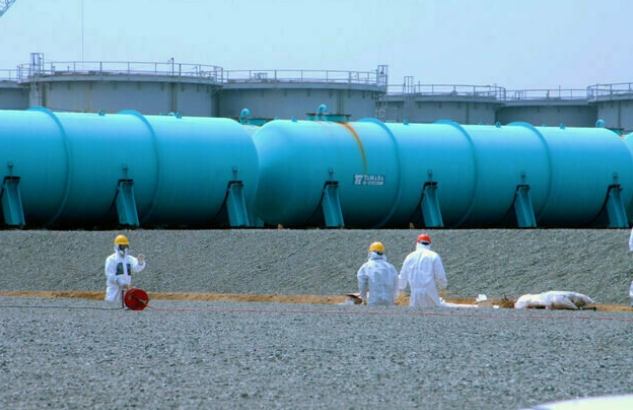
Japan plans to dump radioactive water from Fukushima into the Pacific Ocean, but its effects on Pacific nations are not clear.
When the earthquake and tsunami hit Fukushima, Japan in 2011, it resulted in the tragic death of many people, and severe damage to a nuclear power plant, which required a constant flow of cooling water to prevent further catastrophe. More than 1.3 million tonnes of radionuclide-contaminated water have now been retained on-site. The Fukushima plant operator, Tokyo Electric Power Company (TEPCO), with the approval of the Japanese Government, plans to begin releasing this water into the Pacific Ocean starting next year. But compelling, data-backed reasons to examine alternative approaches to ocean dumping have not been adequately explored.
Claims of safety are not scientifically supported by the available information. The world’s oceans are shared among all people, providing over 50 percent of the oxygen we breathe, and a diversity of resources of economic, ecological and cultural value for present and future generations. Within the Pacific Islands in particular, the ocean is viewed as connecting, rather than separating, widely distributed populations.
Releasing radioactive contaminated water into the Pacific is an irreversible action with transboundary and transgenerational implications. As such, it should not be unilaterally undertaken by any country. The Pacific Islands Forum, which meets on July 12, has had the foresight to ask the relevant questions on how this activity could affect the lives and livelihoods of their peoples now and into the future. It has drawn on a panel of five independent experts to provide it with the critical information it needs to perform its due diligence.
No one is questioning the integrity of the Japanese or International Atomic Energy Agency (IAEA) scientists, but the belief that our oceans’ capacity to receive limitless quantities of pollutants without detrimental effects is demonstrably false. For example, tuna and other large ocean-going fish contain enough mercury from land-based sources to require people, especially pregnant women and young children, to limit their consumption. Tuna have also been found to transport radionuclides from Fukushima across the Pacific to California. Phytoplankton, microscopic plant-like life that floats free in the ocean, can capture and accumulate a variety of radioactive elements found in the Fukushima cooling water, including tritium and carbon-14. Phytoplankton is the base for all marine food webs. When they are eaten, the contaminants would not be broken down, but stay in the cells of organisms, accumulating in a variety of invertebrates, fish, marine mammals, and humans. Marine sediments can also be a repository for radionuclides, and provide a means of transfer to bottom-feeding organisms.
The justification for dumping is primarily based on the chemistry of radionuclides and the modelling of concentrations and ocean circulation based on assumptions that may not be correct. It also largely ignores the biological uptake and accumulation in marine organisms and the associated concern of transfer to people eating affected seafood. Many of the 62-plus radionuclides present in the Fukushima water have long periods over which they can cause harmful effects, called half-lives, of decades to millennia. For example, Cesium-137 has a half-life of 30 years, and Carbon-14, more than 5,700 years. Issues like this really do matter, as once radioactive materials enter the human body, including those that release relatively low-energy radiation (beta particles), they can cause damage and increase the risk of cancers, damage to cells, to the central nervous system and other health problems.
The Fukushima nuclear disaster is not the first such event, and undoubtedly won’t be the last. The challenges of cleaning-up, treating and containing the contaminated cooling water is also an opportunity to find and implement safer and more sensible options and setting a better precedent to deal with future catastrophes. The Pacific region and its people have already suffered from the devastation caused by United States, British and French nuclear testing programmes. Documented problems have led to international agreements to curtail such testing. In this case, the members of the Pacific Islands Forum are key stakeholders that are finding a unified voice against the planned dumping of radionuclides and other pollutants into the ocean that surrounds their homes, and holds their children’s futures.
The world’s oceans are in trouble and experiencing mounting stress from human-induced impacts tied to global climate change, overfishing, and pollution, with consequential cumulative effects on living resources and the people who depend on them. Pollution, particularly from land-based sources, is one of the greatest threats and challenges to ocean resource sustainability and associated elements of human health.
Japan and TEPCO plan to begin dumping radioactively contaminated water into the Pacific Ocean in 2023. A more deliberative and prudent approach would adhere to the precautionary principle – that if we are not sure no harm will be caused, then we should not proceed. The rush to dilute and dump is ill-advised and such actions should be postponed until further due diligence can be performed. Sound science, and a much more careful consideration of the alternatives, and respect for the health and well-being of the peoples of the Pacific region, all demand it. Far better and transparent communications are needed to provide accurate and adequate information for leaders, resource managers and stakeholders to use in their deliberations on the way forward. If the Island nations lead, other nations are sure to follow.
Robert H. Richmond, PhD is a Research Professor and Director of the Kewalo Marine Laboratory, University of Hawaii at Manoa. He is also a Pew Fellow in Marine Conservation, Aldo Leopold Fellow in Environmental Leadership and Fellow of the International Coral Reef Society. He is part of the advisory panel to the Pacific Islands Forum on the Fukushima dumping, who funded this research. He gratefully acknowledges the contributions of the other panel members, Dr Arjun Makhijani, Dr Ken Buesseler, Dr Ferenc Dalnoki Veress, and Dr Tony Hooker.
https://www.bignewsnetwork.com/news/272615799/the-pacific-faces-a-radioactive-future
VOX POPULI: Nuclear power in Japan may be a mistake we are doomed to repeat
July 7, 2022
The Supreme Court was extremely lenient with the government in its June 17 verdict concerning the Fukushima nuclear catastrophe of 2011.
Multiple high courts had already ruled that the government was liable for damages for failing to order Tokyo Electric Power Co. to take sufficient preventive measures against a potentially disastrous tsunami.
The top court, however, overturned all these rulings.
Explaining the reason, the presiding justice noted to the effect that the tsunami turned out to be “simply too massive.”
The gist of his argument was that since the accident would have occurred anyway even if the government had ordered TEPCO to install a seawall, his court could not hold the government responsible as a nuclear safety regulator.
What an utterly magnanimous ruling for a government that failed to do its part. This is akin to giving someone a pass because they are too inexperienced or immature to be treated seriously.
I could not possibly support this ruling. However, trying to go along with the court’s reasoning just for the sake of argument, the conclusion to be drawn is the government was never capable of regulating a nuclear power plant at all.
Ultimately, any discussion of nuclear power boils down to whether humans are ever capable of being a party to handling it.
Radioactive nuclear waste must be kept isolated for an utterly mind-boggling period of 100,000 years. We have also learned that once a nuclear accident occurs, we cannot even go near the accident site, let alone control it.
For some years after the Fukushima disaster, the idea of ending nuclear power generation was a major issue in national elections.
A decade has elapsed, however, and the issue is hardly “hot” in the July 10 Upper House election. In fact, the recent rise in energy prices has given a boost to advocates for a greater reliance on nuclear energy.
If radioactive nuclear waste could talk, it must be scoffing at our forgetfulness and taunting us: “You will never be able to measure us by your yardstick.”
Supreme Court Ruling Rejects National Government Responsibility for Fukushima Evacuees
by Citizens’ Nuclear Information Center · Published July 4, 2022
By Fukutake Kimiko (Head attorney for the Chiba Prefecture nuclear power plant victims lawsuit)
On June 17, 2022, the Supreme Court of Japan put an end to the four lawsuits filed by the evacuees of the Fukushima nuclear disaster in Fukushima, Gunma, Chiba, and Ehime prefectures. The sole point of dispute in these lawsuits was whether the Japanese government, which did not exert regulatory authority on the utility company, Tokyo Electric Power Company Holdings (TEPCO), for the implementation of measures against tsunamis, is liable to compensate for damages according to Paragraph 1, Article 1 of the Law Concerning State Liability for Compensation. The top court absolved the government.
The Fukushima nuclear disaster occurred when external power supply to the station was lost due to the earthquake, activating the emergency power supply system, which was then crippled by the tsunami that flooded the station above ground level. The loss of emergency power made reactor core cooling impossible, causing core meltdown and the discharge of huge volumes of radioactive substances. The plaintiffs claimed that, firstly, the loss of emergency power supply and consequent disaster had been foreseeable because it was possible to tell that tsunamis would flood the station above ground level, at which the reactor building and turbine building were situated, since the height and impact of tsunamis were calculated based on the Long-term Assessment released in 2002 by the governmental Headquarters for Earthquake Research Promotion. The second claim was that the disaster might have been prevented if the main buildings and main equipment rooms had been provided with measures to make them watertight, in addition to seawalls.
On the other hand, the government claimed that, firstly, the Long-term Assessment was not knowledge that could have been accepted as a just set of opinions sufficiently accurate and reliable to be incorporated into nuclear regulation, and that, secondly, even if tsunami countermeasures had been taken in response to the calculations based on the Long-term Assessment, tsunamis were calculated to arrive from the south, prompting a seawall to be built to the south of the station, such that the seawall would have had no effect against the tsunami experienced in this lawsuit, because the size and directions of the actual tsunami waves were completely different.
Supreme Court shies away from delivering a clear judgment about foreseeability
Concerning the tsunami calculations, the Supreme Court stated: “The fault model of the Meiji Sanriku Earthquake was applied to the areas closer to the Japan trench, such as the areas off the coast of Fukushima Prefecture. Many numerical calculations performed with the conditions of this fault model varied within the ranges that were deemed reasonable, using the design tsunami height evaluation methods available from tsunami evaluation technology. The highest possible tsunamis on the east face and southeast face of the station were calculated. The calculations included sufficient safety margins to meet the worst-case scenario foreseeable at that time. Thus, the calculations were reasonable.”
The Supreme Court did not examine the Long-term Assessment closely nor take it affirmatively; it stated that the calculations based on the Long-term Assessment were reasonable. However, the court did not clearly put aside the Long-term Assessment. The court statement can be understood to mean that the Assessment was reliable.
However, to determine foreseeability, it is not sufficient to consider only natural phenomena, namely, from what directions and at what heights tsunamis would arrive. What also needs to be considered is whether it was possible to foresee that, when a tsunami arrived above ground level, seawater could enter the buildings and rooms where critical facilities were placed through openings such as doors, pipe penetrations and air intakes, possibly submerging and crippling the emergency power supply. Sato Kazuo, former chairman of the Nuclear Safety Commission wrote in Logic of Nuclear Safety [in Japanese]: “Danger indicates the possibility of generating circumstances where human life, health, or assets may be significantly damaged.”
The Supreme Court wrote: “If the Minister of Economy, Trade and Industry had exerted regulatory authority, a seawall or similar construction designed to prevent the flooding of the station would have been installed to protect against tsunamis of the scale similar to those calculated in the Long-term Assessment.” It sounds as if the Supreme Court recognized the foreseeability of only natural phenomena.
Supreme Court adopts the seawall as the sole point of contention
The Supreme Court further stated, “Prior to the accident examined in this lawsuit, the basic countermeasure for the protection of nuclear facilities from tsunamis in this country was to build seawalls or the like to prevent seawater from entering the premises of the nuclear facilities in which safety equipment or the like are situated, to prepare against premise flooding due to tsunamis… Such an idea that installing seawalls or the like is not sufficient was not dominant, and in no other respects was the above-mentioned measure taken as insufficient as a tsunami countermeasure to protect nuclear facilities under the knowledge available before the accident examined in this lawsuit. Therefore, it is impossible to reasonably determine that the implementation of other measures was probable or that such other measures should have been taken in addition to the seawalls or the like designed to prevent the flooding of the premises examined in this lawsuit in the case of tsunamis of a scale similar to that of the accident, even if the Minister of Economy, Trade and Industry had exerted the above-mentioned regulatory authority before the accident.”
At the same time, however, a flooding accident had already been experienced at the Blayais Nuclear Power Plant in France. In response to the accident, watertight defense efforts were being made for critical equipment rooms in addition to the construction of seawalls. At Tokai Daini Nuclear Power Plant (Ibaraki Prefecture) and Hamaoka Nuclear Power Station (Shizuoka Prefecture), watertight defense efforts were already made for part of the buildings and critical equipment rooms. The safety philosophy of multiple protection, which demands multi-layer safety measures, was widely accepted around the world. A single measure is no longer regarded satisfactory for critical equipment such as the emergency power supply; multi-layer, diverse, and independent safety measures are demanded. The Supreme Court judgment is a sign of acceptance of the poor operation of the regulatory organization in Japan.
Supreme Court excessively emphasizes that the actual tsunami and earthquake were greater than the tsunami calculations
The Supreme Court stated, “The scale of earthquake predicted in the Long-term Assessment was around 8.2 in tsunami magnitude, and the flooding depth around the main buildings was estimated to be about 2.6 meters or less. The calculated tsunamis were higher than the station ground level on the southeast face, while on the east face, the calculated tsunamis did not exceed the ground level; namely, even if a tsunami of the same scale as calculated had arrived at the station examined in this lawsuit, it was not foreseen that seawater might enter the site from the east face.” The court examined in detail the tsunami experienced in this lawsuit, stating, “The epicentral area ranged about 450 kilometers north and south, and about 200 kilometers east and west. The maximum slippage was 50 meters or more. The magnitude of the earthquake experienced in this lawsuit was 9.0, and the tsunami magnitude was 9.1; the earthquake was the largest in Japan’s seismic monitoring history. With the arrival of the tsunami experienced in this lawsuit, volumes of seawater entered the station premises not only from the southeast face but also from the east face. The flooding depth near the main buildings due to the tsunami was a maximum of about 5.5 meters.” This finding is not wrong. However, it is not relevant to discuss the cause of the disaster based only on the scale of the earthquake (whether the tsunami magnitude was 8.2 or 9.1), the direction of tsunami arrival (whether from southeast or from east), or flooding depth (whether about 2.6 meters or less, or a maximum of about 5.5 meters). The real issue is whether tsunamis might arrive above the station ground level, whether seawater might enter the main buildings, whether emergency power supply might be flooded and crippled, and whether the danger of reactor core meltdown might be possible or probable. Because the tsunami calculations obtained based on the Long-term Assessment indicated that such a danger was possible, the danger did exist if the actual tsunami were as great as or greater than the calculations. As the dissenting opinion by Judge Miura points out, “In this lawsuit, the bottom line must not be overlooked while too much attention is paid to the scales and details of the earthquake or tsunami experienced in this lawsuit.”
Supreme Court judges that seawall installation is the only measure, taking account of tsunami calculations only
The Supreme Court wrote: “A seawall or the like designed to protect the station examined in this lawsuit from tsunamis of the same scale as the tsunami calculations would be highly likely to serve mainly to prevent the entry of seawater from the southeast face of the station; even taking into account the possibility that seawalls would be designed to include a given degree of margin, it would not have served to prevent the ingress of a great amount of seawater into the station at the arrival of the tsunami.” The court also stated: “It is highly likely that such a large amount of seawater would have entered the main buildings, flooded and crippled emergency power supply, caused the nuclear reactor facilities to black out, and generated an accident of the same scale of the disaster experienced in this lawsuit.” In conclusion, the Supreme Court denied the causal link between the lack of exertion of regulatory authority and the occurrence of the disaster, stating. “Under the factual conditions presented in this case, a factual relation cannot be found to exist between the lack of exertion of the abovementioned regulatory authority by the Minister of Economy, Trade and Industry and the occurrence of the accident examined in this lawsuit or similar accident.” The court judged that the government is not liable to compensate for damages according to Paragraph 1, Article 1 of the Law Concerning State Liability for Compensation.
Dissenting opinion by Judge Miura acutely reveals the truth
The Supreme Court Petty Bench consists of five judges, but Otani Naoto, Chief Justice of the Supreme Court, does not participate in the examination of individual cases. The four judges who conducted this case were Kanno Hiroyuki (former judge), Miura Mamoru (former prosecutor), Kusano Koichi (former attorney), and Okamura Kazumi (former prosecutor, attorney, and government official).
Besides the fact-finding section, the majority opinion (by judges Kanno, Kusano and Okamura) consists of only six pages, denying the liability of the government. On the other hand, the dissenting opinion (by judge Miura) is 29 pages long, and clearly states that the government is liable: “The government and the utility company, TEPCO, are held liable for damages to the plaintiffs, and it is reasonable to understand that the two are under non-authentic joint obligations (meaning that both parties are liable, but that releasing one party from liability does not automatically release the other party from the same liability).” The dissenting opinion is summarized below:
- In the Technical Standards based on the Electricity Business Act, “the cases where nuclear reactor facilities and the like may be damaged by tsunamis,” are cases where, in consideration of the severest foreseeable tsunami conditions, the safety functions of nuclear reactor facilities and the like may be crippled by tsunamis, which should be assessed appropriately by means of numerical calculations and other relevant means, based on the latest scientific and expert knowledge, and in consideration of the uncertainty of various factors from a conservative (safer) point of view, to encompass tsunamis that may occur, however rarely, during the service period of the facilities.
- The Long-term Assessment was conducted to evaluate the occurrence of future earthquake activity in the area ranging from the offshore area of the Sanriku Coast (extending from Aomori to Miyagi Prefectures in northern Japan) to the offshore area of the Boso Peninsula (in Chiba Prefecture in the south), as part of a comprehensive evaluation of earthquakes, to promote the improvement of earthquake disaster prevention measures. The basic reliability of the Assessment can be secured in that the Assessment was conducted by appropriate methods using previously established scientific and expert knowledge. The Assessment is reasonable for use as the basis of the determination of technological standards.
- At that time, in Japan and in other countries, watertight defense measures were known to be implemented in nuclear reactor facilities. Technological knowledge for the prevention of flooding for doors, openings, penetrations and the like is available. It can be considered that, if watertight defense measures or other relevant measures were taken, it might have effectively protected the emergency power supply examined in this lawsuit against the tsunami.
Let’s overturn the Supreme Court majority opinion
The majority opinion of the Supreme Court bailed out the delinquent national government, ignoring the fact that regulatory administration can be effective only when the government exerts regulatory authority at the right time and in the right situations. We might say that the judicial system has managed to come down to a very low level here.
The majority opinion of the Supreme Court includes incorrect factual findings, judgment failures and contradictions. The second lawsuit of the Chiba plaintiff group is pending at the Tokyo Hight Court. We intend to make the best efforts possible to present further assertions and proofs needed to turn the dissenting opinion of the Supreme Court decision into a majority opinion. We thank you for your continued support.
Decadal trends in 137Cs concentrations in the bark and wood of trees contaminated by the Fukushima nuclear accident.
Abstract
Understanding the actual situation of radiocesium (137Cs) contamination of trees caused by the Fukushima nuclear accident is essential for predicting the future contamination of wood. Particularly important is determining whether the 137Cs dynamics within forests and trees have reached apparent steady state. We conducted a monitoring survey of four major tree species (Japanese cedar, Japanese cypress, konara oak, and Japanese red pine) at multiple sites. Using a dynamic linear model, we analyzed the temporal trends in 137Cs activity concentrations in the bark (whole), outer bark, inner bark, wood (whole), sapwood, and heartwood during the 2011–2020 period. The activity concentrations were decay-corrected to September 1, 2020, to exclude the decrease due to the radioactive decay. The 137Cs concentrations in the whole and outer bark samples showed an exponential decrease in most plots but a flat trend in one plot, where 137Cs root uptake is considered to be high. The 137Cs concentration ratio (CR) of inner bark/sapwood showed a flat trend but the CR of heartwood/sapwood increased in many plots, indicating that the 137Cs dynamics reached apparent steady state within one year in the biologically active parts (inner bark and sapwood) and after several to more than 10 years in the inactive part (heartwood). The 137Cs concentration in the whole wood showed an increasing trend in six plots. In four of these plots, the increasing trend shifted to a flat or decreasing trend. Overall, the results show that the 137Cs dynamics within forests and trees have reached apparent steady state in many plots, although the amount of 137Cs root uptake in some plots is possibly still increasing 10 years after the accident. Clarifying the mechanisms and key factors determining the amount of 137Cs root uptake will be crucial for predicting wood contamination.
Introduction
After the Fukushima Dai-ichi Nuclear Power Plant (FDNPP) accident in March of 2011, a wide area of forests in eastern Japan was contaminated with radionuclides. In particular, radiocesium (137Cs) has the potential to threaten the forestry and wood production in the contaminated area for many decades because it was released in large amounts (10 PBq)1 and has a relatively long half-life (30 years). Radiocesium levels for some wood uses are strictly regulated in Japan (e.g., 40 Bq kg−1 for firewood2 and 50 Bq kg−1 for mushroom bed logs3), meaning that multipurpose uses of wood from even moderately contaminated areas are restricted. Although a guidance level of radiocesium in construction wood has not been declared in Japan, the permissible levels in some European countries (370–740 Bq kg−1)4,5,6 suggest that logging should be precautionary within several tens of kilometers from the FDNPP, where the 137Cs activity concentration in wood potentially exceeds 1,000 Bq kg−1 [refs. 7,8]. To determine whether logging should proceed, the long-term variation in wood 137Cs concentration must be predicted as accurately as possible. Many simulation models successfully reproduce the temporal variations in the early phase after the FDNPP accident, but produce large uncertainties in long-term predictions9. To understand the 137Cs dynamics in forests and trees and hence refine the prediction models, it is essential to provide and analyze the observational data of 137Cs activity concentrations in tree stem parts.
Accident-derived 137Cs causes two types of tree contamination: direct contamination by 137Cs fallout shortly after the accident, and indirect contamination caused by surface uptake from directly contaminated foliage/bark10,11 and root uptake from contaminated soil12. The 137Cs concentration in bark that pre-exists the accident was affected by both 137Cs drop/wash off from bark surfaces and 137Cs uptake because the bark consists of a directly contaminated outer bark (rhytidome) and an indirectly contaminated inner bark (phloem). Given that the 137Cs content was 10 times higher in the outer bark than in the inner bark in 201213 and the 137Cs concentration in the whole bark decreased during the 2011–2016 period at many study sites8, the temporal variation in the whole bark 137Cs concentration during the early post-accident phase must be mainly contributed by drop/wash off of 137Cs on the outer bark surface.
In contrast, stem wood (xylem) covered by bark was contaminated only indirectly. Although 137Cs distribution in sapwood (outer part of stem wood; containing living cells) and heartwood (inner part of stem wood; containing no living cells) is non-uniform and species-specific8,13,14,15, the 137Cs concentration in whole wood depends on the amount of 137Cs uptake. Because the dissolvable 137Cs on the foliar/bark surface decreased significantly within 201116, the main route of 137Cs uptake since 2012 is likely root uptake rather than surface uptake. A monitoring survey during 2011–2016 showed that the temporal trend in the whole wood 137Cs concentration can be increasing, decreasing, or flat8, suggesting that 137Cs root uptake widely differs among sites and species.
Meanwhile, many simulation models have predicted an initial increase in the whole wood 137Cs concentration after the accident, followed by a gradual decline9. The initial increase is attributable to the increase in soil 137Cs inventory, and the following decline is mainly attributed to radioactive decay, dilution by wood biomass increment, and immobilization in the soil. Therefore, the trend shift from increasing to decreasing is a good indicator that shows the 137Cs dynamics within the forest have reached apparent steady state, which is characterized by slower changes in 137Cs concentration, bioavailability, and partitioning in the forest12,17,18. However, the timing of the trend shift predicted by the models have large uncertainty, varying from several years to a few decades from the accident9. Moreover, the trend shift has not been confirmed by observational data after the FDNPP accident. Although our monitoring survey cannot easily identify the key driving factors of the temporal trends, it can directly discern the trend shift from increasing to decreasing, and the timeframe of the increasing trend. The confirmation of the trend shift will accelerate the understanding of key factors of 137Cs root uptake, because important parameters such as transfer factor and CR are originally defined for a steady state condition18.
The present study aims to clarify the temporal trends of 137Cs concentrations in bark and wood of four major tree species (Japanese cedar, Japanese cypress, konara oak, and Japanese red pine) at multiple sites during the 10 years following the FDNPP accident. Detecting a trend shift from increasing to decreasing in the wood 137Cs concentration was especially important to infer whether the 137Cs dynamics within the forest have reached apparent steady state. We update Ohashi et al.8, who analyzed the monotonous increasing or decreasing trends during 2011–2016, with observational data of 2017–2020 and a more flexible time-series analysis using a dynamic linear model (DLM). The DLM is suitable for analyzing data including observational errors and autocorrelation, and has the advantage of being applicable to time-series data with missing years. For a more detailed understanding of bark contamination and the 137Cs dynamics in tree stems, we also newly provide data on the 137Cs concentrations in the outer and inner barks. The temporal trends in the 137Cs CRs of outer bark/inner bark, heartwood/sapwood, and inner bark/sapwood were analyzed to confirm whether the 137Cs dynamics within the trees have reached apparent steady state.
Materials and methods
Monitoring sites and species
The monitoring survey was conducted at five sites in Fukushima Prefecture (sites 1–4 and A1) and at one site in Ibaraki Prefecture (site 5), Japan (Fig. 1). Sites 1, 2, and A1 are located in Kawauchi Village, site 3 in Otama Village, site 4 in Tadami Town, and site 5 in Ishioka City. Monitoring at sites 1–5 was started in 2011 or 2012, and site A1 was additionally monitored since 2017. The tree species, age, mean diameter at breast height, initial deposition density of 137Cs, and sampling year of each sample at each site are listed in Table 1. The dominant tree species in the contaminated area, namely, Japanese cedar (Cryptomeria japonica [L.f.] D.Don), Japanese cypress (Chamaecyparis obtusa [Siebold et Zucc.] Endl.), konara oak (Quercus serrata Murray), and Japanese red pine (Pinus densiflora Siebold et Zucc.) were selected for monitoring. Japanese chestnut (Castanea crenata Siebold et Zucc.) was supplementally added in 2017. The cedar, cypress, and pine are evergreen coniferous species, and the oak and chestnut are deciduous broad-leaved species. Sites 1 and 3 each have three plots, and each plot contains a different monitoring species. Site A1 has one plot containing two different monitoring species, and the remaining sites each have one plot with one monitoring species, giving ten plots in total.


Sample collection and preparation
Bulk sampling of bark and wood disks was conducted by felling three trees per year at all sites during 2011–20168,25 and at sites 3–5 and A1 during 2017–2020. Partial sampling from six trees per year was conducted at sites 1 and 2 during 2017–2020 (from seven trees at site 2 in 2017) to sustain the monitoring trees. All the samples were obtained from the stems around breast height. During the partial sampling, bark pieces sized approximately 3 cm × 3 cm (axial length × tangential length) were collected from four directions of the tree stem using a chisel, and 12-mm-diameter wood cores were collected from two directions of the tree stem using an automatic increment borer (Smartborer, Seiwa Works, Tsukuba, Japan) equipped with a borer bit (10–101-1046, Haglöf Sweden, Långsele, Sweden). Such partial sampling increases the observational errors in the bark and wood 137Cs concentrations in individual trees26. To mitigate this error and maintain an accurate mean value of the 137Cs concentration, we increased the number of sampled trees from three to six. The sampling was conducted mainly in July–September of each year; the exceptions were site-5 samples in 2011 and 2012, which were collected irregularly during January–February of the following year. The collected bark pieces were separated into outer and inner barks, and the wood disks and cores were split into sapwood and heartwood. The outer and inner bark samples during 2012–2016 were obtained by partial sampling of barks sized approximately 10 cm × 10 cm from 2–3 directions on 2–3 trees per year.
The bulk samples of bark, sapwood, and heartwood were air-dried and then chipped into flakes using a cutting mill with a 6-mm mesh sieve (UPC-140, HORAI, Higashiosaka, Japan). The pieces of the outer and inner bark were chipped into approximately 5 mm × 5 mm pieces using pruning shears, and the cores of the sapwood and heartwood were chipped into semicircles of thickness 1–2 mm. Each sample was packed into a container for radioactivity measurements and its mass was measured after oven-drying at 75 °C for at least 48 h. Multiplying this mass by the conversion factor (0.98 for bark and 0.99 for wood)8 yielded the dry mass at 105 °C.
Radioactivity measurements
The radioactivity of 137Cs in the samples was determined by γ-ray spectrometry with a high-purity Ge semiconductor detector (GEM20, GEM40, or GWL-120, ORTEC, Oak Ridge, TN). For measurements, the bulk and partial samples were placed into Marinelli containers (2.0 L or 0.7 L) and cylindrical containers (100 mL or 5 mL), respectively. The peak efficiencies of the Marinelli containers, the 100-mL container, and the 5-mL container were calibrated using standard sources of MX033MR, MX033U8PP (Japan Radioisotope Association, Tokyo, Japan), and EG-ML (Eckert & Ziegler Isotope Products, Valencia, CA), respectively. For the measurement of the 5-mL container, a well-type Ge detector (GWL-120) was used under the empirical assumption that the difference in γ-ray self-absorption between the standard source and the samples is negligible27. The measurement was continued until the counting error became less than 5% (higher counting errors were allowed for small or weakly radioactive samples). The activity concentration of 137Cs in the bark (whole) collected by partial sampling was calculated as the mass-weighted mean of the concentrations in the outer and inner barks; meanwhile, the concentration in the wood (whole) was calculated as the cross-sectional-area-weighted mean of sapwood and heartwood concentrations. The activity concentrations were decay-corrected to September 1, 2020, to exclude the decrease due to the radioactive decay.
Discussion
Causes of temporal trends in bark 137Cs concentration
The 137Cs concentration in the whole bark decreased in many plots, clearly because the outer bark 137Cs concentration decreased. However, the whole bark 137Cs concentration showed a relatively small decrease or even a flat trend in some plots (site-2 cedar and site-1 cypress and oak). In the site-1 cypress plot, where the whole bark 137Cs concentration decreased relatively slowly, the inner bark 137Cs concentration notably increased. Similarly, although we lack early phase monitoring data in the site-2 cedar and site-1 oak plots, the inner bark 137Cs concentration in both plots is considered to have increased prior to monitoring because the sapwood 137Cs concentration increased in both plots and the CR of inner bark/sapwood was constant in all other plots. Therefore, the low-rate decrease or flat trend in the whole bark 137Cs concentration in some plots was probably caused by an increase in the inner bark 137Cs concentration, itself likely caused by high 137Cs root uptake (as discussed later).
The 137Cs concentration in the outer bark decreased in all four plots monitored since 2012 (site-1 and site-3 cedar, site-1 cypress, and site-3 pine), confirming the 137Cs drop/wash off from the bark surface. The constant (exponential) decrease in three of these plots indicates that the 137Cs drop/wash off was still continuing in 2020 but with smaller effect on the outer bark 137Cs concentration. In contrast, the decrease in the site-1 cypress plot seemed to slow down since around 2017. Furthermore, Kato et al.32 reported no decrease in 137Cs concentration in the outer bark of Japanese cedar during the 2012–2016 period. Such cases cannot be fitted by a simple decrease of the outer bark 137Cs concentration. As a longer-term perspective, in the outer bark of Norway spruces (Picea abies) affected by the Chernobyl nuclear accident, the biological half-life of 137Cs concentration was extended in areas with higher precipitation, suggesting that high root uptake of 137Cs hinders the decreasing trend33. The present study showed that 70–80% or more of the 137Cs deposited on the bark surface (outer bark) was removed by drop/wash off after 10 years from the accident and that the 137Cs CR of outer bark/inner bark became constant in some plots. These facts suggest that the longer-term variations in outer bark 137Cs concentration will be more influenced by 137Cs root uptake, although it is uncertain whether root uptake caused the slowing down of the decrease rate seen in the site-1 cypress plot. Further studies are needed to understand the 137Cs concentration in newly formed outer bark and to determine the 137Cs CR of outer bark/inner bark at steady state.
Causes of temporal trends in wood 137Cs concentration
The temporal trends of the 137Cs concentration in the whole wood basically corresponded to those in the sapwood. The exceptions were the site-3 and site-4 cedar plots, where the sapwood 137Cs concentration did not increase but the whole wood 137Cs concentration was raised by the notable increase in the heartwood 137Cs concentration. This behavior can be attributed to a species-specific characteristic of Japanese cedar, which facilitates Cs transfer from sapwood to heartwood8,15,34. The present study newly found that the increase in the 137Cs CR of heartwood/sapwood in the cedar plots became smaller or shifted to a flat trend around 2015–2016, indicating that 137Cs transfer between the sapwood and heartwood has reached apparent steady state at many sites 10 years after the accident. Therefore, after 2020, the whole wood 137Cs concentration in cedar is unlikely to increase without a concomitant increase in the sapwood 137Cs concentration.
The increasing trends in the 137Cs concentrations in whole wood and sapwood (site-2 cedar, site-1 cypress, and site-1 and site-3 oak plots) are seemingly caused by the yearly increase in 137Cs root uptake; however, the wood 137Cs concentration can also increase when the 137Cs root uptake is constant or even slightly decreases each year. This behavior can be shown in a simple simulation of the temporal variation in the wood 137Cs content (the amount of 137Cs in stem wood of a tree). If the 137Cs dynamics within a tree have reached steady state and the proportion of 137Cs allocated to stem wood become apparently constant, the wood 137Cs content in a given year can be considered to be determined by the amount of 137Cs root uptake and the amount of 137Cs emission via litterfall. The flat 137Cs CR trend of inner bark/sapwood during 2012–2020 (see Fig. 5) indicates that the 137Cs dynamics, at least those between the inner bark and sapwood, reached apparent steady state within 2011. Here we assume that (1) the annual amount of 137Cs root uptake is constant, (2) the proportion of 137Cs allocated to stem wood is apparently constant, and as assumed in many forest Cs dynamics models17,35,36,37, (3) a certain proportion of 137Cs in the stem wood is lost via litterfall each year. Under these conditions, the simulated amount of 137Cs emission balanced the amount of 137Cs root uptake after sufficient time, and the wood 137Cs content approached an asymptotic value calculated as [root uptake amount × allocation proportion × (1/emission proportion − 1)]. Note that the asymptotic value increases with increasing root uptake amount and decreasing emission proportion and does not depend on the amount of 137Cs foliar/bark surface uptake in the early post-accident phase. Nevertheless, the amount of 137Cs surface uptake in the early phase critically determines the trend of the wood 137Cs content. More specifically, the trend in the early phase will be increasing (decreasing) if the surface uptake is smaller (larger) than the asymptotic value. Finally, the temporal variation of the 137Cs concentration in wood is thought to be the sum of the dilution effect of the increasing wood biomass and the above-simulated variation in the wood 137Cs content. Therefore, in the early post-accident phase, the wood 137Cs concentration will increase when the wood 137Cs content increases at a higher rate than the wood biomass. As the wood 137Cs content approaches its asymptotic value (i.e., steady state), its increase rate slows and the dilution effect proportionally increases. Then, the wood 137Cs concentration shifts from an increasing trend to a decreasing trend. The trends of the 137Cs concentrations in whole wood and sapwood in the site-3 oak plot follow this basic temporal trend, which is similarly predicted by many simulation models9.
In other plots with the increasing trend (site-2 cedar and site-1 cypress and oak), the increase in the 137Cs concentrations in whole wood and sapwood became smaller or shifted to a flat trend around six years after the accident; however, it did not shift to a decreasing trend. This lack of any clear shift to a decreasing trend, which was similarly seen at sites with hydromorphic soils after the Chernobyl nuclear accident38,39, cannot be well explained by the above simulation. A core assumption of the simulation that the yearly amount of 137Cs root uptake is constant is probably violated in these plots, leading to underestimations of the root uptake amount. Although the inventory of exchangeable 137Cs in the organic soil layer has decreased yearly since the accident, that in the mineral soil layer at 0–5 cm depth has remained constant40. In addition, the downward migration of 137Cs has increased the 137Cs inventory in the mineral soil layer below 5-cm depth41,42. If the steady state 137Cs inventory of the root uptake source can be regarded as sufficient for trees, any increase in the 137Cs root uptake is likely explained by expansion of the root distribution and the increase in transpiration (water uptake) with tree growth. When the wood 137Cs content increases at a similar rate to the wood biomass, the increasing trend will not obviously shift to a decreasing trend. Therefore, assuming the 137Cs allocation and emission proportions in the mature trees do not change considerably with time, the amount of 137Cs root uptake is considered to be increasing yearly in these four plots.
In the remaining plots with the decreasing or flat trend (site-1 cedar, site-4 cedar without outliers, site-5 cypress, and site-3 pine), according to the above simulation, the amount of initial 137Cs surface uptake was larger than or similar to the asymptotic value, i.e. the amount of 137Cs root uptake is relatively small and/or the proportion of 137Cs emission via litterfall is relatively high. However, the amount of 137Cs root uptake in the plots with the flat trend is possibly increasing because the flat trend has not shifted to a decreasing trend. In these plots, although it is difficult to confirm apparent steady state of the soil–tree 137Cs cycling because of the lack of an initial increasing trend, the recent flat trends in the 137Cs CRs of heartwood/sapwood and inner bark/sapwood indicate that the 137Cs dynamics, at least within the trees, have reached apparent steady state.
Various factors were found to increase the 137Cs root uptake after the Chernobyl nuclear accident; for example, high soil water content, high soil organic and low clay content (i.e., low radiocesium interception potential [RIP]), low soil exchangeable K concentration, and high soil exchangeable NH4 concentration12,43. After the FDNPP accident, the 137Cs transfer from soil to Japanese cypress and konara oak was found to be negatively correlated with the soil exchangeable K concentration44,45 and the 137Cs mobility is reportedly high in soils with low RIP46. However, neither the soil exchangeable K and Cs concentrations nor the RIP have explained the different 137Cs aggregated transfer factors (defined as [137Cs activity concentration in a specified component/137Cs activity inventory in the soil]) of Japanese cedars at sites 1–446,47. Because the 137Cs dynamics within the forest and trees in many plots reached apparent steady state at 10 years after the FDNPP accident, the 137Cs aggregated transfer factor is now considered to be an informative indicator of the 137Cs root uptake. Therefore, a comprehensive analysis of the 137Cs aggregated transfer factor and the soil properties at more sites than in the present study will be important to understand key factors determining the amount of 137Cs root uptake by each tree species at each site.
Validity and limitation of the trend analyses
Although the application of the smooth local linear trend model failed in plots monitored for less than five years, it was deemed suitable for analyzing the decadal trend because it removes annual noises, which are probably caused by relatively large observational errors (including individual variability)26. Moreover, the algorithm that determines the trend and its shift between 2 and 4 delimiting years was apparently reasonable, because the detected trends well matched our intuition. However, when judging a trend, the algorithm simply assesses whether the true state values significantly differ between the delimiting years. Therefore, it cannot detect changes in the increase/decrease rate (i.e., whether an increasing/decreasing trend is approaching a flat trend). For example, the whole bark 137Cs concentration in the site-1 cypress plot was determined to decrease throughout the monitoring period. In fact, the decrease rate slowed around 2014 and the decreases were slight between 2014 and 2020 (see Fig. 2). Similarly, the sapwood 137Cs concentration in the site-1 cypress and oak plots was determined to increase throughout the monitoring period, but the increase rate has clearly slowed since around 2017. To more sensitively detect the shift from an increasing/decreasing trend to a flat trend, other algorithms are required. Nevertheless, this algorithm is acceptable for the chief aim of the present study; that is, to detect a trend shift from increasing to decreasing.
Conclusions
In many plots monitored at Fukushima and Ibaraki Prefectures, the 137Cs concentrations in the whole and outer bark decreased at almost the same yearly rate for 10 years after the FDNPP accident, indicating that the direct contamination of the outer bark was mostly but not completely removed during this period. Moreover, the 137Cs concentration in the whole bark decreased at relatively low rates or was stable in plots where the 137Cs root uptake was considered to be high. This fact suggests that indirect contamination through continuous root uptake can reach the same magnitude as direct contamination by the accident.
In all of our analyzed plots, the 137Cs CR of inner bark/sapwood has not changed since 2012, indicating that 137Cs transfer among the biologically active parts of the tree stem had already reached apparent steady state in 2011. In contrast, the 137Cs CR of heartwood/sapwood in six out of nine plots increased after the accident. In four of these plots, the 137Cs CR of heartwood/sapwood plateaued after 3–6 years; in the other two plots, the plateau was not reached even after 10 years. Therefore, saturation of 137Cs in heartwood (an inactive part of the tree stem) requires several years to more than one decade.
The 137Cs concentration in the whole wood showed an increasing trend in six out of nine plots. In four of these plots, the increasing trend shifted to a flat or decreasing trend, indicating that the 137Cs dynamics in many forests reached apparent steady state at 10 years after the accident. However, the lack of the clear shift to a decreasing trend indicates that the 137Cs root uptake is probably still increasing in some plots. Continuous monitoring surveys and further studies clarifying the complex mechanisms of 137Cs root uptake in forests are needed in order to refine the simulation models and improve their prediction accuracy.
Fukushima nuclear plant compensation burden was secretly reduced
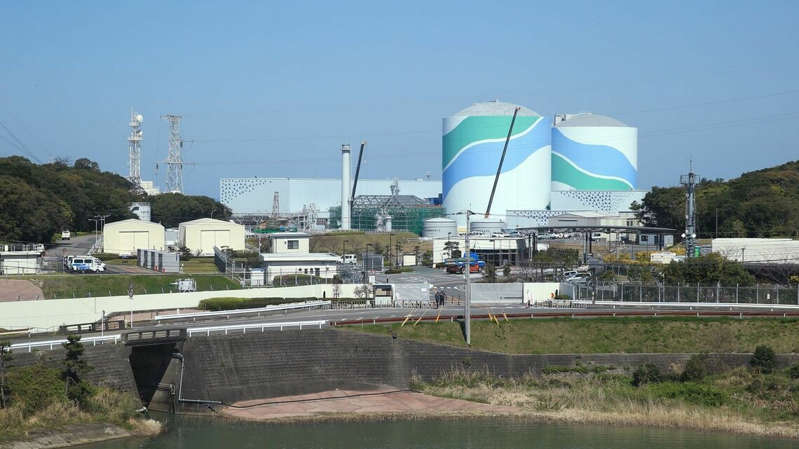
2022/07/04
An investigation by a non-profit organization has revealed that a portion of the cost of compensation for damages caused by the Fukushima nuclear power plant accident, which is borne by the major electric power companies, has been secretly reduced without proper explanation.
Photo: CALI’s release on March 31 regarding the determination of the general burden. This alone does not reveal the actual situation.
The amount of reduction amounts to 29.3 billion yen for one year in FY2021. Hajime Matsukubo, executive director of the NPO Nuclear Information and Documentation Office, who discovered this fact, criticizes the way it was done, saying, “There is no proper explanation to the public, the electricity users, and the way it was done is opaque.
Reducing the burden on electric power companies by approximately 20%.
Under the Act on Compensation for Nuclear Damage and Decommissioning of Nuclear Power Plants, the nine major electric power companies, including Tokyo Electric Power Company Holdings, Japan Atomic Power Company, and Japan Nuclear Fuel Limited, have been bearing a total of 11 companies’ costs called the general burden to cover the cost of compensation for victims of the nuclear accident.
A portion of this amount was paid in FY2011 and FY2012, and the full amount in FY2013 and thereafter was paid to the Japan Atomic Energy Agency (hereafter referred to as “JNES”). In FY2020, an additional 30.5 billion yen was added as an additional burden, referred to as the “past portion” (see below).
When Makoto Yamazaki, a member of the House of Representatives of the Constitutional Democratic Party of Japan, submitted a written question based on Matsukubo’s point of view, the government responded that the actual reduction in the general burden for FY2021 is 29.3 billion yen. The actual burden for the same fiscal year was 133.7 billion yen.
According to Matsukubo, the burden for the nine companies, excluding Chubu Electric Power and Japan Atomic Power Company, was reduced by about 20% from the FY2020 level. Chubu Electric’s burden was increased by 2.8%, and the reduction for Japan Atomic Power Company was about 14%. The company had the special circumstance that it had been decommissioning nuclear power plants even before the accident.
Regarding the reduction, a CALC official explained, “With the major electric power companies in a difficult business situation, the companies requested a reduction in the existing level of the general burden, which had been determined based on profit levels prior to the Fukushima nuclear accident.

The total amount of general contributions for FY2021, which CALI announced on March 31 after receiving approval from the Minister of Economy, Trade and Industry, was 194.7 billion yen, up 1.5 billion yen from the previous fiscal year. The aforementioned person in charge said, “The total amount of the general burden itself has not changed significantly compared to FY2020, and the burden on electricity users as a whole will remain the same. The total amount of the general burden itself has not changed significantly compared to FY2020, and the burden on electricity users as a whole has not changed.
However, there is a trick to this explanation.
There are two types of general contributions: one is the contribution related to compensation for the Fukushima nuclear power plant accident. The other is a past general burden created in 2015 when it was discovered that the cost of compensation was much higher than initially expected, and the increased amount was added to the transmission charges (charges for the use of transmission and distribution lines) in order to recover it. The new fee is to be collected from the second half of FY2020, as it should have been collected from 1966, when Japan’s first commercial nuclear power plant went into operation, to 2011, when the Fukushima nuclear power plant accident occurred, but had not been collected.
The amount of the past due amount was approximately 61 billion yen in FY2021, when a full year’s worth of fees was collected. 30.5 billion yen in FY2021 was a year-on-year increase of the past due amount, which overshadowed the former amount of reduced fees (29.3 billion yen).
METI and CALI should provide a proper explanation.
A significant portion of the conventional general burden is included in the cost of electricity rates and passed on to users. If the general burden has been reduced, shouldn’t it be used as a source of funds to reduce electricity rates?
Another problem is that the Ministry of Economy, Trade and Industry, which is in charge of approving electricity rates, has not provided proper explanations. When important utility rates are revised, the Consumer Affairs Agency and the Consumer Commission have a system to check the revision. However, the Consumer Affairs Agency says, “There have been no specific consultations and we have not received any information about the reduction of the general burden fee,” since it is not related to the revision of electricity rates.
On the other hand, one member of the Consumer Affairs Committee said, “This is the first time I have heard about this and I am surprised. The way it is done is opaque,” he told Toyo Keizai.
In addition to the complicated structure and method of determining electricity rates, costs related to nuclear power plants have been added to rates in the form of a roof over the head, with new fees collected retroactively after accidents have occurred. Moreover, “the method of determining the general burden is a black box” (Matsukubo).
Currently, the price of natural gas and other fossil fuels is soaring, causing electricity prices to rise, and households are finding it tougher to make ends meet. The fact that behind the scenes the electric power companies were secretly allowed to reduce their burden may cause suspicion toward the electric power administration. The Ministry of Economy, Trade and Industry (METI) and the Japan Atomic Energy Agency (JAEA) should reveal the actual situation of the reduction.
Where to in 2045? Contaminated Soil from the Nuclear Power Plant Accident: The Present Location of Interim Storage Facilities, Fukushima.
July 3, 2022
Contaminated removed soil and other materials generated by decontamination following the accident at TEPCO’s Fukushima Daiichi Nuclear Power Plant are temporarily stored at an interim storage facility adjacent to the plant. Decontamination outside of the difficult-to-return zones has been largely completed, and decontamination is also progressing in the specified restoration and rehabilitation base areas (restoration bases) within the difficult-to-return zones where evacuation orders are expected to be lifted this spring or later. However, there is no concrete plan for the decontamination of areas outside of the restoration centers that are difficult to return to, and there has been no progress in discussions regarding the removal of contaminated soil outside of Fukushima Prefecture. Eleven years after the accident, the problem of radioactive waste remains unresolved. (The problem of radioactive waste remains unresolved even 11 years after the accident.)
◆Total amount of contaminated waste is not foreseeable
According to the Ministry of the Environment, the amount of contaminated soil generated by decontamination in areas other than the difficult-to-return zones is estimated to be 14 million cubic meters, an enormous amount equivalent to 11 times the size of the Tokyo Dome. The soil is scheduled to be delivered to an interim storage facility by March 2010. In the remaining difficult-to-return zones in the seven municipalities of Fukushima Prefecture, six municipalities (excluding Minamisoma City) have been designated as “specific restoration base areas (restoration bases)” where decontamination work will be carried out ahead of other areas. It is estimated that 1.6 to 2 million cubic meters of contaminated soil will be generated in the decontamination of the reconstruction bases.
In addition, the government decided in August 2009 to lift the evacuation order for difficult-to-return zones outside of the restoration centers by decontaminating homes and other structures on request of those who wish to return. The Ministry of the Environment said, “We will proceed with the acquisition of land and the construction of storage facilities while keeping a close eye on the amount of soil that can be brought in. We do not know the maximum amount that can be brought in.

◆Unclear whether the waste will be transported out of Fukushima Prefecture
As the name implies, storage at interim storage facilities is considered “temporary” for final disposal. The government has promised to remove the contaminated soil to a final disposal site outside of Fukushima Prefecture in 2045, 30 years after the storage began in 2015. However, it is not known whether there are municipalities that will accept the waste contaminated by the nuclear accident, and the candidate site has not yet been decided.
In addition, three-quarters of the total amount of contaminated soil in storage currently contains less than 8,000 becquerels of radioactive cesium per kilogram of soil, which is the same level as that of the soil that is normally incinerated or landfilled. The government plans to reuse contaminated soil with less than 8,000 becquerels per kilogram in public works projects such as road construction. However, the use of contaminated soil is strongly opposed by local residents, and efforts to put this into practical use have run into difficulties. The Ministry of the Environment states that it will “continue its efforts to develop technologies and gain the understanding of related parties.

Interim storage facilities are located around the Fukushima Daiichi Nuclear Power Plant and cover an area of 1,600 hectares. Of the privately owned land, which accounts for about 80% of the total area, 93% has been acquired by the government. The delivery of contaminated soil generated outside of the difficult-to-return zone is expected to be completed by the end of FY2022.

Evacuation of Okuma Town Lifted, a First in a Town where Fukushima Daiichi Nuclear Power Plant is Located
July 1, 2022
At 9:00 a.m. on July 30, the evacuation order was lifted in Okuma Town, one of the hard-to-return zones still restricted due to radioactive contamination caused by the accident at TEPCO’s Fukushima Daiichi Nuclear Power Plant (Okuma and Futaba Towns, Fukushima Prefecture). Eleven years and three months have passed since the accident, and this is the first time that people have been able to live in the difficult-to-return zone in the municipality where the Fukushima Daiichi Nuclear Power Plant is located. The town is moving forward with the attraction of companies related to the decommissioning of the plant and the construction of housing, but it is not clear how many people will be able to live in the area.
The reconstruction site is mainly located in the residential area around Ono Station on the JR Joban Line and covers approximately 860 hectares, or 10% of the town’s land area. At the time of the nuclear accident, more than half of the population (11,505) lived there. Even now, approximately 5,900 people are registered residents, accounting for 60% of the total. The town has set a target of 2,600 residents in five years.
Mayor Atsushi Yoshida said at a crime prevention patrol ceremony held in front of Ono Station, “It takes time to get back to the bustling town we once were. We have finally made a start.
In April 2019, the evacuation order will be lifted in the southwestern part of Okuma Town, where about 380 residents are now living after the entire town was forced to evacuate due to the nuclear accident.

Specified Reconstruction and Revitalization Zone (Reconstruction base): A zone designated by the government after the Fukushima Daiichi Nuclear Power Plant accident as a “difficult-to-return zone” with high radiation levels, where government funds are being used to decontaminate the area in advance to enable residents to resume their lives. Of the seven municipalities in Fukushima Prefecture that remain in the difficult-to-return zones, six, with the exception of Minamisoma City, are located in these zones. The reconstruction base in Katsurao Village was lifted on June 12. The base in Futaba-cho, where the Fukushima Daiichi Nuclear Power Plant is located, is expected to be lifted in July or later.
◆There are many issues to be addressed, and the future will be tough.
In Okuma Town, Fukushima Prefecture, where the evacuation order has been lifted, there are still some areas that have not been fully decontaminated, and some houses that have not been demolished and decontaminated yet. The situation remains inconvenient with no stores or hospitals, and residents who wish to return to their homes said, “There are a lot of issues. The future will be tough,” said one resident.
About 6 km southwest of the Fukushima Daiichi Nuclear Power Plant. Mitsuhide Ikeda, 61, a part-time farmer, keeps 17 head of cattle in his pasture. On March 30, while feeding his cows with his wife Mikiko (64), Ikeda said, “I am happy to be able to go back to my home freely. I hope to resume livestock farming someday and also produce rice, vegetables, and fruits to show that it is possible to grow food in the area that was once a hard-to-return zone.
Eleven years ago, on the morning of March 12, Ikeda and his wife refused to dispose of their cattle, even after the sudden evacuation, saying, “We cannot take away the lives of our cows, our precious family members who have supported our lives. Once they caught the cows that had fled, they continued to care for them while commuting from Hirono Town, Fukushima Prefecture, where they had evacuated from, about 25 km south of the town.
Two years ago, he built an office where he can sleep on the site of his former home adjacent to the pasture, but even after the evacuation order was lifted, he continues to commute from Hirono Town. Even after the decontamination of his property, he found areas where the radiation level was 15 microsieverts per hour, well above the government’s long-term target of 0.23 microsieverts per hour, and had to have the area re-decontaminated. There were many such places throughout the neighborhood. Mitsuhide said, “The government could have bought up all the areas with high radiation levels and not decontaminated them.
Mikiko does not want to live in Okuma because “shopping is inconvenient. Mitsuhide also said, “There is no one around for hundreds of meters, so when something happens, there is no one to shout out. It would be difficult to live there right now,” he spilled. Still, he is determined to fulfill his desire to be a cattle breeder on his ancestral land.
◆It’s just a transit point
A woman, 60, who evacuated to Iwaki City, Fukushima Prefecture, feels that the lifting of the evacuation order is “just a passing point. After her house was placed in a recovery center, she asked the town what would happen to her house after the evacuation order was lifted, but she did not know.
I couldn’t see what was going to happen to the town,” said the woman. Her house has been demolished, but the surrounding area has been ransacked by burglars and animals, and there are still buildings that have not been decontaminated. I like Okuma because I can feel the four seasons and smell the grass being cut,” she said. But even if I was told I could go home, I would not be able to lead a settled life in a place where the living environment is not well maintained.”
The woman would like to build a house and live with her husband if the town’s environment is improved, but she cannot make up her mind right now. In a survey of residents’ intentions, 20% said they could not decide whether or not to return, but these people are the most likely candidates to come back. If we don’t take good care of them, they won’t come back.
https://www.tokyo-np.co.jp/article/186757?fbclid=IwAR1u_nJYuzfyBZH8Odmy_i0qmX4AWdYsaBiAkFpCud4I7HbevwaFA7efvxE
1 This Month
To see nuclear-related stories in greater depth and intensity – go to https://nuclearinformation.wordpress.com/
12 February – Webinar The Big Push: New Nuclear Projects in Canada
Thursday, February 12, 7 pm Eastern | 2nd of 4 sessions in the 2026 Nuclear Waste Online webinar series
Join a webinar on the push for new nuclear generation in Canada. Go to Northwatch.org to register or use the registration link https://us02web.zoom.us/webinar/register/WN_ZfWOf1GITqSRIZX8CB-A9w
-
Archives
- February 2026 (127)
- January 2026 (308)
- December 2025 (358)
- November 2025 (359)
- October 2025 (376)
- September 2025 (258)
- August 2025 (319)
- July 2025 (230)
- June 2025 (348)
- May 2025 (261)
- April 2025 (305)
- March 2025 (319)
-
Categories
- 1
- 1 NUCLEAR ISSUES
- business and costs
- climate change
- culture and arts
- ENERGY
- environment
- health
- history
- indigenous issues
- Legal
- marketing of nuclear
- media
- opposition to nuclear
- PERSONAL STORIES
- politics
- politics international
- Religion and ethics
- safety
- secrets,lies and civil liberties
- spinbuster
- technology
- Uranium
- wastes
- weapons and war
- Women
- 2 WORLD
- ACTION
- AFRICA
- Atrocities
- AUSTRALIA
- Christina's notes
- Christina's themes
- culture and arts
- Events
- Fuk 2022
- Fuk 2023
- Fukushima 2017
- Fukushima 2018
- fukushima 2019
- Fukushima 2020
- Fukushima 2021
- general
- global warming
- Humour (God we need it)
- Nuclear
- RARE EARTHS
- Reference
- resources – print
- Resources -audiovicual
- Weekly Newsletter
- World
- World Nuclear
- YouTube
-
RSS
Entries RSS
Comments RSS
 nuclear-news