How the Advertising Giant Dentsu Dominates Japanese Media Presentation on Nuclear Power?
Does the advertising giant Dentsu pull the strings of the Japanese media?
Sachie Mizohata, Translation from French and Introduction
Original French article in INA Global
Japanese translation by Uchida Tatsuru (see May 15, 2016)
Introduction: How the Advertising Giant Dentsu Dominates Japanese Media Presentation on Nuclear Power?
French journalist Mathieu Gaulène describes the business practices of Dentsu and its competitor Hakuhodo, the biggest and the second biggest advertising companies of Japan respectively. Specifically, it examines how their close relations to the media and the nuclear industry play out in the wake of the 3.11 earthquake, tsunami and nuclear disaster. Focusing Dentsu, Gaulène discusses how the marketing and public relations (PR) giant has dominated major media which large advertising contracts from the nuclear industry. The article is particularly timely as Dentsu unveils its deep ties to the Tokyo 2020 Olympic bid and the Panama Papers. Regrettably, however, with rare exceptions, there is little media coverage of the influence of Dentsu in mainstream Japanese newspapers and magazines.
According to the author, a partial translation of the French original was made by Kazparis (username), and quickly received more than 70,000 views on Twitter. Then, Uchida Tatsuru, a specialist in French literature, and HACK & SOCIETAS published two other Japanese translations. Soon after, Tokyo Shimbun and Mainichi Shimbun published long articles about Dentsu. SN
Summary
Dentsu, the fifth largest communication group in the world, holds a large share of the Japanese advertising market, which impacts media freedom in Japan. This is particularly true in relation to the nuclear power industry.
– Dentsu and information on nuclear power
– Indirect pressures on press journalists
– The 2016 comeback of nuclear advertisements and the resignations of TV journalists
The moment remains famous. On the eve of Japan’s Upper House elections, former actor Yamamoto Taro, an anti-nuclear power candidate supported by no party, campaigned on Twitter to win an upper house seat in the Diet. Censored by the media, the young candidate, famous for his verve, had mainly campaigned against nuclear power, but he also called out the big media, accusing it of being in the pay of sponsors and thus of electric companies and of systematically censoring critical information on nuclear power.
A television channel granted him an interview at the end of a program, but only after presenting a journalist to defend his profession. On screen, the young senator was given only one minute to respond. “I will take a simple example. Food can now hold up to 100 becquerels per kilogram; that means even just via eating we are irradiated. It is never said on television… ” Yamamoto had to stop. The ending jingle started, and the presenter at the studio announced, bantering, that the show was over, before launching an advertising page.
The video, which was available online for 3 years, was removed on May 16, 2016 shortly after the publication of this article.
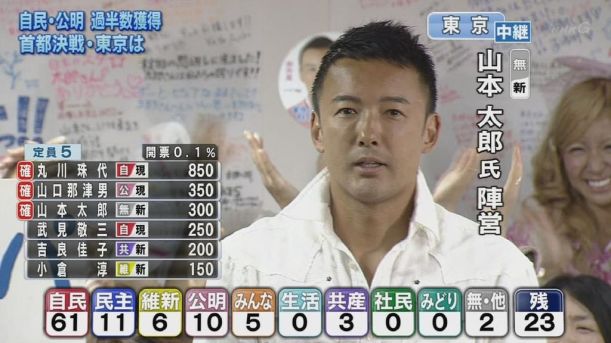
Yamamoto Taro on NHK, 21 July 2013
Advertisements in Japan are literally everywhere: a veritable hell of posters or screens in trains and stations, giant posters on buildings, bearers of advertising placards or lorries with huge posters and loud PA systems in the streets: even advertising displays mounted atop urinals in some restaurants. In this advertising empire, the media are no exception. In the press, naturally, as in France, major companies pay for full page advertisements. But, above all in television. An entertainment show generally starts with the announcement of sponsors, and is interrupted every five minutes by numerous short advertising spots, where we often find the same sponsors. There is virtually no time for thinking, most TV channels offer programs close to the world of pachinko: garish colors, constant noise, and frat humor even of the most vulgar kind.
In this immense television arena, advertising is orchestrated by one of the global giants, Dentsu, the 5th communication group in the world and the number one ad agency. With its rival Hakuhodo, 2nd in the archipelago, the two agencies nicknamed “Denpaku,” combine advertising, public relations, media monitoring, crisis management for the largest Japanese and foreign companies, the local authorities, political parties or the government. Together they hold nearly 70% of the market. A true empire that some accuse of ruling the roost in the Japanese media.
A figure allows sizing up Dentsu’s reach: in 2015, the group secured nearly 7 billion euros in revenue, second only to the French Publicis with 9.6 billion euros during the same period. Most of its business is in TV advertisements. For example, Dentsu has created a commercial series for Softbank for almost ten years: the famous “Shirato” family characterized by a white dog as the father; an American black actor as the older brother; and Tommy Lee Jones as a housekeeper.
In July 2013, the group expanded internationally by acquiring the British Aegis for 3.7 billion euros to establish the Dentsu Aegis Network in London. This international network, consisting of ten advertising agencies in more than 140 countries, allowed the Japanese to beef up their activities, particularly in digital marketing, and to secure a position in the international market which accounts for more than half of its total global business (54.3% in 2015). Dentsu employs 47,000 people worldwide, including 7,000 in Japan.
Dentsu and information on nuclear power
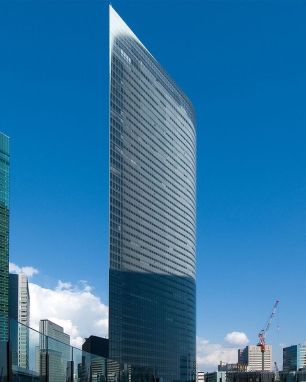
Dentsu headquarters, Shiodome
Located in the business district of Shiodome, not far from Nippon TV, Fuji TV and the Asahi Shimbun newspaper, the Dentsu tower dominates the skyline with its imposing beauty. Designed by the French architect Jean Nouvel, its gentle curves and perfect glass walls soothe the eye. Inside the building, Mr. Kannan Shusaku, communications director of the group, receives us, all smiles for a visit of the site. The ground floor is filled with contemporary art, like a white chessboard by Yoko Ono. From there, a noria of lifts takes employees towards different floors and rigorously separates departments. The group’s customers are the top 5 in each industry, and “everything is done so that employees working for competing enterprises never meet each other.” Mr. Kannan assures us. Dentsu obviously prizes transparency, but is its image that stainless?

Honma Ryu, Dentsu and Nuclear Coverage
In a book published in 2012, Honma Ryu looked into some of Dentsu’s backstage, and its tight control over the media, especially on behalf of one of its major clients: Tokyo Electric Power Company, Tepco. Honma is not alien to advertising circles; he worked for 18 years at number 2, Hakuhodo, then after one year imprisonment for fraud, he began writing, first about his prison experience, then about his years of advertising and the methods he used to coax the media. In 2012, his book Dentsu and Nuclear Coverage became a bestseller within a few months, despite almost universal media blackout.
Honma meticulously described the mechanisms by which Dentsu, the inevitable intermediary, implicitly imposes on media what can or cannot be written on nuclear power, and under what conditions. “Dentsu occupies a special position since the agency holds 80% of the market for nuclear advertising in Japan,” he reminded us during an interview in a coffee shop at Ueno Station. In 2010, in this huge advertising market, Tepco, a regional firm, indeed ranked 10th in terms of advertising expenses, next to power plant manufacturer Mitsubishi Heavy Industries. That year, on the eve of the Fukushima accident, Tepco had spent more than 2 million euros on advertising. The overall advertising expenses of the 10 regional electrical power companies amounted to 7 million euros.
For decades, especially since the 1990s when public opinion began to become critical of nuclear power following several accidents, Tepco and other power companies stepped up commercials and advertorials in the press.
On television, the advertisements can be enough in themselves to overwhelm criticism. Big groups often sponsor TV programs, talk shows or series for an entire season. Sometimes, entire documentaries are produced by Denjiren, [the Federation of Electric Power Companies of Japan (FEPC)], a key player in the nuclear lobby, to promote the industry. Any dissenting voice is unwelcome for fear of losing sponsors. After Fukushima, Yamamoto Taro paid the price; appearing regularly on TV as a tarento [talent] until then when he suddenly became persona non grata on TV and even in cinema for having expressed opposition to nuclear power. This is hardly new since the great figures of the anti-nuclear movement, best-selling authors such as Hirose Takashi or Koide Hiroaki are almost never invited to appear on TV, especially after the Fukushima accident. This “control by media” denounced by Honma Ryu obviously is not limited to the nuclear power industry. Thus, he reminds us of the case of the millions of Toyota vehicle recalls due to a defective accelerator pedal. It was necessary to wait until the Toyota CEO apologized to the U.S. Congress before that affair really appeared in the Japanese press. “No doubt the advertising agency had succeeded until then in preserving the image of its client, but when the scandal became too big and was in the public eye abroad, the media had no choice but to reveal the affair” he states. It is hardly an exaggeration to say that apart from some programs such as “Hodo Station” on TV Asahi, which provide good quality information, sometimes being critical of the government, most TV news in Japan rarely address subjects that can offend one or another group, relaying communications from the government without critically stepping back, and not introducing international news except when the subject involves Japanese citizens.
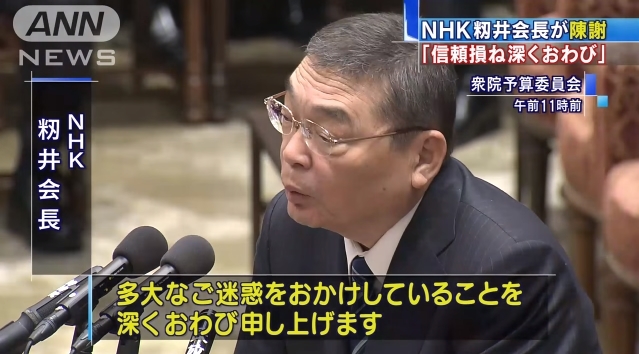
Momii Katsuto apologizing at Lower House Budget Committee session, 13 January 2016
Amid all these private media groups, only NHK escapes this advertising empire and can claim to be independent, receiving its funding directly from viewers. Alas, the situation at NHK is even more disastrous, its president Momii Katsuto having said without embarrassment on several occasions that the chain had to be the spokesman for the Abe government. In a recent statement before 200 retired NHK employees, he even seemingly acknowledged having ordered NHK journalists to confine broadcasts to reassuring communiqués from the authorities about Kyushu earthquakes and potential risks they pose to nuclear plants and instructing them not to interview independent experts.
Indirect pressures on the press
What about the press? Dentsu has long had a special relationship with the two news agencies Kyodo News and Jiji Press: the three entities formed a single information group before the war. If information in the press is more difficult to control, Dentsu not only advertises, but provides after-sales customer service — media monitoring, advice on crisis management, and indirect pressure on newspapers.
Whereas in France, the acquisition of media companies by large industrial groups is the prelude to direct pressure, in Japan pressure comes via advertising agencies that act as true ambassadors for the groups. “I know very well how this happens, as Honma Ryu amusingly relates, I did the same thing when I was at Hakuhodo. If an incident occurs in a factory or a plant and the press reports it, Dentsu directly intervenes and visits the business department of the newspaper in question.” Things are done in the “Japanese” way. “We ask them politely to try to speak less about the case, not to put the article on the front page, or to publish it in the evening paper which is less read.” Such messages are directly transmitted by the business staff of the journal to top management.
Journalists will never know, but the next day their article will be relegated to the inside pages, or sometimes simply not published, or, for example, claiming lack of space. But, suspicions are numerous, and, Honma reports, after the publication of his book, many journalists came to see him confirming cases of censorship. Advertisements of nuclear power are mainly distributed in weekly and daily newspapers. Since the accident at the Fukushima nuclear plant, they stopped; but for Dentsu, a profitable new business emerged: promoting agricultural products from Fukushima. Since 2011, with the participation of star singers, Fukushima Prefecture has never skimped on promoting its peaches, rice, or tomatoes, with slogans like “Fukushima Pride” or “Fukushima is well!”


“Fukushima Pride”
All this thanks to the help of Dentsu and Dentsu Public Relations (PR). “Dentsu PR also works for the METI [Ministry of Economy, Trade, and Industry],” explains Ms. Fujii Kyoko, Director of communications at Dentsu PR. “We organized free tours of Tohoku for foreign journalists, such as Thai and Malaysian journalists, to show that the region is recovering from the disaster.” And to expunge the surrounding radioactivity?
Dentsu thus occupies a very special position in the promotion of nuclear power, beside Tepco but also the powerful Ministry of Economy, Trade, and Industry (METI) and the Liberal Democratic Party (LDP), both clients of the advertising company. Under these conditions, can Dentsu not be considered to actively underwrite the “nuclear village”? To this question, Mr. Kannan Shusaku, who received us in his office at the top of the Dentsu tower, answered without beating around the bush. “We have no power to influence the media and we do not practice politics.” Yet when asked why Dentsu is a member of the Japan Atomic Industrial Forum (JAIF), the main organization of nuclear lobbying, along with Japanese electric utility companies and EDF [Electricity of France, Électricité de France], Mr. Kannan became more circumspect. “I do not know this association… Really, are you sure?” he replied, slightly annoyed, before reaching for his smartphone. “Oh, yes, we are members. But, you know we are members of many associations. People ask us to send someone and sign, that’s all.” Apparently unconvinced by his own argument, he finally found a getaway and suddenly exclaimed: “You see, Hakuhodo is also a member!” obviously happy about not being the only one enlisted in the lobby.
The 2016 comeback of nuclear advertisements and resignations of TV journalists
For Honma Ryu, this is a sign of a resumption of promotion activities of nuclear power. “Hakuhodo has actually been a member of the JAIF for two years,” he explained, after the Fukushima accident. Obviously, having been sidelined for several decades from this gold mine of nuclear advertisements, the rival agency wants to restore its share in the promotion of nuclear power in the post-Fukushima era. These ads had, however, completely disappeared since the accident on March 11, 2011. After a final full page apology in the press and broadcast on television by Tepco, the plant operators and manufacturers had chosen to keep a low profile, not broadcasting advertisements on nuclear power for five years.
But, although plant restarts have been hindered by dozens of lawsuits, some victorious as in Takahama, and the general population has generally been reluctant to see resumption of reactors, promoting nuclear power has again become intense. After restarting one plant in 2015, 2016 is the year of a discreet comeback for nuclear advertisements. These appear in the press and on local television of the prefectures with power stations. Honma Ryu reports that since February 2016, full-page advertisements have been published in Fukui Shimbun by the Kansai Electric Power Company, where the Takahama plant was closed a month after its restart due to a lawsuit filed by citizens. Tepco advertisements for restarting Kashiwazaki-Kariwa have also appeared in the Niigata Nippo and on local television in a particular context: the current governor is firmly anti-nuclear and opposes any restart, but elections will be held by the end of this year when his term ends. This resurgence of Tepco nuclear advertising, however, has raised the ire of Niigata citizens, especially refugees from Fukushima who have launched a petition to stop them.
The message of all of these advertisements is identical, revealing the hand of Dentsu behind the scenes. Electric companies promise to make every effort to ensure the safety of power plants, while photographs highlight the plight of nuclear workers who are often poor and sometimes dependent on jobs in the nuclear industry. According to Honma Ryu, these advertisements are certainly only the tip of the iceberg. They are part of a campaign to closely monitor all information published on nuclear power, as well as the quasi-guarantee that local newspapers will limit the voice of opponents.
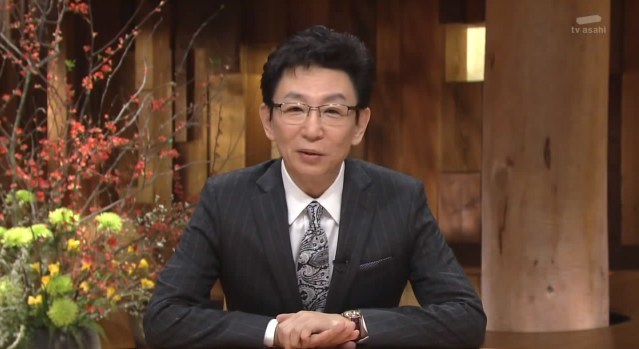
Furutachi Ichiro on “Hodo Station”
In a report on press freedom released in April 2016, Reporters Without Borders ranked Japan 72nd, behind Hungary and Tanzania. Six years ago, it ranked 11th. Visiting Tokyo, a United Nations rapporteur alerted the country to the growing pressures on Japanese journalists who work for private media or NHK. This is because of increasing government pressure, exacerbated by the entry into force in the past year of a law on state secrets, including nuclear related matters. A law with vague outlines threatens journalists with imprisonment for disclosing “secret” information. A sign of the times is that three television journalists known for their independence announced their resignation at the beginning of the year. Among them is Furutachi Ichiro, presenter of “Hodo Station,” which, according to Honma Ryu, was targeted by Dentsu for several years because of his critical views on nuclear power and the Abe administration. No doubt Dentsu, privileged ambassador of the largest industrial groups, will continue to play its role in the great media lockdown ongoing in Japan.
http://apjjf.org/2016/11/Gaulene.html
Geology graduates investigate Fukushima-derived radioactivity in Hawaii

Trista McKenzie in the lab
On March 11, 2011, following the Tohoku earthquake and tsunami, several reactors at the Fukushima Dai-ichi Nuclear Power Plant suffered damage and released radioactive chemicals into the atmosphere and contaminated wastewater into the nearby Pacific Ocean. Hannah Azouz and Trista McKenzie, two recent graduates from the University of Hawaiʻi at Mānoa School of Ocean and Earth Science and Technology (SOEST) bachelor of science in geology program, assessed the extent to which the soil of Hawaiʻi and locally purchased fish have been impacted by radioactivity from this event.
The students’ mentor, Henrietta Dulai, associate professor of geology, explained the motivation for this work, “My research team has been monitoring Fukushima-derived cesium in the Pacific Ocean since 2011 and we concluded that the Hawaiian Islands were spared from a direct hit of radionuclide plume spread by ocean currents. Yet, fish migrate and so even fish caught locally may accumulate some cesium in waters north of Hawaiʻi. Further, only one week after the disaster, the Department of Health identified Fukushima-derived radionuclides in the air, milk and precipitation over Hawaiʻi Island. We wanted to determine how much cesium was deposited from the atmosphere to the islands.”

Fresh-caught Ahi tuna
Locally-purchased fish
To investigate the impact on locally-purchased fish, Azouz measured Fukushima-derived cesium isotopes in thirteen types of fish that are most commonly consumed in Hawaiʻi.
The FDA-accepted intervention limit for cesium isotope intake is 300 Bq/kg for fish. All fish tested were significantly below intervention limits—the highest cesium concentration in the examined species was in the Ahi tuna, carrying less than 1 Bq/kg.
“These data are informative to the community and they reassure me about the safety of the food we consume,” said Azouz. “The activities of the radionuclides were gratefully low—a person consuming the annual average amount of fish would receive the same dose of radioactivity as if they consumed one banana.”
“I did not know how passionate I would become about earth sciences,” said Azouz, who grew up in California but now calls Kailua home. “The most rewarding thing about this project is providing honest relief and real answers to the public. I can’t wait to publish this study and get it out onto the internet for the rest of the community to see!”
Azouz’s work was funded by the Undergraduate Research Opportunities Program (UROP) at UH Mānoa, with support from the Honors Program and SOEST.
“I recommend the University’s Honors Program as a great way to jump start a future career in your favored field. The research opportunities are endless,” said Azouz.

Soil and mushrooms
To estimate the atmospheric fallout of Fukushima-derived cesium and iodine onto Hawaiʻi, McKenzie analyzed mushroom and soil samples from Oʻahu and Hawaiʻi Island from areas with various average rainfall.
McKenzie’s research confirmed and quantified the presence of Fukushima-derived fallout in Hawaiʻi—the radioactive elements were present in both mushrooms and soil. However, the activities detected were much lower than fallout associated with the nuclear weapons testing in the Pacific. Additionally, they found that Fukushima-derived cesium in soils was correlated with precipitation—the more rainfall, the more cesium.
The levels of cesium activity (factoring both historical and Fukushima-derived fallout) in mushrooms were more than 12 times under the Derived Intervention Limit. For soils, there is no specific safety limit for radiocesium, but McKenzie found cesium inventories were not high—up to 1,200 Bq/m2 cesium in Hawaiʻi soils compared to 200,000 Bq/m2 in forest soils found near the Fukushima Power Plant.
McKenzie’s fieldwork was funded by UROP at UH Mānoa, as was a trip to Vienna, Austria, to present her research at the European Geosciences Union (EGU) General Assembly. Subsequent to her presentation in Vienna, McKenzie also won the American Geophysical Union Multi-Society Undergraduate Spring 2016 Virtual Poster Showcase.
“I chose this project for my undergraduate research because it offered me a chance to investigate a really important question,” said McKenzie. “I’ve enjoyed both the field and lab work, and as a result of attending the EGU, I was able to meet geologists from all over the world and gain valuable presentation experience,” said McKenzie.
Both Azouz and McKenzie will continue working with Dulai in the fall—this time as graduate students.
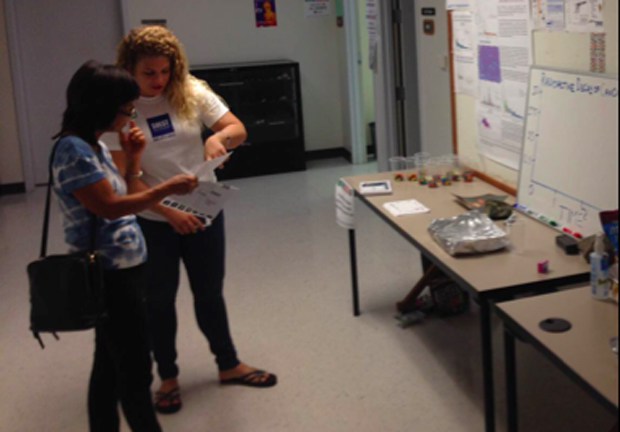
Hannah Azouz sharing research findings at the 2015 SOEST Open House
Geology graduates investigate Fukushima-derived radioactivity in Hawaiʻi
Up to 10,20 µSv in Ichinoseki, Iwate Prefecture 163km from Fukushima Dai-ichi
Ichinoseki, Iwate Prefecture. Way north of Sendai, adjacent to Kessenuma and Minamisanriku. 163km, (101 miles) from Fukushima Dai-ichi.
(part 3) Young woman from Fukushima speaks out
This interview was filmed on February 12, 2016, in Fukushima Prefecture. The young woman was 15 at the time of the nuclear meltdown in Fukushima, and we are releasing this interview with her permission. She is one of the 166 Fukushima residents aged 18 or younger at the time of the nuclear disaster who has been diagnosed with or suspected of having thyroid cancer (as of February 2016).
Fukushima residents who were 18 years old or younger at the time of the nuclear accident have been asked to participate in the voluntary thyroid ultrasound examination which is part of the Fukushima Health Management Survey. However, 18.8% of this age group were not tested in the 1st round of testing.* While the final results for the 2nd round of testing are not yet complete, every year the number of children participating in the official thyroid examinations is decreasing; the number of children who have not participated in the 2nd round of testing is currently 50.7%** For those young people aged 18-21 (as of April 1, 2014) and who were living in Fukushima at the time of the nuclear accident, 74.5% have not yet taken part in the official thyroid ultrasound examination.**
This young woman’s reason for speaking out is to motivate the families of children who have not yet received the thyroid ultrasound examination to have their children tested. However, in sharing her story about a topic which has become increasingly difficult to talk publicly about in Japan, she faces inherent risks which may include those to her work, community life and personal relationships. I therefore ask that her privacy is respected.
Ian Thomas Ash, Director
Resuspension and atmospheric transport of radionuclides due to wildfires near the Chernobyl Nuclear Power Plant in 2015: An impact assessment
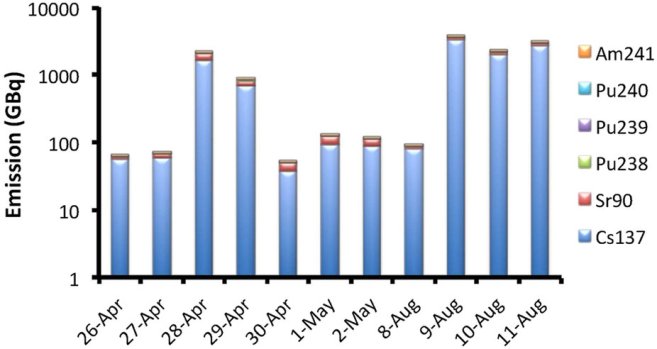
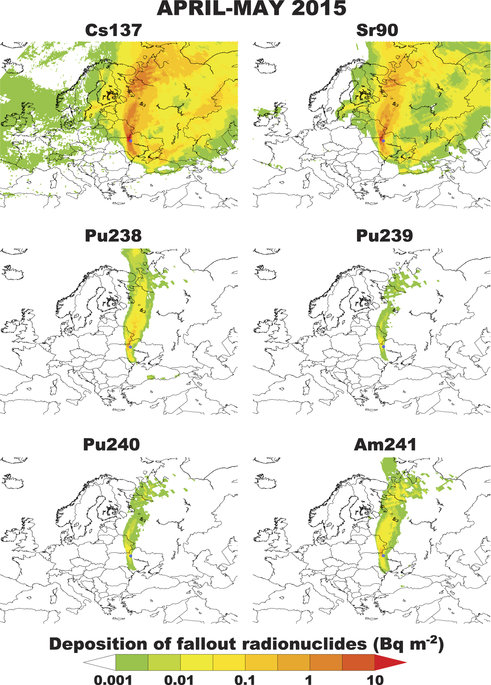
In April and August 2015, two major fires in the Chernobyl Exclusion Zone (CEZ) caused concerns about the secondary radioactive contamination that might have spread over Europe. The present paper assessed, for the first time, the impact of these fires over Europe. About 10.9 TBq of 137Cs, 1.5 TBq of 90Sr, 7.8 GBq of 238Pu, 6.3 GBq of 239Pu, 9.4 GBq of 240Pu and 29.7 GBq of 241Am were released from both fire events corresponding to a serious event. The more labile elements escaped easier from the CEZ, whereas the larger refractory particles were removed more efficiently from the atmosphere mainly affecting the CEZ and its vicinity. During the spring 2015 fires, about 93% of the labile and 97% of the refractory particles ended in Eastern European countries. Similarly, during the summer 2015 fires, about 75% of the labile and 59% of the refractory radionuclides were exported from the CEZ with the majority depositing in Belarus and Russia. Effective doses were above 1 mSv y−1 in the CEZ, but much lower in the rest of Europe contributing an additional dose to the Eastern European population, which is far below a dose from a medical X-ray.
On Sunday 26th April 2015 at 23.30 (local time), exactly 29 years after the Chernobyl Nuclear Power Plant (CNPP) accident, a massive fire started in the Chernobyl Exclusion Zone (CEZ). The next morning (April 27th) at 07.30 the fire was partially stabilised and the fire-fighters focused on only two areas of 4.2 and 4.0 hectares. However, the fire spread to neighbouring areas due to the prevailing strong winds. During the night of April 27th to 28th, 2015, the fire spread to areas close to the Radioactive Waste Disposal Point (RWDP), and burned around 10% of the grassland area at the western of the RWDP1. On April 29th and 30th, 2015, the attempts to stop the fires in the CEZ did not succeed. Fire brigades from Chernobyl and Kiev region supported extinguishing attempts and the last 70 ha were suppressed on May 2nd, 2015. The radiation background is continuously monitored in the CEZ by an automated radiation monitoring system (ARMS) at 39 points1. Given the importance of this fire, background radiation and radionuclide content in the air near the fire were also analysed online.
Another less intensive fire episode took place in August 2015. About 32 hectares were initially burned in the CEZ on August 8th 2. The fires started at three locations in the Ivankovsky area. As of 07.00 on August 9th, the fires had been reportedly localized and fire-fighters continued to extinguish the burning of dry grass and forest. The same fire affected another forested area, known as Chernobylskaya Pushcha. The fire spread through several abandoned villages located in the unconditional (mandatory) resettlement zones of the CEZ and ended on August 11th.
Forest fires can cause resuspension of radionuclides in contaminated areas3. This has caused concern about possible fires in heavily contaminated areas such as the CEZ4. While concerns were initially limited to the vicinity of the fires, Wotawa et al.5 have shown that radionuclides resuspended by forest fires can be transported even over intercontinental distances. Earlier in 2015, Evangeliou et al.6, based on a detailed analysis of the current state of the radioactive forests in Ukraine and Belarus, reported that forest cover in the CEZ has increased from about 50% in 1986 to more than 70% today. Precipitation has declined and temperature has increased substantially making the ecosystem vulnerable to extensive drought. Analysis of future climate using IPCC’s (Intergovernmental Panel on Climate Change) REMO (REgional MOdel) A1B climatic scenario7 showed that the risk of fire in the CEZ is expected to increase further as a result of drought accompanied by lack of forest management (e.g. thinning) and deteriorating fire extinguishing services due to restricted funding. The same group8 considered different scenarios of wildfires burning 10%, 50% and 100% of the contaminated forests. They found that the associated releases of radioactivity would be of such a magnitude that it would be identical to an accident with local and wider consequences9. The additional expected lifetime mortalities due to all solid cancers could reach at least 100 individuals in the worst-case scenario.
This paper aims at defining the extent of the radioactive contamination after fires that started in the CEZ on April 26th (ended 7 days after) and August 8th (ended 4 days after) 2015. We study the emission of the labile long-lived radionuclides 137Cs (t½ = 30.2 y) and 90Sr (t½ = 28.8 y) and the refractory 238Pu (t½ = 87.7 y), 239Pu (t½ = 24,100 y), 240Pu (t½ = 6,563 y) and 241Am (t½ = 432.2 y). These species constitute the radionuclides remaining in significant amounts since the Chernobyl accident about 30 years ago, and their deposition has been monitored continuously by the Ukrainian authorities. The respective deposition measurements have been adopted from Kashparov et al.10,11 and are stored in NILU’s repository website (http://radio.nilu.no). Using an atmospheric dispersion model, we simulate the atmospheric transport and deposition of the radioactive plume released by the forest fires. We also estimate the internal and external exposure of the population living in the path of the radioactive smoke. We assess the significance of the emissions with respect to the INES scale and define the regions over Europe, which were the most severely affected.
See more at: http://www.nature.com/articles/srep26062

Suspicions grow over Tokyo 2020 Olympic bid team’s payment for ‘consulting fees’
Suspicions have been raised over the credibility of the Tokyo 2020 Olympic bid team’s decision to pay about 230 million yen to the “Black Tidings” company in Singapore for “consulting fees” as part of efforts to win the right to host the Games.
Japanese Olympic Committee (JOC) Chairman Tsunekazu Takeda, who headed the bid team in 2013, was hard-pressed to explain the deal during a meeting on May 16 of the House of Representatives Budget Committee. While the total cost of hosting the 2020 Tokyo Olympic and Paralympic Games is expected to swell, facts about the Olympic bid team going to extremes to win its bid to host the Games have been exposed one after another.
Takeda, the top figure in the Japanese sports world, was grilled as an unsworn witness during the lower house budget committee meeting. Takeda emphasized, “It is a common practice to have contracts with overseas consultants and there will be no success without them. Their consultations were crucial for our last-minute vote counting and winning votes.” He made the statement when he was questioned by Democratic Party (DP) legislator Yuichiro Tamaki.
Each candidate city for hosting Olympic events signs contracts with multiple consulting firms at home and abroad in order to receive guidance on bidding campaign speeches and advice on lobbying activities aimed at collecting votes from International Olympic Committee (IOC) members. In its bid to host the 2020 Tokyo Olympic and Paralympic Games, the bid committee signed contracts with about 10 consulting firms, sources said.
According to the bid committee’s report on its activities, the Tokyo Metropolitan Government and the bid committee footed the bill for bidding activities and spent about 8.9 billion yen between September 2011 and September 2013. Still, that figure is about 60 percent of about 14.9 billion yen spent on Tokyo’s unsuccessful bid for the 2016 Summer Olympics and Paralympics.
Of the 8.9 billion yen, about 4.1 billion yen was used for overseas activities to try to win the bid to host the Games. The “consulting fees” in question were included in expenses for overseas public relations activities — part of international bidding activities. The bid committee, which had collected contributions from the private sector and support money, shouldered the expenses for the “consulting fees.” The Tokyo Metropolitan Government did not directly pay the consulting fees. Furthermore, Takeda insisted that the payment was legitimate because it was audited by a Tokyo-based audit company and approved by the IOC.
Nonetheless, suspicions have been raised about the personal connections of Ian Tan Tong Han, who represented the “Black Tidings” company. The French financial prosecutor’s office has been investigating disgraced former International Association of Athletics Federations President Lamine Diack and his son Papa Massata Diack on suspicion of receiving cash in return for giving silent approval to doping by Russian athletes. The French prosecutors focused their attention on the fact that Papa Massata Diack is a close friend of Ian Tan Tong Han. Allegations have emerged that money aimed at colleting votes was funneled to Papa Massata Diack, who had a voice in the decision on which country would host the games.
Takeda emphasized that he was not aware of the connection between Ian Tan Tong Han and Papa Massata Diack. However, Ian Tan Tong Han has not been reached since the allegations came to light and the flow of the consulting fees has not been confirmed. Sources abroad who have been long involved in Olympic events say that Ian Tan Tong Han is not well known. Ian Tan Tong Han’s Singapore office was in an apartment room. The fact that the Tokyo bid committee paid the massive amount of funds to a company that looked like a shell company has led to a sense of public distrust in the Tokyo Olympic bidding campaign.
In the final round of voting at the IOC general meeting in September 2013, Tokyo won 60 votes against 36 for Istanbul. The result showed a landslide victory for Tokyo, but the competition between the three cities including Madrid had been so keen that it was hard to predict the winner. Before the opening of the IOC general meeting, people linked to the race for the right to host the 2020 Games gathered at a lobby of a Buenos Aires hotel where IOC members were staying. Rumors were swirling that people related to Istanbul were apparently calling in IOC members to try to persuade them to vote for their city. Suspicion was stoking idle fears among people there.
At that time, Tokyo was fighting an uphill battle. Then Tokyo Gov. Naoki Inose, who was chairman of Tokyo’s Olympic bid committee, came under fire for saying in April 2013 that Islamic countries were “fighting with each other.” In July that year, Tokyo’s bid to host the Games was viewed with anxiety as news spread of a leakage of contaminated water at the Fukushima No.1 nuclear power plant.
The Tokyo bid committee regarded the IAAF World Championships in Athletics that opened in Moscow in August 2013 as a major highlight of its activities. That’s because many IOC members, mainly those related to athletic sports, would gather there. Ian Tan Tong Han had already promoted himself. Through Dentsu Inc., a major Japanese international advertising and public relations company, the Tokyo bid committee confirmed that Ian Tan Tong Han had played a role in helping Beijing win the right to host the 2015 IAAF World Championships in Athletics. The bid committee abandoned its pride to pay the consulting fees of 230 million yen.
The murky payment of consulting fees is not the only step taken by the bid committee to win the right to host the Games that sparked public distrust. Although the bid committee changed itself into an organizing committee tasked with preparing and operating the Games in January 2014, it was revealed that the total cost of hosting the world event was underestimated when the bid committee was campaigning for its bid.
Above all, the construction plan for a new Olympic stadium — the main venue for the Games — raised havoc. The construction cost for the new national stadium was estimated at 130 billion yen at the time of the bidding campaign. But after looking into details of the plan, the total cost was expected to soar to about 300 billion yen, forcing the scrapping of the construction plan in July 2015. Meanwhile, the total cost of building temporary venues that are to be dismantled after the Games is likely to rise to about 300 billion yen — about four times the 72.3 billion yen estimated at the time of the bidding campaign. Tokyo 2020 Olympic Organizing Committee President Yoshiro Mori said in July 2015 that the total cost of hosting the Games could exceed 2 trillion yen. It was earlier estimated at 734 billion yen at the time of the bidding campaign.
Why did the Tokyo Olympic committee have to bite off more than it could chew? The root cause of this stems from their eagerness to overcome Tokyo’s weakness shown when it miserably lost its bid to host the 2016 Games. The bid committee set aside hefty funds for overseas consulting fees this time because it had the bitter lesson that it was weak in lobbying activities abroad. Another weakness stems from low support ratings at home for hosting the Games. As compared with Rio de Janeiro, which received a support rate of 84.5 percent for hosting the 2016 Summer Games, Tokyo had only a 55.5 percent support rate for the same event. Tokyo received a support rate of 70 percent for hosting the 2020 Games in a survey conducted in January 2013 by the IOC, but there were persistent views in Japan that priority should be placed on efforts to rebuild the regions battered by the 2011 Great East Japan Earthquake. If the government were to spend huge amounts of money on the Games, it could see public support declining. Holding the estimated cost of hosting the Games down to the minimum was a desperate measure.
A senior official of the organizing committee said the situation looks hopeless. “If we simulated everything at the very outset, we would not be able to host the Olympic Games.” The organizing committee is under pressure to make adjustments to meet realities.
http://mainichi.jp/english/articles/20160517/p2a/00m/0na/019000c
Arnie Gundersen measured 4,000 Bq/kg on a Tokyo street
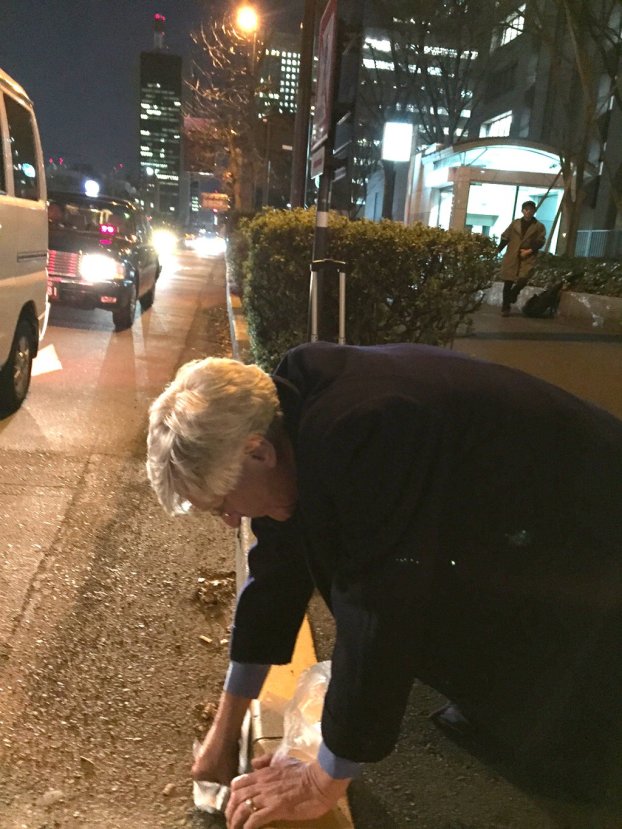
Arnie Gundersen measured 4,000 Bq/kg on a Tokyo street outside METI, Japan nuclear regulator…Olympics anyone?
76 measurements that are over 5µS/h in the “Kashiwa hotspot”

Kashiwa city, Chiba prefecture, nearby Tokyo
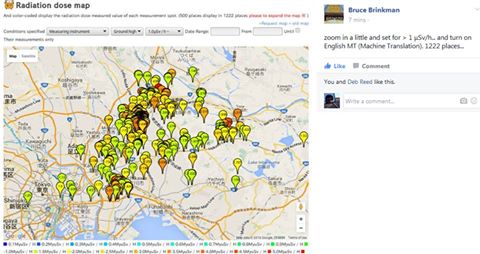
Some screen caps of the new background radiation tests from Japan. Kashiwa hot spots. Thanks to Bruce Brinkman
Hakatte Geiger users have uploaded 76 measurements that are over 5µS/h in the “Kashiwa hotspot” area. You can see how they are distributed as the plume came over Kasumigaura and into eastern Tokyo. I travel through that on my way to and from work. I have to go through Matsudo and Kashiwa which are buried under the map pins.

Zoom in a little and set for > 1 μSv/h… 1222 places.
Blind mice and bird brains: the silent spring of Chernobyl and Fukushima

Radioactivity warning sign on the hill at the east end of Chernobyl’s Red Forest, so called due to the characteristic hue of the pine trees killed by high levels of radiation after the disaster
Evolutionary biologist Timothy Mousseau and his colleagues have published 90 studies that prove beyond all doubt the deleterious genetic and developmental effects on wildlife of exposure to radiation from both the Chernobyl and Fukushima nuclear disasters, writes Linda Pentz Gunter. But all that peer-reviewed science has done little to dampen the ‘official’ perception of Chernobyl’s silent forests as a thriving nature reserve.
Dr Timothy Mousseau has published more than 90 peer reviewed articles in scientific journals, related to the effects of radiation in natural populations (and more than 200 publications in total).
He has spent 16 years looking at the effects on wildlife and the ecosystem of the 1986 Chernobyl nuclear disaster.
He and his colleagues have also spent the last five years studying how non-human biota is faring in the wake of the 2011 Fukushima nuclear meltdowns in Japan.
But none of this work has received anything like the high profile publicity afforded the ‘findings’ in the 2006 Chernobyl Forum report which claimed the Chernobyl zone “has become a wildlife sanctuary”, and a subsequent article published in Current Biology in 2015 that said wildlife was “thriving” around Chernobyl.
“I suppose everyone loves a Cinderella story”, speculated Mousseau, an evolutionary biologist based at the University of South Carolina. “They want that happy ending.” But Mousseau felt sure the moment he read the Forum report, which, he noted, “contained few scientific citations”, that the findings “could not possibly be true.”
Ninety articles later, Mousseau and his research partners from around the world are able to demonstrate definitively and scientifically that non-human biota in both the Chernobyl zone and around Fukushima, are very far indeed from flourishing.
Far from flourishing around Chernobyl, birds and animals are fading
What Mousseau found was not unexpected given the levels of radiation in these areas and what is already known about the medical effects of such long-term exposures. Birds and rodents had a high frequency of tumors.
“Cancers are the first thing we think about”, Mousseau said. “We looked at birds and mice. In areas of higher radiation, the frequency of tumors is higher.” The research team has found mainly liver and bladder tumors in the voles and tumors on the head, body and wings of the birds studied, he said.
But Mousseau wanted to look beyond cancers, which is what everyone expects to find and what researchers had looked for, but only in humans. There were few wildlife studies, a fact Mousseau found surprising, given nature’s ability to act as a sentinel for likely impending human health impacts.
Mousseau and his fellow researchers found cataracts in birds and rodents. Male birds had a high rate of sterility. And the brains of birds were smaller. All of these are known outcomes from radiation exposure.
“Cataracts in birds is a problem”, Mousseau said. “A death sentence.”
Mental retardation has been found among children exposed to radiation in utero. Mousseau and colleagues discovered the same pattern in the birds they studied. “Birds already have small brains, so a smaller brain size is a definite disadvantage”, he said.
Almost 40% of male birds examined were sterile
There were also just fewer animals in general. “There were many fewer mammals, birds and insects in areas of higher radiation”, Mousseau said. And they had their hunch as to why.
He and his colleagues extracted sperm from the male birds they caught and were shocked to find that “up to 40% of male birds in the radiologically hottest areas were sterile.”
The birds’ sperm were either deformed or dead. None would be able to reproduce. The discovery, he said, was “not at all surprising. These are the levels of radiation known to influence reproduction. At the same time, there is no safe level of radiation below which there aren’t detectable effects.”
Fewer birds have already been observed in the contaminated areas around Fukushima, said Mousseau. “Although it’s too early to assess the long term impact on abundance and diversity around Fukushima, there are very few butterflies and many birds have declined in the more contaminated areas. If abundance is compressed, biodiversity will follow.”
Five years into the still on-going Fukushima disaster, Mousseau’s research continues to uncover “a dramatic reduction in the number of birds and numbers of species in areas of high radiation”, he said.
At least in that region, Japan could be headed toward a Silent Spring.
No doubt that Fukushima and Chernobyl are causing genetic damage
The consequences of radiation exposure, says Mousseau, “will have a tremendous impact on the quality of life of these animals, and the length of quality of life. It need not necessarily be cancers”, that cause these damages he said. “There is no doubt that the levels of radiation in Chernobyl and Fukushima generate genetic damage.”
A study by Mousseau et al. that did get some attention, most notably from the Smithsonian Institution, found disturbing changes in the decomposition of organic matter in the Chernobyl Zone.
Fungi and other microorganisms are decomposing at half the usual rate. Trees fall but rot unusually slowly. Leaf matter piles up without much decay, creating a tinder-box risk in the event of forest fires, several of which have occurred in the Zone.
“There is an accumulation of highly radioactive organic matter” in these areas, Mousseau said. All of this could be lofted into the air during a forest fire and redistributed as radiological contamination elsewhere, he points out.
Indeed, a map in an April 2006 edition of National Geographic Magazine, shows that this has already happened, expanding the Chernobyl Zone from its original 30km radius. “High-altitude winds swept radioactive smoke and ash across a wider area, which scientists traced from soil levels of cesium 137, a long-lived isotope,” read the map’s caption. Major forest fires in the Chernobyl Zone in 2010 and 2015 have likely worsened the situation.
While the radiation spread by Chernobyl fell mostly on land, where it is easier to study the medical effects on humans and animals, the initial Fukushima radioactive plume blew mainly out to sea. And since 2011 when the accident began, further dumping of radioactive water into the Pacific has occurred.
A responsibility to protect the environment and wildlife, not just man
This has led to speculation – and some unscientific and alarmist rumors – that sea life in the Pacific is collapsing due to the Fukushima radiation.
“Catastrophic marine events started 40-50 years ago”, Mousseau points out. “Bird populations in the Pacific were in decline long before Fukushima.”
One important cause, says Mousseau, is “plastics in the environment that are consumed by marine animals which were in downward spirals long before the Fukushima accident.” Marine population decline has likely also been “compounded by climate change”, he says.
Indeed, Mousseau, who grew up on Vancouver Island in British Columbia, remembers the local harbor encrusted with star fish when he was a child. Recently, when he took his son there, he found none.
Fukushima cannot necessarily be blamed, as some would wish, but the compounding and potentially synergistic effect of radiation in the Pacific could still be taking its toll, Mousseau avowed.
“We don’t know how different environmental stresses interact with each other”, he said. “They could be synergistic and related. There is almost no research on this even in the Pacific off Fukushima – virtually nothing on the biological consequences in really contaminated areas.”
With “little real science” to rely on, Mousseau says, “we will never know” just how much marine damage the Fukushima disaster may do.
He finds the continued lack of other independent animal studies in radioactive zones frustrating. “We have a responsibility to protect the environment and wildlife, not just man”, he said. It may be expensive and difficult to conduct these kinds of studies, but, says Mousseau, “that is not an excuse.”
China Exclusive: Fukushima water tests faster with new tech
QINGDAO, Shandong, April 22 (Xinhua) — Chinese scientists have begun using a ship-borne device that provides immediate analysis of radioactivity in water, using it to check for pollution from the Fukushima nuclear accident in the Yellow Sea.
Previously, they faced the time-consuming task of transferring water into containers and bringing it to labs to check the concentration of cesium, a radionuclide. Cesium has a very low absorption rate into water, so large quantities of water must be analyzed.
The team with the State Oceanic Administration (SOA) that developed the device installed it on a police patrol ship for a 10-day voyage to the Yellow Sea area earlier this month. It took just one person to run the tests.
The development team’s Shi Hongqi explained that the device can filter seven liters of water per minute. It analyzed 22 samples of 800 liters in the Yellow Sea, finding no signs of dangerous radioactivity.
No specific data from the tests was disclosed, but Shi said the statistics will be included in annual SOA monitoring reports at the end of the year.
The SOA now plans to install more of these monitoring devices on police patrol ships, to check waters potentially affected by Fukushima as well as elsewhere.
http://news.xinhuanet.com/english/2016-04/22/c_135304059.htm
Microscopic particles in oceans – From Fukushima to the USA in 1277 days

A new study published in Nature Communications reveals the global dispersal of plankton, but also provides insights for distribution of plastics, radioactive material and other pollutants.
New study in Nature Communications models global connectivity of the entire planet’s ocean surface
The distance between Fukushima and the west coast of the United States is about 8700 kilometres. If microscopic particles – like phytoplankton or radioactive isotopes – were to travel that fifth of the world’s circumference, it seems like that would take ages.
However, the world is not so big after all, since that is not actually the case.
A new study co-authored by centre researcher, James Watson, recently published in Nature Communications found that the earth’s global surfaces are highly connected.
http://www.nature.com/ncomms/2016/160419/ncomms11239/full/ncomms11239.html
By investigating the largely underexplored and rarely quantified mechanisms of global surface connectivity, Watson and his co-author Bror Jonsson from Princeton University found that microscopic particles can reach all regions of the ocean in only a decade.
This study emerged from contrasting camps of ideas about planktonic community dispersal in ocean ecosystems: one suggesting that everything is connected and environmental conditions decide where species live; another proposing that spatial isolation leads to genetically distinct species; and another suggesting that both of those ideas fail to tell the whole story.
On top of that, the time it takes for planktonic communities to travel around the ocean surface is a question that is still largely unresolved.
“These short surface-connection times are relevant to anyone studying dispersion in the surface ocean beyond planktonic species, including radioactive materials, plastics and other forms of pollution”
James Watson, co-author
Modeling global surface current connectivity
To tackle these inconsistencies in understanding and questions about time, Watson and his co-author create a model to track particles moving across the global ocean surface. To do this they use a number of different concepts and techniques.
This study uses minimum connection time, the fastest time that particles can travel from one location to another, instead of the commonly used expected connectivity time, which uses mean travel time. Watson notes there are two advantages to this approach.
“Minimum connection time is a more appropriate metric for phytoplankton and bacterial connectivity since asexually reproducing organisms have high reproductive output that attenuates low dispersal probabilities. Additionally, mean transit times in the global ocean are not well defined, as water can recirculate eternally and, hence, every particle seeded in a given patch eventually will reach all other patches if enough time is provided,” explains Watson.
Calculating minimum connection times from Lagrangian particle tracking, a method for understanding computational fluid dynamics, the authors described the global ocean as a network “with patches in the ocean as nodes and minimum connection times as edges connecting the nodes.”
The authors then considered each patch pair and multi-step connections, or in other words particles traveling along a number of patches, and applied Dijkstra’s algorithm, commonly used for finding the shortest path between nodes, to create a network of minimum connection times between every region of the ocean’s surface.
The authors point out that while this global network does account for timescales of physical connectivity, they do not account for environmental factors which undoubtedly play a role in connectivity.

Radioactive reality
While the idea for this study emerged from tiny plankton, the results have blue whale-sized relevance for other ocean surface traveling objects.
Furthermore, these results could in the future help us understand and prepare for how long it takes harmful particles to connect across the globe – like from Fukushima to western United States, or plastics aggregating along the coasts.
“A real example is the 2011 Fukushima disaster, in which a Japanese nuclear reactor released a large quantity of radioactive isotopes into the Pacific Ocean. Traces of radioactivity were detected on the Pacific Coast of the US in November of 2014 – 3.6 years later. Our estimated minimum connectivity time between the Fukushima release site and its detection site of the US west coast is 3.5 years,” explains Watson, an indirect verification of their method.
From a planktonic perspective, the results suggest that planktonic communities may be able to keep pace with climate change by changing locations to better suit their preferred environmental niche.
In a bigger global perspective, Watson concludes that these results, “quantify the effects of global-scale dispersal on how marine communities can adapt to their changing ocean environment.”
The timescales of global surface-ocean connectivity
http://www.nature.com/ncomms/2016/160419/ncomms11239/full/ncomms11239.html
From Fukushima to the USA in 1277 days
Global surface-ocean connectivity
90Sr in teeth of cattle abandoned in evacuation zone: Record of pollution from the Fukushima-Daiichi Nuclear Power Plant accident
Here we determined the 90Sr concentrations in the teeth of cattle abandoned in the evacuation area of the Fukushima-Daiichi Nuclear Power Plant (FNPP) accident. 90Sr activity concentrations in the teeth varied from 6–831 mBq (g Ca)−1 and exhibited a positive relationship with the degree of radioactive contamination that the cattle experienced. Even within an individual animal, the specific activity of 90Sr (Bq (g Sr)−1) varied depending on the development stage of the teeth during the FNPP accident: teeth that were early in development exhibited high 90Sr specific activities, while teeth that were late in development exhibited low specific activities. These findings demonstrate that 90Sr is incorporated into the teeth during tooth development; thus, tooth 90Sr activity concentrations reflect environmental 90Sr levels during tooth formation. Assessment of 90Sr in teeth could provide useful information about internal exposure to 90Sr radiation and allow for the measurement of time-course changes in the degree of environmental 90Sr pollution.
Introduction
The Fukushima-Daiichi Nuclear Power Plant (FNPP) accident released a substantial amount of radioactive nuclides into the atmosphere and caused extensive contamination of the environment1,2,3,4,5. The radioactivity of the typical fission products was estimated to be 8.2 PBq for 137Cs, 9.8 PBq for 134Cs, and 0.14 PBq for 90Sr2,6. In June 2011, the Japan Ministry of Education, Culture, Sports, Science, and Technology (MEXT) reported that 0.1−6 kBq m−2 of 90Sr and 0.3−17 kBq m−2 of 89Sr were detected in the soil of areas within a 20-km radius from the FNPP (i.e., the former Fukushima evacuation zone)7. As 89Sr has a relatively short half-life of 50.5 days, its presence suggests that these radionuclides did not originate from global fallout due to nuclear weapons testing, but from the FNPP accident.
The long half-life (28.8 y) and bone-seeking properties of 90Sr make it a concerning artificial radionuclide among the fission products found near FNPP. Although radioiodine and caesium are more noticeable in quantity, 90Sr can persist in bone with a retention half-life of over 10 years, depending on bone type8,9,10,11. Moreover, its daughter nuclide, 90Y, emits β-rays (2.28 MeV) that may have adverse effects on the bone marrow. Thus, some attention has been paid to the determination of 90Sr content in bone and particularly in teeth. Sr is incorporated into the tooth during calcification. Once incorporated, it remains in enamel and dentine until the tooth falls out or is extracted12. Therefore, 90Sr activity concentration in a given tooth is a reflection of environmental 90Sr contamination levels when the tooth was formed.
Several studies have taken advantage of this phenomenon to understand the long-term effects of nuclear activity on humans. For example, 90Sr incorporation into human teeth has been observed after the Techa River region was contaminated by the release of liquid radioactive waste into the river during the early 1950s8,13,14,15. Similarly, the deciduous teeth of Swiss children born between 1952 and 2002 exhibited 90Sr activity concentrations that correlated with atmospheric rises in 90Sr levels, which resulted from nuclear weapons testing during that period11. Increases in tooth 90Sr activity concentrations following the 1986 Chernobyl accident have also been reported11,16,17. These observations indicate that 90Sr activity concentration in teeth is an effective indicator of 90Sr contamination levels in the environment. However, while studies have examined 90Sr contamination in soil, vegetation, the nearby seawater and fish after the FNPP accident18,19,20,21,22,23,24, no studies to date have reported on 90Sr activity concentrations in teeth or bones. We thus have little direct data on how much FNPP-related contamination affected animals, which is essential for fully understanding the extent of environmental pollution in the area.
In the aftermath of the FNPP accident, thousands of cattle were abandoned in the evacuation zone. These cattle subsisted on natural food and water in the contaminated environment. Previously, we investigated the activities of 134Cs, 137Cs, 110mAg, and 129mTe in cattle within a 20-km radius around the FNPP, and demonstrated that radioactive Cs concentrations in organs and plasma were dependent on the feeding conditions and the geographic location of the cattle25. We also separately examined the effect of radioactive Cs on cattle testes after the FNPP accident26. We now expand on these studies by examining 90Sr concentrations in cattle teeth and relating them to other measures of environmental pollution.
Results
Activity concentration of 90Sr in the soil of cattle residence areas
Figure 1 details the locations of cattle residence after the FNPP accident. Areas H and L are situated in the government-delineated evacuation zone, and their 90Sr activity concentrations in soil are 94–1500 Bq m−2 (average: 738 Bq m−2) and 39–380 Bq m−2 (average: 195 Bq m−2), respectively7. We chose area C in Iwate Prefecture as the control region because it is approximately 250 km north of the nuclear plant and is considered free from FNPP-related 90Sr pollution. The activity concentration of 90Sr in soil in area C is 95–99 Bq m−2 (average: 96 Bq m−2)27.

FNPP: The Fukushima-Daiichi Nuclear Power Plant. H: High-contamination area (10–30 μSv h−1), 5 km west of FNPP. L: Low-contamination area (0.8–1.2 μSv h−1), 16 km south-west of FNPP. Areas H and L were in the evacuation zone. C: Control area in Iwate Prefecture, 250 km north of FNPP. The maps were modified from open-access base maps freely available for public and academic use (source: http://maps.gsi.go.jp, from the Geographic Information Authority of Japan).
adioactivity of 90Sr in cattle teeth
- 90Sr activity concentration
Figure 2 summarizes the 90Sr activity concentrations (90Sr activity/amount of Ca) in various teeth (deciduous molars, premolars, and molars (Supplementary Table S1)).
We detected 90Sr in all examined teeth. Activity concentrations varied significantly with area (p = 0.0000, Kruskal-Wallis test): high 90Sr concentrations (61–831 mBq (g Ca)−1) were observed in area H, mid-range concentrations (22–311 mBq (g Ca)−1 were observed in area L, and the lowest concentrations (6–35 mBq (g Ca)−1) were observed in control area C. These 90Sr activity concentrations in teeth were significantly correlated with 90Sr concentrations in the soil of areas H, L, and C (ρ = 0.8441, p < 0.01, Spearman’s rank-order correlation analysis).
- Specific activity of 90Sr
Figure 3 shows the specific activities of 90Sr (90Sr radioactivity/amount of stable Sr) in teeth (Supplementary Table S2). 90Sr specific activities were similar to the 90Sr activity concentration trends: higher (214–1351 Bq (g Sr)−1) and lower (60–641 Bq (g Sr)−1) activity were observed for areas H and L, respectively. The lowest specific activity (13–78 Bq (g Sr)−1) was observed in teeth from control area C. The specific activity differed significantly across areas H, L, and C (p = 0.0000, Kruskal-Wallis test). Moreover, specific activity was significantly correlated with 90Sr concentrations in the soil of areas H, L, and C (ρ = 0.8507, p < 0.01, Spearman’s rank-order correlation analysis).
- Activity concentrations and specific activities of 90Sr in teeth at different developmental stages.
The four young cattle examined in this study (H-young-1, H-young-2, L-young-1, and L-young-2) were 8 months old when the FNPP accident occurred (Table 1) and their molars ranged across developmental stages: development of the deciduous molars (DM1, DM2, and DM3) were either complete or in the late stage, the molars (M1, M2, and M3) were actively developing, and the premolars (P1, P2, and P3) were still early in development28 (Fig. 4a). 90Sr activity concentrations and specific activities were low in deciduous molars, higher in molars, and highest in premolars for each individual (p = 0.0006 and 0.0004 for 90Sr activity concentration and 90Sr specific activity, respectively; Kruskal-Wallis test; Figs 2 and 3).
We also determined the activity concentrations and specific activity of 90Sr in the teeth of two adult cattle (L-adult-1 and L-adult-2) from area L, that were 22 and 51 months old, respectively, during the FNPP accident. Based on their age, we assumed that development of permanent molars and premolars were complete at that point (Fig. 4b). We found low levels of 90Sr activity concentrations (22–91 mBq (g Ca)−1) and specific activities (60–166 Bq (g Sr)−1) in all adult teeth, but in contrast to young cattle (L-young-1 and L-young-2), no significant differences existed across adult molars and premolars in both 90Sr activity concentration and specific activity (p = 0.6310 and 0.3367, respectively; Kruskal-Wallis test).
Concentration of stable Sr in cattle teeth
We compared stable Sr concentrations in teeth formed before and after the accident (Table 2).

We found that Sr concentrations in the teeth of young cattle in area H and L differed across the deciduous molars, molars, and premolars. The deciduous molars, fully developed before the accident, exhibited low Sr concentrations, while the premolars that developed post-accident exhibited high concentrations. Molars undergoing active development when the accident occurred exhibited mid-range values. The variation in Sr concentrations across teeth was statistically significant in young cattle from areas H and L (p = 0.0211, Kruskal-Wallis test). In contrast, the dentition of adult cattle from area L (molars and premolars; most deciduous molars had fallen out by the time of sampling, see Table 2) was already fully developed when the accident occurred and exhibited no differences in stable Sr concentration (p = 1.0000, Kruskal-Wallis test). We also found no differences among the deciduous molars, molars, and premolars of the young control cattle (p = 0.7488, Kruskal-Wallis test).
Discussion
The results of our study demonstrated that activity concentrations and specific activities of 90Sr in cattle teeth varied in accordance with the degree of 90Sr pollution in the cattle residence areas. After the FNPP accident, the cattle were released to the field and subsisted on grasses, leaves, and river or swamp water in the polluted environment. The contamination of natural food and water consumed by the cattle likely contributed to 90Sr activity differences we observed in the H-area teeth versus L-area teeth.
Patterns corroborating our results have been reported in cow teeth from 16 contaminated areas in the Mayak region of the former Soviet Union29. The study using imaging plates showed that 90Sr activity concentrations in the teeth were 0.09–2.96 kBq (g tissue)−1 on average and were positively correlated with soil contamination levels (<3.7–185 kBq m−2). Although the degree of 90Sr contamination in our study areas was much lower than contamination in the Mayak region, we note the similar relationship between environmental 90Sr and tooth 90Sr activity concentration: 90Sr in the teeth faithfully reflects the degree of 90Sr pollution in the environment when the tooth was formed.
Small amounts of 90Sr were detected in the teeth of control cattle. Similarly, low levels of 90Sr have been found elsewhere in Japan even before the accident occurred. For example, 90Sr activity concentrations in cattle bones from Hokkaido (located on the northern edge of Japan and relatively far from the FNPP) were approximately 72 mBq (g Ca)−1 in 199630 and 26 mBq (g Ca)−1 in 200831. Both concentrations are higher than the 90Sr activity concentrations in the control teeth (14 ± 7 mBq (g Ca)−1) of this study. Possible sources for pre-FNPP radioactivity in Hokkaido are either the Chernobyl accident or nuclear weapons testing. Although 90Sr fallout from Chernobyl had been detected in Japan previously, the amount was far less than fallout from nuclear weapons testing32. Moreover, increases to 90Sr activity concentrations in Hokkaido cattle bones were not observed at the time of the Chernobyl accident30. Therefore, the low levels of 90Sr activity measured in our controls probably stemmed from the atmospheric nuclear weapons testing conducted during the 1950s–1970s.
In this study, we took advantage of cattle tooth development to examine pre- and post-accident levels of 90Sr. Tooth development follows a fixed trajectory that varies across species. In cattle, deciduous molars first form during the prenatal period, followed by molars. Premolars then form during the early postnatal period, with the first premolars (P1) forming in the last stage of dentition, beginning from 12–18 months and completing at 18–24 months28. Therefore, cattle younger than 24 months old possess teeth across all dentition developmental stages. Moreover, teeth at early developmental stages during the accident would primarily form under a polluted environment, incorporating large amounts of 90Sr. In contrast, the formation of teeth at late developmental stages would be mostly complete during the accident, resulting in the incorporation of less 90Sr. Furthermore, 90Sr activities in the teeth of adult cattle were low (Fig. 2c) and nearly constant, although the adults had resided in area L, the same location as two of the young cattle.

DM: Deciduous molars (first, second, and third deciduous molar); M: Molars (first, second, and third molar); P: Premolars (first, second, and third premolar). Along the x-axis, the teeth are arranged according to the chronological order of tooth development (DM, M, P). Error bars represent the standard deviation.
We observed 90Sr activity even in teeth that had fully developed before the accident (i.e., deciduous molars of young cattle in areas H and L, as well as deciduous molars, molars, and premolars of adult cattle in area L). These levels were occasionally higher than levels in control cattle (compare Fig. 2c to Fig. 2d, and Fig. 3c to 3d), although essential incorporation of 90Sr was not expected during tooth development. These higher than expected concentrations may have been due to non-specific 90Sr adsorption on the tooth surface via contaminated food or water. Alternatively, they could have resulted from the deposition of dental calculus on the tooth surface after the FNPP accident. Furthermore, as described by Tolstykh et al.8,14, ion exchange between the dentine tubule and pulp surfaces with the secondary dentine formation in the pulp could proceed even after complete tooth development. These interactions may also contribute to the higher 90Sr activities in adult teeth from area L compared with control teeth.

DM: Deciduous molars (first, second, and third deciduous molar); M: Molars (first, second, and third molar); P: Premolars (first, second, and third premolar). Along the x-axis, the teeth are arranged according to the chronological order of tooth development (DM, M, P). Error bars represent the standard deviation.
Data on the stable Sr concentrations in teeth formed pre- and post-accident (Table 2) accorded with the radioactivity data. Specifically, in young cattle of both areas H and L, teeth formed before the accident contained less stable Sr than teeth formed after the accident. The teeth of adult cattle and control cattle, however, did not exhibit a pre- and post-accident difference in stable Sr. Again, similar to our findings for 90Sr specific activity, these patterns in the experimental young cattle are likely the result of differences between pre-accident farm feed and the post-accident natural resources that the cattle ingested. Although we did not measure Sr contents in the diets of our subject cattle, our data on stable Sr suggest that the natural grasses, leaves, and water ingested by the cattle likely contain more Sr than their former farm feed. These data suggest that stable Sr concentrations could be also used in conjunction with 90Sr specific activity as a metric for environmental Sr levels. We have shown that 90Sr incorporation into teeth is cumulative during tooth development, reflecting the degree of environmental 90Sr contamination in that time. Unlike bone, the tooth has essentially no metabolism. Therefore, the 90Sr in tooth is a potentially useful indicator for estimating the internal radiation exposure of individuals affected by nuclear activity during their tooth formation periods. Furthermore, by measuring 90Sr activities in different teeth, we can take advantage of the various developmental trajectories of animal (including human) dentition and use the known chronologies of individual tooth growth to track time-course changes in the degree of environmental contamination. This study is one of the national projects associated with the Great East Japan Earthquake that occurred on March 11, 2011. All protocols were approved by the Tohoku University (No.2014KDO037). All methods detailed below were carried out in accordance with these guidelines. On May 12, 2011, the Japanese Ministry of Agriculture Forestry and Fisheries (MAFF) ordered euthanasia of cattle abandoned in the evacuation zone to prevent radio-contaminated beef from entering consumer products25. Euthanasia was carried out by veterinarians belonging to the Livestock Hygiene Service Center (LHSC) of Fukushima Prefecture, in accordance with the Ethical Regulations for Animal Experiments and Related Activities at MAFF. These regulations are based on the June 2007 euthanasia guidelines issued by the American Veterinary Medical Association. The cattle were anesthetized with an intramuscular injection of xylazine hydrochloride (0.2 mg kg−1). They were then euthanized via an overdose of intravenous sodium pentobarbital (20 mg kg−1), followed by intravenous suxamethonium hydrochloride (2 mg kg−1). Before performing euthanasia, veterinarians obtained informed consent from the livestock owners, who were identified from the cattle ear tags. We collected organs and tissues, including mandibular bones, from euthanized cattle with the help of LHSC veterinarians. We selected six cattle (H-young-1, H-young-2, L-young-1, L-young-2, L-adult-1, and L-adult-2) residing in the two FNPP evacuation areas (H and L; Fig. 1) for the current study. Two other cattle (control-1 and control-2) from the uncontaminated area C (Fig. 1) were chosen as controls. The mandibular bones of control cattle, including teeth, were supplied by the Iwate Chikusan Ryutsu Center Co., Ltd. in Iwate Prefecture. The characteristics of the study subjects are summarized in Table 2. Mandibular bones were dissected from the cattle skulls and radiographs were taken with X-ray equipment (Panoramic Radiograph, Auto-IIIE, Asahi Roentgen Ind. Co., Ltd.) to classify the developmental stages of molar dentition. The deciduous molars, molars, and premolars were then dissected from the mandible and kept in 70% ethanol until needed. We air-dried teeth in a desiccator after removing any surface debris with toothbrushes and dental scalars. The tooth was then crushed with a hammer and powdered using a tissue lyser (TissueLyser II, Qiagen Co., Ltd.). The powdered teeth (1.5 g) were then incinerated in a muffle furnace at 450 °C for 12 h and used for 90Sr, stable Sr, and Ca measurements, as described in the following subsection. In this study, we used the entire tooth for analysis, without separating enamel and dentine. The cattle molar is classified as a hypsodont tooth (drycodont), morphologically characterized by extremely high and long crowns that occupy more than 4/5th of the whole tooth33. The crown elongates parallel to the growing axis and consists of both enamel and dentine. The latter is metabolically inert, like the enamel, and therefore accumulates Sr in the same way. Additionally, Sr concentration in dentine is slightly higher than in enamel, but the difference is small (70–620 in dentine versus 25–600 μg g−1 in enamel34). Because both tissues develop almost simultaneously during crown formation, and because the hypsodont tooth primarily consists of the crown, we thought that the relationship between molar development and 90Sr accumulation could be properly assessed even without separating enamel and dentine. Further, using the whole tooth allows us to track changes in 90Sr deposition over a longer period, because complete tooth formation takes over 2 years, whereas separate parts of the tooth take less time to develop. Many methods have been developed for the separation of Sr from large amounts of Ca, including co-precipitation, liquid-to-liquid extraction, ion-exchange or extraction chromatography, and combinations of these techniques24,35,36. For this study, we chose the fuming nitric acid method. Although newer methods are less demanding and occasionally result in higher yields, the use of fuming nitric acid remains reliable and robust under conditions of large sample amounts and extremely high quantities of co-existing Ca35, which was the case here. We dissolved 1 g of the incinerated sample in 10 mL of 60% HNO3 (analytical grade, Kanto Chemical Co., Inc.), and added 20 mg of Sr2+ carrier to the solution. We then added 10 mL of fuming nitric acid (analytical grade, Kanto Chemical Co., Inc.) to precipitate Sr(NO3)2. We removed the remaining Ca by dissolving the precipitate in 10 mL of distilled water, and again adding 10 mL of fuming nitric acid. The resultant supernatant was discarded. By repeating this procedure two to three times, the Sr within each sample was successfully separated from Ca as Sr (NO3)2. Sr (NO3)2 was dissolved in 10 mL of distilled water to form Solution A, which was subjected to further chemical separation from Ra and Pb. Trace amounts of natural 226Ra (half-life: 1600 y), 228Ra (half-life: 5.75 y) and 210Pb (half-life: 22.3 y) are present in teeth35. These radionuclides interfere with accurate β-ray measurement of 90Sr. Therefore, these radionuclides were removed via co-precipitation with BaCrO4 using the following procedure. First, 2 mL of acetate buffer solution was added to Solution A. Then, 10 mg of Ba2+ was added, followed by dilution with distilled water to a volume of 20 mL. Ra and Pb were scavenged with BaCrO4 precipitate, formed by adding 0.1 mL of 1.5 M Na2CrO4 solution. After centrifugation, the supernatant containing Sr was separated. To the supernatant, 1 mL of concentrated NH4OH and 2 mL of saturated (NH4)2CO3 solution were added to precipitate SrCO3. Lastly, the precipitate was dissolved in 10 mL of 1 M HNO3 (Solution B). To distinguish the growth curve of 90Y from 90Sr during β-ray measurement, 90Y was removed by co-precipitation with Fe (OH)3. Fe3+ (2 mg) was added to 10 mL of Solution B. Concentrated NH4OH was then added until Solution B’s pH was 8–9. This step precipitated Fe(OH)3, which was used to scavenge 90Y. The supernatant was filtered from the precipitate using a glass microfiber filter (Whatman GF/F 25 mm, GE Healthcare Life Science Co.). Finally, Sr in the supernatant was precipitated as SrCO3 by adding 3 mL of saturated (NH4)2CO3 solution. The precipitate was filtrated with a membrane filter (JAWP02500, 25 mm diameter, Merck Millipore Co.), and stored in a stainless-steel sample dish (E0802001, 25 mm, 6 mm height, Chiyoda Technology Co.). The dish was covered with polyimide film (7.5 μm thick) to avoid further contamination and submitted for β-ray measurement. Chemical yields of Sr, or the recovery of Sr carrier added to the sample solution at the beginning of the separation procedure, were 70% on average, with a range of 50–96% for 114 determinations. The β-rays emitted from 90Sr and its daughter 90Y were measured with a low background gas flow counter (LBC-4201B, Hitachi-Aloka Medical, Ltd.) for 3–12 h. Following chemical separation of Sr, we monitored the growth of 90Y from 90Sr in SrCO3 precipitate. We measured β-rays 5 to 6 times within a fortnight of the separation. Using these measurements of radioactivity, we created a time-course plot to check whether the increase in β-ray counts fits the theoretical growth curve of 90Y. 90Y growth typically reached secular equilibrium with 90Sr 2 weeks after Sr separation, upon which we measured total radioactivity from 90Y and 90Sr. To correct for the self-absorption of β-rays by the measured sample, we used an absorption coefficient that was experimentally obtained with β-rays from known amounts of 90Sr and 90Y against the thickness of SrCO3 precipitate. The background level of the gas-flow counter used in this study was 0.155 ± 0.015 cpm (3σ: 0.044 cpm) per 12 hr. Measurement efficiency was 0.339 ± 0.001 when the 90Sr standard sample was 88.4 Bq with a thickness of 24 mg cm−2. Assuming that the recovery of chemical separation of Sr is 70%, the detection limit of 90Sr in 1 g of incinerated sample is 4.94 mBq (g Ca)−1. All values obtained in this study were above this detection limit. 90Sr activity due to decay was corrected to March 11, 2011 (the day of the FNPP accident). We determined Ca and Sr content in teeth using the inductively coupled plasma atomic emission spectrometer (ICP-AES; ICPE-9000, Shimadzu Co., Ltd.) at the Research and Analytical Center for Giant Molecules, Graduate School of Science, Tohoku University. Incinerated teeth samples were dissolved in 60% HNO3, and a portion of the solution was diluted 10,000 times for the measurements. Sr was determined using a standard addition method with a wavelength of 407.771 nm, and Ca was determined using a calibration-curve correction method with a wavelength of 317.933 nm. Each measurement was performed in triplicate and the resultant values were averaged. (A) H-young-2: Deciduous molars were fully developed. Of the molars, the root of the third molar was under active development. The premolars under the deciduous molars were in the early developmental stage. (A) L-adult-2: Both molars and premolars were fully developed. Permanent dentition was complete. DM1: First deciduous molar; DM2: Second deciduous molar; DM3: Third deciduous molar; M1: First molar; M2: Second molar; M3: Third molar; P1: First premolar; P2: Second premolar; P3: Third premolar.Materials and Methods
Ethics
Collection of tooth samples
Chemical separation of 90Sr in the teeth
β-ray measurement
Determination of stable Ca and Sr in the teeth

Statistical analysis
Because the data were non-parametric, we chose Kruskal-Wallis tests for our analyses, with significance set at p < 0.05. Tests were one-tailed. Data on DM1, DM2, and DM3 were grouped together as deciduous molars (N = 16); data on M1, M2 and M3 were grouped as molars (N = 24); and data on P1, P2, and P3 were grouped as premolars (N = 21). Independent variables used in the test were area (H, L, C) and type of tooth (deciduous molars, molars, premolars). Dependent variables were 90Sr activity concentrations, 90Sr specific activity, and stable Sr concentrations. We used Spearman’s rank-order correlation analysis to look for significant correlations between 90Sr radioactivity in the soil and in the teeth. All analyses were performed in STATISTICA (Ver. 06J, StatSoft Co., Ltd.).
Source: Koarai, K. et al.90Sr in teeth of cattle abandoned in evacuation zone: Record of pollution from the Fukushima-Daiichi Nuclear Power Plant accident. Sci. Rep. 6, 24077; doi: 10.1038/srep24077 (2016).
http://www.nature.com/articles/srep24077
Radioactive wild boars rampaging around Fukushima nuclear site

Radioactive boars are running wild and breeding uncontrollably in the northern region of Japan contaminated by the Fukushima nuclear disaster.
The animals have been devastating local agriculture and eating toxic, nuclear-contaminated food from around the accident site.
Mass graves and incinerators have been unable to cope with the quantity of boar corpses, shot by local hunters.
A quarantine zone near the Fukushima Daiichi nuclear plant where a 2011 meltdown leaked radioactive material into the surrounding countryside has been uninhabited by humans since the disaster.
However, boars remained in the area, unchecked by humans. Their precise number is unknown, but since 2014, the number of boars hunted has increased from 3,000 to 13,000, The Times reported.
The damage to local farms beyond the quarantine zone caused by the boars has correspondingly increased, amounting to ¥98 million (£620,000) since the accident.
The animals are now being killed faster than they can be buried.
Three mass graves, big enough for 600 boars each, are almost full in the city of Nihonmatsu, 35 miles from the nuclear plant. There is no more public land on which further mass graves can be dug.
Hunters have buried the carcasses – often weighing 100kg – in their gardens, but they are often dug up by wild dogs.
“Sooner or later, we’re going to have to ask local people to give us their land to use,” said Tsuneo Saito, a local hunter. “The city doesn’t own land which isn’t occupied by houses.”
In desperation, the authorities are resorting to using incinerators to get rid of the corpses, although it has been difficult to find the workers to chop up the remains into pieces small enough to feed into the furnaces.
In the city of Soma, a purpose-built incinerator has been developed, complete with filters to absorb any radioactive material released by its cremations. However, even this £1million operation can only dispose of three boars a day.
The animals were considered a local delicacy, but the nuclear contaminated boars are unfit for human consumption. Tests have shown the contaminated area remains dangerous, with levels of radiation 300 times the safe limit for humans.
The radiation levels are expected to remain toxic for at least another 30 years.
Despite evidence of mutations to local plant and insect life, there has been nothing yet to suggest the boars suffer any ill effects from the radiation.
The illness caused to humans by the Fukushima disaster has been relatively limited.
Autoradiograph: radioactivity after the 3/11 quake
By Masamichi Kagaya (Photographer) and Dr. Satoshi Mori (University of Tokyo)
As a consequence of the Great East Japan Earthquake and ensuing tsunami on March 11, 2011, the cores of the first to third nuclear reactors at the Fukushima Daiichi Nuclear Plant underwent meltdowns as external power for the cooling pumps was lost. As a result, a huge amount of radioactive particles was released into the air. These particles were carried by southeasterly winds to Iitate Village, Fukushima City, and Nakadori, a central region of Fukushima Prefecture, leaving high levels of radioactive contamination in their wake. The particles were further carried along multiple routes creating radioactively contaminated areas in regions from Ibaraki to Tokyo and Kanagawa Prefecture, as well as in Northern Kanto and the Tohoku Region (Northeastern Japan).
Whether we are in Tokyo, Fukushima, or even in front of the damaged nuclear reactor buildings, we are exposed to radiation that we are unaware of. It is too small to see, it cannot be heard and it is odorless. Therefore, despite living in a region contaminated with radioactive particles, to this day, we are not consciously aware of the radiation. NaI (TI) scintillation detectors and germanium semiconductor detectors are used to measure the amount of radioactive contamination in soil, food, and water in units called Becquerels (Bq). Radioactivity is further measured in Sieverts (Sv), which is an index of the effects of radioactive levels in the air, doses of exposure, and so on. Nevertheless, from such values, it is impossible to know how the radioactive particles are distributed or where they are concentrating in our cities, lakes, forests, and in living creatures. These values do not enable us to “see” the radioactivity. Thus, radioactive contamination has to be perceived visibly, something that can be done with the cooperation of Satoshi Mori, Professor emeritus at Tokyo University. Professor Mori is using autoradiography to make radioactive contamination visible.
Today, dozens of radiographic images of plants created by Professor emeritus Mori since 2011 are on display together with radiographic images of everyday items and animals. This collection of radiographic images (autoradiographs) is the first in history to be created for objects exposed to radiation resulting from a nuclear accident. I hope that visitors will come away with a sense of the extent of contamination in all regions subject to the fallout — not just those in and around Fukushima. At the same time, I hope that this exhibition will remind visitors of the large region extending from the Fukushima Daiichi Nuclear Power Plant to Namie Town, Iitate Village and the dense forests of the Abukuma Mountain Area that, to this day, remain restricted areas. The radiation affects animals that continue to live in these areas and be exposed to heavy radiation, as well as the 140,000 people that had to evacuate and who lost personal assets (homes, property, work, interpersonal relationships). These people are in addition to the victims who directly breathed in the radioactive materials, subjecting them to internal exposure — victims that include anyone from the residents near the plant to people in Tokyo and the Kanto Region.
Although what can be done is limited, new progress has made it possible to record the otherwise invisible radioactivity and make it visible. The history of needless nuclear accidents occurring in the United States, the Soviet Union (Russia) and Japan over the last several decades may still potentially be repeated elsewhere in the world, but hopefully future generations will see the cycle be broken. Through exhibitions and other means of disseminating knowledge about radioactivity, future generations may learn to leave behind dependence on nuclear power and be free from the dangers of nuclear accidents and nuclear waste.
http://www.chinapost.com.tw/asia/japan/2016/04/10/463030/Autoradiograph-radioactivity.htm
Massive amounts of radiation continue daily to enter Japan’s water and air, and the Pacific Ocean
Nuclear engineer Arnie Gundersen on Fukushima@5, Mar 7, 2016 (emphasis added): Massive amounts of radiation continue to enter Japan’s water and air, and the Pacific Ocean, daily… Due to its triple meltdowns and the unmitigable radioactive releases, Fukushima Daiichi will continue to bleed radiation into the Pacific Ocean for more than a century… There is no road map to follow with directions to stop the ongoing debacle…
Nuclear engineer Arnie Gundersen on KPFA, Mar 30, 2016: [Univ. of California] Berkeley’s nuclear program has been in the forefront of the pro-nuclear propaganda for decades, and since Fukushima has been aggressively downplaying the significance of it. So, whatever comes out of Berkeley, I just attribute to a very pro-nuclear faculty… [Woods Hole Oceanographic Institution is] measuring 1,000 miles offshore [of the US West Coast] and… picking up 10 becquerels per cubic meter [Bq/m3]. At my point, that’s when my alarm bells go off is 10 [Bq/m3]… That plume is still coming, the Pacific is a huge place and to think that a disaster on the opposite side of the world can be detected and begin to contaminate California, I think that the monumental shattering conclusion [is] radiation knows no borders… So this ‘dilution is the solution to pollution’ is what I think Berkeley believes in. What you can be sure of is that somebody’s going to die from the radiation that’s in the Pacific, but you just won’t know who it is – and they’re counting on that. The nuclear establishment is saying, ‘Well, we can smear that out in a broader epidemiological study.’
Nuclear engineer Arnie Gundersen on CCTV, Apr 5, 2016: We’re looking at newspaper coverage from the last couple of weeks and it’s clear that the plant continues to hemorrhage.
Fairewinds Japan Speaking Tour Series No. 1, Feb 12, 2016:
- Nuclear engineer Arnie Gundersen: [T]he Fukushima power plants… continues to bleed into the Pacific every day. But what no one is paying any attention to is that the entire mountain range that runs 100 miles up and down this coast is also contaminated. And as much radiation is pouring out… into the Pacific from the mountain range because it’s so contaminated, as from the Fukushima site… in fact, they’ve got an entire state pouring radiation into the Pacific. So what’s in the Pacific? Off of California, they’re finding radiation at what I would consider significant levels… in a cubic meter of ocean water, they’re finding 10 radioactive decays every second… So a cubic meter of water, if you’re in a dark room, would have 10 flashes of light every second, and that’s going to go on for 300 years. So we have contaminated the biggest source of water on the planet, and there’s no way to stop it.
- Maggie Gundersen, founder of Fairewinds: So are you saying that the contaminated water problem is hopeless? Is there nothing we can do to slow it down?
- Arnie Gundersen: It used to be that scientists believed dilution is the solution to pollution. But I think we’re finding with the biggest body of water on the planet, that you can’t dilute this stuff. And we’re going to begin to see this bio-accumulation, which is all the fish that are in the ocean are going to uptake the cesium and the strontium and become more and more and more radioactive…
1 This Month

of the week – Shut Down Drone Warfare!


Tell the Ukrainian Government to Drop Prosecution of Peace Activist Yurii Sheliazhenko

Petition to revoke the licensing of the Near Surface Nuclear Disposal Facility (NSDF) at Chalk River. https://www.ourcommons.ca/petitions/en/Petition/Details?Petition=e-7247
To see nuclear-related stories in greater depth and intensity – go to https://nuclearinformation.wordpress.com
-
Archives
- April 2026 (44)
- March 2026 (251)
- February 2026 (268)
- January 2026 (308)
- December 2025 (358)
- November 2025 (359)
- October 2025 (376)
- September 2025 (257)
- August 2025 (319)
- July 2025 (230)
- June 2025 (348)
- May 2025 (261)
-
Categories
- 1
- 1 NUCLEAR ISSUES
- business and costs
- climate change
- culture and arts
- ENERGY
- environment
- health
- history
- indigenous issues
- Legal
- marketing of nuclear
- media
- opposition to nuclear
- PERSONAL STORIES
- politics
- politics international
- Religion and ethics
- safety
- secrets,lies and civil liberties
- spinbuster
- technology
- Uranium
- wastes
- weapons and war
- Women
- 2 WORLD
- ACTION
- AFRICA
- Atrocities
- AUSTRALIA
- Christina's notes
- Christina's themes
- culture and arts
- Events
- Fuk 2022
- Fuk 2023
- Fukushima 2017
- Fukushima 2018
- fukushima 2019
- Fukushima 2020
- Fukushima 2021
- general
- global warming
- Humour (God we need it)
- Nuclear
- RARE EARTHS
- Reference
- resources – print
- Resources -audiovicual
- Weekly Newsletter
- World
- World Nuclear
- YouTube
-
RSS
Entries RSS
Comments RSS
 nuclear-news