Open letter from five former Prime Ministers of Japan to the EU on nuclear power

February 2, 2022
Five former prime ministers of Japan wrote an open letter on 27 January to European Commission President Ursula von der Leyen asking her to review the proposal to consider nuclear energy as a possible alternative to fossil fuels.
The reasons for this demand lie in the consideration that nuclear energy is dangerous and uncontrollable, as the Three Mile Island disaster in the United States, Chernobyl in the former Soviet Union and the TEPCO plant in Fukushima have dramatically demonstrated.
This taxonomy also promotes the misconception that nuclear energy is a possible alternative to climate-altering sources when in fact the unresolved problem of nuclear waste and the danger inherent in nuclear power plants poses a risk to the environment and the very survival of mankind.
In the same letter, the German government’s decision to abandon nuclear energy, motivated in part by the Fukushima disaster itself, is considered courageous, and the European Union is urged to show the same courage by favouring only renewable sources among its energy conversion choices.
Open letter from five former Prime Ministers of Japan to the EU on nuclear power
Kishida says statement by five former prime ministers ‘inappropriate’: Thyroid cancer caused by Fukushima nuclear accident

February 2, 2022
Prime Minister Fumio Kishida criticized a statement issued by five former prime ministers, including Junichiro Koizumi and Morihiro Hosokawa, at the House of Representatives Budget Committee on Wednesday, saying that the statement was inappropriate because it included the suggestion that many children are suffering from thyroid cancer due to the accident at the Tokyo Electric Power Company’s Fukushima No. 1 nuclear power plant.
He was responding to a question from Yasushi Adachi of the Japan Restoration Association. The prime minister cited the fact that there is an assessment by experts that “at this point it is difficult to believe that this is an effect of radiation.
The other five former prime ministers are Naoto Kan, Yukio Hatoyama, and Tomiichi Murayama. The statement, dated Jan. 27 and addressed to European Union (EU) Commission President VONDE ALAEN, objected to moves within the EU to promote nuclear power. The statement objected to moves in the EU to promote nuclear power generation, saying that “many children are suffering from thyroid cancer and an enormous amount of national wealth has disappeared” due to the accident at the Fukushima No. 1 nuclear power plant.
https://www.jiji.com/jc/article?k=2022020201055&g=pol&fbclid=IwAR1dNKXb5JHqZI8EFYNLRgL6dizGQxmRL3EGc4v3m-4Ze6rCUlrH-mttOc4
Fukushima Daiichi Nuclear Power Plant “debris” storage method to be reconsidered – Chairman of the Regulatory Commission, Mr. Sarada
February 2, 2022
The chairman of the Nuclear Regulation Authority (NRA), Mr. Toyoshi Sarada, has asked Tokyo Electric Power Company (TEPCO) to reconsider the storage method of concrete debris with a very small amount of radioactive materials from the Fukushima Daiichi Nuclear Power Plant, with a view to temporarily burying it underground.
It has been 11 years since the accident at the Fukushima Daiichi Nuclear Power Plant occurred in March 2011. The decommissioning of the nuclear power plant involves the removal of nuclear fuel that has cooled down after melting down. The biggest challenge is to remove the fuel debris. On the other hand, the disposal of low-level radioactive waste, which is generated in large quantities every day at the decommissioning site, is also a major issue.
As a result of the hydrogen explosions in the three reactor buildings, concrete fragments were scattered.
At a meeting of the Nuclear Regulation Authority held on the 2nd, Mr. Sarada said, “Even if we assume that the waste will be transferred in the future, there are some areas where it would be much more advantageous to bury and store the waste,” and expressed his desire to ask TEPCO to reconsider the storage method with a view to temporarily burying it underground.
The amount of waste from the decommissioning of the nuclear power plant is increasing, but the management at the site is not up to the task, so a realistic storage method must be considered with an eye to the future, he said.
I couldn’t tell anyone for 10 years
February 2, 2022
Six men and women between the ages of 17 and 27 who lived in Fukushima Prefecture at the time of the accident filed a lawsuit against TEPCO on January 27, claiming they suffered from thyroid cancer due to radiation exposure from the accident at the Fukushima Daiichi nuclear power plant.
They filed a lawsuit in the Tokyo District Court claiming a total of 616 million yen in damages. The main issue in the trial is expected to be whether or not there is a causal relationship between radiation exposure and thyroid cancer.

At the House of Representatives in Nagata-cho, Tokyo.
The six people in question, aged between 6 and 16 at the time of the accident, are high school students, temporary workers and employees living in the counties of Fukushima, Tokyo and Kanagawa. Two of them had a lobe of the thyroid removed, and the other four had to have the whole thyroid removed because of recurrence (in the case of one of them, metastasis had spread to the lungs). All of them had to stop their studies or their professional activity in order to undergo these surgical procedures and medical treatments. They live in fear and anxiety of a recurrence, and their daily lives have been curtailed due to fatigue and weakness caused by the disease.
The complaint points out that many of the thyroid cancers found in children in Fukushima County – including the six plaintiffs – are not hereditary and that the only possible trigger is radiation exposure. If there are other causes, it is up to TEPCO to prove it, she says.
Normally, the number of reported cases of thyroid cancer in children diagnosed is about 1 to 2 per 1 million. After the nuclear accident, a prefectural health survey in Fukushima Prefecture found about 300 people either suspected of having thyroid cancer or already diagnosed. But the expert commission appointed by the department said it “does not recognize for the moment” a causal relationship with radiation exposure.
For its part, the operator TEPCO announced that it would respond in good faith after learning more about the claims and allegations of the plaintiffs.
I want to change the situation by raising my voice
“We have spent the last ten years without telling anyone because we were afraid of being discriminated against if we revealed that we had thyroid cancer,” said one of the plaintiffs, 26, at a press conference in Tokyo on the afternoon of January 27. “But about 300 children have thyroid cancer,” she said, fighting back tears that choked her. “I want to improve the situation, if only a little, by raising my voice.
The woman from Nakadôri, in central Fukushima Prefecture, was a second-year university student when she was diagnosed with thyroid cancer in 2015 at the age of 19. The following year, after one of her thyroid lobes was removed, her physical strength decreased dramatically. As her health continued to deteriorate, she left the advertising agency where she was working in Tokyo after graduating from university after a year and a half. She is currently an office worker in Tokyo. She says, “I had to give up my dream job, and I am still struggling to do my job properly. I don’t have any dreams or hopes for the future.
Immediately after she was diagnosed with cancer, she felt very uncomfortable when the doctor told her that the disease had nothing to do with the nuclear accident.
That day, we were moving things…

lawsuit against TEPCO.
The young woman’s mother, who was with her daughter when she was diagnosed, suddenly remembered what they were doing on March 14, 2011, the day of the hydrogen explosion in the No. 3 unit of the Fukushima Daiichi nuclear power plant. They were outside their grandparents’ house, which was half destroyed by the earthquake, helping them move their belongings. At the end of the day, as soon as the mother heard about the explosion at the plant, she brought her daughter inside. “That day, I shouldn’t have asked you for a hand with the move,” the mother whispered as she drove home from the hospital. It was the only time she showed any remorse for forcing this moving chore on her daughter.
Before she was told she had cancer, the young woman had to travel back and forth between Fukushima and Tokyo for tests. However, the Fukushima county fully covers the medical expenses covered by the health insurance, but not the transportation expenses. So she took long-distance buses, which are cheaper than the high-speed train, but these trips became more and more physically demanding.
Surgery and medical examinations in Tokyo, a heavy financial burden
After the diagnosis, because of her distrust of the hospitals in Fukushima, she preferred to have surgery and medical examinations in Tokyo. Each time, her parents accompanied her. She had to pay the entire cost of the endoscopic surgery to minimize the scars on her neck out of her own pocket, as it was not covered by the prefectural aid at that time.
With all the demands of her treatment, she failed to apply for a renewal of her university scholarship, and by her third year of study, she had to pay her full tuition.
“When I heard my parents talking about taking a large amount of money out of their life insurance to fund my expenses, I felt depressed that I had caused them so much trouble,” she said.
Fear of recurrence: ‘I’m anxious about what comes next’.
After the surgery, she often caught colds, developed pneumonia, bronchitis and asthma. However, she can only receive assistance if the care is recognized as part of the treatment for thyroid cancer. The department has set up an annual budget, funded by a state grant, to cover medical expenses “for as long as possible,” according to the Department of Health Survey, but it’s unclear how long that will last. The young woman, who is still afraid of a recurrence, and feels very anxious about what will happen to her in the future, is therefore asking for more aid.
The article in Japanese in Tokyo Shimbun published on January 27, 2022
https://www.tokyo-np.co.jp/article/156781
A Step Toward Fuel Debris Removal: Robotic Arm Arrives at TEPCO’s Fukushima Daiichi Nuclear Power Plant

January 31, 2022
Akira Onoda: “The robot arm, which weighs 4.6 tons, is about 8 meters long when folded, but when a device is attached to the end, it can extend up to 22 meters. It can extend up to 22 meters.
On the morning of March 31, the robot arm was brought to Naraha Machi. The development of the arm in the UK was delayed for a year due to the new corona, but the final test will be conducted at the facility in Naraha Machi.
Akira Onoda: “The robotic arm will be placed in the upper part of the facility that mimics the interior of Unit 2 here, and will pass through a hole 55 centimeters in diameter to enter the pedestal where the debris is located.”
<(Image)
First, the telescopic arm is extended to enter the containment vessel. It is assumed that the tip of the arm, which is equipped with a device for extraction, will be used to access the bottom where the debris is located. The final test will be conducted over a period of six months from mid-February using a full-scale model.
Tomoki Kamigaki, chief engineer of MHI’s Decommissioning Project Office: “One important thing is that the device works exactly as we intend it to, so we think it is important to make sure that both the device and the operating system are working properly.
The only thing we know about the fuel debris is that even in Unit 2, the most advanced reactor in the study, it is possible to grab and lift some of it. The only thing we know about the fuel debris is that it can be grabbed and lifted, even in the Unit 2 reactor, which is the most advanced.
Akira Ono, President of TEPCO’s Fukushima Daiichi Nuclear Decommissioning Promotion Company: “I think we will start with a small amount of fuel debris, maybe one or two grains. I think we will be able to understand what the fuel debris is through analysis. I think this is the first step.
TEPCO plans to start removing fuel debris from the Unit 2 reactor by the end of 2022.
Fukushima TV
Homesick,
(Sub in Eng, French & Spanish)
Two years after the Fukushima nuclear disaster, Murai braves danger and wanders through the no-go zone in order to spend time with Jun, his eight-year-old son.
Behind the scene : vimeo.com/670872326
Written and directed by Koya KAMURA (insta : @koyakamura)
Production : OFFSHORE
Produced by Rafael ANDREA SOATTO
Co-production : TOBOGGAN
Co-produced by Hiroto OGI, Kaz SHINAGAWA
* César 2021 – Official selection *
58 official selections / 40 Awards
Japan’s Bid to Dump Tons of Radioactive Water From Fukushima Into Sea Hits Snag
‘most contaminants’? Not all radionuclides were filtered successfully, the ALPS filtering system failing to remove fully the radionuclides, not only tritium!

January 31, 2022
Japan’s controversial plan to dump a large amount of radioactive water from the damaged Fukushima nuclear power plant into the Pacific Ocean could be forced into a delay due to a series of recent roadblocks.
Japanese officials doubt that millions of tons of the contaminated water will begin to be dumped into the ocean as planned in spring 2023, according to a Monday report from The Asahi Shimbun. The digging of special ditches intended to hold the water just before it is released into the ocean began this month. However, the digging of a critical undersea tunnel, which was also expected to start this month, has been delayed until June.
The water has been treated to remove most contaminants before being stored in 1,061 holding tanks. Environmental concerns about the project have remained significant since the treatment process cannot filter out the radioactive hydrogen isotope tritium, a contaminant that experts say could be harmful in large amounts.
The effort to get rid of the water is an essential precursor to the decommissioning of the Fukushima plant, which experienced a triple meltdown in 2011 following a tsunami triggered by a massive Pacific Ocean earthquake.
Despite opposition from environmentalists, the fishing industry, local residents and neighboring countries, Japanese Prime Minister Fumio Kishida insisted that the water dumping plan “should not be pushed back” after touring the damaged power plant last October.
The amount of contaminated water at the plant continues to increase due to rainwater and groundwater entering the facilities and mixing with radioactive cooling water. Last year, an average of 150 tons of new contaminated water accumulated each day. Storage tanks were reportedly at 94 percent capacity as of January 20.
The plan could also be postponed due to the delay of a planned inspection by experts from the International Atomic Energy Agency. The Japanese government has invited the agency’s researchers to determine the safety of the treated water.
A visit from the researchers that had been expected to take place in December was canceled due to the recent Omicron-fueled surge of COVID-19. The Japanese government is reportedly in negotiations to reschedule the inspection for spring but no new date has been announced.
The water is expected to be released into the ocean gradually, with the entire process taking decades to complete. The plant’s operator, Tokyo Electric Power Company Holdings, has argued that the environmental impact will be minimal due to contaminated water being treated and heavily diluted in seawater. A simulation that the company released in November found that radiation levels would temporarily increase in the ocean before quickly returning to normal levels.
Safety assurances from the power company and the Japanese government have done little to change the opinions of people opposed to the water dump. Those in the fishing industry have been particularly outspoken in opposing the plan, since any contamination of the waters they fish could be disastrous to their livelihoods in addition to the environment.
“If you insist on the safety of treated water, why don’t you spray it in your garden or dump it in a river flowing into Tokyo Bay?” local fisherman Toru Takahashi told officials during a recent government question-and-answer session, according to The Asahi Shimbun. “I will never ever drop my opposition.”
https://www.newsweek.com/japans-bid-dump-tons-radioactive-water-fukushima-sea-hits-snag-1674774
Doubts grow on water-release schedule at Fukushima plant

January 31, 2022
Shovel loaders digging pits at the Fukushima No. 1 nuclear power plant on Jan. 17 were a rare sign of progress in the government’s contentious water-discharge plan at the stricken site.
Under the plan, millions of tons of treated but still contaminated water stored at the plant will be released into the sea over decades starting in spring 2023.
However, opposition to the plan remains fierce among local residents, the fishing industry and even overseas governments.
The pits being dug will temporarily hold radioactive water right before the release. But other preparatory work has already been stalled.
The government plans to create an undersea tunnel through which the treated and diluted radioactive water will be released into the sea about 1 kilometer from the plant.
Drilling work for the tunnel was initially scheduled to start early this year, but it was delayed to June.
Some government officials now doubt that the tunnel can be completed in time for the planned water release.
“It would be impossible to construct the underwater tunnel in less than a year,” one official said.
The government in April last year decided to discharge the contaminated water stored at the plant to move forward the decades-long process of decommissioning of the plant.
The accumulation of highly contaminated water has been a serious problem for the government and plant operator Tokyo Electric Power Co. since the Great East Japan Earthquake and tsunami in March 2011 caused the triple meltdown there.
An average of 150 tons of such water was produced each day last year as rainwater and groundwater keeps flowing into the damaged reactor buildings and mixing with water used to cool the melted nuclear fuel.
The contaminated water is treated by a multi-nuclide removal facility, known as ALPS, and stored in tanks. ALPS, however, cannot remove tritium, a beta-emitting radioactive isotope of hydrogen, and others.
The pits are being built to ensure that tritium levels in the treated water after dilution with a large amount of seawater are low enough to be sent to the planned tunnel for discharge into the sea.
Disposal of the contaminated water has become an urgent matter.
TEPCO said the existing 1,061 tanks at the plant are capable of holding a total of 1.37 million tons of water and would be full by around spring next year.
As of Jan. 20, the plant had reached 94 percent of capacity.
The government fears that continuing to add more storage tanks at the plant could jeopardize the overall decommissioning work.
EFFORTS TO EASE CONCERNS DELAYED
The government asked the International Atomic Energy Agency to send an inspection team to examine the safety of the treated radioactive water.
A seal of approval from a credible international body could go a long way in easing domestic and international opposition about the water release plan.
The IAEA team of researchers from 11 countries, including China and South Korea, which are opposed to the water release, was expected to visit Japan in December to begin its on-site inspection.
But that trip was scrapped after a new wave of novel coronavirus infections hit the global community.
Government officials are negotiating with the IAEA for a visit in spring by the team. But it remains unclear when the trip will finally materialize.
The government and TEPCO have also made little progress in gaining support from fishermen and the public, despite holding numerous briefings about the water release plan.
Distrust of the government and the utility remain high in Fukushima Prefecture over their series of mishandling of the nuclear disaster.
Fishermen, in particular, are adamantly opposed to the release of the water into areas where they make their living.
“If you insist on the safety of treated water, why don’t you spray it in your garden or dump it in a river flowing into Tokyo Bay?” Toru Takahashi, a fisherman in Soma, asked government officials at a recent briefing session.
The officials brought with them a huge stack of documents to emphasize the safety of the treated water.
But they lowered their eyes and clammed up when Takahashi and other opponents challenged their view.
“I will never ever drop my opposition,” Takahashi said.
Such opposition has created a headache for leaders of the towns hosting the plant.
They are eager to see progress in the decommissioning work, and getting rid of the huge amount of contaminated water at the plant would be a big step toward rebuilding their affected communities.
After the government’s decision to release the water, Shiro Izawa, mayor of Futaba, a town that co-hosts the plant along with Okuma, called on then industry minister Hiroshi Kajiyama to gain support for the water discharge plan from the public and fisheries to advance the decommissioning process.
Futaba, a town with a population of nearly 7,000 before the nuclear disaster, is the only municipality in Fukushima Prefecture that remains entirely under an evacuation order.
In 2015, Futaba grudgingly became the storage site of contaminated soil and debris gathered in the cleanup of municipalities in the prefecture on the pretext of “moving forward rebuilding.”
If the planned water release is further delayed because of opposition from other municipalities, the future of rebuilding Futaba will remain in doubt.
“I can’t think about marriage, childbirth or the future”
January 30, 2022
A 26-year-old woman with thyroid cancer and lung metastasis sues TEPCO.
Tokyo Shimbun, January 19, 2022
Six young people who developed thyroid cancer after the accident at the Fukushima Daiichi nuclear power plant are seeking to establish the responsibility of TEPCO (Tokyo Electric Power Company) in court. They have strong doubts that, despite the discovery of thyroid cancer in about 300 people who were children at the time of the accident, no causal link with the accident has been recognized, especially since a reduction in the number of examinations is being considered. “I don’t want this to continue as if nothing happened,” said a 26-year-old woman who lives in the Nakadôri area of central Fukushima Prefecture and is worried about her future after learning that her cancer has spread to her lungs.
17 years old “Why me?”
“The doctor told me there was something suspicious in my neck in addition to the shadow detected on my lungs. I can’t think about marriage, having a child, or anything else in the future,” she says quietly at home that morning of November 11 before heading to her part-time job.
She goes to the hospital once every three months. Her heart sinks when she sees a young child in the waiting room. “The cancer was detected during a test when I was asymptomatic. Reducing the test[1] may not save lives.”
She was diagnosed with thyroid cancer in March 2013, just before she started her third year of high school, at age 17. “I was told that if I didn’t have surgery, I might not live until I was 23. I tried to believe that everything was okay, even though I kept asking myself, Why me?”

is in Fukushima Prefecture.
Two surgeries, a room like a prison cell
Her 57-year-old mother held back tears as she heard the diagnosis along with her daughter. Her daughter entered high school in April 2011, just after the nuclear accident. At first, she wore a mask to protect herself from inhaling radioactive material, but she soon stopped wearing it. She walked 40 minutes each way to school, and participated in outdoor physical education classes. Her mother’s mind was filled with regret: “If only we had evacuated,” she said.
The girl wanted to go to university in Tokyo, but her mother, worried about her health, prevented her from doing so, and she went to university in the nearby prefecture. However, six months later, she began to feel lethargic, tired and had irregular periods. So she was retested.
“There is a recurrence on the remaining lobe of the thyroid gland. There was also a shadow on the lung,” the doctor told her. “I am not cured,” she said, breaking down in tears with her mother. She dropped out of college at age 19 to focus on her treatment.
The two surgeries and tests were difficult trials to endure. During one test, the deeper the needle went into her throat, the more painful it was. She had to undergo three sessions of iratherapy[2]. 2] She was placed in isolation in a cell-like room where she tried to cope by looking out a leaded window.
…but now I want to look forward.
On the day of the coming-of-age ceremony, her playful daughter told her father that she was happy to be able to wear a kimono. Her mother was shocked to learn that their daughter had contemplated death. “I have cancer, I won’t live long,” she repeated to herself, half-joking. This breaks her mother’s heart: “Not a day goes by that I don’t think about her.
Her cancer marker values are higher than before the operation. Because of fears of recurrence and metastasis, she has given up on the idea of a full-time job in her desired profession. But now she wants to look ahead. “If it wasn’t the accident, why are there so many children with thyroid cancer? Maybe there will be more in the future. I feel I have to do what I can now.
EDITOR’S NOTE
[1] Thyroid ultrasound examination of people living in Fukushima Prefecture who were under 18 years old at the time of the Fukushima Daiichi nuclear accident is conducted by Fukushima Prefecture. The decrease in the number of examinations is under discussion; the examination would be a source of concern for the examinees, and these examinations possibly followed by surgery would be a source of overdiagnosis.
[2] Radioactive Iodine Treatment
https://www.tokyo-np.co.jp/article/154986?fbclid=IwAR3kenQXIPf2itXHKTp8qU4t-uWy4o8hdjntp1bTmwIDdzpJuiNPBPLAYS8
Father continues to suffer in court over Fukushima nuclear accident: “I exposed my son to radiation.
January 28, 2022
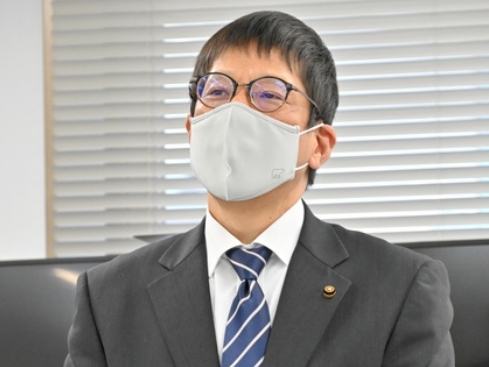
On January 28, the Sapporo High Court heard oral arguments in an appeal by evacuees from Fukushima and other prefectures who sought compensation of approximately 1.36 billion yen from the government and TEPCO in the wake of the 2011 accident at TEPCO’s Fukushima Daiichi Nuclear Power Plant. The plaintiffs, who are evacuees, gave statements and expressed their anguish that has not healed even 11 years after the accident.
If it hadn’t been for the nuclear accident, my eldest son probably wouldn’t have gotten this disease.
Akihiro Suzuki, 61, a current member of the Akahira City Council in Hokkaido, made this appeal in court. Akihiro Suzuki, 61, a current member of the Akahira City Council in Hokkaido, told the court that his eldest son, 26, was diagnosed with malignant lymphoma last March and is currently undergoing hospital treatment in Sapporo. I have been blaming myself every day for the impact on my health caused by the delay in evacuating, and I spend my days hoping that my eldest son will be released from his suffering and recover his health,” he said.
According to Mr. Suzuki, at the time of the accident, he learned about the nuclear accident on the radio from his home in Fukushima City, where the power was out. He was most concerned about the health of his sons, who were in their second year of high school and eighth year of junior high school at the time.
I thought about evacuating immediately, but gasoline was not available, so I was able to temporarily evacuate to Niigata about two weeks after the disaster. In September 2011, she and her second son evacuated to Hakodate, Hokkaido, where her eldest son had moved to school earlier.
In 2004, they moved to Akabira City. Her eldest son found a job at an IT company in Osaka, and her second son started working at a directly managed farm of a food company in Hokkaido. 19 years later, she ran for the Akadaira City Council, hoping to “bring in some fresh air,” and was elected.
Although he and his wife, who works at a high school in the Tokachi region of Hokkaido, were not expected to live together, he began to think that they had achieved a soft landing in the face of the many hardships faced by evacuees. It was just then that my eldest son became ill.
After the onset of his illness, he underwent anticancer drug treatment for six months and recovered to the point where he could be said to be in remission. However, in December, he found out that the disease had recurred. Seeing her eldest son suffer from hair loss and nausea due to the side effects of the medication “tore my heart to pieces,” she said.
I have always thought that I exposed my sons to radiation while I was still in Fukushima City. He was reluctant to stand up in court, but decided to give his opinion, saying, “Eleven years have passed since the accident, and I don’t want the world to forget the voices of the evacuees.
In an interview after the court session, Mr. Suzuki said, “Will I be stuck in the disaster of the nuclear accident forever? In a world where the memory of the accident is fading, I want people to understand that the accident is by no means over,” he said quietly.
The majority of the plaintiffs who have appealed to the court are “voluntary evacuees” who were not subject to the government’s evacuation order. As a result, only a little less than 40% of the 253 plaintiffs were eligible to receive compensation, and the amount was only about 53 million yen. (Shigeto Nakazawa)
https://www.asahi.com/articles/ASQ1X6DW7Q1XIIPE016.html?fbclid=IwAR32FJaQ6qV_mXA59wiXprtFm_ftNCHDUbQN9ujZbLyvH24tDqEmoB4Q_y0
“I couldn’t tell anyone for ten years” – Six teenagers who developed thyroid cancer after the nuclear accident file lawsuit against TEPCO
“””We’re scared to be discriminated against when we say we’ve got thyroid cancer, we’ve spent the last 10 years without telling anyone.”””
“But there are approximately 300 children suffering from thyroid cancer.”
“I want to change the situation for the better by raising my voice.”
Six men and women between the ages of 17 and 27 who were living in Fukushima Prefecture at the time of the accident filed a lawsuit against TEPCO on April 27, claiming that they had thyroid cancer due to radiation exposure caused by the accident at TEPCO’s Fukushima Daiichi Nuclear Power Plant. On the 27th, six men and women between the ages of 17 and 27, who were living in Fukushima Prefecture at the time of the accident, filed a lawsuit with the Tokyo District Court demanding a total of 616 million yen in damages including compensation from TEPCO. The biggest point of contention in the lawsuit is expected to be whether or not there is a causal relationship between radiation exposure and thyroid cancer.
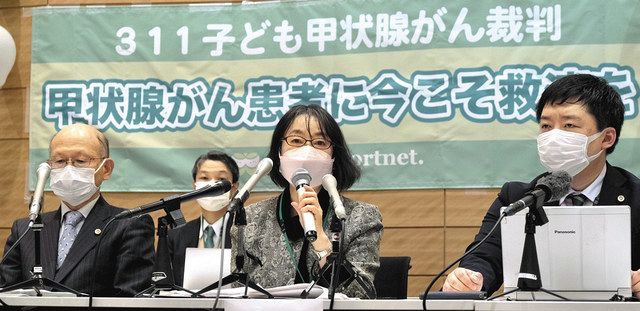
January 27, 2022
The six, who were between the ages of 6 and 16 at the time of the accident, are high school students, part-time workers, and office workers living in Fukushima Prefecture, Tokyo, and Kanagawa Prefecture. They were diagnosed with thyroid cancer in their teens, two had one side of their thyroid gland removed, four had it completely removed due to recurrence, and one had it spread to their lungs. They have had to quit college or work due to the surgery and treatment, and are also worried about the recurrence of the disease as their daily lives are restricted.
The complaint points out that most of the thyroid cancers found in children in Fukushima Prefecture, including the six children, are not hereditary and that no cause other than radiation exposure is possible. It argues that if there are other causes, TEPCO needs to prove them.
Normally, the number of cases of thyroid cancer in children that are diagnosed and reported is about one to two per one million people per year. After the nuclear accident, about 300 people were diagnosed with thyroid cancer or suspected of having thyroid cancer in Fukushima Prefecture through prefectural health surveys and other means, but the prefectural expert panel has stated that a causal relationship with radiation exposure is “not recognized at this time.
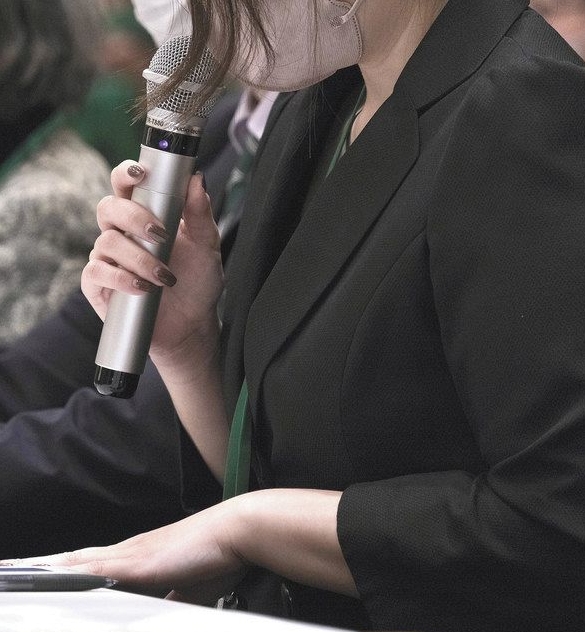
I want to change the situation by raising my voice.
On the afternoon of April 27, the plaintiff, 26, held a press conference in Tokyo after filing her lawsuit. In a press conference held in Tokyo after the lawsuit was filed, the plaintiff, 26, choked back tears as she made her appeal. There are still about 300 children suffering from thyroid cancer. I want to change the situation for the better by raising my voice, even if only a little.
A woman from Nakadori in central Fukushima Prefecture was diagnosed with thyroid cancer in 2015, when she was a 19-year-old sophomore in college. After an operation to remove one side of her thyroid gland the following year, her physical strength dropped drastically. Her physical condition continued to deteriorate, and she left the advertising agency where she had worked after graduating from university in Tokyo after a year and a half. She is now working as an office worker in Tokyo. She said, “I had to give up my dream job, and it’s still hard for me to work properly. I no longer have any dreams or hopes for the future.
Immediately after being informed of her cancer, she felt uncomfortable when the doctor told her that it had nothing to do with the nuclear accident.
She was moving outside that day…
When her mother heard this with her, March 14, 2011, the day of the hydrogen explosion at the Unit 3 reactor of the Fukushima Daiichi Nuclear Power Plant, came to her mind. She was outside helping her grandparents move their belongings out of their house, which was half destroyed by the disaster. When I heard about the explosion in the evening, I immediately brought the woman inside. I wish I hadn’t let her help me move at that time,” she said. I wish I hadn’t let her help me move. This was the only time she showed any regret.
The woman traveled back and forth between Fukushima and Tokyo many times for the tests before she was notified. The prefectural government provides full support for insured medical expenses, but does not include transportation costs. I took a long-distance bus, which is cheaper than the bullet train, but it became physically demanding.
Surgeries and examinations in Tokyo, a heavy burden
Because of her distrust of hospitals in Fukushima, she underwent surgeries and tests in Tokyo after she was notified. Her parents traveled to Tokyo each time, and the endoscopic surgery she underwent to reduce the scar on her neck as much as possible was not covered by the prefectural government at the time, so she had to pay for it herself.
As the treatment continued, the woman forgot to apply for a non-repayable scholarship from the university, and from her third year, she had to pay the full tuition. She said, “When I heard my parents asking for advice on reconfiguring their insurance, I felt depressed that I had caused them so much trouble.
Fear of recurrence: “I’m worried about what will happen next.
After the surgery, she caught colds frequently and developed pneumonia, bronchitis, and asthma. However, unless it is recognized as treatment for thyroid cancer, he is not eligible for support. The prefectural government’s support for medical expenses is budgeted every year with the government’s subsidies as the source, and “will continue for as long as possible,” according to the prefectural government’s Civil Health Survey Division, but there is no telling how long it will last. However, there is no way to know how long the support will last. The woman said, “I am always afraid of a recurrence, and I am very anxious about what will happen to me in the future. (Natsuko Katayama)
Can reactor fuel debris be safely removed from Fukushima Daiichi?
January 25, 2022
Source: University of Helsinki
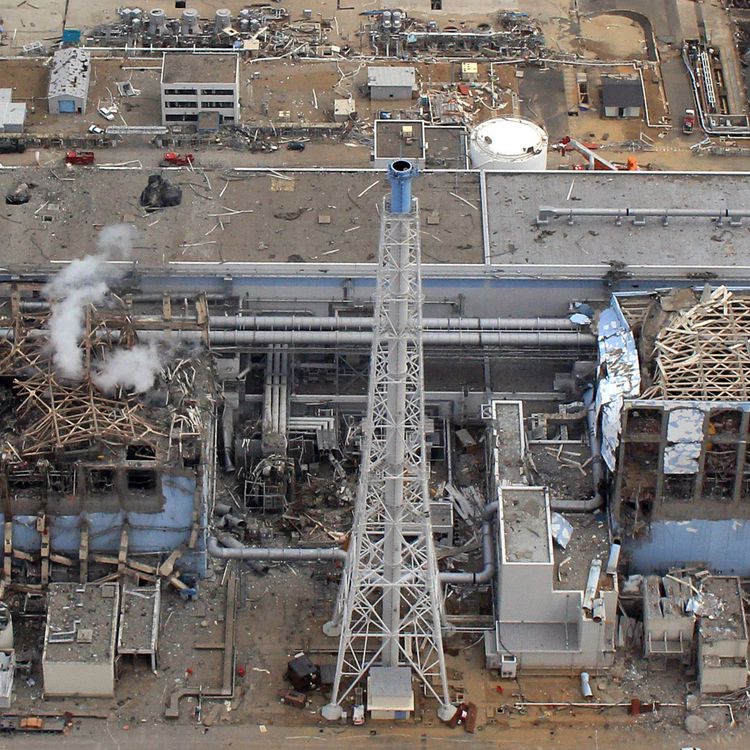
Decommissioning and clean-up are ongoing at the Fukushima Daiichi Nuclear Power Plant (FDNPP); however, many difficult problems remain unaddressed. Chief amongst these problems is the retrieval and management of fuel debris.
Decommissioning and clean-up are ongoing at the Fukushima Daiichi Nuclear Power Plant (FDNPP); however, many difficult problems remain unaddressed. Chief amongst these problems is the retrieval and management of fuel debris. Fuel debris is the name given to the solidified mixture of melted nuclear fuel and other materials that now lie at the base of each of the damaged reactors (reactor Units 1 — 3). This material is highly radioactive and it has potential to generate enough neutrons to trigger successive nuclear fission reactions (uranium-235 breaks into two elements after capturing neutrons, emitting enormous amounts of energy, radiation, and more neutrons). Successive fission reactions would present a serious safety and material management risk.
One of the materials in nuclear reactors that can lower the number of neutrons interacting with uranium-235 is boron carbide (B4C). This was used as the control rod material in the FDNPP reactors, and it may now remain within the fuel debris. If so, it may limit fission events within the fuel debris.
Can the fuel debris be safely removed?
On March 11th 2011, the control rods were inserted into the FDNPP reactors to stop the fission reactions immediately after the earthquake, but the later tsunami destroyed the reactor cooling systems. Fuel temperatures soon became high enough (>2000 °C) to cause reactor meltdowns. Currently, the fuel debris material from each reactor is cooled and stable; however, careful assessment of these materials, including not only their inventories of radioactive elements but as well their boron content, a neutron absorber, is needed to ascertain if successive fission reactions and associated neutron flux could occur in the fuel debris during its removal. Many important questions remain: was boron from the control rods lost at high temperature during the meltdown? If so, does enough boron remain in the fuel debris to limit successive fission reactions within this material? These questions must be answered to support safe decommissioning.
Study shows direct evidence of volatilization of control rods during the accident.
Despite the importance of this topic, the state and stability of the FDNPP control rod material has remained unknown until now. However, work just published in the Journal of Hazardous Materials now provides vital evidence that indicates that most of the control rod boron remains in at least two of the damaged FDNPP reactors (Units 2 and/or 3).
The study was an international effort involving scientists from Japan, Finland, France, and the USA. Dr. Satoshi Utsunomiya and graduate student Kazuki Fueda of Kyushu University led the study. Using electron microscopy and secondary ion mass spectrometry (SIMS), the team has been able to report the first-ever measurements of boron and lithium chemistry from radioactive Cs-rich microparticles (CsMPs). CsMPs formed inside FDNPP reactor units 2 and/or 3 during the meltdowns. These microscopic particles were then emitted into the environment, and the particles hold vital clues about the extent and types of meltdown processes. The team’s new results on boron-11/boron-10 isotopic ratios (~4.2) clearly indicate that most of the boron inside the CsMPs is derived from the FDNPP control rods and not from other sources (e.g., boron from the seawater that was used to cool the reactors). Dr Utsunomiya states that the presence of boron in the CsMPs “provides direct evidence of volatilization of the control rods, indicating that they were severely damaged during the meltdowns.”
Ample boron likely remains in the reactors, but more research is needed
In the study the team also combined their new data with past knowledge on CsMP emissions. From this, they have been able to estimate the total amount of boron released from the FDNPP reactors was likely very small: 0.024-62 g.
Prof. Gareth Law, a co-author from the University of Helsinki emphasized that this “is a tiny fraction of the reactor’s overall boron inventory, and this may mean that essentially all of the control rod boron remains inside the reactors.” The team hopes that this should prevent excessive fission reactions in the fuel debris. Utsunomiya stresses that “FDNPP decommissioning, and specifically fuel debris removal must be planned so that the extensive fission reactions do not occur. Our international team has successfully provided the first direct evidence of volatilization of B4C during the FDNPP meltdowns, but critically, our new data indicated that large quantities of boron, which adsorbs neutrons, likely remains within the fuel debris.”
Prof. Rod Ewing, a co-author from Stanford University acknowledged the importance of these new findings but highlighted that the team’s measurements now need to be “extended in follow-up studies, where the occurrence and distribution of boron species should be characterized across a wide range of debris fragments.”
Prof. emeritus Bernd Grambow, a study co-author from SUBATECH, Nantes, France,highlights that the work “paves the way for improving the safety assessment of debris retrieval during decommissioning at FDNPP,” with the team’s methods “providing a template for further studies.” Utsunomiya concludes that “it is nearly 11 years since the FDNPP disaster. In addition to tireless efforts from engineers at the FDNPP, scientific contributions are becoming more and more important as tools to address the major difficulties that will be faced during decommissioning.”
Journal Reference:
- Kazuki Fueda, Ryu Takami, Kenta Minomo, Kazuya Morooka, Kenji Horie, Mami Takehara, Shinya Yamasaki, Takumi Saito, Hiroyuki Shiotsu, Toshihiko Ohnuki, Gareth T.W. Law, Bernd Grambow, Rodney C. Ewing, Satoshi Utsunomiya. Volatilization of B4C control rods in Fukushima Daiichi nuclear reactors during meltdown: B–Li isotopic signatures in cesium-rich microparticles. Journal of Hazardous Materials, 2022; 428: 128214 DOI: 10.1016/j.jhazmat.2022.128214
University of Helsinki. “Can reactor fuel debris be safely removed from Fukushima Daiichi?.” ScienceDaily. ScienceDaily, 25 January 2022. www.sciencedaily.com/releases/2022/01/220125093041.htm.
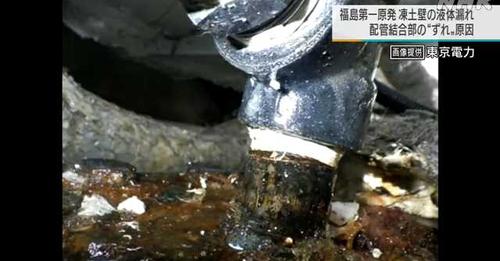
Leakage of liquid from frozen soil wall caused by misalignment of pipe joints TEPCO
January 25, 2022
Leakage of liquid from frozen soil wall caused by misalignment of pipe joints TEPCO
As part of the measures to deal with contaminated water at the Fukushima Daiichi Nuclear Power Plant, liquid used to freeze the ground leaked from the “frozen earth wall” that was installed to prevent underground water from flowing into the buildings. The Tokyo Electric Power Company (TEPCO) is investigating the cause of the damage and replacing the pipes.
On the 16th of this month at the Fukushima Daiichi Nuclear Power Plant, an estimated 4 tons of liquid at minus 30 degrees Celsius, which is used as a “refrigerant” to build a “frozen earth wall” to freeze the ground around the buildings, leaked. The leakage was estimated to be about 4 tons.
Tokyo Electric Power Company (TEPCO) investigated the leak and found that the joints between the pipes that feed the refrigerant and the underground pipes used to freeze the ground had shifted.
The parts of the joint were replaced by the 22nd of this month. The parts of other pipes will be replaced in the future and the cause of the shift of the joint is still being investigated.
https://www3.nhk.or.jp/lnews/fukushima/20220125/6050017050.html?fbclid=IwAR2oxPXF79fFf2r3EpIMvW7CLRrpys6OdsKPbPJuOeGf0_344tVeP6VBaxo
Fukushima Daiichi Nuclear Power Plant Incineration Facility to Start Operations in March, TEPCO Aims to Eliminate Outdoor Storage of Waste from Decommissioning Work, Including Logging / Fukushima

January 22, 2022
An incineration facility is expected to start full-scale operations in March to burn trees and other materials cut down to secure land for storage tanks for contaminated and treated water at TEPCO’s Fukushima Daiichi Nuclear Power Plant. The amount of waste from the decommissioning of the plant continues to increase, and much of it is being stored outdoors. TEPCO hopes to reduce the amount of waste by incineration and eliminate outdoor storage by FY2028.
The facility is a five-story building. It will incinerate wood, paper and other combustible materials contained in debris, as well as waste oil, and will process up to 95 tons per day.
TEPCO reports coolant solution leakage at Fukushima nuclear plant
23-Jan-2022
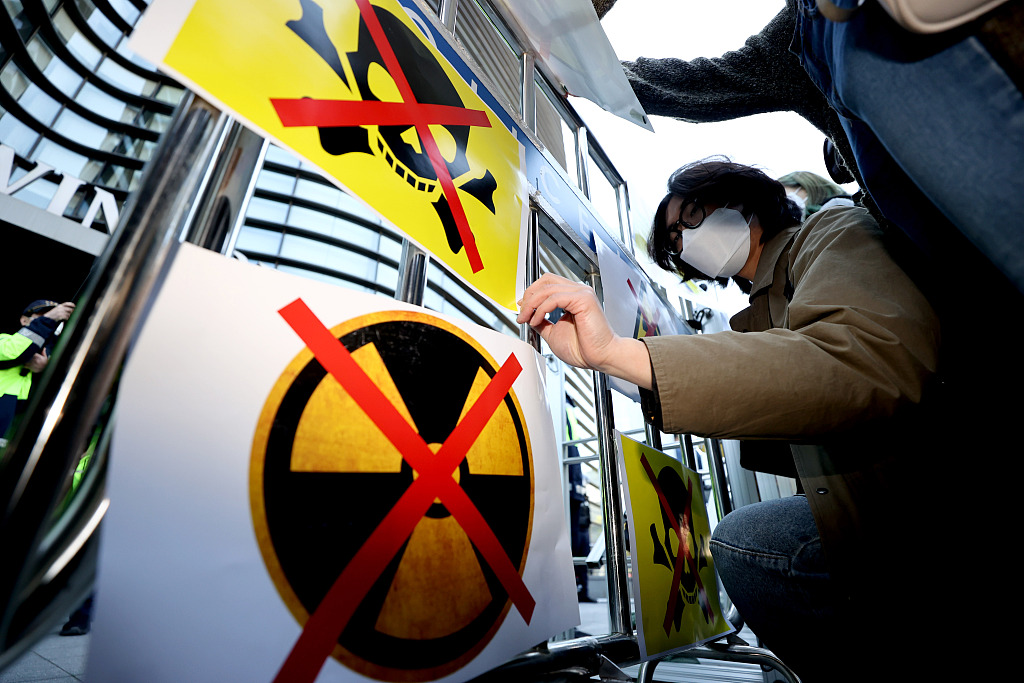
Tokyo Electric Power Company (TEPCO), the operator of Japan’s crippled Fukushima nuclear power plant, has discovered that a coolant solution used to create an ice wall halting groundwater seepage into the reactor buildings has leaked from two storage tanks, Reuters reported on Sunday.
The company claims that there has been no impact on the wall or the environment, according to the report.
Still, it underscores the unpredictable challenges in the clean-up of the site, nearly 11 years after an earthquake and tsunami ravaged Japan’s northeastern coast, causing the world’s worst nuclear disaster since the Chernobyl accident in 1986.
On Sunday, TEPCO spokesperson Tsuyoshi Shiraishi said about four tonnes of a calcium chloride solution used to maintain the ice wall had leaked for the eighth time.
In the last such accident in December 2019, 16 tonnes spilled, likely due to metal fatigue resulting from vibrations caused by construction vehicles, Shiraishi said, adding that TEPCO is “now confirming the reason.”
There was no immediate impact on the wall’s function as it takes several months for the wall to thaw in the absence of coolant, he said.
Work on the underground frozen wall around unit 1-4began in June 2014 to block the flow of groundwater into the plant’s basements, according to China Media Group.
The 1.5-kilometer wall, which became operational in 2017, is made up of 1,568 pipes filled with a refrigerant and inserted 30 meters underground, turning the soil into a solid mass.
Only last year, Japan’s government approved the release of over 1 million tonnes of irradiated water from the site after treatment, starting around spring 2023. TEPCO last month said it would build a tunnel reaching into the sea for the operation.
Separately, a group of six men and women is set to file on January 27 a lawsuit against TEPCO claiming they developed thyroid cancer due to exposure to radiation from the Fukushima disaster, the Mainichi newspaper reported.
1 This Month
19 February – VIRTUAL EVENT-Decision Time: AI and Our Nuclear Arsenal
12:45 p.m. Central / 1:45 p.m. Eastern
To see nuclear-related stories in greater depth and intensity – go to https://nuclearinformation.wordpress.com
-
Archives
- February 2026 (141)
- January 2026 (308)
- December 2025 (358)
- November 2025 (359)
- October 2025 (376)
- September 2025 (258)
- August 2025 (319)
- July 2025 (230)
- June 2025 (348)
- May 2025 (261)
- April 2025 (305)
- March 2025 (319)
-
Categories
- 1
- 1 NUCLEAR ISSUES
- business and costs
- climate change
- culture and arts
- ENERGY
- environment
- health
- history
- indigenous issues
- Legal
- marketing of nuclear
- media
- opposition to nuclear
- PERSONAL STORIES
- politics
- politics international
- Religion and ethics
- safety
- secrets,lies and civil liberties
- spinbuster
- technology
- Uranium
- wastes
- weapons and war
- Women
- 2 WORLD
- ACTION
- AFRICA
- Atrocities
- AUSTRALIA
- Christina's notes
- Christina's themes
- culture and arts
- Events
- Fuk 2022
- Fuk 2023
- Fukushima 2017
- Fukushima 2018
- fukushima 2019
- Fukushima 2020
- Fukushima 2021
- general
- global warming
- Humour (God we need it)
- Nuclear
- RARE EARTHS
- Reference
- resources – print
- Resources -audiovicual
- Weekly Newsletter
- World
- World Nuclear
- YouTube
-
RSS
Entries RSS
Comments RSS
 nuclear-news