New evidence that Fukushima’s reactors were failing BEFORE the tsunami

 The explosive truth behind Fukushima’s meltdown, Japan insists its nuclear crisis was caused by an unforeseeable combination of tsunami and earthquake. But new evidence suggests its reactors were doomed to fail, The Independent, By David McNeill in Tokyo and Jake Adelstein, 17 August 201
It is one of the mysteries of Japan’s ongoing nuclear crisis: How much
damage did the 11 March earthquake inflict on the Fukushima Daiichi
reactors before the tsunami hit?
The stakes are high: if the earthquake structurally compromised the plant
and the safety of its nuclear fuel, then every similar reactor in Japan
may have to be shut down. With almost all of Japan’s 54 reactors either
offline (in the case of 35) or scheduled for shutdown by next April, the
issue of structural safety looms over any discussion about restarting
them. Continue reading
Radioactive Caesium-137 from Fukushima equal to 10 Hiroshimas
Government nuclear experts, however, said the World War II bomb blast and the accidental reactor meltdowns at Fukushima, which has seen ongoing radiation leaks but no deaths so far, were beyond comparison.
The amount of caesium-137 released since the three reactors were crippled by the March 11 quake and tsunami has been estimated at 15,000 tera becquerels, the Tokyo Shimbun reported, quoting a government calculation.
That compares with the 89 tera becquerels released by “Little Boy”, the uranium bomb the United States dropped on the western Japanese city in the final days of World War II, the report said.
The estimate was submitted by Prime Minister Naoto Kan’s cabinet to a lower house committee on promotion of technology and innovation, the daily said…..http://www.google.com/hostednews/afp/article/ALeqM5hDHbdpOQcK44jyC_kypHkOo9UkBA?docId=CNG.d3f786cacc8763f78f6176c908ff1fd2.71
No end in sight to the cleanup and the costs of Fukushima radiation
 “Fukushima is mountainous and such large-scale and highly concentrated contamination has not taken place on earth before in an area like this. How things will go is unpredictable.”
Japan faces costly, unprecedented radiation cleanup, By Yoko Kubota, TOKYO | Thu Aug 25, 2011 (Reuters) – Nearly six months after the world’s worst nuclear crisis in 25 years at the Fukushima nuclear plant, Japan faces the task of cleaning up a sprawling area of radioactivity that could cost tens of billions of dollars, and thousands may not be able to return home for years, if ever. Continue reading
Solar energy costs to beat fossil fuels, as China, Japan introduce feed in tariff
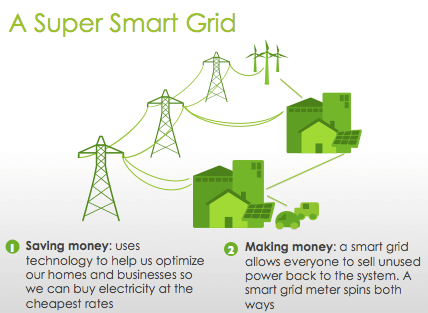 “The likelihood that Japan will follow China in rolling out major policy incentives to scale up renewable energy production is an exciting prospect. The demand created by these two Asian giants could well provide the global tipping point that accelerates the emergence of renewables as cost-competitive or indeed cost-beating alternatives to fossil fuel power generation.”
Japan’s Feed In Tariffs Could Accelerate Global Solar Grid Parity, Renewable Energy News, 24 Aug 11,. New legislation in place in China and laws about to be enacted in Japan could be the global tipping point for renewables achieving grid parity with fossil fuel based power generation sooner than most expected. Continue reading
Following public outcry, Japan to lower the “allowable” radiation limit for schoolchildren
Govt to lower school radiation limit, The Yomiuri Shimbun, 245 Aug 11, The government likely will dramatically tighten its current safety limit–3.8 microsieverts per hour–on the amount of radiation to which children may be exposed during outdoor activities at school facilities, government sources said.
The move will be followed by efforts to decontaminate playgrounds and other school facilities with the aim of reducing the amount of radiation exposure affecting schoolchildren to 1 microsievert per hour.
The action is a response to criticism that the current safety limit is too high. The government has also taken note of the fact that local governments in and around Fukushima Prefecture are taking their own initiatives to decontaminate tracts of land affected by the ongoing nuclear crisis.
In effect, these steps amount to a reconsideration of the government’s current safety standards for radiation exposure, according to observers.
The Education, Culture, Sports, Science and Technology Ministry plans to offer financial aid for decontamination projects, with the aim of limiting the annual accumulated radiation students are exposed to at school to 1 millisievert (1,000 microsieverts).http://online.wsj.com/article/SB10001424053111904009304576528690610416826.html?mod=googlenews_wsj
Japan increasing radiation monitoring, as more “hot spots” appear
Japan Triples Airborne Radiation Checks as ‘Hot Spots’ Spread, Bloomberg, By Tsuyoshi Inajima and Yuji Okada – Aug 23, 2011 Japan will more than triple the number of regions it checks for airborne radiation as more contaminated “hot spots” are discovered far from Tokyo Electric Power Co.’s crippled Fukushima nuclear power station.
The government said it will increase radiation monitoring by helicopter to 22 prefectures from the six closest to the plant, which began spewing radiation after an earthquake and tsunami struck the station in March. The plan comes after radioactive waste more than double the regulatory limit was found 200 kilometers (125 miles) from the plant this week.
Authorities have refused to give a cumulative figure for radiation released from the Fukushima Dai-ichi nuclear plant after estimating in June that fallout in the six days following the quake was equal to 15 percent of total radiation released in the Chernobyl nuclear disaster in 1986. The authorities have been too slow to widen airborne radiation testing, said Tetsuo Ito, the head of Kinki University’s Atomic Energy Research Institute in Osaka…..http://www.bloomberg.com/news/2011-08-24/japan-triples-air-radiation-checks-for-hot-spots-.html
Brave Japanese couple continue thier fight against Japan’s powerful nuclear establishment
Taking on the nuclear strongmen, The Canberra Times , 24 Aug 11 “……..Together, Yuichi Kaido and Mizuho Fukushima are perhaps Japan’s most prominent pair of anti- nuclear activists. For three decades, the couple were at the forefront of an often futile fight against the utilities that operated the nation’s reactors, the corporations that built and maintain them and the politicians and bureaucrats who enabled them. Yet in case after case, judges rejected Kaido’s claims that Japan’s nuclear reactors were dangerous. Continue reading
Radiation evacuees from Fukushima not to return home, ever?
The government is expected to tell many of these residents that they will not be permitted to return to their homes for an indefinite period.
 Large Zone Near Japanese Reactors to Be Off Limits, NYTimes.com, By MARTIN FACKLER August 21, 2011 TOKYO — Broad areas around the stricken Fukushima Daiichi nuclear plant could soon be declared uninhabitable, perhaps for decades, after a government survey found radioactive contamination that far exceeded safe levels, several major media outlets said Monday.
The formal announcement, expected from the government in coming days, would be the first official recognition that the March accident could force the long-term depopulation of communities near the plant, an eventuality that scientists and some officials have been warning about for months. Continue reading
Japan’s intractable problem of virtually permanently irradiated areas
Fukushima zone likely off-limits for ‘decades’, ABC Radio 774 ,Mark Willacy, August 22, 2011 The Japanese government says highly radioactive areas around the crippled Fukushima nuclear plant will remain no-go zones for decades after the damaged complex is stabilised.
Authorities say they plan to bring the stricken nuclear plant to a state of cold shutdown early next year. But with some areas near the complex continuing to show high levels of radioactive contamination, the government says it is unavoidable that some places will remain no-go zones.
Japanese newspaper The Daily Yomiuri reports government sources have said it could be “several decades” before the area is considered safe to enter. For the first time, the government has released figures revealing that many communities within 20 kilometres of the complex have contamination levels up to 500 times higher than safety limits.
The radiation readings were taken in 50 locations within a 20-kilometre radius of the Fukushima nuclear plant.Based on that data, the government has released estimates of the annual dose of radiation residents would be exposed to.
It found that in one town, Okuma, people would receive a dose of 508 milisieverts per year – more than 500 times the acceptable limit.At more than half the locations it was more than 20 times the limit.Tokyo Institute of Technology’s associate professor of radiobiology, Yoshihisa Matsumoto, says efforts to decontaminate the area will likely prove difficult…http://www.abc.net.au/news/2011-08-22/fukushima-radiation-500-times-safe-limit/2849394/?site=melbourne
Japan – prejudice against residents of Fukushima Prefecture
Teachers lack knowledge It is important to teach children the meaning of “becquerel,” which indicates how much radiation a radioactive substance emits, and “sievert,” the unit for calculating the effect radiation has on the human body. This will help children better understand daily news reports about radiation….
Better radiation education needed to end prejudice, The Yomiuri Shimbun, 20 Aug 11 Ever since the accident at Tokyo Electric Power Co.’s Fukushima No. 1 nuclear power plant, many evacuees from Fukushima Prefecture have been subjected to discrimination and prejudice.
A student who transferred from the prefecture to a primary school in the Kanto region was shunned by classmates and eventually stopped going to class. Some gas stations in the Tokyo metropolitan area have refused to serve cars bearing Fukushima license plates. Continue reading
Radiation caused illnesses now seen in Japan
 Doctors in Japan are already treating patients suffering health effects they attribute to radiation from the ongoing nuclear disaster.
“We have begun to see increased nosebleeds, stubborn cases of diarrhoea, and flu-like symptoms in children,” Dr Yuko Yanagisawa, a physician at Funabashi Futawa Hospital in Chiba Prefecture, told Al Jazeera.
Fukushima radiation alarms doctors , Aljazeera, .Dahr Jamail Japanese doctors warn of public health problems caused by Fukushima radiation.: 18 Aug 2011 , Scientists and doctors are calling for a new national policy in Japan that mandates the testing of food, soil, water, and the air for radioactivity still being emitted from Fukushima’s heavily damaged Daiichi nuclear power plant.
“How much radioactive materials have been released from the plant?” asked Dr Tatsuhiko Kodama, a professor at the Research Centre for Advanced Science and Technology and Director of the University of Tokyo’s Radioisotope Centre, in a July 27 speech to the Committee of Health, Labour and Welfare at Japan’s House of Representatives.
“The government and TEPCO have not reported the total amount of the released radioactivity yet,” said Kodama, who believes things are far worse than even the recent detection of extremely high radiation levels at the plant. Continue reading
The mental health toll in Fukushima
Radiation fears bring psychological stress to Fukushima residents, Mainichi Daily News, 19 Aug 11, FUKUSHIMA — Residents of Fukushima Prefecture are increasingly visiting psychiatrists complaining of sleeplessness or the inability to concentrate as they worry about the effects of leaked radiation from the Fukushima No. 1 Nuclear Power Plant, the Mainichi has learned…… Continue reading
Nuclear industry subsidies and other payments to Japan’s local governments
2.5 trillion yen in nuclear money doled out to local governments since 1966, Mainichi Daily News, 19 Aug 11, Local governments have received at least 2.5 trillion yen in “nuclear money” in the form of subsidies, fixed property taxes and other payments since the start of nuclear power generation in Japan in 1966, a tally by the Mainichi shows.
But the total is certain to be much higher because many local governments are not releasing data on nuclear power-related fixed property taxes and donations. Continue reading
Ground is cracking underneath Fukushima nuclear power plant
 Fukushima ‘alarm’: Ground cracking, radioactive steam seeping, Examiner.com Deborah Dupre , Human Rights ExaminerAugust 17, 2011 – Doomed to cripple before quake and tsunami As Canadians learned about dangerous radiation falling on them in rain on Tuesday as far east as Toronto registered at 20,000 CPM, equivalent to the highly targeted dose of radiation for cancer radiotherapy, the Fukushima catastrophe escalated even higher Wednesday with evidence that the ground is cracking under the crippled nuclear power plant, causing radioactive steam to escape, “very serious and alarming” according to Anissa Naouai’s guest on Russia Today, Dr. Robert Jacobs, Professor of nuclear history at Hiroshima Peace Institute. Continue reading
The spread of Fukushima nuclear radiation in our interconnected world
amazed that particles could be spread across the world from such a small footprint like a reactor, which he compared in size to a swimming pool.
“It shows you how connected the world is,” he said. “What happens in one place can show up someplace else.”
1 This Month



Read the Public Inquiry Report, the Commissioners’ report, Surrendering Australia: The AUKUS Deception is available to download for free at aukuspublicinquiry.com. Or just watch the replay of the National Press Club Luncheon.

19 November – Webinar – The Reality of Reprocessing
Time: 11:00 AM Pacific Time (US & Canada) / 2:00 PM Eastern / 7:00 PM UK / 8:00 PM CET
Register for the Zoom Event Here


Shut down the radiation-damaged Heysham nuclear reactors now
To see nuclear-related stories in greater depth and intensity – go to https://nuclearinformation.wordpress.com

Say No to NASA’s Reckless Nuclear Reactor on the Moon
Say No to NASA’s Reckless Nuclear Reactor on the Moon
-
Archives
- November 2026 (119)
- October 2026 (302)
- September 2026 (339)
- August 2026 (330)
- July 2026 (355)
- June 2026 (287)
- May 2026 (306)
- April 2026 (356)
- March 2026 (251)
- February 2026 (267)
- January 2026 (308)
- December 2025 (358)
-
Categories
- 1
- 1 NUCLEAR ISSUES
- business and costs
- climate change
- culture and arts
- ENERGY
- environment
- health
- history
- indigenous issues
- Legal
- marketing of nuclear
- media
- opposition to nuclear
- PERSONAL STORIES
- politics
- politics international
- Religion and ethics
- safety
- secrets,lies and civil liberties
- spinbuster
- technology
- Uranium
- wastes
- weapons and war
- Women
- 2 WORLD
- ACTION
- AFRICA
- Atrocities
- AUSTRALIA
- Christina's notes
- Christina's themes
- culture and arts
- Events
- Fuk 2022
- Fuk 2023
- Fukushima 2017
- Fukushima 2018
- fukushima 2019
- Fukushima 2020
- Fukushima 2021
- general
- global warming
- Humour (God we need it)
- Nuclear
- RARE EARTHS
- Reference
- resources – print
- Resources -audiovicual
- Weekly Newsletter
- World
- World Nuclear
- YouTube
-
RSS
Entries RSS
Comments RSS

