Radioactive contamination “in a variety of marine products” harvested off USA’s West Coast
New Gov’t Report: Fukushima radiation found in US marine life — Investigators detect radioactive contamination “in a variety of marine products” harvested off West Coast — Effects of exposure need to be studied and understood in coming yearshttp://enenews.com/new-govt-study-finds-fukushima-radiation-marine-life-investigators-detect-radioactive-contamination-variety-marine-products-harvested-west-coast-effects-exposure-marine-life-be-studied-understoo?utm_source=feedburner&utm_medium=email&utm_campaign=Feed%3A+ENENews+%28Energy+News%29
U.S. Department of Commerce – NOAA National Marine Fisheries Service (pdf), Dec 2015 (emphasis added): Results of testing for Fukushima Radiation in northern fur seals on St. Paul Island, AK – In summer 2014, NOAA Fisheries in partnership with Colorado State University collected tissue from northern fur seals harvested from St. Paul Island for lab testing.
We detected very small amounts of Fukushima-derived radioactive material in the seal tissue…
Journal of Environmental Radioactivity, Feb 2016: Fukushima-derived radiocesium was detected in migratory northern fur seal… In July 2014, our investigative team traveled to St. Paul Island, Alaska to measure concentrations of radiocesium in wild-caught food… [O]ther investigators have detected Fukushima-derived radionuclides in a variety of marine products harvested off the western coast of North America. We tested… 54 northern fur seal… when composited, northern fur seal tissues tested positive for trace quantities of [Cesium-134 adn Cesium-137]. Radiocesium was detected at an activity concentration of 37.2 mBq 134Cs kg [fresh weight, not dried] and 141.2 mBq 137Cs kg… indicating that this population of seals has been exposed to small quantities of Fukushima-derived radiocesium… [The] 2011 Tohoku earthquake… led to loss of containment [at the Fukushima nuclear power plant] and releases of radionuclides to the atmosphere and the marine environment… [M]arine releases may be ongoing due to groundwater seepage… The atmospheric plume from the Fukushima Daiichi reactors traveled east and passed over North America days after the initial release… The arrival of the Fukushima marine plume has aroused concern for some North American stakeholders, particularly those living near the coast and those who consume seafood from the Pacific Ocean. Additionally, the potential effects of exposure to Fukushima derived radionuclides on sensitive marine species will need to be studied and understood in the coming years… Radiocesium biomagnifies through marine foodwebs…Thus the northern fur seal, a predator, should be an excellent sentinel of marine radiocesium in the North Pacific… Northern fur seal exposure to Fukushima radionuclides likely occurred via the consumption of fish or other prey from areas of the Pacific Ocean contaminated by the Fukushima marine release… the population likely has not been exposed to the higher concentrations found within the main body of the Fukushima marine plume… Radiocesium is unlikely to cause health impacts in northern fur seal or the human populations consuming this species.
Radiation damage – mutations appearing in Fukushima forests

 Mutations, DNA damage seen in Fukushima forests: Greenpeace, Phys Org, March 4, 2016 Conservation group Greenpeace warned on Friday that the environmental impact of the Fukushima nuclear crisis five years ago on nearby forests is just beginning to be seen and will remain a source of contamination for years to come………
As the fifth anniversary of the disaster approaches, Greenpeace said signs of mutations in trees and DNA-damaged worms were beginning to appear, while “vast stocks of radiation” mean that forests cannot be decontaminated………..
In a report, Greenpeace cited “apparent increases in growth mutations of fir trees… heritable mutations in pale blue grass butterfly populations” as well as “DNA-damaged worms in highly contaminated areas”, it said.
The report came as the government intends to lift many evacuation orders in villages around the Fukushima plant by March 2017, if its massive decontamination effort progresses as it hopes.
For now, only residential areas are being cleaned in the short-term, and the worst-hit parts of the countryside are being omitted, a recommendation made by the International Atomic Energy Agency.
But such selective efforts will confine returnees to a relatively small area of their old hometowns, while the strategy could lead to re-contamination as woodlands will act as a radiation reservoir, with pollutants washed out by rains, Greenpeace warned.
The conservation group said its report relies largely on research published in peer-reviewed international journals.
But “most of the findings in it have never been covered outside of the close circles of academia”, report author Kendra Ulrich told AFP.
The Japanese government’s push to resettle contaminated areas and also restart nuclear reactors in Japan that had been shut down in the aftermath of the crisis are a cause for concern, Ulrich said, stressing it and the IAEA are using the opportunity of the anniversary to play down radiation impacts.
“In the interest of human rights—especially for victims of the disaster—it is ever more urgent to ensure accurate and complete information is publicly available and the misleading rhetoric of these entities challenged,” she said.
Scientists, including a researcher who found mutations of Fukushima butterflies, have warned, however, that more data are needed to determine the ultimate impact of the Fukushima accident on animals in general.
Researchers and medical doctors have so far denied that the accident at Fukushima would cause an elevated incidence of cancer or leukaemia, diseases that are often associated with radiation exposure.
But they also noted that long-term medical examination is needed especially due to concerns over thyroid cancer among young people—a particular problem for people following the Chernobyl catastrophe. http://phys.org/news/2016-03-mutations-dna-fukushima-forests-greenpeace.html#jCp
Scientific Investigation Into Fukushima Disaster’s Effect On Pacific Ocean,
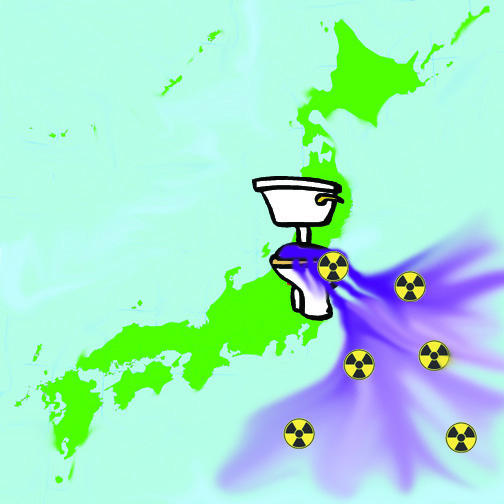 Clean Technica, February 26th, 2016 by Joshua S Hill Nearly five years after the Fukushima nuclear disaster, Greenpeace has launched a high-tech investigation into the radiation effects of the meltdowns on the Pacific Ocean. “…… Greenpeace Japan announced Thursday that it is conducting an underwater investigation into radiation contamination of the Pacific Ocean caused by the disaster. According to Greenpeace, the investigation will be conducted aboard a Japanese research vessel using a one of a kind Remotely Operated Vehicle fitted with a sensitive gamma radiation spectrometer and sediment sampler.
Mr Naoto Kan, the former Prime Minister of Japan and leader at the time of the nuclear accident, joined the crew of the Greenpeace Flagship, the Rainbow Warrior, on the opening day of the investigation, and called for a complete phase out of nuclear power.
“I once believed Japan’s advanced technology would prevent a nuclear accident like Chernobyl from happening in Japan,” said Mr. Kan. “But it did not, and I was faced with the very real crisis of having to evacuate about 50 million people at risk from the Fukushima Daiichi nuclear accident. I have since changed my mind. We do not need to take such a big risk. Instead we should shift to safer and cheaper renewable energy with potential business opportunities for our future generations.”
Since the disaster, the Tokyo Electric Power Company, which has maintained the plant, has produced over 1.4 million tonnes of radioactive contaminated water in an effort to cool down the three reactors that went critical. Furthermore, in addition to the initial release of liquid nuclear waste during the first weeks of the accident, and the daily releases ever since, contamination has also flowed from the land itself, particularly nearby forests and mountains of Fukushima, and are expected to continue to contaminate the Pacific Ocean for at least the next 300 years.
“The Fukushima disaster is the single largest release of radioactivity into the marine environment in history,” said Shaun Burnie, Senior Nuclear Specialist with Greenpeace Germany. “There is an urgent need to understand the impacts this contamination is having on the ocean, how radioactivity is both dispersing and concentrating and its implications.
“TEPCO failed to prevent a multiple reactor meltdown and five years later it’s still an ongoing disaster. It has no credible solution to the water crisis they created and is failing to prevent the further contamination of the Pacific Ocean.”
Greenpeace’s investigation will continue into March along the coast of the Fukushima prefecture, and will protrude into the 20 kilometer radius of the Fukushima Daiichi nuclear plant.
“There is still no end in sight for communities in Fukushima, many of whom can’t return home due to radiation contamination,” said Mamoru Sekiguchi, Energy Campaigner with Greenpeace Japan. “Rather than pushing for the restart of nuclear power, the Japanese government should put these people first and focus on managing the Fukushima Daiichi site. Many people in Japan have rejected nuclear power and are demanding the only safe and clean technology that can meet Japan’s needs – renewable energy.”
Shaun Burnie, Senior Nuclear Specialist with Greenpeace Germany, explained more about the crisis in a recent blog post, and the role that Greenpeace has played, and continues to play. http://cleantechnica.com/2016/02/26/greenpeace-launches-scientific-investigation-fukushima-disasters-effect-pacific-ocean/
‘uncontrollable radioactive flow’ from Indian Point nuclear station into the Hudson River

 New York City’s nuclear power plant leaking ‘uncontrollable radioactive flow’ into Hudson River, http://inhabitat.com/new-york-citys-nuclear-power-plant-leaking-uncontrollable-radioactive-flow-into-hudson-river/ Inhabitat, by Lacy Cooke, 27 Feb 16 New York governor Andrew Cuomo recently called for an investigation after Indian Point, a nuclear power plant on the Hudson River, reported a leak of radioactive material flowing into the groundwater. Now, new samples taken from the local groundwater show that contamination levels are 80% higher than previous samples, prompting experts to claim this leak is spreading in “a disaster waiting to happen” and calling for the plant to be shut down completely. The Indian Point nuclear power plant is located just 25 miles north of New York City, and it’s a crucial source of of power for over 23 million people living in the greater NYC metropolitan region.
Indian Point has experienced other leaks in the past, and the investigation may influence whether the power plant continues to operate in the future.
Via NY Daily News, CBS News, EcoWatch
As far away as Tokyo, highly radioactive black sand from Fukushima meltdowns is found
New Meltdown Byproduct Found Far From Fukushima Daiichi, Simply Info February 4th, 2016 Another type of material has been found by researchers that is tied to the meltdowns at Fukushima Daiichi. We have reported extensively over the years on the finding of “black stuff” around mainland Japan. This is a highly radioactive black sand like material that had gathered in gutters and roads as far away as Tokyo. Analysis of materials of that type has linked them to the meltdowns inside the reactors at Fukushima Daiichi. This new finding is also linked directly to the reactor meltdowns……..http://www.fukuleaks.org/web/?p=15283
Radioactive contamination still a very real crisis for Fukushima fishermen
Nuclear water: Fukushima still faces contamination crisis, Phys Org, February 25, 2016 by Harumi Ozawa, Quentin Tyberghien Fish market vendor Satoshi Nakano knows which fish caught in the radiation tainted sea off the Fukushima coast should be kept away from dinner tables.
“It was the single largest release of radioactivity to the marine environment in history,” Greenpeace nuclear expert Shaun Burnie told AFP on the deck of the campaign group’s flagship Rainbow Warrior, which has sailed in to support a three-week marine survey of the area the environmental watchdog is conducting.
Fukushima is facing an “enormous nuclear water crisis,” Burnie warned. He added: “The whole idea that this accident happened five years ago and that Fukushima and Japan have moved on is completely wrong.”
Safe to eat?
Existing contamination means fishermen are banned from operating within a 20-kilometre (12.4-mile) radius from the plant……..http://phys.org/news/2016-02-nuclear-fukushima-contamination-crisis.html
Spread of Hanford radioactive pollution is “alarming”
 Hanford contamination spread across public highway
Fall windstorm spread radioactive contamination across Route 4 north of Richland
Some contamination likely spread by plants, animals
EPA requires report from DOE in April
BY ANNETTE CARY acary@tricityherald.com 23 Feb 16 The Environmental Protection Agency has called the uncontrolled spread of small amounts of radioactive waste at Hanford “alarming” after a Nov. 17 windstorm.
Surveys six miles north of Richland after the winds subsided found specks of contamination had spread beyond Route 4, the public highway from Richland out to the Wye Barricade secure entrance to Hanford.
The contamination had blown from the 618-10 Burial Ground, which is being cleaned up on the west side of the highway.
The search also turned up previously undiscovered specks of radioactive waste believed to have been spread by plants or animals outside known contaminated areas…….
EPA, in a letter to DOE, said the spread of contamination “is a matter that is alarming to EPA and requires further investigation and discussion.”
It has given DOE until the third week of April to prepare a report on its loss of control of radioactive material. DOE is required to describe for EPA, a Hanford regulator, what actions and technology it plans to prevent a recurrence.
DOE and its contractor, Washington Closure Hanford, have had problems with contamination spread at the 618-10 Burial Ground as early as summer 2014, according to the weekly staff reports of the Defense Nuclear Facilities Safety Board……..
The report required by EPA is expected to address not only issues directly related to the 618-10 Burial Ground but the spread of contamination by plants and animals. http://www.tri-cityherald.com/news/local/hanford/article61710052.html
Cesium 137 found in 7 fish near Canada’s West Coast, but not in salmon
Radiation from Fukushima nuclear disaster not found in B.C. salmon http://www.theglobeandmail.com/news/british-columbia/radiation-from-fukushima-nuclear-disaster-not-found-in-bc-salmon/article28846578/ MARK HUME VANCOUVER — The Globe and Mail Feb. 23, 2016 Five years after the Fukushima nuclear accident in Japan, radioactive contaminants continue to circulate across the Pacific to Canada’s West Coast, but not at dangerous levels.
A B.C. scientist monitoring fish for tell-tale traces of cesium-134 said the radionuclide, which is the fingerprint of the Fukushima disaster, has been found in seawater but not in recent samples taken from 156 salmon.
Steelhead, Chinook, sockeye and pink salmon were collected by First Nations from locations spread along the B.C. coast last year as part of an ongoing monitoring program.
He said tests did find low levels of cesium-137 in seven fish, but cesium-134 was not also found in those salmon.
“Because no c-134 was detected in these fish it is not possible to say whether detectable c-137 can be attributed to Fukushima contamination, or simply normal variability in contamination owing to nuclear weapons testing fallout,” Dr. Cullen said.
“The vast majority of c-137 that’s in the environment today came from weapons testing; fallout from atmospheric weapons tests last century,” he said. “And also there is an imprint of the Chernobyl disaster in 1986 in the Pacific.”
Dr. Cullen said seawater far offshore and in coastal waters continues to show low levels of contamination from 2011, when an earthquake and tsunami caused a nuclear meltdown at Japan’s Fukushima power plant. The accident released a pulse of radioactive material into the Pacific Ocean and the atmosphere. Debris has drifted across the ocean and for the past few years has been washing up on West Coast beaches.
Dr. Cullen said tests in recent months have shown that the levels of radioactive contamination in sea water are low, but are varied depending on where the samples are taken.
“Offshore the contamination is much more evenly distributed, from place to place.
“Along the coast, probably because of complex water circulation and freshwater inputs, we see it show up in certain places more often than in others,” he said. Dr. Cullen said none of the measurements raises any health concerns.
“It’s thousands of times below the maximum allowable [level] of cesium in our drinking water. It’s still a very trace level. In order for us to detect it, we have to use the most sensitive techniques that we have,” he said.
“The amount of radioactivity from these isotopes from Fukushima in our water or in our fish [is] a fraction of the count you’d get using a Geiger counter.”
Dr. Cullen said the level of contamination in the Pacific off the West Coast continues to rise, but that was anticipated.
“Given the time that it takes for the ocean currents to bring that contamination as it spreads across the North Pacific this is when the models predict those levels should be peaking,” he said.
“The heart of that contamination is just arriving offshore.”
Dr. Cullen, who works with a network of researchers from Woods Hole Oceanographic Institute, Health Canada, Fisheries and Oceans Canada, the University of B.C., the University of Ottawa and UVic, said monitoring of both seawater and fish will continue and shellfish will be added to the testing this year.
The research group is known as InFORM, for Integrated Fukushima Ocean Radionuclide Monitoring Network.
“The goal of the InFORM project is to continue to monitor the water and fish because this information is … useful for determining what the risk might be to the ecosystem or to humans who rely on fish,” he said.
New Hampshire shopping complex site has buried radioactive material
Radioactive material to stay put as factory becomes retail center By MARK HAYWARD
New Hampshire Union Leader, 21 Feb 16, MANCHESTER — Before developers go ahead with the conversion of the former Osram Sylvania light-bulb factory into a $60 million shopping center, they have to address one little problem — a buried vault of radioactive material on the property.
Earlier this month, developer Dick Anagnost disclosed the only containment of its kind in New Hampshire of radioactive contaminated soil.
Reportedly safe, it will be located beneath a portion of the parking lot of the would-be shopping center. But for financing purposes, Anagnost and his partner, Brady-Sullivan Properties, need to carve off a half-acre lot that contains the vault. He has asked the Manchester Planning Board to approve the subdivision.
The concrete vault contains thorium, a radioactive element used at the plant from the mid-1960s to mid-1980s, according to state health officials.
When decommissioning the plant, Sylvania discovered that thorium had contaminated some soil. The contaminated material was encapsulated following guidelines set by the U.S. Nuclear Regulatory Commission, Anagnost told the New Hampshire Union Leader……
– See more at: http://www.unionleader.com/Radioactive-material-to-stay-put-as-factory-becomes-retail-center#sthash.5NGL8Sk5.dpuf
Radioactive groundwater a difficult problem at Vermont Yankee nuclear site
ENTERGY GRAPPLES WITH GROUNDWATER INFILTRATION AT VERMONT YANKEE, VT Digger [good photos] FEB. 18, 2016, BY MIKE FAHER “……….Vermont Yankee stopped power production in December 2014, and the NRC last year removed its resident inspector from the site. But the federal agency has continued periodic inspections, and the groundwater issue first surfaced in the NRC’s fourth-quarter report released in January.
That document says that “radioactive water inventories were increasing due mainly to the intrusion of groundwater.” Officials wrote that Entergy had been considering options both to stem the flow of groundwater and to eventually dispose of it.
After the inspection report was released, Sheehan said the problem is occurring on the lowest level of the plant’s turbine building. Groundwater intrusion has been averaging a few hundred gallons daily, Sheehan said, but there had been “occasional spikes” that on one day rose to 1,500 gallons.
Entergy has a water-management plan and has been pumping and storing groundwater, which is considered contaminated due to its contact with the building. In early February, a total of 90,000 gallons had been collected.
Groundwater intrusion was anticipated and in some ways is a symptom of the plant’s shutdown, since heat from power generation previously had caused some of the liquid to evaporate. But officials said they had not expected so much water to arrive so quickly……..
Regardless of any short-term storage solutions, Entergy must come up with a plan for getting radioactive water off the property eventually. And that plan stretches beyond the groundwater issue, as the NRC has said there are more than 1 million gallons of water at Vermont Yankee including liquid stored in a large, donut-shaped reservoir at the base of the reactor building.
Entergy has requested NRC approval to ship about 200,000 gallons of radioactive water to Idaho for disposal. There also has been preliminary talk of possible discharges into the Connecticut River, though any such plan would come under intense scrutiny by state regulators.
Sheehan said Thursday that the NRC is still “awaiting additional information from Entergy on its broader plans for addressing radioactive water at the site.”……http://vtdigger.org/2016/02/18/entergy-stores-contaminated-vermont-yankee-water-in-swimming-pools/
Moapa Band of Paiute Indians fear a nuclear waste dump being imposed at Yucca Mountain
The Battle Continues To Stop Yucca Mountain From Becoming A Nuclear Waste Dump Not far from the site of 40 years of nuclear weapons testing, a proposed long-term nuclear waste dump draws opposition from the Shoshone and Paiute Nations, environmental activists and even Nevada state officials. MintPress News, By Derrick Broze | February 18, 2016 The Moapa River Reservation is downwind of the Nevada Test Site, and locals have long maintained that radiation has harmed the health of the local population.
“We hope that that stuff [radiation] went up in the air and blew over us,” Vernon Lee, a Southern Paiute with the , who has lived on the Moapa River Reservation since 1973, told MintPress News. “We know that we got some because we are just east of the testing, but we hope we got less.”
Areas around the test site, particularly those located “downwind,” saw increases in cancers, including leukemia, lymphoma, thyroid cancer and brain tumors, throughout the entire span of the nuclear weapons testing. A 1984 study by the Journal of the American Medical Association found increased rates of canceramong Mormon families as far away as southwestern Utah, for example.
For Lee, the decades of environmental degradation and risks to human health reflect a much larger issue. The problem, he believes, is that the U.S. government does not recognize the tribal nations as equals. Officially, the U.S. Department of Interior states that the U.S. government operates under a “federal Indian trust responsibility,” a legal obligation that includes “moral obligations of the highest responsibility and trust” toward Native American tribes.
“To me, that doesn’t exist. It’s a word on paper, but I don’t think I have ever seen it put into practice,” Lee said.
“Trust responsibility, to me, is that government-to-government relationship that they are supposed to have with the tribes. It’s ridiculous the way the U.S. government treats the sovereign tribes. It’s very unfair.”
Native communities have a long history of resources discovered beneath the reservations being exploited by the U.S. government and supported industries. These communities have suffered exposure to dangerous substances through uranium mining and milling. In Nevada, the lives of generations of Western Shoshone and Moapa Paiute have become intertwined with the history of nuclear weapons testing and, more recently, the disposal of nuclear waste from faraway power plants.
“There are multiple problems. Moving the waste is a problem. High risk, unnecessary risk. If the company is ever going to benefit from nuclear power they should process it and store it themselves. Stop shipping it across the country and exposing the population to a potential disaster,” Lee said, alluding to the controversial long-term nuclear waste repository planned for Yucca Mountain, about a three hours’ drive from the reservation……….. http://www.mintpressnews.com/the-battle-continues-to-stop-yucca-mountain-from-becoming-a-nuclear-waste-dump/213976/
Official Canadian report reveals Fukushima radioactive iodine in rain reached West Coast of America
Official Report: West Coast hit with 220,000,000 atoms per liter of Iodine-129 in rain after Fukushima — 15 Million year half-life — Detected in aquifer that supplies drinking water to large number of people — “Transported rapidly” to Canada and US — Elevated levels continued for many months http://enenews.com/official-report-west-coast-hit-220000000-atoms-liter-iodine-129-rain-after-fukushima-15-million-year-half-life-detected-groundwater-transported-rapidly-japan-west-coast-canada-elevated-lev
Matt Herod, Univ, of Ottawa Ph.D Candidate, Dec 21, 2015 (emphasis added): A recently published paper (by myself and colleagues from uOttawa and Environment Canada) investigates… [Iodine-129] which was released by the Fukushima-Daichii [sic] Nuclear Accident… Within 6 days of the FDNA 129I concentrations in Vancouver precipitation increased 5-15 times… sampling of groundwater revealed slight increases in 129I… The results in rain show an increase in 129I concentrations of up to 220 million atoms/L… 129I anomalies [in groundwater wells], which occurred exactly when the recharge age predicted they would, suggests that some of the 129I deposited by Fukushima was reaching the wells… [P]ulses of elevated 129I occurred for another several months. Elevated 129I concentrations were measured in two wells… indicating that 129I from Fukushima can be traced into groundwater… [M]odeling has shown that 129I can be rapidly transported to the water table…
Scientists from Univ. of Ottawa’s Dept. of Earth Science and Environment Canada (Government of Canada), Dec 2015: The atmospheric transport of iodine-129 from Fukushima to British Columbia, Canada and its deposition and transport into groundwater
- The Fukushima-Daiichi nuclear accident (FDNA) released iodine-129 (15.7 million year half-life)… The mean pre-accident 129I concentration in rain was [31,000,000 atoms/L]… following the FDNA, 129I values increased to [211,000,000 atoms/L]… [P]ulses ofelevated 129I continued for several months…
- The 129I in shallow… groundwater showed measurable variability through March 2013 with an average of [3,200,000 atoms/L]… coincident with modeled travel times…
- Radionuclides released from the FDNA have been detected across the globe… [R]eleases of 129I and 131I… travel great distances…
- The Abbotsford-Sumas Aquifer… spans the Canada–U.S. border between [B.C., Canada and Washington, US] and supplies ∼120,000 people with drinking water…
- A pulse of 129I in precipitation with maximum concentrations of [211,000,000 atoms/L] in Vancouver and [221,000,000 atoms/L] at Saturna Island was observed 6 days following the FDNA. A value of [311,000,000 atoms/L] was also measured during the first week of July…
- The high 129I concentrations while the FDNA was ongoing are attributed to the rapid trans-Pacific transport of 129I from Fukushima… This response in 129I concentrations shows that radionuclides from Fukushima were transported rapidly from Japan to the west coast of Canada and the US… [Sampling from Washington State], which is a composite of rainfall events spanning 15 March 2011 to 16 April 2011shows a significantly elevated 129I concentration of [95,000,000 atoms/L]…
- There was a spike in 129I concentration observed in the precipitation sample from the period of 1 July 2011 to 8 July 2011 [which] rose to [311,000,000 atoms/L]… a substantially higher concentration than any other sample… As monitoring at Fukushima detected no pulse of 129I in precipitation in July… this spike is likely due to a… nuclear fuel reprocessing facility. Modeling of the air parcel back trajectories… for the sampling period shows air mass trajectories from Hawaii, north Japan, and Russia…
- The initial increase in 129I concentration at the water table appeared within ∼95 days, with a maximum concentration of [10,500,000 atoms/L]…
- In the model cases, 129I reached the water table very rapidly…
- Groundwater 129I concentrations in two nearby wells showed minor anomalies over the sampling period which could be due to rapid infiltration of the FDNA atmospheric 129Isignal… [M]odeling shows that it was possible for a component of the 129I deposited by the FDNA to be conducted rapidly from the ground surface to the water table… We conclude that it is possible that a fraction of 129I from the FDNA is transported conservatively in this aquifer via preferential flow paths to the water table…
See also: Official in Canada advises public not to drink rainwater coming from Fukushima
And: Rain with 20,000,000 particles of Iodine-131 per liter fell on US (VIDEO)
Radiation causing Chernobyl’s wild animals to lose their sight
Radiation causes blindness in wild animals in Chernobyl http://linkis.com/phys.org/news/8dpbz
February 10, 2016 This year marks 30 years since the Chernobyl nuclear accident. Vast amounts of radioactive particles spread over large areas in Europe. These particles, mostly Cesium-137, cause a low but long-term exposure to ionizing radiation in animals and plants.
This chronic exposure has been shown to decrease the abundances of many animal species both after the Chernobyl and later Fukushima nuclear accidents. Damage caused by acute exposure to high radiation doses have been demonstrated in numerous laboratory studies, but effects of chronic exposure to low radiation in the wild remain largely unknown.
New research now suggests that chronic exposure to low radiation can cause damage to the eyes of wild animals. This is shown in an international study led by researchers Philipp Lehmann and Tapio Mappes from the University of Jyväskylä, Finland, which recently was published in the journal Scientific Reports.
In the study higher frequencies of cataracts were found in the lenses of bank voles which had lived in areas where background radiation levels were elevated compared to areas with natural radiation levels. Cataract frequency increased with age in the voles, similarly as in humans generally. In addition, the effects of aging intensified as a result of elevated radiation.

Interestingly the effect of radiation was significant only in female voles. Also in humans there are indications for high radiosensitivity of lenses. Persons with occupational exposure to radiation, such as radiology nurses, nuclear power plant workers and airline pilots have increased risk of cataract, but potential gender differences in radiosensitivity should be further studied.
Reasons for the gender differences in wild mammals are still largely hypothetical. However, the present study suggests that increased cataract risk may be associated with reproduction, as female bank voles who had severe cataracts received fewer offspring. Whether poorer reproductive success was caused by cataracts or by radiation is still unclear, and will require further experimental studies.
Nevertheless these new results support observations of negative consequences of chronic exposure to low radiation on wild animals and whole ecosystems. Studying effects of chronic exposure to low radiation in natural ecosystems is highly important, as it will help to prepare for new nuclear accidents and predict their consequences, which can entail widespread effects that can persist for hundreds of years in nature.
Native Americans’ water supply contaminated by uranium mining
 Native Americans Ask: What About Our Water Supply? http://m.voanews.com/a/native-americans-ask-what-about-our-water-supply/3188737.html Celebrities and politicians have rallied around the city of Flint, Michigan, where thousands of children have been exposed to unsafe levels of lead in drinking water. But Native Americans say they have been facing an even more dangerous water contaminant for decades – uranium – and received far less attention
The Cold War arms race triggered a boom in uranium mining in the U.S. Between the 1940s and 1980s, uranium mining operations were carried out under a 19th century mining law that did not require them to clean up after themselves.When demand for uranium waned in the 1980s, companies simply walked away, leaving open pits and tunnels – and enormous amounts of radioactive waste. Today more than 15,000 abandoned uranium mines dot the U.S. West. Three-quarters of them are located on federal and tribal lands.
Ray Manygoats grew up near Tuba City, Arizona, near a now-abandoned uranium mine. He is no stranger to the substance the Diné (Navajo) people call “the yellow monster.”
“Yellow stuff was always everywhere,” Manygoats told the House Oversight Committee in 2007. “I saw liquids bubbling and tried to stay away from them…we would play in the yellowcake sand near the mill, jumping and rolling around in it.”
Manygoats has suffered from a variety of health troubles, including growths on his eyes; his father has respiratory problems.
Effects on drinking water
“There is a really large and convincing and definitive literature that shows that for miners working underground, uranium mining is associated with a greatly increased risk of lung cancer,” said Douglas Brugge, Professor of Public Health and Community Medicine at Tufts University School of Medicine. “We also know that uranium, radium, radon and arsenic – which is frequently in the ore as well – are toxic. And we know from a fairly large number of studies that people who are drinking water contaminated with uranium have some adverse health effects, mostly kidney damage.”
In 2014, University of New Mexico researchers sampled mine waste at one Arizona site and found uranium concentrations in spring water that was four times the federal drinking-water limit. Thirty percent of Diné lack access to public water and are forced to drink from unregulated wells, springs and livestock ponds, any of which could be contaminated.
Mining ongoing
Today, only a few companies continue to mine for uranium in the U.S. The most common method is in situ leaching: oxygenated water is injected into the earth, where it dissolves uranium. The solution is then brought back up to the surface and shipped off to processing plants.
In situ mining has been going on since 1988 in northwestern Nebraska, not far from the South Dakota Pine Ridge Reservation that is home to the Oglala Lakota people.
“We are 30 minutes away as the crow flies, fifteen minutes as the wind blows, from the mine site,” said Debra White Plume, executive director ofOwe Aku (“Bring Back the Way”), a grassroots Lakota environmental group.
White Plume and other concerned activists have gone up against one of the world’s largest mining corporations in an attempt to block it from opening up three new mines in the area.
Ninety-eight wells have had to be closed on Pine Ridge because of unusually high rates of cancer, kidney disease and other health problems, said White Plume. She’s convinced that uranium is to blame, and she grows frustrated over suggestions that poor diet or smoking could be a factor.
“Why do the innocent human beings at home have to prove that the big corporation is contaminating them? Why aren’t laws in place that say, ‘OK, if that corporation is going to come into our community, let them show us how they will not harm us, let them show us how they aren’t going to threaten everything we depend on for life: Water, food, air, land?’” she asked.
The US Environmental Protection Agency says it has spent more than $100 million to identify areas at highest risk, part of a multi-year plan to address uranium contamination across the country.
The role of LEAD in damaging brains and contributing to violence
an astonishing body of evidence. We now have studies at the international level, the national level, the state level, the city level, and even the individual level. Groups of children have been followed from the womb to adulthood, and higher childhood blood lead levels are consistently associated with higher adult arrest rates for violent crimes. All of these studies tell the same story: Gasoline lead is responsible for a good share of the rise and fall of violent crime over the past half century……
It’s the only hypothesis that persuasively explains both the rise of crime in the ’60s and ’70s and its fall beginning in the ’90s.

A second study found that high exposure to lead during childhood was linked to a permanent loss of gray matter in the prefrontal cortex—a part of the brain associated with aggression control as well as what psychologists call “executive functions”: emotional regulation, impulse control, attention, verbal reasoning, and mental flexibility.
 LEAD – America’s real criminal element. Mother Jones, By Kevin Drum, February 16 “…………IN 1994, RICK NEVIN WAS A CONSULTANT working for the US Department of Housing and Urban Development on the costs and benefits of removing lead paint from old houses. This has been a topic of intense study because of the growing body of research linking lead exposure in small children with a whole raft of complications later in life, including lower IQ, hyperactivity, behavioral problems, and learning disabilities.
But as Nevin was working on that assignment, his client suggested they might be missing something. A recent study had suggested a link between childhood lead exposure and juvenile delinquency later on. Maybe reducing lead exposure had an effect on violent crime too?
That tip took Nevin in a different direction. The biggest source of lead in the postwar era, it turns out, wasn’t paint. It was leaded gasoline. And if you chart the rise and fall of atmospheric lead caused by the rise and fall of leaded gasoline consumption, you get a pretty simple upside-down U: Lead emissions from tailpipes rose steadily from the early ’40s through the early ’70s, nearly quadrupling over that period. Then, as unleaded gasoline began to replace leaded gasoline, emissions plummeted.
1 This Month


No Nuclear in Cwm Llynfi! Stop the nuclear power station near Maesteg.


4 August – WEBINAR – Hiroshima & Nagasaki: Nuclear Bombs Never Again
Tuesday, Aug. 4 at 5 pm PT / 8 pm ET.
Aug 5, 2026 10:00 AM in Australia/Melbourne
Join the Nuclear Bombs Never Again webinar on August 4th at 5pm Pacific Time / 8pm Eastern Time / 9am Japan Standard Time.
Cross generational voices at the intersection of Japan-Korea-US policy and militarization will share their lived experiences, nuclear impacts in these contexts, anti-war strategies, and actions you can take to advocate for a world with Nuclear Bombs Never Again. This 75-minute event is co-hosted by WILPF US and Korea Peace Now.
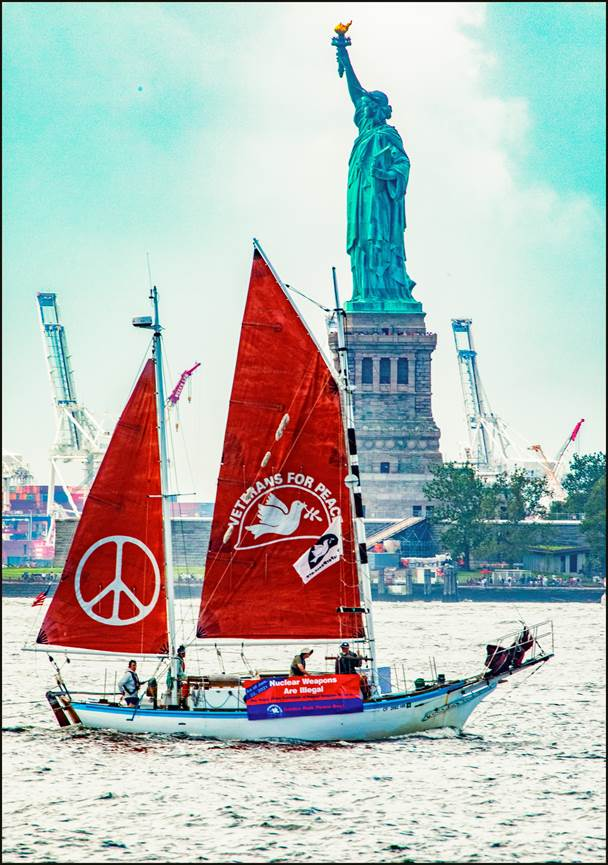
22,000+ miles voyaging for nuclear disarmament
and a radiation-free environment https://vfpgoldenruleproject.org/
To see nuclear-related stories in greater depth and intensity – go to https://nuclearinformation.wordpress.com
-
Archives
- July 2026 (332)
- June 2026 (287)
- May 2026 (306)
- April 2026 (356)
- March 2026 (251)
- February 2026 (267)
- January 2026 (308)
- December 2025 (358)
- November 2025 (359)
- October 2025 (375)
- September 2025 (257)
- August 2025 (319)
-
Categories
- 1
- 1 NUCLEAR ISSUES
- business and costs
- climate change
- culture and arts
- ENERGY
- environment
- health
- history
- indigenous issues
- Legal
- marketing of nuclear
- media
- opposition to nuclear
- PERSONAL STORIES
- politics
- politics international
- Religion and ethics
- safety
- secrets,lies and civil liberties
- spinbuster
- technology
- Uranium
- wastes
- weapons and war
- Women
- 2 WORLD
- ACTION
- AFRICA
- Atrocities
- AUSTRALIA
- Christina's notes
- Christina's themes
- culture and arts
- Events
- Fuk 2022
- Fuk 2023
- Fukushima 2017
- Fukushima 2018
- fukushima 2019
- Fukushima 2020
- Fukushima 2021
- general
- global warming
- Humour (God we need it)
- Nuclear
- RARE EARTHS
- Reference
- resources – print
- Resources -audiovicual
- Weekly Newsletter
- World
- World Nuclear
- YouTube
-
RSS
Entries RSS
Comments RSS
 nuclear-news