Europe’s Electricity Prices Spike to €500 a Megawatt-Hour as Drought Bites

By Haley Zaremba – Aug 06, 2026, https://oilprice.com/Energy/Energy-General/Europes-Electricity-Prices-Spike-to-500-a-Megawatt-Hour-as-Drought-Bites.html
- Hungary shut down its Paks nuclear plant for the first time in 44 years after the Danube’s water level dropped too low to cool the reactors, cutting 40 percent of the country’s power generation overnight.
- The outage sent regional electricity prices spiking to €500 a megawatt-hour, with Prime Minister Péter Magyar warning of a broader energy crisis as temperatures climb this week.
- France also throttled nuclear output last month, underscoring how heat and low river levels are becoming a recurring threat to Europe’s nuclear and hydropower capacity.
Intense summer heat waves are threatening energy security across Europe. The continent is facing a scorching and arid summer, causing electricity demand for air conditioning to skyrocket at the same time that rivers warm up and dry out with devastating consequences for the nuclear energy industry and for hydropower reserves.
Last month, France had to reduce output and shut down nuclear reactors at a record pace without sufficient and safe water supplies to cool its reactors. And now, this week, Hungary had to shut down the Paks nuclear power plant over the weekend in a historic last-ditch effort, effectively cutting off 40 percent of the country’s electricity generation overnight. “Due to the further drop in the Danube’s water level,” Prime Minister Péter Magyar tweeted on Saturday, “tomorrow it will be completely shut down for the first time in 44 years.”
Taking Paks offline led to an enormous swing in electricity prices across the region, with costs reaching a blistering €500 a megawatt-hour. And Hungary is not out of the woods yet. This whole week will be a crunch time for the country as temperatures soar to dangerous levels. “An energy crisis situation may arise from Monday,” Magyar went on to warn. “Coordinated steps and self-restraint will be needed to avoid more severe consequences.”
The crippling of Hungary’s energy output is also occurring when access to air-conditioning could be a matter of life and death for vulnerable individuals and the elderly. Nearly half a million people in the world died of heat every year between 2000 and 2019 according to a study from the Lancet, most of whom were elderly and therefore more vulnerable to high temperatures. Under these conditions, air conditioning is not a luxury but a life-saving necessity, preventing approximately 190,000 deaths each year.
And things could soon get a whole lot worse. It’s only the beginning of August, and historically Europe faces its lowest water levels in key waterways like the Danube toward the end of the month or in September. Plus, the impacts of climate change are only going to become more pronounced as time goes on. Europe, the world’s fastest-warming continent, needs to prepare for sweltering heat and water stress quickly becoming the new normal.
“We have to plan our power system so that this might be our new reality,” Zsuzsanna Pató, power system lead for Europe at the non-profit Regulatory Assistance Project, recently told Bloomberg. “We don’t usually have such hot spells, but we just have to get used to it.”
It’s a double-edged sword – the more that round-the-clock clean energy technologies like nuclear and hydropower are needed, the harder they are to maintain and expand. “As it gets hotter, things stop working quite so well,” Iain Staffell, associate professor of sustainable energy at Imperial College London, was recently quoted by DW. “I think we do need to adapt the power system to cope with the changing weather,” he went on to add.
Nuclear power is far thirstier than many other energy sources, drinking up far more water than renewables like solar and wind power on a per-kilowatt basis. These needs are stymying the growth of the sector in many water-stressed regions, and causing considerable political conflict in places like Australia where water is a precious resource.
But, luckily, according to the Breakthrough Institute, “nuclear reactors don’t need to be so thirsty.” To support the expansion of nuclear power in a changing climate, stricter guidelines are needed for water recycling processes at nuclear power plants. What is more, nuclear reactor design is continuing to evolve at a rapid pace as the sector becomes increasingly competitive and privatized. In the future, some reactors will rely on gas instead of steam, while others will use air cooling or molten salt models, both of which require far less water to operate.
Heatwaves expose nuclear power’s water risk

Sumit Bose, 03/08/2026,
https://www.energylivenews.com/2026/08/03/heatwaves-expose-nuclear-powers-water-risk/
Extreme heat and falling river levels are forcing nuclear plants across Europe to reduce output or shut down, raising fresh questions over how the continent’s reactors will cope with a warming climate.
Hungary temporarily closed units at its Paks nuclear plant after high temperatures pushed cooling conditions beyond safe operating limits. The shutdown increased the country’s reliance on electricity imports as heat drove up demand across the region.
The problem is not unique to Hungary, most nuclear plants rely on rivers to remove waste heat from their steam systems. When water levels fall, less cooling water is available and when rivers become too warm, operators can be prevented from discharging heated water back into them because of environmental limits.
Plants may then have to cut generation even when electricity demand is rising because homes and businesses are using more air conditioning.
France has repeatedly reduced output from reactors on the Rhône and Garonne during hot summers to avoid overheating rivers. Plants in Sweden and Finland have also been affected by unusually warm seawater, while low river flows have disrupted thermal generation elsewhere in central Europe.
The World Nuclear Association says inland plants using direct river cooling are particularly exposed. France has 12 reactors at four sites that rely heavily on river or lake water without cooling towers, making production more sensitive to high water temperatures.
A European Commission estimate cited by the International Atomic Energy Agency suggests every 1°C rise in cooling-water temperature can reduce nuclear output by around 0.2%.
The IAEA says climate-related losses remain small compared with total nuclear generation but warns heatwaves, drought and changing water availability will become increasingly important without adaptation.
That could include larger cooling systems, alternative water sources, cooling towers and improved forecasting of river flows and temperatures.
Eurelectric has warned extreme heat can hit several parts of the electricity system at once, reducing thermal generation while increasing demand and placing additional pressure on networks.
The risk is particularly significant because nuclear is expected to provide firm low-carbon power when wind and solar output fluctuate.
Europe’s reactors remain major sources of reliable electricity but this summer’s disruption shows they are not immune to climate change.
As heatwaves intensify and rivers run lower, nuclear operators will need to invest in cooling resilience or risk losing output precisely when the power system needs it most.
Romania’s nuclear reactor to remain in operation at least a week

05 August 2026, Iulian Ernst,
https://www.romania-insider.com/romania-nuclear-reactor-operational-august-2026
Romania’s Nuclearelectrica announced that after the detonation of a rock obstructing the flow of water on the Danube by the Naval Forces on August 3, the water level at Cernavoda nuclear power plant increased by 2 cm, reversing the downward trend. As a result of the works on the Danube, the nuclear reactor still in operation can operate for at least a week – instead of five days estimated previously, according to Cernavoda NPP manager Romeo Urjan cited by B1 TV on August 4.
The planned sinking of ships loaded with rocks on one of the Danube’s arms with the aim of increasing the flow on the arm delivering water to Cernavoda NPP was not yet carried out, and this operation is expected to further extend the operation period for the nuclear reactor.
Cernavoda NPP keeps in operation one of its two 680 MW reactors, which allows the country to overcome the 7,000-7,500 MW consumption peak during the 20:00-23-00 period while at the same time delivering electricity to Moldova that critically relies on electricity imports. Some one-third of Romania’s own consumption (namely nearly 2,500 MW of 7,000-7,500 MW) was covered by imports during the peak consumption period last night, according to Digi24, while the country was exporting roughly one-tenth of its output to Moldova (meaning some 500 MW)
The situation remains fragile, however. Hydrological data indicate a very low flow of the Danube, and authorities have previously warned that Unit 2 could be shut down preemptively if the water level falls below technical thresholds. Such a shutdown would not pose a safety risk to the plant, but would remove significant production capacity from the system.
Separately, the government of Romania is preparing to institute a mechanism for disconnecting from the power grid large industrial consumers as a means to address possible power shortages. The targeted companies would be notified 24 hours in advance, interim prime minister Ilie Bolojan announced on August 4.
The initiative is presented as a measure of last resort and would be introduced by a government decision. The announcement refers to large industrial consumers, not household consumers.
Previously, PM Bolojan had explained that the mechanism would be implemented through the National Energy Dispatcher within Transelectrica. The consumption allowed to each company would be established depending on the technology used and the energy available in the system at the respective times. The government presented the measure as a safety solution, which would be activated only if the voluntary reduction does not yield results.
iulian@romania-insider.com
Romania seeks to divert Danube water to keep Cernavoda nuclear power plant online
Romania Insider, 3 August 2026, Iulian Ernst
Romania is attempting to increase the flow through one of the Danube’s channels by eliminating a natural obstacle (a large rock) and obstructing another channel through controlled sinking of ships, with the final aim of keeping the Cernavoda nuclear power plant open as long as possible. Initially scheduled for full closure amid low Danube water levels and hence limited cooling water resources on July 31, the plant still keeps one of its two 680 MW reactors online.
However, as the situation remains critical, Romania seeks emergency imports from Ukraine and prepares for measures to restrict national consumption. The experts expect low water levels to put at risk Cernavoda NPP’s operations at least until mid-August.
The government of Romania on July 31 declared a nationwide state of alert in the energy system for the entire month of August, following the drop in electricity production caused by severe drought and the very low water levels of the Danube and rivers. Acting prime minister Ilie Bolojan warned that there is a risk of the second reactor of the Cernavoda NPP shutting down, which would mean the loss of approximately 20% of national energy production, Digi24 reported.
PM Bolojan, who holds the interim portfolio of energy, also announced that Romania has discussed possible imports of electricity with Ukraine, where a surplus of power would be available.
He stated that he discussed the situation on Friday with the deputy prime minister of Ukraine and minister of energy, Denis Shmîgal.
“Today I discussed with the deputy prime minister of Ukraine, who also holds the energy portfolio, Mr Shmîgal, to support us in the coming period with production from one of Ukraine’s nuclear power plants. In this regard, Transelectrica and Nuclearelectrica will hold discussions for emergency aid from Ukraine during the evening hours,” PM Bolojan said……………….
Special operations on the Danube are aimed at keeping Cernavoda NPP online as long as possible.
Romania’s Naval Forces attempted on Sunday, August 2, to detonate a rock on the right bank of the Danube, in order to divert the water flow towards the Cernavoda NPP. Two explosions occurred, but they failed to break the rock. The military will resume the operation on August 3, with a larger load of explosives, the Ministry of Defense announced.
“At this moment, the Ministry of National Defense is intervening with over 100 soldiers and 16 technical means to divert the course of the Danube towards the Cernavoda Nuclear Power Plant. EOD combat divers have successfully carried out the first tests, during which they detonated small explosive charges in a controlled manner,” the Ministry of National Defense announced in a statement on its Facebook page.
According to Antena 3, the authorities say that such a measure is needed because the extremely large rock blocks the course of the Danube, which can reach the Cernavodă power plant.
The next step is the obstruction of another arm of the Danube (Bala Arm), with the aim of diverting part of its flow towards the arm passing by Cernavodă NPP (Old Danube).
Thus, four barges loaded with approximately 500 tons of stone will be controlledly sunk on the Bala Arm, which will allow a larger volume of water to be directed to the Old Danube from the Bala Arm.
Separately, dredging works will be carried out on the channel delivering water to Cernavoda NPP. iulian@romania-insider.com https://www.romania-insider.com/romania-divert-danube-nuclear-plant-august-2026
Record-low water levels on Danube force Hungary’s first shutdown of nuclear power plant
Ft.com Marton Dunai in Budapest, Aug 3 2026
Please use the sharing tools found via the share button at the top or side of articles. Copying articles to share with others is a breach of FT.comT&Cs and Copyright Policy. Email licensing@ft.com to buy additional rights. Subscribers may share up to 10 or 20 articles per month using the gift article service. More information can be found on the Help FAQ on gift articles.
https://www.ft.com/content/a4539dc2-dcb0-4b57-9a78-c32cb1f9eda1?syn-25a6b1a6=1
Hungary is preparing for electricity rationing as record-low water levels on the Danube river force the country’s only nuclear power plant to shut down completely. The 2 gigawatt Paks plant, which provides up to 40 per cent of the country’s electricity, relies on the Danube for cooling and has no backup water supply. “We are facing the five most critical days,” Prime Minister Péter Magyar said in a video message on Sunday. “From tomorrow, the Paks nuclear power plant will stop generating electricity, just as the hottest days, with temperatures reaching 40C, arrive. Our electricity system, our public utilities and all of us will come under enormous strain.”
Please use the sharing tools found via the share button at the top or side of articles. Copying articles to share with others is a breach of FT.comT&Cs and Copyright Policy. Email licensing@ft.com to buy additional rights. Subscribers may share up to 10 or 20 articles per month using the gift article service. More information can be found on the Help FAQ on gift articles.
https://www.ft.com/content/a4539dc2-dcb0-4b57-9a78-c32cb1f9eda1?syn-25a6b1a6=1
On Saturday, the government issued a decree allowing it to cut energy supplies to the largest industrial consumers if the electricity grid comes under unsustainable pressure. Magyar said such measures would only be taken as a last resort. He said an emergency task force was set to meet later on Sunday and decide whether “mandatory electricity consumption restrictions will need to be imposed on large industrial users from tomorrow”.
Please use the sharing tools found via the share button at the top or side of articles. Copying articles to share with others is a breach of FT.comT&Cs and Copyright Policy. Email licensing@ft.com to buy additional rights. Subscribers may share up to 10 or 20 articles per month using the gift article service. More information can be found on the Help FAQ on gift articles.
https://www.ft.com/content/a4539dc2-dcb0-4b57-9a78-c32cb1f9eda1?syn-25a6b1a6=1
The Paks plant, built with Soviet technology in the 1980s, has never before been forced offline. The operator said it was preparing for a controlled shutdown of its last working reactor. Magyar said there was no risk from the controlled shutdown…………………………………
Please use the sharing tools found via the share button at the top or side of articles. Copying articles to share with others is a breach of FT.comT&Cs and Copyright Policy. Email licensing@ft.com to buy additional rights. Subscribers may share up to 10 or 20 articles per month using the gift article service. More information can be found on the Help FAQ on gift articles.
https://www.ft.com/content/a4539dc2-dcb0-4b57-9a78-c32cb1f9eda1?syn-25a6b1a6=1
Other countries have faced similar strains during the exceptionally dry summer. Romania’s Cernavodă nuclear plant, which also uses the Danube for cooling, is facing a controlled shutdown because of low river levels.
Please use the sharing tools found via the share button at the top or side of articles. Copying articles to share with others is a breach of FT.comT&Cs and Copyright Policy. Email licensing@ft.com to buy additional rights. Subscribers may share up to 10 or 20 articles per month using the gift article service. More information can be found on the Help FAQ on gift articles.
https://www.ft.com/content/a4539dc2-dcb0-4b57-9a78-c32cb1f9eda1?syn-25a6b1a6=1
On the Rhine, extreme heat and drought have pushed levels to their lowest in eight years, disrupting one of Germany’s most important trade corridors and forcing manufacturers to curb production. Hungary’s economy is likely to suffer from the combined impact of heat, drought and power shortages. Companies are expected to halt production, agricultural output is likely to be exceptionally weak and costly electricity imports could add to inflation, limiting the central bank’s room to cut rates to support growth…………………… https://www.ft.com/content/a4539dc2-dcb0-4b57-9a78-c32cb1f9eda1?syn-25a6b1a6=1
France Shuts Off More Nuclear Power as Heat Builds Across Europe
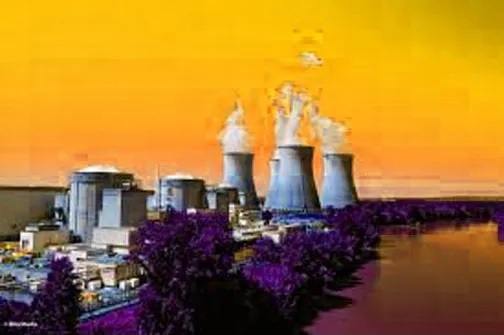
Electricite de France SA shut
down the Golfech-2 nuclear reactor in southern France as a blistering heat
wave pushes temperatures toward 40C across parts of Europe. The Golfech
shutdown is the latest in a record number of heat-related outages across
France’s nuclear fleet this summer, curbing output from the backbone of
Europe’s electricity system. EDF has also warned that the Tricastin plant
could face production cuts overnight as soaring river temperatures
constrain reactor cooling.
Bloomberg 30th July 2026, https://www.bloomberg.com/news/articles/2026-07-30/france-shuts-off-more-nuclear-power-as-heat-builds-across-europe
Danube’s record low levels force shutdown of Hungary’s only nuclear plant
Laura Gozziand, Paul Kirby,Europe digital editor, 30 July 26, https://www.bbc.co.uk/news/articles/cn0nqv05g0do
Hungary’s only nuclear power plant will be forced to shut down entirely for the first time due to record low water levels of the River Danube, Prime Minister Péter Magyar has said.
The Soviet-era Paks power plant uses the Danube for cooling but the water level is so low that the suction nozzles cannot reach it.
Magyar warned Hungary’s energy supply could become “critical” from Monday due to the Paks shutdown and the ongoing heatwave, which will see temperatures hover around 37C for a week.
Like much of Europe, Hungary has seen very low rainfall and high temperatures for much of the summer.
The waters of the Danube have fallen to the lowest levels for 30 years in several countries, including neighbouring Serbia and Romania.
Magyar asked Hungarians to limit activities that required significant energy consumption between the peak times of 17:00 and 22:00, including charging electric cars and using air conditioning equipment.
A “rotational shutdown regime” was also possible if the other combined efforts were not enough to maintain the balance of the national grid, Magyar said, adding the government would compile a list of electricity and water consumers whose consumption could be limited.
Climate change exacerbates nuclear risks in the Arctic. And we are not ready
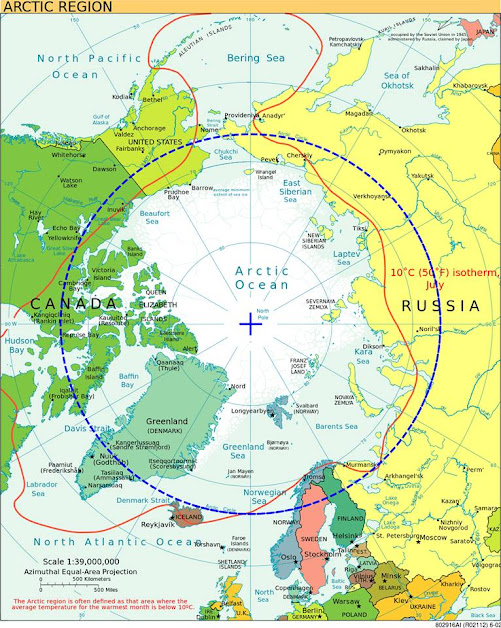
The Arctic under a nuclear umbrella. A main source of increased nuclear dangers in the Arctic is the intensified geopolitical competition among interested nuclear-armed powers. Increased cooperation between Beijing and Moscow and the expansion of NATO to encompass seven of the eight Arctic states have reshaped Arctic geopolitics around growing competition between Russia and, increasingly, China on one side, and the United States and NATO on the other. This happens as the entire Arctic region now finds itself under a nuclear umbrella.
These strategic changes in the Arctic extend beyond deterrence calculus and into an urgent need for regional cooperation.
By Nikita Gryazin, Iren Marinova | Analysis | July 29, 2026, https://thebulletin.org/2026/07/climate-change-exacerbates-nuclear-risks-in-the-arctic-and-we-are-not-ready/?utm_source=ActiveCampaign&utm_medium=email&utm_content=Nuclear%20risks%20in%20the%20Arctic&utm_campaign=20260730%20Thursday%20Newsletter
Editor’s note: This article is published as part of a continuing collaboration between the European Leadership Network and the Bulletin of the Atomic Scientists.
Climate change is transforming the Arctic: Melting sea ice, thawing permafrost, and changing maritime accessibility are opening new territories, resources, and shipping routes while reshaping the region’s strategic landscape. These changes have placed the Arctic at the center of a geopolitical competition between Russia, NATO states, and increasingly China. But the significance of these developments extends beyond economic interests and regional rivalry.
The Arctic hosts critical military infrastructure, strategic nuclear assets, and key pathways for power projection, making it a geopolitical magnifying glass in the evolving global security environment. But while climate change is widely recognized as a threat multiplier in the Arctic, regional governance has not yet adapted to this new reality. Climate change, geopolitical competition, and nuclear risk are typically treated as separate policy challenges, managed by separate institutions with different mandates. The global climate governance institutions approach the Arctic primarily through a focus on climate change effects and environmental management, while the Treaty on the Non-Proliferation of Nuclear Weapons (NPT), the bedrock of the global nuclear order, addresses nuclear risk through the traditional pillars of non-proliferation, disarmament, and peaceful uses of nuclear energy. At the regional level, the Arctic Council, the leading intergovernmental forum for Arctic governance and cooperation, explicitly excludes military security from its mandate. The result is a growing governance gap that no longer reflects the magnitude and complexity of issues in the Arctic.
The governance of the Arctic remains organized around institutional silos that treat climate, security, and nuclear issues as separate rather than mutually reinforcing threats. This disconnect leaves policymakers ill-prepared to manage the security consequences of a rapidly changing Arctic as global tensions are rising and the nuclear order is already under strain. Addressing the governance deficiency in the Arctic is now both a regional and a nuclear risk-reduction imperative. It requires a complementary risk-reduction dialogue—potentially structured as a Track 1.5 mechanism—alongside Arctic-specific planning within NATO, greater attention to regional risks through the NPT process, and renewed bilateral risk-reduction channels.
The Arctic under a nuclear umbrella. A main source of increased nuclear dangers in the Arctic is the intensified geopolitical competition among interested nuclear-armed powers. Increased cooperation between Beijing and Moscow and the expansion of NATO to encompass seven of the eight Arctic states have reshaped Arctic geopolitics around growing competition between Russia and, increasingly, China on one side, and the United States and NATO on the other. This happens as the entire Arctic region now finds itself under a nuclear umbrella.
This strategic competition carries important nuclear dimensions.
The Arctic remains central to Russia’s second-strike nuclear deterrent, hosts critical military infrastructure, including early-warning systems and two-thirds of its sea-based nuclear forces. The region also serves as a key operating environment for Russia’s strategic submarines, which have historically relied on Arctic ice cover for concealment from NATO anti-submarine warfare assets, using the region’s unique acoustic environment and under-ice operating conditions to reduce detectability. Climate change has begun to erode the very geography underpinning this strategy. At the same time, China has expanded its economic, scientific, and military footprint in the region through closer cooperation with Russia and growing interest in Arctic shipping routes and resource development.
For the United States, the Arctic is central to homeland defense and nuclear deterrence, serving as a key theater for missile warning, strategic surveillance, and submarine operations. In response to Russia’s growing Arctic posture, NATO has significantly expanded its own presence through exercises, deployments, and anti-submarine warfare activities.
Finland and Sweden, by joining NATO in 2023 and 2024, respectively, have altered deterrence dynamics and the broader nuclear balance in the Arctic. Their accession has changed the Nordic region from being a peripheral space of nuclear restraint to becoming a strategically integrated frontline of the alliance’s deterrence posture. For decades, both Nordic countries remained non-aligned and staunch promoters of non-proliferation, and even NATO members Denmark and Norway maintained cautious policies on the peacetime stationing of nuclear weapons on their territories. The extension of NATO’s nuclear umbrella resulting from their accession has marked a critical strategic shift in the Arctic. While nuclear stationing in the region remains politically sensitive, NATO’s expansion across the European Arctic increases the strategic significance of the High North and heightens the potential for escalation surrounding Russia’s Arctic-based nuclear assets.
In early 2026, the US administration’s coercive rhetoric over Greenland generated significant political tensions across the North Atlantic. But the Greenland crisis, combined with general shifts in US foreign policy towards Europe in the last year, has raised serious concerns among European allies over the long-term credibility of the US nuclear umbrella. The Nordic interest in complementary European deterrence arrangements involving France and the United Kingdom has also intensified as a result.
Nuclear dangers in the Arctic. A less predictable Arctic means a less predictable deterrence environment. Melting ice and increased maritime access raise the likelihood of submarine detection, close military encounters, and miscalculation between nuclear-armed powers operating in increasingly contested waters. These strategic changes in the Arctic extend beyond deterrence calculus and into an urgent need for regional cooperation.
Novaya Zemlya, the archipelago hosting Russia’s nuclear test infrastructure, sits atop a far older problem. Between 1955 and 1990, the Soviet Union conducted 224 nuclear detonations there, releasing a total of around 265 megatons of explosive energy, and scuttled more than 100 decommissioned nuclear submarines in the surrounding Barents and Kara seas. Plutonium and cesium from both sources are detectable in regional sea sediments and soil beneath glaciers. Permafrost, which used to keep much of this contamination stable, is now thawing. Researchers showed that the Arctic’s Cold War nuclear legacy is one of the least-understood consequences of global warming, as radioactive isotopes locked in frozen soil for decades are now finding new pathways in the environment. Novaya Zemlya remains largely closed to independent researchers, and Russia has offered minimal transparency about current contamination levels at the test site.
The Arctic is also increasingly becoming a theater for nuclear signaling. Russia has repeatedly invoked its nuclear capabilities in the context of confrontation with NATO, embracing more aggressive forms of signaling and appearing more willing to blur the thresholds surrounding potential nuclear use. The result is a region where climate disruption, military competition, and nuclear deterrence are becoming mutually reinforcing pressures.
A fragmented governance system frozen in place. Existing governance institutions have not yet adapted to the rapidly evolving nature of these multifaceted threats in the Arctic. The region’s governance remains reliant on a fragmented and complex ecosystem of international treaties, UN bodies, and regional forums that primarily dictate shipping, resource management, and environmental protection. But the unique complexity of challenges in the Arctic and the rising geopolitical tensions require a more integrated approach.
Geopolitical tensions have removed many of the mechanisms that historically helped manage Arctic issues. Since Russia’s full-scale invasion of Ukraine in 2022, the Arctic Council has been largely paralyzed, scientific cooperation has deteriorated, and global arms control structures have continued to erode. No treaty governs nuclear activities in the region, and the collapse of US-Russia arms control frameworks has left few institutional safeguards in place.
These overlapping gaps compound one another: Regional governance relies on multiple different institutional arrangements; the Arctic Council cannot discuss military activity; and the NPT review process does not address region-specific escalation risks. This results in a structural blind spot that leaves states without agreed rules of the road at precisely the moment when the risk of miscalculation is rising. The absence of any dedicated forum that brings together climate scientists, arms control experts, and defense officials means that the linkages between environmental change and nuclear risk remain invisible to policymakers until a crisis makes them undeniable.
Closing the governance gap.
Read more: Climate change exacerbates nuclear risks in the Arctic. And we are not readyThe disconnect between siloed governance bodies and self-reinforcing risks in the Arctic demands concrete responses across several institutional levels. Despite its current constraints, the Arctic Council remains the region’s most successful institutional forum for circumpolar cooperation. Institutional bridges should be built around it as a cornerstone. But cooperation through the Arctic Council has been resilient precisely because its mandate explicitly excludes military security and instead focuses on scientific cooperation, sustainable development, and participation of indigenous populations.
Rather than expanding the Arctic Council’s mandate to encompass military security, the Arctic states should instead focus on closing the governance gap between climate change, geopolitical competition, and nuclear risks. This could be achieved through a complementary Arctic risk-reduction dialogue, potentially structured as a Track 1.5 mechanism, that operates alongside the Arctic Council and brings together foreign ministers, defense officials, coast guards, scientific experts, and representatives of indigenous communities. It could potentially be convened by an Arctic state with a strong record of regional diplomacy, such as Norway or Iceland, or a UN-affiliated body. The purpose would be to bring together experts in different areas to discuss the changing and multi-faceted threat environment in the Arctic.
Initially, such a forum could focus on practical areas of shared concern, including maritime incidents, search and rescue, environmental problems, critical infrastructure, and nuclear risk mitigation. Creating formal channels of communication would provide a venue for identifying and managing the increasingly interconnected climate, geopolitical, and nuclear threats emerging in the Arctic.
Complementary institutional responses should be established above the immediate regional level as well. Building on the Strategic Concept’s recognition of climate change as a threat multiplier, NATO should translate this commitment into Arctic-specific planning by incorporating climate-driven deterrence instability into its strategic planning and pursue dedicated Arctic incident-prevention protocols, including direct communication channels modelled on existing incidents-at-sea agreements, to reduce the risk of miscalculation.
At the multilateral level, the NPT review process should give greater attention to the interconnected nuclear risks in the Arctic by encouraging voluntary transparency, expert assessment, and reporting on climate-related vulnerabilities, radioactive contamination and nuclear legacies in the region, including at sites such as Novaya Zemlya. Finally, even amid the current political environment, the United States and Russia should prioritize the Arctic by pursuing or renewing Arctic risk-reduction channels, including incidents-at-sea arrangements and joint environmental monitoring of thawing contaminated sites. While these are minimal confidence-building measures that do not require broader arms control consensus, they could meaningfully reduce the risk of miscalculation and escalation.
Rapid warming in the Arctic has opened the door to intense geopolitical competition in the High North at the same time that the region is being placed under a broader nuclear umbrella. In the Arctic, these issues can no longer be addressed as separate concerns but rather as reinforcing one another and heightening regional and global insecurity. Existing governance institutions in the region must adapt to these new security challenges.
EU considers emergency meeting as nuclear shutdown leaves Hungary facing energy crisis
By Sandor Zsiros, 31/07/2026, https://www.euronews.com/my-europe/2026/07/31/eu-considers-emergency-meeting-as-nuclear-shutdown-leaves-hungary-facing-energy-crisis
Hungarian PM Péter Magyar has warned of an energy crisis after record-low Danube water levels forced the shutdown of the Paks nuclear plant, which supplies nearly half the country’s power.
The European Commission says it is prepared to convene an emergency meeting of its Electricity Coordination Group over the shutdown of Hungary’s Paks nuclear plant, as the country’s prime minister warned of a looming energy crisis.
“Although the operator has emergency measures in place to guarantee nuclear safety, an event of this kind could further strain the regional electricity balance,” the Commission’s spokesperson, Anna-Kaisa Itkonen, told Euronews. “The Commission stands ready to convene an ad hoc meeting of the Electricity Coordination Group.”
Hungarian Prime Minister Péter Magyar has warned that the country could face an energy crisis as early as next week, after Paks – which supplies almost half of Hungary’s energy needs – was taken offline following record-low water levels in the Danube, which is used to cool the reactors. It is the first time the plant has been shut down completely since it opened 42 years ago.
“This means 2,000 megawatts will be lost from Hungarian energy production from Monday at the latest, while demand for residential and public consumption continues to rise because of the heat,” Magyar said on Thursday evening.
The government has asked the public and businesses to cut energy use during the peak hours between 5pm and 10pm, urging people to avoid using air conditioning and washing machines in particular.
Magyar explained that the government has also drawn up an emergency plan to limit consumption at industrial facilities on a rotational basis. The output of other power plants in Hungary will also be increased.
“Given the severity of this unprecedented situation, we are asking everyone – large consumers and the public alike – to act responsibly,” he said. “It is in our common interest to avoid unplanned outages and the kind of unexpected system collapse seen in Western Europe and the Balkans.”
András Perger, an expert at the Hungarian NGO Energiaklub, told Euronews that the country stands to lose 25–30 percent of its energy output from Monday, describing the situation as a serious test of Hungary’s energy supply.
“From Monday, when consumption is expected to rise and the Paks plant remains offline, a more serious situation will begin,” Perger said. “This will be a serious test for Hungarian and regional supply alike.”
He added that some of Hungary’s demands could be met through imports from neighbouring countries, though the availability of hydroelectric power is itself limited in the region.
In Romania, the shutdown of one reactor poses less of a problem, given that nuclear energy makes up a smaller share of the country’s energy mix.
“Although the situation in Hungary is stretched, I don’t expect this to cause serious regional problems,” Perger said.
Friends of the Earth Hungary, an environmental NGO says the development around the Paks Nuclear Plant is not an isolated incident but a climate adaptation challenge.
“Hungary needs to speed up its transition into a more resilient, decentralised energy system that relies less on climate-vulnerable infrastructure and more on energy savings, flexibility and renewable energy,” Executive President Ákos Éger said in a statement sent to Euronews.
The Commission’s Itkonen said Brussels is closely monitoring the electricity supply situation in both Hungary and Romania, though she stressed there are currently no immediate energy security concerns.
According to the Commission, the Electricity Coordination Group could aim to facilitate information-sharing and coordinate next steps among countries in the region. The process will be watched closely as Hungary heads into what officials on both sides describe as a critical test of the country’s energy resilience.
Suffolk nuclear power plant on alert over wildfire.
Firefighters are racing to contain the Suffolk fire before the wind
changes direction and starts blowing smoke and flames towards the Sizewell
B nuclear plant. Westerly winds have so far pushed the blaze across the
heathland towards the coast, away from most human habitation and the power
station. But from early evening the wind is forecast to shift, pushing the
blaze and fumes first southwards and then south west. This could
potentially take them inland towards settlements like Leiston and the area
around Sizewell.
A nuclear industry source warned that if smoke started
blowing towards Sizewell B, it could force the station to shut down. There
is a risk of the smoke clogging the filters of the site’s heating,
ventilation and air conditioning (HVAC) system, which draws air from
outside.
This week, Sizewell B has restarted one reactor after refuelling
and plans to restart the second within days. On Thursday, EDF said Sizewell
had so far not been impacted by the blaze, but said it was “continuing to
monitor the situation”. As well as changing direction, the breeze is also
set to double in speed overnight – increasing from around 5mph on
Thursday to between 10 and 12mph through Friday, according to weather
website
Windy.com whose forecasts are based on the European Centre for
Medium-Range Weather Forecasts. ‘Low risk’ to under-construction
Sizewell C. The fire poses a “low risk” to Sizewell C, a nuclear power
plant being built next to Sizewell B, due to its distance from the fire and
the watercourses in between. A spokesman said: “Our sites and offices
remain open and operating as normal. “We are continuously assessing smoke
conditions and any impacts on the road network to help keep people safe and
ensure emergency services have priority access. “We remain ready to
support the local community, working closely with the local council, police
and fire and rescue service.”
Telegraph 30th July 2026, https://www.telegraph.co.uk/news/2026/07/30/wildfire-in-suffolk-just-four-miles-nuclear-power-plant/
Europe’s heatwave strains nuclear output
To date, six NPPs across Europe are closed or facing power reductions due to severe heatwaves and critically low river levels, as operators respond to environmental and cooling water constraints.
July 31, 2026, https://www.power-technology.com/news/europes-heatwave-strains-nuclear-output/?cf-view
t least ten nuclear reactors have been temporarily shut down or had their power output curtailed across Europe due to severe heatwaves and critically low river levels during June and July.
While no plants have been directly closed by wildfires, the Sizewell B nuclear power station in the UK has been placed on “high alert” due to a major 100-acre wildfire burning just four miles away.
The vast majority of disruptions have occurred in France, where state-owned EDF is legally bound to close reactors or reduce power to prevent discharged cooling water from pushing river temperatures past environmental thresholds. A record-breaking drought has caused the Danube River to drop to historic lows, affecting nuclear power plants (NPPs) in Hungary, Romania and Bulgaria. Switzerland’s Beznau NPP has also been impacted.
As of 30–31 July 2026, there are six NPPs across Europe that are closed or facing power reductions, affecting around 15 reactors. In France, unit two at the Golfech NPP was fully shut down on 30 July 2026 as Garonne River temperatures surged. Units 3.4 and five at the Bugey NPP are under forced output curbs. EDF has ramped down both reactors at the Nogent-sur-Seine NPP to prevent overheating the Seine. Saint Alban units one and two (Rhône River) and Blayais units one and three (Gironde Estuary) have faced rolling curtailments over the past two weeks.
In Hungary, unit three at the Paks NPP is completely offline, unit one is heavily throttled and the entire 2GW-electrical plant is in a 72-hour countdown to a complete shutdown because the Danube has dropped below intake pump levels. In Romania, unit one at the Cernavoda NPP has been completely disconnected from the grid, and unit two is fluctuating under critical, hour-by-hour output restrictions.
As of 30–31 July 2026, there are six NPPs across Europe that are closed or facing power reductions, affecting around 15 reactors. In France, unit two at the Golfech NPP was fully shut down on 30 July 2026 as Garonne River temperatures surged. Units 3.4 and five at the Bugey NPP are under forced output curbs. EDF has ramped down both reactors at the Nogent-sur-Seine NPP to prevent overheating the Seine. Saint Alban units one and two (Rhône River) and Blayais units one and three (Gironde Estuary) have faced rolling curtailments over the past two weeks.
In Hungary, unit three at the Paks NPP is completely offline, unit one is heavily throttled and the entire 2GW-electrical plant is in a 72-hour countdown to a complete shutdown because the Danube has dropped below intake pump levels. In Romania, unit one at the Cernavoda NPP has been completely disconnected from the grid, and unit two is fluctuating under critical, hour-by-hour output restrictions.
Bulgaria has classified the current crisis as a force majeure event, noting that the river is continuing to drop by up to 2cms every day. In response, the Kozloduy plant has deployed emergency “special measures”, including riverbed dredging and the preparation of secondary pumps to try and keep the intake channels clear enough to avert an immediate blackout.
Switzerland’s Beznau NPP on the Aare River has been heavily disrupted, cycling between full emergency shutdowns and massive 50% power cuts over the past month. Both reactors were taken completely off the grid on 26 June when the Aare River first spiked to the 25°C threshold, and remained offline for several weeks. They are currently capped at roughly 50% of normal generation capacity to limit environmental thermal pollution.
Grid operators are replacing the missing nuclear electricity using a mix of fossil fuel generation, rapid energy imports, solar surges and mandated demand-reduction tactics.
Danube drought curbs 0.9 GW nuclear output in Balkans
(Montel) Drought conditions affecting the river Danube have led to the shutdown of nearly 1 GW of nuclear power generation in Romania and Hungary, with record low water levels affecting cooling.
Montel 28th July 2026,
https://montelnews.com/news/ed02ab5d-cf33-4c82-b7cb-41bd4554a90e
Firefighters in ‘better position’ as they tackle Suffolk wildfire near Sizewell nuclear site, for third day
The fire is a few miles away from Sizewell B and the construction site for the new Sizewell C.
Standard 31st July 2026
Fire crews battling a large wildfire near Britain’s biggest nuclear power station have said the blaze is “stabilising”, as firefighting efforts enter their third day.
Suffolk Fire and Rescue Service said late on Thursday night that they were in a “better position” than they were a few hours earlier, although they warned that the blaze near Sizewell B was still a “dynamic incident”.
An update early on Friday morning said that “crews and officers remained at the incident overnight” and that they “maintained a watching brief during darkness”.
Speaking to BBC Breakfast on Friday morning, deputy chief fire officer for Suffolk Fire and Rescue Service Henry Griffin said an investigation had been launched into the cause of the fire and that the blaze had “stabilised”………………………………… https://www.standard.co.uk/news/uk/suffolk-andy-burnham-london-fire-brigade-zack-polanski-edf-b1291911.html
A stormy future? Financial impact of climate change-related disruptions on nuclear power plant owners
Ali Ahmad , Andrei Covatariu , M.V. Ramana, https://www.sciencedirect.com/science/article/abs/pii/S0957178722001485
Highlights
- •Globally, climate change driven extreme events are impacting nuclear power plants.
- •Nuclear reactors in Western Europe are particularly vulnerable to extreme weather.
- •We project an increase in climate-linked unplanned outages in Western Europe nuclear reactors.
- •Adaptation options include financial and contractual measures and maintenance planning.
Abstract
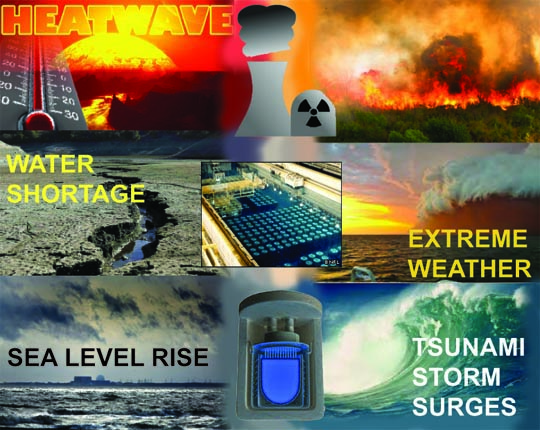
In recent years, extreme weather events potentially caused by climate change have led to several nuclear power plants being shut down for varying periods, and such unplanned outages will become more frequent in the future. Nuclear plants are already finding it difficult to compete in electricity markets due to the availability of cheaper alternatives. We quantitatively assess the additional impact of such extreme weather events on the finances of plant owners using Western Europe as a case study and draw some policy implications for existing owners and those considering new nuclear plants.
Introduction
In May 2022, Electricite de France (EDF) warned that unusually warm river temperatures would likely result in it being forced to reduce power generation from its nuclear power plants (Starn, 2022), an increasingly frequent event in recent years; the concern was not misplaced. In 2018, EDF was forced to halt operations of three power plants due to heatwaves, showcasing the utility’s vulnerability to extreme weather events, especially at its river-based nuclear power plants (WNISR, 2021). With increasingly sophisticated methods employed to demonstrate the attributability of extreme weather events to anthropogenic climate change, it has become more apparent that the kind of hot weather events that disrupted these nuclear power can be linked to climate change with a high degree of attributability (Diffenbaugh, 2020; Schiermeier, 2019). IEA, 2021, the IPCC Working Group I report reported that “recent hot extreme events would have been extremely unlikely to occur without human influence on the climate system” (IPCC et al., 2018).
Other kinds of extreme events are also becoming more frequent. In 2018, the Intergovernmental Panel on Climate Change warned that human-induced warming “has likely increased the chance of compound extreme events” and predicted that almost all parts of the world would record increased climate disruptions (IPCC et al., 2018). Other international and scientific bodies have come to similar conclusions.
Many agencies, like the International Energy Agency (IEA) and the International Atomic Energy Agency (IAEA), posit that an expansion of nuclear power will be a critical component of any effort to mitigate climate change (IAEA, 2020; IEA, 2021). For nuclear power to significantly reduce global emissions, new nuclear plants would have to be built in many countries (Deutch et al., 2003). Many of these areas will be subject to extreme weather events in the coming decades.
At the same time, nuclear power generation is vulnerable to climate change-related extreme weather events (Ahmad, 2021). Climatic disruptions affect nuclear power plants for days or weeks (Becker et al., 2020; D’Agostino, 2021; Lyons, 2020; Neuhauser, 2019). Financial institutions realize the challenges that climate change brings to the financial position of nuclear power plant owners (Lahiri, 2020).
To give an illustration of the financial impact of climate change on nuclear power, we build on earlier work on the vulnerability of nuclear plants to extreme weather events (Ahmad, 2021) by quantifying the impact of extreme weather events on nuclear power plant operations by estimating the losses in energy production and revenues in Western Europe. The region consists of six countries with active nuclear power programs.
Together, these nuclear plants generated 565 TW h of electricity in 2020, approximately 42 percent of the total electricity generation in Western Europe – see Fig. 1. Almost two-thirds of this electrical generation is in France, which generated around 70 percent of its electricity in 2020 from nuclear power plants. The reason behind choosing Western Europe as a case study is the availability of data and the fact that it has a higher reliance on nuclear power than any other region.
Section snippets
The Economics of Nuclear Power
Before discussing the financial impact of climate change-related extreme events, we briefly discuss the economics of nuclear power. In 2003, an influential interdisciplinary study by the Massachusetts Institute of Technology stated, “Today, nuclear power is not an economically competitive choice” (Deutch et al., 2003). That study compared nuclear power to coal and natural gas plants.
In the two decades since, what has changed enormously is the cost of other low-carbon non-fossil-fuel alternative
The effect of extreme weather events on nuclear generation
In recent years, the impact of extreme weather events on the reliability of electricity provision in many parts of the world has become more noticeable (Perera et al., 2020).3 Extreme weather can disrupt all energy sources and the grid that connects them. As such, the high frequency,
Method
We use a “bottom-up” approach that identifies climate-linked disruptions in nuclear power plants and aggregates the impact of climatic disruptions over the last decade (2010–2019) in Western Europe to assess the effects of extreme weather events on the economics of nuclear power generation. The methodology is based on the same type of analysis presented in (Ahmad, 2021). However, in comparison to that analysis, which provided a global view of climate-linked power outages, this paper adds two….
Results
The first set of insights that can be obtained from the analyzed data is related to the time distribution of climatic outages of nuclear power plants in Western Europe. Fig. 3 shows the monthly probability distribution of such outages once they took place, based on actual historical data. Climate-driven outages can happen at any time of the year. However, they seem to be most probable in the summertime. As shown in Fig. 3, about two-thirds of the total climatic outages occur between June and
Policy recommendations
Extreme weather events have numerous policy implications for nuclear power. Because of the expected increase in the frequency of outages, nuclear power plant operators will have to undertake various adaptation measures. The financial impacts of these measures make the role of nuclear even more precarious than it already is, due to the high costs and the combination of safety and financial risks.
One adaptation measure might involve aligning plant shutdowns for refueling and maintenance with…..
REFERENCES ………………………………………
Suffolk fire live: Hundreds of firefighters battle ‘unprecedented’ wildfire near nuclear plant
A wildfire is raging in Dunwich Heath, Suffolk where evacuations have been ordered – the blaze is close to three nuclear plant sites, and has burned an area the size of 210 football pitches
Olivia Beeson UK & World News Reporter , Joe Smith News Reporter, Rucsandra Moldoveanu Live News Reporter, Patrick Hill Senior News Reporter and Ethan Davies, 3o July26https://www.mirror.co.uk/news/uk-news/suffolk-fire-sizewell-weather-b-37492955
Hundreds of firefighters are battling through the night to contain a massive wildfire in Dunwich Heath, Suffolk, that has devasted a huge nature reserve and threatened a nearby nuclear power plant.
Temperatures soared into the mid-30s in southern England on Thursday, burning an area the size of 210 football pitches in a National Trust reserve just a few miles away from Sizewell B – the UK’s largest nuclear power plant.
Some 200 caravans were evacuated this morning, with holidaymakers woken up by banging on their doors. Eighteen fire engines and more than 100 firefighters are now at the scene, with authorities saying they expect crews to be battling the blaze for the next two days.
There is also concern for wildlife in the area, after nature reserve RSPB Minsmere announcing its closure this morning. RSPB Suffolk area manager Adam Rowlands said the land was home to rare wildlife including nightjars – and it could take “more than a decade” for the habitat to recover.
Prime Minister Andy Burnham said the fire service will have “all of the support” they need in tackling the blaze.
On Thursday afternoon, an EDF spokesperson said the fire was “not affecting operations at Sizewell B power station”.
1 This Month
23-25 October – on Zoom – World BEYOND War’s annual global conferenc


Shut down the radiation-damaged Heysham nuclear reactors now
To see nuclear-related stories in greater depth and intensity – go to https://nuclearinformation.wordpress.com

Say No to NASA’s Reckless Nuclear Reactor on the Moon
Say No to NASA’s Reckless Nuclear Reactor on the Moon

-
Archives
- October 2026 (247)
- September 2026 (339)
- August 2026 (330)
- July 2026 (355)
- June 2026 (287)
- May 2026 (306)
- April 2026 (356)
- March 2026 (251)
- February 2026 (267)
- January 2026 (308)
- December 2025 (358)
- November 2025 (359)
-
Categories
- 1
- 1 NUCLEAR ISSUES
- business and costs
- climate change
- culture and arts
- ENERGY
- environment
- health
- history
- indigenous issues
- Legal
- marketing of nuclear
- media
- opposition to nuclear
- PERSONAL STORIES
- politics
- politics international
- Religion and ethics
- safety
- secrets,lies and civil liberties
- spinbuster
- technology
- Uranium
- wastes
- weapons and war
- Women
- 2 WORLD
- ACTION
- AFRICA
- Atrocities
- AUSTRALIA
- Christina's notes
- Christina's themes
- culture and arts
- Events
- Fuk 2022
- Fuk 2023
- Fukushima 2017
- Fukushima 2018
- fukushima 2019
- Fukushima 2020
- Fukushima 2021
- general
- global warming
- Humour (God we need it)
- Nuclear
- RARE EARTHS
- Reference
- resources – print
- Resources -audiovicual
- Weekly Newsletter
- World
- World Nuclear
- YouTube
-
RSS
Entries RSS
Comments RSS

