Experts propose two methods to scrap Daiichi plant
July 26, 2020
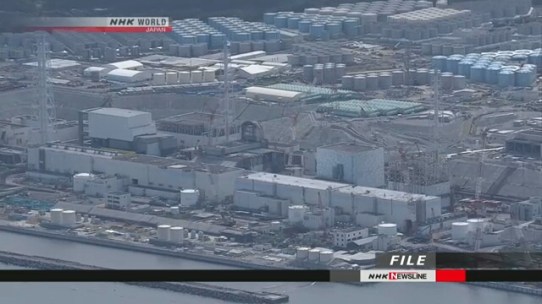
Japanese atomic energy experts have proposed two ways to decommission the crippled Fukushima Daiichi nuclear power plant.
The Atomic Energy Society of Japan floated the two methods in a report.
One proposal is to dismantle and remove all parts of the reactor buildings and leave the site vacant. The other is to dismantle and remove parts of the reactor buildings that are above ground and leave behind the underground structures.
The experts say each method has been studied in the United States and European countries.
They say amounts of radioactive waste to be generated during decommissioning work will vary significantly, depending on when the dismantling of reactor buildings begins — namely, starting to dismantle contaminated buildings soon or waiting a certain period for their radiation levels to drop.
A decommissioning timeline released by the Japanese government and the plant’s operator, Tokyo Electric Power Company, shows the scrapping process will be completed by 2051. But the plan is unclear on how the reactor buildings will be decommissioned.
Miyano Hiroshi, a member of the Atomic Energy Society of Japan, says it will be difficult to draw a conclusion from various arguments on how to decommission the plant. But he adds discussions are important and that he hopes the society’s report will contribute to the debate.
Robots in Fukushima monitor cucumber production in IT-farming joint project
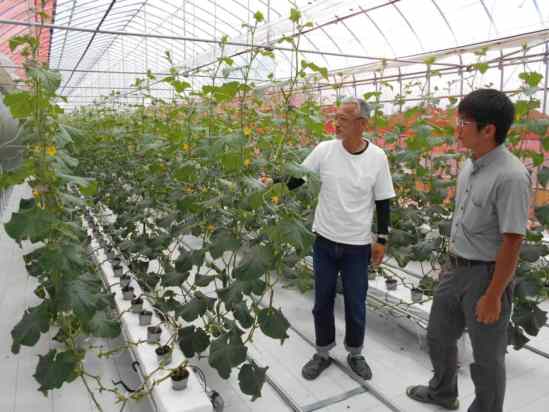 Katsumi Hashimoto (left) president of the Fukushima Seed Center, talks about how he teamed up with two other technology companies to make cucumber farming less labor intensive.
Jul 24, 2020
Three ventures from the IT and farming industries have started testing methods to produce cucumbers with less human labor in Sukagawa, Fukushima Prefecture, in the hope that it will reinvigorate the agriculture industry suffering from a worsening labor shortage, including a lack of successors.
Two technology companies, Benefic Co. and MK tech, have teamed up with Fukushima Seed Center and established a project team called Smart Agri Fukushima.
The team created a 1,300-square-meter testing greenhouse, planted 2,000 cucumbers and is monitoring temperatures, humidity and carbon dioxide among other data remotely using robots. The team has already shipped 1.6 tons of produce to a local agricultural cooperative, with a plan to expand the greenhouse to 1 hectare, or eight times the current scale, in the next five years.
In developing robots to monitor the cucumbers, Benefic will be in charge of its software while MK tech will manufacture the hardware. In the greenhouse, cucumbers are produced through a unique hanging method, which makes it easier for robots to monitor the produce, rather than the usual method which is to cut the plant at a certain height.
According to the seed center, the Sukagawa area, well-known for cucumbers, has been struggling for years with a shortage of labor, causing farmers to automate the farming process to make it more attractive to younger people. In the future, they hope to spread the smart farming method nationwide.
“We want to protect cucumber farming by making the fields less labor intensive,” said Katsumi Hashimoto, president of the seed center.
https://www.japantimes.co.jp/news/2020/07/24/national/robots-farming-fukushima/
Activist Professor Unveils English-language Video Warning of Tokyo Olympics Radiation Risk
SEOUL, July 24 (Korea Bizwire) — Ahead of the Tokyo Summer Olympics scheduled to be held next year in Japan, Seo Kyung-duk, a professor at Sungshin Women’s University, unveiled on Thursday a video in English on social media such as YouTube, Instagram and Facebook, warning that the radiation risk still remains high in Japan.
The four-minute video focuses on highlighting the risk of being exposed to radioactive materials in Fukushima.
In 2013, Japanese Prime Minister Shinzo Abe declared that the radiation in Fukushima was sufficiently under control.
The video, however, claims that in the seven years after the Fukushima nuclear disaster, the region’s nuclear power plant and its neighboring areas still remain a dangerous radioactive area, with the radiation level of some Fukushima areas being up to 1,775 times higher than internationally recommended levels.
The video warned that the Fukushima nuclear disaster is not terminated but still underway, adding that those who want to visit the Tokyo Olympics should be careful about the risk of being exposed to radiation.
“The Japanese government plans to host some Olympic games in Fukushima as well as providing ingredients and foods from Fukushima to the athletes participating in the Tokyo Olympics,” Seo said.
“This move is a sign that the Japanese government only wants to use the Tokyo Olympics as a chance to herald the rebuilding of Fukushima, neglecting the region’s radiation risk.”
Lina Jang (linajang@koreabizwire.com)
Plutonium Particles Scattered 200km From Fukushima Nuclear Disaster Site, Scientists Say
Jul 22, 2020
Plutonium fragments may have spread more than 200km via caesium microparticle compounds released during the 2011 Fukushima Daiichi nuclear power plant disaster in Japan. These findings are according to research done on the region’s soil samples, published in Science of The Total Environment, by an international group of scientists.
The Fukushima Nuclear disaster occurred when a massive tsunami crashed over the plant’s walls, causing three operating nuclear reactors to overheat and melt down. Simultaneously, reactions within the plant generated hydrogen gas that exploded as soon as it escaped from containment. During the disaster, caesium — a volatile fission product created in nuclear fuel — combined with other reactor materials to create caesium-rich microparticles (CsMPs) that were ejected from the plant.
CsMPs are incredibly radioactive, and scientists study them in an attempt to both measure their environmental impact and to gain insight into the nature and extent of the Fukushima disaster. In one such research process, scientists discovered tiny uranium and plutonium fragments within these micro-particles. The range of plutonium particle spread was previously estimated at 50km, and this research changes that number to 230km. This discovery is vital as it provides a reason to extend testing for plutonium poisoning in human-inhabited regions further than before, and helps scientists understand how to decommission the nuclear reactors in the plant. Decommissioning nuclear plants is extremely important after they cease to function, in order to reduce residual radioactivity in the region to safe levels.
With respect to immediate implications for health, scientists note that radioactivity levels of the plutonium are similar to global counts from nuclear weapons tests. While this means that radioactivity levels may not pose an urgent, critical danger, scientists also note that plutonium poisoning in food items remains a threat. If plutonium were ingested — a possibility in this region — it could create isotopes that significantly increase radioactivity doses, and poison the body.
Due to high radioactivity levels, humans are still unable to enter the Fukushima plant nine years after the disaster. Yet, scientists continue to work towards safely decommissioning the reactors within the plant from the outskirts. Though radiation levels post the Fukushima disaster were much lower than Chernobyl, individuals living near the region still suffer from the aftermath of everything the disaster put them through, fear of poisoning and psychological paranoia, as they attempt to bring life back to normal.
Fukushima may have scattered plutonium widely
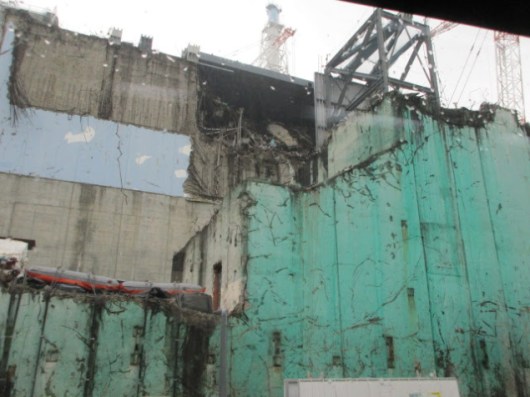 The upper side of the unit 3 reactor building at Fukushima Daiichi was damaged by a hydrogen explosion. This area housed the spent fuel pool and the fuel handling machines.
20 Jul 2020
Tiny fragments of plutonium may have been carried more than 200 km by caesium particles released following the meltdown at the Fukushima Daiichi nuclear power plant in Japan in 2011. So says an international group of scientists that has made detailed studies of soil samples at sites close to the damaged reactors. The researchers say the findings shed new light on conditions inside the sealed-off reactors and should aid the plant’s decommissioning.
The disaster at Fukushima occurred after a magnitude-9 earthquake struck off the north-east coast of Japan and sent a 14 m-high tsunami crashing over the plant’s seawalls. With low-lying back-up generators knocked out, the site’s three operating reactors overheated and melted down. At the same time, hot steam reacted with the zirconium cladding of the nuclear fuel, generating hydrogen gas that exploded when it escaped from containment.
Caesium is a volatile fission product created in nuclear fuel. During the Fukushima meltdown, it combined with silica gas created when melting fuel and other reactor materials interacted with the concrete below the damaged reactor vessel. The resulting glass particles, known as caesium-rich microparticles (CsMPs), measure a few microns or tens of microns across.
Satoshi Utsunomiya and Eitaro Kurihara at Kyushu University and colleagues in Japan, Europe and the US analysed three such particles obtained from soil samples dug up at two sites within a few kilometres of the Fukushima plant. They used a range of techniques to study the physical and chemical composition of these CsMPs, with the aim of establishing whether they contained any plutonium.
Mapping plutonium spread
To date, plutonium from the accident has been detected as far as 50 km from the damaged reactors. Researchers had previously thought that this plutonium, like the caesium, was released after evaporating from the fuel. But the new analysis instead points to some of it having escaped from the stricken plant in particulate form within fragments of fuel “captured” by the CsMPs.
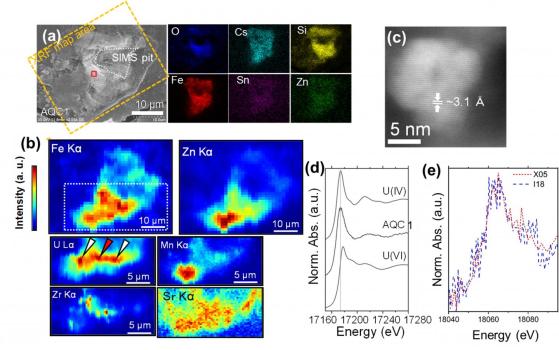
Utsunomiya and colleagues used electron microscopy and synchrotron X-ray fluorescence to look inside the CsMPs. Based on these data, they were able to map the distribution of various elements coming from materials within the damaged reactors – including iron from stainless steel, zirconium and tin from the fuel cladding and zinc from cooling water. They also found uranium within one of the CsMPs, in the form of discrete uranium oxide particles less than 10 nm across.
However, the researchers were unable to find any traces of plutonium using these methods – probably due to interference from strontium, another fission product. Instead, they turned to X-ray absorption. To compensate for high levels of noise, they carried out the measurement at two different synchrotrons, transporting their roughly 20 µm diameter particle from Japan to be blasted with X-rays at the Diamond facility in the UK and the Swiss Light Source in Switzerland.
The researchers focused their attention on the three areas of the particle that generated the most fluorescence from uranium. They failed to detect plutonium at two of these locations, but succeeded at the third, with absorption spectra produced at both synchrotrons indicating the element’s presence. The low signal-to-noise ratio meant they couldn’t identify exactly which plutonium species were present, but the shape of the spectra told them that it probably existed as an oxide, rather than as a pure metal.
Utsunomiya and co-workers also used mass spectrometry to measure the relative abundance of different plutonium and uranium isotopes within the microparticles. They found that three ratios – uranium-235 to uranium-238, as well as plutonium-239 compared to both plutonium-240 and -242 – all agreed with calculations of the proportions that would have been present in the fuel at the time of the disaster. This agreement, coupled with the fact that the measured amount of uranium-238 was nearly two orders of magnitude greater than would be the case if it had simply evaporated from the melted fuel, led them to conclude that the uranium and plutonium existed as discrete fuel particles within the CsMPs.
Implications for decommissioning
The researchers note that previous studies have shown that plutonium and caesium are distributed differently in the extended area around Fukushima, which suggests that not all CsMPs contain plutonium. However, they say that the fact plutonium is found in some of these particles implies that it could have been transported as far afield as the caesium – up to 230 km from the Fukushima plant.
As regards any threat to health, they note that radioactivity levels of the emitted plutonium are comparable with global counts from nuclear weapons tests. Such low concentrations, they say, “may not have significant health effects”, but they add that if the plutonium were ingested, the isotopes that make it up could yield quite high effective doses.
With radiation levels still too high for humans to enter the damaged reactors, the researchers argue that the fuel fragments they have uncovered provide precious direct information on what happened during the meltdown and the current state of the fuel debris. In particular, Utsunomiya points out that the composition of the debris, just like that of normal nuclear fuel, varies on the very smallest scales. This information, he says, will be vital when it comes to decommissioning the reactors safely, given the potential risk of inhaling dust particles containing uranium or plutonium.
The research is reported in Science of the Total Environment.
https://physicsworld.com/a/fukushima-may-have-scattered-plutonium-widely/
Japan grows the world’s “sweetest” peach – in Fukushima
Frankly speaking you have to be either masochist or suicidal to play Russian roulette by eating those Fukushima peaches, their sweetness should never make you forget their potential radioactive contamination. There are many other countries where to buy sweet and safe peaches from.
That said I cannot believe the nerve that this journalist has to write such a “sweet” propaganda piece. I understand that these people need to make a living, but should they not consider their moral responsability towards the people whose health might be put at risk buying and eating their potentially radiation contaminated products? All done in the name of “holy reconstruction”…. There is no such a thing as a harmless low dose in internal radiation.
 Fifth generation peach farmer Koji Furuyama has been striving to decontaminate Fukushima’s reputation by growing the world’s sweetest peaches.
20 July 2020
Would you buy a $7000 peach? A fruit so juicy, so sweet, so perfect you just don’t care about the sticky nectar dribbling down your face?
What if it came from Fukushima, infamous for one of the worst nuclear accidents in modern memory?
Before the disaster, peaches from the area were prized for their exceptional taste and luscious texture, but on 11 March 2011 a massive earthquake and tsunami triggered one of the world’s worst accidents of the nuclear power age.
As radiation spewed from the Fukushima Daiichi plant, tens of thousands of residents were forced to flee their homes – some never to return.
While radiation levels have slowly dissipated, an inescapable stigma remains for the people of Fukushima.
Since then, fifth generation peach farmer Koji Furuyama has been striving to decontaminate the region’s reputation by growing the world’s sweetest peaches.
“Produce in Fukushima was recognised as the world’s most worthless and dangerous,” Koji said.
“I thought of doing the complete opposite by making the world’s most delicious or sweetest peaches.”
‘The sweetness will be from an unknown world’
There is a scientific measurement which confirms the intense sweetness of Koji’s peaches.
When you bite into a peach, you might notice if it’s sweet or tart or bland. Among farmers, this is known as Degrees Brix, and it measures the fruit’s sugar content.
The higher on the Brix scale, which goes up to 40, the sweeter the fruit.
Your average supermarket peach is usually somewhere between 11 and 15 Degrees Brix.
In comparison, the Guinness World Records certified a peach grown in Kanechika, Japan as the world’s sweetest, with a sugar content of 22.2
But on the Furuyama Fruit Farm in rural Fukushima, Koji has managed to grow a peach so sweet, it came in at a mouth-watering 32 Degrees Brix.
While Koji sold that delectably sweet peach for $7000 a few years ago, he’s not done yet.
He has already grown a peach at 35, and is now setting his sights on the most perfect peach ever, aiming to achieve that elusive 40 Degrees Brix.
“The sweetness will be from an unknown world,” he vowed.
“It will be the only one in the world. To put a price on that, I have to settle at $40,000.”
This might seem like a lot of money for something that literally grows on trees, but fruit can play a very different cultural role in Japan.
A bunch of grapes the size of Ping-Pong balls just sold for about $NZ18,500 at auction in Ishikawa on 16 July.
The pricey, individually wrapped fruits sold at department stores are precious gifts given as a sign of respect or thanks.
Going to a housewarming or visiting a friend in hospital? Grab a box of giant, blemish-free, juicy strawberries.
It’s not always just an everyday snack here, and if you pick the wrong melon without checking the price tag, you can receive quite the hip-pocket surprise when you get to the checkout.
It means Japanese farmers are meticulous in their production processes and is the reason why Koji is unyieldingly striving for perfection.
The recovery from the March 2011 disaster also gives him a reason to keep going.
A peach replaces the Olympic torch
Japan’s organisers of the 2020 Olympics won their bid with a pitch highlighting how the Games would be the “recovery games”, showing off just how far Japan’s north-eastern region had come.
The region was hosting the baseball and softball events and the prefecture was to mark the beginning of the torch relay and play a big part of it.
The food grown in this area, including Koji’s peaches, are safe to eat. He was banking on the Olympic Games showing that off.
“If this becomes known worldwide, the image of Fukushima would improve and I thought I could change it. That’s why I focus on making such sweet peaches,” Koji said.
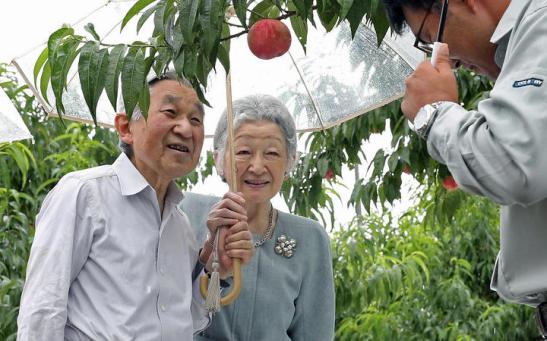 Japan’s Emperor Akihito and Empress Michiko visit a peach farmer in Fukushima.
When coronavirus restrictions forced Olympics organisers to delay the torch relay, Koji still ran his leg as if the Games were going ahead. Instead of a torch, he carried a peach.
Koji holds onto hope the Games will go ahead, and Fukushima will get a chance to shine, even if it is not fully recovered.
“It’s hard to return to what it was 10 years ago, before the disaster. There are many victims who have started new lives and it’s true that it’s recovering gradually,” he said.
But once the coronavirus pandemic passes, a ‘recovery’ Olympics will take on a special meaning for everyone who survived it.
“Recovery from coronavirus will apply to people around the world,” he said.
“I think it could have a deeper meaning: recovery in [this region] and recovery from coronavirus. I am thinking in a positive way.”
Inside Fukushima’s no-go zone
Not everyone shares Koji’s optimism in Fukushima. The nuclear disaster destroyed Nobuyoshi Ito’s farming business.
He regularly visits the exclusion zones and doesn’t believe the government is surveying enough radiation hotspots.
He believes the idea of the recovery Olympics is “inappropriate”.
“Which part has recovered? When 30,000 people can return to their previous lives it’s recovery. But the government … abandoned those people,” he said.
“It’s trying to host the Olympics only with the people who have recovered.”
Around Fukushima, many of the clocks on the walls stopped ticking moments after the quake struck in 2011.
Currently, 371 square kilometres of the prefecture is a no-go zone, and parts of it will never be habitable again.
Sadao Sugishita left his home of around 70 years when the nuclear meltdown happened. He and his wife Tokuko were forced to evacuate.
Nestled in the lush green mountains, their home is in the no-go zone – inaccessible to anyone but former residents.
Every few minutes, large trucks carrying giant black bags of radioactive soil hurtle down their narrow road.
The bags sit piled up across the road from their property along with piles of rubble, a sadly iconic feature throughout this vast region.
Sugishita and his wife will never again live in their home. They’ve just agreed to tear the house down.
He doesn’t feel the prefecture has recovered.
“All our neighbours and close friends have become separate and the life in the city is completely different to the life here in the village,” he said.
https://www.rnz.co.nz/news/world/421610/japan-grows-the-world-s-sweetest-peach-in-fukushima
Fukushima localities speak out against dumping radioactive water in sea

Storage tanks for radioactive water are seen at Tokyo Electric Power Co’s (TEPCO) tsunami-crippled Fukushima Daiichi nuclear power plant in Okuma town, Fukushima prefecture, Japan February 18, 2019. Picture taken February 18, 2019. REUTERS/Issei Kato
Being Clear-Eyed About Citizen Science in the Age of COVID-19

July 15, 2020
An anthropologist explores the network of citizen monitoring capabilities that developed after the Fukushima nuclear disaster in Japan in 2011 for what they might teach all of us about such strategies for the covonavirus pandemic.
In March 2011, one of the strongest earthquakes on record struck the Fukushima Dai’ichi Nuclear Power Plant in northeastern Japan. Combined with a subsequent tsunami, the disasters triggered massive nuclear meltdowns and widespread evacuations.
On the quiet Friday afternoon of March 11, 2011, Natsuo* was working in Fukushima, the capital city of Fukushima prefecture. At 2:46 p.m., a devastating earthquake of 9.0 magnitude hit the Pacific coast of Japan, where the prefecture of Fukushima is situated. Natsuo recalled to me the sheer power of this earthquake: “The whole office shook like hell, everything began to fall from the walls. I thought to myself ‘That’s it … I’m going to die!’”
Natsuo quickly returned to her hometown of Koriyama City, unaware that the earthquake had triggered a massive tsunami, which inundated an important part of the prefectural shoreline and ultimately claimed the lives of nearly 20,000 people. On top of the initial devastation, the tsunami severely damaged the Fukushima Dai’ichi Nuclear Power Plant, in Ōkuma, Fukushima, located on the east coast of Fukushima prefecture. She later learned on TV that something “seemed wrong” with the nuclear power plant. “During that time,” she said, “I tried to get as much information as I could, but the media weren’t being clear on the situation.”
Something was indeed very wrong: The earthquake and subsequent tsunami led to core meltdowns within some of the Fukushima power plant’s nuclear reactors. This malfunction, along with other technical incidents, resulted in the atmospheric release of radioactive pollutants, which spread predominantly over the northeastern part of Japan, forcing a widespread evacuation of Fukushima residents. By March 12, the area around the power plant had been evacuated; those living and working within 20 kilometers of the radius of the plant were forced to relocate. In the days, weeks, and months following this disaster, uncertainty around the scale and extent of contamination grew swiftly—much like what we see occurring throughout the world during the COVID-19 pandemic.
Most notably, the public grew increasingly concerned about the legitimacy of institutional experts’ ability to control and explain the risks of residual radioactivity, while citizens like Natsuo were unable to get adequate information through traditional media venues. Initially, data about radioactive contamination came sporadically and was often explained in hard-to-understand metrics by scientists who were cherry-picked by the state to send reassuring messages to citizens.
 Following the meltdown, school children helped sell food items to serve those who were displaced by the disaster.
Moreover, radioactive contamination was later found to be present in some food products and in school yards where children had been playing that lay beyond the official zone of evacuation. Over the ensuing months and years, the public lost confidence in the state’s response and began to take matters into their own hands, mobilizing expert practices of their own. Widespread grassroot actions led to citizen science networks in which people tracked radiation in their environment, organized learning workshops on radiation dangers, and tested food for contamination, often through local organizations or individual households.
As an anthropologist who conducted fieldwork on the Fukushima nuclear disaster between 2015 and 2017, I came to realize that citizen science can rise up to fill in the gaps of state responses toward crises, for better or for worse. As we’ve seen play out throughout the COVID-19 pandemic in various parts of the world, governance and leadership have often been confusing, mismatched, and at times utterly misleading. The case of Fukushima offers lessons about both the promises and pitfalls of citizen science and how civil society is playing an increasingly important role in managing various disasters, catastrophes, and crises.
The Geiger counter of Masayuki was not silent for long before it began to emit the distinctive “clicking” sound associated with radiation monitoring devices. The “click” grew louder in intensity as we located a hot spot, an area where the level of radiation is significantly higher than elsewhere. Masayuki dutifully noted the number provided by the device before leaving to search for another hot spot. We were standing in the Japanese village of Iitate, situated in the prefecture of Fukushima. It was common at this time for citizens to own their own Geiger counters—often purchased off the internet using international donations or made at home as DIY devices—to measure the level of radiation around them.
 Due to growing concerns about the government’s response, many citizens began purchasing Geiger counters to monitor the radiation around them.
When I first came to this rural village in the spring of 2016, more than five years had passed since the nuclear disaster. The forced evacuation of citizens from Fukushima and the surrounding areas had proved short-lived; by 2012, the Japanese state had already embraced a policy of repatriation to irradiated areas like Iitate village, which is where I met Masayuki and citizens like him in 2016.
Under this repatriation policy, Iitate had become a patchwork of three different safety areas, with boundaries defined by the annual level of atmospheric radiation projected to be received by residents if they remained within the zones. Citizens could only reside in “green zones,”
areas where evacuation orders were ready to be lifted. These areas were considered safe enough for all community activities, such as hiking and school events. The “yellow zones” represented areas in which citizens were still not permitted to live, and the “red zones” were areas considered off-limits to any form of entry due to their high level of radiation.
Those who had willingly returned to Iitate were typically elderly farmers for whom Iitate was one’s native land, a concept that the Japanese call furusato. As an elderly man explained to me in 2017: “It’s the place where I was born. I always wanted to come back to this place. Seeing the sun rise, seeing the moon at night. Seeing the blueness of the sky of Iitate.”
While happy to be back in their beloved region, many residents were critical of the state radiation-monitoring networks that were supposed to provide them with adequate information to allow them to live safely in the village. Indeed, state data on radiation was often provided through fixed monitoring in precise locations or through an average radiation level taken in the village. This kind of information was not practical enough for residents, who wanted to know the specific radiation levels behind their houses or in their rice paddy fields.
Likewise, official depictions of radiation levels through clear-cut chromatic zones did little to offer the citizens reassurance. As a result of the perceived limitation of state measures, residents quickly decided to track radiation themselves as a means to keep the map of their village relevant—often finding contamination that was not evident from state mapping. In the house of one farmer, I witnessed homemade models that exhibited a 3D topography of Iitate’s geographical landscape. These models had been made using 3D printers, and the level of radiation had been monitored by the citizens themselves.
In particular, the local knowledge of the geography of Iitate helped citizens to attain a level of precision that far exceeded that of the government map. Citizens soon learned that radiation doses could be higher at the bottom of a hill than farther upslope or that the woods behind one’s home, having trapped radiation, might impact the radiation level inside houses. These practices helped strengthen a community that had previously felt helpless in the face of an imperceptible radiation threat. Geiger counters became the ears and eyes of citizens like Masayuki, enabling them to make sense of and gain some semblance of control over a hazard that cannot be registered by the senses.
After the Chernobyl nuclear disaster in 1986, one of the main sources of radiation exposure stemmed from consumption of food products such as milk or wild mushrooms that had been contaminated by radioactive fallout. In an effort to make sure that this did not happen in Japan, the government took on the task of testing the food produced in Fukushima, implementing a limit to the allowable amount of radioactivity in food products.
Within months after the meltdowns, the government assured the public of the safety of its food products, encouraging citizens to consume foods sold at public fairs and other public events. However, citizens of Fukushima also consume food harvested from streams, forests, home gardens, and mountain areas—where state monitoring was largely absent or insufficient.
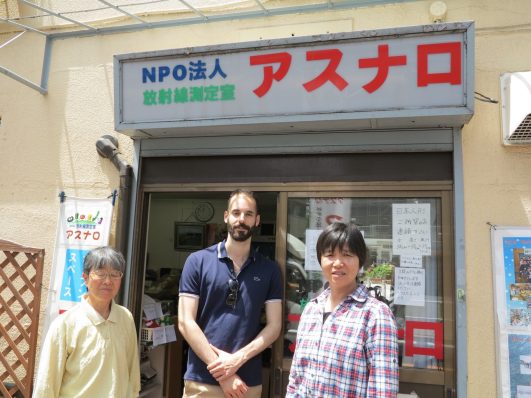 The author (center) stands with two community members in front of a citizen science center.
Again, citizens mobilized to fill in the gaps in food testing: With the help of public donations, citizen scientists were able to purchase scintillation detectors, which are used to measure radioactive contaminants in foodstuff. Such testing enabled citizens to gain an understanding of the types of foods most prone to radioactive contamination, such as mushrooms, green leafy vegetables, citrus, sea cucumber, and seaweeds. This in turn helped people avoid eating the most risky foods. Together with state monitoring, such citizen science practices resulted in lower consumption of contaminated foods.
While such examples demonstrate the power and potential of citizen science, there are inherent political complexities involved when citizens or nongovernmental organizations step in and claim expertise in areas typically reserved for state agencies and experts. Like those entities, citizen science has its own potential pitfalls.
For one, corporate polluters or state agencies can potentially exploit citizen science, delegating the monitoring of contamination to the victims of a disaster. For instance, by the end of this year, Japan’s Nuclear Regulation Agency plans to remove 80 percent of radiation monitoring posts in Fukushima, arguing that the radiation levels in many areas have stabilized themselves—owing also in part to the presence and efficiency of monitoring networks provided by citizens. This decision has been controversial, since problems of radioactive contamination persist in Fukushima. For instance, one of the main radioactive pollutants, Cesium-137, has a long lifespan and can emit radiation for nearly 300 years.
Retiring these posts will force citizen scientists to take on the burden of monitoring, shifting liability for ensuring safe living conditions onto the shoulders of the nuclear victims. In addition, the growing impact of citizen science can lead to reduced public expenditure, minimal government intervention, and risk privatization, meaning that risk becomes individual and private. Too much delegation to citizens runs the risk of creating societies where individuals have to take care of themselves in increasingly polluted environments, while interpreting complex data about controversial environmental dangers. And not every community can afford to purchase expensive monitoring devices or test food in a consistent manner.
Citizen scientists also risk reproducing forms of ignorance around certain hazards. In post-Fukushima Japan, what is meant by the “science” of citizen science is often synonymous with a tracking and monitoring agenda, where individuals resort to the very same technologies and knowledge forms used by states, nuclear lobbies, or radiological protection agencies.
Yet many anthropologists and historians have argued that what we know (and don’t know) about the extent of radiation hazards and dangers was embedded in a culture of secrecy, denial, and propaganda that was shaped by the nuclear arms race of the Cold War. Considerations over international security and political stability were often prioritized over the safety of workers or citizens who had been exposed to radiation. As a result, some of the negative effects of radiation were downplayed through different tactics.
One such tactic, which was witnessed after Fukushima, occurred through the reframing of radiation risks as simplistic and natural, unrelated to the specific risks associated with Fukushima. For instance, the government distributed pamphlets that explained that radiation naturally exists in our food, such as the potassium levels present in bananas.
Yet such information is irrelevant to the hazards of internalizing fission products from a nuclear power plant. While bananas have naturally occurring potassium, it would require eating around 20 million bananas to get radiation poisoning. On the other hand, each radionuclide released during nuclear meltdown events like Fukushima possesses specific biological signatures and presents particular risks when inhaled or ingested. During my fieldwork in Fukushima, I witnessed that this legacy of misinformation was carried on by some citizens who unwittingly replicated these propagandist forms of knowledge by making similar naturalistic or overly simplistic comparisons.
As citizen science efforts grow, it is also critical to consider to what extent citizen involvement might put individuals at risk of adverse health effects. This is a tricky question when one considers that certain members of the population, like children, are more sensitive to radiation than others. In Fukushima, some Japanese parents have understandably opted to evacuate rather than rely on citizen science, arguing that doing so would expose their children to unacceptable levels of radiation and that forcing children to be responsible for their own safety is unethical.
Citizen scientists are hardly homogeneous groups, as mothers, farmers, and urban citizens do not experience hazards and recovery in the same way. In that regard, factors such as gender, employment, and social class strongly influence why people enter citizen science, how science is mobilized, and how data about a controversial hazard ends up being interpreted. For instance, people like Natsuo have used the results gathered by citizen science to highlight the dangers of living in Fukushima, while other citizen science organizations help bring people back to their beloved region. These conflicts can result in even more fragmented communities and conflicts within and around citizen science.
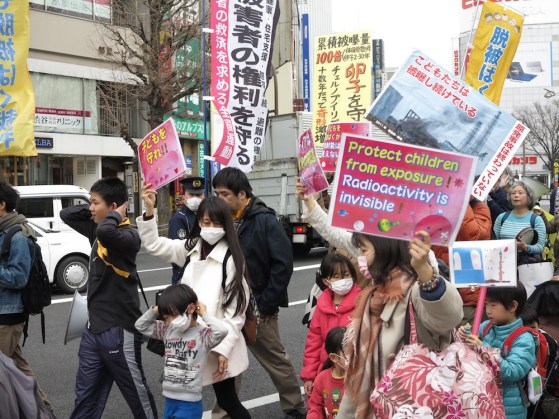 Public protests and outcries from parents increased as distrust deepened toward the government’s response to ongoing radiation pollution from the Fukushima meltdown.
With the continuing uncertainties, frustrations, and misinformation associated with the COVID-19 pandemic, we can expect civil society to rise up—perhaps as it did in the months and years following the Fukushima disaster. Indeed, early on in the pandemic’s spread across the U.S., there were calls for citizens to submit their COVID-19 symptoms, with the aim of tracking the rise of cases and filling in for incomplete testing at the federal and state levels in order to aid public health efforts.
Another citizen science initiative attempts to produce real-time epidemiology by enlisting individuals to use their smartphones to fight COVID-19. We have also seen a rise in 3D printing or DIY medical equipment, such as nonmedical face masks, to meet the urgent demand. The Citizen Science Association lists dozens of citizen science resources related to the COVID-19 pandemic. Much like in Fukushima, these movements will have unintended societal implications, legal ramifications, and ethical impacts—especially as they surround issues of public health safety, patented medical technologies, or data quality and interpretation amid the surge of a novel virus replete with uncertainty.
Yet, more strikingly, citizen science perhaps best demonstrates how lay people can directly draw from their own experience and scientific tools so as to provide concrete solutions beyond the traditional top-down control measures that too often epitomize post-disaster policies. In that regard, Masayuki once angrily told me, “For us, state experts are people who have 90 percent of knowledge (shiru), but no wisdom (wakaru)!”
In Japanese, two words—shiru and wakaru—can be used for the verb “knowing.” Shiru means “to find out” or “to learn.” It implies a process of acquisition of knowledge and information. Wakaru, on the other hand, is closer to “understanding this knowledge.” Shiru comes before wakaru, and in a way, one can know but not necessarily understand. Wakaru consequently shows a greater and more personal level of comprehension often based on a given context.
For Masayuki, state institutional experts possessed shiru, but not wakaru. Having been directly affected by radioactive contamination, Masayuki strongly believed that the inhabitants of a place, the jūmin (literally, the people who resided) were best suited to manage their life in a post-Fukushima Japan.
* Pseudonyms have been used to protect people’s privacy.
8 cases of inappropriately stored nuclear waste found at northern Japan reprocessing plant
 The Japan Nuclear Fuel Ltd. (JNFL) nuclear fuel reprocessing plant in the village of Rokkasho, Aomori Prefecture, is seen in this May 14, 2020 file photo taken from a Mainichi Shimbun aircraft
July 15, 2020
TOKYO — Japan Nuclear Fuel Ltd. (JNFL) had been inappropriately storing nuclear waste at a nuclear fuel reprocessing plant in Rokkasho, Aomori Prefecture, in northern Japan, including keeping waste in undesignated areas, the country’s nuclear regulatory body has revealed.
The Nuclear Regulation Authority (NRA) had instructed JNFL to make improvements in its practices in 2017, but the company had left some of its nuclear waste in places where they were not supposed to be. There has been no confirmation that any of the radioactive substances leaked. There have been a series of shoddy practices uncovered at JNFL, which is likely to call into question the company’s attitude.
At the fuel reprocessing plant, uranium and plutonium are extracted from spent nuclear fuel for reuse in nuclear reactors. Highly radioactive waste liquid that is generated in the process becomes nuclear waste when it is solidified in glass. According to the NRA and others, JNFL had been keeping nuclear waste in a building different from the one the waste is meant to be stored in. As for the approximately 160 kilograms of shards of radioactive waste liquid solidified in glass, an appropriate storage method had not been stipulated. There were eight cases of inappropriate storage, some of them spanning the past 19 years.
Inspectors from the NRA Secretariat confirmed inappropriate storage of nuclear waste in August 2017. The regulatory body asked that JNFL correct its practices by August 2019, but only two of the eight cases had been remedied by the end of June 2020.
At a meeting concerning the safety inspection of the nuclear fuel reprocessing plant this past May, the NRA had determined that the plant had effectively met the government’s new criteria. JNFL explained that it had intended to consult with the NRA Secretariat once the inspections had taken place. The NRA, meanwhile, says that the situation is exempt from safety inspections under the government’s new criteria.
J-pop group TOKIO to promote Fukushima goods in new TV commercials
They pretend that there is no radioactive contamination in Fukushima produce, they say it is only “harmful rumors”… Would you buy this B.S. ?
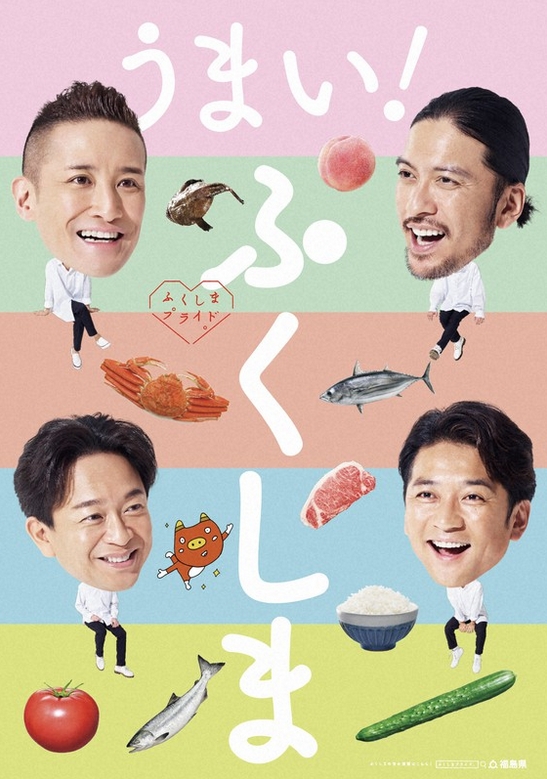 The image shows a poster featuring pop group TOKIO and regional goods of Fukushima Prefecture.
July 14, 202
FUKUSHIMA — A set of new TV commercials in which members of the pop group TOKIO promote regional goods from this northeastern Japan prefecture, with the aim to dispel harmful rumors that spread after the 2011 disaster at the Fukushima Daiichi Nuclear Power Station, are set to go on air, according to a July 13 announcement.
Fukushima Gov. Masao Uchibori is optimistic about the ads, saying, “Through these wonderful commercials, we would like to share with everyone in Japan the great qualities of the prefecture’s agricultural, forest and fishery products, as well as the pride of the producers here.”
Since 2012, a year after the accident at Tokyo Electric Power Co.’s nuclear power plant, TOKIO has been promoting regional goods from Fukushima Prefecture through commercials and posters.
There are three types of commercials: one featuring group leader Shigeru Joshima with peaches, another showing Masahiro Matsuoka with tuna and one starring Taichi Kokubun with summer vegetables. Producers and children from Fukushima Prefecture appear in all three types of ads, and they present the region’s goods with comical movements and a bright smile.
The commercials will be broadcasted from July 15, not only in the prefecture but also in the Kanto region in eastern Japan and the Kansai region in western Japan.
Every summer, Gov. Uchibori travels to metropolitan areas such as Tokyo and Osaka to promote the trade of regional goods, but he has decided to suspend this year’s visits due to the effects of the novel coronavirus. Uchibori said, “Even with the restrictions, we would like to promote our agricultural products by broadcasting commercials and by other means.”
https://mainichi.jp/english/articles/20200714/p2g/00m/0et/065000c
Particulate plutonium released from the Fukushima Daiichi meltdowns
New hotel boom in Fukushima capitalizing on reconstruction
July 13, 2020
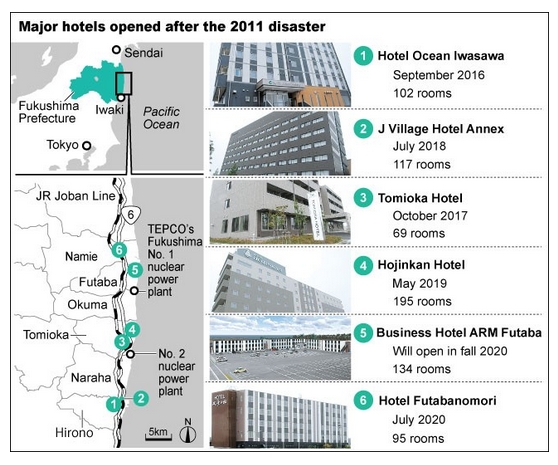
Areas close to the site of the 2011 Fukushima nuclear disaster might seem like the least likely prospect for a hotel construction boom, but as the region slowly begins to recover, demand for places to stay is at a premium.
Hotel operators are not expecting to cater to people with a morbid fascination for the facility that went into a triple meltdown following the magnitude-9.0 Great East Japan Earthquake and tsunami, but to accommodate those involved in reconstruction projects, and later, business travelers and other visitors.
Coastal areas of Fukushima Prefecture were the first to experience a rush in new hotel construction, mainly facilities offering 100 or so rooms.
This fall, the wave of hotel openings will even extend to Futaba, a town that hosts the Fukushima No. 1 nuclear power plant operated by Tokyo Electric Power Co.
Over the past nine years since the disaster at the Fukushima No. 1 nuclear power plant, hotels have mostly been occupied by construction workers.
However, hotel operators are expecting a more diverse clientele to develop in the future.
Hotel Futabanomori, located in the town of Namie about nine kilometers north of the crippled Fukushima No. 1 nuclear power plant, is expected to open on July 15.
The hotel has 95 rooms, most of them singles that cost 6,500 yen ($ 61) a night, including taxes, or 9,000 yen with breakfast and supper thrown in.
It is situated not far from the No. 6 national road that rumbles for much of the day with heavy trucks going to and from construction sites.
An evacuation order was lifted in the central part of the town in March 2017. Currently about 1,400 people live there, which accounts for less than 10 percent of the pre-disaster population.
But new businesses are moving into the town. In March, top-level facilities for research and development of robots and hydrogen production were established in Namie as a part of a national project.
Takashi Shiga, the 47-year-old president of Hotel Futabanomori, said he hopes his hotel will create an opportunity for residents to “get together with relatives and old classmates who left their hometown and moved far away back to return to Namie.”
He also said he wanted the hotel to provide workers involved in reconstruction projects “with a sense of comfort.”
Prior to the disaster, towns near the nuclear power plants used to be dotted with small inns and hotels catering to beachgoers, surfers and workers at nuclear and thermal power plants.
After the disaster, residents within a 20-km radius of the Fukushima No. 1 nuclear power plant were ordered to evacuate.
Hirono town, located about 20 km south of the facility, offered the main venue for places to stay for workers involved in cleanup, decontamination and reconstruction projects.
“I received so many phone calls from workers desperately looking for a place to lie down and get some sleep,” said Minoru Yoshida, 64, who runs an inn called Iwasawaso in Hirono.
Yoshida evacuated to Tokyo temporarily immediately after the disaster. But within two months, he started taking in guests.
Parts of Iwasawaso were damaged by the earthquake, but Yoshida opened his own home, which was adjacent to the inn and emerged unscathed, to let guests stay.
He also turned a banquet room in the inn into a space for workers to spend the night.
In 2016, Yoshida built a business hotel with 102 rooms, Hotel Ocean Iwasawa, nearby.
Prior to the disaster, he managed two buildings with 83 rooms. Now, he manages four buildings with 211 rooms.
An average of 150 to 200 guests stay at his properties each day.
“This is my hometown. That’s why I want it to be rebuilt,” Yoshida said. “I wanted to help these people who came here to work for the rebuilding by letting them stay.”
In Futaba town, where the No. 1 nuclear power plant is located, a new business hotel with 134 rooms, “ARM Futaba,” is slated to open this fall.
In March, an evacuation order was lifted for 4.7 percent of the town.
A new museum dedicated to explaining the damage from the March 2011 disaster and the lessons learned from it is also slated to open in the town this fall.
Expectations remain high that former residents will start returning two years from now to live in Futaba.
Arm System, a Hokkaido-based company that manages the new hotel, hopes that evacuees from the town will stay at the property during temporary homecoming visits.
Industrial complexes are also under construction in the area.
“We expect strong demand from business travelers and museum visitors and foresee a sustainable business in the future,” a company representative said.
Tomioka town, about 10 km south of the nuclear power plant, along with surrounding areas, has witnessed a rise in new apartment buildings for single people and company dormitories since April 2017, when the evacuation order was lifted.
In October that year, Tomioka Hotel with 69 rooms was opened by eight residents who ran food and clothing stores in the town.
The hotel has maintained an average 70 percent occupancy rate since then. Most of the guests were engineers and businesspeople visiting the town for reconstruction projects from the Tokyo metropolitan area.
But Tsukasa Watanabe, the 61-year-old president of the hotel, admitted to “feeling nervous about the future,” citing the impact of the novel coronavirus pandemic that caused visits by business travelers to dry up.
The hotel has relied on a central government subsidy that supports two-thirds of a hotel construction fee, and other initiatives.
“But we can’t just continue to rely on such (support),” said Watanabe, who desperately feels the need to come up with a strategy to bolster his hotel’s competitiveness.
Kota Kawasaki, an associate professor of town planning at Fukushima University, noted that the trend of hotel occupancy by construction workers had reached its peak more or less.
“Competition among hotels will increase from now on,” he said. “Each hotel will have to devise more strategic management skills to stay in business.”
Rally opposes proposal for Fukushima radioactive wastewater
July 12, 2020
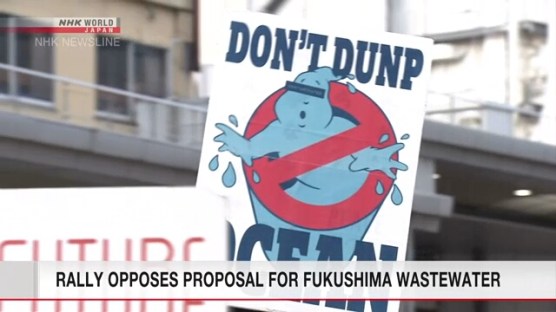
Dozens of young people in Japan’s Fukushima Prefecture have rallied against a government panel’s proposal on how to dispose of radioactive wastewater stored at the crippled Daiichi nuclear power plant.
About 50 people, including fisheries workers, marched through Koriyama City on Sunday.
The demonstration was organized by a group of Fukushima residents in their 20s and 30s, who said detrimental rumors about the prefecture may circulate if the wastewater is disposed of improperly.
Group representative Sato Taiga said a survey shows that most respondents do not know about the issue. He added that he hopes the group’s activities will raise awareness among people, including the younger generation.
Water used to cool molten nuclear fuel from the 2011 accident at the plant has most of the radioactive materials removed before being stored in tanks. But the treated water still contains tritium and some other radioactive substances.
The amount stored has reached some 1.2 million tons. The plant’s operator, Tokyo Electric Power Company, expects to reach capacity around the summer of 2022.
In February, a government panel compiled a report that says a realistic solution is releasing the wastewater into the sea or air after diluting it in compliance with environmental and other standards.
The government is in the process of hearing opinions from local governments and relevant organizations before making its final decision on how to dispose of the treated water.
Video Testimonies from Fukushima in 7 Languages: “We want to protect the ocean of Fukushima, for the future of the fishing industry”
July 11, 2020
Peace Boat has cooperated with the environmental NGO Friends of the Earth Japan (FoE Japan) to launch the next in their series of video testimonies of the current situation in Fukushima in various languages.
Nine years have passed since the Fukushima Nuclear Power Plant Disaster, and the damage continues to be incurred. Although this disaster is still ongoing, efforts are made to render this invisible. FoE Japan has conducted video interviews with evacuees, dairy farmers, fishermen and other community members in order to make the ongoing impacts more known as part of the “Fukushima Mieruka Project.”
The next multilingual installment in this series includes interviews with fishermen from Fukushima, who have been pushed back and forth by the policies of the Japanese Government and TEPCO, and who hold great concerns for their future. These are being released simultaneously in English, French, Spanish, Chinese (simplified and traditional), Korean and German, as well as Japanese.
The fishermen interviewed told us that they are still struggling to sell their fish due to the impacts of the nuclear accident. They are working to restore confidence step by step, by conducting efforts such as test operations and radiation monitoring themselves. However, the Japanese Government and TEPCO have launched a plan to discharge large amounts of radioactive contaminated materials generated at the Fukushima Daiichi nuclear power plant, including tritium, into the ocean.
“From now, our worry is the problems for successors. If an unexpected fish is found in the future, the young generation will really suffer, those in the fishing industry. Really. It’s a life-or-death matter.”
Please listen to the voices of concern and anger of the Fukushima fishermen (12mins 31 sec).
https://www.youtube.com/watch?v=zSVu_52u7z8&feature=emb_logo
Click on the name of each language to watch the clip on Youtube:
- English
- French
- Korean
- Chinese (traditional)
- Chinese (simplified)
- German
- Japanese
- Spanish (coming soon)
See here for a Q&A of more information on Japanese government plans to release contaminated water into the ocean here.
Sign the petition demanding that contaminated water being stored at the Fukushima Daiichi Nuclear Power Station NOT be discharged into the sea, and instead stored on land and solidified via change.org here
Regulator demands TEPCO clarify responsibilities
July 10, 2020
Japan’s nuclear regulator has demanded Tokyo Electric Power Company clarify the responsibilities of its president in the event of a nuclear accident.
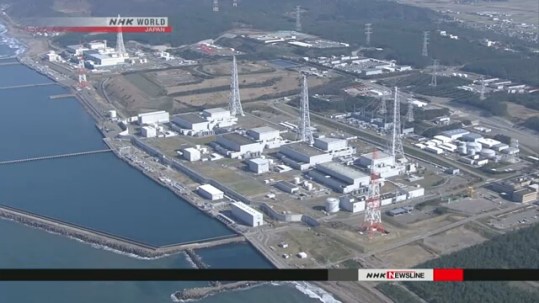
Three years ago, the Nuclear Regulation Authority endorsed safety measures at TEPCO’s two nuclear reactors at the Kashiwazaki-Kariwa plant in Niigata Prefecture.
The regulator then requested that the company lay out its policies for preventing another nuclear accident in the plant security rulebook. The company had several years earlier been at the heart of the 2011 Fukushima Daiichi nuclear disaster.
On Thursday, TEPCO officials told the regulator that they would include a clause stipulating that the president be quickly informed of any risk with the potential to lead to an accident. The clause also stipulates that the president address the issue, regardless of whether the risk has been confirmed or not.
The officials also said records related to such issues would be kept for five years.
But the regulation authority says the storage period should be longer. It also says the responsibilities of the president should be laid out more specifically.
They are also demanding written opinions from law experts on the matter. Tokyo Electric says it will reconsider these measures.
Regulators want TEPCO to be as specific in its safety measures as possible, after the company rejected a report warning of the possible impact of a massive tsunami before the 2011 Fukushima Daiichi nuclear disaster.
1 This Month

of the week – Shut Down Drone Warfare!


Tell the Ukrainian Government to Drop Prosecution of Peace Activist Yurii Sheliazhenko

Petition to revoke the licensing of the Near Surface Nuclear Disposal Facility (NSDF) at Chalk River. https://www.ourcommons.ca/petitions/en/Petition/Details?Petition=e-7247
To see nuclear-related stories in greater depth and intensity – go to https://nuclearinformation.wordpress.com
-
Archives
- April 2026 (44)
- March 2026 (251)
- February 2026 (268)
- January 2026 (308)
- December 2025 (358)
- November 2025 (359)
- October 2025 (376)
- September 2025 (257)
- August 2025 (319)
- July 2025 (230)
- June 2025 (348)
- May 2025 (261)
-
Categories
- 1
- 1 NUCLEAR ISSUES
- business and costs
- climate change
- culture and arts
- ENERGY
- environment
- health
- history
- indigenous issues
- Legal
- marketing of nuclear
- media
- opposition to nuclear
- PERSONAL STORIES
- politics
- politics international
- Religion and ethics
- safety
- secrets,lies and civil liberties
- spinbuster
- technology
- Uranium
- wastes
- weapons and war
- Women
- 2 WORLD
- ACTION
- AFRICA
- Atrocities
- AUSTRALIA
- Christina's notes
- Christina's themes
- culture and arts
- Events
- Fuk 2022
- Fuk 2023
- Fukushima 2017
- Fukushima 2018
- fukushima 2019
- Fukushima 2020
- Fukushima 2021
- general
- global warming
- Humour (God we need it)
- Nuclear
- RARE EARTHS
- Reference
- resources – print
- Resources -audiovicual
- Weekly Newsletter
- World
- World Nuclear
- YouTube
-
RSS
Entries RSS
Comments RSS
 nuclear-news