Niigata governor Ryuichi Yoneyama stands firm against restart of Kashiwazaki-Kariwa plant

Ryuichi Yoneyama, governor of Niigata Prefecture, poses for a photograph in Tokyo on Jan. 23.
The man blocking the world’s largest nuclear plant says he grew opposed to atomic energy the same way some people fall in love.
Previously an advocate for nuclear power, Ryuichi Yoneyama campaigned against the restart of the facility as part of his successful gubernatorial race last year in Niigata Prefecture.
He attributes his political U-turn to the “unresolved” 2011 disaster at the Fukushima No. 1 nuclear power plant and the lack of preparedness at the larger facility in his own prefecture, both owned by Tokyo Electric Power Company Holdings Inc.
“Changing my opinion wasn’t an instant realization,” Yoneyama said in an interview. “It was gradual. As people say, you don’t know the exact moment you’ve fallen in love.”
Yoneyama won’t support the restart of the Kashiwazaki-Kariwa plant in Niigata Prefecture until an investigation is complete into the chain of events that resulted in the triple meltdown at Fukushima No. 1, which he visited Wednesday. While utilities don’t need approval from local authorities to restart plants, power companies are tradition-bound not to move ahead until they get their consent.
Yoneyama, a 49-year-old doctor and native of Niigata, is one of the highest-profile local opponents pitted against a political establishment led by Prime Minister Shinzo Abe. The establishment sees nuclear power as crucial for the country’s long-term energy security and environmental goals.
Regulations and public opinion are keeping nearly all of Japan’s atomic stations shut almost six years after the meltdowns at Fukushima, where the search has barely begun for fuel that burned through to the bottom of the reactors.
“If the local governor remains firmly opposed to the restart, it will be very difficult for the reactors to come back online,” said James Taverner, an analyst at IHS Markit Ltd. “In addition to the local government, building the support and trust of local residents is key.”
A Kyodo News poll on the day of Yoneyama’s October election showed about 64 percent of Niigata voters opposed the restart of Kashiwazaki-Kariwa, known popularly as KK. The restart of the facility was one of the key issues in the race to replace Gov. Hirohiko Izumida, who was famous for his tough stance against Tepco. He unexpectedly announced in August that he wouldn’t seek a fourth term.
To the residents of the prefecture, Yoneyama was the candidate who would make nuclear safety a priority, while his main opponent gave off the vibe that he was a member of the reactor restarts camp, the former governor said by email.
In last year’s gubernatorial race in Kagoshima Prefecture, where Kyushu Electric Power Co. operates the Sendai nuclear plant, a three-term incumbent was defeated by an opponent campaigning to temporarily close the reactors. A district court last year barred Kansai Electric Power Co. from running two reactors at its Takahama station in Fukui Prefecture only weeks after they’d been turned back on.
Yoneyama supported bringing back online Japan’s reactors during his unsuccessful bid in 2012 for a seat in the Lower House. The country was being forced to spend more on fossil fuel imports after the disaster, so restarting the plants was needed to help the economy recover, he said at the time.
Though Yoneyama’s position switch helped secure his first electoral victory after four failed campaigns for the Diet, nuclear opponents see him driven by more than political opportunism.
“I had my reservations about Yoneyama,” said Takehiko Igarashi, an official at the Niigata division of the anti-nuclear group Nakusou Genpatsu. “But after he was vetted and endorsed by the Japanese Communist Party and other smaller parties that have an anti-nuclear slant, I knew that I could trust him.”
Tepco and Abe’s government see restarting KK as one way for Japan’s biggest utility to boost profits and help manage its nearly ¥16 trillion ($139 billion) share of the Fukushima cleanup. Resuming reactors 6 and 7 will boost annual profits by as much as ¥240 billion, the utility has said.
The economic argument, however, is beginning to hold less sway, with Yoneyama saying the benefits to the local economy are “overstated.” While the prefecture risks missing out on ¥1.1 billion a year in government support without the restarts, that represents a small slice of the prefecture’s budget, which tops ¥1 trillion, according to Yoneyama.
Abe, a strong backer of nuclear power, leads a government aiming for nuclear to account for as much as 22 percent of the energy mix by 2030, compared with a little more than 1 percent now.
While restart opponents like Yoneyama demand the government guarantee the safety of the reactors, they’ve also criticized the evacuation and emergency response plans as inadequate.
In his first meeting with Tepco executives since taking office, Yoneyama earlier this month told Chairman Fumio Sudo and President Naomi Hirose that he won’t support KK’s restart until a new evacuation plan is drawn up using the results of a Fukushima investigation. Tepco will fully cooperate with the probe and stay in communication with the governor, the company said in response to a request for comment.
“Once I realized that the Fukushima disaster couldn’t be easily resolved, of course my opinion changed,” Yoneyama said. “If another accident occurs, overseas tourism will become a distant dream. Even Japanese may flee the country.”
Fukushima Daiichi: Why It’s So Hard To Clean Up
From December 20, 2013, but this video made by Arnie Gundersen and his Fairwinds team gives us useful info for decades to come.
I completely agree with my friend Kitty, I could not have said it better that in her own words:
“I remember when Arnie started publishing and appearing on TV about Fukushima. Arnie Gundersen quickly won me over with his objective and detailed description of the situation. We would be very in the dark if it were not for Arnie Gundersen, Maggie Gundersen and others.
Many nuclear power plants are shutting down because of their and others, primary reporting of the ongoing Fukushima Catastrophe. Many nuclear projects discontinued. More time on earth for us and our children. Maybe some help and solace to nuclear victims and refugees everywhere.
What Arnie said in the video about why Fukushima is so hard to cleanup, is because of the groundwater. there must be enough of the groundwater and debris out of reactor two, to get a good picture now. Tepco should be doing everything it can to keep groundwater put. this includes building a dike and wall as Arnie says.”
Thank you Arnie Gundersen, thank you Maggie Gundersen, thank you Fairwinds for all the good work you did over the past years and still are doing, very much appreciated by many people in many countries.
In this, the fourth installment in their short film series, from December 2013, Fairewinds Energy Education’s Arnie Gundersen responds to questions they have received about cleanup at Fukushima Daiichi. Please consider supporting their work, so they can continue to bring us the truth about nuclear power.
http://www.fairewinds.org/nuclear-energy-education/fukushima-daiichi-hard-clean?rq=elephant
Footage points to difficulty in removing possible melted fuel at Fukushima plant

The footage released on Jan. 30 by Tokyo Electric Power Co. (TEPCO) showing what could be melted fuel inside the No. 2 reactor at the disaster-stricken Fukushima No. 1 Nuclear Power Plant has highlighted the difficulty of salvaging the object, which is apparently stuck to footholds and other equipment at the facility.
TEPCO took the footage as part of its in-house probe into the No. 2 reactor and found that black and brown sediments — possible melted fuel — are stuck inside the reactor’s containment vessel over an extensive area.
“If what was captured in the footage was melted fuel, that would provide a major step forward toward trying our hand at unprecedented decommissioning work,” said Yoshiyuki Ishizaki, head of TEPCO’s Fukushima Revitalization Headquarters, during a press conference in the city of Fukushima on Jan. 30. “The finding may provide a major clue to future work to retrieve the object,” he added.
At the time of the March 2011 meltdowns at the plant, there were 548 nuclear fuel rods totaling some 164 metric tons inside the No. 2 reactor, but they apparently melted down after the loss of power sources for the core cooling system, with part of the melted fuel penetrating through the pressure vessel before cooling down at the bottom of the containment vessel. The temperature of the reactor core topped 2,000 degrees Celsius at the time of the accident, melting metals including nuclear fuel inside the reactor.
The melted fuel has since come in contact with underground water flowing from the mountain side, generating radioactively contaminated water every day. In order to dismantle the reactor, it is necessary to take out the melted fuel, but high radiation levels inside the reactor had hampered work to locate the melted debris.
On Jan. 30, apart from the footage, TEPCO also released 11 pictures taken inside the No. 2 reactor. The images show the sediments in question stuck to metal grate footholds and water is dripping from the ceiling. Further analysis of those images may provide information on the current status of the disaster and positional clues to decommissioning work.
The in-house probe, however, has only focused on the No. 2 reactor, and there is no prospect of similar probes into the No. 1 and No. 3 reactors starting anytime soon as they were severely damaged by hydrogen explosions following the 2011 meltdowns.
In April 2015, TEPCO introduced a remote-controlled robot into the No. 1 reactor by way of a through hole in its containment vessel, but the device failed to locate melted fuel inside due to high radiation levels. While the utility is planning to send a different type of robot into the No. 1 reactor this coming spring, it would be difficult to carry out a survey similar to that conducted at the No. 2 reactor, as radiation levels are high around the through hole in the No. 1 reactor’s containment vessel, from which a device could access to right below the No. 1 reactor.
The No. 3 reactor, meanwhile, holds roughly 6.5-meter-deep contaminated water inside its containment vessel, a far larger volume than that accumulated at the No. 1 and No. 2 reactors. TEPCO has thus been developing a robot that can wade through water.
http://mainichi.jp/english/articles/20170131/p2a/00m/0na/007000c
Possible nuclear fuel find raises hopes of Fukushima plant breakthrough

Material found below the damaged No 2 reactor at Fukushima nuclear plant, believed to be melted fuel, from footage taken on 30 January.
Operator says it has seen what may be fuel debris beneath badly damaged No 2 reactor, destroyed six years ago in triple meltdown
Hopes have been raised for a breakthrough in the decommissioning of the wrecked Fukushima Daiichi nuclear plant after its operator said it may have discovered melted fuel beneath a reactor, almost six years after the plant suffered a triple meltdown.
Tokyo Electric Power (Tepco) said on Monday that a remote camera appeared to have found the debris beneath the badly damaged No 2 reactor, where radiation levels remain dangerously high. Locating the fuel is the first step towards removing it.
The operator said more analysis would be needed before it could confirm that the images were of melted uranium fuel rods, but confirmed that the lumps were not there before Fukushima Daiichi was hit by a powerful earthquake and tsunami on 11 March 2011.
The tsunami, triggered by a 9.0-magnitude quake, killed more than 18,500 people along the coast of north-east Japan and destroyed the backup power supply at Fukushima Daiichi, triggering the world’s worst nuclear accident since Chernobyl 25 years earlier.
Meltdowns in three of the plant’s six reactors forced about 160,000 people to evacuate and sent plumes of radiation across the Fukushima region. Many of the evacuees are unlikely to return home.
If Tepco can confirm that the black mass comprises melted fuel, it would represent a significant breakthrough in a recovery effort that has been hit by mishaps, the buildup of huge quantities of contaminated water, and soaring costs.
“This is a big step forward as we have got some precious data for the decommissioning process, including removing the fuel debris,” a Tepco official said.
Using a remotely controlled camera attached to the end of a 10.5-metre-long telescopic arm, Tepco technicians located black lumps on wire-mesh grating just below the reactor’s pressure vessel, local media reported.
The company plans to send a scorpion-like robot equipped with cameras, radiation measuring equipment and a temperature gauge into the No 2 reactor containment vessel next month, according to the Asahi Shimbun.
Three previous attempts to use robots to locate melted fuel inside the same reactor ended in failure when the devices were rendered useless by radiation.
Developing the means to remove the fuel – a task Tepco has said will become easier once it can gauge its condition – would be the biggest step forward in the mission to clean up Fukushima Daiichi since the removal of hundreds of spent fuel rods from a damaged reactor building in late 2013.
The delicate, potentially dangerous task of decommissioning the plant has barely begun, however.
Japanese media said last week that plans to remove spent fuel from the No 3 reactor building had been delayed, while decommissioning the entire plant was expected to take at least 40 years.
In December, the government said the estimated cost of decommissioning the plant and decontaminating the surrounding area, as well as paying compensation and storing radioactive waste, had risen to 21.5 trillion yen ($187bn), nearly double an estimate released in 2013.
A government committee estimated that 2.4 trillion yen of the total cost would be passed on to consumers through higher electricity bills.
https://www.theguardian.com/environment/2017/jan/31/possible-nuclear-fuel-find-fukushima-plant
Genetic radiation risks: a neglected topic in the low dose debate.
Abstract
Objectives
To investigate the accuracy and scientific validity of the current very low risk factor for hereditary diseases in humans following exposures to ionizing radiation adopted by the United Nations Scientific Committee on the Effects of Atomic Radiation and the International Commission on Radiological Protection. The value is based on experiments on mice due to reportedly absent effects in the Japanese atomic bomb (Abomb) survivors.
Methods
To review the published evidence for heritable effects after ionising radiation exposures particularly, but not restricted to, populations exposed to contamination from the Chernobyl accident and from atmospheric nuclear test fallout. To make a compilation of findings about early deaths, congenital malformations, Down’s syndrome, cancer and other genetic effects observed in humans after the exposure of the parents. To also examine more closely the evidence from the Japanese A-bomb epidemiology and discuss its scientific validity.
Results
Nearly all types of hereditary defects were found at doses as low as one to 10 mSv. We discuss the clash between the current risk model and these observations on the basis of biological mechanism and assumptions about linear relationships between dose and effect in neonatal and foetal epidemiology. The evidence supports a dose response relationship which is non-linear and is either biphasic or supralinear (hogs-back) and largely either saturates or falls above 10 mSv.
Conclusions
We conclude that the current risk model for heritable effects of radiation is unsafe. The dose response relationship is non-linear with the greatest effects at the lowest doses. Using Chernobyl data we derive an excess relative risk for all malformations of 1.0 per 10 mSv cumulative dose. The safety of the Japanese A-bomb epidemiology is argued to be both scientifically and philosophically questionable owing to errors in the choice of control groups, omission of internal exposure effects and assumptions about linear dose response.
Keywords: Congenital malformation, Down´s syndrome, Environmental radioactivity, Internal radiation, Low level effects, Sex-ratio, Still birth
Introduction
The most serious effects of ionizing radiation–hereditary defects in the descendants of exposed parents–had been already detected in the 1920s by Herman Joseph Muller. He exposed fruit flies–drosophila–to X-rays and found malformations and other disorders in the following generations. He concluded from his investigations that low dose exposure, and therefore even natural background radiation, is mutagenic and there is no harmless dose range for heritable effects or for cancer induction. His work was honoured by the Nobel Prize for medicine in 1946. In the 1950s Muller warned about the effects on the human genetic pool caused by the production of low level radioactive contamination from atmospheric tests [1].
The International Commission on Radiological Protection (ICRP) recently decreased its risk estimate for heritable damage in 2007 [2,3]. Its Detriment Adjusted Nominal Risk Coefficient for radiation heritable effects in an exposed population was reduced from the previous 1990 value of 1.3% Sv-1 to 0.2% Sv-1 a greater than 6-fold reduction. The ICRP approach is based on a linear relation between dose and end-point, measured as heritable disease at or before birth. Evidence and arguments which we will present suggest that this linear assumption is invalid and that the ICRP value is unsafe when applied to the chronic low dose internal exposure range.
The belief that heritable consequences of radiation were negligible followed from studies of the Japanese survivors of the atomic bomb (A-bomb) explosions in Hiroshima and Nagasaki in 1945. The American-Japanese Institute in Hiroshima, Atomic Bomb Casualty Commission (ABCC), did not apparently find mutations in the descendants of the survivors. Therefore the ICRP derive its current risk figure from experiments in mice. The result corresponds to the evaluation by the United Nations Scientific Committee on the Effects of Atomic Radiation (UNSCEAR committee) [4].
We will show that the current model for genetic effects of exposure is unsound and we present a more realistic one based on data. We will begin by pointing to some serious problems with the ABCC studies of genetic effects in the A-bomb survivors. These may be classed under four Error Types.
Type 1. The dose response problem. For genetic damage, increasing dose will not linearly increase effects since at high doses there will be sterility or fetal loss [5].
Type 2. The external/internal problem. The dose of interest is the energy delivered to the germ cells and their precursors. This may be much higher for internal radionuclides with affinity for DNA (strontium-90 [Sr-90], barium-140, uranium) [6].
Type 3. The philosophical method problem. If data is interpreted though a particular scientific model, evidence which cannot fit the model will be ignored, dismissed or invisible [7,8].
Type 4. Bias in the analysis of or presentation of data from the ABCC results. There have been a number of serious criticisms of the ABCC and later studies of cancer effects. The genetic studies were criticised by De Bellefeuille [9] who demonstrated the existence of significant genetic effects including sex-ratio and malformations which had been “lost” through the choice of analysis. However, De Bellefeuille’s observations were ignored by the risk agencies. The issue will be returned to in the discussion section.
Together these raise major doubts over the belief, expressed in ICRP103, Appendix B.2.01 [2], that “Radiation induced heritable disease has not been demonstrated in human populations.”
Effects in populations exposed to Chernobyl fallout are excluded by the official committees, which claim that doses are too low to generate statistically observable increases (the philosophical method problem: Error Type 3). This, however, is certainly wrong, because we know from many studies of chromosome aberrations, either that the doses calculated by UNSCEAR are much too low or that there is an enhanced radiobiological effectiveness (RBE) in the type of internal exposures or chronic delivery received by the Chernobyl groups. In other words, the biological or genetic damage from unit internal dose e.g., from a radioactive atom bound to DNA is far greater than for the same dose delivered externally. This is Error Type 2: internal/external problem. The doses upon which the ICRP risks are based, either from humans or mice, are external doses. There are significant issues regarding the equivalence for causing genetic damage of internal and external dose calculations [6]. Internal exposure to uranium by inhalation, for example, has been associated with significantly high genotoxicity resulting in anomalously high excess levels of chromosome damage and birth defects in a number of different groups [10]. Uranium binds to DNA, a fact that has been known since the 1960s [11–13]. Other group II calcium mimics and DNA seekers include the nuclide Sr-90 which causes significant genetic effects [14–17]. All epidemiological studies of radiation and health which define risk factors have been subject of this Error Type 2: external/internal problem, and have generally also defined risk in terms of cumulative integrated equivalent dose, and so real effects have been ignored or dismissed, the Error Type 3: philosophical problem.
Findings in Children Born After the Chernobyl Accident and in Kazakhstan
We previously published findings about fetal deaths, perinatal mortality and congenital malformations (CM) after Chernobyl [18]. Table 1 shows results for CM after Chernobyl. These appeared not only in the area of the exploded reactor but also in Turkey, Bulgaria, Croatia, and Germany. Our criteria for inclusion of this evidence was originally to present only observations which disagreed with the current ICRP/UNSCEAR paradigm but following questions by a reviewer we include discussion of one of the few studies with contemporary data which claims to have shown that there were no measurable heritable effects [19].
Table 1. https://www.ncbi.nlm.nih.gov/pmc/articles/PMC4870760/table/t1-eht-31-e2016001/
Increase of congenital malformations after exposure by the Chernobyl accident
The EUROCAT Europe-wide Study
The study of Dolk and Nichols [19] is widely cited as evidence for no effect. The authors examined Down’s syndrome, neural tube defects (NTD), microcephaly, hydrocephaly, anopthalmos and congenital cataract in 16 EUROCAT registers. There were 231401 births in the areas in 1986. The 16 registries were divided into three groups of high (200 to 800 μSv), medium (97 to 190 μSv) and low (29 to 55 μSv). Three comparison cohort periods were defined as E (conception May 1986), T (conception May 1986 to April 1987 contains E), and C (control: conception May 1987 to April 1989). Authors concluded “no evidence of a generalised detectable increase in the prevalence of congenital anomalies in the first month or first year following Chernobyl.” But the choice of the cohort periods for a study of “heritable effects” is interesting. On the basis of whole body monitoring results, genetic damage to the germ cells from internal exposures will have continued well into the control period C and damage will have been cumulative [44]. We have reanalysed their data for combined NTD hydrocephaly, microcephaly and anopthalmia in all their exposure groups using their periods. A test of T vs. C cohorts showed a significant effect with odds ratio (OR) of 1.20 (95% confidence interval [CI], 1.02 to 1.4; p=0.014). This was apparent in the test of E vs. C though the numbers were smaller. However, there was no increasing monotonic relation between assumed “dose” category and effect and this clearly influenced the authors’ conclusions. This is the common response to the finding of high risks at low doses and represents a good example of the Error Type 1 referred to above. It appears that the results actually show an increased risk if we combine all the exposure levels.
Chernobyl Effects in Belarus
Belarus received most contamination from Chernobyl. A central registry for CM existed from 1979 and rates of CM before and after the Chernobyl accident could thus be compared. A number of studies are listed in Table 1. Comparison of legal abortuses in 1982 to 1985 and 1987 to 1994 showed combined CM increases of 81%, 49%, and 43% in regions of high (>555 kBq/m2), medium (>37 kBq/m2), and low (<37 kBq/m2) contamination, the effect being significant at the 0.05 level in all three [22]. The genetic origin is confirmed in those anomalies which are combined with a recognized mutation that is not present in either of the parents [18].
A study [23] confirmed the CM excess in the Strict Registration of Malformations System finding 86% increase in 1987 to 1996 vs. 1982 to 1985 (high contamination) and 59% (control regions) (p<0.05). The same authors reported significant excess chromosome aberrations of dicentric and centric rings rates of 0.39±0.09% (n=91) in Gomel and Mogilev (>555 kBq/m2) compared with a control region of Minsk, Grodno and Novopolotsk (<37 kBq/m2) (n=118; CM=0.09±0.04) [23].
To 2004 there was no decrease in these rates [45]. The authors think these effects are genetically induced because it is not plausible that doses in pregnant females rose in the period of decreasing environmental contamination and decreasing food contamination after the accident. A Belarussian-Israeli group [46] found the following increased polygenetic disease rates in children of Chernobyl- exposed parents: hematological diseases (6-fold), endocrine diseases (2-fold), diseases of digestive organs (1.7-fold).
A 1994 study compared Gomel (high exposure) with Vitebsk (presumed low exposure) for mortality in children zero to four finding absolute CM rates of 4.1% vs. 3%, respectively [24]. Savchenko [25] writing for the United Nations reported frequency of CM in regions of Gomel between 1982 to 1985 and 1987 to 1989 ranging from 170% in Dobrush to 680% in Chechersk.
Petrova et al. [27] compared two high and two low contaminated regions of Belarus for a number of indicators of pregnancy outcome and child health. For CM, before and after Chernobyl increases for all CM were: Gomel 150%>Mogilev 130%>Brest 120%>Vitebsk 110%, the rank of their contamination levels. Kulakov et al. [26] examined 688 pregnancies and 7000 births in Chechersky (Gomel, Belarus) and Polessky (Kiev, Ukraine). Sharp reductions in birth rates in both regions after Chernobyl were ascribed partly to abortions. High perinatal mortality was ascribed partly to congenital malformations. Incidence increased by a factor of two following the accident for congenital heart disease, esophageal atresia, anencephaly, hydrocephaly and multiple malformations. Total number of neonatal disorders increased in Polessky (Ukraine) from 1983 to 1985 to 1986 to 1990 from 6.81 to 21.32 (313%) and in Chechersky from 5.15 to 10.49 [26].
Chernobyl Effects in Ukraine
The studies by Wertelecki and colleagues [29,30] were valuable for quantifying the effects. The Pripyat region of Ukraine on the border of Belarus was significantly contaminated. Populations are dependent on local produce. Internal contamination was quantified for two groups, a high and lower dose group by whole body monitoring for caesium-137 (Cs-137). In addition, local produce was analysed for both Cs-137 and the DNA seeking Sr-90. The Sr-90/Cs-137 ratio was between 0.5 and two, so Sr-90 (with its DNA affinity and anomalous RBE) represented a significant internal exposure.
Other Reports of Chernobyl Effects on Birth Defects; Soviet Nuclear Test Site
Down´s syndrome as a certain genetic effect increased in several contaminated European countries [18,48]. An example is shown in Figure 1. In West Berlin, which was a kind of closed island at that time, the geneticist Sperling registered a sharp and significant increase in cases exactly nine months after the accident, also in Belarus [49]. UNSCEAR [4,20] dismissed these findings (and similar reports from Scotland and Sweden) on the basis that the doses were “below background.” The EUROCAT combined registry study [19] did not find an increase in Down’s syndrome, neither in the authors’ analysis nor in our reanalysis. Other evidence is presented in Table 1 of increased CM rates after Chernobyl in Germany, Turkey, Croatia and Bulgaria [21,32–37,50].

Congenital effects were found near the former Soviet nuclear test site in Kazakhstan near Semipalatinsk. Sviatova et al. [51] studied CM in three generations of inhabitants, investigating births between 1967 and 1997. They found significantly increased rates of CM combined, including Down’s syndrome, microcephaly and multiple malformations in the same individual.
Hereditary Effects in Children of Exposed Mothers
If a population is exposed, genetic effects will occur in the gonads of mothers as well as of fathers. A German investigation of occupationally exposed females showed a 3.2-fold significant increase in congenital abnormalities, including malformations, in offspring [52]. The authors interpret the effect as generated in utero but do not prove such a connection. In our opinion, this appears to be improbable given the short sensitive phase in pregnancy and the ban on pregnant females working in high risk environments.
The findings confirm early results in the Department of Medical Genetics of Montreal Children’s Hospital where the genetic effects of diagnostic X-rays were investigated [53]. The author observed the offspring of mothers who had been treated in childhood for congenital hip dysplasia since 1925 and were X-rayed for several times in the pelvic region. The ovarian dose was estimated to lie between 60 mSv to 200 mSv. In 201 living births of these females there were 15 individuals with severe malformations and other congenital distortions or Down’s syndrome and 11 cases with other abnormalities (all congenital abnormalities 12.9%) while the control group showed less than half of this rate. The latter was chosen from a large group of descendants where the parents were unexposed siblings of the study group.
Taken together with other evidence from sex-ratio (discussed below) these studies indicate that hereditary effects exist in the children of exposed mothers.
Findings in the Descendants of Occupationally Exposed Men Including Nuclear Test Veterans
Congenital Malformations
Studies in children of exposed men where the mothers were not exposed will show definite hereditary effects. A compilation of results for CM in offspring of exposed fathers is given in Table 2.
Table 2. https://www.ncbi.nlm.nih.gov/pmc/articles/PMC4870760/table/t2-eht-31-e2016001/
Congenital anomalies, especially malformations, in descendants (1st generationa) of occupationally exposed men
The anomalies seen in the descendants of Chernobyl liquidators (Nos. 5-7) also indicate unexpectedly high radiation sensitivity.
Three studies of nuclear test veterans have shown large increases in congenital effects in children and one study has found similar levels of congenital conditions in the grandchildren (Nos. 8-10). The British carried out nuclear weapon tests and activities in Australia (Maralinga) and Christmas Island in the Pacific between 1952 and 1967. More than 20000 young national servicemen and other military personnel were stationed at the test sites. The sites were contaminated with fission fallout and nanoparticles of uranium and plutonium from the weapons, tritium and carbon-14. Urquhart [61] analysed data in children from 1147 veteran families. Two hundred and thirty-three out of them had illnesses or defects (cancer, malformations, mental retardation) that could have a genetic origin: one in five families. They registered a 7:1 rate of abnormal children conceived before the tests vs. those conceived after the tests.
Two further studies of the offspring of a group of veterans have been published. Roff [62] carried out a questionnaire study of members of the British Nuclear Test Veteran Association (BNTVA) and reported excess rates of cardiovascular disorders, spina bifida, hydrocephalus and hip deformities. Busby and de Messieres [63] examined a different sample of the BNTVA, employed controls and compared with the European EUROCAT rates. Based on 605 veteran children and 749 grandchildren compared with 311 control children and 408 control grandchildren there were significant excess levels of miscarriages, stillbirths, infant mortality and congenital illnesses in the veterans’ children relative both to control children and expected numbers. There were 105 miscarriages in veteran’s wives compared with 18 in controls (OR, 2.75; 95% CI, 1.56 to 4.91; p<0.001). There were 16 stillbirths; three in controls (OR, 2.70; 95% CI, 0.73 to 11.72; p=0.13). Perinatal mortality OR was 4.3 (95% CI, 1.22 to 17.9; p=0.01) on 25 deaths in veteran children. Fifty-seven veteran children had congenital conditions vs. three control children (OR, 9.77; 95% CI, 2.92 to 39.3; p<0.001) these rates being also about eight times those expected on the basis of UK EUROCAT data for 1980 to 2000. For grandchildren similar levels of congenital illness were reported with 46 veteran grandchildren compared with three controls (OR, 8.35; 95% CI, 2.48 to 33.8; p<0.001).
Cancer and Leukemia
In 1984, an exceptionally high level of leukaemia cases in children and juveniles was reported in Seascale, near the nuclear reprocessing plant in Sellafield in Cumbria, UK. The authors explained this as a hereditary effect, because the fathers of the patients had worked in the plant [64]. The authorities argued that the doses were too low. The effect, however, had been described in principle already in experimental studies [65], and also after X-ray diagnostic exposures (Table 3). A significant number of other child leukemia and cancer studies have been carried out and are listed in Table 3.
Table 3. https://www.ncbi.nlm.nih.gov/pmc/articles/PMC4870760/table/t3-eht-31-e2016001/
Cancer in children after preconceptional low-dose exposure of parents
The research of Hicks et al. [66] concerned exposed servicemen (Table 3). McKinney et al. [67] found a 3.2-fold increase in leukaemia and lymphomas in children of occupationally exposed men in three British regions in a case-control study.
Sex-ratio and X-linked Lethal Factors
Normally, it is not possible to study how many inseminated oocytes (zygotes) will be aborted after irradiation of the gonadal cells in humans. But it is observed that males who were exposed have fewer daughters than sons i.e., the male/female sex-ratio increases with dose.
Gene mutations may be responsible for the death of the zygote and will also occur in the sex chromosomes where they will predominantly affect the greater X-chromosome which can only be transmitted to a daughter. A dominant lethal factor will then lead to the death of the female zygote. Recessive lethal factors in the X-chromosome are much more frequent than dominant ones [74]. They affect only female births.
An impressive result was obtained in workers of the British nuclear fuel reprocessing plant at Sellafield in West Cumbria [75]. The county sex-ratio was 1055 boys/1000 girls, the normal value. For the children of fathers employed at Sellafield the ratio was 1094. For those with recorded doses greater than 10 mSv in the 90 days preconception period it was 1396, significant at the p<0.01 level. A similar effect was detected in cardiologists, who undertook interventional angiographic procedures involving X-ray exposures [76].
Scherb and Voigt studied different groups of inhabitants in a variety of countries after the Chernobyl accident for hereditary effects and found radiation-induced foetal deaths and early mortality, Down’s syndrome and alterations of the birth sex-ratio. They examined nuclear tests above ground which affected US inhabitants, Chernobyl emissions in Europe, and those living near German and Swiss nuclear plants. Results showed significant reduction in the female birth rate in all these [77,78].
The ABCC studies overall involve all the types of research error listed in the introduction, which we believe is the explanation for the failure to see excess heritable damage. The main problem was choice of controls. The sex-ratio studies were abandoned due to seemingly anomalous effects. De Bellefeuille [9] re-examined the issue in 1961 and found that results were biased by employing sex-ratios of children of parents who had both been exposed. Any effects, being in opposite directions, would therefore cancel out; his re-analysis based on children with only one exposed parent showed a clear effect in the expected direction. Padmanabhan [79] recently re-examined the issue using the original controls (abandoned by ABCC). Using the two not in city (NIC) groups Padmanabhan showed significant sex-ratio effects in the expected directions.
Sex-ratio is a very relevant parameter. It shows that genetic alterations are induced in the germ cells of males by very low doses, and it proves to be a sensitive indicator for exposures of the population.
Atmospheric Weapons test Fallout
The most significant global incident in terms of human exposure has been the atmospheric nuclear testing fallout which peaked between 1959 and 1963. It was this testing which worried Muller [1]. The tests increased the rates of neonatal and infant mortality in the US and the UK [80,81]. An interesting insight comes from a Canadian study of CM during the fallout period. le Vann [82] was concerned to examine the link between congenital malformation and the use of the drug thalidomide. He found that in Alberta there was no relation between the use of thalidomide and congenital birth outcomes but noted a strong association with precipitation; areas with high radioactive fallout had high levels of birth defects. Whilst we are not alleging that thalidomide does not have teratogenic effects, since many females in the le Vann study who never took any drugs gave birth to the typical “thalidomide spectrum” babies it seems that exposure to the fallout may have, as Muller [1] feared, have caused an effect. Ignoring this and the infant mortality findings involved a Error Type 3.
Genetic vs. Genomic, Mendelian vs. In Utero
We have not distinguished between Mendelian genetic effects involving the transfer of specific gene mutations to the offspring and effects consequent upon the operation of genomic instability, whereby the offspring inherit a tendency to apparently increase rates of all mutation above the normal rate for that population [83]. For the purposes of the arguments relating to radiation risk of harmful heritable conditions in the first generation such a discussion is unnecessary but needs to be revisited if multi-generational effects are being discussed. The question of germ cell damage in parents vs. in utero damage to development, though important, seems to us to be beside the point. All these CM effects are caused by mutation of DNA whether in the parental germ cells and precursors or from implantation to birth. Our aim is to assess the genetic risk based on observations. However, from the sex-ratio results it would seem that parental exposure is a dominant cause of radiation induced CM.
How Is It That the ICRP Risk Coefficient Is Wrong?
A reviewer asked us to address this question and to provide a brief account of biological mechanism. We begin with mechanism. The ICRP risk model is based on two big ideas: absorbeddose, which is average energy per unit mass of tissue, and the linear no threshold (LNT) response. For internal exposure to substances like Sr-90 and uranium, which both have high affinity for DNA, the concept of dose is meaningless [loc.cit. 6,10]. For CM as an outcome, it is also clear that the LNT model is unsustainable [5], because as the “dose” is increased from zero there are many blocks to the successful journey from germ cell to infant, the CM end point. Biological plausibility would predict an increase in damage and thus CM at very low dose, followed by a drop in CM due to failure to implant, early miscarriage, abortion. This would result in a saturation or “hogs-back” dose response in the lowest dose region. Only the survivors would make it to be registered as CM. The dose response would look like that in Figure 2 where A is the initial outcome and B is where the foetus dies or there is no implantation. The region C would relate to in utero effects later in gestation. There would be a fall in birth rate associated with region B and C; there usually is. You can see this effect most clearly in the EUROCAT studies where relative risk rises and then falls as dose increases [19]. It is perfectly clear in many other studies. It is clear in in analysis of infant leukemia after Chernobyl in 5 countries shown in Figure 3 [84] and the study of cleft palate in Bavaria [38,39] analysed by Korblein [40].


What Is the Correct Risk Coefficient?
The Chernobyl studies presented in Table 1 may be used to obtain an approximate risk factor for all CM in those exposed to fission spectrum radionuclides as assessed by Cs-137 area contamination. We can employ the data from Wertelecki et al. [30] on internal contamination to assess doses from Cs-137 and Sr- 90. The excess relative risk (ERR) for all CM follows a “hogsback” shaped response and is about 0.5 per mSv at 1 mSv saturating at between 0.1 to 0.2 per mSv at 10 mSv based on cumulative dose as assessed by ICRP models using Cs-137 area contamination as a basis of calculations. This means that the background rate will double or treble up to 10 mSv exposure and thereafter flatten out or fall. But it also results in a 50% excess risk at doses as low as 1 mSv. This ERR and dose response model accommodates all the observational data from Chernobyl and also elsewhere. We must make it clear that this model is for mixed internal and external exposure to fission product contamination doses as employed by UN agencies and may not necessarily apply to pure external exposures (e.g., X-rays, gamma- rays). However, it should be noted that Stewart’s finding of a 40% excess risk of childhood leukemia after a 10 mSv obstetric X-ray dose [71] is comparable with what is found at these higher doses in this review.
Conclusion
Genetically induced malformations, cancers, and numerous other health effects in the children of populations who were exposed to low doses of ionizing radiation have been unequivocally demonstrated in scientific investigations. Using data from Chernobyl effects we find a new ERR for CM of 0.5 per mSv at 1 mSv falling to 0.1 per mSv at 10 mSv exposure and thereafter remaining roughly constant. This is for mixed fission products as defined though external exposure to Cs-137. Results show that current radiation risk models fail to predict or explain the many observations and should be abandoned. Further research and analysis of previous data is suggested, but prior assumptions of linear dose response, assumptions that internal exposures can be modelled using external risk factors, that chronic and acute exposures give comparable risks and finally dependence on interpretations of the high dose ABCC studies are all seen to be unsafe procedures.
Acknowledgments
We are grateful to Marvin Resnikoff and Rick Haaker for running the Microshield program for dose rates over contaminated areas.
Footnotes
The authors have no conflicts of interest associated with material presented in this paper.
References
1. Muller HJ. Radiation damage to the genetic material. Am Sci. 1950;38(1):33–59. [PubMed]
2. International Commission on Radiological Protection The 2007 recommendations of the International Commission on Radiological Protection. 2007 [cited 2016 Jan 28]. Available from: http://www.icrp.org/publication.asp?id=ICRP%20Publication%20103.
3. International Commission on Radiological Protection 1990 Recommendations of the International Commission on Radiological Protection. 1991 [cited 2016 Jan 28]. Available from: http://www.icrp.org/publication.asp?id=icrp%20publication%2060.
4. United Nations Scientific Committee on the Effects of Atomic Radiation (UNSCEAR) UNSCEAR 2001 report: hereditary effects of radiation. 1991 [cited 2016 Jan 28]. Available from: http://www.unscear.org/unscear/en/publications/2001.html.
5. Doll R. Hazards of the first nine months: an epidemiologist’s nightmare. J Ir Med Assoc. 1973;66(5):117–126. [PubMed]
6. Busby C. Aspects of DNA damage from internal radionuclides. 2013 [cited 2016 Jan 28]. Available from: http://www.intechopen.com/books/new-research-directions-in-dna-repair/aspects-ofdna-damage-from-internal-radionuclides.
7. Platt JR. Strong inference: certain systematic methods of scientific thinking may produce much more rapid progress than others. Science. 1964;146(3642):347–353. [PubMed]
8. Feyerabend P. Against method. 4th ed. London: Verso; 2010. pp. 13–48.
9. De Bellefeuille P. Genetic hazards of radiation to man. I. Acta Radiol. 1961;56:65–80. [PubMed]
10. Busby C. Uranium epidemiology. Jacobs J Epidemiol Prev Med. 2015;1(2):009.
11. Huxley HE, Zubay G. Preferential staining of nucleic acid-containing structures for electron microscopy. J Biophys Biochem Cytol. 1961;11:273–296. [PMC free article] [PubMed]
12. Constantinescu DG, Hatieganu E. Metachromasia through uranyl ions: a procedure for identifying the nucleic acids and the nucleotides. Anal Biochem. 1974;62(2):584–587. [PubMed]
13. Nielsen PE, Hiort C, Sonnichsen SH, Buchardt O, Dahl O, Norden B. DNA binding and photocleavage by uranyl(VI)(UO22+) salts. J Am Chem Soc. 1992;114(13):4967–4975.
14. Luning KG, Frolen H, Nelson A, Ronnback C. Genetic effects of strontium-90 injected into male mice. Nature. 1963;197:304–305. [PubMed]
15. Ehrenberg L, Eriksson G. The dose dependence of mutation rates in the rad range, in the light of experiments with higher plants. Acta Radiol Diagn (Stockh) 1966;Suppl 254:73–78. [PubMed]
16. Stokke T, Oftedal P, Pappas A. Effects of small doses of radioactive strontium on the rat bone marrow. Acta Radiol Ther Phys Biol. 1968;7(5):321–329. [PubMed]
17. Smirnova EI, Lyaginskaya AM. Effects of small doses of radioactive strontium on the rat bone marrow. In: Moskalev YI, Idz Y, editors. Radioactive isotopes and the body. Moscow: Izdatel’stvo Meditsina; 1969. p. 348. (Russian)
18. Busby C, Lengfelder E, Pflugbeil S, Schmitz-Feuerhake I. The evidence of radiation effects in embryos and fetuses exposed to Chernobyl fallout and the question of dose response. Med Confl Surviv. 2009;25(1):20–40. [PubMed]
19. Dolk H, Nichols R. Evaluation of the impact of Chernobyl on the prevalence of congenital anomalies in 16 regions of Europe. Int J Epidemiol. 1999;228(5):941–948. [PubMed]
20. United Nations Scientific Committee on the Effects of Atomic Radiation UNSCEAR 2006 report vol. I: effects of ionizing radiation. [cited 2016 Jan 28]. Available from: http://www.unscear.org/unscear/en/publications/2006_1.html.
21. Hoffmann W. Fallout from the Chernobyl nuclear disaster and congenital malformations in Europe. Arch Environ Health. 2001;56(6):478–484. [PubMed]
22. Lazjuk GI, Nikolaev DL, Novikova IV. Changes in registered congenital anomalies in the Republic of Belarus after the Chernobyl accident. Stem Cells. 1997;2:255–260. [PubMed]
23. Feshchenko SP, Schröder HC, Müller WE, Lazjuk GI. Congenital malformations among newborns and developmental abnormalities among human embryos in Belarus after Chernobyl accident. Cell Mol Biol (Noisy-le-grand) 2002;48(4):423–426. [PubMed]
24. Bogdanovich IP. Medicobiological effects and the ways of overcoming the Chernobyl accident consequence. Minsk-Vitebsk: Ministry of Emergency and Chernobyl Problems of Belarus and Academy of Sciences of Belarus; 1997. Comparative analysis of the death rate of children, aged 0-5, in 1994 in radiocontaminated and conventionally clean areas of Belarus; p. 4. (Russian)
25. Savchenko VK. The ecology of the Chernobyl catastrophe: scientific outlines of an International Programme of Collaborative Research. Paris: United Nations Educational Scientific and Organisation; 1995. p. 83.
26. Kulakov VI, Sokur TN, Volobuev AI, Tzibulskaya IS, Malisheva VA, Zikin BI, et al. Female reproductive function in areas affected by radiation after the Chernobyl power station accident. Environ Health Perspect. 1993;2:117–123. [PMC free article] [PubMed]
27. Petrova A, Gnedko T, Maistrova I, Zafranskaya M, Dainiak N. Morbidity in a large cohort study of children born to mothers exposed to radiation from Chernobyl. Stem Cells. 1997;2:141–150. [PubMed]
28. Shidlovskii PR. General morbidity of the population in districts of the Brest region. Zdravoohranenie Belorussii (Minsk) 1992;1:8–11. (Russian)
29. Wertelecki W. Malformations in a Chernobyl-impacted region. Pediatrics. 2010;125(4):e836–e843. [PubMed]
30. Wertelecki W, Yevtushok L, Zymak-Zakutnia N, Wang B, Sosyniuk Z, Lapchenko S, et al. Blastopathies and microcephaly in a Chernobyl- impacted region of Ukraine. Congenit Anom (Kyoto) 2014;54(3):125–149. [PMC free article] [PubMed]
31. Godlevsky I, Nasvit O. Dynamics of health status of residents in the Lugyny district after the accident of the ChNPS. In: Imanaka T, editor. Research activities about the radiological consequences of the Chernobyl NPS accident and social activities to assist the sufferers by the accident. Osaka: Kyoto University Research Reactor Institute; 1998. pp. 149–156.
32. Akar N, Ata Y, Aytekin AF. Neural tube defects and Chernobyl? Paediatr Perinat Epidemiol. 1989;3(1):102–103. [PubMed]
33. Caglayan S, Kayhan B, Menteşoğlu S, Aksit S. Changing incidence of neural tube defects in Aegean Turkey. Paediatr Perinat Epidemiol. 1989;3(1):62–65. [PubMed]
34. Güvenc H, Uslu MA, Güvenc M, Ozekici U, Kocabay K, Bektaş S. Changing trend of neural tube defects in eastern Turkey. J Epidemiol Community Health. 1993;47(1):40–41. [PMC free article] [PubMed]
35. Mocan H, Bozkaya H, Mocan MZ, Furtun EM. Changing incidence of anencephaly in the eastern Black Sea region of Turkey and Chernobyl. Paediatr Perinat Epidemiol. 1990;4(3):264–268. [PubMed]
36. Moumdjiev N, Nedkova V, Christova V, Kostova S. Influence of the Chernobyl reactor accident on the child health in the region of Pleven, Bulgaria. International Pediatric Association. Excerpts from the 20th International Congress of Pediatrics; 1992 Sep 5-10; Rio de Janeiro, Brazil. Vevey: Nestlé Nutrition Services. 1992:57.
37. Kruslin B, Jukić S, Kos M, Simić G, Cviko A. Congenital anomalies of the central nervous system at autopsy in Croatia in the period before and after the Chernobyl accident. Acta Med Croatica. 1998;52(2):103–107. [PubMed]
38. Zieglowski V, Hemprich A. Facial cleft birth rate in former East Germany before and after the reactor accident in Chernobyl. Mund Kiefer Gesichtschir. 1999;3(4):195–199. (German) [PubMed]
39. Scherb H, Weigelt E. Cleft lip and cleft palate birth rate in Bavaria before and after the Chernobyl nuclear power plant accident. Mund Kiefer Gesichtschir. 2004;8(2):106–110. (German) [PubMed]
40. Korblein A. Abnormalities in Bavaria after Chernobyl. Strahlentelex. 2004;417:4–6. (German)
41. Government of Berlin West. Section of Health and Social Affairs . Annual health report. Berlin: Government of Berlin West; 1987. (German)
42. Lotz B, Haerting J, Schulze E. Changes in fetal and childhood autopsies in the region of Jena after the Chernobyl accident. 1996 [cited 2016 Jan 28]. Available from: http://www.meb.uni-bonn.de/gmds/abstracts/0095e.html (German)
43. Eckerman KF, Ryman JC. Federal guidance report 12: external exposure to radionuclides in air, water and soil. 1993 [cited 2016 Feb 20]. Available from: https://crpk.ornl.gov/documents/fgr12.pdf.
44. Busby C, Cato MS. Increases in leukemia in infants in Wales and Scotland following Chernobyl: evidence for errors in statutory risk estimates. Energy Environ. 2000;11(2):127–139.
45. Yablokov AV, Nesterenko VB, Nesterenko AV. Chernobyl– consequences of the Catastrophe for people and the environment. 2009 [cited 2016 Feb 20]. Available from: http://www.strahlentelex.de/Yablokov_Chernobyl_book.pdf. [PubMed]
46. Lomat L, Galburt G, Quastel MR, Polyakov S, Okeanov A, Rozin S. Incidence of childhood disease in Belarus associated with the Chernobyl accident. Environ Health Perspect. 1997;6:1529–1532. [PMC free article] [PubMed]
47. Scherb H, Sperling K. Today’s lessons from the Chernobyl accident. Naturwiss Rundsch. 2011;64(5):229–239. (German)
48. Sperling K, Neitzel H, Scherb H. Evidence for an increase in trisomy 21 (Down syndrome) in Europe after the Chernobyl reactor accident. Genet Epidemiol. 2012;36(1):48–55. [PubMed]
49. Zatsepin IO, Verger P, Gagniere B, Khmel RD, Belarus Institute for Hereditary Diseases Cluster of Down’s syndrome cases registered in January 1987 in Republic of Belarus as a possible effect of the Chernobyl accident. Int J Radiat Med. 2004;6(1-4):57–71.
50. Akar N. Further notes on neural tube defects and Chernobyl. Pediatr Perinatal Epidemiol. 1994;8:456–457. [PubMed]
51. Sviatova GS, Abil’dinova GZh, Berezina GM. Frequency, dynamics, and structure of congenital malformations in populations under longterm exposure to ionizing radiation. Genetika. 2001;37(12):1696–1704. (Russian) [PubMed]
52. Wiesel A, Spix C, Mergenthaler A, Queisser-Luft A. Maternal occupational exposure to ionizing radiation and birth defects. Radiat Environ Biophys. 2011;50(2):325–328. [PubMed]
53. Cox DW. An investigation of possible genetic damage in the offspring of women receiving multiple diagnostic pelvic X rays. Am J Hum Genet. 1964;16:214–230. [PMC free article] [PubMed]
54. Macht SH, Lawrence PS. National survey of congenital malformations resulting from exposure to roentgen radiation. Am J Roentgenol Radium Ther Nucl Med. 1955;73(3):442–466. [PubMed]
55. Sever LE, Gilbert ES, Hessol NA, McIntyre JM. A case-control study of congenital malformations and occupational exposure to low-level ionizing radiation. Am J Epidemiol. 1988;127(2):226–242. [PubMed]
56. Parker L, Pearce MS, Dickinson HO, Aitkin M, Craft AW. Stillbirths among offspring of male radiation workers at Sellafield nuclear reprocessing plant. Lancet. 1999;354(9188):1407–1414. [PubMed]
57. Shakhatreh FM. Reproductive health of male radiographers. Saudi Med J. 2001;22(2):150–152. [PubMed]
58. Tsyb AF, Souchkevitch GN, Lyasko LI, Artamonova YZ, Navolokin VV, Raykina LG. General characterization of health in first-generation offspring born to liquidators of the Chernobyl NPP accident consequences. Int J Radiat Med. 2004
59. Matveenko EG, Borovykova MP, Davydow GA. Physical characteristics and primary morbidity in liquidator´s children. In: Yablokov AV, Busby C, editors. Chernobyl 20 years after. Aberystwyth: Green Audit Books; 2006. pp. 176–179.
60. Liaginskaia AM, Tukov AR, Osipov VA, Ermalitskiĭ AP, Prokhorova ON. Congenital malformations among offspring of the liquidators of the consequences from Chernobyl accident. Radiats Biol Radioecol. 2009;49(6):694–702. (Russian) [PubMed]
61. Urquhart J. New Evaluation of Radiation Risk, International Conference of the Society for Radiation Protection. Bremen: Gesellschaft fur Strahlenschutz; 1992. Radiation exposure and subsequent health history of veterans and their children; pp. 209–216. (German)
62. Roff SR. Mortality and morbidity of members of the British Nuclear Tests Veterans Association and the New Zealand Nuclear Tests Veterans Association and their families. Med Confl Surviv. 1999;15 Supple 1:i-ix, 1-51. [PubMed]
63. Busby C, de Messieres ME. Miscarriages and congenital conditions in offspring of veterans of the British Nuclear Atmospheric Test Programme. Epidemiology (Sunnyvale) 2014;4:172.
64. Gardner MJ, Snee MP, Hall AJ, Powell CA, Downes S, Terrell JD. Results of case-control study of leukaemia and lymphoma among young people near Sellafield nuclear plant in West Cumbria. BMJ. 1990;300(6722):423–429. [PMC free article] [PubMed]
65. Nomura T. Parental exposure to x rays and chemicals induces heritable tumours and anomalies in mice. Nature. 1982;296(5857):575–577. [PubMed]
66. Hicks N, Zack M, Caldwell GG, Fernbach DJ, Falletta JM. Childhood cancer and occupational radiation exposure in parents. Cancer. 1984;53(8):1637–1643. [PubMed]
67. McKinney PA, Alexander FE, Cartwright RA, Parker L. Parental occupations of children with leukaemia in west Cumbria, north Humberside, and Gateshead. BMJ. 1991;302(6778):681–687. [PMC free article] [PubMed]
68. Graham S, Levin ML, Lilienfeld AM, Schuman LM, Gibson R, Dowd JE, et al. Preconception, intrauterine, and postnatal irradiation as related to leukemia. Natl Cancer Inst Monogr. 1966;19:347–371. [PubMed]
69. Shu XO, Gao YT, Brinton LA, Linet MS, Tu JT, Zheng W, et al. A population-based case-control study of childhood leukemia in Shanghai. Cancer. 1988;62(3):635–644. [PubMed]
70. Shu XO, Reaman GH, Lampkin B, Sather HN, Pendergrass TW, Robison LL. Association of paternal diagnostic X-ray exposure with risk of infant leukemia. Investigators of the Childrens Cancer Group. Cancer Epidemiol Biomarkers Prev. 1994;3(8):645–653. [PubMed]
71. Stewart A, Webb J, Hewitt D. A survey of childhood malignancies. Br Med J. 1958;1(5086):1495–1508. [PMC free article] [PubMed]
72. Natarajan N, Bross ID. Preconception radiation and leukemia. J Med. 1973;4(5):276–281. [PubMed]
73. Shiono PH, Chung CS, Myrianthopoulos NC. Preconception radiation, intrauterine diagnostic radiation, and childhood neoplasia. J Natl Cancer Inst. 1980;65(4):681–686. [PubMed]
74. Vogel F, Rohrborn G, Schleiermeyer E. Radiation genetics in mammals. Stuttgart: Verlag; 1969. (German)
75. Dickinson HO, Parker L, Binks K, Wakeford R, Smith J. The sex ratio of children in relation to paternal preconceptional radiation dose: a study in Cumbria, northern England. J Epidemiol Community Health. 1996;50(6):645–652. [PMC free article] [PubMed]
76. Choi JW, Mehrotra P, Macdonald LA, Klein LW, Linsky NM, Smith AM, et al. Sex proportion of offspring and exposure to radiation in male invasive cardiologists. Proc (Bayl Univ Med Cent) 2007;20(3):231–234. [PMC free article] [PubMed]
77. Scherb H, Voigt K. Trends in the human sex odds at birth in Europe and the Chernobyl Nuclear Power Plant accident. Reprod Toxicol. 2007;23(4):593–599. [PubMed]
78. Scherb H, Voigt K. The human sex odds at birth after the atmospheric atomic bomb tests, after Chernobyl, and in the vicinity of nuclear facilities. Environ Sci Pollut Res Int. 2011;18(5):697–707. [PubMed]
79. Padmanabhan VT. Sex ratio in A-bomb survivors. Evidence of radiation induced X-linked lethal mutations. In: Busby C, Busby J, Rietuma D, de Messieres M, editors. Fukushima and health: what to expect. Proceedings of the 3rd International Conference for the European Committee on Radiation Risk; 2009 May 5-6; Lesvos, Greece. Aberystwyth: Green Audit; 2012. pp. 273–304.
80. Sternglass EJ. Environmental radiation and human health. In: LeCam LM, Neyman J, Scott EL, editors. Proceedings of the Sixth Berkeley Symposium on Mathematical Statistics and Probability; 1971 Jul 19-22; Berkeley, CA, USA. Berkeley: University of Calififornia Press; 1971. pp. 145–221.
81. Whyte RK. First day neonatal mortality since 1935: re-examination of the Cross hypothesis. BMJ. 1992;304(6823):343–346. [PMC free article] [PubMed]
82. le Vann LJ. Congenital abnormalities in children born in Alberta during 1961: a survey and a hypothesis. Can Med Assoc J. 1963;89(3):120–126. [PMC free article] [PubMed]
83. Baverstock K, Belyakov OV. Some important questions connected with non-targeted effects. Mutat Res. 2010 [PubMed]
84. Busby CC. Very low dose fetal exposure to Chernobyl contamination resulted in increases in infant leukemia in Europe and raises questions about current radiation risk models. Int J Environ Res Public Health. 2009;6(12):3105–3114. [PMC free article] [PubMed]
Thousands Who Left Fukushima Face Hardship

Noriko Matsumoto who fled with her children from Japan’s Fukushima prefecture after the nuclear disaster, cries during a news conference in Tokyo, Jan. 17, 2017.
Nearly six years after Noriko Matsumoto and her children fled Japan’s Fukushima area, they face a new possible hardship: cuts to government assistance for housing.
People who lived near the Fukushima Dai-ichi nuclear center feared for their health after a powerful earthquake and tsunami hit Japan on March 11, 2011.
The nuclear center’s reactors released high levels of radiation. It was the worst nuclear accident since the Chernobyl nuclear disaster in the Soviet republic of Ukraine in 1986.
Matsumoto is among nearly 27,000 people who left areas that the government did not identify as required evacuation zones.
Now, the Fukushima local government is preparing to cut unconditional housing assistance at the end of March. Many people will face the choice of returning to places they fear are still unsafe or learning to deal with financial hardship.
“Because both the national and the local governments say we evacuated ‘selfishly,’ we’re being abandoned. They say it’s our own responsibility,” Matsumoto, who is 55, told reporters, her voice shaking.
“I feel deep anger at their throwing us away.”
A local official noted that while the housing assistance ends on March 31, smaller amounts of aid will still be provided, if needed. The official spoke on the condition that media not identify the official by name.
At the time of the earthquake, Matsumoto lived with her husband and two daughters in Koriyama city, about 55 kilometers west of the Fukushima Dai-ichi nuclear plant.
Japanese officials declared a ‘no-go’ zone 30 kilometers around the plant, but Koriyama was outside of that area.
When her younger daughter, then 12, began suffering nosebleeds and diarrhea, Matsumoto and her children moved to Kanagawa, near Tokyo.
Her husband, who operates a restaurant, stayed behind in Koriyama to ensure they could make payments on their home loan and other bills. But, because of travel costs, the family can only meet every one or two months, and they face social pressure.
“People like us, who have evacuated voluntarily to escape radiation, have been judged by our peers as if we selfishly evacuated for personal reasons,” said Matsumoto.
She feels her only support is housing aid that the Fukushima government gives to voluntary evacuees, who numbered 26,601 by October 2016.
The payment is generally about 90,000 yen, or $795, for a family of two or more in Matsumoto’s area, a Fukushima official said. He added that full rental payments on housing are covered until March 31.
“Things here now are safe, but there are people who are still worried about safety and we understand that,” he said.
The housing assistance will no longer be given to all families. Instead, officials will consider the needs of individual families.
A city official said radiation levels in Koriyama are now safe, that they have decreased by time and clean-up efforts.
But areas where radiation is high remain, say activists, and Matsumoto still worries.
“I’m a parent, and so I’ll protect my daughter,” she said. “Even if I have to go into debt, I’ll keep her safe from radiation.”
http://learningenglish.voanews.com/a/thousands-who-left-fukushima-face-hardship/3690289.html
Fukushima governor rebuts minister’s 3/11 recovery claim

Reconstruction Minister Masahiro Imamura addresses an official conference on the reconstruction and rebuilding of Fukushima Prefecture in Fukushima city on Jan. 28.
FUKUSHIMA–Using marathon analogies, opinions on the current state of Fukushima Prefecture almost six years after the 2011 nuclear accident were running far apart between a national minister and local officials at a conference here to discuss the recovery process.
“If this is a marathon, Fukushima’s recovery is 30 kilometers into the race,” said Reconstruction Minister Masahiro Imamura at the beginning of the conference on reconstruction of quake damage and rebuilding in the prefecture on Jan. 28. “Now, we have come to the crunch.”
A disgruntled Fukushima Governor Masao Uchibori refuted Imamura’s optimistic analogy when he was interviewed by reporters after the conference’s close.
“Some regions in the designated evacuation zones are not even at the starting line,” said Uchibori. “Even in the areas where the designation is already lifted, recovery has only just begun.”
The evacuation order in most of the surrounding area of the Fukushima No. 1 nuclear power plant is scheduled to be lifted at the end of March, apart from some “difficult-to-return zones” where radiation readings remain high.
The affected municipal governments are concerned that the central government’s understanding of areas affected by the 2011 disaster has been fading as the sixth anniversary approaches in March.
Aside from the opening, the conference, chaired by Imamura, was closed to the media.
According to one attendee, Imamura told conference delegates that he put “Fukushima first.”
Aping the catchphrase style of U.S. President Donald Trump and Tokyo Governor Yuriko Koike, Imamura apparently meant he prioritizes the recovery of the disaster-hit area of Fukushima Prefecture, but his choice of words failed to impress local officials.
The head of one municipal government said: “It is not a very good catchphrase to use here as it reminds us of the Fukushima No. 1 nuclear plant.”
“I would like him to be more sensitive about expressions he uses,” another complained.
TEPCO may have located melted fuel for 1st time at Fukushima plant

Tokyo Electric Power Co. said Jan. 30 it may have finally pinpointed the location of melted fuel at the Fukushima No. 1 nuclear plant, nearly six years after the triple meltdown unfolded there.
If confirmation is made, it would represent a breakthrough in the daunting task of decommissioning the stricken nuclear plant.

A remote-controlled camera fitted on a long pipe detected black lumps on grating in the lower part of the containment vessel of the No. 2 reactor at the plant early on Jan. 30, TEPCO said.
The wire-mesh grating is located below the pressure vessel of the reactor. The lumps were not there before the Great East Japan Earthquake and tsunami on March 11, 2011, caused the nuclear disaster, according to TEPCO.

The utility plans to determine whether the lump is melted fuel based on images and radiation levels taken by an investigative robot and other data. The robot, called “Sasori” (scorpion) and fitted with two cameras, a dosimeter and a temperature gauge, will be sent into the No. 2 reactor containment vessel next month.

High radiation levels have hampered efforts at the nuclear plant to determine the condition and location of melted nuclear fuel.
TEPCO tried–and failed–three times to locate melted fuel using an industrial endoscope at the No. 2 reactor.
The latest investigation inside the No. 2 reactor began on Jan. 26 to locate the melted fuel.
The company is preparing to devise a method to retrieve the melted fuel in fiscal 2018 as part of the decommissioning work.
http://www.asahi.com/ajw/articles/AJ201701300058.html
The image shows what is believed to be the remains of melted nuclear fuel that seeped through the grating below the pressure vessel of the No. 2 reactor at the Fukushima No. 1 nuclear power plant. (Provided by Tokyo Electric Power Co.)
Fukushima ice cream sales “immune” to fears of radiation
“If you tell a lie big enough and keep repeating it, people will eventually come to believe it. The lie can be maintained only for such time as the State can shield the people from the political, economic and/or military consequences of the lie. It thus becomes vitally important for the State to use all of its powers to repress dissent, for the truth is the mortal enemy of the lie, and thus by extension, the truth is the greatest enemy of the State.” Paul Joseph Goebbels (29 October 1897 – 1 May 1945) was Adolf Hitler‘s Propaganda Minister in Nazi Germany.
The town of Koriyama in Fukushima Prefecture was one of the towns most severely hit by the Fukushima Daiichi March 2011 plume. Though not evacuated as it is located outside of the 30km radius evacuation zone decided by the Japanese government, it remains quite contaminated and has many radioactive hotspots.
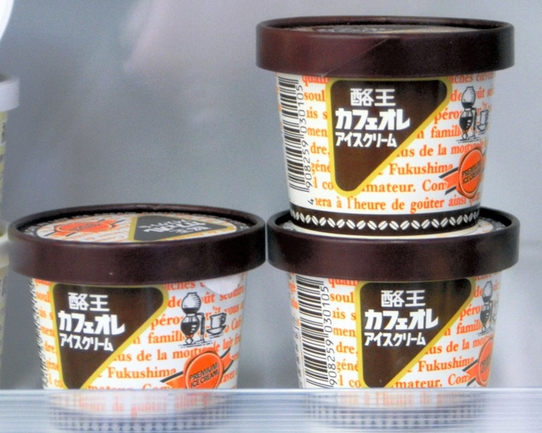
Winter sales have been strong for Rakuou Cafe au Lait Ice Cream produced in Fukushima Prefecture.
KORIYAMA, Fukushima Prefecture–A dairy company here that has withstood fears and rumors about radiation has produced a hot-selling item in the middle of winter.
Within two weeks in November, the initial 6,000 cups of Rakuou Cafe au Lait Ice Cream, produced by Rakuounyugyou Co. in Koriyama, were nearly sold out.
The company, founded in 1975, shipped out an additional lot of around 18,000 cups in December, but this supply has also run short.
Rakuounyugyou shipped 25,000 more cups, mostly to outlets in Fukushima Prefecture, in mid-January, and plans to ship an additional 24,000 within this month.
“Perhaps our ice cream is being seen as more of a premium product,” a sales official at the company said.
Rakuounyugyou’s Rakuou Cafe au Lait, a mild-flavored lactic drink containing at least 50 percent raw milk from Fukushima Prefecture, has an entrenched fan base both in and outside the prefecture.
The company maintained its sales levels in the aftermath of the 2011 Fukushima nuclear disaster, while its competitors suffered losses due to radiation fears and rumors among the public.
Rakuounyugyou developed the ice cream product to commemorate the 40th anniversary of the release of Rakuou Cafe au Lait. The ice cream contains at least 10 percent Rakuou Cafe au Lait and at least 10 percent milk.
“We exercised trial and error because we absolutely didn’t want to disappoint fans of our Cafe au Lait,” the sales official said.
The ice cream was initially sold mainly at sightseeing facilities and expressway service areas in Fukushima Prefecture. Demand was high even though the company did little in the way of a sales campaign.
The spreading popularity of the product can be attributed to Twitter.
Tweets about the ice cream can sound like a hunt for a rare Pokemon on the “Pokemon Go” game app.
“Where could I get one?” one post said. “I got one!” said another.
It is not the first time the social networking service has helped the dairy company; tweets of encouragement spread in the aftermath of the nuclear disaster.
“Be what may, the Rakuou Cafe au Lait tastes so good,” said one particularly popular tweet at that time.
Cafe au Lait is being shipped to a growing number of retailers, most of them in the greater Tokyo area. Sales of the product are up 10 percent from pre-disaster levels.
“Word of our ice cream has also been spread by our fans,” the sales official said. “We are so grateful that we are reduced to tears.”
http://www.asahi.com/ajw/articles/AJ201701290010.html
Only 13% of evacuees in 5 Fukushima municipalities have returned home as of Jan.
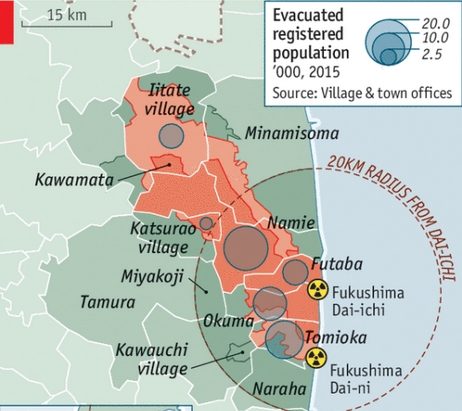
FUKUSHIMA (Kyodo) — Only 13 percent of the evacuees from the 2011 Fukushima nuclear disaster in five municipalities in Fukushima Prefecture have returned home after evacuation orders were lifted, local authorities said Saturday.
Some residents who used to live in the cities of Tamura and Minamisoma, villages of Kawauchi and Katsurao, and the town of Naraha may be reluctant to return to their homes due to fear of exposing children to radiation, the authorities said.
The evacuation orders to residents in those municipalities were lifted partly or entirely from April 2014 through July 2016. As of January, about 2,500 people out of a combined population of around 19,460 registered as residents of those areas were living there.
Evacuation orders for four more towns and villages in Fukushima Prefecture are scheduled to be lifted this spring, but it is uncertain how many residents will return to those areas as well.
In the prefecture, eight municipalities are still subject to evacuation orders around the Fukushima Daiichi nuclear power plant due to high radiation levels. Three nuclear reactors at the plant melted down and the structures housing them were severely damaged by hydrogen gas explosions days after a massive earthquake and ensuing tsunami on March 11, 2011 knocked out electric power needed to run critical reactor cooling equipment.
http://mainichi.jp/english/articles/20170129/p2g/00m/0dm/047000c

Fukushima prefecture
Toshiba to withdraw from nuclear plant construction, chairman to quit
Toshiba Corporation (aka Westinghouse) is withdrawing from the nuclear power construction business… Captains of Toshiba and Westinghouse are abandoning their nuclear Titanic sunk on economic iceberg!!!!!
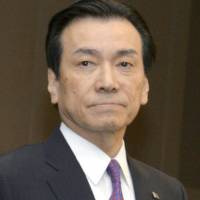
Toshiba Corp. will cease taking orders related to the building of nuclear power stations, sources said Saturday, in a move that would effectively mark its withdrawal from the nuclear plant construction business.
The news comes amid reports Toshiba’s chairman may resign over the massive write-down that has doomed the company’s U.S. nuclear business.
The multinational conglomerate said Friday it will review its nuclear operations and spin off its chip business to raise funds in a bid to cover an expected asset impairment loss of up to ¥700 billion ($6.08 billion).
After Toshiba ceases taking new orders, it will focus on maintenance and decommissioning operations, according to the sources.
The company will continue work on four nuclear plants under construction in the United States that are expected to be completed by 2020.
The Japanese industrial conglomerate may announce company chairman Shigenori Shiga’s resignation as soon as Feb. 14, when it reports its April-December financial results, the sources also said.
Shiga once served as president of the U.S. nuclear unit, Westinghouse Electric Co., which Toshiba has said could face a multibillion-dollar loss due to cost overruns from delays in plant projects.
The post of Toshiba chairman is expected to remain vacant after Shiga’s resignation.
Westinghouse Chairman Danny Roderick is also set to step down, the sources said, but Toshiba President Satoshi Tsunakawa is likely to stay on.
Shiga, Roderick and Tsunakawa took their current posts last June as Toshiba reshuffled its management following an accounting scandal that surfaced in 2015.
Shiga was the vice president in charge of the power systems business when Westinghouse acquired CB&I Stone & Webster in late 2015. CB&I Stone & Webster is the U.S. nuclear plant construction firm at the heart of Toshiba’s massive write-down problem.
Toshiba to sell part of chip business, puts overseas nuclear ops under review
Toshiba Corp (6502.T) said it will sell a minority stake in its memory chip business as it urgently seeks funds to offset an imminent multi-billion dollar writedown, adding that its overseas nuclear division – the cause of its woes – was now under review.
The drastic measures are set to be just some of the tough choices the Japanese conglomerate will have to take as proceeds from the sale are likely to only cover part of a charge that domestic media has put at $6 billion.
Still battered by a 2015 accounting scandal, Toshiba was plunged back into crisis when it emerged late last year that it had to account for huge cost overruns at a U.S. power plant construction business recently acquired by its Westinghouse division.
Describing the nuclear division as no longer a central business focus for the firm, Chief Executive Satoshi Tsunakawa said Toshiba will review Westinghouse’s role in new projects and whether it will embark on new power plant construction. The division will also now fall under direct CEO supervision.
Tsunakawa added Toshiba was looking to sell less than 20 percent of its memory chip business – the world’s biggest NAND flash memory producer after Samsung Electronics (005930.KS) – which comprises the bulk of the conglomerate’s operating profit.
The firm is rushing to complete the sale by the end of the financial year in March as failure to do so will likely mean that shareholder equity – just $3 billion in the wake of the accounting scandal – would be wiped out by the charge.
Sources have said Toshiba aims to raise more than 200 billion yen ($1.7 billion) from the sale and potential investors include private equity firms, business partner Western Digital Corp (WDC.O) and the government-backed Development Bank of Japan.
It is also selling other assets although it ruled out the sales of any of its infrastructure businesses – which include water treatment, railway and elevator firms.
“We’ve been raising funds through sales of stock holdings, real estate and other assets,” Tsunakawa told a news conference without disclosing the amount, adding that various measures were being considered to boost the firm’s capital base by March.
Toshiba also said it may eventually list the memory chip business.
Radiocesium Transfer in Forest Insect Communities after the Fukushima Dai-ichi Nuclear Power Plant Accident
Abstract
To understand radiocesium transfer in the forest insect food web, we investigated the activity concentrations of radiocesium in forest insects in the Fukushima and Ibaraki Prefectures approximately 1.5–2.5 years after the Fukushima Dai-ichi Nuclear Power Plant. We analyzed 34 species of insects sampled from 4 orders and 4 feeding functional groups (herbivore, carnivore, omnivore, and detritivore) from three sites in each prefecture. 137Cs activity concentrations were lowest in herbivorous species and were especially high in detritivorous and omnivorous species that feed on forest litter and fungi. Radiocesium activity concentrations in any given species reflected the degree of contamination of that species’ primary food sources since radiocesium activity concentrations were found to be the lowest in leaves and grass and the highest in litter, bark, and fungi. This study confirmed that litter and other highly contaminated forest components such as fungi, decaying wood, bryophytes, and lichens serve as sources of 137Cs transfer into the forest insect community.
Introduction
The forest ecosystems of Fukushima and its adjacent prefectures were severely contaminated with radionuclides after the Fukushima Dai-ichi Nuclear Power Plant (FDNPP) accident on 11 March 2011 [1,2]. For decades to come, the most biologically important radionuclide will be radiocesium because of its long half-life (30.1 years for 137Cs, 2.1 years for 134Cs) [2,3]. Many studies have reported that most of the Chernobyl radiocesium fallout still resides in surface layers in bioavailable form and continues to be a major potential source for transfer into living organisms even several decades after deposition [4,5]. Similarly, in Fukushima, radiocesium is expected to remain in the litter and upper soil layers of the forest floor for the long term [3].
Entry of radiocesium into forest ecosystems can potentially occur through two different pathways: the plant-based food chain and the detritus-based food chain. In the plant-based food chain, radiocesium in living plants moves into grazing herbivores and then into carnivores. In the detritus-based food chain, radiocesium enters the ecosystem via organisms feeding on litter and detritus (detritivores) and carnivores. Previous studies have reported highly contaminated litter to be the primary source of radiocesium in the forest ecosystem [6–8]. A survey of the forest invertebrate communities in the United Kingdom found the highest activity concentrations of 137Cs in invertebrate detritivores, such as earthworms (Oligochaetes) and woodlice (Isopoda) [8]. By broadly sampling organisms in forests and adjacent streams, including both vertebrates and invertebrates (fish, amphibian, reptile, arthropod, earthworms, etc.), Murakami et al. [6] found that detritivores are more contaminated with 137Cs than herbivores and carnivores at Fukushima.
The forest insect community constitutes a major route of radiocesium transfer to higher trophic organisms such as small mammals and birds. The highly varied feeding habits, life histories, and habitats of insects permit investigation of how radiocesium transfer from forest components into higher organisms occurs. There is particular concern for the effects of radiation on wildlife, including insects, as a result of the FDNPP accident [9–11]. However, compared with the numerous studies examining radioactive contamination of organisms used for human consumption, such as fish and game, only a few studies have been published about radionuclide accumulation in insects after the accident [12]. Previous studies conducted in European countries have reported on radionuclide transfer and accumulation of insects and other invertebrates [8,13–17], but it remains unclear how 137Cs uptake occurs in the entire insect food web and in relation to insect feeding habits.
In this study, we focused on radiocesium transfer in insect communities by investigating 137Cs activity concentrationsg in forest insects in the Fukushima and Ibaraki Prefectures over a period of 1.5–2.5 years after the Fukushima Dai-ichi reactor accident. To assess the distribution of radiocesium across insect communities and the influence of feeding ecology on radiocesium uptake, we collected insect samples from a wide range of insect species: We sampled species from four taxonomic orders (Coleoptera, Hemiptera, Lepidoptera, Orthoptera) and four feeding functional groups within those orders (herbivore, omnivore, carnivore, detritivore). To assess 137Cs uptake across different levels of contamination, we collected samples from a high-contamination area in Fukushima and from a low-contamination area in Ibaraki (137Cs deposition was 130–270 kBq m−2 at the Fukushima area and 13 kBq m−2 at the Ibaraki area according to the 4th Airborne Radiation Monitoring by Ministry of Education, Culture, Sports, Science and Technology in 2011) [18]. To assess the distribution of radiocesium in insect food sources, we also sampled forest floor litter, tree leaves, grasses, bark, fungi, and bryophytes in both study areas.
Materials and Methods
Study area and sampling locations
Fig 1 shows the locations of the two forest study areas in the Ibaraki Prefecture (sites A–C) and in the Fukushima Prefecture (sites D–F). The Ibaraki study area was located approximately 160 km southwest of the FDNPP, close to Mt. Tsukuba. Two sites were located in secondary forest dominated by deciduous trees (sites A, B) and the third was located in a Japanese cedar (Cryptomeria japonica) plantation (site C). The Fukushima study sites were located 39 km northwest of the FDNPP, near Lake Udagawa. Sites D and F were secondary forest dominated by deciduous trees. Site E was a small open area surrounded by both deciduous and Japanese cedar forests. Light traps were used in the open area, and pitfall traps were set on the floor of the Japanese cedar forest. These traps are described in greater detail below. Permission was granted for the field study by the Kanto regional forest office and the Tohoku regional forest office of the Forest Agency.

Fig 1. Locations of Study Sites in the Fukushima and Ibaraki Prefectures.
Left panel shows 137Cs deposition (Bq m−2) in eastern Japan (The map was generated from the Distribution Map of Radiation Dose by MEXT, Japan, http://ramap.jaea.go.jp/map/). Right panels are the aerial photographs provided by the Geographical Survey Institute (http://maps.gsi.go.jp/development/ichiran.html), with red squares showing locations of study sites in the Ibaraki Prefecture (A, B, C) and Fukushima Prefecture (D, E, F). http://dx.doi.org/10.1371/journal.pone.0171133.g001
Sampling and specimen processing
Insect sampling was conducted during the summers of 2012 and 2013. Pitfall traps were used for ground-dwelling beetles, and light traps were used for moths and other flying insects. Grasshoppers were collected using a sweep net. For pitfall traps, circular 180-mL plastic drinking cups (7.5-cm diameter) containing acetic acid as bait were used. For each site, 60–150 traps were placed on the forest floor, and sampling took place for 2–28 days from June to September (see Table 1 for collection dates). Light trapping was conducted in the open area of site E in the Fukushima study area. For light traps, a white sheet (1.5 × 1.5 m) was hung behind two light sources (160-W mercury vapor and 20-W fluorescent UV), and insects were captured by hand. Light trapping was conducted for approximately 2 h between 18:00–21:00 h. Light trapping was conducted only at the Fukushima sites because we were unable to collect sufficient biomass for analysis in the Ibaraki sites because of the low 137Cs activity concentrations in samples in the preliminary test results. Sweep net sampling was conducted in an open area close to site D in 2013.

137Cs activity concentrations and counting errors in Litter Samples are shown for each study site. http://dx.doi.org/10.1371/journal.pone.0171133.t001
Insect samples were sorted and identified to the species level. Several samples were identified only to the family level because of difficulties in species identification and because insufficient biomass was available for 137Cs determination if sorted to the species level. After measurement of fresh weight, samples were dried for >48 h at 60°C, then dry weights were determined. Individual samples of each species were combined and homogenized intact using a food processor. 137Cs concentration is reported for dry weight rather than wet because samples collected from pitfall traps vary greatly in fresh weight because of variations in acetic acid absorption.
Forest components, such as litter, tree leaves, grasses, barks, fungi, bryophytes were also sampled in 2012. Because fungi and bryophytes show a sporadic distribution, we sampled them only in the Fukushima sites in 2012. Leaf and grass samples were washed with water, dried at 70°C, weighed, and powdered using a food processor (see [19] for details). Litter, bark, fungi, and bryophytes were not washed but were dried and powdered similarly to leaves and grass.
Radiocesium measurements
All samples were stored in plastic containers (U8 container, diameter = 50 mm, height = 62 mm). 137Cs activity concentrations were measured using germanium coaxial detectors (GC2518Canberra Japan, Tokyo, Japan; SEG-EMS GEM 35–70, Seiko EG&G Co. Ltd., Tokyo, Japan). Most samples were measured for <10% of the error counts per net area counts, and samples containing only a few becquerels of activity were measured for <15% of the error counts per net area counts. Standardized sources for calibrating the detectors were MX033U8PP (Japan Radioisotope Association, Tokyo, Japan) and EG-ML (Eckert & Ziegler Isotope Products, Valencia, CA, USA). The software Gamma Studio (SEIKO EG&G, Tokyo, Japan) was used to analyze γ-ray spectra. Activities of samples were corrected for radioactive decay to the date of sample collection and were expressed as Bq/kg. S1 and S2 Tables show the 137Cs activity concentrations (Bq kg−1 dry weight) in sampled insect species and forest components, respectively.
Data analysis
After excluding values that fell below the detection limit of the instrumentation, data from 68 insect samples consisting of 34 species were used for the analysis of insect 137Cs activity concentrations. 137Cs activity concentrations tend to be lognormally distributed [20], so the 137Cs activity concentrations in insect and litter samples were log-transformed to fulfill requirements of normal distribution and homogeneity of variance. Whether 137Cs activity concentrations differed across feeding functional groups was assessed using a generalized linear mixed-effects model (GLMM). GLMM is an extension of the generalized linear model that takes into account both fixed and random effects [21]. In this study, the dependent variable was the 137Cs activity concentration in a given insect species. Fixed effects were functional feeding group, the 137Cs activity concentration in litter, sampling year (2012, 2013), and forest type (cedar vs. deciduous forest). Random effects were sampling site (A–F) and insect species. The functional feeding group to which a particular species was assigned (herbivore, carnivore, omnivore, detritivore) was based on its predominant food source. To determine the best model, we used likelihood ratio tests to compare the full model with nested models in which one of the predictor variables was omitted. If the omitted variable had no significant effect on the model, then that variable was removed from the model. This model was also selected as the best model using AIC (Akaike’s Information Criterion) from models using all combinations of variables. Because we were interested in the differences between functional feeding groups, Tukey–Kramer post hoc tests were conducted to test multiple pairwise comparisons [22].
To compare the transfer of 137Cs into insects across different contamination levels in Fukushima and Ibaraki Prefecture, a concentration ratio (CR) was calculated for each species as Bq kg−1 dry weight of insect/Bq kg−1 dry weight of litter. Although different definitions of transfer have been developed for different purposes, we standardized 137Cs transfer into insect species to 137Cs activity concentrations in forest litter because litter is the most basal food resource in forest ecosystems.
All statistical analyses were performed with the software R, ver. 3.1.1 [23], using the optional package lme4 for GLMM analysis and the multcomp package for multiple comparisons.
Results and Discussion
137Cs distribution in forest components
137Cs activity concentrations in the various forest components are shown in Fig 2. As expected, 137Cs mostly accumulated in the litter layer. Living leaves and grass had much lower 137Cs activity concentrations than litter in both study areas, and this was the case for both cedar and deciduous forests. 137Cs activity concentrations were higher in the litter and leaves of cedar forests than in those of deciduous forests. The reported higher 137Cs activity concentrations in evergreen species than in deciduous species have been attributed to the expansion of the foliar parts of the former, but not of those of the latter, at the time of fallout [24]. The finding that litter has a higher activity concentrations of 137Cs than leaves is also consistent with previous studies, which reported that most of the radioactive cesium deposited in Fukushima forests was rapidly transported to the forest floor within 1–2 years after deposition [25,26]. Although the samples from Fukushima had an order of magnitude higher activity of 137Cs than those from Ibaraki, the pattern of distribution of 137Cs among forest components was similar in both areas. The relatively lower levels in leaves and grass reflects a low rate of uptake from the soil by living plants.

Fig 2. 137Cs activity concentrations in Forest Components and Insects.
137Cs activity concentrations are shown for study sites in Fukushima (upper panel) and Ibaraki (lower panel) in 2012. Litter and leaf samples are shown separately for Japanese cedar forests (Litter_e and Leaf_e) and deciduous forests (Litter_d and Leaf_d). Dark horizontal lines represent the mean, with the box representing the 25th and 75th percentiles, the whiskers the 5th and 95th percentiles, and dots indicating outliers. http://dx.doi.org/10.1371/journal.pone.0171133.g002
In contrast to leaves and grass, bark, bryophytes, and fungi were highly contaminated. Previous investigators have found that fungi strongly accumulate radiocesium and play an important role in the uptake and retention of radiocesium in the organic layers of forest ecosystems [5,27]. Bryophytes and lichens are also known to passively accumulate high levels of radiocesium and retain radionuclides for long time periods because of their long life spans [28–30]. Thus, these forest components provide insect species not only a highly contaminated diet but also a contaminated habitat causing external radiation exposure.
The 137Cs activity concentrations in detritivorous insects were 1–2 orders of magnitude lower than the activity concentrations in litter in both the Ibaraki and Fukushima areas. Activity concentrations of 137Cs in herbivorous insects were similar to those in tree leaves and grass at Fukushima (no herbivorous insect samples were collected at Ibaraki.)
Effect of insect feeding habit on 137Cs uptake
Fig 3 presents a scatterplot of 137Cs activity concentrations in various insect species within the four functional feeding groups in relation to the 137Cs activity concentrations in litter contamination at the site where they were collected.

Fig 3. 137Cs Activity Concentrations in Insect Feeding Functional Groups.
137Cs activity concentrations of insect species are shown in relation to the 137Cs activity concentrations in litter at the site. Colors indicate the functional feeding group to which species belongs: green, herbivore; yellow, omnivore; gray, carnivore; red, detritivore. Symbols indicate the sampling area: circle, Fukushima; triangle, Ibaraki. http://dx.doi.org/10.1371/journal.pone.0171133.g003
The GLMM analysis of the contribution of each variable to insect 137Cs contaminations indicated a significant effect of litter 137Cs activity concentration and functional feeding group, whereas no significant effect was found for both sampling year and forest type (Table 2). In the final model (Table 3), 137Cs activity concentrations in insect samples were positively correlated with those in litter (P < .001). Thus, the 137Cs activity concentrations in insects reflected the degree of contamination of litter at the study sites. 137Cs activity concentrations of litter are heterogeneous and are known to redistribute with time on the forest floor [31]. On average, 137Cs concentrations in both the litter and the ground beetle Carabus albrecht were lower in 2013 than in 2012 (Table 1, S2 Table). However, at site F, the 137Cs activity concentration of litter was higher in 2013 than in 2012 (Table 1). Although the mechanism is not entirely clear, the lateral transport of heterogeneously contaminated litter might have caused an increase in 137Cs activity concentrations because site F was located near the bottom of a hillslope [31]. In association with the increase in 137Cs activity concentration in the litter, 137Cs activity concentrations in C. albrecht also increased from 242.5 Bq kg−1 to 459.3 Bq kg−1 and 473.0 Bq kg−1 at site F (S2 Table). This confirms that 137Cs activity concentrations in insects reflected the degree of contamination of litter; therefore, CR values calculated from 137Cs activity concentrations in litter are appropriate to compare the transfer of 137Cs into insects despite heterogeneous distribution of 137Cs on the forest floor.

Table 2. Model selectionof GLMM for the 137Cs activity concentrations in insects.
The effect of separately omitting each variable from the full model showing both AIC and chi-square test statistics. http://dx.doi.org/10.1371/journal.pone.0171133.t002

Table 3. The final model of GLMM for the 137Cs activity concentrations in insectsshowing estimates, standard errors, and P-values.
Coefficients in bold indicate significant effects (P < .05). http://dx.doi.org/10.1371/journal.pone.0171133.t003
GLMM analysis also revealed the significant effect of functional feeding groups on insect 137Cs activity concentrations. Multiple comparison analysis showed that herbivores had significantly lower 137Cs activity concentrations than detritivores (P = .004), carnivores (P = .03), and omnivores (P = .05), but no significant differences were observed in its activity concentrations when the latter three functional groups were compared with one another (Table 3).
Fig 4 shows the CR for each insect species/order collected. Values ranged from 0.003 to 0.89.

Fig 4. Concentration Ratio of 137Cs in Sampled Insect Species.
CRs were calculated as Bq kg−1 insect dry weight/(Bq kg−1 litter dry weight. Species are grouped by the orders to which they belong (Coleoptera, Hemiptera, Lepdoptera, Orthoptera) with lines separating the orders. Colors indicate the functional feeding group to which species belongs: green, herbivore; yellow, omnivore, gray, carnivore; red, detritivore. Symbols indicate the sampling area: circle, Fukushima; triangle, Ibaraki. http://dx.doi.org/10.1371/journal.pone.0171133.g004
Although we have data on 137Cs activity concentrations for only carnivores and detritivores in Ibaraki sites, the CR values for the collected insect species were similar between Ibaraki and Fukushima sites. For example, CRs of the samples of C. albrechti, which were collected in large quantities at all sites, were similar between the Ibaraki and Fukushima sites (t-test, t = 0.01, df = 16, P = .99). These results suggest that uptake rate of 137Cs can be consistent regardless of amount of 137Cs depositions.
Comparing CRs across functional groups, herbivores showed the lowest values. Sampled herbivores included moths (Lepidoptera), herbivorous flying beetles (Coleoptera), stinging bugs (Hemiptera), and grasshoppers (Orthoptera). The low CRs for herbivorous insects reflect their diet of living plant tissues, which were found to contain relatively low activity concentrations of 137Cs compared to litter (Fig 2). The three herbivores with slightly higher CRs (Lithosia quadra, Eilema deplana, E. vestusa) are members lichen moth family Arctiidae. The CRs were likely higher because the larvae of these moth species feed on highly contaminated lichen and algae growing on trees or stones.
The CRs in carnivore species were overall higher than those in herbivores. Predominant carnivore species in the sample were ground-dwelling beetles of the family Carabidae. Ground beetles capture and consume a wide range of other soil-dwelling organisms, including detritivorous invertebrates and earthworms.
The higher CR values for carnivore species relative to herbivore species reflect the high contamination levels of the organisms in their diets. We did not investigate 137Cs activity concentrations in earthworms and soil invertebrates, but earthworms and detritivorous soil invertebrates such as springtails (Collembola) and woodlice (Isopoda) were consistently found to have higher 137Cs activity concentrations than other invertebrate groups [8,15]. Copplestone et al. [15] also standardized the activity concentration of 137Cs in living organisms to those in litter, reported ratios of 0.9–1.33 for earthworms showing relatively high CR value compared with carnivores in Fig 4. The snail-feeding Carabidae beetle, Damaster blaptoides, had the highest CR of all carnivore species collected, which also likely resulted from the contamination of terrestrial snails. Some species of terrestrial snails whose diet contain algae, lichens and fungi have been reported to accumulate relatively high amount of radiocesium than other herbivorous species [8,32].
Among detritivores and omnivores, high CR values were found for species that feed on fungi or litter, and relatively low values were found for carrion feeders. In this study, four species of Coleopteran beetles were classified as detritivores. Nicrophorus quadripunctatus and N. concolor are both carrion beetles of the family Silphidae, which feeds on vertebrate carcasses. Their 137Cs activity concentrations were similar to carnivore Carabidae beetles. On the other hand, the dung beetle, Geotrupes laevistriatus, and the giant weevil, Sipalinus gigas, showed high 137Cs activity concentrations. The larvae of these species and adult dung beetles feed on the dung of mammals, and adults are also attracted to decaying carrion and fungi. In study of radioactive contamination in insect species in Poland, Mietelski et al. [13,33] suggested the forest dung beetle as a suitable species for biomonitoring of radioactive contamination because it has high 137Cs concentrations compared to herbivores. The larvae of giant weevils feed on dead or decaying wood. It is possible that giant weevils have high levels 137Cs because decaying wood accumulates 137Cs because of the presence of wood-decaying fungi.
Among omnivorous insects, the camel cricket, Diestrammena ssp. had especially large CR values. This species is eats a wide variety of organic materials on the forest floor, including litter, fungi, and other invertebrate species. The CR values of detritivores and omnivores varied highly across sampling sites, likely indicating the nonuniform nature of 137Cs accumulation in fungi and decaying organic materials, as well as the varied diet of individual insect species [12,15].
137Cs transfer in the forest insect food web
In this study, litter and other forest components that were highly contaminated with 137Cs, such as fungi, decaying wood, bryophytes, and lichens were considered to be primary sources of 137Cs transfer into the forest insect community. Detritivores showed higher 137Cs accumulation than herbivores, confirming that uptake of 137Cs into insect ecosystems occurs through the detritus-based food chain and not through the plant-based food chain as previous studies have suggested [6,7].
With regard to 137Cs transfer through trophic levels, 137Cs activity concentrations of carnivorous insects were higher than those of herbivores but not higher than those of detritivores. Because carnivorous insects were represented by ground-dwelling beetles in this study, a significant proportion of their diet might have comprised detritivorous organisms. Therefore, this result might indicate a decrease in 137Cs activity concentrations in carnivores compared with that in detritivores. Rudge et al. [8] reported similar findings in a study of grassland invertebrate communities in the United Kingdom after the Chernobyl accident and suggested that 137Cs activity concentrations decrease up the food chain. Using stable carbon and nitrogen isotope ratio analysis of organisms in a terrestrial and stream ecosystem, Sakai et al. (2016) likewise observed dilution of 137Cs as it moved from lower to higher trophic levels [7]. These findings are the opposite of what has been observed regarding the bioaccumulation of 137C in fish species. In general, fish species at higher trophic levels will have higher activity concentrations of radiocesium than those farther down the food chain [34,35].
Our results do not provide clear evidence to support the idea of dilution of radiocesium as it moves up the food chain because we did not collect insect species that had a direct predator–prey relationship and because our measurements possibly overestimated the 137Cs activity concentrations in detritivores. We measured insect whole-body 137Cs activity concentrations similar to the reported insect 137Cs activity concentrations in previous studies because of the difficulty in collecting sufficient biomass for 137Cs measurements from dissected individual tissue types [8,12–17]. Thus, the high 137Cs concentrations measured in detritivorous insects may have been partly due to the presence of highly contaminated organic matter and soils in the digestive systems of sampled insects. Mietelski et al. (2003) found that measurement of 137Cs in dung beetles could be influenced by food remains in the digestive system. In addition, studies on the assimilation of radiocesium by earthworms have shown that little absorption occurs from contaminated gut contents [36], with radioactivity concentrations in earthworm tissues being far lower than those in the gut [8,37]. However, 137Cs activity concentrations of fish typically have been measured in dissected muscular tissues, so there was no contamination by gut contents. Therefore, the overestimation of 137Cs activity concentrations of whole-body samples should be taken into account when evaluating the 137Cs transfer through the detritus-based food chain and accumulation/dilution of 137Cs. Future studies that focus on137Cs activity concentrations in predator–prey relationships and on the bioavailability of soil-associated and litter-associated 137Cs for tissue incorporation will lead to better understanding of the transfer of 137Cs through the food web.
137Cs contaminations of arthropods are expected to gradually decrease as 137Cs decline activity concentrations in forest litter [3]. Because most herbivorous insect species have a reproductive cycle of 1 year or less, their 137Cs activity concentrations should reflect the level of contamination of their diet of the year in which they reproduced. In other functional feeding groups, members of some species may live for several years; for example, the life expectancy of Carabidae adults is 1 to 4 years. However, in the invertebrates that constitute their diet, the biological half-life of 137Cs is typically several days to a month [32]. Thus, the radiocesium concentration in insects of this species would also reflect the current contamination levels of the organisms that constitute their diet.
Conclusions
Understanding the movement of 137Cs through ecosystems is essential for the management of radiation contamination and risk assessment in forest environments. This study investigated 137Cs transfer in forest insect communities in areas contaminated by the Fukushima Dai-ichi Nuclear Power Plant Accident. The results showed that 137Cs activity concentrations were lowest in herbivores and highest in carnivores, detritivores, and omnivores. The level of contamination in each of the four functional feeding groups of insects reflected the level of contamination of the materials and organisms that constitute their diets. Detritorivorous species had the highest levels of contamination, confirming findings of previous studies that these species play a significant role in 137Cs transfer into the forest ecosystem via consumption of highly contaminated forest litter. The nonuniform distribution of 137Cs in the forest environment is not only because of litter but also because of other forest components that may have high levels of 137Cs contamination, including fungi, decaying wood, bryophytes, and lichens. Insect species that have high CR values or that live in highly contaminated substrates, such as dung beetles, camel crickets, and lichen moths, would be appropriate species for monitoring radiocesium activity concentrations or for studies of radiation effects on wildlife.
Supporting Information
S1 Table. Details of samples of forest components.
137Cs values and counting errors are shown.
doi:10.1371/journal.pone.0171133.s001
(XLSX)
S2 Table. Details of samples of insect components.
137Cs values and counting errors are shown.
doi:10.1371/journal.pone.0171133.s002
(XLSX)
Acknowledgments
We thank M Takeda for insect sampling, identification, and technical advice about their ecology and Dr. K Hosaka and Dr. A Takenaka for identifying samples of fungi and plants, respectively.
Author Contributions
- Conceptualization: YI SH NT.
- Formal analysis: YI.
- Investigation: YI.
- Writing – original draft: YI.
- Writing – review & editing: SH NT.
References
1. Kinoshita N, Sueki K, Sasa K, Kitagawa J, Ikarashi S, Nishimura T, et al. Assessment of individual radionuclide distributions from the Fukushima nuclear accident covering central-east Japan. Proc Natl Acad Sci. 2011;108: 19526–19529. doi: 10.1073/pnas.1111724108. pmid:22084070
2. Yoshida N, Kanda J. Tracking the Fukushima radionuclides. Science (80-). 2012;336: 1115–1116.
3. Hashimoto S, Matsuura T, Nanko K, Linkov I, Shaw G, Kaneko S. Predicted spatio-temporal dynamics of radiocesium deposited onto forests following the Fukushima nuclear accident. Sci Rep. 2013;3: 2564. doi: 10.1038/srep02564. pmid:23995073
4. Shaw G, Venter A, Avila R, Bergman R, Bulgakov A, Calmon P, et al. Radionuclide migration in forest ecosystems—results of a model validation study. J Environ Radioact. 2005;84: 285–96. doi: 10.1016/j.jenvrad.2003.09.006. pmid:15970363
5. Smith J, Beresford N, Shaw G, Moberg L. Radioactivity in terrestrial ecosystems. Chelnobyl—Catastrophe and consequences. Berlin: Springer; 2005. pp. 81–128.
6. Murakami M, Ohte N, Suzuki T, Ishii N, Igarashi Y, Tanoi K. Biological proliferation of cesium-137 through the detrital food chain in a forest ecosystem in Japan. Sci Rep. 2014;4: 3599. doi: 10.1038/srep03599. pmid:24398571
7. Sakai M, Gomi T, Negishi JN, Iwamoto A, Okada K. Different cesium-137 transfers to forest and stream ecosystems. Environ Pollut. Elsevier Ltd; 2016;209: 46–52.
8. Rudge SA, Johnson MS, Leah RT, Jones SR. Biological transport of radiocaesium in a semi-natural grassland ecosystem. 2. Small mammals. J Environ Radioact. 1993;19: 199–212.
9. Akimoto S. Morphological abnormalities in gall-forming aphids in a radiation-contaminated area near Fukushima Daiichi: selective impact of fallout? Ecol Evol. 2014;4: 355–69. doi: 10.1002/ece3.949. pmid:24634721
10. Hiyama A, Nohara C, Kinjo S, Taira W, Gima S, Tanahara A, et al. The biological impacts of the Fukushima nuclear accident on the pale grass blue butterfly. Sci Rep. 2012;2: 570. doi: 10.1038/srep00570. pmid:22880161
11. Møller AP, Hagiwara A, Matsui S, Kasahara S, Kawatsu K, Nishiumi I, et al. Abundance of birds in Fukushima as judged from Chernobyl. Environ Pollut. Elsevier Ltd; 2012;164: 36–9.
12. Ayabe Y, Kanasashi T, Hijii N, Takenaka C. Radiocesium contamination of the web spider Nephila clavata (Nephilidae: Arachnida) 1.5 years after the Fukushima Dai-ichi Nuclear Power Plant accident. J Environ Radioact. Elsevier Ltd; 2014;127: 105–10.
13. Mietelski JW, Szwałko P, Tomankiewicz E, Gaca P, Grabowska S. Geotrupine beetles (Coleoptera: Scarabaeoidea) as bio-monitors of man-made radioactivity. J Environ Monit. 2003;5: 296–301. pmid:12729271
14. Mietelski JW, Maksimova S, Szwałko P, Wnuk K, Zagrodzki P, Błazej S, et al. Plutonium, 137Cs and 90Sr in selected invertebrates from some areas around Chernobyl nuclear power plant. J Environ Radioact. 2010;101: 488–93. doi: 10.1016/j.jenvrad.2008.04.009. pmid:18502547
15. Copplestone D, Johnson MS, Jones SR, Toal ME, Jackson D. Radionuclide behaviour and transport in a coniferous woodland ecosystem: vegetation, invertebrates and wood mice, Apodemus sylvaticus. Sci Total Environ. 1999;239: 95–109. Available: http://www.ncbi.nlm.nih.gov/pubmed/10570837 pmid:10570837
16. Dragović S, Howard BJ, Caborn J a, Barnett CL, Mihailović N. Transfer of natural and anthropogenic radionuclides to ants, bryophytes and lichen in a semi-natural ecosystem. Environ Monit Assess. 2010;166: 677–86. doi: 10.1007/s10661-009-1032-4. pmid:19543994
17. Toal ME, Copplestone D, Johnson MS, Jackson D, Jones SR. Quantifying 137Cs aggregated transfer coefficients in a semi-natural woodland ecosystem adjacent to a nuclear reprocessing facility. J Environ Radioact. 2002;63: 85–103. pmid:12230138
18. Ministry of Education, Culture, Sports S and T (MEXT). Results of the Fourth Airborne Monitoring Survey [Internet]. 2011. http://radioactivity.nsr.go.jp/en/list/307/list-1.html
19. Nishikiori T, Watanabe M, Koshikawa MK, Takamatsu T, Ishii Y, Ito S, et al. Uptake and translocation of radiocesium in cedar leaves following the Fukushima nuclear accident. Sci Total Environ. Elsevier B.V.; 2015;502: 611–616.
20. Beresford N a, Yankovich TL, Wood MD, Fesenko S, Andersson P, Muikku M, et al. A new approach to predicting environmental transfer of radionuclides to wildlife: a demonstration for freshwater fish and caesium. Sci Total Environ. Elsevier B.V.; 2013;463–464: 284–92.
21. Bolker BM, Brooks ME, Clark CJ, Geange SW, Poulsen JR, Stevens MHH, et al. Generalized linear mixed models: a practical guide for ecology and evolution. Trends Ecol Evol. 2009;24: 127–135. doi: 10.1016/j.tree.2008.10.008. pmid:19185386
22. Bretz F, Torsten H, Peter W. Multiple comparisons using R. Chapman & Hall; 2011.
23. R Core Team. R: A Language and Environment for Statistical Computing [Internet]. Vienna, Austria; 2015.https://www.r-project.org/
24. Yoshihara T, Matsumura H, Hashida S, Nagaoka T. Radiocesium contaminations of 20 wood species and the corresponding gamma-ray dose rates around the canopies at 5 months after the Fukushima nuclear power plant accident. J Environ Radioact. Elsevier Ltd; 2013;115: 60–8.
25. Forest and Forest Product Research Institute. Preliminary Results of Surveys of Distributions of Radioactive Elements in Forest Ecosystems [In Japanese]. 2012. http://www.rinya.maff.go.jp/j/press/kaihatu/pdf/150327-01.pdf
26. Endo I, Ohte N, Iseda K, Tanoi K, Hirose A, Kobayashi NI, et al. Estimation of radioactive 137-cesium transportation by litterfall, stemflow and throughfall in the forests of Fukushima. J Environ Radioact. Elsevier Ltd; 2015;149: 176–185.
27. Steiner M, Linkov I, Yoshida S. The role of fungi in the transfer and cycling of radionuclides in forest ecosystems. J Environ Radioact. 2002;58: 217–241. pmid:11814167
28. Giovani C, Nimis PL, Bolognini G, Padovani R, Usco A. Bryophytes as indicators of radiocesium deposition in northeastern Italy. Sci Total Environ. 1994;157: 35–43.
29. Dohi T, Ohmura Y, Kashiwadani H, Fujiwara K, Sakamoto Y, Iijima K. Radiocaesium activity concentrations in parmelioid lichens within a 60 km radius of the Fukushima Dai-ichi Nuclear Power Plant. J Environ Radioact. Elsevier Ltd; 2015;146: 125–133.
30. Ohmura Y, Matsukura K, Abe JP, Hosaka K, Tamaoki M, Dohi T, et al. 137Cs concentrations in foliose lichens within Tsukuba-city as a reflection of radioactive fallout from the Fukushima Dai-ichi Nuclear Power Plant accident. J Environ Radioact. Elsevier Ltd; 2015;141: 38–43.
31. Koarashi J, Atarashi-Andoh M, Takeuchi E, Nishimura S. Topographic heterogeneity effect on the accumulation of Fukushima-derived radiocesium on forest floor driven by biologically mediated processes. Sci Rep. 2014;4: 6853. doi: 10.1038/srep06853. pmid:25358420
32. Gaso MI, Cervantes ML, Segovia N, Abascal F, Salazar S. Cs and Ra determination in soil and land snails from a radioactive waste site. Sci Total Environ. 1995;173: 41–45.
33. Mietelski JW, Szwa P, Tomankiewicz E, Gaca P, Ma S, Barszcz J, et al. 137Cs, 40K, 90Sr, 238, 239+240Pu, 241Am and 243 + 244 Cm in forest litter and their transfer to some species of insects and plants in boreal forests: Three case studies. 2004;262: 645–660.
34. Rowan DJ, Rasmussen JB. Bioaccumulation of Radiocesium by fish: the influence of physicochemical factors and trophic structure. Can J Fish Aquat Sci. 1994;51: 2388–2410.
35. Sundbom M, Meili M, Andersson E, Ostlund M, Broberg a. Long-term dynamics of Chernobyl Cs-137 in freshwater fish: quantifying the effect of body size and trophic level. J Appl Ecol. 2003;40: 228–240.
36. Brown SL, Bell JNB. Earthworms and radionuclides, with experimental investigations on the uptake and exchangeability of radiocaesium. Environ Pollut. 1995;88: 27–39. pmid:15091566
37. Hasegawa M, Ito MT, Kaneko S, Kiyono Y, Ikeda S, Makino S. Radiocesium concentrations in epigeic earthworms at various distances from the Fukushima Nuclear Power Plant 6 months after the 2011 accident. J Environ Radioact. Elsevier Ltd; 2013;126: 8–13.
Source :
Citation: Ishii Y, Hayashi S, Takamura N (2017) Radiocesium Transfer in Forest Insect Communities after the Fukushima Dai-ichi Nuclear Power Plant Accident. PLoS ONE 12(1): e0171133. doi:10.1371/journal.pone.0171133
Editor: Hideyuki Doi, University of Hyogo, JAPAN
http://journals.plos.org/plosone/article?id=10.1371/journal.pone.0171133
TEPCO reinserts camera in Fukushima reactor 2

What appears to be rust is seen on a foothold inside the containment vessel of the No. 2 reactor at the Fukushima No. 1 nuclear plant in this image provided by Tokyo Electric Power Co.
TEPCO reinserts camera in Fukushima reactor
TEPCO, the operator of the damaged Fukushima Daiichi nuclear plant, has again begun using a camera probe inside the containment vessel of the No. 2 reactor.
Taking pictures of the molten fuel inside is regarded as an important step towards decommissioning the reactors that melted down.
On Tuesday, workers at the plant tried to insert a camera into a pipe leading into the containment vessel.
But the camera got stuck in the pipe’s opening. The rubber, which had shrunk due to cold, blocked it.
In a second attempt on Thursday, workers tried to push the camera into the pipe while warming the rubber with thermal material. They were successful.
Footage from the camera shows a black substance adhering to the surface of metal rails in the vessel. The rails will be used as tracks for a robot to do a survey in February.
TEPCO expects the camera may capture footage of molten fuel for the first time since the 2011 meltdown
https://www3.nhk.or.jp/nhkworld/en/news/20170126_31/
TEPCO begins taking video inside Fukushima No. 1 nuke plant reactor
Tokyo Electric Power Co. (TEPCO) began work on Jan. 26 to take video inside the No. 2 reactor at its tsunami-hit Fukushima No. 1 nuclear plant, company officials said.
A camera attached to the tip of a pipe was inserted into the reactor containment vessel to shoot video inside of the vessel to check the condition of the melted fuel within. It was also done in preparation for sending in a camera-equipped robot to get a closer look at conditions. The robot will follow 7.2-meter-long rails leading to an area just below the reactor’s pressure vessel.
Video released by TEPCO on Jan. 26 shows dripping liquid and what appears to be steam drifting inside the containment vessel. What looks like rust is seen on a foothold and the rails, but nothing that could block the robot has been found.
TEPCO is poised to use a longer pipe to check if there is any obstacle inside the reactor next week and beyond. Company officials said the firm may be able to photograph the melted fuel.
http://mainichi.jp/english/articles/20170127/p2a/00m/0na/002000c
Plans to remove nuclear fuel at Fukushima N° 3 reactor delayed again

A member of the media, wearing a protective suit and a mask, looks at the No. 3 reactor building at Tokyo Electric Power Co’s (TEPCO) tsunami-crippled Fukushima Daiichi nuclear power plant in Okuma town, Fukushima prefecture, Japan February 10, 2016.
A plan to remove spent nuclear fuel from Tokyo Electric Power Co Holdings Inc’s Fukushima Daiichi nuclear plant hit by the March 2011 tsunami has been postponed again due to delays in preparation, the Nikkei business daily reported on Thursday.
Work is now set to begin in fiscal 2018 at the earliest, the Nikkei said.
Removal of the spent fuel from the No. 3 reactor was originally scheduled in the first half of fiscal 2015, and later revised to fiscal 2017 due to high levels of radioactivity around the facilities, the Japanese business daily reported.
The timeline has been changed again as it was taking longer than expected to decontaminate buildings and clean up debris, the news agency reported.
The report comes a few months after the Japanese government said in October the cost of cleaning up the Fukushima plant may rise to several billion dollars a year, adding that it would look into a possible separation of the nuclear business from the utility.
http://uk.reuters.com/article/uk-japan-fukushima-idUKKBN1592WI
Project Ethos Works with the Japanese Government on all Public Relations Propaganda
I am sharing here with you a sample of Japanese Government propaganda, a video about Fukushima, claiming that everything is now fine.
By watching this propaganda video, you can imagine, you will get an idea of the intensity of propaganda that the Japanese government is subjecting its people with, thru all the government controlled mainstream media, claiming that all is very safely and controlled for everyone’s safety by a safety conscious government absolutely caring for its people safety. Nice, isn’t it?
Propaganda from PM Abe’s government forcefully pushing innocent victims back to live in highly contaminated areas, trying to make believe all is ok just in time for the coming 2020 Olympics. Like when they previously sent children to clean off radiation off route 6 just for propaganda’s sake !
Amazing, Chernobyl is still horribly contaminated after over 30 years, but Fukushima radiation is the new self cleaning kind that just vanishes after 5 years? And that while there are ongoing reactions that are still completely uncontained.
Well isn’t that special. What a load of crap ! How stupid do they think we are to buy this crap?
From what I’ve seen, people should not even be living in certain parts of Tokyo and its vicinity.
I despise with much passion all the ETHOS scoundrels and all those Japanese government criminals. Shame on you. Your pride and your denial will be your downfall.
Long live Fukushima , Long live the Children of Fukushima!

Japan’s Fukushima Prefecture has been making tremendous progress in its revitalization since the 2011 Great East Japan Earthquake.
The area continues to undergo recovery efforts, residents are returning to their everyday lives, and food from Fukushima is being enjoyed all over Japan under strict safety regulations.

The March 2011Great East Japan Earthquake caused an enormous tsunami that overwhelmed the Fukushima Daiichi Nuclear Power Station.
A continuous water injection cooling system has now stabilized the plant’s reactors and reduced radiation emissions dramatically.

Food grown in Fukushima…

… is widely available and popular across Japan.

All food produced in Fukushima must first pass a test for radiation to be sold on the market.

The standards set by the Japanese government are much stricter than the international standards.

Thanks to these rigorous safety standards, Fukushima rice is enjoyed throughout Japan.

A joint research project was conducted in 2014 by high school students in Fukushima and overseas under the supervision of experts.

The survey found that the radiation exposure levels of students in Fukushima were almost the same as in Europe.

The total area of Fukushima prefecture subject to evacuation orders has been progressively reduced since 2014, as decontamination efforts have lowered radiation to safe levels,

allowing people to return to their homes.

A lot of work still has to be done before the area fully recovers,

but every day we are making progress toward a brighter future.
Watch this new video to learn more:
Japan – The Government of Japan Facebook page
https://www.facebook.com/JapanGov/videos/1262473720476424/?hc_ref=PAGES_TIMELINE
1 This Month





PLEASE OPPOSE HR 8255 AND S.3639 – bills would accelerate satellite deployment, with no environmental review or safeguards – https://ncstd5li.quorum.us/campaign/169331/
To see nuclear-related stories in greater depth and intensity – go to https://nuclearinformation.wordpress.com
-
Archives
- October 2026 (67)
- September 2026 (339)
- August 2026 (330)
- July 2026 (355)
- June 2026 (287)
- May 2026 (306)
- April 2026 (356)
- March 2026 (251)
- February 2026 (267)
- January 2026 (308)
- December 2025 (358)
- November 2025 (359)
-
Categories
- 1
- 1 NUCLEAR ISSUES
- business and costs
- climate change
- culture and arts
- ENERGY
- environment
- health
- history
- indigenous issues
- Legal
- marketing of nuclear
- media
- opposition to nuclear
- PERSONAL STORIES
- politics
- politics international
- Religion and ethics
- safety
- secrets,lies and civil liberties
- spinbuster
- technology
- Uranium
- wastes
- weapons and war
- Women
- 2 WORLD
- ACTION
- AFRICA
- Atrocities
- AUSTRALIA
- Christina's notes
- Christina's themes
- culture and arts
- Events
- Fuk 2022
- Fuk 2023
- Fukushima 2017
- Fukushima 2018
- fukushima 2019
- Fukushima 2020
- Fukushima 2021
- general
- global warming
- Humour (God we need it)
- Nuclear
- RARE EARTHS
- Reference
- resources – print
- Resources -audiovicual
- Weekly Newsletter
- World
- World Nuclear
- YouTube
-
RSS
Entries RSS
Comments RSS

