Clinicopathological Findings of Fukushima Thyroid Cancer Cases: October 2016
On September 26-27, 2016, the “5th International Expert Symposium in Fukushima on Radiation and Health: Chernobyl+30, Fukushima+5: Lessons and Solutions for Fukushima’s Thyroid Question” was held in Fukushima City. The symposium was organized by the Nippon Foundation, co-organized by Fukushima Medical University, Nagasaki University, and Hiroshima University, and supported by Fukushima Prefecture, Japan Medical Association, Japan Nursing Association, and Japan Pharmaceutical Association. Program PDF can be viewed here. Information on previous symposia can be found on the following web pages: 1st symposium, 2nd symposium, 3rd symposium, and 4th symposium.
The program featured the usual suspects from the pro-nuclear camp as some of the presenters who informed the audience that “Fukushima is different from Chernobyl” and emphasized the risk of overdiagnosis from cancer screening. This post focuses on clinical information for the surgical cases presented by Shinichi Suzuki, the thyroid surgeon at Fukushima Medical University in charge of the Thyroid Ultrasound Examination.
The last time Suzuki released such information was on August 31, 2015, and it was given in a narrative form on one sheet of paper (can be found here and translated here). This time it was given as a series of PowerPoint slides with more details than ever. Screenshots of some of the slides are shown below, accompanied by narrative explanations to put the information in context. Please note that this is neither the actual transcript of his presentation nor inclusive of all the slides shown during the presentation.
*****
“Childhood and Adolescent Thyroid Cancer after the Fukushima NPP Accident” by Professor Shinichi Suzuki, Fukushima Medical University (starts around 1:45:25 in the video embedded below, with Japanese interpretation).
http://www.ustream.tv/recorded/91672512
Note: Suzuki used the Thyroid Examination results released on June 6, 2016 with data as of March 31, 2016 during this presentation, although the new results as of June 30, 2016 were released on September 14, 2016.
Slide 1

This presentation covers 125 cases of thyroid cancer that underwent surgeries at Fukushima Medical University between August 2012 and March 2016. During this time period, 132 cases underwent surgeries, 126 at Fukushima Medical University and 6 at other medical facilities. At Fukushima Medical University, 1 case was post-operatively diagnosed as a benign thyroid nodule, leaving 125 cancer cases. (Note: The August 2015 report stated 7 cases underwent surgeries at facilities other than Fukushima Medical University, but now it is 6 cases. No explanation was given regarding this discrepancy).
As of March 31, 2016, 102 cases suspicious of cancer were operated from the first round (confirmed as 1 benign nodule and 101 cancer cases), while the second round yielded 30 cancer cases. Assuming the 6 cases operated at other medical facilities were from the first round, 125 cases presented here include 95 cases from the first round, leaving 30 cases to be accounted for by the second round. It is not clear how many of the first round and the second round cases were actually operated at Fukushima Medical University. 125 presented here may not include 30 cases from the second round. (Note: Previous sentence was crossed out and a new sentence added on October 11, 2016).
Slide 2
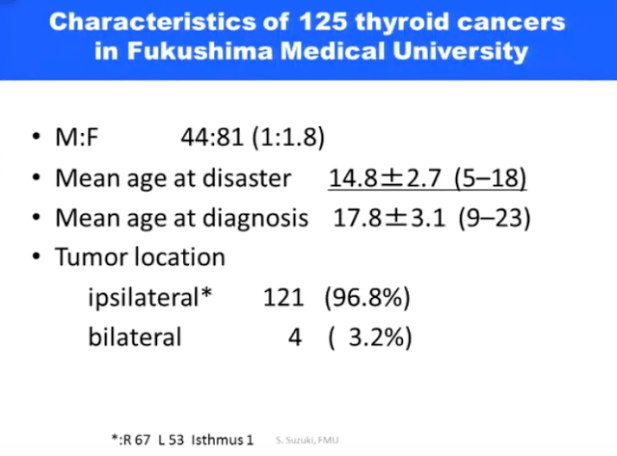
125 cases consisted of 44 males and 81 females, with the female-to-male ratio** of 1.8 to 1.
Age at the time of the accident (i.e. age at exposure) ranged from 5 to 18 years, with an average age of 14.8 ± 2.7 years. Age at diagnosis ranged from 9 to 23, with an average age of 17.8 ± 3.1 years.
Location of tumor was ipsilateral (i.e. one-sided) in 121 cases (96.8%) and bilateral (i.e. on both sides) in 4 cases. In 121 ipsilateral cases, 67 were located in the right lobe, 53 in the left lobe, and 1 in the isthmus which connects together the lower thirds of the right and left lobes.
**Thyroid cancer is known to occur more commonly in females. The female to male ratio tends to increase with age. For instance, the female to male ratio in the 2009 US study is 4.3:1 with 94.5% of cases ≥ age 10 [1] . In the 1995 study of the cancer registry data from 1963 to 1992 in England and Wales, the female to male ratio was 1.25:1 in ages 5-9 and 3.1:1 in ages 10-14 [2]. The female to male ratio is also known to decrease in the radiation exposed cases. In the 2008 study that compared thyroid cancer cases (exposed to radiation) in Belarus, Ukraine and Russia after the Chernobyl accident with unexposed cases in the same region as well as in UK and Japan, the female to male ratio was 4.2:1 overall, 2.4:1 in age <10, 5.2:1 in age ≥10 in the unexposed cases, whereas the female to male ratio was 1.5:1 overall, 1.3:1 in age <10, and 1.6:1 in age ≥10 in the exposed cases [3].
Slide 3

TNM classification is explained below. Japan has its own clinical guidelines on cancers, but the TNM classification is essentially the same with the exception of the “Ex” notation which refers to the degree of extension outside the thyroid capsule:
Ex1 means minimal extension (example: extension to sternothyroid muscle or perithyroid soft tissues) and is equivalent to T3.
Ex2 means further extension and is equivalent to T4.
Prefix “c” refers to “clinical” while “p” refers to “pathological.”
Pre-operative tumor size here refers to the largest diameter measured by ultrasound. It ranged from 5 mm to 53 mm with average of 14.0 ± 8.5 mm. (Note: The largest pre-op diameter was 45.0 mm for the first round and 35.6 mm for the second round. It is unclear where “53 mm” came from).
44 had tumor size ≤ 10 mm and limited to the thyroid.
57 had tumor size > 10 mm but ≤ 20 mm and limited to the thyroid.
12 had tumor size > 20 mm but ≤ 40 mm and limited to the thyroid.
12 had tumor size > 40 mm and limited to the thyroid, or any size tumor minimally extending outside the thyroid.
28 had metastases to the regional lymph node.
5 had lymph node metastases near the thyroid, within the central compartment of the neck.
23 had lymph node metastases to further areas of the neck.
3 had distant metastases to the lungs. This is the first time that any clinical details of the distant metastasis cases are given.
1) Male. Age at exposure 16, age at surgery 19.
Pre-operative: cT3 cN1a cM1. Tumor size > 40 mm and limited to thyroid or any size with minimal extension outside the thyroid. Metastasis to lymph nodes in the central compartment of the neck. Distant metastasis.
Post-operative: pT3 pEx1 pN1a pM1. Tumor size > 40 mm and limited to thyroid or any size with minimal extension outside the thyroid. Minimal extension outside the thyroid. Metastasis to lymph nodes within the central compartment of the neck. Distant metastasis.
2) Male. Age at exposure 16, age at surgery 18.
Pre-operative: cT3 cN1b cM1. Tumor size > 40 mm and limited to thyroid or any size with minimal extension outside the thyroid. Metastasis to the neck lymph nodes outside the central compartment. Distant metastasis.
Post-operative: pT2 pEx0 pN1b pM1. Tumor size > 20 mm but ≤ 40 mm and limited to the thyroid. No extension outside the thyroid. Metastasis to the neck lymph nodes outside the central compartment. Distant metastasis.
3) Female. Age at exposure 10, age at surgery 13.
Pre-operative: cT1b cN1b cM1. Tumor size > 1 cm but ≤ 2 cm, limited to the thyroid. Metastasis to the neck lymph nodes outside the central compartment. Distant metastasis.
Post-operative: pT3 pEx1 pN1b pM1. Tumor size > 40 mm and limited to thyroid or any size with minimal extension outside the thyroid. Minimal extension. Metastasis to the neck lymph nodes outside the central compartment. Distant metastasis.
*****
TNM classification for differentiated thyroid cancer from the American Cancer Society website.
Primary tumor (T)
T indicates the size of the primary tumor and whether it has grown into the nearby area.
T1a: Tumor ≤ 1 cm, limited to the thyroid
T1b: Tumor > 1 cm but ≤ 2 cm in greatest dimension, limited to the thyroid
T2: Tumor size > 2 cm but ≤ 4 cm, limited to the thyroid
T3: Tumor size >4 cm, limited to the thyroid or any tumor with minimal extrathyroidal extension (eg, extension to sternothyroid muscle or perithyroid soft tissues)
T4a: The tumor is any size and has grown extensively beyond the thyroid gland into nearby tissues of the neck, such as the larynx (voice box), trachea (windpipe), esophagus (tube connecting the throat to the stomach), or the nerve to the larynx. This is also called moderately advanced disease.
T4b: The tumor is any size and has grown either back toward the spine or into nearby large blood vessels. This is also called very advanced disease.
Regional lymph nodes (N)
Regional lymph nodes are the central compartment, lateral cervical, and upper mediastinal lymph nodes:
N0: No regional lymph node metastasis
N1: Regional lymph node metastasis
N1a: Metastases to level VI (pretracheal, paratracheal, and prelaryngeal/Delphian lymph nodes)
N1b: Metastases to unilateral, bilateral, or contralateral cervical (levels I, II, III, IV, or V) or retropharyngeal or superior mediastinal lymph nodes (level VII)
Distant metastasis (M)
M0: No distant metastasis is found
M1: Distant metastasis is present
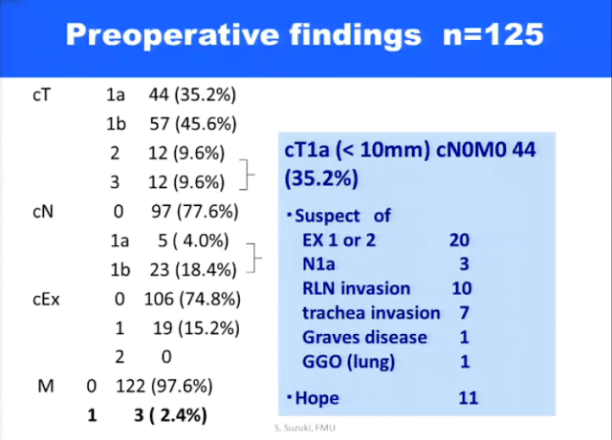
1 case: Ground-glass opacity (GGO) of the lungs

Slide 6
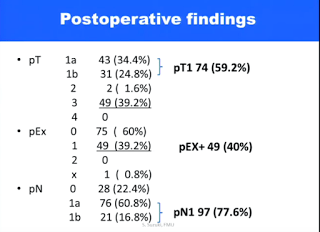
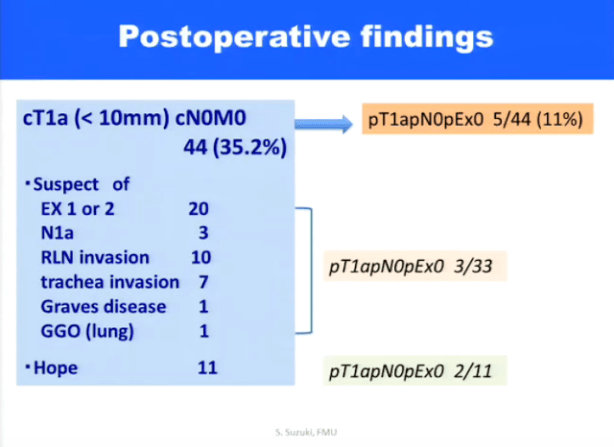
This slide shows what was found during the surgery and subsequent pathological examination of the excised tissues and lymph nodes.

Notable is the number and percentage of cases confirmed to have minimal extension outside the thyroid capsule, pEx1. This number, 49 (40%), is the same as pT3, suggesting pT3 in this group denotes any size tumor with minimal extension outside the thyroid capsule.
Even more notable is the number of regional lymph node metastases. 5 cases of cN1a turned out to be 76 cases of pN1a. Overall, 97 (77.6%) of 125 had regional lymph node metastasis.


Slide 9
This slide shows algorithms for diagnosis and treatment of papillary thyroid cancer according to the Japanese clinical guidelines.

Slide 10
This slide shows a comparison of surgical methods between Belarus and Fukushima. Most cases in Fukushima underwent hemithyroidectomy or lobectomy, whereas total thyroidectomy was the most common surgical method in Belarus.
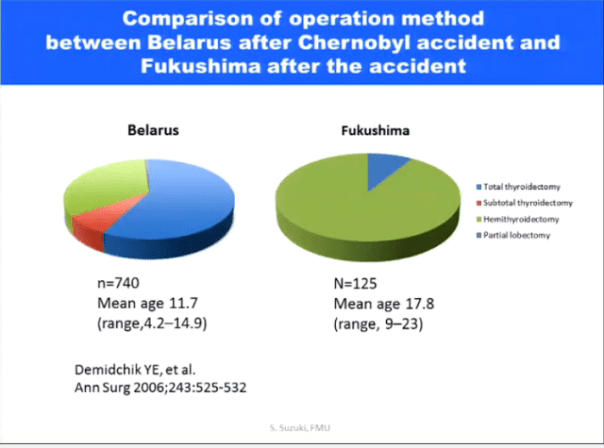
Suzuki mentioned that extra care has been taken to reduce complications from surgeries, and hemithyroidectomy was employed when possible to decrease the lifetime need for thyroid hormone supplementation. Also, this article by Japan’s top thyroid surgeons states, “At present, Western countries adopted almost routine total thyroidectomy with radioactive iodine (RAI) ablation, while limited thyroidectomy with extensive prophylactic lymph node dissection has traditionally been performed for most patients in Japan.(…) In Japan, however, limited thyroidectomy such as subtotal thyroidectomy and lobectomy with isthmectomy has been traditionally adopted as the standard. This is partially because the capacity to perform RAI therapy is limited due to legal restrictions, and RAI therapy is not considered cost effective by the healthcare system in Japan. [10]”
Slide 11
This slide shows the genetic mutation profile in different study groups. 63.2% of 52 cases from Fukushima was shown to have BRAF mutation. In the 2015 study by Mitsutake et al.[11] shown in the green box, 43 (63.2%) of 68 cases are shown to be positive for BRAF V600E point mutation. The same study also shows 10.3% was positive for RET/PTC rearrangements (6 cases of RET/PTC1 and 1 case of RET/PTC3) and 4 cases (5.9%) had ETV6/NTRK3 rearrangement. (It’s unclear where “n=52” and 8.8% of TRK fusion came from for the Fukushima column, as the Mitsutake study has n=68 and did not test for TRK fusion. It’s also unclear where the Japanese adult data came from. Literature search revealed the BRAF frequency in PTC of Japanese adults varied in a wide range: 28.8% [12], 38.2% [13], 38.4% [14] , 53% [15], and 82.1% [16]).
The official stance is that the genetic alterations observed in Fukushima cases are similar to what is seen in typical adult papillary thyroid cancer and “probably reflects genetic status of all sporadic and latent thyroid carcinomas in the young Japanese population [11].” In other words, the official assert that the genetic profile appears consistent with the official claim that screening is diagnosing spontaneous and latent cancers which might not have been detected without screening.
However, literature varies in regards to how the genetic mutations are associated with radiation exposure, age, and iodine status. RET/PTC rearrangements, frequently seen in Chernobyl, are associated with both radiation-induced and spontaneous thyroid cancer [17], more common at younger age and in iodine deficient areas [18]. BRAF mutation is known to be seen more frequently in older age, but recent studies showed BRAF V600E was present in 36.8% (median age 13.7 years) [19] and 63% (median age 18.6 years) [20] of pediatric papillary thyroid carcinoma. BRAF mutation were associated with high iodine intake in China [21], while no difference in BRAF V600E frequency was found between iodine-rich and iodine-deficient countries recently [16].

Slide 12
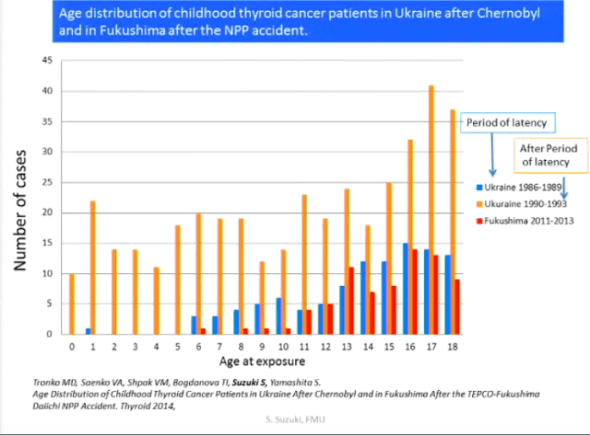
This slide shows a graph with age distribution of thyroid cancer patients in Ukraine and Fukushima in different post-accident time periods, compiled by superimposing 2 graphs from Letter to the Editor of Thyroid [21]. Blue bars are for 1986-1990 in Ukraine (first 4 years after the Chernobyl accident) and red bars are for 2011-2013 in Fukushima (first 3 years after the Fukushima accident), both time periods representing “latency” for radiation-induced thyroid cancer in children. Orange bars are for 1990-1993 in Ukraine–after the latency period–showing a large increase in thyroid cancer cases in Ukrainian residents who were 18 or younger when the accident happened. Increased number of cases in those who were age 5 or younger set this time period apart. The year 1990 is also when large-scale screening programs began, initiated by international organizations [22].
The age distribution is “strikingly similar” between the first 4 post-accident years in Ukraine (blue bars) and the first 3 years in Fukushima (red bars), as acknowledged by the letter. However, the letter is inconsistent in claiming “if thyroid cancers in Fukushima were due to radiation, more cases in exposed preschool-age children would have been expected” and defining the first 4 years as “latency.” This illogical claim is also seen in a slightly different format as a comparison between different post-accident periods [23].
*****
Classification of cervical lymph nodes by the Japanese clinical guidelines
I: Prelaryngeal nodes: LN anterior to the thyroid cartilage and the cricoid cartilage
II: Pretracheal nodes: LN anterior to trachea, dissectible posteriorly from the inferior border of thyroid
III: Paratracheal nodes: LN lateral to trachea, extending inferiorly to where it is dissectible from the neck and superiorly where recurrent laryngeal nerve enters trachea.
IV: Prethyroid nodes: LN adjacent to anterior and lateral parts of thyroid. Laterally includes LN attached to thyroid when middle thyroid artery is ligated and cut. (Equivalent to the AJCC Level IV: lower jugular nodes)
(I, II, III and IV are equivalent to the AJCC Level VI: anterior compartment LN)
V: Superior internal jugular nodes: LN along internal jugular vein but superior to the inferior border of cricoid cartilage. This is further subdivided into superior and inferior at the bifurcation of common carotid artery
Va LN: inferior to the bifurcation of common carotid artery (equivalent to the AJCC Level II: upper jugular nodes)
Vb LN: superior to the bifurcation of common carotid artery (equivalent to the AJCC Level III: middle jugular nodes)
VI: Inferior internal jugular nodes: LN along internal jugular vein, inferior to the inferior border of cricoid cartilage. Includes LN in supraclavicular fossa.
VII: Posterior triangle nodes: LN located in posterior triangle bordered by anterior border of sternocleidomastoid muscle, posterior border of trapezius muscle, and omohyoid muscle.
VIII: Submandibular nodes: LN in the submandibular triangle.
IX: Submittal nodes: LN in the submental triangle.
(VIII and IX are equivalent to the AJCC Level I)
X: Superficial cervical nodes: LN superficial to superficial layer of the deep cervical fascia enclosing sternohyoid and sternocleidomastoid muscles.
XI: Superior mediastinal nodes: LN unresectable by neck dissection
(Equivalent to the AJCC Level VII: superior mediastinal nodes)
References
[1] Hogan AR, Zhuge Y, Perez EA, Koniaris LG, Lew JI, Sola JE. Pediatric thyroid carcinoma: incidence and outcomes in 1753 patients. J Surg Res. 2009 Sep;156(1):167-72. doi: 10.1016/j.jss.2009.03.098.
[2] Harach HR, Williams ED. Childhood thyroid cancer in England and Wales. British Journal of Cancer. 1995;72(3):777-783.
[3] Williams ED, Abrosimov A, Bogdanova T, et al. Morphologic Characteristics of Chernobyl-Related Childhood Papillary Thyroid Carcinomas Are Independent of Radiation Exposure but Vary with Iodine Intake. Thyroid. 2008;18(8):847-852. doi:10.1089/thy.2008.0039.
[4] Robbins K, Clayman G, Levine PA, et al. Neck Dissection Classification Update: Revisions Proposed by the American Head and Neck Society and the American Academy of Otolaryngology–Head and Neck Surgery. Arch Otolaryngol Head Neck Surg. 2002;128(7):751-758. doi:10.1001/archotol.128.7.751.
[5] Ory C, Ugolin N, Schlumberger M, Hofman P, Chevillard S. Discriminating Gene Expression Signature of Radiation-Induced Thyroid Tumors after Either External Exposure or Internal Contamination. Genes. 2012;3(1):19-34. doi:10.3390/genes3010019.
[7] LiVolsi, VA, et al. The Chernobyl Thyroid Cancer Experience: Pathology. Clinical Oncology. 23(4):261-267.
[8] Williams ED, Abrosimov A, Bogdanova T, et al. Morphologic Characteristics of Chernobyl-Related Childhood Papillary Thyroid Carcinomas Are Independent of Radiation Exposure but Vary with Iodine Intake. Thyroid. 2008;18(8):847-852. doi:10.1089/thy.2008.0039.
[9] Nikiforov YE, Seethala RR, Tallini G, et al. Nomenclature Revision for Encapsulated Follicular Variant of Papillary Thyroid Carcinoma: A Paradigm Shift to Reduce Overtreatment of Indolent Tumors. JAMA Oncol. 2016;2(8):1023-1029. doi:10.1001/jamaoncol.2016.0386.
[12] Namba H, Nakashima M, Hayashi T, Hayashida N, Maeda S, Rogounovitch TI, Ohtsuru A, Saenko VA, Kanematsu T, and Yamashita S. Clinical Implication of Hot Spot BRAF Mutation, V599E, in Papillary Thyroid Cancers. The Journal of Clinical Endocrinology & Metabolism. 2003;88(9):4393-4397.
[13] Nasirden A, Saito T, Fukumura Y, et al. Virchows Arch (2016). doi:10.1007/s00428-016-2027-5.
[14] Ito Y, Yoshida H, Maruo R, et al. BRAF Mutation in Papillary Thyroid Carcinoma in a Japanese Population: Its Lack of Correlation with High-Risk Clinicopathological Features and Disease-Free Survival of Patients. Endocrine Journal. 2009;5(1):89-97.
[15] Fukushima T, Suzuki S, Mashiko M, et al. BRAF mutations in papillary carcinomas of the thyroid. Oncogene. 2003;22:6455–6457. doi:10.1038/sj.onc.1206739.
[16] Vuong HG, Kondo T, Oishi N, et al. Genetic alterations of differentiated thyroid carcinoma in iodine‐rich and iodine‐deficient countries. Cancer Medicine. 2016;5(8):1883-1889. doi:10.1002/cam4.781.
[17] Nikiforov YE, Rowland JM, Bove KE, Monforte-Munoz H, and Fagin JA. Distinct Pattern of ret Oncogene Rearrangements in Morphological Variants of Radiation-induced and Sporadic Thyroid Papillary Carcinomas in Children. Cancer Res. May 1997;57(9):1690-1694.
[18] Leeman-Neill RJ, Brenner AV, Little MP, Bogdanova TI, Hatch M, Zurnadzy LY, Mabuchi K, Tronko MD, and Nikiforov YE. RET/PTC and PAX8/PPARγ chromosomal rearrangements in post-Chernobyl thyroid cancer and their association with iodine-131 radiation dose and other characteristics. Cancer. 2013;119:1792–1799. doi:10.1002/cncr.27893.
[19] Givens DJ, Buchmann LO, Agarwal AM, Grimmer JF, and Hunt JP. BRAF V600E does not predict aggressive features of pediatric papillary thyroid carcinoma. The Laryngoscope. 2014;124:E389–E393. doi: 10.1002/lary.24668.
[20] Henke LE, Perkins SM, Pfeifer JD, Ma C, Chen Y, DeWees T, and Grigsby PW. BRAF V600E mutational status in pediatric thyroid cancer. Pediatr Blood Cancer. 2014;61:1168–1172. doi:10.1002/pbc.24935.
[21] Guan H, Ji M, Bao R, et al. Association of High Iodine Intake with the T1799A BRAF Mutation in Papillary Thyroid Cancer. The Journal of Clinical Endocrinology & Metabolism. 2009;94(5):1612-1617. doi:10.1210/jc.2008-2390.
[22] International Advisory Committee. The International Chernobyl Project. Assessment of radiological consequences and evaluation of protective measures.
Technical Report. Vienna: International Atomic Energy Agency; 1991.
[23] Takamura N, Orita M, Saenko V, Yamashita S, Nagataki S, and Demidchik Y. Radiation and risk of thyroid cancer: Fukushima and Chernobyl. The Lancet Diabetes & Endocrinology. 2016;4(8):647. doi:10.1016/S2213-8587(16)30112-7.
Science Subverted by Politics in Fukushima
The high rate of thyroid cancer occuring in Fukushima is not caused by radiation. Or so the government would like everyone to believe!
Study draws a blank on thyroid cancer and 2011 nuclear disaster
Researchers have found no correlation between radiation exposure and the incidence rate of thyroid cancer among 300,000 children living in Fukushima Prefecture at the time of the 2011 nuclear disaster.
But the team at Fukushima Medical University, which carried out the study, cautioned that the health of local children should continue to be monitored to be more definitive.
“At the present stage, we have found no evidence pointing to any relationship between doses of external radiation resulting from the nuclear accident and the thyroid cancer rate,” said Tetsuya Ohira, a professor of epidemiology at the university. “But we need to continue to look into the situation.”
The study involves 300,476 children in Fukushima Prefecture who were aged 18 or younger when the Fukushima No. 1 nuclear power plant went into a triple meltdown in March 2011 after the Great East Japan Earthquake and tsunami.
The children underwent the first round of health checks between October 2011 and June 2015.
Of the total, 112 were tentatively diagnosed as having thyroid cancer.
There are two types of radiation exposure: external exposure in which a person is exposed to radiation in the atmosphere, and internal exposure in which a person is exposed through the intake of contaminated food, water and air.
For the study, municipalities in the prefecture were classified into three groups based on the estimate for residents’ external exposure. That data was obtained during a prefecture-wide health survey carried out after the disaster occurred.
The first group is a zone where people with an accumulative dose of 5 millisieverts or more represented 1 percent or more of the population there. The second group is a zone where people with an accumulative dose of up to 1 millisievert account for 99.9 percent or more of the population. The third group is a zone that falls into neither of the other two groups.
The scientists looked at the incidence rate for thyroid cancer in each group and concluded there is almost no difference among the groups.
The number of subjects diagnosed with thyroid cancer was 48 per 100,000 people in the first group, 41 in the second group and 36 in the third group.
The finding was similar to a separate survey in which researchers looked into the possible association among 130,000 or so children whose radiation exposure had been estimated.
Hokuto Hoshi, head of a health survey panel set up at the prefectural government after the nuclear disaster, said he will closely follow the results of future studies to offer a more conclusive finding.
“The outcome of the recent study provides one indication in making any overall judgment,” said Hoshi, who also serves as vice chairman of the Fukushima Medical Association. “The study is substantial and we are going to pay attention to the findings of further studies.”
http://www.asahi.com/ajw/articles/AJ201609100031.html
Fund started to help Fukushima thyroid cancer patients cover expenses

A group comprising medical and legal experts announced Friday it has launched a fund to provide financial support to children who were diagnosed with thyroid cancer after the 2011 nuclear meltdowns in Fukushima Prefecture.
The group, named 3/11 Children’s Fund for Thyroid Cancer, will start accepting donations from Sept. 20, aiming to raise at least ¥20 million. The amount could provide at least ¥50,000 each for 200 to 400 people, it said.
Donated funds will be used primarily to cover medical expenses for thyroid cancer patients in Fukushima and neighboring prefectures, it said. The group will announce more details in November on the criteria that will be used to determine who is eligible to receive the aid before it starts accepting applications.
“They are struggling to pay medical bills,” Hiroyuki Kawai, a lawyer and one of the founding members of the group, said at a news conference in Tokyo. “I don’t think ¥50,000 will be enough for them, but they are impoverished and are struggling, and even that amount will be of help.”
Currently, the medical expenses of children diagnosed with thyroid cancer in Fukushima Prefecture are covered by the prefectural government.
Patients, however, have to initially pay their medical expenses out of pocket until they start receiving refunds from the prefecture, placing great financial strain on many families, another member of the group said.
In addition to that, some parents often have to take leave from work to accompany their children during hospital visits, which also includes paying for travel expenses, they said.
According to the group, although medical treatment for thyroid cancer is covered by public health insurance, the patients still have to pay about ¥10,000 per examination and roughly ¥150,000 for surgical procedures. And if patients have to undergo endoscopic surgery, it would cost them an additional ¥300,000, it said.
Since October 2011, the Fukushima government has conducted thyroid screenings for some 380,000 children who were aged 18 or younger.
By the end of March, a total of 173 children were diagnosed with suspected thyroid cancer. Of those, 131 were confirmed to have the cancer after undergoing surgery.
A panel of experts under the prefectural government said in an interim report released in March that those thyroid cancer cases were unlikely to be radiation-induced.
The panel said the amount of radiation released was lower than in the 1986 Chernobyl accident, where more than 6,000 children were diagnosed with the cancer by 2005, and noted that no cancer was found among children aged under 5 at the time of the disaster who are more vulnerable to radiation exposure.
President of Fukushima Pediatric Association recently hand delivered the Association’s requests to Fukushima Prefecture to “scale down” thyroid exams for children in Fukushima
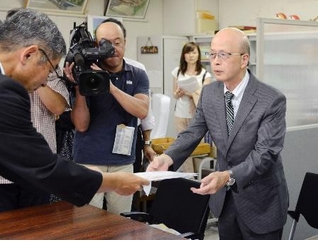
Does Fukushima Prefecture need to scale down or expand its existing thyroid exams provided to Fukushima children who were 18 years of younger at the time of Fukushima nuclear accident in 2011?
President of Fukushima Pediatric Association recently hand delivered the Association’s requests to Fukushima Prefecture to “scale down” thyroid exams for children in Fukushima.
Fukushima Pediatric Association claims that identifying many children with thyroid cancer through Prefecture’s thyroid exams is causing anxiety among children, their guardians, and citizens in the prefecture, and requests that a partial re-consideration of the thyroid exam is necessary.
(By the way, can you tell which one is Dr. Kazuhiro Ohga of Fukushima Pediatric Association and which one is an official of Fukushima Prefecture, just by looking at the photo of the article? I initially thought the man on the right is an official from the Fukushima Prefecture, because the man on left is bowing deeper, as if he is asking a favor by delivering a request. I was wrong. Dr. Ohga is on the right.)
http://this.kiji.is/141480622388215816?c=39546741839462401
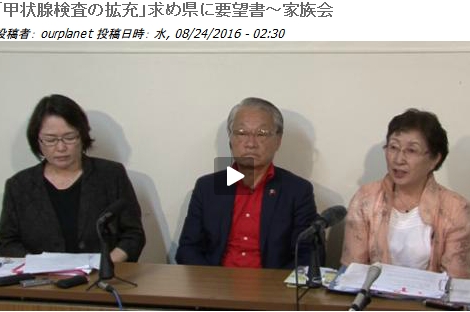
On the other hand, a citizens’ group with parents of children whose thyroid cancers were detected because of Prefecture’s thyroid exams requests Fukushima Prefecture to expand the exams.
http://ourplanet-tv.org/?q=node%2F2057
Credit to Mari Inoue
【Thyroid Cancer in Fukushima】Fukushima Thyroid Examination Under Dual Review

Monday, August 8, 2016
Below is unofficial translation of two Fukushima Minyu articles regarding the review of the thyroid examination, published on August 8, 2016 and July 4, 2016. The August article is based on an interview of Hokuto Hoshi, Chair of Oversight Committee for the Fukushima Health Management Survey. It might be tied to this post. The July article covers the launch of an independent exploratory committee by Fukushima Pediatric Association.
Interestingly, a telephone inquiry by a concerned citizen revealed the Division of the Fukushima Health Management Survey at the Fukushima Prefectural Office was unaware of the content of the August article before its publication in newspaper. They declined to comment on the issue for the time being while contacting Oversight Committee Chair Hoshi to confirm facts and discuss the issue internally.
On September 26-27, 2016, the 5th International Expert Symposium “Chernobyl+30, Fukushima+5: Lessons and Solutions for Fukushima’s Thyroid Question” will be held in Fukushima, organized by Nippon Foundation and co-organized by Fukushima Medical University, Nagasaki University and Sasakawa Memorial Health Foundation. Judging from the symposium theme, there seems to be a rush to bring closure to the thyroid cancer issue even before the final results of the second round screening are released. A glance at the program is quite revealing.
*****
Oversight Committee for the Fukushima Health Management Survey Plan to Review the Thyroid Examination: Reduction in Target Population Considered
August 8, 2016
Oversight Committee for the Fukushima Health Management Survey, engaged in discussion on the status of the survey to examine the health effects due to the nuclear accident, will begin discussions as early as September to consider reduction in target population as well as review of the screening procedure.
The thyroid examination that targets all residents who were age 18 or younger at the time of the accident will face a big turning point, as revealed by the Oversight Committee Chair Hokuto Hoshi in the interview with Fukushima Minyu as of August 7th.
The thyroid examination targets about 380,000 residents. Thyroid cancer cases detected by the examination are considered “unlikely to be the effect of radiation exposure at this time” by the Oversight Committee.
What lies behind starting the discussion to consider review of the examination is the concern about detection of “latent cancer” cases, which exist at a constant rate regardless of radiation exposure, by screening with high sensitivity.
Thyroid cancer is curable in many cases, and the across-the-board cancer screening is unlikely to give rise to the merit of “reduced mortality.” Thus thyroid cancer screening is not globally recommended. This has led medical providers to voice concerns that “participation in the examination alone can be detrimental to the participants.”
Under the circumstance, the Oversight Committee is expected to begin discussions on issues such as: 1) Whether residents older than age 18 should be included in the target population in the future; and 2) Whether to change the method of mass screening currently conducted in school settings which has been pointed out to interfere with the participant’s wish not to participate.
*****
“Thyroid Examination” Should Be Reviewed: Fukushima Pediatric Association to Establish an Independent Committee
July 4, 2016
Fukushima Pediatric Association (president: Kazuhiro Ohga) adopted a general assembly statement incorporating the establishment of its own exploratory committee to consider the status of the thyroid examination on July 3, 2016 at the general meeting held in Kooriyama City. The thyroid examination, part of the Fukushima Health Management Survey that investigates health effects of the Tokyo Electric Fukushima Daiichi nuclear power plant accident, is conducted by the prefecture targeting residents who were age 18 or younger at the time of the accident. The association deems necessary to review the thyroid examination, taking a fresh look at part of it. This is the first time the association expresses the need to review the examination.
Five years have passed since the nuclear accident, a question was raised about the status of the thyroid examination mainly by pediatricians performing medical examinations on residents who are targeted for the thyroid examination.
According to the Fukushima Pediatric Association, there are 172 individuals (as of the end of March 2016) who have been diagnosed with thyroid cancer or “suspicion of cancer.” Thyroid cancer is curable in many cases, and the screening is unlikely to give rise to the merit of “reduced mortality,” while there is a mental detriment when diagnosed with cancer. Thus thyroid cancer screening is not globally recommended.
The general assembly statement referred to health worries experienced by children participating in the thyroid examination and their guardians as well as residents, stating “It is necessary to explain (the results) to the participants with care and compassion and offer an easily comprehensible explanation to residents.”
President Ohga stated, “The thyroid examination was started in order to alleviate anxiety of residents, but it is possible the examination created (new) anxieties. It is necessary to review the examination from the standpoint of the participants.”
The Exploratory Committee, comprising the association members, is scheduled to begin discussions this fall. It will take up opinions of those diagnosed with thyroid cancer and intend to set directions before next year’s general assembly. In addition, the content of the general assembly statement will be sent to the prefectural government as a request in the future.
The statement also incorporates items regarding the response to health effects on children, long-term health management, and continuing support for children and their families who are evacuated or returning.
Thirty children diagnosed with thyroid cancer in Fukushima nuclear crisis survey
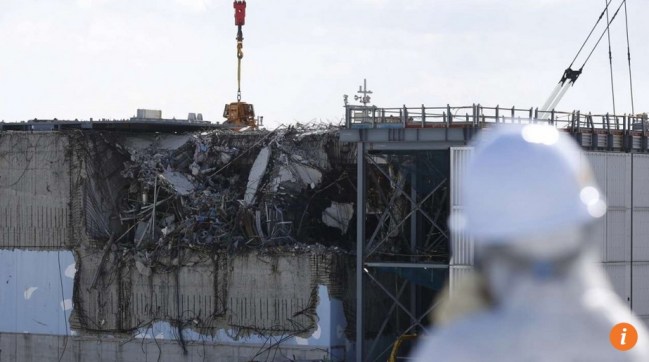
A survey begun in April 2014 to check the impacts of the 2011 Fukushima nuclear crisis has found that 30 children have so far been diagnosed with thyroid cancer and 27 are suspected of having the disease, a prefectural government panel said on Monday.
Most of them were thought to be problem free when their thyroid glands were checked during the first round of the survey conducted over a three-year period through March 2014.
The first survey covered about 300,000 children who were under the age of 18 and living in the northeastern Japan prefecture when the nuclear plant disaster was triggered by a huge earthquake and subsequent tsunami in March 2011.
The number of children diagnosed with thyroid cancer in the second round was up from 16 as reported at the previous panel meeting in February.
Hokuto Hoshi, head of the panel and a senior member of the Fukushima Medical Association, maintained his earlier view of the correlation between the cancer figures and radiation, saying based on expertise acquired so far, it is “unlikely” that the disease was caused by radiation exposure.
But Hoshi said: “Concerns have been growing among Fukushima residents with the increase in the number of cancer patients. We’d like to further conduct an in-depth study.”
When the results of the first and the ongoing second round of the heath survey are combined, the number of children diagnosed with thyroid cancer totals 131 and 41 are suspected of having it.
According to the Fukushima Medical University and other entities involved in the health checks, the 57 children in the second round of the survey either confirmed or suspected to have thyroid cancer were age 5 to 18 at the time of the triple reactor meltdown and the sizes of their tumours ranged from 5.3mm to 35.6mm.
The examiners were able to estimate how much external radiation exposure 31 of those children had over the four months immediately after the catastrophe, with the maximum being 2.1 millisieverts. Eleven children were exposed to less than 1 millisievert.
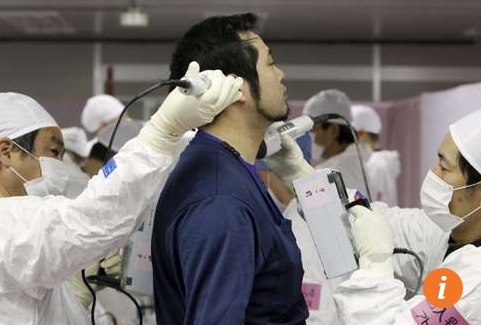
30 Fukushima children diagnosed with thyroid cancer in second check but radiation said ‘unlikely’ cause
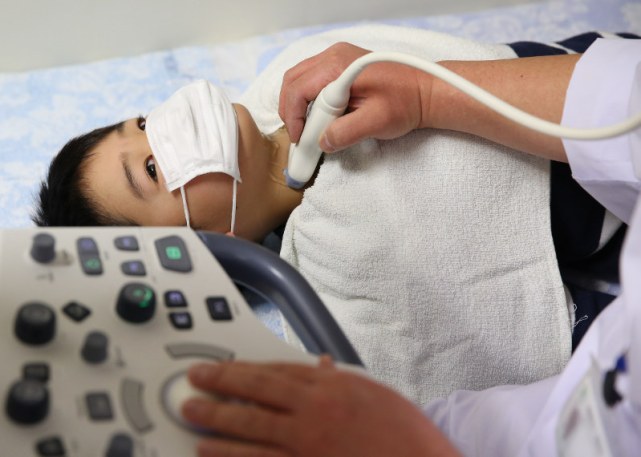
30 Fukushima children diagnosed with thyroid cancer in second check but radiation said ‘unlikely’ cause
FUKUSHIMA – In a study that began in April 2014 to check the impact of the 2011 Fukushima reactor meltdowns, 30 children have so far been diagnosed with thyroid cancer and 27 others are suspected of having the disease, according to a prefectural government panel.
Most of them were thought to be problem-free when their thyroid glands were checked during the first round of the study conducted over a three-year period through March 2014, the panel said Monday.
The first survey covered about 300,000 people who were under the age of 18 and living in Fukushima Prefecture when the nuclear disaster was triggered by the 3/11 earthquake and tsunami.
The number of children diagnosed with thyroid cancer in the second round was up from 16 as reported at the previous panel meeting in February.
Hokuto Hoshi, head of the panel and a senior member of the Fukushima Medical Association, maintained his earlier view of the correlation between the cancer figures and radiation, saying based on expertise acquired so far, it is “unlikely” that the disease was caused by radiation exposure.
Hoshi also said: “Concerns have been growing among Fukushima residents with the increase in the number of cancer patients. We’d like to further conduct an in-depth study.”
When the results of the first and the ongoing second round of the heath study are combined, the number of children diagnosed with thyroid cancer totals 131, and 41 others are suspected of having it.
According to Fukushima Medical University and other entities involved in the health checks, the 57 children in the second round of the survey either confirmed or suspected to have thyroid cancer were age 5 to 18 when the crisis started, and the sizes of their tumors ranged from 5.3 mm to 35.6 mm.
The examiners were able to estimate how much external radiation exposure 31 of those children had over the four months immediately after the catastrophe started, with the maximum being 2.1 millisieverts. Eleven of the children were exposed to less than 1 millisievert.
Fukushima medical survey confirms 14 new child thyroid cancer cases
The 131 number of child thyroid cancers mentioned in this article is wrong.
As of today 173 people diagnosed with thyroid cancer in Japan’s Fukushima

The number of child thyroid cancers discovered in the wake of the Fukushima nuclear disaster has reached 131, with the latest panel review adding 14 to the list of those suffering from the deadly disease, along with dozens of new suspected cases.
After the latest review of the ongoing second round of medical checkups conducted on almost 300,000 children who were aged 18 or younger at the time of the accident at the Fukushima Daiichi plant in March 2011, the prefecture-run program announced that a total 131 people have now been diagnosed with thyroid cancer.
Some 30 thyroid cancer cases were added to the radiation victims toll following the second round of checkups that began in April 2014. A further 27 people are suspected of having the disease. Previous numbers disclosed in February showed that 16 patients suffered from cancer.
In the latest announcement, scientists also say that a child who was less than five-years-old at the time of the tragedy had also been diagnosed with cancer. The new figures of those confirmed or suspected to have thyroid cancer have tumors ranging from 5.3 mm to 35.6 mm.
The first thyroid cancer detection round studying minors was conducted in Japan between 2011 to 2014 and discovered 101 people with thyroid cancer. With the latest numbers, the new toll stands at 131, while another 41 are suspected of suffering from radiation exposure, Japan Times reports.
“Concerns have been growing among Fukushima residents with the increase in the number of cancer patients. We’d like to further conduct an in-depth study,” said Hokuto Hoshi, head of the panel and a senior member of the Fukushima Medical Association.
He however maintained the panel’s earlier accession that it is “unlikely” that the disease cases was caused by radiation exposure, reiterating claims that there is no direct link between thyroid cancer and the nuclear disaster.
After the earthquake and tsunami in March 2011, radioactive elements were released from the Fukushima Daiichi Nuclear Power Plant. After the release, Fukushima Prefecture continued to conduct thyroid screening ultrasounds on all residents agds 18 years and younger. The first round of screening included 298,577 examinees, while the round that began in April 2014 focuses on 267,769 people.
https://www.rt.com/news/345641-fukushima-child-thyroid-cancer/
Woman breaks silence among Fukushima thyroid cancer patients
“I want everyone, all the children, to go to the hospital and get screened. They think it’s too much trouble, and there are no risks, and they don’t go,” the woman said in a recent interview in Fukushima. “My cancer was detected early, and I learned that was important.”
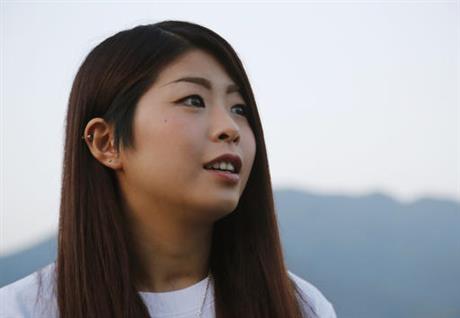
In this Saturday, May 28, 2016 photo, a young woman, who requested anonymity because of fears about harassment, speaks to The Associated Press in a town in Fukushima prefecture, northeast of Tokyo. She is among 173 people diagnosed with thyroid cancer in Japan’s Fukushima, but she’s the first to speak to media more than five years after the nuclear disaster there. That near-silence highlights the fear Fukushima thyroid-cancer patients have about being the “nail that sticks out,” and thus gets hammered.
KORIYAMA, Japan (AP) — She’s 21, has thyroid cancer, and wants people in her prefecture in northeastern Japan to get screened for it. That statement might not seem provocative, but her prefecture is Fukushima, and of the 173 young people with confirmed or suspected cases since the 2011 nuclear meltdowns there, she is the first to speak out.
That near-silence highlights the fear Fukushima thyroid-cancer patients have about being the “nail that sticks out,” and thus gets hammered.
The thyroid-cancer rate in the northern Japanese prefecture is many times higher than what is generally found, particularly among children, but the Japanese government says more cases are popping up because of rigorous screening, not the radiation that spewed from Fukushima Dai-ichi power plant.
To be seen as challenging that view carries consequences in this rigidly harmony-oriented society. Even just having cancer that might be related to radiation carries a stigma in the only country to be hit with atomic bombs.
“There aren’t many people like me who will openly speak out,” said the young woman, who requested anonymity because of fears about harassment. “That’s why I’m speaking out so others can feel the same. I can speak out because I’m the kind of person who believes things will be OK.”
She has a quick disarming smile and silky black hair. She wears flip-flops. She speaks passionately about her new job as a nursery school teacher. But she also has deep fears: Will she be able to get married? Will her children be healthy?
She suffers from the only disease that the medical community, including the United Nations Scientific Committee on the Effects of Atomic Radiation, has acknowledged is clearly related to the radioactive iodine that spewed into the surrounding areas after the only nuclear disaster worse than Fukushima’s, the 1986 explosion and fire at Chernobyl, Ukraine.
Though international reviews of Fukushima have predicted that cancer rates will not rise as a result of the meltdowns there, some researchers believe the prefecture’s high thyroid-cancer rate is related to the accident.
The government has ordered medical testing of the 380,000 people who were 18 years or under and in Fukushima prefecture at the time of the March 2011 tsunami and quake that sank three reactors into meltdowns. About 38 percent have yet to be screened, and the number is a whopping 75 percent for those who are now between the ages of 18 and 21.
The young woman said she came forward because she wants to help other patients, especially children, who may be afraid and confused. She doesn’t know whether her sickness was caused by the nuclear accident, but plans to get checked for other possible sicknesses, such as uterine cancer, just to be safe.
“I want everyone, all the children, to go to the hospital and get screened. They think it’s too much trouble, and there are no risks, and they don’t go,” the woman said in a recent interview in Fukushima. “My cancer was detected early, and I learned that was important.”
Thyroid cancer is among the most curable cancers, though some patients need medication for the rest of their lives, and all need regular checkups.
The young woman had one cancerous thyroid removed, and does not need medication except for painkillers. But she has become prone to hormonal imbalance and gets tired more easily. She used to be a star athlete, and snowboarding remains a hobby.
A barely discernible tiny scar is on her neck, like a pale kiss mark or scratch. She was hospitalized for nearly two weeks, but she was itching to get out. It really hurt then, but there is no pain now, she said with a smile.
“My ability to bounce right back is my trademark,” she said. “I’m always able to keep going.”
She was mainly worried about her parents, especially her mother, who cried when she found out her daughter had cancer. Her two older siblings also were screened but were fine.
Many Japanese have deep fears about genetic abnormalities caused by radiation. Many, especially older people, assume all cancers are fatal, and even the young woman did herself until her doctors explained her sickness to her.
The young woman said her former boyfriend’s family had expressed reservations about their relationship because of her sickness. She has a new boyfriend now, a member of Japan’s military, and he understands about her sickness, she said happily.
A support group for thyroid cancer patients was set up earlier this year. The group, which includes lawyers and medical doctors, has refused all media requests for interviews with the handful of families that have joined, saying that kind of attention may be dangerous.
When the group held a news conference in Tokyo in March, it connected by live video feed with two fathers with children with thyroid cancer, but their faces were not shown, to disguise their identities. They criticized the treatment their children received and said they’re not certain the government is right in saying the cancer and the nuclear meltdowns are unrelated.
Hiroyuki Kawai, a lawyer who also advises the group, believes patients should file Japan’s equivalent of a class-action lawsuit, demanding compensation, but he acknowledged more time will be needed for any legal action.
“The patients are divided. They need to unite, and they need to talk with each other,” he told AP in a recent interview.
The committee of doctors and other experts carrying out the screening of youngsters in Fukushima for thyroid cancer periodically update the numbers of cases found, and they have been steadily climbing.
In a news conference this week, they stuck to the view the cases weren’t related to radiation. Most disturbing was a cancer found in a child who was just 5 years old in 2011, the youngest case found so far. But the experts brushed it off, saying one wasn’t a significant number.
“It is hard to think there is any relationship,” with radiation, said Hokuto Hoshi, a medical doctor who heads the committee.
Shinsyuu Hida, a photographer from Fukushima and an adviser to the patients’ group, said fears are great not only about speaking out but also about cancer and radiation.
He said that when a little girl who lives in Fukushima once asked him if she would ever be able to get married, because of the stigma attached to radiation, he was lost for an answer and wept afterward.
“They feel alone. They can’t even tell their relatives,” Hida said of the patients. “They feel they can’t tell anyone. They felt they were not allowed to ask questions.”
The woman who spoke to AP also expressed her views on video for a film in the works by independent American filmmaker Ian Thomas Ash.
She counts herself lucky. About 18,000 people were killed in the tsunami, and many more lost their homes to the natural disaster and the subsequent nuclear accident, but her family’s home was unscathed.
When asked how she feels about nuclear power, she replied quietly that Japan doesn’t need nuclear plants. Without them, she added, maybe she would not have gotten sick.
___
Ash’s video interview:
https://www.youtube.com/playlist?list=PLpmdZYCRIZfvTtTE1sbY3ynaGsfDYmNWn
Source: http://bigstory.ap.org/2311e999708d48c491efde5154514ef9
‘I Do Not Want Any Children to Develop Cancer Like Me’, a Fukushima Resident Says
Independent filmmaker Ian Thomas Ash has uploaded to YouTube a four-part interview with a young woman from Fukushima Prefecture who has been diagnosed with thyroid cancer. Now 20, the interviewee was 15 years old when, following the March 2011 earthquake and tsunami, the Fukushima Daiichi nuclear power complex lost power and the ability to cool fuel in the reactors. The lack of cooling caused a series of hydrogen explosions that severely damaged four of the six reactors at the Daiichi complex.
As a result of the explosions and subsequent fires, nuclear contamination was spread over a large part of Japan’s northeast. The young woman interviewed in the documentary, who wishes to remain unidentified, is one of 166 Fukushima residents who were 18 or younger at the time of the nuclear disaster who have been diagnosed with or suspected of having thyroid cancer (as of February 2016).
While some attribute the rise in cases of thyroid cancer to more rigorous screening, Ash notes that 74.5% of young people aged 18-21 as of April 1, 2014 who were living in Fukushima at the time of the nuclear accident have not yet taken part in the official thyroid ultrasound examination.
“This young woman’s reason for speaking out is to motivate the families of children who have not yet received the thyroid ultrasound examination to have their children tested,” Ash says in his introduction to the interview.
The interview has been uploaded to YouTube in four parts: part 1, part 2, part 3, part 4
The woman says according to her doctors, her cancer was caught at the right moment. Had she waited any longer, they told her, the cancer could have spread. As a result of the illness, she had part of her thyroid removed.
She will begin working in a nursery school this year, and is pained to think of any other children going through what she has endured:
I would hate if any children I taught developed cancer. To tell the truth, I do not want any children to develop cancer like me.
Ash, based in Tokyo, makes short documentaries about life in Japan after the March 11, 2011 earthquake, tsunami and nuclear disaster.

Young woman from Fukushima speaks out
For each of the last four days, I have published a part of an interview I filmed with a brave, young woman from Fukushima about her diagnosis of thyroid cancer. Following are some details about the interview as well as some data for reference.
Below is a summary of the main points of the young woman’s story:
1) She often gets tired easily after undergoing surgery for thyroid cancer.
2) She sometimes feels emotionally unstable after the surgery.
3) She has no medical doctor with whom she can talk comfortably.
4) She does not want other Fukushima children/ adolescents to develop thyroid cancer.
5) She wants young residents in Fukushima to undergo regular thyroid checkups, so that thyroid cancer cases may be detected early.
6) She is anxious about the possible health implications on her future children.
Points 1) and 2): Fukushima Medical University insists that thyroid cancer is not a disease that is deadly, and therefore residents in Fukushima do not have to worry even if they are diagnosed with thyroid cancer. However, this young woman’s story clearly demonstrates that the postoperative conditions of patients are not that simple. Post-operative patients are likely to experience various physical and emotional difficulties even after they have survived thyroid cancer.
Points 3): Doctors at Fukushima Medical University are not forming a comfortable relationship with the patients on whom they operate, which is a significant problem in terms of doctor-to-patient relationships. It is even more problematic when it is taken into account that most of the patients are young and therefore require intensive medical and emotional follow-up care.
Points 5): She is sending a strong message to young Fukushima residents that they should continue receiving regular thyroid checkups.
Peace,
Ian Thomas Ash
http://ianthomasash.blogspot.fr/2016/05/young-woman-from-fukushima-speaks-out-15.html
Response to the Chicago Tribune Editorial “The children of Fukushima: When medical tests mislead”
The following is the letter to the Editor for the Chicago Tribune editorial, “The children of Fukushima: When medical tests mislead.” The letter was submitted through the online form on April 19, 2016, but there has been no response from Chicago Tribune. (Brevity of the content is due to the 400-word limit for letters).
*****
Dear Editor,
The March 25, 2016 Chicago Tribune editorial, “The children of Fukushima: When medical tests mislead” is misleading on its own regarding the childhood thyroid cancer situation in Fukushima Prefecture, Japan.
Differences in cancer rates by distance from the accident site and contamination levels may not be obvious, but an epidemiological analysis by Tsuda et al. (http://journals.lww.com/epidem/Fulltext/2016/05000/The_Authors_Respond.37.aspx) found a dose response tendency with proximity to the accident site after adjusting for the length of time between the accident and the time of screening. It is also important to remember only 1,080 children had their thyroid exposure doses directly measured and that is only 0.36% of 300,000 children who underwent thyroid ultrasound examination. Taken under high background levels, the doses are far from being accurate.
Children younger than age 5 showed an increased rate of thyroid cancer beginning at 4-5 years after the Chernobyl accident, so the first 3 years after the Fukushima accident, covered by the completed first round screening, would not expect to see that age group affected. The first cancer case was diagnosed about 17 months after the accident, not within a year, and some of these early cases might have been the result of radiation exposure promoting the growth of latent cancer that might not have become large enough to be detected until much later in life if unexposed to radiation.
Comparison with three other prefectures where one cancer case was diagnosed in 4,365 subjects is invalid as its small sample size lacks the necessary statistical power. The Korean screening is in adults and should not be compared with children.
It is true that unnecessary medical testing can lead to overdiagnosis and overtreatment, but the clinical information provided by Fukushima Medical University, such as metastasis and physical proximity of tumor to other vital structures, validates surgical interventions for the majority of the operated cases in Fukushima. Thyroid cancer is believed to grow slowly, but 80% of thyroid cancer cases discovered in the ongoing second round screening had no suspicious findings in the first round screening only 2-3 years earlier.
It is not just a cancer death but cancer diagnosis itself that is concerning for patients and their loved ones, and the causality should not be prematurely prejudged. A lesson of the Fukushima children may be the importance of conducting a timely and adequate collection of the exposure data and a comprehensive evaluation of data in a transparent and unbiased manner.
Yuri Hiranuma, D.O.
Member, Radiation and Health Committee
Physicians for Social Responsibility
http://fukushimavoice-eng2.blogspot.fr/2016/05/response-to-chicago-tribune-editorial.html
(part 3) Young woman from Fukushima speaks out
This interview was filmed on February 12, 2016, in Fukushima Prefecture. The young woman was 15 at the time of the nuclear meltdown in Fukushima, and we are releasing this interview with her permission. She is one of the 166 Fukushima residents aged 18 or younger at the time of the nuclear disaster who has been diagnosed with or suspected of having thyroid cancer (as of February 2016).
Fukushima residents who were 18 years old or younger at the time of the nuclear accident have been asked to participate in the voluntary thyroid ultrasound examination which is part of the Fukushima Health Management Survey. However, 18.8% of this age group were not tested in the 1st round of testing.* While the final results for the 2nd round of testing are not yet complete, every year the number of children participating in the official thyroid examinations is decreasing; the number of children who have not participated in the 2nd round of testing is currently 50.7%** For those young people aged 18-21 (as of April 1, 2014) and who were living in Fukushima at the time of the nuclear accident, 74.5% have not yet taken part in the official thyroid ultrasound examination.**
This young woman’s reason for speaking out is to motivate the families of children who have not yet received the thyroid ultrasound examination to have their children tested. However, in sharing her story about a topic which has become increasingly difficult to talk publicly about in Japan, she faces inherent risks which may include those to her work, community life and personal relationships. I therefore ask that her privacy is respected.
Ian Thomas Ash, Director
Fukushima, an ongoing tragedy Japanese government has brushed aside

Toshihide Tsuda, professor of environmental epidemiology at Okayama University, found that the rate of children suffering from thyroid cancer in Fukushima Prefecture in Japan was as much as 20 to 50 times higher than the national average as of 2014, three years after the Fukushima nuclear disaster.
His findings were published in the electronic edition of the journal of the International Society for Environmental Epidemiology late last year, but was refuted by the Fukushima prefectural government and other experts as it doubted the cases are related to the nuclear crisis and the government attributed to the surge to “over diagnosis.”
“Unless radiation exposure data are checked, any specific relationship between a cancer incidence and radiation cannot be identified,” Shiochiro Tsugane, director of the Research Center for Cancer Prevention and Screening, was quoted by a local report as saying.
More than 160 teenagers in Fukushima Prefecture were diagnosed with thyroid cancer, including suspect cases, since the Fukushima Daiichi nuclear power plant was crippled by the monstrous quake-triggered tsunami in March 2011. And the number almost certainly increase with the passage of time.
At the fifth anniversary of the Fukushima nuclear crisis, the parents of the children who were diagnosed with thyroid cancer in Fukushima formed a mutual help group to demand the government provide convincing evidence that their children’s sufferings were not related to the nuclear crisis.
In fact, the International Society for Environmental Epidemiology sent a message to the Japanese government suggesting it to conduct detailed and continuous research on residents’ health in Fukushima, but the government here did not respond to the advice, according to Tsuda who urged the government to face up to the aftermath of the nuclear issue.
Meanwhile, overseas nuclear experts are also surprised by the irresponsible and indifferent attitude of the Japanese government toward the nuclear refugees.
Oleksiy Pasyuk, an expert on energy policy at the National Ecological Center of Ukraine, told Xinhua that one of the main mistakes made by Japan in the aftermath of the accident was that the government had not stocked enough medicinal iodine tablets, which can prevent the absorption of radioactive material into the human body.
“No iodine tablets were distributed to residents living in the plant’s vicinity, who may have been exposed to radiation — it was an essential lesson, which they had to learn from Chernobyl,” Pasyuk said last month at the 30th anniversary of the Chernobyl nuclear disaster.
The Fukushima disaster is the worst nuclear crisis since the Chernobyl catastrophe in 1986, but the Japanese government has failed to learn the lessons from the Chernobyl over the past 25 years.
The management of the Fukushima plant had been warned in advance about the risks of failure of the emergency electricity generators and the subsequent failure of the cooling systems in a seismically active region, said Olga Kosharna.
The expert with the State Nuclear Regulatory Inspectorate of Ukraine said that “if they had re-ionizers of hydrogen or holes in the roof, there would be no explosion and no such severe radiation effects. There has been a human error.”
“Japanese mentality is hierarchical — all are awaiting instructions from the top chief to start acting and it is time-consuming. Besides, there was no independent nuclear agency, which examines the technical state of the plant and decides whether to stop the functioning of the reactors or suspend its operating license,” Kosharna told Xinhua.
More than five years on, the debate over the aftermath of the world’s worst nuclear disaster in three decades are continuing, but Prime Minister Shinzo Abe told the international community in 2013 when Japan bid for the 2020 Olympic Games that the crisis was “totally under control.”
The fact is obvious that about 200 tons of highly-contaminated water flows freely into the Pacific Ocean everyday and the nuclear power plant operator Tokyo Electric Power Company (TEPCO) still can not prevent the contaminated water from leaking from its makeshift containers.
TEPCO in March launched its ambitious project of freezing soil to create an ice wall to decrease toxic water leaking into the ocean. Local reports said that the project is expected to reduce the water to about 50 tons, but added that the effects are still unclear, as such a project is unprecedented on such a huge scale.
According to research by Fukushima University, about 3,500 trillion becquerels of radiative cesium-137 were discharged into the sea with the toxic water since the disaster broke out and the radiative material has reached the western coast of northern America.
Meanwhile, about a hundred thousand evacuees are still displaced and live in cramped temporary housing camps due to the uncontrolled nuclear disaster.
However, in the face of such troubles regarding the ongoing Fukushima Daiichi nuclear power plant crisis, the Japanese government is eager to reboot the country’s idled nuclear plants.
The Sendai nuclear power plant in the Kyushu area was reopened last November despite the eruption of a nearby volcano. It is also close to Kumamoto Prefecture, which was hit by waves of strong earthquakes, including one measuring a magnitude of 6.7 and another registering M7.3, last month.
The majority of the Japanese public oppose the restarting of the country’s nuclear power plants and only about 30 percent are supportive. More than 60 percent of Fukushima prefectural residents are dissatisfied with the government’s countermeasures against the nuclear disaster.
http://www.miragenews.com/fukushima-an-ongoing-tragedy-japanese-government-has-brushed-aside/
(part 2) Young woman from Fukushima speaks out
This interview was filmed on February 12, 2016, in Fukushima Prefecture. The young woman was 15 at the time of the nuclear meltdown in Fukushima, and we are releasing this interview with her permission. She is one of the 166 Fukushima residents aged 18 or younger at the time of the nuclear disaster who has been diagnosed with or suspected of having thyroid cancer (as of February 2016).
Fukushima residents who were 18 years old or younger at the time of the nuclear accident have been asked to participate in the voluntary thyroid ultrasound examination which is part of the Fukushima Health Management Survey. However, 18.8% of this age group were not tested in the 1st round of testing.* While the final results for the 2nd round of testing are not yet complete, every year the number of children participating in the official thyroid examinations is decreasing; the number of children who have not participated in the 2nd round of testing is currently 50.7%** For those young people aged 18-21 (as of April 1, 2014) and who were living in Fukushima at the time of the nuclear accident, 74.5% have not yet taken part in the official thyroid ultrasound examination.**
This young woman’s reason for speaking out is to motivate the families of children who have not yet received the thyroid ultrasound examination to have their children tested. However, in sharing her story about a topic which has become increasingly difficult to talk publicly about in Japan, she faces inherent risks which may include those to her work, community life and personal relationships. I therefore ask that her privacy is respected.
Ian Thomas Ash, Director
contact : info@documentingian.com
1 This Month

of the week – Shut Down Drone Warfare!


Tell the Ukrainian Government to Drop Prosecution of Peace Activist Yurii Sheliazhenko

Petition to revoke the licensing of the Near Surface Nuclear Disposal Facility (NSDF) at Chalk River. https://www.ourcommons.ca/petitions/en/Petition/Details?Petition=e-7247
To see nuclear-related stories in greater depth and intensity – go to https://nuclearinformation.wordpress.com
-
Archives
- April 2026 (19)
- March 2026 (251)
- February 2026 (268)
- January 2026 (308)
- December 2025 (358)
- November 2025 (359)
- October 2025 (376)
- September 2025 (257)
- August 2025 (319)
- July 2025 (230)
- June 2025 (348)
- May 2025 (261)
-
Categories
- 1
- 1 NUCLEAR ISSUES
- business and costs
- climate change
- culture and arts
- ENERGY
- environment
- health
- history
- indigenous issues
- Legal
- marketing of nuclear
- media
- opposition to nuclear
- PERSONAL STORIES
- politics
- politics international
- Religion and ethics
- safety
- secrets,lies and civil liberties
- spinbuster
- technology
- Uranium
- wastes
- weapons and war
- Women
- 2 WORLD
- ACTION
- AFRICA
- Atrocities
- AUSTRALIA
- Christina's notes
- Christina's themes
- culture and arts
- Events
- Fuk 2022
- Fuk 2023
- Fukushima 2017
- Fukushima 2018
- fukushima 2019
- Fukushima 2020
- Fukushima 2021
- general
- global warming
- Humour (God we need it)
- Nuclear
- RARE EARTHS
- Reference
- resources – print
- Resources -audiovicual
- Weekly Newsletter
- World
- World Nuclear
- YouTube
-
RSS
Entries RSS
Comments RSS
 nuclear-news