Ministry plans tests on reusing Fukushima soil in Tokyo area

A temporary storage site for soil contaminated from the 2011 Fukushima nuclear disaster in February. The bags of radioactive waste were due to be shipped to an interim storage facility.
December 7, 2022
The Environment Ministry is eyeing the Tokyo metropolitan area for its first trial runs outside Fukushima Prefecture on reusing soil decontaminated after the 2011 nuclear disaster, The Asahi Shimbun learned on Dec. 6.
The ministry said the tests will take place at three government-related facilities in Tokyo, Saitama and Ibaraki prefectures.
But authorities said they have yet to gain the understanding of residents at all three candidate sites on the reuse of the soil, which still contains low-level radioactive substances.
Decontamination work was carried out on soil exposed to radioactive materials after the triple meltdown at the Fukushima No. 1 nuclear power plant operated by Tokyo Electric Power Co.
The decontaminated soil has been kept at an interim storage facility in Fukushima Prefecture, but a law requires final disposal of the soil outside the prefecture by 2045.
The volume of decontaminated soil in Fukushima Prefecture, excluding the difficult-to-return zones where radiation levels remain high, is about 14 million cubic meters, enough to fill 11 Tokyo Domes.
Reusing the soil is part of the government’s efforts to reduce that volume before disposal.
The ministry is considering conducting the tests at the Shinjuku Imperial Garden in Tokyo, the National Institute for Environmental Studies in Tsukuba, Ibaraki Prefecture, and the National Environmental Research and Training Institute in Tokorozawa, Saitama Prefecture.
Tokorozawa city will hold a briefing on the plan for about 50 residents on Dec. 16.
Under the experiment in Tokorozawa, decontaminated soil will be reused for lawns, and tests will be conducted to verify changes in radiation doses in the air.
For the trial runs in Tokyo and Ibaraki Prefecture, the soil will be used for parking lots and flower beds.
“We would like to use the experiments to gain public understanding regarding the reuse of the soil,” Environmental Minister Akihiro Nishimura said at a news conference on Dec. 6.
Only soil that measures below 8,000 becquerels per kilogram, the threshold set by the government, will be used in the trial runs.
The ministry has been conducting experiments on reusing the decontaminated soil for farmland in Iitate, Fukushima Prefecture.
But plans for similar tests in Minami-Soma and Nihonmatsu cities, also in the prefecture, fell through after residents opposed.
Ministry of the Environment to Reuse Decontaminated Soil in Shinjuku Gyoen and Other Places

December 6, 2022
The Ministry of the Environment is considering conducting demonstration tests to reuse soil removed from decontamination sites in Fukushima prefecture outside the prefecture, including the ministry’s Environmental Research and Training Institute (Tokorozawa City, Saitama Prefecture) and Shinjuku Imperial Garden (Shinjuku Ward, Tokyo).
The other is the National Institute for Environmental Studies (Tsukuba City, Ibaraki Prefecture).
At a press conference after the Cabinet meeting on the same day, Environment Minister Akihiro Nishimura explained that there were several candidate sites and that he was coordinating with related local governments.
This is an important project for Fukushima Prefecture. We want to confirm the safety of the project and help build understanding. The Environmental Research and Training Center plans to reuse the land to create a lawn square, and will hold a briefing session for local residents on March 16.
Reuse of decontaminated soil to be tested outside Fukushima

Dec. 6, 2022
Japan’s Environment Ministry is planning its first trial outside Fukushima Prefecture on the reuse of soil that was decontaminated after the 2011 nuclear accident.
The ministry says the demonstration will take place at the National Environmental Research and Training Institute in Saitama Prefecture, near Tokyo.
Officials will use the soil in a courtyard to grow a lawn. They plan to brief nearby residents in mid-December to seek their understanding, and begin the trial in January at the earliest.
Soil exposed to radioactive fallout from the accident at the Fukushima Daiichi nuclear plant has been cleansed and kept in intermediary storage in the prefecture.
The government plans to reuse the soil for public works projects as long as the concentration of radioactive substances falls below a certain threshold.
Trials to reuse the soil to grow vegetables and create earth mounds have so far only taken place in Fukushima.
Environment Minister Nishimura Akihiro told reporters on Tuesday that his ministry hopes to use the experiment in Saitama to confirm safety and gain public understanding for the recycling of the soil.
He said the ministry will coordinate with other candidate sites where similar trials could be held.
A law mandates the final disposal of the decontaminated soil outside Fukushima by 2045. But it remains unclear how this will be achieved.
News WatchNews Watch by Citizens’ Nuclear Information CenterNews Watch

December 4, 2022
NRA Complicit in Abolishing NPP Operation Period Limits
After hearing Director General Matsuyama Yasuhiro of the Energy Conservation and Renewable Energy Department (Agency for Natural Resources and Energy of the Ministry of Economy, Trade and Industry (METI)) explain METI’s point of view at a regular meeting of the Nuclear Regulation Authority (NRA) on October 5, NRA Chairman Yamanaka Shinsuke indicated a positive stance toward METI’s proposal to rescind the rule under Japan’s Nuclear Reactor Regulation Act that says for nuclear power plants (NPPs), in general “the period set forth” may be extended “only once upon the expiration thereof, not exceeding 20 years,” and limits it to special cases. Yamanaka remarked, “The operation period is a policy decision on the ideal way to employ nuclear power, and is not a matter for NRA to comment on.” Moreover, on November 2, barely a month later, he went as far as to say new regulatory system proposals were being drafted that would allow operation of NPPs in excess of 60 years for 10-year periods providing the facilities underwent inspections for deterioration and met the new regulatory standards.
Regarding METI’s proposals, which are described below, at a press conference following an NRA meeting on November 9, the same Chairman Yamanaka expressed negativity toward the exclusion of periods when operation of a reactor was suspended from the operation periods as an immediate means of extending operation past 60 years, saying “Our regulations are so-called calendar-based, and we evaluate by calendar year.”
METI Proposals for NPP Operation Period Extension Rules
METI submitted three proposals for future operation rules to the “Nuclear Power Subcommittee” panel of experts on November 8, regarding extension of NPP operation periods, which is being considered by Japan’s government. The three proposals METI submitted are 1) maintaining the current rule based on a 40-year limit with extension of up to 20 years if the NPP obtains NRA approval., 2) no upper limit on additional extensions, and 3) setting a uniform upper limit on operation periods (e.g., 20 years), while not counting periods of suspended operation resulting from “heteronomous factors” that are difficult for electric power companies to anticipate as part of the operating period.
At the meeting that day, only two people supported proposal 1), CNIC Secretary General Matsukubo Hajime and Nippon Association of Consumer Specialists Director Murakami Chisato, both of whom opposed any extensions to begin with. The other 16 committee members were nuclear power supporters from the outset, so a number of them supported proposal 3), but proposal 2) drew the most support. Nevertheless, the mass media all said that proposal 3) had the most backing. This clearly reflects METI’s intentions.
Examples of “heteronomous factors” put forward were suspension periods for meeting stronger safety regulations following the Fukushima nuclear accident and suspension periods based on provisional dispositions by courts ordering injunctions against operation.
Japan’s government is expected to set forth its new rules before year end, but many, in particular the Liberal Democratic Party (LDP) faction supporting nuclear power, are seeking the abolition of upper limits on operation periods as in proposal 2).
Applications Filed for 60-year Operation of Sendai Units 1 and 2
Kyushu Electric Power Co. filed for approval from the NRA on October 12 to extend the operation periods of Sendai NPP Units 1 and 2 by 20 years. They said no problems with deterioration of the equipment had been found in the special inspections performed for the Unit 1 reactor in October 2021 and for the Unit 2 reactor in February 2022 and that the soundness of the reactors up to the 60-year point had been confirmed. The results of the special inspections, however, were examined by the Kagoshima Prefectural Nuclear Safety and Evacuation Planning Committee, who pointed out a number of issues with them. At a meeting on October 17, one committee member expressed his view that the principle of good faith had been violated due to the applications being filed before those results were made available.
Doubling of Subsidies to Municipalities that Approve NPP Restarts
METI announced on October 10 that it would expand the subsidies provided to municipalities hosting NPPs upon their restart. The maximum subsidy provided to prefectures where NPPs are located and which have been restarted in April 2022 or later will be doubled from 500 million yen to 1 billion yen, and subsidies of up to 500 million yen will also be newly provided to prefectures adjacent to municipalities hosting those NPPs. The rules for Infrastructure Development Support Project Grants for areas hosting NPPs were to have been revised by the end of October.
The same day, Commissioner Hosaka Shin of METI’s Agency for Natural Resources and Energy held talks on-line with Governor Maruyama Tatsuya of Shimane Prefecture and Governor Hirai Shinji of Tottori Prefecture to tell them that they would be the recipients of the first round of the newly expanded subsidies, with up to 1 billion yen to be provided to Shimane Prefecture, which had agreed to restart Chugoku Electric Power Co.’s Shimane NPP Unit 2 reactor, and up to 500 million yen to the adjacent Tottori Prefecture.
Mission of the UN Special Rapporteur on Human Rights of Internally Displaced Persons to Japan
UN Special Rapporteur on Human rights of Internally Displaced Persons Cecilia Jimenez-Damary visited Japan in September, where for about two weeks she investigated the circumstances of the Fukushima nuclear accident evacuees. She presented the results of her investigation as a provisional statement at a press conference at the Japan National Press Club on October 7. The official report will be released in Geneva next June.
The provisional statement made it clear that the evacuees, “Regardless of whether or not they come from areas designated [as] areas where forced evacuation orders were enforced, are all internally displaced persons with the same rights and entitlements as citizens of Japan” and that their categorization as forced or voluntary evacuees in terms of receiving support and assistance “should therefore be dropped in practice.”
Compensation for Fukushima Nuclear Accident: Capital Repayment from TEPCO to Take as Long as until FY2064
The Board of Audit of Japan released its report on its audits of account settlements for FY2021 on November 7, 2022. In the report, the Board of Audit’s estimations revealed that the recovery of funds that had been lent in effect to Tokyo Electric Power Co. (TEPCO) by Japan’s government for providing compensation for the accident involving that company’s Fukushima Daiichi Nuclear Power Station could take as long as until FY2064. A similar estimation four years ago said it would take up to until FY2051, so the current estimation has the repayment period prolonged by 13 years. The amount of compensation TEPCO is paying to the disaster victims still has the potential to increase, and the Board of Audit notes, “The current estimation of the recovery completion date suggests the possibility of further delays in the future.”
To pay the compensation, the government borrowed money from financial institutions and loaned it in effect via the Nuclear Damage Compensation and Decommissioning Facilitation Corporation (NDF) to TEPCO interest-free, for use in covering compensation, decontamination and other expenses. Each year, the NDF receives a “General Assessment” from each of Japan’s major electric power companies that have NPPs, plus an additional “Special Assessment” from TEPCO, and pays these funds back to the government. The interest paid by the government to the loaning financial institutions is entirely covered by taxes.
The original General Assessment and Special Assessment for the NDF’s repayments to the government have been insufficient, so the government has adopted a new idea of a “past portion” of the compensation funds that should have been secured before the nuclear accident. From FY2020, it has had the customers of Power Producer & Suppliers (new electric power businesses under Japan’s liberalized system) bear part of the burden in the form of an additional charge on power grid usage (consignment charge) by the major electric power companies. For FY2021, that additional charge came to 60.9 billion yen.
When the Board of Audit investigated the contribution charges, the General Contribution paid by each of the major electric power companies in FY2013-2020 was 163 billion yen, but in FY2021 it decreased to 133.7 billion yen. Details on this change were not released. The Special Contribution paid by TEPCO had been ranging from 50 billion to 110 billion yen per year, but in FY2021, it fell to a record low of 40 billion yen. Regarding the method for determining the Special Contribution, the Board of Audit says, “It is not clear if it meets legal criteria.”
According to the Board of Audit, 13.5 trillion yen worth of government bonds have been issued to support TEPCO, and about 8 trillion yen of that has yet to be repaid by the NDF to the government. In addition to the General Contribution, the NDF collects the Special Contribution from TEPCO, profits from sales of TEPCO shares by the NDF and other sources of funding, and uses them to pay back the loans. The Board of Audit’s estimations of how long it will take to pay back the full amount are based on the state of these funds.
The Board of Audit bases its estimations on the assumptions that TEPCO’s business conditions and stock price will not improve as expected, that, in the case where the most time is needed, the Special Contribution will be 40 billion yen annually in and after FY2023, and that the profits from sales of TEPCO shares will only be 110 billion yen. In such a scenario, they estimate it will take 42 more years—until FY 2064—to repay the full amount.
However, the oceanic release of processed contaminated water accompanying decommissioning work is expected to commence in the spring of FY2023, and if this results in reputational damage to TEPCO, the amount of compensation it will have to pay out could increase. Moreover, since the amount of compensation ordered in the suit brought by the disaster victims and evacuees nationwide exceeds the standard based on the government’s guidelines, those guidelines may be reviewed, which could result in further increases in compensation.
Because of these factors, the Board of Audit says, “If the amount granted (loaned) by the government increases further as a result of increased compensation, the burden borne by Japan’s citizens will increase.” It is therefore asking the government to explain this to its citizens in an appropriate manner and requesting TEPCO to improve its profitability.
Source: https://cnic.jp/english/?p=6363
A Survey on the Concentration of Radioactive Cesium in Japanese Milk Samples (2021)
by Citizens’ Nuclear Information Center · Published December 4, 2022 · Updated December 4, 2022
Investigating the origin of the contamination and assessing the risks of cases where the radioactive cesium level is below the Standard Limits for Radionuclides in Foods
By Tanimura Nobuko (NPO Citizens’ Nuclear Information Center) and Fuseya Yumiko (NPO Shinjuku Yoyogi Citizen Monitoring Center)
- Introduction
Radioactive contamination of food due to the Fukushima Daiichi Nuclear Power Station accident
The Fukushima Daiichi Nuclear Power Station accident occurred in March 2011, resulting in the contamination of the environment and food by radioactive materials. At that time, no standard limit of radiation levels of food distributed in Japan existed, and a temporary standard was therefore set by the government. In April 2012, about one year after the accident, new standard limits were established, in which radiation exposure due to the consumption of food was limited to 1mSv per year, thus making the standard value of radioactive cesium 100Bq/kg for general food, 50Bq/kg for milk and baby/infant food and 10Bq/kg for drinking water. While this was supposed to regulate contaminated food, there were many reports of the discovery of food that was over the standard limit being distributed. In fiscal year 2020, twenty-two cases of food over the standard limit were recognized.
Due to inadequate food contamination checks and distribution management systems, some people who refused to be unnecessarily exposed to radiation decided to select food according to the area in which it was produced in order to avoid risks of radiation exposure. The Japanese government terms this action—avoiding the food produced in the affected area of the Great East Japan Earthquake—‘reputational damage,’ something which must be eliminated if reconstruction is to proceed.
Risks of radiation and risks of chemical materials
However, is making a choice of avoiding a health risk an unfair act that prevents the reconstruction of the affected areas?
The cancer risk of chemicals in tap water and other substances is regulated to a level of 1 in 100,000 per substance, which is usually the risk for a lifetime of ingestion of such substances. But those who do not want to take the risk of developing cancer from chemicals in food are able to buy organic products at some additional cost. This consumer action is not criticized by the government as ‘reputational damage.’
The standard for radiation exposure from consuming food is set at 1mSv/year. According to the ICRP (International Commission on Radiological Protection) the fatality risk is about 5% per 1Sv and ‘the standard is based on the hypothesis that the probability of radiation-induced cancer or hereditary effects increases in direct proportion to the increase in dose.’ In addition, it estimates that the fatality risk is 0.4% if a person continues to be exposed to radiation at 1 mSv per year throughout his/her lifetime.
Adding five hundred-thousandths per year (0.005% for 1mSv/year) means that if we take 80 years as the average lifetime, four hundred people’s deaths are added per hundred thousand people, a risk that is two digits higher than that for chemical materials.
It is sometimes claimed that as the risk of radiation exposure is the total of the risks of various radionuclides, comparing the regulation for one chemical material to the regulation for radiation exposure is improper, since there are thousands of chemical materials that we may come into contact with in daily life. However, the radiation exposure standard of 1mSv per year is not the ‘total’ amount of exposure but an ‘additional’ exposure. The following are all conveniently used to explain that exposure of 1 mSv or less is safe: a) the radiation dose limit for the public from nuclear facilities under pre-accident conditions, b) the new standard for radioactive cesium in food, c) the standard of 8,000 Bq/kg for “designated waste” introduced to handle the large amount of radioactive waste generated by the Fukushima nuclear accident (exposure of workers disposing of the waste), and d) the standard for the disposal of radioactively contaminated water, which has been the focus of attention at the Fukushima nuclear power plant, now undergoing decommissioning. The fact that these exposure risks add up, as well as the effects of this addition, have not been explained to civil society by the regulators, and of course have not been discussed.
In addition, the risk assessment of carcinogenic chemical materials is based on ‘causing cancer,’ but the risk assessment of radiation exposure is based on ‘deaths from cancer’; it is impossible to compare the two risks. ICRP estimates that the risk of ‘developing cancer’ is twice as high as that of ‘death from cancer.’
Further, it is the user who decides whether or not to use chemical materials, weighing the advantages and disadvantages of use, but in the case of exposure due to nuclear power plant accidents, there are no direct advantages to anyone.
Research and objective
We would like to support people’s right of choice to avoid the risk of radiation exposure by measuring even low levels of radioactive cesium contained in milk and disclosing the areas of production and levels of contamination.
Even though many people avoided milk produced in the Tohoku district and chose milk produced in Hokkaido to avoid risks of radiation exposure. In FY2020 our research revealed the unanticipated fact that the milk produced in Hokkaido is also contaminated due to the Fukushima accident. The survey was therefore expanded to include western Japan products in order to compare contamination on a national scale.

Each measurement sample was 22kg of commercial milk which had an identifiable production location. In FY2021, the milk produced in 11 areas was included in the survey: Iwate (K), Miyagi (L), Ibaraki (M), Tokyo (N), Shizuoka (O), Ehime and Kochi (P), Miyazaki and Kagoshima (Q), Nagasaki (R), Oita (S), Shimane (T), and Ishikawa (U). (See Table 1. Areas A to J indicate areas surveyed in FY2020).
In measuring the concentration of radioactive cesium, 2kg of the sample was used as a direct measurement sample and the remainder (20kg) was used as a concentrated measurement sample. In order to detect small amounts of radioactive cesium, we performed the ammonium phosphomolybdate (AMP) method on whey after separating the whey from the milk.
The germanium semiconductor detector (BSI Co. GCD70-200) was used for gamma ray detection in these radioactivity measurements.

The results of the measurements are shown in Table 1. In FY 2021, the production areas in which cesium 137 was detected in the direct measurement were Iwate (K) and Miyagi (L). No cesium 134 was detected in any areas in the direct measurement. In the concentrated measurement, cesium 137 was detected in all areas including the Kyushu district. The most contaminated area was Miyagi (L) with 152mBq/kg. This figure was higher than the 135mBq/kg found in Fukushima (H). The second most contaminated was the milk produced in Iwate (K), 79mBq/kg. These were followed by Shizuoka (O) (16mBq/kg), Ibaraki (M) (11mBq/kg), Tokyo (N) (7.3mBq/kg), Miyazaki and Kagoshima (Q)(7.0Bq/kg), Oita (S) (5.7mBq/kg), Shimane (T) (5.4mBq/kg), Nagasaki (R) (5.2mBq), Ehime and Kochi (P) (5.1mBq.kg) and Ishikawa (U) (3.9mBq/kg). Cesium 134 was detected only in Miyagi (L) (4.4mBq.kg) and Iwate (K) (2.0mBq/kg).
Please note that about 90% of cesium in milk exists in the whey, and therefore adopting this cesium concentration method indicates figures that are 10% lower in the concentrated measurement than in the direct measurement.
- Discussion
Origin of cesium 137
At the time the Fukushima Daiichi Nuclear Power Station accident occurred, cesium 134 and cesium 137 were emitted into the environment at the ratio of about 1:1. The half-life of cesium 137 is about 30 years, and that of cesium 134 is about 2.1 years. By taking into account the half-life of cesium 134 and 137, and the length of time from the disaster to the measurement, it is possible to calculate a cesium ratio (cesium 134/cesium 137) of cesium that was emitted as a result of the accident at the time of the measurement. Five years after the accident (March 2016), the cesium ratio had fallen to 0.21, Ten years after (March 2021), it had decreased to 0.046.
The cesium ratio differs slightly according to each reactor. Thus the cesium ratios due to the accident in the fallout in each location are different. The initial cesium ratios in the atmospheric fallouts in each area from March to May in 2011 were calculated using data from the environmental radiation database.
The proportions of cesium-137 (derived from the Fukushima nuclear reactor / total in the milk sample) were derived by calculating the measured value of cesium 134 concentration and calculated cesium 134/137 ratio at the time of measurement.
In the survey conducted last fiscal year (2021), the production areas where cesium 134 was detected were Hokkaido, Fukushima, Gunma, Tochigi, Iwate and Miyagi. The cesium 134/137 ratios in the atmospheric fallouts soon after the Fukushima nuclear disaster were as follows: Hokkaido 1.05, Fukushima 0.94, Gunma 1.00, Tochigi 1.01, Iwate 1.00 and Miyagi 1.00. The cesium 134/137 ratios (at the time of the measurement) were calculated by using the figures for the half-life of each cesium radionuclide and the number of years from the disaster to when the measurements were taken. The following figures were obtained: Hokkaido 0.053, Fukushima 0.044, Gunma 0.045, Tochigi 0.045, Iwate 0.035 and Miyagi 0.036. Dividing the cesium 134 concentration of the measurement by the cesium 134/137 ratio (at the time of the measurement) of the sample production area, the results of cesium 137 concentrations that derived from the Fukushima nuclear disaster were obtained and are shown in Table 2.

The following is one calculation example for Iwate. The cesium 134/137 ratio measured on November 19 in 2021 which was derived from the Fukushima nuclear disaster was calculated as 0.035 in Iwate. As the result of the measurement, 2.0±0.1mBq/kg of cesium 134 was detected and therefore cesium 137 derived from Fukushima reactor should be 56±3.9mBq/kg on the basis of the cesium 134/137 ratio. However, the measurement result of the concentration of cesium 137 in the sample was 79±0.8mBq/kg. The reason why it was higher than expected is because it contained cesium 137 that traces back to nuclear weapon tests and other sources. Thus, out of the total cesium 137 contained in the milk produced in Iwate, it was concluded that the ratio of 0.71±0.05 was derived from the Fukushima nuclear accident.
The origins and concentrations of cesium 137 in the samples were compared based on the production areas (Figure 2). In western Japan (P-U), which was supposed to have been mostly uninfluenced by the Fukushima nuclear disaster, the concentrations of cesium 137 were below 7mBq/kg. This cesium 137 was thought to be derived from various nuclear weapon tests and the Chernobyl disaster.
By contrast, in eastern Japan (except Hokkaido) H-O, the cesium concentrations derived from nuclear weapon tests and the Chernobyl accident were 7-19mBq/kg, and in Hokkaido the cesium concentration tends to be higher (15-66mBq/kg) than those in eastern Japan.

Consideration of health risk
Assuming that the radioactive contamination level of milk is 50Bq/kg of and also assuming that radiation exposure from all food is up to 1mSv per year, what is the additional risk of cancer death caused by radiation exposure through food based on the concentration of Cs137 in the milk measured in this study?
The concentration of cesium in milk in this survey was found to be 4-150mBq/kg, and when milk is at the contamination level of 150mBq/kg, this is equivalent to 0.003mSv per year. Under these conditions the lifetime risk of dying from cancer increases by 1.2 people per 100,000.
As noted at the beginning of the article, in general, carcinogenic chemical materials are regulated so that their concentration causes one person per 100,000 to develop cancer in his/her lifetime. If people are to face an equivalent risk of cancer death from consuming radioactively contaminated food, the detection limit should be lowered to 0.1Bq/kg (100mBq/kg), and this information should be published to allow citizens who wish to avoid exposure to make choices on what products to buy. A sufficient number of detections are also required to support this choice of citizens to avoid exposure.
- Summary
The Fukushima Daiichi nuclear accident has caused serious environmental radiation contamination to Fukushima and surrounding areas. Since then, some people have selected and purchased food that is produced in western Japan and Hokkaido in preference to food produced in the affected area in order to avoid radiation exposure through food.
The concentrations of radioactive cesium in milk produced in specific areas across Japan were measured using the AMP method and the germanium semiconductor detector. This procedure made it possible to compare contamination in each area.
In all measurements, figures were considerably lower than the new standard limit of radioactive cesium contained in food (50Bq/kg), but the commercially available milk produced in Miyagi measured in 2021 was more highly contaminated than that produced in Fukushima measured in 2020, which suggests that Fukushima products are not necessarily the most contaminated. The milk produced in Hokkaido tended to contain more cesium than that produced in western Japan.
The risk of dying from cancer caused through food intake 10 years after the Fukushima Daiichi nuclear accident in the contaminated area was calculated based on the measurement values obtained this time, and was found to be of around the same order as the management standards for carcinogenic chemical substances, even though we are talking about a risk of suffering from cancer with chemicals and a risk of dying from cancer with radiation exposure.
Every person’s sense of values, what he/she thinks is the highest priority and what risk he/she wants to avoid, should be respected. The option of avoiding the risk of exposure to radiation should be thought of as important as the option of avoiding the risk of chemical substances and a mechanism must be established to allow this.
Western Japan, which was not so much affected by the Fukushima nuclear disaster, has also been contaminated by radiation from a historical angle; the harsh fact is that the past contamination caused by atmospheric nuclear weapons tests is still contained in food. We must become more aware that the mistake which the current generation has made by causing serious environmental radiation contamination from the Fukushima Daiichi nuclear accident will continue to affect generations in the future.
Source: https://cnic.jp/english/?p=6377
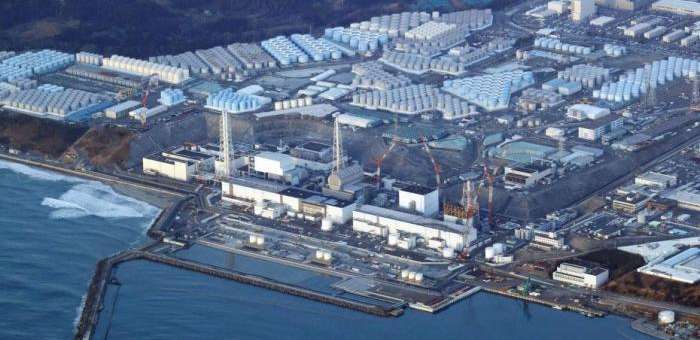
Japan’s TEPCO will suspend the excavation of the Fukushima nuclear sewage discharge tunnel or postpone it
December 5, 2022
According to Japan’s Kyodo News Agency, Tokyo Electric Power Company will soon suspend the excavation of the submarine tunnel used for the discharge of nuclear sewage from the Fukushima Daiichi Nuclear Power Plant. The start of sea discharge “around next spring” that the Japanese government and TEPCO are competing for is likely to be postponed until after summer.
TEPCO fully launched the nuclear sewage discharge equipment project in August this year. As of December 2, it has excavated about 780 meters on the seabed, and will temporarily suspend work when it reaches about 800 meters.
According to reports, although about 80% of the 1-kilometer tunnel has been excavated, priority needs to be given to projects around the discharge outlet. The time to restart excavation will be around April next year,
During this period, concrete and other reinforcement works will be carried out around the concrete “caisson” installed at the exit of the offshore subsea tunnel. It is expected to take about 4 months, but it may be delayed depending on weather and wave conditions. Taking advantage of the downtime, work on the inner wall of the shaft that injects treated water during discharge will also be carried out earlier.
It is reported that around April next year when the two projects are completed, the excavation of the tunnel will be restarted, and the remaining 200 meters will be completed in 2 to 3 months. On March 11, 2011, a magnitude 9.0 earthquake occurred off the coast of northeastern Japan and triggered a massive tsunami. Affected by both the earthquake and the tsunami, a large amount of radioactive material leaked from the Fukushima Daiichi Nuclear Power Plant. On April 13, 2021, the Japanese government formally decided to filter and dilute the Fukushima nuclear sewage and discharge it into the sea. However, this decision was widely questioned and opposed by the international community, and it also aroused strong concerns in Japan.
Decontaminated soil taken out of Fukushima prefecture and reused for the first time outside of Fukushima, at a Ministry of the Environment facility

Storage of decontaminated soil at an interim storage facility in Okuma Town, Fukushima Prefecture, in June.
December 5, 2022
On December 5, it was learned that the Ministry of the Environment plans to conduct a demonstration test for reusing soil removed from decontamination sites in Fukushima Prefecture following the accident at TEPCO’s Fukushima Daiichi Nuclear Power Plant at its Environmental Research and Training Center in Tokorozawa City, Saitama Prefecture. This is the first test in which decontaminated soil will be taken out of Fukushima Prefecture, and the question is whether the test will gain the understanding of local residents. A briefing session for local residents will be held on March 16.
The Ministry of the Environment has not revealed the amount of decontaminated soil to be brought in or the timing of the test, saying, “The details of the test will be announced after the briefing.
The law stipulates that decontaminated soil from Fukushima Prefecture must be removed from the prefecture by 45 years for final disposal.
https://www.tokyo-np.co.jp/article/218081?rct=national&fbclid=IwAR3dokeQ-qpNfi1ly6cAA68x8goY-BuVi-fuq0pXUx-1UUhh_hJuUBq6neI
Revealing He Too Had Manning Leaks, Ellsberg Dares Justice Dept to Prosecute Him Like Assange
“Let’s take this to the Supreme Court,” says the Pentagon Papers whistleblower, taking aim at what he argues is an unconstitutional use of the Espionage Act.
https://www.commondreams.org/news/2022/12/07/revealing-he-too-had-manning-leaks-ellsberg-dares-doj-prosecute-him-assange JESSICA CORBETT, December 7, 2022
Pentagon Papers whistleblower Daniel Ellsberg on Tuesday dared U.S. prosecutors to come after him like they have Julian Assange by revealing in a BBC News interview that the WikiLeaks publisher sent him a backup of leaked materials from former military analyst Chelsea Manning.
“Let me tell you a secret. I had possession of all the Chelsea Manning information before it came out in the press,” Ellsberg said to BBC‘s Stephen Sackur in the on-camera interview. “I’ve never said that publicly.”
Assange had sent him the materials—which include evidence of U.S. war crimes—in case “they caught him and they got everything,” the 91-year-old explained. “He could rely on me to find some way to get it out.”
Australian-born Assange is currently detained in London and fighting in British and European courts against his extradition to the United States, where he could spend the rest of his life in prison if convicted under Espionage Act charges.
Inviting action by the U.S. Department of Justice (DOJ), Ellsberg said that “I am now as indictable as Julian Assange and as everyone who put that information out—the papers, everybody who handled it.”
“Yes, I had copies of it and I did not give them to an authorized person. So, if they want to indict me for that, I will be interested to argue that one in the courts—whether that law is constitutional,” he continued, referring to the Espionage Act.
Highlighting that the highest U.S. court has never held that it is constitutional to use the Espionage Act as if it were a British Official Secrets Act, Ellsberg said that “I’d be happy to take that one to the Supreme Court.”
The Espionage Act, “used against whistleblowers, is unconstitutional,” he asserted. “It’s a clear violation of the First Amendment.”
Ellsberg’s public confession comes after editors and publishers at five major media outlets that collaborated with WikiLeaks in 2010 for articles based on diplomatic cables from Manning released a letter late last month arguing that “it is time for the U.S. government to end its prosecution of Julian Assange for publishing secrets.”
“This indictment sets a dangerous precedent, and threatens to undermine America’s First Amendment and the freedom of the press,” the letter states. “Obtaining and disclosing sensitive information when necessary in the public interest is a core part of the daily work of journalists. If that work is criminalized, our public discourse and our democracies are made significantly weaker.”
The new Ellsberg interview also follows the European Court of Human Rights (ECHR) confirming earlier this month that 51-year-old Assange has asked the tribunal to block his extradition to the United States.
Assange’s brother Gabriel Shipton told Reuters last week that “I would imagine the U.S. wants to avoid” a case going before the ECHR for “trying to extradite a publisher from Europe for publishing U.S. war revelations when the U.S. is asking Europe to make all sort of sacrifices for the war in Ukraine.”
Plutonium’s Fatal Attraction

In February 2022, on the first day of Russia’s invasion of Ukraine, Russian forces took over the Chornobyl Zone of Alienation, an exclusion zone surrounding the plant created in the weeks after the Chornobyl accident. A month later, the Russian Army occupied the Zaporizhzhia Nuclear Power Plant in southern Ukraine, and since then, the plant has been repeatedly under fire. At the start of the invasion, the world seemingly received an education in nuclear power. News reporting illuminated that containment vessels protecting nuclear reactors had been stress-tested for tornadoes, tsunamis, and planes landing on them, but not for something so banal and human as a conventional war.
The public also came to understand that nuclear reactor complexes require a steady supply of electricity to keep running and to prevent overheating, and also that nuclear power plants hold years of highly-radioactive spent nuclear fuel—chock full of plutonium, among other harmful isotopes—which are not protected by containment buildings.
e-flux Architecture, Kate Brown, Half-Life, December 2022
Think of the earth. At its core is fire, an inferno around which biological life emerged. With fire in our planetary loins, no wonder humans have trouble staying away from it; that they delight in reproducing it in fiction, movies, fireworks, war games, and in technologies.
Perhaps that is why, decades after radioactive toxins saturated the Earth’s surface and at a time when threatened reactors in war-torn Ukraine are at risk of blowing again, many people are still enchanted by nuclear reactors. They are burning cores, sources of other-worldly heat and energy. If you can harness plutonium, the element at the heart of the nuclear inferno, then you can magnify human power to a super-hero level. In tandem, plutonium has the power to re-map territories, produce new borders—not just between people, but between humans and the environment. By extension, plutonium spatializes power.
In 1940, Glenn Seaborg first synthesized plutonium in a cyclotron in Berkeley, California. With these initial micrograms, plutonium became the first human-produced element on the periodic table. Plutonium has a half-life of 24,000 years, which means that Seaborg’s plutonium will linger on earth for over 240,000 years. Like all good offspring, plutonium promises to outlast humans on Earth.

Plutonium is also beautiful, sensual, and kaleidoscopic. It is a heavy metal that self-heats, warming a person’s hands like a small animal. In metallic form, plutonium is yellow or olive green. Shine a UV light on it, and it glows red. When it comes in contact with other radioactive isotopes plutonium sends out a dazzling blue light, a light show designed and powered by what appears to be an inert, inanimate metal. But it is not.
In 1943, the DuPont Corporation built a massive factory for the Manhattan Project to produce the world’s first industrial supplies of plutonium in the eastern reaches of Washington State. As engineers drew up plans for nuclear reactors and radio-chemical processing plants necessary for production, Dupont officials learned something alarming: “the most extreme health hazard is the product itself.”1 “It is now estimated,” DuPont executive Roger Williams wrote to the US Army Corps of Engineers overseeing the project, “that five micrograms (0.000005 grams) of the product [plutonium] entering the body through the mouth or nose will constitute a lethal dose.” A Manhattan Project medical officer wrote on the margins of this sentence: “Wrong!” With the first birthing pains of plutonium, a debate was born over the lethality and consequent liabilities inherent in nuclear industries.
Plutonium is a monumental invention, akin to harnessing fire. Upscaling the Pu chemical extraction process meant separating plutonium from about a hundred thousand curies of fission fragment radiation every single day. This was an incredibly dangerous undertaking. Plant operators worked with robotic arms and protective gear behind massive concrete walls and thick lead-glass windows in ship-sized “canyons.” They worked toward a final product that had extraordinary properties. Seaborg described element 94:

Plutonium is so unusual as to approach the unbelievable. Under some conditions it can be nearly as hard and brittle as glass; under others, as soft and plastic as lead. It will burn and crumble quickly to powder when heated in air, or slowly disintegrate when kept at room temperature. It undergoes no less than five phase transitions between room temperature and its melting point… It is unique among all of the chemical elements. And it is fiendishly toxic, even in small amounts.
Plutonium made not only a novel weapon of war, but its special existence inspired people to use it to create new technologies, and it gave birth to an elaborate security apparatus to safeguard the “super-poisonous” product, and later, new border zones to protect regions spoiled by the spillage of plutonium and other radioactive byproducts after accidents. As workers over subsequent decades produced more and more plutonium, the new mineral transformed landscapes, science, energy production, and human society around the world. Plutonium militarized, segregated, and compartmentalized large parts of the Earth, leaving a profound shadow that reaches into the twenty-first century.
Plutonium Landscapes
At the Hanford Plutonium Plant in Richland, Washington, DuPont engineers initially dedicated minimal resources to the management of growing volumes of radioactive waste. They had chosen a sparsely populated site and removed several towns and a settlement of the Wanapum nation from the newly designated “federal reservation” in case of accidents and the leakage of radioactive waste. They often repeated the platitude: “diffusion is the solution.” With a good bit of distance and privacy won with an elaborate security apparatus, DuPont and Army Corps engineers set up waste facilities for non-radioactive debris according to existing, standard practices. They drilled holes, called “reverse wells,” for dumping liquid radioactive waste. They bulldozed trenches and ponds, pouring in radioactive liquid and debris. Cooling ponds attached to reactors held hot, radioactive water for short periods before flushing it into the Columbia River. Smokestacks above processing plants issued radioactive particles in gaseous form. High-level waste—terrifically radioactive—went into large, single-walled steel coffins buried underground. Engineers designed these chambers for temporary, ten-year storage with the knowledge that the waste would corrode even thick steel walls.

DuPont leaders were nervous about these waste management procedures. The corporation had experience polluting rivers and landscapes with chemical toxins near their factories, and insisted that the Army Corp pay for environmental assays to learn what happened to the dumped radioactive waste. At Hanford in the 1940s, Dupont set up a soil study, a meteorological station, and a fish lab to monitor the health of valuable salmon migrations in the Columbia River. The studies showed that while it took large hits of external gamma rays to kill fish, much smaller ingested doses weakened and killed fish and other experimental animals. Weather studies showed that radioactive gases either traveled considerable distances in strong winds or hovered for long periods over the Columbia Basin when caught in an inversion. Researchers found, in short, that radioactive waste did not spread in a diffuse pattern, but collected in random hot spots of radioactivity. Soil scientists discovered that plants drank up radioactive isotopes readily from the soil and that aquifers became contaminated with radioactive liquids. Ichthyologists learned that fish concentrated radioactivity in their bodies at levels at least sixty times greater than the water in which they swam. Generally, researchers found that radioactive isotopes attached to living organisms readily made their way up the food chain.
Despite this troubling news, even after September 1946 when General Electric took over the running of the plant, no major changes were made to waste management methods for thirty years. In the course of forty-four years, Hanford rolled out the plutonium content for 60,000 nuclear weapons.4 The environmental footprint of that military production, however, is immeasurable. Indeed, it is intrinsically shape-shifting.
Rushing to develop their own bomb and encouraged by the example of the United States, Soviet leaders followed American practices in the years following World War II. Soviet generals commanded Mayak, a site in the southern Russian Urals that became known as “Post Box 40.” Engineers at Mayak dumped radioactive waste into the atmosphere, ground, and local water sources. High-level waste was contained temporarily in underground tanks similar to those built at Hanford. Unlike the high-volume, rocky Columbia River, the nearby Techa River flowed slowly, flooding frequently and bogging down in swamps and marshes. After just two years of operation of the Mayak Plutonium Plant, its director deemed the Techa River “exceedingly polluted.”5 By 1949, when the first Soviet nuclear bomb was tested, the plant’s underground containers for high-level waste were overflowing. Rather than shutting down production while new containers were built, plant directors decided to dump the high-level waste in the turgid Techa River.6 Each day, four thousand three hundred curies of waste? flowed down the river. From 1949 to 1951, when dumping ended, plant effluent comprised a full twenty percent of the river. A total of 3.2 million curies of waste clouded the river along which 124,000 people lived.7 Radioactivity became a new contour that outlined human activity and new communities of people who shared in dangerous exposures.
Rushing to develop their own bomb and encouraged by the example of the United States, Soviet leaders followed American practices in the years following World War II. Soviet generals commanded Mayak, a site in the southern Russian Urals that became known as “Post Box 40.” Engineers at Mayak dumped radioactive waste into the atmosphere, ground, and local water sources. High-level waste was contained temporarily in underground tanks similar to those built at Hanford. Unlike the high-volume, rocky Columbia River, the nearby Techa River flowed slowly, flooding frequently and bogging down in swamps and marshes. After just two years of operation of the Mayak Plutonium Plant, its director deemed the Techa River “exceedingly polluted.”5 By 1949, when the first Soviet nuclear bomb was tested, the plant’s underground containers for high-level waste were overflowing. Rather than shutting down production while new containers were built, plant directors decided to dump the high-level waste in the turgid Techa River.6 Each day, four thousand three hundred curies of waste? flowed down the river. From 1949 to 1951, when dumping ended, plant effluent comprised a full twenty percent of the river. A total of 3.2 million curies of waste clouded the river along which 124,000 people lived.7 Radioactivity became a new contour that outlined human activity and new communities of people who shared in dangerous exposures.

Villagers used the river for drinking, bathing, cooking, and watering crops and livestock. Soviet medical personnel investigated the riverside settlements in 1951 and found most every object and body contaminated with Mayak waste. Blood samples showed internal doses of uranium fission products, including cesium-137, ruthenium-106, strontium-90, and iodine-131. Villagers complained of pains in joints and bones, digestive tract illnesses, strange allergies, weight loss, heart murmurs, and increased hypertension.8 Further tests showed that blood counts were low and immune systems weak. Soviet army soldiers carried out an incomplete evacuation of riverside villages over the next ten years. Twenty-eight thousand people, however, remained in the largest village, Muslumovo. They became subjects of a large, four-generation medical study. In subsequent years, prison laborers created a network of canals and dams to corral radioactive waste streams into Lake Karachai, now capped with crumbling cement and considered the most radioactive body of water on earth.
Radioactive waste redraws the spatial relationships between humans and environment on the ground and by air. On September 29, 1957, an underground waste storage tank exploded at the Mayak plutonium plant in the southern Urals. The explosion sent a column of radioactive dust and gas rocketing skyward a half mile. Twenty million curies of radioactive fallout spread over a territory four miles wide and thirty miles long. An estimated 7,500 to 25,000 soldiers, students, and workers cleaned up radioactive waste ejected from the tank. Witnesses described hospital beds fully occupied and the death of young recruits, but the fate of 92% of the accident clean-up crew is unknown. Following the radioactive trace, soldiers evacuated seven of the eighty-seven contaminated villages downwind from the explosion. Residents of the villages that remained were told not to eat their agricultural products or drink well water, an impossible request as there were few alternatives. In 1960, soldiers resettled twenty-three more villages. In 1958, the depopulated trace became a research station for radio-ecology.
Plutopia
In the postwar era, the social consequences of the production and dispersal of large volumes of invisible, insensible radioactive toxins were profound, manifesting in sophisticated spatial planning and infrastructure that appropriated and exploited existing inequities. Plant managers in the US and USSR created special residential communities—“nuclear villages” in the US and “closed cities” in the USSR—to both manage and control the movement of workers and radioactive isotopes. In exchange for the risks, workers in plutonium plants were paid well and lived like their professional class bosses. As part of the bargain, they signed security oaths and agreed to surveillance of their personal and medical lives. They remained silent about accidents, spills, and intentional daily dumping of radioactive waste into the environment. Free health care and a show of monitoring employees and the nuclear towns led workers to believe they were safe.

To protect full-time employees, much of the dirty work of dealing with radioactive waste and accidents fell to temporary, precarious labor in the form of prisoners, soldiers, and migrant workers, often of ethnic minorities (Muslims in the USSR, Latinos and Blacks in the USA). Segregating space by race to disaggregate “safe” places—or what I call plutopias—and sacrifice zones became a larger pattern in Soviet and American Cold War landscapes.
Soviet and American plutonium communities surfed on a wave of federal subsidies in company towns in isolated regions where there were no other industries and few alternative sources of employment for plant workers. Leaders found it politically difficult to shut off the good life they had created for their plutopias. In Richland, Washington, when the supply of plutonium had been satiated, city leaders campaigned to keep their plants going nonetheless, resulting in an overwhelming excess.11 By the 1980s, the US had produced fifty percent more plutonium than that which was deployed in nuclear warheads.
American officials explored other uses for plutonium. In 1953, President Dwight Eisenhower announced a new international program, Atoms for Peace. At the time, this was largely a propaganda slogan to counter Soviet officials who frequently pointed out that the US was the only nation to use nuclear weapons to kill.
In the next decade, engineers and physicists devised new, non-military uses for plutonium and its radioactive by-products. Turbines attached to reactors began to produce plutonium for (very expensive) generation of electricity. Scientific experiments tested plutonium in cancer research, as a power source for pacemakers, and even for instruments for espionage.12 It seemed there was no end to the uses of plutonium and its radioactive by-products. In the 1950s and 1960s, American radioactive isotopes were shipped abroad under the Atoms for Peace logo in great quantities, dispersing and propagating nuclear technologies across the globe. This trade was both open and clandestine.13 In the name of “peace,” US not only gave other nations the possibility to build nuclear weapons, but also to expose civilian populations as well.
One of the most critical technologies that US agencies exported were “civilian” nuclear power plants. Advocates for nuclear power have long carefully drawn boundaries between nuclear weapons and nuclear power generation. But the existence of nuclear power reactors opened the door for the production of plutonium at the core of nuclear missiles and nuclear accidents. In the late 1960s, both the US and USSR created so-called “dual-purpose reactors” that erased the already-questionable boundaries between peaceful and martial nuclear technologies. These reactors were designed to produce either electricity to power a grid or plutonium for the core of a nuclear missile.
American engineers created the N-reactor at the Hanford Nuclear Reservation in Richland, Washington, while Soviet engineers designed the RBMK-1000 reactor, a standardized model that was built over a dozen times in the USSR. In contrast to the US, Soviet leaders were worried that the RBMK-1000’s plutonium-generating capabilities could be abused if their technology was shipped abroad.
………………………………………………………… Geopolitics could not reconcile the way that nuclear contaminants did not respect borders. For most officials in the USSR and abroad, the solution was silence and suppression. To admit in the 1990s to the ongoing public health disaster in Ukraine and Belarus would mean acknowledging the damage done to populations around the globe exposed to Cold War nuclear experimentation, weapons production, nuclear testing, and future nuclear accidents. But underestimating and obscuring the effects of Chornobyl has left humans unprepared for the next disaster.
In the years after 1986, commentators repeated that a tragedy like Chornobyl could never occur in a developed, industrial country. This claim was dispelled, however, in 2011, when a tsunami crashed into the Fukushima Daiichi Nuclear Power Plant. Japanese business and political leaders responded in ways eerily similar to Soviet leaders twenty-five years earlier. They grossly understated the magnitude of the disaster (a meltdown of three reactors), sent in firefighters unprotected from the high fields of radioactivity, raised the acceptable level of radiation exposure for the public twenty-fold, and dismissed a recorded increase in pediatric thyroid cancers.
In February 2022, on the first day of Russia’s invasion of Ukraine, Russian forces took over the Chornobyl Zone of Alienation, an exclusion zone surrounding the plant created in the weeks after the Chornobyl accident. A month later, the Russian Army occupied the Zaporizhzhia Nuclear Power Plant in southern Ukraine, and since then, the plant has been repeatedly under fire.
At the start of the invasion, the world seemingly received an education in nuclear power. News reporting illuminated that containment vessels protecting nuclear reactors had been stress-tested for tornadoes, tsunamis, and planes landing on them, but not for something so banal and human as a conventional war. The public also came to understand that nuclear reactor complexes require a steady supply of electricity to keep running and to prevent overheating, and also that nuclear power plants hold years of highly-radioactive spent nuclear fuel—chock full of plutonium, among other harmful isotopes—which are not protected by containment buildings.
The ongoing war in Ukraine has shown how vulnerable electric power grids are in times of war and, one can presume, in scenarios of extreme weather, triggered by climate change. The grounded sites of nuclear events, whether on the high plains of Eastern Washington, the birch-pine forests of the Russian Urals, the swampy stretches of Northern Ukraine, or in coastal Japan, have a global reach. The impact of the invention of plutonium, a new element on the periodic chart, reshaped landscapes, reconfigured spatial and security regimes, and remade what we understand to be human bodies, which have all incorporated radioactive isotopes. Watching the crisis in Ukraine unfold in real-time, a global audience has learned that humanity’s attraction to fire continues to be a fatal one.
Notes………………. https://www.e-flux.com/architecture/half-life/507133/plutonium-s-fatal-attraction/
Maligned in Western Media, Donbass Forces are Defending their Future from Ukrainian Shelling and Fascism
Covert Action Magazine, By Eva Bartlett, – November 19, 2022
America is widely understood to be a key instigator behind conflict in Ukraine that has pitted brother against brother
meared, stigmatized, and lied about in Western media propaganda, the mostly Russian-speaking people of the Donbass region were being slaughtered by the thousands in a brutal war of “ethnic cleansing” launched against them by the neo-Nazi regime in Kyiv, which the U.S. installed after the CIA overthrew Ukraine’s legally elected president in a 2014 coup.
Although the Donbass people had been pleading for Russian military aid to defend them against the increasingly murderous military assaults by the Ukraine government forces, which killed more than 14,000 of their people, Russian President Vladimir Putin declined to intervene. Instead, he tried to broker a peace agreement between the warring parties.
But the U.S. and Britain secretly colluded to sabotage peace negotiations, persuading president Zelenksy to ignore the Minsk 2 peace agreement that the Ukraine government had previously signed, and which had been countersigned by Russia, France and Germany.
Realizing that the U.S. and its NATO allies would never permit peace negotiations to succeed, Putin finally sent troops into Ukraine on February 24. Russian troops went in to support and reinforce the outnumbered and outgunned Donbass Special Forces who had been defending their land against attacks by the Kyiv government for nearly eight years.
Voices From the Frontlines of Former Eastern Ukraine Republics
In the Donetsk People’s Republic (DPR) in October, I went to a frontline outpost 70 meters from Ukrainian forces in Avdeevka (north and west of Donetsk), according to the Donbas commanders I spoke with there.
To reach that position, I went with two other journalists to a meeting point with two commanders of Pyatnashka—volunteer fighters, including Abkhazi, Slovak, Russian, Ossetian and other nationalities, including locals from Donbas.
From there, they drove us to a point as far as they could drive before walking the rest of the way, several minutes through brush and trenches, eventually coming to their sandbagged wood and cement fortified outpost.
It has changed hands over the years, Ukrainian forces sometimes occupying it, Donbas forces now controlling it.
One soldier, a unit commander who goes by the call sign “Vydra” (Otter), was formerly a miner from the DPR who had been living in Russia with his family. In 2014, he returned to the Donbas to defend his mother and relatives still there. He spoke of the outpost.
“We dug and built this with our hands. Several times over the years, the Ukrainians have taken these positions. We pushed them back, they stormed us…Well, we have been fighting each other for eight years.”
There, artillery fire is the biggest danger they face. “You can hide from a sniper, but not from artillery, and they’re using large caliber.”
His living quarters is a dank, cramped, room with a tiny improvised bed, with another small room and bed for others at the outpost.
A sign reads: “If shelling occurs, go to the shelter.” The kind of sign you see all over Donetsk and cities of the Donbas, due to Ukraine’s incessant shelling of civilian, residential areas. In a frontline outpost where incoming artillery is the norm, the sign is slightly absurd, clearly a joke.
An Orthodox icon sits atop the sign. Ukrainian nationalists hang and spray Nazi graffiti and slogans of death; these fighters revere their faith.
A poster, with the DPR flag, reads: “We have never known defeat, and it’s clear that this has been decided from above. Donbas has never been forced to its knees, and no one will ever be allowed to.”
The only things decorating the space are tins of tuna and canned meat, instant noodles, and washing powder. Their existence is bare minimum, nothing glamorous about it; they volunteer because, as they told me, this is their land and they will protect it.
Perhaps surprising to some, when Vydra was asked whether he hates Ukrainians, he replied emphatically no, he has friends and relatives in Ukraine.
“We have no hatred for Ukraine. We hate those nationalists who came to power. But ordinary Ukrainians? Why? Many of us speak Ukrainian. We understand them, they understand us. Many of them speak Russian………………………..
And I’m on the Myrotvorets [kill list] website.” [As is the author, see this article.]
He spoke of Ukraine’s shelling from 2014, when the people of the Donbass were unarmed and not expecting to be bombed by their own country…………………………………..
I asked how he felt to be treated and described as sub-human, to be called dehumanizing names, a part of the Ukrainian nationalists’ brainwashing propaganda. As I wrote previously:
“Ukrainian nationalists openly declare they view Russians as sub-human. School books teach this warped ideology. Videos show the extent of this mentality: Teaching children not only to also hate Russians and see them as not humans, but also brainwashing them to believe killing Donbas residents is acceptable. The Ukrainian government itself funds neo-Nazi-run indoctrination camps for youths.”
“It’s offensive,” Vydra said, “We are saddened: There are sick people. We need to heal them, slowly.”……………………………….
Commanders Speak of Geopolitical Reasons for Ukraine’s War
Outside, sitting in front of an Orthodox banner and a collection of collected munitions—including Western ones—two platoon commanders, “Kabar” and “Kamaz,” spoke of the bigger geopolitical picture. [See video]
“America is running the show here,” Kabar said. “It builds foreign policy on the basis of how its domestic policy is built, which is through conflicts with external countries. They are accustomed to proving their power to their people through terrorism around the world, inciting fires in Syria, in the east. They played the card of radical Islam there……………………
And now they are playing the card of fascism. They do not see themselves on the other side of good. They need wars, blood, cruelty, and they signed Europe up for this.
However, they’ve missed one point: Russia, since the days of the Soviet Union, has never retreated in large scale wars. ………………………………………
Western Media Inverted Reality, Lauding Nazis and Demonizing Defenders
While many in the West think that this conflict started in February 2022, those following events since 2014 are aware that, following the Maidan coup and Odessa massacre, and the rise of fascism in Ukraine against the Ukrainian people, the Donbas republics wanted to distance themselves from Ukraine’s Nazis and fascism.
The sacrifices which the people of the Donbas republics have endured, particularly those fighting to protect their families and loved ones, have been and continue to be immense………..
These defenders, many living in dank trench conditions didn’t choose war, they responded to it, to protect their loved ones and their future. In spite of more than eight years of being warred upon by Ukraine, they retain their humanity. https://covertactionmagazine.com/2022/11/19/maligned-in-western-media-donbass-forces-are-defending-their-future-from-ukrainian-shelling-and-fascism/
Nuclear power does not stack up for Australia – PM Albanese
Australian Prime Minister Anthony Albanese has shut down calls for the
country to consider nuclear power options despite rising electricity
prices.
The prime minister recently declared that proponents of nuclear as
a carbon-neutral energy source in Australia are wrong. His comments came
after Peter Malinauskas, the premier of South Australia, urged both sides
of politics to be more mature on the nuclear question, saying the debate
has become “consumed by culture wars” rather than based on evidence.
In response, Albanese told radio station FIVEaa on Monday that the case for
nuclear power in Australia does not stack up, citing waste storage as a key
problem.
Xinhua 6th Dec 2022
https://english.news.cn/20221206/e6558b077e90438e977ac388f850f859/c.html
Weapons interoperability and “sovereignty”: Polish state bank backs purchase of $4b more in U.S. arms — Anti-bellum

Polish News AgencyDecember 9, 2022 Polish state-owned bank secures funds for arms purchases in US Poland’s state-owned Bank Gospodarstwa Krajowego (BGK) has managed to secure USD 4 billion for the purchases of armaments in the US, the prime minister has said. “We should appreciate the success achieved by the BGK CEO, Beata Daszynska-Muzyczka, who successfully […]
Weapons interoperability and “sovereignty”: Polish state bank backs purchase of $4b more in U.S. arms — Anti-bellum
Why nuclear-powered France faces power outage risks

https://www.reuters.com/business/energy/why-nuclear-powered-france-faces-power-outage-risks-2022-12-09 PARIS, Dec 9 (Reuters) – France is bracing for possible power outages in the coming days as falling temperatures push up demand while state-controlled nuclear group EDF struggles to bring more production on line.
WHY CAN’T FRANCE MEET DEMAND?
France is one of the most nuclear-powered countries in the world, typically producing over 70% of its electricity with its fleet of 56 reactors and providing about 15% of Europe’s total power through exports.
However, EDF (EDF.PA) has had to take a record number of its ageing reactors offline for maintenance this year just as Europe is struggling to cope with cuts in Russian natural gas supplies used for generating electricity.
That has left France’s nuclear output at a 30-year low, forcing France to import electricity and prepare plans for possible blackouts as a cold snap fuels demand for heating.
WHAT ARE EDF’S MAINTENANCE PROBLEMS?
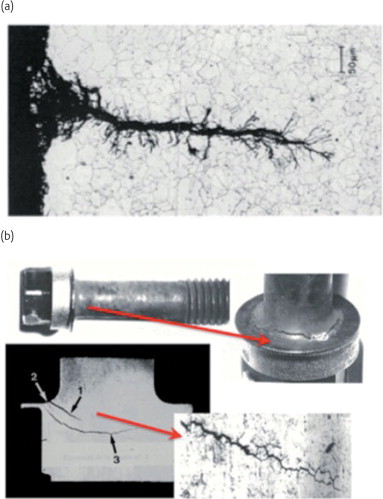
While EDF normally has a number of its reactors offline for maintenance, it has had far more than usual this year due to what is known as stress corrosion on pipes in some reactors.
At the request of France’s nuclear safety watchdog, EDF is in the process of inspecting and making repairs across its fleet since detecting cracks in the welding connecting pipes in one reactor at the end of last year.
Years of under-investment in the nuclear sector mean that there is precious little spare capacity to meet demand while reactors are offline for maintenance.
France also lacks specialised welders and other workers in sufficient numbers to be able to make repairs fast enough to get reactors back online.
WHAT IS BEING DONE?
In the very short term, there is little that can be done to get more reactors online faster, leaving the government to plan for voluntary cuts at peak demand periods and limited forced blackouts.
Meanwhile, EDF and others in the French nuclear industry are on a recruitment drive for the next generation of welders, pipe-fitters and boiler makers, going so far as to set up a new school to train them.
President Emmanuel Macron wants a new push in nuclear energy and has committed to building six new reactors at a cost his government estimates at nearly 52 billion euros ($55 billion).
As a first step, the government is in the process of buying out EDF’s minority shareholders and fully nationalising the debt-laden group, which it says is necessary to make the long-term investments in new reactors.
($1 = 0.9471 euros)
Large Multinational Study Shows Link Between CT Radiation Exposure and Brain Cancer in Children and Young Adults

https://www.diagnosticimaging.com/view/clinical-histories-in-radiology-could-they-get-worse-
December 9, 2022, Jeff Hall
In a new study based on five- to six-year follow-up data from over 650,000 children and young adults who had at least one computed tomography (CT) exam prior to the age of 22, researchers found a “strong dose-response relationship” between increased CT radiation exposure and brain cancer.
Increased cumulative exposure to radiation from computed tomography (CT) exams led to elevated risks for developing gliomas and other forms of brain cancer in children and young adults, according to the findings of a large multinational study of data from over 650,000 patients.
In the study, recently published in the Lancet Oncology, researchers reviewed pooled data from nine European countries and a total of 658,752 patients. All study participants had at least one CT exam prior to the age of 22 with no prior cancer or benign brain tumor, according to the study. Examining follow-up data at a median of 5.6 years, the study authors noted 165 brain cancers (including 121 gliomas). They also found that the overall mean cumulative brain radiation dose, lagged by five years, was 47.4 mGy for the study cohort in comparison to a mean cumulative brain radiation dose of 76.0 mGy for those with brain cancer.
“First results of (the study) after a median follow-up of 5.6 years show a strong dose-response relationship between the brain radiation dose and the relative risk of all brain cancers combined and glioma separately; a finding that remains consistent for doses substantially lower than 100 mGy,” wrote lead study author Michael Hauptmann, Ph.D., a professor of Biometry and Registry Research at the Brandenburg Medical School Theodor-Fontane in Neuruppin, Germany, and colleagues.
For head and neck CT exams, the researchers noted a “significant positive association” between the cumulative number of these procedures and elevated brain cancer risk. Employing linear dose-response modelling, the researchers found a 1.27 excess relative risk (ERR) per 100 mGy of brain radiation dosing for all brain cancers, a 1.1 ERR for gliomas and a 2.13 ERR for brain cancers excluding gliomas, according to the study.
Hauptmann and colleagues acknowledged that the risk estimates in the study translate to one out of 10,000 children experiencing a radiation-induced brain cancer five to 15 years after a head CT exam. However, the researchers also emphasized appropriate caution, pointing out annual estimates of pediatric head CT exams surpassing one million in the European Union and five million in the United States.
“These figures emphasize the need to adhere to the basic radiological protection principles in medicine, namely justification (procedures are appropriate and comply with guidelines) and optimization (doses are as low as reasonably achievable),” added Hauptmann and colleagues.
Study limitations included the potential for confounding indications with the study authors noting the inclusion of studies with some patients having congenital syndromes that may be predisposing factors for brain tumor development. However, Hauptmann and colleagues noted that exclusion of those patients and adjustments for those conditions saw no significant effect on the assessment of ERR.
The study authors also noted a lack of information on other imaging, such as nuclear medicine studies and X-rays, that may have been performed in the study population. However, they suggested the contribution of radiation dosing from these exams “is probably minor” in comparison to higher frequencies and dosing seen with pediatric head CT exams.
Finland warns of power outage risk over nuclear plant startup delay – Olkiluoto 3 reactor unreliable?
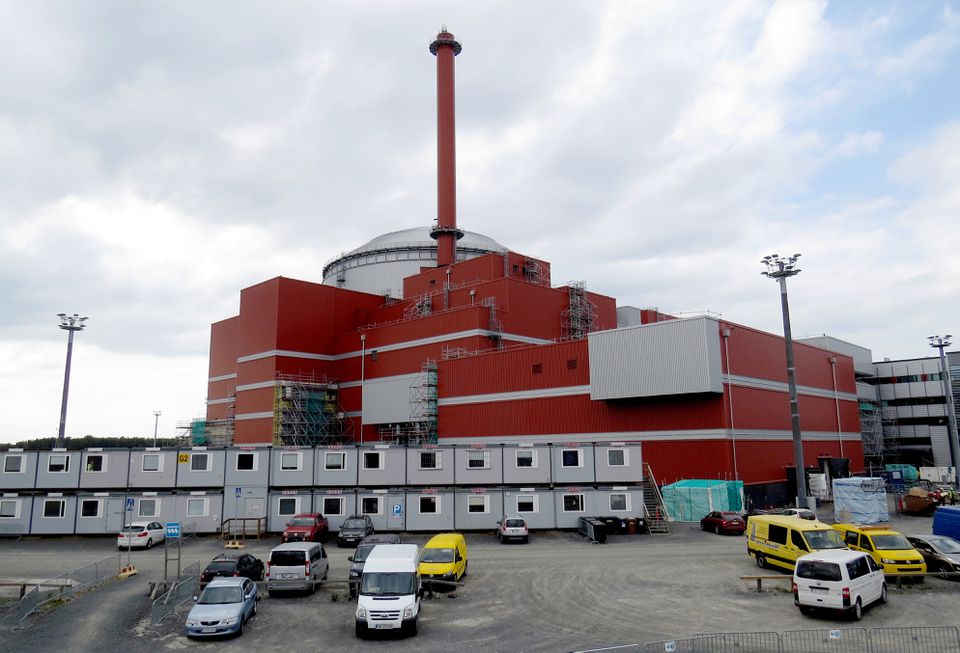
HELSINKI, Dec 9 (Reuters) – Finland faces a greater risk of power outages in coming months because of another delay in starting up the new Olkiluoto 3 (OL3) nuclear reactor, national grid operator Fingrid said on Friday.
Fingrid and the state energy authority have told citizens and companies to prepare for possible blackouts, particularly if OL3 does not prove reliable, as countries across Europe seek to curb energy usage, grappling with reduced Russian gas and other energy supplies because of the Ukraine war………………………………
In October, the operator said cracks were found in the OL3 reactor’s four feedwater pumps after test production, further delaying startup originally planned to be in 2009.
Test production has been postponed until Dec. 25 at the earliest, from Dec. 11, TVO said, while full production will begin on Feb. 6 at the earliest compared with Jan. 22.
“The investigation into the damage in Olkiluoto 3’s feedwater pumps has proceeded into its final stages. Once the investigation is complete, a decision will be made on the startup of the plant unit,” TVO said in a statement.
1 This Month

Tell Congress: Prevent Nuclear Catastrophe in Iran

Tell Congress: Prevent Nuclear Catastrophe in Iran

Read the Public Inquiry Report, the Commissioners’ report, Surrendering Australia: The AUKUS Deception is available to download for free at aukuspublicinquiry.com. Or just watch the replay of the National Press Club Luncheon.

19 November – Webinar – The Reality of Reprocessing
Time: 11:00 AM Pacific Time (US & Canada) / 2:00 PM Eastern / 7:00 PM UK / 8:00 PM CET
Register for the Zoom Event Here


Shut down the radiation-damaged Heysham nuclear reactors now
To see nuclear-related stories in greater depth and intensity – go to https://nuclearinformation.wordpress.com

Say No to NASA’s Reckless Nuclear Reactor on the Moon
Say No to NASA’s Reckless Nuclear Reactor on the Moon
-
Archives
- November 2026 (147)
- October 2026 (302)
- September 2026 (339)
- August 2026 (330)
- July 2026 (355)
- June 2026 (287)
- May 2026 (306)
- April 2026 (356)
- March 2026 (251)
- February 2026 (267)
- January 2026 (308)
- December 2025 (358)
-
Categories
- 1
- 1 NUCLEAR ISSUES
- business and costs
- climate change
- culture and arts
- ENERGY
- environment
- health
- history
- indigenous issues
- Legal
- marketing of nuclear
- media
- opposition to nuclear
- PERSONAL STORIES
- politics
- politics international
- Religion and ethics
- safety
- secrets,lies and civil liberties
- spinbuster
- technology
- Uranium
- wastes
- weapons and war
- Women
- 2 WORLD
- ACTION
- AFRICA
- Atrocities
- AUSTRALIA
- Christina's notes
- Christina's themes
- culture and arts
- Events
- Fuk 2022
- Fuk 2023
- Fukushima 2017
- Fukushima 2018
- fukushima 2019
- Fukushima 2020
- Fukushima 2021
- general
- global warming
- Humour (God we need it)
- Nuclear
- RARE EARTHS
- Reference
- resources – print
- Resources -audiovicual
- Weekly Newsletter
- World
- World Nuclear
- YouTube
-
RSS
Entries RSS
Comments RSS

