Biological Effects of Ionizing Radiation on Fukushima Wildlife

Relatively little research has been conducted on animal life in Japan and its coastal waters after the Fukushima Daiichi disaster but anomalies have already been identified.
One study found a marked decline in bird abundance in Fukushima.[i]
Spiders, grasshoppers, dragonflies, butterflies, bumblebees and cicadas also suffered population declines since the accident.[ii]
Another study found cesium contamination in Japanese macaques, ranging across time from a high of 25,000 Becquerels per kilogram in 2011 to 2,000 in 2012.[iii]
Yet another study published in 2015 found chromosomal malformations in wild mice caught in Fukushima Prefecture, with young mice more adversely impacted than older mice.[iv]
Research conducted by Japan’s National Institute of Radiological Sciences on fir trees near the Fukushima Daiichi plant found significant increases in morphological defects corresponding to radiation exposure doses.[v]
Taken together, these studies point to increased biological risks for flora and fauna living in radiation contaminated zones.
REFERENCES
[i] A. Moller, A. Hagiwara, S. Matsui, S. Kasahara, K. Kawatsu, I. Nishiumi, H. Suzuki, K. Ueda, T. and A. Mousseau (2012) ‘Abundance of Birds in Fukushima as Judged from Chernobyl’, Environmental Pollution, 164, 36–39.
[ii] A. Moller, I. Nishiumi, H. Suzuki, K. Ueda, T. A. Mousseau (2013) ‘Differences in Effects of Radiation of Animals in Fukushima and Chernobyl’, Ecological Indicators, 24, 75–81.
[iii] S. Kimura and A. Hatano (4 October 2012) ‘Scientists in Groundbreaking Study on Effects of Radiation in Fukushima’, The Asahi Shimbun, http://ajw.asahi.com/article/0311disaster/fukushima/AJ201210040003, date accessed 6 October 2012.
[iv] Yoshihisa Kubota, Hideo Tsuji, Taiki Kawagoshi, Naoko Shiomi, Hiroyuki Takahashi, Yoshito Watanabe, Shoichi Fuma, Kazutaka Doi, Isao Kawaguchi, Masanari Aoki, Masahide Kubota, Yoshiaki Furuhata, Yusaku Shigemura, Masahiko Mizoguchi, Fumio Yamada, Morihiko Tomozawa, Shinsuke H. Sakamoto, and Satoshi Yoshida Chromosomal Aberrations in Wild Mice Captured in Areas Differentially Contaminated by the Fukushima Dai-ichi Nuclear Power Plant Accident. Environ. Sci. Technol., 2015, 49 (16), pp 10074–10083. DOI: 10.1021/acs.est.5b01554.
[v] Watanabe, Yoshito, San’ei Ichikawa, Masahide Kubota, Junko Hoshino, Yoshihisa Kubota, Kouichi Maruyama, Shoichi Fuma, Isao Kawaguchi, Vasyl Yoschenko, Satoshi Yoshida, “Morphological defects in native Japanese fir trees around the Fukushima Daiichi Nuclear Power Plant,” Scientific Reports 5.13232 (2015): doi:10.1038/srep13232.
http://majiasblog.blogspot.fr/2017/01/biological-effects-of-ionizing.html
Farm in ex-evacuation area near Fukushima nuke plant ships milk again

FUKUSHIMA, Japan (Kyodo) — A dairy farm near the disaster-struck Fukushima Daiichi nuclear power plant in northeastern Japan began shipping raw milk again on Tuesday.
It was the first milk shipped for processing and public sale from an area previously designated for evacuation following the March 2011 nuclear disaster at the seaside plant in Fukushima Prefecture, according to the prefectural government.
Milk produced at the farm in the Naraha district had been checked for radioactive cesium every week from last May to December, with no reading ever surpassing the government-set limit of 50 becquerels per kilogram. In fact, the readings were below the testing equipment detection limit.
Around 400 kg of raw milk from 18 cows was shipped Tuesday.

“We were able to start operating this farm again with the support of so many people,” said farm head Hiroaki Hiruta, 48. “I want to pay a debt of gratitude by making good milk.”
Following the disaster, in which a massive amount of radioactive material was spewed into the air and sea, the central government banned milk shipments from the area in March 2011. Restrictions were lifted last December for the area where Hiruta’s farm is located.
Similar restrictions are still in place for eight other districts, including the towns of Okuma and Futaba where the nuclear power station is located.
http://mainichi.jp/english/articles/20170124/p2g/00m/0dm/080000c
Fukushima camera probe hits a snag

Workers attempting to get a better look inside a damaged reactor at the Fukushima Daiichi nuclear power plant have encountered a problem.
On Tuesday they inserted a camera in a pipe leading into the container vessel of the No. 2 reactor, with the aim of capturing footage of molten fuel inside.

But plant operator Tokyo Electric Power Company says the camera, which is marginally smaller than the pipe, quickly became stuck.
TEPCO says a simulated trial run went off without a hitch. The utility will investigate what went wrong before deciding whether to try again.
Workers need a clearer picture of the debris to determine how best to remove it, an important step in the decommissioning process for the 3 reactors that suffered meltdowns.
Did Fukushima Daiichi Cause Cancer in Children and Plant Workers?

Here is the latest update on news about Fukushima children’s thyroid cancer rate and cancer among workers at the plant:
10 more thyroid cancer cases diagnosed in Fukushima. The Mainichi, December 28, 2016 (Mainichi Japan) http://mainichi.jp/english/articles/20161228/p2a/00m/0na/008000c
FUKUSHIMA — Ten more people were diagnosed with thyroid cancer as of late September this year in the second round of a health survey of Fukushima Prefecture residents, which began in April 2014, a committee overseeing the survey disclosed on Dec. 27. The number of people confirmed to have cancer during the second round of the survey stands at 44, while the overall figure including cases detected in the first round stands at 145.
… Some have pointed to the danger of “excessive diagnoses” during health checks in which doctors find cases of cancer that do not require surgery, which could place a physical and mental burden on patients. There have accordingly been calls for the Fukushima Prefectural Government to scale down the scope of its health survey.
Plant worker’s thyroid cancer certified as linked to nuclear disaster. The Mainchi, December 17, 2016 (Mainichi Japan) http://mainichi.jp/english/articles/20161217/p2g/00m/0dm/025000c
TOKYO (Kyodo) — A worker exposed to radiation when disaster struck the Fukushima nuclear plant has been found to have developed thyroid cancer caused by an industrial accident, the labor ministry said Friday.
The employee of Tokyo Electric Power Company Holdings Inc., the operator of the Fukushima Daiichi nuclear power plant, is the third person determined to be entitled to benefits due to illness caused by exposure to radiation released when three reactors melted down in the days after a massive earthquake and ensuing tsunami in March 2011.
The man is the first to be certified for developing thyroid cancer because of the nuclear disaster. The first two persons suffer from leukemia.
Here is some BACKGROUND ON THE DEBATES ABOUT FUKUSHIMA EFFECTS ON CHILDREN IN JAPAN excerpted from my book, Crisis Communication, Liberal Democracy and Ecological Sustainability
…Children are likely at greatest risk for health consequences from exposure because they are biologically more vulnerable to radiation since their cells are dividing faster. The thyroid is particularly susceptible to radiation-induced damage because it bioaccumulates radioactive iodine. People with thyroid conditions have an increased risk of dying because of damage that occurs prior to treatment.[i]
Potassium iodide helps block absorption of radioactive iodine but as mentioned earlier in the chapter, distribution was delayed. Consequently, many children in Japan became internally contaminated with radioiodine, in addition to whatever other radionuclides internalized through inhalation and ingestion.
July 6, 2011 the Japanese press Kyodo reported that in a March 2011 survey of 1,080 children aged 0 to 15 in Iwaki, Kawamata, and Iitate 45 percent of kids in Fukushima survey had thyroid exposure to radiation.[ii]
A separate study measuring thyroid exposure to Iodine-131 conducted between April 12, 2011 and April 16, 2011 and published in Research Reports found “extensive measurements of the exposure to I-131 revealing I-131 activity in the thyroid of 46 out of the 62 residents and evacuees measured”[iii]
In August of 2011, NHK reported that Japan’s nuclear commission had erased children’s exposure data derived from a test of 1,000 children aged 15 or younger who had been screened for radiation affecting their thyroid.[iv] By February of 2014, there were 75 confirmed or suspected thyroid cancer cases among 270,000 Fukushima Prefecture individuals screened, who were 18 or under at the time of the disaster.[v]
The screening committee claimed the Fukushima disaster was an unlikely cause.[vi] However, the observed frequency of thyroid cancer and nodules exceeds established incident rates. For example, the prevalence of thyroid nodules in children typically ranges from 0.2-5.0 percent,[vii] while in Fukushima, 42 percent of 133,000 children were found to have thyroid nodules and cysts two years after the disaster.[viii]
In 2015 two research articles were published arguing that the rate of thyroid cancer among Fukushima children was excessive.
The first study noted that the surge of thyroid cancers detected among 370,000 Fukushima residents aged 18 or younger was “unlikely to be explained by a screening surge” given the incident rate was found to be 20 to 50 times the national average at the close of 2014.[ix]
The second study observed that the rate of thyroid cancer being detected in Fukushima’s children exceeded the rate found after Chernobyl.[x] However, Shoichiro Tsugane, Director of the Research Center for Cancer Prevention and Screening, asserted that “Unless radiation exposure data are checked, any specific relationship between a cancer incidence and radiation cannot be identified,” and noted there exists a “global trend of over-diagnosis of thyroid cancer….”[xi]
Fukushima Prefecture residents’ concerns about living in a radiation-contaminated zone are too often trivialized by government officials. In 2015, evacuees from Naraha located in Fukushima Prefecture challenged a government official who described their concerns about drinking water contamination as a “psychological issue” after the Ministry of Education reported up to 18,7000 Becquerels of radioactive cesium per kilogram of soil taken from the bottom of a reservoir at Kido Dam which serves as the community’s drinking water source.[xii]
Dr. Shunichi Yamashita of Japan’s Atomic Bomb Research Institute produced widespread outrage for claiming that radiation does not harm people who are happy and that there is little risk from annual exposure levels below under 100 millisieverts.[xiii]
[i] Anne Laulund, Mads Nybo, Thomas Brix, Bo Abrahamsen, Henrik Løvendahl Jørgensen, Laszlo Hegedüs, “Duration of Thyroid Dysfunction Correlates with All-Cause Mortality. The OPENTHYRO Register Cohort,” PLOS, 9.10(2014): 1-8, e110437-110 DOI: 10.1371/journal.pone.0110437.
[ii] “45% of kids in Fukushima survey had thyroid exposure to radiation,” The Mainichi (July 5, 2011): http://mdn.mainichi.jp/mdnnews/news/20110705p2g00m0dm079000c.html.
[iii] Shinji Tokonami, Masahiro Hosoda, Suminori Akiba, Atsuyuk Sorimachi, Ikuo Kashiwakura, and Mikhail Balonov “Thyroid doses for evacuees from the Fukushima nuclear accident.” Scientific Reports, 2(507)(2012): 1. doi:10.1038/srep00507.
[iv] “Nuclear Commission erases children’s exposure data,” NHK (August 11, 2011). http://www3.nhk.or.jp/daily/english/11_14.html.
[v] Nose, T., & Oiwa, Y. (2014, February 8). Thyroid cancer cases increase among young people in Fukushima. The Asahi Shimbun. Available: http://ajw.asahi.com/article/0311disaster/fukushima/AJ201402080047
[vi] “Eight more Fukushima kids found with thyroid cancer; disaster link denied,” The Japan Times (February 7, 2014): http://www.japantimes.co.jp/news/2014/02/07/national/eight-more-fukushima-kids-found-with-thyroid-cancer-disaster-link-denied/#.U2Zvr61dVXo
[vii] Gerber, M. E., Reilly, B. K., Bhayani, M. K., Faust, R. A., Talavera, F., Sadeghi, N. & Meyers, A. D. “Pediatric thyroid cancer,” Emedicine. (2013): http://emedicine.medscape.com.ezproxy1.lib.asu.edu/article/853737-overview.
[viii] Haworth, A. (2013, February 23). After Fukushima: Families on edge of meltdown. The Guardian. Available http://www.theguardian.com/environment/2013/feb/24/divorce-after-fukushima-nuclear-disaster.
[ix] Toshihide Tsuda, Akiko Tokinobu, Eiji Yamamoto and Etsuji Suzuki, “Thyroid Cancer Detection by Ultrasound Among Residents Ages 18 Years and Younger in Fukushima Japan: 2011 to 2014,” Epidemiology (2015), 1-7.
[x] Shigenobu Nagataki and Takamura, Noboru, “A review of the Fukushima nuclear reactor accident: radiation effects on the thyroid and strategies for prevention. Current Opinion in Endocrinology, Diabetes & Obesity, 21.5 (October 2014): 384–393. doi: 10.1097/MED.0000000000000098, available http://journals.lww.com/co-endocrinology/pages/articleviewer.aspx?year=2014&issue=10000&article=00012&type=abstract.
[xi] “New Report Links Thyroid Cancer Rise to Fukushima Nuclear Crisis,” The Japan Times, Oct 7, 2015, accessed October 8, 2015, available http://www.japantimes.co.jp/news/2015/10/07/national/science-health/new-report-links-thyroid-cancer-rise-fukushima-nuclear-crisis/#.VhU3aCtBmFt
[xii] “Fukushima town residents protest official’s comment about radiation safety,” The Mainichi (July 7 2015). Date accessed July 8, 2015. Available: http://mainichi.jp/english/english/newsselect/news/20150707p2a00m0na019000c.htm.
[xiii] ‘Studying the Fukushima Aftermath: “People Are Suffering from Radiophobia”’ (19 August 2011), Der Spiegel, http://www.spiegel.de/international/world/0,1518,780810,00.html, date accessed 4 September 2011.
http://majiasblog.blogspot.fr/2017/01/did-fukushima-daiichi-cause-cancer-in.html
AMS analyses of I-129 from the Fukushima Daiichi nuclear accident in the Pacific Ocean waters of the Coast La Jolla – San Diego, USA April 2015
It is very convenient for the nuclear industry to focus only on Cesium 137 and omit talking about all the other radionuclides released in our environment thanks to the Fukushima Daiichi nuclear disaster. Though less detectable and usually not looked for they are nevertheless present and harmful to life. This study from April 2015 about the Iodine-129 release is quite revealing, knowing that if Iodine-129 half life is 15,7 Million years, its full life is multiplied by 10: 157 million years.
Royal Society of Chemistry, National Institute for Physics & Nuclear Engineering, Romania, 2015:
AMS analyses of I-129 from the Fukushima Daiichi nuclear accident in the Pacific Ocean waters of the Coast La Jolla, San Diego, USA — This paper presents the results of an experimental study we performed by using the Accelerator Mass Spectrometry (AMS) method with iodine 129 (Halflife = 15.7 Million years], to determine the increase of the radionuclide content in the USA West Pacific Coast waters, two years after the March 2011 Fukushima Daiichi nuclear power plant accident… The results of the experiments showed a significant increase of the radionuclide concentration during the late spring of 2013. Compared to the isotopic ratio 129I/127I, measured at a 40 km distance, offshore of Fukushima and immediately after the accident, our results show an increase on the USA West Coast that was more than a 2.5 factor higher. Also, compared with the pre-Fukushima background values [in San Diego], our results show an isotopic ratio of about two orders of magnitude higher…
The Fukushima Daiichi nuclear power plant… released an enormous amount of liquid waste of 129I and other fission isotopes directly into the Pacific Ocean that were subsequently dispersed eastwards. This paper reports on the determination of the nuclear plume impact on the West Coast of the USA that happened during April–July 2013… The determined maximum 129I concentration increase was in an amount of more than 2 times greater than the concentration of the isotope measured offshore of Fukushima at a 40 km distance immediately after the accident…

129I concentrations were measured… from the ocean water of the West Coast of the USA [at] La Jolla, San Diego… This work reports two sudden increases of the 129I/127I isotopic concentration in the ocean water, which were observed at the end of spring 2013…
Our exploratory measurements on the USA West Coast started on samples collected at the beginning of 2013. The lowest 129I concentrations that we measured had values between [6-20 million] atoms per L. Such values correspond to the equilibrium concentration of iodine… offshore of La Jolla, San Diego…
Our results… measured offshore of Cove La Jolla, San Diego, USA, during the spring of 2013, are presented in Fig. 5. Two high and distinct spike maxima are visible. They reveal the maximum concentration values of [1.2 billion] atoms per L measured on May 24, 2013 and [1.7 billion] atoms per L measured on June 18, 2013, with 24 days in between. Both peaks occurred in the measurement spectrum after a slow increase in concentration that started about 15-20 days before the main increase…

Samples collected [by Fukushima Daiichi, Jun 2011] at a distance of about 40 km away from the coast [had] a maximum concentration value of [620 million] atoms per L for 129I in the surface water of the ocean. Taking into account this value as a reference value, the maximum 129-iodine concentration reaching the USA West Coast was 2.5 times stronger than in the contaminated ocean water offshore of Fukushima after the accident. If we compare it to the equilibrium value of 129I concentration in the ocean water [near San Diego], then during the impact its concentration was about 100 times higher…
AMS measurements of 129I were performed on ocean water… offshore of Cove La Jolla, San Diego, USA, and definitely have shown an increase of the radioactivity more than two orders of magnitude over the natural level of the Pacific Ocean before the accident…
Correlation between infectious disease and soil radiation in Japan: an exploratory study using national sentinel surveillance data

Abstract
We investigated the relationship between epidemics and soil radiation through an exploratory study using sentinel surveillance data (individuals aged <20 years) during the last three epidemic seasons of influenza and norovirus in Japan.
We used a spatial analysis method of a geographical information system (GIS). We mapped the epidemic spreading patterns from sentinel incidence rates.
We calculated the average soil radiation [dm (μGy/h)] for each sentinel site using data on uranium, thorium, and potassium oxide in the soil and examined the incidence rate in units of 0·01 μGy/h.
The correlations between the incidence rate and the average soil radiation were assessed. Epidemic clusters of influenza and norovirus infections were observed in areas with relatively high radiation exposure.
A positive correlation was detected between the average incidence rate and radiation dose, at r = 0·61–0·84 (P < 0·01) for influenza infections and r = 0·61–0·72 (P < 0·01) for norovirus infections.
An increase in the incidence rate was found between areas with radiation exposure of 0 < dm < 0·01 and 0·15 ⩽ dm < 0·16, at 1·80 [95% confidence interval (CI) 1·47–2·12] times higher for influenza infection and 2·07 (95% CI 1·53–2·61) times higher for norovirus infection.
Our results suggest a potential association between decreased immunity and irradiation because of soil radiation.
Further studies on immunity in these epidemic-prone areas are desirable.
Another Fukushima evacuee bullied at school: Niigata Pref. education board
NIIGATA — A female junior high school student who evacuated from Fukushima Prefecture to northern Niigata Prefecture in the wake of the 2011 nuclear meltdown has stopped attending classes since mid-December last year due to bullying at school, the Mainichi Shimbun has learned.
According to the Niigata Prefectural Board of Education and other sources, the bullying started at around the end of the first term in the 2016 school year. Several students at the school called her by her name attaching the word “germs” and made her play tag while treating her like a germ.
The student talked to her parents about the matter in mid-December and after being informed from the parents, the school learned about the bullying. The school then imposed guidance on the students who were involved in the case. The bullies and their parents apologized to the parents of the student. The student was also bullied at the elementary school she attended after evacuating from Fukushima Prefecture.
While some of the bullies knew that the student was an evacuee from Fukushima Prefecture, they are reportedly saying that the fact they attached the word “germs” to the student’s name and her being an evacuee are not related.
http://mainichi.jp/english/articles/20170121/p2a/00m/0na/004000c
Doped carbon could partially treat contaminated water from Fukushima Daiichi removing nearly 93 percent of cesium and 92 percent of strontium in a single pass
Nothing new here. There are lots of ways of pulling radionuclides out of water : activated carbon, ion exchange, chemical affinity, sunflowers (phytoremediation). But still can’t deal with tritium. All costs money, and results in just shifting the contamination to a different material. Radionuclides cannot be simply destroyed, they can only be shifted from one location/ source to another.

Doped carbon could treat water from Fukushima
US and Russian scientists have discovered a new way to remove radioactivity from water, which could be used to treat contaminated water at Japan’s Fukushima nuclear plant.
The researchers, from Rice University and Kazan Federal University, used oxidatively modified carbon (OMC) material to remove caesium and strontium from samples of water. Published in the journal Carbon, their work details how over 90 per cent of the radioactive elements were extracted using OMC column filtration.
“Just passing contaminated water through OMC filters will extract the radioactive elements and permit safe discharge to the ocean,” said Rice chemist James Tour, who led the project with Ayrat Dimiev, a former postdoctoral researcher in his lab and fuknow a research professor at Kazan Federal University. “This could be a major advance for the cleanup effort at Fukushima.”
According to Tour, OMC makes good use of the porous nature of two specific sources of carbon. One is an inexpensive, coke-derived powder known as C-seal F, used by the oil industry as an additive to drilling fluids. The other is a naturally occurring, carbon-heavy mineral called shungite, which is found mainly in Russia.
The team found that the two types of OMC were efficient at extracting cesium, which has been the hardest element to remove from radioactive water stored at Fukushima. The OMC was also much easier and less expensive than previously used filtration materials such as graphene oxide.
“We know we can use graphene oxide to trap the light radioactive elements of relevance to the Fukushima cleanup, namely caesium and strontium,” Tour said. “We learned we can move from graphene oxide, which remains more expensive and harder to make, to really cheap oxidised coke and related carbons to trap these elements.”
As well as being cheaper than other materials, OMC has the added advantage of not having to be stored alongside the radioactive waste it is used to treat.
“Carbon that has captured the elements can be burned in a nuclear incinerator, leaving only a very small amount of radioactive ash that’s much easier to store,” said Tour.
https://www.theengineer.co.uk/doped-carbon-could-treat-fukushima-water/
Treated carbon pulls radioactive elements from water
Researchers at Rice, Kazan universities develop unique sorbents, target Fukushima accident site
Researchers at Rice University and Kazan Federal University in Russia have found a way to extract radioactivity from water and said their discovery could help purify the hundreds of millions of gallons of contaminated water stored after the Fukushima nuclear plant accident.
They reported that their oxidatively modified carbon (OMC) material is inexpensive and highly efficient at absorbing radioactive metal cations, including cesium and strontium, toxic elements released into the environment when the Fukushima plant melted down after an earthquake and tsunami in March 2011.

C-seal F, a source used to synthesize oxidatively modified carbon, is seen magnified 20 times by a scanning electron microscope. The material is highly effective at removing radionuclides from water, according to researchers at Rice University and Kazan Federal University. Click on image for a larger version. Courtesy of Kazan Federal University
OMC can easily trap common radioactive elements found in water floods from oil extraction, such as uranium, thorium and radium, said Rice chemist James Tour, who led the project with Ayrat Dimiev, a former postdoctoral researcher in his lab and now a research professor at Kazan Federal University.
The material makes good use of the porous nature of two specific sources of carbon, Tour said. One is an inexpensive, coke-derived powder known as C-seal F, used by the oil industry as an additive to drilling fluids. The other is a naturally occurring, carbon-heavy mineral called shungite found mainly in Russia.
The results appear this month in Carbon.
Tour and researchers at Lomonosov Moscow State University had already demonstrated a method to remove radionuclides from water using graphene oxide as a sorbent, as reported in Solvent Extraction and Ion Exchange late last year, but the new research suggests OMC is easier and far less expensive to process.
Treating the carbon particles with oxidizing chemicals increased their surface areas and “decorated” them with the oxygen molecules needed to adsorb the toxic metals. The particles were between 10 and 80 microns wide.
While graphene oxide excelled at removing strontium, Tour said, the two types of OMC were better at extracting cesium, which he said has been the hardest element to remove from water stored at Fukushima. The OMC was also much easier and less expensive to synthesize and to use in a standard filtration system, he said.
“We know we can use graphene oxide to trap the light radioactive elements of relevance to the Fukushima cleanup, namely cesium and strontium,” Tour said. “But in the second study, we learned we can move from graphene oxide, which remains more expensive and harder to make, to really cheap oxidized coke and related carbons to trap these elements.”
While other materials used for remediation of radioactive waste need to be stored with the waste they capture, carbon presents a distinct advantage, he said. “Carbon that has captured the elements can be burned in a nuclear incinerator, leaving only a very small amount of radioactive ash that’s much easier to store,” Tour said.

C-seal F, a carbon source, magnified 200 times reveals its high surface area of 12.5 square meters per grams. Processing it into oxidatively modified carbon raises its surface area to 16.9 square meters per gram while enhancing its ability to remove radioactive cesium and strontium from water, according to researchers at Rice University and Kazan Federal University. Click on image for a larger version. Courtesy of Kazan Federal University
“Just passing contaminated water through OMC filters will extract the radioactive elements and permit safe discharge to the ocean,” he said. “This could be a major advance for the cleanup effort at Fukushima.”
The two flavors of OMC particles – one from coke-derived carbon and the other from shungite — look like balls of crumpled paper, or roses with highly irregular petals. The researchers tested them by mixing the sorbents with contaminated water as well as through column filtration, a standard process in which fluid is pumped or pulled by gravity through a filter to remove contaminants.
In the mixing test, the labs dispersed nonradioactive isotopes of strontium and cesium in spring water, added OMC and stirred for two hours. After filtering out the sorbent, they measured the particles left in the water.
OMC1 (from coke) proved best at removing both cesium and strontium from contaminated water, getting significantly better as the sorbent was increased. A maximum 800 milligrams of OMC1 removed about 83 percent of cesium and 68 percent of strontium from 100 milliliters of water, they reported.
OMC2 (from shungite) in the same concentrations adsorbed 70 percent of cesium and 47 percent of strontium.
The researchers were surprised to see that plain shungite particles extracted almost as much cesium as its oxidized counterpart. “Interestingly, plain shungite was used by local people for water purification from ancient times,” Dimiev said. “But we have increased its efficiency many times, as well as revealed the factors behind its effectiveness.”
In column filtration tests, which involved flowing 1,400 milliliters of contaminated water through an OMC filter in 100-milliliter amounts, the filter removed nearly 93 percent of cesium and 92 percent of strontium in a single pass. The researchers were able to contain and isolate contaminants trapped in the filter material.
Co-authors of the paper are Artur Khannanov, Vadim Nekljudov, Bulat Gareev and Airat Kiiamov, all of Kazan Federal University. Tour is the T.T. and W.F. Chao Chair in Chemistry as well as a professor of computer science and of materials science and nanoengineering at Rice. The Russian Government Program of Competitive Growth of Kazan Federal University supported the research.
Fukushima Daiichi Nuclear Disaster Tests Pacific Ocean’s Ecosystem

By Cole Hambleton
On Friday March 11, 2011, following a major earthquake, a 15-meter tsunami disabled the power supply and cooling of three reactors at the Fukushima Daiichi power plant, causing a nuclear accident. All three reactor cores largely melted in the first three days, but were stabilized in the following weeks with seawater. By July 2011, they were being cooled with recycled water from a new treatment plant. An official “cold shutdown condition” was eventually achieved in mid-December 2011.
In November 2011, the Japanese Science Ministry reported that long-lived radioactive cesium had contaminated 11,580 square miles of the land surface of Japan – of which approximately 4,500 square miles (an area almost the size of Connecticut) was found to have radiation levels that exceeded Japan’s pre-earthquake allowable exposure rate of 1 millisievert (mSV) per year.1,2
The Fukushima Daiichi nuclear disaster also produced the largest discharge of radioactive material into the Pacific Ocean in history. Fifteen months after a quantity of radioactive cesium were deposited into the Pacific Ocean, 56% of all fish catches off the coast of Japan were found to be contaminated. 3 Fishing continues to be banned off the coast of Fukushima up to 20 kilometers from the nuclear plant, where 40 percent of bottom-dwelling fish were recently found to have radioactive cesium levels higher than current Japanese regulatory limits for human consumption. Contamination levels are also still unacceptably high in the base levels of the food chain, including algae and plankton. With contamination being found through the whole food chain, scientists believe that the long-term effects on the Japanese human population’s diet will be significant.4
What Has Been Released Into the Pacific Ocean?
Many different radioactive elements are contained in the water leaking from Fukushima. Plutonium 239, which can cause death if inhaled in microgram-sized doses, is found in the released water and can bio-accumulate in the food chain leading to leukemia and bone cancers if ingested by humans. Both short-lived radioactive elements, such as iodine-131, and longer-lived elements such as cesium-137 with a half-life of 30 years, that have been found in the discharged water can be absorbed by phytoplankton, zooplankton, kelp, and other marine life and then can be transmitted up the food chain, to fish, marine mammals, and humans. Other radioactive elements, including plutonium, which has been detected outside the Fukushima plant, also pose a threat to marine life. 5
Capacity of Ocean to Recover?
The Chernobyl accident in 1986 gave scientists a small amount of information on what to expect during a nuclear meltdown on land, but the world has not experienced a meltdown that affects the ocean. 6 Scientists generally agree that oceans have the unparalleled ability to dilute most contaminants to manageable levels and eventually break down those contaminants over time.
Unfortunately, the types of contaminants released due to the Fukushima disaster are substantially different from the more common oil or other chemical spills experienced by the world’s oceans. How the radioactive materials released from the Fukushima plant will behave in the ocean will depend on their chemical properties and reactivity.
If the radionuclides are in soluble form, they will behave differently than if they are absorbed into particles. Soluble iodine will disperse rapidly. But if a radionuclide reacts with other molecules or gets deposited on existing particulates – minerals, for example – they can be suspended in the water or, if larger, may drop to the sea floor where the water is not circulated or blended as often as the water closer to the surface. 7
If the contaminants make it to the ocean floor, they may be able to avoid being broken down by natural processes for a longer period of time. This type of pollution has never been seen before so the long-term consequences are not fully understood. Scientists are currently monitoring the ocean and land contamination. 8
While most scientists believe that the ocean’s powers of dilution will eventually spread the contamination in its suspended and soluble states over time and return the ocean to normal levels of radioactivity, those same scientists do not agree on the amount of time that this dilution will require. As Fukushima continues to dump contaminated water into the ocean, for the sake of the Pacific Ocean food chain, we must hope that the dilution occurs sooner rather than later.
1 About a month after the disaster, on April 19, 2011, Japan chose to drastically increase its “safe” radiation exposure levels from 1 mSV to 20 mSV per year, 20 times higher than the U.S. limit. This allowed the Japanese government to downplay the dangers of the fallout and avoid evacuation of many badly contaminated areas.
2http://www.psr.org/environment-and-health/environmental-health-policy-institute/responses/costs-and-consequences-of-fukushima.html
3 Roslin, Alex. “Post-Fukushima, Japan’s Irradiated Fish Worry B.C. Experts.” Straight.com 19 Jul. 2012. Web. 6 Nov. 2012 <http://www.straight.com/article-735051/vancouver/japans-irradiated-fish-worry-bc-experts>
4http://www.bloomberg.com/news/articles/2011-07-24/threat-to-japanese-food-chain-multiplies-as-cesium-contamination-spreads
5http://e360.yale.edu/feature/radioactivity_in_the_ocean_diluted_but_far_from_harmless/2391/
6http://www.world-nuclear.org/info/Safety-and-Security/Safety-of-Plants/Chernobyl-Accident/
7http://e360.yale.edu/feature/radioactivity_in_the_ocean_diluted_but_far_from_harmless/2391/
8http://e360.yale.edu/feature/radioactivity_in_the_ocean_diluted_but_far_from_harmless/2391/
Fukushima Daiichi: (Nitrogen?) Device Screenshots
I’m assuming this very large device is what injects nitrogen into the reactors to prevent the buildup of explosive gasses.
I’ve seen the device many times before and it usually is placed in service when atmospheric emissions start to thicken, as illustrated by this screenshot from earlier today:
Jan 20 00:33


It is huge, as illustrated here when the crane pulls it out of the building and drops it in the foreground of the building (reactor1) where it had been embedded:

http://majiasblog.blogspot.fr/2017/01/fukushima-daiichi-nitrogen-device.html
Fukushima seafood: radioactive cesium not detected (i.e., less than the detection limit value) in 95.0 percent of 8,502 specimens
Here’s a correction on last week’s Kyodo News report on Fukushima seafood contamination.
Kyodo said that 95% of the more than 8,000 fish tested had contamination levels that were “hardly detectible”. Japan’s Atomic Industrial Forum reports, “…radioactive cesium was not detected (i.e., less than the detection limit value) in 8,080 specimens, or some 95.0 percent of the total.”
Not detected is considerably different from hardly detectible. JAIF adds that the specimens were taken from the Pacific Ocean within a 20 kilometer radius of F. Daiichi.
(Comment – With severe “radiophobia” infecting millions of Japanese, it is imperative that popular news outlets report accurately. Kyodo News ought to post a correction.)

All Fukushima Seafood Tested in 2016 Falls Below Cesium Standard Value
After the March 2011 accident at the Fukushima Daiichi Nuclear Power Plants, Fukushima Prefecture has been conducting tests on fish and shellfish in coastal waters. It was revealed recently that the concentration of radioactive cesium in all the fish and shellfish collected during tests in 2016 fell below the national standard value of 100Bq/kg. It was the first time since the nuclear accident that all such seafood from Fukushima fell below the standard value in a single calendar year.
According to the prefectural Fisheries Experiment Station, the number of specimens tested in 2016 was 8,502. Among those, radioactive cesium was not detected (i.e., less than the detection limit value) in 8,080 specimens, or some 95.0 percent of the total. The last time that the reference value had been exceeded was in March 2015, after which no instances have been registered.
The inspections, which started in April 2011, include fish and shellfish taken from the sea within a 20-km radius from the Fukushima Daiichi site. The proportion of fish and shellfish exceeding the reference value has been decreasing year by year, as follows: 39.8 percent in 2011, 16.5 percent in 2012, 3.7 percent in 2013, 0.9 percent in 2014, and 0.05 percent in 2015.
Test operations are continuing in limited sea areas in the coastal waters off Fukushima, including fish species in which it is difficult to incorporate radioactive substances.
http://www.jaif.or.jp/en/all-fukushima-seafood-tested-in-2016-falls-below-cesium-standard-value/
Long-distance transport of radioactive plume by nocturnal local winds
Long-distance transport of radioactive plume by nocturnal local winds
Abstract
Radioactive plumes can spread far and wide depending on wind conditions. The plumes often frequently reached the Tokyo metropolitan area, which is approximately 200 km away from the Fukushima Daiichi nuclear power plant, under spatially heterogeneous wind fields in March 2011. To reduce exposure to radioactive plumes, the behaviour of the plumes must be known. However, the transport mechanism of radioactive plumes is not fully understood. Using a regional climate model, we show that multiple diurnal cycle processes play a key role in the frequent transport of radioactive plumes to the Tokyo metropolitan area. The observed data and hindcast results indicate that the radioactive plume moves along the local winds, which comprise the northeasterly local wind (NELW) associated with the meso-scale low-pressure system (meso-low) and the northerly sea wind (NSW) during the night. The long-term analysis and sensitivity simulations also show the nocturnal processes that the NELW caused by the meso-low and the NSW are formed east of the Tokyo metropolitan area and from Fukushima offshore east of the Tokyo metropolitan area, respectively, when neither winter monsoons nor extra-tropical cyclones are predominant. These findings indicate that the radioactive plumes could reach faraway places frequently via nocturnal local processes.
Introduction
Radioactive plumes can scatter widely under the strong influence of the weather1,2,3,4,5,6,7,8. After the accident at the Fukushima Daiichi nuclear power plant in March 2011, the Japanese government evacuated the area within a 20-km radius of the power plant and advised residents within a 20-km to 30-km radius of the power plant to stay inside their homes9. However, high air doses were observed in faraway places outside the 30-km radius (Fig. 1a,b). In such situations, exposure should be minimized because the released radioactive material (131I) is assumed to have the potential to cause thyroid cancer10. Therefore, when and where radioactive plumes will travel should be known in advance.
Figure 1: A common feature of the atmospheric fields when a high air dose was observed in the Tokyo metropolitan area.

(a) The locations of Fukushima, Tokai-mura, and the Tokyo metropolitan area. (b) Time variations of the observed air doses at the observation sites in Tokai-mura. Cases 1, 2, 3, and 4 correspond to the spikes in the air dose. (c) The wind field and geo-potential height of MSM-GPV (975 hPa) at midnight before each of the four cases. Dark areas indicate low pressure. The maps were created by using GrADS 2.0.1 (http://cola.gmu.edu/grads/) (a,c) and Microsoft Excel for Mac 2011 (b).
The movement of a radioactive plume is not only influenced by large-scale events, such as monsoons and extra-tropical cyclones, but also by local-scale events4,5. For example, local-scale events, including land/sea breezes, are predominant under calm weather conditions11,12. A land/sea breeze can cause severe atmospheric pollution even in areas that are distant from the emission source13,14,15. A contamination could occur in a specific area because of the local circulation if large amounts of radioactive materials are emitted over a long period.
A large quantity of radioactive 131I, estimated to be between 1.8 × 10¹² and 8.9 × 10¹⁵ Bq h−1, was released from the Fukushima Daiichi nuclear power plant by the end of March 201116,17,18. To represent the transport and deposition distribution of radioactive materials in Japan, several numerical simulations have been performed using the estimated emission data3,4,5,6,7,8,16,17,18. However, simulating the distributions is difficult because many uncertainties affect numerical simulations. One such uncertainty is the chaotic behaviour of the atmosphere19,20, which amplifies prediction errors resulting from imperfections in the model formulation or the sensitive dependence on the initial conditions. Indeed, if chaotic behaviour were predominant, the movement of the radioactive plume would be difficult to predict accurately.
In contrast, predicting the movement of a radioactive plume would be relatively simple if large-scale events, such as monsoons and extra-cyclones, were predominant because the wind field would be expected to be temporally constant and spatially homogeneous. However, radioactive plumes often reached the Tokyo metropolitan area, even under spatially heterogeneous wind fields5. The types of atmospheric events that might have affected the wind field and the mechanisms by which the radioactive plumes travelled over long distances remain poorly understood. The chaotic behaviour of the atmosphere might be associated with the movement of the radioactive plume. Here, we investigate the mechanism of radioactive plume transport from Fukushima to the Tokyo metropolitan area using a regional climate model.
Results
High air doses, indicated by the spike in Fig. 1b, were often observed at Tokai-mura in the eastern coastal region of the Tokyo metropolitan area in the morning. At approximately the same time, the NSW and the NELW commonly occurred near the coastal area of the northeastern region of the Tokyo metropolitan area at 975 hPa (see Supplementary Fig. S1), whereas these winds were not detected at 850 hPa (see Supplementary Fig. S2). Another common feature, the nocturnal meso-low, formed in the Tokyo metropolitan area before the high dose rates were observed east of the Tokyo metropolitan area in the morning (Fig. 1c). We conducted a hindcast (HC run) to confirm the relationship between the observed high air radiation doses and the radioactive plume simulated using a regional climate model21 (see Methods). The simulated radioactive plume occurred from Fukushima to the northeastern part of the Tokyo metropolitan area in all cases (see Supplementary Fig. S3).
We assumed that the NSW, NELW, and nocturnal meso-low strongly influenced the radioactive plume transport when neither winter monsoons nor extra-cyclones were predominant. Some diurnal cycle processes could have formed the NSW, NELW, and nocturnal meso-low if the diurnal variations of those atmospheric fields were confirmed in the long-term composite data during calm weather. To verify this hypothesis, we defined a typical day when diurnal wind was observed as a calm day using station data for the central part of the Tokyo metropolitan area. The four cases shown in Fig. 1 were included in the calm day. The diurnal variations were investigated by using the operational meteorological analysis dataset for March from 2008 to 2014 (see Supplementary Fig. S4 and Methods). Seven-year composite would be sufficient to detect the signal of diurnal cycle significantly.
The results demonstrated that the NSW, NELW, and meso-low were clearly evident in the composite of the calm day (Fig. 2b,c) at 975 hPa at night, whereas these atmospheric fields were unclear at 850 hPa (Fig. 2g–i). The meso-low could strongly influence the formation of the NELW. Additionally, the NSW and NELW could be formed as gravity currents induced by the meridional temperature gradient because no predominant forcing exists except for the temperature gradient at night under calm conditions. In contrast, the onshore wind, which is intensified by the heat-low at the mountains of central Japan14, is clearly evident in the daytime (Fig. 2a,d). Almost 30% of the days in March from 2008 to 2014 were calm days (see Supplementary Fig. S5). Thus, diurnal cycle processes are not rare events but are important contributors to the regional climate in March.
Figure 2: Diurnal variation of the wind fields under calm conditions.

Diurnal variation of the composite data of wind fields, geo-potential height, and temperature at 975 hPa and 850 hPa on calm days from 2008 to 2014 according to the MSM-GPV data. The dark areas indicate areas of low geo-potential height (low pressure). The maps were created by using GrADS 2.0.1 (http://cola.gmu.edu/grads/).
The nocturnal meso-low forms in various areas worldwide22,23,24,25,26. The topographical heat-low in the daytime could be a trigger of the meso-low23. However, the nocturnal meso-low has been observed to persist until the morning (Fig. 2c). If the convergence caused by the NSW sustains the meso-low, the topographic effect and meridional temperature gradient could be important in the formation of the meso-low.
To elucidate the formation mechanisms of the NSW, NELW, and meso-low, we conducted simple sensitivity tests (see Methods). The effect of the meridional temperature gradient was investigated by adapting a monthly averaged global zonal mean field in March 2011 as the initial and boundary conditions (Ex. 1); the effect of geography, including the land/sea contrast, was investigated by adapting the area-averaged atmospheric field around east Japan (Ex. 2) (see Supplementary Fig. S6). The result shows that Ex. 1 simulates the NSW, NELW, and meso-low but Ex. 2 does not (Fig. 3). This finding indicates that the meridional temperature gradient is essential in the formation of the diurnal cycle of the atmospheric field.
Figure 3: Sensitivity test.

The wind fields, geo-potential heights, and temperatures at 975 hPa in the morning (6 JST) of Ex. 1 and Ex. 2. The atmospheric fields of the global zonal mean and area-averaged values in March 2011 were applied as the lateral boundary conditions of Ex. 1 and Ex. 2, respectively. The maps were created by using GrADS 2.0.1 (http://cola.gmu.edu/grads/).
Discussion
A schematic of the transport of radioactive materials is presented in Fig. 4. The radioactive materials are transported to an area offshore of Fukushima by the land breeze, and then, the plume moves to the south via the NSW (Fig. 4a). In the morning, the radioactive plume flows into the Tokyo metropolitan area via the NELW, which is formed by the nocturnal meso-low (Fig. 4b). In the afternoon, the plume moves to the mountain area located to the northeast of the Tokyo metropolitan area because of the intensified sea breeze induced by the heat-low over the mountains in central Japan (Fig. 4c).
Figure 4: Long-distance transport of the radioactive plume via multiple diurnal processes.

The 3D image of the mixing ratio of 131I in Case 1. The maps were created by using Volume Data Visualizer for Google Earth (VDVGE) 1.1.7 ESC JAMSTEC (https://www.jamstec.go.jp/esc/research/Perception/vdvge.ja.html) and Adobe Illustrator CS5
The northeasterly wind accompanied by rain is often observed around the Tokyo metropolitan area during winter mornings27,28,29. The developed nocturnal meso-low is responsible for this precipitation. Consequently, it was reassuring that no rainfall was detected on 15 March 2011, when the highest air doses were observed (case 1 in Fig. 1). If rainfall had occurred, the serious contamination would have also caused in the Tokyo metropolitan area.
In the seven-year simulation with the constant emission of radioactive materials (CE run), a high deposition of 131I was simulated from Fukushima to the Tokyo metropolitan area in the morning, with increased deposition occurring the mountains located east of the Tokyo metropolitan area in the evening (see Supplementary Fig. S7 and Methods). The diurnal variation of the deposition could be explained by the movement of the radioactive plume corresponding to the diurnal wind field shown in Fig. 4. Thus, diurnal processes strongly influence the deposition distribution.
The amounts of radioactive materials deposited, especially 137Cs, depend strongly on the precipitation30. Generally, precipitation is difficult to simulate using a numerical model quantitatively with high accuracy because of the non-linearity of the precipitation process. Therefore, accurately estimating the deposition at a specific point without observations would be difficult. Therefore, using only the simulated deposition (exposure by groundshine), determining whether immediate evacuation should be enforced is problematic. Our new findings will be useful for determining the time to take shelter to avoid exposure to the radioactive plume (by cloudshine and/or intake) when a large-scale event is not predominant. Additionally, by applying the transport mechanism clarified here, we could potentially reduce the uncertainties relating to the deposition of radioactive materials. Therefore, we should continue improving existing numerical models to more accurately represent the local circulation caused by diurnal cycle processes. This finding could also useful to improve the local depositions simulated by a global circulation model31.
Generally, local circulation is not simple because various factors, such as land use, geographical features, and synoptic wind, strongly influence the local wind field12. The findings of this study indicate that when a severe nuclear power plant accident occurs, radioactive plumes could reach faraway places via multiple diurnal cycle processes. Therefore, establishing a detailed mechanism of local circulation in every area is necessary to make any progress in reducing the uncertainties related to exposure.
Yoshikane, T. et al. Long-distance transport of radioactive plume by nocturnal local winds. Sci. Rep. 6, 36584; doi: 10.1038/srep36584 (2016).
http://www.nature.com/articles/srep36584
Tepco Recognizes only 15 Workers’ Cancers at Fukushima Daiichi

A new report was released by TEPCO stating that 15 workers from Fukushima Daiichi nuclear plant have develop cancer so far : 8 cases of leukemia, 5 cases of malignant lymphoma, 2 cases of multiple myeloma.
These cancers are recognized sufficiently linked to their work at the nuclear plant and caused by their radiation exposure . Their exposure dose superior to 100 mSv or more and the period from their radiation exposure to their onset of cancer is more than 5 years. Those 15 workers eligible to receive compensation.
These counts does not include the SDF and Tokyo Fire Department workers who responded to the disaster at Fukushima daiichi on March 2011.
Source : http://www.tepco.co.jp/nu/fukushima-np/roadmap/2017/images1/l170117_09-j.pdf
Follow Up on Thyroid Cancer! Patient Group Voices Opposition to Scaling Down the Fukushima Prefectural Health Survey¹
By Aihara Hiroko, Translation by Miyamoto Yuki, Introduction by Eiichiro Ochiai
INTRODUCTION
More than five years have elapsed since the great earthquake and the accompanying huge tsunami (on 3.11 of 2011), and its subsequent disaster at the Fukushima Dai-ichi Nuclear Power Plant of the Tokyo Electric Power Co. Three nuclear reactors there underwent explosions and another, though without explosion, was highly damaged. A large amount of radioactive material has been and is still being released as a result of the accidents.
Aside from the very difficult issues of how to deal with the melted nuclear fuel rods and with the increasing amount of contaminated water, people all over Japan, particularly those in Fukushima prefecture, are concerned with the effects of radiation on human health from the released radioactive material.
One disease, childhood thyroid cancer, has been recognized even by the authorities including the International Atomic Energy Agency (IAEA) and International Commission of Radiation Protection (ICRP), as the result of radiation released by the 1986 Chernobyl disaster in today’s Ukraine. Hence Fukushima Prefecture initiated a health survey of Fukushima citizens, including evacuees, that included scanning for thyroid abnormalities of all children under age 18 at the time of the accidents. It turned out that a large number of children have contracted thyroid cancers over the last five years: 172 out of ca. 380,000 children by the end of 2015. The majority of them have undergone surgery, and many have been found to have metastasized. This number , and the annual rate per 1,000,000, ca 90, is unusually high, compared with the rate 1 to 3 per 1,000,000 under normal circumstances.
The Fukushima prefectural government and the organization charged with conducting the examination are trying to rationalize the results in many ways, without invoking the radiation impact of the reactor meltdowns. If this is indeed unrelated to the radiation from the damaged Fukushima Nuclear Power Plants, a similarly high rate of thyroid cancer should be found all over Japan. The survey should be expanded in order to see whether that is indeed the case. In fact, however, as Aihara Hiroko details, the authorities are interested in scaling down the survey in Fukushima itself. They argue, curiously, that the results are causing anxiety and therefore are an example of “reputational damage,” an interpretation that excludes the possibility of actual harm to health and agricultural produce and other commercial activity. Moreover, they throw out the distraction of the need to respect individual choice, that is, the right of families to refuse screening. It is difficult to understand their reasoning as anything other than an expression of their wish to leave ambiguous the cause of rising rates of thyroid cancer. Thyroid cancer seems to be increasing even among adults. Indeed, Aihara’s article introduces the case of an adult patient, a rare case in which an individual is willing to be identified by name, given the degree of social anxiety generated by the fear of discrimination in Japan.
Thyroid cancer is only one of many health problems observed in the atomic bomb victims and the people affected by the Chernobyl disaster. Indeed, there are indications that many diseases including leukemia and heart diseases are increasing after the Fukushima accident all over Japan (Ochiai, 2015). Radiation is basically incompatible with life, indeed, everything on this earth (Ochiai, 2013). This fact needs to be recognized by the human race. No activity that releases radioactive materials in large quantities, whether for military use or power generation, should be allowed.
Ochiai, 2013: “Hiroshima to Fukushima: Biohazards of Radiation” (Springer Verlag Heidelberg, 2013)
Ochiai, 2015: “The Human Consequences of the Fukushima Daiichi Nuclear Power Plant Accident”
Follow Up on Thyroid Cancer! Patient Group Voices Opposition to Scaling Down the Fukushima Prefectural Health Survey2
The total cost of the damage caused by the Fukushima Daiichi nuclear power plant accident is estimated at thirteen trillion yen. Yet, health damage is hard to see, and even when problems become evident, many of them are neglected. One of the most worrisome of these is thyroid cancer. Five years have passed since the accident of 2011, the threshold year when thyroid cancer began to increase after Chernobyl, according to experts such as Yamashita Shun’ichi, known as the “authority on the health risks of radiation exposure.” Here we try to grasp what is happening on the ground.
“Although getting a checkup was a financial strain and time consuming, I am trying to view the experience positively as my cancer was detected at an early stage. If treatment had been delayed, the probability of the cancer spreading was quite high.”
So says Watanabe Norio, a high school teacher in Fukushima Prefecture who had thyroid cancer surgery in 2015. It was in the summer of 2013, when he and his family had their thyroids checked at a private clinic, that a tumor was discovered. The initial diagnosis was that the tumor was benign but called for observation. After a year, the tumor had grown bigger. Watanabe went to a larger hospital where his tumor was diagnosed, this time, as cancerous, and one side of his thyroid gland was removed.
Once Watanabe was discharged from the hospital, several of his current and former students, who happened to learn about his surgery, came to ask him personally about group thyroid screening: what to expect, the nature of the examination and treatment, and his hospitalization experience. All of them suffered from thyroid problems after the Fukushima nuclear accident.

Self-portrait of Mr. Watanabe in the hospital. Photo by Watanabe Norio
Among them, one had been diagnosed with a primary thyroid cancer with an uncomplicated convalescence and favorable prognosis; another was diagnosed with papillary thyroid cancer. One had thyroid cancer surgery; another stopped going to school, unable to talk to anyone about the surgery. One was shocked by the scar on the neck left by the surgery, while another could not speak of the surgery even to extended family. People react to their illnesses differently: on the one hand, we know people who are leading “normal” lives after the surgery; on the other, there are those who, fearful of discrimination and prejudice, have no one to talk to.
Watanabe recalls that during his hospitalization, a nurse told him that there were a considerable number of people hospitalized for thyroid cancer surgery. Even as an adult, he found the hospital stay and cancer treatment difficult to deal with financially, physically and emotionally. It was an experience that inevitably affected his whole family. Every time Watanabe hears doctors talk optimistically about the “favorable prognosis of thyroid cancer relative to other cancers” in the context of the Prefectural Health Survey conducted by Fukushima Prefecture, he feels put off, as if they were making light of his illness.
What to Expect after the Dissolution of the Reconstruction Agency?
As part of the Prefectural Health Survey, Fukushima Prefecture has conducted checkups on the thyroid glands of children who were under eighteen years old at the time of the accident. Among the 370,000 examined, 172 minors have been diagnosed with thyroid cancer or suspected thyroid cancer. 131 have already had their thyroids removed.
The Fukushima Prefectural Oversight Committee of the Prefectural Health Survey (hereafter “Oversight Committee”) holds that it is “unlikely” that these cases are related to radiation exposure from the accident in 2011, but the residents’ anxiety continues to mount over the abnormally high rate of cancer in children. Doctor Yamashita Shun’ichi,3 the “authority on radiation exposure risk,” estimates the dormant period of thyroid cancer to be four to five years, based upon the Chernobyl nuclear accident (though some argue that an increase in thyroid cancer was observed two to three years after the accident), which suggests that there may be a precipitous rise in rates in the near future.
It is precisely at this moment that plans to reevaluate the thyroid examination program, including the possibility of scaling back, surfaced.4 The rationale is that the screening is “disadvantageous for the children of Fukushima.”
After the nuclear accident, Fukushima Prefecture embarked on the Prefectural Health Management Survey of May 2011 to study the impact of radiation on health and managing resident health. The task was consigned to Fukushima Medical University. It entails a “basic survey” in which all citizens of the prefecture (including mandatory and voluntary evacuees) are queried about their daily activities following the accident in order to estimate their level of external exposure; “thyroid examinations” targeting 370,000 children who were eighteen or younger at the time of the accident; an “internal exposure examination using whole body counters,” which measure the internal exposure dose; a “medical examination” providing a general checkup, including measuring leukocyte counts5 and a “survey on mental health and daily habits” of the residents of evacuation zones; and a “questionnaire for expectant and nursing mothers” who have maternity passbooks.6
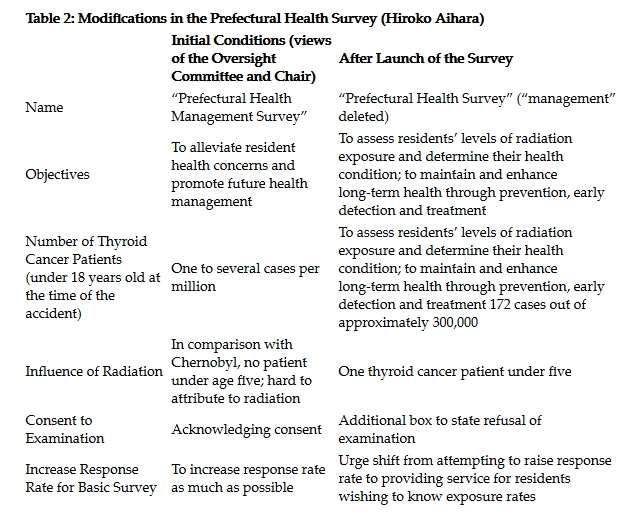
Since the establishment of the Survey, however, problems have emerged one after another. For example, in the fall of 2012, it turned out that the Oversight Committee held a “secret meeting,” inviting the members to conform to an interpretation of the Survey results that concludes that a newly discovered thyroid cancer case has no causal relation with the Fukushima nuclear accident. When this secret meeting was made public, Murata Fumio, then vice governor, apologized for it before the prefectural assembly.7 The Committee also received complaints about the term “management” in the title of the Survey, as it suggested that the Survey could lead to the “management/control” of citizens. The Oversight Committee subsequently removed “management” from the Survey name [in 2014, the Survey was renamed the Prefectural Health Survey].
The Prefectural Health Survey (hereafter “Survey”) is administered independently by Fukushima Prefecture. It is to be distinguished from the medical examinations and special health checkups mandated at businesses and schools. Under the supervision of the central government’s Reconstruction Agency, the Act on Special Measures for Fukushima Reconstruction and Revitalization8 stipulates the content of the Survey and provides budgetary assistance. An enormous sum of public funds and funds related to reconstruction poured into the reserves of the Prefectural Health Management Fund for these activities. As of the beginning of fiscal year 2015, the amount in this Fund was approximately 135 billion yen. However, 55.7 billion of that 135 billion has already been spent, and the current balance is estimated to be 76 billion. Although Fukushima Prefecture claims that the national government has pledged to continue to fund the Survey, the Reconstruction Agency itself is scheduled to be dissolved in 2020, and the Fund to be discontinued in 2040. While the prefecture promises “life-long examinations,” with funding and other issues unresolved, continuationof the practice is up in the air.
A New Form of “Reputational Damage” (Fūhyō higai)?
The discussion about “reevaluation/scaling down” began on July 3, 2016 when the Fukushima Pediatric Association (hereafter “Pediatric Association”) adopted a statement at its general assembly, which it submitted to Fukushima Prefecture in the form of a petition on August 25. The statement reads, “[regarding the result of the Prefectural Health Survey] at this stage, it is difficult to make a scientific and objective assessment of the multiple cases reported [of thyroid cancer]. Yet we observe health concerns and anxieties spreading among not only the youth targeted for this examination and their parents but among prefectural residents in general.” Here, the Survey reports are identified as the cause of resident anxiety.
“From the standpoint of alleviating such anxiety,” reads the statement, “current practice regarding thyroid examination as well as subsequent medical treatment and care should be reconsidered in part.” Additionally, the statement announces the launching of a new and independent review committee by the Pediatric Association.
On July 4, Fukushima Min’yū, a local newspaper, first reported the Pediatric Association’s statement under the following headline: “Calling for reconsideration of ‘thyroid examinations,’ Fukushima Pediatric Association to establish independent committee.” About a month later, on August 8, Min’yū ran another article, entitled “Discussion to reconsider thyroid examination; Oversight Committee may reduce scope,” introducing the views of Hoshi Hokuto, chair of the Oversight Committee, and Ōga Kazuhiro, president of the Pediatric Association.
In the article, both Hoshi and Ōga endorse the idea of restructuring the thyroid examinations, despite the fact that the risk of exposure following the nuclear accident remains high in Fukushima. Moreover, neither refers to the importance of early detection and prevention of cancer among children.
“There is little merit to early detection of a cancer that progresses slowly and has a favorable prognosis,” Ōga declares. “Conducting the screening is itself provoking anxiety.” He continues, “Reports of multiple cancer cases can lead to reputational damage, which might disadvantage not only the children but all residents of Fukushima.” It is his personal opinion that “The choice not to take the examination should be respected, and the current practice, in which examinations are conducted in semi-compulsory fashion at schools and kindergartens needs to be corrected. Instead, we should establish a system restricted to those who wish to be screened.”
Showing his respect for Ōga’s opinion, Hoshi states that, “At the very least, we cannot willfully charge ahead with the current form of examination.”
No Expansion in Scope or Substance
Let us now turn to the prefectural take on this issue—the very agent of the examinations.
Ide Takatoshi, director of the health and welfare division, received the petition from the Fukushima Pediatric Association, represented by Ōga, on August 25. In response to my query, Ide stated, “We would like to await the discussions that will take place at an Oversight Committee meeting and an international conference to be held in September in Fukushima.” The 24th Oversight Committee meeting was scheduled to take place on September 14, and Ide did not deny the possibility that the meeting might spark a discussion for scaling down the thyroid screenings (As for the result, please see note 3).
In fact, however, even before the Pediatric Association petition, the Prefecture had already taken steps to prepare for the possibility of decreasing the pool of examinees.
One of these can be seen in the change in the consent form distributed at the second round of full-scale examinations that began in fiscal year 2015. Whereas earlier forms simply had a “consent” box to be checked off, the new form had a new “do not consent” box.
This addition may suggest the desire of the prefecture to respect the will of individuals who do not wish to take the examination. Given, however, the clearly noninvasive technology of ultrasound examination of the thyroid, and the importance from the standpoint of preventive medicine of protecting children’s health through early detection and treatment, does this shift—which proactively identifies children who will not be examined and removes them from the process—not strike at the heart of the principle of “fairness and uniformity” underlying this taxpayer-supported project? This change gives rise to another question, as to whether the prefecture has fully explained the possible consequences of delayed cancer detection. Adding the choice to opt out, I worry, is a means for gathering concrete numbers of those who are not interested, which in turn, might be used to provide “a rationale for scaling down the examinations.”

On August 25: representatives of the Fukushima Pediatric Association submitting a petition to Fukushima Prefecture, asking for reevaluation/scaling-down of thyroid examinations.
With these questions in mind, I had an opportunity to ask Ōga and Hoshi about the motivation behind their statements. Both Ōga and Hoshi said “the newspapers exaggerated,” and denied a part of their statements as cited in the media. Ōga claims, “There was too much personal opinion in my interview article, which wasn’t great. What the Pediatric Association is asking for is not to cut back on the examination, but to revise a part of its procedure. The current thyroid screening practice turns up more and more latent cancer cases, which almost all medical doctors ‘believe have no association with radiation exposure.’” In response to my question on revision of the procedure, Ōga replied, “We will discuss the best procedure to be implemented in our review committee.” But he also made clear that “neither expansion of the examination nor enhancement of its content” would be on the table.
In contrast, Hoshi remained ambiguous: “The Pediatric Association’s petition is one of many opinions. We will continue to discuss the matter, including maintaining the current practice as an option.”
The Disadvantages of Screening?
“Excessive screening? Preposterous. I am quite concerned about the discussion of possible scaling down. I asked the prefectural staff what disadvantages could be expected, with respect to protecting residents and patients. They only said, ‘That’s what the experts say,’ and failed to provide any concrete explanations. They ought to be seriously thinking about what disadvantages there are to be eliminated, and what advantages are to be protected.”
Such is the strong protest expressed by lawyer Kawai Hiroyuki, founding member and co-organizer of the “3/11 Thyroid Cancer Family Association” (hereafter “Family Association”), at a press conference held at the prefectural hall press club after submitting a petition on behalf of the Family Association to Fukushima Prefecture on August 23.9

On August 23: lawyer Kawai Hiroyuki and co-organizers of the “3/11 Thyroid Cancer Family Association” holding a press conference pleading for expansion of the scope and substance of thyroid examinations.
Dentist Takemoto Yasushi, vice-representative of the Family Association, followed up with this appeal: “Some may think that it is the growing frequency of diagnosis that is causing anxiety, but discontinuing the examination would cause anxiety. True relief would come from enhancing the examination and follow-up treatment.”

Shadow of Mr. Watanabe.
Medical doctor and another Family Association facilitator, Ushiyama Motomi, added, “It was just at the five-year point after Chernobyl that cancer cases started increasing. There is so much that we don’t know yet. Given the fact that so many cancer patients were found after the second-round full-scale examination, scaling down the screenings will not benefit residents. Without providing sufficient and appropriate information to patients, it is problematic to leave individuals to decide on their own whether to take part in the examination.”
On September 1,124 groups—domestic and international—jointly submitted a petition to the prefecture. They demand that the prefecture maintain the current practice and further broaden the pool in order to gain an accurate grasp of the situation; to elucidate the causal relationship between cancer and radiation exposure; and to reexamine the appropriateness of the surgeries performed upon 131 patients.10
Watanabe, the high school teacher introduced at the beginning of this article who had his thyroid removed, reflects, “We Fukushima residents have fears about health problems cropping up in the future. Especially for the young generation, continued screening and examination are indispensable. Even adults should have regular checkups.”
For the second-round full-scale examination, there is no compensation for parents who miss work to accompany their children, and transportation is also out of pocket. The Family Association receives complaints about a system that fails to provide for accessible examination and treatment.
Continued vigilance is necessary to ensure that the prefecture not scale back the screening and examination program in response to pressures from one set of doctors and organizations while ignoring the voices of all residents as well as patients.

This article originally appeared in Shukan Kinyobi, no. 1103, Sept. 9, 2016.
It was Norma Field who suggested a contribution from Eiichiro Ochiai as a preface to this article. Without her generous help, recommendations and suggestions, this article would not be made available in English, and in fact, it would be more appropriate to name her as a co-translator. Having said that, however, should any mistakes and factual errors be found in this article, it would fall under the responsibility of myself.
Related Articles
Eiichiro Ochiai, The Human Consequences of the Fukushima Dai-ichi Nuclear Power Plant Accidents
Eiichiro Ochiai, The Manga “Oishinbo” Controversy: Radiation and Nose Bleeding in the Wake of 3.11
Nakasatomi Hiroshi, After Nuclear Disaster: The decision-making of Fukushima University authorities, the threat to democratic governance and countermovement actions
Kyle Cleveland, Mobilizing Nuclear Bias: The Fukushima Nuclear Crisis and the Politics of Uncertainty
David McNeill, Japanese Government Squelching Efforts to Measure Fukushima Meltdown
Yasuhito Abe, Safecast or the Production of Collective Intelligence on Radiation Risks after 3.11
Adam Broinowski, Fukushima: Life and the Transnationality of Radioactive Contamination
Paul Jobin, The Roadmap for Fukushima Daiichi and the Sacrifice of Japan’s Clean-up Workers
Anders Pape Møller and Timothy A. Mousseau, Uncomfortable Questions in the Wake of Nuclear Accidents at Fukushima and Chernobyl
Notes
The website of the Fukushima prefectural government translates Fukushima kenmin kenkō chōsa as the “Residents’ Health Survey,” but in this article, I will employ the term “Prefectural Health Survey”. See here. [All footnotes are by the translator].
The website of the Fukushima prefectural government translates Fukushima kenmin kenkō chōsa as the “Residents’ Health Survey,” but in this article, I will employ the term “Prefectural Health Survey”. See here.
Yamashita was a Nagasaki-born second-generation hibakusha. After working at the Nagasaki University School of Medicine, he visited Chernobyl in 1991 in order to conduct research on children suffering from thyroid cancer. Since then, he has visited Chernobyl over a hundred times. In light of his experience in Chernobyl, shortly following the meltdown of nuclear reactors in Fukushima in 2011, Yamashita was invited to serve as a radiation risk management adviser to Fukushima Prefecture. He is known for his claims, regarding radiation risk in Fukushima, that exposure to 100 mSv of radiation per year is safe and that radiation does not affect people who are “happy and laughing” but rather affects those who are “weak-spirited” and who “brood and fret.” See “Japan Admits 3 Nuclear Meltdowns, More Radiation Leaked into Sea; U.S. Nuclear Waste Poses Deadly Risks” Democracy Now! June 10, 2011. Transcript is available here.
The Fukushima prefectural assembly, in response to a petition opposing cutbacks in health screenings, agreed to maintain the program at its regular meeting on October 13, 2016. See “Fukushima Daiichi genpatsu jiko kōjōsen kensa kibo iji o Kenmin kenkō chōsa, kengikai ga seigan saitaku” (Fukushima Daiichi nuclear accident, thyroid examinations will remain at the same scale; Prefectural assembly adopts petition)
Leukocytosis occurs when white cells (the leukocyte count) are above the normal range in the blood. It is frequently a sign of an inflammatory response, most commonly the result of infection, but may also occur following certain parasitic infections or bone tumors. See here.
The “maternity passbook” is issued to a woman when she reports her pregnancy to the municipal government of her residence. The book provides health advice, and documents the prenatal development of a baby as well as post-delivery health of mother and child. It also allows the holder to receive free public health services. See the website of Fukushima Prefecture: “Health of prefectural residents”.
See “Fukushima kenkō chōsa: ‘himitsukai’ de kenkai suriawase” (Prefectural Health Survey: Producing an agreement by a secret meeting) here and here. The original article in Mainichi Shimbun on October 3, 2012 has been taken down from their website.
Article 26 of the act states: “Based on the Basic Guidelines for Reconstruction and Revitalization of Fukushima, Fukushima Prefecture may conduct Health Management Surveys (meaning surveys to estimate radiation exposure, conduct health checkups on thyroid cancer in children, and otherwise manage residents’ health care effectively; the same applies hereinafter), covering persons who had addresses in Fukushima as of March 11, 2011 and others equivalent thereto.” The document is available here.
The 3.11 Fund for Children with Thyroid Cancer was established on September 8, 2016, with the purpose of supporting thyroid cancer patients and their families. Donations are accepted at the organization website. The first round of applications for the fund began on December 1, 2016. See more information here.
Since this article was published, the number of thyroid cancer patients among those 18 years old and younger at the time of the accident has increased from 131 to 145. “18sai ika no kōjōsengan, kei 145nin ni Fukushima ken kensa” (The examinations show a rise of thyroid cancer patients among children to 145), December 27, 2016.
Source : http://apjjf.org/2017/02/Aihara.html
Construction of a New Cover Building Installation for Spent Fuel Removal at Unit 3

This installation will enable robotic removal of spent fuel removal to begin at Fukushima Daiichi Unit 3. Plans to remove this fuel have been complicated by high radiation levels.
To install the cover building’s cylindrical portion workers will have to enter the area to manually bolt the cover to the deck structure.
Installation of the “stopper” by a crane near the spent fuel pool began on January 17 as the first step to construct a new roof for the Unit 3 spent fuel removal. Over the pool some additional structural equipment has also been installed.
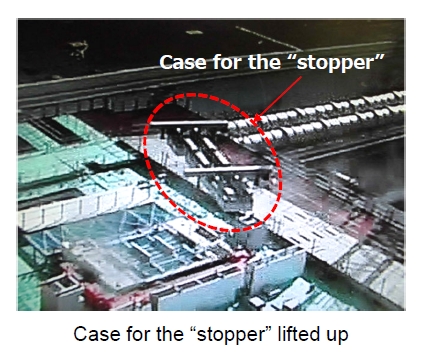
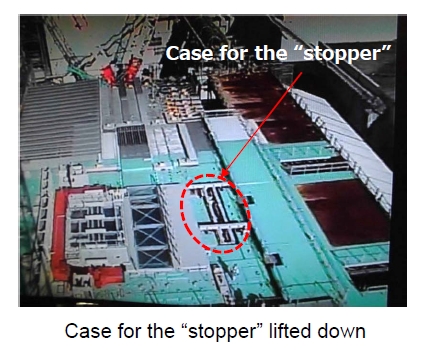
Tepco will proceed with the roof construction toward eventual fuel removal with safety as a top priority.
Source : http://www.tepco.co.jp/en/nu/fukushima-np/handouts/2017/images/handouts_170117_01-e.pdf
1 This Month
Chernobyl: The Lost Tapes – A good documentary on Chernobyl on SBS available On Demand for the next 3 weeks– https://www.sbs.com.au/ondemand/tv-program/chernobyl-the-lost-tapes/2352741955560

of the week–London Campaign for Nuclear Disarmament

Tell the Ukrainian Government to Drop Prosecution of Peace Activist Yurii Sheliazhenko
To see nuclear-related stories in greater depth and intensity – go to https://nuclearinformation.wordpress.com
-
Archives
- April 2026 (152)
- March 2026 (251)
- February 2026 (268)
- January 2026 (308)
- December 2025 (358)
- November 2025 (359)
- October 2025 (376)
- September 2025 (257)
- August 2025 (319)
- July 2025 (230)
- June 2025 (348)
- May 2025 (261)
-
Categories
- 1
- 1 NUCLEAR ISSUES
- business and costs
- climate change
- culture and arts
- ENERGY
- environment
- health
- history
- indigenous issues
- Legal
- marketing of nuclear
- media
- opposition to nuclear
- PERSONAL STORIES
- politics
- politics international
- Religion and ethics
- safety
- secrets,lies and civil liberties
- spinbuster
- technology
- Uranium
- wastes
- weapons and war
- Women
- 2 WORLD
- ACTION
- AFRICA
- Atrocities
- AUSTRALIA
- Christina's notes
- Christina's themes
- culture and arts
- Events
- Fuk 2022
- Fuk 2023
- Fukushima 2017
- Fukushima 2018
- fukushima 2019
- Fukushima 2020
- Fukushima 2021
- general
- global warming
- Humour (God we need it)
- Nuclear
- RARE EARTHS
- Reference
- resources – print
- Resources -audiovicual
- Weekly Newsletter
- World
- World Nuclear
- YouTube
-
RSS
Entries RSS
Comments RSS
 nuclear-news