Film: Chernobyl disaster’s continuing impact on the children
Full Documentary Films – Children of Chernobyl – Discovery Channel Documentaries
And Not So
Particularly, The Children
World Health Organisation confirmed that low dose radiation increases cancer risk
http://fukushimawatch.com/2015-11-05-multiple-studies-confirm-exposure-to-low-levels-of-radiation-can-cause-cancer.html The World Health Organization (WHO) has confirmed what Fukushima Watch has been reporting for quite some time now — namely, that exposure to low doses of radiation overtime increases the risk of cancer.
The results of the study, published in the prestigious British Medical Journal (BMI), provide “direct evidence about cancer risks after protracted exposures to low-dose ionizing radiation,” said the International Agency for Research on Cancer (IARC), the cancer agency of the World Health Organization.
The findings demonstrate “a significant association between increasing radiation dose and risk of all solid cancers,” the study’s co-author, Dr. Ausrele Kesminiene, told sources.
“No matter whether people are exposed to protracted low doses or to high and acute doses, the observed association between dose and solid cancer risk is similar per unit of radiation dose,” he added.

Nuclear workers around globe at heightened cancer risk Continue reading
Women face up to climate change threat, some choosing not to have children
 Women are breaking the climate taboo and questioning whether to have kids in such a world, Fusion, By Renee Lewis, 20 Dec 16, Climate change has caused a reproductive justice crisis, activists say, as its projected impacts lead some to question how they could have a baby with such an uncertain future.
Nearly 200 nations came together to sign a climate treaty in Paris last year, but even their collective efforts to reduce emissions will not be enough to keep the planet at a safe level of temperature rise.
President-elect Donald Trump has vowed to expand fossil fueldevelopment, meanwhile, scientists say the world may have entered its sixth mass extinction event.
With little time to spare, many are trying to take matters into their own hands and consider their options. A group of 21 youth recently sued the federal government for its role in creating the climate crisis and for leaving them to inherit a polluted planet—calling it generational injustice.
Others worry more about future generations.
“Decision makers have repeatedly put big business and fossil fuels over a future for our children,” said Meghan Kallman, co-founder of Conceivable Future. The women-led network hopes to bring awareness to the threat climate change poses to reproductive justice, and to end U.S. subsidies for the fossil fuel industry.
Kallman and co-founder Josephine Ferorelli brought up a taboo question—how this affects a person’s decision on whether or not to have kids.
“How does this affect people of childbearing age?” Kallman asked.
The response they’ve received has been overwhelming, with many people commenting on articles written about the group: ‘That’s my reason!’
Women as well as men are consciously deciding not to have children, knowing that their kids could inherit a future that is unlivable.
“People are still shocked when they ask why I don’t have children, and I tell them ‘for environmental reasons,’” Shannon O., 38 years old,said in a testimonial for Conceivable Future. Having a child, especially in America where consumption levels are so high, adds another carbon footprint. For example, an American woman who makes lifestyle changes such as recycling and driving a fuel-efficient car saves almost 500 tons of CO2 emissions in her lifetime. But choosing to not have a child would dwarf that, preventing almost 10,000 tons of CO2 from being emitted into the atmosphere………
The testimonies are part of Conceivable Future’s strategy to build a conversation—and a movement—around this question. Ferorelli said they hope the movement will become powerful enough to enact change at the local level—especially with Trump’s statements on expanding the fossil fuel industry.
“Now more than ever, we need to organize at the grassroots level, because the possibility of federal action is pretty severely limited,” Ferorelli said.
The group encourages anyone who’s interested in talking about these issues to host a house party. There, they can discuss these often taboo topics openly in a comfortable environment.
Across the country, people have hosted house parties and sent in nearly 70 testimonies…….. http://fusion.net/story/376997/climate-change-causes-people-to-reconsider-having-kids/
The continuing radiation horror of Russia’s Mayak nuclear plant
Many people we spoke to say they are being used as human guinea pigs. They talk of a secret government experiment looking at the effects of radiation exposure on humans.
They say they have to go to a hospital in Chelyabinsk, the regional capital around 50km away, for treatment of the various radiation related illnesses they suffer.
 Living in a nuclear hell, Aljazeera, By Charles Stratford in Europe , 2012-04-04 The town of Muslymovo has to be one of the saddest places on earth. The thousands of people who have little choice but to live here, on the banks of the Techa river not far from Russia’s
southern border with Kazakhstan, are the victims of a nuclear disaster that began more than six decades ago.
They are still suffering with the consequences of life next door to the Mayak nuclear plant – still dying from the radiation-related illnesses that have claimed the lives of so many before them.
Mayak was constructed in the 1940s. Our driver knew how to avoid checkpoints. We stuck a small camera on our windscreen and drove to within a hundred metres of the plant gates.
It’s like a city. Families work and live here. Teenagers chased eachother in the snow just beyond the fence.
Mayak is surrounded by silver birch forests. Signs by the road warn people not to enter the woodland or pick the wild mushrooms. Mayak once provided the Soviet Union with around 40 per cent of the world’s
weapons-grade plutonium.
The country’s first atomic bomb was built here. Between 1949 and 1951, the plant dumped hundreds of tonnes of highly radioactive waste into the nearby Techa.
Hundreds of villages were resettled but incredibly, four remain in the contaminated area. Residents don’t know why they were never moved.
Many people we spoke to say they are being used as human guinea pigs. They talk of a secret government experiment looking at the effects of radiation exposure on humans.
They say they have to go to a hospital in Chelyabinsk, the regional capital around 50km away, for treatment of the various radiation related illnesses they suffer.
One woman described her visits.
“They must have tested new drugs on us. You come from the hospital where you spend a month then get sick for a month at home. They don’t treat you. They hurt you. They don’t say anything.”
Some of the old Muslymovo village has been moved in recent years but to a place which is only a less than a half hour walk from the highly radiation polluted river. The Geiger counter readings we took by the river showed radiation levels 50 times higher than the level experts say is safe for humans.

Our driver, who himself suffers chronic radiation illness pointed to a car tyre frozen solid in icy marsh. He said if we tested our Geiger counter there we would get a reading at least three times higher than
the one we had.
There were no barriers or fences to keep people out. And there were footprints in the snow everywhere. A rusty sign warned people not to enter or pick the berries. But fishermen still come here. In the summer children still swim…….
Most of the children in this area suffer some form or other of radiation related illness. Symptoms of Chronic radiation sickness include recurrent infections, swellings, anemia, unhealed wounds, hair
loss and bruises. Long term exposure to high rates of radiation causes birth defects and cancer.
Locals call it the “river sickness”.
The boy in our report with the growth on his neck is 17 years old. He has eight brothers and sisters. They all suffer from radiation related illness. His mother says she took him to the local doctor to get his neck checked.
She says the doctor told her the lump would disappear. She says her son was never even offered a biopsy.
This, in a place where people have died of cancer for decades. An area that has some of the highest levels of radiation pollution in the world.
“We are afraid, the consequences are terrifying. But where can we move
to?” she said… .. http://blogs.aljazeera.com/europe/2012/04/04/living-nuclear-hell
Ionizing radiation from Chernobyl affects development of wild carrot plants. Abstract
Latest Chernobyl paper shows radiation effects of wild carrots!
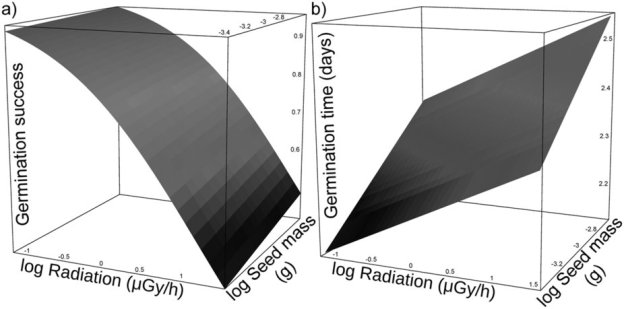
Abstract
“Radioactivity released from disasters like Chernobyl and Fukushima is a global hazard and a threat to exposed biota. To minimize the deleterious effects of stressors organisms adopt various strategies. Plants, for example, may delay germination or stay dormant during stressful periods. However, an intense stress may halt germination or heavily affect various developmental stages and select for life history changes. Here, we test for the consequence of exposure to ionizing radiation on plant development. We conducted a common garden experiment in an uncontaminated greenhouse using 660 seeds originating from 33 wild carrots (Daucus carota) collected near the Chernobyl nuclear power plant. These maternal plants had been exposed to radiation levels that varied by three orders of magnitude. We found strong negative effects of elevated radiation on the timing and rates of seed germination. In addition, later stages of development and the timing of emergence of consecutive leaves were delayed by exposure to radiation. We hypothesize that low quality of resources stored in seeds, damaged DNA, or both, delayed development and halted germination of seeds from plants exposed to elevated levels of ionizing radiation. We propose that high levels of spatial heterogeneity in background radiation may hamper adaptive life history responses.”
Zbyszek Boratyński, Javi Miranda Arias, Cristina Garcia, Tapio Mappes, Timothy A. Mousseau, Anders P. Møller, Antonio Jesús Muñoz Pajares, Marcin Piwczyński & Eugene Tukalenko
Nuclear worker at Fukushima gets compensation for thyroid cancer
 Thyroid cancer compensation for Fukushima plant worker http://www.asahi.com/ajw/articles/AJ201612170027.html, By YURI OIWA/ Staff Writer December 17, 2016 A man who developed thyroid gland cancer after working at the stricken Fukushima No. 1 nuclear plant has for the first time won the right to work-related compensation.
While the case ranks as the third time a worker at the Fukushima plant has been recognized as eligible for work-related compensation because of cancer caused by radiation exposure, it is the first instance involving thyroid gland cancer.
The Ministry of Health, Labor and Welfare announced its decision Dec. 16.
The man in his 40s, an employee of plant operator Tokyo Electric Power Co., worked at the Fukushima plant after the triple meltdown triggered by the 2011 Great East Japan Earthquake and tsunami. He was diagnosed with thyroid gland cancer in April 2014.
The man worked at various nuclear plants, including the Fukushima facility, between 1992 and 2012. He was mainly involved in operating and overseeing reactor operations.
After the March 2011 nuclear accident, the man was in the plant complex when hydrogen explosions rocked the No. 1 and No. 3 reactor buildings. His duties included confirming water and pressure meter levels as well as providing fuel to water pumps.
The amount of his accumulated whole body radiation exposure was 150 millisieverts, with about 140 millisieverts resulting from the period after the nuclear accident. Of that amount, about 40 millisieverts was through internal exposure caused by inhaling or other ways of absorbing radioactive materials.
Along with recognizing the first work-related compensation involving thyroid gland cancer, the labor ministry also released for the first time its overall position on dealing with compensation issues for workers who were at the Fukushima plant after the accident.
The ministry said it would recognize compensation for workers whose accumulated whole body dose exceeded 100 millisieverts and for whom at least five years have passed since the start of work involving radiation exposure and the diagnosis of cancer.
Ministry officials said the dose level was not a strict standard but one yardstick for recognizing compensation.
According to a study by TEPCO and a U.N. scientific committee looking into the effects of radiation, 174 people who worked at the plant had accumulated whole body doses exceeding 100 millisieverts as of this past March.
There is also an estimate that more than 2,000 workers have radiation doses exceeding 100 millisieverts just in their thyroid gland.
USA govt acknowledges the many cancers in its nuclear test veterans
DISEASES ACKNOWLEDGED BY THE UNITED STATES GOVERNMENT TO BE CAUSED BY PARTICIPATION IN ATMOSPHERIC TESTING OF NUCLEAR WEAPONS, Paul Langley’s Nuclear History Blog, 2 Jan 2012
Leukaemia (other than chronic Iymphocytic leukaemia)
Cancer of the Thyroid
Cancer of the Breast
Cancer of the Pharynx
Cancer of the Oesophagus
Cancer of the Stomach
Cancer of the small intestine
Cancer of the Pancreas
Multiple Myeloma
Lymphomas (except Hodgkinís disease)
Cancer of the Bile Ducts
Cancer of the Gall Bladder
Cancer of the liver (except if cirrhosis or hepatitis indicated)
Cancer of the urinary tract, which also translates to the bladder and kidneys
Cancer of the salivary glands
Incorporated into public law 100-321, 20.5.88.
“This law gives US atomic exservicemen due recognition for the unusual service they rendered, and is an expression of gratitude of the American people toward their atomic veterans The law enables Veteran Affairs benefits to flow to US atomic veterans who are afflicted. The US government m relation to nuclear veterans considers the nature of service plus the development of any of the above diseases sufficient cause to quality for Veteran Benefits regardless of recorded dose rates received. All US nuclear test service personnel are officially Veterans.” http://nuclearhistory.wordpress.com/2011/12/31/diseases-acknowledged-by-the-united-states-government-to-be-caused-by-participation-in-atmospheric-testing-of-nuclear-weapons/
Ionizing Radiation from Chernobyl and the Fraction of Viable Pollen
Tim Mousseau – latest Chernobyl paper in International Journal of Plant Sciences:
Oct 05, 2016
Pollen viability is an important component of reproductive success, with inviable pollen causing failure of reproduction. Pollen grains have evolved mechanisms to avoid negative impacts of adverse environmental conditions on viability, including the ability to sustain ionizing radiation and repair DNA. We assessed the viability of 109,000 pollen grains representing 675 pollen samples from 111 species of plants in Chernobyl across radiation gradients that spanned three orders of magnitude. We found a statistically significant but small and negative main effect of radiation on pollen viability rates across species (Pearson’s r = 0.20). Ploidy level and the number of nucleate cells (two vs. three) were the only variables that influenced the strength of the effect of radiation on pollen viability, as reflected by significant interactions between these two variables and background radiation, while there were no significant effects of genome size, pollen aperture type, life cycle duration, or pollination agent on the strength of the effect of radiation on pollen viability.
Introduction
Most organisms are susceptible to environmental perturbations—such as climate change, extreme weather events, pollution, changes in nutrient availability, and changes in ionizing radiation levels—but the effects of such perturbations on individuals, populations, and ecosystems are variable (Candolin and Wong 2012; IPCC 2013; Møller and Mousseau 2013). In order to better understand these effects and to predict how a given species would respond to environmental disturbances, a study of the specific effects at different stages of organisms’ life cycles is required. Since reproduction is a key phase in the life cycle of any organism, reproductive effects are of particular interest. In the case of the effects of ionizing radiation, the negative consequences for reproduction in response to acute irradiation have been studied for decades and are well established (review in Møller and Mousseau 2013). However, the effects of long-term chronic exposure to low dose radiation are poorly understood.
Pollen grains are susceptible to the effects of environmental perturbations, which can have significant negative consequences for plant reproduction through pollen limitation (Delph et al. 1997; Ashman et al. 2004). Potential negative environmental effects include those resulting from elevated levels of ionizing radiation (Koller 1943). Therefore, plants have mechanisms to protect themselves from such effects, such as DNA repair, bi- or trinucleate cells, or redundancies in the genome resulting from duplications.
The area around Chernobyl in Ukraine has proven particularly useful for studying the effects of radioactive contamination on ecological and evolutionary processes at a large spatial scale. The Chernobyl nuclear accident in April 1986 led to the release of between 9.35 × 10³ and 1.25 × 10⁴ petabecquerel of radionuclides into the atmosphere (Møller and Mousseau 2006; Yablokov et al. 2009; Evangeliou et al. 2015). These radioactive contaminants were subsequently deposited in the surrounding areas of Belarus, Russia, and Ukraine but also elsewhere across Europe and even in Asia and North America. The pattern of contamination is highly heterogeneous, with some regions having received much higher levels of radionuclides than others, owing to atmospheric conditions at the time of the accident (fig. 1). To this day, the Chernobyl area provides a patchwork of sites that can differ in radioactive contamination level by up to five orders of magnitude across a comparatively small area. Even decades after the accident, the amount of radioactive material remaining around Chernobyl is enormous (Møller and Mousseau 2006; Yablokov et al. 2009).
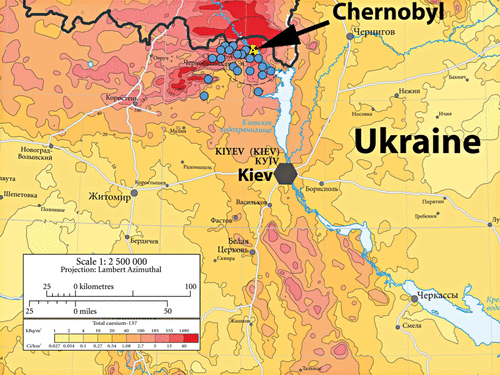
Fig. 1. Map of the distribution of radioactive contamination in the Chernobyl region, with pollen sampling locations marked. Adapted from DeCort et al. (1998).
Because of the unprecedented scale and global impact of the Chernobyl event, it is not surprising that it generated significant interest in both the scientific community and the general public. As a result, studies have been conducted to assess the consequences of Chernobyl for human health and agriculture as well as its biological effects, ranging from the level of DNA to entire ecosystems. Since ionizing radiation has long been well established as a mutagen (Nadson and Philippov 1925; Muller 1950), a large proportion of the research effort has focused on examining changes in mutation rates in areas that have been radioactively contaminated to different degrees as a result of the accident. Although there is considerable heterogeneity in the results of these studies, most have detected significant increases in mutation rates or genetic damage following the Chernobyl disaster, with the rates remaining elevated over the following 2 decades (reviewed in Møller and Mousseau 2006). For example, the mean frequency of mutations in Scots pine (Pinus sylvestris) is positively correlated with the level of background radiation, and it is 10 times higher in contaminated areas compared with control sites (Shevchenko et al. 1996). A study of Scots pine seeds detected elevated mutation rates within the exclusion zone over a period of 8 yr following the accident (Kal’chenko et al. 1995). In wheat (Triticum aestivum), the mutation rate was six times higher in radioactively contaminated areas compared with controls (Kovalchuk et al. 2000). Likewise, the frequency of chromosomal aberrations in two varieties of wheat grown within the Chernobyl exclusion zone 13 yr after the disaster was elevated compared with the spontaneous frequency of chromosomal aberrations in these cultivars (Yakimchuk et al. 2001). The levels of chromosome aberrations in onions (Allium cepa) were also positively correlated with the intensity of radioactive contamination in plants grown 20 yr after the accident (Grodzinsky 2006). Therefore, there is considerable evidence showing increased mutation rates in plants in the most contaminated sites (Møller and Mousseau 2015).
On the basis of the results of these studies, one might expect that a similar relationship between radiation level and the frequency of abnormalities would be seen in pollen. Indeed, Kordium and Sidorenko (1997) reported that the frequency of meiotic anomalies in microspore formation and the frequency of pollen grain viability was reduced in 8%–10% of the 94 plant species studied as a function of the intensity of gamma radiation 6–8 yr after the accident. In violets (Viola matutina), the proportion of viable pollen was negatively correlated with background radioactive contamination (Popova et al. 1991). While it is evident that plants differ in their susceptibility to ionizing radiation, the reasons for this variation are not entirely clear. It is likely that some species develop tolerance and/or resistance to mutagenic effects of radiation to a greater extent than others (Baer et al. 2007). For example, pollen of silver birch (Betula verrucosa), which grows in areas contaminated by the Chernobyl accident, showed elevated DNA repair ability compared with pollen from control areas, consistent with adaptation or epigenetic responses to increased radiation (Boubriak et al. 2008). There are also indications that genome size might affect the response of different species to radiation. Among the plants studied by Kordium and Sidorenko (1997), the rate of pollen viability decreased with increasing radiation to a higher degree in plants with smaller genomes (Barnier 2005), although the actual mechanism remains unknown. One potential explanation is that a larger genome might contain multiple copies of some genes as a result of duplication, rendering mutations in one of these copies less deleterious than if there were only a single copy present, although this explanation may not universally apply (Otto 2003).
In order to assess the effects of radioactive contamination on plant reproduction and to further assess species-specific differences in the effects of ionizing radiation on pollen viability, we analyzed pollen samples from plants growing in the Chernobyl region. We expected that the effects of radiation would differ among species, with some plants showing higher pollen inviability rates than others as a result of elevated radiation levels. A second objective was to test whether observed differences in pollen viability rates could be attributed to differences in phenotype among species, with possible explanatory factors including pollen size, the number of pollen apertures, ploidy, genome size, bi- or trinucleate cells, life span (annual vs. perennial), and pollination agent. We hypothesized that each of these factors could be related to the plants’ ability to resist or to tolerate radiation-induced mutations. Pollen size, genome size, and ploidy are all related to the amount of DNA and the number of copies of genes contained in the pollen grain. Because the pollen aperture—as the site of pollen germination—could be particularly susceptible to radiation-induced damage, we included the number of apertures as a potential explanatory variable. Furthermore, whether a plant is annual or perennial is related to individual longevity and, consequently, to the number of mutations that can accumulate over its lifetime as well as to the number of generations from the time of the Chernobyl accident until the time of sample collection. This may be particularly relevant for plants, given that germ tissue is derived from somatic tissues during each reproductive event as opposed to most animals, in which germ cells terminally differentiate very early during embryonic development (Buss 2006). Pollen viability depends on the ability of pollen to assess the integrity of its DNA and to repair the DNA of the generative nuclei before division (Jackson and Linskens 1980). This process is particularly important for binucleate pollen cells in which this happens during pollen germination, which is in contrast to trinucleate pollen cells, in which the need for DNA repair during pollen germination is less evident. DNA repair efficiency and adaptation of plants to chronic irradiation may also depend on the composition of radiation at the contaminated sites (Boubriak et al. 1992, 2008).
Across all plant species, we found a statistically significant relationship between radiation and the frequency of viable pollen of an intermediate magnitude (Cohen 1988). We also documented significant interactions between species and radiation, radiation and cell number, and radiation and ploidy. However, the significant effect of ploidy disappeared when both ploidy and whether cells were bi- or trinucleate were entered simultaneously in a single model. Most effects were small to intermediate in magnitude, as is commonly the case in studies of living organisms (Møller and Jennions 2002). We emphasize that our study included by far the largest sample size so far reported to detect effects of chronic radiation on pollen viability. However, we also emphasize the limits of our study. Many plant species could not be included simply because we could not locate multiple flowering specimens during our fieldwork. These and other sampling limitations reduced the number of pollen grains and the number of species that could be included.
Species differ in their susceptibility to radiation, as demonstrated for birds at both Chernobyl and Fukushima (Møller and Mousseau 2007; Møller et al. 2013; Galván et al. 2014), and in terms of adaptation to radiation (Galván et al. 2014; Møller and Mousseau 2016; Ruiz-González et al. 2016). The observed interspecific differences in radiation effects reported here for the proportion of viable pollen could be due to adaptation to radiation through tolerance of radiation-induced mutations or through induction of increased DNA repair in organisms living in contaminated areas. Another possibility is that some species are more resistant to radiation because of historical exposure in radiation hotspot areas with high natural levels of radiation (Møller and Mousseau 2013).
We observed a significant relationship between the proportion of viable pollen and the interaction between ploidy and radiation. Such a finding might suggest that resistance to deleterious effects of radiation is based on redundancy in the genome, where species with higher ploidy levels have an advantage if they have multiple copies of a given gene. We failed to detect an effect of selected physical attributes of pollen grains—such as genome size, pollen size, and aperture type—on the susceptibility of pollen to radiation. Furthermore, whether a plant was annual or perennial or whether it was insect or wind pollinated did not affect the proportion of viable pollen. Finally, whether plants produced bi- or trinucleate pollen had a significant effect on pollen viability, and the interaction between radiation and cell number was also significant.
While we confirmed the general finding of Kordium and Sidorenko (1997) that in approximately 10% of species the proportion of viable pollen is negatively correlated with radiation level, we were unable to reproduce their findings with respect to the overall magnitude of this effect. Our observed effect size was much smaller, and the slopes for individual species differed significantly from those reported by Kordium and Sidorenko (1997). Because more than 10 yr have passed between the two studies, we suggest that a change in radiation effects has taken place over time, for example, as a result of adaptation or accumulation of mutations. Another possible explanation for the discrepancy has to do with sample size, since our study included a much larger number of pollen samples and sampling locations than the study by Kordium and Sidorenko (1997). These explanations are not necessarily mutually exclusive.
Whereas other studies have demonstrated significant negative effects of radioactive contamination around Chernobyl on mutation rates and fitness in general, our study of pollen viability shows a very small effect, and some species even show positive relationships between pollen viability and radiation that is suggestive of adaptation to increased levels of radiation. However, on the basis of the current study, it is not possible to determine whether the observed heterogeneity reflects evolved adaptive responses or is the consequence of unmeasured selective effects on characters correlated with pollen viability, which could in part explain an overall positive effect of radiation (for a discussion of evolutionary responses in Chernobyl, see Møller and Mousseau 2016). Experimental approaches would be needed to decipher the mechanisms underlying the heterogeneity in plant responses observed here (Mousseau 2000).
The observed variability in susceptibility to radiation is a common finding in studies of the effects of radiation from Chernobyl (Møller and Mousseau 2007; Galván et al. 2011, 2014; Møller et al. 2013). While our results are consistent with earlier findings that DNA repair mechanisms may play an important role in adaptation to life in radioactively contaminated environments—especially for plants, which are sessile and hence cannot move to less contaminated areas—further research is required to test this explicitly. Finally, because of the observed differences in resistance to radiation among species, it is likely that even small overall effects of radiation—such as the one on the proportion of viable pollen described here—can have significant consequences for species composition and abundance at a given location and, therefore, for ecosystem characteristics and functioning.
In conclusion, we have found a statistically significant overall negative relationship between radiation intensity and the frequency of viable pollen in plants growing in contaminated areas around Chernobyl. The magnitude of this effect across species included in our study was intermediate. We only found a significant relationship between the proportion of viable pollen and ploidy × radiation interaction, bi- or trinucleate cells, and bi- or trinucleate cells × radiation interaction. This suggests that DNA repair mechanisms could play an important role for the ability of plants to resist increased radiation, at least when it comes to pollen formation.
Acknowledgments
We thank Puri López-García for use of a microscope for pollen counts. This work has benefited from the facilities and expertise of the cytometry platform of Imagif (Centre de Recherche de Gif; http://www.imagif.cnrs.fr). We thank Spencer Brown and Mickaël Bourge for their help with the flow cytometry measurements and Srdan Randić for help with pollen counts. Field collections for this study were supported in part by the Centre National de la Recherche Scientifique (France), the North Atlantic Treaty Organization Collaborative Linkage Grant program, the Fulbright program, the University of South Carolina College of Arts and Sciences, and the Samuel Freeman Charitable Trust. Two reviewers provided constructive criticism.
Read full paper at:
http://www.journals.uchicago.edu/doi/full/10.1086/688873
Medical radiation poses risks for nurses
For patients, unnecessary procedures (usually imaging procedures) and radiation dosing errors represent the bulk of risk from medical radiation, whereas incidental, unintended radiation exposure is the primary concern for nurses and other health care workers…
Radiation safety for patients—and nurses Oncology Nurse Advisor, Bryant  Furlow, October 26, 2011 Diagnostic and therapeutic radiation have prolonged and improved millions of patients’ lives, and represent indispensable and increasingly sophisticated tools in clinical oncology. But medical radiation’s gifts have come at the potential cost of unintended irradiation of patients and health care workers and increased lifetime risks of secondary cancers. This concern has grown with improving patient survival times, particularly among pediatric cancer patients. Continue reading
Nuclear industry’s legacy – stranded wastes, safety fears, collapsing communities
 As nuclear plants age, risks rise, telegram.com Christine Legere, Dec 4, 2016
Belarus’s radiation tragedy of Chernobyl is only just developing
Exiled scientist: ‘Chernobyl is not finished, it has only just begun’
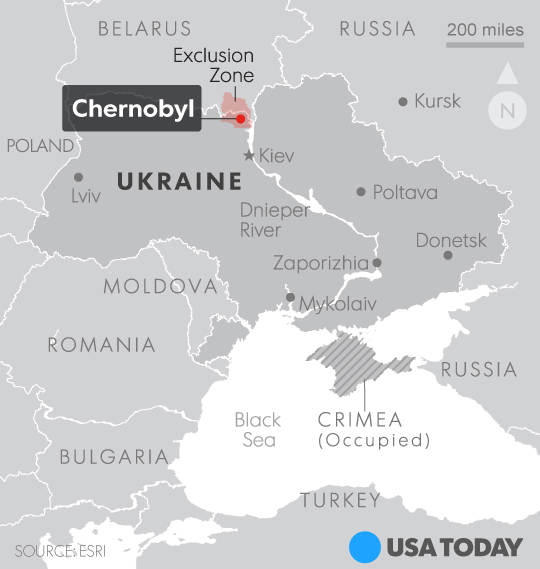
http://www.usatoday.com/story/news/world/2016/04/17/nuclear-exile-chernobyl-30th-anniversary/82896510/ YURY BANDAZHEVSKY DETAILED CHERNOBYL’S DEVASTATING IMPACT ON PEOPLE’S HEALTH, PARTICULARLY THAT OF CHILDREN, IN BELARUS. NOW HE LIVES IN EXILE WHILE THE GOVERNMENT INSISTS “EVERYTHING’S OK.”
Chernobyl through the eyes of an artist
Kim Hjelmgaard , USA TODAY Yury Bandazhevsky, 59, was the first scientist in Belarus to establish an institute to study Chernobyl’s impact on people’s health, particularly children, near the city of Gomel, about 120 miles over the border from Ukraine. He was arrested in Belarus in 1999 and sentenced to eight years in prison for allegedly taking bribes from parents trying to get their children admitted to his Gomel State Medical Institute. He denied the charges.
The National Academy of Sciences and Amnesty International say he was detained for his outspoken criticism of Belarus’ public health policies following the nuclear disaster. He was released in 2005 and given French citizenship, after rights groups took up his case along with the European Union, Britain, France and Germany. He now runs a medical and rehabilitation center outside Kiev dedicated to studying and caring for Chernobyl’s victims.
Here are his words, edited and condensed for clarity:
KIEV, Ukraine — If you were told that a lot is already known in Ukraine and Belarus about what Chernobyl has done to these countries, than I can tell you that you are wrong. How can I put it? It is only after 30 years that we are starting to see the real impact. We can say for sure that Belarus was affected more. There was more radioactive fallout there. The doses the general population received were huge. My students and colleagues and I observed it when I arrived in Gomel in 1990 to organize the medical institute (now a university).
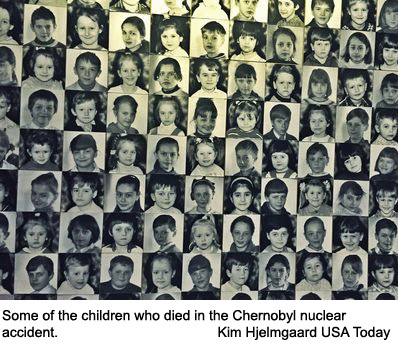
At the first, we were observing the effects of the large doses because Gomel was located in the epicenter of this high level of contamination. Then we started to look at the accumulation of radioactive elements in internal organs at lower doses, children’s in particular. We were already seeing a complex pathology affecting the endocrine system (which produces hormones), the cardiovascular system and almost all the internal organs. This was work that had never been done in Belarus and has not been done since.
When I arrived in Ukraine in 2009, I did not find any serious objective source of information about the state of health of the children and people in the Ivankiv and Polesskiy regions (two areas that neighbor Chernobyl). There was no interest. We have now examined about 4,000 second-generation children and most of them have serious problems with their cardiovascular systems. I was starting to see the same thing in Belarus before I left. I am especially disturbed by irregularities I see in teenagers, in particular boys ages 12-17.
Several million people in Ukraine live on land contaminated by radiation, so we need to evaluate a very large number of people. But there are no such projects. You have to live among the people here to truly understand what is happening, because the problem is very complicated. I have even tried to send interested people to the cemetery in Ivankiv so they can see for themselves how many graves are there — many who died at a very young age. None of this is in the official statistics.
I don’t have any objective information about what is happening now with the health of children in Belarus. Everything is closed. The government says, ‘Everything’s OK, everything’s OK.’ But I get telephone calls from people in Gomel and they tell me that many of the children we were observing before I left have died. They were of different ages: 6, 12, 14. I will never forget appearing on television in Belarus with the president (Alexander Lukashenko). I was saying we were seeing very serious problems in children because of radiation, while he was saying ‘Everything’s OK.’ But I can’t touch this, because I can’t go there, or work there.
For me, the problem of Chernobyl is not finished, it has only just begun.
I am very much afraid that in one or two generations from now, the (descendants) of the population of Belarus and Ukraine that were affected by Chernobyl will vanish. I am afraid of that very much. I don’t want my countrymen to perish. It’s possible that help from the international community to understand what is going on is needed now, just as much as it was immediately after the accident.
Cancer and birth defects in India’s uranium mining area
Koodankulam struggle: Western nations are learning from their mistakes, India is not, The Weekend Leader, By Nityanand Jayaraman & Sundar Rajan, 30 Nov “…..In Jadugoda, Jharkhand, where India’s uranium is mined by the Uranium Corporation of India Ltd, the effects of radiation among the local adivasi population are horrendous.Indian Doctors for Peace and Development, a national chapter of the Nobel-winning International Physicians for Prevention of Nuclear War, recently published a health study on Jadugoda. The study found that:
• Primary sterility is more common in people residing near uranium mining operations.
• More children with congenital deformities are being born to mothers living near uranium mining operations.
• Congenital defects as a cause of death of children are higher among mothers living near uranium mines.
• Cancer as a cause of death is more common in villages surrounding uranium operations.
• Life expectancy of people living near uranium mining operations is lower than Jharkhand’s state average and lower than in villages far removed from the mines.
• All these indicators of poor health and increased vulnerability are despite the fact that the affected villages have a better economic and literacy status than reference villages….. http://www.theweekendleader.com/Causes/833/Nuking-myths.html
Hanford’s nuclear site ‘the most toxic place in America’
Former nuclear site in Washington state is ‘causing workers to develop terminal illnesses’ – and it won’t be cleaned up for another 50 more years (photos)
- The Hanford Site in Washington state was used to produce plutonium from 1943 through the end of the Cold War
- Washington River Protection Solutions is now cleaning up the site
- Workers at the site say they are being exposed to radioactive fumes
- A watchdog group says that three workers have died as a result of exposure to nuclear waste on the job
- Just this year, 61 workers have allegedly been exposed to toxic materials
- But the government contractor says that everyone who has been checked out for possible exposure has been cleared to return to work
A former nuclear site in Washington state is poisoning workers and threatening the health of those who live around it, according to a new investigation.
Some experts have called the former Hanford nuclear plant ‘the most toxic place in America’ and ‘an underground Chernobyl waiting to happen’.
The site, located in a rural area along the Columbia River, was commissioned by the Manhattan Project to produce plutonium for the atomic bombs dropped on Hiroshima and Nagasaki at the end of World War II.
It remained an active nuclear site until the end of the Cold War, when it was decommissioned and the Department of Energy subcontracted Washington River Protection Solutions to start the clean-up.
But current and former workers at the site have told NBC that the underground containers holding the site’s nuclear waste are leaking, and that they have been exposed to the toxic fumes because the company has not given them the right safety equipment.
Their health issues include dementia, nerve damage, memory loss and respiratory problems.
Watchdog group Hanford Challenge says that at least three workers’ deaths have been linked to exposure at the site, but officials with Washington River Protection Solutions have refused to admit they are putting their workers in danger. Those workers are Gary Sall, Deb Fish and Dan Golden.
But several studies show that’s not the case and just this year, 61 workers have allegedly been exposed to toxic materials.
For their story, NBC spoke to DOE Deputy Assistant Secretary Mark Whitney, who said that all workers who have been evaluated for possible exposure have been cleared to return to work. http://www.dailymail.co.uk/news/article-3986750/Former-nuclear-site-Washington-state-causing-workers-develop-terminal-illnesses-won-t-cleaned-50-years.html#ixzz4RctEncj2
No need for a nuclear reactor to produce medical isotopes: Canada shows the way.
14 September 2016. A consortium of institutions led by TRIUMF, Canada’s national laboratory for particle and nuclear physics and accelerator-based science, is granting sole rights for its proprietary technetium-99m (Tc-99m) production technology to ARTMS™ Products, Inc (ARTMS). Technetium-99m is used in over 80% of all nuclear medicine imaging procedures and is vital to patient care in areas such as cardiology, oncology, and neurology. …

Typically sourced from an ageing global reactor fleet, Tc-99m has been subject to significant supply disruptions in recent years. ARTMS’ production technology promises to provide a reliable, cost effective, and safe supply of this critical medical isotope. The license includes all the required products and procedures for the production of Tc-99m using common hospital-based and commercial cyclotrons, through the bombardment of a high-energy proton beam against specific chemical ‘targets’. ….
“The ARTMS production technology offers many advantages, and that is why we believe our technology is truly disruptive and that it will gain widespread adoption,” Dr. Schaffer added. “Not only does the ARTMS production technology provide regional supply security of Tc-99m, it also offers favourable economics, and aids to eliminate the need for highly-enriched uranium, which is currently used by nuclear reactors to produce this isotope.”
“This agreement represents the culmination of six years of hard work by a dedicated team from across Canada, including TRIUMF, the BC Cancer Agency, Lawson Health Research Institute, and the Centre for Probe Development and Commercialization,” said Dr. Jonathan Bagger, Director of TRIUMF. “Today marks the completion of a major milestone as we move to commercialize a decentralized, green, and Canadian-made, technology that can produce Tc-99m daily at hundreds of hospital-based cyclotrons around the world. This licensing agreement marks the beginning of a new era in Tc-99m production and supply security.”
More information on the recent global isotope shortages, Tc-99m, and the story of ARTMS can be found in this media backgrounder and more information on medical isotopes and cyclotrons can be found in this FAQ. http://www.triumf.ca/current-events/artms%E2%84%A2-products-inc-licenses-canadian-technology-address-global-medical-isotope
Study pinpoints protein that detects damage from radiation
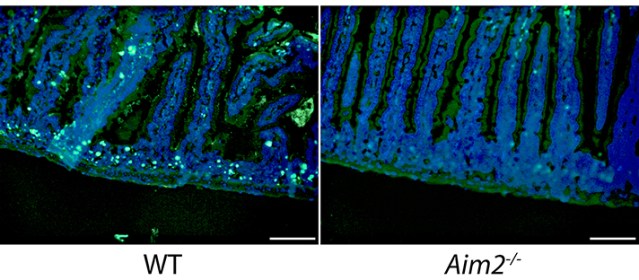
Small intestine tissue from mouse after high-dose X-ray radiation. Green fluorescence shows dying epithelial cells.
High doses of radiation from cancer treatment can cause severe damage to cells and tissues, resulting in injury to bone marrow and the gastrointestinal tract. The consequences can be fatal. Yet researchers do not fully understand how exposure to radiation triggers this damage at the molecular level.
Led by Yale professor of immunobiology Richard Flavell, an international team of researchers studied the radiation response using animal models. They identified a novel mechanism of radiation-induced tissue injury involving a protein called AIM2, which can sense double-strand DNA damage and mediate a special form of cell death known as pyroptosis.
They observed that in animals lacking AIM2, both the gastrointestinal tract and bone marrow were protected from radiation. While the role of AIM2 as a sensor that detects infectious threats to the body was known, this study is the first to describe the protein’s function in the detection of radiation damage to the chromosomes in the nucleus, said the researchers.
When a cell receives a high dose of radiation, the DNA is broken into pieces, which can be joined together again. However this aberrant rejoining of chromosomal fragments can lead to chromosomal abnormalities and cancer. Flavell and his team believe that when this chromosomal damage is inflicted, the AIM2 pathway is activated in order to kill the cell to avoid the deleterious consequences of these chromosomal translocations, such as those commonly seen in cancer cells.
For this reason, the cells that accumulate this chromosomal damage are dangerous to the person or animal and are therefore killed by this AIM2 pathway. This pathway is beneficial to the person or animal under normal circumstances because it eliminates dangerous cells, but when a high dose of radiation is given the pathway is detrimental because it leads to bone marrow and digestive tract injury.
These findings suggest that a drug that blocks or inhibits the AIM2 pathway could potentially limit the deleterious side effect of chemotherapy or radiotherapy on cancer patients, said the researchers.
Read the full paper in Science.
http://news.yale.edu/2016/11/10/study-pinpoints-protein-detects-damage-radiation
1 This Month
Chernobyl: The Lost Tapes – A good documentary on Chernobyl on SBS available On Demand for the next 3 weeks– https://www.sbs.com.au/ondemand/tv-program/chernobyl-the-lost-tapes/2352741955560

of the week–London Campaign for Nuclear Disarmament

Tell the Ukrainian Government to Drop Prosecution of Peace Activist Yurii Sheliazhenko
To see nuclear-related stories in greater depth and intensity – go to https://nuclearinformation.wordpress.com
-
Archives
- April 2026 (139)
- March 2026 (251)
- February 2026 (268)
- January 2026 (308)
- December 2025 (358)
- November 2025 (359)
- October 2025 (376)
- September 2025 (257)
- August 2025 (319)
- July 2025 (230)
- June 2025 (348)
- May 2025 (261)
-
Categories
- 1
- 1 NUCLEAR ISSUES
- business and costs
- climate change
- culture and arts
- ENERGY
- environment
- health
- history
- indigenous issues
- Legal
- marketing of nuclear
- media
- opposition to nuclear
- PERSONAL STORIES
- politics
- politics international
- Religion and ethics
- safety
- secrets,lies and civil liberties
- spinbuster
- technology
- Uranium
- wastes
- weapons and war
- Women
- 2 WORLD
- ACTION
- AFRICA
- Atrocities
- AUSTRALIA
- Christina's notes
- Christina's themes
- culture and arts
- Events
- Fuk 2022
- Fuk 2023
- Fukushima 2017
- Fukushima 2018
- fukushima 2019
- Fukushima 2020
- Fukushima 2021
- general
- global warming
- Humour (God we need it)
- Nuclear
- RARE EARTHS
- Reference
- resources – print
- Resources -audiovicual
- Weekly Newsletter
- World
- World Nuclear
- YouTube
-
RSS
Entries RSS
Comments RSS
 nuclear-news
