America’s nuclear weapons made workers very ill
 The perils of Pantex: Hundreds of workers sickened at Texas nuclear weapons plant http://www.star-telegram.com/news/state/texas/article49500030.html
Panhandle nuclear weapons assembly plant a hazardous workplace
Workers used to joke that they made soap at the facility
More than 1,300 workers and families have been awarded compensation since 2000
‘The cancer rates have surged enormously due to high levels of radiation’
By Christopher Busby
The US Nuclear Regulatory Commission has killed a study aimed at finding out whether nuclear reactors pose cancer risks to nearby residents. According to the Los Angeles Daily News, the decision was made due to the high cost of the probe and doubts that it would prove effective. The project in question, which is worth eight million dollars, would have examined seven nuclear facilities all across the country. The new investigation was supposed to have reassured Americans that it was not dangerous healthwise to reside near a nuclear power plant. A similar study, coming to the same conclusion, was last conducted almost 30 years ago. Several recent European tests revealed rather disturbing links between cancer and minors living close to nuclear facilities. Radio Sputnik discussed the issue with Christopher Busby, British scientist known for his theories about the negative health effects of very low-dose ionising radiation. Mr. Busby is a director of Green Audit Limited and scientific advisor to the Low Level Radiation Campaign.
https://soundcloud.com/radiosputnik/the-cancer-rates-have-surged-enormously-due-to-high-levels-of-radiation-christopher-busby
A personal story of nuclear radiation, cancer and death
 James Knieling no high level international nuclear waste dump in south australia, 30 Jan 17
 Funny thing about Radiation debris, once it drops into your house, its like the “Relatives Visiting From Hell!” I watched the biggest ever above ground Nuke go off from 75-miles away, while my dad hoisted it into position at the Mercury’s Nevada Test Site. *It was dark with only the lights of Fremont Street’s Casinos at 0530 and then the brightest light you ever did not look at went on. Then a 50mph wind struck us, and it felt like a hundred little bee stings on my bare arms, legs, and face
Then it was gone. About 20-years later they found Nuclear Hot Particles in the attics of our street. My dad built and operated 67-above ground nuclear bomb hoists in 1956-7. He died of his exposure, never being warned that his badge had gone red hot, with Small Cell Lung & Bone Cancer.
My field was Radiation Health Technology to work at the Nevada Test Site so when I had the chance to go to Bikini Atoll and see all the on-site data and films I went. I went on the 60-yr post-blast and we took reading for a week. The coconuts were lethal, the coconut crabs were lethal, the ground was, even with 17″ of protection fill, still off gassing lethal hot particles.
We were billeted in structures built several feet off the ground with blowers underneath to vent the radiation. We were told not to walk bare foot, and not sit, or linger on the ground. We were told to “Never, Ever turn off the A/C and Never, Ever to shut the fresh air vent!” Funny thing about being safe to visit. Only a 150+ people had a problem with the “OK to Visit” notice, and they dropped dead. See the sign below from the Bikinian Cemetery? Guess who’s in it? Answer~!The Bikinians the US Govt suckered as “Its safe to come home!” Not, they started dropping like flies! https://www.facebook.com/groups/1314655315214929/
Genetic radiation risks: a neglected topic in the low dose debate.
Abstract
Objectives
To investigate the accuracy and scientific validity of the current very low risk factor for hereditary diseases in humans following exposures to ionizing radiation adopted by the United Nations Scientific Committee on the Effects of Atomic Radiation and the International Commission on Radiological Protection. The value is based on experiments on mice due to reportedly absent effects in the Japanese atomic bomb (Abomb) survivors.
Methods
To review the published evidence for heritable effects after ionising radiation exposures particularly, but not restricted to, populations exposed to contamination from the Chernobyl accident and from atmospheric nuclear test fallout. To make a compilation of findings about early deaths, congenital malformations, Down’s syndrome, cancer and other genetic effects observed in humans after the exposure of the parents. To also examine more closely the evidence from the Japanese A-bomb epidemiology and discuss its scientific validity.
Results
Nearly all types of hereditary defects were found at doses as low as one to 10 mSv. We discuss the clash between the current risk model and these observations on the basis of biological mechanism and assumptions about linear relationships between dose and effect in neonatal and foetal epidemiology. The evidence supports a dose response relationship which is non-linear and is either biphasic or supralinear (hogs-back) and largely either saturates or falls above 10 mSv.
Conclusions
We conclude that the current risk model for heritable effects of radiation is unsafe. The dose response relationship is non-linear with the greatest effects at the lowest doses. Using Chernobyl data we derive an excess relative risk for all malformations of 1.0 per 10 mSv cumulative dose. The safety of the Japanese A-bomb epidemiology is argued to be both scientifically and philosophically questionable owing to errors in the choice of control groups, omission of internal exposure effects and assumptions about linear dose response.
Keywords: Congenital malformation, Down´s syndrome, Environmental radioactivity, Internal radiation, Low level effects, Sex-ratio, Still birth
Introduction
The most serious effects of ionizing radiation–hereditary defects in the descendants of exposed parents–had been already detected in the 1920s by Herman Joseph Muller. He exposed fruit flies–drosophila–to X-rays and found malformations and other disorders in the following generations. He concluded from his investigations that low dose exposure, and therefore even natural background radiation, is mutagenic and there is no harmless dose range for heritable effects or for cancer induction. His work was honoured by the Nobel Prize for medicine in 1946. In the 1950s Muller warned about the effects on the human genetic pool caused by the production of low level radioactive contamination from atmospheric tests [1].
The International Commission on Radiological Protection (ICRP) recently decreased its risk estimate for heritable damage in 2007 [2,3]. Its Detriment Adjusted Nominal Risk Coefficient for radiation heritable effects in an exposed population was reduced from the previous 1990 value of 1.3% Sv-1 to 0.2% Sv-1 a greater than 6-fold reduction. The ICRP approach is based on a linear relation between dose and end-point, measured as heritable disease at or before birth. Evidence and arguments which we will present suggest that this linear assumption is invalid and that the ICRP value is unsafe when applied to the chronic low dose internal exposure range.
The belief that heritable consequences of radiation were negligible followed from studies of the Japanese survivors of the atomic bomb (A-bomb) explosions in Hiroshima and Nagasaki in 1945. The American-Japanese Institute in Hiroshima, Atomic Bomb Casualty Commission (ABCC), did not apparently find mutations in the descendants of the survivors. Therefore the ICRP derive its current risk figure from experiments in mice. The result corresponds to the evaluation by the United Nations Scientific Committee on the Effects of Atomic Radiation (UNSCEAR committee) [4].
We will show that the current model for genetic effects of exposure is unsound and we present a more realistic one based on data. We will begin by pointing to some serious problems with the ABCC studies of genetic effects in the A-bomb survivors. These may be classed under four Error Types.
Type 1. The dose response problem. For genetic damage, increasing dose will not linearly increase effects since at high doses there will be sterility or fetal loss [5].
Type 2. The external/internal problem. The dose of interest is the energy delivered to the germ cells and their precursors. This may be much higher for internal radionuclides with affinity for DNA (strontium-90 [Sr-90], barium-140, uranium) [6].
Type 3. The philosophical method problem. If data is interpreted though a particular scientific model, evidence which cannot fit the model will be ignored, dismissed or invisible [7,8].
Type 4. Bias in the analysis of or presentation of data from the ABCC results. There have been a number of serious criticisms of the ABCC and later studies of cancer effects. The genetic studies were criticised by De Bellefeuille [9] who demonstrated the existence of significant genetic effects including sex-ratio and malformations which had been “lost” through the choice of analysis. However, De Bellefeuille’s observations were ignored by the risk agencies. The issue will be returned to in the discussion section.
Together these raise major doubts over the belief, expressed in ICRP103, Appendix B.2.01 [2], that “Radiation induced heritable disease has not been demonstrated in human populations.”
Effects in populations exposed to Chernobyl fallout are excluded by the official committees, which claim that doses are too low to generate statistically observable increases (the philosophical method problem: Error Type 3). This, however, is certainly wrong, because we know from many studies of chromosome aberrations, either that the doses calculated by UNSCEAR are much too low or that there is an enhanced radiobiological effectiveness (RBE) in the type of internal exposures or chronic delivery received by the Chernobyl groups. In other words, the biological or genetic damage from unit internal dose e.g., from a radioactive atom bound to DNA is far greater than for the same dose delivered externally. This is Error Type 2: internal/external problem. The doses upon which the ICRP risks are based, either from humans or mice, are external doses. There are significant issues regarding the equivalence for causing genetic damage of internal and external dose calculations [6]. Internal exposure to uranium by inhalation, for example, has been associated with significantly high genotoxicity resulting in anomalously high excess levels of chromosome damage and birth defects in a number of different groups [10]. Uranium binds to DNA, a fact that has been known since the 1960s [11–13]. Other group II calcium mimics and DNA seekers include the nuclide Sr-90 which causes significant genetic effects [14–17]. All epidemiological studies of radiation and health which define risk factors have been subject of this Error Type 2: external/internal problem, and have generally also defined risk in terms of cumulative integrated equivalent dose, and so real effects have been ignored or dismissed, the Error Type 3: philosophical problem.
Findings in Children Born After the Chernobyl Accident and in Kazakhstan
We previously published findings about fetal deaths, perinatal mortality and congenital malformations (CM) after Chernobyl [18]. Table 1 shows results for CM after Chernobyl. These appeared not only in the area of the exploded reactor but also in Turkey, Bulgaria, Croatia, and Germany. Our criteria for inclusion of this evidence was originally to present only observations which disagreed with the current ICRP/UNSCEAR paradigm but following questions by a reviewer we include discussion of one of the few studies with contemporary data which claims to have shown that there were no measurable heritable effects [19].
Table 1. https://www.ncbi.nlm.nih.gov/pmc/articles/PMC4870760/table/t1-eht-31-e2016001/
Increase of congenital malformations after exposure by the Chernobyl accident
The EUROCAT Europe-wide Study
The study of Dolk and Nichols [19] is widely cited as evidence for no effect. The authors examined Down’s syndrome, neural tube defects (NTD), microcephaly, hydrocephaly, anopthalmos and congenital cataract in 16 EUROCAT registers. There were 231401 births in the areas in 1986. The 16 registries were divided into three groups of high (200 to 800 μSv), medium (97 to 190 μSv) and low (29 to 55 μSv). Three comparison cohort periods were defined as E (conception May 1986), T (conception May 1986 to April 1987 contains E), and C (control: conception May 1987 to April 1989). Authors concluded “no evidence of a generalised detectable increase in the prevalence of congenital anomalies in the first month or first year following Chernobyl.” But the choice of the cohort periods for a study of “heritable effects” is interesting. On the basis of whole body monitoring results, genetic damage to the germ cells from internal exposures will have continued well into the control period C and damage will have been cumulative [44]. We have reanalysed their data for combined NTD hydrocephaly, microcephaly and anopthalmia in all their exposure groups using their periods. A test of T vs. C cohorts showed a significant effect with odds ratio (OR) of 1.20 (95% confidence interval [CI], 1.02 to 1.4; p=0.014). This was apparent in the test of E vs. C though the numbers were smaller. However, there was no increasing monotonic relation between assumed “dose” category and effect and this clearly influenced the authors’ conclusions. This is the common response to the finding of high risks at low doses and represents a good example of the Error Type 1 referred to above. It appears that the results actually show an increased risk if we combine all the exposure levels.
Chernobyl Effects in Belarus
Belarus received most contamination from Chernobyl. A central registry for CM existed from 1979 and rates of CM before and after the Chernobyl accident could thus be compared. A number of studies are listed in Table 1. Comparison of legal abortuses in 1982 to 1985 and 1987 to 1994 showed combined CM increases of 81%, 49%, and 43% in regions of high (>555 kBq/m2), medium (>37 kBq/m2), and low (<37 kBq/m2) contamination, the effect being significant at the 0.05 level in all three [22]. The genetic origin is confirmed in those anomalies which are combined with a recognized mutation that is not present in either of the parents [18].
A study [23] confirmed the CM excess in the Strict Registration of Malformations System finding 86% increase in 1987 to 1996 vs. 1982 to 1985 (high contamination) and 59% (control regions) (p<0.05). The same authors reported significant excess chromosome aberrations of dicentric and centric rings rates of 0.39±0.09% (n=91) in Gomel and Mogilev (>555 kBq/m2) compared with a control region of Minsk, Grodno and Novopolotsk (<37 kBq/m2) (n=118; CM=0.09±0.04) [23].
To 2004 there was no decrease in these rates [45]. The authors think these effects are genetically induced because it is not plausible that doses in pregnant females rose in the period of decreasing environmental contamination and decreasing food contamination after the accident. A Belarussian-Israeli group [46] found the following increased polygenetic disease rates in children of Chernobyl- exposed parents: hematological diseases (6-fold), endocrine diseases (2-fold), diseases of digestive organs (1.7-fold).
A 1994 study compared Gomel (high exposure) with Vitebsk (presumed low exposure) for mortality in children zero to four finding absolute CM rates of 4.1% vs. 3%, respectively [24]. Savchenko [25] writing for the United Nations reported frequency of CM in regions of Gomel between 1982 to 1985 and 1987 to 1989 ranging from 170% in Dobrush to 680% in Chechersk.
Petrova et al. [27] compared two high and two low contaminated regions of Belarus for a number of indicators of pregnancy outcome and child health. For CM, before and after Chernobyl increases for all CM were: Gomel 150%>Mogilev 130%>Brest 120%>Vitebsk 110%, the rank of their contamination levels. Kulakov et al. [26] examined 688 pregnancies and 7000 births in Chechersky (Gomel, Belarus) and Polessky (Kiev, Ukraine). Sharp reductions in birth rates in both regions after Chernobyl were ascribed partly to abortions. High perinatal mortality was ascribed partly to congenital malformations. Incidence increased by a factor of two following the accident for congenital heart disease, esophageal atresia, anencephaly, hydrocephaly and multiple malformations. Total number of neonatal disorders increased in Polessky (Ukraine) from 1983 to 1985 to 1986 to 1990 from 6.81 to 21.32 (313%) and in Chechersky from 5.15 to 10.49 [26].
Chernobyl Effects in Ukraine
The studies by Wertelecki and colleagues [29,30] were valuable for quantifying the effects. The Pripyat region of Ukraine on the border of Belarus was significantly contaminated. Populations are dependent on local produce. Internal contamination was quantified for two groups, a high and lower dose group by whole body monitoring for caesium-137 (Cs-137). In addition, local produce was analysed for both Cs-137 and the DNA seeking Sr-90. The Sr-90/Cs-137 ratio was between 0.5 and two, so Sr-90 (with its DNA affinity and anomalous RBE) represented a significant internal exposure.
Other Reports of Chernobyl Effects on Birth Defects; Soviet Nuclear Test Site
Down´s syndrome as a certain genetic effect increased in several contaminated European countries [18,48]. An example is shown in Figure 1. In West Berlin, which was a kind of closed island at that time, the geneticist Sperling registered a sharp and significant increase in cases exactly nine months after the accident, also in Belarus [49]. UNSCEAR [4,20] dismissed these findings (and similar reports from Scotland and Sweden) on the basis that the doses were “below background.” The EUROCAT combined registry study [19] did not find an increase in Down’s syndrome, neither in the authors’ analysis nor in our reanalysis. Other evidence is presented in Table 1 of increased CM rates after Chernobyl in Germany, Turkey, Croatia and Bulgaria [21,32–37,50].

Congenital effects were found near the former Soviet nuclear test site in Kazakhstan near Semipalatinsk. Sviatova et al. [51] studied CM in three generations of inhabitants, investigating births between 1967 and 1997. They found significantly increased rates of CM combined, including Down’s syndrome, microcephaly and multiple malformations in the same individual.
Hereditary Effects in Children of Exposed Mothers
If a population is exposed, genetic effects will occur in the gonads of mothers as well as of fathers. A German investigation of occupationally exposed females showed a 3.2-fold significant increase in congenital abnormalities, including malformations, in offspring [52]. The authors interpret the effect as generated in utero but do not prove such a connection. In our opinion, this appears to be improbable given the short sensitive phase in pregnancy and the ban on pregnant females working in high risk environments.
The findings confirm early results in the Department of Medical Genetics of Montreal Children’s Hospital where the genetic effects of diagnostic X-rays were investigated [53]. The author observed the offspring of mothers who had been treated in childhood for congenital hip dysplasia since 1925 and were X-rayed for several times in the pelvic region. The ovarian dose was estimated to lie between 60 mSv to 200 mSv. In 201 living births of these females there were 15 individuals with severe malformations and other congenital distortions or Down’s syndrome and 11 cases with other abnormalities (all congenital abnormalities 12.9%) while the control group showed less than half of this rate. The latter was chosen from a large group of descendants where the parents were unexposed siblings of the study group.
Taken together with other evidence from sex-ratio (discussed below) these studies indicate that hereditary effects exist in the children of exposed mothers.
Findings in the Descendants of Occupationally Exposed Men Including Nuclear Test Veterans
Congenital Malformations
Studies in children of exposed men where the mothers were not exposed will show definite hereditary effects. A compilation of results for CM in offspring of exposed fathers is given in Table 2.
Table 2. https://www.ncbi.nlm.nih.gov/pmc/articles/PMC4870760/table/t2-eht-31-e2016001/
Congenital anomalies, especially malformations, in descendants (1st generationa) of occupationally exposed men
The anomalies seen in the descendants of Chernobyl liquidators (Nos. 5-7) also indicate unexpectedly high radiation sensitivity.
Three studies of nuclear test veterans have shown large increases in congenital effects in children and one study has found similar levels of congenital conditions in the grandchildren (Nos. 8-10). The British carried out nuclear weapon tests and activities in Australia (Maralinga) and Christmas Island in the Pacific between 1952 and 1967. More than 20000 young national servicemen and other military personnel were stationed at the test sites. The sites were contaminated with fission fallout and nanoparticles of uranium and plutonium from the weapons, tritium and carbon-14. Urquhart [61] analysed data in children from 1147 veteran families. Two hundred and thirty-three out of them had illnesses or defects (cancer, malformations, mental retardation) that could have a genetic origin: one in five families. They registered a 7:1 rate of abnormal children conceived before the tests vs. those conceived after the tests.
Two further studies of the offspring of a group of veterans have been published. Roff [62] carried out a questionnaire study of members of the British Nuclear Test Veteran Association (BNTVA) and reported excess rates of cardiovascular disorders, spina bifida, hydrocephalus and hip deformities. Busby and de Messieres [63] examined a different sample of the BNTVA, employed controls and compared with the European EUROCAT rates. Based on 605 veteran children and 749 grandchildren compared with 311 control children and 408 control grandchildren there were significant excess levels of miscarriages, stillbirths, infant mortality and congenital illnesses in the veterans’ children relative both to control children and expected numbers. There were 105 miscarriages in veteran’s wives compared with 18 in controls (OR, 2.75; 95% CI, 1.56 to 4.91; p<0.001). There were 16 stillbirths; three in controls (OR, 2.70; 95% CI, 0.73 to 11.72; p=0.13). Perinatal mortality OR was 4.3 (95% CI, 1.22 to 17.9; p=0.01) on 25 deaths in veteran children. Fifty-seven veteran children had congenital conditions vs. three control children (OR, 9.77; 95% CI, 2.92 to 39.3; p<0.001) these rates being also about eight times those expected on the basis of UK EUROCAT data for 1980 to 2000. For grandchildren similar levels of congenital illness were reported with 46 veteran grandchildren compared with three controls (OR, 8.35; 95% CI, 2.48 to 33.8; p<0.001).
Cancer and Leukemia
In 1984, an exceptionally high level of leukaemia cases in children and juveniles was reported in Seascale, near the nuclear reprocessing plant in Sellafield in Cumbria, UK. The authors explained this as a hereditary effect, because the fathers of the patients had worked in the plant [64]. The authorities argued that the doses were too low. The effect, however, had been described in principle already in experimental studies [65], and also after X-ray diagnostic exposures (Table 3). A significant number of other child leukemia and cancer studies have been carried out and are listed in Table 3.
Table 3. https://www.ncbi.nlm.nih.gov/pmc/articles/PMC4870760/table/t3-eht-31-e2016001/
Cancer in children after preconceptional low-dose exposure of parents
The research of Hicks et al. [66] concerned exposed servicemen (Table 3). McKinney et al. [67] found a 3.2-fold increase in leukaemia and lymphomas in children of occupationally exposed men in three British regions in a case-control study.
Sex-ratio and X-linked Lethal Factors
Normally, it is not possible to study how many inseminated oocytes (zygotes) will be aborted after irradiation of the gonadal cells in humans. But it is observed that males who were exposed have fewer daughters than sons i.e., the male/female sex-ratio increases with dose.
Gene mutations may be responsible for the death of the zygote and will also occur in the sex chromosomes where they will predominantly affect the greater X-chromosome which can only be transmitted to a daughter. A dominant lethal factor will then lead to the death of the female zygote. Recessive lethal factors in the X-chromosome are much more frequent than dominant ones [74]. They affect only female births.
An impressive result was obtained in workers of the British nuclear fuel reprocessing plant at Sellafield in West Cumbria [75]. The county sex-ratio was 1055 boys/1000 girls, the normal value. For the children of fathers employed at Sellafield the ratio was 1094. For those with recorded doses greater than 10 mSv in the 90 days preconception period it was 1396, significant at the p<0.01 level. A similar effect was detected in cardiologists, who undertook interventional angiographic procedures involving X-ray exposures [76].
Scherb and Voigt studied different groups of inhabitants in a variety of countries after the Chernobyl accident for hereditary effects and found radiation-induced foetal deaths and early mortality, Down’s syndrome and alterations of the birth sex-ratio. They examined nuclear tests above ground which affected US inhabitants, Chernobyl emissions in Europe, and those living near German and Swiss nuclear plants. Results showed significant reduction in the female birth rate in all these [77,78].
The ABCC studies overall involve all the types of research error listed in the introduction, which we believe is the explanation for the failure to see excess heritable damage. The main problem was choice of controls. The sex-ratio studies were abandoned due to seemingly anomalous effects. De Bellefeuille [9] re-examined the issue in 1961 and found that results were biased by employing sex-ratios of children of parents who had both been exposed. Any effects, being in opposite directions, would therefore cancel out; his re-analysis based on children with only one exposed parent showed a clear effect in the expected direction. Padmanabhan [79] recently re-examined the issue using the original controls (abandoned by ABCC). Using the two not in city (NIC) groups Padmanabhan showed significant sex-ratio effects in the expected directions.
Sex-ratio is a very relevant parameter. It shows that genetic alterations are induced in the germ cells of males by very low doses, and it proves to be a sensitive indicator for exposures of the population.
Atmospheric Weapons test Fallout
The most significant global incident in terms of human exposure has been the atmospheric nuclear testing fallout which peaked between 1959 and 1963. It was this testing which worried Muller [1]. The tests increased the rates of neonatal and infant mortality in the US and the UK [80,81]. An interesting insight comes from a Canadian study of CM during the fallout period. le Vann [82] was concerned to examine the link between congenital malformation and the use of the drug thalidomide. He found that in Alberta there was no relation between the use of thalidomide and congenital birth outcomes but noted a strong association with precipitation; areas with high radioactive fallout had high levels of birth defects. Whilst we are not alleging that thalidomide does not have teratogenic effects, since many females in the le Vann study who never took any drugs gave birth to the typical “thalidomide spectrum” babies it seems that exposure to the fallout may have, as Muller [1] feared, have caused an effect. Ignoring this and the infant mortality findings involved a Error Type 3.
Genetic vs. Genomic, Mendelian vs. In Utero
We have not distinguished between Mendelian genetic effects involving the transfer of specific gene mutations to the offspring and effects consequent upon the operation of genomic instability, whereby the offspring inherit a tendency to apparently increase rates of all mutation above the normal rate for that population [83]. For the purposes of the arguments relating to radiation risk of harmful heritable conditions in the first generation such a discussion is unnecessary but needs to be revisited if multi-generational effects are being discussed. The question of germ cell damage in parents vs. in utero damage to development, though important, seems to us to be beside the point. All these CM effects are caused by mutation of DNA whether in the parental germ cells and precursors or from implantation to birth. Our aim is to assess the genetic risk based on observations. However, from the sex-ratio results it would seem that parental exposure is a dominant cause of radiation induced CM.
How Is It That the ICRP Risk Coefficient Is Wrong?
A reviewer asked us to address this question and to provide a brief account of biological mechanism. We begin with mechanism. The ICRP risk model is based on two big ideas: absorbeddose, which is average energy per unit mass of tissue, and the linear no threshold (LNT) response. For internal exposure to substances like Sr-90 and uranium, which both have high affinity for DNA, the concept of dose is meaningless [loc.cit. 6,10]. For CM as an outcome, it is also clear that the LNT model is unsustainable [5], because as the “dose” is increased from zero there are many blocks to the successful journey from germ cell to infant, the CM end point. Biological plausibility would predict an increase in damage and thus CM at very low dose, followed by a drop in CM due to failure to implant, early miscarriage, abortion. This would result in a saturation or “hogs-back” dose response in the lowest dose region. Only the survivors would make it to be registered as CM. The dose response would look like that in Figure 2 where A is the initial outcome and B is where the foetus dies or there is no implantation. The region C would relate to in utero effects later in gestation. There would be a fall in birth rate associated with region B and C; there usually is. You can see this effect most clearly in the EUROCAT studies where relative risk rises and then falls as dose increases [19]. It is perfectly clear in many other studies. It is clear in in analysis of infant leukemia after Chernobyl in 5 countries shown in Figure 3 [84] and the study of cleft palate in Bavaria [38,39] analysed by Korblein [40].


What Is the Correct Risk Coefficient?
The Chernobyl studies presented in Table 1 may be used to obtain an approximate risk factor for all CM in those exposed to fission spectrum radionuclides as assessed by Cs-137 area contamination. We can employ the data from Wertelecki et al. [30] on internal contamination to assess doses from Cs-137 and Sr- 90. The excess relative risk (ERR) for all CM follows a “hogsback” shaped response and is about 0.5 per mSv at 1 mSv saturating at between 0.1 to 0.2 per mSv at 10 mSv based on cumulative dose as assessed by ICRP models using Cs-137 area contamination as a basis of calculations. This means that the background rate will double or treble up to 10 mSv exposure and thereafter flatten out or fall. But it also results in a 50% excess risk at doses as low as 1 mSv. This ERR and dose response model accommodates all the observational data from Chernobyl and also elsewhere. We must make it clear that this model is for mixed internal and external exposure to fission product contamination doses as employed by UN agencies and may not necessarily apply to pure external exposures (e.g., X-rays, gamma- rays). However, it should be noted that Stewart’s finding of a 40% excess risk of childhood leukemia after a 10 mSv obstetric X-ray dose [71] is comparable with what is found at these higher doses in this review.
Conclusion
Genetically induced malformations, cancers, and numerous other health effects in the children of populations who were exposed to low doses of ionizing radiation have been unequivocally demonstrated in scientific investigations. Using data from Chernobyl effects we find a new ERR for CM of 0.5 per mSv at 1 mSv falling to 0.1 per mSv at 10 mSv exposure and thereafter remaining roughly constant. This is for mixed fission products as defined though external exposure to Cs-137. Results show that current radiation risk models fail to predict or explain the many observations and should be abandoned. Further research and analysis of previous data is suggested, but prior assumptions of linear dose response, assumptions that internal exposures can be modelled using external risk factors, that chronic and acute exposures give comparable risks and finally dependence on interpretations of the high dose ABCC studies are all seen to be unsafe procedures.
Acknowledgments
We are grateful to Marvin Resnikoff and Rick Haaker for running the Microshield program for dose rates over contaminated areas.
Footnotes
The authors have no conflicts of interest associated with material presented in this paper.
References
1. Muller HJ. Radiation damage to the genetic material. Am Sci. 1950;38(1):33–59. [PubMed]
2. International Commission on Radiological Protection The 2007 recommendations of the International Commission on Radiological Protection. 2007 [cited 2016 Jan 28]. Available from: http://www.icrp.org/publication.asp?id=ICRP%20Publication%20103.
3. International Commission on Radiological Protection 1990 Recommendations of the International Commission on Radiological Protection. 1991 [cited 2016 Jan 28]. Available from: http://www.icrp.org/publication.asp?id=icrp%20publication%2060.
4. United Nations Scientific Committee on the Effects of Atomic Radiation (UNSCEAR) UNSCEAR 2001 report: hereditary effects of radiation. 1991 [cited 2016 Jan 28]. Available from: http://www.unscear.org/unscear/en/publications/2001.html.
5. Doll R. Hazards of the first nine months: an epidemiologist’s nightmare. J Ir Med Assoc. 1973;66(5):117–126. [PubMed]
6. Busby C. Aspects of DNA damage from internal radionuclides. 2013 [cited 2016 Jan 28]. Available from: http://www.intechopen.com/books/new-research-directions-in-dna-repair/aspects-ofdna-damage-from-internal-radionuclides.
7. Platt JR. Strong inference: certain systematic methods of scientific thinking may produce much more rapid progress than others. Science. 1964;146(3642):347–353. [PubMed]
8. Feyerabend P. Against method. 4th ed. London: Verso; 2010. pp. 13–48.
9. De Bellefeuille P. Genetic hazards of radiation to man. I. Acta Radiol. 1961;56:65–80. [PubMed]
10. Busby C. Uranium epidemiology. Jacobs J Epidemiol Prev Med. 2015;1(2):009.
11. Huxley HE, Zubay G. Preferential staining of nucleic acid-containing structures for electron microscopy. J Biophys Biochem Cytol. 1961;11:273–296. [PMC free article] [PubMed]
12. Constantinescu DG, Hatieganu E. Metachromasia through uranyl ions: a procedure for identifying the nucleic acids and the nucleotides. Anal Biochem. 1974;62(2):584–587. [PubMed]
13. Nielsen PE, Hiort C, Sonnichsen SH, Buchardt O, Dahl O, Norden B. DNA binding and photocleavage by uranyl(VI)(UO22+) salts. J Am Chem Soc. 1992;114(13):4967–4975.
14. Luning KG, Frolen H, Nelson A, Ronnback C. Genetic effects of strontium-90 injected into male mice. Nature. 1963;197:304–305. [PubMed]
15. Ehrenberg L, Eriksson G. The dose dependence of mutation rates in the rad range, in the light of experiments with higher plants. Acta Radiol Diagn (Stockh) 1966;Suppl 254:73–78. [PubMed]
16. Stokke T, Oftedal P, Pappas A. Effects of small doses of radioactive strontium on the rat bone marrow. Acta Radiol Ther Phys Biol. 1968;7(5):321–329. [PubMed]
17. Smirnova EI, Lyaginskaya AM. Effects of small doses of radioactive strontium on the rat bone marrow. In: Moskalev YI, Idz Y, editors. Radioactive isotopes and the body. Moscow: Izdatel’stvo Meditsina; 1969. p. 348. (Russian)
18. Busby C, Lengfelder E, Pflugbeil S, Schmitz-Feuerhake I. The evidence of radiation effects in embryos and fetuses exposed to Chernobyl fallout and the question of dose response. Med Confl Surviv. 2009;25(1):20–40. [PubMed]
19. Dolk H, Nichols R. Evaluation of the impact of Chernobyl on the prevalence of congenital anomalies in 16 regions of Europe. Int J Epidemiol. 1999;228(5):941–948. [PubMed]
20. United Nations Scientific Committee on the Effects of Atomic Radiation UNSCEAR 2006 report vol. I: effects of ionizing radiation. [cited 2016 Jan 28]. Available from: http://www.unscear.org/unscear/en/publications/2006_1.html.
21. Hoffmann W. Fallout from the Chernobyl nuclear disaster and congenital malformations in Europe. Arch Environ Health. 2001;56(6):478–484. [PubMed]
22. Lazjuk GI, Nikolaev DL, Novikova IV. Changes in registered congenital anomalies in the Republic of Belarus after the Chernobyl accident. Stem Cells. 1997;2:255–260. [PubMed]
23. Feshchenko SP, Schröder HC, Müller WE, Lazjuk GI. Congenital malformations among newborns and developmental abnormalities among human embryos in Belarus after Chernobyl accident. Cell Mol Biol (Noisy-le-grand) 2002;48(4):423–426. [PubMed]
24. Bogdanovich IP. Medicobiological effects and the ways of overcoming the Chernobyl accident consequence. Minsk-Vitebsk: Ministry of Emergency and Chernobyl Problems of Belarus and Academy of Sciences of Belarus; 1997. Comparative analysis of the death rate of children, aged 0-5, in 1994 in radiocontaminated and conventionally clean areas of Belarus; p. 4. (Russian)
25. Savchenko VK. The ecology of the Chernobyl catastrophe: scientific outlines of an International Programme of Collaborative Research. Paris: United Nations Educational Scientific and Organisation; 1995. p. 83.
26. Kulakov VI, Sokur TN, Volobuev AI, Tzibulskaya IS, Malisheva VA, Zikin BI, et al. Female reproductive function in areas affected by radiation after the Chernobyl power station accident. Environ Health Perspect. 1993;2:117–123. [PMC free article] [PubMed]
27. Petrova A, Gnedko T, Maistrova I, Zafranskaya M, Dainiak N. Morbidity in a large cohort study of children born to mothers exposed to radiation from Chernobyl. Stem Cells. 1997;2:141–150. [PubMed]
28. Shidlovskii PR. General morbidity of the population in districts of the Brest region. Zdravoohranenie Belorussii (Minsk) 1992;1:8–11. (Russian)
29. Wertelecki W. Malformations in a Chernobyl-impacted region. Pediatrics. 2010;125(4):e836–e843. [PubMed]
30. Wertelecki W, Yevtushok L, Zymak-Zakutnia N, Wang B, Sosyniuk Z, Lapchenko S, et al. Blastopathies and microcephaly in a Chernobyl- impacted region of Ukraine. Congenit Anom (Kyoto) 2014;54(3):125–149. [PMC free article] [PubMed]
31. Godlevsky I, Nasvit O. Dynamics of health status of residents in the Lugyny district after the accident of the ChNPS. In: Imanaka T, editor. Research activities about the radiological consequences of the Chernobyl NPS accident and social activities to assist the sufferers by the accident. Osaka: Kyoto University Research Reactor Institute; 1998. pp. 149–156.
32. Akar N, Ata Y, Aytekin AF. Neural tube defects and Chernobyl? Paediatr Perinat Epidemiol. 1989;3(1):102–103. [PubMed]
33. Caglayan S, Kayhan B, Menteşoğlu S, Aksit S. Changing incidence of neural tube defects in Aegean Turkey. Paediatr Perinat Epidemiol. 1989;3(1):62–65. [PubMed]
34. Güvenc H, Uslu MA, Güvenc M, Ozekici U, Kocabay K, Bektaş S. Changing trend of neural tube defects in eastern Turkey. J Epidemiol Community Health. 1993;47(1):40–41. [PMC free article] [PubMed]
35. Mocan H, Bozkaya H, Mocan MZ, Furtun EM. Changing incidence of anencephaly in the eastern Black Sea region of Turkey and Chernobyl. Paediatr Perinat Epidemiol. 1990;4(3):264–268. [PubMed]
36. Moumdjiev N, Nedkova V, Christova V, Kostova S. Influence of the Chernobyl reactor accident on the child health in the region of Pleven, Bulgaria. International Pediatric Association. Excerpts from the 20th International Congress of Pediatrics; 1992 Sep 5-10; Rio de Janeiro, Brazil. Vevey: Nestlé Nutrition Services. 1992:57.
37. Kruslin B, Jukić S, Kos M, Simić G, Cviko A. Congenital anomalies of the central nervous system at autopsy in Croatia in the period before and after the Chernobyl accident. Acta Med Croatica. 1998;52(2):103–107. [PubMed]
38. Zieglowski V, Hemprich A. Facial cleft birth rate in former East Germany before and after the reactor accident in Chernobyl. Mund Kiefer Gesichtschir. 1999;3(4):195–199. (German) [PubMed]
39. Scherb H, Weigelt E. Cleft lip and cleft palate birth rate in Bavaria before and after the Chernobyl nuclear power plant accident. Mund Kiefer Gesichtschir. 2004;8(2):106–110. (German) [PubMed]
40. Korblein A. Abnormalities in Bavaria after Chernobyl. Strahlentelex. 2004;417:4–6. (German)
41. Government of Berlin West. Section of Health and Social Affairs . Annual health report. Berlin: Government of Berlin West; 1987. (German)
42. Lotz B, Haerting J, Schulze E. Changes in fetal and childhood autopsies in the region of Jena after the Chernobyl accident. 1996 [cited 2016 Jan 28]. Available from: http://www.meb.uni-bonn.de/gmds/abstracts/0095e.html (German)
43. Eckerman KF, Ryman JC. Federal guidance report 12: external exposure to radionuclides in air, water and soil. 1993 [cited 2016 Feb 20]. Available from: https://crpk.ornl.gov/documents/fgr12.pdf.
44. Busby C, Cato MS. Increases in leukemia in infants in Wales and Scotland following Chernobyl: evidence for errors in statutory risk estimates. Energy Environ. 2000;11(2):127–139.
45. Yablokov AV, Nesterenko VB, Nesterenko AV. Chernobyl– consequences of the Catastrophe for people and the environment. 2009 [cited 2016 Feb 20]. Available from: http://www.strahlentelex.de/Yablokov_Chernobyl_book.pdf. [PubMed]
46. Lomat L, Galburt G, Quastel MR, Polyakov S, Okeanov A, Rozin S. Incidence of childhood disease in Belarus associated with the Chernobyl accident. Environ Health Perspect. 1997;6:1529–1532. [PMC free article] [PubMed]
47. Scherb H, Sperling K. Today’s lessons from the Chernobyl accident. Naturwiss Rundsch. 2011;64(5):229–239. (German)
48. Sperling K, Neitzel H, Scherb H. Evidence for an increase in trisomy 21 (Down syndrome) in Europe after the Chernobyl reactor accident. Genet Epidemiol. 2012;36(1):48–55. [PubMed]
49. Zatsepin IO, Verger P, Gagniere B, Khmel RD, Belarus Institute for Hereditary Diseases Cluster of Down’s syndrome cases registered in January 1987 in Republic of Belarus as a possible effect of the Chernobyl accident. Int J Radiat Med. 2004;6(1-4):57–71.
50. Akar N. Further notes on neural tube defects and Chernobyl. Pediatr Perinatal Epidemiol. 1994;8:456–457. [PubMed]
51. Sviatova GS, Abil’dinova GZh, Berezina GM. Frequency, dynamics, and structure of congenital malformations in populations under longterm exposure to ionizing radiation. Genetika. 2001;37(12):1696–1704. (Russian) [PubMed]
52. Wiesel A, Spix C, Mergenthaler A, Queisser-Luft A. Maternal occupational exposure to ionizing radiation and birth defects. Radiat Environ Biophys. 2011;50(2):325–328. [PubMed]
53. Cox DW. An investigation of possible genetic damage in the offspring of women receiving multiple diagnostic pelvic X rays. Am J Hum Genet. 1964;16:214–230. [PMC free article] [PubMed]
54. Macht SH, Lawrence PS. National survey of congenital malformations resulting from exposure to roentgen radiation. Am J Roentgenol Radium Ther Nucl Med. 1955;73(3):442–466. [PubMed]
55. Sever LE, Gilbert ES, Hessol NA, McIntyre JM. A case-control study of congenital malformations and occupational exposure to low-level ionizing radiation. Am J Epidemiol. 1988;127(2):226–242. [PubMed]
56. Parker L, Pearce MS, Dickinson HO, Aitkin M, Craft AW. Stillbirths among offspring of male radiation workers at Sellafield nuclear reprocessing plant. Lancet. 1999;354(9188):1407–1414. [PubMed]
57. Shakhatreh FM. Reproductive health of male radiographers. Saudi Med J. 2001;22(2):150–152. [PubMed]
58. Tsyb AF, Souchkevitch GN, Lyasko LI, Artamonova YZ, Navolokin VV, Raykina LG. General characterization of health in first-generation offspring born to liquidators of the Chernobyl NPP accident consequences. Int J Radiat Med. 2004
59. Matveenko EG, Borovykova MP, Davydow GA. Physical characteristics and primary morbidity in liquidator´s children. In: Yablokov AV, Busby C, editors. Chernobyl 20 years after. Aberystwyth: Green Audit Books; 2006. pp. 176–179.
60. Liaginskaia AM, Tukov AR, Osipov VA, Ermalitskiĭ AP, Prokhorova ON. Congenital malformations among offspring of the liquidators of the consequences from Chernobyl accident. Radiats Biol Radioecol. 2009;49(6):694–702. (Russian) [PubMed]
61. Urquhart J. New Evaluation of Radiation Risk, International Conference of the Society for Radiation Protection. Bremen: Gesellschaft fur Strahlenschutz; 1992. Radiation exposure and subsequent health history of veterans and their children; pp. 209–216. (German)
62. Roff SR. Mortality and morbidity of members of the British Nuclear Tests Veterans Association and the New Zealand Nuclear Tests Veterans Association and their families. Med Confl Surviv. 1999;15 Supple 1:i-ix, 1-51. [PubMed]
63. Busby C, de Messieres ME. Miscarriages and congenital conditions in offspring of veterans of the British Nuclear Atmospheric Test Programme. Epidemiology (Sunnyvale) 2014;4:172.
64. Gardner MJ, Snee MP, Hall AJ, Powell CA, Downes S, Terrell JD. Results of case-control study of leukaemia and lymphoma among young people near Sellafield nuclear plant in West Cumbria. BMJ. 1990;300(6722):423–429. [PMC free article] [PubMed]
65. Nomura T. Parental exposure to x rays and chemicals induces heritable tumours and anomalies in mice. Nature. 1982;296(5857):575–577. [PubMed]
66. Hicks N, Zack M, Caldwell GG, Fernbach DJ, Falletta JM. Childhood cancer and occupational radiation exposure in parents. Cancer. 1984;53(8):1637–1643. [PubMed]
67. McKinney PA, Alexander FE, Cartwright RA, Parker L. Parental occupations of children with leukaemia in west Cumbria, north Humberside, and Gateshead. BMJ. 1991;302(6778):681–687. [PMC free article] [PubMed]
68. Graham S, Levin ML, Lilienfeld AM, Schuman LM, Gibson R, Dowd JE, et al. Preconception, intrauterine, and postnatal irradiation as related to leukemia. Natl Cancer Inst Monogr. 1966;19:347–371. [PubMed]
69. Shu XO, Gao YT, Brinton LA, Linet MS, Tu JT, Zheng W, et al. A population-based case-control study of childhood leukemia in Shanghai. Cancer. 1988;62(3):635–644. [PubMed]
70. Shu XO, Reaman GH, Lampkin B, Sather HN, Pendergrass TW, Robison LL. Association of paternal diagnostic X-ray exposure with risk of infant leukemia. Investigators of the Childrens Cancer Group. Cancer Epidemiol Biomarkers Prev. 1994;3(8):645–653. [PubMed]
71. Stewart A, Webb J, Hewitt D. A survey of childhood malignancies. Br Med J. 1958;1(5086):1495–1508. [PMC free article] [PubMed]
72. Natarajan N, Bross ID. Preconception radiation and leukemia. J Med. 1973;4(5):276–281. [PubMed]
73. Shiono PH, Chung CS, Myrianthopoulos NC. Preconception radiation, intrauterine diagnostic radiation, and childhood neoplasia. J Natl Cancer Inst. 1980;65(4):681–686. [PubMed]
74. Vogel F, Rohrborn G, Schleiermeyer E. Radiation genetics in mammals. Stuttgart: Verlag; 1969. (German)
75. Dickinson HO, Parker L, Binks K, Wakeford R, Smith J. The sex ratio of children in relation to paternal preconceptional radiation dose: a study in Cumbria, northern England. J Epidemiol Community Health. 1996;50(6):645–652. [PMC free article] [PubMed]
76. Choi JW, Mehrotra P, Macdonald LA, Klein LW, Linsky NM, Smith AM, et al. Sex proportion of offspring and exposure to radiation in male invasive cardiologists. Proc (Bayl Univ Med Cent) 2007;20(3):231–234. [PMC free article] [PubMed]
77. Scherb H, Voigt K. Trends in the human sex odds at birth in Europe and the Chernobyl Nuclear Power Plant accident. Reprod Toxicol. 2007;23(4):593–599. [PubMed]
78. Scherb H, Voigt K. The human sex odds at birth after the atmospheric atomic bomb tests, after Chernobyl, and in the vicinity of nuclear facilities. Environ Sci Pollut Res Int. 2011;18(5):697–707. [PubMed]
79. Padmanabhan VT. Sex ratio in A-bomb survivors. Evidence of radiation induced X-linked lethal mutations. In: Busby C, Busby J, Rietuma D, de Messieres M, editors. Fukushima and health: what to expect. Proceedings of the 3rd International Conference for the European Committee on Radiation Risk; 2009 May 5-6; Lesvos, Greece. Aberystwyth: Green Audit; 2012. pp. 273–304.
80. Sternglass EJ. Environmental radiation and human health. In: LeCam LM, Neyman J, Scott EL, editors. Proceedings of the Sixth Berkeley Symposium on Mathematical Statistics and Probability; 1971 Jul 19-22; Berkeley, CA, USA. Berkeley: University of Calififornia Press; 1971. pp. 145–221.
81. Whyte RK. First day neonatal mortality since 1935: re-examination of the Cross hypothesis. BMJ. 1992;304(6823):343–346. [PMC free article] [PubMed]
82. le Vann LJ. Congenital abnormalities in children born in Alberta during 1961: a survey and a hypothesis. Can Med Assoc J. 1963;89(3):120–126. [PMC free article] [PubMed]
83. Baverstock K, Belyakov OV. Some important questions connected with non-targeted effects. Mutat Res. 2010 [PubMed]
84. Busby CC. Very low dose fetal exposure to Chernobyl contamination resulted in increases in infant leukemia in Europe and raises questions about current radiation risk models. Int J Environ Res Public Health. 2009;6(12):3105–3114. [PMC free article] [PubMed]
The Small Plutonium Dust in the Lung
https://blogs.mediapart.fr/ano/blog/221216/la-petite-poussiere-de-plutonium-melox-astrid
Translation from french by Hervé Courtois (Dun Renard)
1, What does a small grain of invisible dust of plutonium arrived in a lung?
2) Why are the lungs of French people at risk?
The small grain of plutonium in a lung
The following text * was written by Maurice Eugène ANDRÉ, commandant, honorary instructor in NBCR, Nuclear, Biological, Chemical and Radiological, of the Royal Air Force of Belgium.
He made a great effort of pedagogy:
“The technical aspect developed below shows that a plutonium dust with a diameter of the order of a micron (millionth of a meter) kills by simply lodging in a lung: this dust in fact delivers more than 100 000 rad [see at the end the notes about units] in one year to a lung area surrounding the dust, a very small area delimited by a sphere with a diameter of the order of one tenth of a millimeter having radioactive dust as the center.
I believe that I must reveal the artifice of calculation used by pronuclear scientists to deceive scientists from other disciplines and the public. Before exposing the calculations themselves, I would give an example of this artifice of calculation by applying it to a domain where the vice of reasoning is more apparent.
Here is the example: one can argue that a rifle bullet is not dangerous. It is sufficient to disregard the point of impact (which, of course, absorbs all the kinetic energy of the projectile) and to assume that all the kinetic energy of the ball will be absorbed by a larger area, as for example the whole surface of the body, in which case it is demonstrable that no point of rupture of the flesh will be found. In this example, you will immediately understand the flaw of reasoning which is to disregard the actual fact that the bullet attacks a specific location and not the whole body or a whole organ. It forces rupture at a point because it concentrates all its energy on a small surface or area, and, with equal energy, the smaller this zone, the more certain is the rupture.
Thus, in the case studied for plutonium dust, they seriously deceive the public if they suppose, in the calculations, that the energy released in a determined time by the radioactive dust is diffused throughout the lung, when in reality, it attacks with great precision a well-defined zone of the lung and is therefore very dangerous because it can cause death.
Lus add for non-scientists that, in the case of Pu 239 dust with a diameter of the order of one micron, lodged in a lung, the area to be considered (the small sphere of flesh surrounding the dust) is injured at the rate of one particle shot (ejection of a nucleus of helium projected into the flesh at about 20,000 km per second) every minute (more exactly 1414 shots per one thousand minutes).
Under these repeated conditions of aggression, the body is unable to restore the area, however small it may be, constantly destroyed. Everything happens, in fact, as if they were asking masons to build a house around a submachine gun that would shoot in any direction, and without warning, about a shot every minute.
In this example, it will be understood that the “masons” are the biological materials drained by the body towards the destroyed zone in order to carry out repairs, while the “house to build” is the area of the lung to be restored. Finally, it will be understood that the role of the “submachine gun” is brilliantly held by the radioactive dust of plutonium which can shoot, without interruption, at the same rate, many years (a plutonium dust only decreases its rate of fire very slowly reaching half that rate only after the enormous period of twenty-four thousand years, a very long period in relation to the duration of a man’s life). […] The phenomenon of the considered intensive and uninterrupted shooting is played on a very small scale, but this does not change the reality, which leads, no more and no less, to the onset of lung cancer.
It is the finding that a local and repeated irradiation is harmful and presents necrosing effects: The cancer will proliferate throughout the body from the area, however small it may be, subjected to intense ionization for a sufficient time. In fact, it is a question, on the part of the body, of a reaction to the exhaustion of the faculty of reparation in a very precise place which has been destroyed a very large number of times. “
* It was published in “Studies and expansion”, Quarterly, No. 276, May-June 1978, and reproduced in the book of Wladimir Tchertkoff, “The Crime of Chernobyl-The Nuclear Gulag”, Actes Sud, 2006, p. 83-5.
Illustration
An autoradiographic study (auto because it is the sample that produces the radiation itself) was done on alveolar macrophages extracted by pulmonary lavage of rats exposed to MOX Massiot et al., 1997, “Physico-chemical characterization of inhalable powders of mixed oxides U, Pu)O2 from the COCA and MIMAS processes “ , Radiation protection vol. 32, No. 5: 617-24; https://www.cambridge.org/core/journals/radioprotection/article/div-classtitlecaracterisation-physico-chimiques-des-poudres-inhalables-dandaposoxydes-mixtes-u-puospan-classsub2span-issues-des-procedes-coca-et-mimasdiv/8FFB37C9DCB12F360802D9099C0E3761). To ± save La Hague and Areva, this powder consisting of 3 to 12% plutonium is used in the atomic reactors ~ 900 Megawatt of EDF.
It was found that “a great heterogeneity of the dose distribution within the pulmonary tissues after inhalation” (Figure 1)

Stars Traces alpha Pu emissions, lung cells © Massiot et al 1997, ffig. 3
Fig. 1. Autoradiography of rat alveolar macrophages extracted by pulmonary lavage after MOX powder inhalation; exposure time 24h; (Massiot et al 1997, figure 3).The small lines starting from the particles are the traces of alpha disintegrations which destroy the biological tissue on their route.
The authors write: “Autoradiographic analysis confirms the presence of hot spots (Figure 3) whose activity is compatible with the presence of pure PuO2 particles and shows the presence of numerous particles with Low specific activity (1 to 2 traces per day). ” (…) “Thus, in terms of radiotoxicology, the problem posed is not limited to the presence of hot spots, but to their association with a much more homogeneous irradiation due to particles of low specific activity. It should be emphasized here that no experimental data are currently available to assess the risks associated with such exposure.” (Massiot et al., 1997, pp. 622-23). This remark was made two years after the opening of MELOX. The future may leave us some funny surprises …
Melox, tons of fine plutonium powder
MELOX, a project carried out since 1986 by the powerful member of the “corps des mines” Jean Syrota, started in 1994-95 and has the right to produce 115 tons of MOX oxide per year (about 100 tons of heavy metal) for France, for Germany (1/3 of the production of MELOX in 2001), Switzerland and before Fukushima for Japan … which also store plutonium at La Hague.
Indeed, plutonium, which is produced in all reactors, can only come from a chemical reprocessing plant of the La Hague type. It must be extracted: fuming nitric acid, massive discharges of krypton-85 etc. MELOX is in some ways the obligatory after-sales service of such a factory. It takes the two or nothing.

MELOX chimney© Areva
Fig. 2. One of the two chimneys of MELOX in Marcoule. The air extracted from the depressurized workshops handling the ultra-fine Uranium and the plutonium powder, is expelled through cascade filters by these chimneys
The plutonium powder (80 μm, mass area 3.5-5 m2 / g) comes from La Hague and the uranium powder from Pierrelatte. There are on-site buffer storages. A primary mixture of 30% PuO2 is put into ball mills for 90 minutes and go thru a 15 μm granolumetry. Posterior fit with uranium powder. The powder is therefore very thin and fluid to be able to be poured like a liquid in tiny dices of one centimeter. It is eminently dispersible by any breath. There were echoes during the dismantling of the Marcoule AT-Pu which preceded MELOX: “The entire internal surface of the machine is covered with a thin black film,uranium and plutonium powder. with grains of a few microns, the highly volatile plutonium and uranium powder was deposited everywhere. On the surfaces of the boxes, on, under and inside the equipments, in all interstices. “ (Libération 28/10/09, S. Huet). In October 2009, after hiding it for several months,The CEA announced that the plutonium fuel dust that had slipped through the interstices over the years was not about 8 kg As they had “estimated” but “about” 39 kg.There was a theoretical risk, that the CEA was unaware, of a criticity accident (the “critical mass” announced being about 16 kg) for its staff.
Such plants must be completely sealed and it is imperative that the expelled air (air drawn from the workshops to be depressurized) to be filtered with great finesse. The cascading filters presented in the flyers like the top of the top, are an absolute, the least, of necessity. That said if (or when) it flees nobody knows it if the operator does not say it. It is completely impossible for an individual, and even many laboratories, to identify plutonium.
MELOX uses about 7 tons of plutonium per year that passes in powder form and therefore any situation of non-containment represents an enormous risk on the Cotes du Rhône and the Valley (Aircraft, explosion, earthquakes with very probable liquefaction on such a site with sandbanks, breaking the waterproofing, etc.). This would require the evacuation of very large areas (Wise-Paris : http://www.wise-paris.org/francais/rapports/030305MeloxEP-Resume-fin.pdf p.6)..
The CEA-Astrid project, three handfuls of billions
While Phenix in Marcoule still has a part of its irradiated fuel in the belly under its storage shed, its sodium heated by electrical resistances (until 2030), The CEA wants to build another Superphenix (with the same metallic sodium), project which it renamed Astrid.
This one, they want it with a fuel more and more “hot”: 25% of plutonium.
Unfortunately Areva-MELOX being very automated can not do that … So they need another MELOX. The National Commission of Evaluation, CNE, set up by the Bataille-Revol-Birraux laws of 1991 and 2006 was tasked to help with the task. In its 2010 report (Appendix p.28) the CNE wrote: “The construction of the Astrid reactor must be accompanied by the commissioning of a Mox fuel fabrication plant (AFC) in La Hague …” And the first page of the summary of its 2013 report for decision-makers: “In a tense economic context, the Commission considers a top priority … Astrid as well as the fabrication plant for the manufacture of its fuel”.
Then after that ? What should be done with this very “very hot” irradiated fuel from an Astrid? Areva-La Hague, UP2-800 and UP3 can not handle it.
The 2011 CNE Report (p.14): “… Astrid reactor and a reprocessing pilot that allow to test the different operations related to the recycling of plutonium and americium … Demonstrate that the dissolution of irradiated fuel … with much higher levels of actinides than in PWR fuel is controlled “And in its 2012 report, chapter on Astrid p.13: “Passage to the realization of the project … it is essential to conduct the following actions: – Construction of a reprocessing pilot … “; And CNE 1st page of last report (Nov 2013): “In a tense economic context … In a second stage a reprocessing plant for the fuel Mox irradiated in Astrid”. Yes, what could not go wrong…
In fact the “Astrid project of the CEA” is simply that it wants to reconstructs its entire cycle in brand new.
It would not in any way of any use for the wastes that the nuclear industry of the moment manufactures which are glasses, bitumens and concretes. For proof, for those the government sends to Bure the mobile gendarmes. The CEA needs for its triple project, three handfuls of billions of euros: one for the Melox-Astrid, one for the Astrid reactor and one for the reprocessing-Astrid. The CEA eagerly seeks, and thanks to one of their own, they may have already found a part of it via the “CO2 tax of the IPCC” on the households (Astrid would be “non-carbon”, so “clean”, he-he …https://blogs.mediapart.fr/ano/blog/151116/jean-jouzel-iii-le-collecteur-de-fonds-le-fioul-lourd-et-les-employe-e-s-jetables) But a bundle of billions is needed, And they are also looking for the japanese taxpayers of Fukushima (France wants Japan to share 570 billion yen ASTRID reactor development cost http://mainichi.jp/english/articles/20161022/p2a/00m/0na/005000c).
Reminders :
1, A plutonium 239 dust with a diameter of 1 μm weighs 0.000 000 000 015 gram or 15 picograms. Invisible but quite destructive …
2, Units: Gray (rad) Sievert
The rad (which is mentioned once in the small text of Maurice Eugene ANDRÉ at the head of this post) is an energy unit that has been replaced by a larger unit, the gray, Gy (100 rad = 1 Gy).
Often one speaks in Sievert, Sv, or in milliSievert (mSv, thousandths of Sv). The Sievert is a measure of “damage” (gross translation of the gray on the living). We pass from one to the other by a factor Wr:
Dose in Gy × Wr = dose in Sv
The factor Wr is 1 for the X and gamma radiations. For the alpha radiation (Pu, U, Am …) it was 10, I think it became 20 at least for some. It is also increasing for beta (was 1, an English institute switches to 2 for tritium for example). This means that their deleterious effects were underestimated.
3, Another reminder: For the public the current standard, it is by its definition of a limit between the admissible and the inadmissible, of an added artificial dose (total of all the anthropic exposures, except medical) of 1 mSv / year. It is an arbitrary choice based on the principle that all human activity has consequences.
This value indicates from the official factors that this dose received by 1 million people must produce 50 fatal cancers, 13 serious genetic abnormalities and 10 curable cancers. It is not as one sometimes reads a dose of safety.
Radiation Public Health Project (RPHP) finds increased cancer rates near Salem/Hope Creek nuclear reactor complex
 TAURO: Step up oversight at Salem nuclear complex http://www.app.com/story/opinion/columnists/2017/01/05/salem-hope-creek-nuclear-cancer/96199102/ Cancer rates are rising in communities around the Salem/Hope Creek nuclear reactor complex in South Jersey, according to a recently released study by an independent research group.
The cancer study, released by the Radiation Public Health Project (RPHP) and written by epidemiologist Joseph Mangano at the request of Unplug Salem, a citizen’s group, indicates rising cancer rates in communities around the facility. Mangano has published 34 medical journal articles on the effects of radiation on public health, including areas around the Oyster Creek nuclear reactor in Lacey that showed elevated pediatric cancer rates and the presence of radioactive strontium 90 in baby teeth. Strontium 90 is a radioactive isotope that can be found only in a nuclear bomb or nuclear plant.
The report states that Salem County had the highest cancer rates of any New Jersey county for 2014, the most recent year statistics were gathered. Prior to 1990, the county cancer death rate was below the state rate. Since then, the county rate has steadily risen. The report indicates the 2014 rate was 40 percent higher than the state rate.
The study does not draw a definite link between radiological releases from the plant and cancer rates, but strongly urges state and federal agencies to do more in-depth analysis.
In light of the revelations of potentially flawed components at Salem and the RPHP report, the NRC must step up its oversight and provide the public with hard-core data proving the public is not at risk.
The NRC has refused to confirm or deny whether there are American nuclear plants using defective French parts, saying it is proprietary information between the plant operator and manufacturer, and that there is not a safety concern at this time.
The proprietary information argument is absurd. The NRC should not have to be reminded that its obligation and mandate is the protection of the American public. If this were a defective automobile part, recall notices would be sent to owners and then advertised in nationwide news outlets.
The French Nuclear Safety Authority reported in April 2016 that analysis showed manufacturing flaws, and since then, regulators in France have shut down 18 reactors to test for potentially defective parts. The parts include crucial cooling components.
We need to do exactly what France is doing.
According to Beyond Nuclear, a national nuclear watchdog group, the parts include reactor pressure vessels and replacement steam generators. In addition to uncovering the defective parts, French regulators also suspected falsification of manufacturing reports.
Beyond Nuclear’s Paul Gunter has filed an emergency petition with the NRC to release the list of nuclear plants that could be using defective French parts.
Congress must join that call and demand proof that those potentially defective parts could not cause a catastrophic accident or meltdown. Until that analysis is conducted and made public, any nuclear plant operating with a potentially defective part must be shut down.
The NRC’s long history of putting nuclear industry profits ahead of public safety, and its abrupt cancellation of a cancer study around nuclear plants, including Oyster Creek, does nothing to quell public unease. International cancer studies in France, Germany and the United Kingdom have found increased childhood leukemia rates in neighborhoods around nuclear plants.
The public is exposed to daily emissions of low-level radiation from nuclear plants. These nuclear isotopes are man-made and not naturally occurring. The National Academies of Science has stated in a report referred to as the Bier VII that no amount of continuous exposure to radiation can be considered safe.
The unfolding events at Salem/Hope Creek, which had three safety problem findings in 2015, including the presence of icicles that contained tritium about 500 times the federal standard, demands immediate state and congressional attention.
A new governor will be in Trenton in 2017, and that individual must get New Jersey on track toward a renewable energy future so that we can leave dangerous nuclear energy and dirty fossil fuels in the past. It’s time to embrace 21st century technology and become a shining example for other states. Las Vegas is now entirely powered by renewables. If Las Vegas can do it, so can New Jersey. It just takes political will, determination and a hefty dose of foresight for the well-being of the planet and future generations.
Janet Tauro is New Jersey board chair of Clean Water Action.
Film: Chernobyl disaster’s continuing impact on the children
Full Documentary Films – Children of Chernobyl – Discovery Channel Documentaries
And Not So
Particularly, The Children
World Health Organisation confirmed that low dose radiation increases cancer risk
http://fukushimawatch.com/2015-11-05-multiple-studies-confirm-exposure-to-low-levels-of-radiation-can-cause-cancer.html The World Health Organization (WHO) has confirmed what Fukushima Watch has been reporting for quite some time now — namely, that exposure to low doses of radiation overtime increases the risk of cancer.
The results of the study, published in the prestigious British Medical Journal (BMI), provide “direct evidence about cancer risks after protracted exposures to low-dose ionizing radiation,” said the International Agency for Research on Cancer (IARC), the cancer agency of the World Health Organization.
The findings demonstrate “a significant association between increasing radiation dose and risk of all solid cancers,” the study’s co-author, Dr. Ausrele Kesminiene, told sources.
“No matter whether people are exposed to protracted low doses or to high and acute doses, the observed association between dose and solid cancer risk is similar per unit of radiation dose,” he added.

Nuclear workers around globe at heightened cancer risk Continue reading
Women face up to climate change threat, some choosing not to have children
 Women are breaking the climate taboo and questioning whether to have kids in such a world, Fusion, By Renee Lewis, 20 Dec 16, Climate change has caused a reproductive justice crisis, activists say, as its projected impacts lead some to question how they could have a baby with such an uncertain future.
Nearly 200 nations came together to sign a climate treaty in Paris last year, but even their collective efforts to reduce emissions will not be enough to keep the planet at a safe level of temperature rise.
President-elect Donald Trump has vowed to expand fossil fueldevelopment, meanwhile, scientists say the world may have entered its sixth mass extinction event.
With little time to spare, many are trying to take matters into their own hands and consider their options. A group of 21 youth recently sued the federal government for its role in creating the climate crisis and for leaving them to inherit a polluted planet—calling it generational injustice.
Others worry more about future generations.
“Decision makers have repeatedly put big business and fossil fuels over a future for our children,” said Meghan Kallman, co-founder of Conceivable Future. The women-led network hopes to bring awareness to the threat climate change poses to reproductive justice, and to end U.S. subsidies for the fossil fuel industry.
Kallman and co-founder Josephine Ferorelli brought up a taboo question—how this affects a person’s decision on whether or not to have kids.
“How does this affect people of childbearing age?” Kallman asked.
The response they’ve received has been overwhelming, with many people commenting on articles written about the group: ‘That’s my reason!’
Women as well as men are consciously deciding not to have children, knowing that their kids could inherit a future that is unlivable.
“People are still shocked when they ask why I don’t have children, and I tell them ‘for environmental reasons,’” Shannon O., 38 years old,said in a testimonial for Conceivable Future. Having a child, especially in America where consumption levels are so high, adds another carbon footprint. For example, an American woman who makes lifestyle changes such as recycling and driving a fuel-efficient car saves almost 500 tons of CO2 emissions in her lifetime. But choosing to not have a child would dwarf that, preventing almost 10,000 tons of CO2 from being emitted into the atmosphere………
The testimonies are part of Conceivable Future’s strategy to build a conversation—and a movement—around this question. Ferorelli said they hope the movement will become powerful enough to enact change at the local level—especially with Trump’s statements on expanding the fossil fuel industry.
“Now more than ever, we need to organize at the grassroots level, because the possibility of federal action is pretty severely limited,” Ferorelli said.
The group encourages anyone who’s interested in talking about these issues to host a house party. There, they can discuss these often taboo topics openly in a comfortable environment.
Across the country, people have hosted house parties and sent in nearly 70 testimonies…….. http://fusion.net/story/376997/climate-change-causes-people-to-reconsider-having-kids/
The continuing radiation horror of Russia’s Mayak nuclear plant
Many people we spoke to say they are being used as human guinea pigs. They talk of a secret government experiment looking at the effects of radiation exposure on humans.
They say they have to go to a hospital in Chelyabinsk, the regional capital around 50km away, for treatment of the various radiation related illnesses they suffer.
 Living in a nuclear hell, Aljazeera, By Charles Stratford in Europe , 2012-04-04 The town of Muslymovo has to be one of the saddest places on earth. The thousands of people who have little choice but to live here, on the banks of the Techa river not far from Russia’s
southern border with Kazakhstan, are the victims of a nuclear disaster that began more than six decades ago.
They are still suffering with the consequences of life next door to the Mayak nuclear plant – still dying from the radiation-related illnesses that have claimed the lives of so many before them.
Mayak was constructed in the 1940s. Our driver knew how to avoid checkpoints. We stuck a small camera on our windscreen and drove to within a hundred metres of the plant gates.
It’s like a city. Families work and live here. Teenagers chased eachother in the snow just beyond the fence.
Mayak is surrounded by silver birch forests. Signs by the road warn people not to enter the woodland or pick the wild mushrooms. Mayak once provided the Soviet Union with around 40 per cent of the world’s
weapons-grade plutonium.
The country’s first atomic bomb was built here. Between 1949 and 1951, the plant dumped hundreds of tonnes of highly radioactive waste into the nearby Techa.
Hundreds of villages were resettled but incredibly, four remain in the contaminated area. Residents don’t know why they were never moved.
Many people we spoke to say they are being used as human guinea pigs. They talk of a secret government experiment looking at the effects of radiation exposure on humans.
They say they have to go to a hospital in Chelyabinsk, the regional capital around 50km away, for treatment of the various radiation related illnesses they suffer.
One woman described her visits.
“They must have tested new drugs on us. You come from the hospital where you spend a month then get sick for a month at home. They don’t treat you. They hurt you. They don’t say anything.”
Some of the old Muslymovo village has been moved in recent years but to a place which is only a less than a half hour walk from the highly radiation polluted river. The Geiger counter readings we took by the river showed radiation levels 50 times higher than the level experts say is safe for humans.

Our driver, who himself suffers chronic radiation illness pointed to a car tyre frozen solid in icy marsh. He said if we tested our Geiger counter there we would get a reading at least three times higher than
the one we had.
There were no barriers or fences to keep people out. And there were footprints in the snow everywhere. A rusty sign warned people not to enter or pick the berries. But fishermen still come here. In the summer children still swim…….
Most of the children in this area suffer some form or other of radiation related illness. Symptoms of Chronic radiation sickness include recurrent infections, swellings, anemia, unhealed wounds, hair
loss and bruises. Long term exposure to high rates of radiation causes birth defects and cancer.
Locals call it the “river sickness”.
The boy in our report with the growth on his neck is 17 years old. He has eight brothers and sisters. They all suffer from radiation related illness. His mother says she took him to the local doctor to get his neck checked.
She says the doctor told her the lump would disappear. She says her son was never even offered a biopsy.
This, in a place where people have died of cancer for decades. An area that has some of the highest levels of radiation pollution in the world.
“We are afraid, the consequences are terrifying. But where can we move
to?” she said… .. http://blogs.aljazeera.com/europe/2012/04/04/living-nuclear-hell
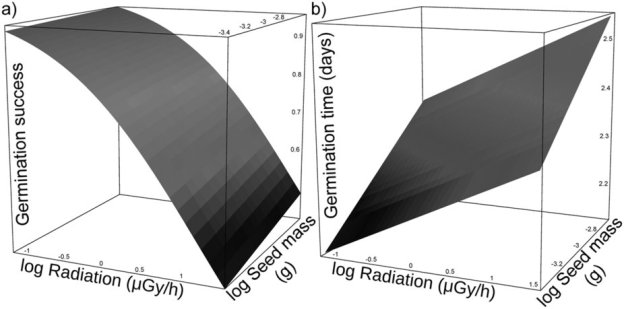
Ionizing radiation from Chernobyl affects development of wild carrot plants. Abstract
Latest Chernobyl paper shows radiation effects of wild carrots!
Abstract
“Radioactivity released from disasters like Chernobyl and Fukushima is a global hazard and a threat to exposed biota. To minimize the deleterious effects of stressors organisms adopt various strategies. Plants, for example, may delay germination or stay dormant during stressful periods. However, an intense stress may halt germination or heavily affect various developmental stages and select for life history changes. Here, we test for the consequence of exposure to ionizing radiation on plant development. We conducted a common garden experiment in an uncontaminated greenhouse using 660 seeds originating from 33 wild carrots (Daucus carota) collected near the Chernobyl nuclear power plant. These maternal plants had been exposed to radiation levels that varied by three orders of magnitude. We found strong negative effects of elevated radiation on the timing and rates of seed germination. In addition, later stages of development and the timing of emergence of consecutive leaves were delayed by exposure to radiation. We hypothesize that low quality of resources stored in seeds, damaged DNA, or both, delayed development and halted germination of seeds from plants exposed to elevated levels of ionizing radiation. We propose that high levels of spatial heterogeneity in background radiation may hamper adaptive life history responses.”
Zbyszek Boratyński, Javi Miranda Arias, Cristina Garcia, Tapio Mappes, Timothy A. Mousseau, Anders P. Møller, Antonio Jesús Muñoz Pajares, Marcin Piwczyński & Eugene Tukalenko
Nuclear worker at Fukushima gets compensation for thyroid cancer
 Thyroid cancer compensation for Fukushima plant worker http://www.asahi.com/ajw/articles/AJ201612170027.html, By YURI OIWA/ Staff Writer December 17, 2016 A man who developed thyroid gland cancer after working at the stricken Fukushima No. 1 nuclear plant has for the first time won the right to work-related compensation.
While the case ranks as the third time a worker at the Fukushima plant has been recognized as eligible for work-related compensation because of cancer caused by radiation exposure, it is the first instance involving thyroid gland cancer.
The Ministry of Health, Labor and Welfare announced its decision Dec. 16.
The man in his 40s, an employee of plant operator Tokyo Electric Power Co., worked at the Fukushima plant after the triple meltdown triggered by the 2011 Great East Japan Earthquake and tsunami. He was diagnosed with thyroid gland cancer in April 2014.
The man worked at various nuclear plants, including the Fukushima facility, between 1992 and 2012. He was mainly involved in operating and overseeing reactor operations.
After the March 2011 nuclear accident, the man was in the plant complex when hydrogen explosions rocked the No. 1 and No. 3 reactor buildings. His duties included confirming water and pressure meter levels as well as providing fuel to water pumps.
The amount of his accumulated whole body radiation exposure was 150 millisieverts, with about 140 millisieverts resulting from the period after the nuclear accident. Of that amount, about 40 millisieverts was through internal exposure caused by inhaling or other ways of absorbing radioactive materials.
Along with recognizing the first work-related compensation involving thyroid gland cancer, the labor ministry also released for the first time its overall position on dealing with compensation issues for workers who were at the Fukushima plant after the accident.
The ministry said it would recognize compensation for workers whose accumulated whole body dose exceeded 100 millisieverts and for whom at least five years have passed since the start of work involving radiation exposure and the diagnosis of cancer.
Ministry officials said the dose level was not a strict standard but one yardstick for recognizing compensation.
According to a study by TEPCO and a U.N. scientific committee looking into the effects of radiation, 174 people who worked at the plant had accumulated whole body doses exceeding 100 millisieverts as of this past March.
There is also an estimate that more than 2,000 workers have radiation doses exceeding 100 millisieverts just in their thyroid gland.
USA govt acknowledges the many cancers in its nuclear test veterans
DISEASES ACKNOWLEDGED BY THE UNITED STATES GOVERNMENT TO BE CAUSED BY PARTICIPATION IN ATMOSPHERIC TESTING OF NUCLEAR WEAPONS, Paul Langley’s Nuclear History Blog, 2 Jan 2012
Leukaemia (other than chronic Iymphocytic leukaemia)
Cancer of the Thyroid
Cancer of the Breast
Cancer of the Pharynx
Cancer of the Oesophagus
Cancer of the Stomach
Cancer of the small intestine
Cancer of the Pancreas
Multiple Myeloma
Lymphomas (except Hodgkinís disease)
Cancer of the Bile Ducts
Cancer of the Gall Bladder
Cancer of the liver (except if cirrhosis or hepatitis indicated)
Cancer of the urinary tract, which also translates to the bladder and kidneys
Cancer of the salivary glands
Incorporated into public law 100-321, 20.5.88.
“This law gives US atomic exservicemen due recognition for the unusual service they rendered, and is an expression of gratitude of the American people toward their atomic veterans The law enables Veteran Affairs benefits to flow to US atomic veterans who are afflicted. The US government m relation to nuclear veterans considers the nature of service plus the development of any of the above diseases sufficient cause to quality for Veteran Benefits regardless of recorded dose rates received. All US nuclear test service personnel are officially Veterans.” http://nuclearhistory.wordpress.com/2011/12/31/diseases-acknowledged-by-the-united-states-government-to-be-caused-by-participation-in-atmospheric-testing-of-nuclear-weapons/
Ionizing Radiation from Chernobyl and the Fraction of Viable Pollen
Tim Mousseau – latest Chernobyl paper in International Journal of Plant Sciences:
Oct 05, 2016
Pollen viability is an important component of reproductive success, with inviable pollen causing failure of reproduction. Pollen grains have evolved mechanisms to avoid negative impacts of adverse environmental conditions on viability, including the ability to sustain ionizing radiation and repair DNA. We assessed the viability of 109,000 pollen grains representing 675 pollen samples from 111 species of plants in Chernobyl across radiation gradients that spanned three orders of magnitude. We found a statistically significant but small and negative main effect of radiation on pollen viability rates across species (Pearson’s r = 0.20). Ploidy level and the number of nucleate cells (two vs. three) were the only variables that influenced the strength of the effect of radiation on pollen viability, as reflected by significant interactions between these two variables and background radiation, while there were no significant effects of genome size, pollen aperture type, life cycle duration, or pollination agent on the strength of the effect of radiation on pollen viability.
Introduction
Most organisms are susceptible to environmental perturbations—such as climate change, extreme weather events, pollution, changes in nutrient availability, and changes in ionizing radiation levels—but the effects of such perturbations on individuals, populations, and ecosystems are variable (Candolin and Wong 2012; IPCC 2013; Møller and Mousseau 2013). In order to better understand these effects and to predict how a given species would respond to environmental disturbances, a study of the specific effects at different stages of organisms’ life cycles is required. Since reproduction is a key phase in the life cycle of any organism, reproductive effects are of particular interest. In the case of the effects of ionizing radiation, the negative consequences for reproduction in response to acute irradiation have been studied for decades and are well established (review in Møller and Mousseau 2013). However, the effects of long-term chronic exposure to low dose radiation are poorly understood.
Pollen grains are susceptible to the effects of environmental perturbations, which can have significant negative consequences for plant reproduction through pollen limitation (Delph et al. 1997; Ashman et al. 2004). Potential negative environmental effects include those resulting from elevated levels of ionizing radiation (Koller 1943). Therefore, plants have mechanisms to protect themselves from such effects, such as DNA repair, bi- or trinucleate cells, or redundancies in the genome resulting from duplications.
The area around Chernobyl in Ukraine has proven particularly useful for studying the effects of radioactive contamination on ecological and evolutionary processes at a large spatial scale. The Chernobyl nuclear accident in April 1986 led to the release of between 9.35 × 10³ and 1.25 × 10⁴ petabecquerel of radionuclides into the atmosphere (Møller and Mousseau 2006; Yablokov et al. 2009; Evangeliou et al. 2015). These radioactive contaminants were subsequently deposited in the surrounding areas of Belarus, Russia, and Ukraine but also elsewhere across Europe and even in Asia and North America. The pattern of contamination is highly heterogeneous, with some regions having received much higher levels of radionuclides than others, owing to atmospheric conditions at the time of the accident (fig. 1). To this day, the Chernobyl area provides a patchwork of sites that can differ in radioactive contamination level by up to five orders of magnitude across a comparatively small area. Even decades after the accident, the amount of radioactive material remaining around Chernobyl is enormous (Møller and Mousseau 2006; Yablokov et al. 2009).
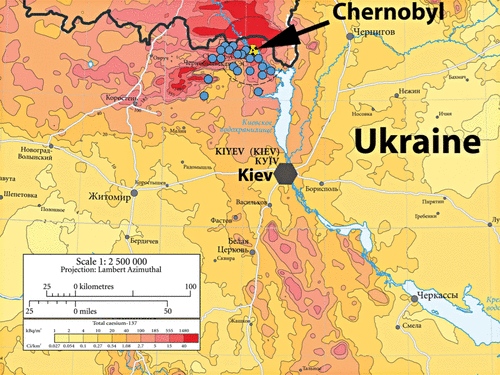
Fig. 1. Map of the distribution of radioactive contamination in the Chernobyl region, with pollen sampling locations marked. Adapted from DeCort et al. (1998).
Because of the unprecedented scale and global impact of the Chernobyl event, it is not surprising that it generated significant interest in both the scientific community and the general public. As a result, studies have been conducted to assess the consequences of Chernobyl for human health and agriculture as well as its biological effects, ranging from the level of DNA to entire ecosystems. Since ionizing radiation has long been well established as a mutagen (Nadson and Philippov 1925; Muller 1950), a large proportion of the research effort has focused on examining changes in mutation rates in areas that have been radioactively contaminated to different degrees as a result of the accident. Although there is considerable heterogeneity in the results of these studies, most have detected significant increases in mutation rates or genetic damage following the Chernobyl disaster, with the rates remaining elevated over the following 2 decades (reviewed in Møller and Mousseau 2006). For example, the mean frequency of mutations in Scots pine (Pinus sylvestris) is positively correlated with the level of background radiation, and it is 10 times higher in contaminated areas compared with control sites (Shevchenko et al. 1996). A study of Scots pine seeds detected elevated mutation rates within the exclusion zone over a period of 8 yr following the accident (Kal’chenko et al. 1995). In wheat (Triticum aestivum), the mutation rate was six times higher in radioactively contaminated areas compared with controls (Kovalchuk et al. 2000). Likewise, the frequency of chromosomal aberrations in two varieties of wheat grown within the Chernobyl exclusion zone 13 yr after the disaster was elevated compared with the spontaneous frequency of chromosomal aberrations in these cultivars (Yakimchuk et al. 2001). The levels of chromosome aberrations in onions (Allium cepa) were also positively correlated with the intensity of radioactive contamination in plants grown 20 yr after the accident (Grodzinsky 2006). Therefore, there is considerable evidence showing increased mutation rates in plants in the most contaminated sites (Møller and Mousseau 2015).
On the basis of the results of these studies, one might expect that a similar relationship between radiation level and the frequency of abnormalities would be seen in pollen. Indeed, Kordium and Sidorenko (1997) reported that the frequency of meiotic anomalies in microspore formation and the frequency of pollen grain viability was reduced in 8%–10% of the 94 plant species studied as a function of the intensity of gamma radiation 6–8 yr after the accident. In violets (Viola matutina), the proportion of viable pollen was negatively correlated with background radioactive contamination (Popova et al. 1991). While it is evident that plants differ in their susceptibility to ionizing radiation, the reasons for this variation are not entirely clear. It is likely that some species develop tolerance and/or resistance to mutagenic effects of radiation to a greater extent than others (Baer et al. 2007). For example, pollen of silver birch (Betula verrucosa), which grows in areas contaminated by the Chernobyl accident, showed elevated DNA repair ability compared with pollen from control areas, consistent with adaptation or epigenetic responses to increased radiation (Boubriak et al. 2008). There are also indications that genome size might affect the response of different species to radiation. Among the plants studied by Kordium and Sidorenko (1997), the rate of pollen viability decreased with increasing radiation to a higher degree in plants with smaller genomes (Barnier 2005), although the actual mechanism remains unknown. One potential explanation is that a larger genome might contain multiple copies of some genes as a result of duplication, rendering mutations in one of these copies less deleterious than if there were only a single copy present, although this explanation may not universally apply (Otto 2003).
In order to assess the effects of radioactive contamination on plant reproduction and to further assess species-specific differences in the effects of ionizing radiation on pollen viability, we analyzed pollen samples from plants growing in the Chernobyl region. We expected that the effects of radiation would differ among species, with some plants showing higher pollen inviability rates than others as a result of elevated radiation levels. A second objective was to test whether observed differences in pollen viability rates could be attributed to differences in phenotype among species, with possible explanatory factors including pollen size, the number of pollen apertures, ploidy, genome size, bi- or trinucleate cells, life span (annual vs. perennial), and pollination agent. We hypothesized that each of these factors could be related to the plants’ ability to resist or to tolerate radiation-induced mutations. Pollen size, genome size, and ploidy are all related to the amount of DNA and the number of copies of genes contained in the pollen grain. Because the pollen aperture—as the site of pollen germination—could be particularly susceptible to radiation-induced damage, we included the number of apertures as a potential explanatory variable. Furthermore, whether a plant is annual or perennial is related to individual longevity and, consequently, to the number of mutations that can accumulate over its lifetime as well as to the number of generations from the time of the Chernobyl accident until the time of sample collection. This may be particularly relevant for plants, given that germ tissue is derived from somatic tissues during each reproductive event as opposed to most animals, in which germ cells terminally differentiate very early during embryonic development (Buss 2006). Pollen viability depends on the ability of pollen to assess the integrity of its DNA and to repair the DNA of the generative nuclei before division (Jackson and Linskens 1980). This process is particularly important for binucleate pollen cells in which this happens during pollen germination, which is in contrast to trinucleate pollen cells, in which the need for DNA repair during pollen germination is less evident. DNA repair efficiency and adaptation of plants to chronic irradiation may also depend on the composition of radiation at the contaminated sites (Boubriak et al. 1992, 2008).
Across all plant species, we found a statistically significant relationship between radiation and the frequency of viable pollen of an intermediate magnitude (Cohen 1988). We also documented significant interactions between species and radiation, radiation and cell number, and radiation and ploidy. However, the significant effect of ploidy disappeared when both ploidy and whether cells were bi- or trinucleate were entered simultaneously in a single model. Most effects were small to intermediate in magnitude, as is commonly the case in studies of living organisms (Møller and Jennions 2002). We emphasize that our study included by far the largest sample size so far reported to detect effects of chronic radiation on pollen viability. However, we also emphasize the limits of our study. Many plant species could not be included simply because we could not locate multiple flowering specimens during our fieldwork. These and other sampling limitations reduced the number of pollen grains and the number of species that could be included.
Species differ in their susceptibility to radiation, as demonstrated for birds at both Chernobyl and Fukushima (Møller and Mousseau 2007; Møller et al. 2013; Galván et al. 2014), and in terms of adaptation to radiation (Galván et al. 2014; Møller and Mousseau 2016; Ruiz-González et al. 2016). The observed interspecific differences in radiation effects reported here for the proportion of viable pollen could be due to adaptation to radiation through tolerance of radiation-induced mutations or through induction of increased DNA repair in organisms living in contaminated areas. Another possibility is that some species are more resistant to radiation because of historical exposure in radiation hotspot areas with high natural levels of radiation (Møller and Mousseau 2013).
We observed a significant relationship between the proportion of viable pollen and the interaction between ploidy and radiation. Such a finding might suggest that resistance to deleterious effects of radiation is based on redundancy in the genome, where species with higher ploidy levels have an advantage if they have multiple copies of a given gene. We failed to detect an effect of selected physical attributes of pollen grains—such as genome size, pollen size, and aperture type—on the susceptibility of pollen to radiation. Furthermore, whether a plant was annual or perennial or whether it was insect or wind pollinated did not affect the proportion of viable pollen. Finally, whether plants produced bi- or trinucleate pollen had a significant effect on pollen viability, and the interaction between radiation and cell number was also significant.
While we confirmed the general finding of Kordium and Sidorenko (1997) that in approximately 10% of species the proportion of viable pollen is negatively correlated with radiation level, we were unable to reproduce their findings with respect to the overall magnitude of this effect. Our observed effect size was much smaller, and the slopes for individual species differed significantly from those reported by Kordium and Sidorenko (1997). Because more than 10 yr have passed between the two studies, we suggest that a change in radiation effects has taken place over time, for example, as a result of adaptation or accumulation of mutations. Another possible explanation for the discrepancy has to do with sample size, since our study included a much larger number of pollen samples and sampling locations than the study by Kordium and Sidorenko (1997). These explanations are not necessarily mutually exclusive.
Whereas other studies have demonstrated significant negative effects of radioactive contamination around Chernobyl on mutation rates and fitness in general, our study of pollen viability shows a very small effect, and some species even show positive relationships between pollen viability and radiation that is suggestive of adaptation to increased levels of radiation. However, on the basis of the current study, it is not possible to determine whether the observed heterogeneity reflects evolved adaptive responses or is the consequence of unmeasured selective effects on characters correlated with pollen viability, which could in part explain an overall positive effect of radiation (for a discussion of evolutionary responses in Chernobyl, see Møller and Mousseau 2016). Experimental approaches would be needed to decipher the mechanisms underlying the heterogeneity in plant responses observed here (Mousseau 2000).
The observed variability in susceptibility to radiation is a common finding in studies of the effects of radiation from Chernobyl (Møller and Mousseau 2007; Galván et al. 2011, 2014; Møller et al. 2013). While our results are consistent with earlier findings that DNA repair mechanisms may play an important role in adaptation to life in radioactively contaminated environments—especially for plants, which are sessile and hence cannot move to less contaminated areas—further research is required to test this explicitly. Finally, because of the observed differences in resistance to radiation among species, it is likely that even small overall effects of radiation—such as the one on the proportion of viable pollen described here—can have significant consequences for species composition and abundance at a given location and, therefore, for ecosystem characteristics and functioning.
In conclusion, we have found a statistically significant overall negative relationship between radiation intensity and the frequency of viable pollen in plants growing in contaminated areas around Chernobyl. The magnitude of this effect across species included in our study was intermediate. We only found a significant relationship between the proportion of viable pollen and ploidy × radiation interaction, bi- or trinucleate cells, and bi- or trinucleate cells × radiation interaction. This suggests that DNA repair mechanisms could play an important role for the ability of plants to resist increased radiation, at least when it comes to pollen formation.
Acknowledgments
We thank Puri López-García for use of a microscope for pollen counts. This work has benefited from the facilities and expertise of the cytometry platform of Imagif (Centre de Recherche de Gif; http://www.imagif.cnrs.fr). We thank Spencer Brown and Mickaël Bourge for their help with the flow cytometry measurements and Srdan Randić for help with pollen counts. Field collections for this study were supported in part by the Centre National de la Recherche Scientifique (France), the North Atlantic Treaty Organization Collaborative Linkage Grant program, the Fulbright program, the University of South Carolina College of Arts and Sciences, and the Samuel Freeman Charitable Trust. Two reviewers provided constructive criticism.
Read full paper at:
http://www.journals.uchicago.edu/doi/full/10.1086/688873
Medical radiation poses risks for nurses
For patients, unnecessary procedures (usually imaging procedures) and radiation dosing errors represent the bulk of risk from medical radiation, whereas incidental, unintended radiation exposure is the primary concern for nurses and other health care workers…
Radiation safety for patients—and nurses Oncology Nurse Advisor, Bryant  Furlow, October 26, 2011 Diagnostic and therapeutic radiation have prolonged and improved millions of patients’ lives, and represent indispensable and increasingly sophisticated tools in clinical oncology. But medical radiation’s gifts have come at the potential cost of unintended irradiation of patients and health care workers and increased lifetime risks of secondary cancers. This concern has grown with improving patient survival times, particularly among pediatric cancer patients. Continue reading
1 This Month


No Nuclear in Cwm Llynfi! Stop the nuclear power station near Maesteg.


4 August – WEBINAR – Hiroshima & Nagasaki: Nuclear Bombs Never Again
Tuesday, Aug. 4 at 5 pm PT / 8 pm ET.
Aug 5, 2026 10:00 AM in Australia/Melbourne
Join the Nuclear Bombs Never Again webinar on August 4th at 5pm Pacific Time / 8pm Eastern Time / 9am Japan Standard Time.
Cross generational voices at the intersection of Japan-Korea-US policy and militarization will share their lived experiences, nuclear impacts in these contexts, anti-war strategies, and actions you can take to advocate for a world with Nuclear Bombs Never Again. This 75-minute event is co-hosted by WILPF US and Korea Peace Now.

22,000+ miles voyaging for nuclear disarmament
and a radiation-free environment https://vfpgoldenruleproject.org/
To see nuclear-related stories in greater depth and intensity – go to https://nuclearinformation.wordpress.com
-
Archives
- July 2026 (320)
- June 2026 (287)
- May 2026 (306)
- April 2026 (356)
- March 2026 (251)
- February 2026 (267)
- January 2026 (308)
- December 2025 (358)
- November 2025 (359)
- October 2025 (375)
- September 2025 (257)
- August 2025 (319)
-
Categories
- 1
- 1 NUCLEAR ISSUES
- business and costs
- climate change
- culture and arts
- ENERGY
- environment
- health
- history
- indigenous issues
- Legal
- marketing of nuclear
- media
- opposition to nuclear
- PERSONAL STORIES
- politics
- politics international
- Religion and ethics
- safety
- secrets,lies and civil liberties
- spinbuster
- technology
- Uranium
- wastes
- weapons and war
- Women
- 2 WORLD
- ACTION
- AFRICA
- Atrocities
- AUSTRALIA
- Christina's notes
- Christina's themes
- culture and arts
- Events
- Fuk 2022
- Fuk 2023
- Fukushima 2017
- Fukushima 2018
- fukushima 2019
- Fukushima 2020
- Fukushima 2021
- general
- global warming
- Humour (God we need it)
- Nuclear
- RARE EARTHS
- Reference
- resources – print
- Resources -audiovicual
- Weekly Newsletter
- World
- World Nuclear
- YouTube
-
RSS
Entries RSS
Comments RSS
 nuclear-news