Evidence of cancer from medical radiation
The real trouble arises when an individual undergoes multiple tests or procedures,” ……the number of radiation-based tests and procedures each patient undergoes should be tracked in order to estimate their cumulative radiation dose.
Radiation from medical tests linked to cancer risk: Canadian researchers By Sharon Kirkey, Postmedia News February 7, 2011 Canadian researchers appear to have proven what, until now, had only been assumed: radiation from widely-used medical tests can increase the risk of cancer. Continue reading

UK public’s radiation levels raised, due to medical radiation
Medical examinations raise radiation levels, Personnel Today, (UK) 01 February 2011 Greater use of X-rays over the last 10 years, including a 140% increase in CT examinations, has raised the annual radiation dose that the UK public receives, health watchdog the Health Protection Agency has concluded. Continue reading
Young children’s increased cancer risk fron 3-D dental X-rays
“Keeping in mind that the radiation received has cumulative effects, adding unnecessary radiation exposure to the patient may result in a higher biological risks, particularly in the more susceptible young children……
Using 3-D X-rays for orthodontic kids may up radiation risk, Sify News, 2011-01-31 Researchers have indicated that some orthodontists may be exposing young patients to unnecessary radiation when they order 3-D X-ray imaging for simple orthodontic cases before considering traditional 2-D imaging. Continue reading
Depleted uranium – a public health disaster
“”I arranged for a delegation from Japan’s Hiroshima hospital to come and share their expertise in the field of radiological diseases that we are likely to face over time.
The delegation told me the Americans had objected, so they decided not to come.

Public health disaster for Iraqi people by Depleted Uranium, tehran times, 31 Jan 2011, “……….Ross B. Mirkarimi, a spokesman at The Arms Control Research Centre stated:””Unborn children of the region are being asked to pay the highest price, the integrity of their DNA.” Continue reading
Synchrotron for medical isotopes – no need for nuclear reactor
The NRC says the new method doesn’t pose any security or nuclear proliferation concerns because, unlike a nuclear reactor, it requires no weapons-grade uranium.
 Sask. synchrotron to make medical isotopes, CBC News -, 24 Jan 2011, Researchers at the University of Saskatchewan are looking at using the synchrotron to develop medical isotopes without a nuclear reactor. Continue reading
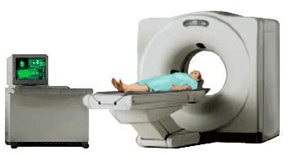
A nurse reflects on the overuse of medical radiation – CT scans
Before demanding a CT scan, doctors need to seriously consider the impact and repercussions of radiation exposure to the benefit of a possible diagnosis from the scan.
Overuse of medical radiation on American children?
infants and children are at higher risk for tumors because their developing tissues are more sensitive to radiation,

U.S. Kids Getting Lots of Radiation Scans, Study Finds, Bloomberg, Jan. 4 – Exposure to radiation from medical imaging procedures such as X-rays and CT scans has become common among American children, a new study has found, prompting researchers to call for steps to be taken to ensure appropriate use of the tests to protect children. Continue reading
Rare Earths carry radioactive hazards for workers
REE deposits are usually found in the same vicinity as major lodes of uranium, radium and other radioactive ores.
Rare Earths: China’s not-so-secret secret weapon, Toronto Sun, By alan.parker January 5, 2011“…………The environment concerns were very real. Mining and refining rare earth elements is a dirty, dangerous business Continue reading
After medical radiation, cancer risk persists for decades
Even when you’re old, you’re not out of the woods……
Risk for Thyroid Cancer Persists Decades After Childhood Radiation, Medscape Today, January 3, 2011 — People who received radiation for an enlarged thymus when they were babies have an increased risk of developing thyroid cancer that lasts throughout their lives, according to a new study published in the December issue of Radiation Research. Continue reading
Growing medical concern over radiation and children
Health Study of Children Raises Concerns Over Radiation, New York Times, By THE ASSOCIATED PRESS January 3, 2011 The first large study on the use of medical radiation in children says that the average child will get more than seven radiation scans by age 18. Most of them involve X-rays. But there is growing concern about CT scans, which entail far more radiation and can raise the risk of cancer. More than 3 percent of children got two or more CT scans. “That’s particularly concerning,” said Dr. Adam Dorfman of University of Michigan Medical School, the lead author of the study, which appeared Monday in The Archives of Pediatrics and Adolescent Medicine. Study of Children Raises Concerns Over Radiation – NYTimes.com
Evidence of radiation effects in humans from atomic tests and nuclear reactors
Radiation and Public Health Project (RPHP), a case-control study, is the first evidence that bomb tests harmed Americans using actual levels of fallout in human bodies………..has much current relevance……….The RPHP study of baby teeth showed that Sr-90 levels in children near reactors were 30-50 percent greater than children in distant areas, and that levels were rising sharply over time, as aging reactors corrode.

Why use X ray airport screening, and why no checking of the system?
Or better yet, why not just use an alternative passenger screener that doesn’t use x-rays at all? As we discussed on Science Friday on November, 2010 these scanners are certainly available and would be a viable, easy option and not expose passengers, pilots, crew, or TSA employees to x-rays
Airport X-ray Screeners: Who’s Checking The Machines? Science Friday December 21, 2010 by Ira Flatow A few weeks ago, I blogged about my experiences with airport luggage screeners who wanted to wear radiation badges but were discouraged from doing so. It’s really the only way of knowing just how much cumulative radiation a person is exposed to during a day, a week, a month. Continue reading
Patients do not understand the cancer risks of CT scan radiation
patients in general have a poor understanding of CT scan radiation exposure and underestimate the possible effects of their previous CT scan experiences.
Patients Underestimate Radiation Risk from CT Scans: Study – AboutLawsuits.com, 20 Dec 10, Only about 25% of patients understand the true risks of radiation when undergoing computed tomographic imaging (CT scans), according to the findings of a new study on the public’s perceptions of radiation risk and exposure. Continue reading
U.S. airport radiation scanning operators poorly trained, poorly protected
Expert: Scanner Training More Intense Outside of US, AOL News, Andrew Schneider, 20 Dec 10, “………Transportation Security Administration screeners in the U.S. receive less training than cast members and full-time employees at Disney World, who train for several weeks or even months, depending on the position involved, according to the expert, who spoke to AOL News on condition of anonymity because he has contractual agreements with various governments and airlines. Continue reading
Long lasting danger from ionising radiation
1 This Month

22 June – Virtual Event –Climate Change: New Data, New Debate

Monday, June 22, 2026 2:30 p.m. – 3:15 p.m. CT
YouTube. Register here
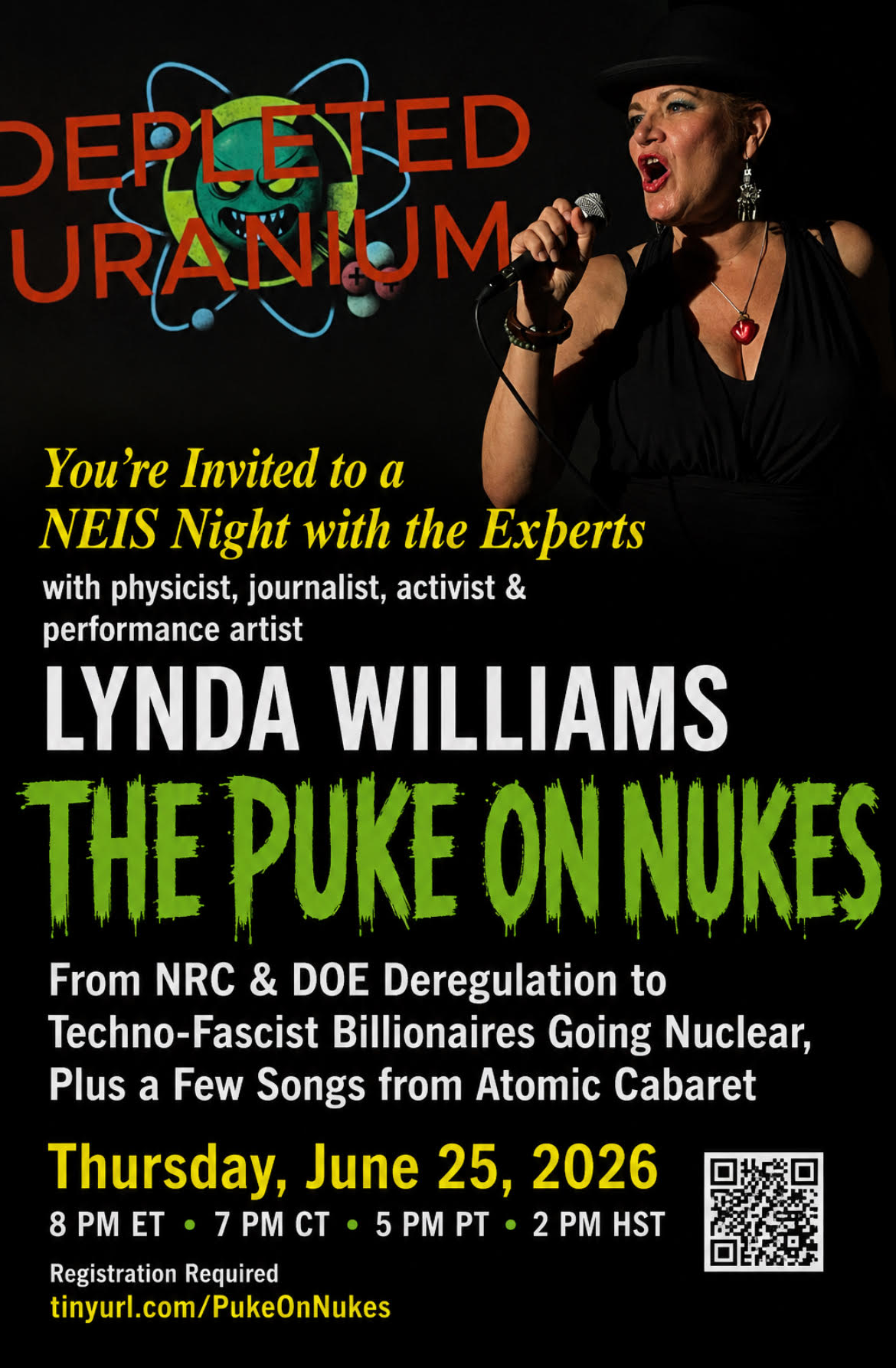
25 June- THE PUKE ON NUKES
Thursday, June 25, 2026
7pm Central Time (8pm ET, 6pm MT, 5pm PT) UTC – 5
From NRC & DOE Deregulation to Techno-Fascist Billionaires Going Nuclear, Plus a Few Songs from Atomic Cabaret REGISTER
26 June – Radiation Trainwreck at the NRC / Join the Protect Better Campaign – https://us02web.zoom.us/meeting/register/4ZlZ5_qLSHGiLSCg8FF6Bg#/registration
1st July – Webinar Waste of Space: The Environmental Harm of Military and Civil Space Activity st July, 7 pm
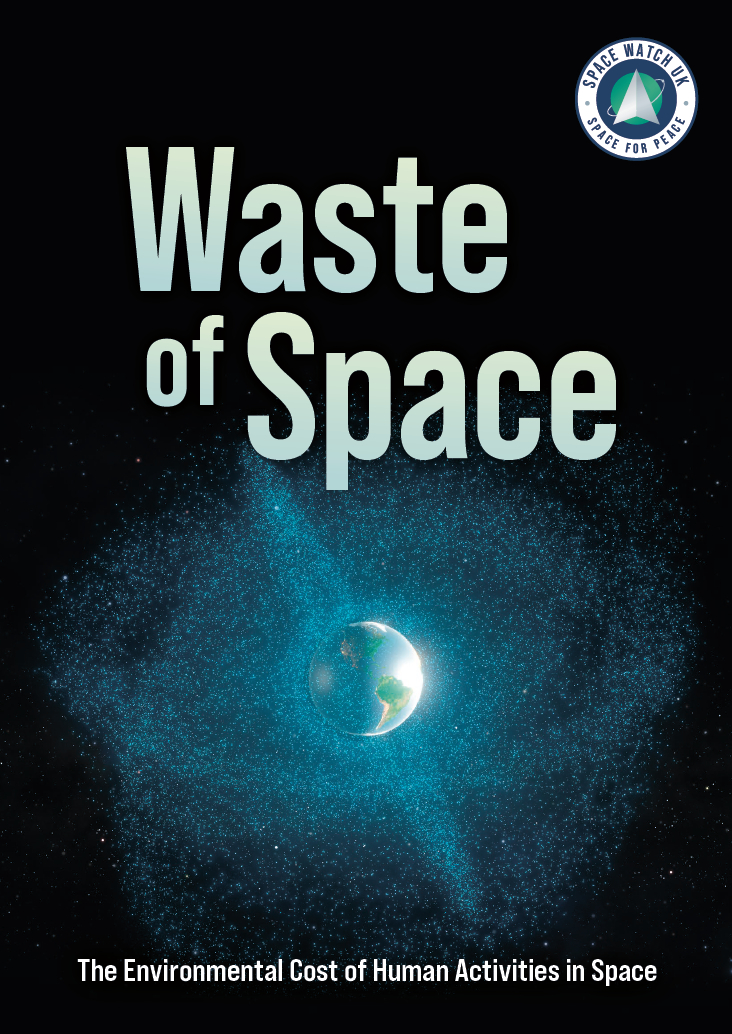
Report Launch Online: We are seeing an increasing exploitation of space for military and commercial purposes. This must change.

Protect Sazan Island from the Trump family! https://secure.avaaz.org/campaign/en/protect_sazan_island_from_the_trump_family_loc/?bqFCVab&v=174511&cl=22707147157&_checksum=5e9dde668860e8231c33699735e16a1fbf22ab2cb01da50c999fe8732b9775ef&utm_source=email&utm_medium=blast_email&utm_campaign=174511


Cuba Is Not a Failed State – It Is a Besieged State
PETITION: “Global Appeal to Endorse Palestinian Right of Return of Refugees”
To see nuclear-related stories in greater depth and intensity – go to https://nuclearinformation.wordpress.com
-
Archives
- June 2026 (221)
- May 2026 (306)
- April 2026 (356)
- March 2026 (251)
- February 2026 (268)
- January 2026 (308)
- December 2025 (358)
- November 2025 (359)
- October 2025 (376)
- September 2025 (257)
- August 2025 (319)
- July 2025 (230)
-
Categories
- 1
- 1 NUCLEAR ISSUES
- business and costs
- climate change
- culture and arts
- ENERGY
- environment
- health
- history
- indigenous issues
- Legal
- marketing of nuclear
- media
- opposition to nuclear
- PERSONAL STORIES
- politics
- politics international
- Religion and ethics
- safety
- secrets,lies and civil liberties
- spinbuster
- technology
- Uranium
- wastes
- weapons and war
- Women
- 2 WORLD
- ACTION
- AFRICA
- Atrocities
- AUSTRALIA
- Christina's notes
- Christina's themes
- culture and arts
- Events
- Fuk 2022
- Fuk 2023
- Fukushima 2017
- Fukushima 2018
- fukushima 2019
- Fukushima 2020
- Fukushima 2021
- general
- global warming
- Humour (God we need it)
- Nuclear
- RARE EARTHS
- Reference
- resources – print
- Resources -audiovicual
- Weekly Newsletter
- World
- World Nuclear
- YouTube
-
RSS
Entries RSS
Comments RSS
 nuclear-news