How The U.S. Is Removing Regulatory Hurdles To Increase Nuclear Power
By Noël Fletcher, Oct 29, 2026, https://www.forbes.com/sites/noelfletcher/2026/10/29/how-the-us-is-removing-regulatory-hurdles-to-increase-nuclear-power/
Summary
The Nuclear Regulatory Commission approved construction of the nation’s first small modular reactor for the Tennessee Valley Authority to build a 300-megawatt boiling-water reactor in Oak Ridge. The NRC also finalized a new rule that lets applicants for commercial reactors streamline the federal approval process by utilizing data from proven Department of Energy or Defense Department reactor programs. NRC Chairman Ho K. Nieh announced the rule, which takes effect 30 days after publication and offers an expedited path to commercial licensing alongside cost savings for applicants and staff.
Applicants must still demonstrate compliance with NRC requirements and identify differences in design, site, or hazards. Historically, the NRC application review process for new reactors could span five years. Meanwhile, the Energy Information Administration reported that 94 operating commercial nuclear reactors functioned across 54 power plants in 28 states as of March.
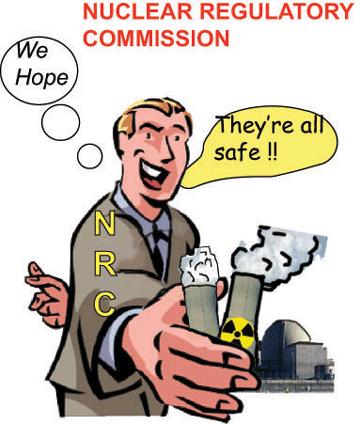
The U.S. government is clearing regulatory hurdles to fast-track licensing for nuclear reactor designs following the recent approval of the nation’s first small modular reactor.
The Nuclear Regulatory Commission finalized a rule enabling applicants for new commercial reactors to streamline the federal approval process if they can show how their projects use applicable analyses, test information and other data from proven U.S. Department of Energy or Department of Defense reactor demonstration programs.
The new rule enables results from DOE and DoD projects to be tied to future commercial reactor reviews through “an expedited path” to NRC commercial licensing, NRC Chairman Ho K. Nieh announced Oct. 22.
Applicants soon will be able to justify how their projects use of DOE/DoD authorized designs meet NRC safety requirements, which will speed up the approval process.
Other expected benefits will be cost savings for applicants due to a more efficient processes. In addition, the NRC also will trim costs by conducting faster application reviews.
The final rule will take effect 30 days from the date of its publication in the Federal Register.
“Applicants must still demonstrate compliance with NRC requirements and identify differences between a demonstration reactor and the proposed commercial project, including differences in design, site or hazards that could affect safety,” the NRC noted.
Jeremy Bowen, director of the NRC’s new Office of Advanced Reactors revealed in April the agency’s plans to streamline reactor reviews.
He noted that NRC officials wanted to change regulations to clearly show how new applicants can build on work in which the DOE/DoD already thoroughly tested reactor designs and demonstrated safe operations.
First U.S. Small Modular Reactor Approved
Meanwhile, the NRC has approved construction of the first U.S. small modular nuclear reactor.
Nieh stated Sept. 29 that the NRC’s approval of the Tennessee Valley Authority to build a small modular nuclear reactor in Oak Ridge was completed faster than expected.
TVA intends to construct a 300-megawatt, boiling-water reactor to provide regional energy.
“Four months ahead of schedule is what the new NRC looks like,” Nieh said, adding that the decision underscores “that the new NRC can make rigorous and credible safety decisions that enable major American nuclear projects to move forward.”
Faster Regulatory Processes
As of March, there were 94 operating commercial nuclear reactors at 54 nuclear power plants in 28 states.
“The oldest operating reactor, Nine Mile Point Unit 1 in New York, began commercial operation in December 1969. The newest reactor to enter commercial service is Unit 4 at the Alvin W. Vogtle Electric Generating Plant in Georgia, which began commercial operation in April 2024,” according to the Energy Information Administration.
In the past, the NRC application review process for new reactors could span five years before completion, EIA added.
However, recent developments by NRC officials to cut red tape are likely to increase the share of nuclear power in overall domestic electricity generation
No comments yet.
1 This Month



19 November – Webinar – The Reality of Reprocessing
Time: 11:00 AM Pacific Time (US & Canada) / 2:00 PM Eastern / 7:00 PM UK / 8:00 PM CET
Register for the Zoom Event Here



Shut down the radiation-damaged Heysham nuclear reactors now
To see nuclear-related stories in greater depth and intensity – go to https://nuclearinformation.wordpress.com

Say No to NASA’s Reckless Nuclear Reactor on the Moon
Say No to NASA’s Reckless Nuclear Reactor on the Moon
-
Archives
- November 2026 (22)
- October 2026 (302)
- September 2026 (339)
- August 2026 (330)
- July 2026 (355)
- June 2026 (287)
- May 2026 (306)
- April 2026 (356)
- March 2026 (251)
- February 2026 (267)
- January 2026 (308)
- December 2025 (358)
-
Categories
- 1
- 1 NUCLEAR ISSUES
- business and costs
- climate change
- culture and arts
- ENERGY
- environment
- health
- history
- indigenous issues
- Legal
- marketing of nuclear
- media
- opposition to nuclear
- PERSONAL STORIES
- politics
- politics international
- Religion and ethics
- safety
- secrets,lies and civil liberties
- spinbuster
- technology
- Uranium
- wastes
- weapons and war
- Women
- 2 WORLD
- ACTION
- AFRICA
- Atrocities
- AUSTRALIA
- Christina's notes
- Christina's themes
- culture and arts
- Events
- Fuk 2022
- Fuk 2023
- Fukushima 2017
- Fukushima 2018
- fukushima 2019
- Fukushima 2020
- Fukushima 2021
- general
- global warming
- Humour (God we need it)
- Nuclear
- RARE EARTHS
- Reference
- resources – print
- Resources -audiovicual
- Weekly Newsletter
- World
- World Nuclear
- YouTube
-
RSS
Entries RSS
Comments RSS


Leave a Reply