Letter in the Morning Star Exposes Links Between Subsea Coal Mine and Subsea Nuclear Dumping
https://keepcumbriancoalinthehole.wordpress.com/2023/01/02/letter-in-the-morning-star-exposes-links-between-subsea-coal-mine-and-subsea-nuclear-dumping/?fbclid=IwAR0C2qCXmhrxSPHtjbGsYvRneNi62ihh9ipDvaV3q-9zT_7EImsE0LEQFy 0 BY MARIANNEWILDART
The UK Morning Star published this letter on 31st December
Dear Editor,
In response to your recent correspondents, I would say that the proposed coal mine in Cumbria shows that the government is not serious about tackling the climate crisis. Yes, it would provide jobs in the area but a much better answer is to provide jobs in the infrastructure for genuine sustainable energy such as wind turbines and solar panels – according to the Local Government Association that could create 6,000 ‘green’ jobs in Cumbria by 2030. Alok Sharma, who led the UN Conference on Climate Change in Glasgow said:
*85% of coal produced is for export
*Two major UK steel producers have said they won’t use this coal as they are moving to hydrogen
*The government’s own Climate Change Committee has said the mine would increase UK CO2 emissions by 0.4 million tonnes with clear implications for our legally-binding carbon emissions budgets.
The mine will be a backward step in UK climate action – and will damage the UK’s international climate reputation. Once again it would be the government saying to other nations, ‘Do as I say, not as I do’.
And course with this government there is always an ulterior motive. The CEO of the coal mine is Mark Kirkbride, who has now been appointed to the Government Committee on Radioactive Waste Management to advise on the UK Government’s nuclear dump plans. He was the advisor for the hugely damaging seismic blasting which took place in August in the Irish Sea to ‘investigate’ the complex geology for a nuclear dump. This blasting is also likely to have had a disastrous effect on the sea wild life. The area of the Irish sea where the seismic blasting took place overlaps the area of the proposed coal mine. As the Coal Mine Planning Inspector warned in his recommendation to the government stated: the risk of a seismic event cannot be ruled out’. So the CEO of a seismic inducing coal mine near Sellafield is employed as an advisor on radioactive waste burial in a Geological Disposal Facility. So not only will the coal mine produce huge carbon emissions, but it looks as if the deep voids which would come with the coal mining are being sought for a radioactive waste dump with potential earthquakes in the same area.
Pakistan supplies India with a list of its nuclear facilities
Pakistan said it had handed a list of its nuclear installations and
facilities to the Indian mission in Islamabad on Sunday under a decades-old
agreement between the two nuclear-armed rivals. The neighbours have fought
three wars and have had a number of military skirmishes in recent years.
Last year an Indian missile accidentally landed in Pakistan, setting off
alarm bells across the world.
Reuters 1st Jan 2023
Why Did Portland General Electric Want to Build Trojan Nuclear Plant in the First Place?
The mighty atom had just won WWII and was enjoying George W. Bush-right-after-9/11 levels of popularity, while the invention of hippies was still decades away. https://wordpress.com/post/nuclear-news.net/216592 By Marty SmithJanuary 02, 2023
I recall protesting against the now-defunct Trojan nuclear plant in the 1980s. One question I don’t recall anyone asking back then, however: Why did they want to build Trojan in the first place, given that our region already had (and still has) more hydropower than we can use? —Duke Nukem
I share your historical curiosity, Duke—there’s just something about this time of year that makes one want to muse about topics from Portland’s colorful past that can be researched without having to get anybody to return a call during the week between Christmas and New Year’s.
I doubt that anyone under 50 reads this column (which not only doesn’t come as video, but presumes your mastery of this tedious system of archaic glyphs in which it’s encoded), but just in case someone missed it: Portland General Electric—PGE to its friends—began construction of Trojan Nuclear Power Plant near Rainier, Oregon, in 1970 (which, perhaps fittingly, is the same year the Ford Pinto was introduced). The plant came online in 1975 and was slated to operate until 2011. However, it was plagued from the start with equipment failures and bad press, and was finally shuttered for good in 1992.
Why would PGE take on such a fraught endeavor? Well, for starters, they’d first begun exploring the possibility of building a nuclear plant way back in the late 1940s. The mighty atom had just won WWII and was enjoying George W. Bush-right-after-9/11 levels of popularity, while the invention of hippies was still decades away. Nuclear power’s downsides would become more apparent in the years to follow, but they don’t appear to have penetrated PGE’s C-suite in any significant way prior to the 1967 decision to build the plant.
But back to your question: Given that Northwest hydropower is abundant enough to make Oregon’s electricity market the nation’s third cheapest, why build a plant at all? Here’s the thing: All that juicy hydropower is controlled by the Bonneville Power Administration, a public entity. PGE, the private utility, has to buy it from them wholesale and then retail it to us. If, as seemed possible at the time, BPA had decided to cut PGE off in favor of public utilities—perhaps when PGE’s 20-year contract with BPA came up for renewal in 1973—PGE could have been in a world of hurt.
Trojan represented a hedge against such a possibility, as well as an opportunity to grow PGE as a company. Toss in a few million bucks’ worth of federal “Atoms for Peace” emoluments to the industry and, congratulations, you’ve got yourself a nuclear plant. Have fun! (Just be careful not to run into it from behind, especially with a lit cigarette.)
Kashiwazaki Kariwa, a Distant Recovery of Confidence TEPCO Shares Crisis Awareness to Prevent Misconduct

Deputy General Manager Daito explains the operating floor. Before entering the building, biometric authentication and other enhancements were in place.
December 19, 2022
A series of scandals, including flaws in anti-terrorism measures, at the Kashiwazaki Kariwa Nuclear Power Plant (Niigata Prefecture), which Tokyo Electric Power Company (TEPCO) aims to restart, has called into question TEPCO’s efforts to restore trust. If distrust grows, it could affect the decommissioning of the Fukushima Daiichi Nuclear Power Plant, which caused the accident. As an operator involved in nuclear power generation, TEPCO is required to improve its internal structure to prevent misconduct, such as by ensuring that each and every employee shares a sense of crisis.
Crisis awareness “is a weak point
In October, the Local Newspaper Energy Study Group, a group of local newspapers in areas where nuclear facilities are located, visited the Kashiwazaki Kariwa Nuclear Power Plant to observe the status of remedial measures being taken. Masaki Daito, 56, deputy director of the Kashiwazaki Kariwa Nuclear Power Plant, admitted to a lack of awareness of the crisis, saying, “There were parts of the situation that we should have been aware of, but we were naive in our understanding of the situation.
In September 2008, an employee of the plant took a colleague’s ID card without permission and entered the central control room illegally, and in April 2009, the Nuclear Regulation Authority issued an order prohibiting the transfer of nuclear fuel. In April 2009, the Regulatory Commission issued a de facto operation ban order prohibiting the transfer of nuclear fuel. The restart of the plant has been put on hold, and TEPCO officials stress that they will work to restore trust in the plant, saying, “Without the understanding of the local community, we will not be able to restart the plant.
Improvement Measures, Starting with Greetings
In response to the series of scandals, TEPCO is working on 36 improvement measures related to the protection of nuclear materials. A Security Management Department has been established within the power plant, the personnel structure has been reviewed, and the budget for equipment has been expanded from 20 billion yen to 58 billion yen. During the inspection tour, the monitoring system was strengthened, with biometric authentication required to enter the “operating floor,” the upper level of the Unit 6 reactor.
TEPCO believes that a lack of communication with employees and workers at partner companies is behind the scandals. The company explained that as a measure to improve the situation, executives and others are standing at the main gate in the morning and making efforts to conduct a “greeting campaign,” but an unusual situation comes to mind in which a review of the basics is unavoidable.
Response is backward and “lousy.
How did the local administration, business community, and residents react to the scandal? The study group interviewed Masahiro Sakurai, 60, mayor of Kashiwazaki City, and Masao Nishikawa, 66, chairman of the Kashiwazaki Chamber of Commerce and Industry. Both are in favor of restarting the nuclear reactors, but they are also very critical of TEPCO in light of the scandals.
In a word, they are lousy. Mayor Sakurai laments TEPCO’s backward steps, such as strengthening biometric authentication after the scandal. While he praises TEPCO’s measures to deal with the scandal, saying that “they are making efforts,” he also points out that a sense of tension and crisis awareness has not penetrated the company’s ranks. Chairman Nishikawa also stated that “the relationship of trust has broken down,” and revealed that he had submitted a letter of request to TEPCO to protest the situation.
Kazuyuki Takemoto, 72, a resident of Kariwa Village who has been campaigning against the plant, questioned the government’s nuclear fuel cycle policy, including the disposal of spent nuclear fuel, saying, “The government is desperately trying to get the plant restarted, but can it really be moved? TEPCO wants to move forward with the restart, but it must not forget the lessons of the nuclear accident. In the visitor’s house at the Kashiwazaki Kariwa Nuclear Power Plant, there is a panel that reads, “Our responsibility for the recovery of Fukushima. How will they face these words and show them through their actions? The public is watching closely. (News Department, Satoshi Mizuno)
https://www.minyu-net.com/news/news/FM20221219-747455.php?fbclid=IwAR0nhAklKQFJuZM0ZvTte_9cByVby2h11Vbls1yTWLwR_nCduxxv2KmD5mE
Data rewriting and erroneous statements…Sloppy handling continues at Tsuruga Nuclear Power Plant Unit No.2 of JAERI, Regulatory Commission suggests termination of review if no improvement is made

Tsuruga Nuclear Power Plant (photo taken in January 2021)
December 19, 2022
At a special meeting on December 19, the Nuclear Regulation Authority (NRA) exchanged opinions with Mamoru Muramatsu, president of Japan Atomic Power Company (JAERI), and others regarding the review of Tsuruga Unit 2 (Fukui Prefecture), where inappropriate rewriting of geological data was discovered. Shinsuke Yamanaka, chairman of the regulatory commission, said that if the data is not improved in the future, “the commission will have to discuss whether to continue the examination,” and indicated that he would consider suspending or terminating the examination.
The rewriting of the data was discovered in February 2020 when the regulatory commission pointed it out. In order to determine whether the fault directly under the reactor building was an active fault that could cause an earthquake, the state of the geological strata taken out by drilling was rewritten in 80 locations. Many other errors were also found.
The regulatory commission’s examination, which had been suspended, resumed on March 9 because the company had established rules for entering data, but at that time, new errors were also found. The number of errors in the data has totaled 1,296 so far.
At the meeting, Akira Ishiwata, a member of the committee in charge of reviewing earthquake and tsunami countermeasures, said, “There are 1,300 errors, and only JAEPCO would submit such materials. If there are any more errors, it will be difficult to continue the examination. Mr. Yamanaka expressed his distrust, asking, “Are they sure about their technical capabilities? (Nozomi Masui)
https://www.tokyo-np.co.jp/article/220955?fbclid=IwAR0zWkMDa8kLYoQqx-3FpsSe9F3BX2-Wui23ftKuWyptnwDgOWydI2QcdWU
Fukushima, Our ongoing accident.
Dec 19, 2022
What happens to the damaged reactors? The territories evacuated by 160 000 people? What are the new conditions for their return to the contaminated area since the lifting of the governmental aid procedures? Are lessons still being learned by our national operator for its own nuclear plants? We must not forget that a disaster is still unfolding in Japan and that EDF was supposed to upgrade its fleet on the basis of this feedback, which has still not been finalized.
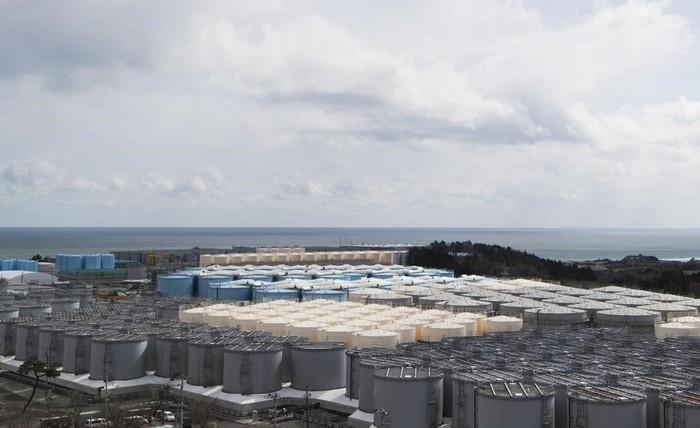
Almost twelve years after the Fukushima disaster, Japan is still in the process of dismantling and ‘decontaminating’ the nuclear power plant, probably for the next thirty to forty years as well. In the very short term, the challenges are posed by the management of contaminated water.
- All the contaminated water will be evacuated into the sea, by dilution over decades
- Each intervention in the accident reactors brings out new elements
- This has an impact on the schedule and the efficiency of the means used
- At the same time, the Japanese government’s objective is to rehabilitate the contaminated areas at any cost
- None of the French reactors is up to date with its safety level according to the post-Fukushima measures promulgated
- Japan will resume its nuclear policy, time having done its work on memories
The great water cycle
Although Japanese politicians claim that they have finally mastered the monster, the colossal task of cleaning up the site is still far from being completed to allow for the ultimate dismantling, with the length of time competing with the endless financing.
After so many years of effort, from decontamination to the management of radioactive materials and maneuvers within the dismantled plant, the actions on site require more and more exceptional means, exclusive procedures, and unprecedented engineering feats (such as robotic probes), while the nuclear fuel inside continues to be cooled permanently by water (not without generating, to repeat, millions of liters of radioactive water).
But the hardest part is yet to come: containing the corium, an estimated 880 tons of molten radioactive waste created during this meltdown of the reactor cores, and managing the thousands of fuel rods. So much so that the complete cleanup and dismantling of the plant could take a generation or more for a total estimated cost of more than 200 billion dollars (according to an assessment published by the German insurer Munich Re, Japan is 150 billion euros), a low range since other estimates raise the bill between 470 and 660 billion dollars, which is not in contradiction with the costs of an accident projected by the IRSN in France.
The removal of this corium will remain the most essential unresolved issue for a long time. Without it, the contamination of this area will continue. In February 2022, the operator Tepco (Tokyo Electric Power Company Holdings Inc.) tried again to approach the molten fuel in the containment of a reactor after a few more or less unsuccessful attempts, the radioactivity of 2 sieverts/hour being the end of everything, including electronic robots. This withdrawal seems quite hypothetical, even the Chernobyl reactor has never been removed and remains contained in a sarcophagus.
(source: Fukushima blog and Japan’s Nuclear Safety Authority NRA)
Until that distant prospect arrives, the 1.37 million tons of water will have filled the maximum storage capacity. This water was used to cool the molten fuel in the reactor and then mixed with rainwater and groundwater. The treatment via an Advanced Liquid Processing System (ALPS) is touted as efficient, but does not remove tritium. Relative performance: Tepco has been repeatedly criticized for concealing and belatedly disclosing problems with filters designed to prevent particles from escaping into the air from the contaminated water treatment system: 24 of the 25 filters attached to the water treatment equipment were found to be damaged in 2021, an already known defect that resulted in no investigation of the cause of the problem and no preventive measures after the filters were replaced.
The management of this type of liquid waste is a problem shared by the Americans. On site, experts say that the tanks would present flooding and radiation hazards and would hamper the plant’s decontamination efforts. So much so that nuclear scientists, including members of the International Atomic Energy Agency (IAEA) and the Japanese Nuclear Regulatory Authority, have recommended controlled release of the water into the sea as the only scientifically and financially realistic option.
In the end, contaminated water would have to be released into the sea through an underwater tunnel about a kilometer offshore, after diluting it to bring the concentration of tritium well below the percentage allowed by regulation (the concentration would be below the maximum limit of tritium recommended by the World Health Organization for drinking water). Scientists say that the effects of long-term, low-dose exposure to tritium on the environment and humans are still unknown, but that tritium would affect humans more when consumed in fish. The health impact will therefore be monitored, which the government already assures us it is anticipating by analyzing 90,000 samples of treated water each year.
Assessment studies on the potential impact that the release of stored contaminated water into the ocean could have therefore seem insufficient. For tritium, in the form of tritiated water or bound to organic matter, in addition to its diverse behavior according to these configurations, is only part of the problem. Some data show great variability in the concentrations of contaminants between the thousand reservoirs, as well as differences in their relative quantities: some reservoirs that are poor in tritium are rich in strontium 90 and vice versa, suggesting a high variability in the concentrations of other radionuclides and a dilution rate that is not so constant. All the ignorance currently resides on the still unknown interactions of the long-lived radioactive isotopes contained in the contaminated water with the marine biology. It is in order to remove all questions that a complete and independent evaluation of the sixty or so radioisotopes is required by many organizations.
As it stands, with the support of the IAEA so that dilution meets expectations, depending on currents, flows …, the release of contaminated materials would take at least forty years. Opponents of such releases persist in proposing an alternative solution of storage in earthquake-resistant tanks in and around the Fukushima facility. For them, “given the 12.3-year half-life of tritium for radioactive decay, in 40 to 60 years, more than 90% of the tritium will have disappeared and the risks will be considerably reduced,” reducing the direct nuisance that could affect the marine environment and even the food chain.
Modelling of marine movements could lead the waste to Korea, then to China, and finally to the Federated States of Micronesia and Palau. As such, each of the impacted countries could bring an action against Japan before the International Tribunal for the Law of the Sea to demand an injunction or provisional measures under international law.
Faced with these unresolved health issues, China, South Korea, Taiwan, local fishing communities continue to oppose this management plan, but the work is far from being completed and the problem of storage remains. Just like the ice wall built into the floor of the power plant, the release of contaminated water requires huge new works: the underwater pipe starts at about 16 meters underground and is drilled at a rate of five to six meters per day.
Time is of the essence. The tanks should reach their maximum capacity by the fall of 2023 (the volume of radioactive water is growing at a rate of about 130 to 140 tons per day). But above all, it is necessary to act quickly because the area is likely to suffer another earthquake, a fear noted by all stakeholders. With the major concern of managing the uranium fuel rods stored in the reactors, the risks that radioactivity will be less contained increase with the years.In France, releases to the sea are not as much of a problem: the La Hague waste reprocessing site in France releases more than 11,000 terabecquerels per year, whereas here we are talking about 22 terabecquerels that would be released each year, which is much less than most of the power plants in the world. But we will come back to this atypical French case…
Giant Mikado
The operator Tepco has successfully removed more than 1500 fuel bundles from the reactor No. 4 of the plant since late 2014, but the hundreds still in place in the other three units must undergo the same type of sensitive operation. To do this, again and again, undertake in detail the clearing of rubble, the installation of shields, the dismantling of the roofs of buildings and the installation of platforms and special equipment to remove the rods… And ultimately decide where all the fuel and other solid radioactive debris will have to be stored or disposed of in the long term. A challenge.
The fuel is the biggest obstacle to dismantling. The solution could lie, according to some engineers, in the construction of a huge water-filled concrete tank around one of the damaged reactors and to carry out the dismantling work in an underwater manner. Objectives and benefits? To prevent radiation from proliferating in the environment and exposing workers (water is a radiation insulator, we use this technique in our cooling pools in France) and to maximize the space to operate the heavy dismantling equipment being made. An immersion solution made illusory for the moment: the steel structure enveloping the building before being filled with water is not feasible as long as radiation levels are so high in the reactor building, preventing access by human teams. In short, all this requires a multitude of refinements, the complexity of the reactors adding to the situations made difficult by the disaster.
Experience, which is exceptional in this field, is in any case lacking. What would guarantee the resistance of the concrete of the tanks over such long periods of time, under such hydraulic pressures? The stability of the soils supporting such structures? How can the concrete be made the least vulnerable possible to future earthquakes? How to replace them in the future?

All these difficulties begin to explain largely the delays of 30 to 40 to dismantle. The reactors are indeed severely damaged. And lethal radiation levels equivalent to melted nuclear fuel have been detected near one of the reactor covers, beyond simulations and well above previously assumed levels. Each of the reactors consists of three 150-ton covers, 12 meters in diameter and 60 centimeters thick: the radiation of 1.2 sieverts per hour is prohibitive, especially in this highly technical context. There is also no doubt that other hotspots will be revealed as investigations are carried out at the respective sites. The Nuclear Damage Compensation and Decommissioning Facilitation Corporation (NDF), created in 2014, has the very objective of trying to formulate strategic and technical plans in order to proceed with the dismantling of said reactors. Given the physical and radiological conditions, the technical and logistical high-wire act.
Also, each plan is revised as information is discovered, as investigations are conducted when they are operable. For example, the reinforcing bars of the pedestal, which are normally covered with concrete, are exposed inside Reactor No. 1. The concrete support foundation of a reactor whose core has melted has deteriorated so badly that rebar is now exposed.
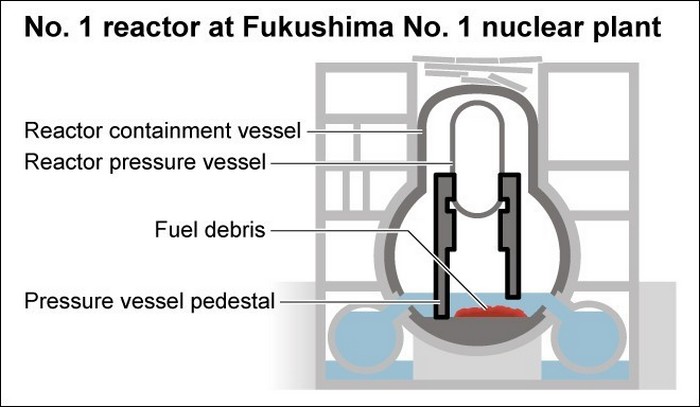
The cylindrical base, whose wall is 1.2 meters thick, is 6 meters in diameter. It supports the 440-ton reactor pressure vessel. The reinforcing rods normally covered with concrete are now bare and the upper parts are covered with sediment that could be nuclear fuel debris. The concrete probably melted under the high temperature of the debris. The strength of the pedestal is a major concern, as any defect could prove critical in terms of earthquake resistance.
Nothing is simple. The management of human material appears less complex.
Bringing back to life, whatever it takes
In the mountains of eastern Fukushima Prefecture, one of the main traditional shiitake mushroom industries is now almost always shut down. The reason? Radioactive caesium exceeding the government’s maximum of 50 becquerels per kilogram, largely absorbed by the trees during their growth. More than ten years after the nuclear disaster, tests have revealed caesium levels between 100 and 540 becquerels per kilogram. While cesium C134 has a radioactive half-life of about two years and has almost disappeared by now, the half-life of cesium C137 is about 30 years and thus retains 30% of its radioactivity 50 years after the disaster, and 10% after a century.
As more than two thirds of Fukushima prefecture is covered by forests, nothing seems favorable in the short term to get rid of all or part of the deposited radioactivity, as forests are not part of the areas eligible for ‘decontamination’, unlike residential areas and their immediate surroundings.
On the side of the contaminated residential and agricultural areas, ‘decontamination’ measures have been undertaken. But soil erosion and the transfer of contaminants into waterways, frequent due to typhoons and other intense rain events, are causing the radioactive elements to return, moving them incessantly. Scientists are trying to track radioactive substances to better anticipate geographical fluctuations in doses, but nothing is simple: the phenomena of redistribution of the initial contamination deposits from the mountains to the inhabited low-lying areas are eternal.
The Ministry of the Environment is considering the reuse of decontaminated soils (official threshold of 8,000 becquerels per kilogram), with tests to be conducted. For now, a law requires the final disposal of contaminated soil outside Fukushima Prefecture by 2045, which represents about 14 million cubic meters (excluding areas where radiation levels remain high). This reuse would reduce the total volume before legal disposal.
More generally, Japan has for some years now opted for the strategy of holding radiological contamination as zero and/or harmless. This is illustrated by the representative example of the financial compensation given to farmers, designed so that the difference between pre- and post-accident sales is paid to them as compensation for “image damage”, verbatim.
Finally, in the midst of these piles of scrap metal and debris, it is necessary to make what can be made invisible. Concerning radioactive waste for example, it must be stored in time. On the west coast of the island of Hokkaidō, the villages of Suttsu and Kamoenai have been selected for a burial project. Stainless steel containers would be stored in a vitrified state. But consultation with the residents has not yet been carried out. This is not insignificant, because no less than 19,000 tons of waste are accumulating in the accidental, saturated power plants, and must find a place to rest for hundreds of years to come.
In this sparsely populated and isolated rural area, as in other designated sites, to help with acceptance, 15 million euros are being paid to each of the two municipalities to start the studies from 2020. 53 million are planned for the second phase, and much more in the final stages. This burial solution seems inevitable for Japan, as the waste cannot remain at the level of the surface power plants and is subject at all times to the earthquakes that are bound to occur over such long periods (strong earthquakes have struck off the prefecture in 2021 and 2022). The degrees of dangerousness thus allow the government to impose a default choice, for lack of anything better.
On December 6, 2022, the Director General of the IRSN met with the President of Fukushima University and with a manager of the Institute of Environmental Radioactivity (IER). What was the objective? To show the willingness of both parties to continue ongoing projects on the effects of radioactive contamination on biodiversity and environmental resilience.
But France will not have waited for the health results of a disaster to learn and commit itself to take into account any improvement likely to improve the nuclear safety of its reactors. No ?
Experience feedback
After a few reactor restarts that marked a major change in its nuclear energy policy (ten nuclear reactors from six plants out of a total of fifty-four were restarted by June 2022), the Japanese government is nonetheless planning to build new generation nuclear power plants to support its carbon emission reduction targets. (A memorandum of understanding was signed by the Japan Atomic Energy Agency, Mitsubishi Heavy Industries and Mitsubishi FBR Systems with the American start-up TerraPower to share data for the Natrium fast neutron reactor project; the American company NuScale Power presented its modular reactor technology). But above all, the government is considering extending the maximum service life of existing nuclear reactors beyond 60 years. Following the disaster, Japan had introduced stricter safety standards limiting the operation of nuclear reactors to 40 years, but there is now talk of modernizing the reactors with safety features presented as “the strictest in the world”, necessarily, to meet safety expectations. Their program is worthy of a major refurbishment (GK).
But in France, where are we with our supplementary safety assessments?
The steps taken after the Fukushima disaster to reassess the safety of French nuclear facilities were designed to integrate this feedback in ten years. More than ten years after the start of this process of carrying out complementary safety assessments (CSA), this integration remains limited and the program has been largely delayed in its implementation.
Apparently, ten years to learn all the lessons of this unthinkable accident was not enough. Fear of the probable occurrence of the impossible was not the best motivation to protect the French nuclear fleet from this type of catastrophic scenario, based solely on these new standards. Concerning in detail the reality of the 23 measures identified to be implemented (reinforcement of resistance to earthquake and flooding, automatic shutdown in the event of an earthquake, ultimate water top-up for the reactor and cooling pool, detection of corium in the reactor vessel, etc.), the observation is even distressing: not a single reactor in operation is completely up to standard.
According to NegaWatt’s calculations, at the current rate of progress and assuming that funding and skills are never lacking, it would take until 2040 for the post-Fukushima standards to be finally respected in all French reactors. And even then, some of the measures reported as being in place are not the most efficient and functional (we will come back to the Diesels d’ultime secours, the DUS of such a sensitive model).
Even for the ASN, the reception of the public in the context of post-accident management could appear more important than the effectiveness of the implementation of the measures urgently imposed.
Then, let us complete by confirming that France and Japan have a great and long common history which does not stop in nuclear matters. Among this history, let us recall that Japan lacks facilities to treat the waste from its own nuclear reactors and sends most of it abroad, especially to France. The previous transport of highly radioactive Mox (a mixture of highly toxic plutonium oxide and reprocessed uranium oxide) to Japan dates back to September 2021, not without risk even for the British company specialized in this field, a subsidiary of Orano. The final request for approval for the completion of the Rokkasho reprocessing plant, an important partnership and technology transfer project, is expected in December 2022, although the last shipments to Japan suffered from defective products from Orano’s Melox plant, a frequent occurrence because of a lack of good technical homogenization of the products.
No one is immortal
In the meantime, the ex-managers of the nuclear power plant have been sentenced to pay 95 billion euros for having caused the disaster of the entire eastern region of Japan. They were found guilty, above all, of not having sufficiently taken into account the risk of a tsunami at the Fukushima-Daiichi site, despite studies showing that waves of up to 15 meters could hit the reactor cores. Precisely the scenario that took place.
Worse, Tepco will be able to regret for a long time to have made plan the cliff which, naturally high of 35 meters, formed a natural dam against the ocean and the relatively frequent tsunamis in this seismic zone. This action was validated by the Japanese nuclear safety authorities, no less culpable, on the basis of the work of seismologists and according to economic considerations that once again prevailed (among other things, it was a question of minimizing the costs of cooling the reactors, which would have been operated with seawater pumps).
The world’s fourth largest public utility, familiar with scandals in the sector for half a century, Tepco must take charge of all the work of nuclear dismantling and treatment of contaminated water. With confidence. The final total estimates are constantly being revised upwards, from 11,000 billion to 21,500 billion yen, future budgets that are borrowed from financial institutions, among others, with the commitments to be repaid via the future revenues of the electricity companies. A whole financial package that will rely on which final payer?
Because Tepco’s financial situation and technical difficulties are deteriorating to such an extent that such forty-year timetable projections remain very hypothetical, and the intervention of the State as a last resort is becoming more and more obvious. For example, the Japanese government has stated that the repayment of more than $68 billion in government funding (interest-free loans, currently financed by government bonds) for cleanup and compensation for the Fukushima Daiichi nuclear power plant disaster, owed by Tepco, has been delayed. Tepco’s mandatory repayments have been reduced to $270 million per year from the previous $470 million per year. It is as much to say that the envisaged repayment periods are as spread out as the Japanese debt is abysmal.
Despite this chaotic long-term management, the Japanese government has stated that it is considering the construction of the next generation of nuclear power plants, given the international energy supply environment and Japan’s dependence on imported natural resources. Once the shock is over, business and realpolitik resume.
On a human scale, only radioactivity is immortal.
Tepco denies radioactive water discharge claims
“For a radionuclide such as Iodine-129, this could be 160 million years.”

19 December 2022
The Tokyo Electric Power Company (Tepco) has denied allegations it plans to discharge radioactive wastewater from Japan’s Fukushima Daiichi nuclear power plant into the Pacific Ocean.
An emerging collective of community members, academics, legal experts, non-governmental organisations and activists from across the Pacific, who met through the Nuclear Connections Across Oceania Conference in Dunedin last month, condemned Tepco last week and called on the company to halt its discharge plans.
Three reactors at the Fukushima facility had meltdowns following a major earthquake on March 11, 2011, and work to clean up the radioactive contamination is continuing.
University of Otago Centre for Sustainability research fellow Dr Karly Burch said many people might be surprised to hear the Japanese government had approved Tepco’s plan to discharge more than 1.3million tonnes of radioactive wastewater into the Pacific Ocean for about 30 years, starting next year.
However, Tepco’s corporate communications office contacted the Otago Daily Times to explain the discharged water would be treated using multiple types of equipment, such as the Advanced Liquid Processing System (ALPS) which would remove multi-nuclides, and then be diluted so that it would meet the Japanese Government’s regulatory standards.
A company spokesman said in addition to complying with legally-based Government regulations, the company would also ensure the water was “safe” and conformed to international law and practices.
“In particular, the water to be discharged will be purified and diluted in two stages.
“During the first stage the water will be purified with ALPS until the concentration of radioactive substances, excluding tritium, falls below regulatory standards for discharge into the environment.
“Water with the sum of ratios of the concentration of each radionuclide other than tritium to the regulatory concentration of each, is less than one.
“And, prior to dilution, the concentration of radioactive substances in ALPS treated water will be measured/assessed and the results confirmed by a third-party.
“During the second stage, we will dilute tritium with a large volume of seawater (more than 100 times), thereby reducing its concentration to less than 1500Bq/l, which is 1/40 of Government regulations for discharge into the environment, as well as approximately 1/7 of the World Health Organisation’s drinking water quality guidelines (10,000 Bq/l).”
The Nuclear Connections Across Oceania Conference collective was not convinced and last week, they also called for the New Zealand Government to “stay true to its dedication to a nuclear-free Pacific” by taking a case to the International Tribunal for the Law of the Sea against Japan’s plans.
Dr Burch said predictive models showed radioactive particles released could spread to the northern Pacific.
“To ensure they do not cause biological or ecological harm, these uranium-derived radionuclide need to be stored securely for the amount of time it takes for them to decay to a more stable state.
“For a radionuclide such as Iodine-129, this could be 160 million years.”
https://www.odt.co.nz/news/dunedin/tepco-denies-radioactive-water-discharge-claims
Nuclear news to January 2nd

Some bits of good news. What went right in 2022: the top 25 good news stories of the year – Climate action – Return of threatened species – The rights of nature were strengthened – Land was returned to nature – and indigenous people – and more.
Coronavirus. Three years since coronavirus was detected in China, and how it changed the world.
Climate. Environmental review of 2022: another mile on the ‘highway to climate hell’.
Nuclear. In reality – not much is happening. The corporate media is still banging on about nuclear fusion , a complete distraction from anything that is really happening in energy and climate issues. In fact, the most interesting thing that is happening is the Europe-wide cutting down on energy use – “demand reduction” – the most unsexy but effective way to address global heating. The other thing that the corporate media is banging on about is – small nuclear reactors (SMRs). They faithfully regurgitate nuclear industry handouts – even though these SMRs actually don’t exist, and investors hold back – waiting for governments to pour even more tax-payer money into SMRs.
However, lurking all the time, is the risk of nuclear accident, especially in Ukraine. And as USA and NATO promise more advanced weapons for the Ukrainians, and Putin flexes his “unrivalled” nuclear-powered missile cruisers, the world could be now teetering on the brink of nuclear war.
************************************
CLIMATE. Growing climate, nuclear risks spark doomsday fears. Growing urgency and intensity — Weather extremes won’t be solved by nuclear power.
CULTURE and ART. MIND OF THE MACHINE Chilling AI predicts what nuclear war would look like with attacks on London, Moscow and Washington .
ECONOMICS. How did the US nuclear industry fare in 2022?
EDUCATION. Physicists push for nuclear science education: their environmental colleagues not so sure.
ENERGY. As France’s nuclear energy sector falters, Britain’s wind and solar power booms. France’s nuclear headache – Macron on the brink of rationing electricity. Europe shows how to cut demand for energy use.
ENVIRONMENT. Hot water — radiation in drinking water.
MEDIA. US spies pushed Twitter to censor ‘anti-Ukraine narratives’ – media.
NUCLEAR TECHNOLOGY. Nuclear Fusion: Don’t Believe the Hype!. Small modular reactors will not save the day. The US can get to 100% clean power without new nuclear. Japan’s Rokkasho nuclear reprocessing project delayed again – for the 26th time.
OPPOSITION to NUCLEAR. Civil society groups urge feds to ban reprocessing used nuclear fuel. No new nuclear weapons in Europe https://www.youtube.com/watch?v=IgfckOtqWb8
POLITICS. Canada’s first new nuclear power reactor in 30 years has embarked on a crucial review. Can it pass quickly?
POLITICS INTERNATIONAL and DIPLOMACY. The 2022 nuclear year in review: A global nuclear order in shambles. Tucker “Gets It” – Putin Doesn’t Want American Missiles on His Border. Ukraine became de facto member of NATO in 2022: DM . What the Pentagon Doesn’t Want You to Know About China. Europe’s nuclear industry heavily dependent on Russian fuel and technology – no sanctions there.
RADIATION. Marie Curie’s Belongings Will Be Radioactive For Another 1,500 Years.
SAFETY. German residents told to prepare for nuclear emergencies.
SECRETS and LIES. This Year’s Nobel Peace Prize winners are deeply connected to the CIA. Every social media firm censors for US government – Musk.
SPACE. EXPLORATION, WEAPONS. Military satellites add to Earth’s orbit, which is already crowded with satellites.
SPINBUSTER. Calling nuclear fusion a potential ‘climate solution’ may undermine actual solutions.
WASTES. In the Pacific, Outcry Over Japan’s Plan to Release FukushimaWastewater.
WAR and CONFLICT. 3,000 civilians dead in Mariupol – Russian officials investigating – and claim that Ukrainian troops are responsible. Germany assumes command of NATO’s 12,000-troop strike force EU. Britain to train 15,000 Ukrainian “warfighters” in Lithuania. 100,000 U.S. troops, 20,000 new, to stay in Europe, train Ukrainian counterparts . Historic Golden Rule Peace Boat On Its Way to Cuba.
WEAPONS and WEAPONS SALES. More weapons to Ukraine “to bring peace” – says NATO chief. https://www.youtube.com/watch?v=s2_ktxVQooQ Under pressure from Washington, Japan rearms. Increasing kill chain speed: Pentagon augments HIMARS for Ukraine, Latvia, Taiwan . North Korea says it will boost nuclear warhead production ‘exponentially‘, as another missile fired. Russia Adds ‘Unrivaled’ Nuclear-Powered Missile Cruisers To Its Arsenal; Putin Says Has No Analogs In The World. Scott Morrison’s booby trap: Buying US submarines is a huge mistake.
This Year’s Nobel Peace Prize winners are deeply connected to the CIA

The entire Nobel Peace Prize ceremony this year seemed to be part of a public relations spectacle whose purpose was to mobilize public opinion against Russia and to support a military escalation of the war in Ukraine.
Whereas at one time genuine peace activists—like Emily Greene Balch, Linus Pauling and Martin Luther King, Jr.—were awarded the prize, now it is being conferred on war propagandists and national traitors in the pay of foreign masters who are using them merely as pawns in a deadly game in which there are no winners.
By Covert Action magazine, Jeremy Kuzmarov, December 21, 2022
Far-fetched as it sounds, this year’s winners are all connected to a CIA offshoot, the National Endowment for Democracy (NED) and parroted CIA / State Department / Pentagon talking points about Ukraine and Russia in their acceptance speeches
The Nobel Prize Committee has five judges, appointed by the Norwegian parliament, who are tasked with choosing Nobel Prizewinners.
But people are starting to wonder if there is a 6th Nobel Prize judge, not appointed by the Norwegian parliament, but by the CIA, who is tasked with making sure that winners of the coveted Nobel Peace Prize advance the agenda of U.S. policy makers.
Although the idea may seem far-fetched, this year’s winners all have connections to a CIA offshoot, the National Endowment for Democracy (NED).
Oleksandra Matviichuk, for example, who accepted this year’s Nobel Peace Prize on behalf of the Ukraine Center for Civil Liberties (CCL) on December 10, had received the NED’s annual Democracy Award on behalf of the CCL six months earlier.[1]
The NED was founded in the 1980s to promote propaganda and regime-change operations in the service of U.S. imperial interests. Allen Weinstein, the director of the research study that led to creation of the NED remarked in 1991: “A lot of what we do today was done covertly 25 years ago by the CIA.”
The two other recipients of this year’s Nobel Peace Prize, Ales Bialiatski, a Belarusian dissident, and Memorial, a human rights organization expelled from Russia for violating its foreign agent law, have also received NED awards and probable financing.
While the Nobel Peace Prize has previously gone to warmongers like Theodore Roosevelt, Henry Kissinger and Barack Obama,[2] never before has it gone to organizations that were intricately associated with a foreign intelligence agency specializing in political skullduggery and psychological warfare.
The entire Nobel Peace Prize ceremony this year seemed to be part of a public relations spectacle whose purpose was to mobilize public opinion against Russia and to support a military escalation of the war in Ukraine.
In their victory speeches, all three Peace Prize recipients ritually denounced Russian war crimes and aggression and issued support for the war in Ukraine. Oleksandra Matviichuk also directly asked the Norwegian government for more air defense for Ukraine and other types of weapons.
Promoting a Fairy Tale Version of Reality
Matviichuk’s speech was notable for its overt Russophobia and Manichaean view of world affairs that showed a fundamental naiveté about the character of Western governments.
Matviichuk said that the West had turned a blind eye to Russia’s “destruction of its own civil society,” and “shook hands with the Russian leadership, built gas pipelines and conducted business as usual” when, for decades, “Russian troops had been committing crimes in different countries.”
In Matviichuk’s telling, the “innocent” West is complicit in appeasing Russia—though for the last few decades, it was U.S. troops and its proxies that rampaged across the Middle East and committed massive war crimes.
All while Russia has often intervened in self-defense against U.S.-NATO aggression—like in Georgia in 2008—or at the request of a besieged ally, like in Syria, where it saved the country from the fate of Libya which had been destroyed by the 2011 U.S.-NATO intervention.
Matviichuk claimed in her speech that the war in Ukraine is “not a war of two states—but of two systems—authoritarianism and democracy.”
If that is the case, it is not clear which side she is on as her president, Volodymyr Zelensky, has banned eleven opposition parties, including the communist party, which is legal in Russia, and mounted a Phoenix-style operation to silence dissidents.
Matviichuk suggested earlier in her speech that the world had not adequately responded to “the act of aggression and annexation of Crimea, which were the first such cases in post-war Europe.”
Crimea, however, had historically been part of Russia and was never invaded. Its people voted to rejoin Russia in a referendum after the U.S. and EU had backed a right-wing coup in Ukraine that represented a vital security threat to Russia on its border.
Matviichuk presented more false history when she claimed that “the Russian people were responsible for this disgraceful chapter in their history [the invasion of Ukraine] and their desire to forcefully restore their former empire.”
Russia’s special military operation in Ukraine, however, was not an attempt to restore the Russian empire, but was carried out in response to genuine national security threats that Russia faced as a result of the right-wing coup in Ukraine and NATO advancement on its border.
Matviichuk further omits that Russia was carrying out a genuine humanitarian intervention by trying to save the people of eastern Ukraine who had been the target of an ethnic-cleansing operation by the Ukrainian military, which left 14,000 civilians dead.
Matviichuk concluded part of her speech by stating:
People of Ukraine want peace more than anyone else in the world. But peace cannot be reached by the country under attack laying down its arms. This would not be peace, but occupation. After the liberation of Bucha, we found a lot of civilians murdered in the streets and courtyards of their homes. These people were unarmed. We must stop pretending deferred military threats are ‘political compromises.’ The democratic world has grown accustomed to making concessions to dictatorships. And that is why the willingness of the Ukrainian people to resist Russian imperialism is so important. We will not leave people in the occupied territories to be killed and tortured. People’s lives cannot be a ‘political compromise.’ Fighting for peace does not not mean yielding to pressure of the aggressor, it means protecting people from its cruelty.”
It is astounding that someone would use the platform accorded to her by winning a major world peace prize to try to rationalize a war that her country had started—in 2014 when it attacked the people of eastern Ukraine who voted for more autonomy after a foreign-backed coup in Ukraine, and after the post-coup government imposed draconian language laws.[3]
Ukrainian President Petro Poroshenko (2014-2019) has even disclosed that Ukraine had no intention of abiding by the Minsk peace agreements, which could have prevented a full-scale conflict with Russia. Instead, Ukraine signed those agreements as a stalling tactic to give it more time to build up its military power and accrue more weaponry and support from the U.S. so it could fight Russia from a position of strength.
Matviichuk promoted more disinformation by suggesting that the Russians had killed all the civilians in Bucha, as in-depth investigations have determined that many civilians were killed in Bucha by the Ukrainians after Russian forces were expelled…………………………………………
Honoring a Propaganda Agency That May Well Help Ignite World War III
While the Nobel Peace Prize has not always honored true peace activists, a truly ominous precedent has been set in giving it to a propaganda agency that may well help ignite World War III.

A key part of CCL’s current mission is to document Russian war crimes in Donbas—though Ukraine has been responsible for the majority of human rights crimes there since the war started after the U.S.-backed coup in 2014—when CCL started this work.[4]
Residents from towns in eastern Ukraine have reported on widespread rapes and torture of captured prisoners by Ukrainian troops and constant shelling of civilian centers and terror bombing over an eight-year period.
This is ignored by the CCL, which instead has tried to spotlight the stories—real or imagined—of victims of sexual violence by Russian troops in Ukraine and women abducted by Russian troops and taken into captivity in Russia.
Further, the CCL has mounted an international campaign to release the Kremlin’s political prisoners, and aims to raise awareness about political persecution in what it calls Russian-occupied Crimea—which is not “occupied” since its people voted to rejoin Russia in a referendum.
The CCL fashions itself as a particular champion of the Crimean Tatars, some of whom had collaborated with Nazi Germany in World War II and who had long been used by outside powers to try to destabilize Russia and foment ethnic conflict as part of a strategy of divide and conquer.
Tatar leader Mustafa Dzhemilev, who received an award from the NED in 2018, travelled to the NATO headquarters in Brussels after the Russian annexation of Crimea in March 2014 agitating for an armed intervention by the UN to return Crimea to Ukrainian control, and has been a militant proponent of sanctions against Russia……………………..
Belarusian Winner Also Has NED Connection
The politicized nature of this year’s Nobel Prize ceremony was apparent in the selection of a Belarusian dissident, Ales Bialiatski, as co-winner of the Peace Prize.
Jailed for “financing group actions that disrupted public order,” Bialiatski was part of an NED-sponsored uprising and color revolution in 2020-2021 that failed to overthrow Belarus’s socialist ruler, Alexander Lukashenko, who had saved his country in the 1990s by rejecting Western-imposed privatization and shock therapy programs and sustained a strong social safety net.[5]…………………………..
By helping to paint Lukashenko as a monster in national and international media, Bialiatski’s organization and others of his kind serve U.S. imperial interests by helping to mobilize popular support for a regime-change operation directed against Europe’s last true socialist government.
Yet Another NED Connection
The third winner of this year’s Nobel Peaze Price is a banned Russian human rights organization, Memorial, whose work includes preserving the memory of the victims of Soviet gulags and Joseph Stalin’s reign, and documenting political repression and human rights violations in Russia.[6] In 2004, its director, Arseny Roginsky, was awarded the 2004 NED Democracy Award………………………………………
Should It Be Renamed the Nobel War Prize?
The Nobel Peace Prize has tarnished its reputation through many of its past selections; but this year seems worse then ever with the Nobel ceremony providing a platform for anti-Russia war incitement.
In the future, all pretenses should be thrown aside and the prize finally renamed the Nobel War Prize.
Whereas at one time genuine peace activists—like Emily Greene Balch, Linus Pauling and Martin Luther King, Jr.—were awarded the prize, now it is being conferred on war propagandists and national traitors in the pay of foreign masters who are using them merely as pawns in a deadly game in which there are no winners. https://covertactionmagazine.com/2022/12/21/nobel-peace-prize-winners-have-deep-cia-ties/?mc_cid=67528e0987
More weapons to Ukraine “to bring peace” – says NATO chief.
NATO chief suggests ‘weapons for peace’ in Ukraine https://www.rt.com/news/569161-nato-chief-weapon-deliveries-ukraine-peace/ 30 Dec 22

NATO chief suggests ‘weapons for peace’ in Ukraine. Jens Stoltenberg has told German media that continuing to arm Kiev will help bring the conflict to an end more swiftly.
NATO Secretary General Jens Stoltenberg has said that Western military aid to Ukraine is what is needed to bring peace to the Eastern European country in the shortest time possible.
He claimed that Russia will only agree to peace talks when it faces a situation in which it cannot achieve its goals militarily.
In an interview with German news outlet DPA, parts of which were published on Friday, Stoltenberg said: “It may sound paradoxical, but military support for Ukraine is the quickest way to peace.”
The Western military bloc’s chief claimed that for the conflict to end, Russian President Vladimir Putin has to come to the conclusion that his forces are unable to take over Ukraine. It is only then that the Kremlin would be ready to negotiate a settlement.
On Thursday, Russian Foreign Minister Sergey Lavrov rejected out of hand a ten-point “peace formula” floated by Ukrainian president Zelensky that envisages the withdrawal of Russian troops from Crimea, Donetsk, Lugansk, Zaporozhye and Kherson Regions.
Lavrov told reporters that Moscow will “not talk to anyone” under the conditions previously proposed by Ukrainian president.
He stressed, however, that the Kremlin has not refused in principle to engage in negotiations with Ukraine, adding that Kiev must first recognize the new reality on the ground.
Stoltenberg also defended recent Ukrainian strikes on military targets deep inside Russian territory. He argued that “every country has the right to defend itself,” insisting that the attacks were justified.
When asked whether Ukraine should be given intermediate-range ballistic missiles, Stoltenberg revealed that individual NATO member states and Ukraine are engaged in dialogue regarding specific systems, which he declined to name. He also pointed out that several members of the military bloc have already supplied Kiev with weapon systems that have a longer range, such as US-made M142 HIMARS multiple launch rocket systems and drones.
On Thursday night, US President Joe Biden signed off on a massive $1.7 trillion spending bill, which earmarks $45 billion for “crucial assistance to Ukraine.” Of this amount, $9 billion will go directly toward training and equipping the Ukrainian military.
Russia insists that Western weapon deliveries only serve to prolong the conflict, warning Ukraine’s backers that these shipments could potentially result in an all-out military confrontation between Russia and NATO.
Marie Curie’s Belongings Will Be Radioactive For Another 1,500 Years

By BARBARA TASCH, BUSINESS INSIDER, https://www.sciencealert.com/these-personal-effects-of-marie-curie-will-be-radioactive-for-another-1-500-years?fbclid=IwAR2mz5r9iMmKfNoIYm1ddsmsoLUqMZn7a84pCdZYKp5aYi1TWup0Tl0vkN4 21 Aug 2015
Marie Curie, known as the ‘mother of modern physics’, died from aplastic anaemia, a rare condition linked to high levels of exposure to her famed discoveries, the radioactive elements polonium and radium.
Curie, the first and only woman to win a Nobel Prize in two different fields (physics and chemistry), furthered the research of French physicist Henri Becquerel, who in 1896 discovered that the element uranium emits rays.
Alongside her French physicist husband, Pierre Curie, the brilliant scientific pair discovered a new radioactive element in 1898. The duo named the element polonium, after Poland, Marie’s native country.
Still, after more than 100 years, much of Curie’s personal effects including her clothes, furniture, cookbooks, and laboratory notes are still radioactive, author Bill Bryson writes in his book, A Short History of Nearly Everything.
Regarded as national and scientific treasures, Curie’s laboratory notebooks are stored in lead-lined boxes at France’s Bibliotheque National in Paris. Wellcome Library
While the library grants access to visitors to view Curie’s manuscripts, all guests are expected to sign a liability waiver and wear protective gear as the items are contaminated with radium 226, which has a half life of about 1,600 years, according to Christian Science Monitor.
Her body is also radioactive and was therefore placed in a coffin lined with nearly an inch of lead.
The Curie’s are buried in France’s Panthéon, a mausoleum in Paris which contains the remains of distinguished French citizens – like philosophers Rousseau and Voltaire.
Russia Adds ‘Unrivaled’ Nuclear-Powered Missile Cruisers To Its Arsenal; Putin Says Has No Analogs In The World
https://eurasiantimes.com/russia-adds-unrivaled-nuclear-powered-missile-carriers/ By Ashish Dangwal, January 1, 2023
Russian President Vladimir Putin stated at a naval commissioning ceremony on December 29 that Russia’s latest nuclear-powered missile cruisers have no counterparts anywhere else in the world.
Regarding the Sevmash Shipyard and Rubin Design Bureau’s contributions to the production of the nation’s nuclear submarines, Putin stated that “the latest nuclear-powered missile carriers being designed and built there have no analogs in the world in many characteristics.”
He stated the vessels have advanced underwater acoustics, navigation, and communication systems in addition to high-precision weapons and robotic systems.
The flag hoisting signifies that the ships have been accepted into the Russian Navy. Defense Sergey Shoigu announced at the end of the ceremony that “the ships have been accepted into the Navy.”
The President of Russia also thanked the designers, engineers, and employees of the Sevmash, Zelenodolsk, and Sredne-Nevsky shipyards for their diligent work and timely, high-quality completion of duties.
Growing urgency and intensity — Weather extremes won’t be solved by nuclear power

Growing urgency and intensity — Beyond Nuclear International . By Antony Froggatt 1 Jan 2023, https://beyondnuclearinternational.org/2023/01/01/growing-urgency-and-intensity/
Urgent climate action is needed and nuclear power is not the answer
Just as Russia’s invasion of Ukraine has highlighted Europe’s dangerous dependence on fossil fuels, increasingly frequent and intense climate-driven weather events are highlighting the death and destruction that fossil-fuel dependence has wrought.
Understandably, political and public pressure to reduce greenhouse-gas emissions, move away from insecure primary energy supplies, and develop new, reliable, secure, and affordable energy sources is at an all-time high.
But rather than rushing ahead, we need to consider carefully which options are most realistic, and how they will be deployed and operate in the real world.
Consider nuclear power. With many countries and companies now giving this option a second (or even a third) look, the 2022 World Nuclear Industry Status Report (WNISR) offers valuable insights into how the sector is faring.
While the last 12 months may be remembered as a turning point for the broader energy sector, it won’t be because of the nuclear industry. Nuclear energy’s share of global commercial gross electricity generation in 2021 dropped to 9.8%, which is its first dip below 10% in four decades, barely more than half its peak of 17.5% in 1996.
Meanwhile, wind and solar surpassed nuclear for the first time in 2021, accounting for 10.2% of gross power generation.
These diverging trajectories can be seen clearly across every indicator of investment, deployment, and output. According to the International Atomic Energy Agency, operating reactors peaked in 2018, both in terms of their number (449) and total capacity (396.5 gigawatts). The IAEA reports that 437 reactors were “in operation” globally at the end of 2021, including 23 reactors that have not generated power for at least nine years, and which may never do so again.
In 2018, when installed nuclear power peaked below 400 GW, solar and wind capacity rose above 1,000 GW, on its way to reaching 1,660 GW by the end of 2021. In just three years, solar and wind added two-thirds more capacity than nuclear at its last peak. Even if nuclear plants usually generate more electricity per unit of installed capacity than wind and solar, the divergence in these numbers is staggering.
In 2021, total investments in non-hydro renewables hit a record $366 billion, adding an unprecedented 257 GW (on net) to electricity grids, whereas operating nuclear capacity decreased by 0.4 GW. Only six new reactors were connected to the grid that year, and half of these were in China. Then, in the first half of 2022, five new reactors went online, two of which were in China. But while China has the most reactors under construction (21, as of mid-2022), it is not building them abroad.
Until recently, that role was taken up by Russia, which is dominating the international market with 20 units under construction, including 17 in seven countries as of mid-2022. Sanctions and potential other geopolitical developments have cast doubt on many of these projects, with a Finnish consortium already canceling construction of a facility based on a Russian design.
Only 33 countries operate nuclear power plants today, and only three – Bangladesh, Egypt, and Turkey – are building reactors for the first time (all in partnership with the Russian nuclear industry). Twenty-six of the 53 construction projects around the world have suffered various delays, with at least 14 reporting increased delays, and two reporting new delays, just in the past year.
For the first time, the WNISR also assesses the risks of nuclear power and war. There has been significant international concern about Ukraine’s Zaporizhzhia nuclear power plant, which has been occupied by Russia forces since March 4, 2022. Owing to repeated shelling in and around the area, the plant has frequently lost external power, prompting warnings from the IAEA that the situation is “untenable.” Operating a nuclear facility requires motivated, rested, skilled staff; but Zaporizhzhia’s Ukrainian personnel are under severe stress.
The key challenge now is to maintain continuous cooling for the reactor core and the pool for spent fuel, even after the reactor is shut down. The failure to evacuate heat from residual decay would lead to a core meltdown within hours, or a spent-fuel fire within days or weeks, with potentially large releases of radioactivity.
World leaders should focus on the technologies that can be deployed rapidly and universally to replace fossil fuels. As consecutive editions of the WNISR have shown, nuclear power is too slow and too expensive to compete with energy-efficiency measures and renewable energy.
Antony Froggatt is a founding author of the World Nuclear Industry Status Report.
Europe shows how to cut demand for energy use
Europe’s energy sacrifices: the winter test of resolve. From Finland to
France, citizens are reducing their power consumption. Can a drop in
temperatures break that collective resilience? Prices across the bloc have
been sky high, even if they have come down since a sharp rise in August
Entire swaths of industry — notably steel and chemical manufacturers —
have cut production, while governments have poured more than €700bn into
subsidies and financial support, according to the Brussels-based think-tank
Bruegel.
Data from Eurostat show that household gas bills dramatically
increased in almost all of the EU’s 27 member states in the first half of
the year with some, such as Estonia and Bulgaria, shouldering more than
double last year’s cost.
Broad estimates for the reduction in gas use
across Europe hover at around 15 per cent in the second half of this year,
in line with a commitment by EU governments in July to voluntarily cut
demand by that amount. Much of the savings have come from “demand
destruction” among industrial users that have shut down production but
that should not negate household and community efforts, says Henning
Gloystein, director of energy, climate and resources at Eurasia Group.
Even if consumer demand is “super volatile across Europe, depending almost
entirely on the weather”, he says, “the heating of households and small
businesses is the biggest part of gas consumption each winter and if we
can’t solve that we are screwed.”
In Germany, which received more than
half of its gas from Russia in 2021, a concerted government campaign to cut
energy consumption has filtered down through city authorities. Lights in
public buildings have been dimmed, temperatures in sports facilities
lowered to 17C, hot water has been switched off in public buildings and
heating of municipal buildings in major cities cut to a minimum.
In France, where the situation is made more challenging by the closure of almost half
of its nuclear power fleet for maintenance, monuments such as the Eiffel
Tower and the Palace of Versailles now stand in darkness for most of the
night and the shop windows of luxury stores belonging to the LVMH
conglomerate, including Louis Vuitton on the Champs Elysées, are now
dimmed from around 10pm.
FT 30th Dec 2022
https://www.ft.com/content/6e08003e-5de0-4707-93c3-43b64480443e
Hot water — radiation in drinking water

Tighter controls called for as radiation contaminates US drinking water
Hot water — Beyond Nuclear International
Radioactive contamination is creeping into drinking water around the U.S.
https://beyondnuclearinternational.org/2023/01/01/hot-water/ By Lynne Peeples, Ensia 1 Jan 2023
When Jeni Knack moved to Simi Valley, California, in 2018, she had no idea that her family’s new home was within 5 miles of a former nuclear and rocket testing laboratory, perched atop a plateau and rife with contamination. Radioactive cesium-137, strontium-90, plutonium-239 and tritium, along with a mix of other toxic chemicals and heavy metals, are known to have been released at the industrial site through various spills, leaks, the use of open-air burn pits and a partial nuclear meltdown.
Once Knack learned about the Santa Susana Field Laboratory and the unusual number of childhood cancer cases in the surrounding community, she couldn’t ignore it. Her family now only drinks water from a 5-gallon (19-liter) jug delivered by Sparkletts water service. In August of 2021, she began sending her then 6-year-old daughter to kindergarten with two bottles of the water and instructions to not refill them at school, which is connected to the same Golden State Water Company that serves her home.
A federal report in 2007 acknowledged that two wells sourced by the water company were at risk of contamination from the site. “The EPA has said we’re at risk,” says Knack. And Golden State, she says, has at times used “possibly a very hefty portion of that well water.” To date, radioactivity above the natural level has not been detected in Golden State’s water.
Concerns across the country
All water contains some level of radiation; the amount and type can vary significantly. Production of nuclear weapons and energy from fissionable material is one potential source. Mining for uranium is another. Radioactive elements can be introduced into water via medical treatments, including radioactive iodine used to treat thyroid disorders. And it can be unearthed during oil and gas drilling, or any industrial activities that involve cracking into bedrock where radioactive elements naturally exist. What’s more, because of their natural presence, these elements can occasionally seep into aquifers even without being provoked.
The nonprofit Environmental Working Group (EWG, a partner in this reporting project) estimates that drinking water for more than 170 million Americans in all 50 states “contains radioactive elements at levels that may increase the risk of cancer.” In their analysis of public water system data collected between 2010 and 2015, EWG focused on six radioactive contaminants, including radium, radon and uranium. They found that California has more residents affected by radiation in their drinking water than anywhere else in the U.S. Yet the state is far from alone. About 80% of Texans are served by water utilities reporting detectable levels of radium. And concerns have echoed across the country — from abandoned uranium mines on Navajo Nation lands, to lingering nuclear waste from the Manhattan Project in Missouri, to contaminants leaching from phosphate mines in Florida.
While ingesting radioactive elements through drinking contaminated water is not the only route of human exposure, it is a major risk pathway, says Daniel Hirsch, a retired University of California, Santa Cruz, professor who has studied the Santa Susana Field Laboratory contamination. “One thing you don’t want to do is to mix radioactivity with water. It’s an easy mechanism to get it inside people,” he says. “When you drink water, you think you excrete it. But the body is made to extract things from what you ingest.”
Strontium-90, for example, is among elements that mimic calcium. So the body is apt to concentrate the contaminant in bones, raising the risk of leukemia. Pregnant women and young kids are especially vulnerable because greater amounts of radiation are deposited in rapidly growing tissue and bones. “This is why pregnant women are never x-rayed,” says Catherine Thomasson, an independent environmental policy consultant based in Portland, Oregon. Cesium can deposit in the pancreas, heart and other tissues, she notes. There, it may continue to emit radioactivity over time, causing disease and damage.
Scientists believe that no amount of radiation is safe. At high levels, the radiation produced by radioactive elements can trigger birth defects, impair development and cause cancer in almost any part of the body. And early life exposure means a long period of time for damage to develop.
Health advocates express concern that the government is not doing enough to protect the public from these and other risks associated with exposure to radioactive contamination in drinking water. The legal limits set by the U.S. Environmental Protection Agency (EPA) for several types of radioactive elements in community water systems have not been updated since 1976. Further, many elements are regulated as a group rather than individually, such as radium-226 plus radium-228. And water system operators, if they are required to monitor for radioactive elements, only need to do so infrequently — say, every six or nine years for certain contaminants.
Meanwhile, private wells generally remain unregulated with regard to the elements, which is particularly concerning because some nuclear power plants are located in rural areas where people depend on private wells. More than one out of every 10 Americans use private wells or tiny water systems that serve fewer than 15 residences.
The Santa Susana Field Laboratory was rural when it was first put to use about 70 years ago. Today, more than 700,000 people live within 10 miles (16 kilometers). Recent wildfires have exacerbated these residents’ concerns. The 2018 Woolsey fire started on the property and burned 80% of its 2,850 acres (1,153 hectares). Over the following three months, the levels of chemical and radioactive contamination running off the site exceeded state safety standards 57 times.
Hirsch highlights several potential avenues for drinking water contamination related to nuclear weapons or energy development. Wind can send contamination off site and deposit it into the soil, for example. Gravity can carry contaminants downhill. And rains can carry contamination via streams and rivers to infiltrate groundwater aquifers. While vegetation absorbs radioactive and chemical contaminants from the soil in which it grows, those pollutants are readily released into the environment during a fire.
While no tests have detected concerning levels of radioactivity in Golden State’s water, advocates and scientists argue that testing for radioactive elements remains inconsistent and incomplete across the country. Federal and state regulations do not require monitoring for all potential radioactive contaminants associated with the known industrial activity on the site. For some of the regulated contaminants, water companies need only test once every several years.
“This is not an isolated matter,” says Hirsch. “We’re sloppy with radioactive materials.”
“We need stricter regulations”
In 2018, around the same time that fires stirred up radioactive elements in and around the Santa Susana Field Laboratory, drinking water concerns arose just outside of Pittsburgh, Pennsylvania. Guy Kruppa, superintendent of the Belle Vernon Municipal Authority, had been noticing major die-offs of the bacteria in his sewage treatment plant. The bugs are critical for breaking down contaminants in the sewage before it is discharged into the Monongahela River. About 1 mile (1.6 kilometers) downstream is a drinking water plant.
Kruppa and his colleagues eventually linked the low bacteria numbers to leachate they accepted from the Westmoreland landfill. The landfill had begun taking waste from nearby fracking sites — material that included bacteria-killing salts and radioactive elements such as radium.
The Belle Vernon Municipal Authority subsequently got a court order to force the landfill to stop sending its leachate — the liquid stuff that flows off a landfill after it rains. “We sealed off the pipe,” Kruppa says.
Today, radiation is no longer discharging from his plant. Yet he remains concerned about where the leachate might now be going and, more broadly, about the weak regulation regarding radioactive waste that could end up in drinking water. The quarterly tests required of his sewage treatment plant, for example, do not include radium. “The old adage is, if you don’t test for it, you’re not going to find it,” adds Kruppa.
Concerns that radioactive elements from fracking could travel into community drinking water sources have been on the rise for at least a decade. A study led by Duke University researchers and published in 2013 found “potential environmental risks of radium bioaccumulation in localized areas of shale gas wastewater disposal.” Kruppa’s actions in 2018 drove widespread media attention to the issue.
In late July 2021, the state of Pennsylvania announced it would begin ordering landfills that accept waste from oil or gas drilling sites to test their leachate for certain radioactive materials associated with fracking. The state’s move was a “good step in the right direction,” says Amy Mall, a senior advocate with the nonprofit Natural Resources Defense Council, which published a report on radioactive waste from oil and gas production in July. “We do need more data. But we don’t think monitoring alone is adequate. We need stricter regulations as well.”
The EPA drinking water standard for radium-226 plus radium-228, the two most widespread isotopes of radium, is 5 picocuries per liter (0.26 gallon). The California Office of Environmental Hazard Assessment’s public health goal, set in 2006 and the basis of EWG’s study, is far more stringent: 0.05 picocuries per liter for radium-226 and just 0.019 picocuries per liter for radium-228. “There is a legal limit for some of these contaminants, like radium and uranium,” says Sydney Evans, a science analyst with EWG. “But, of course, that’s not necessarily what’s considered safe based on the latest research.”
“We don’t regulate for the most vulnerable,” says Arjun Makhijani, president of the nonprofit Institute for Energy and Environmental Research. He points to the first trimester in a pregnancy as among the riskiest windows of development.
The known toxicities of radioactive contaminants, as well as technology available to test for them, have evolved significantly since standards were established in the 1970s. “We have a rule limited by the technology available 40 years ago or more. It’s just a little crazy to me,” says Evans. Hirsch points to a series of reports from the National Academies of Sciences, Engineering, and Medicine on health risks from ionizing radiation. “They just keep finding that the same unit of exposure produces more cancers than had been presumed,” he says. The most recent version, published in 2006, found the risk of cancer due to radiation exposure for some elements to be about 35% higher per unit dose than the 1990 version.
The EPA has begun its fourth review of national primary drinking water regulations, in accordance with the Safe Drinking Water Act. The results are anticipated in 2023. While advocates hope for stricter standards, such changes would add to the difficulties many drinking water providers already face in finding the finances and technology necessary to meet those regulations.
Seeking solutions
The aquifer beneath Winona, Minnesota — which supplies drinking water to residents — naturally contains radium, resulting in challenges for the city water department to minimize levels of the radioactive element.
Tests of Winona’s drinking water have found levels of radium above federal standards. In response to results, in April 2021 city officials cautioned residents that low-dose exposure over many years can raise the risk of cancer. However, they did not advise people to avoid drinking the water.
The city is now looking to ramp up their use of a product called TonkaZorb, which has proven effective in removing radium at other drinking water plants, notes Brent Bunke, who served as the city’s water superintendent during the time of the testing. The product’s active ingredient is manganese, which binds to radium. The resulting clumps are easy to sift out by the sand filter. Local coverage aptly likened it to kitty litter. Bunke notes that the city also plans to replace the filter media in their aging sand filters. Of course, all these efforts are not cheap for the city. “It’s the cost of doing business,” says Bunke.
Winona is far from alone in their battle against ubiquitous radium. And they are unlikely to be the hardest hit. “Communities that are being impacted don’t necessarily have the means to fix it,” says Evans. “And it’s going to be a long-term, ongoing issue.” Over time, municipalities often have to drill deeper into the ground to find adequate water supply — where there tends to be even larger concentrations of radium.
Some are looking upstream for more equitable solutions. Stanford University researchers, for example, have identified a way to predict when and where uranium is released into groundwater aquifers. Dissolved calcium and alkalinity can boost water’s ability to pick up uranium, they found. Because this tends to happen in the top six feet of soil, drinking water managers can make sure that water bypasses that area as it seeps into or is pumped out of the ground.
The focus of this research has been on California’s Central Valley — an agricultural area rich in uranium. “When you start thinking about rural water systems, or you think about water that’s going to be used in agriculture, then your economic constraints become really, really great,” says Scott Fendorf, a professor of earth systems science at Stanford and coauthor on the study. “You can’t afford to do things like reverse osmosis” — a spendy form of filtration technology.
In general, radiation can be very difficult to remove from water. Reverse osmosis can be effective for uranium. Activated carbon can cut concentrations of radon and strontium. Yet standard home or water treatment plant filters are not necessarily going to remove all radioactive contaminants. Scientists and advocates underscore the need for further prevention strategies in the form of greater monitoring and stronger regulations. The push continues across the country, as the issue plagues nearly everywhere — an unfortunate truth that Knack now knows.
Why doesn’t her family simply move? “I’m not saying we won’t. I’m not saying we shouldn’t,” she says. “But I don’t even know where we’d go. It really looks like contaminated sites are not few, but all over the country.”
1 This Month
23 April – WEBINAR – Why new nuclear reactors are the wrong tools for decarbonization Thursday, April 23 • 1 AM – 2 AM AEST

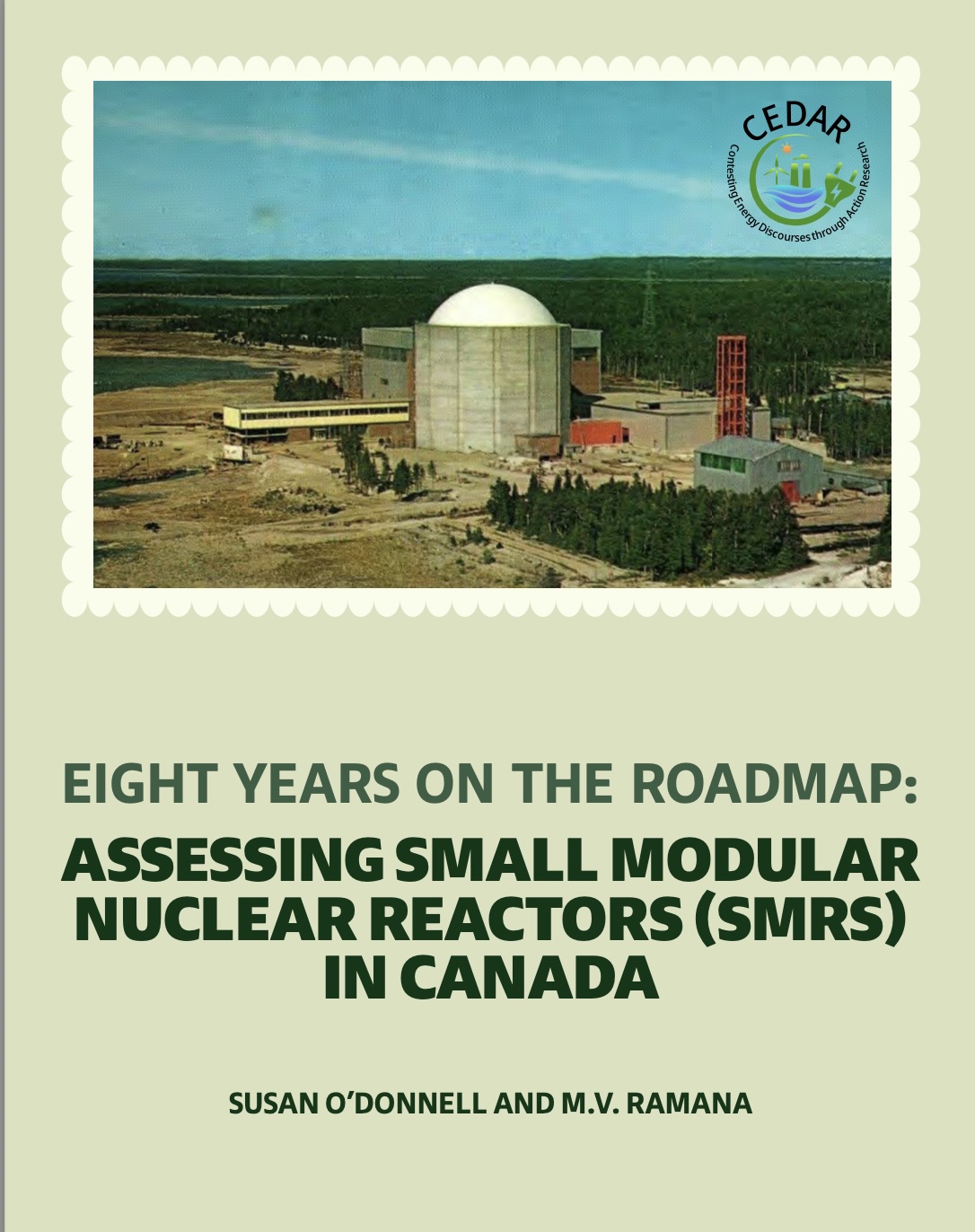

Pine Ridge Uranium is the real threat, not Tehran- Tell Burgum: Stop the Extraction.
Chernobyl: The Lost Tapes – A good documentary on Chernobyl on SBS available On Demand for the next 3 weeks– https://www.sbs.com.au/ondemand/tv-program/chernobyl-the-lost-tapes/2352741955560
To see nuclear-related stories in greater depth and intensity – go to https://nuclearinformation.wordpress.com
-
Archives
- April 2026 (241)
- March 2026 (251)
- February 2026 (268)
- January 2026 (308)
- December 2025 (358)
- November 2025 (359)
- October 2025 (376)
- September 2025 (257)
- August 2025 (319)
- July 2025 (230)
- June 2025 (348)
- May 2025 (261)
-
Categories
- 1
- 1 NUCLEAR ISSUES
- business and costs
- climate change
- culture and arts
- ENERGY
- environment
- health
- history
- indigenous issues
- Legal
- marketing of nuclear
- media
- opposition to nuclear
- PERSONAL STORIES
- politics
- politics international
- Religion and ethics
- safety
- secrets,lies and civil liberties
- spinbuster
- technology
- Uranium
- wastes
- weapons and war
- Women
- 2 WORLD
- ACTION
- AFRICA
- Atrocities
- AUSTRALIA
- Christina's notes
- Christina's themes
- culture and arts
- Events
- Fuk 2022
- Fuk 2023
- Fukushima 2017
- Fukushima 2018
- fukushima 2019
- Fukushima 2020
- Fukushima 2021
- general
- global warming
- Humour (God we need it)
- Nuclear
- RARE EARTHS
- Reference
- resources – print
- Resources -audiovicual
- Weekly Newsletter
- World
- World Nuclear
- YouTube
-
RSS
Entries RSS
Comments RSS
 nuclear-news