The Fukushima controversy.

A well written article. Dr Imran Khalid raises all the important points. Definitely a must read!
Dr Imran Khalid March 04, 2023
The world is watching Japan with bated breath as the country contemplates a controversial move to dump nuclear wastewater from its Fukushima Daiichi nuclear power plant into the Pacific Ocean. This decision has generated intense opposition from neighbouring countries, including China and the 17-member Pacific Islands Forum – turning what was once an “internal” issue into a global concern. The potential hazards posed by radioactive water to marine ecology and marine biology in the Pacific Ocean have now become a matter of global concern. Earlier this year, Japan announced plans to discharge over 1.3 million metric tons of contaminated water into the Pacific Ocean. This decision was met with serious concerns from stakeholders due to the potential for irretrievable damage to marine life. The nuclear waste is a product of the meltdown of the Daiichi nuclear reactors in March 2011. The disaster was caused by a massive earthquake, which triggered a tsunami that inundated the reactors. The resulting nuclear waste was being stored in around 1,000 tanks, which have been reaching their storage capacity limit. The decision to discharge this contaminated water into the ocean is a cause for concern for several reasons. Firstly, it has the potential to cause irreparable damage to the marine ecology and marine biology in the Pacific Ocean. The risk of contamination spreading beyond the Pacific Ocean also means that this issue is not just a local or regional one. It has the potential to impact global ecosystems and biodiversity. Radioactive contamination can have long-term effects on marine life, which could impact entire ecosystems. This could have knock-on effects that would be felt for years to come. Secondly, this decision sets a dangerous precedent that could lead to similar actions being taken in other parts of the world. Thirdly, there are concerns that the decision to discharge the contaminated water into the ocean has been taken unilaterally, without proper consultation with stakeholders. This raises questions about transparency and accountability, and it could undermine efforts to promote responsible environmental management practices. Safe and effective alternatives for disposing of water contaminated by nuclear material from the Fukushima nuclear power plant exist, including evaporation or underground storage. However, the Japanese government has chosen to discharge the water into the ocean, which is the “least expensive” but speedy solution. This decision suggests that Tokyo’s primary focus is not on preventing or minimising harm to human health and the environment.
Moreover, it is essential that there is proper consultation with stakeholders about the best way to manage this situation. This includes engaging with local communities and inhabitant groups in the Pacific Islands, who may have unique perspectives on the potential impacts of this decision. This issue highlights the importance of responsible environmental management practices and the need for greater transparency and accountability in decision-making processes. The decision to discharge contaminated water into the ocean has caused outrage among the international community. Ironically, Japan announced its plans to discharge the contaminated water into the ocean while the IAEA task force was about to visit Japan for a review. This decision has raised concerns about Japan’s transparency and accountability in addressing the issue. Proper consultation and engagement would ensure that all stakeholders are heard and that the most responsible and sustainable solution is chosen. This issue highlights the importance of responsible environmental management practices and the need for greater transparency and accountability in decision-making processes.
The lack of independent verification of data and evidence provided by Japan also raises concerns for the Pacific islands and international organisations regarding the dumping of nuclear wastewater into the ocean. Japan’s disregard for an opposition is a significant concern, as the lack of criticism from the US and the West emboldens Japan to ignore the concerns of its people and the international community. The delegation of the Pacific Island Forum (PIF) Secretariat recently met with Japanese officials to discuss Tokyo’s plan to release contaminated wastewater from the Fukushima nuclear power station. While Japan’s Ministry of Foreign Affairs assures that the water has been treated to meet regulatory standards, Pacific Island countries are deeply concerned about the potential consequences of this release. The Pacific Islanders’ connection to the ocean is fundamental to their way of life. It has molded the cultural and historical essence of their communities, and there exists an indissoluble bond between the ocean. As a result, they feel a strong sense of guardianship over the Pacific Ocean and are rightfully alarmed by Japan’s plan to release contaminated water into it. The same is the case with China and South Korea who have been continuously pursuing this issue and putting all kinds of diplomatic pressure on Tokyo to desist from such a controversial step.
The potential long-term impacts on the marine environment and human health must be considered. Therefore, Japan must get the disposal of the Fukushima wastewater right. Pacific Islanders do not want the dumping of nuclear wastewater into the ocean to become the norm. Japan must take its reservations seriously, given that even its own fishing industry is deeply concerned about the current release plan.
https://www.nation.com.pk/04-Mar-2023/the-fukushima-controversy
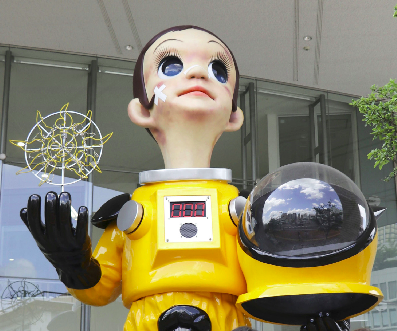
Debate over Fukushima statue takes on a life of its own online
1 This Month
10 March A LIVE WEBINAR THE REAL EFFECTS OF NUCLEAR POWER
What the Industry Isn’t Telling Us
1:00 PM Mountain, 2 pm Central, 3 pm Eastern. Live on the Keepers of the Water Facebook page



18 March Webinar @ 1 PM EST: An Assessment of SMR Projects: The Case of Canada
register for the zoom:
https://us02web.zoom.us/webinar/register/WN_o8BIIOUvQ2ONJR1nta65DQ#/registration


of the week – STOP SMALL MODULAR REACTORS IN CANADA
To see nuclear-related stories in greater depth and intensity – go to https://nuclearinformation.wordpress.com
-
Archives
- March 2026 (119)
- February 2026 (268)
- January 2026 (308)
- December 2025 (358)
- November 2025 (359)
- October 2025 (376)
- September 2025 (258)
- August 2025 (319)
- July 2025 (230)
- June 2025 (348)
- May 2025 (261)
- April 2025 (305)
-
Categories
- 1
- 1 NUCLEAR ISSUES
- business and costs
- climate change
- culture and arts
- ENERGY
- environment
- health
- history
- indigenous issues
- Legal
- marketing of nuclear
- media
- opposition to nuclear
- PERSONAL STORIES
- politics
- politics international
- Religion and ethics
- safety
- secrets,lies and civil liberties
- spinbuster
- technology
- Uranium
- wastes
- weapons and war
- Women
- 2 WORLD
- ACTION
- AFRICA
- Atrocities
- AUSTRALIA
- Christina's notes
- Christina's themes
- culture and arts
- Events
- Fuk 2022
- Fuk 2023
- Fukushima 2017
- Fukushima 2018
- fukushima 2019
- Fukushima 2020
- Fukushima 2021
- general
- global warming
- Humour (God we need it)
- Nuclear
- RARE EARTHS
- Reference
- resources – print
- Resources -audiovicual
- Weekly Newsletter
- World
- World Nuclear
- YouTube
-
RSS
Entries RSS
Comments RSS
 nuclear-news