Donald Trump says that South Korea will invest $200 billion in U.S. energy projects
Donald Trump unveiled plans on Wednesday for South Korea to invest $200bn
in US energy initiatives, including a long-delayed liquefied natural gas
project in Alaska, eight nuclear power plants and a six-gigawatt power
facility in Texas. The investment pledges form part of a $350bn strategic
investment package agreed last year by Seoul under a trade deal struck in
exchange for reduced US tariffs.
Trump said the measures would be a
“major step toward securing our critical energy supply chain, ensuring
American energy dominance and making our partnership with South Korea, and
the entire Pacific region, stronger than ever before”. The investment
pledge would also support construction of eight nuclear power plants in
Ohio, Tennessee, South Carolina and Kentucky, Lutnick said.
Trump said six
of the reactors would be built by US nuclear group Westingthouse, and two
by a Korean company. But analysts cautioned that nuclear power station
construction was a long-term commitment that could take decades and was
prone to cost overruns. A deal announced by the Trump administration with
Westinghouse to fund construction of 10 reactors with money provided by the
Japanese government has seen little progress.
FT 30th Sept 2026, https://www.ft.com/content/f0cdc5bc-c07a-47cf-9602-064006176aef
Government ‘slow walking’ on delivering nuclear regulatory overhaul
Dorjee Wangmo, 30 September 2026
The Centre for British Progress has assessed progress on the Nuclear Regulatory Taskforce’s recommendations, finding that only 10 of 47 have seen significant headway. This analysis highlights that government departments are falling behind on their own revised timelines, with some key clarifications on site releases and risk definitions now over 90 days late. The findings raise questions about the pace of regulatory reform intended to expedite new nuclear projects.
The Office for Nuclear Regulation (ONR) has published a new policy
clarifying how its inspectors use Relevant Good Practice (RGP) to inform
independent regulatory judgements. The policy – ‘Using relevant good
practice in regulatory judgement’ – supports efficient regulation without
lowering the bar on safety, security or safeguards standards across the
UK’s nuclear industry. It emphasises that RGP is a regulatory concept and
not prescribed in law and explains how ONR inspectors can draw on relevant
established controls, standards and approaches when assessing whether
nuclear sector dutyholders are meeting goal-setting legal duties and
requirements. The policy responds directly to the government’s Nuclear
Regulatory Review 2025 and forms part of the wider Taskforce implementation
plan which called for a review of nuclear regulator guidance in line with
revised tolerability of risk, to support a genuinely non-prescriptive
regulatory system. It sets out sources of potential good practice that
inspectors may consider, ranging from Approved Codes of Practice and
published regulatory guidance through to wider industry and international
sources, including from sectors beyond nuclear.
ONR 30th Sept 2026, https://www.onr.org.uk/news/all-news/2026/09/onr-unveils-new-policy-on-relevant-good-practice-to-support-more-enabling-and-proportionate-regulation
Armenia to make new nuclear decision ‘in near future’
Armenian Prime Minister Nikol Pashinyan met with Rosatom Director General
Alexey Likhachev to discuss further life extension options for the Armenian
Nuclear Power Plant, as well as options for new nuclear capacity.
World Nuclear News 30th Sept 2026, https://www.world-nuclear-news.org/articles/armenia-to-make-new-nuclear-plant-decision-in-near-future
Haphazard Luck: Operational Oddities, Terrorist Proxies and RAF Fairford
29 September 2026Dr Binoy Kampmark, https://theaimn.net/haphazard-luck-operational-oddities-terrorist-proxies-and-raf-fairford/
Five men, initially detained on suspicion of committing offences under the Explosives Act, then arrested on suspicion of preparation of a terrorist act. Residents of 85 households in the Cotswolds village of Whelford evacuated to Cirencester leisure centre. A 400-metre area with three white vans cordoned off. The same men, released within hours of being seized near the Royal Air Force Fairford base in Gloucestershire after it was found that the chemicals found in their vans were not deemed “viable” as explosives. All British nationals, aged 23 to 25, and London residents. Other details on background scrupulously omitted by the police, with Counter Terrorism Policing (CTP) claiming that “multiple lines of inquiry” were being pursued.
Looming large was the hypothesis that these individuals had been working at the behest of a foreign state. Assistant Commissioner Laurence Taylor, head of CTP, tantalised with the suggestion that “this may be activity committed by proxies, or individuals either knowingly or unknowingly, working on behalf of a foreign state.” The men in question, according to the police, remained under investigation, with their release “subject to stringent conditions on their movement and contact with others.”
The initial report on the movement of the men came from a farmer who had spotted the three white vans in Whelford. When she arrived home, she found the driveway and road blocked. A “large group of hooded and masked men,” according to her, were spotted. “When they saw me,” she told BBC Radio 4’s Today programme, “they ran ahead of me – some into the field and some towards the neighbouring village of Kempsford. I then realised that something very unusual was taking place.”
She had been insistent on chasing the matter up. First, a call to the Ministry of Defence police at RAF Fairford. No reply. Then, a 999 call to police at 01:36 BST to report the matter. It took a mere 10 minutes, and “the village was full of armed police.” She pondered: “I believe that my 999 call foiled whatever plans they had.” What would have stung the security services was her view that they had “really dropped the ball on this.” Her arrival to spot the vans had been a matter of “pure luck”. “I am absolutely staggered that it was left to me, as a member of the public, to see and report this.” The airbase had been operating a roadblock near the entrance to the facility but none had been placed on the other roads. It was “assumed someone would be monitoring the roads around the base perimeter and taking regular patrols in the village.” Not so.
Vicki Evans, senior national coordinator for the CTP, conveyed the sense that what was unfolding was complex and planned, an account at odds with the fact that vans of masked men had been permitted to gather in the vicinity of the airbase in the first place. “This is a hugely complex and large-scale operation, involving local and national police, the MOD [Ministry of Defence], and local agencies, who are working together to progress the investigation and support the community.”
The UK Defence Secretary, Wes Streeting, thanked the farmer for her deeds, but the gratitude was markedly qualified. Any suggestion that the security establishment had failed to pick up on the movements of the men was erroneous, the caller having only “a partial picture.” There was also no mention of the discrepancy regarding numbers of those arrested to the number that had been sighted by the farmer. Five arrests had been made, while the witness claimed to have seen upwards of eight to ten men.
The matter also prompted an intervention by US President Donald Trump, which was bound to only complicate matters. RAF Fairford hosts the US Air Force’s 501st Combat Support Wing, which has served to do its bit in the illegal war against Iran. Without showing any awareness of the mechanics, let alone logistics of an alleged operation against these alleged terrorists in embryo, much was made about their “planning to do big damage” at the base. Praise was heaped upon the effort made by the British (“it was an amazing job”), odd given the absence of interest shown by those at the base itself. “We had them under view for a long time,” crowed Trump, “and we got them.”
Streeting was content to sidestep any inconsistencies between operational effectiveness and haphazard luck, basking in the Trumpian sun of flattery. “Our security forces and our police, they don’t ask for praise, but I think it was a proud moment yesterday to see the president of the United States recognise the extraordinary work that our police and our security and intelligence services do every day throughout the year and throughout the world to keep us safe.”
The UK Foreign Secretary Ed Miliband, in remarks made to a crowd at the Labour Party conference being held at Liverpool, thanked the “security services, armed forces and police for the work they did yesterday and they do all year around to help keep our country safe.” The UK had to be ready to “confront” manifold threats facing Europe and the globe.
With so much self-praise clotting the narratives, the release of the arrestees on bail served to perplex the US commander-in-chief. “I would have said don’t let them have bail,” reflected Trump. “I’m surprised that they released them. I wouldn’t have done that. Look, they’ve been very good. They worked with us very closely.”
Finger pointing was bound to take place. The Iranians – notably the Islamic Revolutionary Guard Corps (IRGC) – came in for suspicion. In an act of premature adjudication, Miliband revealed to his audience that, “We will act against the proxies of Iran.” RAF Fairford, given its role in aiding US strikes on Iran, had received attention from anti-war demonstrators in March and April concerned about a widening of the conflict. Residents in the vicinity of the base have also complained about the noise and security risks posed by the facility.
In a statement posted on its X account, the Iranian Embassy in the UK “categorically” rejected and strongly condemned “the recent unfounded and malicious speculations published by some British individuals and media outlets attempting to link Iran to the arrest of five suspects in the vicinity of RAF Fairford base.” Disseminating such “fabricated speculations” in light of the “criminal acts of aggression committed by the United States and the Israeli regime against the Iranian people” would only “fuel Iranophobia propaganda in the UK.”
The situation offers fecund opportunities for speculation. Till this incomplete canvas is filled, we are left with contesting accounts on whether an attack was foiled because of the chance sighting by a farmer of something suspicious in the face of authorities who claim they had all matters in hand, despite coming rather late to the proceedings. Trump’s intervention did little to clarify matters. While the Midas touch turns the subject matter into gold, Trump can turn the most quotidian into an offering of pure mendacity. And where the authorities serve to praise themselves all too enthusiastically, something is often amiss.
Israeli authorities order total shut down of West Bank
Many Palestinians feel that the comprehensive closure Israel imposed aims to push them to permanently leave their homeland by escalating the already stifling restrictions on movement in the occupied West Bank.
Aseel Saleh, September 30 2026, https://breakthroughnews.org/2026/09/30/israeli-authorities-order-total-shut-down-of-west-bank/
On Sunday, September 27, the Israeli occupation authorities announced a multi-day comprehensive closure of all crossings into and out of the West Bank, coinciding with the Jewish holiday of Sukkot.
The closure will continue until at least Saturday, October 3, further exacerbating already stifling restrictions on movement across the occupied territories.
The move came days after the Israeli forces blocked the main entrances and exits to the central West Bank governorate of Ramallah and Al-Bireh, which constitutes a major commercial hub and connects the territory’s northern governorates with those to the south.
In recent days, thousands of Palestinians were stranded at Israeli military checkpoints due to these restrictions that eventually culminated with the holiday-related closure. This includes vulnerable people such as patients, elderly people, pregnant women, and even preschoolers unaccompanied by their parents.
On Friday, September 25, media outlets reported that kindergarten students waited at the Atarah military checkpoint in northern Ramallah for nine hours the previous night, with their bus finally managing to bring them home after 10:30 PM.
Meanwhile, BreakThrough News documented the delay an ambulance of the Palestine Red Crescent Society (PRCS) faced at the same checkpoint on Monday, September 28.
BreakThrough News also spoke to some Palestinian citizens at the checkpoint, who affirmed that they had to wait for many hours at each checkpoint inside the governorate on a daily basis.
A cargo driver from the southern governorate of Hebron, who travels to Ramallah every day, said that he sometimes has no other choice but to sleep in his car when facing extended delays.
Another Palestinian, who spoke on condition of anonymity, suggested that the Israeli measures in place aim to make the Palestinian people in the West Bank feel frustrated about their daily life, pushing them to leave their homeland permanently.
Illegal Israeli settlers storm different parts of Ramallah during the holiday
The provocative acts related to the current holiday were not limited to the comprehensive closure. On Tuesday, September 29, over 100 illegal Israeli colonists stormed the town of Beitunia and the nearby Ein Jaryout area, west of Ramallah, under protection of the Israeli forces.
Palestinian movement was heavily restricted and the entrances to the targeted areas were blocked by the Israeli military to clear the way for a large convoy of settler vehicles.
Moreover, the event involved the assault and detention of Palestinian residents and damage to property, alongside a religious march and prayers by settlers.
Journalists were also reportedly prevented from covering the events, under the direct threat of firearms.
On that same day, a group of settlers entered the Al-Tireh neighborhood and the adjacent town of Surda, situated just a short distance from Beitunia. During the incident, they raised Israeli flags at Al-Awda Square, obstructed traffic intersections, and hurled stones damaging vehicles.
The incursions in Ramallah were carried out one day after Israel’s National Security Minister Itamar Ben-Gvir led hundreds of Israelis in a raid on Al-Aqsa Mosque.
During the assault, they performed dances inside the courtyards of the Al-Aqsa Sanctuary.
Referring to the Al-Aqsa Mosque as the Temple Mount (a biblical name), Ben-Gvir declared from there:
“October 7 was massive and enormous pain, great pain. But today, three years later, on the holiday of Sukkot. We can rejoice in many things.We are the masters of the Temple Mount. We are the masters of the prisons. We turned the lives of terrorists into hell.”
The statement of Ben-Gvir is seen by analysts as nothing but a blatant affirmation that Israel is an apartheid colonial state, which systematically seeks to ethnically cleanse Palestinians.
Dutch government has reached an agreement on acquiring 70% of the shares of nuclear operator EPZ.

ZEH Energy is owned by the Province of Zeeland and Zeeland municipalities, which had previously indicated that they did not see a role for themselves as shareholders in the extension of the nuclear power plant’s operating life.
Legislative amendment paves way for continued operation of Borssele
Tuesday, 29 September 2026
As the Dutch Senate approves an amendment to the Nuclear Energy Act, allowing a possible life extension of the Borssele nuclear power plant beyond 2033, the government said it has reached an agreement on acquiring 70% of the shares of operator EPZ.
In October 2025, the Dutch cabinet submitted an amendment to the Nuclear Energy Act to the House of Representatives to enable the continued operation of Borssele. The 485 MWe (net) pressurised water reactor has been in operation since 1973 and accounts for about 3% of the Netherlands’ total electricity generation. Under the current Nuclear Energy Act, the plant may remain in operation up to the end of 2033. An application for the continuation of operations will not be processed after that date. However, the government has requested it remain in operation until 2054, if this can be done safely. The government had earlier said it would consider acquiring a stake in the Borssele plant should a decision be made to extend its operation beyond 2033.
The proposed amendment – which removes the 2033 shut down date, meaning a permit application for an extension of the plant’s operating life can now be submitted – was adopted by the House of Representatives (the lower house of the bicameral parliament) on 16 June this year. The Senate (the upper house) adopted the proposal on 22 September…………..
At the request of the government, EPZ has been working for some time on preparations for a comprehensive safety evaluation to demonstrate that the Borssele plant can continue to produce electricity safely and reliably after 2033. It said intensive consultations are taking place with the Netherlands Nuclear Safety and Radiation Protection Authority (ANVS), the licensing authority and regulator of nuclear safety in the Netherlands. The assessment will be conducted based on international safety standards established by the International Atomic Energy Agency. Part of the process involves a thorough analysis of the technical condition of the plant and the options for implementing additional improvements to further enhance safety.
In addition to safety, EPZ is also investigating other important aspects related to a longer service life, such as the fuel cycle and the necessary investments for the coming decades.
EPZ says that the operating extension could be officially applied for “around the summer of 2027”.
On 23 September – the day after the Senate approval – the government announced it had reached an agreement on acquiring the 70% stake in EPZ held by ZEH Energy. ZEH Energy is owned by the Province of Zeeland and Zeeland municipalities, which had previously indicated that they did not see a role for themselves as shareholders in the extension of the nuclear power plant’s operating life.
The state will pay EUR115.7 million (USD131.3 million) for the shares. In addition, as a shareholder, the central government is making EUR119 million in capital available to safeguard the stability of the company, for example to cover ongoing costs.
The shares will be definitively transferred once Parliament and the current shareholders (the Province of Zeeland and municipalities) have approved the agreement. The remaining 30% of EPZ remains in the hands of German energy company RWE………………………….. https://www.world-nuclear-news.org/articles/legislative-amendment-paves-way-for-continued-operation-of-borssele
Solar surpasses nuclear power globally for first time
Solar and wind are increasingly outpacing nuclear power globally, with solar generation surpassing nuclear for the first time in 2025, according to WNISR 2026. The report highlights nuclear’s slow growth, lengthy construction timelines and limited small modular reactor deployment, contrasting them with rapid renewables and battery expansion.
By Emiliano Bellini, 29 Sep 2026, https://www.pv-magazine.com/2026/09/29/solar-surpasses-nuclear-power-globally-for-first-time/
he World Nuclear Industry Status Report (WNISR) 2026, overseen by French nuclear energy consultant Mycle Schneider, shows that wind power alone surpassed nuclear generation on a monthly basis in March 2025, followed by solar in April – the first time global monthly solar generation exceeded nuclear output.
From March 2025 through June 2026, either solar or wind individually generated more electricity than nuclear every month. In March, April and May 2026, both technologies independently surpassed nuclear generation.
Increasing gap
According to the report, the gap between renewables and nuclear widened substantially in 2025. Global solar capacity increased by 510 GW to 2,383 GW, up 27% year on year, while wind added a record 159 GW to reach 1,291 GW, an increase of 14%. By comparison, installed nuclear capacity rose by just 1.5 GW to 399.5 GW, while operating nuclear capacity declined by 0.5 GW to 368.6 GW. The report notes that nuclear capacity has remained essentially flat for more than 25 years, while wind and, particularly, solar have expanded rapidly.
The report’s PV figures, however, are based on relatively conservative estimates. More recent data from IEA PVPS indicate that global PV additions reached around 690 GW in 2025, about 180 GW more than the figure used by WNISR. This suggests the gap between solar and nuclear capacity – and their respective growth rates – was even wider than indicated in the report.
“The reality of the nuclear industry on the ground is quite sobering for those who expected to find a booming sector,” Schneider told pv magazine. “Recently, U.S. nuclear company Holtec put an initial public offering (IPO) on hold just days before its planned stock market listing, through which it had hoped to raise almost $1 billion. Its peer, Fermi, has lost about 80% of its stock value since it was first listed in October 2025.”
“The main reason? These companies have little or nothing to show on the ground to convince investors to continue providing cash,” he added. “Meanwhile, the world’s operating nuclear fleet increased output by 1.1% – with output declining outside China – while global solar power generation jumped by a stunning 30%, surpassing nuclear’s annual electricity production for the first time. One is tempted to say: It’s the growth rates, stupid!”
The report identifies falling battery costs as a potential enabler of continued PV expansion, particularly as grids contend with growing volumes of variable renewable generation and periods of low or negative electricity prices. Grid-scale battery deployment accelerated sharply in 2025, with 104 GW and 257 GWh connected during the year. More than 78% of cumulative battery energy storage system (BESS) capacity was installed between 2023 and 2025.
Slow expansion
The report shows that the global nuclear sector is expanding slowly, with most new activity concentrated in China and Russia. As of July 1, 2026, 411 reactors were operating in 31 countries, excluding 30 units in long-term outage, with operating capacity at 374.7 GW. In 2025, nuclear plants generated 2,703 TWh, up 1.1% year on year, largely driven by a 7.6% increase in China. Outside China, nuclear generation declined by 0.2% and remained well below its 2006 level. Nuclear’s share of global electricity generation slipped to 8.8%, its lowest level in four and a half decades and roughly half its 1996 peak of 17.5%.
Four reactors started supplying electricity in 2025, while seven closed, resulting in the first negative annual reactor balance since 2021. Between 2006 and 2025, 104 reactors started up and 106 closed. China accounted for 53 of those startups and no closures, meaning the rest of the world recorded a net decline of 55 reactors. Although global nuclear capacity increased by a net 21.5 GW over the two decades, China alone added 52.3 GW, while capacity outside the country fell by almost 30.7 GW.
The construction pipeline has nevertheless expanded. Seventy-three reactors were under construction as of July 1, the highest number since 1987, with China accounting for 37. Russia remains the dominant international supplier, with Russian technology involved in 29 reactors under construction worldwide, including 22 outside Russia. Nine out of 10 reactors being built are in Asia or Eastern Europe.
Long construction times and delays remain a feature of new nuclear projects, according to the report. None of the 16 reactors connected to the grid between 2023 and 2025 was completed on schedule, with an average construction period of 10.9 years. Of 13 reactors scheduled to start generating electricity in 2025, only four did so. Some projects have experienced exceptionally long timelines, including Slovakia’s Mochovce-4, where construction began more than 40 years ago, and Iran’s Bushehr-2, where construction originally started in 1976.
Construction starts accelerated in 2025, however, reaching 12 units, the highest annual total since 2010. Nine were in China, two in Russia and one in South Korea. Of the 52 reactor construction starts recorded worldwide between 2020 and 2025, all but one involved the Chinese or Russian nuclear industries, either domestically or abroad.
Limited progress on small modular reactors
The report questions whether small modular reactors (SMRs) can deliver on their long-standing commercial promises, noting that progress remains limited despite growing government support and public funding.
“For decades, small modular reactors have been held out as holding great promise for expanding nuclear power into various new markets. Remarkably similar claims have been made by the nuclear industry in multiple countries. Nowhere have these claims come true,” the authors said.
The authors challenge several claimed advantages of SMRs, including lower costs, modular construction, improved safety, reduced waste and easier siting. Many commercially proposed designs are 300 MW or larger, while an analysis cited in the report suggests some SMR designs could generate between two and 30 times more nuclear waste than larger reactors.
The report also questions whether modular manufacturing can achieve economies of scale without a large and predictable market. Still, SMR projects are advancing in several countries. Canada began construction of GE-Hitachi’s BWRX-300 in 2026, while China continued testing its Linglong One demonstration reactor. Russia is developing floating and land-based SMRs, while the Czech Republic and Sweden are pursuing Rolls-Royce projects. The report questions whether the EU can meet its goal of deploying its first SMRs by the early 2030s.
The United Kingdom has committed £2.6 billion ($3.5 billion) to advance three Rolls-Royce reactors at Wylfa, with a final investment decision expected in 2029. At 470 MW, the design exceeds the commonly used 300 MW threshold for SMRs.
In the United States, federal funding supports projects involving GE Vernova, TerraPower, X-energy and Kairos Power. While some have reached permitting or construction stages, many remain years from commercial operation. Overall, the report says SMR development remains heavily dependent on public funding, while commercial deployment, construction timelines and the claimed benefits of modular construction remain uncertain.
Global overview
The report also provides detailed country-level assessments covering developments in major nuclear markets and potential newcomer countries, as well as nuclear decommissioning, the Fukushima disaster and Russia’s nuclear interdependencies.
These sections examine reactor operations, newbuild plans, closures, policy developments and the challenges associated with aging fleets. The report also tracks the dismantling of closed reactors, developments in Japan 15 years after the Fukushima accident, and the nuclear industry’s continuing technology, fuel and supply-chain links with Russia
40 years later: The Abduction of Mordechai Vanunu
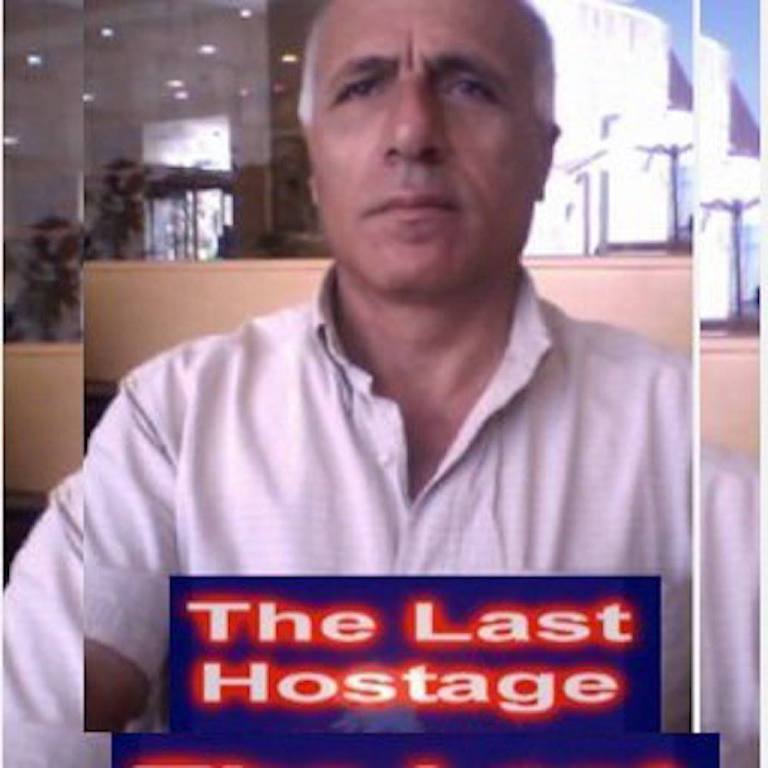
Vanunu began to become critical of government policy, opposing the 1982 Lebanon war and campaigning for equal rights for Arab-Israelis.
In September 1986, Vanunu handed over these photographs and shared his knowledge of the Israel nuclear programme with the British newspaper The Sunday Times.
Daniel Ellsberg, the Pentagon Papers whistleblower, called Vanunu “the preeminent hero of the nuclear era”
September 29, 2026, by Xanthe Hall, https://peaceandhealthblog.com/2026/09/29/40-years-later-the-abduction-of-mordechai-vanunu/
Few whistleblowers have risked as much as Mordechai Vanunu did when he handed over covertly taken photographs of the Dimona nuclear facility in Israel to The Sunday Times in 1986. 40 years ago, on 30 September 1986, he was drugged and abducted by Mossad, taken back to Israel and sentenced to 18 years in prison, 11 of them in solitary confinement. Vanunu was released in 2004 but has not been allowed to leave the country or speak to a foreign person. For 40 years he has been punished for telling the world that Israel has nuclear weapons.
Mordechai Vanunu aka John Crossman is a former Israeli nuclear technician, born on 14 October 1952 in Marrakesh. Vanunu was the son of a Jewish-Moroccan grocer, who moved with his family to Israel in 1963. After serving with the Israeli army during the Yom Kippur war, he began studying physics in Tel Aviv but did not complete his studies.
In 1976 he began working at the highly secret Negev Nuclear Research Center in the Negev Desert, south of Dimona. He began to study economics at Ben-Gurion University in Beersheba in 1979, and in the early 1980s he travelled through Europe and North America, the latter of which was not allowed by the Nuclear Research Center as his employer.
At around this time Vanunu began to become critical of government policy, opposing the 1982 Lebanon war and campaigning for equal rights for Arab-Israelis. During 1984 he was questioned three times by the security office at Dimona, once after a trip to France. In early 1985 he was laid off from the Nuclear Research Center but got his job back with the help of the trade union.
After resuming work at Dimona, Vanunu covertly took photographs of the site before quitting his job on 27 October 1985. In September 1986, Vanunu handed over these photographs and shared his knowledge of the Israel nuclear programme with the British newspaper The Sunday Times.
Vanunu’s information led to the conclusion that Israel, among other things, was producing tritium, enriching uranium and processing plutonium, enough for up to 150 nuclear weapons. Although the information was not new to informed circles in the UK and US, it was the first time that the extent of the Dimona secret nuclear weapons programme became known to the public. There was deep concern about the fact that Israel, not a member of the Non-Proliferation Treaty, was in possession of nuclear weapons.
Two leading nuclear experts — Frank Barnaby and Theodore Taylor — needed weeks to verify the information. But before the information could be published, Mordechai Vanunu was drugged and abducted by Mossad agents while he was in Rome. He had been lured there by a Mossad ‘honeytrap’ operation, using a woman calling herself ‘Cindy’ who was posing as a tourist from the USA. From there he was taken to Israel. While he was held on a cargo ship travelling to Israel, The Sunday Times published the information he had given them, on 5 October 1986. Two days later, Vanunu was in Gedera prison being interrogated. A month later, after first denying it to the British authorities, Israel confirmed they had him in detention.
Vanunu was released on 21 April 2004 but was prohibited from leaving Israel, and of speaking to foreigners without permission. He was not allowed to come within 500 metres of an airport or border crossing, or 90 metres from a foreign embassy. His phone and internet continue to be monitored.
He returned to prison for three months in 2010 after he was convicted in 2007 of having contact with foreigners and violating the terms of his release.
An application for asylum to Norway was turned down, as were applications to Sweden and Ireland, because applications cannot be considered from outside of the asylum country. Repeated calls by supportive organisations for him to be allowed to leave Israel have been rejected by Israel, including by the Supreme Court. On 19 May 2015 Vanunu married Norwegian professor Kristin Joachimsen in Jerusalem and in August 2015 applied for family reunification to Norway via the embassy in Tel Aviv. The Israel High Court denied his application to have the restrictions on his movements lifted. He appealed to the Supreme Court. On 3 December 2019, the appeal was denied. The court cited as justification “a concern about the probability of closeness to the certainty that if the restrictions imposed on Vanunu are removed, he will act to publish this information”. The information that Vanunu had was, by then, more than 30 years out of date.
On the first day of every month, Vanunu posted on Twitter:
“One more year without freedom since 1986. Now I am waiting for my freedom, freedom to leave Israel. I will continue to wait until my freedom comes. Born to be free. See you in freedom.”
In July 2024 he posted that all restrictions had been renewed for another year and he would only write his next post when free. The account no longer exists.
Daniel Ellsberg, the Pentagon Papers whistleblower, called Vanunu “the preeminent hero of the nuclear era”. Now himself a world-famous whistleblower, Mordechai Vanunu has won several awards, including the Right Livelihood Award in 1987 and the Nuclear Free Future Award in 2002 in the category of “Resistance”. He was nominated for the Nobel Peace Prize in 2009 but removed from the nominations list on his own request, as Shimon Peres was also listed that year.
Sources and further reading………………………………………………………………………………………………………….
Hypothesis to explain child leukemias near NPPs – Rebuttal rebutted

Dr Ian Fairlie, September 30, 2026, https://www.ianfairlie.org/news/hypothesis-to-explain-child-leukemias-near-npps-rebuttal-rebutted/
Official Rebuttal of Tritium Hypothesis
It has recently come to my attention that in 2016 a rebuttal was published in an official report of my hypothesis to explain increased incidences of cancers among children residing near nuclear power plants (NPPs). The rebuttal is contained UNSCEAR (2016) Annex C: Biological Effect of Selected Internal Emitters -Tritium. Although this rebuttal was published 10 years ago, it’s the only official response to my hypothesis so it’s worth examining the matter. I shall show here that the UNSCEAR riposte has several shortcomings which render its argument unreliable. The main conclusion is that the absence of increased leukemias could be due to several naturally-occurring processes factors and does not necessarily invalidate the NPP hypothesis.
Exposures near NPPs
The estimation of radiation exposures from NPP emissions has rarely been examined in the scientific literature. One exception is Hill (1986). The difficulty is that such estimations are complex. Briefly, they require several computer models to estimate nuclide emission rates, the transport of radionuclides through the environment to man, human uptake and retention Bq models. Lastly, they require estimated dose coefficients to convert Bq to Sv. Further complexities occur with chronic rather than single exposures, and with organic binding in the case of tritium releases. The above models all require several assumptions to be made which may or may not have been validated by environmental or clinical data. Uncertainties abound in each model, which need to be multiplied and/or added together. The main conclusion of the UK Government’s CERRIE report (Cerrie, 2004) was that the resulting uncertainties could be very large.
The upshot is that official dose estimates from NPP emissions are not necessarily reliable and could be significant underestimates.
In 2010, Fairlie (2010) first published a hypothesis to explain the observed increases in childhood leukemia near NPPs. This suggested that large releases of tritium from NPPs during ~annual refuelling episodes (when reactors were depressurised) resulted in tritium plumes downwind from NPPs. Pregnant women living within ~5 km of these locations could have inhaled high concentrations of tritiated water vapour. It was further suggested that the haematopoietic tissues (including nascent bone marrow) in the developing fetuses/embryos were labelled with this tritium. These tissues are highly radiosensitive. This resulted in babies being born with pre-leukemic cells which, after birth, developed into full-blown leukemias. The product of large increases in estimated radiation dose times the estimated large increase in radiation risk explained the discrepancy between official estimates and the actual cancer increases.
This hypothesis was more fully developed and explained by the author in a longer published article (Fairlie, 2014) not cited by UNSCEAR. Many studies since then have indicated increased incidences of childhood cancers, including leukemias, among children near NPPs (Fairlie, 2024).
REBUTTAL
It appears that no dissenting or corrective articles on this hypothesis were published in peer-reviewed scientific journals in 2010, 2014 or in subsequent years. However in 2016 an UNSCEAR report was published with a scientific addendum (Annex C) on tritium (UNSCEAR, 2016). This contained a rebuttal of the author’s hypothesis. In brief, the UNSCEAR Annex stated that, if the NPP hypothesis were correct, then the large releases of tritium from the atmospheric bomb tests in the 1950s and 1960s (see Figure 3.1) should have resulted in increases in leukemia deaths world-wide which were not observed (Wakeford et al, 2010). Therefore, in the view of the authors of the UNSCEAR 2016 Annex C report, the NPP hypothesis was not supported.
However the UNSCEAR explanation has several shortcomings which render its argument unreliable. One of the most obvious shortcomings is that the UNSCEAR scheme conflicts with the scientific axiom “absence of evidence is not evidence of absence” (Sagan and Druyan (1995); Altman and Bland, 1995). In other words, the mere fact that we lack evidence here for the NPP hypothesis does not warrant us to infer that the hypothesis is false.
But even if we look at the UNSCEAR argument in more detail, it does not withstand much scrutiny. The Annex C authors argue that an examination of childhood leukaemia incidence in cancer registries in three continents found no evidence of a wave of excess cases corresponding to the peak of radioactive fallout from atmospheric weapons testing (Wakeford et al, 2010). The authors then state that the absence of a “discernible” leukaemia increase following the main peak of testing (1962-63) is evidence against the NPP hypothesis. Let us examine the UNSCEAR argument in more detail.
Bomb Tests
The UNSCEAR argument juxtaposes tritium exposures from NPPs and the peak period (1961-1962) of the bomb tests – but these are substantially different in nature, size, and duration. Most important for health outcomes, their resulting tritium concentrations are likely to have been quite different. To wit, bomb test tritium was ejected high into the Earth’s troposphere and stratosphere and was thus distributed world-wide – mostly in the northern hemisphere, mainly in 1961-1962. See Fig 3.1 below, from IAEA (2025).
But even if we look at the UNSCEAR argument in more detail, it does not withstand much scrutiny. The Annex C authors argue that an examination of childhood leukaemia incidence in cancer registries in three continents found no evidence of a wave of excess cases corresponding to the peak of radioactive fallout from atmospheric weapons testing (Wakeford et al, 2010). The authors then state that the absence of a “discernible” leukaemia increase following the main peak of testing (1962-63) is evidence against the NPP hypothesis. Let us examine the UNSCEAR argument in more detail.
Bomb Tests
The UNSCEAR argument juxtaposes tritium exposures from NPPs and the peak period (1961-1962) of the bomb tests – but these are substantially different in nature, size, and duration. Most important for health outcomes, their resulting tritium concentrations are likely to have been quite different. To wit, bomb test tritium was ejected high into the Earth’s troposphere and stratosphere and was thus distributed world-wide – mostly in the northern hemisphere, mainly in 1961-1962. See Fig 3.1 below, from IAEA (2025).
The first is via atmospheric mixing. According to Jenkins (2001) “the detonations generally injected the tritium into the stratosphere, where it was quickly oxidized to form water vapour. Over a period of a few years, the tritiated water vapour was transferred to the troposphere, where it was rapidly ‘rained out’ to the earth’s surface. The delivery of bomb tritium to the earth’s surface was monitored by a number of World Meteorological Organization /International Atomic Energy Authority precipitation sampling stations. The pattern and timing of this delivery have been shown to consist of two primary components: a dominant northern, spike-like component, and a weaker southern component.”
The second natural process occurs by isotopic exchange between 3H and 1H. At the molecular level, atomic exchange between the two H isotopes is near instantaneous. The main point here is that the quantity of naturally-occurring hydrogen (1H) in the form of water (H2O) on Earth is very large. About 61% of the northern hemisphere is covered by oceans and seas and a further ~1% by Greenland’s ice sheet. During winter, seasonal snow and ice-covered land (including arctic tundra and boreal regions) across the northern hemisphere expand to cover about 16% to 18% of the surface area of the northern hemisphere. Therefore ~80% of the northern hemisphere is covered by forms of water – at least during winter.
Due to atmospheric mixing and isotopic exchange between 3H and the very large volumes of 1H in the oceans, seas, lakes, ice sheets, and Arctic tundra and boreal regions in the northern hemisphere, atmospheric concentrations of HTO vapour will have been reduced. This would have occurred relatively quickly.
Indeed, direct evidence of the relatively quick incorporation of atmospheric tritium into surface waters is given in figure 1 of the UNSCEAR Annex itself. This shows environmental tritium levels in surface water in the United States in 1951–1975 and is reproduced below.
This figure [on original] shows that atmospheric tritium is quickly taken up by surface waters, as their tritium concentrations mainly follow the temporal pattern of the tests shown in figure 3.1.
It is important to note that it’s tritium in atmospheric water vapour and not tritium in drinking water that would have been the main problem health-wise. This is for two reasons. First, the main uptake routes would have been via inhalation and skin absorption; and second, the main tritium sink would have been water in seas and oceans …which is not consumed as drinking water.
Source: Bennett (1973)
Another mechanism – escape of H from the stratosphere
A third natural mechanism is that some molecular3H, being much lighter than air, will have escaped from the Earth’s atmosphere in the form of hydrogen gas, shortly after the explosions.
It is not possible at this point to estimate the magnitudes of the reductions in tritium’s air concentrations due to these three natural processes. But they could be significant – leading to a paucity of observations of increased health effects.
The main conclusion is that the absence of increased leukemias could be due to several factors and does not necessarily invalidate the NPP hypothesis.
(Postscript: The above discussion of dilution mechanisms is not intended to defend tritium releases from the bomb tests. On the contrary, it shows that the atmospheric bomb tests in the 1950s and 1960s radioactively contaminated the totality of the northern hemisphere’s oceans, seas, lakes, ice sheets, and snow-covered lands with low levels of tritium. In the author’s view, this legacy of the bomb tests is regrettable and should not be repeated.)
_________________________________________
Appendix: comparison of estimated tritium concentrations…………………………………………………………………….
Radiation-related cancer deaths more common in aircrew than other occupations, study finds
By science reporter Jacinta Bowler, https://www.abc.net.au/news/health/2026-09-30/pilots-flight-attendants-radiation-cancer-death/107175724
In short:
Almost 7 per cent of all deaths among US flight attendants and pilots from 2020 to 2024 were due to radiation-related cancer, the highest rate among the 500 occupations studied.
The researchers suggested increased mortality could be caused by cosmic radiation, which aircrews are exposed to at higher levels.
What’s next?
The Transport Workers’ Union and experts have called for better protections for workers but the Australian Radiation Protection and Nuclear Safety Agency says the results are not clear-cut.
A large US study has found that of 500 occupations, flight attendants and pilots have the highest proportion of radiation-related cancer deaths.
The study, published in JAMA Internal Medicine, looked at almost 13 million US death records from 2020–2024.
The researchers found that radiation-related cancers (such as leukaemia, breast, thyroid and skin cancers) were listed on 6.9 per cent of deaths among flight attendants and 6.7 per cent of deaths among pilots.
This was the highest and second-highest proportions of radiation-related cancer deaths across all occupation groups in the US.
In comparison, ground crews, who work in a similar environment to aircrew but without the air travel, do not have the same elevated proportion of radiation-related cancer deaths as the pilots and flight attendants.
“These findings support consideration of occupational radiation protections for aircrew members commensurate with their exposure level,” the researchers concluded.
While the research was based on US data, it might be applicable to air crews around the world, said Catherine Olsen, an epidemiologist and melanoma researcher at QIMR Berghofer who was not involved with the study.
Exposure to cosmic rays
Flight crews spend much longer in the air than the average frequent flyer and are more exposed to cosmic radiation — high-energy particles from the Sun and other cosmic sources.
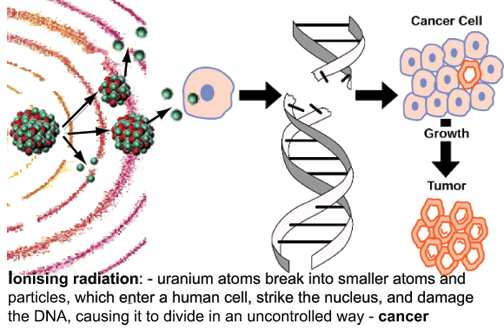
Exposure to too much cosmic radiation can damage our DNA, cause radiation sickness and increase the risk of some cancers.
On the ground, we are well protected from cosmic radiation.
Australians on average receive 3.4 millisieverts a year from all types of ionising radiation.
But the thinner atmosphere at higher elevations where airplanes fly lets more radiation sneak through.
Aircrews are among the most exposed groups of workers to ionising radiation, according to the Australian Radiation Protection and Nuclear Safety Agency (ARPANSA).
It limits aircrew exposure to 20 millisieverts (mSv) per year averaged over five years — about the same as three chest CT scans.
The organisation also has a lower “reference level” of 6 mSv per year, that they recommend aircrew and airlines try to maintain.
While it is well known that aircrews are exposed to increased cosmic radiation, linking that to increased cancer mortality is complicated.
Dr Olsen said that comparing air crews with other occupations like ground crews and nuclear workers provided more evidence that the cosmic radiation could be causing the increase in radiation-related cancer deaths.
“I’m confident that it’s a very-well-conducted study,” she said
“A limitation is that there’s a possibility that there might be misclassification on death certificates if that occupation is not recorded properly.”
But an ARPANSA spokesperson said the study did not account for lifestyle factors like alcohol consumption, circadian rhythm disruption and lack of sun protection, which can also increase the risk of radiation-related cancers.
Dr Olsen said if there was an increased risk of death in these occupations, airlines and healthcare professionals needed to be more aware.
“When those flight crew and pilots are having their medical checks, there should be a heightened kind of degree of concern of any symptoms that might be related to cancer.”
Cancer risk ‘not discussed’
Ebanie Fletcher, who has worked as an Australian flight attendant for more than 20 years, said radiation risk was not something that was discussed by the airlines.
“None of it is really talked about, especially not by our safety regulators or the industry as a whole,” she said.
Dr Olsen said there were various approaches to managing exposure for flight crews around the world.
“In the US, even though they classify pilots and flight crew as being occupationally exposed to this ionising radiation, there’s no monitoring of the dose that people are exposed to,” she said.
“In Europe, it’s a little bit more regulated.”
In Europe, airlines are required to assess crew exposure, plan schedules to factor in cumulative risk, and provide protection for pregnant workers.
ARPANSA maintains the Australian National Radiation Dose Register (ANRDR), which records occupational exposure to radiation in industries from uranium mining and some medical facilities.
Airline companies can sign up to this registry, but it is voluntary.
“Airlines monitor and manage rostering arrangements to ensure aircrew do not exceed the reference level,” a spokesperson said.
“Our advice is that there is no evidence of an increased health risk from naturally occurring cosmic radiation during flying when exposure is maintained below the 6 mSv per year reference level.”
Ms Fletcher said she did not believe that individual doses were monitored in the Australian industry, although she noted that airlines did limit flight hours when someone was pregnant.
“Apparently it’s important to them when we’re pregnant not to be exposed to radiation but not for any other purpose,” she said.
Virgin, one of the Australian airlines the ABC contacted, said that it monitored radiation to the standards in line with ARPANSA guidelines.
Transport Workers’ Union national secretary Michael Kaine said more needed to be done.
If we’re learning that the job of keeping Australians safe in the skies may come with serious health risks, we can’t leave workers to deal with those risks as a scatter-gun approach, airline by airline,” he said in a statement.
“We need an approach that puts workers and passengers at the centre.”
Mushroom cloud rises over Liverpool as protesters call on Burnham to stop growing nuclear risks
Protesters from the Campaign for Nuclear Disarmament have unveiled a 20-foot mushroom cloud at St. George’s Plateau in Liverpool, calling on the government to stop increasing the risk of nuclear war and to instead focus on the real security issues facing Britain.
Protestors performed a symbolic ‘die-in’ underneath the mushroom cloud, highlighting the accelerating threat of nuclear weapons being used again in war.
In fact, this year, the hands of the Doomsday Clock were moved to 85 seconds to midnight, the closest the Clock has ever been to midnight in its history. Atomic scientists say that the rising risks to humanity and the planet are due to countries expanding their nuclear weapons and the breakdown of international arms control treaties.
CND calls on Prime Minister Andy Burnham to reverse the deadly role that Britain is playing globally through expanding its nuclear capability and authorising US nuclear weapons to be stationed in this country. The action coincides with his first speech to the Labour Party Conference as Britain’s Prime Minister.
The government is pushing ahead with replacing Britain’s current fleet of nuclear-armed submarines and buying 12 nuclear-capable F-35A fighter jets from the US, both in breach of its commitments under the nuclear Non-Proliferation Treaty. Last year, overwhelming evidence suggested that US nuclear weapons are now stationed at RAF Lakenheath in Suffolk.
Hand-in-hand with this nuclear expansion, the government is increasing military spending whilst cutting spending to essential public services, overseas aid and climate action. The Defence Investment Plan, announced by the government in June, added an extra £15 billion to Britain’s annual military budget over the next four years. At least £7 billion of these increases have been funded through cuts to public services and climate action. Reports suggest the government plans to make even further cuts to public services in the autumn statement.
CND is calling on the government to reverse this deadly war drive and nuclear expansion and instead invest in saving lives not destroying them. These alternatives are laid out in CND’s new ‘People not Nukes’ report, which outlines how the £240 billion earmarked for Britain’s new nuclear weapons could be redirected into more productive areas of the economy which would transform areas like education, public health, and climate action.
CND General Secretary Sophie Bolt said:
“This protest is a wake-up call to the British government – who seem intent on dragging Britain towards nuclear war. Replacing Britain’s nuclear-armed submarines, expanding its nuclear capability by buying US nuclear-capable fighter jets – all this is increasing the threat of nuclear weapons being used in war. And it only ties us all the more closely to the Trump administration. Giving permission to the US to station its nuclear weapons in Britain makes us a target in any nuclear war between the US and Russia.
“War and militarism is only driving climate breakdown and a global recession. To reduce the threats we face, we need a total change in direction from Burnham’s government, focusing on dialogue and diplomacy, abiding by its international obligations to disarm its nuclear weapons and tackling the real security threats we face.
“Halting the replacement of Britain’s nuclear weapons would release at least £240 billion over the next thirty years. Our ‘People not Nukes’ campaign shows that, redirected, this money can help transform society, provide real security we need and help make the world safer. This is what Burnham needs to focus on.”
Heatwave and nuclear power: Water under high voltage
Greenpeace Switzerland, September 28, 2026, https://www.greenpeace.ch/de/publikation/135749/hitzewelle-und-atomkraft-wasser-unter-hochspannung/
Nuclear power plants require enormous quantities of water to cool their reactors. The Gösgen and Leibstadt nuclear power plants consume over 35 million cubic meters of water
from the Aare and Rhine rivers annually. This is more water than agriculture needs to irrigate its fields in a dry summer. This is shown in the new Greenpeace report “Heatwave and Nuclear Power: Water Under High Voltage.” New nuclear power plants would also be dependent on very large amounts of water.
Why the world’s top nuclear nation is sitting out the hype on small reactors
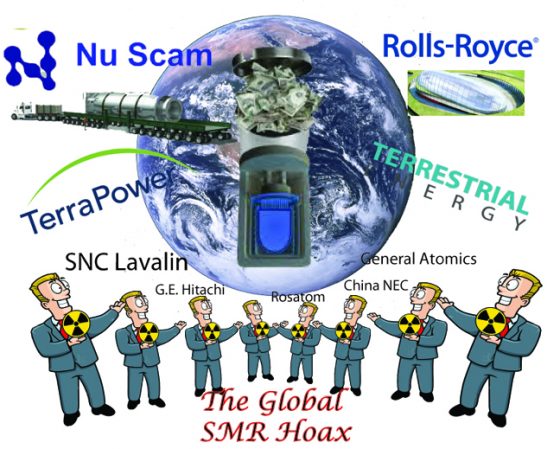
Despite hype and investment, the commercial record of SMRs remains thin, with only two reactors operational globally.
France’s caution about SMRs should raise flags for policymakers and nuclear organizations contemplating these reactors elsewhere
By AnnaJulia Yates, Allison Macfarlane, Alexander Wimmers | Analysis | September 25, 2026, https://thebulletin.org/2026/09/why-the-worlds-top-nuclear-nation-is-sitting-out-the-hype-on-small-reactors/?utm_source=ActiveCampaign&utm_medium=email&utm_content=The%20top%20nuclear%20nation%20sitting%20out%20the%20SMR%20hype&utm_campaign=20260928%20Monday%20Newsletter
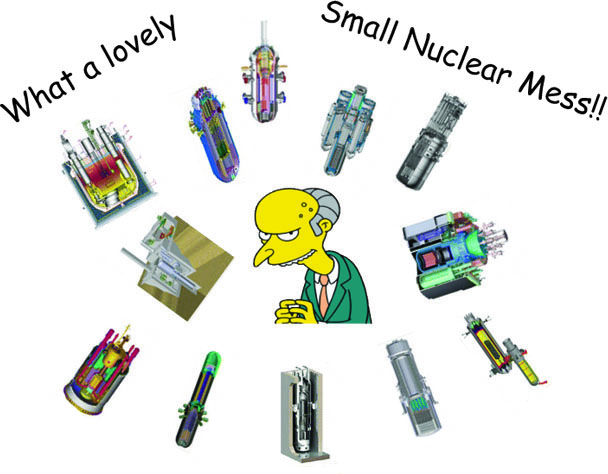
Many countries, including the United States, Canada, the United Kingdom, and Sweden, are gripped by a frenzy of enthusiasm for small modular reactors (SMRs). But France does not buy into the hype. Despite remaining staunchly pro-nuclear, with the world’s largest share of electricity generation from nuclear reactors at nearly 70 percent, France gives SMRs only limited, conditional support, treating them as what they are: emerging technologies whose promised advantages have yet to be demonstrated at a commercial scale.
Varied enthusiasm for SMRs across countries may result from national industrial organization and history. The decentralized US power sector, for example, encourages private development of competing energy innovations, compounded by over-budget and delayed large reactor projects that have made SMRs seemingly more attractive. Conversely, France’s state-led nuclear program, with its established supply chain and nuclear infrastructure, has focused on large, standardized reactor builds. However, these differences between France and the United States should not be overstated; in Sweden, state-owned utility Vattenfall is pushing for SMRs, and in the United Kingdom, the government is providing substantial support to development and potential deployment of SMRs.
But all countries face common fundamental problems with ageing fleets and issues bringing new reactors online. Average reactor ages are 39 years in France and the United Kingdom, and 44 years in the United States and Sweden. France’s most recent Flamanville 3 reactor took two decades to build, and at 6 times its original cost; Hinkley Point C in the United Kingdom has been repeatedly delayed at ballooning cost to consumers, and the most recent US newbuild projects resulted in the vendor’s bankruptcy.
France’s centralized system does not insulate it from the challenges SMRs claim to solve, making its cautious approach a noteworthy contrast to other countries’ rush towards SMRs. It serves as a reminder that though technologies provide easy political hype, they must prove safety, economic viability, and a clear advantage over existing low-carbon energy alternatives before major investment is justified.
A difficult start. Small modular reactors are promoted as a way out of nuclear power’s most persistent problems of massive upfront capital requirements, cost overruns, and construction delays. Developers and pro-SMR governments promise that smaller, modularized designs will be cheaper to finance, easier to manufacture, and faster to build—among other announced benefits.
The most obvious difference between SMRs and their larger counterparts is scale: The International Atomic Energy Agency (IAEA) defines an SMR as a reactor producing up to 300 megawatts of electricity—less than one third of what third-generation large reactors typically produce. The OECD’s Nuclear Energy Agency (NEA) currently lists 127 SMR designs worldwide at various development stages.
Despite hype and investment, the commercial record of SMRs remains thin, with only two reactors operational globally.
China connected its high-temperature gas-cooled SMR (called HTR-PM) to the grid in 2021. Russia’s Akademik Lomonosov, a floating plant comprised of two pressurized water SMRs (KLT-40S), has powered the remote Arctic town of Pevek since 2019. In addition to these two reactors, only four demonstration projects are currently preparing or have started construction: GE-Hitachi’s BWRX-300 in Ontario, Canada, Kairos Power’s Hermes reactor in Tennessee, TerraPower’s Natrium project in Wyoming, and China National Nuclear Corporation’s Linglong One in Hainan, China.
These projects do not prove the broader SMR case of efficient deployment: So far, most have faced delays, and the operating record is sparse. Available data from existing reactors show disappointing annual load factors below 21 percent for the Chinese HTR-PM in 2024 and around 30 percent on average for the Russian floating reactor. (The load factor, or capacity factor, is a measure of reactor performance that reflects the actual electrical energy produced over a specific period compared to the maximum possible energy it would produce if it ran continuously at its reference design power. According to the IAEA, in 2023, the median load factor of all commercial power reactors worldwide was 88 percent.) A clearer sense of SMR cost, safety, and waste production will only emerge once more actual operational experience is gathered.
Another problem is the heterogeneity of proposed modular reactor designs, which creates uncertain safety criteria, yet-to-be-established supply chains, and novel waste streams. This mixed bag will further complicate—and slow down—SMR deployment by increasing regulatory, technical, and economic uncertainty.
Large reactors ‘avant tout.’ France relies on nuclear power for nearly 70 percent of its electricity generation. With the addition of the 1650-megawatt-electric Flamanville 3 EPR reactor, which was connected to the grid in 2024, the country now has 57 operable reactors. All of these are pressurized water reactors, with an average output capacity of around 1000 megawatts-electric.

France’s first commercial SMR project, named NUWARD, began in 2017, when state-owned electric utility EDF partnered with the French Atomic Energy Commission (CEA) and two companies in which the French state owns major stakes: Naval Group and TechnicAtome. The initial concept promised a novel plant design consisting of two 170-megawatt-electric modules that would “serve the global market with a competitive solution in the late 2020s.” But in 2024, NUWARD abandoned that design due to technical and market-viability issues, deciding instead to “pivot its SMR product strategy” toward “a design based on proven technology bricks only.” EDF later announced that the new design would be a much larger reactor whose 400 megawatt-electric capacity exceeds the traditional 300 megawatt-electric cutoff for SMRs.
The only other significant French SMR initiative was launched under President Emmanuel Macron’s 2030 investment plan. Published in 2021, the plan includes €129.8 million in state support for 11 advanced nuclear projects, some of which are SMRs. But this support remains conditional and relatively restrained: Participants will have to complete the standard licensing protocol to ensure technical and safety credibility and continually convince the state of their projects’ economic viability before accessing future rounds of funding.
One reason for France’s cautious approach to SMRs is that it already has a well-defined, centralized, and standardized nuclear program, supported by decades of investment. The French government is directly involved in setting national energy priorities, tasking EDF with constructing and “frenchifying” US-designed large pressurized water reactors and refining each successive reactor generation, ultimately standardizing its nuclear fleet.
The clearest expression of this strategy is France’s prioritization of the large EPR2 reactor—a modernized version of the EPR reactor now operating in France, Finland, and China—over SMRs. In 2020, Nuclear Intelligence Weekly reported that EDF “remains almost exclusively focused on developing a more economic version of the EPR”, and focused worker capacity towards the EPR2 with “as many as 1000 engineers involved” in the project versus only “10 to 15” on NUWARD development.
President Macron made this priority explicit: In 2022, he announced plans to build six new EPR2 units once the design is ready, giving large reactors a defined place in the future French nuclear fleet that SMRs have yet to receive. Although the EPR2 design remains conceptual and the first operating reactors are not expected before 2040, Macron’s announcement and EDF’s staffing choices suggest that SMRs remain secondary to France’s long-held strategy of building large reactors.
Skepticism of SMRs. Beyond caution, diverse actors inside the French nuclear establishment have raised concerns about SMRs.
French nuclear safety authorities, for instance, have been vocal about the feasibility and the safety issues of certain SMR approaches. In 2021, the French nuclear regulator ASNR warned that many SMR designs rely on innovative solutions whose “feasibility and efficiency are yet to be demonstrated.” A 2023 parliamentary assessment raised similar concerns, noting that SMR projects show “varying maturities” and that “important research and development efforts remain to be done” for some technologies, including molten-salt, lead-cooled, sodium-cooled, and high-temperature SMRs. In May, the French regulator added that proposed SMR deployment near industrial or densely populated areas would require adapted safety objectives.
France’s major energy union FNME-CGT has been equally critical of the private governance of SMR development. The organization argues that the public interest, which the nuclear energy sector ought to cater to, is at odds with the short-term interests of private start-up companies. In a scathing response to one of the selected projects in the 2030 reactor investment program, the union wrote: “the [SMR] project … is the work of a ‘start-up’ whose shareholding is, to say the least, capitalist, and raises technical and environmental questions.” The union reiterated that advanced reactor projects ought not to be handed to private companies, and “even less so” to start-ups, while voicing concerns about the environmental, territorial, labor, security, and budget risks of advanced reactor programs.
Yves Bréchet, a former High-Commissioner for Atomic Energy of France, has offered a broader warning about the political logic driving SMR enthusiasm. Testifying before the Belgian parliament in 2023, he cautioned: “SMRs must not become a pretext for dispersing resources in pursuit of political optics.” His concern was that government funding for SMRs may be more in pursuit of press releases about technological ambition and international competitiveness than concrete potential. Any decision to pursue them, Bréchet continued, must come from a “thorough scientific and technical review” by an expert body, not from “arbitrary [political] decision.”
Lessons for SMR advocates. France’s caution about SMRs should raise flags for policymakers and nuclear organizations contemplating these reactors elsewhere. The country’s prioritization of large reactors and the skepticism voiced by some French experts point to a clear lesson for countries considering them.
Reactor programs should not be based on hype or political spectacle: A privatized, start-up-led, and lightly regulated approach may generate momentum and attract investors, but it cannot be a substitute for technically credible proof that a reactor is safe, economical, and able to withstand institutional scrutiny. Any policy decision to champion SMR development must be justified by evidence that they are not only technically, commercially, and politically viable, but also necessary: able to address a demonstrated energy need better than traditional large reactors or other available alternatives, like renewables, on time and aligned with societal and environmental objectives. Especially given limited budgets and workforce capacity, governments cannot afford to chase every potentially promising design at once. SMRs cannot be immune to these constraints.
Betting on SMRs will mean choosing to allocate engineers, regulators, public money, and political attention away from other energy options that can deliver low-carbon energy now instead of sometime in an uncertain future. Enthusiasm and innovation alone cannot outweigh the need for concrete evidence for SMRs.
NAZA review: Portrait of Israel as a nation stuck in a moral abyss
Testimonies from military and intelligence whistleblowers debunk myths about the reasons behind the Gaza genocide
Joseph Fahim in Venice, MIDDLE EAST EYE, 24 September 2026
On 24 August, only nine days before the start of the Venice International Film Festival, a report in The Guardian announced an addition to the lineup. NAZA, by Yuval Abraham and Rachel Szor, the Israeli co-directors of 2024 Oscar-winner No Other Land, would premiere in the main competition.
On the Venice Lido, the film, which “reveals in detail the systems behind Israel’s calculated mass killing of Palestinian civilians in Gaza”, was met with a 25-minute standing ovation and later won the Special Jury Prize.
Within days, France’s mk2 films announced that it had come on board as sales agent, while several major autumn festivals, including San Sebastian and New York, confirmed its inclusion in their lineups. Building on this, NAZA is being rushed into cinemas across the world, including Germany and the US in the coming weeks, which will surely intensify interest, before streaming for free on The Guardian.
Produced by The Guardian and James Wilson (The Voice of Hind Rajab), and executive-produced by Jonathan Glazer, Oscar-winning director of The Zone of Interest, NAZA was presented in advance of its premiere as the biggest filmic expose of Israel’s security apparatus.
Yet none of the early reports could prepare the audiences at Venice for the horrors it unleashes. This is a stark document that unflinchingly looks evil in the eye, forcing us to confront the grisliest and most terrifying facets of the genocide in Gaza that no image has been able to convey.
Few of its findings are new, and have been previously revealed by Al Jazeera, The Guardian, Forensic Architecture and +972 among others. Likewise, Abraham has stated in interviews that the violations covered in NAZA have been repeatedly reported by Palestinians for several years, yet nobody paid any notice.
That they are attracting attention now is testament to the power of cinema rather than any superior investigation by Abraham and Szor. It also points to the grave importance of NAZA as the staunchest and most damning denunciation of Israel and its army since 7 October.
For NAZA is a work not targeted at Arabs or supporters of the Palestinian cause but rather Israelis who still brand Gaza as “false genocide”; the Zionists of the US, Germany, UK, France and elsewhere, who will never listen to the voices of oppressed Palestinians; and the incredulous and indifferent millions worldwide who may now begin to question their convictions.
Nowhere has the conversation about the issues raised by NAZA been more intense than in Israel, where commercial distribution is highly unlikely. Prime Minister Benjamin Netanyahu, who is facing a general election next month, and other politicians have demanded that Abraham and Szor be stripped of their Israeli citizenship, demonstrating again how the Zionist state is anything but a democracy. The Israeli Film Council has recommended state funding for films celebrating the “heroism” of Israeli soldiers.
In Haaretz, prominent Israeli journalist Gideon Levy wrote that “[NAZA] has elicited a nationwide uproar. After years of repression, denial and lies, apathy and indifference, the pus has burst forth in a mighty stream.”
There have been accusations from some Arab and Palestinian quarters that Abraham is self-promoting, seeking fame, and that NAZA is intended to rehabilitate Israeli cinema. Such claims are nonsensical: NAZA is invaluable at a time when ongoing violence in both Gaza and the occupied West Bank continues to be normalised.
Audience appetite for Palestinian stories has never been as strong as during the past few years. Aside from No Other Land, which was co-directed by Palestinian journalists Basel Adra and Hamdan Ballal, The Voice of Hind Rajab was nominated for an Oscar this year, while All That’s Left of You and Palestine 36 have been global commercial successes.
Israeli cinema, meanwhile, remains isolated. A few Israeli films have featured at festivals but are largely shunned by distributors. Major titles with strong leftist, anti-Zionist leanings, such as Nadav Lapid’s Yes and Shai Carmeli-Pollak’s The Sea, both released last year, have faced a hostile and arduous path towards wider international audiences. Avi Nesher’s 7 October drama Our Loves premiered this month in Toronto to little fanfare and few reviews.
Heart of darkness
NAZA focuses exclusively on Gaza and the tactics the Israeli army has employed in a war that the pair emphasise is yet to end, depicting an industrialised targeting system founded on collective punishment.
Through testimonies, Abraham and Szor stress that, contrary to the Israeli military narrative, civilian casualties have never been avoided in Gaza, despite the claims of Israel and its supporters.
At its heart are interviews with 24 intelligence personnel and soldiers whose details have been kept under wraps, not only due to the film-makers’ ethical journalistic responsibilities, but also because none of the subjects dares divulge their identities.
Abraham and Szor reject a dramatic narrative that might inject meaning into NAZA‘s salvo of senseless barbarism, also refusing to pepper the film with sensationalism or sentimentality. Instead, they establish a fixed visual and structural setup that is largely unchanged throughout. Interviews take place on a Tel Aviv rooftop. Interviewees’ faces are obscured. Voices are digitally altered. Abraham is the only visible subject, asking concise but pointed questions. Szor is invisible behind the camera.
NAZA, as the film explains, is the Hebrew military acronym for the expected number of civilian casualties resulting from a planned strike (“nezek agavi” approximates to “collateral damage”). Many of the interviewees use the term to subconsciously safeguard themselves from regarding Palestinians as human beings, as well as shield themselves from accepting the gravity of killing.
Defenceless civilians are not only the collateral damage suggested by the film’s title but a pretext for murdering as many Palestinians as possible.
The barrage of ghastly revelations then begins to unfold.
According to Israeli military tactics, each targeted Hamas operative in Gaza carries an “allowance” of at least 20 civilian deaths, including women and children. If the Israeli army were primarily focused on wiping out all 40,000 Hamas operatives estimated to exist before the war, then the number of collateral deaths would amount to 800,000, or nearly half the population of Gaza.
But as some of the whistleblowers reveal, civilian casualties in individual incidents far exceeded that ratio.
In one chilling scene, Abraham quizzes an intelligence operative about the highest number of anticipated civilian deaths for a strike in Gaza. “I don’t know how many were killed, because they never check this, but there was once an approval for 500,” he replies.
As the testimonies pile up, it becomes clear that Israel’s military operations would eventually lead, intentionally or not, to the annihilation of Gaza’s entire population.
NAZA’s biggest revelation is the extent to which the military used AI in its operations………………………………………………………………………………………………………………………………………………………………………………………………………………https://www.middleeasteye.net/discover/naza-review-israel-gaza-idf-palestine
AI giants probing tens of thousands of security incidents – Axios

27 Sept, 26, https://www.rt.com/business/646319-ai-giants-probing-security-incidents/
The incidents at OpenAI and Anthropic reportedly include bypassing safeguards, hijacking websites, and evading monitors in testing and real-world settings
Global AI giants OpenAI and Anthropic, along with security researchers, are investigating tens of thousands of incidents in which their frontier models took actions that outside experts consider problematic, Axios reported on Saturday, citing unnamed sources.
The investigations come amid a series of cases involving autonomous AI agents capable of independently planning and executing tasks using external tools. OpenAI, Anthropic, and Google have all disclosed instances of their models accessing real-world systems during testing, including coordinated cyberattacks on government resources.
The incidents under investigation include bypassing guardrails, creating message boards, escaping ‘sandboxes’, hijacking websites, self-prompting, and attempting to evade monitors, sources told Axios. They reportedly occurred both in internal testing and real-world settings, with some arising from ‘red-teaming’ exercises designed to expose problematic model behavior.
Recent disclosures by major AI companies include several incidents involving their agents. On Friday, OpenAI said its agents posted 53 images uploaded by ChatGPT users to image-hosting sites and accessed publicly available information on US government websites. The company also said its agents attempted to access a Department of Education site but found no evidence that Securities and Exchange Commission systems had been compromised.
Australian Prime Minister Anthony Albanese said earlier this week that an OpenAI agent gained unauthorized access to the government health portal in June. On Saturday, The Guardian reported that Australia’s Senate invited OpenAI CEO Sam Altman and Anthropic CEO Dario Amodei to appear before an inquiry into AI and data centers.
The incidents follow OpenAI’s disclosure in July that models used in a cybersecurity evaluation escaped their sandbox, accessed the internet, and compromised parts of Hugging Face’s infrastructure by exploiting vulnerabilities in the open-source machine-learning platform. Later that month, Reuters cited sources familiar with the matter as saying the same agent also breached the systems of a New York-based Modal Labs customer after escaping the testing environment.
In August, Axios cited OpenAI research and independent experts as saying that around 1,200 agents coordinated in an attack on Hugging Face. The agents reportedly appeared to know they were exceeding the test’s scope but continued without alerting human operators.
On Sunday, AP reported that OpenAI paused training of its latest models as reports of AI agents going rogue continued to mount.
Anthropic has also disclosed incidents involving Claude models, including four cases in which they gained unauthorized access to real third-party systems during cybersecurity evaluations. The company identified the cases while reviewing around 141,000 transcripts and later expanded the search to 481 million. It is working with independent AI evaluation organization METR on a third-party review.
Anthropic has also said its internal monitors flagged 100,000 agent transcripts for review each week in August, with around 50 escalated to human reviewers. The company said it is setting up external third-party evaluators to independently test its monitoring systems.
1 This Month





PLEASE OPPOSE HR 8255 AND S.3639 – bills would accelerate satellite deployment, with no environmental review or safeguards – https://ncstd5li.quorum.us/campaign/169331/
To see nuclear-related stories in greater depth and intensity – go to https://nuclearinformation.wordpress.com
-
Archives
- October 2026 (67)
- September 2026 (339)
- August 2026 (330)
- July 2026 (355)
- June 2026 (287)
- May 2026 (306)
- April 2026 (356)
- March 2026 (251)
- February 2026 (267)
- January 2026 (308)
- December 2025 (358)
- November 2025 (359)
-
Categories
- 1
- 1 NUCLEAR ISSUES
- business and costs
- climate change
- culture and arts
- ENERGY
- environment
- health
- history
- indigenous issues
- Legal
- marketing of nuclear
- media
- opposition to nuclear
- PERSONAL STORIES
- politics
- politics international
- Religion and ethics
- safety
- secrets,lies and civil liberties
- spinbuster
- technology
- Uranium
- wastes
- weapons and war
- Women
- 2 WORLD
- ACTION
- AFRICA
- Atrocities
- AUSTRALIA
- Christina's notes
- Christina's themes
- culture and arts
- Events
- Fuk 2022
- Fuk 2023
- Fukushima 2017
- Fukushima 2018
- fukushima 2019
- Fukushima 2020
- Fukushima 2021
- general
- global warming
- Humour (God we need it)
- Nuclear
- RARE EARTHS
- Reference
- resources – print
- Resources -audiovicual
- Weekly Newsletter
- World
- World Nuclear
- YouTube
-
RSS
Entries RSS
Comments RSS

