East Kazakhstan’s 812 million tonnes of highly radioactive uranium tailings
 Josef Stalin’s nuclear legacy remains in East Kazakhstan Scotsman.com, 9 October 2012 “…..It was over 20 years after the end of atomic testing in the Polygon that the world began to take notice, but Stalin’s legacy may yet have an impact that could threaten future generations across the globe. The mining of uranium to manufacture the atomic weapons tested in the Polygon has left a staggering 812 million tonnes of highly radioactive uranium tailings (waste byproduct). They lie in dilapidated dumps in four of the five Central Asian republics, posing not just an imminent threat to the environment but a potential flashpoint for violence and conflict. Continue reading
Thorium bred Uranium-233 can be used to make atomic bombs
 Thorium Nuclear Bombs (Shorter version) Kevin Meyerson, kevinmeyerson.wordpress.com 9 Oct 12, Thorium bred Uranium-233 can be used to make atomic bombs, despite what proponents may claim.
You don’t have to trust me on this, see what the experts at various institutions have to say below:
MIT Energy Initiative, The Future of the Nuclear Fuel Cycle Continue reading
East Kazakhstan’s horror nuclear legacy from Soviet times till now

 Josef Stalin’s nuclear legacy remains in East Kazakhstan Scotsman.com, 9 October 2012 Stalin used the area as a nuclear test site and the local population have been paying a terrible price ever since. The plight of these people in East Kazakhstan has touched the heart of Scottish MEP Struan Stevenson, who has campaigned to bring their situation to wider
recognition for 13 years. Now, in an exclusive article for
The Scotsman, he argues Stalin’s actions could have devastating consequences in the future, too Continue reading
Josef Stalin’s nuclear legacy remains in East Kazakhstan Scotsman.com, 9 October 2012 Stalin used the area as a nuclear test site and the local population have been paying a terrible price ever since. The plight of these people in East Kazakhstan has touched the heart of Scottish MEP Struan Stevenson, who has campaigned to bring their situation to wider
recognition for 13 years. Now, in an exclusive article for
The Scotsman, he argues Stalin’s actions could have devastating consequences in the future, too Continue reading
Japanese government secrecy tightening, over Fukushima health effects
 Officials from Fukushima Prefecture have admitted that they conducted secret meetings with 19 health experts and government officials, discussing the impact of radiation on human health, in the wake of the Fukushima disaster. The meetings were held before official meetings, and participants were instructed not to tell anyone that they had
participated. Meeting materials were collected after the meeting so that they could not be removed from the room, and no minutes were kept.
 Fukushima Nuclear Crisis Update for October 2nd to October 4th, 2012 Greenpeace International, by Christine McCann – October 5, 2012 “…..As duties are transferred from the now defunct Nuclear Safety Commission (NSC) to the newly-created Nuclear Regulation Authority (NRA), the Nuclear Energy Library, which gave the public access to over 40,000 documents relating to nuclear power, will close.
The Library was created in 1997 to create transparency after a leak and subsequent cover-up at the Monju fast-breeder. It was heavily visited in the period following the Fukushima nuclear disaster; many documents there are not available online. Experts are criticizing the decision. Continue reading
Human Rights request to Fukushima Prefecture
Human Rights Now (3 September 2012)【Statement】Request for the Radical Reform of the Health Check System including Thyroid Examination for the Affected People by the Nuclear Power Plant Accident “…..HRN requests to Fukushima prefecture to:
1. Conduct the thyroid examination for children at least once a year for the “early identification” and “early treatment.” Especially when the thyroid nodules or cysts are recognized, establish and implement the system quickly;
2. Expand the thyroid examination to adults, and also conduct the blood and urine examinations;
3. Provide information of the thyroid examination and others (such as blood examination and thyroid sonogram) conducted by the prefecture to first-person or their parents, and provide explanation if requested;
4. Store the result of the thyroid examination over a long period of time for the future follow-up and comparison, and disclose the information of the examination result when requested by the examinees or their parents, without asking the information disclose procedure. Also, take necessary measures so that other municipalities and medical institutes that will provide the health examinations can share the data.
HRN requests to the state to:
1. From the position of protecting the residents’ rights to health around the nuclear power plant accident, as a responsibility of the state, construct the guidelines regarding health checks, examination, and medical treatment promptly. In the course of that, take into account the international perception and the good practice of medical policies, taken by the related countries of the Chernobyl accident;
2. Publish guidelines about the information disclosure of the result of health examinations including the thyroid examination, and instruct the prefecture;
3. As a state, commit to the health checks of the prefecture, and request the drastic reform and improvement of the examination system, based on the above mentioned recommendations towards Fukushima prefecture;
4. Provide a financial support to the municipalities in Fukushima prefecture to enable them to establish the examination systems including the thyroid examination and the internal exposure examination; secure the base hospitals of the health examinations including the thyroid examination in all areas in Japan, and provide a financial support so that the affected people are able to take necessary examinations, such as thyroid and internal exposure examinations, for free at least once a year, regardless of their living place.
HRN requests to Mr. Shunichi Yamashita (the head of the Exploratory Committee on the “Fukushima Health Management Survey,” the vice-president of the Fukushima Medical University, and the president of theRadiation Medical Science Center for the Fukushima health management survey) to:
1. Officially withdraw the announcement (dated 16 January 2012) sent to the members of the Japan Thyroid Association.
These recommendations are all important to protect the right to people’s health (Article 25 of the Constitution, and the International Covenant on Economic, Social, and Cultural Rights), therefore, prompt improvement and implementation are required. http://hrn.or.jp/eng/activity/area/japan/statementrequest-for-the-radical-reform-of-the-health-check-system-including-thyroid-examination-for/
Increasing worry over the piling up of nuclear wastes

 Nuclear industry slowed by its own waste By Kristi Swartz The Atlanta Journal-Constitution, 23 Sept 12, “…..NO MAGIC BULLET’ Utilities store a total of 2,000-2,300 metric tons of used nuclear fuel a year, according to industry figures. That adds up to about 65,000 metric tons of radioactive waste currently sitting at nuclear plants.
“If we reject long-term storage, we’re left with dry casking, and that’s it,” said Cham Dallas, a professor and director at the University of Georgia’s Institute for Health Management and Mass Destruction Defense. “Yes, it’s probably safe, but can we continue this policy for an infinite number of years?”
The concerns over safely handling nuclear waste are many. Continue reading
Poorly paid, dangerous, work of nuclear sub-contracted workers
Desirability of nuclear power is the real question, THE HINDU, 28 Sept 12
MADHUMITA DUTTA“……In France, over 20,000-30,000 workers dubbed as “nuclear nomads” are subcontracted annually in the 58 nuclear reactors operated by Électricité de France S.A. (EDF) located in 20 sites which contribute 78 per cent of the electricity produced in the country.
EDF subcontracts over 1,000 companies, who employ the “nuclear nomads,” sometimes of foreign origin, to do the dangerous maintenance, repair and clean-up work in these plants, exposing them to ionising radiations. In her book “Nuclear Servitude: Subcontracting and Health in the French Civil Nuclear Industry,” French social scientist Annie Thébaud-Mony has highlighted this division of labour and “risk” by subcontracting dangerous work in the French nuclear power industry.
In the aftermath of the Fukushima disaster, over 18,000 workers were hired to clean-up the power plant, who were all subcontracted to do dangerous radioactive clean-up work. These men, hailed as “national heroes” by many, were actually local residents rendered unemployed by the disaster or were daily wagers from city slums.
Since the 1970s, Japan has had a dubious track record of subcontracting maintenance
work of reactors to outside companies which hire workers on a short-term basis who remain employed till they reach their radiation exposure limit (Nuclear Nomads: A look at the Sub-contracted Heroes by Gabrielle Hecht in The Bulletin of the Atomic Scientists, January 9, 2012)…. http://www.thehindu.com/opinion/op-ed/desirability-of-nuclear-power-is-the-real-question/article3939373.ece
Design for recycling rare earths is urgently needed
 “The situation clearly calls for international policy initiatives to minimize the seemingly bizarre situation of spending large amounts of technology, time, energy and money to acquire scarce metals from the mines and then throwing them away after a single use.”
Yale Researchers Call for Specialty Metals Recycling http://environment.yale.edu/news/article/yale-researchers-call-for-specialty-metals-recycling/ 25 Sept 12 An international policy is needed for recycling scarce specialty metals that are critical in the production of consumer goods,
according to Yale researchers in Science.
“A recycling rate of zero for specialty metals is alarming when we consider that their use is growing quickly,” said co-author Barbara Reck, a research scientist at the Yale School of Forestry & Environmental Studies.
Specialty metals, which include rare earth elements such as indium, gallium and germanium, account for more than 30 of the 60 metals in the periodic table. Because they are used in small amounts for very precise technological purposes, such as red phosphors, high-strength magnets, thin-film solar cells and computer chips, recovery can be so technologically and economically challenging that the attempt is seldom made. Continue reading
USA’s problem seeking safe disposal of uranium 233
 Uranium Substitute Is No Longer Needed, but Its Disposal May Pose Security Risk http://www.nytimes.com/2012/09/24/us/uranium-233-disposal-proves-a-problem.html By MATTHEW L. WALD September 23, 2012 WASHINGTON — At the dawn of the civilian nuclear age in the 1950s, one of the pressing questions was how to find enough fuel for reactors and bombs. The government and the private sector seized on a man-made substitute for natural uranium, producing about 3,400 pounds of an exotic and expensive material called uranium 233.
Today, the problem is how to safely get rid of it. Continue reading
Daunting tasks for Japan’s new Nuclear Regulation Authority
 Nuclear regulatory body faces mountain of urgent tasks http://www.yomiuri.co.jp/dy/national/T120920003922.htm Koichi Yasuda / Yomiuri Shimbun 21 Sept 12, Five members of the new nuclear regulatory commission, headed by Shunichi Tanaka, showed strong determination to ensure the safety of the nation’s nuclear facilities and restore public confidence, based on lessons learned from the crisis at the Fukushima No. 1 nuclear
power plant.
However, the Nuclear Regulation Authority faces a growing number of urgent tasks, including establishing new regulations for nuclear power generation.
The commission must first determine how to evaluate stress tests that have served as a tentative yardstick for restarting reactors in the aftermath of last year’s disaster.
It must also decide what requirements need to be met to allow nuclear reactors to operate more than 40 years–which would be an exception to the government’s new energy strategy announced earlier this month.
It remains to be seen how the commission will conduct research on active faults under nuclear power plants nationwide.
Lastly, it also needs to introduce mandatory countermeasures for severe accidents, including reactor meltdowns, as well as expand disaster preparedness zones around nuclear plants. The fact that the commission was launched with members who were not approved by the Diet has added to these concerns.
Former Nuclear Safety Commission Chairman Shojiro Matsuura, 76, said establishing the above rules is “essentially a job that would take years for specialists to accomplish.
“I’m worried whether [the commission] will be able to tackle the problems without support of both the ruling and opposition parties,” he said.
Considering the head of the new commission will be given greater command authority during emergencies, Matsuura’s concern is reasonable.
The new commission, which has been granted a high level of independence, must pursue safety improvements at nuclear power plants from scientific and technological viewpoints, and keep a distance from political and economic concerns. The public will closely watch its
every action.
Facts: Thorium fuel not clean, not safe, not commercially viable
One reason reprocessing thorium fuel cycles haven’t been successful is that uranium-232 (U-232) is created along with uranium-233. U-232, which has a half-life of about 70 years, is extremely radioactive and is therefore very dangerous in small quantities:
Thorium Fuel: No Panacea for Nuclear Power, http://ieer.org/wp/wp-content/uploads/2012/04/thorium2009factsheet.pdf By Arjun Makhijani and Michele Boyd A Fact Sheet Produced by the Institute for Energy and Environmental Research and Physicians for Social Responsibility
Thorium “fuel” has been proposed as an alternative to uranium fuel in nuclear reactors. There are not “thorium reactors,” but rather proposals to use thorium as a “fuel” in different types of reactors, including existing light-water reactors and various fast breeder
reactor designs. Continue reading
USA Dept of Energy funds shonky science promoting radiation “hormesis” and “adaptive response”
the agency [USA Dept of Energy] gave a $1.7 million grant to MIT, last month that will address among other things, the “difficulties in gaining the broad social acceptance” of nuclear power. MIT has also received millions of dollars from Tokyo Electric
Power Co (TEPCO), which is responsible for the Fukushima nuclear disaster.
 Since the turn of the century the US DOE has aggressively pushed the concepts of hormesis and adaptive response. It has spent a lot of money funding research around the world.
A Radioactive Conflict of Interest Robert Alvarez on the Conflict of Interest inherent within US DOE radiation research http://www.huffingtonpost.com/robert-alvarez/mit-radiation-study_b_1623899.html?utm_hp_ref=fb&src=sp&comm_ref=false#sb=679403,b=facebook “……..Observations based on radiation-exposed humans have long been considered of greater scientific importance, [than those conducted on mice] some which were obtained with a callous lack of ethics. In March 1954, after the U.S. exploded an H-bomb in the Marshall Islands that released a roughly comparable amount of cesium-137 as the Fukushima accident, Japanese fishermen and Marshallese were exposed to life-threatening doses of radioactive fallout while forcing Japan to confiscate four million pounds of fish.
Two years later, medical advisors to the U.S. Atomic Energy Commission (AEC now DOE) secretly recommended returning the Marshallese people to their homes after being told they would be living in “by far the most contaminated place in the world.” At the meeting an AEC expert stated,” it would be very interesting to go back and get good environmental data… when people live in a contaminated environment… Continue reading
Don’t believe the lies that Thorium reactors are clean, safe, and cheap
Thinking About Thorium by Gordon Edwards, Ph.D., President of CCNR, September 16 2012 On CBC’s “Quirks and Quarks” radio program aired on Saturday, September 15, 2012, there was an enthusiastic endorsement of “thorium reactors” as a nearly miraculous form of nuclear energy that will avoid all of the major problems now associated with uranium-based nuclear power.
I have been asked by several people to give my own personal opinion of this prospect, and accordingly have written the following:
Background:
When nuclear power was first presented to a credulous public, fully conditioned to respect science and admire scientists, people were quick to believe that nuclear power was safe, clean, cheap and inexhaustible — just because scientists said so. It was also said that “peaceful” nuclear power had nothing whatsoever to do with atomic bombs and the proliferation of nuclear weapons. It took decades for people to realize that these are all lies.
I can’t believe that people are now so eager to swallow the hype about thorium with all its over-the-top claims of being safe, clean, cheap, inexhaustible, unrelated to nuclear weapons, and even a miraculous way of solving the nuclear waste problems created by the previous generation of — what? — safe, clean, cheap, inexhaustible, unrelated to nuclear weapons, nuclear reactors. Continue reading
Thorium reactors – the latest dishonest spin from the nuclear propagandists
AS USA’s nuclear wastes pile up, solutions seem further away
 Piling up spent nuclear fuel presents future disposal challenge,Fierce Homeland Security September 16, 2012 | By David Perera Even were the Energy Department to resume this year licensing efforts for Yucca Mountain as a permanent nuclear power waste disposal facility, it would still be 15 years before the site could start accepting spent fuel, says the Government Accountability Office.
By then, about 50,000 metric tons of spent fuel stored roughly equally in wet and dry storage will have accumulated, assuming that no new nuclear power plants open in the interim, according to Nuclear Energy Institute estimates cited by the GAO in an Aug. 15 report (.pdf) not posted online until Sept. 14……. Continue reading
1 This Month

of the week- – THE ONENESS of HUMANITY
We the Nuclear Free North

1st July – Webinar Waste of Space: The Environmental Harm of Military and Civil Space Activity st July, 7 pm
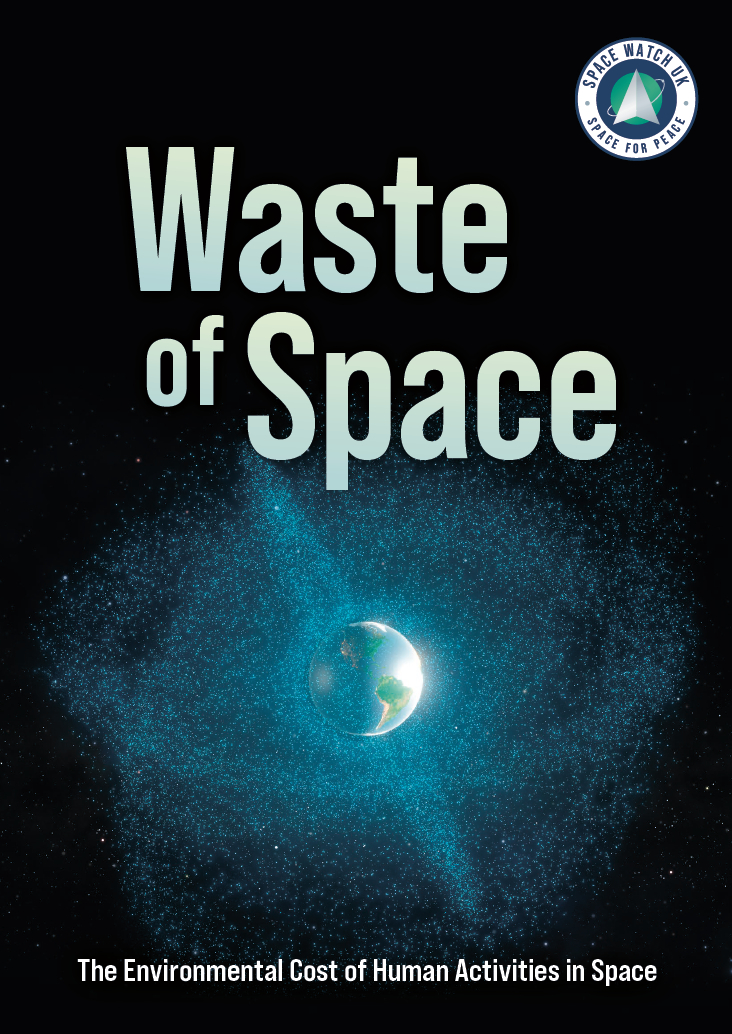
Report Launch Online: We are seeing an increasing exploitation of space for military and commercial purposes. This must change.

Protect Sazan Island from the Trump family! https://secure.avaaz.org/campaign/en/protect_sazan_island_from_the_trump_family_loc/?bqFCVab&v=174511&cl=22707147157&_checksum=5e9dde668860e8231c33699735e16a1fbf22ab2cb01da50c999fe8732b9775ef&utm_source=email&utm_medium=blast_email&utm_campaign=174511


Cuba Is Not a Failed State – It Is a Besieged State
PETITION: “Global Appeal to Endorse Palestinian Right of Return of Refugees”
To see nuclear-related stories in greater depth and intensity – go to https://nuclearinformation.wordpress.com
-
Archives
- June 2026 (258)
- May 2026 (306)
- April 2026 (356)
- March 2026 (251)
- February 2026 (268)
- January 2026 (308)
- December 2025 (358)
- November 2025 (359)
- October 2025 (376)
- September 2025 (257)
- August 2025 (319)
- July 2025 (230)
-
Categories
- 1
- 1 NUCLEAR ISSUES
- business and costs
- climate change
- culture and arts
- ENERGY
- environment
- health
- history
- indigenous issues
- Legal
- marketing of nuclear
- media
- opposition to nuclear
- PERSONAL STORIES
- politics
- politics international
- Religion and ethics
- safety
- secrets,lies and civil liberties
- spinbuster
- technology
- Uranium
- wastes
- weapons and war
- Women
- 2 WORLD
- ACTION
- AFRICA
- Atrocities
- AUSTRALIA
- Christina's notes
- Christina's themes
- culture and arts
- Events
- Fuk 2022
- Fuk 2023
- Fukushima 2017
- Fukushima 2018
- fukushima 2019
- Fukushima 2020
- Fukushima 2021
- general
- global warming
- Humour (God we need it)
- Nuclear
- RARE EARTHS
- Reference
- resources – print
- Resources -audiovicual
- Weekly Newsletter
- World
- World Nuclear
- YouTube
-
RSS
Entries RSS
Comments RSS
 nuclear-news