Israel Could Solve Its PR Problem By Simply Ceasing To Be Evil
Caitlin Johnstone, Jun 06, 2026, https://www.caitlinjohnst.one/p/israel-could-solve-its-pr-problem?utm_source=post-email-title&publication_id=82124&post_id=200847621&utm_campaign=email-post-title&isFreemail=true&r=1ise1&triedRedirect=true&utm_medium=email
Israel’s +972 Magazine reports that the Israeli military establishment has launched a training program designed to “influence public consciousness” around the world, with courses aimed at training hundreds of operatives per year in strategies for “actively disrupting or manipulating the beliefs, attitudes, and behaviors of target audiences.”
Citing a leaked Defense Ministry tender, +972 reports that lecturers in the program are required to hold “doctorates and/or professorships in the fields of influence, consciousness, security and terrorism, mass communication, [or] digital and network communication,” as well as “at least four years of professional experience in the fields of influence [or] influence intelligence in various security organizations.”
“Some of the courses — including those on influence operations, influence intelligence, and online activism — will be in English for ‘foreign partners,’ whose identities are not specified,” +972 reports. “For these participants, the Defense Ministry built a dedicated syllabus that includes study of ‘the American approach,’ meaning U.S. perspectives and cultural norms, and conducting influence campaigns in the international arena.”
Israel’s +972 Magazine reports that the Israeli military establishment has launched a training program designed to “influence public consciousness” around the world, with courses aimed at training hundreds of operatives per year in strategies for “actively disrupting or manipulating the beliefs, attitudes, and behaviors of target audiences.”
Citing a leaked Defense Ministry tender, +972 reports that lecturers in the program are required to hold “doctorates and/or professorships in the fields of influence, consciousness, security and terrorism, mass communication, [or] digital and network communication,” as well as “at least four years of professional experience in the fields of influence [or] influence intelligence in various security organizations.”
“Some of the courses — including those on influence operations, influence intelligence, and online activism — will be in English for ‘foreign partners,’ whose identities are not specified,” +972 reports. “For these participants, the Defense Ministry built a dedicated syllabus that includes study of ‘the American approach,’ meaning U.S. perspectives and cultural norms, and conducting influence campaigns in the international arena.”
Israel’s +972 Magazine reports that the Israeli military establishment has launched a training program designed to “influence public consciousness” around the world, with courses aimed at training hundreds of operatives per year in strategies for “actively disrupting or manipulating the beliefs, attitudes, and behaviors of target audiences.”
Citing a leaked Defense Ministry tender, +972 reports that lecturers in the program are required to hold “doctorates and/or professorships in the fields of influence, consciousness, security and terrorism, mass communication, [or] digital and network communication,” as well as “at least four years of professional experience in the fields of influence [or] influence intelligence in various security organizations.”
“Some of the courses — including those on influence operations, influence intelligence, and online activism — will be in English for ‘foreign partners,’ whose identities are not specified,” +972 reports. “For these participants, the Defense Ministry built a dedicated syllabus that includes study of ‘the American approach,’ meaning U.S. perspectives and cultural norms, and conducting influence campaigns in the international arena.”
Israel’s +972 Magazine reports that the Israeli military establishment has launched a training program designed to “influence public consciousness” around the world, with courses aimed at training hundreds of operatives per year in strategies for “actively disrupting or manipulating the beliefs, attitudes, and behaviors of target audiences.”
Citing a leaked Defense Ministry tender, +972 reports that lecturers in the program are required to hold “doctorates and/or professorships in the fields of influence, consciousness, security and terrorism, mass communication, [or] digital and network communication,” as well as “at least four years of professional experience in the fields of influence [or] influence intelligence in various security organizations.”
“Some of the courses — including those on influence operations, influence intelligence, and online activism — will be in English for ‘foreign partners,’ whose identities are not specified,” +972 reports. “For these participants, the Defense Ministry built a dedicated syllabus that includes study of ‘the American approach,’ meaning U.S. perspectives and cultural norms, and conducting influence campaigns in the international arena.”
Israel’s +972 Magazine reports that the Israeli military establishment has launched a training program designed to “influence public consciousness” around the world, with courses aimed at training hundreds of operatives per year in strategies for “actively disrupting or manipulating the beliefs, attitudes, and behaviors of target audiences.”
Citing a leaked Defense Ministry tender, +972 reports that lecturers in the program are required to hold “doctorates and/or professorships in the fields of influence, consciousness, security and terrorism, mass communication, [or] digital and network communication,” as well as “at least four years of professional experience in the fields of influence [or] influence intelligence in various security organizations.”
“Some of the courses — including those on influence operations, influence intelligence, and online activism — will be in English for ‘foreign partners,’ whose identities are not specified,” +972 reports. “For these participants, the Defense Ministry built a dedicated syllabus that includes study of ‘the American approach,’ meaning U.S. perspectives and cultural norms, and conducting influence campaigns in the international arena.”
This revelation comes as Israel quintuples its annual propaganda budget to three-quarters of a billion dollars. So going forward you can expect to be blasted in the face with a whole lot more pro-Israel perception management while you’re minding your own fucking business trying to live your life.
It’s such a trip how Zionists just take it as a given that the only way to improve public perception of Israel is to ramp up efforts to manipulate the thoughts people think about it. They never give serious attention to the possibility that Israel would have a lot more public approval if it stopped fucking murdering innocent civilians all the time and fucking torturing people and raping captives with trained rape dogs. Israel can’t possibly be wrong; only our thoughts about Israel can be wrong.
At an American Jewish Committee event on Tuesday, Santa Clara University’s Maya Ackerman argued that generative AI presents an exciting new opportunity for imposing pro-Israel narratives on public consciousness, because AI companies can be lobbied directly to push pro-Israel narratives since their leaders can control what information people see.
Here’s a transcript of what she said:
“The really cool thing about AI is that while it can become a great ally for our enemies if we act early, it could be exactly the opportunity that we need after missing the boat with social media. AI is now becoming the dominant source of information — the main source of information. People trust AI more than anything else. They trust AI more than social media. They turn to chatbots like ChatGPT and Gemini instead of using Google. And young people use these bots instead of Google in very, very very large numbers. So this is becoming the main source of information.
“And so when I say this, I still find Jewish people being discouraged, they say ‘Oh, but Wikipedia is already so antisemitic and social media is so antisemitic — why bother? The AI just learns from all of this data.’ So, you know, whatever, not much we can do.
“But that’s not true, because over the past two years the AI companies have been moving towards alignment. So instead of algorithms sort of honestly representing what’s in the data, we’re finding that these chatbots and the text to image models are increasingly showing us exactly what the companies want us to see.
“Okay, so it’s becoming intentional. Which means that instead of trying to control the whole world and trying to somehow manage what’s happening in this big blob called Wikipedia and social media, we can go directly to the companies with clear technical and advocacy solutions. For the first time, there is a path to correcting the digital world.”
So to be clear, Ackerman is arguing that AI chatbots are useful because instead of “honestly representing what’s in the data” they are saying whatever their owners tell them to say, which means the owners of AI companies can simply be pressured to make the chatbots say pro-Israel things. She is saying this gives “Jewish people” (her words, not mine) an opportunity for “correcting the digital world” (her words, not mine) in a way that is more efficient than “trying to control the whole world” (her words, not mine).
It’s just surreal how people like me are always going to great lengths to draw clear distinctions and avoid coming across as antisemitic in our criticisms of Israel, and then Jewish Zionists go to these events all “Yes we Jews need to be actively manipulating western institutions in order to deceive everyone and control society.”
The other day at a Jerusalem Post conference, World Jewish Congress president Ron Lauder argued that Jewish billionaires should be using their wealth “to attack our enemies”, and advocated for Israeli intelligence agencies Mossad and Shin Bet to track and “counterattack” Israel’s critics online in the “fight” against anti-Israel sentiment.
Speaking at a book launch event in Jerusalem last month, British columnist and broadcaster Melanie Phillips argued that “the Jewish community” should use “psychological warfare” and “psyops” to promote the interests of Israel.
“There are plenty of people in this country who … are experts in what’s called psyops. They should be used. They could be drawn upon. These are reservoirs of talent and skill that could be used and harnessed, to really make a difference,” Phillips said.
If I wanted people to stop hating my favorite country for committing war crimes and genocide, I personally would simply encourage that country to stop committing war crimes and genocide.
I would not try to solve the problem by waging psyops and information warfare.
I would not try to solve the problem by lobbying governments to ban criticism of my favorite country.
I would not try to solve the problem by claiming that anyone who criticizes my favorite country is a Nazi.
I would not try to solve the problem with a dramatic increase to my favorite country’s propaganda budget.
I would not try to solve the problem by swarming the internet with paid trolls who argue in support of my favorite country.
I would not try to solve the problem by buying up news outlets and social media platforms in order to force them to amplify information that is supportive of my favorite country.
I feel like doing these things would only make people hate my favorite country more. I think people would get sick of my favorite country’s supporters constantly trying to manipulate their minds and assaulting their right to free expression.
I would only do these things if I wanted people to hate my favorite country. Like if my favorite country was premised on the idea that everyone already hates its inhabitants, so the only way to stay safe is to remain in a constant state of military combat and mass-scale manipulation. Then I suppose it would make sense to do the things I just described.
But come to think of it, if my favorite country was founded on the premise of nonstop warfare and manipulation and the assumption that it must necessarily always be despised throughout the world, at some point I suspect I’d find myself wondering why my favorite country is my favorite country at all. And I’d begin wondering if perhaps it was a mistake to establish such a country in the first place.
Israel Has Engineered a Deadly Shortage of Medications and Health Care in Gaza
June 5, 2026, By Hend Salama Abo Helow, https://scheerpost.com/2026/06/05/israel-has-engineered-a-deadly-shortage-of-medications-and-health-care-in-gaza/
A Palestinian doctor in Gaza says the territory is facing its worst medication shortage since Israel began the genocide.
My mother has been a hypertension patient for the past 25 years. Ever since her initial diagnosis, she has adhered strictly to her prescribed medication. Yet since the genocide broke out, her medicine gradually ran out until it vanished from the markets altogether, with no clinic, pharmacy, warehouse, or stockpile left untouched by the shortage.
Eventually, my mother was forced to redraw her therapeutic map around two alternative drugs with relatively similar efficacy to the one she had lost. The doses were measured carefully according to her condition. But the fear of losing the medication again grew on her, so she began rationing her doses, taking half a pill instead of a full one, to make them last longer.
Although the ceasefire that followed was supposed to allow the unhindered influx of humanitarian aid and life-saving medical supplies at scale, it proved to be nothing but another trap. My mother went to collect her monthly prescription, only for the pharmacist to tell her that this would likely be the last refill, as the medication had already been depleted.
This is not an isolated plight endured only by my mother, but the status quo for 350,000 chronic patients in Gaza whose health, like hers, hangs in the balance, conditioned on the fluctuating status of the borders.
Faced with a shattered health care system, patients’ survival is dependent on Israel’s tightening restrictions on border crossings. The World Health Organization has warned that Israeli forces are no longer only claiming people’s lives through bombs, but are also endangering Palestinians by denying them urgently needed health care services and medication.
Israel is willfully violating international law, which obligates the occupying power to maintain health care services, not undermine them nor use them as a bargaining chip.
Dr. Ahmad Al-Farra, head of the pediatric department at Nasser Hospital, described the ongoing crisis as “the worst period ever of depletion of medical supplies,” stressing that it even far outweighed the medicine shortage Gaza had witnessed earlier during the genocide. “It is the worst ever,” he emphasized.
He condemned the use of the word “ceasefire,” stating, “We are nearly 900 days into a war despite the one-sided truce.” He pointed to more than 2,400 breaches of the so-called ceasefire, during which 765 Palestinians were killed and roughly 2,100 wounded. Al-Farra further noted that around 1,700 medical staff have fallen during the two years of genocide, while many others remain captured in Israeli prisons.
Bringing the picture together, he told Truthout that 25 out of Gaza’s 36 hospitals are now out of service, while 103 out of 137 primary health care centers have been damaged, and medical supplies have totally run out.
Al-Farra, in a broken voice, remarked that hospitals have become “nothing more than hollow cement blocks, stripped from the very core they were built for: medical services.”
Sharing the latest not-yet-public statistics of the exact shortages compiled by Gaza’s Health Ministry exclusively with Truthout, he said:
“Fifty percent of basic medications for noncommunicable diseases like hypertension, diabetes, asthma, and respiratory diseases are now missing. Around 70 percent of medical equipment is nonexistent, while 84 percent of laboratory resources are unavailable. At the same time, hospital capacity has surged by 225 percent. Around 25 out of 35 oxygen stations have been damaged, while 61 electricity generators out of 110 have been leveled down.“
The health care system is “in its final throes,” Al-Farra sighed.
The unending crisis has extended beyond governmental hospitals to the humanitarian organization Médecins Sans Frontières (MSF). In early April, MSF released alarming reports stating that it had not been able to bring any medical supplies into Gaza since January 1, 2026. Israel has obstructed its vital role in providing necessary health care services for chronic and trauma-related patients, and those requiring surgical operations and post-operative care, all amid a growingly conducive environment for diseases to exacerbate.
Yet Dr. Abdullah Al-Naami, who has worked in the pharmacological field for the last 26 years, doubled down on the alarming report released by MSF about the unfolding medication crisis.
Al-Naami told Truthout that “the current stockpile of medicines is nowhere near enough for the spiraling needs.” He added that “hypertension, cardiovascular, and cancer patients are impacted the most.”
“New emergency cases have been rising due to the low-quality living conditions and contamination inside the displacement camps, including scabies and infectious diseases.” Yet “painkillers, antibiotic pills, ointments, and sterilized gauzes are running critically low. Patients receive their treatment for one month, while the following months remain suspended until further notice and medications become available again.”
Based on the medication scarcity, Al-Naami explained, “this is why we cannot provide the full amount of the prescribed medication. Instead, patients receive either half or quarter the quantities. The Ministry of Health has even resorted to extending the expiration dates of medications and renewing their use after testing their efficacy. All of this is merely to enhance the patients’ survivability amidst suffocating restrictions meant to crush Palestinians’ health.”
Al-Naami also underscored the significant shortages of nebulizers, whose absence has ultimately threatened hundreds of thousands of lives.
Young children are also facing devastating health consequences due to what Al-Farra described as “one of the Israeli strategies”: allowing one specific type of infant formula into Gaza until it became the primary milk depended on by nearly every child, only to later ban its entry after infants’ tiny bodies had already grown accustomed to it.
“Such abrupt switches in milk type result in malabsorption diseases, allergies, and potentially fatal complications,” he explained.
Al-Farra recounted the story of his patient, Huda Abo Al-Naja, a 12-year-old girl who was in the third phase of malnutrition, immunocompromised, and suffering from severe anemia.
He said she had been admitted to the hospital four times due to edema, “the accumulation of fluids in her body.”
Al-Farra lamented that the patient was “a unique and genius child,” fully aware of her own condition. He recalled how she would even compete with the intern doctors, answering questions related to her illness on their behalf.
Her journey fluctuated constantly between remission and relapse, improvement and deterioration, until she eventually developed sepsis that progressed into hypotension and septic shock, leading to admission to the ICU. During her stay, she urgently needed numerous diagnostic procedures and therapeutic interventions, including “bacterial cultures, a central line, arterial blood gas analysis, and electrolyte testing” — all of which were unavailable back then.
“Due to the lack of the necessary diagnostic and therapeutic tools needed to save her life, Huda died,” Al-Farra said.
Al-Farra placed the blame directly on “the collapse of Gaza’s health care system and the complete closure of border crossings imposed all by Israeli forces.”
For those who survived two years of genocidal war, the atrocities did not stop there. They are now at the peril of “a more engineered silent weapon: scarcity of medication,” as Al-Farra put it plainly.
He called on the international community and mediators to pressure Israel into opening the border crossings for the unconditional and unhindered flow of medical supplies. He added the need to reclaim Palestinians’ right to a dignified life and proper treatment, which is “a fundamental legitimate right under international law.”
‘Serious incident’ at Europe’s largest nuclear plant – work to stop ‘accident’ ongoing

An incident at the Zaporizhzhia Nuclear Power Plant in
Ukraine has left some Russian military personnel injured as efforts to
prevent a ‘nuclear accident’ continue. Russian military personnel have been
injured following a “serious incident” at Europe’s largest nuclear power
plant.
The International Atomic Energy Agency (IAEA) today said it had been
informed of an incident which occurred during de-mining efforts following a
localised ceasefire between Russia and Ukraine. The ceasefire is in place
so that power line repairs can be carried out, repairs the IAEA says are
crucial for preventing a “nuclear accident” at the site.
The power plant
has lost power on several occasions due to fighting in the region. Rafael
Mariano Grossi, IAEA director general, today called for “maximum military
restraint and full adherence to the ceasefire” so “efforts to prevent a
nuclear accident” can continue. The exact nature of the incident which led
to the recent injuries remains unclear.
Mirror 5th June 2026, https://www.mirror.co.uk/news/world-news/zaporizhzhia-nuclear-power-plant-accident-37255798
Power returns to Zaporizhzhia nuclear plant after prolonged outage, IAEA says
Power was restored to the Russian-occupied Zaporizhzhia Nuclear Power
Plant after a 15-hour outage that forced the facility to rely on emergency
diesel generators, the International Atomic Energy Agency (IAEA) said on
June 6. The U.N. nuclear watchdog said off-site electricity supplies
resumed earlier in the day, ending one of the longest power disruptions at
the facility since the start of Russia’s full-scale invasion of Ukraine.
“Off-site power was restored to the ZNPP this morning after a 15-hour
outage, when the site had to rely on emergency diesel generators for
electricity to cool its six shutdown reactors,” the agency said in a social
media post.
IAEA Director General Rafael Mariano Grossi said the outage
underscored persistent risks to the plant’s power supply. “It was the 18th
loss of off-site power during the war and one of the longest, highlighting
the extreme fragility of the electrical grid and the urgency of proceeding
with planned power line repairs under the protection of an IAEA-brokered
ceasefire,” Grossi said.
The outage follows another disruption reported by
the IAEA last week, when the agency said the plant experienced an extended
communications blackout and inspectors were unable to contact plant
personnel and agency representatives at the site for several hours.
Kyiv Independent 6th June 2026, https://kyivindependent.com/power-returns-to-zaporizhzhia-npp-after-prolonged-outage/
Why Europe Embraced Authoritarianism For Israel
Nate Bear Do Not Panic, June 3, 2026 , https://scheerpost.com/2026/06/03/why-europe-embraced-authoritarianism-for-israel/
This week the UK revoked the visas of leftist American influencer Hasan Piker and the podcaster Cenk Uygur who were both scheduled to speak at events in Oxford and London.
The UK government hasn’t commented on the reason, but it’s obvious it was for their views on Israel. Piker and Uygur are not radical in any true sense of the word. They are both fairly mainstream progressives close to the AOC-wing of the Democrats. Uygur used to be a Republican. They don’t call for revolution, they call for voting and standard social democratic policies. Nothing in their speech is conventionally radical, hateful or incites violence. But they are anti-genocide and anti-Israel, and this is radical enough to get you banned from entering the UK.
While it’s a frightening level of authoritarianism from a supposedly liberal democracy, the decision is not that surprising. From proscribing non-violent protest group Palestine Action as terrorists, to the mass arrest of peaceful anti-genocide protestors, to the secret terrorism charges being brought against pro-Palestine activists, the UK’s embrace of authoritarianism on behalf of Israel has been a consistent theme of Keir Starmer’s Labour government.
The incredible twist is that banning Piker and Uyghur has attracted more attention and controversy than letting them speak at the event ever would have, and is going to win Labour precisely zero votes from a right that hates them anyway.
On the face of it the decision appears, like the crackdown on pro-Palestine activism which has seen Labour bleed votes to the Greens, to be comically bad politics. But I have to consider, as was pointed out to me when I posted this perspective on twitter, that maybe politics isn’t the point here. I have to consider that rational political calculations, when it comes to Israel, aren’t part of the equation for most western governments. Maybe slavish servitude to Zionists and Zionism is the only position that matters. Maybe signalling that you are prepared to do anything for Israel regardless of the domestic political consequences is the only point. And frighteningly, we have to consider that perhaps the worse those consequences are, the better. It seems illogical on the one hand, but there’s an argument to be made that the more pain an elected official endures on behalf of Israel, the greater the benefit to them in the long run. If not politically, then certainly personally and financially.
I think there’s a huge chunk of truth to this analysis, and I understand why people look at these moments and find it increasingly hard to interpret events in any other way. But I find it hard to accept this as the full explanation. I think a fuller explanation is that vote-losing slavish Zionism is simply a core tenet of the anti-politics of centrism. An anti-politics that clings, against all evidence, to a mythical centre ground in which an anti-fascist is considered the same as a fascist. I’ve been up close to these people, and their capacity to make utterly false equivalences between ‘extremes’ because doing so enables them to feel more secure about their defunct political ideology can be hard to appreciate. They will point to the fact the UK has also banned right-wingers from entering the country, and token progressive red meat such as recognising Palestine to sanctioning a few Israeli settlers, as proof of their centrist sincerity. They really think a sweet-spot can be found opposing fascist speech and anti-fascist speech, and because of their brainwashed Zionism do not recognise that their support for an apartheid state committing genocide is materially fascist in nature.
But it’s not just the UK of course.
France and Germany have also cracked down hard on pro-Palestine voices and are working to make criticism of Israel a criminal offence in pursuit of a miserable waste-ground politics of ‘anti-extremism’ which rests on the conflation of anti-Zionism with antisemitism.
Last month France denied an entry visa to the Palestinian human rights campaigner, Shawan Jabarin, a decision which came two weeks after the country arrested one of its own elected MEPs, Rima Hassan, for her pro-Palestine advocacy. France is also pushing forward with a law to make criticism of Israel punishable with up to five years in prison. Germany has embarked on a similar campaign of repression, cracking down on anti-Israel dissent by banning protest, arresting activists, outlawing pro-Palestine slogans as antisemitic, and denying entry to pro-Palestine figures. The EU has also frozen the bank accounts of critics of both Israel and NATO in its desperate attempts to wrest back control of a status quo narrative.
While these are the most high-profile efforts to codify anti-Zionism as hate speech, even in countries considered more sympathetic to Palestine, like Spain, police violence and repression against pro-Palestine activists has been a regular feature. Just this week a pregnant Palestinian woman was thrown violently to the ground and brutalised by Dutch police after her husband, a Palestinian from Gaza, was arrested on spurious disturbance charges.
All of this is happening, of course, while Gaza has been turned into a literal concentration camp, where 1.8 million people are living in tents, crammed into just 133 square kilometres of space while still being indiscriminately murdered from the sky, and with disease rampant.
But for most European governments, especially those dominated by legacy centre-left and centre-right parties, Israel’s colonial settler brutality is not an example of extremism. The sexual assault and rape of European citizens by Israeli soldiers is not extremism to be overly concerned about or condemn. No, the real extremists, in their minds, are those who oppose the creation of Palestinian concentration camps, who oppose Israeli rape dungeons, and who oppose the genocide of Palestinians.
There is no question that Zionism is a totalitarian ideology which has infected Europe deeply and at a moment of crisis has revealed the massive contradictions between the continent’s professed liberalism and its liberalism in practice. But it is not enough just to say that Zionism alone determines the political contours of growing European authoritarianism. The UK, for instance, has also been sentencing peaceful eco protestors to years in prison.
It is, I think, more accurate to say that the establishment status quo is by necessity Zionist, and a centrist anti-politics, which stands for nothing but the maintenance of the violent and oppressive status quo, is a perfect political vehicle for such an ideology.
Israel is a vital European project and a valuable geopolitical extension of the violent status quo, and embracing a natural inclination towards authoritarianism to protect it just makes perfect sense.
Another deadly explosion casts shadow over Hanwha Aerospace’s cutting-edge image.
2026-06-02, HANKYOREH, By Choi Ye-rin, staff reporter; Jang Hyeon-eun, staff reporter; Kim Joong-gon, staff reporter; and Kwon Hyo-jung, staff reporter
Five were killed and two injured at an explosion at the defense contractor’s Daejeon plant.
Another explosion at defense contractor Hanwha Aerospace’s plant in Daejeon, the country’s No. 5 city, killed five people Monday, bringing the total death toll from explosions at the site to 13, including five fatalities in 2018 and three in 2019.
Hanwha Aerospace has recently emerged as a leader in the country’s cutting-edge defense industry. Yet behind the scenes, its plant has seen a series of workplace disasters that are at odds with the standards expected of a world-class manufacturer.
The site of Monday’s explosion was the plant’s tool cleaning area of Building 56. Hanwha Aerospace said this facility, which washes explosive materials from tools used to make rocket propellant, is separated from other buildings.
The company added that a management supervisor and six production staff were cleaning tools using water mixed with detergent when a sudden explosion caused a fire. Five workers died and one suffered second-degree burns over his entire body, with one manager who was outside the facility sustaining minor injuries.
The workers apparently had no time to escape as the explosion caused flames to instantly engulf them. Police plan to request DNA analysis from the National Forensic Service to identify the victims……………………………………..
Ga Jae-woong, a Hanwha Aerospace senior vice president and manager of the plant, declined to disclose details such as what sort of explosive material was involved, only saying that all processes at the workplace are “confidential.”
Hanwha Aerospace’s failure to pinpoint the cause of the blast has sparked fierce criticism considering the growing death toll at the plant. All three explosions are known to have been related to solid propellant used to transport weapons.
In 2018, an explosion occurred during the process of loading fuel into a rocket propellant container. The next year, another happened during the removal of a propellant core.
Workers at the plant bear inherent risk because of the highly explosive properties of the propellant used in rocket boosters. But Monday’s catastrophe demonstrates the company’s failure to take effective measures to prevent such explosions even after similar incidents in 2018 and 2019.
Immediately after the 2018 blast that killed nine, a Ministry of Employment and Labor inspection uncovered as many as 486 violations of workplace safety regulations.
An annual report by Hanwha Aerospace also said it had been fined 2 million won (US$1,300) by fire authorities in Daejeon in January 2025 for failure to comply with regulations for hazardous material prevention, as well as 1.6 million won that June for inadequate maintenance and management of fire safety facilities.
“Defense contractors often classify their production processes as confidential, so there are cases where they never take proper follow-up measures even after explosions resulting in casualties occur,” said Yeom Gun-woong, a professor of police and fire administration at U1 University. “Three similar accidents have occurred at the same workplace, so a fact-finding investigation and comprehensive inspection are necessary.”
The company’s union demanded a thorough investigation into the incident and identification of those responsible, slamming Hanwha Aerospace’s “slogans of eradicating industrial accidents and creating a safe workplace” as “nothing but empty words.”
The Korean Confederation of Trade Unions, one of the country’s major umbrella unions, also criticized the company in a statement.
“Hanwha Aerospace has made it abundantly clear that it not only neglects the safety and lives of its workers, but has also made no safety improvements since the last two accidents,” it wrote. ………………………………….https://english.hani.co.kr/arti/english_edition/e_national/1261569.html
Expert Warns of ‘Rubber Stamp’ Approvals as Ontario Expands Nuclear Spending
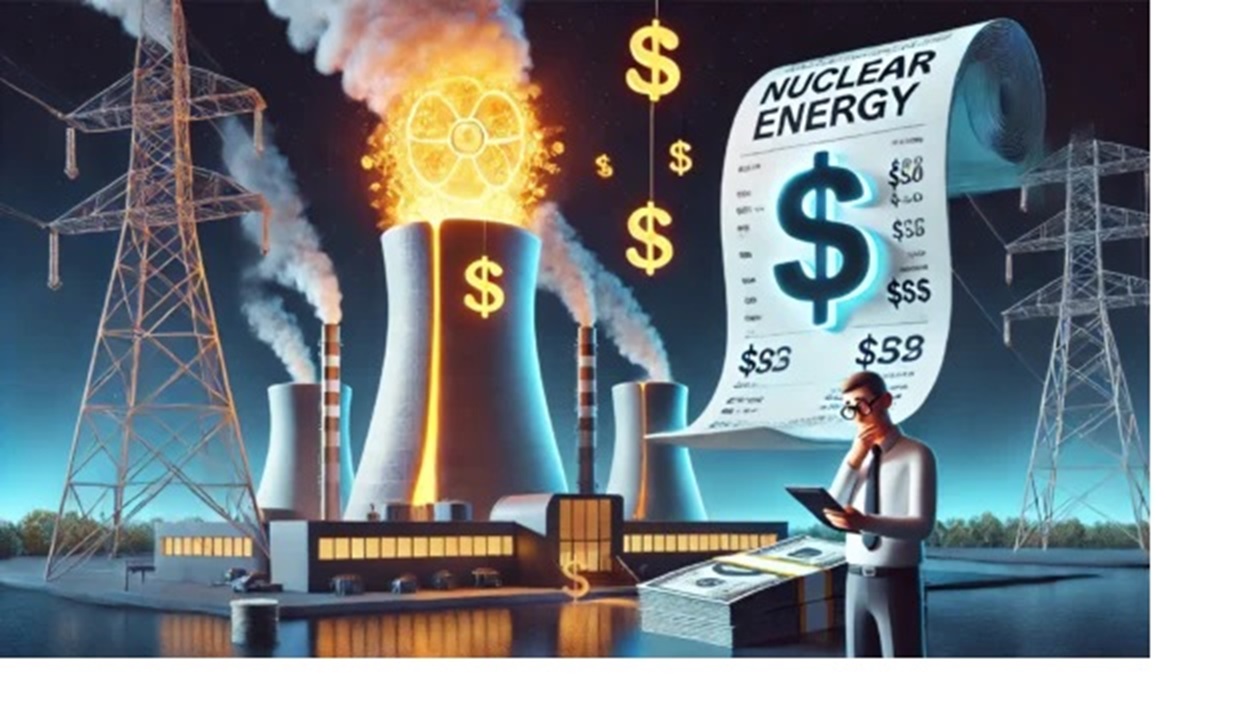
the changes effectively shift final authority from the Canadian Nuclear Safety Commission (CNSC) to cabinet if concerns arise during assessment. It also shifts accountability if those decisions eventually go wrong—although the elected officials involved would likely be out of office by the time the full impacts were known.
the budget “goes on at some length about how wonderful [nuclear projects] are in terms of their economic contributions, but never actually talks about costs.”
the combination of the proposed new builds, the SMR pilots, and refurbishments will push capital expenditures “north of $400 billion”.
June 3, 2026, Nathaniel Crouch, https://www.theenergymix.com/expert-warns-of-rubber-stamp-approvals-as-ontario-expands-nuclear-spending/?utm_source=The+Energy+Mix&utm_campaign=7f479c951f-TEM_RSS_EMAIL_CAMPAIGN&utm_medium=email&utm_term=0_dc146fb5ca-7f479c951f-510028305
Federal impact assessment reviews for two Ontario nuclear projects risk serving as little more than procedural approvals, a Toronto environmental studies professor says, as they move through the process without first identifying the reactor types to be built.
Ontario’s Wesleyville Project in Port Hope has several reactor technologies under consideration, and the Bruce C expansion near Kincardine has not yet selected a technology, either. Both are undergoing federal impact assessment.
Mark Winfield, a professor at the Faculty of Environmental and Urban Change at York University, told The Energy Mix he is also concerned that proposed federal approval reforms, combined with Bill C-5 passed last summer, and the newly announced National Electricity Strategy, could lead to what he called “the explicit politicization of decision-making on nuclear projects.” Where “once projects are designated as being in the national interest,” he said, “they will be approved regardless of what the technical reviews find.”
That would be “a very dangerous situation when dealing with what will be first-of-kind reactors in Canada, or in some cases globally,” he added.
Winfield said the changes effectively shift final authority from the Canadian Nuclear Safety Commission (CNSC) to cabinet if concerns arise during assessment. It also shifts accountability if those decisions eventually go wrong—although the elected officials involved would likely be out of office by the time the full impacts were known.
“The implication of going to cabinet is that the regulator’s concerns could be overridden for political or economic reasons,” he said, recalling Harper government’s 2008 decision to fire the CNSC chair after the rejection of the MAPLE reactors at Chalk River.
Winfield said Canada’s new electricity strategy seemed to “aggressively skate over” the cost implications of its nuclear heavy focus, as nuclear energy continues to be subject to enormous capital costs and construction delays.
“Essentially the federal strategy seems to be following Ontario’s lead—a heavy emphasis on gas and nuclear, and mostly ignoring the global movement in the direction of renewables.”
Ontario, Ratepayers Confront Growing Nuclear Costs
Critics have warned that Ontario’s nuclear expansion strategy could carry major long-term financial consequences.
In May, the Ontario government announced a $300-million cost-sharing agreement with Bruce Power to advance early planning for the expansion of the Bruce C nuclear complex, a project the province said would support 18,900 jobs and help make Ontario home to the largest nuclear generating facility in the world.
The announcement marked one of the clearest signals yet that Premier Doug Ford’s government sees large-scale nuclear expansion as the backbone of Ontario’s future electricity system. It also landed amid criticism that the province is shifting billions in electricity costs onto taxpayers, obscuring the long-term price of nuclear refurbishments, new reactors, and small modular nuclear projects.
Ontario’s 2026 budget led the province into a $13.8-billion deficit, with energy expenditures— and nuclear energy in particular—central to the shortfall. The government’s budget documents flagged large “amounts for electricity cost relief” and related line items, but stopped short of detailing long-term capital costs. That omission drew sharp criticism from electricity system experts.
Winfield said the budget “goes on at some length about how wonderful [nuclear projects] are in terms of their economic contributions, but never actually talks about costs.” Using figures the province provided for electricity supports, Winfield calculated that electricity-related spending accounted for roughly half the deficit—about $6.9 billion on the books—but said it would be difficult to figure out exactly how much of that line item in the budget is nuclear related because the figures are “deliberately opaque.”
Environmental Defence Canada Programs Director Keith Brooks too linked the deficit to rising nuclear and legacy refurbishment costs, as well as growing use of gas power plants to meet growing demand while the nuclear plants are being brought online.
29% Rate Hike
Last November, Ontario raised its basic electricity rate by 29% and simultaneously expanded rebate programs, which the government framed as short-term relief and a change in cost allocations. Both Winfield and Brooks said those measures masked the underlying driver: rising costs tied to refurbished and new nuclear plants. “What they seem to be doing is setting a precedent—allowing the costs for these projects to be charged to ratepayers before they’re built,” Winfield said, adding that the combination of the proposed new builds, the SMR pilots, and refurbishments will push capital expenditures “north of $400 billion”.
the combination of the proposed new builds, the SMR pilots, and refurbishments will push capital expenditures “north of $400 billion”.
Revealed: USAID, National Endowment for Democracy & Open Society Quietly Bankroll Cuba’s “Independent” Media In Push for Regime Change

All this, however, pales in comparison to the resources the U.S. has dedicated to Radio and TV Martí. Founded in 1985 by the Reagan administration, the Miami-based network boasts dozens of full-time employees and receives tens of millions of dollars from Washington annually.
Anti-government media are only a small portion of the huge array of groups Washington secretly funds and supports. From musicians and academics, to civil society, educational, and religious groups, to think tanks, charities and NGOs, there exists a vast nexus of organizations receiving vast sums of money from the U.S. government.
Alan Macleod, 6 June 26, https://www.mintpressnews.com/revealed-usaid-ned-open-society-quietly-bankroll-cubas-independent-media-in-push-for-regime-change/290942/
Amid escalating U.S. aggression towards the Cuban island through a maximum pressure campaign and the threat of military intervention, the United States government has been covertly funding a huge network of Cuban media outlets that claim to be independent in a push for regime change against the independent socialist government.
These outlets present themselves as unbiased investigative journalism, but are quietly being financed by Washington through USAID, the National Endowment for Democracy and the Open Society Foundation in order to sow discontent across the Caribbean nation, softening it up for a potentially “imminent” invasion by the Trump administration.
Cuba faces some of its worst energy blackouts in its history, thanks to the U.S. blockade, which is attempting to strange the island into submission. As a Communist state defying U.S. orders, Cuba has, since 1959, been in the crosshairs of Washington, who are attempting to overthrow the government. MintPress sheds light on this shady regime change nexus.
CubaNet is one of the most influential and well-established news outlets covering affairs on the Caribbean island. Founded by anti-government activists in 1994, the site has become the go-to source of information for corporate media, who regularly cite it, and present it as an objective and unbiased independent media (e.g., The Washington Post, The Wall Street Journal, Fox News, and The Los Angeles Times). CubaNet reporters have written op-eds in major U.S. newspapers such as USA Today, calling for an immediate change in government on the island.
‘Independent Journalism,’ Brought To You By The U.S. State Department
But CubaNet is not as independent as it seems. The outlet is bankrolled by the U.S. national security state. CubaNet has received millions of dollars in funding from USAID and the National Endowment for Democracy, as well as the Open Society Foundation.
One currently active $500,000 USAID grant, for instance, was awarded to CubaNet to “engage on-island young Cubans through objective and uncensored multimedia journalism.” While ostensibly a laudable goal, even the grant’s own one-sentence description hints that its purpose is to undermine and attack the Cuban government. It states that it will (emphasis added) “increase the free flow of information to and from Cuba in order to offset the regime’s disinformation campaigns.”
Another news organization receiving huge sums of money from Washington is ADN Cuba. Literally meaning “Cuba’s DNA,” the outlet has amassed a significant following online, boasting over 100,000 subscribers on YouTube, over 200,000 on Instagram, and over 1.3 million on Facebook. It describes itself as “an independent media outlet committed to freedom and democracy in Cuba.” Yet it is actually based in Spain. And it does not seem particularly committed to transparency about its funding.
What is clear, however, is that ADN Cuba has received millions of dollars from the U.S. national security state. In September 2024, USAID approved a $1.1 million grant to ADN Cuba – a gigantic amount of money for an organization that publishes barely one story per day on its website. This was on top of a $1.5 million allocation for the 2022-2024 period. Indeed, since 2020, ADN Cuba has received in excess of $3 million from USAID alone. This relationship is not disclosed to readers– even in stories directly covering USAID funding Cuban media– and is relegated to the footnotes of obscure U.S. government funding databases.
Diario de Cuba is another Spanish-based news outlet that publishes a wide variety of stories, all with one thing in common: a deep aversion to the Cuban government. The BBC describes it and CubaNet as key sources for impartial news, run by journalists who “report without censorship and to paint a broader picture on the country’s reality.”
And just like CubaNet, Diario de Cuba has received seven-figure funding from Washington. Between 2016 and 2020, Diario de Cuba received $1.3 million in USAID cash – almost as much as CubaNet over the same period. This generous funding has allowed it to reach a global audience, with over 600,000 followers on Facebook alone.
Regime Change Networks
Read more: Revealed: USAID, National Endowment for Democracy & Open Society Quietly Bankroll Cuba’s “Independent” Media In Push for Regime ChangeThe Central Intelligence Agency used to directly (and secretly) sponsor hundreds of media outlets across the world. However, after a series of scandals and more information about its nefarious activities came to public attention, Washington decided to outsource many of its most controversial foreign operations to organizations such as the National Endowment for Democracy and the U.S. Agency for International Development.
“It would be terrible for democratic groups around the world to be seen as subsidized by the CIA,” Carl Gershman, the NED’s longtime president, said, explaining the 1983 decision to create his organization. NED co-founder Allen Weinstein agreed: “A lot of what we do today was done covertly 25 years ago by the CIA,” he told The Washington Post.
Under the guise of democracy promotion and human rights, the U.S. government channels money to political and social groups across the world in order to maximize its strategic goals, including regime change.
In recent years, the U.S. has used the twin organizations of the NED and USAID to bankroll anti-government protests in Hong Kong, to attempt a color revolution in Belarus, to overthrow the government of Ukraine in 2014, and to organize riots across Iran earlier this year.
In Cuba, the NED and USAID played a critical role in organizing a (failed) uprising against the government in 2021. USAID in particular spent millions of dollars funding, organizing and promoting the San Isidro Movement – a collective of musicians, artists, and journalists– to lead a counter-revolution on the island.
San Isidro members were at the forefront of a wave of nationwide protests that July. The demonstrations were immediately signal boosted by Western corporate media, top celebrities, and U.S. politicians, including President Biden. Neitzens were flooded with the astroturfed “SOS Cuba” campaign, that trended across the Internet for days.
In the end, however, the coordinated efforts of the U.S. failed to convince ordinary Cubans to take to the streets, and the movement quickly petered out.
Esteban Rodríguez, a key member of the San Isidro movement, is a producer at ADN Cuba.
When U.S. Money Is Paused, “Independent” Media Immediately Collapse
The importance of U.S. government money to the survival and operations of these outlets was underlined early last year when the Trump administration chose to freeze funding to USAID and the NED. Announcing the decision, Elon Musk, then head of the Department of Government Efficiency, described USAID in particular as a “viper’s nest of radical-left Marxists who hate America.”
The effect on Cuban media was immediate. As soon as the money stopped flowing, dozens of organizations faced immediate liquidation. CubaNet published an emergency editorial asking readers to make up the shortfall. “We are facing an unexpected challenge: the suspension of key funding that sustained part of our work.” they wrote; “If you value our work and believe in keeping the truth alive, we ask for your support.” “Without [USAID] funds, it will be extremely difficult to continue,” CubaNet director Roberto Hechavarría Pilia added.
Diario de Cuba was in similarly dire straits. Its director, Pablo Díaz Espí, noted that “aid to independent journalism from the government of the United States has been suspended, which makes our work more difficult,” asking readers to donate.
Musk’s decision accidentally revealed a sprawling network of over 6,200 reporters and nearly 1,000 outlets worldwide that were quietly being trained, supported, and bankrolled by the CIA front, all under the banner of promoting “independent” media and freedom of information.
Another supposedly independent Cuban outlet plunged into crisis was El Toque (The Touch). Founded in 2014 and receiving hundreds of thousands of dollars from the NED, El Toque publishes in Spanish and English, and attempts to manipulate the exchange rates in Cuba.
The funding cut hit them badly, with editors announcing that they would immediately have to lay off half their staff (15 people) and stop working with dozens of freelancers, while looking for alternative funding sources.
El Estornudo (The Sneeze), is also generously financed by NED. In 2021 alone, the endowment awarded the investigative journalism outlet $180,000. It also receives copious support from the Open Society Foundation, although it insists that none of this U.S. money comes with any strings attached or affects its output.
While Western media often portray the Cuban media landscape as a David-and-Goliath fight between plucky independent media facing repression, and a sprawling state-sponsored propaganda apparatus, the gigantic sums handed out to these “underdogs” make them by far and away the best funded outlets on the island. A 2023 Guardian article, for instance, profiled 24-year-old photojournalist Pedro Sosa, who worked for both El Toque and El Estornudo. It presented the pair as “offer[ing] real reporting over stodgy state media” and journalists as poor and vulnerable truth tellers standing up for “freedom,” and facing a “crackdown” from the state.
But it also let slip that working for U.S.-backed media is not as bad a career move as portrayed, and is, in fact, an extremely lucrative profession. It casually mentions that salaries at tiny El Toque are ten times that of even the most senior journalists working in Cuban state media. In reality, then, these oppressed free speech warriors are actually some of the richest individuals on the entire island, thanks to the power of the U.S. dollar, which pays them handsomely to produce a constant stream of anti-government news.
In the end, the U.S.-backed outlets need not have worried, and NED and USAID funding resumed after some restructuring.
Jobs For the Boys
All this, however, pales in comparison to the resources the U.S. has dedicated to Radio and TV Martí. Founded in 1985 by the Reagan administration, the Miami-based network boasts dozens of full-time employees and receives tens of millions of dollars from Washington annually.
Unlike the rest of the journalism industry, workers at Radio and TV Martí enjoy strong job security and six-figure wages, despite the fact that the Cuban government is able to jam and block many of their broadcasts from reaching Cuba, meaning precious few people consume its content.
Since its creation, Washington has spent at least $800 million on Radio and TV Martí.
The outlets profiled make up only a small portion of the network of anti-government media being funded by the United States. Most of the recipients of American money remain anonymous – a decision taken in part to hide their identities and preserve their credibility inside Cuba.
The National Endowment for Democracy considers Cuba a “long-standing priority,” and is currently officially funding 32 separate projects on the island.
Media related grants include one $80,000 project titled “Strengthening Access to Information,” which promises to:
“[E]nhance access to information and promote critical thinking, the organization will produce daily reporting and analysis across various formats, providing independent perspectives on issues affecting citizens’ daily lives, including freedom of expression, public safety, human rights, and other pressing social concerns.”
Another $115,000 grant, titled “Expanding Access to Uncensored Media” notes that it will:
“[P]romote independent information, the organization will provide narrative journalism on censored topics, conduct investigations, and produce in-depth articles, photo essays, and opinion pieces while strengthening the media’s operational capacity.”
Thirty-one of the thirty-two projects hide the recipient’s name and identification, meaning that those groups working with the CIA cutout organization are generally only ever identified if they advertise this relationship, or, like when U.S. money was temporarily halted in 2025, they call for help.
Anti-government media are only a small portion of the huge array of groups Washington secretly funds and supports. From musicians and academics, to civil society, educational, and religious groups, to think tanks, charities and NGOs, there exists a vast nexus of organizations receiving vast sums of money from the U.S. government.
Two of these bodies include The Observatorio Cubano de Derechos Humanos (Cuban Observatory of Human Rights, or OCDH) and lawyers’ group, Cubalex.
Both groups produce reports denouncing the Cuban government, and are regularly cited as impartial authorities on human rights on the island in Western outlets, such as The New York Times, CNN, and The Washington Post. But what readers are not told is that both organizations are bankrolled by the U.S. national security state.
Records show that USAID has given almost $1.5 million to the OCDH. NED support, meanwhile, was crucial to Cubalex’s inception in 2010, and Washington continues to pay its staff wages to this day. As the company’s executive director, Laritza Diversent said last year,
“Without the support of National Endowment for Democracy, Cubalex would not have existed; to do the work we do requires resources. For 14 years, NED has been supporting us. Last October, after trying a lot of times, we [also] achieved a state Department grant.”
Thus, there is barely a corner of the anti-government Cuban opposition that has not been reached by U.S. money, either through government organizations such as the NED or USAID, or through institutions such as the Ford Foundation and Open Societies Foundation, which have historically performed a similar role in promoting American interests abroad.
Many of these groups are headquartered in South Florida, where U.S. government money is helping to subsidize thousands of jobs for the Cuban-American community. It is therefore no exaggeration to say that a significant part of Miami economy is propped by taxpayer money funding counter-revolutionary forces. Ironic, considering that conservative Cubans often vehemently object to government welfare programs in both the U.S. and Cuba.
Digital Bombardment
In 2010, a new social media and messaging app, Zunzuneo, took Cuba by storm. From nowhere, it went viral, picking up tens of thousands of users – a very large number for the time on such an internet-sparse island.
None of its users, however, were aware that the platform had been secretly created by USAID in order to promote regime change. Their plan was to first provide an excellent service that would capture the market, then to slowly drip feed Cubans anti-government messaging, and finally to direct them to join “smart mobs”, aimed at triggering a color revolution.
In an effort to hide its ownership of the project, the U.S. government held a secret meeting with Twitter founder Jack Dorsey, aimed at getting him to invest in the project. It is unclear to what extent, if any, Dorsey helped, as he has declined to speak on the matter.
Zunzuneo was abruptly shut down in 2012, perhaps because the Office of Cuba Broadcasting (which oversees TV and Radio Marti) had already created a new program called Piramideo.
Piramideo marketed itself as an app that allowed Cubans to receive world news for free, and without censorship. Almost immediately, however, locals reported being deluged with fake news about anti-government protests that never happened. Piramideo was shut down in 2015, after reporting on U.S. government meddling in Cuba caused a scandal and diplomatic embarrassment.
Today, however, with Cubans increasingly using American social media apps, this kind of subterfuge is largely unnecessary, as it can be done out in the open. During the 2021 San Isidro protests, apps such as Instagram and Twitter were openly participating in the attempt to overthrow the government, taking no action against a massive boom of clearly fake bot accounts parroting the exact same messages (down to the typos) and using the same astroturfed hashtag. Twitter’s editorial team even placed the protests – which drew barely a few thousand people into the streets nationwide – at the top of its “What’s Happening” for over 24 hours, meaning that every user worldwide would be notified. The failed putsch has come to be known as the “Bay of Tweets.”
Unending War on Cuba
In October, for the 33rd consecutive year, the United Nations voted overwhelmingly (165-7) to call for an end to the American blockade against Cuba. This economic war was established by the Eisenhower administration, in response to the Cuban Revolution of 1959, which overthrew the U.S.-backed dictator, Fulgencio Batista.
These illegal unilateral coercive measures, which an internal U.S. government memo states are designed to “decrease monetary and real wages, to bring about hunger, desperation and overthrow of government,” cost Cuba billions every year, and severely impede its development.
The U.S. attempted to invade Cuba in 1961, and brought the world to the brink of annihilation during the subsequent Cuban missile crisis. It reportedly attempted to kill its leader Fidel Castro hundreds of times, and carried out waves of terror attacks against the country, including using biological weapons on the island.
Successive administrations continued the economic war against Cuba, which was ramped up after the fall of the Soviet Union. But the Trump State Department, run by Cuban-American Marco Rubio, has taken it to a new level, declaring the island to be one of its top priorities.
Trump himself has declared that Cuba is “next” on the list of countries being targeted for regime change. “We may stop by Cuba after we’re finished” with Iran he said last month.
In response, Cuban president Miguel Díaz-Canel said his country was ready to repel any U.S. invasion, as it did during the Bay of Pigs, stating:
“The moment is extremely challenging and calls upon us once again, as on April 16, 1961, to be ready to confront serious threats, including military aggression. We do not want it, but it is our duty to prepare to avoid it and, if it becomes inevitable, to defeat it.”
It is in this context that the U.S. government’s funding of a vast array of media outlets targeting Cuba should be seen; the media attack is just one facet of Washington’s multipronged approach to regime change.
Many of the organizations profiled here publish in English, and nearly all are used as supposedly credible sources of information on Cuba for Western corporate media, meaning that U.S. State Department narratives are laundered into the public consciousness through this network.
Many Cubans and Americans are completely unaware that their news about the island comes largely through a matrix of shady outlets quietly funded by the U.S. national security state via the NED and USAID. Their purpose is to keep up the flow of negative stories in order to soften the public up into accepting regime change on the island. After all, in war, truth is always the first casualty.
Alan MacLeod is Senior Staff Writer for MintPress News. He completed his PhD in 2017 and has since authored two acclaimed books: Bad News From Venezuela: Twenty Years of Fake News and Misreporting and Propaganda in the Information Age: Still Manufacturing Consent, as well as a number of academic articles. He has also contributed to FAIR.org, The Guardian, Salon, The Grayzone, Jacobin Magazine, and Common Dreams. Follow Alan on Twitter for more of his work and commentary: @AlanRMacLeod.
 Republish our stories! MintPress News is licensed under a Creative Commons Attribution-NonCommercial-ShareAlike 3.0 International License.
3 CommentsMay 15th, 2026

Alan Macleod
What’s Hot
Hezbollah’s Cheap FPV Drones Are Making Israel’s High-Tech Military Obsolete
The Battle for Bint Jbeil: Israel Revisits A Symbolic Defeat As Resistance Holds The Line
Iranian Jewish Association Describe Israel as “Ominous Zionist Regime” After Israeli Strikes Destroy Historic Synagogue on Passover
US & Israel Bomb 307+ Medical Facilities in Iran Carrying on Long Tradition of Targeting Medical Workers
Hezbollah Destroys 50 Israeli Merkava Tanks in Three Weeks As Israel Fails to Occupy South Lebanon
Rolls-Royce is turning a quiet Welsh site into a nuclear bet, and the strange part is how many homes three small reactors could power
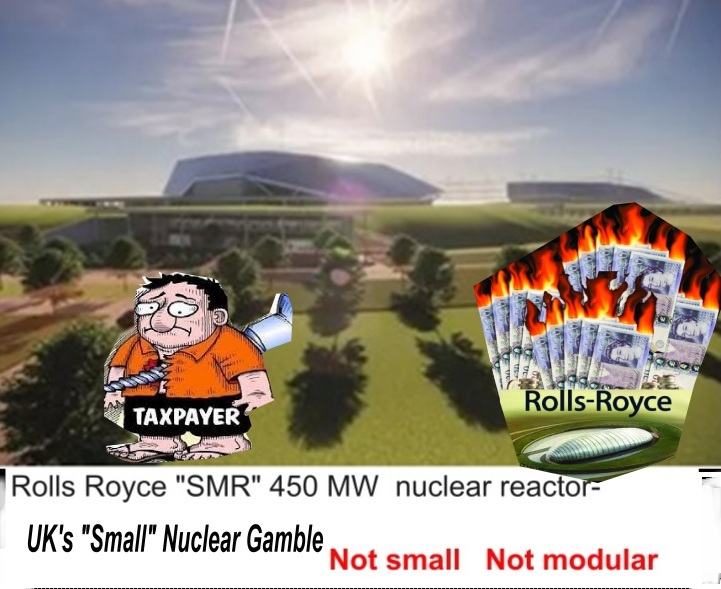
Public money is carrying the risk
SMRs are often promoted as cheaper and faster than conventional nuclear plants, but the first projects still need heavy financing, regulatory work, supply-chain confidence, and buyers willing to believe the model can scale.
By Indux, June 3, 2026, https://www.vozpopuli.com/indux/en/rolls-royce-is-turning-a-quiet-welsh-site-into-a-nuclear-bet-and-the-strange-part-is-how-many-homes-three-small-reactors-could-power/5488/
Rolls-Royce SMR and Great British Energy – Nuclear (GBE-N) have moved the United Kingdom’s first small modular reactor (SMR) project into a new phase, signing a contract that starts technology design work for three units planned at Wylfa in North Wales.
The project is expected to deliver at least 1.4 gigawatts of electric output, enough to power the equivalent of around 3 million homes for more than 60 years.
This is not a finished power plant, and it is not yet the final investment decision, but it is a big marker for a country trying to cut its exposure to volatile fossil fuel markets, rebuild industrial capacity, and keep the lights on without making the electric bill feel like a monthly shock. The material provided for this story described Wylfa as the centerpiece of a new British nuclear push.
Wylfa gets its second act
Wylfa is not new to nuclear power. The site on Anglesey once hosted a nuclear station that helped feed the British grid for decades before its last reactor shut down in 2015, leaving the area with the familiar question that follows many old industrial sites. What comes next?
The answer, at least for now, is a factory-built nuclear project led by Rolls-Royce SMR. The British government confirmed Wylfa in November 2025 as the home of the first small modular reactor plant in the program, with an initial three units and possible room for up to eight in the future.
That matters because Wylfa has had false starts before. Earlier replacement plans collapsed, and the local community was left waiting for a project big enough to bring jobs, training, and long-term investment back to the coast.
The Rolls-Royce design is called small, but the numbers are not tiny. Each unit is a 470 MWe pressurized water reactor, which means the first three units would add up to roughly 1.4 gigawatts of electric capacity.
The pitch is simple. Build much of the plant in factory conditions, move the pre-tested pieces to the site, and reduce the risk that has made traditional nuclear megaprojects expensive and slow.
World Nuclear News reported that about 90% of the SMR would be built away from the site, with the reactor unit measuring about 52 feet by 13 feet. That modular approach is supposed to make schedules more predictable and limit disruption around Wylfa, although nuclear projects rarely become easy just because the parts are smaller.
Jobs are part of the sell
The government says the first SMR project could support around 3,000 jobs at peak construction, along with thousands more across the national supply chain. Rolls-Royce SMR has put the wider employment impact even higher, saying its Wylfa program will support an average of almost 8,000 skilled jobs across the United Kingdom during the build program.
That difference matters. One figure is centered on peak construction at the project, while the other looks more broadly across the build program and the wider supply chain.
For Anglesey, the local promise is easy to understand. Big energy projects do not just bring engineers in hard hats. They bring apprenticeships, local contracts, traffic on access roads, new pressure on housing, and, ideally, years of steady work rather than a short construction rush.
Public money is carrying the risk
The program is also a test of how much public backing is needed to get new nuclear technology moving. The 2025 Spending Review allocated about $3.5 billion to enable the contract and wider SMR program, while the National Wealth Fund is committing up to about $805 million to support Rolls-Royce SMR’s reactor development.
That public support is not just a footnote. SMRs are often promoted as cheaper and faster than conventional nuclear plants, but the first projects still need heavy financing, regulatory work, supply-chain confidence, and buyers willing to believe the model can scale.
At the end of the day, the government is trying to turn Wylfa into more than one power station. It wants a repeatable British nuclear product that can be built at home and exported abroad.
At the end of the day, the government is trying to turn Wylfa into more than one power station. It wants a repeatable British nuclear product that can be built at home and exported abroad.
The timeline is still long
The contract allows Rolls-Royce SMR to begin site-specific design, regulatory engagement, and planning work ahead of a future final investment decision. That last phrase is important. It means the project has momentum, but it still has key approvals and financial steps ahead.
GBE-N has said work is set to start at the site in 2026, while the government has pointed to the mid-2030s for grid connection. So this is not a quick fix for today’s energy bills.
Still, nuclear power is being pitched as the steady partner for wind and solar. When the wind drops or demand spikes during a cold evening, the grid still needs reliable generation that can run day and night.
Why Rolls-Royce wants this win
For Rolls-Royce, Wylfa is more than a domestic contract. Chris Cholerton, chief executive of Rolls-Royce SMR, said the deal “unlocks the delivery” of the first three units and gives the U.K. program certainty, while also pointing to plans for up to six units in Czechia.
That is the bigger business angle. If Rolls-Royce can prove the model at Wylfa, it could strengthen its case in a global market where governments are looking for cleaner baseload power, industrial heat, and energy security.
Proof, however, is the key word. The SMR promise has been talked about for years. Wylfa is where Britain is trying to show whether the factory-built nuclear idea can move from slide decks into steel, concrete, regulation, and power lines.
Wylfa is now the test case
The United Kingdom is betting that small modular reactors can help solve several problems at once. Cleaner electricity, more energy independence, skilled jobs, and a stronger industrial base are all part of the same package.
That is a lot to ask from one coastal site. BHowever, Wylfa has become the place where those promises will start being measured against deadlines, budgets, and public confidence.
The official statement was published on GOV.UK.
The Israelization of the United States Military Is Proceeding. “Where and How Will it All End? Ask Donald Trump!”
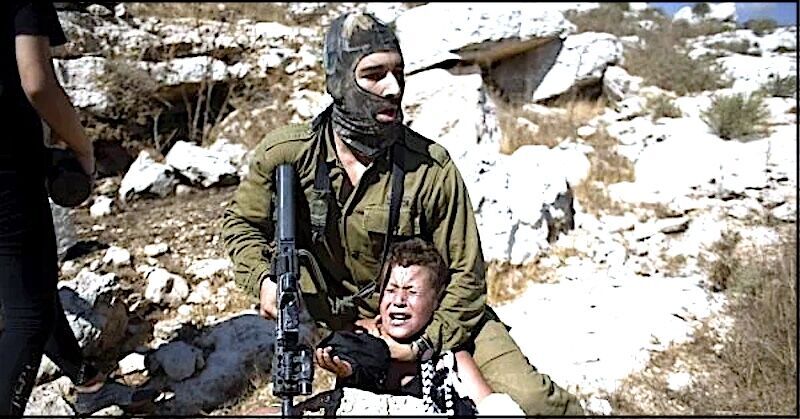
A persistently pro-Zionist Congress has accomplished this shift in the relationship quietly, almost secretly. Though it has been done clearly channeling through the White House and Netanyahu’s leadership, it has been obtained without the knowledge and consent of the American people to whom the US government is allegedly responsible. And, of course, all the integration expenses will be borne by the US taxpayer.
By Philip Giraldi, Global Research, June 02, 2026, https://www.globalresearch.ca/israelization-united-states-military/5928401
Thank You Congress and President Trump!
Few Americans know the history of how Israel’s “wag the dog” relationship with the United States developed.
Israel’s 1967 successful war against its neighbors demonstrated to military planners in Washington how a qualitative edge in weapons could enable a small country to resist much larger and seemingly more powerful adversaries. Israel was largely supplied with French weapons at the time that reportedly out-performed the Russian equipment in the hands of Syria and Egypt.
As a consequence, in 1968, with strong support from a heavily lobbied Congress, Zionist influenced US President Lyndon B Johnson approved the hitherto blocked sale of F-4 Phantom fighters to Israel, establishing the precedent for continuing US support of Israel’s Qualitative Military Edge, generally referred to by the acronym QME, over its Arab and Christian neighbors.
Five years later, in the aftermath of the 1973 Yom Kippur War, the United States and Israel came to an understanding whereby they tacitly adopted the doctrine of active US maintenance of Israel’s QME. After that war, the United States also quadrupled its foreign aid to Israel, effectively replacing France as Israel’s largest arms supplier.
This de facto commitment to maintaining Israel’s qualitative edge was subsequently made explicit by President Ronald Reagan and has been confirmed by every US administration since that time. Substantial supplementary weapons shipments under Presidents Barack Obama, Joe Biden and Donald Trump have even supported Israel’s genocide in Gaza and its attacks on non-threatening Syria and Lebanon. This policy was in part justified initially based on a US adoption of the Cold War strategy of opposing Arab client states of the Soviet Union and was also due to the growing power of Israel’s US Lobby. Today, Israel is by far the largest recipient of US foreign military aid, receiving $3 billion per year guaranteed plus many extra weapons in support of specific needs and initiatives which many have linked to the enablement of a policy of systematic aggression by Israel and the commission of war crimes.
So what was once seen as a form of security guarantee for Israel has now become a monster, with Israel using the support provided by the relationship to initiate wars against its neighbors, to include most recently Lebanon, Syria and Iran. The White House and Congress have invariably supplied Israel with all the weapons it seeks as well as providing money for its economy and political support in international organizations like the United Nations. Israel’s Lobby, regarded as the most powerful foreign policy lobby deployed against Congress and the White House, has used its access to power to constantly expand its role in weapons development to satisfy what Israel sees as threats against it. And Prime Minister Benjamin Netanyahu has become the dominant partner in the relationship, including regarding the decision making about war and peace.
Currently Israel and its friends in Washington are moving to complete integration of many aspects of how our military operates at various levels with Israeli counterparts. No other US “ally,” which the Jewish state is not technically, including NATO members, has anything like this access and ability to influence developments.
Those who think Israel has too much power have a point as it is even strong enough to shut down First Amendment Freedom of Speech, both by suppressing or even criminalizing what it regards as criticism of itself. Few Americans are aware that even though Israel is widely known to be a major nuclear weapons power, members of the US government are not allowed to state that that is the case because it would embarrass the Jewish state and plausibly trigger legal restrictions on the weapons that the US could supply it with. And the irony is that Israel only has the weapons because it stole the nuclear fuel and timers from the United States. President John F Kennedy tried to stop the nuclear weapons program and many believe he was assassinated by Israel as a result!
And the one-way street benefitting Israel gets worse! Per the story that I reported recently, Congress is considering passing a bill that will give Americans serving in the Israeli army US government provided full benefits like education, jobs and medical care just as if they had been serving in the United States military. Indeed, the legislation currently working its way through Congress would, for the first time in American history, treat service in a foreign army both legally and in practice as equivalent to service in the US armed forces — but only where that foreign army is Israeli. House Resolution 8445, sponsored by Republican Congressmen Guy Reschenthaler of Pennsylvania and Max Miller of Ohio, would amend existing legislation so that Americans who enlist in the Israel Defense Force (IDF) are treated “in the same manner as service in the uniformed services” of the US. Not surprisingly, many of the “Americans” involved are also dual national Israeli citizens. If the changes come into effect the result will be to considerably and uniquely narrow the gap between Israel and the US in terms of rights and benefits but with benefits going only in one direction, i.e. to serve Israeli interests and with the US taxpayer paying the bill!
In addition to that, the most recent US government gift to Israel sponsored by the United States House of Representatives, a misnomer as the House is actually the Knesset West, is the national Defense Authorization Act (NDAA) for 2027 released on May 13th. Section 224 of the House version of the Act entitled “United States-Israel Defense Technology Cooperation Initiative” integrates “US-Israeli military research and development, co-production of weapons systems, licensing agreements, AI, directed energy, data integration, and missile defense.” It creates the framework for “bilateral research and development, co-production of weapons, joint ventures, licensing agreements, and seemingly every manner of US-Israeli military-industrial complex cooperation.”
The result is to completely connect the functionality of the US military with that of the Israeli military. The implementation of the agreement would arguably do more to irreversibly link the US military to the Israeli military than the $200 billion in military assistance Israel has received from the United States since its founding in 1948.
Critics note how Section 224 would combine the US and Israeli defense sectors in many areas particularly vital to the battlefields of the future, including autonomous systems and cyberwarfare. It would also greatly increase Israeli influence over the US beyond what it already has through the Israel Lobby and its dominance of the mainstream media. It would enable Israel to expand or start new co-production facilities like it already has in a number of states, giving the Israeli government additional leverage through providing jobs in the US, thereby securing friends in Congress whose districts are affected. The result could well be a White House backed by Congress that is even more prone to go to war based on the Eretz “Greater” Israel fantasies of people like Netanyahu and his insane Security Chief Itamar Ben-Gvir.
A persistently pro-Zionist Congress has accomplished this shift in the relationship quietly, almost secretly. Though it has been done clearly channeling through the White House and Netanyahu’s leadership, it has been obtained without the knowledge and consent of the American people to whom the US government is allegedly responsible. And, of course, all the integration expenses will be borne by the US taxpayer. Interestingly, of course, it should also be noted that the integration of the US military with that of Israel comes at a time when the American public is expressing unprecedented levels of distrust in and dislike of the Israeli government. That is perhaps no coincidence as Netanyahu seeks to create unbreakable legal and administrative ties between the two countries though with little in the way of obligations on the part of Israel.
Ben Freeman at the Quincy Institute observes how
“The shift will strip away the political and diplomatic oversight mechanisms that make the relationship publicly accountable, moving it from a visible annual aid vote into the opaque machinery of defense acquisition, where oversight is limited and political accountability is minimal. The result would be a defense relationship that is simultaneously deeper and less transparent. And this all comes at a time when the Israeli military has repeatedly used U.S. weapons in strikes that have violated international humanitarian laws in Gaza, and as Israel has repeatedly violated ceasefires (as has the US itself) in the Trump administration’s unnecessary war with Iran.”
So there you have it. The United States is on a downward spiral engineered by its own government in collusion with a tiny apartheid state that specializes in crimes including torture, genocide and assorted other offenses against humanity.
Where and how will it all end?
Ask Donald Trump!
Is Israel planning to reoccupy the Gaza Strip? This is what’s happening behind the ‘yellow line
an occupying power must preserve the demographic composition of the territory it controls. In this specific case, international law prohibits the removal of a population (the Palestinians) and the transfer of another population (Israeli settlers) onto occupied land.
Michelle Burgis-Kasthala, Professor of International Law, La Trobe University, 4 June 26, https://theconversation.com/is-israel-planning-to-reoccupy-the-gaza-strip-this-is-whats-happening-behind-the-yellow-line-284086?utm_medium=email&utm_campaign=Latest%20from%20The%20Conversation%20for%20June%204%202026%20-%203792338838&utm_content=Latest%20from%20The%20Conversation%20for%20June%204%202026%20-%203792338838+CID_84a191247b774c7af7d936d593de2bdf&utm_source=campaign_monitor&utm_term=Is%20Israel%20planning%20to%20reoccupy%20the%20Gaza%20Strip%20This%20is%20whats%20happening%20behind%20the%20yellow%20line
In recent days, Israeli Prime Minister Benjamin Netanyahu has ordered the Israeli army to seize 70% of Gaza – a sizeable increase from the 60% it currently controls.
This follows an updated map sent to aid agencies in Gaza in late March featuring a new “orange line” demarcating the restricted area under military control – about 11% larger than the area agreed to with the “yellow line” in the October ceasefire with Hamas.
Israel’s defence minister has also confirmed in recent days the government’s intention to move large numbers of Palestinians out of Gaza “at the right time and in the right manner”.
All of this is happening in a charged political environment in Israel: the Knesset dissolved itself on May 20, creating the possibility of an early election in September.
Israel’s actions are in clear violation of the 20-point Gaza peace plan, which called for a staged withdrawal of Israeli troops and actively “encouraged” residents to stay. It reads:
No one will be forced to leave Gaza, and those who wish to leave will be free to do so and free to return. We will encourage people to stay and offer them the opportunity to build a better Gaza.
US Secretary of State Marco Rubio has acknowledged as much, telling a congressional hearing this week that the peace plan “doesn’t call for” expanded military control of the strip.
The 2.1 million Palestinians in Gaza are being squeezed into an ever-smaller pocket of the decimated, overcrowded territory. And it appears the international community is doing little to stop it.
Laws against conquering territory
International law permits militaries to occupy foreign territory in pursuit of war aims, but there are two key limitations here.
First, an occupying force cannot pursue a legal claim to the territory it holds. The UN Charter has clearly outlawed the right to conquest under Article 2(4). Breaches of this article are treated very seriously, as the world’s reaction to Russia’s invasion of Ukraine has shown. This can be considered a war crime – the crime of aggression.
For Israel, this means its control of Gaza cannot result in a claim to sovereignty over any part of the strip. The International Court of Justice (ICJ) underscored this in its 2024 advisory opinion on Israel’s actions in the occupied Palestinian territories.
Second, any occupying military power must comply with international humanitarian law and international human rights law in a conflict. This means ensuring the welfare of the population under its control.
This has been the case in Gaza since Israel captured it from Egypt in the Six-Day War in 1967, beginning a decades-long occupation of the strip.
In fact, Israel’s obligations as an occupying power continued even after it pulled out its troops and dismantled its settlements in 2005.
As part of these obligations, an occupying power must preserve the demographic composition of the territory it controls. In this specific case, international law prohibits the removal of a population (the Palestinians) and the transfer of another population (Israeli settlers) onto occupied land.
A flawed peace plan
Despite these clear legal principles, enforcement of Israel’s obligations will be at best difficult, slow and piecemeal.
In its 2024 advisory opinion, for instance, the ICJ ordered Israel to withdraw fully from the occupied Palestinian territories, saying its presence is in breach of two key legal principles – self-determination and the prohibition against conquest. The UN General Assembly endorsed the findings and set a deadline of September 14 2025 for the withdrawal. Israel ignored the deadline.
The general assembly can’t enforce an ICJ ruling, only the security council can. And this avenue is blocked due to the US veto power.
More worrying is that the clarity provided by international law – prohibiting conquest, genocide, settlements and forced displacement – is being blurred by the 20-point peace plan mediated by US President Donald Trump and the so-called Board of Peace overseeing the process.
Last November, the UN Security Council endorsed Trump’s plan to end the conflict, disarm Hamas and establish a new transitional government system under the auspices of the Board of Peace and an International Stabilisation Force to keep the peace.
But the ceasefire agreement was flawed from the start. The text, for instance, did not include any specifications about Israel’s presence in the strip, accountability for alleged crimes or demilitarisation of Palestinian groups.
Since the ceasefire, the entire process has predictably stalled. Israeli strikes have continued, killing more than 900 Palestinians. Aid delivery is far below the needs of a desperate population. And Hamas refuses to disarm without firm guarantees on future Palestinian self-determination.
Behind the ‘yellow line’
This stalemate suits Israel perfectly. Under the map of the ceasefire agreement, Israel was permitted to keep its troops in areas behind a “yellow line” encircling the majority of the population along the coast. This gave Israel military control of just over half of Gaza.
Then, in the area under its control, Israel began two activities that speak to its longer-term political aspirations.
First, it levelled entire neighbourhoods and hundreds of buildings, turning this part of Gaza into a wasteland devoid of inhabitants and any recognisable landmarks.
Second, on this blank canvas, it constructed an impressive array of military roads, outposts and barriers, including permanent earthen berms (walls).
This gives Israel the possibility of perpetual control of a territory devoid of Palestinians. If this status quo continues, it would amount to forced displacement and conquest.
Day by day, Palestinian Gaza is shrinking and a new Gaza is being forged through bulldozers and barriers. Netanyahu has indicated Israel may not stop at 70% depopulation and control. It may seek to preserve a large “buffer” zone in Gaza – as it is doing in Lebanon and Syria – or perhaps revive the project of Israeli settlement of the strip, which is in full swing across the West Bank.
All of this is happening in violation of international law and a “peace” plan that has no clear vision for a long-term solution for the Palestinian people.
Police at Hinkley Point C as thousands of workers locked out
Police attended Hinkley Point C on Wednesday (June 3) as part of an
ongoing industrial dispute that has seen thousands of workers locked-out of
the site. MEH Alliance workers staged a sit-in protest in the site canteen
on Tuesday (June 4).
The protest related to several issues alleged by
workers, including a change in shift patterns to include weekends. Workers
had previously held a vote to overwhelmingly reject the shift pattern
change. Following the protest, EDF has barred MEH Alliance workers from
attending site without pay this week – with no decision made on when they
can return.
Bridgwater Mercury 6th June 2026, https://www.bridgwatermercury.co.uk/news/26169782.police-hinkley-point-c-thousands-workers-locked/
Up to 2,000 workers temporarily kicked off Hinkley Point C site after protest
EDF has told around 2,000 mechanical and electrical (M&E) workers to stay
away from the Hinkley Point C construction site until next Monday (8 June)
after they downed tools in a dispute over shift patterns and other
grievances, Construction News understands.
The client for the £46bn
Somerset nuclear project suspended the passes of workers from the MEH
Alliance who took part in a sit-down protest on Tuesday (2 June). It is
understood that operatives refused to undertake scheduled tasks on site and
instead sat down for long periods in areas including the canteen and
changing rooms.
The workers are believed to be unhappy with a proposed
change to shift patterns being introduced in July that will see them on
duty for 10 days in a row every fortnight.
Construction News 4th June 2026, EDF has told around 2,000 mechanical and electrical (M&E) workers to stay
away from the Hinkley Point C construction site until next Monday (8 June)
after they downed tools in a dispute over shift patterns and other
grievances, Construction News understands. The client for the £46bn
Somerset nuclear project suspended the passes of workers from the MEH
Alliance who took part in a sit-down protest on Tuesday (2 June). It is
understood that operatives refused to undertake scheduled tasks on site and
instead sat down for long periods in areas including the canteen and
changing rooms. The workers are believed to be unhappy with a proposed
change to shift patterns being introduced in July that will see them on
duty for 10 days in a row every fortnight.
Construction News 4th June 2026 EDF has told around 2,000 mechanical and electrical (M&E) workers to stay
away from the Hinkley Point C construction site until next Monday (8 June)
after they downed tools in a dispute over shift patterns and other
grievances, Construction News understands. The client for the £46bn
Somerset nuclear project suspended the passes of workers from the MEH
Alliance who took part in a sit-down protest on Tuesday (2 June). It is
understood that operatives refused to undertake scheduled tasks on site and
instead sat down for long periods in areas including the canteen and
changing rooms. The workers are believed to be unhappy with a proposed
change to shift patterns being introduced in July that will see them on
duty for 10 days in a row every fortnight.
Construction News 4th June 2026, EDF has told around 2,000 mechanical and electrical (M&E) workers to stay
away from the Hinkley Point C construction site until next Monday (8 June)
after they downed tools in a dispute over shift patterns and other
grievances, Construction News understands. The client for the £46bn
Somerset nuclear project suspended the passes of workers from the MEH
Alliance who took part in a sit-down protest on Tuesday (2 June). It is
understood that operatives refused to undertake scheduled tasks on site and
instead sat down for long periods in areas including the canteen and
changing rooms. The workers are believed to be unhappy with a proposed
change to shift patterns being introduced in July that will see them on
duty for 10 days in a row every fortnight.
Construction News 4th June 2026, https://www.constructionnews.co.uk/supply-chain/up-to-2000-workers-temporarily-kicked-off-hinkley-point-c-site-after-protest-04-06-2026/
First Minister pressed over Welsh Government support for Wylfa small modular reactors
Wrexham.com 3rd June 2026
Wales’ new First Minister has been urged to provide clarity on the Welsh Government’s position on proposed small modular reactors at Wylfa.
During his inaugural First Minister’s Questions, Rhun ap Iorwerth, was asked by interim Welsh Labour Leader Ken Skates to confirm whether the new Plaid Cymru-led administration supports plans for up to eight small modular reactors at the Anglesey site……………………………………………………………………
Mr ap Iorwerth said he had “always taken the approach of fighting for the economic benefits” that could come from any development at Wylfa and stressed that the site remained a reserved matter for the UK Government.
The First Minister stopped short of explicitly backing the construction of eight SMRs, but said the government would “work positively” on proposals because of the potential economic benefits for Anglesey and the wider region…………………………………………………………………………………………… https://wrexham.com/news/first-minister-pressed-over-welsh-government-support-for-wylfa-small-modular-reactors-293228.html
Battle for Kiev 2022: The Battle That Never Was [i]
How the west got it wrong… again…
Mike Mihajlovic, Black Mountain Analysis, Jun 06, 2026
Since the opening days of the Special Military Operation (or often called Full-Scale Russian Invasion in the West), the dominant Western narrative has portrayed the Russian advance toward Kiev as the main effort of the invasion: a bold attempt to seize the Ukrainian capital, decapitate the government, and force a rapid Ukrainian surrender. According to this interpretation, the Russian withdrawal from northern Ukraine in March and April 2022 represented a major strategic defeat and one of the most consequential failures of the war.
However, a closer examination of the campaign raises a fundamental question: was the operation around Kiev ever intended to be the decisive battle that many believed it to be?
A realistic analysis suggests that what became known as the “Battle for Kiev” was not a battle for Kiev at all. Rather than constituting the main effort of the invasion, the operation appears to have functioned as a large-scale diversionary and fixing operation designed to tie down Ukrainian forces while Russia pursued its primary strategic objectives elsewhere, particularly in southern Ukraine.
Looking Beyond the Headlines
One of the fundamental problems in analyzing the war is that many commentators and self-proclaimed experts begin by defining Russia’s objectives according to their own assumptions rather than examining what Russian leaders and military planners actually stated or appeared to prioritize. Once these assumed objectives are established, it becomes easy to claim that Russia has failed simply because it did not achieve goals that may never have been part of its original strategy.
This approach often leads to circular reasoning. Analysts first decide what Russia intended to accomplish, then evaluate the campaign against those self-defined objectives. If the battlefield outcome differs from those expectations, the conclusion is presented as evidence of failure. However, serious military analysis requires a different methodology.
The starting point should be facts rather than assumptions. This means examining official statements, force deployments, operational patterns, logistics, resource allocation, and the strategic outcomes that were actually pursued and achieved. Military campaigns are rarely as simple as they appear in headlines, and intentions cannot be determined solely by observing the direction of an advance on a map.
The opening phase of the war provides a clear example. Much of the public discussion focused on the assumption that the capture of Kiev was Russia’s primary objective. Yet a closer examination of force ratios, operational priorities, and the enduring gains achieved elsewhere raises legitimate questions about whether the campaign was intended to accomplish what many Western observers believed.
Regardless of one’s conclusions, objective analysis requires separating assumptions from evidence. Before determining whether a strategy succeeded or failed, it is necessary to establish what the strategy actually was. Only then can the results be evaluated fairly and accurately.
In military history, appearances can be deceiving. Large troop movements, dramatic airborne assaults, and advances toward politically significant objectives often create perceptions that differ from actual operational intent.
The Russian advance from Belarus toward Kiev certainly appeared threatening. Columns of armored vehicles moved south, airborne troops attempted to seize Hostomel Airport, and Russian forces approached the capital from multiple directions. For political leaders, journalists, and outside observers, the conclusion seemed obvious: Russia intended to capture Kiev.
Yet military operations are not judged by appearances alone. They must be examined in terms of force structure, logistics, operational priorities, and the strategic outcomes ultimately achieved.
When viewed through this lens, the campaign begins to look very different.
The Force Problem
Capturing a modern city of nearly three million people is among the most demanding operations in warfare. History demonstrates that urban assaults require overwhelming manpower, extensive logistical support, sustained artillery operations, and sufficient forces not only to seize a city but also to occupy and control it afterward.
Kiev was not Baghdad in 2003, where coalition forces enjoyed complete air superiority and overwhelming technological advantages. Nor was it Prague in 1968, where Soviet forces entered a largely non-resistant city. Kiev was a large, heavily defended capital whose population and military were fully mobilized.
The force allocated to the northern axis raises important questions. While substantial enough to pose a credible threat, it appeared insufficient for the prolonged capture and occupation of a city the size of Kiev.
This discrepancy becomes difficult to ignore. If the objective was truly to seize and hold the Ukrainian capital, why was a force of such limited size assigned to the task?
The answer may lie in understanding what military planners call a fixing operation.
The Art of Fixing the Enemy
A fixing operation is designed not to capture territory but to compel an opponent to commit forces to a particular sector, preventing them from reinforcing other areas where decisive operations are taking place.
Throughout history, armies have used demonstrations, feints, and diversionary offensives to manipulate enemy decision-making. The goal is psychological as much as military. By creating a credible threat, a commander forces the opponent to react.
In the case of Kiev, the threat itself may have been the objective.
No government can risk abandoning its capital during the opening phase of a war. As long as Russian forces remained near Kiev, Ukrainian leaders had little choice but to keep substantial military formations defending the city and its approaches.
Every brigade positioned around Kiev was a brigade unavailable elsewhere.
From this perspective, the operation’s success did not depend on entering Kiev. It depended on convincing Ukraine that Russia intended to do so.
The Real Campaign in the South
While global attention focused on Kiev, some of the war’s most consequential developments occurred hundreds of kilometers away……………………………………………………………………………………………………………………………………………………………………..
Conclusion
The events of early 2022 are likely to remain the subject of debate for decades, especially among the “Western experts”. Access to additional Russian operational records may eventually provide definitive answers regarding Moscow’s intentions.
Yet one conclusion already appears increasingly difficult to ignore: the campaign around Kiev was not the decisive battle it was presented as in much of the Western media.
The threat to Kiev tied down Ukrainian forces, shaped strategic decisions, and dominated international attention. Meanwhile, the most significant territorial and operational gains were made in southern Ukraine, where Russia secured objectives that continue to shape the course of the war.
Whether one views the northern operation as a failed offensive, a successful diversion, or a combination of both, the notion that the war’s opening phase can be understood solely through the lens of a Russian attempt to seize Kiev is increasingly difficult to sustain.
The “Battle for Kiev” may ultimately be remembered not as the battle that determined the war, but as the battle that was never truly intended to be fought in the way the world believed.https://bmanalysis.substack.com/p/battle-for-kiev-2022-the-battle-that?utm_source=post-email-title&publication_id=1105422&post_id=200763450&utm_campaign=email-post-title&isFreemail=true&r=1ise1&triedRedirect=true&utm_medium=email
1 This Month



26 September – International Day for the Total Elimination of Nuclear Weapons


PLEASE OPPOSE HR 8255 AND S.3639 – bills would accelerate satellite deployment, with no environmental review or safeguards – https://ncstd5li.quorum.us/campaign/169331/
To see nuclear-related stories in greater depth and intensity – go to https://nuclearinformation.wordpress.com
-
Archives
- September 2026 (206)
- August 2026 (330)
- July 2026 (355)
- June 2026 (287)
- May 2026 (306)
- April 2026 (356)
- March 2026 (251)
- February 2026 (267)
- January 2026 (308)
- December 2025 (358)
- November 2025 (359)
- October 2025 (375)
-
Categories
- 1
- 1 NUCLEAR ISSUES
- business and costs
- climate change
- culture and arts
- ENERGY
- environment
- health
- history
- indigenous issues
- Legal
- marketing of nuclear
- media
- opposition to nuclear
- PERSONAL STORIES
- politics
- politics international
- Religion and ethics
- safety
- secrets,lies and civil liberties
- spinbuster
- technology
- Uranium
- wastes
- weapons and war
- Women
- 2 WORLD
- ACTION
- AFRICA
- Atrocities
- AUSTRALIA
- Christina's notes
- Christina's themes
- culture and arts
- Events
- Fuk 2022
- Fuk 2023
- Fukushima 2017
- Fukushima 2018
- fukushima 2019
- Fukushima 2020
- Fukushima 2021
- general
- global warming
- Humour (God we need it)
- Nuclear
- RARE EARTHS
- Reference
- resources – print
- Resources -audiovicual
- Weekly Newsletter
- World
- World Nuclear
- YouTube
-
RSS
Entries RSS
Comments RSS
 nuclear-news