Japanese regulator greenlights discharge of nuclear waste from Fukushima plant.

(Rafael Grossi – the consummate hypocrite)
Grossi, however, stressed that the report does not signify support for Japan’s decision to discharge the nuclear-contaminated water into the ocean.
‘IAEA’s conclusion largely limited, incomplete, fails to respond to international community’s concerns,’ says China
AA, Necva Taştan |07.07.2023, ISTANBUL
Japan’s nuclear regulator Friday approved the release of treated radioactive water from the crippled Fukushima nuclear power plant, thus allowing the country to begin discharge of the waste into the sea this summer.
The plant’s operator, Tokyo Electric Power Company Holdings Inc., received certification from the Nuclear Regulation Authority of Japan after the International Atomic Energy Agency (IAEA) approved Japan’s water discharge plan through a comprehensive assessment, Tokyo-based Kyodo News reported.
Neighboring China has fiercely opposed the plan and on Friday imposed a ban on the import of seafood from Japan’s 10 regions.
However, the IAEA its two-year-long safety review report concluded the discharge of nuclear waste will have a “negligible” impact on people and the environment.
However, Beijing disagrees.
The report was submitted to Japanese Prime Minister Fumio Kishida early this week by IAEA chief Rafael Grossi.
“The IAEA conclusion is largely limited and incomplete and failed to respond to the international community’s concerns over Japan’s plan to dump nuclear-contaminated wastewater into the ocean,” said Wang Wenbin, a spokesman for China’s Foreign Ministry, Beijing-based Global Times reported.
Grossi, however, stressed that the report does not signify support for Japan’s decision to discharge the nuclear-contaminated water into the ocean.
Wang said Grossi’s remarks that “one or two experts” of the IAEA team had concerns over the agency’s report on Japan’s nuclear waste, “once again prove the report was hastily released and failed to fully reflect views from experts who participated in the review.”……….
“China urges Japan not to take the report as the greenlight,” but suspend the dumping plan and dispose of the nuclear-contaminated wastewater in a responsible way, Wang added.
Grossi is now traveling to South Korea, New Zealand, and Cook Islands, which is the current chair of the Pacific Islands Forum, to “address concerns, hear views, clarify IAEA role” on Japan’s nuclear waste, the IAEA chief said on Twitter.
Japan’s water discharge plan, announced in April 2021, faced significant criticism from China, South Korea, North Korea, Taiwan, and international organizations, including the UN.
The US supported the proposal, following years of discussions on dealing with over 1 million tons of water stored at the Fukushima nuclear complex since the 2011 disaster.
Despite the pressure, Japan last month initiated the injection of seawater into a drainage tunnel at the damaged Fukushima Daiichi Nuclear Power Plant, marking the initial stage of releasing treated radioactive wastewater into the ocean. https://www.aa.com.tr/en/asia-pacific/japanese-regulator-greenlights-discharge-of-nuclear-waste-from-fukushima-plant/2939518
IAEA chief Rafael Grossi says he’s satisfied with Japan’s plans to release Fukushima wastewater
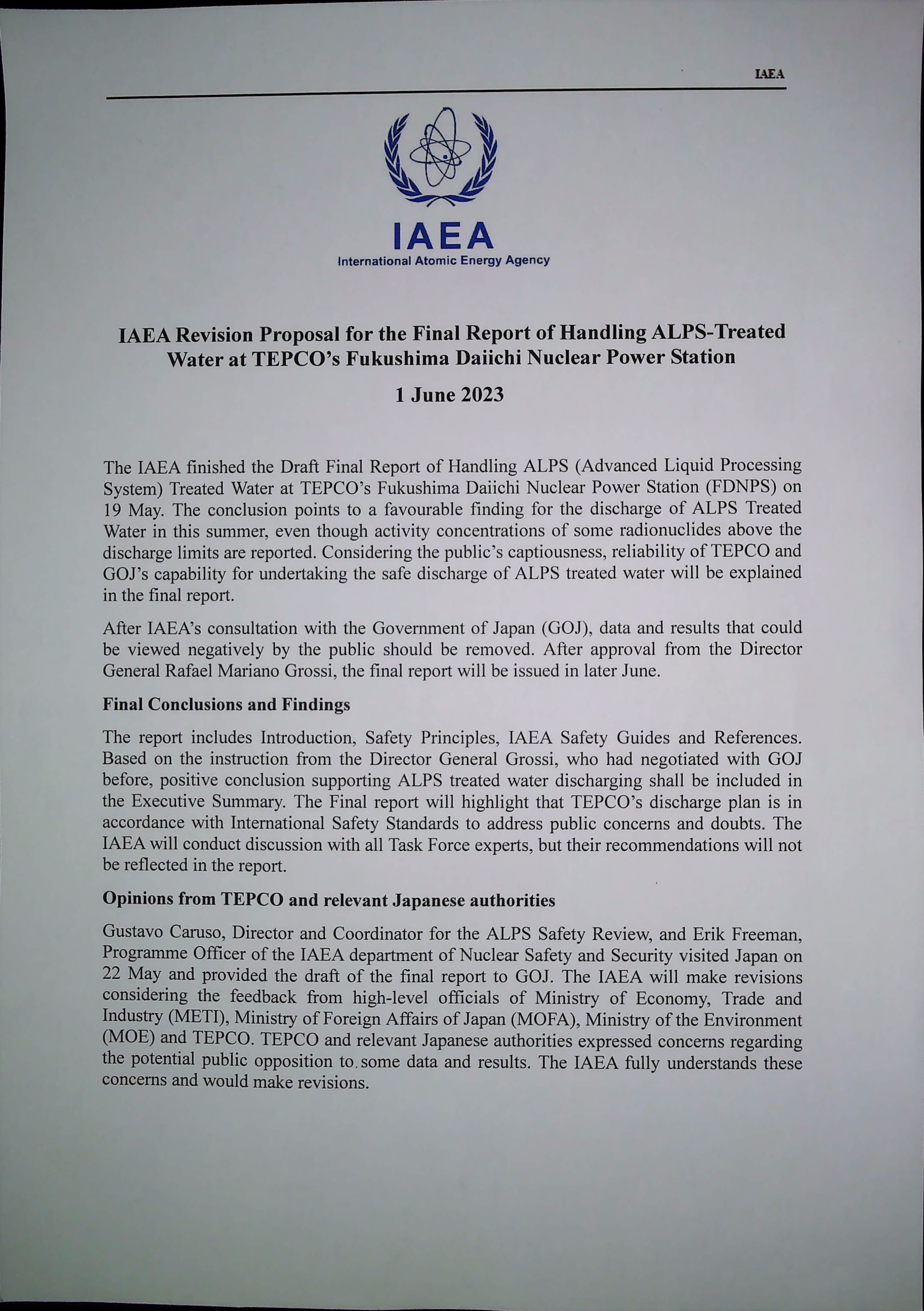
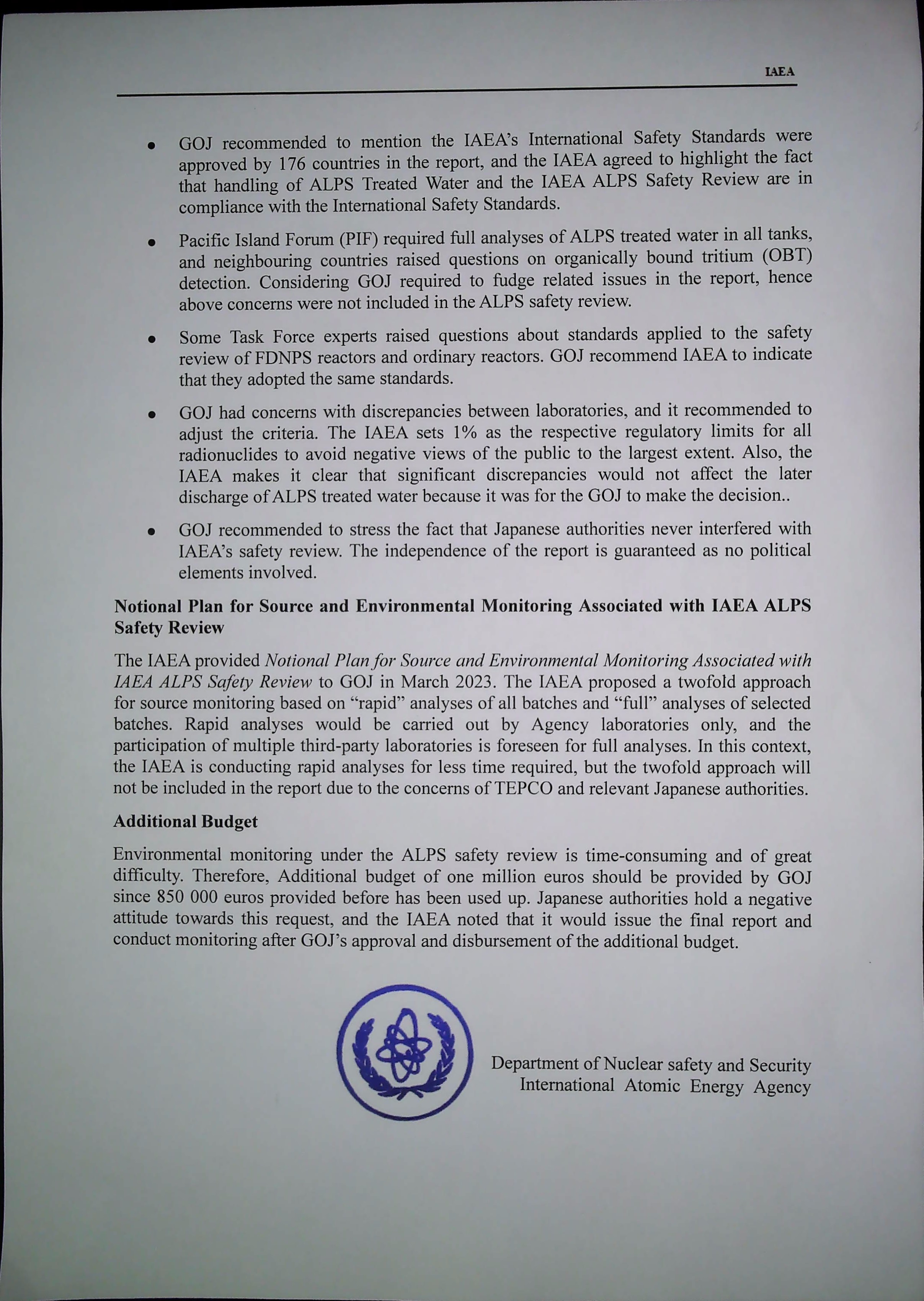
[Ed note. In this IAEA’s internal document the IAEA is seen coaching TEPCO about what to tell and what not tell to the public regarding the « treated » water to be soon discharged into the Pacific Ocean.
One thing that can be drawn from that document’s content is that the IAEA and TEPCO have no intention to be fully transparent about the radioactive contamination of the said « treated water », only the one to cushion insidiously the real facts to the public eyes.]
BY MARI YAMAGUCHI, July 5, 2023
FUTABA, Japan (AP) — The head of the U.N. atomic agency toured Japan’s tsunami-wrecked Fukushima nuclear power plant on Wednesday and said he is satisfied with still-contentious plans to release treated radioactive wastewater into the Pacific Ocean…………………………………

The wastewater release still faces opposition in and outside Japan.
Earlier Wednesday, Grossi met with local mayors and fishing association leaders and stressed that the IAEA will be present throughout the water discharge, which is expected to last decades, to ensure safety and address residents’ concerns. He said he inaugurated a permanent IAEA office at the plant, showing its long-term commitment.
The water discharge is not “some strange plan that has been devised only to be applied here, and sold to you,” Grossi said at the meeting in Iwaki, about 40 kilometers (25 miles) south of the plant. He said the method is certified by the IAEA and is followed around the world…………………….
Local fishing organizations have rejected the plan because they worry their reputation will be damaged even if their catch isn’t contaminated. It is also opposed by groups in South Korea, China and some Pacific Island nations due to safety concerns and political reasons.
Fukushima’s fisheries association adopted a resolution on June 30 reaffirming its rejection of the plan.
The fishery association chief, Tetsu Nozaki, urged government officials at Wednesday’s meeting “to remember that the treated water plan was pushed forward despite our opposition.”
Grossi is expected to also visit South Korea, New Zealand and the Cook Islands to ease concerns there. He said his intention is to explain what the IAEA, not Japan, is doing to ensure there is no problem.
In an effort to address concerns about fish and the marine environment, Grossi and Tomoaki Kobayakawa, president of the plant operator, Tokyo Electric Power Company Holdings, signed an agreement on a joint project to determine whether they are impacted by tritium, the only radionuclide officials say cannot be removed from the wastewater by treatment.
In South Korea, officials said in a briefing Wednesday that it’s highly unlikely that the released water will have dangerous levels of contamination. They said South Korea plans to tightly screen seafood imported from Japan and that there is no immediate plan to lift the country’s import ban on seafood from the Fukushima region.
Park Ku-yeon, first vice minister of South Korea’s Office for Government Policy Coordination, said Seoul plans to comment on the IAEA findings when it issues the results of the country’s own investigation into the potential effects of the water release, which he said will come soon.
China doubled down on its objections to the release in a statement late Tuesday, saying the IAEA report failed to reflect all views and accusing Japan of treating the Pacific Ocean as a sewer.
“We once again urge the Japanese side to stop its ocean discharge plan, and earnestly dispose of the nuclear-contaminated water in a science-based, safe and transparent manner. If Japan insists on going ahead with the plan, it will have to bear all the consequences arising from this,” the Chinese Foreign Ministry said.
Grossi said Wednesday he is aware of the Chinese position and takes any concern seriously. “China is a very important partner of the IAEA and we are in close contact,” he said…………………. https://apnews.com/article/japan-fukushima-radioactive-water-a4dcc4457c95f15ac7636fde4aca1df3
—
Nuclear Contaminated Water Dumping: IAEA Concludes ‘Absolute Safety of Nuclear Contaminated Water’ – with Japanese Government Money?
Date: June 29, 2023 Author: dunrenard FUKUSHIMA 311 WATCHDOGS
Foreign Ministry official reveals in alleged transcripts of conversations
“More than 1 million euros handed over to IAEA officials, director general, etc.”
“IAEA report conclusion of nuclear contaminated water was ‘absolutely safe’ from the beginning”
Adopting an investigation method that detects only easy-to-detect elements129 etc.
South Korea’s Kim Hong-seok and others “IAEA experts are just decorations”
A memo from a senior official at the Ministry of Foreign Affairs’ 1
A document has surfaced in Japan that raises suspicions that the Japanese government is paying IAEA officials large sums of money to work with each other and “collude” in the dumping of Fukushima nuclear contaminated water into the ocean.
‘Foreign Ministry Executive A Memo’, 1 million euros to IAEA
According to the document, which was obtained by citizen journalist Mindle on Nov. 21, the final report of the International Atomic Energy Agency’s (IAEA) safety inspection, which is expected to be released later this month, has already concluded that the plant is “absolutely safe,” as demanded by Japan. To this end, the Japanese government has paid more than 1 million euros in “political contributions” to IAEA officials, so there is “no need to worry” about opposition from South Korea and China to the dumping of contaminated water into the ocean, which will begin as early as mid to late July, according to “Foreign Ministry official A” in the document.
Date: June 29, 2023Author: dunrenard0 Comments
Foreign Ministry official reveals in alleged transcripts of conversations
“More than 1 million euros handed over to IAEA officials, director general, etc.”
“IAEA report conclusion of nuclear contaminated water was ‘absolutely safe’ from the beginning”
Adopting an investigation method that detects only easy-to-detect elements129 etc.
South Korea’s Kim Hong-seok and others “IAEA experts are just decorations”
A memo from a senior official at the Ministry of Foreign Affairs’ 1
A document has surfaced in Japan that raises suspicions that the Japanese government is paying IAEA officials large sums of money to work with each other and “collude” in the dumping of Fukushima nuclear contaminated water into the ocean.
‘Foreign Ministry Executive A Memo’, 1 million euros to IAEA
According to the document, which was obtained by citizen journalist Mindle on Nov. 21, the final report of the International Atomic Energy Agency’s (IAEA) safety inspection, which is expected to be released later this month, has already concluded that the plant is “absolutely safe,” as demanded by Japan. To this end, the Japanese government has paid more than 1 million euros in “political contributions” to IAEA officials, so there is “no need to worry” about opposition from South Korea and China to the dumping of contaminated water into the ocean, which will begin as early as mid to late July, according to “Foreign Ministry official A” in the document.
A even says that “if the relationship with the IAEA Secretariat is good, the experts are just a decoration.” Thus, the criticism that the Korean inspection team’s visit to Fukushima was nothing more than a bridesmaid to support Japan’s “safety” claims can be found here.
Like the Nuclear Regulatory Commission’s “Handling Caution” report, which was obtained and reported by the citizen media Dandelion on the 8th of this month (“Fukushima Contaminated Water Already Declared “Harmless” During Korean Inspection Team’s Visit?”), this document does not reveal its source or how it was written, but its contents are very specific and in line with the actual situation, so there is a lot of room for insiders to leak confidential documents.

Date: June 29, 2023Author: dunrenard0 Comments
Foreign Ministry official reveals in alleged transcripts of conversations
“More than 1 million euros handed over to IAEA officials, director general, etc.”
“IAEA report conclusion of nuclear contaminated water was ‘absolutely safe’ from the beginning”
Adopting an investigation method that detects only easy-to-detect elements129 etc.
South Korea’s Kim Hong-seok and others “IAEA experts are just decorations”
A memo from a senior official at the Ministry of Foreign Affairs’ 1
A document has surfaced in Japan that raises suspicions that the Japanese government is paying IAEA officials large sums of money to work with each other and “collude” in the dumping of Fukushima nuclear contaminated water into the ocean.
‘Foreign Ministry Executive A Memo’, 1 million euros to IAEA
According to the document, which was obtained by citizen journalist Mindle on Nov. 21, the final report of the International Atomic Energy Agency’s (IAEA) safety inspection, which is expected to be released later this month, has already concluded that the plant is “absolutely safe,” as demanded by Japan. To this end, the Japanese government has paid more than 1 million euros in “political contributions” to IAEA officials, so there is “no need to worry” about opposition from South Korea and China to the dumping of contaminated water into the ocean, which will begin as early as mid to late July, according to “Foreign Ministry official A” in the document.
A even says that “if the relationship with the IAEA Secretariat is good, the experts are just a decoration.” Thus, the criticism that the Korean inspection team’s visit to Fukushima was nothing more than a bridesmaid to support Japan’s “safety” claims can be found here.
Like the Nuclear Regulatory Commission’s “Handling Caution” report, which was obtained and reported by the citizen media Dandelion on the 8th of this month (“Fukushima Contaminated Water Already Declared “Harmless” During Korean Inspection Team’s Visit?”), this document does not reveal its source or how it was written, but its contents are very specific and in line with the actual situation, so there is a lot of room for insiders to leak confidential documents.
‘Memo A from a Foreign Ministry official’ 2
‘Recovered from the meeting table’ external secret (社外秘)
The three-page document exposed this time is titled “Memo of Foreign Ministry Executive A,” and is written in the form of a conversation with a foreign ministry executive named A (hereinafter referred to as A) in which the “person in charge” Asakawa asks questions and A answers. ……………………..
……………………….this document is also marked with a red lettering of “seat recall,” and the words “private secret” in pale large letters are stamped at an angle throughout the document.
The IAEA’s methodology and conclusions were dictated by Japan.
…………………………… Japan provides not only technical but also financial support to the IAEA, handing over “more than 1 million euros (about KRW 1,421.5 million)” to “Mr. Freeman” and “Mr. Grossi” as “political contributions”.
He also claims that the IAEA’s first test of contaminated water during the “release of treated water” (dumping of contaminated water), which is expected to begin in “mid or late July,” is a low-precision “rapid analysis”……………………………
‘Memo A of the Foreign Ministry Executive’ 3
Radioactivity in ALPS coarse contaminated water 30,000 times above the standard
However, he said that the testing of ALPS-treated contaminated water is not perfect due to some constraints, and in 2020, the concentration of strontium 90 in the contaminated water in the J1 tank group that had undergone nuclide filtration was 100,000 Bq/L, which is 30,000 times higher than the standard.
Perhaps more importantly, he said, they still don’t know why it happened. That’s why the IAEA uses rapid analysis, he said, because they don’t know the cause. In Mr. A’s words, the Japanese government and the IAEA are “colluding” not to find and fix the faulty ALPS operation and its cause, but to cover it up with other tricks and present it as safe. The process and results of IAEA final inspections are reported to Japanese officials before IAEA headquarters. One cannot help but suspect that this is also a conspiracy to hide and mislead and, if necessary, to pay off.
“You won’t want to eat fish for a while after the release of treated water”………………………………….
Below [on original] is a translated version of the three-page document in question, which calls for the “immediate retrieval of the statue from the meeting table…………… more https://dunrenard.wordpress.com/2023/06/29/nuclear-contaminated-water-dumping-iaea-concludes-absolute-safety-of-nuclear-contaminated-water-with-japanese-government-money/
Fukushima, the Hidden Side of the Story
“The Fukushima Disaster, The Hidden Side of the Story,” is a just-released film documentary, a powerful, moving, information-full film that is superbly made. Directed and edited by Philippe Carillo, it is among the strongest ever made on the deadly dangers of nuclear technology.
It begins with the words in 1961 of U.S. President John F. Kennedy: “Every man, woman and child lives under a nuclear sword of Damocles, hanging by the slenderest of threads, capable of being cut at any moment by an accident, or miscalculation or by madness.”
It then goes to the March 2011 disaster at the Fukushima Daichi nuclear power plants in Japan after they were struck by a tsunami. Their back-up diesel generators were kicked in but “did not run for long,” notes the documentary. That led to three of the six plants exploding—and there’s video of this—“releasing an unpreceded amount of nuclear radiation into the air.”
“Fukushima is the world’s largest ever industrial catastrophe,” says Professor John Keane of the University of Sydney in Australia. He says there was no emergency plan and, as to the owner of Fukushima, Tokyo Electric Power Company, with the accident its CEO “for five nights and days…locked himself inside his office.”
Meanwhile, from TEPCO, there was “only good news” with two Japanese government agencies also “involved in the cover-up”—the Nuclear Industry Safety Agency and Ministry of Economy, Trade and Industry.
“Japanese media was ordered to censor information. The Japanese government failed to protect its people,” the documentary relates.
Yumi Kikuchi of Fukushima, since a leader of the Fukushima Kids Project, recalls: “On TV, they said that ‘it’s under control’ and they kept saying that for two months. The nuclear power plant had already melted and even exploded but they never admitted the meltdown until May. So, people in Fukushima during that time were severely exposed to radiation.”
Arnie Gundersen, a nuclear engineer and now a principal of Fairewinds Energy Education in Burlington, Vermont, speaks of being told by Naoto Kan, the prime minister of Japan at the time of the accident, that “our existence as a sovereign nation was at stake because of the disaster at Fukushima Daichi.”
Kan then appears in documentary and speaks of “manmade” links to the disaster.
The documentary tells how Kan, following the accident, became “an advocate against nuclear power….ordered all nuclear power plants in Japan to shut down for safety” and for the nation “to move into renewable energy.”
But, subsequently, “a nuclear advocate,” Shinzo Abe, became Japan’s prime minister.
Yoichi Shimatsu, a former Japan Times journalist, appears in the film and speaks of “the cruelty, the cynicism of this government.” He speaks of how in the accident’s aftermath, “nearly every member of Parliament and leaders of the major political parties” along with corporate executives, “moved their relatives out of Japan”
He says “Shanghai is the largest Japanese community outside Japan now…while these same people” had been “telling the people of Fukushima go home, 10 kilometers from Fukushima, go home it’s safe, while their families are overseas in Los Angeles, in Paris, in London and in Shanghai.”
“If it’s safe, why they left?” asks Kikuchi. “They tell us it’s safe to live in Fukushima, and to eat Fukushima food to support Fukushima people. There’s a campaign by Japanese government…and people believe it.”
Gundersen says: “At Fukushima Daichi, the world is already seeing deaths from cancer related to the disaster…There’ll be many more over time.” He adds that there’s been a “huge increase in thyroid cancer in the surrounding population.”
“Unfortunately,” he goes on, “the Japanese government is not telling us al the evidence. There’s a lot of pressure on the scientists and the medical community to distort the evidence so there’s no blowback against nuclear power.”
There is a section in the documentary on the impacts of radioactivity which includes Dr. Helen Caldicott, former president of Physician for Social Responsibility, discussing the impacts of radiation on the body and how it causes cancer. She states: “There is no safe level of radiation. I repeat, there is no safe level of radiation. Each dose of radiation is cumulative and adds to your risk of getting cancer and that’s absolutely documented in the medical literature.”
“The nuclear industry says, well,” Dr. Caldiott, continues, “there are ‘safe doses’ of radiation and even says a little bit of radiation is good for you and that is called the theory of hormesis. They lie and they lie and they lie.”
Maggie Gundersen, who was a reporter and then a public relations representative for the nuclear industry and, like her husband Arnie became an opponent of nuclear power, speaks of how nuclear power derives from the World War II Manhattan Project program to develop atomic weapons and post-war so-called “Atoms for Peace” push.
Gundersen says in becoming a nuclear industry spokesperson, “the things I was taught weren’t true.” The notion, for example, that what is called a containment at a nuclear plant is untrue because radioactivity “escapes every day as a nuclear power plant operates” and in a “calamity” is released massively.
As to economics, she cited the claim decades ago that nuclear power would be “too cheap to meter.” The president of Fairewinds Energy Education, she says: “Atomic power is now the most expensive power there is on the planet. It is not feasible. It never has been.” Regarding the radioactive waste produced by nuclear power, she says “there is literally no technology to do that…It does not exist.”
As to international oversight, the documentary presents the final version of a “Report of the United Nations Scientific Committee on the Effects of Atomic Radiation” issued in 2014 which finds that the radiation doses from Fukushima “to the general public during the first year and estimated for their lifetimes are generally low or very low….The most important effect is on mental and social well-being.”
Shimatsu says it is not only in Japan but on an international level that the consequences of radioactive exposure have been completely minimized or denied. “We are all seeing a global political agreement centered in the UN organizations, tie IAEA [International Atomic Energy Agency], the World Health Organization…All the international agencies are whitewashing what is happening in Fukushima. We take dosimeters and Geiger counters in there, we see a much different story,” he says.
In Germany, says Maggie Gunderson, “the politicians chose” to do a study to “substantiate” that no health impacts “happened around nuclear power plants….But what they found was the radiation releases cause significant numbers of childhood leukemia.” A summary of that 2008 study comes on the screen. The U.S. followed up on that research, she says, but recently “the [U.S.] Nuclear Regulatory Commission said it was not going to do that study,” that “it doesn’t have enough funding; it had to shut it down.” She said the real reason was that it was producing “data they don’t want to make public.”
Beyond the airborne releases of radiation after the Fukushima accident, now, says the documentary, there is the growing threat of radioactivity through water that has and still is leaking from the plants as well as more than a million tons of radioactive water stored in a thousand tanks built at the plant site. After the accident, TEPCO released 300,000 tons of radioactive water into the Pacific Ocean. Now there is no land for more tanks, so the Japanese government, the documentary relates, has decided that starting this year to dump massive amounts of radioactive water over a 30-year period into the Pacific.
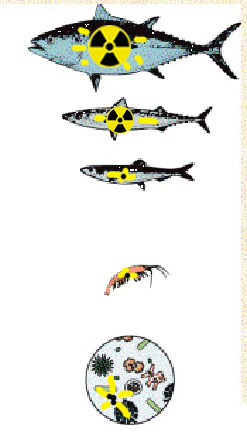
Arnie Gundersen speaks of the cliché that “the solution to pollution is dilution,” but with the radiation from Fukushima being sent into the Pacific, there will be “bio-accumulation”—with vegetation absorbing radiation, little fish eating that vegetation and intensifying it and bigger fish eating the smaller fish and further bio-accumulating the radioactivity. Already, tuna off California have been found with radiation traced to Fukushima. With this planned further, and yet greater dispersal, thousands of people “in the Pacific basin will die from radiation,” he says.
Andrew Napuat, a member of the Parliament of the nation of Vanuatu, an 83 island archipelago in the Pacific, says in the documentary: “We have the right to say no to the Japan solution. We can’t let them jeopardize our sustenance and livelihood.” Vanuatu along with 13 other countries has signed and ratified the South Pacific Nuclear Free Zone Treaty.
As the documentary nears its end, Arnie Gundersen says that considering the meltdown at the Three Mile Island nuclear plant in Pennsylvania in 1979, the meltdown at the Chernobyl nuclear plant in Ukraine in 1986, and now the three Fukushima meltdowns in 2011, there has been “a meltdown every seven years roughly.” He says: “Essentially, once every decade the world needs to know that there might be an atomic meltdown somewhere.” And, he adds, the “nuclear industry is saying they want would like to build as many as 5,000 new nuclear power plants.” (There are 440 in the world today.)
Meanwhile, he says, “renewable power is no longer alternative power. It’s on our doorstep. It’s here now and it works and it’s cheaper than nuclear.” The cost of producing energy from wind, he says, is three cents a kilowatt hour, for solar five cents, and for new nuclear power plants 15 cents. Nuclear “makes no nuclear economic sense.”
Maggie Gundersen says, with tears in her eyes: “I’m a woman and I feel it’s inherent for us as women to protect our children our grandchildren, and it’s our job now to raise our voices and have this madness stop.”
Philippe Carillo, from France, who worked for 14 years in Hollywood and who since 2017 has lived in Vanuatu, has worked on several major TV documentary projects for the BBC, 20th Century Fox and French National TV as well as doing independent productions. He says he made “The Fukushima Disaster, The Hidden Side of the Story” to “expose the nuclear industry and its lies.” His previous award-winning documentary, “Inside the Garbage of the World,” has made changes regarding the use of plastic.
“The Fukushima Disaster, The Hidden Side of the Story” can be viewed at Amazon, Apple TV, iTunes, Google Play and Vimeo on demand. Links are: iTunes: https://itunes.apple.com/us/movie/the-fukushima-disaster/id1672643918?ls=1 Apple TV: https://tv.apple.com/us/movie/the-fukushima-disaster/umc.cmc.3rfome5kj2hfpo2q9fwx5u0y0 Amazon UK: www.amazon.co.uk/placeholder_title/dp/B0B8TLPZ9K/ref=sr_1_1Amazon USA: https://www.amazon.com/Fukushima-Disaster-Yoichi-Shimatsu/dp/B0B8TLSRN4/ref=sr_1_1 Google Play: https://play.google.com/store/movies/details?id=vehqb5ex-L8.P&sticky_source_country=US&gl=US&hl=en&pli=1 Video on demand: https://vimeo.com/ondemand/thefukushimadisaster
Also, extra footage and interviews not in the film are at www.exposurefilmstrust.com
International community cannot tolerate Japan’s nuclear-contaminated water dumping.
By Global Times, Jul 03, 2023 , https://www.globaltimes.cn/page/202307/1293596.shtml
Japan is making final preparations for dumping nuclear-contaminated wastewater into the sea. According to local media reports, Japan’s nuclear regulator finished inspecting a newly completed system to release radioactive water from the Fukushima Daiichi nuclear plant into the sea, presenting a posture that everything is ready. Rafael Mariano Grossi, director General of the International Atomic Energy Agency (IAEA), will visit Japan from Tuesday to Friday, and the IAEA’s final assessment report on Japan’s dumping plan will soon be released. Will Grossi’s attitude, or the IAEA’s final assessment, change Japan’s decision to dump wastewater into the sea? It seems unlikely.
In fact, the Japanese side officially approved the dumping plan as early as July 22 last year. Since then, it has been working intensively on implementing the plan. At the same time, it has been spending a lot of effort on public relations, never taking seriously of the strong concerns at home and abroad, and failing to conduct adequate and well-intentioned consultations with stakeholders. And the IAEA is being targeted by the Japanese side as a priority in networking. Although the organization cannot give Japan a “license” and a “talisman” for dumping nuclear-contaminated water into the sea, the Japanese side may make an issue of how the IAEA writes its assessment report and draws its conclusions.
We still urge the IAEA to uphold the principles of objectivity, professionalism and impartiality, develop an assessment report that can stand the test of science and history, and not endorse the Japanese side’s dumping plan. Tokyo’s calculation is to force the international community to accept that what’s done is done. Japan hopes that after resisting the pressure for some time, perhaps the international community’s attention will turn to other areas, and the opposition to dumping nuclear-contaminated wastewater into the sea will weaken. We cannot let such a scheme succeed.
Now we need to be particularly vigilant that some governments and the Japanese side have reached a political deal over the issue of the wastewater dumping plan, which is a colluded betrayal of the public interest of mankind and marine ecology. Washington was the first to give Tokyo the green light for geopolitical reasons and then persuaded its other allies. The South Korean government has also started to release ambiguous messages frequently despite strong opposition from the public. To dispel the public’s doubts, some lawmakers from the South Korean ruling party even went to the seafood market in groups to drink seawater from the breeding pond, and “even the fish in the pond found it ridiculous.” Some European governments have also relaxed their attitude over the issue.
There have been concerns, objections, and questions about the discharge of nuclear-contaminated wastewater into the sea from ASEAN countries, Pacific Island countries, and others including Japan. Although the US and Japanese governments have tried to marginalize such voices, they have never disappeared. China’s position as a major power is clear and has remained unchanged. The discharge of nuclear-contaminated wastewater into the sea is a matter of common interest for the international community, not a private matter for Japan. So China urges the Japanese side to stop pushing forward with the dumping plan, effectively dispose of the nuclear-contaminated water in a scientific, safe and transparent manner, and accept strict international supervision. This is a voice from a scientific and all-human perspective, which is justified and couldn’t be alone.
In order to promote the safety of seafood from Fukushima, the Japanese government once attempted to use Fukushima’s seafood in the meals of primary and secondary schools in the prefecture. However, all schools in Fukushima prefecture rejected this proposal. According to reports, content of Cs-137 in fish recently caught in the harbor of the Fukushima Daiichi Nuclear Power Plant is 180 times that of the standard maximum stipulated in Japan’s food safety law, which is extremely alarming.
In this situation, claiming that the contaminated wastewater is safe is nothing but a lie. As officials from Pacific island countries have said, if the so-called “treated water” meets the standards and can be discharged, why doesn’t Japan use this contaminated wastewater in its own country, especially in its agricultural sector?
Japan does have other more appropriate choices. The Japanese government has considered five different treatment options, but it ultimately chose the cheapest and easiest one, which is to discharge the contaminated wastewater into the ocean. From a technical standpoint, this is the solution with the lowest economic cost to Japan, but it releases the highest amount of radioactive substances into the global environment. Japan is unwilling to spend money on safely treating the contaminated wastewater but is willing to invest in public relations. According to recent reports from South Korean media, Japanese officials made political donations worth over EUR 1 million to the staff of the IAEA Secretariat and there has been no response to this matter so far.
According to a German marine scientific research institute, with the world’s strongest currents along the coast of Fukushima, radioactive materials could spread to most of the Pacific Ocean within 57 days from the date of discharge. However, Japan has failed to provide a comprehensive and systematic monitoring plan for the disposal of nuclear-contaminated wastewater into the sea. The current monitoring scope is small, with few sampling points and low frequency, making it difficult to timely detect abnormal situations such as discharging pollutants in levels that exceed the stipulated standards. In short, Japan’s forceful disposal of nuclear-contaminated water into the sea is illegal and violates a series of international legal obligations, constituting a crime against all of humanity. China and the international community’s forces of justice stand together against such behavior and will never compromise or tolerate it.
Japan Set to Pour Fukushima Water Into Pacific, Irking China

- IAEA to give decision on proposal to discharge Fukushima waste
- Ocean isn’t “Japan’s private sewer”: China’s foreign ministry
By Shoko Oda and Isabel Reynolds, July 3, 2023 https://www.bloomberg.com/news/articles/2023-07-02/japan-is-set-to-pour-fukushima-wastewater-into-pacific
Japan is set to win approval to discharge more than a million cubic meters of treated water from the Fukushima nuclear disaster site into the Pacific Ocean, a contentious plan that’s soured ties with neighbors including China.
The International Atomic Energy Agency’s Director General Rafael Grossi will visit Japan from Tuesday to deliver a final report on the safety of the process and meet with officials including Foreign Minister Yoshimasa Hayashi. A domestic nuclear regulator is also set to issue a crucial assessment.
Both studies are poised to give backing to Tokyo Electric Power Co. to begin releasing the water — equivalent in volume to about 500 Olympic-size swimming pools — into the sea, a step that’s needed to allow full decommissioning of the Fukushima site following the 2011 earthquake and tsunami that triggered the world’s worst atomic disaster since Chernobyl.
Japan has assured other nations that the release of the water is safe, is in line with standard industry practice and that it’s necessary, because about 1,000 storage tanks at Fukushima will hit capacity early in 2024. Other countries with nuclear plants already safely discharge similar diluted waste offshore, according to the IAEA.
It also comes as Japan joins a wider global reappraisal of nuclear power, with several nations seeking to boost energy self-sufficiency by reviving idled reactors, adding plants or investing in new technology. Prime Minister Fumio Kishida is aiming to build on improving domestic support for the energy source, and Japan’s efforts to complete the closure of the Fukushima site are seen as a crucial in inspiring confidence.
Despite Japan’s diplomatic push, the discharge plan is complicating some global relationships.
The ocean is “not Japan’s private sewer,” Chinese Foreign Ministry spokesman Wang Wenbin said last month, warning the proposed release carries risks for the country’s neighbors and Pacific Island nations. Wang called it a selfish move “that puts the common interests of all humanity in jeopardy.”
Japanese cosmetics brands have been targeted by a viral campaign tied to the issue that spread unproven safety allegations on Chinese social media platforms. In South Korea, demand for sea salt has rocketed as consumers stockpile the condiment amid worries the release of wastewater could taint future supplies.
While the central government in Seoul hasn’t pushed back against Japan’s plans publicly, a survey by the Yomiuri newspaper and South Korea’s Hankook Ilbo conducted in May found 84% of respondents opposed the discharge. A separate poll found almost three-quarters of South Koreans surveyed didn’t trust a delegation of experts sent from Seoul to review Japan’s preparations.
The Pacific Islands Forum, a group of 18 nations including Fiji, Papua New Guinea and Australia, has urged Japan to consider alternatives and called for additional discussions on the risks.
“People’s fears and uncertainties in the region are real, however safely the release will be handled, and however minimal the risk is,” said Nancy Snow, a reputation security consultant in Tokyo and author of a book on Japan’s public diplomacy. “Their concerns cannot be taken lightly or dismissed.”
Japan announced in 2021 it planned a gradual release of about 1.3 million cubic meters of treated wastewater from the Fukushima Dai-ichi nuclear power plant that has accumulated at the site since 2011. Tepco cycles in water to keep debris and fuel at the wrecked nuclear reactors cool, and the contaminated liquid — along with other groundwater and rain — is processed to remove most radioactive elements. The treated water, which still contains tritium, has been collected and stored.
Tepco expects the fleet of about 1,000 storage tanks to reach maximum capacity between February and June next year and the utility has argued it cannot continue to clear space for additional vessels because that’s needed for other parts of the decommissioning process. Storing the water also carries risks of leaks, which are amplified by the nation’s status as one of the most earthquake-prone countries.
In one of its preliminary reports in April, the IAEA said Tepco had taken into account issues raised in previous safety reviews and had “made significant progress to update its plans,” signaling the agency is likely to grant final approval. Grossi will visit Fukushima during his trip to Japan and open an IAEA office at the site, the agency said Friday.
Tepco plans to mix the treated fluid with seawater to dilute the concentration of tritium to “well below” both Japanese government and World Health Organization guidelines, before discharging it into the ocean over the course of as long as 40 years through an undersea tunnel. Tritium has a radioactive half-life of a little over 12 years, according to the IAEA.
Japan’s government has not yet set any specific date to begin releasing the water, and has said it will continue to hold talks with local communities, including the fishing sector, to try to alleviate their concerns.
Releasing water from nuclear power plants is a standard practice and most operations globally release small amounts of tritium and other radioactive material into rivers and oceans, the IAEA said previously.
— With assistance by Ben Westcott
Japan’s nuclear regulator finishes inspection of Fukushima radioactive wastewater release system
Japan’s nuclear regulator has finished inspecting a newly completed system to release radioactive wastewater from the crippled Fukushima Daiichi nuclear power plant into the sea, local media reported.
The Nuclear Regulation Authority (NRA) checked for leaks and other abnormalities on Friday by passing water through the system and inspected the emergency shut-off valves to make sure they function properly, public broadcaster NHK reported.
NRA officials have reported no particular problem with the facility’s overall performance. The nuclear regulatory body is due to draw up a report on the results in about a week, it said.
If the NRA issues a certificate to the plant’s operator Tokyo Electric Power Company (TEPCO), the system will be ready to operate, it added.
The NRA wrapped up three days of final on-site inspections on Friday. TEPCO completed the construction of the wastewater discharge system on Monday.
Despite continuous opposition from its neighbors and the Pacific Island Countries, Japan has been rushing to carry out its plan of dumping treated radioactive wastewater from the crippled Fukushima nuclear power plant into the Pacific.
What is the new ‘returning zone’ to be created in disaster-hit Fukushima?
June 24, 2023 (Mainichi Japan)
The Mainichi Shimbun answers some common questions readers may have about the new residence zones that will be created in parts of Fukushima Prefecture that have become uninhabitable as a result of the 2011 nuclear power plant accident.
Question: I heard that people who were unable to return to their hometowns due to the March 2011 Fukushima nuclear disaster will be able to do so. Is it true?
Answer: Due to the accident at the Fukushima Daiichi Nuclear Power Station, parts of seven municipalities in Fukushima Prefecture have been designated as so-called “difficult-to-return zones” where residence is restricted due to high radiation levels. Within these zones, new “specified returning residence zones” will be established to allow those who wish to return to do so.
Q: How will this work?
A: This system is based on the revised Act on Special Measures for the Reconstruction and Revitalization of Fukushima enacted by the Diet on June 2. The new returning residence zones are set to includes homes, roads and meeting places deemed necessary for the daily lives of those who wish to return to the “difficult-to-return” zones. Decontamination will be carried out to reduce radiation levels in these areas, and then the evacuation order over the areas will be lifted………………………………………..
When the Great East Japan Earthquake hit, there were about 16,000 people living in the areas. However, only about 200 people reside there now — an apparent result of many past residents already having shifted their base of livelihood to other locations due to their prolonged displacement.
Q: How far will the scope of the new returning residence zones extend?
A: Reconstruction bases were set up in clusters of private homes and around train stations, but in the case of the new returning residence zones, the setting is likely to be limited to areas around the homes of those who wish to return. Since it remains difficult to live in an area when an evacuation order has only partially been lifted, there is strong demand for unconditional decontamination throughout the entire area.
(Japanese original by Shuji Ozaki, Minamisoma Local Bureau) https://mainichi.jp/english/articles/20230623/p2a/00m/0op/028000c
Japan urged to face up to legitimate international concerns on dumping nuclear-contaminated water into ocean
By Global Times Jun 23, 2023
Japan was urged to face up to the legitimate concerns of the international community on dumping nuclear-contaminated water into ocean at the 53rd session of the United Nations Human Rights Council on Thursday. Japan’s moves are passing on the risk of nuclear pollution to all mankind that are seriously endangering the right to health of people of all countries, the Chinese representative to the council said.
The Chinese representative said that Japan’s dumping of nuclear-contaminated water into the sea violated its obligations under the United Nations Convention on the Law of the Sea and Japan has so far failed to prove that the dumping of nuclear-contaminated water into the sea is safe and sound. The data released by Japan itself also shows that nearly 70 percent of the treated nuclear-contaminated water still fail to meet the standards.
The dumping plan is not the only way to deal with the Fukushima nuclear-contaminated water, nor is it the safest and most optimal means of disposal. However, the Japanese side chose to discharge the nuclear-contaminated water into the ocean based on economic cost, and in doing so is passing on the risk of nuclear pollution to all mankind, and is seriously endangering the right to health of people of all countries.
The Chinese representative pointed out that Japan has not followed the principle of consultation on the dumping plan of nuclear-contaminated water, and has repeatedly tried to mislead the international community, trying to cover up the uncertain risks of nuclear-contaminated water dumped into the sea under the disguise of “treated water.”………………………………….
This is not a matter for Japan alone. The Japanese side must face up to the strong opposition voices at home and abroad and the reasonable concerns of the international community, honestly fulfill its international obligations, and dispose of the nuclear-contaminated water in an open, transparent, and safest way, so as not to cause irreversible consequence, the representative noted. https://www.globaltimes.cn/page/202306/1293022.shtml
The Fukushima Wastewater ‘Discharge’: What’s in a Name? – technostrategic language.
Japan is very carefully shaping the narrative around its release of radioactive water into the Pacific Ocean.
The Diplomat By Maxime Polleri, June 12, 2023
Japan is planning to soon release a million tons of radioactive water from the Fukushima power plant. Since the 2011 Fukushima nuclear disaster, water used to cool the crippled power plant has become contaminated, while being kept in huge storage tanks. Advanced techniques of water treatment have removed many of the radioactive substances from this stored water, but one pollutant, radioactive tritium, remains especially tricky to get rid of. Since tritium is a radioactive isotope of hydrogen – a key component of water – it cannot be removed by purification and remains in the treated water.
Currently, tritium-contaminated water is filling Japan’s tanks to the brink and the government has no choice but to release this water in the sea. This decision is fueling numerous controversies surrounding the potential danger of releasing nuclear wastewater in the ocean. It is notably facing stark opposition from Japan’s fishing industry, which has been scrambling to recover ever since the 2011 nuclear meltdowns.
As a social anthropologist working on this disaster, I am less concerned about the scientific debates over the safety vs. danger, and more interested in another type of battle that surrounds this decision: a linguistic one. For instance, when fishermen discuss their concerns, they at times use a specific narrative that accuses the authorities of treating the sea as a garbage dump. On the other hand, state authorities and nuclear organizations like The International Atomic Energy Agency (IAEA), rarely talk about “dumping” wastewater in the sea. Instead, they use words like “release,” “disposal,” or even “dilution.” Words like “garbage,” “pollutants,” “contaminants,” or “waste” are also utterly absent from these expert organizations’ vocabulary. In talking about tritium-contaminated water, for example, IAEA prefers resorting to highly technical terms like Advanced Liquid Processing System-treated water.
These words are not random choices. They reflect highly peculiar ways of governing environmental risks in the aftermath of nuclear disasters. In particular, they echo what scholar Carol Cohn famously called “technostrategic language,” that is, terminologies that disregard particular realities in the face of risks, while preventing the expression of specific values. Cohn first talked about technostrategic languages in the context of nuclear defense intellectuals, arguing that their specific language allowed a rejection of the idea that they too could become victims of the wrath of nuclear weapons.
Similarly, words like “discharge,” “dilution,” or “treated water” are part of governance techniques that have powerful symbolic functions. This language imbues post-disaster narratives with specific values, while shutting out alternatives. Let us examine some of the consequences of this technostrategic language.
First, technical words provide an aura of expertise, legitimacy, and control toward the things that cannot be governed, such as the slow accumulation of tons of contaminated water………………………..
Second, much like the phenomenon of radioactive decay – a process where unstable atomic elements gradually transform themselves into wholly different elements – bringing discussions of contamination into the technical sphere literally transmutes the narrative of “waste dumping” into what appears to be a sound policy of “treated-water management.”………………….
Third, the use of scientific jargon also creates powerful hierarchical divisions between people and experts. For instance, Japanese fishermen are worried that the release of radioactive water will affect their livelihood. Yet they can rarely compete against the technical lingo of reified expertise. https://thediplomat.com/2023/06/the-fukushima-wastewater-discharge-whats-in-a-name/
Fukushima waste-water plan a nuclear threat to Asia-Pacific
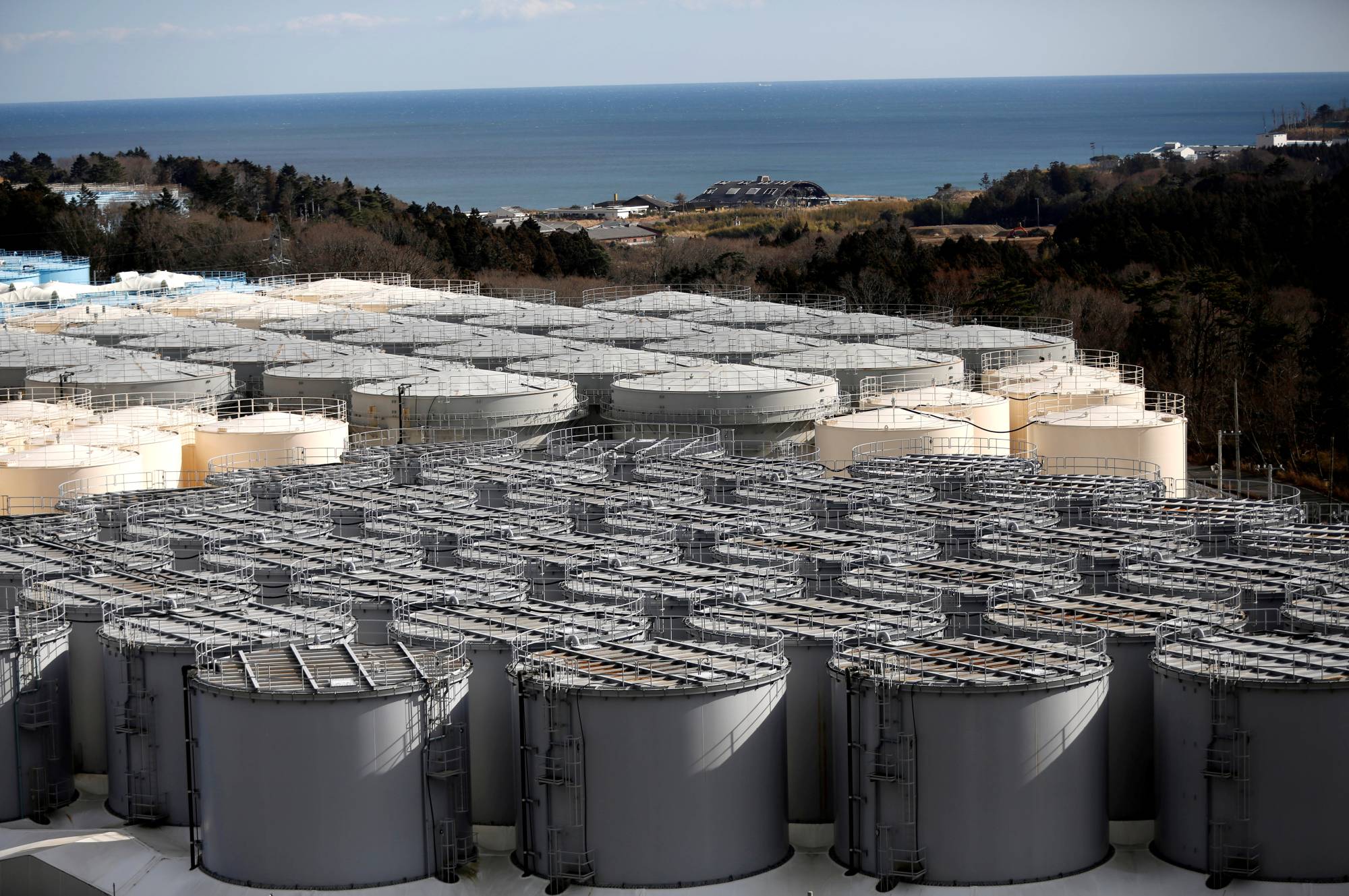
By Shaun Burnie | chinadaily.com.cn 2023-06-13 https://www.chinadaily.com.cn/a/202306/13/WS6487d3e0a31033ad3f7bbf92.html
Japan has decided to start discharging radioactive wastewater from the Fukushima Daiichi nuclear power plant into the Pacific Ocean very soon. The operator of the wrecked plant began tests on Monday of newly constructed facilities for discharging treated radioactive wastewater into the sea. Many myths and untruths have been spread about the nuclear-contaminated water. For example, the Japanese government has said, that according to the International Atomic Energy Agency, the global nuclear industry and some scientists, there is nothing to worry about the effects of the radioactive wastewater.
The Japanese government also claims that nearly all the radioactive materials will be removed from the wastewater using the Advanced Liquid Processing System (ALPS) with only tritium remaining before it is released into the Pacific. It is constantly stated that tritium cannot be removed from the wastewater, but would emit very weak radiation and therefore it will have no impact on either the marine environment or human health in the Asia-Pacific region and beyond.
False claims to mislead the Japanese public
As for Tokyo Electric Power Company, the owner of the Fukushima nuclear plant, it claims discharging the wastewater is necessary due to insufficient space for more storage tanks and for it to be able to fully decommissioning the Fukushima plant between 2041 and 2051. TEPCO also says the discharges will meet regulatory standards and will be lawful.
In the real world, it is a lot worse and a lot more complicated than what TEPCO, the Japanese government and the IAEA claims. The ALPS has been a spectacular failure, with major doubts about its effectiveness. In addition to tritium, all the radioactive carbon (C-14) in the wastewater will be released into the ocean along with many other radionuclides (plutonium isotopes, iodine-129, strontium-90). But despite the Japanese government and TEPCO “planning” to keep them below the regulatory limit, they will still be significant.
There is no safety threshold for artificial radioactivity in the environment, and technology does exist to process tritium from the tanks’ water. However, TEPCO and the Japanese government do not want to spend huge amounts of money needed to do so. Tritium is indeed a low energy radioactive material but that does not mean its effect is weak; if ingested, it has the potential to damage plants, animals and humans.
Recent research published by a leading radiation biologist shows scientific literature of the past 60-plus years is clear — tritium, in particular organically bound tritium (OBT), is biologically harmful to all forms of life. The persistence, bioaccumulation and potential biomagnification and increased toxicity of OBT increases the potential impact on the environment if tritiated water is discharged on land or in the sea.
Tritium more dangerous than previously believed
None of the current regulations in Japan (or worldwide) takes into full account the nature of organic forms of tritium. That organic forms of tritium have been found to bioaccumulate in phytoplankton, the base of the marine food chain, is deeply worrying. The fact that there has been no comprehensive environmental impact assessment of these and many other issues is outrageous, and suggests there is a deliberate underestimation of the accumulation and potential toxic effect of tritium on the environment.
Equally important, the many other radioactive materials in the Fukushima wastewater have the potential to cause damage to the environment and human health. In fact, Japan has sufficient storage capacity, including in the areas around the Fukushima plant. And storing the toxic wastewater, TEPCO cannot fully decommission the reactors at Fukushima in the next 20-30 years — probably not in this century. Rather than being lawful, the release of the wastewater into the sea will violate international law, specifically the United Nations Convention on the Law of the Sea.
One reason why the untruths and myths continue to be spread is that there is a lot at stake for the Japanese government and the nuclear industry. Japan’s energy policy is dependent on restarting many nuclear reactors shut down after the 2011 Fukushima disaster. So far, nine have resumed operations — but according to government policy, Japan needs 30-plus reactors by 2030.
Public opinion in Japan has been influenced by the government’s claim that it is safe to operate these nuclear reactors and that it is possible to recover from a three-reactor meltdown without consequences for human health and the environment. Of course, it’s not.
Sweeping real issue under the carpet
TEPCO, the Japanese government or the IAEA refuses to accept that the wastewater crisis points to a deeper nuclear crisis at the Fukushima plant. And it is getting worse, because groundwater entering the plant continues to become highly contaminated, while the water in the tanks requiring ALPS processing increases.
In November 2021, based on TEPCO data, there were 1,284,284 cubic meters of contaminated ALPS water in the storage tanks, of which 832,900 cu m needed further ALPS processing. As of April 20, 2023, the total volume of radioactive wastewater stored in the tanks was 1,330,944 cu m — a 3.6 percent increase in less than 2 years.
Worse, about 70 percent or 931,600 cu m of the wastewater needs to be processed again (and probably many times again) by the ALPS to bring the radioactive concentration levels below the regulatory limit for discharge. This is an increase of nearly 12 percent in less than 2 years.
TEPCO has succeeded in reducing the concentration levels of strontium, iodine and plutonium in only 0.2 percent of the total volume of the wastewater, and it still requires further processing. But no secondary processing has taken place in the past nearly three years. Neither TEPCO nor the Japanese government nor the IAEA wants to talk about this. They have not said how many times the wastewater needs to be processed, how long it will take to do so or whether the efforts will ever be successful.
Problems not new but none solved in 5 years
Greenpeace wrote about these problems and why the ALPS failed nearly five years ago; none of those issues has been resolved. Also, there is a high possibility of the ALPS failing in the future.
To proceed with their discharge plan, the Japanese government and TEPCO have been creating a false impression on the public that significant progress has been made in decommissioning the Fukushima plant. But fact is, the source of the problem — the highly radioactive fuel debris in reactor pressure vessels 1, 2 and 3 — continues to contaminate groundwater. Nearly 1000 cu m of water becomes highly contaminated every 10 days. So until the nuclear fuel is isolated from the environment, contaminated groundwater, potentially hundreds of thousands of cubic meters, will continue to accumulate.
While the Fukushima plant, after being destroyed by the earthquake-triggered tsunami in March 2011, released large amounts of radioactive particles into the environment, most of the radioactive inventory remains inside the melted fuel. As such, the damaged Fukushima plant on the edge of ocean is a long-term radioactive threat to the environment, including the marine environment. And this threat will be aggravated once Japan begins dumping the toxic water into the ocean.
TEPCO, the Japanese government and the IAEA refuse to acknowledge the fact that the decommissioning plan for the Fukushima plant is not attainable, and that they must embark on a comprehensive reassessment of the plan.
Crisis compounded by damage to reactor
The nuclear crisis in Fukushima is compounded by the damage to the reactors, in particular unit 1. The rapid meltdown of the nuclear fuel in March 2011 severely damaged the large concrete block the 440-ton reactor pressure vessel sits on. One of the agencies responsible for its decommissioning has recently demanded that TEPCO work out immediate countermeasures to prevent the possible collapse of the reactor. But with very high radiation levels inside the plant, it’s not clear whether any countermeasures are possible.
Building a very large containment structure covering the reactor buildings, like it was done at the Chernobyl plant in Ukraine after the nuclear disaster in 1986, is probably the only way to prevent highly radioactive dust entering the lower atmosphere in the event of a future collapse. But such a “solution” is not a currently an option for the Japanese government or the nuclear industry, as it would send the wrong message that the decommissioning process is not going according to plan.
There is no scientific, legal or moral justification for Japan to deliberately contaminate our shared and common marine environment. And concerned citizens, scientists, maritime lawyers, the fishing communities across the Asia-Pacific and the world’s leading oceanography universities and institutes have spread public awareness about the nuclear dangers, something that has rarely been done before.
There is a very strong legal case for challenging Japan’s decision to dump the wastewater into the sea but doing so is a major undertaking. For many reasons, no state or group of states may take up the challenge through UNCLOS this year. But since the environmental threat from the Fukushima plant will only intensify, future legal action should not be ruled out.
At a time when our oceans are under so many multiple threats, including from melting glaciers and related climate emergencies, overfishing and biodiversity loss and plastic pollution — there is no reason why Japan should be allowed to dump the radioactive water into the sea.
Greenpeace has been campaigning for protection for our oceans from radioactive contamination since the 1970s. And the most important thing I have learned in my 30 years with Greenpeace is that positive change is possible even if it does not often happen as early as it should but it can happen and people must never give up their efforts or hope.
The author is a senior nuclear specialist with Greenpeace East Asia and has worked in Japan and wider Asia for over 30 years.
Content of radioactive element in fish at Fukushima’s Nuclear Power Plant 180 times of safe limit
CGTN 6 June 23
The radioactive elements in the marine fish caught in the harbor of the Fukushima Daiichi Nuclear Power Plant in Japan far exceed safety levels for human consumption, according to a report issued by the plant’s operator Tokyo Electric Power Company (TEPCO) on Monday. In particular, the data released show that the content of Cs-137, a radioactive element that is a common byproduct in nuclear reactors, is 180 times that of the standard maximum stipulated in Japan’s food safety law.
CGTN downloaded the English version of the report available on TEPCO’s official website. According to the data, the sampled black rockfish contains the radioactive element Cs-137 with a content of 18,000 becquerels per kilogram. Data available on the website of Fukushima Revitalization Station run by Japan’s Fukushima prefectural government shows that Japan’s current limit of radioactive cesium in general food which contains fish is set at 100 becquerels per kilogram.
According to the report, the location where the sampled fish was caught is at the port area of Units 1 to 4 of the Fukushima Daiichi Nuclear Power Plant, where a breakwater is built and nuclear wastewater with a high concentration of radioactive substances flows in. TEPCO said it will set up multiple protective nets to prevent fish from swimming out of the harbor.
A Chinese news website sina.com.cn quoted experts noting that the radioactive elements in the nuclear wastewater could penetrate into fish, shrimp and other seafood, and later accumulate in the human body after consumption. ……………………
TEPCO on Monday started sending seawater into an underwater tunnel to be diluted before releasing the nuclear wastewater into the ocean. The company said that all facilities for the water release system are expected to be completed by the end of this month.
Local fishing communities say their businesses and livelihoods will suffer still more damage. Neighboring countries such as China and South Korea and Pacific Island nations have raised safety concerns. Environmental groups including Friends of the Earth oppose the release. https://news.cgtn.com/news/2023-06-06/Radioactive-element-in-fish-at-Fukushima-plant-180-times-safe-limit-1kpOlJEH9xm/index.html
Detailed evidence exposes Japan’s lies, loopholes in nuclear-contaminated wastewater dumping plan
Japan’s existing ocean discharge plan and evaluation are based on the assumption that the nuclear-contaminated wastewater can meet discharge standards after treatment.
But unfortunately, the data released by TEPCO showed that as of September 30, 2021, some 70 percent of the then 1.243 million cubic meters of ALPS-treated nuclear-contaminated wastewater still failed to meet the criteria, 18 percent of which even exceeded the standards 10 to 20,000 times over
Firstly, the types of radionuclides that TEPCO monitors are relatively few, making it far from being able to reflect the correct radionuclide dispersion in the contaminated wastewater.
The Fukushima nuclear-contaminated wastewater, coming from the wastewater which was directly in contact with the core of the melted reactor, theoretically contains all the hundreds of types of radionuclides in the melted reactor, such as fission nuclides, a uranium isotope, and transuranic nuclide.
But TEPCO at first only listed 64 types of radionuclides including H-3 and C-14 as a (data) foundation for the works including monitoring and analysis, emission control, and environmental impact assessment. These 64 radionuclides did not include the uranium isotope and certain other α-nuclides, which have long half-lives while some are highly toxic.
TEPCO’s exclusion of the radionuclides mentioned above has greatly compromised the effectiveness of its monitoring work, as well as the credibility of its environmental impact assessment result.
“TEPCO’s plan of only monitoring a few types of radionuclides is unscientific,” the insider told the Global Times.
Later, during the review process of the IAEA Task Force in 2022, TEPCO changed the number of radionuclide types it was monitoring and analyzing to 30, and then decreased it to 29 this year. This is far from enough to provide a complete assessment of the extremely complex nuclides in the Fukushima nuclear-contaminated wastewater.
Secondly, there are missing activity concentration values for multiple radionuclides in TEPCO’s monitoring scheme.
TEPCO’s public report on the 64 radionuclides only provides activity concentration values for 12 radioactive nuclides other than tritium, while over 50 other nuclides do not have specific activity concentration values. The report, while only offering gross α and gross β values, doesn’t disclose the respective concentration levels of many highly toxic radionuclides in the Fukushima nuclear-contaminated wastewater, such as Pu-239, Pu-240 and Am-241.
“[TEPCO’s] current plan only monitors some of the nuclides and the gross α and gross β values, which cannot accurately indicate the fluctuations or changes in the activity of each nuclide after treating the contaminated wastewater due to the fluctuation of the nuclide source term composition,” said the insider.
This operation of TEPCO has largely increased the uncertainty of the [nuclide] source item information of the nuclear-contaminated wastewater, and thus greatly increases the difficulties of making subsequent monitoring plans and marine ecological environmental impact assessment.
Thirdly, TEPCO didn’t make conservative assumptions in many aspects of its monitoring data, and some of the assumptions it made were somewhat “negligent.”
In the process of treating the nuclear-contaminated wastewater, the slight particle shedding of chemical precipitants and inorganic adsorbents in the ALPS may cause some radionuclides to exist in a colloidal state.
Therefore, TEPCO’s assumption that all nuclides in nuclear-contaminated wastewater in the ALPS are water-soluble is obviously invalid, said the insider. “TEPCO should scientifically and comprehensively analyze whether colloidal nuclides are present in the nuclear-contaminated wastewater based on the long-term operation experience of its ALPS system,” he noted.
Huang Lanlan Jun 05, 2023 https://www.globaltimes.cn/page/202306/1291969.shtml
The Fukushima Daiichi Nuclear Power Plant Photo: VCGAs the date for Japan’s planned dumping of nuclear-contaminated wastewater into the ocean approaches, a Pandora’s Box threatening the global marine ecosystem is likely to be opened.
The Japanese government announced its decision on April 13 to release the nuclear-contaminated wastewater from the storage tanks at the Fukushima Daiichi Nuclear Power Plant into the sea. Starting from 2023, the discharge is scheduled to last about 30 years. This decision has garnered widespread attention and sparked great concern across the globe.
While Japanese authorities are busy colluding with some Western politicians in boasting about the discharge plan, Fukushima residents, international experts in ecology, and various stakeholders around the world have kept calling for Japan to reconsider and modify its flawed plan.
Japan’s attempt to “whitewash” the Fukushima nuclear-contaminated wastewater release plan failed again at the Group of Seven (G7) summit in May. The joint statement of the summit did not explicitly state nor allude to the G7 members’ “welcome” of the current dumping plan due to strong opposition. Instead, it only reiterated support for the International Atomic Energy Agency’s (IAEA) review of Fukushima’s treated water release.
An insider familiar with Japan’s dumping plan recently told the Global Times that he has many concerns and doubts about the plan. The insider provided detailed evidence exposing Japan’s lie that whitewashes its dumping plan. He also revealed many loopholes in the plan that the Japanese government and Tokyo Electric Power Company (TEPCO) have refused to talk about or even deliberately concealed from the public.
All provided evidence considered, it is apparent that, currently, Japan is incapable of properly handling the nuclear-contaminated wastewater dumping. The toxic wastewater processed by the Japanese side cannot currently meet international discharge standards, and the country’s reckless behavior, if not stopped and corrected in time, may cause irreparable damage to the global ecosystem.
“There are still many unresolved issues with the source terms of the Fukushima nuclear-contaminated wastewater,” the insider said.
“If the Japanese government and TEPCO continue to have their own way, it may cause improper discharge of nuclear-contaminated water, and that must be taken seriously,” he noted, calling on the two sides to be open, transparent, and honest in solving the problem.
Disappointing data monitoring
Japan’s current plan of releasing nuclear-contaminated wastewater into the sea, though superficially reasonable at first glance, cannot hold up to close scrutiny. Its monitoring on the source terms of the Fukushima nuclear-contaminated wastewater is incomplete, and the data it collects is likely unreliable, observers told the Global Times.
In February 2022, the IAEA Task Force released its first report, the IAEA Review of Safety Related Aspects of Handling ALPS-Treated Water at TEPCO’s Fukushima Daiichi Nuclear Power Station. The report clearly stated that the Task Force “commented on the importance of defining the source term for the discharge of ALPS (Advanced Liquid Processing System) treated water in a sufficiently conservative yet realistic manner.”
Source terms of contaminated water include the composition of radionuclide and the activity of simulation of nuclides dispersion. As the premise of marine environmental monitoring, the accuracy and reliability of the source term-related data is crucial. However, Japan’s data statistics and monitoring on the source terms are disappointingly full of loopholes.
Continue readingTiny radioactive particles persist indoors years after Fukushima

Ellen Fiddian , https://cosmosmagazine.com/science/physics/fukushima-caesium-microparticles/ 4 June 23
Radioactive microparticles were still coating buildings near the Fukushima Daiichi nuclear power plant five years after the disaster, according to a study in Chemosphere.
The researchers found caesium-rich microparticles (CsMPs) in the dust of an abandoned primary school 2.8 kilometres southwest of the plant.
CsMPs are usually 5 micrometres in size or smaller (<PM5), and pose a threat to human health if inhaled because they’re highly radioactive.
They also don’t dissolve well in water, meaning they’re likely to persist in the environment and in bodies of people and animals.
“Given the small size of the particles, they could penetrate into the deepest parts of the lung, where they could be retained,” says senior author Associate Professor Satoshi Utsunomiya, a researcher at Kyushu University, Japan.
The researchers had previously shown that the 2011 Fukushima nuclear disaster, which was triggered by an earthquake and subsequent tsunami, released CsMPs. They found CsMPs in a wide area including as far south as Tokyo, about 300km away.
While they had shown CsMPs were distributed widely in the Fukushima exclusion zone, but had not yet shown that the particles could get indoors.
“When entering the school building, we were all shocked by what we saw. Five years had passed by the time of sampling in 2016, but everything was left as it was at the moment of the 2011 earthquake. It’s as if time had stood still,” says Utsunomiya.
The researchers examined dust samples from floors near the school entrance, on its second floor, and in the school yard.
They found CsMPs at both indoor locations, with higher concentrations near the door.
“The CsMPs may present a threat; as shown in our work, CsMPs may accumulate locally and form hot spots, even in indoor environments,” says Utsunomiya, although the exact health effects of CsMPs are still unclear.
“The potential occurrence of CsMPs in indoor environments dictates a need for detailed studies of indoor CsMPs in residential areas impacted by Fukushima Daiichi nuclear power plant fallout,” says co-author Professor Gareth Law, from the University of Helsinki, Finland.
“I believe it is our duty to conduct rigorous scientific research on the tragic Fukushima events, to find and publicize new knowledge that will be important to society and the next generation,” says Utsunomiya.
“Maybe one day time can begin again for abandoned buildings like the school, but for that to happen, significant clean-up efforts are needed, and if that is to proceed, we first need to know about the forms and extent of contamination in those buildings, such that workers and potential occupants can be protected.”
Japan will be releasing treated radioactive water – nuclear waste from the plant – into the Pacific Ocean later this year.
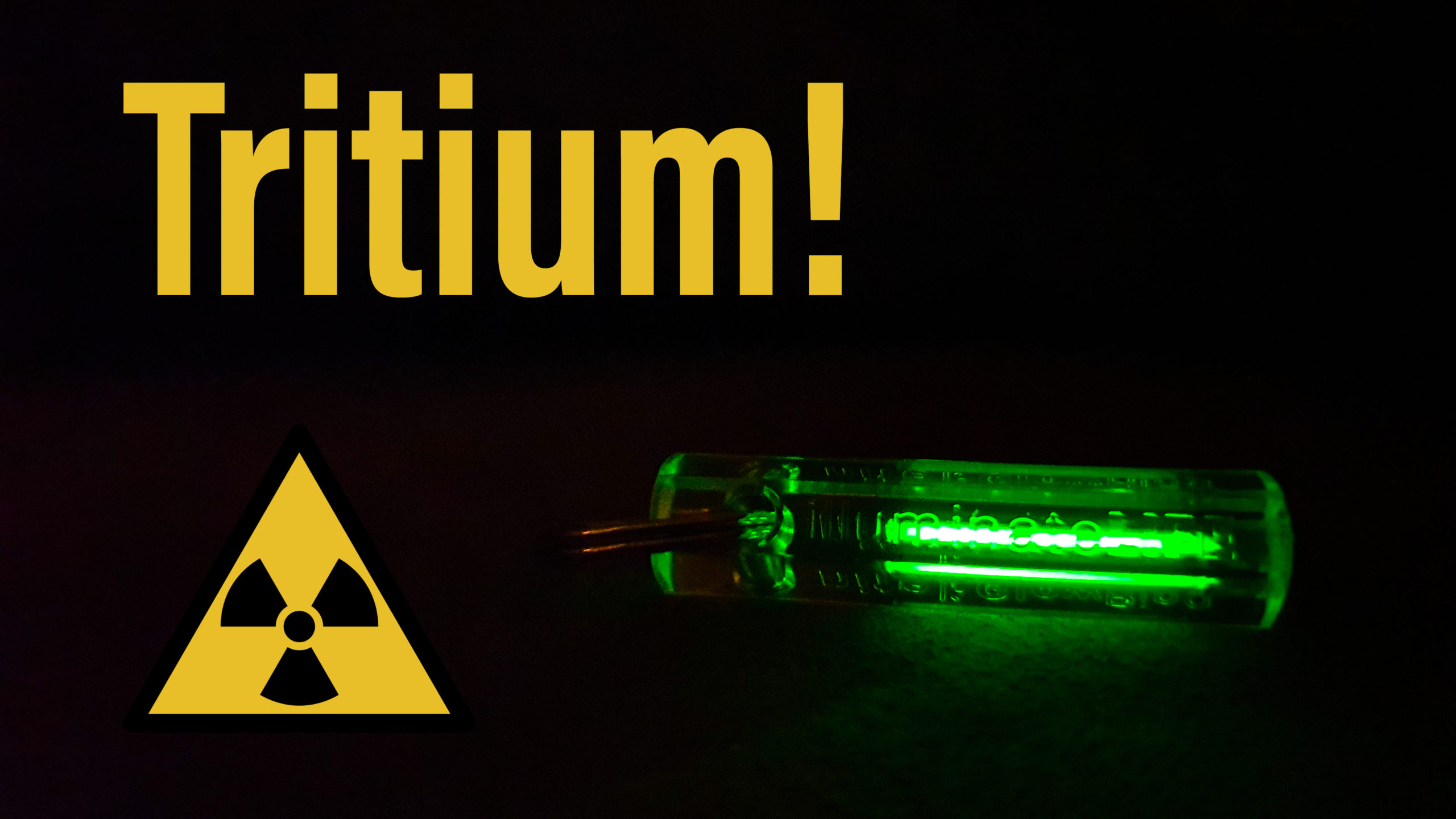
Tritium found beyond safe limits in treated Fukushima wastewater
A type of radioactive isotope in the over 1.3 million tons of wastewater
being collected at the destroyed Fukushima nuclear power plant and planned
for discharge by as early as this summer has been found at levels beyond
those earlier suggested to be safe by the Japanese government, a wastewater
safety review report by the International Atomic Energy Agency showed
Thursday.
According to the report, which corroborated analyses of the treated wastewater by six laboratories including the Korea Institute of Nuclear Safety, the activity concentrations of tritium in the treated water were estimated to be at least 148,900 becquerels per liter.
The wastewater filtered through Japan’s Advanced Liquid Processing System at the Fukushima Daiichi Nuclear Power Station contained more tritium than what was stipulated in Japan’s national regulatory standards for discharge, 60,000 becquerels per liter……………………………………………
Korea Herald 1st June 2023
http://www.koreaherald.com/view.php?mp=1&np=1&ud=20230601000750
1 This Month


Shut down the radiation-damaged Heysham nuclear reactors now
To see nuclear-related stories in greater depth and intensity – go to https://nuclearinformation.wordpress.com

Say No to NASA’s Reckless Nuclear Reactor on the Moon
Say No to NASA’s Reckless Nuclear Reactor on the Moon
-
Archives
- October 2026 (247)
- September 2026 (339)
- August 2026 (330)
- July 2026 (355)
- June 2026 (287)
- May 2026 (306)
- April 2026 (356)
- March 2026 (251)
- February 2026 (267)
- January 2026 (308)
- December 2025 (358)
- November 2025 (359)
-
Categories
- 1
- 1 NUCLEAR ISSUES
- business and costs
- climate change
- culture and arts
- ENERGY
- environment
- health
- history
- indigenous issues
- Legal
- marketing of nuclear
- media
- opposition to nuclear
- PERSONAL STORIES
- politics
- politics international
- Religion and ethics
- safety
- secrets,lies and civil liberties
- spinbuster
- technology
- Uranium
- wastes
- weapons and war
- Women
- 2 WORLD
- ACTION
- AFRICA
- Atrocities
- AUSTRALIA
- Christina's notes
- Christina's themes
- culture and arts
- Events
- Fuk 2022
- Fuk 2023
- Fukushima 2017
- Fukushima 2018
- fukushima 2019
- Fukushima 2020
- Fukushima 2021
- general
- global warming
- Humour (God we need it)
- Nuclear
- RARE EARTHS
- Reference
- resources – print
- Resources -audiovicual
- Weekly Newsletter
- World
- World Nuclear
- YouTube
-
RSS
Entries RSS
Comments RSS

