
nuclear-news

The News That Matters about the Nuclear Industry Fukushima Chernobyl Mayak Three Mile Island Atomic Testing Radiation Isotope

  • Home
  • 1 This Month
  • ACTION !
  • Disclaimer
  • Links
  • PAGES on NUCLEAR ISSUES

How much did USA’s failed plutonium project cost? Now a giveaway sale of MOX equipment

Failed Federal Plutonium Project Ends in Fire Sale on Parts https://www.bloomberg.com/amp/news/articles/2020-06-18/costly-u-s-nuclear-project-ends-with-online-fire-sale-for-parts?fbclid=IwAR1IMM-ZpF0NECPbroKYMtUNWlKhSgpcUnzhsT9F9CvyG5u8N00obxapov0  

By

Ari Natter June 19, 2020, 
  • U.S. conversion factory’s equipment is on the auction block
  • After $8 billion spent, critics see sale at ‘giveaway prices’

Need some parts for a nuclear plant? The government has a few to spare.

Electrical transformers, motors, and pieces of special glove boxes designed to safely handle radioactive material are available as the government auctions off equipment from a now-abandoned nuclear project that was supposed to turn weapons-grade plutonium into fuel for commercial nuclear reactors.

The online fire sale, which ended Thursday evening, is part of an effort to recoup some of the nearly $8 billion taxpayers spent on the so-called Mixed Oxide (MOX) Fuel Fabrication Facility in Aiken, South Carolina, which sits partially finished.

The Trump administration pulled the plug on the project in 2018 following years of ballooning cost estimates and delays. Envisioned in 1999 with a price-tag of $620 million, it swelled to nearly $48 billion with an estimated completion date in the 2040s. Metric tons of plutonium transferred to the site for conversion remain there.

The thousands of items up for grabs are in their original packaging and “present a rare opportunity to acquire brand new equipment that is top nuclear grade,” said Diana Peterson, president of the auction company AW Properties Global, which has been awarded the subcontract to sell off the goods.

Plutonium Handling

Among the items are 101 pallets of glove box assembly kits — sealed boxes with two arm-length gloves attached to holes in the side, used to handle plutonium and other radioactive materials. The high bid was $20,000 as of Thursday afternoon.

A pair of 3,750 kilo-volt-ampere transformers is going for $70,000. Also available are 300,000 pounds of ventilation equipment, as well as reams of switches, control panels, valves, and electrical equipment.

To critics, the sale is a fitting capstone to a project they say has been beset by waste from the start.

“This give-away sale of equipment from the MOX debacle highlights the massive waste of money spent on equipment that was stockpiled willy-nilly just to spend annual budgets and enrich contractors,” said Tom Clements, director of Savannah River Site Watch, a non-profit public-interest group that monitors work at the sprawling site that made nuclear bomb materials in the 1950s.

There should be a “full accounting to the public about how much was spent on stockpiled MOX equipment, how much has been given away or scrapped, and how much is being sold at pennies on the dollar,” Clements said.

The National Nuclear Security Administration, the Energy Department arm responsible for the site, said the auction was being held in accordance with all government property regulations.

“Any inventory that could not be reused by our government, is going to auction as part of our commitment to recapitalize project value,” the agency said in a statement.
(Adds comment from NNSA in final two paragraphs.)

June 22, 2020 Posted by Christina Macpherson | - plutonium, business and costs, reprocessing, USA | Leave a comment

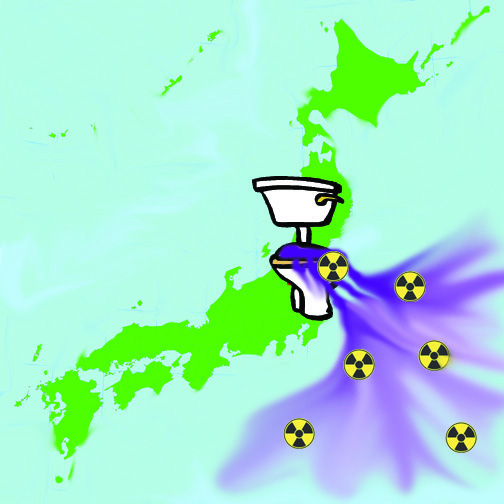
Fukushima: Japan Must Not Ignore Human Rights Obligations On Nuclear Waste Disposal – UN Experts, 

Fukushima: Japan Must Not Ignore Human Rights Obligations On Nuclear Waste Disposal – UN Experts,   https://www.scoop.co.nz/stories/WO2006/S00057/fukushima-japan-must-not-ignore-human-rights-obligations-on-nuclear-waste-disposal-un-experts.htm     Wednesday, 10 June 2020,  UN Special Procedures – Human Rights  UN human rights experts* today urged the Japanese Government to delay any decision on the ocean-dumping of nuclear waste water from the reactors at Fukushima Daiichi until after the COVID-19 crisis has passed and proper international consultations can be held.“We are deeply concerned by reports that the Government of Japan has accelerated its timeline for the release of radioactive waste water into the ocean without time or opportunity for meaningful consultations,” the independent experts said. Credible sources indicate the postponement of the 2020 Olympics enabled the Government’s new decision-making process for release of the waste.

They said the Government’s short extension for the current public consultation was grossly insufficient while COVID-19 measures limited opportunities for input from all affected communities in Japan, as well as those in neighbouring countries, including indigenous peoples.

“COVID-19 must be not be used as a sleight of hand to distract from decisions that will have profound implications for people and the planet for generations to come,” the experts said. “There will be grave impacts on the livelihood of local Japanese fisher folk, but also the human rights of people and peoples outside of Japan.”

They said there was no need for hasty decisions because adequate space was available for additional storage tanks to increase capacity, and the public consultation originally was not expected to be held until after the 2020 Olympics.

“We call on the government of Japan to give proper space and opportunity for consultations on the disposal of nuclear waste that will likely affect people and peoples both inside and outside of Japan. We further call on the Government of Japan to respect the right of indigenous peoples to free prior and informed consent and to respect their right to assemble and associate to form such a consent.”

The experts have communicated their concerns to the Government of Japan. UN experts have previously raised concerns over the increase of exposure levels to radiation deemed “acceptable” for the general public, and for the use of vulnerable workers in efforts to clean up after the nuclear disaster.

June 15, 2020 Posted by Christina Macpherson | Japan, wastes | Leave a comment

Sellafield waste will stay on site after 2021, Cumbria County Council agrees

The Sellafield atomic fuel reprocessing site, operated by Sellafield Ltd., stands in Seascale, U.K., 

Sellafield waste will stay on site after 2021, Cumbria County Council agrees, In Cumbria, By Liam Waite  @imliamwaite    11th June 20  Sellafield can continue to store 11,000 cubic metres of nuclear waste in one of its Seascale buildings, Cumbria County Council has agreed.

Permission was granted in 1992 for Sellafield to store encapsulated intermediate-level waste in a five-storey building on the site but that permission was due to expire at the end of next year due to a planning condition.

At a virtual meeting of the council’s development control and regulation committee yesterday, councillors voted unanimously in favour of removing the condition and allowing the waste to continue to be stored there after an application by Sellafield Ltd.

Members were told that there was no permanent alternative available in the absence of the proposed new UK Geological Disposal Facility, the location of which has not yet been decided. …… https://www.in-cumbria.com/news/18506264.sellafield-waste-will-stay-site-2021-cumbria-county-council-agrees/

June 13, 2020 Posted by Christina Macpherson | UK, wastes | Leave a comment

Australia’s govt rushes nuclear waste Bill through Lower House, but this story is not over.

The federal government’s radioactive waste laws the House of Representatives today, however they failed to win broad support or approval.

Importantly, Labor joined with Greens, Centre Alliance and independents to vote against the contested push to move Australia’s radioactive waste from ANSTO’s secure Lucas Heights facility in southern Sydney to a site near Kimba in regional South Australia.

While accepting the need for improved radioactive waste management, Labor MPs highlighted deep concerns with the government’s approach and called for further detail and review.

Concerns included:

  • The double handling of problematic and long-lived Intermediate Level Waste (ILW) through the unnecessary transport from an above-ground extended interim storage facility at ANSTO to an above-ground extended interim storage at a less resourced regional facility.
  • The continuing opposition of the region’s Barngarla Traditional Owners.
  • The lack of a rationale for a new set of waste laws.
  • The government’s decision not to de-couple consideration of the different waste streams (ILW and Low Level Waste). Labor urged the government to allow wider project consideration, including through a current Senate review.

The Greens spoke strongly against the plan – as did Zali Steggall. Andrew Wilkie and Centre Alliance’s Rebekah Sharkie also voted against the legislation – further details in the Hansard transcript and voting record attached fyi

From here – among other things – we need to work to highlight and detail the unresolved concerns via the Senate review (still tracking to report at the end of July) and the subsequent Senate consideration and vote on these laws.

Today the government has had a short-term political win at the expense of building consensus or credibility – we saw a political numbers exercise but we did not see agreement, evidence or responsibility. The government’s plan is deeply deficient and more people are seeing and acknowledging this – this story will grow  and change the approach to radioactive waste management.

June 11, 2020 Posted by Christina Macpherson | AUSTRALIA, wastes | Leave a comment

Continuing court battle against proposed nuclear waste site near Carlsbad

Legal battle continues against proposed nuclear waste site near Carlsbad, Carlsbad Current Argus, Adrian Hedden, Carlsbad Current-Argus June 10, 2020  A planned nuclear waste repository near Carlsbad was challenged in federal court, as opponents sought to appeal a decision by the federal government to reject contentions to the project that would see spent nuclear fuel rods stored temporarily at a location near the Eddy-Lea county line.

Beyond Nuclear filed its appeal on June 4 in the U.S. Court of Appeal for the District of Columbia, questioning the federal Nuclear Regulatory Commission’s April 23 decision to reject challenges to Holtec International’s application for a license to build and operate a consolidated interim storage facility (CISF) that would hold nuclear waste at the surface until a permanent, deep geological repository was available to hold the waste permanently.

The facility would store up to 173,000 metric tons of the waste.

Such a permanent repository does not exist, and Beyond Nuclear — a non-profit organization that addresses nuclear issues nationwide — worried one wouldn’t be available until 2048.

The group also pointed to another NRC order in October 2018 where the NRC deemed contentions inadmissible but argued against both decisions that it said upheld a regulatory process that violated federal law.

The licensing process itself was illegal, read NRC’s court filing, because it considered the possibility that the U.S. Department of Energy would take ownership of the waste — a move illegal under federal law unless a permanent repository is available to hold the waste.

“This NRC decision flagrantly violates the federal Administrative Procedure Act (APA), which prohibits an agency from acting contrary to the law as issued by Congress and signed by the President,” said Mindy Goldstein, an attorney for Beyond Nuclear.

“The Commission lacks a legal or logical basis for its rationale that it may issue a license with an illegal provision, in the hopes that Holtec or the Department of Energy won’t complete the illegal activity it authorized. The buck must stop with the NRC.”…….. https://www.currentargus.com/story/news/local/2020/06/10/federal-appeal-filed-against-nuclear-waste-site-proposed-near-carlsbad/5317995002/

June 11, 2020 Posted by Christina Macpherson | Legal, USA, wastes | Leave a comment

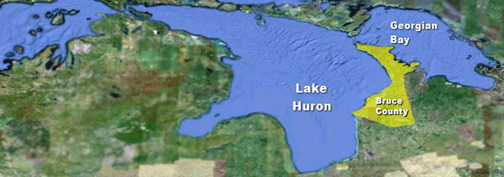
Delay to community vote on nuclear waste dump for South Bruce, Ontario

South Bruce council says no to immediate vote on nuclear waste plan,  CTV News, Scott Miller, CTV News London Videographer 10 June 20, 

   TEESWATER, ONT. — South Bruce Mayor Robert Buckle says now is not the time to have a community vote on the possibility of burying nuclear waste near Teeswater.

“Due to the medical crisis we have right now, we cannot have a referendum. Furthermore, we have to make sure that people in South Bruce are familiar with all the pros and cons, because this project is going to have a tremendous effect on our community, not only now but for generations,” he says.

The decision on where to bury Canada’s high-level nuclear waste is down to the Municipality of South Bruce, near Teeswater, and Ignace, in Northern Ontario.

The Nuclear Waste Management Organization (NWMO) is looking for a home for 5.2 million used nuclear fuel bundles, that remain dangerously radioactive for centuries.

About 1,300 acres of land north of Teeswater has been optioned by the NWMO, as a potential site to bury the waste, forever.

Michelle Stein is a local farmer who lives directly beside the proposed site. She is leading a local group opposed to the plan.

Protect our Waterways – No Nuclear Waste presented a petition to South Bruce council with 1,500 local signatures against the project Tuesday night. They’re asking council for a community vote on the nuclear waste plan as soon as possible.

“We’re trying to let them know that it’s time for them to listen to their constituents. There’s a lot of us who are not willing to host the nuclear dump. And it’s time the community gets a vote to decide what’s going on,” Stein says.

Hundreds took part in a rolling protest of the nuclear waste plan after presenting the petition Tuesday night…….

Stein says an online petition in opposition of the project. has garnered over 10,000 signatures from across Canada. https://london.ctvnews.ca/south-bruce-council-says-no-to-immediate-vote-on-nuclear-waste-plan-1.4977788

June 11, 2020 Posted by Christina Macpherson | Canada, wastes | Leave a comment

Sellafield’s 11000 cubic metres of nuclear waste – UK’s storage problem

Plans for 11,000m³ of nuclear waste, In Cumbria, 8 June 20  A DECISION on whether Sellafield can continue storing 11,000 cubic metres of nuclear waste in one of its Seascale buildings is due to be made tomorrow (Tuesday).Sellafield was granted permission to build a five-storey building in 1992 for interim storage of encapsulated intermediate-level waste.

However the permission expires at the end of 2021, due to a condition imposed at the time by Copeland council.

The nuclear firm now wants to have permission to continue storing the waste, as a more permanent solution is not yet available.

The county council’s development control and regulation committee will discuss the application at a meeting at 10am.

A report prepared for the authority said: “The building is required to be retained for the continued storage of intermediate-level waste (ILW) which is required to be stored until alternative facilities come on line.

“The alternative storage solution is likely to be the Geological Disposal Facility (GDF), which is currently out to consultation on host site availability, and until such time as the GDF is made available a suitable interim storage place for ILW is required……

Both Seascale and Ponsonby parish councils have objected to the proposal.

The report said that the Seascale authority wanted Sellafield to submit a full planning application.

“When constructed these [facilities] had a 50-year life and Copeland put a time limit of 30 years to allow time for future storage options; these amendments need a full planning application.

“Seascale Community are living with what are described as health and quality of life risks and this needs to be taken into account.”……..  The meeting is due to take place virtually. For more information on how to join the meeting, visit the council’s site cumbria.gov.uk  https://www.in-cumbria.com/news/18502494.plans-11-000m-nuclear-waste/

June 8, 2020 Posted by Christina Macpherson | UK, wastes | Leave a comment

Legal challenge to “Interim” storage of nuclear wastes, before permanent disposal determined

Holtec’s interim nuclear waste application challenged in court, BY THERESA DAVIS / JOURNAL STAFF WRITER, AlbuquerquebJournal, June 6th, 2020 

Holtec International’s proposed nuclear waste interim storage facility in southeast New Mexico faces a new legal challenge.

Anti-nuclear group Beyond Nuclear filed a petition for review Thursday in the U.S. Court of Appeals for the District of Columbia Circuit. The group asks for review of the U.S. Nuclear Regulatory Commission’s rejection of their petitions.

The group alleges that the NRC cannot issue Holtec a license because the company’s application includes a provision that the U.S. Department of Energy may be the owner of the facility’s nuclear waste. The group says approval would violate the Nuclear Waste Policy Act.

That law prevents the government from taking ownership of nuclear waste from private utilities before a permanent repository is in operation. The government has yet to open such a site.

“The reason that provision is in the NWPA is to protect a state like New Mexico from being forced to store this waste before a permanent repository is opened,” said Kevin Kamps, a radioactive waste specialist with Beyond Nuclear. “(Holtec has) now added a clause that includes ‘and/or nuclear utilities’ in the list of potential customers. That was good enough for the NRC, apparently.”

Beyond Nuclear presented its petition to NRC’s Atomic Safety and Licensing Board. In April, the NRC upheld that board’s dismissal of the petition.

An April 23 NRC order says Holtec “hopes Congress will change the (NWPA) law to allow DOE to enter into temporary storage contracts with Holtec.”………

The petition alleges that the NRC is also violating the Administrative Procedure Act.

“Agencies have to work with what Congress gave (them),” said Mindy Goldstein, an attorney for Beyond Nuclear and the director of the Turner Environmental Law Clinic at the Emory University School of Law. “We feel NRC is stepping around that requirement. Congress has said that DOE can’t own this waste.”

The proposed facility would store spent nuclear fuel in 500 canisters on a 1,000-acre site between Carlsbad and Hobbs. The full project could store 10,000

canisters.  https://www.abqjournal.com/1463656/holtecs-interim-nuclear-waste-application-challenged-in-court.html

June 8, 2020 Posted by Christina Macpherson | legal, USA, wastes | Leave a comment

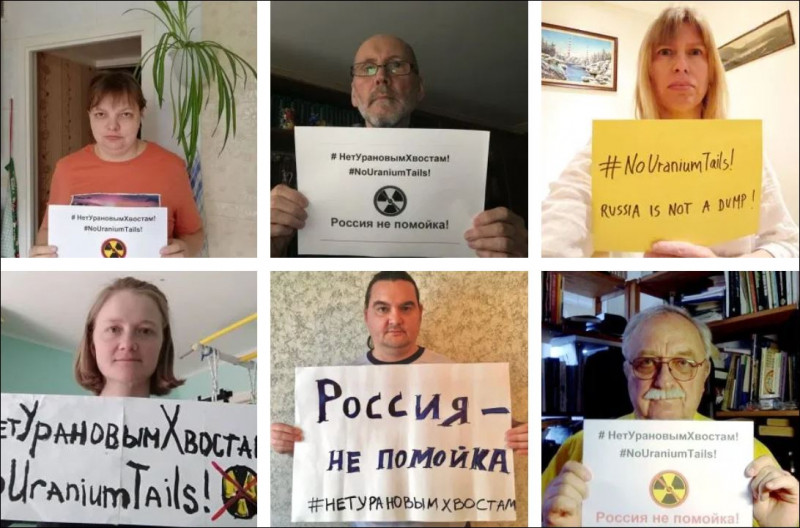
Anti–nuclear resistance in Russia: problems, protests, reprisals

Anti–nuclear resistance in Russia: problems, protests, reprisals [Full Report 2020]  
RNA INTERNATIONAL·FRIDAY, JUNE 5, 2020·

Produced by RSEU’s program “Against nuclear and radioaсtive threats”

Report “Anti–nuclear resistance in Russia: problems, protests, reprisals” Produced by RSEU’s program “Against nuclear and radioaсtive threats”

Published: Saint Petersburg, Russia, 2020
Authors: RSEU experts edited by Tatyana Pautova
Editor and translator: Vitaly Servetnik
English editor: Anna WhiteCover
illustration: Anastasia Semenova
Layout: Sergey Fedulov
The Russian Social Ecological Union (RSEU)/ Friends of the Earth Russia is a non-governmental, non-profit and member based democratic organization,established in 1992. RSEU brings together environmental organizations and activistsfrom across Russia. All RSEU activities are aimed at nature conservation, protection ofhealth and the well-being of people in Russia and around the world.In 2014, RSEU became the Russian member of Friends of the Earth International.http://rusecounion.ru/eng
Saitnt Petersburg 2020
Table of Contents
Introduction…………………………………4
Nuclear energy: failures and lies…….5
Expired reactors……………………………6
Decommissioning problems…………..7
Uranium mining protest………………..8
Rosatom Importing uranium waste..9
The Mayak plant: Rosatom’s dirty face………10
Struggle against nuclear repository……………11
Rosatom’s ‘death plants’…………………………..12
A road through a radioactive graveyard……..14
Conclusion: nuclear power is a problem, not a solution….14
References……15
Introduction
Rosatom
is a Russian state-owned corporation which builds and operates nuclear power plants in Russia and globally. The state-run nuclear industry in Russia has a long history of nuclear crises, including the Kyshtym disaster in 1957 and Chernobyl in 1986. Yet Rosatom plans to build dozens of nuclear reactors in Russia, to export its deadly nuclear technologies to other countries, and then to import their hazardous nuclear waste.This report is a collection of events and details about the resistance to Russian state nuclear corporation, Rosatom, and other activities that have led to the pollution of the environment and violation of human rights. Social and environmental conflicts created by Rosatom have been left unresolved for years, while at the same time, environmental defenders who have raised these issues, have consistently experienced reprisals.

Nuclear energy: failures and lies

Rosatom, Russia’s state nuclear corporation, is heir to the Soviet atomic industry, despite all attempts to appear otherwise. Nuclear disasters still affect us and many of their long-term problems have been left unresolved. Upon review of the recent accidents that have occured at nuclear facilities in Russia,it is clear that few improvements have been made. We see this again and again in the examples mentioned in this report.
• In the autumn of 2017, the International Atomic Energy Agency (IAEA) discovered a concentration of the technogenic radionuclide ruthenium–106 in the atmosphere of several European countries.
(1) A number of experts linked the ruthenium release to the Mayaplant in the Chelyabinsk Region (2-3), but Rosatom continues to deny this.• On the 8th of August 2019, an explosion occurred during a test of a liquid rocket launcher at a marine train-ing ground in Nenoksa Village of Arkhangelsk Region. The administration of the city of Severodvinsk, 30 km from the scene, reported an increase in radiation levels, but later denied the claim. The Ministry of Emergency registered an increase of 20 times (to2 µSv/h) around Severodvinsk (4), while the Ministry of Defense reported the radiation level as normal. Only two days later,
Rosatom reported that five employees were killed and three were injured at the test site. According to media reports, two employees of the Ministry of Defense were also killed and three were injured, and medical personnel who helped the victims were not informed about the riskof radiation exposure (5).
Expired reactors
More than 70% of Russian nuclear reactors are outdated. They were developed in the 1970 s and were designed to operate for only 30 years. The lifetimes of such reactors have been extended by twice the design limit (6).
Rosatom’s strategy also includes a dangerous increase of the reactor’s thermal power.
Rostekhnadzor (Federal Environmental, Industrial and Nuclear Supervision Service)
grants licenses for lifetime extensions without an environmental impact assessment and without public consultations.
Especially worrying are the lifetime extensions of reactor-types with design flaws. Chernobyl–type (RBMK)reactors in Leningrad, Smolensk and Kursk regions are still in operation after exceeding their lifetimes, as well as VVER–types, such as at the Kola nuclear power plant (NPP) in Murmansk region. Neither type has a sufficient protective shell to contain radioactivity in case of an accident or to protect the reactor from an external impact or influence. (7)……
References
1 https://www.kommersant.ru/doc/34408202 https://www.bfs.de/SharedDocs/Kurzmeldungen/ BfS/EN/2017/1121-ruthenium-106.html (Eng.)
3 https://www.pnas.org/content/116/34/16750 (Eng.)
4 https://7×7–journal.ru/articles/2019/08/09/admin-istraciya–severodvinska–udalila–s–oficialnogo–saj-ta–reliz–o–skachke–radiacii–v–gorode–posle–vzry-va–pri–ispytanii–reaktivnoj–ustanovki–baza–soobshi-la–o–shesti–postradavshih–ot–oblucheniya
5 https://novayagazeta.ru/arti-cles/2019/08/20/81669–fonila–vannaya–voennye–uvezli–ee–na–kamaze6 http://rusecounion.ru/eng/nuclearstatusre-port2019 (Eng.)
7 https://www.dw.com/en/every-type-of-reactor-poses-a-threat/a-1974231 (Eng.)
8 https://www.tol.org/client/article/23174-nucle-ar-strength-kola.html
9 https://barentsobserver.com/en/sections/nature/ kola-reactor-3-runs-overtime (Eng.)
10 https://barentsobserver.com/en/nature/ ice-cold-swimming-nuclear-protest (Eng.)
11 http://pim.org.ru/old/2005–04–28–answer–mur-manproc.pdf (Rus.)
12 https://profile.ru/society/ekolog–znachit–vrag–13271/
13 https://kec.org.ru/organisation/histrory/
14 http://rusecounion.ru/eng/nuclearstatusre-port2019 (Eng.)
15 http://rusecounion.ru/eng/node/2994 (Eng.),http://rusecounion.ru/eng/node/2991 (Eng.)
16 https://www.rbc.ru/spb_sz/29/12/2018/ 5c2633749a7947f8833fc99817 http://decommission.ru/2019/06/14/laes_sos-nobyl/
18 http://decommission.ru/2017/12/21/yad-news_1_201217/
19 http://rusecounion.ru/eng/node/2993 (Eng.)
20 http://rusecounion.ru/eng/node/2992 (Eng.)
21 http://greenworld.org.ru/?q=human_right_21111622 https://shtab.navalny.com/hq/kurgan/3687/
23 https://novayagazeta.ru/arti-cles/2019/11/08/82647–strana–uraniya
24 https://youtu.be/irqY75jSnA8
25 https://vk.com/wall–141292704_3351
26 https://45.ru/text/gorod/53533571/
27 https://ovdinfo.org/express–news/2020/04/15/v–kurgane–fsb–vozbudilo–ugolovnoe–delo–protiv–ekoaktivistki
28 http://chng.it/xHgMmwkPq5
29 http://rusecounion.ru/ru/no–uf6
30 http://activatica.org/blogs/view/id/8619/title/ pochemu–nuzhno–ostanovit–uranovyy poezd
31 https://www.zaks.ru/new/archive/view/195957
32 http://rusecounion.ru/ru/decomatom_19320
33 https://66.ru/news/society/226814/
34 https://greenpeace.ru/blogs/2019/12/17/peter-burg–ne–hochet–radioaktivnyh–podarkov/
35 https://foeasiapacific.org/2019/07/01/ russia-must-stop-criminal-persecu-tion-of-ecodefense-director-alexandra-koroly-ova-repeal-the-foreign-agent-law-and-promote-envi-ronmental-justice/ (Eng.)
36 https://ecodefense.ru/2019/12/30/alexandra–koroleva–political–refuge/
37 http://rusecounion.ru/ru/decom_mayak_2018
38 http://nuclear.tatar.mtss.ru/fa230907.htm
39 http://chel–portal.ru/enc/dvizhenie_za_yader-nuyu_bezopasnost
40 http://hudoc.echr.coe.int/eng?i=001-103084(Eng.), http://hudoc.echr.coe.int/eng?i=001-158136(Eng.)
41 https://www.vesti.ru/doc.html?id=949087
42 https://theins.ru/confession/81445
43 https://www.kommersant.ru/doc/941081
44 https://www.rbc.ru/poli-tics/18/03/2015/550812909a79475f79d367cc
45 https://novayagazeta.ru/ news/2016/12/13/127413–sud–v–chelyabinske–likvid-iroval–priznannyy–inostrannyym–agentom–fond–za–prirodu
46 https://za–prirodu.ru/page/ekspansija–neve-zhestva
47 http://babr24.com/kras/?IDE=198678
48 http://www.change.org/mogilnik
49 https://youtu.be/WTKfCnXt58Q?t=1729
50 https://meduza.io/news/2016/08/25/krasnoyarsk-ogo–aktivista–obvinili–v–razzhiganii–nenavisti–k–at-omschikam
51 http://greenworld.org.ru/sites/default/greenfiles/ Mariasov_doklad_int.pdf
52 https://vk.com/@pitsunova–filkina–gramota–ros-rao
53 https://news.sarbc.ru/main/2019/07/25/235566.html
54 https://regnum.ru/news/polit/2867802.html
55 http://chng.it/5RsJDQfkxq
56 https://ovdinfo.org/express–news/2020/03/11/ kirovskie–vlasti–ne–soglasovali–miting–ni–na–odnoy–iz–31–ploshchadok–no
57 http://rusecounion.ru/ru/horda_msk
58 https://youtu.be/R9_9phYaWBE
59 https://youtu.be/bMKfYD1SLdc
60 https://youtu.be/l5K8agywCNw
61 https://youtu.be/iXOyT0qPUi0
62 http://activatica.org/blogs/view/id/9759/title/ na–sklon–v–moskvoreche–vernulsya–simvol–obo-rony–sob

https://www.facebook.com/notes/rna-international/antinuclear-resistance-in-russia-problems-protests-reprisals-full-report-2020/3498100043537008/

June 6, 2020 Posted by Christina Macpherson | opposition to nuclear, politics, Reference, Russia, wastes | Leave a comment

Beyond Nuclear Files Federal Lawsuit Challenging High-Level Radioactive Waste Dump

Beyond Nuclear Files Federal Lawsuit Challenging High-Level Radioactive Waste Dump for Entire Inventory of U.S. “Spent” Reactor Fuel, Common Dreams, 5 June 20

Petitioner charges the Nuclear Regulatory Commission knowingly violated U.S. Nuclear Waste Policy Act and up-ended settled law prohibiting transfer of ownership of spent fuel to the federal government until a  permanent underground repository is ready to receive it.

WASHINGTON – Today the non-profit organization Beyond Nuclear filed an appeal with the U.S. Court of Appeals for the District of Columbia Circuit requesting review of an  April 23, 2020 order and an October 29, 2018 order by the U.S. Nuclear Regulatory Commission (NRC), rejecting challenges to Holtec International/Eddy-Lea Energy Alliance’s application to build a massive “consolidated interim storage facility” (CISF) for nuclear waste in southeastern New Mexico. Holtec proposes to store as much as 173,000 metric tons of highly radioactive irradiated or “spent” nuclear fuel – more than twice the amount of spent fuel currently stored at U.S. nuclear power reactors – in shallowly buried containers on the site.

But according to Beyond Nuclear’s petition, the NRC’s orders “violated the Nuclear Waste Policy Act and the Administrative Procedure Act  by refusing to dismiss an administrative proceeding that contemplated issuance of a license permitting federal ownership of used reactor fuel at a commercial fuel storage facility.”

Since it contemplates that the federal government would become the owner of the spent fuel during transportation to and storage at its CISF, Holtec’s license application should have been dismissed at the outset, Beyond Nuclear’s appeal argues. Holtec has made no secret of the fact that it expects the federal government will take title to the waste, which would clear the way for it to be stored at its CISF, and this is indeed the point of building the facility. But that would directly violate the 1982 Nuclear Waste Policy Act (NWPA), which prohibits federal government ownership of spent fuel unless and until a permanent underground repository is up and running.  No such repository has been licensed in the U.S. The U.S. Department of Energy’s (DOE) most recent estimate for the opening of a geologic repository is the year 2048 at the earliest.

In its April 23 decision, in which the NRC rejected challenges to the license application, the four NRC Commissioners admitted that the NWPA would indeed be violated if title to spent fuel were transferred to the federal government so it could be stored at the Holtec facility.  But they refused to remove the license provision in the application which contemplates federal ownership of the spent fuel. Instead, they ruled that approving Holtec’s application in itself would not involve NRC in a violation of federal law, and that therefore they could go forward with approving the application, despite its illegal provision. According to the NRC’s decision, “the license itself would not violate the NWPA by transferring the title to the fuel, nor would it authorize Holtec or [the U.S. Department of Energy] to enter into storage contracts.” (page 7). The NRC Commissioners also noted with approval that “Holtec hopes that Congress will amend the law in the future.” (page 7).

“This NRC decision flagrantly violates the federal Administrative Procedure Act (APA), which prohibits an agency from acting contrary to the law as issued by Congress and signed by the President,” said Mindy Goldstein, an attorney for Beyond Nuclear. “The Commission lacks a legal or logical basis for its rationale that it may issue a license with an illegal provision, in the hopes that Holtec or the Department of Energy won’t complete the illegal activity it authorized. The buck must stop with the NRC.”

“Our claim is simple,” said attorney Diane Curran, another member of Beyond Nuclear’s legal team. “The NRC is not above the law, nor does it stand apart from it.”………

“When Congress passed the Nuclear Waste Policy Act and refused to allow nuclear reactor licensees to transfer ownership of their irradiated reactor fuel to the DOE until a permanent repository was up and running, it acted wisely,” said Kevin Kamps, radioactive waste specialist for Beyond Nuclear. “It understood that spent fuel remains hazardous for millions of years, and that the only safe long-term strategy for safeguarding irradiated reactor fuel is to place it in a permanent repository for deep geologic isolation from the living environment. Today, the NWPA remains the public’s best protection against a so-called ‘interim’ storage facility becoming a de facto permanent, national, surface dump for radioactive waste. But if we ignore it or jettison the law, communities like southeastern New Mexico can be railroaded by the nuclear industry and its friends in government, and forced to accept mountains of forever deadly high-level radioactive waste other states are eager to offload.”

In addition to impacting New Mexico, shipping the waste to the CISF site would also endanger 43 other states plus the District of Columbia, because it would entail hauling 10,000 high risk, high-level radioactive waste shipments on their roads, rails, and waterways, posing risks of radioactive release all along the way……….

“When Congress passed the Nuclear Waste Policy Act and refused to allow nuclear reactor licensees to transfer ownership of their irradiated reactor fuel to the DOE until a permanent repository was up and running, it acted wisely,” said Kevin Kamps, radioactive waste specialist for Beyond Nuclear. “It understood that spent fuel remains hazardous for millions of years, and that the only safe long-term strategy for safeguarding irradiated reactor fuel is to place it in a permanent repository for deep geologic isolation from the living environment. Today, the NWPA remains the public’s best protection against a so-called ‘interim’ storage facility becoming a de facto permanent, national, surface dump for radioactive waste. But if we ignore it or jettison the law, communities like southeastern New Mexico can be railroaded by the nuclear industry and its friends in government, and forced to accept mountains of forever deadly high-level radioactive waste other states are eager to offload.”

In addition to impacting New Mexico, shipping the waste to the CISF site would also endanger 43 other states plus the District of Columbia, because it would entail hauling 10,000 high risk, high-level radioactive waste shipments on their roads, rails, and waterways, posing risks of radioactive release all along the way.

Besides threatening public health and safety, evading federal law to license CISF facilities would also impact the public financially. Transferring  title and liability for spent fuel from the nuclear utilities that generated it to DOE would mean that federal taxpayers would have to pay for its so-called “interim” storage, to the tune of many billions of dollars.  That’s on top of the many billions ratepayers and taxpayers have already paid to fund a permanent geologic repository that hasn’t yet materialized.  https://www.commondreams.org/newswire/2020/06/04/beyond-nuclear-files-federal-lawsuit-challenging-high-level-radioactive-waste?utm_campaign=shareaholic&utm_medium=referral&utm_source=twitter

June 6, 2020 Posted by Christina Macpherson | Legal, opposition to nuclear, USA, wastes | Leave a comment

Radioactive waste imported from Estonia for iconic Bears Ears, Utah?

Radioactive Waste May Be Dumped Near Bears Ears—Public Comments Requested https://www.adventure-journal.com/2020/06/radioactive-waste-may-be-dumped-near-bears-ears-public-comments-requested/    BY JUSTIN HOUSMAN   |   JUNE 3, 2020

There is a metals plant in the Eastern European nation of Estonia that generates a surplus of uranium-laced waste, as much as 660 tons per year. A uranium mill near Bears Ears National Monument, in southeastern Utah, has applied to the state of Utah to accept the waste which they can process for the uranium. The waste that process generates will be stored on-site at the White Mesa facility, which is about five miles from the Ute Mountain Ute Tribe’s White Mesa reservation.

Locals are concerned.

Groundwater accessed by the reservation has been contaminated for years. The tribe worries it’s because of the uranium mill, the state argues it has nothing to do with it.

“I think it would be the tribe’s preference that the facility shut down,” said Scott Clow, environmental programs director for the tribe. “But that’s a big ask there. “The mill has been there for 38 years now, and that’s a pretty short window of time compared to how long the tribe was there before and how long the tribe is going to be there after the mill, and all of that contamination.

“The mill has already become the cheapest alternative for disposal of low-level radioactive waste in North America. Now, it appears that it may become a destination for the materials from around the globe. That is disconcerting and dangerous,” he said.

A company called Energy Fuels Resources owns the White Mesa Mill. Andrew Wheeler, currently the head of the EPA, worked as a lobbyist for Energy Fuels Resources in years past, and helped successfully lobby the Trump administration to shrink the size of the Bears Ears monument to allow for more uranium mining possibilities, arguing it was in the national interest to do so.

Estonia limits how much of the radioactive material the metals processing plant can store, out of safety concerns, which is why the plant is looking for a place to ship the waste tailings. The White Mesa Mill is the only mill in the country capable of extracting the uranium from the Estonian tailings.

The Utah Department of Environmental Quality has asked for public comment before final approval of the shipments can proceed. The original deadline for comment was June 5, but it has recently been extended until July 10.

You can email your comment to this address: dwmrcpublic@utah.gov. Instructions for commenting can be found here, in the public notice about the project.

June 6, 2020 Posted by Christina Macpherson | reprocessing, USA, wastes | Leave a comment

Activists, despite government oppression, campaign for decommissioning of Russia’s aging nuclear reactors

Anti–nuclear resistance in Russia: problems, protests, reprisals [Full Report 2020]    Report “Anti–nuclear resistance in Russia: problems, protests, reprisals” Produced by RSEU’s program “Against nuclear and radioaсtive threats”
Published: Saint Petersburg, Russia, 2020

“………..For many years, Murmansk regional environmental groups have opposed the ageing Kola NPP reactor’s lifetime extension. They have participated in public hearings, have organised many demonstrations (8-9-10), appealed to and received support from the prosecutor’s office(11), but this was all ignored by Rosatom. Activists also called on the governor to shut down the old NPP, but environmental organisations were shutdown instead. One such organisation is Kola Environmental Center (KEC) – listed as a Foreign Agent in 2017– and was subject to two trials and fined 150,000 rubles (12). KEC was forced to close down as a legal entity in2018, but has continued its environmental work as a public movement(13). Another organisation in the region –Nature and Youth – made the decision to close down in order to avoid prosecution, but continues its work as an unregistered initiative

Decommissioning problems
Most of the Russian nuclear power plants, despite their lifetime extensions, are approaching inevitable closure. Over the next 15 years, the NPP decommissioning process will take place. Currently, 36 power units are in operation at 11 NPPs in Russia, and 7 units have been shut down. While the fuel was removed from 5 of these units, the NPPs have not yet been decommissioned(14). This process will lead to enormous amounts of nuclear waste. Moreover, sufficient funds for the decommissioning process have not yet been earmarked. (15)
• In 2018, after 45 years of operation, the first power unit of the Leningrad NPP was finally shut down.The second one scheduled for shutdown is in 2020, the third in 2025 and the fourth in 2026. However,decommissioning projects have not yet been clearly developed for the reactors.
Rosenergoatom, Rosatom’s subsidiary, will develop them in the years following the shutdowns. (16)
• The public organisation, Green World, has worked for many years in Sosnovy Bor, Leningrad Region, a city dominated by the nuclear industry and closed to outsiders. Since 1988, activists of the organisation have opposed dangerous nuclear projects in the Baltic Sea region(17) and have provided the public with independent information on the environmental situation. (18)
Green World has consistently called for the decommissioning of Leningrad NPP and took an early lead in collecting and preparing information on how decommissioning should take place, studying the experience of other countries. (19)
They have paid particular attention to information transparency and to wide participation indecision–making, including, for example, former employees of the nuclear industry. (20)
Rather than be met with cooperation, the organisation and its activists have, since the beginning, experienced pressure from the authorities and the dirty nuclear industry. Activists faced dismissal, lawsuits and even attempts on their lives.In 2015,
Green World was listed as a Foreign Agent and forced to close. (21)
In its place, another organisation was opened – the Public Council of the South Coast of the Gulf of Finland. Activists have continued their work as before under this new name…….”

https://www.facebook.com/notes/rna-international/antinuclear-resistance-in-russia-problems-protests-reprisals-full-report-2020/3498100043537008/

June 6, 2020 Posted by Christina Macpherson | decommission reactor, Reference, Russia | Leave a comment

U.S. taxpayers bearing the crushing cost of nuclear waste

The Crushing Cost Of Nuclear Waste Is Weighing On Taxpayers, Oil Price, 
By Haley Zaremba – Jun 19, 2019  The Maine Yankee nuclear power plant hasn’t produced a single watt of energy in more than two decades, but it cost U.S. taxpayers about $35 million this year.” So begins a powerful report this week about the crushing cost of nuclear waste storage by the Los Angeles Times……..In the United States, where the nuclear industry is ailing, this is particularly bad news. More plants are shutting down than are going online, and many of the nuclear plants that are continuing to function are able to do so in large part thanks to government subsidies at the state level, which is to say, even more taxpayer dollars.

The Trump administration, for its part, has made efforts to combat the rising prices of nuclear waste storage–albeit extremely controversial ones. Just this month, “in a move that will roll back safety standards that have been observed for decades” says not-for-profit news organization Truthout, “the Trump administration reportedly has plans to reclassify nuclear waste previously listed as “high-level” radioactive to a lower level, in the interest of saving money and time when disposing of the material.”

While this may be a quick fix for the massive amounts of money flowing out of taxpayer pockets and into the nuclear energy industry, it’s certainly not a sustainable solution for what could easily become a national health crisis if mismanaged. ……https://oilprice.com/Alternative-Energy/Nuclear-Power/The-Crushing-Cost-Of-Nuclear-Waste-Is-Weighing-On-Taxpayers.html

June 4, 2020 Posted by Christina Macpherson | business and costs, USA, wastes | Leave a comment

Latina plant, the last of Italy’s 4 nuclear power stations to be dismantled

Italy approves dismantling of Latina plant   https://www.world-nuclear-news.org/Articles/Dismantling-of-Italys-Latina-plant-to-begin 02 June 2020

Italy’s Ministry of Economic Development recently issued a decree authorising Societa Gestione Impianti Nucleari SpA (Sogin) to begin the initial phase of decommissioning the Latina nuclear power plant. The Latina plant is the last of the four Italian nuclear power plants to obtain a decommissioning decree.
After considering the opinion of the National Inspectorate for Nuclear Safety and Radiation Protection (ISIN) and the other competent institutions, the Ministry of Economic Development issued the decree on 20 May. ISIN is the independent regulatory authority responsible for nuclear safety and radiation protection. The decree establishes the conditions and requirements that regulate the execution of operations in the first phase of decommissioning.

The main activities envisaged during this initial phase of decommissioning concern the dismantling of the six boilers, with a total weight of over 3600 tonnes, and the lowering of the reactor building height from 53 to 38 metres. Buildings and auxiliary systems will also be dismantled. These operations are in addition to those already carried out or in progress at the plant.

By the end of this phase, all previous radioactive wastes generated through the operation of the plant or those produced by the dismantling of structures, systems and plant components will be stored safely at the site. These wastes will be stored both in a new temporary storage facility and in some specifically adapted reactor building premises. This initial phase of decommissioning the Latina plant is expected to be completed in 2027 and to cost EUR270 million (USD302 million).

With the availability of a planned national repository, it will be possible to start the second and final phase of the decommissioning of the plant with the dismantling of the graphite gas reactor. Once all the radioactive waste has been transferred to the repository and the temporary storage facilities demolished, the site will be released, without radiological restrictions, and returned to the community for its reuse.

“We are pleased with the issuance of this decree, the fifth after those obtained for the Bosco Marengo [fuel fabrication] plant and the Trino, Garigliano and Caorso [nuclear power] plants,” said Sogin CEO Emanuele Fontani. “This is a crucial step for the closure of the Italian nuclear cycle, which allows us to get to the heart of the decommissioning of the Latina plant. This measure confirms the fruitful collaboration between the various institutional subjects involved in the dismantling of nuclear plants.”

The Latina plant, comprising a single 210 MWe Magnox graphite gas-cooled reactor, began operating in January 1964. It was permanently shut in December 1987 as a result of the Italian referendum on nuclear power that followed the April 1986 Chernobyl disaster. Sogin took over ownership of the site in November 1999.

June 4, 2020 Posted by Christina Macpherson | decommission reactor, EUROPE | Leave a comment

Anxieties over the risks of spent nuclear fuel storage at San Onofre

Used Nuclear Fuel Storage at San Onofre Raises Concerns Over Plant’s Vulnerability, Voice of OC     By HOSAM ELATTAR 3 June 20  The Orange County Board of Supervisors Tuesday approved a memorandum of understanding with Southern California Edison to provide the county over $10 million in financial support for emergency preparedness at the San Onofre Nuclear Generating station.Supervisor Lisa Bartlett, who made the motion in support of approving the memorandum, said if there is an incident at the plant it could cost the county a lot of money to address the emergency and the sum agreed to would only cover notifying communities of an incident.

Donna Boston, Orange County director of emergency management, said there is a provision in the agreement that would allow the county to bill Southern California Edison for any excess spending if an emergency response is needed.

“We’re not getting but a pittance when you consider what it’s going to take on an emergency preparedness basis, whether it’s evacuation of cities, or if we’ve got nuclear fuel that’s leaking out into the atmosphere or the communities,” Bartlett said.

The supervisors’ action comes on the heels of a virtual meeting held last week by the San Onofre Community Engagement Panel about the plant’s vulnerability. The panel made up of local officials and community members advises the plant’s operators on the dismantling of the plant and meets at least four times a year.

The plant at San Onofre was retired in June 2013 after uproar from the public and local officials over a radiation leak in 2012.

Since then the used nuclear fuel that’s been cooling in wet pools is being converted to dried storage and is kept at the plant. About nine of the 73 canisters of used fuel have yet to be transferred to dry storage but the process is expected to be completed by mid-summer.

“We’re moving the spent fuel rods out of the cooling pools and into the dry cask storage, which is safer, but you’re still going to have all of those spent fuel rods in the dry cask storage that are above ground, which concerns me,” said Bartlett………

Some members of the public felt the virtual meeting had an inadequate discussion of the worst case scenario at San Onofre.

“There is no plan for when one of these canisters does fail,” said Kalene Walker during the public comment portion of the presentation at last week’s virtual meeting. “There’s so many issues regarding this system. I’m into prevention. Emergency response is super important and appreciated. But I don’t want to be anywhere near when one of these canisters goes off.”

Bartlett said Tuesday that canisters have cracked before.

“If we have a terrorist attack or something else occurs, we could be in a world of hurt until we get those canisters completely moved off site somewhere else,” Bartlett said…….. https://voiceofoc.org/2020/06/used-nuclear-fuel-storage-at-san-onofre-raises-concerns-over-plants-vulnerability/

June 4, 2020 Posted by Christina Macpherson | USA, wastes | Leave a comment

« Previous Entries     Next Entries »

1 This Month

9 September – online public forum THREE MILE ISLAND:

 7-8:30 PM ET, 

Legacy, resistance to reopening – https://us02web.zoom.us/webinar/register/WN_-LGJU4j6TD2Hgf0rpgAr1A#/registration


The nuclear industry and the U.S. Nuclear Regulatory Commission are threatening to restart Pennsylvania’s permanently closed and decommissioning Three Mile Island Unit 1 nuclear power station. Three expert speakers will present the resistance to this dangerous misadventure in a webinar hosted by the Clamshell Alliance, Beyond Nuclear and Massachusetts Peace Action.

No Nuclear in Cwm Llynfi! Stop the nuclear power station near Maesteg.

​To see nuclear-related stories in greater depth and intensity – go to https://nuclearinformation.wordpress.com

  • Categories

    • 1
      • Arclight's Vision
    • 1 NUCLEAR ISSUES
      • business and costs
        • employment
        • marketing
      • climate change
      • culture and arts
      • ENERGY
        • renewable
          • decentralised
          • energy storage
      • environment
        • oceans
        • water
      • health
        • children
        • psychology – mental health
        • radiation
        • social effects
        • women
      • history
      • indigenous issues
      • Legal
        • deaths by radiation
        • legal
      • marketing of nuclear
      • media
        • investigative journalism
        • Wikileaks
      • opposition to nuclear
      • PERSONAL STORIES
      • politics
        • psychology and culture
          • Trump – personality
        • public opinion
        • USA election 2024
        • USA elections 2016
      • politics international
      • Religion and ethics
      • safety
        • incidents
      • secrets,lies and civil liberties
        • civil liberties
      • spinbuster
        • Education
      • technology
        • reprocessing
        • Small Modular Nuclear Reactors
        • space travel
      • Uranium
      • wastes
        • – plutonium
        • decommission reactor
      • weapons and war
        • Atrocities
        • depleted uranium
      • Women
    • 2 WORLD
      • ANTARCTICA
      • ARCTIC
      • ASIA
        • Burma
        • China
        • India
        • Indonesia
        • Japan
          • – Fukushima 2011
          • Fukushima 2012
          • Fukushima 2013
          • Fukushima 2014
          • Fukushima 2015
          • Fukushima 2016
          • Fukushima continuing
        • Malaysia
        • Mongolia
        • North Korea
        • Pakistan
        • South Korea
        • Taiwan
        • Turkey
        • Vietnam
      • EUROPE
        • Belarus
        • Bulgaria
        • Denmark
        • Finland
        • France
        • Germany
        • Greece
        • Ireland
        • Italy
        • Kazakhstan
        • Kyrgyzstan
        • Russia
        • Spain
        • Sweden
        • Switzerland
        • UK
        • Ukraine
      • MIDDLE EAST
        • Afghanistan
        • Egypt
        • Gaza
        • Iran
        • Iraq
        • Israel
        • Jordan
        • Libya
        • Saudi Arabia
        • Syria
        • Turkey
        • United Arab Emirates
      • NORTH AMERICA
        • Canada
        • USA
          • election USA 2020
      • OCEANIA
        • New Zealand
        • Philippines
      • SOUTH AMERICA
        • Brazil
    • ACTION
    • AFRICA
      • Kenya
      • Malawi
      • Mali
      • Namibia
      • Niger
      • Nigeria
      • Somalia
      • South Africa
    • Atrocities
    • AUSTRALIA
    • Christina's notes
    • Christina's themes
    • culture and arts
    • Events
    • Fuk 2022
    • Fuk 2023
    • Fukushima 2017
    • Fukushima 2018
    • fukushima 2019
    • Fukushima 2020
    • Fukushima 2021
    • general
    • global warming
    • Humour (God we need it)
    • Nuclear
    • RARE EARTHS
      • thorium
    • Reference
      • Reference archives
    • resources – print
    • Resources -audiovicual
    • Weekly Newsletter
    • World
    • World Nuclear
    • YouTube
  • Pages

    • 1 This Month
    • ACTION !
    • Disclaimer
    • Links
    • PAGES on NUCLEAR ISSUES
      • audio-visual news
      • Anti Nuclear, Clean Energy Movement
        • Anti Nuclear movement – a success story
          • – 2013 – the struggle for a nuclear-free, liveable world
          • – 2013: the battle to expose nuclear lies about ionising radiation
            • Speakers at Fukushima Symposium March 2013
            • Symposium 2013 Ian Fairlie
      • Civil Liberties
        • – Civil liberties – China and USA
      • Climate change
      • Climate Change
      • Economics
        • – Employment
        • – Marketing nuclear power
        • – Marketing Nuclear Power Internationally
        • nuclear ‘renaissance’?
        • Nuclear energy – the sick man of the corporate world
      • Energy
        • – Solar energy
      • Environment
        • – Nuclear Power and the Tragedy of the Commons
        • – Water
      • Health
        • Birth Defects in the Chernobyl Radiation Affected Region.
      • History
        • Nuclear History – the forgotten disasters
      • Indigenous issues
      • Ionising radiation
        • – Ionising radiation – medical
        • Fukushima FACT SHEET
      • Media
        • Nuclear Power and Media 2012
      • Nuclear Power and the Consumer Society – theme for December 2012
      • Peace and nuclear disarmament
        • Peace on a Nuclear Free Earth
      • Politics
        • – Politics USA
      • Public opinion
      • Religion and ethics
        • -Ethics of nuclear power
      • Resources – print
      • Safety
      • Secrets and lies
        • – NUCLEAR LIES – theme for January 2012
        • – Nuclear Secrets and Lies
      • Spinbuster
        • 2013 nuclear spin – all about FEAR -theme for June
        • Spinbuster 1
      • Technology
        • TECHNOLOGY Challenges
      • Wastes
        • NUCLEAR WASTES – theme for October 2012
        • – Plutonium
      • Weapons and war
      • Women
  • Archives

    • September 2026 (62)
    • August 2026 (330)
    • July 2026 (355)
    • June 2026 (287)
    • May 2026 (306)
    • April 2026 (356)
    • March 2026 (251)
    • February 2026 (267)
    • January 2026 (308)
    • December 2025 (358)
    • November 2025 (359)
    • October 2025 (375)
  • Categories

    • 1
      • Arclight's Vision
    • 1 NUCLEAR ISSUES
      • business and costs
        • employment
        • marketing
      • climate change
      • culture and arts
      • ENERGY
        • renewable
          • decentralised
          • energy storage
      • environment
        • oceans
        • water
      • health
        • children
        • psychology – mental health
        • radiation
        • social effects
        • women
      • history
      • indigenous issues
      • Legal
        • deaths by radiation
        • legal
      • marketing of nuclear
      • media
        • investigative journalism
        • Wikileaks
      • opposition to nuclear
      • PERSONAL STORIES
      • politics
        • psychology and culture
          • Trump – personality
        • public opinion
        • USA election 2024
        • USA elections 2016
      • politics international
      • Religion and ethics
      • safety
        • incidents
      • secrets,lies and civil liberties
        • civil liberties
      • spinbuster
        • Education
      • technology
        • reprocessing
        • Small Modular Nuclear Reactors
        • space travel
      • Uranium
      • wastes
        • – plutonium
        • decommission reactor
      • weapons and war
        • Atrocities
        • depleted uranium
      • Women
    • 2 WORLD
      • ANTARCTICA
      • ARCTIC
      • ASIA
        • Burma
        • China
        • India
        • Indonesia
        • Japan
          • – Fukushima 2011
          • Fukushima 2012
          • Fukushima 2013
          • Fukushima 2014
          • Fukushima 2015
          • Fukushima 2016
          • Fukushima continuing
        • Malaysia
        • Mongolia
        • North Korea
        • Pakistan
        • South Korea
        • Taiwan
        • Turkey
        • Vietnam
      • EUROPE
        • Belarus
        • Bulgaria
        • Denmark
        • Finland
        • France
        • Germany
        • Greece
        • Ireland
        • Italy
        • Kazakhstan
        • Kyrgyzstan
        • Russia
        • Spain
        • Sweden
        • Switzerland
        • UK
        • Ukraine
      • MIDDLE EAST
        • Afghanistan
        • Egypt
        • Gaza
        • Iran
        • Iraq
        • Israel
        • Jordan
        • Libya
        • Saudi Arabia
        • Syria
        • Turkey
        • United Arab Emirates
      • NORTH AMERICA
        • Canada
        • USA
          • election USA 2020
      • OCEANIA
        • New Zealand
        • Philippines
      • SOUTH AMERICA
        • Brazil
    • ACTION
    • AFRICA
      • Kenya
      • Malawi
      • Mali
      • Namibia
      • Niger
      • Nigeria
      • Somalia
      • South Africa
    • Atrocities
    • AUSTRALIA
    • Christina's notes
    • Christina's themes
    • culture and arts
    • Events
    • Fuk 2022
    • Fuk 2023
    • Fukushima 2017
    • Fukushima 2018
    • fukushima 2019
    • Fukushima 2020
    • Fukushima 2021
    • general
    • global warming
    • Humour (God we need it)
    • Nuclear
    • RARE EARTHS
      • thorium
    • Reference
      • Reference archives
    • resources – print
    • Resources -audiovicual
    • Weekly Newsletter
    • World
    • World Nuclear
    • YouTube
  • RSS

    Entries RSS
    Comments RSS

Site info

nuclear-news
Create a free website or blog at WordPress.com.
Privacy & Cookies: This site uses cookies. By continuing to use this website, you agree to their use.
To find out more, including how to control cookies, see here: Cookie Policy
  • Subscribe Subscribed
    • nuclear-news
    • Join 2,100 other subscribers
    • Already have a WordPress.com account? Log in now.
    • nuclear-news
    • Subscribe Subscribed
    • Sign up
    • Log in
    • Report this content
    • View site in Reader
    • Manage subscriptions
    • Collapse this bar
Loading Comments...




