China’s ambiguous plutonium policy.

Plutonium programs in East Asia and Idaho will challenge the Biden administration, Bulletin of the Atomic Scientists, By Frank N. von Hippel | April 12, 2021 ”…………………….China’s ambiguous plutonium policy. China is estimated to have produced between 2.3 and 3.5 tons of weapon-grade plutonium before it halted production in 1988. China is also estimated to have doubled the number of its nuclear warheads since the end of the Cold War to about 300, with a public call from one government-owned journal for a further increase to 1000.
That would require more weapon-grade plutonium.
China is, in fact, building a “demonstration” reprocessing plant and two plutonium breeder reactors. Breeder reactors produce weapon-grade plutonium in the uranium “blankets” surrounding their cores. This plutonium ordinarily would be mixed in with the non-weapon-grade plutonium recovered from the core and recycled into new fuel, but could be kept separate and used for weapons.
One troubling development that suggests that China may be reconsidering the civilian character of its plutonium program is that, since 2017, it has halted making the public annual declarations to the International Atomic Energy Agency of its civilian plutonium stocks required by the Guidelines for the Management of Plutonium. China was one of nine countries, including France and the United States, that committed to make those declarations starting in 1997. An International Atomic Energy Agency official has informed me that that the agency “does not request those member states to submit updates and has no role in connection with the implementation of these voluntary commitments.” One of the other states that are parties to the guidelines could, however, ask China why it has stopped submitting updates.
China’s National Nuclear Corporation has been negotiating since 2007 with France’s Orano to purchase technology for a large reprocessing plant like Japan’s that could separate up to eight tons of reactor-grade but weapon-usable plutonium per year. France’s finance minister said in 2018 that the sale could “save” France’s nuclear industry.
Unless the economic competitiveness of breeder reactors proves to be better in China than elsewhere, however, the rate of plutonium separation by the French plant would be vastly in excess of the amount that China could use to start a realistic number of breeder prototypes. Other countries, including France, Japan, Russia, and the United Kingdom, have been down this road before and ended up with huge stocks of reactor-grade plutonium (Figure 1 on original). One would hope that China would learn from rather than emulate their folly.
The Biden administration should engage France on the wisdom of Orano’s continued promotion of plutonium separation worldwide through offers of both reprocessing services and technology.
If China moves ahead with its own large-scale reprocessing program, it will make it more difficult to pressure Japan to end its plutonium program, which both countries clearly understand provides Japan with a nuclear-weapon option.
The Obama administration suggested to Beijing a bilateral multidisciplinary dialogue on pros and cons of civilian reprocessing. The Biden administration could press again for such a private discussion. Perhaps, backing away from reprocessing would become more attractive in both Beijing and Tokyo if they made their decisions in parallel…………..https://thebulletin.org/2021/04/plutonium-programs-in-east-asia-and-idaho-will-challenge-the-biden-administration/?utm_source=Newsletter&utm_medium=Email&utm_campaign=MondayNewsletter04122021&utm_content=NuclearRisk_EastAsia_04122021
No market for small nuclear reactors, so no justification for setting up factories to make them.
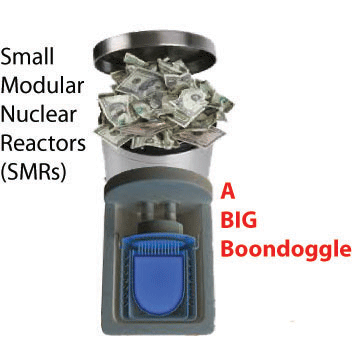
IEEE 9th March 2021, Small modular and advanced nuclear reactors have been proposed as potential ways of dealing with the problems—specifically economic competitiveness, risk of accidents, link to proliferation and production of waste—confronting nuclear power technology. This perspective article examines whether these new designs can indeed solve these problems, with a particular focus on the economic challenges.
It briefly discusses the technical challenges confronting advanced reactor designs and the many decades it might take for these to be commercialized, if ever. The article explains why the higher construction and operational costs per unit of electricity generation capacity will make electricity from small modular reactors more expensive than electricity from large nuclear power plants, which are themselves not competitive in today’s electricity markets.
Next, it examines the potential savings from learning and modular construction, and explains why the historical record suggests that these savings will be inadequate to compensate for the economic challenges resulting from the lower generation capacity. It then critically examines arguments offered by advocates of these technologies about job creation and other potential uses of energy generated from these plants to justify subsidizing and constructing these kinds of nuclear plants. It concludes with an assessment of the markets for these technologies, suggesting that
these are inadequate to justify constructing the necessary manufacturing facilities.
https://ieeexplore.ieee.org/document/9374057
New science report: advanced nuclear reactors no safer than conventional nuclear plants
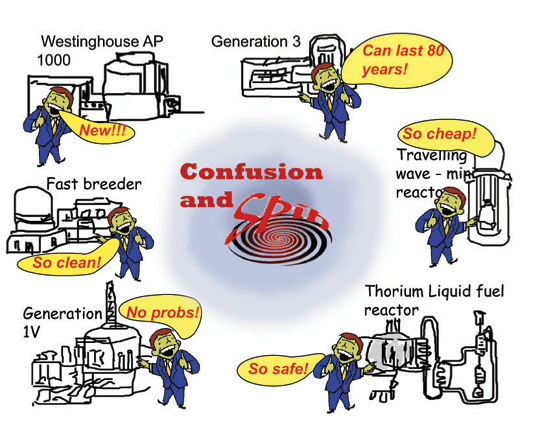
Advanced nuclear reactors no safer than conventional nuclear plants, says science group https://www.reuters.com/article/us-usa-nuclearpower/advanced-nuclear-reactors-no-safer-than-conventional-nuclear-plants-says-science-group-idUSKBN2BA0CP, By Timothy Gardner-18 Mar 21,
President Joe Biden, a Democrat, has made curbing climate change a priority and has supported research and development for advanced nuclear technologies.
The reactors are also popular with many Republicans. Last October, the month before Biden was elected, the U.S. Department of Energy, awarded $80 million each to TerraPower LLC and X-energy to build reactors it said would be operational in seven years.
Advanced reactors are generally far smaller than conventional reactors and are cooled with materials such as molten salt instead of with water. Backers say they are safer and some can use nuclear waste as fuel.
“The technologies are certainly different from current reactors, but it is not at all clear they are better,” said Edwin Lyman, director of nuclear power safety at the Union of Concerned Scientists.
“In many cases, they are worse with regard to … safety, and the potential for severe accidents and potential nuclear proliferation,” said Lyman, author of the report UCS released Thursday called “‘Advanced’ Isn’t Always Better”.
Nuclear reactors generate virtually emissions-free power [ if you ignore their total fuel chain] which means conventional ones, at least, will play a role in efforts to decarbonize the economy by 2050, a goal of the Biden administration. But several of the 94 U.S. conventional nuclear plants are shutting due to high safety costs and competition from natural gas and wind and solar energy.
That has helped spark initial funding for a new generation of reactors.
Also, nuclear waste from today’s reactors would have to be reprocessed to make fuel. That technique has not been practiced in the United States for decades because of proliferation and cost concerns. Other advanced reactors emit large amounts of radioactive gases, a potentially problematic waste stream.
Lyman said advanced nuclear development funds would be better spent on bolstering conventional nuclear plants from the risks of earthquakes and climate change, such as flooding. The report recommended that the Department of Energy suspend its advanced reactor demonstration program until the Nuclear Regulatory Commission (NRC) requires prototype testing before reactors can be licensed for commercial use.
The DOE did not immediately respond to a request for comment.
Also, nuclear waste from today’s reactors would have to be reprocessed to make fuel. That technique has not been practiced in the United States for decades because of proliferation and cost concerns. Other advanced reactors emit large amounts of radioactive gases, a potentially problematic waste stream.
Lyman said advanced nuclear development funds would be better spent on bolstering conventional nuclear plants from the risks of earthquakes and climate change, such as flooding. The report recommended that the Department of Energy suspend its advanced reactor demonstration program until the Nuclear Regulatory Commission (NRC) requires prototype testing before reactors can be licensed for commercial use.
The DOE did not immediately respond to a request for comment.
Assessing types of Non-Light-Water Nuclear Reactors
|
Assessing the Safety, Security, and Environmental Impacts of Non-Light-Water Nuclear Reactors, Union of Concerned Scientists, Edwin Lyman, Mar 18, 2021 “Advanced” Isn’t Always Better”………………..Assessments of NLWR TypesUCS has reviewed hundreds of documents in the available literature to assess the comparative risks and benefits of the three major categories of NLWR with respect to the three evaluation criteria (Table 2).
|
|

Conclusions and recommendations of safety assessment of advanced nuclear reactors – non-light-water ones
Assessing the Safety, Security, and Environmental Impacts of Non-Light-Water Nuclear Reactors,Union of Concerned Scientists, Edwin Lyman Mar 18, 2021 “Advanced” Isn’t Always Better ”
”……….Conclusions of the Assessment
The non-light-water nuclear reactor landscape is vast and complex, and it is beyond the scope of this report to survey the entire field in depth. Nevertheless, enough is clear even at this stage to draw some general conclusions regarding the safety and security of NLWRs and their prospects for rapid deployment.
Based on the available evidence, the NLWR designs currently under consideration (except possibly once-through, breed-and-burn reactors) do not offer obvious improvements over LWRs significant enough to justify their many risks. Regulators and other policymakers would be wise to look more closely at the nuclear power programs under way to make sure they prioritize safety and security. Future appropriations for NLWR technology research, development, and deployment should be guided by realistic assessments of the likely societal benefits that would result from the investment of billions of taxpayer dollars.
Little evidence supports claims that NLWRs will be significantly safer than today’s LWRs. While some NLWR designs offer some safety advantages, all have novel characteristics that could render them less safe.
All NLWR designs introduce new safety issues that will require substantial analysis and testing to fully understand and address—and it may not be possible to resolve them fully. To determine whether any NLWR concept will be significantly safer than LWRs, the reactor must achieve an advanced stage of technical maturity, undergo complete comprehensive safety testing and analysis, and acquire significant operating experience under realistic conditions.
The claim that any nuclear reactor system can “burn” or “consume” nuclear waste is a misleading oversimplification. Reactors can actually use only a fraction of spent nuclear fuel as new fuel, and separating that fraction increases the risks of nuclear proliferation and terrorism.
No nuclear reactor can use spent nuclear fuel directly as fresh fuel. Instead, spent fuel has to be “reprocessed”—chemically treated to extract plutonium and other TRU elements, which must then be refabricated into new fuel. This introduces a grave danger: plutonium and other TRU elements can be used in nuclear weapons. Reprocessing and recycling render these materials vulnerable to diversion or theft and increases the risks of nuclear proliferation and terrorism—risks that are costly to address and that technical and institutional measures cannot fully mitigate. Any fuel cycle that requires reprocessing poses inherently greater proliferation and terrorism risks than the “once-through” cycle with direct disposal of spent fuel in a geologic repository.
Some NLWRs have the potential for greater sustainability than LWRs, but the improvements appear to be too small to justify their proliferation and safety risks.
Although some NLWR systems could use uranium more efficiently and generate smaller quantities of long-lived TRU isotopes in nuclear waste, for most designs these benefits could be achieved only by repeatedly reprocessing spent fuel to separate out these isotopes and recycle them in new fuel—and that presents unacceptable proliferation and security risks. In addition, reprocessing plants and other associated fuel cycle facilities are costly to build and operate, and they increase the environmental and safety impacts compared with the LWR once-through cycle. Moreover, the sustainability increases in practice would not be significant in a reasonably foreseeable time frame.
Once-through, breed-and-burn reactors have the potential to use uranium more efficiently without reprocessing, but many technical challenges remain.
One type of NLWR system that could in principle be more sustainable than the LWR without increasing proliferation and terrorism risks is the once-through, breed-and-burn reactor. Concepts such as TerraPower’s traveling-wave reactor could enable the use of depleted uranium waste stockpiles as fuel, which would increase the efficiency of uranium use. Although there is no economic motivation to develop more uranium-efficient reactors at a time when uranium is cheap and abundant, reducing uranium mining may be beneficial for other reasons, and such reactors may be useful for the future. However, many technical challenges would have to be overcome to achieve breed-and-burn operation, including the development of very-high-burnup fuels. The fact that TerraPower suspended its project after more than a decade of development to pursue a more conventional and far less uranium-efficient SFR, the Natrium, suggests that these challenges have proven too great.
High-assay low enriched uranium (HALEU) fuel, which is needed for many NLWR designs, poses higher nuclear proliferation and nuclear terrorism risks than the lower-assay LEU used by the operating LWR fleet.
Many NLWR designs require uranium enriched to higher levels than the 5 percent U-235 typical of LWR fuel. Although uranium enriched to between 10 and 20 percent U-235 (defined here as HALEU) is considered impractical for direct use in nuclear weapons, it is more attractive for weapons use—and requires more stringent security—than the lower-assay enriched uranium in current LWRs.
The significant time and resources needed to safely commercialize any NLWR design should not be underestimated.
It will likely take decades and many billions of dollars to develop and commercially deploy any NLWR design, together with its associated fuel cycle facilities and other support activities. Such development programs would come with a significant risk of delay or failure and require long-term stewardship and funding commitments. And even if a commercially workable design were demonstrated, it would take many more years after that to deploy a large number of units and operate them safely and reliably.
Vendors that claim their NLWRs could be commercialized much more quickly typically assume that their designs will not require full-scale performance demonstrations and extensive safety testing, which could add well over a decade to the development timeline. However, current designs for sodium-cooled fast reactors and high-temperature gas-cooled reactors differ enough from past reactor demonstrations that they cannot afford to bypass additional full-scale prototype testing before licensing and commercial deployment. Molten salt–fueled reactors have only had small-scale demonstrations and thus are even less mature. NLWRs deployed commercially at premature stages of development run a high risk of poor performance and unexpected safety problems.
Recommendations
The DOE should suspend the advanced reactor demonstration program pending a finding by the NRC whether it will require full-scale prototype testing before licensing the two chosen designs as commercial power reactors.
The DOE has selected two NLWR designs, the Natrium SFR and the Xe-100 pebble-bed HTGR, for demonstration of full-scale commercial operation by 2027. However, the NRC has yet to evaluate whether these designs are mature enough that it can license them without first obtaining data from full-scale prototype plants to demonstrate novel safety features, validate computer codes, and qualify new types of fuel in representative environments. Without such an evaluation, the NRC will likely lack the information necessary to ensure safe, secure operation of these reactors. The DOE should suspend the Advanced Reactor Demonstration Program until the NRC—in consultation with the agency’s Advisory Committee on Reactor Safeguards and external experts—has determined whether prototypes will be needed first.
Congress should require that an independent, transparent, peer-review panel direct all DOE R&D on new nuclear concepts, including the construction of additional test or demonstration reactors.
Given the long time and high cost required to commercialize NLWR designs, the DOE should provide funding for NLWR R&D judiciously and only for reactor concepts that offer a strong possibility of significantly increasing safety and security—and do not increase proliferation risks. Moreover, unlike the process for selecting the two reactor designs for the Advanced Reactor Demonstration Program, decision-making should be transparent.6 Congress should require that the DOE convene an independent, public commission to thoroughly review the technical merits of all NLWR designs proposed for development and demonstration, including those already selected for the ARDP. The commission, whose members should represent a broad range of expertise and perspectives, would recommend funding only for designs that are highly likely to be commercialized successfully while achieving clearly greater safety and security than current-generation LWRs.
The DOE and other agencies should thoroughly assess the implications for proliferation and nuclear terrorism of the greatly expanded production, processing, and transport of the high-assay low-enriched uranium (HALEU) required to support the widespread deployment of NLWRs.
Large-scale deployment of NLWRs that use HALEU fuel will require establishing a new industrial infrastructure for producing and transporting the material. The DOE is actively promoting the development of HALEU-fueled reactor designs for export. Given that HALEU is a material of higher security concern than lower-assay LEU, Congress should require that the DOE immediately assess the proliferation and nuclear terrorism implications of transitioning to the widespread use of HALEU worldwide. This assessment should also address the resource requirements for the security and safeguards measures needed to ensure that such a transition can occur without an unacceptable increase in risk.
The United States should make all new reactors and associated fuel facilities eligible for IAEA safeguards and provide that agency with the necessary resources for carrying out verification activities.
The IAEA, which is responsible for verifying that civilian nuclear facilities around the world are not being misused to produce materials for nuclear weapons, has limited or no experience in safeguarding many types of NLWRs and their associated fuel cycle facilities. NLWR projects being considered for deployment in the United States, such as the Natrium SFR and the Xe-100 pebble-bed HTGR, would provide ideal test beds for the IAEA to develop safeguards approaches. However, as a nuclear-weapon state, the United States is not obligated to give the IAEA access to its nuclear facilities. To set a good example and advance the cause of nonproliferation, the United States should immediately provide the IAEA with permission and funding to apply safeguards on all new US nuclear facilities, beginning at the design phase. This would help to identify safeguard challenges early and give the IAEA experience in verifying similar facilities if they are deployed in other countries.
The DOE and Congress should consider focusing nuclear energy R&D on improving the safety and security of LWRs, rather than on commercializing immature NLWR designs.
LWR technology benefits from a vast trove of information resulting from many decades of acquiring experimental data, analysis, and operating experience—far more than that available for any NLWR. This gives the LWR a significant advantage over other nuclear technologies. The DOE and Congress should do a more thorough evaluation of the benefits of focusing R&D funding on addressing the outstanding safety, security, and cost issues of LWRs rather than attempting to commercialize less mature reactor concepts. If the objective is to expand nuclear power to help deal with the climate crisis over the next few decades, improving LWRs could be a less risky bet.
Endnotes………
This is a condensed, online version of the executive summary. For all figures, references, and the full text, please download the PDF. https://ucsusa.org/resources/advanced-isnt-always-better#read-online-content
Nuclear reactors – “Advanced” Isn’t Always Better” – Non-Light-Water Nuclear Reactors
|
Assessing the Safety, Security, and Environmental Impacts of Non-Light-Water Nuclear Reactors,Union of Concerned Scientists, Edwin Lyman Mar 18, 2021 “Advanced” Isn’t Always Better ”……………………….Key Questions for Assessing NLWR Technologies It is critical that policymakers, regulators, and private investors fully vet the claims that the developers of NLWRs are making and accurately assess the prospects for both successful development_ and_ safe, secure, and cost-effective deployment. Given the urgency of the climate crisis, rigorous evaluation of these technologies will help our nation and others avoid wasting time or resources in the pursuit of high-risk concepts that would be only slightly better— or perhaps worse—than LWRs. Key questions to consider are the following:
To help inform policy decisions on these questions, the Union of Concerned Scientists (UCS) has evaluated certain claims about the principal types of NLWRs. In particular, this report compares several classes of NLWRs to LWRs with regard to safety and security, the risks of nuclear proliferation and nuclear terrorism, and “sustainability”—a term that in this context includes the often-claimed ability of some NLWRs to “recycle” nuclear waste and use mined uranium more efficiently. The report also considers the potential for certain NLWRs to operate in a once-through, “breed-and-burn” mode that would, in theory, make them more uranium-efficient without the need to recycle nuclear waste—a dangerous process that has significant nuclear proliferation and terrorism risks.
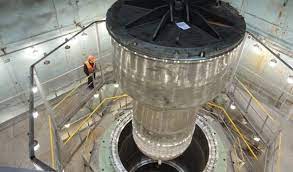
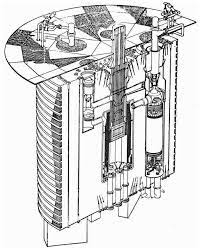
Non-Light-Water Reactor TechnologiesUCS considered these principal classes of NLWRs: Sodium-cooled fast reactors (SFRs): These reactors are known as “fast reactors” because, unlike LWRs or other reactors that use lower-energy (or “thermal”) neutrons, the liquid sodium coolant does not moderate (slow down) the high-energy (or “fast”) neutrons produced when nuclear fuel undergoes fission. The characteristics and design features of these reactors differ significantly from those of LWRs, stemming from the properties of fast neutrons and the chemical nature of liquid sodium. High-temperature gas–cooled reactors (HTGRs): These reactors are cooled by a pressurized gas such as helium and operate at temperatures up to 800ºC, compared with around 300ºC for LWRs. HTGR designers developed a special fuel called TRISO (tristructural isotropic) to withstand this high operating temperature. HTGRs typically contain graphite as a moderator to slow down neutrons. There are two main variants of HTGR. A prismatic-block HTGR uses conventional nuclear fuel elements that are stationary; in a pebble-bed HTGR, moving fuel elements circulate continuously through the reactor core. Molten salt–fueled reactors (MSRs): In contrast to conventional reactors that use fuel in a solid form, these use liquid fuel dissolved in a molten salt at a temperature of at least 650ºC. The fuel, which is pumped through the reactor, also serves as the coolant. MSRs can be either thermal reactors that use a moderator such as graphite or fast reactors without a moderator. All MSRs chemically treat the fuel to varying extents while the reactor operates to remove radio-active isotopes that affect reactor performance. Therefore, unlike other reactors, MSRs generally require on-site chemical plants to process their fuel. MSRs also need elaborate systems to capture and treat large volumes of highly radioactive gaseous byproducts. The Fuels for Non-Light-Water ReactorsToday’s LWRs use uranium-based nuclear fuel containing less than 5 percent of the isotope uranium-235. This fuel is produced from natural (mined) uranium, which has a uranium-235 content of less than 1 percent, in a complex industrial process called uranium enrichment. Fuel enriched to less than 20 percent U-235 is called “low-enriched uranium” (LEU). Experts consider it a far less attractive material for nuclear weapons development than “highly enriched uranium” (HEU), with a U-235 content of at least 20 percent. The fuel for most NLWRs differs from that of LWRs. . Some proposed NLWRs would use LEU enriched to between 10 and 20 percent uranium-235; this is known as “high-assay low enriched uranium” (HALEU).2 While HALEU is considered impractical for direct use in a nuclear weapon, it is more attractive for nuclear weapons development than the LEU used in LWRs. Other types of NLWRs would use plutonium separated from spent nuclear fuel through a chemical process called reprocessing. Still others would utilize the isotope uranium-233 obtained by irradiating the element thorium. Both plutonium and uranium-233 are highly attractive for use in nuclear weapons. Typically, the chemical forms of NLWR fuels also differ from those of conventional LWR fuel, which is a ceramic material composed of uranium oxide. Fast reactors can use oxides, but they can also use fuels made of metal alloys or chemical compounds such as nitrides. The TRISO fuel in HTGRs consists of tiny kernels of uranium oxide (or other uranium compounds) surrounded by several layers of carbon-based materials. MSR fuels are complex mixtures of fluoride or chloride salt compounds. The deployment of NLWRs also would require new industrial facilities and other infrastructure to produce and transport their different types of fuel, as well as to manage spent fuel and other nuclear wastes. These facilities may use new technologies that themselves would require significant R&D. They also may present different risks related to safety, security, and nuclear proliferation than do LWR fuel cycle facilities—important considerations for evaluating the whole system. Non-Light-Water Reactors: Past and PresentIn the mid-20th century, the Atomic Energy Commission (AEC)—the predecessor of today’s Department of Energy (DOE) and the NRC—devoted considerable time and resources to developing a variety of NLWR technologies, supporting demonstration plants at various scales at sites around the United States. Owners of several of these reactors abandoned them after the reactors experienced operational problems (for example, the Fort St. Vrain HTGR in Colorado) or even serious accidents (the Fermi-1 SFR in Michigan). Despite these negative experiences, the DOE continued R&D on various types of NLWR and their fuel cycles. In the 1990s, the DOE initiated the Generation IV program, with the goal of “developing and demonstrating advanced nuclear energy systems that meet future needs for safe, sustainable, environmentally responsible, economical, proliferation-resistant, and physically secure energy.” Although Generation IV identified six families of advanced reactor technology, the DOE has given most of its subsequent support to SFRs and HTGRs. Today, a number of NLWR projects at various stages of development are under way, funded by both public and private sources (Table 1). With support from Congress, the DOE is pursuing several new NLWR test and demonstration reactors. It is proceeding with the design and construction of the Versatile Test Reactor (VTR), an SFR that it hopes to begin operating in the 2026–2031 timeframe. The VTR would not generate electricity but would be used to test fuels and materials for developing other reactors. In October 2020, the DOE selected two NLWR designs for demonstrating commercial power generation by 2027: the Xe-100, a small pebble-bed HTGR that would generate about 76 megawatts of electricity (MWe), and the 345 MWe Natrium, an SFR that is essentially a larger version of the VTR with a power production unit. The DOE is also providing funding for two smaller-scale projects to demonstrate molten salt technologies. In addition, the DOE, the Department of Defense (DOD), and a private company, Oklo, Inc., are pursuing demonstrations of so-called micro-reactors—very small NLWRs with capacities from 1 MWe to 20 MWe—and project that these will begin operating in the next few years. A number of universities also have expressed interest in building small NLWRs for research. Congress would need to provide sufficient and sustained funding for any of these projects to come to fruition. This is far from assured—for example, funding for the VTR to date has fallen far short of what the DOE has requested, all but guaranteeing the project will be delayed. The Goals of New Reactor DevelopmentIf nuclear power is to play an expanded global role to help mitigate climate change, new reactor designs should be demonstrably safer and more secure—and more economical—than the existing reactor fleet. Today’s LWRs remain far too vulnerable to Fukushima-like accidents, and the uranium enrichment plants that provide their LEU fuel can be misused to produce HEU for nuclear weapons. However, developing new designs that are clearly superior to LWRs overall is a formidable challenge, as improvements in one respect can create or exacerbate problems in others. For example, increasing the physical size of a reactor core while keeping its power generation rate constant could make the reactor easier to cool in an accident, but it could also increase cost.
Moreover, the problems of nuclear power cannot be fixed through better reactor design alone. Also critical is the regulatory framework governing the licensing, construction, and operation of nuclear plants and their associated fuel cycle infrastructure. Inadequate licensing standards and oversight activities can compromise the safety of improved designs. A key consideration is the extent to which regulators require extra levels of safety—known as “defense-in-depth”—to compensate for uncertainties in new reactor designs for which there is little or no operating experience………
This is a condensed, online version of the executive summary. For all figures, references, and the full text, please download the PDF. https://ucsusa.org/resources/advanced-isnt-always-better#read-online-content |
|
Japan’s Nuclear Clean-Up Has No End in Sight
Climbing Without a Map: Japan’s Nuclear Clean-Up Has No End in Sight, U.S. News, By Reuters, Wire Service Content March 12, 2021, BY SAKURA MURAKAMI AND Aaron Sheldrick TOKYO (Reuters) – For one minute this week, workers at the Fukushima nuclear station fell silent to mark the 10-year anniversary of a natural disaster that triggered the worst nuclear accident since Chernobyl.
Then they went back to work tearing down the reactors melted down in the days after a tsunami on March 11, 2011.
The job ranks as the most expensive and dangerous nuclear clean-up ever attempted. A decade in, an army of engineers, scientists and 5,000 workers are still mapping out a project many expect will not be completed in their lifetime.
Naoaki Okuzumi, the head of research at Japan’s lead research institute on decommissioning, compares the work ahead to climbing a mountain range – without a map.
“The feeling we have is, you think the summit’s right there, but then you reach it and can see another summit, further beyond,” Okuzumi told Reuters.
Okuzumi and others need to find a way to remove and safely store 880 tonnes of highly radioactive uranium fuel along with a larger mass of concrete and metal into which fuel melted a decade ago during the accident.
The robotic tools to do the job don’t yet exist. There is no plan for where to put the radioactive material when it is removed.
Japan’s government says the job could run 40 years. Outside experts say it could take twice as long, pushing completion near the close of the century……..
It wasn’t until 2017 that engineers understood how complicated the clean-up would become. By that point, five specially designed robots had been dispatched through the dark, contaminated waters pumped in to cool the uranium. But radiation zapped their electronics.
One robot developed by Toshiba Corp, nicknamed the “little sunfish”, a device about the size of a loaf of bread, provided an early glimpse of the chaotic damage around the cores.
Kenji Matsuzaki, a robot technician at Toshiba who led development of the “sunfish”, had assumed that they would find melted fuel at the bottom of the reactors.
But the sunfish’s first video images showed a tumult of destruction, with overturned structures inside the reactor, clumps of unrecognizable brown debris and dangerously radioactive metal.
“I expected it to be broken, but I didn’t expect it would be this bad,” Matsuzaki said.
The delivery of a robotic arm to start removing fuel, developed in a $16 million programme with the UK’s Nuclear Decommissioning Authority, has been delayed until 2022. Tepco plans to use it to grab some debris from inside reactor 2 for testing and to help plan the main operation………….
But the cleanup has been delayed by the buildup of contaminated water in tanks that crowd the site. The melted cores are kept cool by pumping water into damaged reactor vessels.
But the cleanup has been delayed by the buildup of contaminated water in tanks that crowd the site. The melted cores are kept cool by pumping water into damaged reactor vessels. https://www.usnews.com/news/world/articles/2021-03-12/climbing-without-a-map-japans-nuclear-clean-up-has-no-end-in-sight
Space radiation – harmful to astronauts, not only with cancers, but also with heart and blood vessel effects
From Vitamin C to Spinach: Researching Ways to Protect Astronaut Cardiovascular Health From Space Radiation. Review explores ways that space radiation can damage cardiovascular health, and discusses how we can protect astronauts, from vitamin C to spinach. SciTech Daily 14 Mar 21, Space: the final frontier. What’s stopping us from exploring it? Well, lots of things, but one of the major issues is space radiation, and the effects it can have on astronaut health during long voyages. A new review in the open-access journal Frontiers in Cardiovascular Medicine explores what we know about the ways that space radiation can negatively affect cardiovascular health, and discusses methods to protect astronauts. These include radioprotective drugs, and antioxidant treatments, some of which are more common than you might think.
Space is incredibly inhospitable. Outside of low earth orbit, astronauts are bombarded with radiation, including galactic cosmic rays, and ‘proton storms’ released by the sun. This radiation is harmful for the human body, damaging proteins and DNA, and is one of the major reasons that we haven’t yet been able to send anyone to Mars, or beyond.
These issues inspired Dr Jesper Hjortnaes of the Leiden University Medical Center in the Netherlands to investigate what we know about the harmful effects of space radiation. “If we want to see human long distance space travel, we need to understand the impact of space-induced disease and how to protect our bodies from it,” said Hjortnaes. However, Hjortnaes has an interest in a specific aspect of space radiation: its cardiovascular effects.
You may be surprised to learn that aside from the illnesses we typically associate with radiation, such as cancer, it can also have serious effects on the cardiovascular system. Suffering from cardiovascular illness would be catastrophic for crew members on long-haul space missions, and so it’s important to identify what the risks are, and how to reduce them.
Hjortnaes and colleagues reviewed the evidence to establish what we know about the cardiovascular risks of space radiation. Much of what we know comes from studying people who have received radiation therapy for cancer, where cardiovascular disease is a common side-effect, or from mouse studies of radiation exposure.
So, what are the effects? Radiation can cause myocardial remodeling, where the structure of the heart begins to change, and tough, fibrous tissue grows to replace healthy muscle, potentially leading to heart failure. Other effects include atherosclerosis in blood vessels, which can cause stroke or heart attack. Radiation exerts its effects by causing inflammation, oxidative stress, cell death and DNA damage.
Researchers have also investigated potential ways to protect astronauts. These include drugs that an astronaut could take to protect themselves from space radiation, and antioxidants. Interestingly, an antioxidant diet, including dairy products, green vegetables such as spinach, and antioxidant supplements such as vitamin C, has potential in protecting astronauts from the damaging reactive oxygen molecules produced during radiation exposure.
Overall, the review revealed that so far, research has only scratched the surface of space radiation and the best methods to protect astronauts from it. There is little conclusive evidence of radiation-induced cardiovascular disease in astronauts themselves, as so few of them have ever gone further than low earth orbit, and mouse studies aren’t an exact match for humans……..https://scitechdaily.com/from-vitamin-c-to-spinach-researching-ways-to-protect-astronaut-cardiovascular-health-from-space-radiation/
So-called ”cloud” computing means huge electricity use in data so-called ”farms”

Times 4th March 2021, Electricity prices could “dramatically escalate” over the next nine
years — possibly by 260 per cent — because of an increase in demand caused by data centres and the switch to renewable energy, according to research.
A study by the Economic and Social Research Institute (Esri) has found that the size of the increase will depend on public acceptance of renewable energy infrastructure, such as wind farms, and to what extent public objections are taken into account as they are built. About 37 per cent of Ireland’s electricity is from renewable sources and the government has committed to increasing this to 70 per cent by 2030.
Electricity demand is also expected to grow by about 40 per cent in that time, largely due to the requirements of data centres, which support cloud computing and the internet.
https://www.thetimes.co.uk/article/electricity-costs-may-surge-by-260-researchers-warn-w927rlc2p
At last! – some media questioning the story that small nuclear reactors combat climate change
 What’s the Role for New Nuclear Power in the Fight Against Climate Change?
Some fear that small modular reactors could rob cash from more proven low-carbon technologies. Greentech Media, JASON DEIGN MARCH 08, 2021 Small modular reactors (SMRs) — nuclear reactors using novel technologies to fit into much smaller and mass-producible packages than the behemoth nuclear power plants of today — are presented as a way of rapidly decarbonizing the grid in the face of an ever more pressing need to meet climate targets. But some opponents claim new nuclear power could have the opposite effect, slowing the fight against human-caused climate change just when things should be speeding up.In September last year, for example, the Sierra Club Canada Foundation harshly criticized Canada’s plans to foster an SMR industry.SMRs “are not the solution to climate change,” said the organization, citing a University of British Columbia study indicating that energy produced by SMRs could cost up to 10 times as much as power from renewable sources such as wind and solar.
“Critics of SMRs say that developing experimental nuclear reactor technologies will take too long to make a difference on climate change and could drain billions of dollars from public coffers,” said the advocacy group.
Similar challenges have been leveled against U.S. utilities such as Duke Energy and Southern Company that include SMRs in the longer-range suite of options to fully decarbonize their power grids by 2050. Critics question whether the SMRs under development today can be commercialized fast enough to drive down emissions over the next decade or two and whether government funding to drive faster deployment might better be spent on other technologies.
That’s not the only criticism facing new nuclear. In 2014, NuScale Power, which looks likely to become the first Western SMR developer to commercialize a reactor, published a paper on the use of its SMRs for oil recovery and refining applications.
The aim of the paper was to show that SMRs could be instrumental in “reducing the overall carbon footprint of these industrial complexes and preserving valuable fossil resources as feedstock for higher-value products,” according to the authors.
Nevertheless, it doesn’t look good for the nuclear industry’s climate-fighting credentials when one of its upcoming stars is apparently touting wares to the oil and gas sector.
In a written statement, Diane Hughes, NuScale Power’s vice president of marketing and communications, told GTM that the SMR developer “does not comment or discuss what companies we may be talking to regarding potential business opportunities.”……
Doubts over government finance for SMRs
Despite this, the question remains whether it makes sense for governments to put money into SMR research and development when other low-carbon generation technologies can be used to combat climate change right away.
Nuclear skeptics such as David Toke, who researches energy politics at the University of Aberdeen in the U.K., don’t think so. SMRs “are a diversion from the development of energy systems that best mitigate climate change,” he said in an interview.
“Small reactors already exist, and they occupy a very niche zone, which is military marine, mainly. That allows very high costs. But that’s the point: They cost an awful lot of money. Just because something reduces carbon emissions doesn’t mean to say the state ought to encourage it.” ….https://www.greentechmedia.com/articles/read/whats-the-role-for-new-nuclear-power-in-the-climate-change-fight
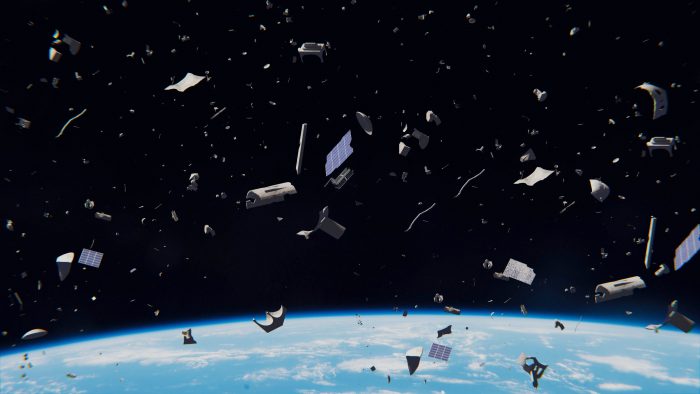
The growing threat of space debris
|
Space Traffic Management https://www.spacedaily.com/reports/Space_Traffic_Management_999.html by Staff Writers for Launchspace, Bethesda MD (SPX) Mar 05, 2021 Those familiar with air traffic management architectures understand the constraints of aircraft flying in the atmosphere, vehicle dynamics and command and control techniques. Unfortunately, space traffic has many more degrees of freedom and much less control capability. Add to this the completely uncontrolled nature of space debris and the reality that most debris objects cannot be tracked and motion cannot be accurately measured or simulated.
In fact, orbiting debris is a product of negligence. Over the first 60 years of space flight, mission plans ended with the completion of in-space operations. Satellites were shut down and left in their orbits, subject to natural influences. Little thought was given to any collateral effects of objects “adrift” in space, because “space” was thought of as “big.”
An analogy might be the ocean disposal of waste items, where junk gets lost in the vastness of the seas, either by sinking to the bottom or by simply drifting with ocean currents. By contrast, a “drifting” satellite remnant in low orbit is travelling at a speed in excess of 7.3 km/sec (16,300 mph). Since orbiting objects can travel in all directions, collisions between satellites and debris can occur at speeds of over 14.6 km/sec (32,600 mph). Of the suspected hundreds-of-thousands of debris objects in low orbits, only about 35,000 are 5 cm (2 inches) or larger in size, and only these can be tracked. The vast majority of the 1014+ junk items remain beyond current tracking capabilities, but are dangerous in terms of causing significant damage to operating satellites. The detrimental effects of space junk grow worse each year, putting international space infrastructures increasingly at risk as our communications, science and security networks rely ever more heavily on the interconnected system of satellites orbiting the skies. While we understand weather and have learned techniques to deal with it, the impact and disposition of orbital debris are not fully understood. Unlike weather, space junk is man-made and, if not properly dealt with, will significantly hinder the world’s future economy and security. It is a growing threat to space-based communications, weather forecasting, banking processes, scientific exploration, Earth observation and future space tourism. Space commerce is growing, and as this industry expands the need for an effective traffic management system will become critical to commercial growth and exploitation of space. At the moment, there are no programs in place to deal with orbital debris, even though new satellites continue to be launched. In fact, more than 50,000 new satellites may enter service in the next few years. New launches contribute to the already-large orbital debris population. With over 60 countries operating in space, the exponentially growing problem of orbital debris will take international collaborations and partnerships to conceive and develop innovative solutions and strategies as part of a worldwide space traffic management architecture. |
|
New Zealand groups oppose launch of U.S. military nuclear satellite

a security expert has suggested it puts New Zealand into “the kill chain” and makes New Zealand a military target.
|
NZ rocket launches may breach nuclear-free laws, say peace groups, The Spinoff
Ollie Neas | 8 Mar 21, Rocket Lab launches of satellites honing US military targeting capabilities have been criticised by the Peace Foundation, which is calling on the PM to step in.Peace groups are calling on the prime minister, Jacinda Ardern, to stop the launch of a controversial US military satellite that is scheduled for lift-off from Mahia this month, saying it may contravene nuclear-free legislation.Rocket Lab’s next mission is due to carry a satellite for the US Army’s Space and Missile Defence Command, called the Gunsmoke-J. The satellite is designed to improve US military targeting capabilities by improving how data is provided to “warfighters”.The satellite has previously been condemned by the Green Party, while a security expert has suggested it puts New Zealand into “the kill chain” and makes New Zealand a military target. Non-profit group The Peace Foundation has now added to those concerns: the launch may breach New Zealand’s nuclear-free laws. In an open letter to the prime minister, the Peace Foundation’s International Affairs and Disarmament Committee says Rocket Lab’s launches for US military agencies risk drawing New Zealand “into supporting the weaponisation of space and the related nuclear arms race”. Satellites contributing to nuclear weapons programmes cannot be approved under New Zealand law. But the Peace Foundation says New Zealand may lack the technical expertise and information necessary to properly assess whether a satellite is making such a contribution. As a result, the Peace Foundation says approvals of US military satellites should be suspended, and approval of the Gunsmoke-J satellite revoked, until greater oversight of space launches is implemented. The letter has been endorsed by 17 civic, peace and religious groups, as well as members of the public………… The US Army says the technology being demonstrated could, among other purposes, assist in “long-range precision fires” – a type of missile used to provide “precision surface-to-surface deep-strike capability”. The minister responsible for approving the satellite, Stuart Nash, told parliament last month that he was “unaware” of its “specific military capabilities”. Otago University conflict resolution and disarmament expert Kevin Clements said it is “astonishing” that Nash was unaware of the Gunsmoke-J’s specific military capabilities. “It is even worse that he is willing to rely on the US Army alone to provide the information required by him and New Zealand’s space agency in relation to the approval process,” Clements said in a statement. “Rocket Lab’s launch programme is increasingly opaque. The precise content of each payload seems intentionally ambiguous and approvals do not seem to take New Zealand’s anti-nuclear legislation into account.” Strong parallel’ with nuclear ships issue The Peace Foundation says there is a “strong parallel” between the launch of US military satellites from New Zealand and the “neither confirm nor deny” issue of the 1980s. The US policy of neither confirming nor denying whether its ships were nuclear armed led to a ban on US warships visiting New Zealand ports – the seminal moment in the anti-nuclear campaign. As with that issue, the Peace Foundation says New Zealand cannot be confident that US military satellites launched from New Zealand are not contributing to nuclear weapons systems. The Peace Foundation says assessing whether the Gunsmoke-J complies with the nuclear free law would require detailed technical knowledge of how the technology might be used in the future. “Increasingly, space-based US military assets are ‘dual-capable’ (can support nuclear and non-nuclear weapons), and dual-capable satellites used for non-nuclear targeting today can easily be used for nuclear targeting tomorrow………. Call to reform space law In light of its concerns, the Peace Foundation says greater oversight is needed over New Zealand’s space regime. It proposes assigning oversight of space launches to the prime minister, strengthening space regulations, and mandating oversight of space-launch activity to the Public Advisory Committee on Disarmament and Arms Control (PACDAC) – a body set up by the Nuclear Free Zone Act to advise the government on disarmament matters. Minutes of PACDAC meetings obtained by The Spinoff under the Official Information Act show the committee has had ongoing concerns about the consistency of space activity with New Zealand’s nuclear free law. Space Agency officials have met with the committee to assure members of the legality of launches. The Peace Foundation also calls for changes to the Technology Safeguards Agreement that New Zealand signed with the US to allow for the transfer of sensitive rocket technology. The treaty requires the US to provide “sufficient information” about its spacecraft to allow New Zealand to assess them, but also allows the US government to veto any space launch from New Zealand. “There are some very big moral questions at stake here,” says Clements. “Is this current Labour government willing for New Zealand soil to be used by Rocket Lab in order to assist US government targeting in conventional and nuclear warfare?” The Peace Foundation’s letter comes a week after Rocket Lab announced that it would list publicly on the Nasdaq stock exchange, with a valuation of $5.7 billion. Although its main launch site and production facility is in New Zealand, Rocket Lab is US owned. Its investors include major US venture capital firms as well as aerospace and defence company Lockheed Martin, which produces nuclear weapons. Rocket Lab also unveiled plans to launch a larger rocket called the Neutron, which will allow it to launch astronauts. Since 2018, Rocket Lab has launched military or intelligence payloads on seven different missions for agencies ranging from US Special Operations Command to the National Reconnaissance Office, a major US spy agency. Rocket Lab says around 30% of its business is for defence agencies. https://thespinoff.co.nz/politics/09-03-2021/nz-rocket-launches-may-breach-nuclear-free-laws-say-peace-groups/ |
|
The radiation danger to astronauts- cancer, heart disease -an ethical problem

“These are all crucial studies to be conducted in order to really understand the risks we’re exposing astronauts to,” says Meerman. “Therefore, we believe we are not there yet and we should debate whether it is safe to expand human space travel significantly
|
Long-distance space travel: addressing the radiation problem https://physicsworld.com/a/long-distance-space-travel-addressing-the-radiation-problem/ 08 Mar 2021 A team of US and Netherlands-based scientists has published a review paper highlighting ways to protect astronauts from the negative cardiovascular health impacts associated with exposure to space radiation during long-distance space travel.Cardiovascular impacts Space radiation is currently regarded as the most limiting factor for long-distance space travel because exposure to it is associated with significant negative effects on the human body. However, data on these effects are currently only available for those members of the Apollo programme that travelled as far as the Moon – too small a number from which to draw any significant conclusions about the effects of the space environment on the human body. In addition, although exposure to space radiation, including galactic cosmic rays and solar “proton storms”, has previously been linked to the development of cancer and neurological problems, data on the consequences of space radiation exposure for the cardiovascular system are lacking. In an effort to address these limitations, researchers based at the University Medical Center (UMC) Utrecht, Leiden University Medical Center, Radboud University and the Technical University Eindhoven in the Netherlands, as well as Stanford University School of Medicine and Rice University in the US, have carried out an exhaustive review of existing evidence to establish what we know about the cardiovascular risks of space radiation. They present their findings in the journal Frontiers in Cardiovascular Medicine.
“You can argue that if NASA, ESA and other space agencies want to expand space travel, both in terms of location – for example, to Mars – and time, astronauts will be exposed to the specific space environment for longer periods of time. However, we currently do not know what the effects of exposure to these space-specific factors are,” says Meerman. “NASA currently sees space radiation as the most limiting factor for long-distance space travel, but the exact short- and long-term effects are not fully understood yet. We are therefore exposing astronauts to extremely uncertain risks. However, research into the effects of space radiation has increased over the past few years and we’re constantly gaining more knowledge on this topic,” she adds. Advanced modelsAccording to Meerman, another important factor in this discussion is the fact that we currently cannot adequately protect astronauts from space radiation. Shielding with radiation-resistant materials is very difficult since exposure levels are far higher than on Earth and the type of radiation is much more penetrating. Pharmacological methods of protecting the cardiovascular system are hampered by the fact that no effective radioprotective compounds have yet been approved. “The most important conclusion is that we actually do not know enough about the exact risks that long-distance space travel pose for the human body. Therefore, in our opinion, we should keep looking for new ways to protect astronauts from the harmful space environment before we expand human space travel,” says Meerman. Moving forward, Meerman stresses that research on the effects of space radiation should incorporate advanced models that provide a more accurate representation of the cardiovascular impacts of space radiation – such as those based on lab-created human cardiac tissue and organ-on-a-chip testing technologies. Studies should also examine the effects of combinatorial exposure to different space radiation particles, as well as combined exposure to space radiation components and other space-specific factors, like microgravity, weightlessness and prolonged hypoxia. “These are all crucial studies to be conducted in order to really understand the risks we’re exposing astronauts to,” says Meerman. “Therefore, we believe we are not there yet and we should debate whether it is safe to expand human space travel significantly.” |
|
The war-mongering lobby embraces AI (artificial intelligence)


The testimony is generously spiked with the China threat thesis
the note of warning in not being too morally shackled becomes a screech.
War Mongering for Artificial Intelligence, https://www.counterpunch.org/2021/03/02/war-mongering-for-artificial-intelligence/ BY BINOY KAMPMARK-2 March 21,
The ghost of Edward Teller must have been doing the rounds between members of the National Commission on Artificial Intelligence. The father of the hydrogen bomb was never one too bothered by the ethical niggles that came with inventing murderous technology. It was not, for instance, “the scientist’s job to determine whether a hydrogen bomb should be constructed, whether it should be used, or how it should be used.” Responsibility, however exercised, rested with the American people and their elected officials.
The application of AI in military systems has plagued the ethicist but excited certain leaders and inventors. Russian President Vladimir Putin has grandiloquently asserted that “it would be impossible to secure the future of our civilization” without a mastery of artificial intelligence, genetics, unmanned weapons systems and hypersonic weapons.
Campaigners against the use of autonomous weapons systems in war have been growing in number. The UN Secretary-General António Guterres is one of them. “Autonomous machines with the power and discretion to select targets and take lives without human involvement,” he wrote on Twitter in March 2019, “are politically unacceptable, morally repugnant and should be prohibited by international law.” The International Committee for Robot Arms Control, the Campaign to Stop Killer Robots and Human Rights Watch are also dedicated to banning lethal autonomous weapons systems. Weapons analysts such as Zachary Kallenborn see that absolute position as untenable, preferring a more modest ban on “the highest-risk weapons: drone swarms and autonomous chemical, biological, radiological, and nuclear weapons”.
The critics of such weapons systems were far away in the Commission’s draft report for Congress. The document has more than a touch of the mad scientist in the bloody service of a master. This stood to reason, given its chairman was Eric Schmidt, technical advisor to Alphabet Inc., parent company of Google, which he was formerly CEO of. With Schmidt holding the reins, we would be guaranteed a show shorn of moral restraint. “The AI promise – that a machine can perceive, decide, and act more quickly, in a more complex environment, with more accuracy than a human – represents a competitive advantage in any field. It will be employed for military ends, by governments and non-state groups.”
In his testimony before the Senate Armed Services Committee on February 23, Schmidt was all about “fundamentals” in keeping the US ascendant.This involved preserving national competitiveness and shaping the military with those fundamentals in mind. But to do so required keeping the eyes of the security establishment wide open for any dangerous competitor. (Schmidt understands Congress well enough to know that spikes in funding and outlays tend to be attached to the promotion of threats.) He sees “the threat of Chinese leadership in key technology areas” as “a national crisis”. In terms of AI, “only the United States and China” had the necessary “resources, commercial might, talent pool, and innovation ecosystem to lead the world”. Within the next decade, Beijing could even “surpass the United States as the world’s AI superpower.”
The testimony is generously spiked with the China threat thesis. “Never before in my lifetime,” he claimed, “have I been more worried that we will soon be displaced by a rival or more aware of what second place means for our economy, our security, and the future of our nation.” He feared that such worries were not being shared by officials, with the DoD treating “software as a low priority”. Here, he could give advice on lessons learned in the spawning enterprises of Silicon Valley, where the principled live short lives. Those dedicated to defence could “form smart teams, drive hard deliverables, and move quickly.” Missiles, he argued, should be built “the way we now build cars: use a design studio to develop and simulate in software.”
This all meant necessarily praising a less repressible form of AI to the heavens, notably in its military applications. Two days of public discussion saw the panel’s vice chairman Robert Work extol the virtues of AI in battle. “It is a moral imperative to at least pursue this hypothesis” claiming that “autonomous weapons will not be indiscriminate unless we design them that way.” The devil is in the human, as it has always been.
In a manner reminiscent of the debates about sharing atomic technology in the aftermath of the Second World War, the Committee urges that the US “pursue a comprehensive strategy in close coordination with our allies and partners for artificial intelligence (AI) innovation and adoption that promotes values critical to free and open societies.” A proposed Emerging Technology Coalition of likeminded powers and partners would focus on the role of “emerging technologies according to democratic norms and values” and “coordinate policies to counter the malign use of these technologies by authoritarian regimes”. Fast forgotten is the fact that distinctions such as authoritarianism and democracy have little meaning at the end of a weapon.
Internal changes are also suggested to ruffle a few feathers. The US State Department comes in for special mention as needing reforms. “There is currently no clear lead for emerging technology policy or diplomacy within the State Department, which hinders the Department’s ability to make strategic technology decisions.” Allies and partners were confused when approaching the State Department as to “which senior official would be their primary point of contact” for a range of topics, be they AI, quantum computing, 5G, biotechnology or new emerging technologies.
Overall, the US government comes in for a battering, reproached for operating “at human speed not machine speed.” It was lagging relative to commercial development of AI. It suffered from “technical deficits that range from digital workforce shortages to inadequate acquisition policies, insufficient network architecture, and weak data practices.”
The official Pentagon policy, as it stands, is that autonomous and semi-autonomous weapons systems should be “designed to allow commanders and operators to exercise appropriate levels of human judgment over the use of force.” In October 2019, the Department of Defence adopted various ethical principles regarding the military use of AI, making the DoD Artificial Intelligence Centre the focal point. These include the provision that, “DoD personnel will exercise appropriate levels of judgment and care, while remaining responsible for the development, deployment, and use of AI capabilities.” The “traceable” principle is also shot through with the principle of human control, with personnel needing to “possess an appropriate understanding of the technology, development processes, and operational methods applicable to AI capabilities”.
The National Commission pays lip service to such protocols, acknowledging that operators, organisations and “the American people” would not support AI machines not “designed with predictability” and “clear principles” in mind. But the note of warning in not being too morally shackled becomes a screech. Risk was “inescapable” and not using AI “to solve real national security challenges risks putting the United States at a disadvantage”. Especially when it comes to China.
Binoy Kampmark was a Commonwealth Scholar at Selwyn College, Cambridge. He lectures at RMIT University, Melbourne. Email: bkampmark@gmail.com
Despite the problems, small nuclear reactor salesmen aggressively marketing: it’s make or break time for the nuclear industry.

Entrepreneurs Look to Small-Scale Nuclear Reactors, The American Society of Mechanical Engineers, Mar 2, 2021, by Michael Abrams ‘‘……… even concepts that are predicated on being small, modular, and fast to build seem locked into decades-long development cycles.
The key to reviving the nuclear power industry is building these small reactors not as projects, but as factory-made products. That’s easier said than done. “Usually, a bunch of nuclear engineers go in a room and then they come out after a year or two, and they have a design that doesn’t have a lot of foundation in realty, and nobody can make it, and the projects dies,” said Kurt Terrani, a senior staff scientist at Oak Ridge National Laboratory………..
In terms of reactor physics, the NuScale concept is fairly bog standard: low-enriched uranium, light-water cooling. In essence, their reactor is just a smaller version of the nuclear plants already in operation. That NuScale didn’t go with a more revolutionary design to mitigate waste or utilize an alternative fuel cycle is no accident. To do so would require the Nuclear Regulatory Commission to come up with an entirely new licensing framework, said José Reyes, cofounder and chief technology officer at NuScale.
“Pressurized water-cooled reactors have benefited from billions of dollars of research and development and millions of hours of operating experience over the past 50 year,” Reyes said. “NuScale went with a more traditional approach to assure a design that is cost-competitive and capable of near-term deployment.”
So far, the concept and design have been convincing enough to win funding from the DoE and to move NuScale farther along in the regulatory process than any of its would-be competitors.
“The whole idea of SMRs is that smaller is better,” said Jacopo Buongiorno, a professor of nuclear science and engineering at MIT and the director of the Center for Advanced Nuclear Energy Systems. “But within the class of small reactors, larger is still better. If you can design a reactor that is still simple, that is still passively safe, that can still be built in a factory, but that generates 300 megawatts, that for sure is going to be more economically attractive than the same thing that generates 60 megawatts.”
Make or Break for Nuclear
Moltex is aiming for build costs at around $2,000 per kW—more than wind or solar, but less than newly built coal or gas plants, let alone competing nuclear concepts. “We’ve believe we’ve come up with a concept that can radically reduce the cost of nuclear power,” ……
1 This Month



26 September – International Day for the Total Elimination of Nuclear Weapons


PLEASE OPPOSE HR 8255 AND S.3639 – bills would accelerate satellite deployment, with no environmental review or safeguards – https://ncstd5li.quorum.us/campaign/169331/
To see nuclear-related stories in greater depth and intensity – go to https://nuclearinformation.wordpress.com
-
Archives
- September 2026 (257)
- August 2026 (330)
- July 2026 (355)
- June 2026 (287)
- May 2026 (306)
- April 2026 (356)
- March 2026 (251)
- February 2026 (267)
- January 2026 (308)
- December 2025 (358)
- November 2025 (359)
- October 2025 (375)
-
Categories
- 1
- 1 NUCLEAR ISSUES
- business and costs
- climate change
- culture and arts
- ENERGY
- environment
- health
- history
- indigenous issues
- Legal
- marketing of nuclear
- media
- opposition to nuclear
- PERSONAL STORIES
- politics
- politics international
- Religion and ethics
- safety
- secrets,lies and civil liberties
- spinbuster
- technology
- Uranium
- wastes
- weapons and war
- Women
- 2 WORLD
- ACTION
- AFRICA
- Atrocities
- AUSTRALIA
- Christina's notes
- Christina's themes
- culture and arts
- Events
- Fuk 2022
- Fuk 2023
- Fukushima 2017
- Fukushima 2018
- fukushima 2019
- Fukushima 2020
- Fukushima 2021
- general
- global warming
- Humour (God we need it)
- Nuclear
- RARE EARTHS
- Reference
- resources – print
- Resources -audiovicual
- Weekly Newsletter
- World
- World Nuclear
- YouTube
-
RSS
Entries RSS
Comments RSS
 nuclear-news