Mutations in fir trees near Fukushima nuclear station, abnormalities in animal species
Major Japan Newspaper: Mutations in nearly every fir tree by Fukushima plant — Insects with missing legs or crooked — Abnormalities also found in monkeys, fish and frogs http://enenews.com/major-japan-newspaper-mutations-every-fir-tree-fukushima-plant-insects-missing-crooked-legs-abnormalities-found-monkeys-carp-frogs?utm_source=feedburner&utm_medium=email&utm_campaign=Feed%3A+ENENews+%28Energy+News%29
Asahi Shimbun, Dec 22, 2015 (emphasis added): More than 90 percent of the fir trees in forests close to the site of Japan’s 2011 nuclear disaster are showing signs of abnormality, and plant lice specimens collected in a town more than 30 kilometers from the crippled facility are missing legs or crooked. But it remains unclear whether the mutations in plants and animals are definitively connected to the disaster at the Fukushima No. 1 nuclear power plant. All that scientists in Japan are prepared to say is they are trying to figure out the effects of radioactive cesium caused by the release of huge amounts of radioactive materials from the triple meltdown at the Fukushima plant… Scientists are seeking… signs of mutation in plants and animals in areas close to the stricken nuclear plant…
Scientists have reported onmutations and abnormalities among species varying from fir trees and plant lice to Japanese monkeys, carp and frogs. The National Institute of Radiological Sciences (NIRS), a government-affiliated entity, said in late August that the trunks of fir trees are not growing vertically. Fir trees are among the 44 species that the Environment Ministry asked the NIRS and other research organizations to study in trying to determine the effects of radiation on living creatures. The NIRS reported that the frequency of these mutations corresponds to a rise in natural background radiation. More than 90 percent of fir trees in the town of Okuma, just 3.5 kilometers from the crippled plant, showed signs of abnormal growth… Among other changes reported: the legs of plant lice collected in Kawamata, a town more than 30 km from the plant, were found to be missing or crooked and the white blood cell count of Japanese monkeys was lower in Fukushima, the prefectural capital, which is about 60 km from the plant… There is also a possibility that some animals, even if they exhibited signs of radiation’s effect, may no longer be alive for analysis.
How radiation has damaged plants and animals: Chernobyl and Fukushima
Timothy Mousseau explains the often dramatic effects of radiation on many species of plants and animals, as found in painstaking research in Chernobyl and Fukushima
Fukushima Catastrophe and its Effects on Wildlife
Since 1999, Professor Mousseau and his collaborators (esp. Dr. Anders Pape Møller, CNRS, University of Paris-Sud) have explored the ecological and evolutionary consequences of the radioactive contaminants affecting populations of birds, insects and people inhabiting the Chernobyl region of Ukraine, and more recently, in Fukushima Prefecture, Japan. Their research suggests that many species of plants and animals experience direct toxicity and increased mutational loads as a result of exposure to radionuclides stemming from the Chernobyl and Fukushima disasters. In many species (e.g. the barn swallow, Hirundo rustica), data suggests that this mutational load has had dramatic consequences for development, reproduction and survival, and the effects observed at individual and population levels are having large impacts on the biological communities of these regions. Dr. Mousseau’s current research is aimed at elucidating the causes of variation among different species in their apparent sensitivity to radionuclide exposure.
Yet more radiation “hot spots” found in St Louis suburb, along with high cancer rates
 7 more nuclear waste “hot spots” found in St. Louis suburb http://www.cbsnews.com/news/seven-more-nuclear-waste-hot-spots-found-in-north-st-louis-county-missouri-suburb/ By VINITA NAIR CBS NEWS December 22, 2015, NORTH ST. LOUIS COUNTY, Mo. — Three-hundred residents of North St. Louis County crowded into a local gym, anxious about what they would hear. Soil near the local creek was contaminated by improperly stored nuclear weapons waste in the 1960’s and 70’s, and people have been getting sick.
The Army Corps of Engineers was there to deliver the latest test results.
Seven additional parcels have been identified,” one official announced.
The seven new “hot spots,” areas of low level nuclear contamination, were discovered as crews tested the creek this summer. The new sites include four commercial properties and three homes. Add in the five sites already slated for clean up, and that’s 12 places in the area with contamination.
- “Hot spot” near nuclear waste has St. Louis residents on edge
- “They found a tumor the size of a golf ball,” said Angela Powers. Last fall, she lost her 9-year-old grandchild Jordan to a brain tumor that is rare in children.
“If it came from this, wow, we want some answers. It’s making me angry. She was my only grandchild.”
It was a variety of rare illnesses that caught the attention of Jenelle Wright and her neighbors.
Four years ago, the group created a Facebook page that has since logged 2,700 cancers and autoimmune conditions around town. They begged federal health authorities to investigate.
“We’ve had to go through many battles, I don’t even know if I can count all of them…literally calling an agency 30 times and not having them return your phone call.”
- This month, they finally got results. The Centers for Disease Control sent a health assessment team to document the residents stories, which could confirm a link between radiation and the illnesses.
Mary Oscko has stage four lung cancer and blames it on the contamination.
“If I shake the table enough, you can’t eat your meal off of it. If I make enough noise, you’ll want to listen to me. And we are now starting to make enough noise. We’re standing up and saying “Hi, I’m Mary. I’m dying of cancer.'”
Residents are hoping the health study might result in compensation for their medical bills and their homes. But the assessment could take two years, and some folks like Oscko are worried they won’t be around to see it concluded.
West Coast of Scotland shellfish polluted by radioactive trash from Sellafield
Scottish shellfish are contaminated by radioactive waste from Sellafield, Herald Scotland 20 Dec 15 Radioactive waste from the Sellafield nuclear plant in Cumbria is contaminating shellfish hundreds of kilometres away on the west coast of Scotland, according to a new scientific study.
Scottish researchers discovered traces of radioactive carbon discharged from Sellafield in the shells of mussels, cockles and winkles as far north as Port Appin in Argyll, 160 miles from the notorious nuclear plant.
The findings are a “wake-up call” for anyone who thinks pollution from Sellafield is yesterday’s problem, say campaigners. Sellafield, however, stresses that the contamination is well below safety limits.
The scientists found raised levels of radioactive carbon-14 in shellfish sampled at Port Appin, at Maidens in South Ayrshire and at Garlieston and Kippford on the Solway coast of Dumfries and Galloway. Mussels were most contaminated “due to the surface environment they inhabit and their feeding behaviour,” they said.
The contamination comes from Sellafield, which has poured huge amounts of radioactivity into the sea, researchers concluded. The plant, which reprocesses spent fuel from nuclear power plants in Scotland and across the UK, has discharged an average of more than eight million megabecquerels (measure of radioactivity) of carbon-14 a year from its pipelines between 1994 and 2013.
The levels peaked in 2003 but have remained “relatively high”, the scientists pointed out. Carbon-14 persists for tens of thousands of years in the environment and the amounts emitted from Sellafield make up the largest contribution to the long-term collective radiation dose across Europe from the entire nuclear industry.
“This is the first study to have shown that radiocarbon is accumulating in areas remote from Sellafield like Port Appin,” the lead researcher, Kieran Tierney, told the Sunday Herald.
Dr Ian Fairlie, an independent radiation consultant, described some of the carbon-14 contamination as “surprisingly high”. At Garlieston near Dumfries concentrations in mussels were almost three times the normal background level, while at Port Appin, north of Oban, they were 20 per cent higher…….
Pete Roche, an energy consultant and editor of ‘no2 nuclear power’ website, said: “This is a wake up call for anyone in Scotland who thinks contamination from Sellafield is yesterday’s problem.”
He pointed out that waste fuel from nuclear plants at Torness in East Lothian, Hunterston in North Ayrshire and Dounreay in Caithness will continue to be reprocessed at Sellafield until at least 2018. “Radioactive discharges will continue to flow back in the other direction long after that,” he argued……..http://www.heraldscotland.com/news/14157272.Scottish_shellfish_are_contaminated_by_radioactive_waste_from_Sellafield
Radioactive matter travels faster than expected through carbonate rock
Radioactive matter migrates more quickly through fractured carbonate rock, Science Daily December 18, 2015
- Source:
- American Associates, Ben-Gurion University of the Negev
- Summary:
- A new study has determined the impact of intrinsic colloid formation on increased migration of leaked radioactive materials in the environment. Colloids are microscopic inorganic or organic solids that remain suspended in water. Intrinsic colloids are formed when radioactive waste mixes with other dissolved components in the groundwater, such as bicarbonate.
- Researchers at Ben-Gurion University of the Negev (BGU) have found that radioactive matter migrates more quickly in carbonate bedrock formations once it has leaked from a tank from near surface waste sites and geological repositories.
Corroded stored waste containers can lead to radionuclide (radioactive) leakage, which may reach groundwater.
The study, published in the online journal Environmental Science & Technology (ACS Publications), determined the impact of intrinsic colloid formation on increased migration of leaked radioactive materials in the environment. Colloids are microscopic inorganic or organic solids that remain suspended in water. Intrinsic colloids are formed when radioactive waste mixes with other dissolved components in the groundwater, such as bicarbonate.
“This study showed that intrinsic colloids formed by interactions between soluble Cerium (Ce) and carbonates significantly increase the mobility of Ce injected into a carbonate rock fracture,” explains BGU Zuckerberg Institute for Water Research Director Prof. Noam Weisbrod, Ph.D. “The formation of intrinsic colloids, if not accounted for, could result in the under prediction of radionuclide migration through fractures in fine-grained carbonate bedrock, such as chalk.”……..http://www.sciencedaily.com/releases/2015/12/151218110259.htm
India’s river of nuclear death and disease

 India’s nuclear industry pours its wastes into a river of death and disease Scientists say nuclear workers, village residents, and children living near mines and factories are falling ill after persistent exposure to unsafe radiation Center For Public Integrity , By Adrian Levy
 December 14, 2015 Jadugoda, Jharkhand, INDIA —
When Ghosh’s team seven years ago collected samples from the river and also from adjacent wells, he was alarmed by the results. The water was adulterated with radioactive alpha particles that cannot be absorbed through the skin or clothes, but if ingested cause 1,000 times more damage than other types of radiation. In some places, the levels were 160 percent higher than safe limits set by the World Health Organization.
“It was potentially catastrophic,” Ghosh said in a recent interview. Millions of people along the waterway were potentially exposed.
What the professor’s team uncovered was hard evidence of the toxic footprint cast by the country’s secret nuclear mining and fuel fabrication program. It is now the subject of a potentially powerful legal action, shining an unusual light on India’s nuclear ambitions and placing a cloud over its future reactor operations……..
On August 21, 2014, however, a justice in this state’s court ordered an official inquiry into allegations that the nuclear industry has exposed tens of thousands of workers and villagers to dangerous levels of radiation, heavy metals or other carcinogens, including arsenic, from polluted rivers and underground water supplies that have percolated through the foodchain — from fish swimming in the Subarnarekha River to vegetables washed in its tainted water.
Given the absolute secrecy that surrounds the nuclear sector in India, the case is a closed affair, and all evidence is officially presented to the judge. But the Center for Public Integrity has reviewed hundreds of pages of personal testimony and clinical reports in the case that present a disturbing scenario.
India’s nuclear chiefs have long maintained that ill health in the region is caused by endemic poverty and and the unsanitary conditions of its tribal people, known locally as Adivasi, or first people. But the testimony and reports document how nuclear installations, fabrication plants and mines have repeatedly breached international safety standards for the past 20 years. Doctors and health workers, as well as international radiation experts, say that nuclear chiefs have repeatedly suppressed or rebuffed their warnings. Continue reading
India’s secretive, toxic, uranium industry and its radiation deaths
According to the uranium corporation’s own records, 17 UCIL laborers died in 1994, 14 more in 1995, 19 in 1996 and 21 in 1997; no cause of death was revealed in the records seen by the Center, but critics claim most if not all were radiation-related.
The corporation will not discuss the causes of these deaths. But a spokesman for the Jarkhandi Organization Against Radiation (JOAR), a local group formed in 1998 out of a student lobby for indigenous rights, said it has investigated these cases and that “from what we can see all of them contracted illnesses associated with radiation or exposure to heavy metals.”
India’s nuclear industry pours its wastes into a river of death and disease Scientists say nuclear workers, village residents, and children living near mines and factories are falling ill after persistent exposure to unsafe radiation Center For Public Integrity , By Adrian Levy December 14, 2015 Jadugoda, Jharkhand, INDIA “………Charting the trail of disease and ill health back to its source, Ghosh’s team learned that the alpha radiation they had recorded came from the mines, mills and fabrication plants of East Singhbhum, a district whose name means the land of the lions, where the state-owned Uranium Corporation of India Ltd is sitting on a mountain of 174,000 tons of raw uranium. The company, based in Jadugoda, a country town 160 miles west of Kolkata, is the sole source of India’s domestically-mined nuclear reactor fuel, a monopoly that has allowed it to be both combative and secretive.
After starting work in 1967 with a single mine, the corporation now controls six underground pits and one opencast operation that stretch across 1,313 hilly acres, extracting an estimated 5,000 tons of uranium ore a day, generating an annual turnover of $123 million. It supplies nine of the reactors that help India produce plutonium for its arsenal of nuclear weapons, and is thus considered vital to India’s security.
The company crushes the ore below ground and treats it with sulfuric acid, transforming it into magnesium diuranate or “yellowcake,” which is then loaded into drums and taken to the Rakha Mines railway station. From there, it is transported to the Nuclear Fuel Complex in Hyderabad, 861 miles to the southwest. Workers ultimately process it into uranium dioxide pellets that are stacked in rods, inserted into reactors all over India.
Wherever uranium is extracted, anywhere in the world, from Australia to New Mexico, it is a messy, environmentally disruptive process. However, the poor quality of ore eked out of these wooded hills means that for every kilogram of uranium extracted, 1750 kilograms of toxic slurry, known as tailings, must be discarded into three, colossal ponds. Studies by scientists from North America, Australia and Europe show that while these ponds contain only small quantities of uranium, equally hazardous isotopes connected to uranium’s decay are also present, including thorium, radium, polonium and lead, some of which have a half-life of thousands of years. Arsenic is a byproduct, as is radon, a carcinogen.
The tailing ponds in Jharkhand, Ghosh’s team and other scientists discovered, have never been lined with rubble, concrete or special plastics, as organizations like the U.S. Environmental Protection Agency have advised for domestic ponds, and as a result their contents leached in winters into the water table. Lacking a cap, the ponds evaporated in summers, leaving a toxic dust that blew over nearby villages. Thirty five thousand people live in seven villages that lie within a mile and half of the three huge ponds, most of them members of tribal communities.
Moreover, during the monsoon season, the ponds regularly overflowed onto adjacent lands, with contaminants reaching streams and groundwater that eventually tainted the Subarnarekha River, according to studies of the issue by Ghosh’s team and other scientists. Pipes carrying radioactive slurry also frequently burst, leaching into rivers and across villages, according to photographs taken by residents. Lorries hired by the mines also dumped toxic effluent in local fields when the ponds were full, actions caught in photographs and on video taken by villagers and shown to the Center.
When Ghosh published his team’s results, there was no reaction from the mine or the Indian government. A senior official in the U.S. State Department declined to discuss the contents of Jardine’s leaked cable, but said he was aware of criticisms about the uranium corporation.
The evidence begins to pile up……… According to the uranium corporation’s own records, 17 UCIL laborers died in 1994, 14 more in 1995, 19 in 1996 and 21 in 1997; no cause of death was revealed in the records seen by the Center, but critics claim most if not all were radiation-related.
The corporation will not discuss the causes of these deaths. But a spokesman for the Jarkhandi Organization Against Radiation (JOAR), a local group formed in 1998 out of a student lobby for indigenous rights, said it has investigated these cases and that “from what we can see all of them contracted illnesses associated with radiation or exposure to heavy metals.” The spokesman, who asked the Center to withhold his name because intelligence officials and police have arrested him in the past and accused him of “anti-national activities,” claimed the number of deaths was actually “four times higher” than UCIL admitted.
Birulee contacted doctors and public health researchers at Jawaharlal Nehru University, in Delhi, one of India’s best government-funded institutions. They came up with a hypothesis about his mother’s death, blaming the family’s laundry. “My father,” Birulee said, “would bring back his cotton uniform, caked in uranium dust, to be washed once a week, as did all the other contract laborers. There were no facilities in the mines and no warnings.”
Birulee wondered how many other families had been similarly affected and, working with the JNU doctors, helped arrange for midwives to visit nearby villages. They found that 47% of women suffered disruptions to their menstrual cycle, while 18% had had miscarriages or stillborn babies over the previous 5 years. One third were infertile. Many complained their children were born with partially formed skulls, blood disorders, missing eyes or toes, fused fingers or brittle limbs. Livestock too were suffering, with veterinarians reporting that buffaloes and cows were infertile or suffering from blood disorders.
Arjun Soren was one of those affected. Born in Bhatin village, adjacent to another uranium mine on the other side of the tailing pond, Soren became the first member of the Santhal tribe to get a medical degree, and one of his first cases was to track the deteriorating health of his family. “My aunt died of cancer of the gallbladder,” Soren recalled. “My nephew has a rare blood disorder.” Then Soren himself was diagnosed with leukemia and transferred to Mumbai for treatment. “Radiation and toxins from the mining processes has to be the reason,” Soren said. “I spent my childhood playing, breathing, drinking, eating there.”………..
Birulee lodged a protest with the state’s Environment Committee, in Bihar’s capital. Its chairman, Gautam Sagar Rana, directed UCIL to finance an independent health inquiry, led by two professors from Patna Medical College, who were accompanied by the uranium conglomerate’s deputy general manager, R.P. Verma; and the head of its health unit, A.R. Khan. Analyzing a representative sample of those between 4 and 60 years old living within a mile and a half of the third tailing dam, the researchers hired by UCIL concluded that the residents were “affected by radiation.”……..http://www.publicintegrity.org/2015/12/14/18844/india-s-nuclear-industry-pours-its-wastes-river-death-and-disease
High level nuclear waste into the ocean: Japanese govt’s latest idea
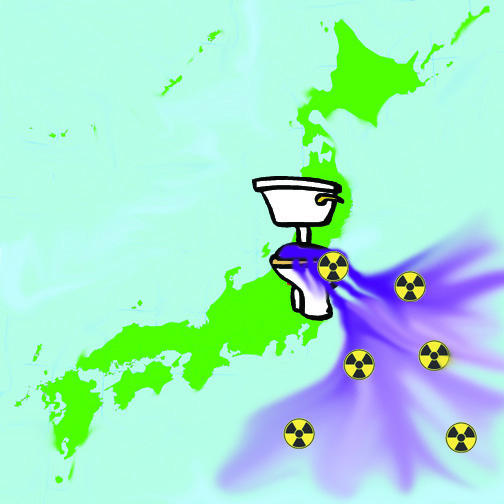 Japan to consider ocean disposal of nuclear waste http://ajw.asahi.com/article/behind_news/social_affairs/AJ201512120027 December 12, 2015 THE ASAHI SHIMBUN
The industry ministry will consider the feasibility of burying high-level radioactive waste from nuclear power plants under the seabed, which a working panel said Dec. 11 could be a “highly appropriate” solution.
In an interim report on disposal methods of highly contaminated materials from spent nuclear fuel, the panel said such waste could be disposed of in adjacent waters within 20 kilometers of the coastline.
It called the disposal method relatively realistic because the circulation of groundwater at sea is not as strong as on land. The panel said the site should be created in adjacent waters so that nuclear waste can easily be transported by ships.
The panel included the under-the-seabed disposal plan in nearby waters as a viable option for the final disposal site.
Based on this proposal, the ministry will set up an expert panel in January to discuss what specific technical challenges lay ahead.
The expert panel will discuss locations of active faults under the seabed and the impact of sea level changes to evaluate the feasibility of the project. It is expected to issue its recommendations by next summer.
While the government has encouraged municipalities to submit candidate sites for nuclear waste disposal, it is being forced to rethink this policy because no local government has come forward to provide a realistic disposal site.
Instead, it will hand-pick the “candidate sites from scientific perspectives” and unilaterally request local governments to comply with its research and inspection efforts.
Still secret: where are the radioactive hot spots near Coldwater Creek, st Louis County?

 New nuclear hot spots near Coldwater Creek still a secret , St Louis Post Dispatch, 10 Dec 15 By Blythe Bernhard It’s too early to name the seven new radioactive hot spots found near Coldwater Creek in north St. Louis County, federal officials said Wednesday. “We have contacted the owners (of the properties) but are not yet ready to release the locations until we are sure what we’ve found,” Bruce Munholand, a manager for the Army Corps of Engineers nuclear cleanup program, said at a community meeting at the Florissant civic center.
About 300 people attended the meeting, many with cancers and other health issues they believe could be linked to the creek. Earlier this year, corps officials announced that radiological contamination had been discovered at St. Cin Park, St. Louis Archdiocese’s St. Ferdinand Cemetery and five residential backyards along Palm Drive in Hazelwood and in Duchesne Park in Florissant.
Close to 10,000 soil samples have been collected and tested from the creek, its banks and the surrounding flood plain. Recent testing turned up additional radiological contamination at three residential and four commercial properties, Munholand said earlier this week. Businesses in the area currently being tested between Frost Avenue to the St. Denis Street bridge include Schnucks, Walgreens and Dierbergs on North Lindbergh…..
Samantha Meyer of Lake Saint Louis came to the meeting because she believes the leukemia she developed as an infant could be linked to living near the creek at the time.
“With a room full of sick people, it’s not a coincidence,” said Meyer, 17.
The federal Agency for Toxic Substances and Disease Registry will start a study next year of a potential link between the creek’s contamination and cancer cases in the area. Missouri health officials had asked for federal assistance after a state report in 2014 showed high rates of leukemia, breast, colon and other cancers in the areas surrounding the creek. Current and former residents have taken their own surveys and found unusual numbers and types of diseases, including 48 cases of rare appendix cancers in the area.
Late next year the testing of the creek is expected to move to the area between the St. Denis Street bridge and Old Halls Ferry Road, and then onto the Missouri River. It could be another decade before the entire creek is cleared, officials said.
Jacob Barker of the Post-Dispatch contributed to this report. http://www.stltoday.com/news/local/metro/new-nuclear-hot-spots-near-coldwater-creek-still-a-secret/article_f215445d-ebc4-51ec-8f99-bd13f4f31bd2.html
The dangers of transporting nuclear waste by sea
 Nuclear waste transport risks ,Tor Justad, http://www.shetlandtimes.co.uk/2015/12/08/nuclear-waste-transport-risks-tor-justad “…..I would wish to draw attention to the proposal from the Nuclear Decommissioning Authority to transport nuclear waste by sea from Scrabster to Barrow – a distance of over 400 miles.
This high level nuclear waste/spent fuel emanates from the Dounreay nuclear site and is intended for Sellafield – described as “the most toxic nuclear site in Europe”.
The campaigning group Highlands Against Nuclear Transport (Hant) has been campaigning since 2013 to stop this plan on the grounds that the risk to the environment, fishing, aquaculture and tourism is unacceptable.
Transporting nuclear waste by sea is opposed by environmental groups throughout the world and Hant is of the view that all nuclear waste should remain on the sites where it is produced which is in line with Scottish government policy. Hant provided an input at a Nuclear Free Local Authorities (NFLA) seminar in Lerwick in August 2015 on “Transportation of Dounreay’s nuclear materials by rail or by sea to Sellafield – is it a safe solution for reducing the nuclear legacy in Scotland?” and was pleased to hear from SIC and Kimo representatives at that seminar that they supported Hant’s position.
The need for emergency response vessels stationed around the Northern Isles and Western Isles is important to safeguard these coasts against marine accidents and emergencies of any kind but the need is increased by the proposal to transport nuclear waste.
As is well known, nuclear radiation knows no land or sea boundaries so this issue is of concern to all coastal communities in the Highlands and Islands.
Hant will continue to campaign on this issue and would urge individuals and interested organisations to support this campaign.
California’s drought brings uranium contamination to drinking water
Fear at the tap: Uranium contaminates water in the West Yahoo News, By ELLEN KNICKMEYER and SCOTT SMITH, 7 Dec 15 “…. Uranium, the stuff of nuclear fuel for power plants and atom bombs, increasingly is showing in drinking water systems in major farming regions of the U.S. West — a natural though unexpected byproduct of irrigation, drought, and the overpumping of natural underground water reserves.
An Associated Press investigation in California’s central farm valleys — along with the U.S. Central Plains, among the areas most affected — found authorities are doing little to inform the public at large of the risk.
That includes the one out of four families on private wells in this farm valley who, unknowingly, are drinking dangerous amounts of uranium. Government authorities say long-term exposure to uranium can damage kidneys and raise cancer risks, and scientists say it can have other harmful effects.
In this swath of farmland, roughly 250 miles long and encompassing cities, up to one in 10 public water systems have raw drinking water with uranium levels that exceed safety standards, the U.S. Geological Survey has found.
More broadly, nearly 2 million people in California’s Central Valley and the U.S. Midwest live within a half-mile of groundwater containing uranium over the health limits, University of Nebraska researchers said in a study in September.
Entities ranging from state agencies to tiny rural schools are scrambling to deal with hundreds of tainted public wells……
he uranium gleaned from local water systems is handled like the nuclear material it is — taken away by workers in masks, gloves and other protective garments, said Ron Dollar, a vice president at Water Remediation Technology, a Colorado-based firm. It is then processed into nuclear fuel for power plants, Dollar said.
Before treatment, Westport’s water tests up to four times state and federal limits. After treatment, it’s safe for the children, teachers and staff to drink…….http://news.yahoo.com/fear-tap-uranium-contaminates-water-west-051313046.html
North America’s West Coast getting record levels of Fukushima radiation
Record levels of Fukushima radiation detected off West Coast — Massive plume stretches for more than 1,000 miles — Reuters: Contamination is spreading off U.S. shores — Radioactive cesium reaches 11 Bq/m3 at multiple locationshttp://enenews.com/record-levels-fukushima-radiation-detected-west-coast-massive-plume-stretches-1000-miles-cesium-reaches-11-bqm3-multiple-locations-map?utm_source=feedburner&utm_medium=email&utm_campaign=Feed%3A+ENENews+%28Energy+News%29(MAP)
Woods Hole Oceanographic Institution, Dec 3, 2015 (emphasis added): Higher levels of Fukushima cesium detected offshore — Scientists monitoring the spread of radiation in the ocean from the Fukushima nuclear accident report finding an increased number of sites off the US West Coast showing signs of contamination from Fukushima. This includes thehighest detected level to date from a sample collected about 1,600 miles west of San Francisco. The level of radioactive cesium isotopes in the sample, 11 Becquerel’s per cubic meter… is 50 percent higher than other samples collected along the West Coast so far… Working with Japanese colleagues, [Ken Buesseler, a WHOI marine radiochemist] also continues to independently monitor the ongoing leaks from Fukushima Dai-ichi by collecting samples… During his most recent trip this October they collected samples of ocean water, marine organisms, seafloor sediment and groundwater along the coast near the reactors. Buesseler says the levels of radioactivity offFukushima remain elevated – some 10 to 100 times higher than off the US West Coast today, and he is working with colleagues at WHOI to try to determine how much radioactive material is still being released to the ocean each day.
Ken Buesseler, WHOI: “These new data are important for two reasons… the changing values underscore the need to more closely monitor contamination levels across the Pacific. Second, these long-lived radioisotopes will serve as markers for years to come for scientists studying ocean currents and mixing in coastal and offshore waters… [F]inding values that are still elevated off Fukushima confirms that there is continued release from the plant.”
Statesman Journal, Dec 3, 2015: Higher levels of Fukushima radiation detected off West Coast— Higher levels of radiation from Japan’s 2011 Fukushima nuclear accident are showing up in the ocean off the west coast of North America, scientists from the Woods Hole Oceanographic Institution reported today. And an increased number of sampling sites are showing signs of contamination… This year, Buesseler has added about 110 new sample results to 135 already on the project’s web site. They include the highest detected level to date, from a sample collected about 1,600 miles west of San Francisco.
Reuters, Dec 3, 2015: Radiation from Japan nuclear disaster spreads off U.S. shores… andcontamination is increasing at previously identified sites… Tests of hundreds of samples of Pacific Ocean water confirmed that Japan’s Fukushima nuclear power plant continues to leak… The latest readings measured the highest radiation levels outside Japanese waters to date some 1,600 miles (2,574 km) west of San Francisco. The figures also confirm that the spread of radiation to North American waters is not isolated to a handful of locations, but can be detected along a stretch of more than 1,000 miles (1,600 km) offshore.
Dr Ken Buesseler reports cesium-134 from Fukushima in ocean waters off North America shores
 Fukushima radiation detected off North America shores http://www.presstv.ir/Detail/2015/12/04/440253/Fukushima-radiation-Japan-California-North-America-Buesseler Researchers detect higher levels of radiation from Japan’s 2011 Fukushima nuclear disaster off North America’s shores.Ken Buesseler of the Woods Hole Oceanographic Institution said on Thursday recent tests of Pacific Ocean water revealed that the Fukushima nuclear power plant continues contamination of the ocean with radioactive isotopes.
Buesseler said samples taken from several hundred miles off the shores of Oregon, Washington and California as well as Canada’s Vancouver island over the past few months tested positive for cesium-134.
Cesium-137 isotope was also detected at low levels in almost all seawater samples tested by Buesseler and his fellow researchers.
“Despite the fact that the levels of contamination off our shores remain well below government-established safety limits for human health or to marine life, the changing values underscore the need to more closely monitor contamination levels across the Pacific,” said Buesseler.
Last year, Buesseler said Fukushima radiation was detected in samples taken off the coast of northern California. In April, radiation was also identified off Canada’s shores.
The latest figures show that the spread of Fukushima radiation is not limited to certain locations, but can be found along a stretch of 1,000 miles offshore. n March 2011, a massive tsunami triggered by a magnitude-9 quake filled the Fukushima nuclear cooling systems with water, sending some reactors into meltdown and sparking a decades-long cleanup effort by the Japanese government.
Shortly after the accident, radiation was released into the sea, food chain, and air, and now the Fukushima incident is the worst nuclear accident since the 1986 Chernobyl disaster in Ukraine.
Sudden mass kill of fish in Mississippi River due to shutdown of Monticello nuclear power plant
Sudden shutdown of Monticello nuclear power plant causes fish kill, By David Shaffer Star Tribune NOVEMBER 25, 2015 The sudden drop in temperature in the discharged cooling water resulted in a fish kill in the Mississippi River.
In a report to the U.S. Nuclear Regulatory Commission, Xcel Energy said it shut down the plant while operating at 100 percent power after a problem arose with a reactor pump. The utility said shutdown happened safely, with no release of radiation and no risk to the public.
But the sudden drop in temperature in the discharged cooling water resulted in a fish kill. Xcel said it counted 59 dead fish. The fish were crappies, sunfish, bass, catfish and carp, according to the state Department of Natural Resources, which was notified of the incident.
During unexpected shutdowns, the water temperature near the plant can drop from about 65 degrees to 40 degrees in a few hours, said Harland Hiemstra, a DNR information officer. The fish can’t cope with the sudden change in temperature, he said. “It is thermal shock,” he added…….http://www.startribune.com/sudden-shutdown-of-monticello-nuclear-power-plant-causes-fish-kill/354007091/
Nuclear waste dump a danger to water, threat to Nevada’s farming community
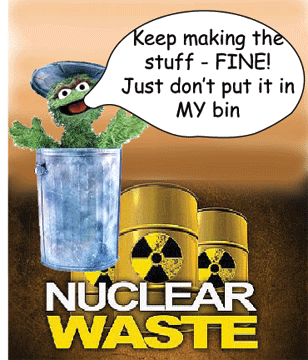 Nevada says national nuclear dump could harm farm community,Naples
Herald, By Associated PressNov 23, 2015 BY KEN RITTER LAS VEGAS (AP) — Radioactive well-water contamination could threaten some 1,400 people in a rural farming community if federal regulators allow the nation’s deadliest nuclear waste to be buried in the Nevada desert, state officials said in a report issued Friday.
A 53-page document submitted to the U.S. Nuclear Regulatory Commission derides environmental assessments of the proposed Yucca Mountain repository as legally inadequate. It also characterizes the project itself as “an unworkable waste management plan at an unsafe repository site.”
“In the end, there are real people there,” said Robert Halstead, chief of the Nevada Agency for Nuclear Projects and the top state official leading opposition to the project.
“That’s the thing about the way the NRC has approached the whole process,” Halstead said Friday. “Their maps imply there is no population there. They label it as the Amargosa desert.”
George Gholson, chairman of the Timbisha Shoshone Tribe, submitted additional comments Friday accusing commission officials of failing to evaluate effects that building the project would have on tribal members.
“Radioactive contamination of groundwater and springs … affronts the Timbisha’s way of life, is disrespectful to cultural beliefs, and constitutes an environmental justice infringement on the rights of a sovereign nation,” the letter said.
The documents amount to the state staking its legal ground to oppose the Yucca Mountain project. They came on the last day of an environmental study comment period ahead of yet-to-be-scheduled licensing hearings and amid calls from some in Congress to restart the long-mothballed project.
Commission officials didn’t immediately respond to messages seeking comment.
More than three decades of study yielded findings that water seeping through tunnels containing some 77,000 tons of spent nuclear reactor waste could become contaminated and slowly migrate into groundwater west along the normally dry course of the ancient Amargosa River, toward Death Valley in California……..
A federal appeals court breathed new life into the project in 2013 with an order that the Nuclear Regulatory Commission either approve or reject the Energy Department license application.
Officials say a full slate of licensing hearings could take at least three years. http://naplesherald.com/2015/11/23/nevada-says-national-nuclear-dump-could-harm-farm-community/
1 This Month


No Nuclear in Cwm Llynfi! Stop the nuclear power station near Maesteg.


4 August – WEBINAR – Hiroshima & Nagasaki: Nuclear Bombs Never Again
Tuesday, Aug. 4 at 5 pm PT / 8 pm ET.
Aug 5, 2026 10:00 AM in Australia/Melbourne
Join the Nuclear Bombs Never Again webinar on August 4th at 5pm Pacific Time / 8pm Eastern Time / 9am Japan Standard Time.
Cross generational voices at the intersection of Japan-Korea-US policy and militarization will share their lived experiences, nuclear impacts in these contexts, anti-war strategies, and actions you can take to advocate for a world with Nuclear Bombs Never Again. This 75-minute event is co-hosted by WILPF US and Korea Peace Now.
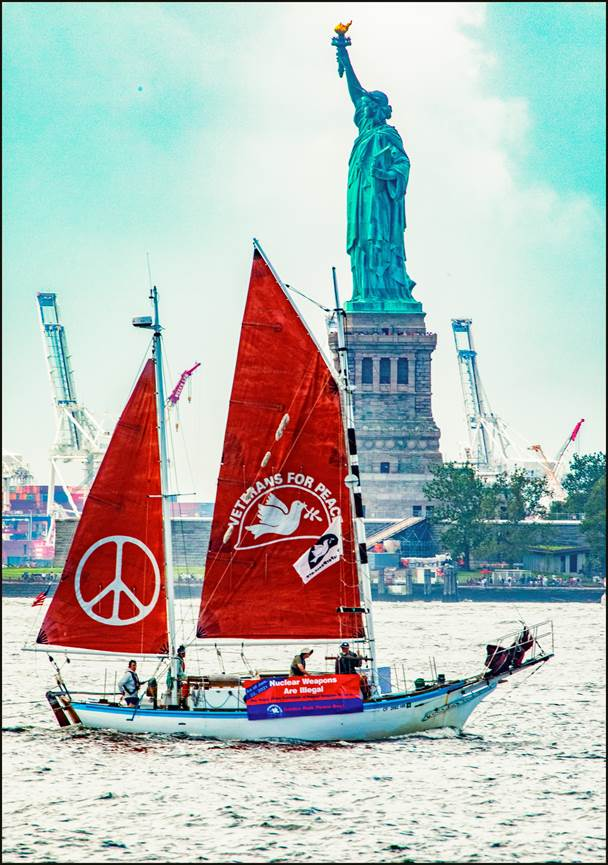
22,000+ miles voyaging for nuclear disarmament
and a radiation-free environment https://vfpgoldenruleproject.org/
To see nuclear-related stories in greater depth and intensity – go to https://nuclearinformation.wordpress.com
-
Archives
- July 2026 (332)
- June 2026 (287)
- May 2026 (306)
- April 2026 (356)
- March 2026 (251)
- February 2026 (267)
- January 2026 (308)
- December 2025 (358)
- November 2025 (359)
- October 2025 (375)
- September 2025 (257)
- August 2025 (319)
-
Categories
- 1
- 1 NUCLEAR ISSUES
- business and costs
- climate change
- culture and arts
- ENERGY
- environment
- health
- history
- indigenous issues
- Legal
- marketing of nuclear
- media
- opposition to nuclear
- PERSONAL STORIES
- politics
- politics international
- Religion and ethics
- safety
- secrets,lies and civil liberties
- spinbuster
- technology
- Uranium
- wastes
- weapons and war
- Women
- 2 WORLD
- ACTION
- AFRICA
- Atrocities
- AUSTRALIA
- Christina's notes
- Christina's themes
- culture and arts
- Events
- Fuk 2022
- Fuk 2023
- Fukushima 2017
- Fukushima 2018
- fukushima 2019
- Fukushima 2020
- Fukushima 2021
- general
- global warming
- Humour (God we need it)
- Nuclear
- RARE EARTHS
- Reference
- resources – print
- Resources -audiovicual
- Weekly Newsletter
- World
- World Nuclear
- YouTube
-
RSS
Entries RSS
Comments RSS
 nuclear-news