Tremors continue in northeast Japan
February 14, 2021
People in northeastern Japan remain vigilant as several tremors have followed the magnitude 7.3 earthquake that struck late on Saturday night.
The Meteorological Agency warns that jolts as strong as the initial one could occur over the next week or so.
The initial quake registered six-plus on the Japanese scale of zero to seven in Miyagi and Fukushima prefectures.
The agency estimates that the focus was off the coast of Fukushima Prefecture, at a depth of 55 kilometers. The quake did not trigger any tsunami.
Jolts are continuing off the coast of the prefecture.
As of 6 p.m. on Sunday, the agency had reported one quake with an intensity of four, two with an intensity of three, 10 with an intensity of two, and 22 with an intensity of one.
There are reports of landslides and damaged buildings.
The agency says people in Miyagi and Fukushima prefectures should be on the alert for more landslides, as an approaching low-pressure system off the coast may bring strong winds and heavy rain.
Powerful magnitude 7.3 earthquake jolts Fukushima area
(Slight) leak from the spent fuel pool of the reactor #1 of Fukushima Daini, nothing said about Fukushima Daiichi yet. But as usual Tepco is never very trustworthy to forward vital information.
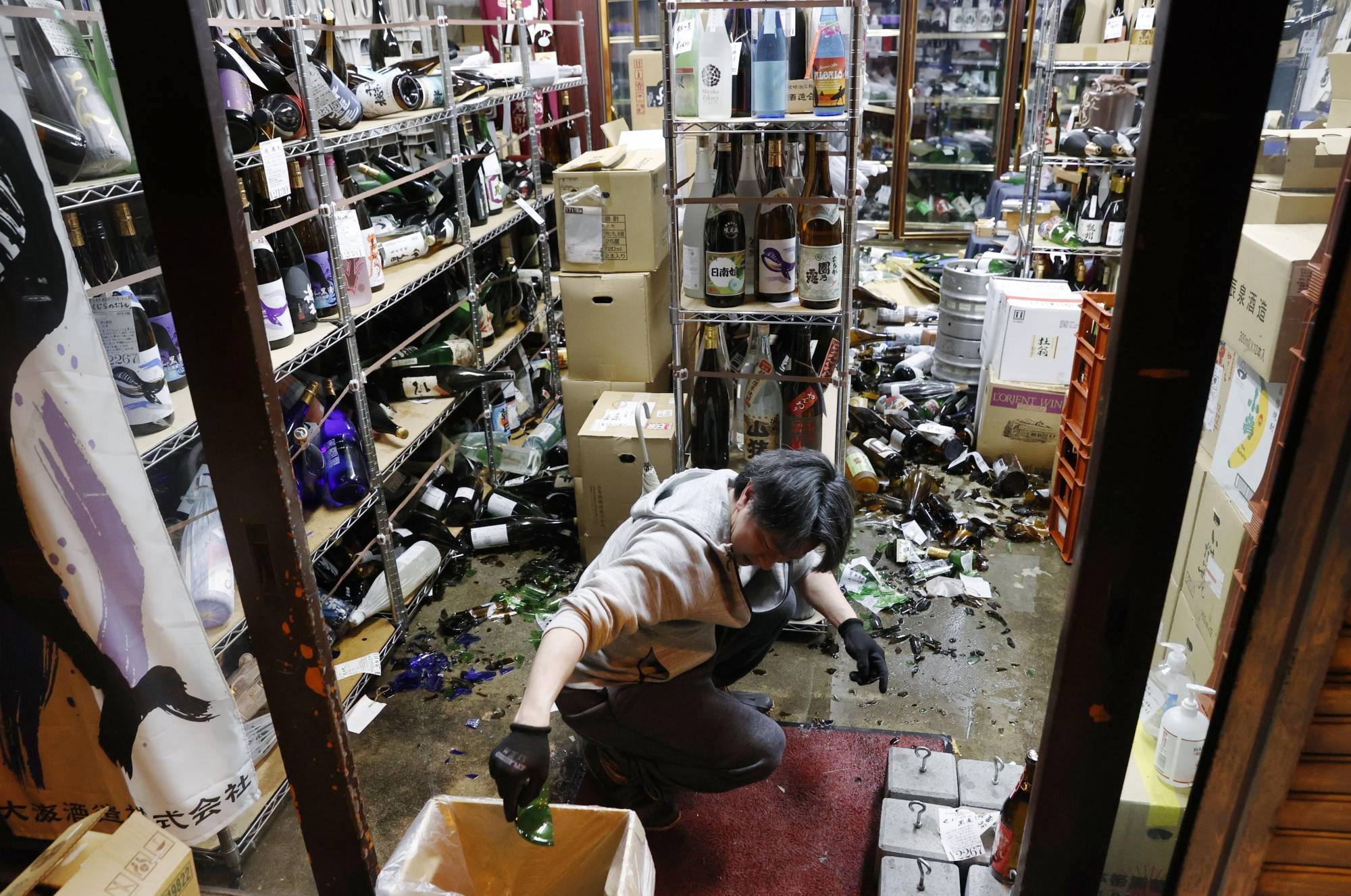
February 13, 2021
A powerful magnitude 7.3 earthquake, which measured a strong 6 on the Japanese seismic intensity scale — the second-highest level — jolted Miyagi and Fukushima prefectures in the Tohoku region late Saturday night. No tsunami warning was issued.
Local authorities in Miyagi and Fukushima prefectures reported a total of at least 20 people injured.
Nationwide, at least 950,000 homes were without power as of midnight, top government spokesman Katsunobu Kato said at a news conference. Kato added later that several power plants were offline.
The quake, which was also felt in Tokyo, where it registered a 4 on the Japanese scale, struck at around 11:08 p.m., according to the Meteorological Agency. The epicenter was off the coast of Fukushima, about 220 kilometers (135 miles) north of Tokyo. Its focus was estimated to be at a depth of about 60 kilometers.
At a news conference early Sunday morning, a Meteorological Agency official said aftershocks of up to a strong 6 on the Japanese scale could occur for at least a week. The official said Saturday’s quake was believed to be an aftershock of the Great East Japan Earthquake that struck the same region on March 11, 2011.
“Because (the 2011 quake) was an enormous one with a magnitude of 9.0, it’s not surprising to have an aftershock of this scale 10 years later,” said Kenji Satake, a professor at the University of Tokyo’s Earthquake Research Institute.
The quake registered a strong 6 in the southern part of Miyagi, and in the Nakadori central and Hamadori coastal regions of Fukushima, the agency said.
Power outages were reported in parts of Fukushima, Miyagi, Iwate, and Tochigi prefectures, according to media reports. Tokyo Electric Power Company Holdings reported blackouts across several prefectures as of early Sunday morning.
No abnormalities have been found at the Fukushima Nos. 1 and 2 nuclear power plants, according to Tokyo Electric Power. The same was true for Japan Atomic Power Co.’s inactive Tokai No. 2 nuclear power plant in the village of Tokai in Ibaraki Prefecture and Tohoku Electric Power Co.’s Onagawa nuclear plant in Miyagi Prefecture, according to their operators.
Following the quake, JR East temporarily halted operations of its Tohoku, Joetsu and Hokuriku shinkansen lines. Power outages occurred on some sections. A landslide had covered a section of the Joban Expressway in Soma, Fukushima Prefecture, officials said, but no vehicles were found to be trapped.
Horizontal shaking lasted for a few minutes inside a traditional inn in Minamisoma, Fukushima Prefecture, with plates for food scattered in its dining room.
“The initial jolt felt more powerful than the one I experienced in the Great East Japan Earthquake,” said Tomoko Kobayashi, 68, who works at the inn. “I wondered if it would end.”
After the 7.1 quake, many smaller earthquakes with magnitudes between 3 and 5 occurred off Fukushima.
Prime Minister Yoshihide Suga immediately directed government agencies to assess damage, rescue any potential victims, work with municipalities and provide necessary information about any evacuation plans and damage as soon as possible. The government was setting up a task force to examine the quake.
Defense Minister Nobuo Kishi directed the Self-Defense Forces to gather information on the scope of the damage and be prepared to respond immediately.
The quake, which comes less than a month before the 10th anniversary of the Great East Japan Earthquake, registered a 4 on the Japanese scale as far north as Aomori Prefecture and as far west as Shizuoka Prefecture. It was the strongest quake in the region since April 7 that year, the meteorology agency said.
https://www.japantimes.co.jp/news/2021/02/14/national/earthquake-fukushima/
Processed video sheds light on black smoke at Fukushima Daiichi
Footage of explosions at the Fukushima Daiichi nuclear power plant reprocessed by Nippon TV using state-of-the-art technology sheds light on the black smoke seen after the explosion at Unit 3.
Ten years on, economic growth is faltering in disaster-hit areas
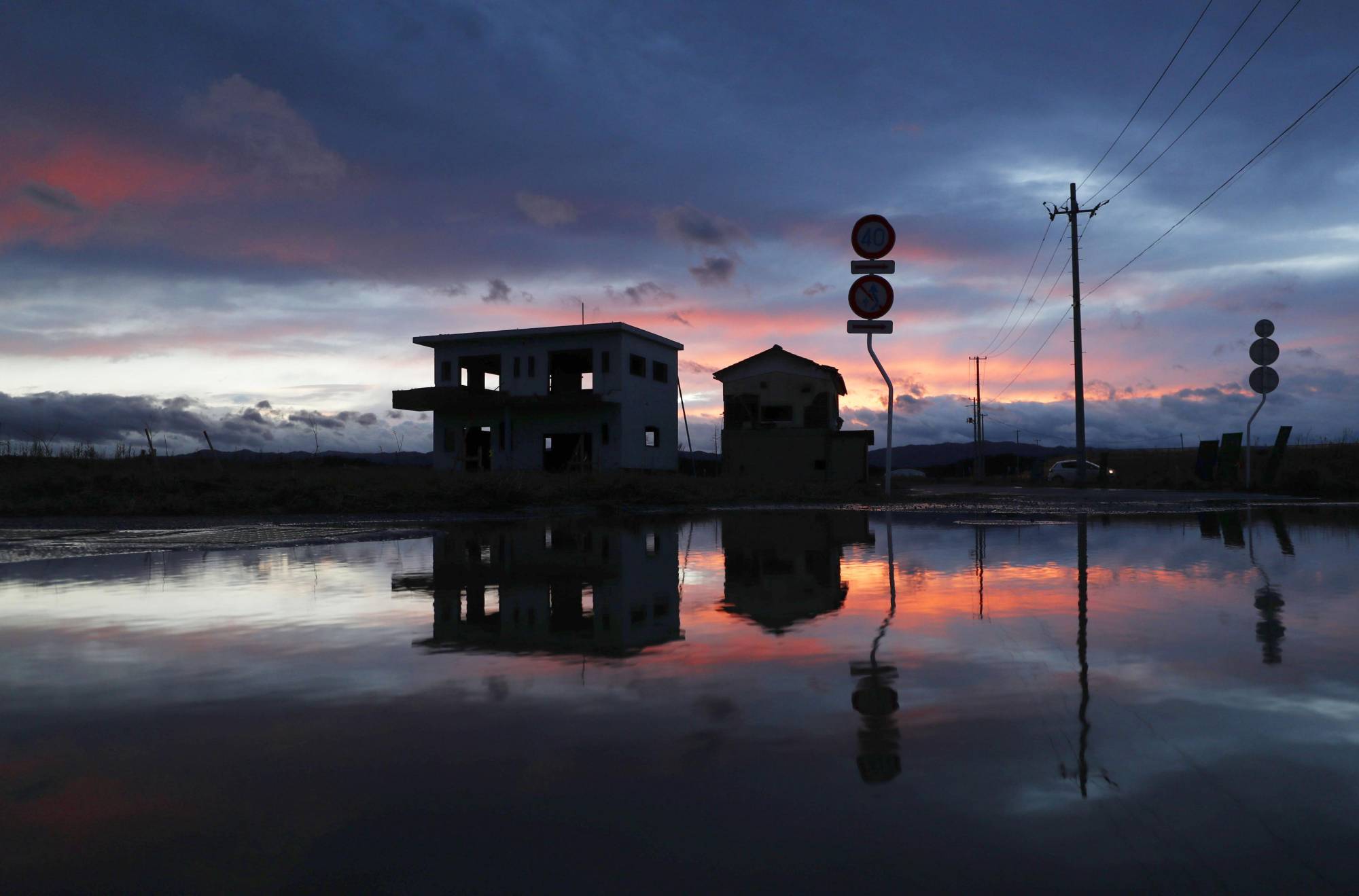
Namie, Fukushima Prefecture, was hit hard by the disaster on March 11, 2011, and an evacuation order remained in place for the subsequent six years
February 11, 2021
While Japan will soon mark the 10th anniversary of the 2011 Great East Japan Earthquake and tsunami, the economy of affected areas is showing signs of faltering.
The prefectures of Fukushima, Miyagi and Iwate have been shored up economically by public investment involving reconstruction projects since being devastated by the disaster on March 11, 2011, and the subsequent nuclear power plant meltdowns.
The three prefectures, however, are seeing reconstruction demand pass its peak.
As the triple meltdown at Tokyo Electric Power Company Holdings Inc.’s Fukushima No. 1 nuclear plant continues to cast a shadow over the coastal areas, the three prefectures now face the challenge of achieving autonomous economic growth orchestrated by firms and others in the private sector.
In the town of Namie, Fukushima Prefecture, an evacuation order issued shortly after the nuclear accident was partially lifted in March 2017. Although industrial complexes have been built and restaurants have opened their doors to customers once again in Namie, there are also many empty plots of land in the town, which shows that some former Namie residents had their houses torn down after giving up on returning from where they had been evacuated.
“Sales halved from before the disaster,” said Yasushi Niizuma, who reopened his restaurant in the town.
Meanwhile, some companies that were not doing business in Namie prior to the disaster have made inroads into the town.
“I don’t expect immediate changes, but I think the situation will be quite different 10 to 30 years from now,” Niizuma said with a sense of hope.
Prefectural gross product data show that the economy has recovered in the three prefectures since the disaster.
In 2011, the year of the disaster, the combined prefectural gross product in Fukushima, Miyagi and Iwate plunged ¥788 billion from a year earlier in nominal terms. But public investment increased sharply from 2012, with many restoration and reconstruction projects being implemented in disaster-affected areas. As a result, the combined gross product in the three prefectures in 2018 increased some ¥3.9 trillion from the 2011 level.
Noting that the region’s economy has been pushed up by public investment over the last 10 years, Yutaro Suzuki, economist at Daiwa Institute of Research Ltd., said, “It was not a self-sustaining growth.”
The three prefectures are seen to have suffered negative economic growth in 2020, chiefly reflecting a decrease in public investments and the spread of the novel coronavirus.
“An industrial recovery is crucial” for further economic growth in the region, Suzuki said.
Coastal areas in the three prefectures hit hard by the disaster are facing a serious population outflow. This is, in areas around the Fukushima No. 1 plant, including the town of Futaba, primarily due to the evacuation order still placed on some locations with high radiation levels.
“There are many areas (within Fukushima) that are nowhere near being restored,” Risa Ueda, head of the Bank of Japan’s Fukushima Branch, said.
While the central government is currently attempting to attract new industries to the region, the effects of such an initiative on the local economy are still unknown.
“Corporate performance has not recovered to the levels prior to the disaster at half of affected businesses,” Sachio Taguchi, president of Bank of Iwate , said. “We are still halfway down the road to reconstruction.”
Hiromi Watanabe, chairman of the federation of chambers of commerce and industry in Fukushima Prefecture, called on the Japanese government to look at the actual state of local economies and introduce precise measures, rather than end its support measures altogether.
As the economy has yet to recover to levels before the disaster in many parts of Fukushima and the coronavirus pandemic is also hitting the prefecture hard, Watanabe said, “What we need the most are job opportunities.”
https://www.japantimes.co.jp/news/2021/02/11/national/quake-disaster-economy/
Tepco ordered to pay ¥600 million over 2011 nuclear disaster
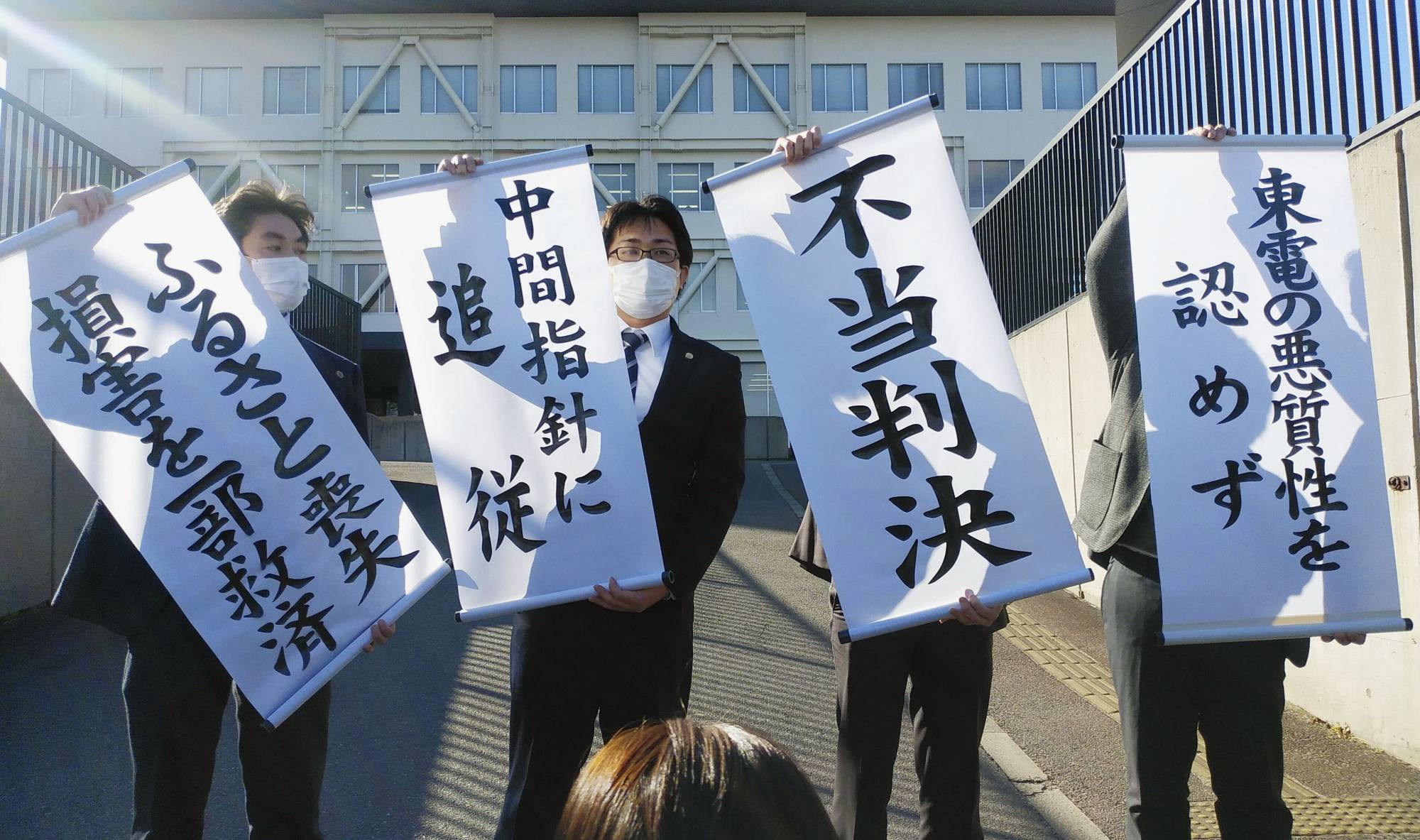
Lawyers representing residents who were forced to evacuate following the 2011 nuclear disaster in Fukushima Prefecture on Tuesday criticize the ruling by the Iwaki branch of Fukushima District Court as unjust, saying that the recognized damage is too small.
Feb 10, 2021
Fukushima – A court has ordered Tokyo Electric Power Company Holdings Inc. to pay a total of some ¥600 million to 271 plaintiffs over an evacuation caused by the 2011 nuclear disaster.
The Iwaki branch of Fukushima District Court reached its conclusion Tuesday in a lawsuit filed by 297 plaintiffs — which included residents of the heavily affected Yamakiya district in the town of Kawamata who were ordered to evacuate — seeking ¥14.7 billion in damages from Tepco.
The plaintiff side expressed its intention to appeal to a higher court.
The suit is the second in a series filed by evacuees who left their homes due to the triple meltdown at Tepco’s Fukushima No. 1 nuclear power plant triggered by the March 2011 earthquake and tsunami.
The plaintiffs excluded the state from the suit as it hoped to achieve an early resolution.
In the first suit, Sendai High Court last year ordered Tepco to pay a total of over ¥700 million to evacuees.
In the latest ruling, presiding Judge Yukitaka Najima said the amount of consolation money already paid to evacuees based on the government’s interim guidelines was reasonable. Najima thus stopped short of ordering additional payments.
The payments were made under the law on compensation for nuclear damage, which obliges the operator of a nuclear facility to compensate for damage arising from it regardless whether there was negligence.
Meanwhile, the Iwaki branch ordered Tepco to pay consolation money worth ¥2 million per person for their loss of hometown.
At the same time, the court rejected the plaintiffs’ claim that Tepco is liable under the Civil Code for failing to prevent the accident, which they believe was foreseeable.
A group of lawyers on the plaintiff side criticized the ruling as unjust, saying that the recognized damage is too small.
Tepco said it will examine the ruling and consider its response.
Dynamics of radiocesium in forests after the Fukushima disaster: Concerns and some hope
Dynamics of radiocesium in forests after the Fukushima disaster: Concerns and some hope
80% of the Fukushima prefecture are mountain forests.

February 3, 2021
Considering the massive threat posed by 137Cs to the health of both humans and ecosystems, it is essential to understand how it has distributed and how much of it still lingers.
w/reminder: there’s no such thing as ‘radioactive decontamination’ the correct term would be ‘trans-contamination’
Scientists compile available data and analyses on the flow of radionuclides to gain a more holistic understanding
Forestry and Forest Products Research Institute
After the Chernobyl disaster of 1986, the 2011 Fukushima Daiichi nuclear power plant (FDNPP) disaster was the second worst nuclear incident in history. Its consequences were tremendous for the Japanese people and now, almost a decade later, they can still be felt both there and in the rest of the world. One of the main consequences of the event is the release of large amounts of cesium-137 (137Cs)–a radioactive “isotope” of cesium–into the atmosphere, which spread farther away from the power plant through wind and rainfall.
Considering the massive threat posed by 137Cs to the health of both humans and ecosystems, it is essential to understand how it has distributed and how much of it still lingers. This is why the International Atomic Energy Agency (IAEA) has recently published a technical document on this specific issue. The fifth chapter of this “Technical Document (TECDOC),” titled “Forest ecosystems,” contains an extensive review and analysis of existing data on 137Cs levels in Fukushima prefecture’s forests following the FDNPP disaster.
The chapter is based on an extensive study led by Assoc. Prof. Shoji Hashimoto from the Forestry and Forestry Products Research Institute, Japan, alongside Dr. Hiroaki Kato from the University of Tsukuba, Japan, Kazuya Nishina from the National Institute of Environmental Studies, Japan, Keiko Tagami from the National Institutes for Quantum and Radiological Science and Technology, Japan, George Shaw from the University of Nottingham, UK, and Yves Thiry from the National Agency for Radioactive Waste Management (ANDRA), France, and several other experts in Japan and Europe.
The main objective of the researchers was to gain a better understanding of the dynamics of 137Cs flow in forests. The process is far from straightforward, as there are multiple elements and variables to consider. First, a portion of 137Cs-containing rainfall is intercepted by trees, some of which is absorbed, and the rest eventually washes down onto the forest floor. There, a fraction of the radiocesium absorbs into forest litter and the remainder flows into the various soil and mineral layers below. Finally, trees, other plants, and mushrooms incorporate 137Cs through their roots and mycelia, respectively, ultimately making it both into edible products harvested from Fukushima and wild animals.
Considering the complexity of 137Cs flux dynamics, a huge number of field surveys and gatherings of varied data had to be conducted, as well as subsequent theoretical and statistical analyses. Fortunately, the response from the government and academia was considerably faster and more thorough after the FDNPP disaster than in the Chernobyl disaster, as Hashimoto explains: “After the Chernobyl accidents, studies were very limited due to the scarce information provided by the Soviet Union. In contrast, the timely studies in Fukushima have allowed us to capture the early phases of 137Cs flow dynamics; this allowed us to provide the first wholistic understanding of this process in forests in Fukushima.”
Understanding how long radionuclides like 137Cs can remain in ecosystems and how far they can spread is essential to implement policies to protect people from radiation in Fukushima-sourced food and wood. In addition, the article also explores the effectiveness of using potassium-containing fertilizers to prevent the uptake of 137Cs in plants. “The compilation of data, parameters, and analyses we present in our chapter will be helpful for forest remediation both in Japan and the rest of the world,” remarks Hashimoto.
When preventive measures fail, the only remaining option is trying to fix the damage done–in the case of radiation control, this is only possible with a comprehensive understanding of the interplay of factors involved.
In this manner, this new chapter will hopefully lead to both timely research and more effective solutions should a nuclear disaster happen again.
###
Reference
Title: Environmental Transfer of Radionuclides in Japan following the Accident at the Fukushima Daiichi Nuclear Power Plant, Chapter 5 “Forest ecosystems”
Published in: International Atomic Energy Agency, IAEA TECDOC no. 1927
Link (open access): https://www.iaea.org/publications/14751/environmental-transfer-of-radionuclides-in-japan-following-the-accident-at-the-fukushima-daiichi-nuclear-power-plant
About the Forestry and Forest Products Research Institute, Japan
Inaugurated as a unit for forest experiments in Tokyo in 1905, the Forestry and Forest Products Research Institute (FFPRI) was largely reorganized in 1988, when it received its current name. During its history of over 110 years, the FFPRI has been conducting interdisciplinary research on forests, forestry, the timber industry, and tree breeding with an agenda based around sustainable development goals. The FFPRI is currently looking to collaborate with more diverse stakeholders, such as international organizations, government agencies, and industry and academic leaders, to conduct much needed forest-related research and make sure we preserve these renewable resources. Website: https://www.ffpri.affrc.go.jp/ffpri/en/index.html
About Dr. Shoji Hashimoto from the Forestry and Forest Products Research Institute, Japan
Shoji Hashimoto obtained Master’s and PhD degrees from The University of Tokyo, Japan, in 2001 and 2004, respectively. In 2005, he joined the Forestry and Forest Products Research Institute, Japan, where he now works as Senior Researcher. He is also Associate Professor at The University of Tokyo. He has published over 50 papers and is a referee for over 30 scientific journals. His main research interests are soil and forest science, environmental dynamics, and climate change, among others. Hashimoto has also been an organizer for various events, including two Symposiums on Fukushima Forests and the Japan?Finland Joint Seminar, and serves as the coordinator of a radioecology unit in International Union of Forest Research Organizations (IUFRO).
Israel lifts restrictions on imported Japanese food products
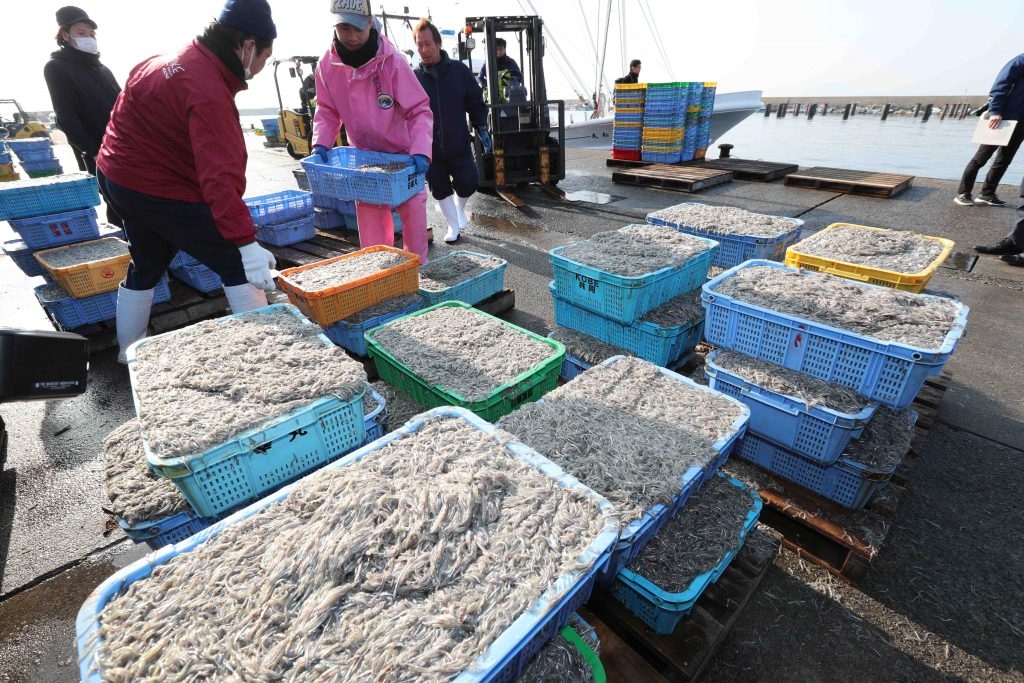
The 15 countries and regions maintaining restrictions on Japanese food imports include China, South Korea, and the US.
January 29, 2021
Israel has removed import restrictions on food items from Japan imposed due to the 2011 Fukushima nuclear disaster, reducing the number of countries and regions with such trade policies to 15.
All Fukushima food products and some items such as grain, seafood, and mushrooms from Iwate, Miyagi, Tochigi, Gunma, and Chiba prefectures were subjected to the import restrictions.
The restrictions include submitting radiation inspection certificates and having all the items tested upon entry.
Japan farm minister Kotaro Nogami urged countries and regions retaining import restrictions to ease or eliminate them
Israel is now among 39 countries and regions that have lifted import restrictions.
The 15 countries and regions maintaining restrictions on Japanese food imports include China, South Korea, and the US.
More theory on Fukushima nuclear reactor explosion
Japan’s Nuclear Regulation Authority unveils another theory concerning an explosion that occurred at Fukushima Daiichi nuclear power plant in March 2011 based on a video reprocessed by Nippon TV using state-of-the-art technology.
Fukushima businesses struggling to stay afloat despite government help

Rokutaro Kurihara, managing director of a company that runs a shopping complex in Iitate village in Fukushima Prefecture, is struggling to keep his business afloat.
Jan 29, 2021
Commercial complexes built as part of revitalization projects in areas affected by the triple meltdown at the Fukushima No. 1 nuclear power plant in March 2011 are struggling to stay afloat.
Faced with difficulties due to swelling costs, business operators often turn to local municipalities for financial aid to help them overcome crises. But the financial struggles will not end soon, given that only a portion of the residents who evacuated from the disaster-stricken areas have returned or are expected to.
Those outlets are now facing a testing moment that will determine whether they can continue with their businesses.
A small village in Fukushima Prefecture located northwest of the power plant, Iitate, which was issued evacuation orders after the nuclear disaster, built the commercial complex Michi no Eki Madeikan for ¥1.4 billion. However, business at the commercial building, which has a convenience store and a vegetable stand, has always been touch and go.
Madei Garden Village Iitate runs the business using a ¥33 million payment from the local government. But even with those funds, the operator saw a deficit of ¥9 million in fiscal 2017 and ¥8 million the following year.
Faced with a severe financial crisis, the company was forced to seek financial aid worth ¥35 million from Iitate in 2018.
After revising its business strategy, the company managed to reduce running costs and decrease the deficit to ¥300,000 in fiscal 2019.
“We are expecting a profit in fiscal 2020. I’ll be dealing with the accumulating debt as a priority,” says Rokutaro Kurihara, the company’s managing director.
Kurihara’s company is among those operating at 12 commercial facilities in 10 towns in areas that used to be designated as no-go zones, including the town of Namie and Tamura city.
Since most of the stores and shops shut down when residents evacuated from the region, local governments have built them for returning residents.
But many of them share the same fate as Kurihara’s.
In the town of Tomioka, Sakura Mall Tomioka, which houses various shops including a grocery store, operates with support from the the town and Fukushima Prefecture, covering its yearly losses worth ¥22 million.
But an official at the municipal government warns that the town will need to raise its rent after the prefecture’s subsidy program ends at the end of fiscal 2021.
Not all tenants deal with financial stress. However, businesses that continue to attract customers worry they may lose them to competitors outside the region.
The operator of Kokonara Shopping Street, a shopping complex that opened in 2018 in the town of Naraha, believes that they cannot meet customers’ needs because they do not have much space. Recent estimates show that cashiers at the center’s 10 stores, including a supermarket and a retailer with daily necessities, served as many as 570,000 customers in fiscal 2019.
But Shigeki Nemoto, who runs a supermarket at the Kokonara shopping facility with limited products available, says he may lose his customers to a nearby, larger shopping complex.
“Our shop is really small and we are struggling to source the product lineup we would like to offer to respond to the needs of our customers,” Nemoto said, adding that he had to reduce its range of meat and fish products.
His store is about 500 square meters, about half the floor space of an average supermarket.
“The neighboring city of Iwaki has a supermarket twice as big as ours with a floor space of 1,000 square meters and we’re worried that we’ll lose out to the competition,” Nemoto added.
Meanwhile, shops operating in areas where the government-run revitalization projects are ongoing depend on workers engaged in the projects for their business.
For instance, Minamisoma city built the only supermarket in its Odaka district, which had its no-go status lifted in 2016, for ¥240 million in 2018.
But the daily number of customers now hovers at around 250.
Many workers for the government reconstruction project visit the store in the afternoon or in the evening to purchase take-out meals or daily necessities. But when the reconstruction project finishes, those workers will disappear as well.
“Operators in the area should invest more in mobile catering and delivery services to boost potential demand and lure former residents back,” a Minamisoma official said.
This section features topics and issues from the Tohoku region covered by the Kahoku Shimpo, the largest newspaper in Tohoku. The original article was published Dec. 30.
https://www.japantimes.co.jp/news/2021/01/29/national/fukushima-business-struggles/
Newly found Fukushima plant high radiation to delay cleanup process

This Jan. 31, 2014, image released by Tokyo Electric Power Company Holdings shows the aerial view of the No. 3 reactor, with its roof blown off and shield plug (circle in the middle) exposed, in Okuma town, Fukushima prefecture, northeastern Japan. A draft investigation report into the 2011 Fukushima nuclear meltdown, adopted by Japanese nuclear regulators Wednesday, Jan. 27, 2021, says it has detected dangerously high levels of radioactive contamination at two of the three reactors, adding to concerns about decommissioning challenges.
Newly found Fukushima plant contamination may delay cleanup
January 27, 2021
TOKYO – A draft investigation report into the 2011 Fukushima nuclear meltdown, adopted by Japanese nuclear regulators Wednesday, says it has detected dangerously high levels of radioactive contamination at two of the three reactors, adding to concerns about decommissioning challenges.
The interim report said data collected by investigators showed that the sealing plugs sitting atop the No. 2 and 3 reactor containment vessels were as fatally contaminated as nuclear fuel debris that had melted and fell to the bottom of the reactors following the March 2011 tsunami and earthquake.
The experts said the bottom of the sealed plug, a triple-layered concrete disc-shaped lid 12 meters (39 feet) in diameter sitting atop the primary containment vessel, is coated with high levels of radioactive Cesium 137.
The No. 1 reactor lid was less contaminated, presumably because the plug was slightly knocked out of place and disfigured due to the impact of the hydrogen explosion, the report said.
The experts measured radiation levels at multiple locations inside the three reactor buildings, and examined how radioactive materials moved and safety equipment functioned during the accident. They also said venting attempt at Unit 2 to prevent reactor damage never worked, and that safety measures and equipment designs still need to be examined.
The lid contamination does not affect the environment as the containment vessels are enclosed inside the reactor buildings. The report did not give further details about if or how the lid contamination would affect the decommissioning progress.
Nuclear Regulation Commission Chairman Toyoshi Fuketa called the findings “extremely serious” and said they would make melted fuel removal “more difficult.” He said figuring out how to remove the lids would be a major challenge.
Removing an estimated 900 tons of melted fuel debris from three reactors is a daunting task expected to take decades, and officials have not been able to describe exactly when or how it may end.
The Fukushima plant was to start removing melted fuel debris from Unit 2, the first of three reactors, later this year ahead of the 10th anniversary of the accident. But in December, plant operator Tokyo Electric Power Co. and the government announced a delay until 2022. They said the development of a robotic arm for the debris removal — a joint project with Britain — has been delayed due to the pandemic.
Under the current plan, a remote-controlled robotic arm will be inserted from the side of the reactor to reach the molten fuel mixed with melted parts and concrete floor of the reactor. Eventually the lids also would have to be removed, but their contamination is a major setback.
The team of experts entered areas inside the three reactors that were previously highly contaminated and inaccessible after radiation levels came down significantly. They’re seeking data and evidence before they get lost in the cleanup.
Massive radiation from the reactors has caused some 160,000 people to evacuate from around the plant. Tens of thousands are still unable to return home.
https://www.local10.com/tech/2021/01/27/newly-found-fukushima-plant-contamination-may-delay-cleanup/
High radiation facilities inside Fukushima No. 1 nuclear power plant may delay decommissioning process
January 27, 2021
Ahead of the 10-year anniversary of the March 2011 accident at Tokyo Electric Power Company Holdings Inc.’s Fukushima No. 1 nuclear power plant, a panel of the Nuclear Regulation Authority on Tuesday released a draft interim report on the accident investigation, which resumed in September 2019. The on-site investigation found that there were areas with extremely high radiation levels near the fifth floor of the reactor buildings of Units 2 and 3. This may lead to a delay in the decommissioning process of the plant.
According to the draft report, high levels of contamination were found at the bottom of a concrete lid called a shield plug, located at the top of the reactor containment vessel. Radioactive cesium there was estimated to be giving off about 20 to 40 petabecquerels of radiation at Unit 2 and about 30 petabecquerels at Unit 3. (The prefix peta indicates 1,000 trillion.)
In terms of radiation dosage, this is likely to be equivalent to several sieverts per hour. If a person were to enter the area, a fatal dose would accumulate in just a few hours.
TEPCO plans to first remove the nuclear fuel debris, which is a mixture of melted nuclear fuel and other materials, from the Unit 2 reactor. Depending on the removal route, it may be necessary to remove the shield plug. The removal of this structure is expected to take a long time, not only because of the high radiation levels but also because the shield plug weighs a total of 465 tons.
Looking back at what had happened during the crisis at the plants in 2011, the panel also examined the effects of venting, or releasing steam containing radioactive materials into the atmosphere to reduce pressure, which was done to prevent damage to the containment vessels. As a result of examining the piping and other parts, the panel found that steam flowed back into the reactor buildings of Units 1 and 3, where the venting was successful.
They also analyzed the TV footage from that time and noted that there had been multiple hydrogen explosions at the Unit 3 reactor
Fukushima College robot wins top prize for nuclear decommissioning

The Mehikari robot developed by a team at Fukushima College
Jan 25, 2021
Fukushima – A robot created by a team from a technology college in northeastern Japan recently won the top prize in a robotics competition that had the theme of decommissioning the Fukushima No. 1 nuclear power plant.
The Mehikari robot of Fukushima College earned praise for its speed as well as ability to employ different methods to retrieve mock debris similar in size to that at the plant, the site of a nuclear disaster triggered by a massive earthquake and tsunami on March 11, 2011.
The robot completed the set task in about 2 minutes, the fastest time, in the annual competition aimed at fostering future engineers that was attended by students from 13 colleges belonging to the National Institute of Technology.
Sunday’s competition was the fifth of its kind. Students in 14 teams from the colleges across the country such as in Osaka and Kumamoto prefectures were tasked this year with developing robots to remove fuel debris from the plant, organizers said.
“I’ll be happy if our robot is useful on the ground,” said Hiroha Toba, the 18-year-old leader of the winning team.
The robots were required to pass through a 4-meter-long pipe, land on a pedestal, collect balls representing fuel debris situated 3.2 meters below and return within 10 minutes.
The robots had to be remotely operable without a direct line of sight.
Also according to the contest rules, radio waves could not penetrate certain sections of the field, resembling the real-life situation in which the Fukushima No. 1 plant is covered by thick concrete walls. This meant the teams had to transmit directions by wire when the robots passed those areas.
Due to the coronavirus pandemic, the teams submitted videos of the robots’ performance to the organizers in advance. They were evaluated based on speed, accuracy and originality of retrieval method.
The competition was mainly organized by the Japan Atomic Energy Agency and had the support of the education ministry and other entities.
Ex-classmates reunite at school abandoned after Fukushima disaster

Old friends Nozomi Kaminagakura (L) and Mari Yamamoto hug each other in a schoolyard before parting on Jan. 9, 2021
Jan 24, 2021
Namie – “Take care. Let’s meet again,” Nozomi Kaminagakura and Mari Yamamoto said repeatedly as they hugged in a corner of a weed-strewn schoolyard in the town of Namie in Fukushima Prefecture that is still partly under an evacuation order.
The friends were neighbors until they were forced to leave their hometown when they were in the fourth grade because of the Fukushima nuclear disaster triggered by the March 2011 earthquake and tsunami in northeastern Japan.
They smiled for most of the day when they visited Namie in January but became tearful as they were about to part. Wearing kimono, they had attended a coming-of-age ceremony in the town earlier in the day.
Amid the COVID-19 pandemic, seats at the ceremony were spaced apart and the participants only took off their face masks for the commemorative photograph. There was no reunion party afterward.

Former classmates visit Karino Elementary School
Eleven former classmates along with their families visited the abandoned building of Karino Elementary School, which is set to be demolished.
In contrast to the bleak schoolyard, the young adults were cheerful as they shared stories of their school days and took photos.
Their parents also looked delighted to see them enjoying their reunion.
“Where do you live now?” they asked one another. One even asked, “Do you really remember me?”
It was their first return to the school together since the disaster forced all the residents of the town to evacuate.
“We were separated without any time to prepare,” one of them said.

Former classmates take a photo in the schoolyard. As many as 11 of them gathered for the first time in almost a decade
Kaminagakura, now a university student in Sendai in adjacent Miyagi Prefecture, said the area where she and Yamamoto used to lived remains basically off limits because radiation levels are still high.
Affectionately calling each other “Non-chan” and “Mari-chan,” they played almost every day back then, at a nearby river in the summer and sledding on a hill in the winter.
“I never thought we’d be unable to see each other,” Kaminagakura said, adding she had expected to return to the town after a short time.
“It’s not the Namie I knew,” she said.
At the school, however, she was able to freely converse with her former classmates, even after such a long time. “I was glad they haven’t changed.”
Minori Yoshida, who attends a technical school in Yokohama, near Tokyo, was forced to evacuate in the midst of moving to her new home in the town. The house remains vacant.
“I feel at ease whenever I come to Namie,” said Yoshida, who was visiting for the first time in three years with her family, who now live in the city of Fukushima.
When asked why she feels so, Yoshida said, “Because it is in the countryside? I have mixed feelings though, looking at the scenery now.”
About her friends from Namie, she said, “They are special to me.”

The 11 young adults stand side-by-side for a group photo in front of a school building to be demolished.
It might be the last time the former classmates could gather at the school before its demolition. They took a group photo in front of the school building.
A banner placed on the three-story building’s balcony read, “Forever in the hearts of Karino pupils. Thank you, Karino Elementary School.”
The 11 former classmates were slow to leave, even though the sun was setting, and kept repeating, “Take care. Let’s meet again.”

Nozomi Kaminagakura (L) and Mari Yamamoto in kimono pose in the schoolyard.
Tokyo High Court rules state not liable in 2011 nuclear accident
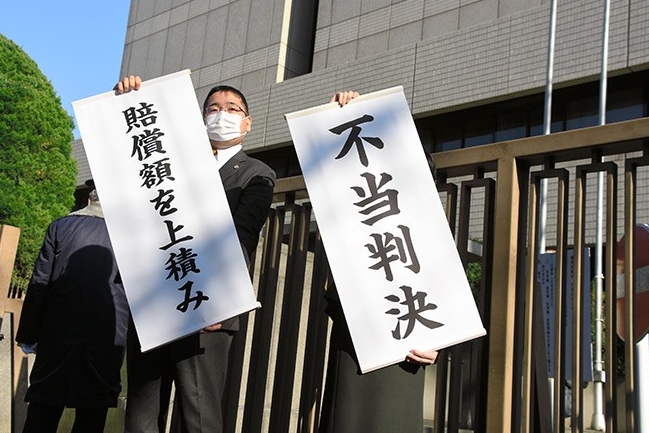
The Tokyo High Court finds the state not liable for the 2011 Fukushima nuclear power plant accident. A legal team member for the plaintiffs holds up a sign stating, “It is an unjust ruling,” in Tokyo on Jan. 21.
January 22, 2021
The Tokyo High Court has ruled the government should not be held responsible for the 2011 Fukushima No.1 nuclear power plant accident and be forced to pay compensation to evacuees.
Residents who evacuated to Gunma Prefecture due to the accident claimed damages against the government and Tokyo Electric Power Co. (TEPCO). But according to the Jan. 21 appellate ruling, the court found the state was not liable and ordered only TEPCO to pay compensation.
That followed a lower court ruling by the Maebashi District Court that found both parties liable.
The Tokyo High Court also raised the total compensation from about 40 million yen ($386,160) for 62 plaintiffs in the lower court ruling to about 120 million yen for 90 plaintiffs.
But the plaintiffs’ lawyers criticized the ruling afterward, contending the court was led astray by the government’s “phony” line of argumentation, and said the increase in compensation still falls far short of the “complete compensation” their clients deserve.
There are about 30 class action suits nationwide filed by evacuees and others over the triple meltdown at the nuclear power plant. Out of 14 lower court rulings, the state was held responsible in seven cases.
The higher court appellate ruling was the second such case since the Sendai High Court ruling last September. But the Sendai court held the state responsible. The rulings were divided both at the lower and higher court levels.
The main issue of contention in this latest ruling was the credibility of a long-term evaluation report, prepared by the government’s Headquarters for Earthquake Research Promotion in 2002.
The Maebashi District Court found the evaluation to be credible in establishing liability. The report suggested the possibility that an 8.2-magintude earthquake and tsunami could occur off the coast of the Tohoku region.
But on the other hand, the Tokyo High Court did not find the evaluation to be credible at establishing liability, partly because it differed from the perspective given by a civil engineering society at the time.
“We can’t say that the occurrence of the tsunami was foreseeable based on the long-term evaluation,” the court said.
Furthermore, the higher court said, “You couldn’t have avoided the accident even if preventative measures were taken based on the long-term evaluation.” That is because there was a big difference between the size and type of the tsunami risk calculated by TEPCO based on the evaluation and the actual tsunami that hit.
The higher court concluded that the government was not acting in a significantly unreasonable manner by not invoking its regulatory authority to order TEPCO to take preventative measures.
Meanwhile, the higher court did find TEPCO responsible, and said that the “plaintiffs’ interests to lead their peaceful daily lives were infringed upon due to the accident.”
The Maebashi District Court had ordered TEPCO to pay 38.55 million yen to 62 out of 137 plaintiffs. But the higher court evaluated their areas of residence prior to the evacuation on a case-by-case basis, and therefore increased the overall amount to about 120 million yen for 90 plaintiffs, with payments to individuals ranging from 70,000 yen to 14.94 million yen.
After the higher court ruling, the legal team for the plaintiffs issued a statement disapproving of the logic behind the ruling.
“The court was tricked by the government’s phony argument and put more importance on the civil engineering evaluation–which was nothing but the standard within the industry–than the long-term evaluation.”
“The ruling was the exact opposite of the Sendai High Court decision,” Izutaro Managi, a lawyer for the plaintiffs, said at a news conference. “The reason why the court did not admit the foreseeability (of the tsunami) is the worst of all the rulings so far.”
Fukushima residents demand stricter decontamination to enable safe return
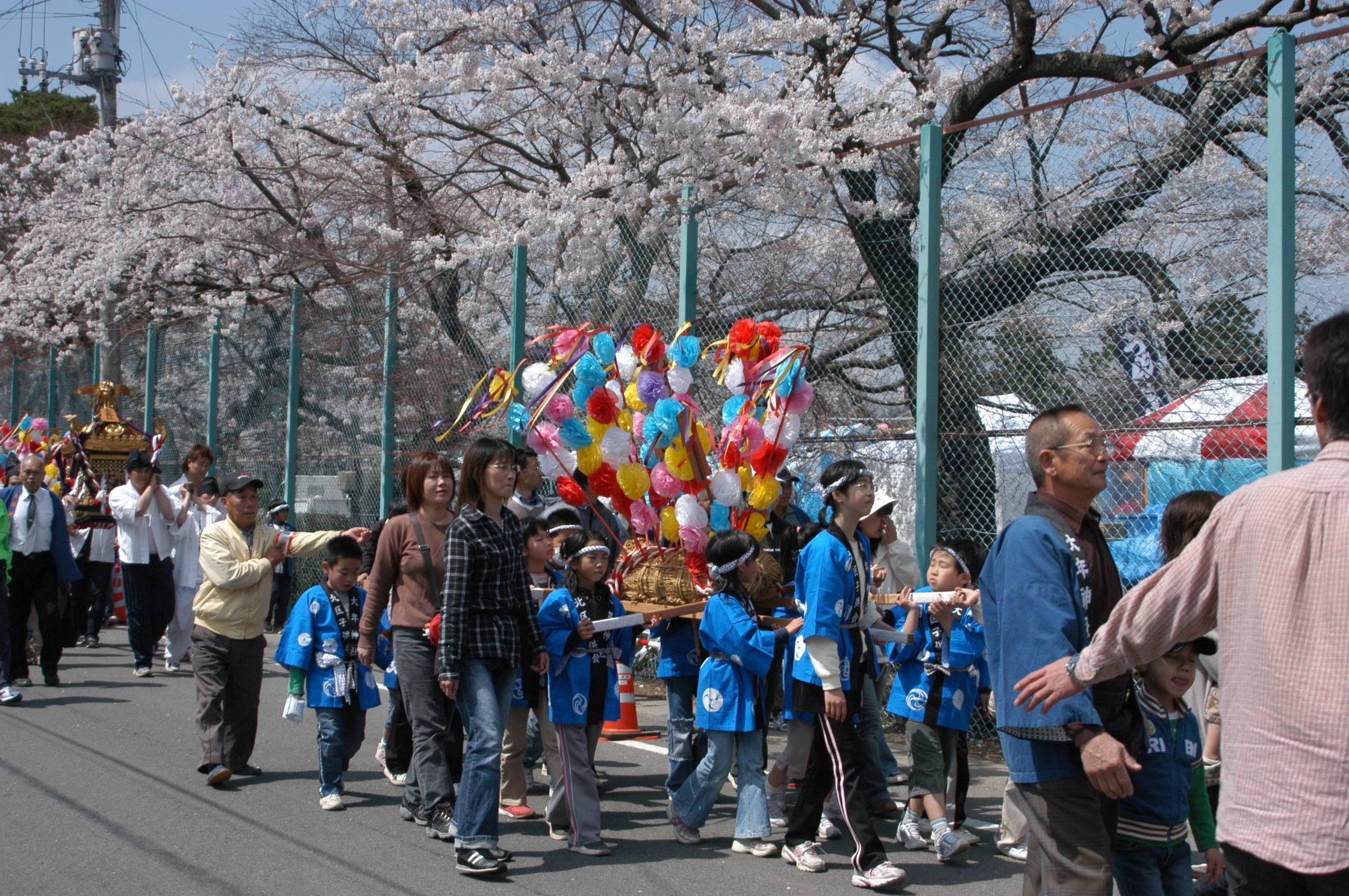
Residents of the Yonomori district in Tomioka, Fukushima Prefecture, march with a portable shrine in April 2007.
January 22, 2021
“Will Tomioka go back to how it was before?” Looking at the results of a survey, Kazuyoshi Kamata, vice head of the Yonomori Station northern administrative district in Tomioka, Fukushima Prefecture, reflects on his hometown and its reconstruction following the Fukushima No. 1 nuclear power plant triple meltdown in 2011.
In the surveys conducted by the Reconstruction Agency last fall, Tomioka residents listed important conditions in deciding whether they would return to their hometown or not, such as the reopening and construction of new medical, welfare and elder care facilities as well as the resumption and improvement of shopping complexes.
One condition that stands out among the list, though, is a further reduction in the amount of radiation, which 1 in 3 residents raised as an important issue. The government has been decontaminating specially designated areas, where it was once thought that settlement was limited for good but which can be reopened for residents. It has set the annual radiation exposure limit to be lower than 20 millisieverts as one of the standards to lift the evacuation orders.
Now that nearly 10 years have passed since the nuclear crisis at the Fukushima No. 1 plant, Kamata stressed the need for the government to decontaminate the area under stricter standards so that residents will feel safer returning to their hometown.
“In order to maintain people’s feelings for their hometowns, I want (the government) to stick to the stance of rebuilding our Tomioka in the form that we all want, including restoring the (basic living) environment.”
Tomioka’s Yonomori district used to be bustling with an increasing population, said Kamata, adding that younger generations supported the local community by planning events utilizing a famous row of cherry blossom trees and developing agriculture centered around rice crops.
“The district was a place full of energy where everyone, regardless of generation, was involved in making the local community,” said Kamata.
At the Yonomori cherry blossom festival held in spring, for example, smiles spread among residents as children strolled around, and the event also featured a mikoshi, or Shinto palanquin, from Otoshi Shrine.
The government is also doing its part in reconstructing the specially designated area in Tomioka by establishing zones focused on revitalizing businesses and agriculture. With creating agricultural corporations and making use of tourism resources such as roadside cherry blossom trees as the two main pillars, the government is working to attract about 1,600 people to live there, which is 40% of the population before the accident.
In the meantime, residents have been raising concerns about the 20 millisieverts condition, demanding a higher standard and more decontamination. In places that have recorded higher radiation levels, it is expected there will be damage from harmful rumors about things including tourism and agriculture.
“Without people, reconstruction would not begin. Creating conditions to invite more people without concerns is of utmost importance,” said Kamata, arguing that alongside other areas, restoring the living environment, including decontamination with the aim of lowering the annual radiation exposure to 1 millisevert or less, will be needed for future generations to live in Yonomori.
“Once the evacuation order is lifted, I want the local community to regain its connections within (the district),” said Kamata, hoping to take on a role of handing down the district’s traditions and way of life, as well as traditional scenery, to younger generations once he returns. As a vice-head of the administrative district, though, Kamata also intends to communicate crucial issues to the local government while residing in the area.
The lifting of the evacuation order in the specially designated area is expected in the spring of 2023, 12 years after the order was first issued.
“Without tackling issues such as restoring the living environment and infrastructure, as well as decommissioning of the Fukushima No.1 plant in a diligent manner, people won’t come back,” said Kamata. Now he hopes the government will share his passion for the hometown’s rebuilding.
This section features topics and issues covered by the Fukushima Minpo, the prefecture’s largest newspaper. The original article was published Jan. 12.
https://www.japantimes.co.jp/news/2021/01/22/national/fukushima-decontaminating-town/
High court denies government responsibility for Fukushima nuclear crisis
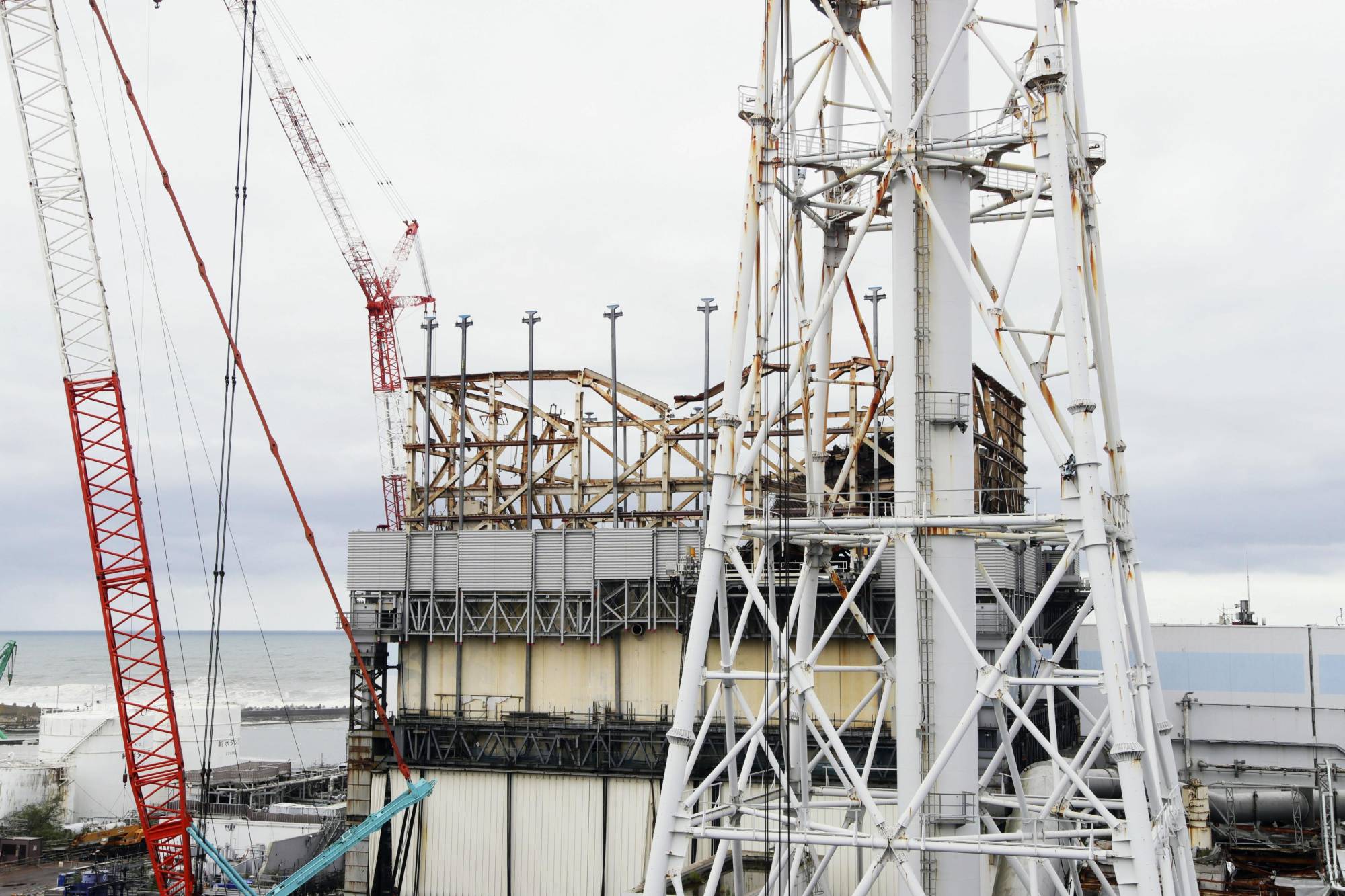
Decommissioning work is under way at the disaster-stricken Fukushima No. 1 nuclear power plant.
January 21, 2021
The Tokyo High Court on Thursday ordered the operator of the crippled Fukushima No. 1 nuclear power plant to pay damages to evacuated residents, but it overturned an earlier ruling by Maebashi District Court that had also acknowledged the central government’s responsibility over the 2011 nuclear crisis.
Among around 30 such lawsuits across the country, the decision of the Tokyo High Court was the first high court ruling absolving the state of responsibility, contradicting an earlier decision of the Sendai High Court in September that ordered both the state and Tokyo Electric Power Company Holdings Inc. to pay damages.
The government’s failure to instruct Tepco to take measures against tsunamis “is not found to be significantly unreasonable,” Presiding Judge Akira Adachi said in handing down the ruling.
The lawsuit focused on the reliability of an official long-term quake assessment made in 2002, which has been used in previous rulings to determine the liability of the state and Tepco for their failure to prevent the nuclear disaster.
Adachi noted the assessment had caused a debate since its release, and that the government was unable to predict a huge tsunami.
Implementing measures such as constructing seawalls would not have prevented the tide from entering the nuclear plant, he added.
Thursday’s ruling instead ordered Tepco to pay a total ¥119.72 million to 90 plaintiffs, more than triple the amount awarded in the lower court ruling.
In March 2017, the Maebashi District Court awarded a total of ¥38.55 million to 62 plaintiffs who evacuated from Fukushima Prefecture, including those who voluntarily left, acknowledging the government and the utility were negligent in preparing for a tsunami like the one that struck the facility.
The district court said the disaster was caused by a failure to cool nuclear fuel as water entered turbine buildings through air supply openings in the wake of the tsunami triggered by a massive earthquake, crippling emergency switchboards.
The lawsuit was filed by a total of 137 plaintiffs relocated to Gunma Prefecture and elsewhere. They sought a combined ¥1.5 billion — ¥11 million each — in damages for emotional distress.
They were forced to leave their hometowns as three reactors suffered meltdowns at the plant after the magnitude 9.0 earthquake and ensuing tsunami hit northeastern Japan on March 11, 2011.
The plaintiffs said they had lost their livelihoods and faced inconvenience for an extensive period, and the amount they received under the current state compensation guidelines was not enough.
1 This Month

of the week – Shut Down Drone Warfare!


Tell the Ukrainian Government to Drop Prosecution of Peace Activist Yurii Sheliazhenko

Petition to revoke the licensing of the Near Surface Nuclear Disposal Facility (NSDF) at Chalk River. https://www.ourcommons.ca/petitions/en/Petition/Details?Petition=e-7247
To see nuclear-related stories in greater depth and intensity – go to https://nuclearinformation.wordpress.com
-
Archives
- April 2026 (34)
- March 2026 (251)
- February 2026 (268)
- January 2026 (308)
- December 2025 (358)
- November 2025 (359)
- October 2025 (376)
- September 2025 (257)
- August 2025 (319)
- July 2025 (230)
- June 2025 (348)
- May 2025 (261)
-
Categories
- 1
- 1 NUCLEAR ISSUES
- business and costs
- climate change
- culture and arts
- ENERGY
- environment
- health
- history
- indigenous issues
- Legal
- marketing of nuclear
- media
- opposition to nuclear
- PERSONAL STORIES
- politics
- politics international
- Religion and ethics
- safety
- secrets,lies and civil liberties
- spinbuster
- technology
- Uranium
- wastes
- weapons and war
- Women
- 2 WORLD
- ACTION
- AFRICA
- Atrocities
- AUSTRALIA
- Christina's notes
- Christina's themes
- culture and arts
- Events
- Fuk 2022
- Fuk 2023
- Fukushima 2017
- Fukushima 2018
- fukushima 2019
- Fukushima 2020
- Fukushima 2021
- general
- global warming
- Humour (God we need it)
- Nuclear
- RARE EARTHS
- Reference
- resources – print
- Resources -audiovicual
- Weekly Newsletter
- World
- World Nuclear
- YouTube
-
RSS
Entries RSS
Comments RSS
 nuclear-news