Six people to sue Tepco over thyroid cancer after Fukushima disaster
Jan 19, 2022
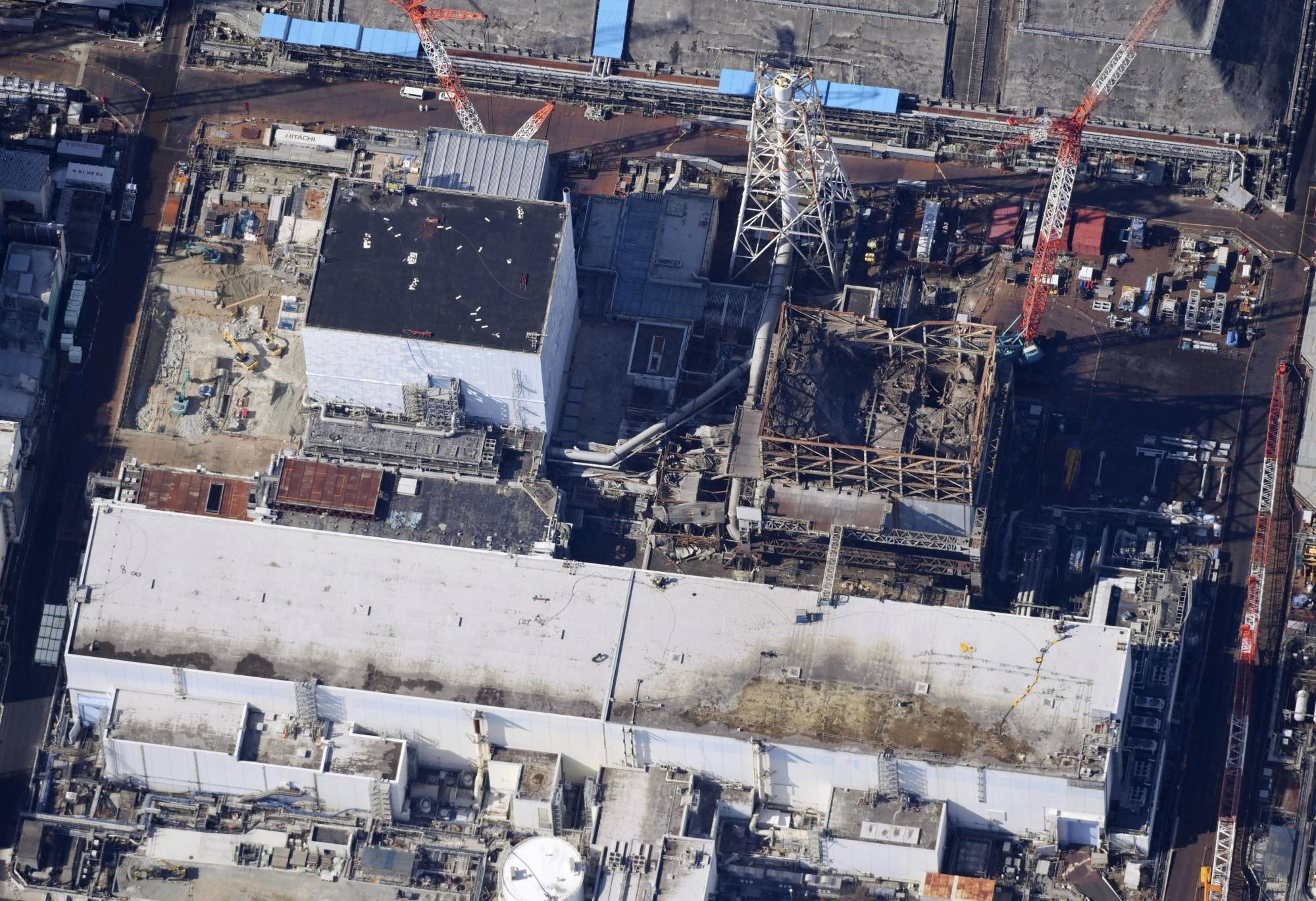
Six people are set to sue Tokyo Electric Power Company Holdings Inc. over thyroid cancer that they claim they developed due to exposure to radioactive substances released from the 2011 triple reactor meltdown at its stricken Fukushima No. 1 nuclear power plant, their lawyers said Wednesday.
The plaintiffs, who were between the ages of 6 and 16 at the time of the nuclear disaster and lived in Fukushima Prefecture, home to the plant, will seek ¥616 million in total damages.
This is believed to be the first lawsuit involving Fukushima Prefecture residents suing Tepco over thyroid cancer in connection with the nuclear disaster.
The six plan to file the suit with Tokyo District Court on Jan. 27, the lawyers said during a news conference.
They currently live in Tokyo, Kanagawa Prefecture and Fukushima Prefecture. Four of them have had their entire thyroid glands removed, the lawyers said. Some have undergone multiple rounds of surgery because of cancer metastasis or recurrence, they said.
A health survey by the Fukushima prefectural government, which covered some 380,000 people age 18 or younger at the time of the disaster, showed in October last year that 266 people had cancer or suspected cancer.
Some experts have pointed out the possibility of overdiagnosis, or the discovery of cancers that do not require treatment. The lawyers claimed that the plaintiffs developed cancer due to the nuclear disaster and needed to undergo surgeries.
A review committee on the prefectural health survey has said that the thyroid cancer apparently has nothing to do with what happened at the Fukushima No. 1 plant in March 2011.
Kenichi Ido, a former judge who leads the lawyers, criticized the Japanese government for determining that there has been no health damage from the disaster.
Lawyer Hiroyuki Kawai said that “there is strong social pressure to believe that cancer is not caused by the accident, so it took a lot of courage for the six plaintiffs to file the lawsuit.”
Taiwan’s KMT says public health most important when considering Fukushima food imports
KMT Chairman Eric Chu says party gathering data to ‘defend the health of Taiwanese’
2022/01/16
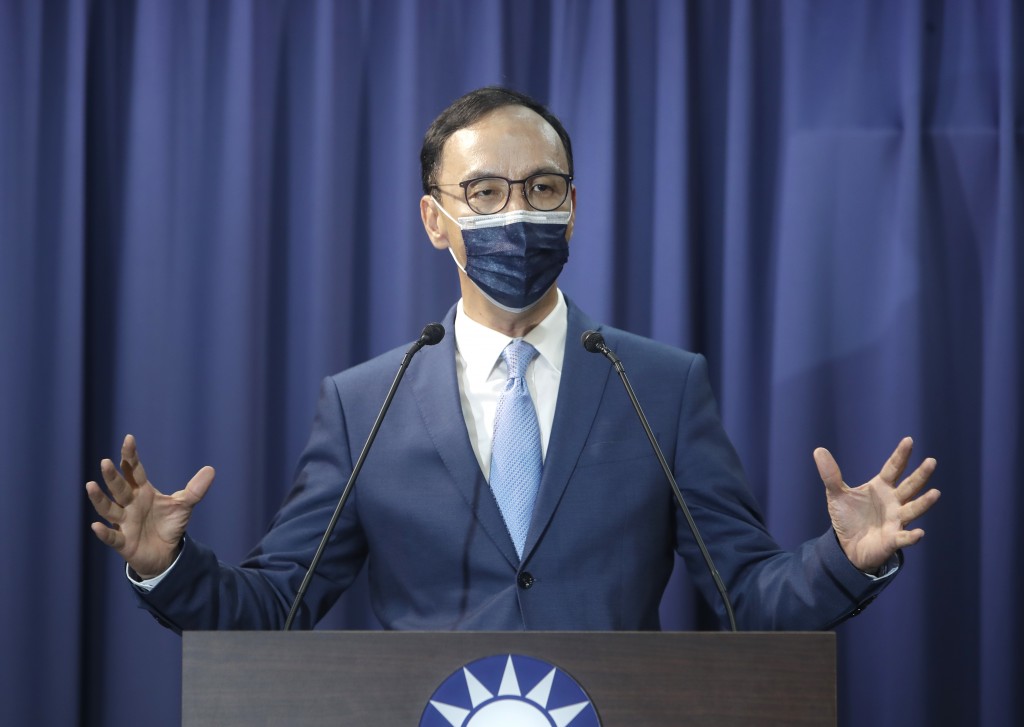
TAIPEI (Taiwan News) — Kuomintang (KMT) Chairman Eric Chu (朱立倫) on Saturday (Jan. 15) commented on the issue of importing food products from Fukushima, Japan, saying the party prioritizes the health of Taiwanese.
China Broadcasting Chair Chao Shao-kang (趙少康) recently stated he could not believe the KMT had released a press release saying that “as long as Japan can guarantee the safety of food imported to Taiwan, the KMT will agree to import nuclear food from Japan.” “I almost fainted when I read it,” Chao said.
In response to his remark, Chu said in a media interview that the KMT is “absolutely 100% opposed” to anything that harms the health of Taiwanese and that the party must stand with the public, CNA reported.
He said that if the Democratic Progressive Party is promoting imported Fukushima food products in pursuit of political interests, the KMT will never approve of this.
The KMT Central Committee, KMT-led local governments, and party think tanks will join together to collect scientific evidence and data to “defend the people’s health,” Chu added.
Six people who were children at the time of the accident are suing TEPCO, claiming that they developed thyroid cancer due to exposure to radiation from the Fukushima Daiichi Nuclear Power Plant accident.
January 19, 2022
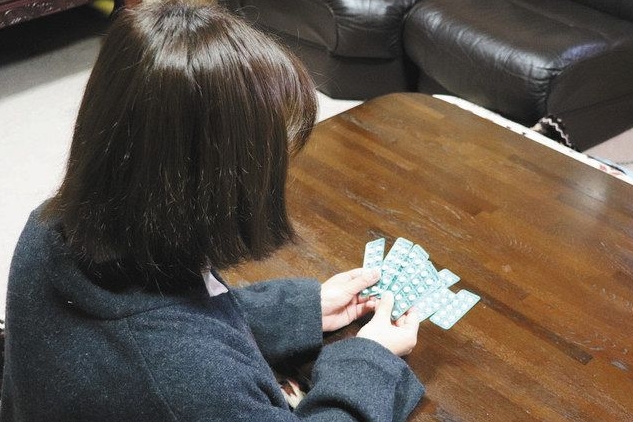
Six men and women between the ages of 17 and 27 who were living in Fukushima Prefecture at the time of the accident filed a lawsuit against TEPCO on January 27, claiming that they developed thyroid cancer due to radiation exposure caused by the accident at TEPCO’s Fukushima Daiichi Nuclear Power Plant. On April 27, six men and women aged 17 to 27 who were living in Fukushima Prefecture at the time of the accident filed a lawsuit against TEPCO in the Tokyo District Court, seeking a total of 616 million yen in damages. According to the lawyers, this is the first time that patients who developed thyroid cancer as children are suing TEPCO because of the nuclear accident. (Natsuko Katayama)
Defense: “We can’t think of any cause other than radiation exposure.
The lawsuit is filed by four people who lived in Fukushima City and Koriyama City, and one each in the Aizu region in the western part of the prefecture and the Hamadori region in the eastern part of the prefecture. They were between the ages of 6 and 16 at the time of the accident, and are now high school students or working as office workers or part-time employees in the prefecture or in Tokyo.
Two have had one side of their thyroid gland removed, four have had total thyroidectomy due to recurrence, and are undergoing or planning to undergo radiation therapy. Some have had four operations and others have metastasized to the lungs. Some have had four surgeries and others have had their lungs metastasized. The treatments and surgeries have forced them to give up their desired jobs, drop out of college, or retire. They are not only worried about relapse, but also about whether they will be able to get married or have children.
The lawyers argued that most of the thyroid cancers found in the children, including the six, were papillary cancers, which were confirmed in children and young adults after the Chernobyl nuclear accident, and that they were not hereditary and could not be caused by anything other than radiation exposure. Kenichi Ido, the head of the legal team, said, “Many of the cancers have recurred, so it is hard to imagine overdiagnosis. TEPCO should admit that the cause of the cancer was the nuclear accident and provide relief as soon as possible.
The expert panel’s position is that a causal relationship cannot be established.
With regard to the causal relationship between exposure to radiation from the nuclear power plant accident and thyroid cancer, the Fukushima prefectural government’s expert panel has taken the position that “no causal relationship can be recognized at this time.
Since the nuclear accident, the prefecture has been conducting tests for thyroid cancer as a part of the prefectural health survey for a total of about 380,000 people who were under the age of 18 at the time of the accident and who were born before April 1, 2012 (including those who evacuated from the prefecture).
Normally, the incidence of pediatric thyroid cancer is estimated to be about one to two cases per one million people per year, but according to the survey and other findings, by June last year, about 300 people had developed thyroid cancer or thyroid cancer-related diseases. By June last year, however, about 300 people had been diagnosed with thyroid cancer or suspected of having thyroid cancer. All the medical expenses are covered by the “Prefectural Health Care Fund” established with financial support from the government and compensation from TEPCO.
The expert panel is continuing to investigate the results of the diagnoses, saying, “It has been pointed out that there is a possibility of over-diagnosis, finding cancers that do not need treatment in the future.
https://www.tokyo-np.co.jp/article/154959?fbclid=IwAR06xqKA6vo3utW1-lfN3PIkFiBnS20b6BMD1WAXyzUo5yJKMzU3KU5elGs
Fukushima Daiichi Hit By Tsunami
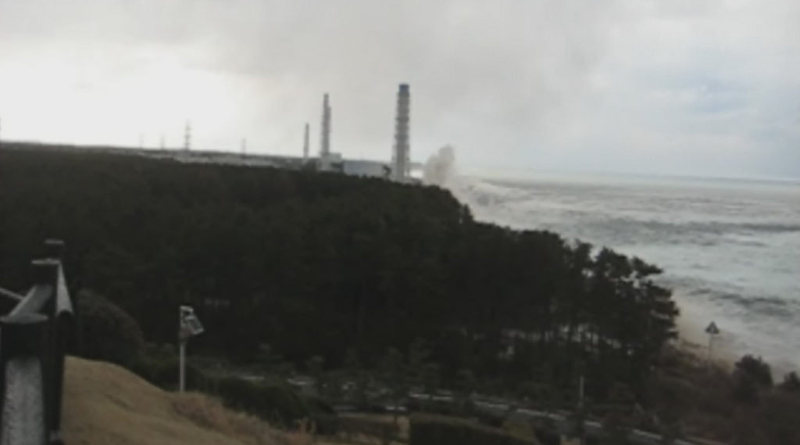
Japan has lifted all tsunami advisories and warnings.
Japan has reduced one of the tsunami warnings, left one in place, and left the alerts for the entire south and east coasts in force. The Japan Meteorological Agency told people to remain vigilant and not return to low coastal areas. The JMA representative mentioned they do not know the exact mechanism that created the tsunami waves and they don’t know if the danger has passed.
Japan’s nuclear regulator and TEPCO have not released any information about conditions at Daiichi or any of the other coastal nuclear power plants in Japan. Another relevant concern is the large piles of contaminated soil bags that have been stored along the Fukushima coast on beaches and along low-lying areas of river banks near the coast. The inundation levels could put these bags at risk of being swept out to sea.
NHK TV reported that Onahama Port, near Fukushima Daiichi received increasing tsunami waves from the Tonga volcano explosion.
The waves in some areas around the Fukushima coast and Tohoku region reached 1 meter in height while Onahama port were at 70cm and continued to increase.
The existing defenses at Daiichi should have been sufficient to handle the wave inundation but there was equipment in the port that remained unprotected and a few low lying sea front
areas that could have been vulnerable.
TEPCO on January 17 has released some initial reporting on damage at Fukushima Daiichi.
The seafront water intake equipment for units 5 & 6 remained functional as did some equipment related to the sub-drain sump pump system around units 1-4. Visual inspection of silt fences on the port openings indicated they were intact. Certain silt fences are now scheduled to be pulled up and inspected further. TEPCO noted that the MegaFloat that is still housed in the port was undamaged. This was relocated and tethered in a more sheltered portion of the port a few years ago when it was identified as a risk in the event of a tsunami. TEPCO did not mention the condition of a construction rig in the port conducting initial work for the contaminated water discharge pipe.
TEPCO typically releases information from an initial visual walk down after a major event. Subsequent reports may identify more damage as they look further.
TEPCO report in Japanese.
https://www.tepco.co.jp/decommission/information/newsrelease/reference/pdf/2022/1h/rf_20220117_4.pdf
Robotic failure: “We don’t know the cause, and the outlook is unclear…” High barrier to internal investigation of high radiation dose at Fukushima Daiichi Nuclear Power Plant Unit 1
January 15, 2022
Due to a robot malfunction, an internal inspection of the Unit 1 reactor at TEPCO’s Fukushima Daiichi Nuclear Power Plant (located in the towns of Okuma and Futaba in Fukushima Prefecture) has not been able to begin. The radiation level inside the containment vessel, where melted nuclear fuel (debris) remains, is too high for people to approach. The work, which requires remote control, has had a series of problems. As the eleventh anniversary of the accident approaches, a high wall continues to block the way. (Kenta Onozawa)
Advance preparations were too lax.
We didn’t know the cause of the accident. We don’t know the cause, we don’t know the prospects for countermeasures, and we haven’t decided when to resume the investigation.
At a press conference on March 13, a TEPCO spokesman gave a vague answer. The internal investigation of the Unit 1 reactor, which was delayed for more than two years from the original plan, was supposed to start on the 12th, but it stalled right from the start.
Of the three reactors that suffered meltdowns, Unit 1 is the only one where no debris has been found. The survey this time has been planned with a lot of effort to make up for the delay, including the use of six different types of robots with multiple functions, and the survey will take about seven months.
The first underwater robot (25 centimeters in diameter and 111 centimeters in length) will be used to create a survey route. A 30-centimeter-diameter guide ring will be attached to the robot so that subsequent robots can pass through it to prevent cables from getting tangled, which the spokesperson stresses is essential for the survey.
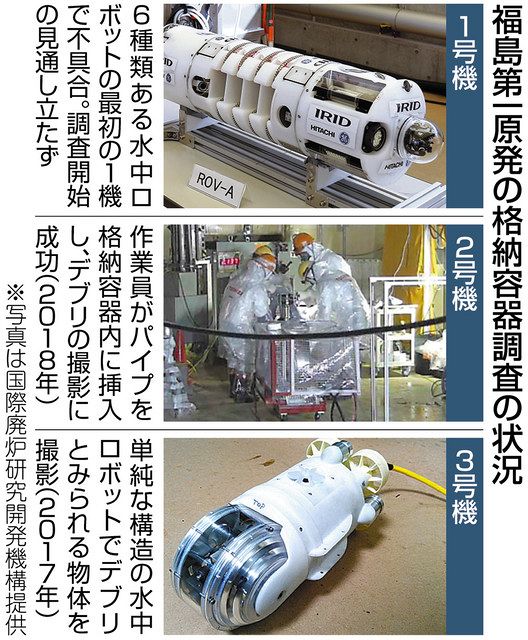
However, the preparations in advance were lax. The preliminary tests were limited to confirming the operation of each piece of equipment, and the team was unable to immediately respond to problems with the dosimeters that occurred when they were operated simultaneously.
In the past, there have been cases of “leaving things behind.
It is expected to take some time to identify the cause of the problem. If similar problems occur with other robots, plans to take images of the inside of the containment vessel, grasp its three-dimensional structure, and collect sand-like deposits in the water will not be able to proceed and may be abandoned.
We know from previous studies that complex devices are less effective, such as the underwater robot that photographed debris deposits inside the containment vessel of Unit 3 in 2017. The underwater robot that photographed the debris in the containment vessel of the Unit 3 reactor in 2017 was about a quarter of the length and had a simpler structure. It also focused on photographing as its main purpose.
In the 2006 survey that succeeded in photographing the debris in the Unit 2 reactor, a worker inserted a pipe (13 meters long) with a camera attached to the end, rather than a robot. In the previous year, a camera-equipped pipe was inserted. In the previous year, a camera-equipped robot called a “scorpion” was deployed, but it climbed up on the sediment and could not be retrieved, remaining in the reactor.
Although “human power” can be used to deal with the problem outdoors…
Remote-controlled operations are always fraught with difficulties, even outside the building where the reactor is located.
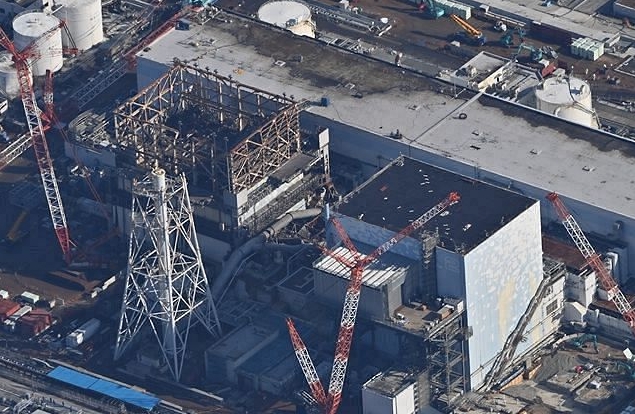
The exhaust stack near the Unit 1 and 2 buildings, which was in danger of collapsing due to the earthquake and was highly contaminated, was cut down to about 60 meters, half the height of the original stack (1 In one case, the saw blade of a cutting device lifted by a large crane got stuck in the cylinders and could not be moved. At that time, a worker climbed up to the cutting device installed at the top of the 110-meter-high cylinder with a crane and cut it with a power tool.
In late January, they plan to cut the contaminated pipes leading to this exhaust stack. The project was originally supposed to start four months ago, but there was a problem with the remote-controlled cutting device and the crane broke down, delaying the plan.
Debris collection is planned for Unit 2 by the end of the year. If a problem occurs in the reactor, we cannot rely on human power.
https://www.tokyo-np.co.jp/article/154269?fbclid=IwAR2E55S3DYLr7KiroYjxza6u_MX67pvMdrWioFykfOwgoxBdOlqhOraX9WI
Translated with http://www.DeepL.com/Translator (free version)
Rogue nuclear regulator/former NRC chair Jaczko spills the nuclear beans on Fukushima, reactor “safety,” nuclear politics

January 12, 2022
This Week’s Featured Interview on Nuclear Hotseat Podcast:
- Greg Jaczko, the former Chair of the Nuclear Regulatory Commission, has published an explosive new book: Confessions of a Rogue Nuclear Regulator. (NOTE: Link is to Amazon, but we recommend you order it through your local independent book store.) In it, he gets honest with the American people about the dangers of nuclear technology, which he labels “failed,” “dangerous,” “not reliable.” He particularly comes down against nuclear as having any part in mitigating the problems of climate change/global warming. In this extended Nuclear Hotseat interview, Jaczko brings us inside the NRC’s response to Fukushima, the “precipice” on which nuclear safety balances, his own growing doubts about how safe nuclear reactors are in the United States, and how, ultimately, it was that concern with safety that probably brought him down. Originally recorded on January 10, 2019, just after his book was published.
- “Jaczko Nixes Nukes” – A Backgrounder on Greg Jaczko’s book and the issues he addresses from Dr. Gordon Edwards of the Canadian Coalition for Nuclear Responsibility.
Survey at Fukushima No. 1 reactor container halted.
Jan 12, 2022
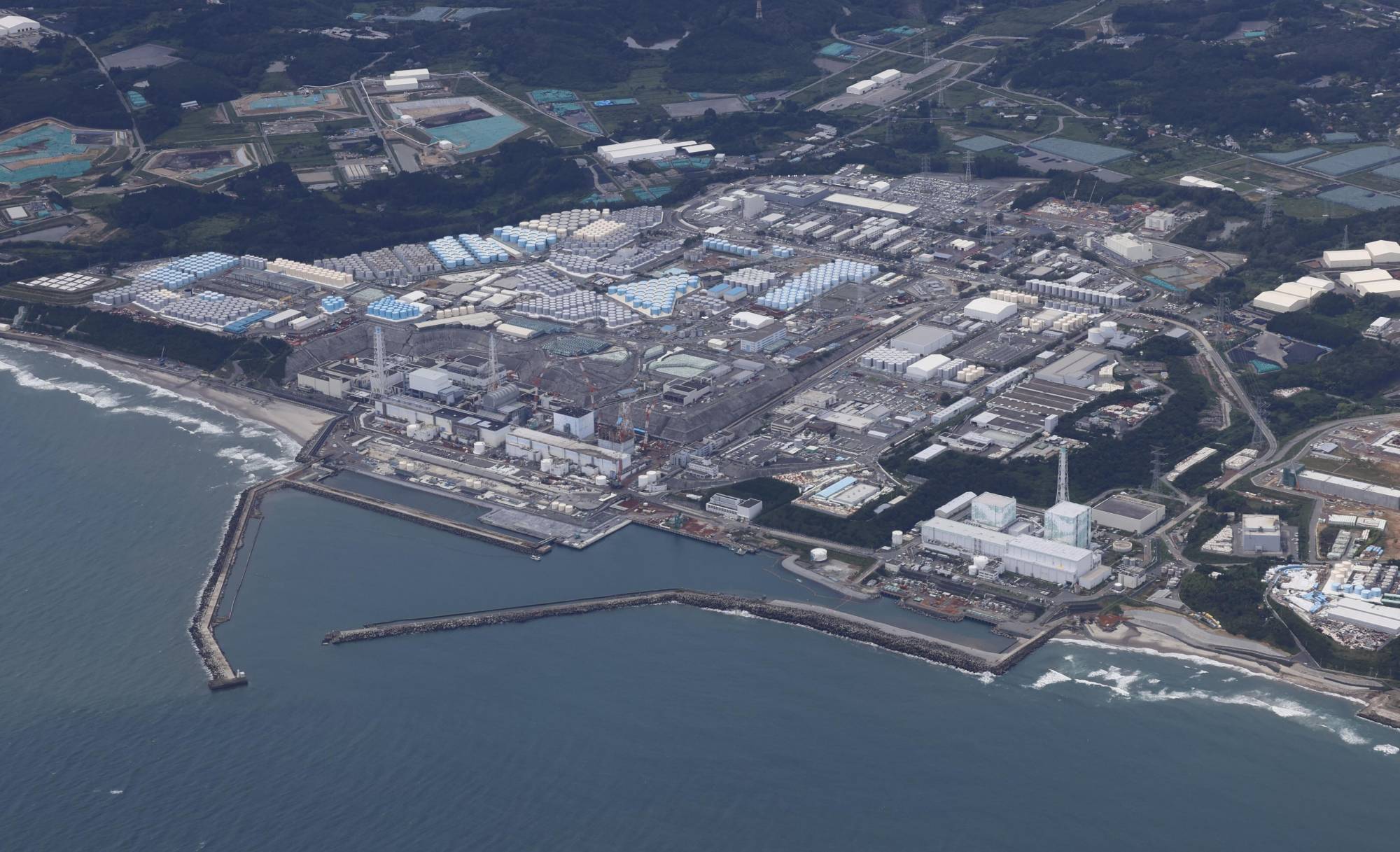
Tokyo Electric Power Company Holdings Inc. halted its investigation of the inside of the containment vessel of the No. 1 reactor at its stricken Fukushima No. 1 nuclear power plant on Wednesday.
The move came after an issue was found during preparation work for the display of data such as radiation levels from dosimeters inside underwater robots to be used in the survey. The preparations began at noon the same day and were halted around two hours later.
Tepco said that it will resume the survey once measures to resolve the issue are taken.
In the survey, which will continue until around August, Tepco aims to take pictures of melted nuclear fuel debris and other deposits using six types of underwater robots to record their locations and thickness in water that has accumulated at the bottom of the containment vessel.
It will also try to collect deposit samples and take pictures of the inside of the base that supports the reactor pressure vessel. The information obtained in the survey will be used for studies on ways to remove the debris.
The nuclear fuel at the No. 1 reactor’s core is believed to have melted and mostly fallen inside the containment vessel during the triple meltdown disaster at the plant, which was hit by a huge earthquake and tsunami on March 11, 2011.
In its survey of March 2017, Tepco failed to find nuclear fuel debris at the No. 1 reactor, leaving the reactor’s detailed situation unknown, in contrast to the No. 2 and No. 3 reactors, where melted fuel debris was successfully photographed.
https://www.japantimes.co.jp/news/2022/01/12/national/tepco-fukushima-survey-halted/
Fukushima Takes a Turn for the Worse.

January 10, 2022by Robert Hunziker
Tokyo Electric Power Company-TEPCO- has been attempting to decommission three nuclear meltdowns in reactors No. 1 No. 2, and No. 3 for 11 years now. Over time, impossible issues grow and glow, putting one assertion after another into the anti-nuke coffers.
The problems, issues, enormous danger, and ill timing of deconstruction of a nuclear disaster is always unexpectedly complicated by something new. That’s the nature of nuclear meltdowns, aka: China Syndrome debacles.
As of today, TEPCO is suffering some very serious setbacks that have “impossible to deal with” written all over the issues.
Making all matters nuclear even worse, which applies to the current mess at Fukushima’s highly toxic scenario, Gordon Edwards’ following statement becomes more and more embedded in nuclear lore: “It’s impossible to dispose of nuclear waste.” (Gordon Edwards in The Age of Nuclear Waste From Fukushima to Indian Point)
Disposing of nuclear waste is like “running in place” to complete a marathon. There’s no end in sight.
As a quickie aside from the horrendous details of the current TEPCO debacle, news from Europe brings forth the issue of nuclear power emboldened as somehow suitable to help the EU transition to “cleaner power,” as described by EU sources. France supports the crazed nuke proposal but Germany is holding its nose. According to German Environment Minister Steffi Lemke: “Nuclear energy could lead to environmental disasters and large amounts of nuclear waste. (Source: EU Plans to Label Gas and Nuclear Energy ‘Green’ Prompts Row, BBC News, Jan. 2, 2022) Duh!
Minister Lemke nailed it. And, TEPCO is living proof (barely) of the unthinkable becoming thinkable and disastrous for humanity. Of course, meltdowns are never supposed to happen, but they do.
One meltdown is like thousands of industrial accidents in succession over generations of lifetimes. What a mess to leave for children’s children’s children over several generations. They’ll hate you for this!
In Fukushima’s case, regarding three nuclear power plants that melted all-the-way (China Syndrome), TEPCO still does not know how to handle the enormously radioactive nuclear fuel debris, or corium, sizzling hot radioactive lumps of melted fuel rods and container material in No. 1, No 2 and No.3, They’re not even 100% sure where all of the corium is and whether it’s getting into underground water resources. What a disaster that would be… what if it is already… Never mind.
The newest wrinkle at TEPCO involves the continuous flow of water necessary to keep the destroyed reactors’ hot stuff from exposure to air, thus spreading explosively red-hot radioactivity across the countryside. That constant flow of water is an absolute necessity to prevent an explosion of all explosions, likely emptying the streets of Tokyo in a mass of screaming, kicking, and trampling event to “get out of town” ASAP, commonly known as “mass evacuation.”
The cooling water continuously poured over the creakily dilapidated ruins itself turns radioactive, almost instantaneously, and must be processed via an Advanced Liquid Processing System (ALPS) to remove most radioactive materials (???) housed in a 17-meter (56 feet) tall building on the grounds of the disaster zone.
Here’s the new big danger, as it processes radioactive contaminated water, it flushes out “slurry” of highly concentrated radioactive material that has to go somewhere. But where to put it?
How to handle and dispose of the radioactive slurry from the ALPS is almost, and in fact may be, an impossible quagmire. It’s a big one as the storage containers for the tainted slurry quickly degrade because of the high concentration of radioactive slurry. These storage containers of highly radioactive slurry, in turn, have to be constantly replaced as the radioactivity slurry eats away at the containers’ liners.
Radioactive slurry is muddy and resembles a shampoo in appearance, and it contains highly radioactive Strontium readings that reach tens of millions of Becquerel’s per cubic centimeter. Whereas, according to the EPA, 148 Becquerel’s per cubic meter, not centimeter, is the safe level for human exposure. Thus, tens of millions per cubic centimeter is “off the charts” dangerous! Instant death, as one cubic meter equals one million cubic centimeters. Ahem!
Since March 2013, TEPCO has accumulated 3,373 special vessels that hold these highly toxic radioactive slurry concentrations. But, because the integrity of the vessels deteriorates so quickly, the durability of the containers reaches a limit, meaning the vessels will need replacement by mid-2025.
Making matters ever worse, if that is possible, the NRA has actually accused TEPCO of “underestimating the impact issue of the radioactivity on the containers linings,” claiming TEPCO improperly measured the slurry density when conducting dose evaluations. Whereas, the density level is always highest at the bottom, not the top where TEPCO did the evaluations, thus failing to measure and report the most radioactive of the slurry. Not a small error.
As of June 2021, NRA’s own assessment of the containers concluded that 31 radioactive super hot containers had already reached the end of operating life. And, another 56 would need replacement within the next 2 years.
Transferring slurry is a time-consuming highly dangerous horrific job, which exposes yet a second issue of unacceptable risks of radioactive substances released into the air during transfer of slurry. TEPCO expects to open and close the transfers remotely (no surprise there). But, TEPCO, as of January 2, 2022, has not yet revealed acceptable plans for dealing with the necessary transfer of slurry from weakening, almost deteriorated containers, into fresh, new containers. (Source: TEPCO Slow to Respond to Growing Crisis at Fukushima Plant, The Asahi Shimbun, January 2, 2022)
Meanwhile, additional batches of a massive succession of containers that must be transferred to new containers will be reaching the end of shelf life, shortly.
Another nightmarish problem has surfaced for TEPCO. Yes, another one. In the aftermath of the 2011 blowup, TEPCO stored radioactive water in underground spaces below two buildings near reactor No.4. Bags of a mineral known as zeolite were placed to absorb cesium. Twenty-six tons (52,000 lbs.) of bags are still immersed with radiation readings of 4 Sieverts per hour, enough to kill half of all workers in the immediate vicinity within one hour. The bags need to be removed.
TEPCO intends to robotically start removing the highly radioactive bags, starting in 2023, but does not know where the bags should be stored. Where do you store radioactive bags containing enough radioactive power to kill someone within one hour of exposure?
Additionally (there’s more) the amount of radioactive rubble, soil, and felled trees at the plant site totals 480,000 cubic meters, as of 2021. TEPCO is setting up a special incinerator to dispose of this. Where to dispose of the incinerated waste is unknown. This is one more add-on to the horrors of what to do with radioactive material that stays hot for centuries upon centuries. Where to put it?
Where to put it? Which is the bane of the nuclear power industry. For example, America’s nuke plants are full of huge open pools of water containing tons of spent nuclear fuel rods. If exposed to open air, spent fuel rods erupt into a sizzling zirconium fire followed by massive radiation bursts of the most toxic material known to humanity. It can upend an entire countryside and force evacuation of major cities.
According to the widely recognized nuclear expert Paul Blanch: “Continual storage in spent fuel pools is the most unsafe thing you could do.” (see- Nuclear Fuel Buried 108 Feet from the Sea, March 19, 2021)
It’s not just Fukushima that rattles the nerves of people who understand the high-risk game of nuclear power. America is loaded with nuclear power plants with open pools of water that hold highly radioactive spent fuel rods.
What to do with it?
Candidates, tell us your stances on Fukushima water release

Jan.7,2022
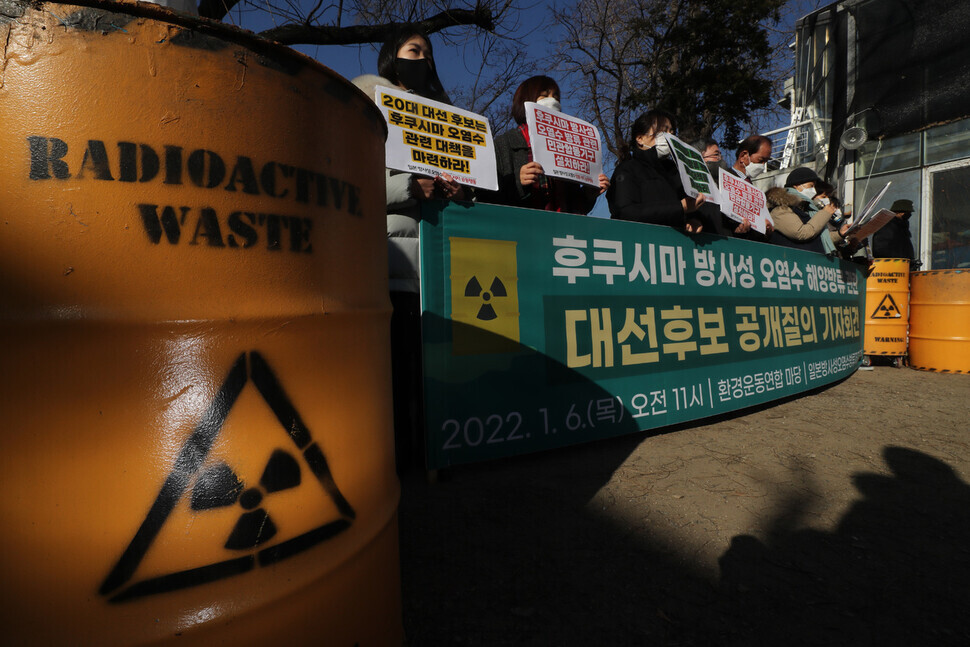
Environmental groups in South Korea are calling on presidential candidates to make public their stances on Japan’s plans to dump contaminated water from the Fukushima nuclear site, and to come up with courses of action. Groups including the Korean Federation for Environmental Movement (KFEM), Nuclear Safety and Future, and Korea Radiation Watch convened for a press conference on Thursday morning in front of KFEM’s offices in Jongno District, Seoul. The groups criticized the government’s response thus far as “timid,” saying that since Japan had announced its intentions to release the radioactive water in April of last year, the government had only gone so far as to express protest to the Japanese Embassy and send a letter of protest to Japan. The groups called on presidential candidates to come up with concrete, practical plans for dealing with the issue.


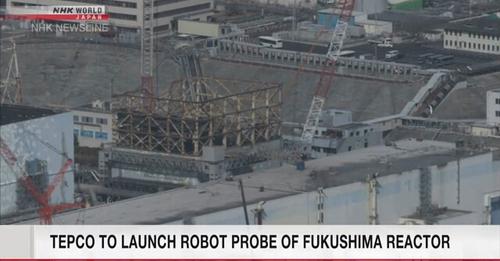
TEPCO to begin robot probe of Fukushima reactor
Jan. 6, 2022
The operator of the crippled Fukushima Daiichi Nuclear Power Station says it will launch a probe of the inside of the No.1 reactor on Wednesday using robots. The firm is seeking to clear debris from the reactor interior as part of the decommissioning process.
Tokyo Electric Power Company, or TEPCO, says the probe will involve six types of robots, each with a different function.
It says the survey will continue for more than six months. It will use ultrasonic devices to locate and measure the thickness of debris believed to be submerged under water inside the reactor containment vessel.
The utility says it also hopes to collect small samples of the debris.
TEPCO says it will use a robot to install a cover on a path for the survey machines to move smoothly under water.
The No.1, 2 and 3 reactors of the plant suffered meltdowns in the massive earthquake and tsunami of 2011.
TEPCO confirmed the existence of what is believed to be solid fuel debris inside the No.2 and 3 reactors, but not inside the No.1 reactor. The debris consists of molten nuclear fuel and metal parts.
Fukushima Daiichi Decontamination & Decommissioning Engineering Company, which was established by TEPCO, said on Thursday it will use the robots to gather information before considering how to remove the debris.
Fukushima town prepares for return of residents
Jan. 4, 2022
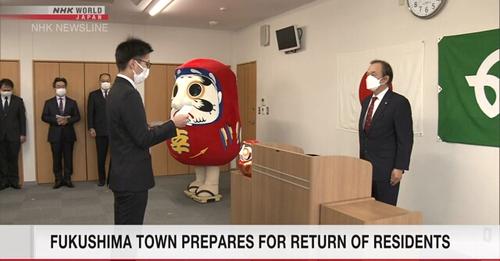
Tuesday marked the first business day of 2022 in Japan. Officials in Fukushima Prefecture’s Futaba Town are planning to welcome residents back later this year.
The town’s residents have not returned since an accident at Fukushima Daiichi nuclear power plant forced them to evacuate. Part of the plant is located in the town. The accident occurred in March 2011. Futaba is the only municipality that evacuees have not returned to. The town had a population of about 7,000 before the disaster.
After years of decontamination efforts, the residents are expected to be allowed to return to some areas, starting in June.
Futaba Town officials held a ceremony on Tuesday to mark the first day of the year. The event took place at a town office in Iwaki City. Iwaki is located about 60 kilometers south of the center of Futaba Town.
Futaba Town Mayor Izawa Shiro told about 40 officials that this is going to be a very busy year, as the residents are expected to return.
Izawa said he will be on the frontlines of the town’s reconstruction efforts. He also asked the officials to join him.
Beginning on January 20, residents will be permitted to stay overnight in the town, in order to start preparing for their return. The evacuation order is expected to be lifted in June.
Interim storage facility completed by March, no prospects for final disposal

January 3, 2022
At the interim storage facility for the waste from the decontamination of Fukushima Prefecture, about 90% of the planned amount of waste has been delivered, and the Ministry of the Environment has said that it will be mostly completed by March of this year.
On the other hand, there is no prospect for the final disposal of the waste, which is required by law to be done outside Fukushima Prefecture by 2045.
At the interim storage facility being built around the TEPCO’s Fukushima Daiichi Nuclear Power Plant, about 14 million cubic meters of waste, including soil, plants and trees from decontamination in Fukushima Prefecture, is planned to be brought in.
According to the Ministry of the Environment, 12.45 million cubic meters, or 89% of the planned amount, had been brought in by December 23, and the ministry plans to complete the delivery of the remaining 1.55 million cubic meters by March of this year.
On the other hand, these wastes are required by law to be disposed of outside of Fukushima Prefecture by March 2045, and the Ministry of the Environment has said that it will present options for the structure and area of the final disposal site by fiscal 2024, but there is no prospect for the location or method.
In addition, in order to reduce the amount of final disposal, a demonstration project is underway to recycle soil from the decontamination process for use in public works nationwide, but there has been no significant movement outside of Fukushima Prefecture.
TEPCO slow to respond to growing crisis at Fukushima plant
January 2, 2022
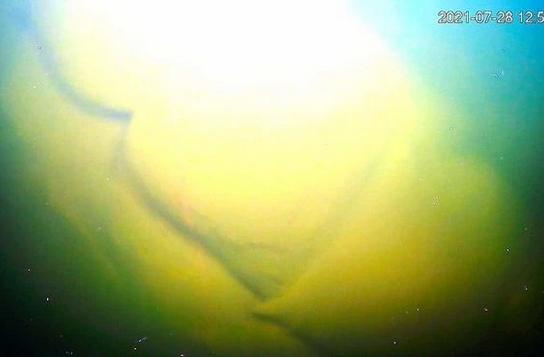
Radioactive waste generated from treating highly contaminated water used to cool crippled reactors at the Fukushima No. 1 nuclear power plant has thrown up yet new nightmarish challenges in decommissioning the facility, a project that is supposed to be completed in 30 years but which looks increasingly doubtful.
The continuous accumulation of radioactive slurry and other nasty substances, coupled with the problem of finding a safe way to dispose of melted nuclear fuel debris at reactors No. 1, No. 2 and No. 3, has plant operator Tokyo Electric Power Co. frantically scratching around for ideas.
One problem is that storage containers for the tainted slurry degrade quickly, meaning that they constantly have to be replaced. Despite the urgency of the situation, little has been done to resolve the matter.
Fuel debris, a solidified mixture of nuclear fuel and structures inside the reactors melted as a consequence of the triple meltdown triggered by the 2011 earthquake and tsunami disaster has to be constantly cooled with water, which mixes with groundwater and rainwater rainwater that seep into the reactor buildings, producing more new radioactive water.
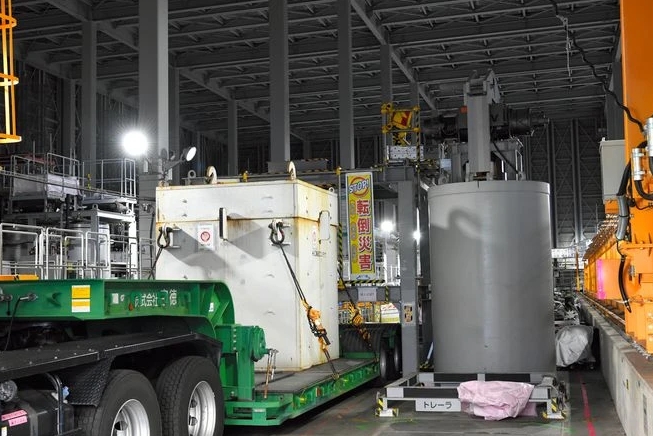
The contaminated water that accumulates is processed via an Advanced Liquid Processing System to remove most of radioactive materials. The ALPS is housed in a 17-meter-tall building situated close to the center of the plant site.
Reporters from the Japan National Press Club were granted a rare opportunity in late November to visit the crippled facility to observe the process.
The building houses a large grayish drum-like container designed especially to store radioactive slurry. The interior of each vessel is lined with polyethylene, while its double-walled exterior is reinforced with stainless steel.
ALARMING DEVELOPMENTS
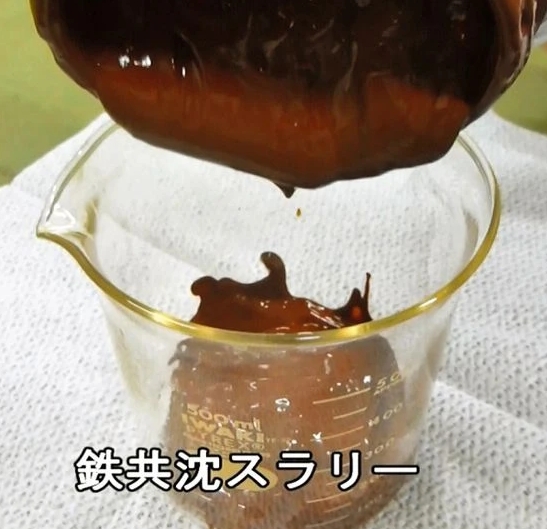
The use of chemical agents to reduce radioactive substances from the contaminated water in the sedimentation process produces a muddy material resembling shampoo. Strontium readings of the generated slurry sometimes reach tens of millions of becquerels per cubic centimeter.
TEPCO started keeping slurry in special vessels in March 2013. As of November, it had 3,373 of the containers.
Because the integrity of the vessels deteriorates quickly due to exposure to radiation from slurry, TEPCO and the Nuclear Regulation Authority (NRA) predict that durability of the containers will reach the limit after exposure to an accumulated total of 5,000 kilograys of radiation–a level equivalent to 5 million sieverts.
Based on that grim forecast, TEPCO speculated the vessels will need replacement from July 2025.
But the NRA accused TEPCO of underestimating the impact of the radiation problem. It blasted the operator for measuring slurry density 20 centimeters above the base of the container when making its dose evaluation.
“As slurry forms deposits, the density level is always highest at the bottom,” a representative of the nuclear watchdog body pointed out.
The NRA carried out its own assessment in June 2021 and told TEPCO that 31 containers had already reached the end of their operating lives. Its findings also showed an additional 56 would need replacing within two years.
The NRA told TEPCO to wake up and “understand how urgent the issue is since transferring slurry will take time.”
In August, TEPCO conducted a test where slurry with relatively low radiation readings was moved from one container to another. The work took more than a month to complete due to mechanical troubles and other reasons.
An analysis of the radioactive materials’ density data collected during the transfer procedure also turned up another challenge to be overcome. The NRA in October said there was an unacceptable risk of radioactive substances being released into the air during the process and insisted that the refilling method be radically reviewed and changed.
TEPCO is currently considering what steps to take, including covering the workspace with plastic sheets.
Slurry in some containers in need of replacement have strontium levels of more than 1,000 times that of the one in the August test.
TEPCO says that the “container covers will be opened and closed remotely.” But it has not revealed how it plans to safely deal with such readings to carry out the vital work.
It was envisioned that equipment to dehydrate hazardous materials to prevent radiation leakage could be built, but as yet there is no finished design for the device.
With no drastic solutions in sight, a succession of containers will reach the end of their shelf lives shortly.
ANOTHER NIGHTMARE PROBLEM
Radioactive slurry is not the only stumbling block for decommissioning.
In the immediate aftermath of the 2011 disaster, TEPCO stored contaminated water in the underground spaces below two buildings near the No. 4 reactor. In doing so, bags full of a mineral known as zeolite were placed in the temporary storage pools to absorb cesium so as to reduce the amount of radioactive substances.
Twenty-six tons of the stuff are still immersed in the dirty water on the floors under the buildings. Radiation readings of 4 sieverts per hour were detected on their surfaces in fiscal 2019, enough to kill half of all the people in the immediate vicinity within an hour.
TEPCO plans to introduce a remotely controlled underwater robot to recover the bags, starting no earlier than from fiscal 2023, However, it has not determined how long this will take or where to store the bags once they are retrieved.
In addition, radioactive rubble, soil and felled trees at the plant site totaled 480,000 cubic meters as of March 2021, leading TEPCO to set up a special incinerator. The total volume is expected to top 790,000 cubic meters in 10 years, but where to dispose of the incinerated waste remains unclear.
TEPCO is in a race against time. That’s the view of Satoshi Yanagihara, a specially appointed professor of nuclear engineering at the University of Fukui who has specialist knowledge on processes to abandon reactors.
“Now, only 30 years remain before the target date of the end of decommissioning set by the government and TEPCO,” said Yanagihara.
As decommissioning work is due to shortly enter a crucial stage, such as recovering nuclear fuel debris on a trial basis from as early as 2022, Yanagihara noted the need for careful arrangements before forging ahead with important procedures.
“The government and TEPCO need to grasp an overall picture of the massive task ahead and discuss how to treat, keep and discard collected nuclear debris and the leftover radioactive waste with local residents and other relevant parties,” he said.
(This article was written by Yu Fujinami and Tsuyoshi Kawamura.)
Robots to probe inside Fukushima reactor
Jan. 2, 2022
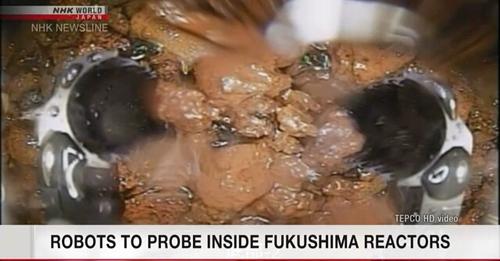
The operator of the crippled Fukushima Daiichi nuclear power plant is planning to conduct robotic probes and collect samples from damaged reactors this year.
The work will be a key step in the effort to decommission the plant.
The No.1, 2 and 3 reactors suffered meltdowns following a major earthquake and tsunami in 2011.
Nuclear fuel melted and collapsed into the reactors’ containment vessels. It mixed with surrounding metal parts and formed solid fuel debris.
Tokyo Electric Power Company plans to begin a robotic survey of the No.1 reactor in mid-January. The survey is expected to take about six months.
The robots will use ultrasonic devices to locate and measure the thickness of the deposits.
Utility officials say they also hope to collect samples.
Preparation to retrieve fuel debris from the No.2 reactor is underway with a robotic device that was developed in the UK.
It is now undergoing performance tests in Japan.
Tokyo Electric Power Company is planning to collect a few grams of debris with the robot by the end of this year. It hopes to gradually increase the amount to be retrieved.
Removal and safe storage of the extremely radioactive debris is thought to be one of the biggest challenges in the decommissioning process.
Naoto Matsumura Guardian Of Fukushima in TokyoPop March 2022
December 27, 2021
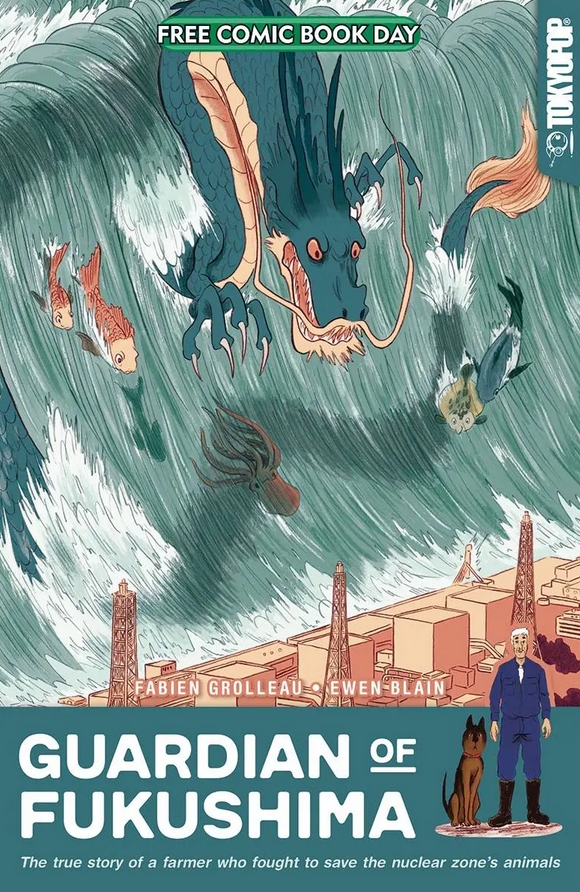
TokyoPop is to translate and publish the French manga series Guardian Of Fukushima by Naoto Matsumura for Free Comic Book Day in May, as well as the rest of TokyoPop’s March 2022.
March 11th, 2011: a massive earthquake off the coast of Japan triggered a devastating tsunami which, in turn, destroyed the three core reactors of the Fukushima nuclear power plant. This tragedy cost almost 20,000 lives and devastated countless more, including Naoto Matsumura, a farmer ordered to evacuate from the deadly radiation zone. Unwilling to abandon his beloved animals, Matsumura chose to return home to his farm, and to fight for the beauty of life. This powerful graphic novel from France intertwines Matsumura’s story of human resilience and compassion with the compelling mythology of Japanese folk tales.
Naoto, the guardian of Fukushima : life before everything else
What have we learned from Fukushima? A place name, chilling images, official lies galore and the terrible idea that once again Nature was stronger than man’s gamble. Against the speeches claiming that nuclear energy is safe and that the accidents of the past cannot happen again, reality imposed itself, forcing the authorities to lose face and admit that the core of three reactors of the Fukushima-Daiichi plant had melted. And that it will probably take thirty or forty years to put an end to the consequences of the disaster. Based on the true story of Naoto Matsumura, Fabien Grolleau and Ewen Blain revisit the events not from the point of view of death, but from the point of view of the life that follows its course beyond the collapse.
The Fukushima nuclear disaster is still very much in the memory. Even if the media attention has since shifted elsewhere, even if the real long-term consequences on underwater radiation, on living species, local and distant, is yet to be established, the terror has not yet faded from the collective memory. An earthquake, a tsunami whose waves rise higher than the specifications provided to the engineers in charge of the design of the plant, and here is that human know-how is transformed into evil genius…
Several graphic stories have already addressed the catastrophic aspect of the event, including a brilliant reportage drawn from the inside by a mangaka hired as a worker to decontaminate the site of Fukushima-Daiichi (At the heart of Fukushima, by Kazuto Tatsuta published in three volumes by Kana from 2016), the project here focuses less on the terrible events and their consequences than on the character who gives its title to the album.
Naoto Matsumuru was not an opponent of nuclear power. On the contrary, like most Japanese people, he believed in the miracle of atomic electricity, proclaimed green and safe by its operators and the governments that, as in France, make themselves the standard-bearers of a cause that is beyond them and of which they only perceive the economic and strategic interests.
It is the reality that opened his eyes by force: living near the power plant, farmer by profession, he endured the seismic shocks, then saw with his own eyes the consequences of the earthquake on the sea and on human constructions. Forced to flee and take refuge outside the contaminated zone, he discovers that he has become, in the eyes of his own family, a plague victim, contaminated by radiation…
Rather than flee further, he chooses to return to his farm and, without waiting for the State or Tepco, the company that manages the plant, to take care of him, he decides to take care of the animals abandoned on the spot. Where radiation makes life impossible, Naoto has decided to defend it no matter what the cost, risking his own existence to look after dogs, cats, ostriches and many cows left abandoned by humans… A foolish bet, which was not a bet at all. Naoto, as we can see in the plates of this book, which is more solar than nuclear, has simply chosen life at all costs rather than death by fire.
Through this astonishing journey, out of the ordinary in the true sense of the word, Fabien Grolleau tells us a tale of resilience and courage, in a particularly hostile environment. This story, which moves away from comic book reporting to become pure fiction at times, illustrates more effectively than many alarmist statements the power of an act of resistance and the strength of a testimony at the level of a human being in the face of a very abstract media narrative.
Today, Naoto is a first-hand witness to the horrors not of nuclear power itself, but of its deplorable management by men. He has become an active activist: he has come to Europe to support those who are still opposed to the forced march of nuclear power in defiance of the major health risks, especially at Fessenheim.
With Naoto, the guardian of Fukushima, Ewen Blain signs his first album as a comic book artist. Still a little stiff at times, especially in the first few panels, his line is nevertheless not lacking in accuracy to give substance to this story where Japanese fantasy tales and the fury of supernatural beings are mixed with a more documentary account. Blain seems to take an infectious pleasure in drawing the oriental monsters and the nature that is unleashed. A nice summary of what Fukushima is.
In short, this album that manages to give rise to optimism and to illustrate bravery in the heart of the disaster is a nice success.
https://actualitte.com/article/98982/chroniques/naoto-le-gardien-de-fukushima-la-vie-avant-tout-le-reste?fbclid=IwAR0_7UFjwWEMI5HfXENQK-5vgdiqZ9gPJg1tHFhMfM3ToXW53U-AwswBBWU
The guardian of Fukushima, a soft and tender comic book to tell the horror of the drama
Naoto Matsumura lived through the tragedy of Fukushima, on March 11, 2011. He saw the abandoned lands, the devastated nature, the dead animals. Fabien Grolleau and Ewen Blain tell his story, that of a Japanese man running a peaceful farm, where everything changed overnight. They tell the story of the tragedy, of course, but above all of the life that was maintained there and that Naoto preserved despite the catastrophe.
Naoto is a soft and tender comic book to tell children the horror of the Fukushima disaster.
Fabien Grolleau takes this true story of Naoto Matsumura “the most irradiated man in Japan” who refused to be evacuated from his farm to save his animals, and all the others abandoned after the tsunami that ravaged the nuclear plant.
Ewen Blain’s drawings immerse us in the peaceful, luminous Japanese nature. We walk in it, we even feel it thanks to the evocation of the legends that embody it. The Tsunami is no longer a tsunami but the dragon Ruyjin who is angry. The radioactive cloud has become the terrible demon Akashita, who sees everything and sneaks around. The contemplative is transformed into an animated beast, furious, devastating to the extent of the drama of March 11, 2011, where Fukushima has become a second Chernobyl.
The lively line, the clear colors, contrast with the rather simple dialogues, which only give more power to the drama lived by hundreds of thousands of Japanese that day.
Naoto Matsumura really exists. He is well. When he is not on his farm taking care of his animals, he travels the world to make his anger heard against nuclear power.
1 This Month

of the week – Shut Down Drone Warfare!


Tell the Ukrainian Government to Drop Prosecution of Peace Activist Yurii Sheliazhenko

Petition to revoke the licensing of the Near Surface Nuclear Disposal Facility (NSDF) at Chalk River. https://www.ourcommons.ca/petitions/en/Petition/Details?Petition=e-7247
To see nuclear-related stories in greater depth and intensity – go to https://nuclearinformation.wordpress.com
-
Archives
- March 2026 (237)
- February 2026 (268)
- January 2026 (308)
- December 2025 (358)
- November 2025 (359)
- October 2025 (376)
- September 2025 (257)
- August 2025 (319)
- July 2025 (230)
- June 2025 (348)
- May 2025 (261)
- April 2025 (305)
-
Categories
- 1
- 1 NUCLEAR ISSUES
- business and costs
- climate change
- culture and arts
- ENERGY
- environment
- health
- history
- indigenous issues
- Legal
- marketing of nuclear
- media
- opposition to nuclear
- PERSONAL STORIES
- politics
- politics international
- Religion and ethics
- safety
- secrets,lies and civil liberties
- spinbuster
- technology
- Uranium
- wastes
- weapons and war
- Women
- 2 WORLD
- ACTION
- AFRICA
- Atrocities
- AUSTRALIA
- Christina's notes
- Christina's themes
- culture and arts
- Events
- Fuk 2022
- Fuk 2023
- Fukushima 2017
- Fukushima 2018
- fukushima 2019
- Fukushima 2020
- Fukushima 2021
- general
- global warming
- Humour (God we need it)
- Nuclear
- RARE EARTHS
- Reference
- resources – print
- Resources -audiovicual
- Weekly Newsletter
- World
- World Nuclear
- YouTube
-
RSS
Entries RSS
Comments RSS
 nuclear-news