Michihiko Yanai writes and performs songs that encourage and energize people from his native Fukushima who were victims of the 3.11 disaster. He mounted a national tour to thank the many people around Japan who have supported Fukushima refugees. On the tour, he met many refugees, who have strong feelings about the homes they lost, and wonder if they can, or even should, ever return there. Michihiko unveils a new song telling them that people will support them no matter what they decide to do.
Air Date 8/4/13
The poor quality of the video is the result of a broadcasting issue. These docs are available for a very short period of time before NHK pulls them so I grab them while I can.
Thanks for watching 🙂
All material provided on this channel is for educational purposes only. No copyright infringement intended.
(Source) http://japanfocus.org/events/view/100
(Editor’s note) Mr. Masamichi Nishio was resigned from a head of the Hokkaido Cancer center and has been working as an honorary director. Mr. Nishio is one of a few doctors who has been commenting on the danger of internal exposure to ionizing radiation right from the start, soon after the Fukushima disaster.
Japan’s leading business journal Toyo Keizai has published an article by Hokkaido Cancer Center director Nishio Masamichi, a radiation treatment specialist. The piece, entitled “The Problem of Radiation Exposure Countermeasures for the Fukushima Nuclear Accident: Concerns for the Present Situation”, was published on June 27 and is consistent with the critical coverage of the Fukushima crisis that has appeared in independent weekly magazines, notably Shukan Kinyobi, which have taken a strong anti-nuclear stance since the March 11 earthquake-tsunami-meltdown, and have repeatedly focused on the dangers of radiation exposure while calling for far-reaching measures to protect those at risk.
Mr. Nishio begins by asserting that the Fukushima crisis has caused Japan’s “myth of nuclear safety” to crumble. He has “grave concern” for the public health effects of the ongoing radiation leak.
Mr. Nishio originally called for “calm” in the days after the accident. Now, he argues, that as the gravity of the situation at the plant has become more clear, the specter of long-term radiation exposure must be reckoned with.
Lamenting the poor state of public knowledge of radiation, Mr. Nishio writes, “Japan, with its history of having suffered radiation exposure from the atomic bombs, should have the most [direct] knowledge of radiation, but in fact, in the approach to the nuclear accident, has simply fallen into confusion.” He places blame on a number of groups:
TEPCO executives, who he accuses of having hidden the truth and prioritized the survival of the company over public health.
Bureaucrats who were unable to put together an accurate body of information about radiation effects from which to formulate policy.
A prime minister and cabinet lacking both leadership and an appropriate sense of urgency.
Politicians who sought to use the crisis in intra- or inter-party struggles.
Nuclear industry lobbyists and “academic flunkies” (goyo gakusha) of the government who built up the myth of nuclear safety in the first place.
-Looking at these groups, he writes, “I just cannot feel any hope for Japan’s future. These circumstances are simply tragic.”
He leaves the press out of his main list of culprits, but points to the poor state of scientific knowledge among journalists as a major factor behind what he views as their inability to bring essential information to the public in a timely manner. He also accuses the media establishment of prioritizing “avoiding a panic” over “communicating the truth”.
Mr. Nishio provides a blunt and hard-hitting specialist perspective on major government decisions. Here is a summary of some of his major points:
Workers:
He accuses the authorities of prioritizing their own convenience over the lives of nuclear workers. Nishio argues that raising the exposure limit from 100 mSv to 250 mSv can have serious health effects. He also states that reports of poor food and sleeping conditions for workers show that “… they are not even being treated like human beings.”
The JSDF helicopters that dropped water on the Fukushima Daiichi reactors and spent fuel pools in the days after March 11 were outfitted with the types of radiation shields used in hospital x-ray rooms. Nisho says that this was akin to “putting on a lead helmet in order to protect yourself from radiation from space”. The planners, he argues, did not even understand the difference between airborne radiation from a nuclear accident and radiation used in the controlled environment of hospital treatment.
Referring to “protective” suits is a misnomer bordering on fraud in Nishio’s view since nothing can offer total protection from radiation exposure.
A lack of nutrition and rest can make workers more susceptible to radiation symptoms. Nishio speculates that having the workers sleep together in gymnasium-like barracks with no privacy is simply designed to keep them from running away. Just 30 minutes from the site, he points out, there are empty hotels which could offer those on the front line a quiet, secure place to rest and recuperate.
He accuses TEPCO of being up to the old tricks of the nuclear industry: giving dispatch and temporary workers broken radiation monitors, only giving them monitoring devices when they are working despite high levels of radiation throughout the site, and so on.
Without accurate assessment of internal radiation exposure through “whole body monitoring”, there is no way to tell how much exposure workers are actually suffering.
Measures must also be taken to gauge different types of exposure (i.e. alpha rays from plutonium and beta rays from strontium).
Around 5000 workers have worked at the site since March. This number is high, but if radiation release continues, 100 or even 1000 times that number may be needed over time.
The MOX fuel in reactor number 3 is particularly dangerous but Nishio doubts that special measures to protect workers are being taken.
“Peripheral Blood Stem Cell Harvest” treatment has been put forward by doctors as a way to minimize the chances of bone marrow deterioration among workers, but this was turned down by the Nuclear Safety Commission of Japan. Nishio asserts that this is evidence that they simply do not grasp the severity of the situation.
Apart from the iodine that they are being given, workers should also be taking Radiogardase (Prussian blue insoluble capsules). Not working to bring together the best preventative medicine, Nishio asserts angrily, is an example of “graveyard governance”.
Fukushima Residents:
The threat to public health is not simply a matter of distance from Fukushima. Wind patterns and topography are even more important.
The release of data from the expensive SPEEDI system, was delayed until March 23. This delay resulted in unnecessary radiation exposure. “It is only conceivable that the high rate of radiation released was not reported because of fears of a panic.”
Former Minister for Internal Affairs Haraguchi Kazuhiro has alleged that radiation monitoring station data was actually three decimal places greater than the numbers released to the public. If this is true, it constitutes a “national crime”, in Nishio’s words. He follows with, “Giving us the truth once is much more important than saying ‘hang in there Japan!’ a million times.”
According to Japanese law, the rate of radiation exposure permitted for ordinary citizens is 1 mSv / year. This has been raised to 20 mSv / year in a “time of crisis”. Such a dramatic increase in permitted exposure is akin to “taking the lives of the people lightly”. Nishio believes that 20 mSv is too high, especially for children who are far more susceptible to the effects of radiation.
Even more important than a permitted 20 mSv exposure rate, however, is the lack of adequate provision for measuring internal radiation exposure among the Fukushima population.
The American Academy of Sciences 2008 “Biological Effects of Ionizing Radiation” report claims that there is no safe level of radiation exposure. Despite this and other examples of leading research, however, the Japanese government has moved on the assumption that there is no evidence for increased cancer risk at under 100 mSv of exposure. The European Committee on Radiation Risk argues that existing risk models do not take internal exposure into account. High rates of internal exposure will mean a dramatic increase in cancer risk for Fukushima residents, with as many as 400,000 cases predicted by 2061. Nishio argues, however, that these calculations rest on some shaky assumptions and that the number is too high. He believes strongly, however, that internal radiation exposure must be taken seriously by the Japanese government.
Comparing the 6.9 mSv exposure from a CT scan to a similar amount of radiation exposure outside of a controlled environment is misleading. Long term exposure and internal exposure can have unpredictable effects on the human body. Comparisons with radiation used in cancer treatment are also scientifically shaky.
The large amounts of radioactive waste water at the Fukushima Daiichi site will contaminate the soil and water supplies, significantly increasing the risk of internal radiation exposure.
The threat to public health is not simply a matter of distance from Fukushima. Wind patterns and topography are even more important.
The release of data from the expensive SPEEDI system, was delayed until March 23. This delay resulted in unnecessary radiation exposure. “It is only conceivable that the high rate of radiation released was not reported because of fears of a panic.”
Former Minister for Internal Affairs Haraguchi Kazuhiro has alleged that radiation monitoring station data was actually three decimal places greater than the numbers released to the public. If this is true, it constitutes a “national crime”, in Nishio’s words. He follows with, “Giving us the truth once is much more important than saying ‘hang in there Japan!’ a million times.”
According to Japanese law, the rate of radiation exposure permitted for ordinary citizens is 1 mSv / year. This has been raised to 20 mSv / year in a “time of crisis”. Such a dramatic increase in permitted exposure is akin to “taking the lives of the people lightly”. Nishio believes that 20 mSv is too high, especially for children who are far more susceptible to the effects of radiation.
Even more important than a permitted 20 mSv exposure rate, however, is the lack of adequate provision for measuring internal radiation exposure among the Fukushima population.
The American Academy of Sciences 2008 “Biological Effects of Ionizing Radiation” report claims that there is no safe level of radiation exposure. Despite this and other examples of leading research, however, the Japanese government has moved on the assumption that there is no evidence for increased cancer risk at under 100 mSv of exposure. The European Committee on Radiation Risk argues that existing risk models do not take internal exposure into account. High rates of internal exposure will mean a dramatic increase in cancer risk for Fukushima residents, with as many as 400,000 cases predicted by 2061. Nishio argues, however, that these calculations rest on some shaky assumptions and that the number is too high. He believes strongly, however, that internal radiation exposure must be taken seriously by the Japanese government.
Comparing the 6.9 mSv exposure from a CT scan to a similar amount of radiation exposure outside of a controlled environment is misleading. Long term exposure and internal exposure can have unpredictable effects on the human body. Comparisons with radiation used in cancer treatment are also scientifically shaky.
The large amounts of radioactive waste water at the Fukushima Daiichi site will contaminate the soil and water supplies, significantly increasing the risk of internal radiation exposure.
Fukushima Residents:
The threat to public health is not simply a matter of distance from Fukushima. Wind patterns and topography are even more important.
The release of data from the expensive SPEEDI system, was delayed until March 23. This delay resulted in unnecessary radiation exposure. “It is only conceivable that the high rate of radiation released was not reported because of fears of a panic.”
Former Minister for Internal Affairs Haraguchi Kazuhiro has alleged that radiation monitoring station data was actually three decimal places greater than the numbers released to the public. If this is true, it constitutes a “national crime”, in Nishio’s words. He follows with, “Giving us the truth once is much more important than saying ‘hang in there Japan!’ a million times.”
According to Japanese law, the rate of radiation exposure permitted for ordinary citizens is 1 mSv / year. This has been raised to 20 mSv / year in a “time of crisis”. Such a dramatic increase in permitted exposure is akin to “taking the lives of the people lightly”. Nishio believes that 20 mSv is too high, especially for children who are far more susceptible to the effects of radiation.
Even more important than a permitted 20 mSv exposure rate, however, is the lack of adequate provision for measuring internal radiation exposure among the Fukushima population.
The American Academy of Sciences 2008 “Biological Effects of Ionizing Radiation” report claims that there is no safe level of radiation exposure. Despite this and other examples of leading research, however, the Japanese government has moved on the assumption that there is no evidence for increased cancer risk at under 100 mSv of exposure. The European Committee on Radiation Risk argues that existing risk models do not take internal exposure into account. High rates of internal exposure will mean a dramatic increase in cancer risk for Fukushima residents, with as many as 400,000 cases predicted by 2061. Nishio argues, however, that these calculations rest on some shaky assumptions and that the number is too high. He believes strongly, however, that internal radiation exposure must be taken seriously by the Japanese government.
Comparing the 6.9 mSv exposure from a CT scan to a similar amount of radiation exposure outside of a controlled environment is misleading. Long term exposure and internal exposure can have unpredictable effects on the human body. Comparisons with radiation used in cancer treatment are also scientifically shaky.
The large amounts of radioactive waste water at the Fukushima Daiichi site will contaminate the soil and water supplies, significantly increasing the risk of internal radiation exposure.
The threat to public health is not simply a matter of distance from Fukushima. Wind patterns and topography are even more important.
The release of data from the expensive SPEEDI system, was delayed until March 23. This delay resulted in unnecessary radiation exposure. “It is only conceivable that the high rate of radiation released was not reported because of fears of a panic.”
Former Minister for Internal Affairs Haraguchi Kazuhiro has alleged that radiation monitoring station data was actually three decimal places greater than the numbers released to the public. If this is true, it constitutes a “national crime”, in Nishio’s words. He follows with, “Giving us the truth once is much more important than saying ‘hang in there Japan!’ a million times.”
According to Japanese law, the rate of radiation exposure permitted for ordinary citizens is 1 mSv / year. This has been raised to 20 mSv / year in a “time of crisis”. Such a dramatic increase in permitted exposure is akin to “taking the lives of the people lightly”. Nishio believes that 20 mSv is too high, especially for children who are far more susceptible to the effects of radiation.
Even more important than a permitted 20 mSv exposure rate, however, is the lack of adequate provision for measuring internal radiation exposure among the Fukushima population.
The American Academy of Sciences 2008 “Biological Effects of Ionizing Radiation” report claims that there is no safe level of radiation exposure. Despite this and other examples of leading research, however, the Japanese government has moved on the assumption that there is no evidence for increased cancer risk at under 100 mSv of exposure. The European Committee on Radiation Risk argues that existing risk models do not take internal exposure into account. High rates of internal exposure will mean a dramatic increase in cancer risk for Fukushima residents, with as many as 400,000 cases predicted by 2061. Nishio argues, however, that these calculations rest on some shaky assumptions and that the number is too high. He believes strongly, however, that internal radiation exposure must be taken seriously by the Japanese government.
Comparing the 6.9 mSv exposure from a CT scan to a similar amount of radiation exposure outside of a controlled environment is misleading. Long term exposure and internal exposure can have unpredictable effects on the human body. Comparisons with radiation used in cancer treatment are also scientifically shaky.
The large amounts of radioactive waste water at the Fukushima Daiichi site will contaminate the soil and water supplies, significantly increasing the risk of internal radiation exposure.
Among people living in the same area, rates of exposure can vary greatly based on lifestyle and movement patterns. As a result, it is important that every resident in at risk areas be given a device to monitor personal radiation exposure. Apart from protecting individuals and allowing them to make informed decisions about their safety, the data gathered can be used in future medical research and in court cases that will no doubt originate from the Fukushima Daiichi accident.
There is little conclusive scientific data on the risks of low level radiation exposure. The government, however, must not let this turn into a case of “we don’t know so we can assume it is safe”. On the contrary, Nishio argues that it is necessary to proceed under the assumption “we don’t know so we must assume that it is dangerous”.
Residents must be given real time radiation data as well as the best possible advice about how to decrease their exposure.
While there are limits to what this can achieve, dirt from schoolyards should be regularly removed and replaced.
Strontium 90, which has a half-life of 28.7 years and can have a serious impact on child bone development, must be carefully measured.
In planning of future solutions, radiation effects on the body should take priority over the potential stresses associated with relocation.
The government should buy houses and land in irradiated areas at pre-crisis market value and provide additional aid for resettlement. Cleanup measures should be undertaken and when the areas become safe, the government should sell property back at reduced rates. A respect for both present necessity and the deep attachment that many have to land that has been in their families for many generations is necessary if the government wants to convince nuclear refugees that they are being treated fairly.
The government should make every effort to provide accurate information, but should not forcibly remove elderly residents who wish to remain in their homes.
Some Radical Thoughts:
The current crisis has called the very foundation of Japanese society into question. An unprecedented crisis calls for new ideas.
Dependence on nuclear energy, which was slated to fulfill 50% of Japan’s energy needs in the future, must be rethought.
Nuclear energy and energy policy have never been adequately debated in Japan. Those with a vested interest in nuclear energy were able to build up the “myth of nuclear safety” virtually unchallenged and they continuously covered up “inconvenient facts”.
Energy demands will continue to increase and simply trying to convince the public to reduce energy use will not be enough. Now is the time for new debate about how to meet Japan’s energy needs while moving away from nuclear power.
Nishio’s article provides a realistic, nuanced portrait of the problems currently facing Fukushima and Japan. The Japanese government has addressed some of them on a limited scale, but serious deficiencies remain. Nishio’s powerful statement, however, appearing in a major establishment outlet, is indicative of a shift in public discussion of radiation issues as more critical Japanese scientists outside of the circle of “academic flunkies” (goyo gakusha) make their voices heard.
Nishio’s article provides a realistic, nuanced portrait of the problems currently facing Fukushima and Japan. The Japanese government has addressed some of them on a limited scale, but serious deficiencies remain. Nishio’s powerful statement, however, appearing in a major establishment outlet, is indicative of a shift in public discussion of radiation issues as more critical Japanese scientists outside of the circle of “academic flunkies” (goyo gakusha) make their voices heard.
Matthew PenneyJapan’s leading business journal Toyo Keizai has published an article by Hokkaido Cancer Center director Nishio Masamichi, a radiation treatment specialist. The piece, entitled “The Problem of Radiation Exposure Countermeasures for the Fukushima Nuclear Accident: Concerns for the Present Situation”, was published on June 27 and is consistent with the critical coverage of the Fukushima crisis that has appeared in independent weekly magazines, notably Shukan Kinyobi, which have taken a strong anti-nuclear stance since the March 11 earthquake-tsunami-meltdown, and have repeatedly focused on the dangers of radiation exposure while calling for far-reaching measures to protect those at risk.
Nishio begins by asserting that the Fukushima crisis has caused Japan’s “myth of nuclear safety” to crumble. He has “grave concern” for the public health effects of the ongoing radiation leak.
Nishio originally called for “calm” in the days after the accident. Now, he argues, that as the gravity of the situation at the plant has become more clear, the specter of long-term radiation exposure must be reckoned with.
Lamenting the poor state of public knowledge of radiation, Nishio writes, “Japan, with its history of having suffered radiation exposure from the atomic bombs, should have the most [direct] knowledge of radiation, but in fact, in the approach to the nuclear accident, has simply fallen into confusion.” He places blame on a number of groups:
TEPCO executives, who he accuses of having hidden the truth and prioritized the survival of the company over public health.
Bureaucrats who were unable to put together an accurate body of information about radiation effects from which to formulate policy.
A prime minister and cabinet lacking both leadership and an appropriate sense of urgency.
Politicians who sought to use the crisis in intra- or inter-party struggles.
Nuclear industry lobbyists and “academic flunkies” (goyo gakusha) of the government who built up the myth of nuclear safety in the first place.
Matthew PenneyJapan’s leading business journal Toyo Keizai has published an article by Hokkaido Cancer Center director Nishio Masamichi, a radiation treatment specialist. The piece, entitled “The Problem of Radiation Exposure Countermeasures for the Fukushima Nuclear Accident: Concerns for the Present Situation”, was published on June 27 and is consistent with the critical coverage of the Fukushima crisis that has appeared in independent weekly magazines, notably Shukan Kinyobi, which have taken a strong anti-nuclear stance since the March 11 earthquake-tsunami-meltdown, and have repeatedly focused on the dangers of radiation exposure while calling for far-reaching measures to protect those at risk.
Nishio begins by asserting that the Fukushima crisis has caused Japan’s “myth of nuclear safety” to crumble. He has “grave concern” for the public health effects of the ongoing radiation leak.
Nishio originally called for “calm” in the days after the accident. Now, he argues, that as the gravity of the situation at the plant has become more clear, the specter of long-term radiation exposure must be reckoned with.
Lamenting the poor state of public knowledge of radiation, Nishio writes, “Japan, with its history of having suffered radiation exposure from the atomic bombs, should have the most [direct] knowledge of radiation, but in fact, in the approach to the nuclear accident, has simply fallen into confusion.” He places blame on a number of groups:
TEPCO executives, who he accuses of having hidden the truth and prioritized the survival of the company over public health.
Bureaucrats who were unable to put together an accurate body of information about radiation effects from which to formulate policy.
A prime minister and cabinet lacking both leadership and an appropriate sense of urgency.
Politicians who sought to use the crisis in intra- or inter-party struggles.
Nuclear industry lobbyists and “academic flunkies” (goyo gakusha) of the government who built up the myth of nuclear safety in the first place.
Japan’s leading business journal Toyo Keizai has published an article by Hokkaido Cancer Center director Nishio Masamichi, a radiation treatment specialist. The piece, entitled “The Problem of Radiation Exposure Countermeasures for the Fukushima Nuclear Accident: Concerns for the Present Situation”, was published on June 27 and is consistent with the critical coverage of the Fukushima crisis that has appeared in independent weekly magazines, notably Shukan Kinyobi, which have taken a strong anti-nuclear stance since the March 11 earthquake-tsunami-meltdown, and have repeatedly focused on the dangers of radiation exposure while calling for far-reaching measures to protect those at risk.
Nishio begins by asserting that the Fukushima crisis has caused Japan’s “myth of nuclear safety” to crumble. He has “grave concern” for the public health effects of the ongoing radiation leak.
Nishio originally called for “calm” in the days after the accident. Now, he argues, that as the gravity of the situation at the plant has become more clear, the specter of long-term radiation exposure must be reckoned with.
Lamenting the poor state of public knowledge of radiation, Nishio writes, “Japan, with its history of having suffered radiation exposure from the atomic bombs, should have the most [direct] knowledge of radiation, but in fact, in the approach to the nuclear accident, has simply fallen into confusion.” He places blame on a number of groups: – See more at: http://japanfocus.org/events/view/100#sthash.hw2Czz24.dpuf
TEPCO urged to stop tainted water leakages
The operator of the Fukushima Daiichi nuclear power plant has come up with plans to stop radioactive waste water from leaking into the sea. One idea is to build a new facility to collect underground water in the compound.
Tokyo Electric Power Company presented the plans to a working group of the Nuclear Regulation Authority on Friday. The group, tasked to stop leakages, met for the first time.
TEPCO admitted during the meeting that contaminated underground water may have moved aboveground along seawalls that were solidified to stop leakages.
TEPCO’s proposals include construction of a new facility to gather underground water flowing toward the seaside of the plant and begin pumping water in late August.
Experts in the group urged TEPCO to implement the measures ahead of schedule, citing the seriousness of the problem.
Fukushima begins radiation level checks on children
The Fukushima prefectural government has started internal radiation level checks on children under 4 years old who were previously too small to undergo the checks with a standard whole body counter.
The equipment for measuring internal radiation levels is designed for people with the height of adults. Fukushima officials have now fitted the equipment with a 90-centimeter high chair to allow smaller children to be tested.
The checks, which started on Thursday, cover children who lived in 5 municipalities designated as evacuation zones following the Fukushima Daiichi nuclear power plant accident in March 2011.
A father who brought in his 3-year-old son said it is good that the checks have now become available for smaller children but they should have started much earlier.
A Fukushima official, Keiichi Sasa, said parents have been anxious and frustrated by their inability to check the internal radiation levels of their small children.
He said the prefecture plans to make the checks available for more children in Fukushima.
Aug. 1, 2013 – Updated 07:53 UTC
Article now removed from NHK server but found on the cache here;
New research body for reactor decommissioning
Public and private sector groups in Japan will jointly set up a new research organization to pursue ways to decommission the crippled reactors at the Fukushima Daiichi nuclear power plant.
Industry minister Toshimitsu Motegi on Thursday handed a charter for the body to Kyoto University Professor Hajimu Yamana, who will head the International Research Institute for Nuclear Decommissioning.
Tepco may be gaining time before press question % of the direct leakage of the coolant water to the sea
Posted by Mochizuki on August 2nd, 2013 http://fukushima-diary.com/2013/08/co…
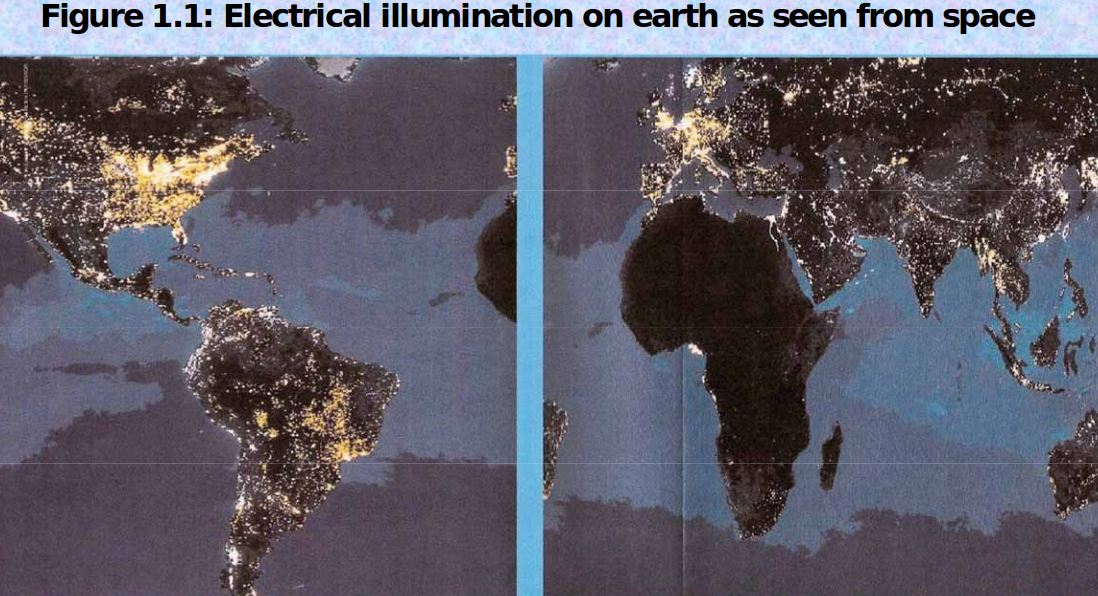
On Nuclear-news.net we have covered many stories concerning Africa and the Nuclear aspirations of this dark continent. I say dark because at night it is the only continent not lit up by street lighting and advertisements.
From the corporations point of view this is a new continent to develop using western choices of energy that that includes nuclear power options.
But nuclear materials are already proliferate over Africa in the form of food irradiation processes, medical and industrial uses to name but a few. And many wonder of the security implications of this.
Of course the nuclear industry is bigger than just the technology.
There are Insurance, financial services, military and security corporations connected to having nuclear power and a lot of money can be made by these organisations.
The IAEA has been helping to develop nuclear technology in Africa and sets the ground for these corporations to step in. The IAEA works with the big nuclear powers in a bid to solve the waste crisis with the MOX fuel system.
Selling hundreds of reactors to light up the African night, running off the waste products of the domestic, medical and military uses of nuclear materials from the west. Even as western energy companies such as EDF are being forced to invest in wind and solar energy due to financial and environmental concerns;
The Insurance companies do well on these deals as there is a cap on the amount that needs to be paid out to victims of the nuclear fuel cycle. To give an example of this payment system at work, the British Nuclear Test Veterans got around £6,000-$12,000 per head for their radiation induced damages (including genetic damage to future off spring) Link to the BNTV report to be found here ;
The affected Japanese from Fukushima expect to receive under £3000 or-$6000 per head in a country that is more expensive to live in than th UK and has higher cost implications for future health problems.
However the children and pregnant women will get under £5000 or $10,000 as they are likely to develop thyroid problems including cancer and have miscarriages etc.
It is interesting to note the similarity in the payments to those victims affected in the UK and Japan. I have seen no quotes for Miyagi prefecture so far though;
In fact, the Insurance liability caps system are not welcome everywhere and it is a point of contention that the insurance companies want to limit the costs to them, so that the nuclear financial and insurance “gravy train” is not interrupted.
Here is an example of dissension against the western corporate nuclear insurance/finance industry;
NOTE: Owing to Christina and I being both busy on other matters posting will be a bit slack this week. One of the projects i had to do was contact UNESCO with a statement or deposition giving a basic account of the problems i have had and a summary of my thoughts and findings of these experiences. I would like to have been even more detailed but in the interest of simplicity i have shrunk most of my positions and experiences into this statement below. it is not the whole story.
Many thanks to all those that have given me a helping hand over these past six months. I couldn’t have got this far without you.
I will send this to UNESCO and post it on nuclear-news.net in case it doesn’t make it
I will be happy to post any other depositions on nuclear-news.net that people write and send to me. but get it to UNESCO by tomorrow first and foremost.
United Nations Further steps to enhance resolution 1738 needed more than ever
Deposition to UNESCO from a nuclear researcher and UK based blogger
Posted on 30 July 2013
by Arclight2011part2
published by nuclear-news.net
I live in the UK and just over 2 Years ago I was working as a London motorcycle despatch rider, delivering small but urgent supplies around the UK. Even though there was a difficult financial position in the country I was doing well and had a stable financial situation and my Taxes and debts were being well-managed.
Then in March 2011, there was a disaster at Fukushima Daichi Nuclear Power Plant. As a European with experience of Chernobyl, I expected that milk and leafy vegetables would be off the menu for a few months while the iodine 131 became inert. But that didn’t happen, even though Euractive reported that pregnant women and young children avoid milk and leafy vegetables. Though CRIIRAD of France reported this issue in 12 April 2011, no other media reported it and so these vulnerable groups in Europe or America were not informed and were put at risk.
I decided that in mid April of 2011, as the media censorship began, to begin to blog and research the actual situation on the ground in Japan and elsewhere. I discovered layers of cover ups and lies. So I attempted to find the truth of the matter for myself with my fellow bloggers on enenews.com.
I began posting on enenews.com for a year or so and had been personally hacked twice concerning my mobile phone and found out that after being hacked by a private person/s that an investigation had been started on me instead of the offending IP address that Vodaphone had captured of one of the hackers. My other hack was by the Police and was admitted to me via my local Police station in Twickenham. I have crime numbers for both these incidents.
Also, my British Telecom land line and broadband had a ” box” fitted after i changed a modem and i was told this by an Indian out of hours phone worker. After that call i was unable to access the out of hours service and had to wait to sort out problems Monday to Friday and only during office hours.
During this initial period I started to support Christopher Busby the scientist. As I tried to blog his videos articles etc, situations such as having my broadband switched off and on other occasions I developed internet problems. This resulted in me having to post an urgent article on the blog by going to the local library and using that on an anonymous “visitors pass” to use the internet.
After I signed on to my blog and posted the article the library computer screen “jumped” around about after 5 minutes, but i had posted the article.. The next time I went to use the Library (Teddington) they had changed their policy and had been told by the Richmond Council IT manager to NOT use the temporary passes. You have to input your ID into the system first , rendering the Library system useless to activist posters and researchers in the UK who are on the Domestic Extremist Database (NDEU).
I also sent researched information to various NGO`s in support of their aims and objectives ie. CRIN UK and various Japanese NGO`s
My mobile was hacked by non government sources and my data charges went up as they were repeatedly checking the emails via my phone. The Vodaphone engineer recommended I turn off my mobile data as that would be the only way it could be stopped. This limited my access to Facebook, Twitter and other sources of instant media contact.
I tried getting a new phone and sim. This was effective for 2 days . My texts and connection got worse after a call to my friend.
After i started posting on nuclear-news.net in September 2012, I was targeted by Aviva insurance for massive rate hikes and threats to dissolve cover giving me no valid reasons . This stopped me paying a tax bill and threatened my work situation. Aviva insures the nuclear industry.
It might also be worth pointing out that the heads of Military Intelligence 5 and 6 are offered directorships on Insurance and financial corporations as well as supplying security advice and logistics as well as a way into TEMPORA/PRISM to mitigate insurance liabilities such as at the Fukushima Daichi nuclear meltdowns and the BP Gulf oil spill.
MI5 now overseas the Domestic Extremist database in the UK.
I was placed on the Domestic extremist database and have had unfair treatment, I believe, resulting in points and fines for minor motoring infractions. This never happened before as I had a clean licence and good insurance history. I was also a priority driver due to the nature of my work with the NHS etc.
I have received unusual threatening phone calls from Aviva Insurance underwriters too. It is worth noting, and worryingly, Aviva were able to cancel my insurance by text as I was riding my motorbike whilst i was delivering urgent blood to the NHS laboratories. I only discovered it when I got home some hours later. If I had gone past an ANPR camera I would have immediately lost the motorcycle according to UK law. To get the insurance cover, I had a quote of a 300 percent increase in my motorcycle work policy and no real answers as to why? I had to accept the decision or have no insurance.
My home line dialled the police phone number even though I typed in a USA number.
The police intercepted an outgoing call and answered it pretending to be one of my employers (the Daily Mail)
I had my online Vodaphone account hacked for data information and then was blocked for getting in as a spiteful action (likely by private security for the energy companies).
Friends have unusual internet problems and wonder if it is me to blame. This loses me friends as friends withdraw to protect themselves. This includes family too.
I have had a number of emails accounts hacked including one based in Iceland (that i thought was safe). Also, emails I send to people probably often do not get there or I do not often get a reply.
my emails seem to work well enough with people I contact regularly but not always but I think that people I contact now and again may not receive mail. It’s really hard to tell but I rarely get a courtesy “received” email or reply.. I have very long delays sometimes on online messaging services. Odd problems with You Tube occur as well, especially disappearing comments and personal messages.
There is some hard evidence of email blocking .
I had a computer burn out and the following week I saw someone messing remotely with my other computer. Afterwards the other computers registry had been corrupted to stop the internet working (i actually saw the remote operator accessing windows programmes and saw the mouse moving on its own volition). I quickly learnt Linux on a newly acquired laptop and have seen a number of improvements.
I also recieved a similar email to the Bahraini activists who found FINSPY attached. I unfortunately opened the email on the hacked and now completely destroyed Windows OS computer.
I also, strongly believe that the security services or some private contractor contacted one of my main employers and got me laid off for posting a George Galloway MP article. There is some good evidence for this.
I have now got to the point of being made homeless and owing debts. I had arranged to sort out the debts in 3 months but the financial organisations reneged on the agreements and I have got many calls and letters even though no court judgements are yet in place. Though that will change soon. Then the debt collection firms will target me.
I will have to live rough and earn only cash jobs. This limits my options in the recession hit UK. I feel that I want to stay and fight this oppression in the UK as it is worrying how someone’s life can be ruined at the touch of a button, a phone call or a keystroke. I have friends and family in the UK and want to fight for their freedoms and privacies as well as others.
It might be worth noting that I was refused insurance for a camper van by 6 insurance companies.
As someone who has done an MA level university course in psychology (Brunel UK) i feel i should comment on the psychological impacts of these strategies on the poor unsuspecting blogger or journalist.
During the course of my blogging i have been fortunate to talk with professional journalists who have commended me on accumulating articles that the main stream media misses. They may not agree with everything I post but they appreciate at least some of my research. They have told me that they are unable to write the sort of posts i present as the media outlets will not touch anything that might effect the advertisers or costs from legal challenges by corporations and governments. This leaves Journalists fearing for their jobs, mortgages, at risk of intimidation and in some cases worrying for their lives.
This leaves the blogger posting from safer countries as the means of getting neglected news to the masses. Many of these articles are to do with human rights and censored subjects such as nuclear issues as well as a raft of other areas to do with health, rights and well being.
As the blogger gets noticed by the censors, it appears that he or she will receive more overt surveillance practises such as echo on the phone or disruption of the internet. This would be the first stages of open harassment by the state.
The next level of surveillance appears to be things like hacking on-line phone accounts and intercepting calls and the police pretending to be employers (to acquire information or just plain terrify the person targeted). In my case it would appear that private security firms can get involved at this stage, with separate data mining operations as well as the national security services efforts.
The third level is a direct action approach using subtle threats during phone calls and financial attack using any weaknesses. In my case this was very successful and made me homeless and un-creditworthy (after many years of successful business) within about 6 months.
For anyone thus attacked they will then have to rely on their friends and family. But there is a dilemma. In an age of well published state hacking, especially in the UK, where extremists families and friends will be targeted for “Data mining” as had happened to me and others.
Some evidence has become apparent that my family in Norway were targeted to let me know the reach of this surveillance and hacking system .
Of course for most bloggers doing this sort of work need to consider the people around them and have to withdraw contact for the privacy and safety of their friends and family. Even encrypted emails show a link that can be assessed by a security analyst. This sort of power sends a chilling effect to people around activists in the UK.
And a normal response might be to find like minded people or groups to get support from, but there is so much politics and differing aims and objectives that not all activists are catered for within the limited fractured groups. Also, the UK police have been placing agitators in these groups rendering them largely untrustworthy by most activists.
So many activists and bloggers are forced to work largely on their own with little protection from excess policing or targeting by private security firms employed by states and corporations.
Here is an example of the director of an Australian Uranium mining company called Palladin using the services of a UK based legal corporate firm called Ashursts attacking the blog i post on at nuclear-news.net. The attack is aimed at the 75 year old retired owner. nuclear-news.net had only 130 subscribers worldwide at the time! The newspaper had to withdraw the article in support of the bloggers right to freedom of expression.
This legal matter is ongoing, but will it may effect our position as being in good standing with google, to being filtered out, even without a court case?
The UK is also bringing in an internet filter that may be used to block access to certain websites including those deemed “extremist”, the same word that is used in connection with many community and environmental groups etc. Indeed the same word that has obviously been applied to me also.
This will have a particular chilling effect on our young people if they are denied the alternative voice and have to rely on corporate and government guided media for their information concerning national and world issues until they are 18. The loose definition of words and meanings cause fear and uncertainty and cause alarm concerning the informed intellectual capacity of our youth in the future..
Added to the fact that the media is often showing these groups in the worst light to the public at large, this further alienates the activist or blogger from friends and potential allies. Information that these bloggers try to get out is slandered as the catch all “conspiracy” theory or simply ill informed. Added to that powerful media outlets pour out stories as counter claim against activists concerns without the opportunity for balanced informed and unmoderated democratic discussion.
I will stop here concerning the psychological impacts on individuals and groups as this part of my deposition requires too much space and i suspect UNESCO has a few psychologists and sociologists that will add to this UNESCO report i am sure.
I hope this deposition will reach you and I hope it will be useful to for your report.
Can you confirm your remit or limitations on this deposition concerning the anti nuclear activists component in particular? And send me a note of confirmation of receipt of this email?
This is the link i am worrying about and hope that i will not be censored owing to “certain limitations”.
“…The International Atomic Energy Agency and the United Nations Educational, Scientific and Cultural Organization recognize that they may find it necessary to apply certain limitations for the safeguarding of confidential information furnished to them…”
Mr. Masamichi Nishio is one of a few doctors who has been commenting on the danger of internal exposure to ionizing radiation right from the start, soon after the Fukushima disaster. He is former head of the Cancer Centre in Sapporo in Hokkaido. He also works at Kyodo Clinic in Fukushima city occasionally. The Kyodo Clillnic is the only independent clinic in Fukushima prefecture and it is run by citizens and on donations.
Mr. Nishio gives the service of measuring radiation the level using a wholebody counter. It takes 30 min. while the one run at hospitals and clinic that has connection with the Fuksuhima Health Survey including Hirata Central Hopital (Prof. Hayakawa is in charge) only measure for 2-5 min. ( The longer the time of measurement and more acurrately the machine can detect radiation from the body.
Mrs. Nishio runs the WBC measurement service at his cancer centre once a week. Because it takes 30min, he can only do 10 people a week. Also, if people in Fukushima prefecture would like to go to his clinic, travelling costs would be more than £150. And the cost is not free while hospitals that have ties with the Fukushima Health Survey are free for under 18 years old. Therefore, only people who could afford to pay the cost could come to his centre.
(Editor’s note)
With the above reasons we should re-evaluate any data or reports that are based on wholebody counter measured by the Fukushima Health Survey.
A plan to ship 16 radioactive steam generators through the Great Lakes and the St. Lawrence River for recycling in Sweden has been cancelled after delays caused by public opposition.
An agreement was reached in 2009 between Bruce Power in Tiverton, Ont., and Swedish company Studsvik, but Bruce Power president Duncan Hawthorne said the plans have been put on hold to allow further discussion with First Nations, Métis and other groups.
The move has been strongly opposed by aboriginal groups, the Bloc Quebecois, the NDP and a number of community and environmental organizations over the past two years.
Emma Lui of the Council of Canadians said there are many concerns, but the “big one” is the possible threat to the Great Lakes if something went wrong with the shipment.
Kahnawake Mohawk Council spokesman Joe Delaronde said the change in plans shows that public pressure can keep companies like Bruce Power in check.
“We’re pretty happy that they’ve done the right thing here. And, when they come up with other options, I’m sure they’ll be publicized as well,” Delaronde said.
“You can’t keep this kind of thing secret and try to sneak it through.”
James Scongack, a spokesman for Bruce Power, said the company didn’t actually bow to pressure.
Rather, he said a one-year transport licence and certificate from the Canadian Nuclear Safety Commission expired in February 2012 and the company simply didn’t renew it.
Scongack said Bruce Power hasn’t abandoned the option of having its steam generators recycled in Sweden.
“We still believe reducing our waste [and]… solid international principles of waste management is the thing to do,” he said.
He said the company is planning more public outreach and consultation on the issue.
Friday was the day for protesters of nuclear energy. In many parts of the country, a charter was released against the continuing expansion of nuclear facilities. A seminar at Vidyapith was poorly attended but fascinating in the facts that were laid out.
Little notice was taken in the population when the Kudankulam project went “critical”. And yet the potential dangers involved are so enormous and inescapable that all of us should have cried foul. Around the same time in China, a country intolerant of public protests and brutal in reprisals, several hundred people marched against a proposed nuclear facility forcing the government to cancel the 6 billion dollar project.
In India, protests against nuclear power have gone on for many years and, like elsewhere in the world, heightened after the Fukushima disaster. Rightly so, for the estimate of 5,000 people affected in Fukushima has gone to over 10 times that, and the effect will last for many generations.
The nuclear lobby in India is strong and hidden in obfuscation. Leading the pack perhaps is the Department of Atomic Energy. (To think that my father headed PUGWASH, a global body against nuclear proliferation while he was head of DAE, and stood against India going nuclear with all he could muster!)
In direct violation of a Supreme Court verdict on ensuring safety and to report back to the courts, the Nuclear Power Corporation, the DAE and its Board and the Ministry of Environment and Forests went ahead with making Kudankulam critical before the courts could have time to check on findings and reassure themselves and the public of the overall safety of people and the earth.
Long-time nuclear critic and senior journalist Praful Bidwai writes, “Yes, such grave breach of public trust, and contempt for democratic processes, conforms to a well-established pattern. India’s Department of Atomic Energy, with its subordinates, NPCIL and AERB, has always defied accountability to Parliament and the public. Glorified by an ill-informed media, coddled by policy makers who love the bomb and hate life, and shielded by the Atomic Energy Act 1962 – which empowers it to hide any information it likes – the DAE has become a law unto itself, and a negative object lesson for democracy theorists”.
Pilgrim Nuclear Power Station is located in one of the most important habitats in the world. Coastal zones, such as those located around Cape Cod Bay, have some of the highest levels of biological productivity in the world, and now produce about 10% of the world’s fish harvest[i].
It is within this context that Pilgrim currently runs its operation, and in its 40 year history has developed an “interesting” relationship with the bay. In order to cool its reactor at the same time as it generates steam for electricity, Pilgrim takes in up to 510 million gallons of water a day from Cape Cod Bay. The cooling water, in the process of passing through the reactor, is heated up before being returning to the bay[ii]. Because of Pilgrim’s day-to-day operations, a thermal plume of about 5 square miles (which may be smaller or larger at times depending upon tidal and wind conditions) containing water at least 2⁰F hotter than the ambient waters, has developed in Cape Cod Bay[iii].
Temperature changes of as little as 2⁰F will trigger responses in marine organisms of either avoidance or attraction[iv]. This stratification of the food web poses a significant problem in itself. However, often times the presence of food will override thermal preferences and cause fish that would normally avoid a thermal plume to venture into waters that could be lethal[v]. Once inside a thermal plume for a short period of time, it becomes very difficult for the fish to leave because their bodies become acclimated to the warmer temperature, which depletes their energy level and swimming endurance[vi]. Then when the power plant suddenly goes offline for maintenance, which happened six times from 2011 to January 2013, virtually all trapped adult fish as well as free-floating eggs, larvae, and juveniles who happen to be passing through the plume can be killed from cold shock[vii].
Often times the plume attracts fish towards the intake canal, causing the smaller fish, if they are not impinged on the power plant’s intake screens, to get sucked into the pipes of the plant where many are scalded, pulverized and then spewed back out into the bay as lifeless sediment[viii]. It is in this way that the waters around Pilgrim act as a sort of biological sink, beguiling marine organisms across Cape Cod Bay to their deaths along our shores.
Many of these fish stocks are in decline, and accordingly the commercial fishing industry is highly regulated in terms of quantities of catch to protect these species[ix]. Why then is Pilgrim allowed to kill these species en mass in its day-to-day operations? When you take into account the rippling effect the destruction of zooplankton and fish stocks has on the ecosystem of Cape Cod Bay, Pilgrim’s actions reach far beyond the ill-defined boundaries of the thermal plume.
There is also concern that the development and survival of fish eggs and larvae, as well as the spawning success and migration patterns of the adult fish, may be affected by the increase in temperature[x].
In ETHOS Belarus, residents’ internal radiation had been measured with whole body counter and the report said that the figures were successfully decreased, though the most important health improvement was not reflected by it.
WBC can measure only gamma rays and cannot detect alpha and beta rays, which are much more harmful on human bodies as internal exposure sources. To detect these, we need to conduct a urine test.
As you probably know, in Minimisoma city, which is outside of evacuation zone, Dr. Masaharu Tsubokura from Tokyo University Medical Science Institute, measured the residents’ internal exposure using WBC and submitted the thesis to JAMA in August 2012
I met Dr. Tsubokura in person at a radiation seminar held in Okinawa and directly asked him whether he had read the paper by Dr. Bandazhevsky. His answer was, “Yes, I have. As a matter of fact, I feel troubled. Every food should be measured before the local residents could eat it, but we do not have enough equipment.”
In Febrary 2012, Dr. Masaharu Tsubokura mentioned Dr. Bandazhevsky’s study in his own blog,
http://medg.jp/mt/2012/02/vol410wbc.html. In here, he stated that long-time follow-up will be needed, including electrocardiogram test for residents since there is a report by Bandazhevsky that says 10Bq/kgー20Bq/kg cesium concentration in the body, causes heart malfunction.
According to the JAMA report by Dr. Tsubokura in August 2012, there were people with more than 50Bq/kg and many with 10Bq/kgー20Bq/kg among the adults and children. This figure is of grave concern itself in the light of Dr. Bandazhevsky’s study. However, strangely, the conclusion of Dr. Tsubokura’s study was the residents’ exposure level was low, with all the subjects’ exposure less than 1mSV with only one exception of 1.07mSV effective committed dose.
However, quite strangely, an internet site was made in May 2012, saying that Bandazhevsky`s findings were denied by Dr. Tsubokura and quite harshly too (http://togetter.com/li/303308). This was stated by Mr. Makoto Omori(See http://savekidsjapan.blogspot.jp/2013/01/medias-sins.html), the chief of broadcast section at TV You Fukushima. What Mr. Omori was saying was quite contrary to the saying I heard from Dr. Tsubokura directly.
Nobody knows whether this cesium concentration in the body came from the initial exposure or from food intake afterwards, but in any case, it would be a act of murder not to relocate residents instead, making them breath contaminated air and consume contaminated foods.
As for the WBC study, Professor Masahiro Kami, Tokyo University Medical Science Institute, is in charge. Amazingly, the purpose of the study says;
“The purpose of this study is to conduct medical checkup and medical consultations to resolve anxiety of the residents in costal line area in Fukushima greatly damaged by the nuclear disaster and to study the effects of nuclear disaster on human bodies including low-level radiation effects.”
Moreover, one of my friend’s acquaintances and my own acquaintance heard Professor Kami’s personal statement as follows;
“It would be impossible to evacuate residents in Fukushima City and Kohriyama City. I guess in the future, they would file a class action lawsuit.”
“Minamisoma City is at risk. “(Minamisoma is one of the cities along the coastal area of Fukushima where the WBC study is being conducted by Professor Kami himself.)
In this area at risk, Professor Kami himself is conducting WBC study including local children and pregnant women with his subordinate doctor Masahiro Tsubokura. This is nothing but a recurrence of Unit 731 evil human experiments with a prolonged time span.
I sincerely ask for international organizations to stop these Tokyo University doctors’ medical experiments and please relocate the residents in high risk area, especially pregnant women, children.
———————————————————
*Wholebody counter has been used for cover-up for the danger of internal exposure – Prof. Katsuhiko Yagasaki of Ryukyus University WBC
Talking Stick TV interview with Marco Kaltofen on how radiation spreads via airborne dust particles.
[NOTE} Marco also describes issues with the radiological testing in the USA and deficits in Japans response to the contamination of its lands and sea. [Arclight2011part2]
Science with a Skew: The Nuclear Power Industry After Chernobyl and Fukushima Japanese translation is available.
Gayle Greene
It is one of the marvels of our time that the nuclear industry managed to resurrect itself from its ruins at the end of the last century, when it crumbled under its costs, inefficiencies, and mega-accidents. Chernobyl released hundreds of times the radioactivity of the Hiroshima and Nagasaki bombs combined, contaminating more than 40% of Europe and the entire Northern Hemisphere.1 But along came the nuclear lobby to breathe new life into the industry, passing off as “clean” this energy source that polluted half the globe. The “fresh look at nuclear”—in the words of a New York Times makeover piece (May 13, 2006)2—paved the way to a “nuclear Renaissance” in the United States that Fukushima has by no means brought to a halt.
That mainstream media have been powerful advocates for nuclear power comes as no surprise. “The media are saturated with a skilled, intensive, and effective advocacy campaign by the nuclear industry, resulting in disinformation” and “wholly counterfactual accounts…widely believed by otherwise sensible people,” states the 2010-2011 World Nuclear Industry Status Report by Worldwatch Institute.3 What is less well understood is the nature of the “evidence” that gives the nuclear industry its mandate, Cold War science which, with its reassurances about low-dose radiation risk, is being used to quiet alarms about Fukushima and to stonewall new evidence that would call a halt to the industry.
Consider these damage control pieces from major media:
• The “miniscule quantities” of radiation in the radioactive plume spreading across the U.S. pose “no health hazard,” assures the Department of Energy (William Broad, “Radiation over U.S. is Harmless, Officials Say,” NYT, March 22, 2011).
• “The risk of cancer is quite low, lower than what the public might expect,” explains Evan Douple, head of the Radiation Effects Research Foundation (RERF), which has studied the A-bomb survivors and found that “at very low doses, the risk was also very low” (Denise Grady, “Radiation is everywhere, but how to rate harm?” NYT, April 5, 2011).
• An NPR story a few days after the Daiichi reactors destabilized quotes this same Evan Douple saying that radiation levels around the plant “should be reassuring. At these levels so far I don’t think a study would be able to measure that there would be any health effects, even in the future.” (“Early radiation data from near plant ease health fears,” Richard Knox and Andrew Prince,” March 18, 2011) The NPR story, like Grady’s piece (above), stresses that the Radiation Effects Research Foundation has had six decades experience studying the health effects of radiation, so it ought to know.
• British journalist George Monbiot, environmentalist turned nuclear advocate, in a much publicized debate with Helen Caldicott on television and in the Guardian, refers to the RERF data as “scientific consensus,” citing, again, their reassurances that low dose radiation incurs low cancer risk.4
Everyone knows that radiation at high dose is harmful, but the Hiroshima studies reassure that risk diminishes as dose diminishes until it becomes negligible. This is a necessary belief if the nuclear industry is to exist, because reactors release radioactive emissions not only in accidents, but in their routine, day-to-day operations and in the waste they produce. If low-dose radiation is not negligible, workers in the industry are at risk, as are people who live in the vicinity of reactors or accidents—as is all life on this planet . The waste produced by reactors does not “dilute and disperse” and disappear, as industry advocates would have us believe, but is blown by the winds, carried by the tides, seeps into earth and groundwater, and makes its way into the food chain and into us, adding to the sum total of cancers and birth defects throughout the world. Its legacy is for longer than civilization has existed; plutonium, with its half life of 24,000 years, is, in human terms, forever.
What is this Radiation Effects Research Foundation, and on what “science” does it base its reassuring claims?
In Nihonmatsu-city in Fukushima prefecture the Fukushima Health Survey Team has been carrying out the thyroid examinations for children since last fall. But many parents in Nihonmatsu-city had been feeling doubtful about the accuracy of the thyroid examinations.
Recently Mrs. Rui Sasaki who runs “Doho nursery school with her husband in Nihonmatsu-city organized the independent temporary clinic for thyroid examinations in her nursery school in response to the concerns of many parents.
Two of her children were also examined. One of her sons, Jushin got a different result-there as some abnormality was funod in his thyroid. Although, according to the Fukushima Health Survey, the result was A1. Not only her son, there are many other children that got different results from the Fukushima Health Survey.
(1m10s) Mrs. Sasaki said,
“I didn’t trust the Fukushima Survey examination from the beginning because it only took 10 secondsto examine the thyroid, therefore they won’t find anything wrong in the thyroid”.
(Editor’s comment)
A1 – there is no abnormality.
A2 – there is some cysts in the thyroid.
B1 – they are going to develop thyroid cancer or they already got thyroid cancer.
4m20s- 福島医大の理事長室で、話し合われたこと。
What was discussed in the Director’s office in the Fukushima Medical University.
Mr. Abe: 甲状腺検査については今後、必ず誤診が出ると考えている。 その際の賠償問題が生じる。 現状では個人の損害賠償保険しかない状態であるが、本来は医大が、責任を持つべき問題だと、思う。個人が訴えられないように対応を、お願いしたい。
I’ve been thinking that there would be misleading diagnosis in the thyroid echo examination in the future for sure, by which compensation issue would arise. The current compensation policy covers only the individual. I think all doctors who examine the thyroid should be really covered under the Fukushima Medical University so that they wouldn’t get sued by their patients. I would like to ask you to do something about that.
Mr. Fujishima:甲状腺検査の賠償責任保険は、個人で加入されているのとは、別に入っていただくことにしたい。
I would suggest that all doctors who give diagnoses for the thyroid examination to join a separate insurance to cover the cost for misleading diagnoses.
Mr. Abe:組織として加入する保険料については、負担するのか?
Do doctors need to pay for that?
Mr. Fujishima:県民健康管理センターの予算で、支払うことになると、思われる。また、県民健康管理センターには、リーガル部門が必要であるので、たいせいつくりを、検討している。
I suppose the cost for them to join the separate insurance would be covered by the budget from the Fukushima Health Management Center. I also think that legal department need to be set up within the Fukushima Health Management Center, so I’m working on that, too.
Later Mr. Fujishima’s suggestion was agreed with the Fukushima prefecture officials and decided to pay by the tax payer’s money.
6m30s- 誤診が発生した場合。 支払い限度額は10億円と設定されていた。
Our planet TV acquired the document that says how to protect doctors legally when their misleading diagnoses were sued. 10 million yen (=1 billion yen?) was set up.
OurPlanet-TV is an independent media of non-profit still rare in Japan. He did not have any advertising revenue from the industrial technology. All costs associated with production is supported by membership dues and donations of individuals who He will cheer.
Click here for more info on this
Uranium’s spot price fell again this week to just $37.85/lb. But positive news keep coming. The Australian state of Queensland has just formalised the removal of the ban on uranium mining in the state imposed by its predecessor. No one expects any sudden spurt of activity given present prices but there are some projects (see below) that, with an improved price, could be brought into operation relatively quickly given some have established resources and advanced exploration.
And the majority of the most likely projects are held by Canadian-listed companies (again, see below for details).
Interestingly the federal government is making some positive noises about the uranium industry generally. The Australian Labor Party has a long history of being anti-uranium; after all, the mining bans were imposed in various states by Labor governments. So it was significant that federal Resources and Energy Minister Gary Gray not only attended this year’s big uranium conference in Perth but sounded some very positive notes about the industry.
Pointing out that Australia has a third of the world’s known uranium resources and supplies about 22% of China‘s needs, Gray essentially backed nuclear power — even though his own government has turned its back on that so far as Australia is concerned. He told the conference that “two important drivers of nuclear power remain unchanged – the rising energy demand from growing populations and the need to reduce greenhouse gas emissions. Australia is in a strong position to maximise these opportunities.”
In another encouraging sign, London-based brokers RFC Ambrian say there is light at the end of the tunnel. “The uranium sector should be set for happier times and improved pricing in the short to mid-term”. They cite the familiar reasons, including the growing likelihood of Japanese reactors starting up again and the end to the “megatons to megawatts” program.
Still, there’s a long way to claw back: uranium equities on average are 60% lower than what they were in March 2011.
The Government is expected to take back control of the clean-up of nuclear waste at Cumbria’s Sellafield, following a string of failures by a private sector consortium of US, French and British engineers. Alarmed by spiralling budgets – £70bn and counting – and a series of delays to crucial projects, the Nuclear Decommissioning Authority (NDA) has quietly drafted in a team of consultants from the accountants KPMG to review how Sellafield is run, The Independent on Sunday can reveal.
It is running through three options to sort out a situation in which 12 of 14 major projects were behind schedule last year, as well as last month’s £700,000 fine for sending bags filled with radioactive waste to a landfill site in Cumbria rather than a specialist facility.
The most eye-catching – and believed to be favoured – choice, involves stripping the contract from Nuclear Management Partners, a consortium made up of URS from California, France’s Areva and Amec, one of Britain’s biggest listed companies.
A subsidiary of the NDA would be set up to oversee what is said to be the hardest nuclear site to decontaminate in either Western Europe or the United States. “Nuclear Management Partners have lost the confidence of the workforce and the local community, and there is a very firm view that [taking the work in-house] is the only real option,” said a source close to the discussions.
The two other choices are to renew the consortium’s contract or run a competition to find another private sector grouping to clean up the nuclear site. It is one of Britain’s oldest, having first been used in 1947 to produce plutonium for Britain’s nuclear weapons programme.
Handing the consortium another lucrative deal – the team earned £54m in performance-related fees in 2012 despite missing so many deadlines – would be a “scandal”, according to an industry source.
Rerunning the process to find a private sector partner is too costly and time consuming to be considered a viable alternative. A formal decision is expected to be announced in the autumn.
URS, Areva and Amec won the right to run Sellafield in late 2008, in a contract that was initially for five years, but could have been extended up to 2026 and was potentially worth £22bn.
….I would urge the Iranian people to do their utmost in getting their side of the picture before the world, speaking not to the U.S. government but to U.S. student groups, anti-war groups, and others, along with people around the world, telling them about the human costs and injustices of U.S. policy….
Renowned American intellectual and cultural critic believes that the United States, is exercising double standards with regards to Iran’s nuclear program and treating Iranians in a discriminatory way through imposing unilateral and unjust sanctions.
“Iran has signed the Nuclear Non-Proliferation Treaty which gives it the right to develop enriched uranium for peaceful use of nuclear power. The USA and Israel are not signatories of the treaty. Both of them have enormous arsenals of nuclear missiles arsenals. Thus they stand in violation of the international law on nuclear proliferation,” said Michael Parenti in an exclusive interview with the Fars News Agency.
Michael Parenti is a leading American author, political scientist, historian and anti-war activist. His writings are very popular in the progressive circles as he staunchly opposes the U.S. foreign policy and its war adventures around the world, especially in the Middle East and North Africa. Parenti is considered a prominent anti-imperialist thinker in the United States and around the world. His latest book “The Face of Imperialism” was published by the Paradigm Publications in 2011. Among his other books are “Make-Believe Media: the Politics of Entertainment” and “Inventing Reality: the Politics of News Media.” Parenti has received his Ph.D. in political science from the Yale University.
What follows is the text of FNA’s interview with Michael Parenti with whom we’ve discussed a number of issues including the Occupy Wall Street movement, racism in the United States, Zionism and its influence on the U.S. media and governmental institutions and controversy over Iran’s nuclear program.
Q: In one of your articles, you had pointed at the mainstream media’s disappointing performance in giving coverage to the Occupy Wall Street movement. Why are the corporate media usually silent on the progressive movements? Are they afraid of losing their audience or their benefactors and sponsors? They even didn’t report the death of the renowned progressive journalist Alexander Cockburn who passed last year. What’s your take on that?
A: The mainstream media in the United States is owned and controlled by a few corporate conglomerates. This pattern of ownership and its resulting control leaves very little room for critical and challenging journalism of the kind that exposes the hypocrisies and duplicities of the ruling moneyed interests. These moneyed interests claim to bring us prosperity when in fact they bring us poverty. They claim a dedication to democracy when in fact they propagate oligarchic dominance in this country and in many others. They profess a dedication to peace while bombing and invading various countries that dare to step out of line.
They talk about a “family of nations” while pursuing a policy of global imperialism. This constant disparity between what reality at home and abroad is like and what the corporate media claim it to be is one of the great propaganda achievements of modern history.
Concerning your question about Alexander Cockburn, the New York Times and a few other mainstream newspapers did carry obituaries about him. They mentioned his views but never spelled them out. The broadcast media had very little to say about him. He was too radical for them to give respectful and extensive notice.
Q: The issues of racism and racial discrimination have always been widely and also controversially discussed in the intellectual circles of the United States. Could we trace footsteps of protest against racism in the insurrections of the Occupy Wall Street?
A: I don’t believe that issues relating to racism “have always been widely” discussed in U.S. intellectual circles. It often took years of struggle to get intellectuals to acknowledge and inform themselves about the urgent and terrible crimes of lynch-mob rule in this country. It took years of conflict to mobilize democratic forces against Jim Crow and the racial discrimination that permeated all dimensions of White society in the United States. It continues to be a struggle to confront the racism of white police forces in communities throughout the country.
The Occupy Wall Street movement certainly opposes racial discrimination in all its forms but it primarily focuses on the great class divide, the conflict between the 1% and the 99%. The class struggle and the struggle for racial equality are not mutually exclusive. They are connected. Class oppression battens on racism. One way to move closer to racial equality is to struggle also for economic justice.
Q: Is it a realistic view to say that certain political lobbies, including AIPAC and its affiliates are behind the mainstream media and dictate to them what to publish and cover and what to withhold from the public? In a broader term, let me ask you: Who is really running such multinational, money-spinning media as CNN, NPR, Fox News, CBS and Washington Post?
A: Powerful political lobbies and moneyed interests can exercise direct pressure on the handling of specific news stories. AIPAC, a pro-Zionist interest group, exercises an exceptional influence in Congress, the White House, and public and private agencies —and in planting stories in the conservative media. Most of these corporate media are already sympathetic toward the U.S.-Israel imperium in the Middle East even before they are pressured by lobbyists.
I already answered your other question which repeats what was raised in your first question above: the news is shaped by corporate media that are run by the corporate financial interests that own most of America and much of the world.
Q: You seem to be quite dissatisfied and unhappy with the U.S. government’s health care programs and the way the patients, the nurses, the physicians and other medical staff are treated. What deficiencies does the U.S. medical sector suffer from? Is it really the case that many impoverished Americans die of different illnesses because they cannot afford the medical treatment expenses?

![[JRADIATE]](https://i0.wp.com/si.wsj.net/public/resources/images/WO-AG723_JRADIA_G_20110818180506.jpg)