UN Human Rights Council Presses US to Address Nuclear Legacy on the Marshall Islands
TGP The Geopolitics, 21 Oct 22,
On Oct. 7, 2022, the United Nations Human Rights Council adopted a resolution on technical assistance and capacity building to address the human rights implications of the nuclear legacy in the Marshall Islands which the United States is responsible for. The resolution passed without voting on the basis of consensus. The draft resolution was sponsored by a number of Pacific Islands States and Australia.
Currently, the United States denies responsibility for a horrific past of nuclear testing that almost destroyed the Marshall Islands with 67 nuclear bomb detonations over the span of 12 years. The nuclear legacy dates back to the 40s and 50s, with continuing negative impacts until today, 70 years later. The US committed systematic human rights violations and never accounted for the past – until now, until it is now seeking to bring to its side the islands in the Pacific in a geopolitical race against China.
The U.S. government has asserted that the bilateral agreement between the US and the Marshal Islands signed in 1986 settled “all claims, past, present and future,” including nuclear compensation. That stance has been unacceptable to the Marshall Islands who now turn to the UN human rights body and the international community for support…………………..
The United Kingdom, which is also a nuclear power, opposed the Human Rights Council resolution with the explanation that the UK does not consider that there is international consensus on the legal basis of the human right to a clean, healthy and sustainable environment. By extension, the UK does not accept the connection made in the Resolution to the testing of nuclear weapons and the impact on human rights.
Earlier in September, the Biden administration brought together the Pacific Island Countries’ leaders to a summit in Washington DC. The Summit included the Marshall Islands. The Marshall Islands stepped away from the re-negotiations of the bilateral treaty that governs relations between the US and the Marshall Islands, called the Compact of Free Association (COFA). The reason was the US refusal to admit, apologize and compensate for the wrongdoing and rights violations arising out of the US nuclear tests. The US government has argued that the Compact signed in 1986 settles all claims – past, present and future. Unhappy with the outcome, following the Summit in Washington in late September, the Marshall Islands turned to the UN Human Rights Council in October in order to raise their issues before the international community. It is far from over for the Marshal Islands.
The US and other nuclear powers are cautious not to open the door to massive rights-based litigation which will rest upon the right to a clean environment infringed upon by the big nuclear powers. The Marshal Islands are receiving a huge pushback. If the US is seeking a way out it first needs to recognize the horrendous scale of the human rights violations on the Marshall Islands and should compensate the Marshallese who continue suffering the consequences of the nuclear tests every day. Renegotiating the bilateral treaty will depend on that.
Previously, the UN Special Rapporteur carried out a visit to the Marshall Islands in 2012, outlining in a report the negative effect of the nuclear legacy on the enjoyment of human rights.
The Human Rights Council resolution now requests the Office of the High Commissioner to prepare a report on addressing the challenges and barriers to the full realization and enjoyment of the human rights of the people of the Marshall Islands, stemming from the State’s nuclear legacy, to be submitted to the Human Rights Council at its fifty-seventh session, to be followed by an enhanced interactive dialogue, with the participation of the National Nuclear Commission of the Marshall Islands. https://thegeopolitics.com/un-human-rights-council-presses-us-to-address-nuclear-legacy-on-the-marshall-islands/
Biden’s diplomatic nuclear faux pas regarding Pakistan
US President brought up Pakistan’s nuclear programme with shockingly undiplomatic language
Express Tribune Ozer Khalid October 21, 2022
At a Congressional Campaign Committee reception in Los Angeles on October 14, US President Joe Biden brought up Pakistan’s nuclear programme with shockingly undiplomatic language. He mentioned Pakistan twice at the public form first vis-à-vis China, then stating that Pakistan is “one of the most dangerous nations in the world” which has “nuclear weapons without any cohesion”.
Tragically, these were not off-the-cuff remarks and ramblings, as an official White House transcript indicated President Biden meant what he said, leading to strong rebuttals from PM Shehbaz Sharif and FM Bilawal Bhutto-Zardari and a demarche by the Pakistan’s Ministry of Foreign Affairs.
Biden’s remarks lacked explanation, context and coherence. Ely Ratner, US Assistant Secretary of Defense, last month reminded that “US interests associated with defense partnership with Pakistan were primarily focused on counterterrorism and nuclear security”.
Given Washington’s mounting rivalry vis-à-vis Russia and China, it could be that Biden’s comment was a veiled threat at isolating Pakistan if it continued to pursue rapprochement with Moscow and Beijing. If so, it would be déjà vu of the ‘either you are with us or against us’ ultimatum issued by George W Bush post-9/11. Whatever his intentions, it was irresponsible of Biden to leverage regional-bloc politics to make unsubstantiated remarks about Pakistan’s secure nukes…………………..
Pakistan ill-deserves such unwarranted remarks given its impeccable nuclear stewardship with the Strategic Plans Division and diligent adherence to international IAEA best practices.
The Nuclear Threat Initiative (NTI) report ranked Pakistan as the most “improved country” on Safety and Security of Nuclear Assets, ahead of India. Pakistan demonstrated exemplary restraint and sangfroid in response to India’s “accidental” firing of a BrahMos cruise missile that landed across the border in March, 2022. The BrahMos incident was a clear violation of global nuclear safeguards for which India faced no accountability.
In March 2022, an International Atomic Energy Agency (IAEA) mission confirmed that Pakistan’s updated nuclear safety regulations by the Pakistan Nuclear Regulatory Authority strengthened its nuclear and radiation safety. This includes the modernisation of Pakistan’s National Radiation Emergency Coordination Centre (NRECC) which strengthens Pakistan’s ability to respond to a nuclear or radiological emergency.
At the request of the Government of Pakistan, the IAEA’s Integrated Regulatory Review Service confirmed the country’s strengthening arrangements for regulatory inspections, authorisations, emergency preparedness and response, occupational radiation protection and environmental radiation monitoring.
The IAEA confirmed safety of Pakistan’s five civilian operating nuclear power reactors and that the country successfully implemented all 13 recommendations adequately addressing 29 out of 31 suggestions.
For President Biden to single out a responsible nuclear steward like Pakistan, with resilient nuclear safeguards, commands and controls in place with no reported incidents, while remaining conspicuously silent on serious incidents from India raises consternation……………………………………………………………… more https://tribune.com.pk/story/2382629/bidens-diplomatic-nuclear-faux-pas
Golden Rule sails for peace to Burlington: ‘If we do nothing, we go nowhere’

Michaele Niehaus, The Hawk Eye, 21 Oct 22,
A group of about 20 southeast Iowa residents and city officials gathered Thursday near the Port of Burlington to welcome the Golden Rule and its crew, as well as recognize the importance of activism and kindness.
The refurbished, 64-year-old, 34-foot wooden sailboat has been navigating the shallowing waters of the Upper Mississippi River for the past month to spread a message of peaceful activism. It is carrying on its mission of worldwide nuclear disarmament that began in 1958, when a group of Quakers set sail from Hawaii to the Marshall Islands in protest of the nuclear weapons testing that was taking place there.
The sailboat never made it there, and the crew were arrested while en route.
Their mission and arrests spurred an attempt to sail a 50-foot boat there by Earle Reynolds, a doctor who was investigating the effects of ionizing material on the children of Hiroshima.
“So (Reynolds and his family) sailed down there and this guy got arrested. So between the two trials, his trial and the Golden Rule trial, there was enough national press to reach the president’s attention, and in the year that his family sailed, the president stopped testing under the provision that the USSR would stop testing. And so eventually things carried on and it ended up with John F. Kennedy signing the test ban treaty,” first mate Stephen Buck told The Hawk Eye from inside the cabin while holding a copy of Reynolds’ book, “The Forbidden Voyage.”
While the trials received much attention, the Golden Rule itself did not. It wasn’t until it sunk in Northern California’s Humbolt Bay in 2010 that its mission was resumed by Veterans for Peace, who were instrumental in the five-year effort to refurbish the ketch.
“We’re carrying on the original mission, which was an urgent need to stop bomb testing in the Pacific, above ground, in the air. And they were sending significant pollution of radioactive material to people who populated the Pacific, poisoning the land, poisoning the food, and those people are still here,” Buck said………………………………………………………….
Captain Kiko Johnston-Kitazawa noted the progress made on lessening the number of nuclear weapons and nuclear testing, but said the problem has not gone away.
“The last few years, all the bigger countries are bragging about, oh, we’ve got a bigger, more destructive (weapons) and we’re going to use it, so it’s time to pay attention again,” he said, noting that progress can be made through activism, such as with the Golden Rule, as well as on an individual level. “If we all continuously try to be the kind of people who treat every other person kindly, that grows into communities and countries likewise, and that is how you eliminate the root causes of war, so both are important.”…………………………………………………………..
The Golden Rule’s progress can be followed by visiting share.garmin.com/goldenrule, and those wishing to join its crew for a day or longer can apply by visiting vfpgoldenrule.org/crew-application/. https://www.thehawkeye.com/story/news/local/2022/10/21/golden-rule-sailboat-brings-nuclear-disarmament-message-to-burlington/69569236007/
International mayors’ group calls for nuclear abolition at Hiroshima conference
https://mainichi.jp/english/articles/20221021/p2a/00m/0na/014000c October 22, 2022 (Mainichi Japan),
HIROSHIMA — The 10th general conference of the international nongovernmental organization Mayors for Peace closed here on Oct. 20 after adopting “Hiroshima Appeal” that calls for nuclear abolition.
In light of Russia’s invasion of Ukraine, the appeal stated that the risks of nuclear warfare “are at their highest after a threat of the use of nuclear weapons is made,” and pointed out that “the dangerous argument for nuclear deterrence is gaining momentum.”
The organization, founded in 1982, announced in the latest general conference that there are “no prospects for fostering international public opinion leading to a peaceful world without nuclear weapons.” It also stated that it will “demand immediate action toward nuclear disarmament” from the United Nations and governments around the world, especially nuclear powers and their allies.
The six-item immediate action plan includes; a complete execution of the Treaty on the Non-Proliferation of Nuclear Weapons (NPT) and policies agreed in the NPT review conferences; a departure from the nuclear deterrence theory and ratification of the nuclear weapons ban treaty; and the promotion of efforts to pass down the reality of the effects of radiation from atomic bombings as an experience for the human race.
Hiroshima Mayor Kazumi Matsui, who heads the international organization, told a news conference after the general meeting, “We were able to reinforce solidarity among member cities that seek the realization of nuclear weapons abolition.”
The two-day, in-person general meeting was attended by 176 delegates from 102 cities in nine countries. The next general conference is scheduled for 2025 in the city of Nagasaki.
(Japanese original by Kiyomasa Nakamura and Akari Terouchi, Hiroshima
M5.0 quake shakes Japan’s Fukushima, no damage reported
https://english.kyodonews.net/news/2022/10/a43d370b386a-m51-quake-shakes-japans-fukushima-no-tsunami-warning-issued.html KYODO NEWS – 21 Oct 22,
An earthquake with a preliminary magnitude of 5.0 struck northeastern Japan, including Fukushima Prefecture, on Friday afternoon, the weather agency said, though no tsunami warning was issued and no damage was reported.
The quake occurred at around 3:19 p.m. off Fukushima and registered a lower 5 on the Japanese seismic intensity scale of 7 in Naraha, a town in the prefecture’s coastal area, the Japan Meteorological Agency said.
No new abnormalities were found following the quake at the crippled Fukushima Daiichi and nearby Daini nuclear power plants, which are set to be decommissioned in the aftermath of the 2011 killer quake and tsunami, according to the nuclear regulator. Naraha hosts the Daini power station.
An area fire department said it had received no reports of injuries or damage.
The quake’s focus was in the Pacific at a depth of about 29 kilometers.
Elsewhere in the prefecture, the quake registered 3 in the coastal city of Iwaki and 2 in the inland Aizu region. The quake was also felt in parts of the surrounding prefectures of Ibaraki, Tochigi and Miyagi, as well as in Chiba Prefecture.
Russia says U.S. blocked its participation in nuclear conference
MOSCOW, Oct 21 (Reuters) – The Russian state nuclear corporation Rosatom said on Friday that the United States had effectively blocked Russia’s participation in a nuclear energy conference in Washington by failing to issue entry visas.
Relations between the United States and Russia have sunk to their lowest level since the depths of the Cold War after Moscow sent its armed forces troops into Ukraine in February.
Rosatom and Russia’s industrial safety watchdog, Rostekhnadzor, planned to attend the International Atomic Energy Agency’s (IAEA) ministerial conference in Washington on Oct. 26-28 but have yet to receive visas, Rosatom said in a statement………………………………. more https://www.reuters.com/business/energy/russia-says-us-blocked-its-participation-nuclear-conference-2022-10-21/
Kishida’s nuclear policy rekindles battle in small Japanese town
Opponents of planned power plant field mayoral candidate for first time in 11 years
Nikkei Asia, SAYUMI TAKE, Nikkei staff writer, October 22, 2022
TOKYO — The Japanese government’s nuclear policy reversal has stirred up an otherwise tranquil fishing town, home to 2,400 people and a long-frozen plan to build a nuclear power plant on its coastline.
Come Sunday, citizens of Kaminoseki in western Japan’s Yamaguchi prefecture will elect a new mayor. By extension, they will express their attitude toward the envisioned plant. For the first time in 11 years, an anti-nuclear local organization has fielded a candidate, making the election a faceoff with a pro-nuclear candidate.
As the global energy crisis forces a number of countries to take a fresh look at nuclear power, Prime Minister Fumio Kishida announced in August that Japan would develop and build next-generation plants, after it largely shunned the atomic energy industry in the aftermath of the Fukushima disaster in 2011. This has rekindled the debate in the town, with supporters saying a nuclear plant would save the rapidly graying community but opponents arguing it would put human and marine life at risk.
“I became alarmed that Prime Minister Kishida mentioned nuclear power plants and new construction,” said 75-year-old candidate Tsutomu Kimura, a former schoolteacher who filed to run for office after 35 years of opposing the plant. “If I didn’t run, the government would think there is no one in town who is against the plans, and might make a move.”…………………………………………………………………….
nuclear opponent Kimura and his supporters argue that more could be done to make alternatives work, such as getting creative to attract newcomers to settle down or encourage tourists to explore the town’s rich natural environment.
“Nuclear power plants have the potential to cause a disaster that would affect thousands, and no one can take responsibility for that,” Kimura argued. “I wonder whether our children, our future generations, would want to return to a town with such a facility.”…………………..
Nationwide, opinion appears to be divided over Kishida’s new nuclear policy. In a poll conducted by public broadcaster NHK in September, 48% were in favor and 32% opposed. Another poll by the Mainichi Shimbun newspaper showed that 36% were in favor, while 44% were against. https://asia.nikkei.com/Politics/Kishida-s-nuclear-policy-rekindles-battle-in-small-Japanese-town—
U.S. Nuclear Reactors Among The Oldest In The World

Forbes, Katharina Buchholz 21 Oct 22,
The latest edition of the World Nuclear Industry Status Report shows that U.S. nuclear power plants are among the oldest in the world. The country’s 92 reactors currently in operation have a mean age of 41.6 years. The only nuclear fleets in the world that are older are those of Switzerland (46.3 years) and Belgium (42.3 years). However, these programs are a lot smaller than the United States’, which is currently the largest in the world. Also older are the singular reactors in use in Armenia and the Netherlands.
The U.S. was among the first commercial adopters of nuclear energy in the 1950s, explaining the number of aging reactors today. A building boom between the 1960s and 1970s created today’s nuclear power plants in the United States. Of the five reactors completed in the 1990s and the one finished in 2016, all were holdovers of delayed construction projects from the 1970s experiencing roadblocks due to regulatory problems and mounting opposition to nuclear energy.
The opposition the nuclear power industry has faced as well as the nuclear accident at Three Mile Island in 1979 ultimately caused the fact that today, the most recent construction start date of a completed U.S. nuclear reactor is 1978. ………………………………………………
U.S. construction woes
The U.S. meanwhile remains one of only 15 countries which the World Nuclear Industry Status Report lists as actively pursuing nuclear energy. Two new reactors were started at Vogtle power plant in Georgia in 2013 but have not yet been completed. The approval process was lengthy in the aftermath of the Fukushima disaster and delays continued after the groundbreaking, culminating in the bankruptcy of the reactor construction company. The U.S. government stepped in with a loan so that the project would be finished. One of the units is expected to become operational shortly around 17 years after its initial proposal.
The construction of two reactors in Utah is scheduled to begin next year and finish in 2030, after the proposal had already been introduced in 2007. Additionally, company NuScale is expected to build six small reactors in Idaho by 2030 using a new modular technology. Looking at past delays, however, the accuracy of these timelines as well as the ability of nuclear power to remedy current energy woes quickly or significantly—in the U.S. and elsewhere—is likely limited. While opposition to nuclear energy has softened given the current crisis, large parts of the population continue to reject it and local opposition to new projects will doubtlessly be as fierce as ever. https://www.forbes.com/sites/christinero/2022/10/21/the-generational-divide-over-nuclear-power/?sh=5d8d990a6b13
The Generational Divide Over Nuclear Power
The scientists at the Cigéo lab in France are not including the risk of deliberate attacks in their research. All of this – the security risks, the enormous uncertainty around waste, the potential for nuclear proliferation – concerns the activists at the House of Resistance.
https://www.forbes.com/sites/christinero/2022/10/21/the-generational-divide-over-nuclear-power/?sh=5d8d990a6b13 Christine Ro 21 Oct 22
Maud Simon is one of the younger residents of the House of Resistance, a home in the bucolic French commune of Bure. The setting is peaceful, with fewer than 100 residents amidst the fields and cottages.
But Simon and her housemates want disruption. The activists, part of the anti-nuclear network Sortir du nucléaire, purchased this house back in 2006 to mobilize against the nearby Cigéo research laboratory, where scientists are testing deep geological disposal for eventually storing nuclear waste. The activists say there hasn’t been enough information about the risks of this research, and are opposed more generally to the legitimation of nuclear energy given its risks.
The House of Resistance is now home to a fluctuating population of about 5 to 40 people, though this can swell to as many as 400 during a special event.
Simon has been living here for two years. She believes that many young French people favor nuclear energy because of propaganda disseminated by the pro-nuclear lobby, which has spread for instance to YouTube. She’s somewhat unusual, as she grew up in an anti-nuclear family.
A short drive away is the reason that Simon and her fellow protestors chose this site.
To get to the heart of the Cigéo nuclear research laboratory, I’m squeezed with nine other people into an elevator descending 490 meters.
Lasting five minutes, it’s the longest lift ride of my life.
In this peaceful corner of northeast France, scientists are working on a problem that no one, in any country, has solved: what to do permanently with the waste produced by nuclear power generation. In France the total inventory of such waste amounted to 1.7 million m3 at the end of 2020, according to the French National Agency for Radioactive Waste Management (Andra), which operates the Cigéo site.
Our guide’s name at the Cigéo facility is, appropriately enough, Jacques Delay. Dealing with the waste problem involves a high degree of uncertainty and epic timescales (Switzerland, for instance, requires planning for up to 1 million years of containment for any deep geological repository there).
Geologist Delay says that the scientists are expecting technology to continue progressing at its current rate. So certain decisions will be left to future scientists.
Andra hopes to begin operating long-term disposal by 2050, and to have reversible storage until about 2150, in case future scientists come up with a better solution. Then the deep geological disposal would be sealed off completely.
Every 25 metres or so in the Cigéo facility, the construction of the drifts (passageways) changes, to allow for years-long experiments on factors like corrosion and swelling. Walls are lined with concrete of different quality and rigidity levels, for instance. The shape of the drifts fluctuates as well. Scientists here run tests with waste after it’s waited on the surface for 70 years, and cooled to below 90°C.
The scientists at the Cigéo lab in France are not including the risk of deliberate attacks in their research. All of this – the security risks, the enormous uncertainty around waste, the potential for nuclear proliferation – concerns the activists at the House of Resistance.
Nuclear science like that on display at Cigéo is clearly a point of pride in France, which is a permanent member of the UN Security Council and has embraced nuclear energy much more than its neighboring countries. Yves Marignac, who leads the Nuclear and Fossil Energy Unit at the négaWatt Association, notes, “There’s no equivalent worldwide of a country that has developed so much nuclear industry relative to its size.”
The French nuclear fleet is large but not always reliable. Currently, half of France’s currently 56 nuclear reactors are currently out of operation due to corrosion and maintenance issues.
Rainer Baake, the managing director of the Climate Neutrality Foundation in Germany, believes that young people are more pro-nuclear because “they never experienced nuclear fallout.” The former politician says that Germans were very enthusiastic about nuclear energy until the Chernobyl disaster, which led to radioactivity contaminating German gardens. He’s helped shape Germany’s subsequent transition away from nuclear energy, which was meant to have been completed in 2022 but has now been postponed due to the energy supply crisis.
Nuclear is increasingly popular among young people – for instance in Finland, home to the world’s first deep geological repository for nuclear waste – not only because they have less memory of the risks, but also because of widespread concern about climate change. Unlike fossil fuels, nuclear energy is mostly emissions-free; unlike solar and wind energy, it can operate 24/7. And climate anxiety is more pressing than radiophobia for many people who grew up after the Cold War.
The world’s most famous youth climate activist, Greta Thunberg, declared on October 12 that it would be a mistake for Germany to phase out nuclear energy altogether. This set her apart from political units like Germany’s Green Party – which was one of the parties that negotiated for the closure of nuclear plants by the end of 2022 – and long-established environmental organizations like Greenpeace.
Thunberg’s support for nuclear power appears somewhat ambivalent, as she was arguing that nuclear should not be eased off in favor of coal plants, which are set to continue operating in Germany until 2030. After all, Nobel Prize-winning physicist Steven Chu has argued, air pollution from fossil fuels kills more people than the harms from nuclear energy.
Some young people are all in on nuclear. In North America, “nuclear bros” show that nuclear energy’s popularity is picking up steam among young men.
Nuclear energy is one of the most contentious topics within the environmental movement. To ensure its relevance going forward, the anti-nuclear camp will need to make its core issues – including safety, costs, nuclear proliferation, and the pesky problem of nuclear waste – resonate with more young people like Simon.
Renewable energy brings record savings to Europe
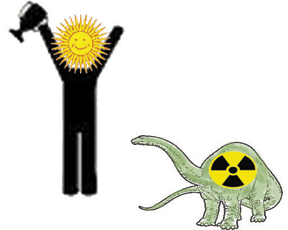
Renewable energies have allowed the European Union to avoid €99bn in
fossil gas imports since the beginning of the war in Ukraine, with an
increase of €11bn compared to last year thanks to record growth in wind
and solar capacity, according to a new report.
Edie 20th Oct 2022
Nuclear Free Local Authorities urge the UK’s new Chancellor to scrap plan to invest in the Sizewell nuclear white elephant

Hot on the heels of the new Chancellor’s U-turn of everything his
predecessor held dear, the Chair of the Nuclear Free Local Authorities has
written to Jeremy Hunt to urge him to reverse the promised investment of
£700 million made by the previous prime minister on a flying-visit to
Sizewell C and to withdraw from making a commitment to taking an equity
stake in the nuclear ‘white elephant’.
In his letter to the Chancellor, NFLA Chair, Councillor David Blackburn asks for common sense and caution to prevail: “Once the government has Sizewell C on the hook, rather than
land the fish, it is more likely the fish will swallow you whole! Nuclear
projects are always inevitably delivered way over cost and way over time,
and, as an equity holder, His Majesty’s Government will be saddled with
ever greater demands for cash with an ever-decreasing likelihood of
offloading this turkey to a private investor.”
NFLA 20th Oct 2022
How diplomacy averted nuclear war 60 years ago
Robin Cooke-Hurle, London SW11, UK “………………………. Every one of us alive today is a beneficiary of President John F Kennedy’s wisdom, who almost exactly 60 years ago in the Cuban missile crisis recognised that truth and avoided a potential nuclear conflict, as a consequence making perhaps the most significant political decision of the 20th century, by engaging with the Soviet Union rather than bombing Cuba, as his military urged.
m https://www.ft.com/content/543e27ab-c783-40b2-aa3c-7626493d155d
Olkiluoto nuclear station – more delays due to damage to water feed pumps
Damage has been detected in the inner parts of the feed water pumps of the
turbine plant at Finland’s Olkiluoto 3 EPR reactor, plant owner-operator
Teollisuuden Voima Oyj (TVO) has said. “In connection with maintenance
and inspection work, damage has been observed in the inner parts of the
feed water pumps of the Olkiluoto 3 turbine plant. The matter will probably
have an impact on the progress of the trial operation of Olkiluoto 3 and
the start of regular electricity production,” TVO noted. According to
Siemens, which is part of the plant supplier consortium, the impact of
damage to the feed water pumps on the schedule is not yet known. Together
with the plant supplier, TVO actively participating in the investigation
work. The feed water pumps located in the turbine plant of the nuclear
power plant pump water from the feed water tank to the evaporators. Damage
to the pumps has no effect on nuclear safety.
Nuclear Engineering International 20th Oct 2022
https://www.neimagazine.com/news/newsmore-delays-to-ol3-10102381
TODAY. Ya gotta laugh – the global nuclear lobby spin NEVER GIVES UP! -” Re-imagining Nuclear: Inspiring Youth”
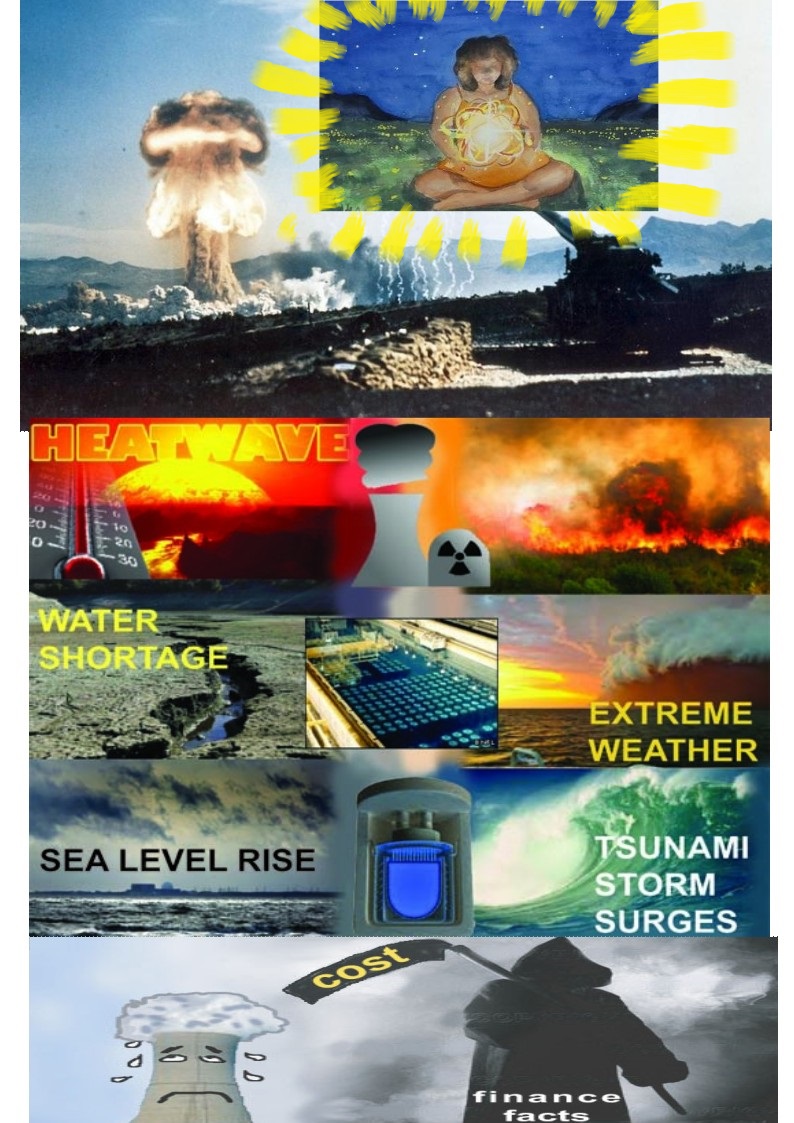
In the midst of near nuclear apocalypse, of Zaporizhia crisis, climate extremes hitting nuclear reactors, astronomic nuclear costs – they think up this ridiculous art spin for the young-modern-cool -supposedly-pro-nuclear enthusiasts
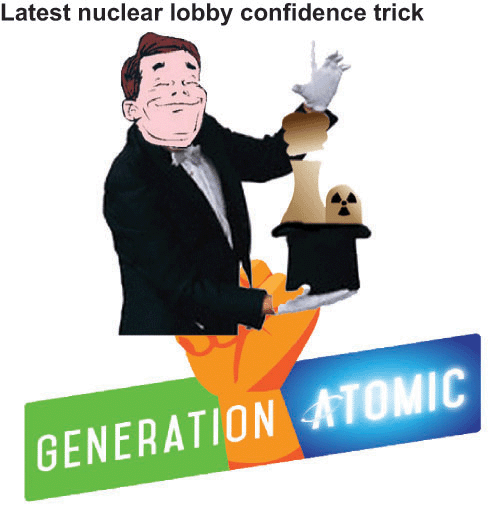
In the picture above, you see at top right the latest “nuclear-reimagining” bit of fluffy spin, -in artwork sponsored by so-called “non-profit grassroots” nuclear propaganda group Generation Atomic
Yeah – the nuke lobby has gone all touchy-feely. Amazingly the generally sober IAEA has gone for this spurious rubbish – even touting the likes of “Isodope” – Isabelle Boemeke, and Zion Lights


Art contest prizes are sponsored by the well-known art authorities International Framework for Nuclear Energy Cooperation (IFNEC), Électricité de France (EDF), and NuScale Power
The nuclear lobby’s timing is exquisite. As the IAEA’s safety expert Rafael Grossi is now tearing his hair out over the Zaporizhia crisis, and the world teeters on the brink of nuclear war – they expect the young to fall for this soft, sweet, lying pro nuke spin. I don’t think that today’s young people are that stupid.
Why the US must press for a ceasefire in Ukraine

The war might have been prevented — probably would have been prevented — if Ukraine had been willing to abide by the Minsk agreement, recognize the Donbas as an autonomous entity within Ukraine, avoid NATO military advisors, and pledge not to enter NATO. Nevertheless, what was possible even as late as January 2022 may not be possible now. The Russian annexation of additional territory raises the stakes. But the longer the war continues the harder it is going to be to avoid the utter destruction of Ukraine.
As a key player in Kyiv’s defense and the leader of sanctions against Russia, Washington is obligated to help find a way out.
Responsible Statecraft, OCTOBER 17, 2022, Jack F. Matlock Jr.
Four recent events have put the war in Ukraine on a distinctly more dangerous course.
— The Russian annexation of four additional Ukrainian provinces blocks compromise solutions that were feasible earlier.
— The disabling attacks on both North Stream pipelines make it impossible in the near term to restore Russia as the principal energy supplier to Germany, even if the war in Ukraine should be miraculously ended.
— The Ukrainian attack on the bridge to Crimea gave Russia a pretext to escalate attacks on Ukrainian civilian targets.
— The Russian retaliatory attacks on civilian targets are certain to do more damage to Ukraine than Ukraine can do to Russia.
The leaders of both Russia and Ukraine have set impossible goals. In fact, not a single participant in the war in Ukraine has espoused a goal that can restore peace in the area. Russia’s recent incorporation of four Ukrainian provinces into the Russian Federation will not be accepted by Russia’s neighbors or by most European powers.
Given the passions aroused by the war and its atrocities, Ukraine, even with NATO support, cannot create a stable, functioning state within all the borders it inherited in 1991. If Ukraine tries to regain these territories by force and is encouraged and empowered by the U.S. and NATO to do so, Russia (and not just President Putin) will very likely demolish Ukraine in retaliation. Reality trumps illusion whenever the two conflict.
And if war should stop with the destruction of Ukraine — Kyiv and Lviv leveled as Grozny once was — that would assume that escalation does not involve the use of nuclear weapons. If the Russian leader feels convinced that the U.S. and “Western” goal is to take him out, what is to prevent him taking out others as he goes?
What Went Wrong
It did not have to happen. When the Cold War ended (by negotiation, not by victory) and the USSR fragmented into 15 separate countries (because of pressures from the inside, not from without), Europe was suddenly whole and free, the goal of U.S. and NATO policy during the Cold War. If the future stability and prosperity of Europe were to be ensured, the principal task was to build a security system covering all the countries of Europe.
But a succession of American presidents, from Clinton to Trump, chose instead to enlarge NATO, to trash arms control treaties that ended the Cold War, and to enlist former Soviet republics in a military alliance that excluded Russia. Benjamin Abelow summarized the portentous events in his insightful How the West Brought War to Ukraine.
The war might have been prevented — probably would have been prevented — if Ukraine had been willing to abide by the Minsk agreement, recognize the Donbas as an autonomous entity within Ukraine, avoid NATO military advisors, and pledge not to enter NATO. Nevertheless, what was possible even as late as January 2022 may not be possible now. The Russian annexation of additional territory raises the stakes. But the longer the war continues the harder it is going to be to avoid the utter destruction of Ukraine.
America’s Security
We Americans can only admire the valiant resistance Ukrainians have mounted to the Russian invasion and should be proud that we have been able to support their defense. Everything possible should be done to make sure that Ukraine survives as an independent state. But that does not mean that Ukraine has to recover all the territory it inherited in 1991. In fact, given all the passions aroused by the war and what preceded it (the violent change of government in 2014 that many Russians considered a coup d’etat organized by the United States), the population in some areas is likely to resist a return to Kyiv’s control.

Some will argue that the United States has a moral obligation to support whatever the Ukrainian leaders demand since “they know best.”
No, they do not know best what is in the security interests of the American people, and that should be the primary concern of any American government. They also, under the stress of war, may not be the best judges of their own ultimate security interests.
…………………………………………………………………………….The issue with Ukraine and Russia of course is not recognition of independence but whether the U.S. should support the Ukrainian goal to restore its control over all the territory it received when the Soviet Union broke up. If pursuit of that goal precipitates the progressive destruction of Ukraine, it is obviously not in Ukraine’s interest.
Effect on the World
The fighting in Ukraine continues and intensifies while the world is still struggling with the covid-19 pandemic and remains vulnerable to mutations and new pathogens, while global warming is producing ever more destructive effects. Meanwhile, migrations caused by famine, flood, war, and misgovernment are overwhelming the capacity of even the richest countries to absorb the afflicted. And to all of that one must add the threat of Armageddon, a nuclear holocaust — something no rational leader would risk. But rationality cannot be assumed in either domestic or international politics today.
………………………………………………………………. What all the parties to the conflict in Ukraine seem to have forgotten is that the future of mankind will not be determined by where international borders are drawn — these have never been static in history and doubtless will continue to change from time to time. The future of mankind will be determined by whether nations learn to settle their differences peacefully.
Is There a Way to Stop the War?
There may not be, given the passions aroused by the conflict. Both Ukraine and Russia have lost enough blood that their populations are likely to oppose any effort to give the other side any portion of what it wants. Their presidents hate each other and see any concession as a personal defeat. But the more the war continues, the more Ukrainian lives will be lost, property destroyed, and the probability of a wider conflict increased.
The only practical way to stop the actual fighting would be to agree on a ceasefire. This is difficult for the Ukrainians since they are liberating some of the occupied territories, but the reality is that if the war continues Russia is capable of damaging Ukraine more than Ukraine can damage Russia without risking a wider war.
As principal arms supplier to Ukraine, the U.S. should encourage the Ukrainians to agree to a ceasefire. As the sponsor of the most punitive sanctions on Russia, the U.S. should use its leverage to induce Russia to agree to genuine negotiations during a ceasefire.
Negotiations must be conducted in private to be successful, which would require a revival of U.S.-Russia diplomacy. Over the past few years, tit-for-tat expulsions have reduced both countries to skeleton diplomatic staffs. Nevertheless, if there is a will to talk and negotiate, ways can be found. So far, it is the will that seems to be lacking.
At present, none of the relevant parties to the conflict in Ukraine seem to be willing to stop fighting and enter into genuine negotiations to bring peace in Ukraine. Until this changes, the fighting stops, and serious negotiations get underway, the world is headed for an outcome where we all are losers. https://responsiblestatecraft.org/2022/10/17/on-ukraine-the-us-is-on-the-hook-to-find-a-way-out/
—
1 This Month
26 April – Chernobyl: Inside the Meltdown airs on National Geographic on Sunday 26th April from 4pm
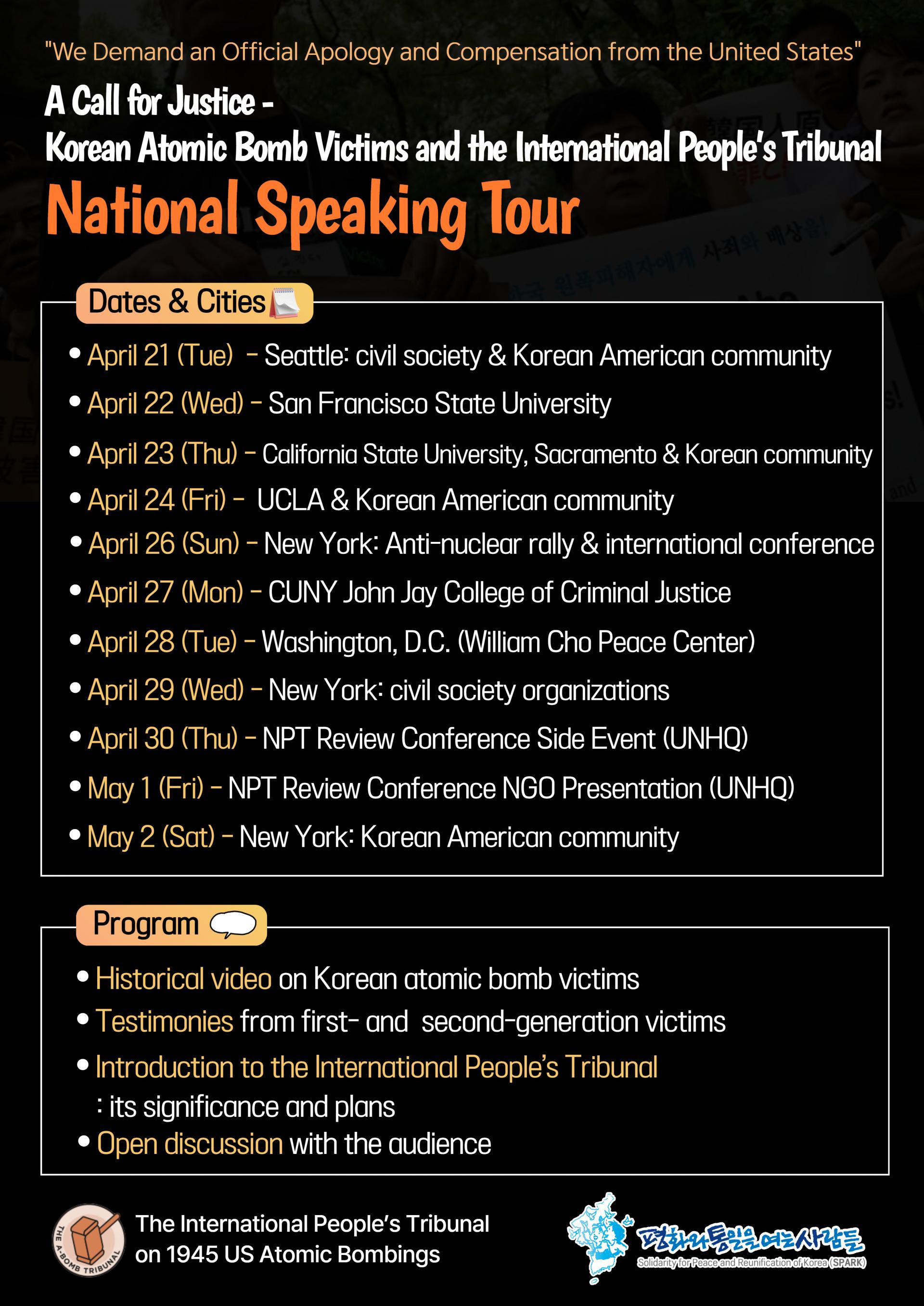
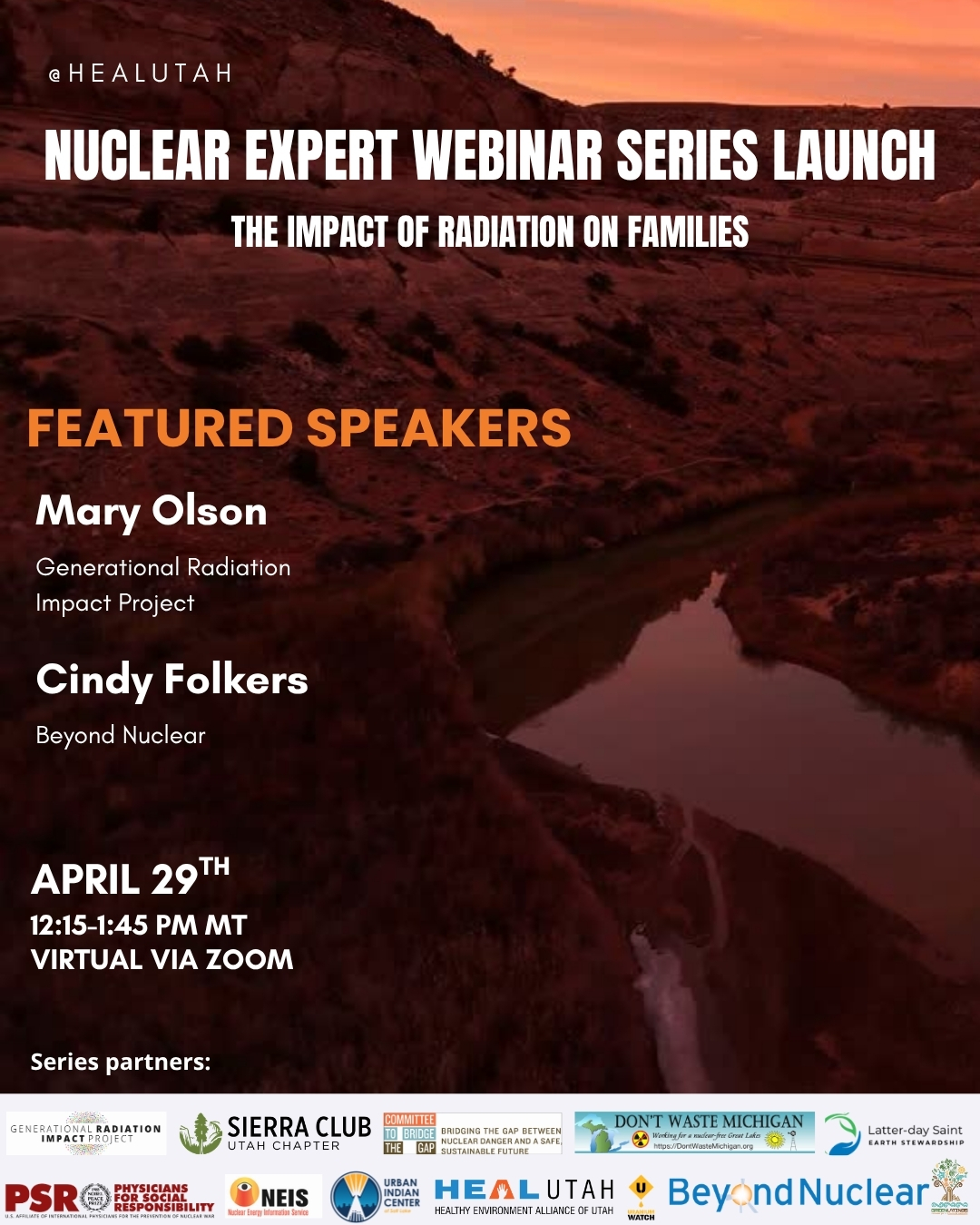
29 April – Nuclear Expert Webinar #1 – Radiation Impacts on Families with Mary Olson and Cindy Folkers
- 12:15 PM MT – 1:45 PM MT
- Location: Virtual – REGISTER TODAY

4 May -West Suburban Peace Coalition to discuss Iran war at May Educational Forum
Monday, May 4, 7:00 – 8:00 PM Central Standard Time
Title: : How Trump’s Narrative Tries to Shape the Reality of the War on Iran.
Contact Walt Zlotow, zlotow@hotmail.com 630 442 3045 for further information
14 May – online event From Bombs to Data Centres: the Face of Nuclear Colonialism
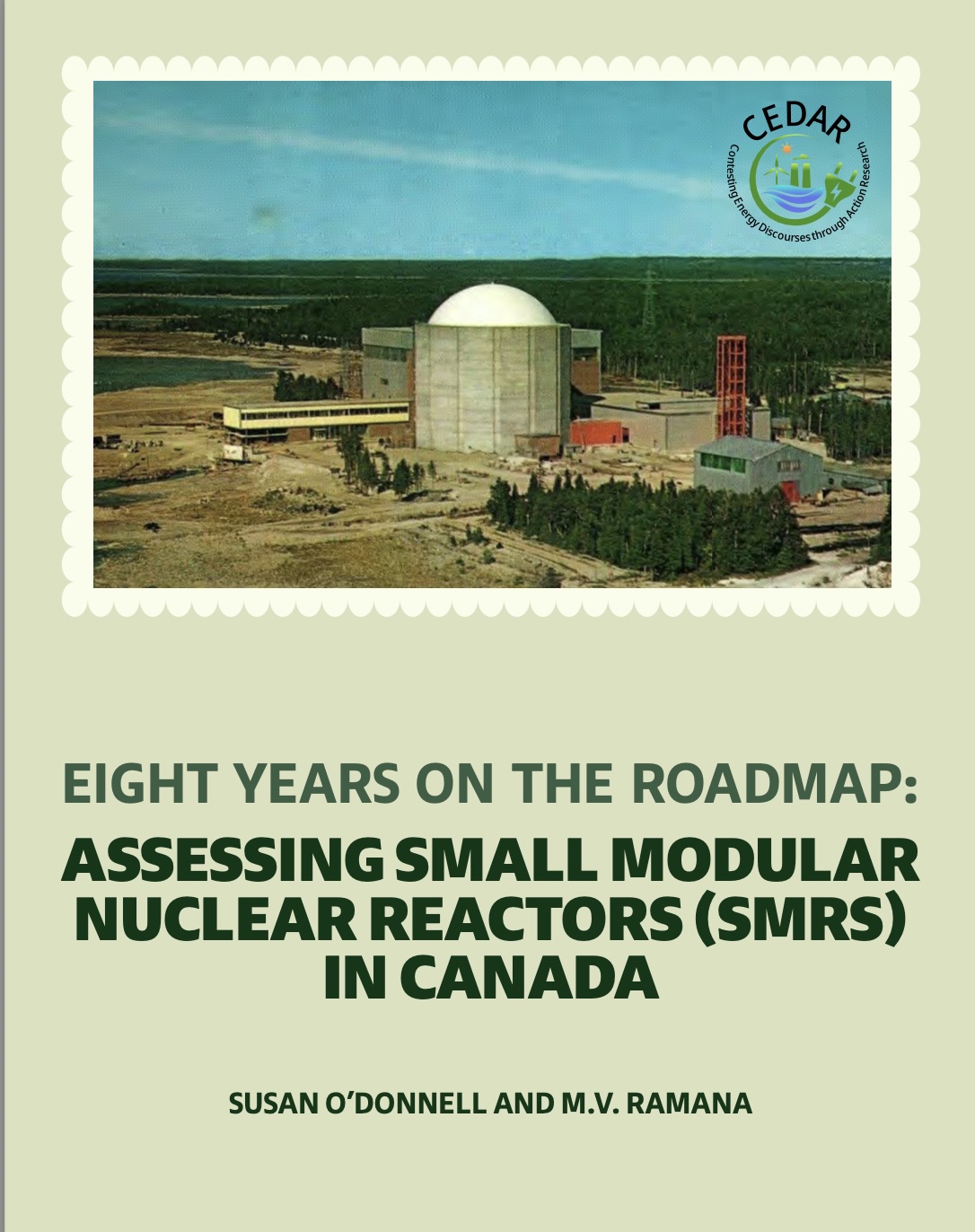

Pine Ridge Uranium is the real threat, not Tehran- Tell Burgum: Stop the Extraction.
Chernobyl: The Lost Tapes – A good documentary on Chernobyl on SBS available On Demand for the next 3 weeks– https://www.sbs.com.au/ondemand/tv-program/chernobyl-the-lost-tapes/2352741955560
To see nuclear-related stories in greater depth and intensity – go to https://nuclearinformation.wordpress.com
-
Archives
- April 2026 (300)
- March 2026 (251)
- February 2026 (268)
- January 2026 (308)
- December 2025 (358)
- November 2025 (359)
- October 2025 (376)
- September 2025 (257)
- August 2025 (319)
- July 2025 (230)
- June 2025 (348)
- May 2025 (261)
-
Categories
- 1
- 1 NUCLEAR ISSUES
- business and costs
- climate change
- culture and arts
- ENERGY
- environment
- health
- history
- indigenous issues
- Legal
- marketing of nuclear
- media
- opposition to nuclear
- PERSONAL STORIES
- politics
- politics international
- Religion and ethics
- safety
- secrets,lies and civil liberties
- spinbuster
- technology
- Uranium
- wastes
- weapons and war
- Women
- 2 WORLD
- ACTION
- AFRICA
- Atrocities
- AUSTRALIA
- Christina's notes
- Christina's themes
- culture and arts
- Events
- Fuk 2022
- Fuk 2023
- Fukushima 2017
- Fukushima 2018
- fukushima 2019
- Fukushima 2020
- Fukushima 2021
- general
- global warming
- Humour (God we need it)
- Nuclear
- RARE EARTHS
- Reference
- resources – print
- Resources -audiovicual
- Weekly Newsletter
- World
- World Nuclear
- YouTube
-
RSS
Entries RSS
Comments RSS
 nuclear-news