In the fourth winter since the nuclear disaster in Fukushima, Japan, many of the displaced residents are still in limbo.
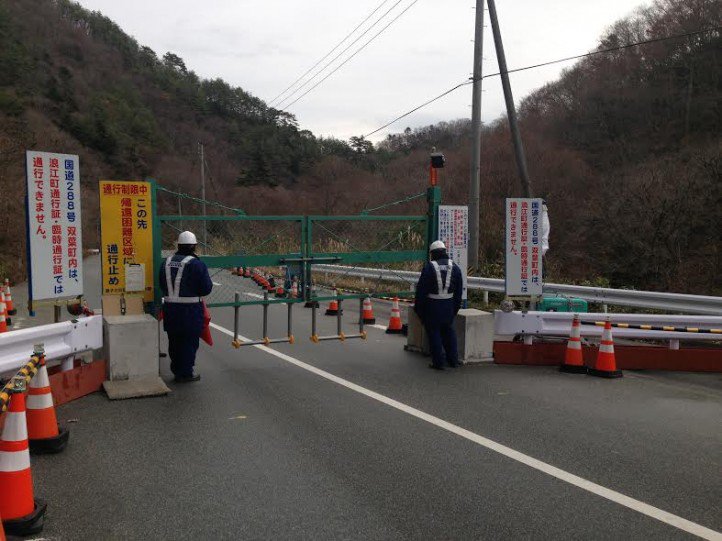
“No, nothing. I have nothing planned for New Year’s. Nothing at all. No one is coming.” A shy, round-faced woman spat these words like darts into the protective mask she wore. Moments earlier she had been laughing happily together with several other former residents of the small town of Tomioka as they reminisced about a friend they all knew. She quickly became raw, however, when asked about the coming holidays.
Tomioka counted 15,839 residents before the March 11, 2011 nightmare of earthquake, tsunami, and nuclear explosion began. All but one person has left — Matsumura Naoto, the now well-known rice farmer who refuses to abandon his family’s fifth-generation farm.
Confusion and despair among the others is common, a state of existence that government officials bewilderingly made even worse on March 25, 2013 when they divided the roughly 25-square-mile seaside spot into three zones: never to return, return for short periods, and in preparation to return. Government-sponsored scientists determined such divisions here and in other areas near the nuclear plant based on so-called acceptable annual dosage rates. Such designations may make surreal sense in scientific terms. In daily life, however, it means streets separated down the middle, one side “safe” while houses around the corner are condemned for tens of thousands of years to come.
All involved understand that the official designations are of critical significance in terms of compensation. If your property was anywhere but “never to return” you won’t be paid for much longer. Less appreciated is how such nuances taken together are playing out among those on the verge of their fourth winter in limbo.
Life in Internal Exile
Many of the former residents of Tomioka are now living 25 miles to the west in the rural town of Miharu, famous for its 1,000-year-old cherry tree. Miharu currently houses about 2,000 people of a total of nearly 140,000 officially classified as “displaced” by the crisis. The term “nuclear refugee” is out. All are lumped together as one. Yet those permanently shut out of their former lives since the Fukushima Daiichi power plant spiraled into meltdown include some who have been in as many as 10 shelters in three-and-a-half years.
On a recent afternoon a small group of Tomioka’s forever “displaced” villagers gathered to talk in a brightly lit common room hidden among twenty or so rows of tightly spaced sand-colored buildings that have been subdivided into small rooms for couples and individuals mainly in their sixties and seventies. A younger man in his fifties stood out. Before the crisis, his business supplied lunches for workers at the nuclear power plant. Vibrant and seemingly able to go anywhere, he is trapped by rules that among other things prevent him from living in Tomioka yet allow him several times a week to visit his beloved dachshund Chocolat, whom he refuses to leave to die.
Many of the displaced still believed in the possibility of return up to a few months ago. The group’s mayor Matsumoto-san no longer sees such a resolution. “If only they had told me then, told me that we wouldn’t be able to go back, I could have taken my family and moved to Aomori (in northern Japan), and we would be together,” he said. He was sharing what many express as the worst of it: families torn apart, children and grandchildren now living scattered throughout Japan and rarely if ever visiting. The shelters offer small, attached units, yet there is little open space, and certainly no land to farm. Freshly painted signs on the streets point to the housing units and appear welcoming, yet those inside say they know they are “in the way” and that “after a while you understand they don’t want you anymore.”
A Lottery Winner
One woman had a surprise for the others. “I’m so sorry I didn’t tell you before,” she began, perhaps taking advantage of the two strangers in the mix to break her news. “I applied to the (housing) lottery, and I’m sorry to tell you that I won. I’m very sorry. In a few weeks I’ll move away to a permanent unit. It isn’t much. I know I had a better chance because I’m on my own. I hope you’ll forgive me.”
Some might reduce these words to cultural essentialisms, yet a powerfully unprocessed atmosphere filled the room. The thin sense of community was yet again torn asunder, and while a few wished her luck — she had been in six different shelters before this — the rest gradually looked as if they would be sick and said nothing. Another woman fought off tears.
The newly published housing policy appears under the awkward slogan in Japanese and English — “Future From Fukushima” — and reveals itself for what it has been from the beginning: make it up as it goes along. Tiny details drive home the point. Even if you’re fortunate enough to win a permanent place and you manage to survive for more than 11 years, you’ll start having to pay rent.
The woman who won did not know this, nor did anyone fill her in if they did. She would escape to a place to call home this winter. Meanwhile, some among the others would become part of a sad statistic, one of the only clear facts to come out since March 2011. More people have died from stress-related causes than from the initial disasters in Fukushima.
Number of injured workers soars at Fukushima No. 1 nuclear plant
Jan 6, 2015
The number of workers injured at the Fukushima No. 1 nuclear plant this fiscal year, which ends March 31, far exceeded the 2013 figure by November, Tokyo Electric Power Co. officials said.
The rise mainly reflects an increase in the overall number of workers at the disaster-hit plant, according to the officials.
Thirty-nine workers were injured at the plant between April and November 2014, while one became ill. In fiscal 2013, which ended in March last year, 23 were injured, including one who died.
Last Sept. 22, a worker from a partner company suffered a broken back after being hit by a falling iron pipe while building a storage tank for contaminated water.
During work to build a tank on Nov. 7, three workers were injured by falling steel weighing 390 kg. One was left temporarily unconscious, while another broke both ankles.
The average number of workers per day has continued to increase at the plant. It has exceeded 6,000 since September, nearly double the year-earlier level, due in part to the need to prepare new storage tanks for contaminated water.
Tepco believes the injuries were caused by poor on-site coordination and management by the partner company, according to the officials.
The utility has started holding monthly meetings with contractor firms to analyze the causes of problems and implement countermeasures, they said.
Source: Japan Times
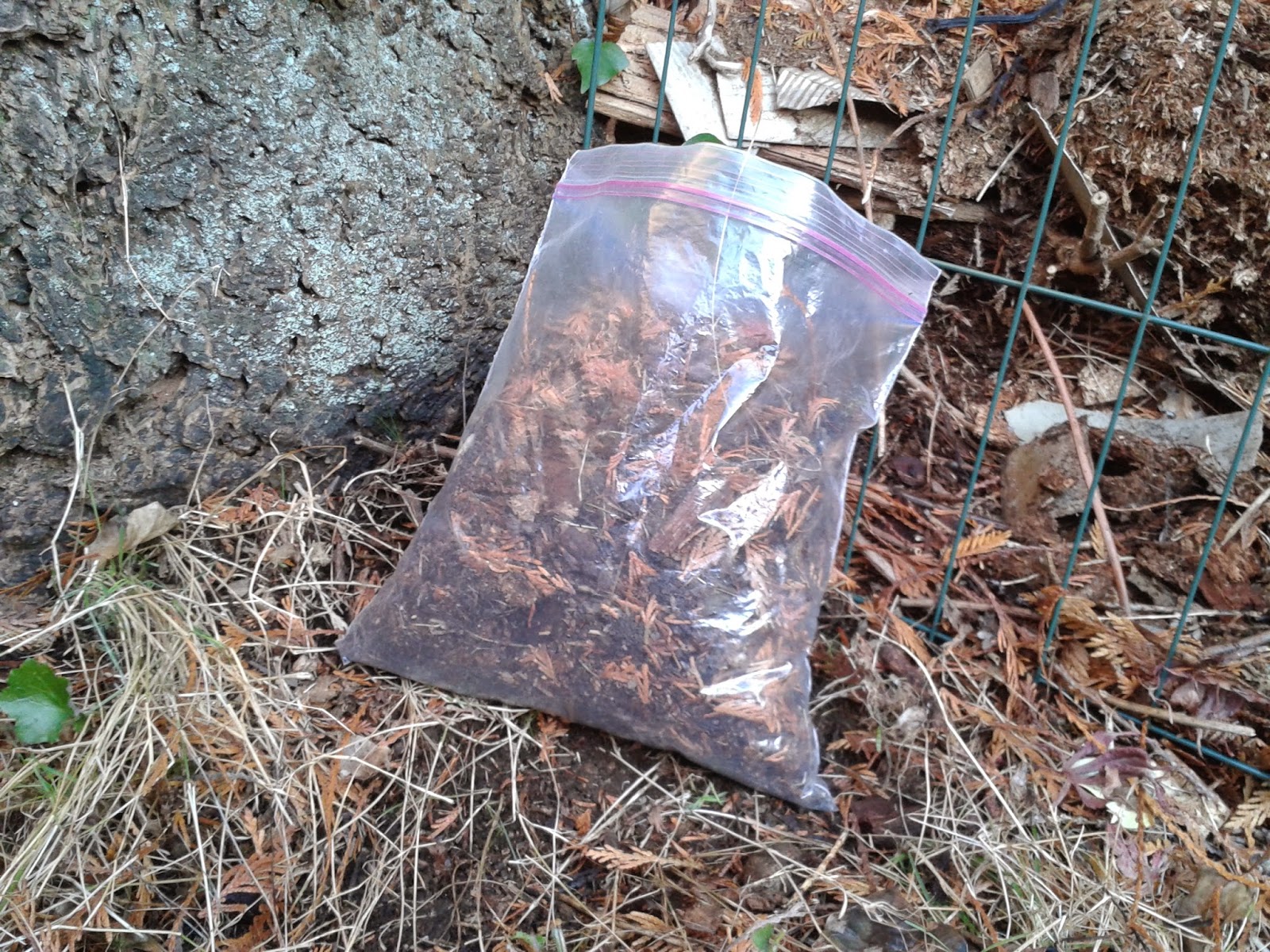
North Burnaby, British Columbia, Canada – Debris Analysis
 Friday, January 2, 2015
カナダBC州ノースバーナビー堆積物 BC North Burnaby Debris
試料 名 Sample: 堆積物 Debris
採取 場所 Origin:
BC州 ノースバーナビー
North Burnaby, B.C. Canada
Dehydrated ↓
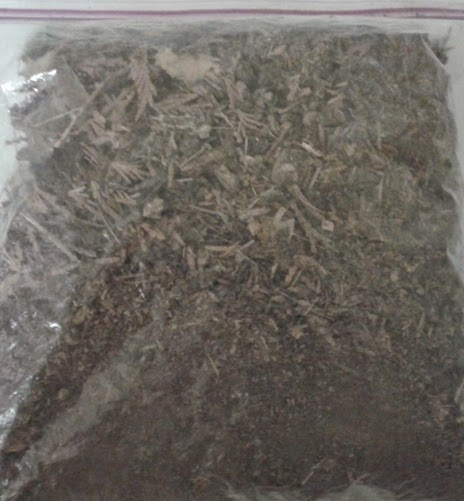
採取年月 Sampling date:
2014 年 11 月 (November, 2014)
測定日時 Date Tested :
2014 年12月10 日 (December 10, 2014)
測定時間 Duration : 57,600 秒(seconds)
試料容器 Container: 2 Lマリ ネリ容器(Marinelli)
試料重量 Sample weight: 502.2g
乾燥前 Before dehydration: 1380g
乾燥後 After dehydration: 710g

 Be-7 = Beryllium 7
Tl-208 = Thallium 208
Bi-212 = Bismuth-212
Bi-214 = Bismith-214
Pb-212 = Lead-212
Pb-214 = Lead-214
Ac-228 = Actinium-228
U-235 = Uranium-235
Source: Vancover Food Radiation Monitoring
http://vancouvermonitoring.blogspot.ca/2015/01/bc-north-burnaby-debris.html
Radiation in the Ocean Food Chain, An Assessment of BioMagnification
Sunday, January 4, 2015
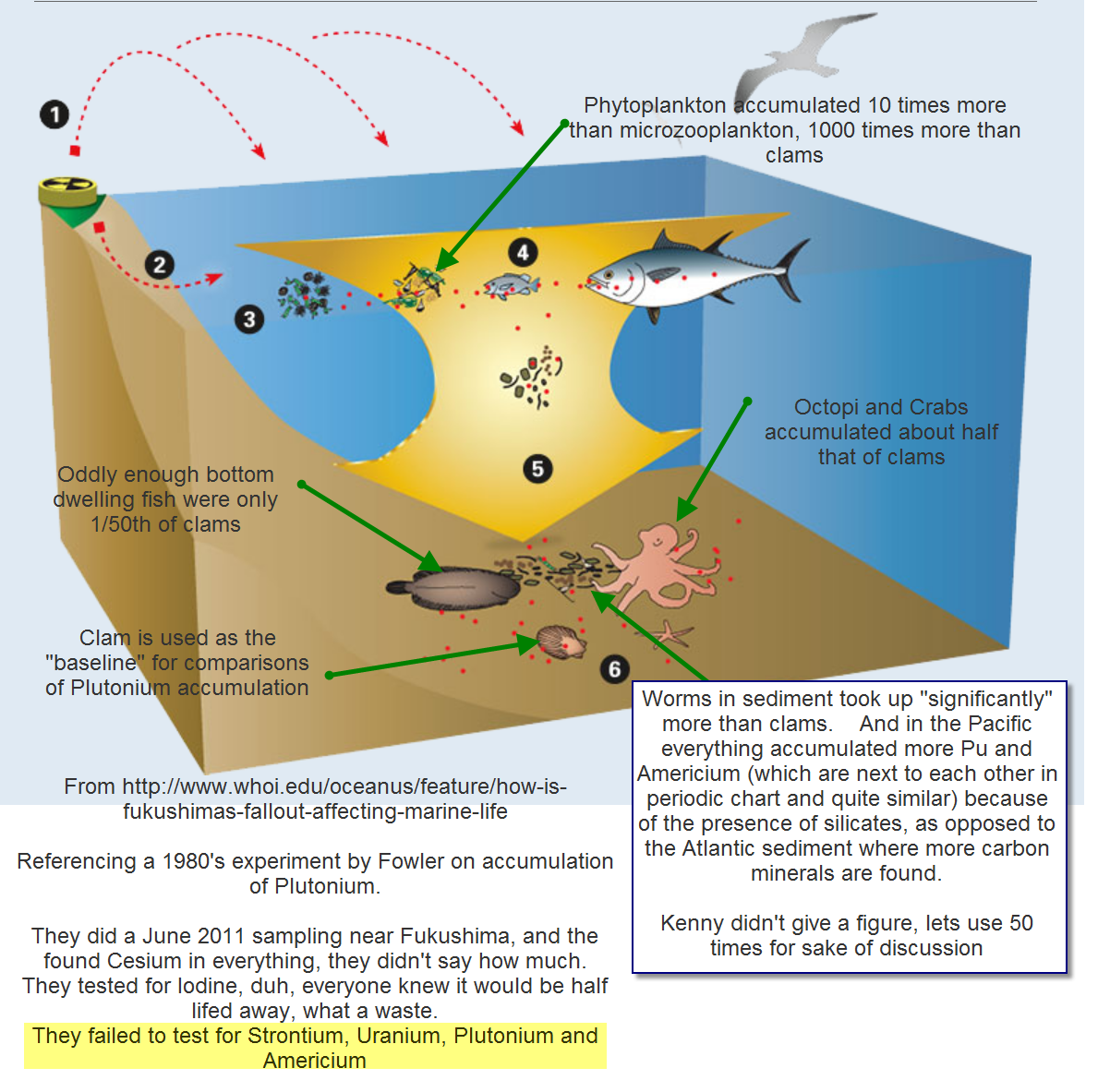
This chart is from Woods Hole. I annotated it, since their description of different rates of plutonium absorption was verbal and very hard to track, seems intentionally so.
Then I tried to come up with actual radiation measurements in the water and the animal life. The link below has decent water data, and some limited fish and ocean biota.
==============================
This report from Woods Hole Oceangraphic Institute is interesting to read. Of course they always end with “Further research is needed”, LOL as giving them more money is their prime objective.
Interesting though….rather then doing testing on Marine Life, they do a lot of testing on water and they do modeling of ocean flows, and it seems a prime objective is to calculate the “source term” of what came out of Fukushima. This Source Term is an estimate of what and how many radionuclides left the buildings. Is seems odd but I guess that is what scientists do….calculate things.
But since they are in the ocean on a boat equipped with advanced radiation analysis equipment, and the ability to catch fish. It sure seems like my prime focus would be to test the fish! And the bait crops.
http://www.pnas.org/content/suppl/2012/03/27/1120794109.DCSupplemental/pnas.201120794SI.pdf#nameddest=SF1
————————————————————–
http://www.pnas.org/content/109/16/5984.full#F1
The above is the main article. You need to do quite a bit of bouncing around to get to the meat of that data.
Chart below shows that contaminated water does not mix vertically much. The radiation stays in the top 300 feet primarily. It stays where 95% of the fish and critters stay. It stays where it can do the most damage.
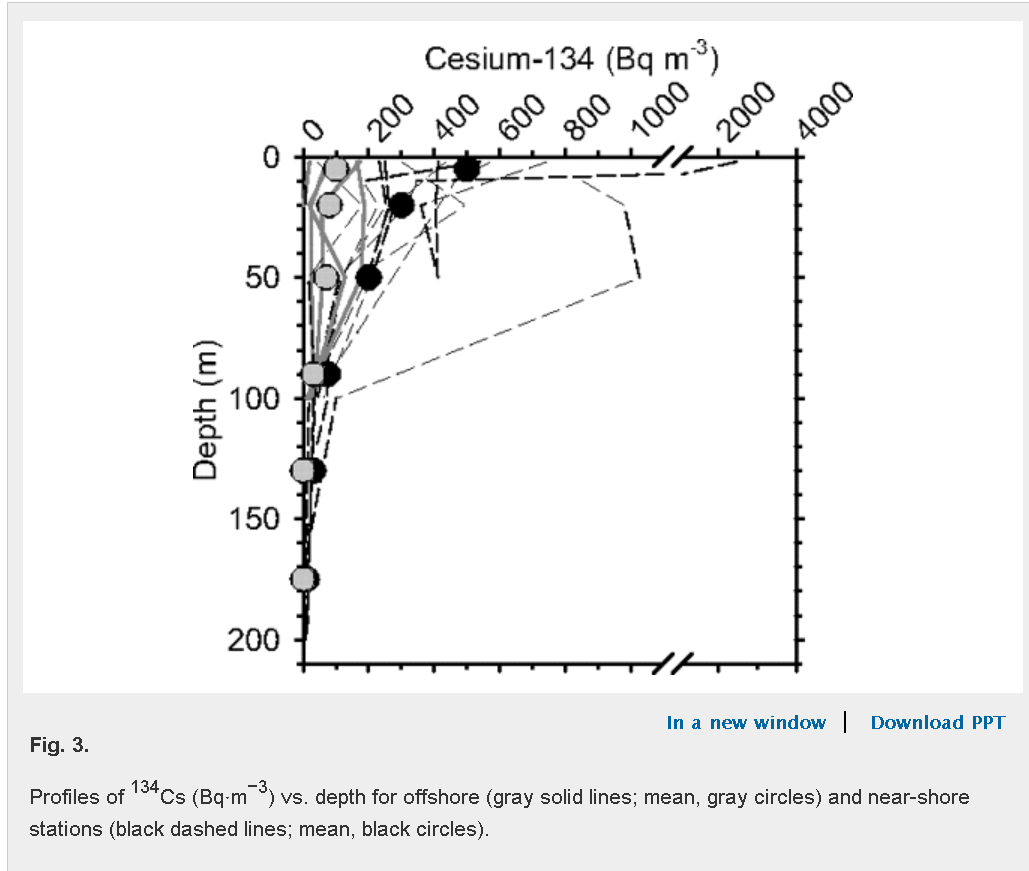
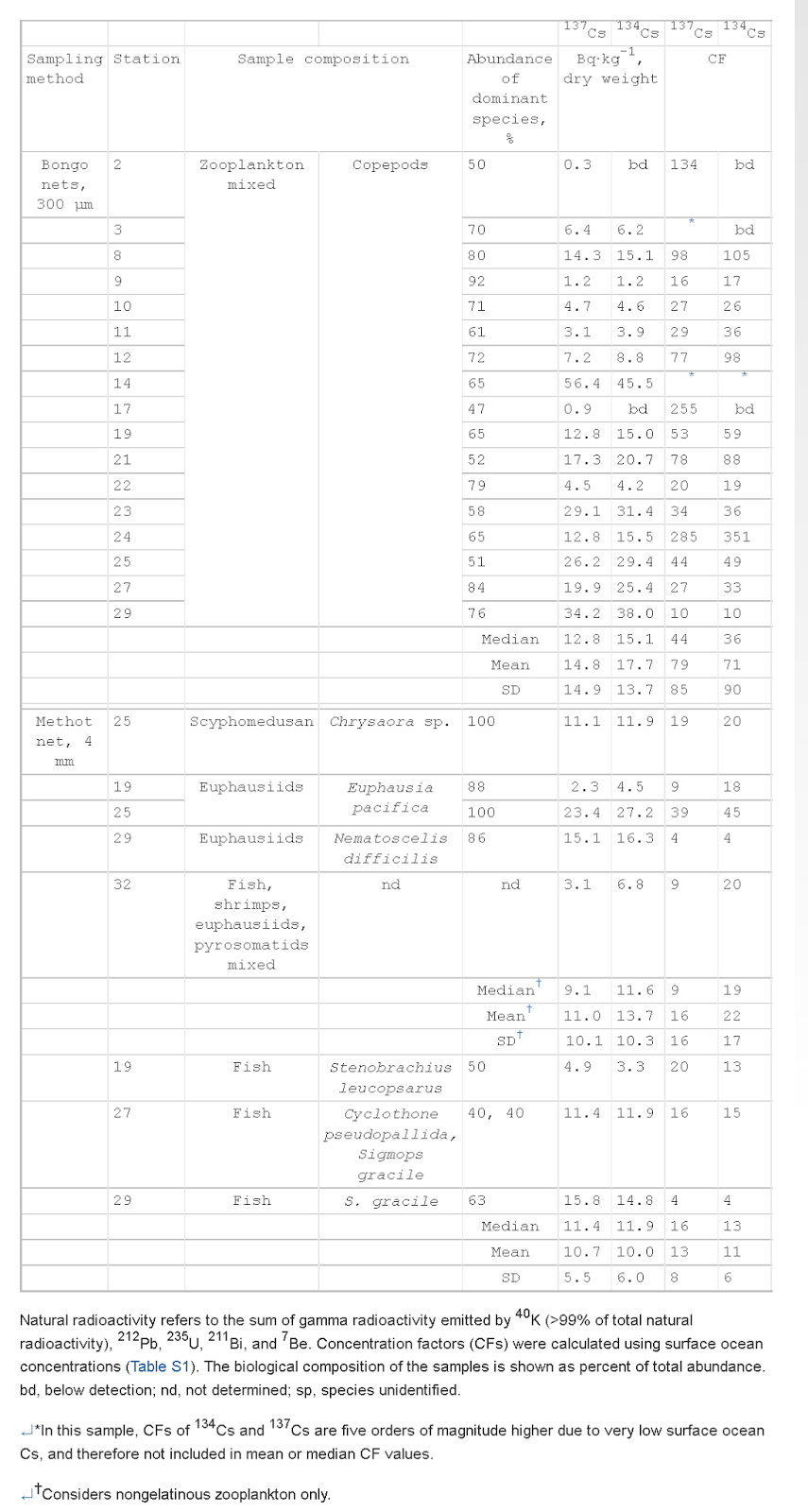 Finally, the bogeyman that no one wishes to speak of. Strontium. Strontium goes into bones and becomes a permanent part of the food chain.
This article states that the Strontium can be present in same levels or more, than the Cesium.
Radiostrontium in the western North Pacific: characteristics, behavior, and the Fukushima impact.
Abstract
- PMID:
- 22873743
- [PubMed – indexed for MEDLINE]
- ————————————————————————————————–
We also know this from our work on estimating the overall source term of all the nuke waste at Fukushima. The strontium is about equal to the cesium.
———————————————————–
Finally a link to some prior work I had done on the bioaccumulation, aka biomagnification on sea life in Alaska. Alaska was hit particularly hard by the Fukushima fallout, in fact, Fukushima increased the radiation in sea life the same way a direct nuclear bomb test did at point blank range.
Wrap your head around that.
From Alaska 2011 June
The soil and lichens have VERY high radioactivity. 6000 Bq /kG!
Here is the full report you can download.
https://app.box.com/s/rt4g13nxvqyljfqxmdxt
“…* Uranium-234 — 3.854 pCi/kg Dolly Varden
* Uranium-234 — 5.312 pCi/kg Goose Egg no shell
* Uranium-234 — 3.466 Ci/kg Gull egg
* Uranium-234 — 4.96 pCi/kg Chiton
* Uranium-234 — 9.344 pCi/kg Dragon Kelp
* Uranium-234 — 7.885 pCi/kg Rockweed
* Uranium-234 — 4.906 pCi/kg Greenling
* Uranium-234 — 2.304 pCi/kg Halibut
* Uranium-234 — 58.721 pCi/kg Horse Mussel tissue
* Uranium-234 — 8.86 pCi/kg Irish Lord
* Uranium-234 — 7.127 pCi/kg Octopus
* Uranium-234 — 4.976 pCi/kg Pacific Cod
* Uranium-234 — 4.644 pCi/kg Rockfish
* Uranium-234 — 3.032 pCi/kg Reindeer Lichen
* Uranium-234 — 3.906 pCi/kg Sea Urchin
* Plutonium-239 — .039 pCi/kg Dolly Varden
* Plutonium-239 — .186 pCi/kg Goose Egg no shell
* Plutonium-239 — .104 pCi/kg Gull egg
* Plutonium-239 — .298 pCi/kg Chiton
* Plutonium-239 — .093 pCi/kg Dragon Kelp
* Plutonium-239 — .084 pCi/kg Rockweed
* Plutonium-239 — .379 pCi/kg Greeling
* Plutonium-239 — .038 pCi/kg Halibut
* Plutonium-239 — 4.194 pCi/kg Horse Mussel tissue
* Plutonium-239 — .378 pCi/kg Irish Lord
* Plutonium-239 — .036 pCi/kg Octopus
* Plutonium-239 — .05 pCi/kg Pacific Cod
* Plutonium-239 — .279 pCi/kg Rockfish
* Plutonium-239 — .152 pCi/kg Reindeer Lichen
* Plutonium-239 — .195 pCi/kg Sea Urchin
* Plutonium-240 — .039 pCi/kg Dolly Varden
* Plutonium-240 — .106 pCi/kg Goose Egg no shell
* Plutonium-240 — .069 pCi/kg Gull egg
Source: Nuke Pro
http://nukeprofessional.blogspot.fr/2015/01/radiation-in-ocean-food-chain.html
* Plutonium-240 — .149 pCi/kg Chiton
* Plutonium-240 — .037 pCi/kg Dragon Kelp
* Plutonium-240 — .02 pCi/kg Rockweed
* Plutonium-240 — .189 pCi/kg Greeling
* Plutonium-240 — .012 pCi/kg Halibut
* Plutonium-240 — 2.097 pCi/kg Horse Mussel tissue
* Plutonium-240 — .189 pCi/kg Irish Lord
* Plutonium-240 — .021 pCi/kg Octopus
* Plutonium-240 — .015 pCi/kg Pacific Cod
* Plutonium-240 — .139 pCi/kg Rockfish
* Plutonium-240 — .091 pCi/kg Reindeer Lichen
* Plutonium-240 — .117 pCi/kg Sea Urchin
Senior scientist’s fears at effect of Chernobyl in Northern Ireland revealed

Image source ; https://www.energylivenews.com/2015/01/02/ireland-cant-exclude-nuclear-says-minister/
by Sam McBride
3rd January 2015
Article source ; http://www.newsletter.co.uk/news/regional/senior-scientist-s-fears-at-effect-of-chernobyl-in-northern-ireland-revealed-1-6501304
A senior Government scientist privately expressed concerns at the official response in Northern Ireland to the 1986 Chernobyl nuclear disaster, a declassified Stormont file has revealed.
Professor Cecil McMurray, who would go on to become Northern Ireland’s Chief Scientific Officer, warned that many of the assumptions of officials — who were assuring the public that there was little need for concern — were based on scant evidence.
In a confidential note to the Permanent Secretary of the Department of Agriculture, Prof McMurray, who was at that time in the department’s Agricultural and Food Chemistry Research Division, said: “The response of Jonathan Margetts [an NIO official] to the Permanent Secretary causes some concern.
“It is almost dismissive of the effect of the impact/effect of Cherbobyl on N Ireland. It leaves one with the impression that we are so far away it hardly matters. This is far from the case.”
He said that in the wake of the Ukrainian disaster the Province was not using the same measurement of radioactivity in agricultural produce such as milk, as that being used in the rest of the UK.
Northern Ireland was recording levels in pasteurised milk collected over a wide area, while the rest of the UK was monitoring levels at individual farms.
He said: “It is now evident that our milk powder results are as high as, if not higher than anything measured in the UK….in effect we don’t know how high the local hot spots were, but we must have had a considerable deposition compared with other places when levels are so high in SMP [seemingly an acronym for skimmed milk powder] which again integrates deposition over a considerable area (the collecting area of the manufacturing plant).”
Professor McMurray went on: “A fact we have not really considered yet – what proportion of our cows were solely dependent on grass as their source of forage on the 3rd May, i.e. considering the late wet season, especially in the West?”
Professor McMurray said that the only air monitoring site in Northern Ireland was at Newtownards (another document in the files explains that the DOE’s chief alkali and radiochemical inspector used his own initiative to begin air monitoring at his home in Newtownards as soon as news of Chernobyl reached the UK).
Prof McMurray said: “By chance this may have been the area with the lowest fallout.
“Milk samples from the Belfast area and S. Down were consistently lower than samples obtained in the West; and secondly, powders from Pritchetts in Newtownards were much lower than samples obtained from the West as well…it would be premature to discuss meat, but I suspect we might find considerably elevated levels.”
The scientist added: “I am sure if the truth were told this incident has taken a lot of people by surprise in how widespread the effects have been.”
Prof McMurray also pointed out an embarrassing gaffe by officials, who were referring to testing for “irradiation”, the use of radiation to kill bacteria in food.
He said: “There is a major howler in the draft terms for the working groups…the correct term should be food containing radioactive substances.”
Crisis of Asahi and Japanese Journalism FCCJ conference transcript summary from 16th December 2014
” There is an issue in Fukushima on how to be correctly scared”
Yamada Atashi December 2014
This summary is of press conference in Japan discussing the recent attacks on the Asahi Shimbun concerning an article on the chaotic events during the 2011 nuclear accident at Fukushima Daichi nuclear power plant. The video source is from the Foreign correspondents Club of Japan video (linked below).
Yuichi Kaido: Lawyer / Satoshi Kamata: Journalist / Tatsuro Hanada: Professor, Waseda University (Media and Journalism Studies)
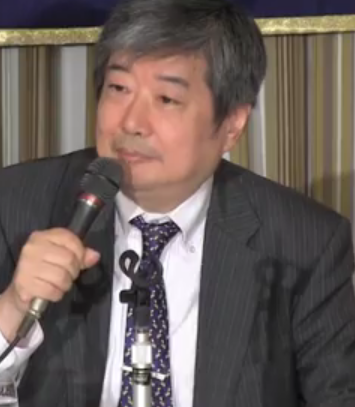
Yuichio Kaido (Lawyer)
Worked on nuclear related legal cases.
Calling for a retraction of the situation regarding the Yoshida Testimony and disciplining of the reporters involved.
200 lawyers have signed a letter of support
The main issue was the headline of the article.
He clarified that the disputed headline was not incorrect.
Evidence was also given to those concerned supporting the correctness of the articles headline.
TEPCO confirmed that the order was given to remain within the grounds of the Fukushima Daichi nuclear plant but 650 actually went to the Fukushima Daini nuclear plant some 10 Km away.
The third document was a conversation from Yoshida San and the government Agency as further supporting evidence showing an unofficial exodus from the Dachi nuclear plant.
The press and human rights committee (PRC) of Asahi Shimbun (That ordered the article removed and the reporters punished) was found to be incorrect and a statement of this was noted.
Final point was that there was no sensors to measure the pressures and temperatures of the developing meltdowns.
“The fact that the workers had left the site also was grounds enough for an article describing the situation. The fact that the whole article retracted was found to not be understandable” Yuichio San Said.
1 This Month


Tell the Ukrainian Government to Drop Prosecution of Peace Activist Yurii Sheliazhenko

Petition to revoke the licensing of the Near Surface Nuclear Disposal Facility (NSDF) at Chalk River. https://www.ourcommons.ca/petitions/en/Petition/Details?Petition=e-7247


of the week – STOP SMALL MODULAR REACTORS IN CANADA
To see nuclear-related stories in greater depth and intensity – go to https://nuclearinformation.wordpress.com
-
Archives
- March 2026 (204)
- February 2026 (268)
- January 2026 (308)
- December 2025 (358)
- November 2025 (359)
- October 2025 (376)
- September 2025 (258)
- August 2025 (319)
- July 2025 (230)
- June 2025 (348)
- May 2025 (261)
- April 2025 (305)
-
Categories
- 1
- 1 NUCLEAR ISSUES
- business and costs
- climate change
- culture and arts
- ENERGY
- environment
- health
- history
- indigenous issues
- Legal
- marketing of nuclear
- media
- opposition to nuclear
- PERSONAL STORIES
- politics
- politics international
- Religion and ethics
- safety
- secrets,lies and civil liberties
- spinbuster
- technology
- Uranium
- wastes
- weapons and war
- Women
- 2 WORLD
- ACTION
- AFRICA
- Atrocities
- AUSTRALIA
- Christina's notes
- Christina's themes
- culture and arts
- Events
- Fuk 2022
- Fuk 2023
- Fukushima 2017
- Fukushima 2018
- fukushima 2019
- Fukushima 2020
- Fukushima 2021
- general
- global warming
- Humour (God we need it)
- Nuclear
- RARE EARTHS
- Reference
- resources – print
- Resources -audiovicual
- Weekly Newsletter
- World
- World Nuclear
- YouTube
-
RSS
Entries RSS
Comments RSS
 nuclear-news