Europe can have an integrated, competitive, energy market , with renewables
 Only renewables can create an integrated, competitive EU energy market http://www.euractiv.com/sections/energy/only-renewables-can-create-integrated-competitive-eu-energy-market-301456 , 9 April 14 The European Commission’s state aid decision on 9 April has put renewable energy support schemes in the firing line, and threatened attainment of the 2030 climate and energy goals, even though renewable energy has created – and not obstructed – competition, writes Martin Schoenberg.
Martin Schoenberg is head of policy atClimate Change Capital, an environmental asset manager and advisor.
Is there really a contradiction between national-level state intervention to promote renewable energy and the internal market for energy? Depends on how you look at it. I would argue there is not. Continue reading
If India’s govt changes its “no first use” nuclear weapons policy, – it’s a mockery of disarmament policy
 Former Foreign Minister Yashwant Sinha of the opposition Bharatiya Janata Party (BJP), is widely expected to win the elections advocates changing India’s policy of “no first use” of nuclear weapons
 Can a nuclear-weapons state champion disarmament? Japan Times BY RAMESH THAKUR 9 April 14 Forty-four years after the nuclear Non-Proliferation Treaty (NPT) came into force, the world still finds itself perilously close to the edge of the nuclear cliff. The cliff is perhaps not quite as steep as it was in the 1980s, when there were more than 70,000 nuclear weapons compared to today’s 17,000, but going over it would be fatal for planet Earth.
Authoritative road maps exist to walk us back to the relative safety of a denuclearized world, but a perverse mixture of hubris and arrogance on the part of the nine nuclear-armed states (China, France, India, Israel, North Korea, Pakistan, Russia, the United Kingdom and the United States) exposes us to the risk of sleepwalking into a nuclear disaster.
For nuclear peace to hold, deterrence and fail-safe mechanisms must work every single time. For nuclear Armageddon to break out, deterrence or fail-safe mechanisms need to break down only once. This is not a comforting equation.
Deterrence stability depends on rational decision-makers being always in office on all sides: a dubious and not very reassuring precondition. It depends equally critically on there being no rogue launch, human error or system malfunction: an impossibly high bar.
According to one U.S. study reported by Eric Schlosser last year, more than 1,200 nuclear weapons were involved in significant incidents from 1950-68 because of security breaches, lost weapons, failed safety mechanism or accidents resulting from weapons being dropped or crushed in lifts………
an increasing number of voices are demanding that the sole function of nuclear weapons, as long as they exist, should be to deter a nuclear attack, all the nuclear armed states should join together to establish a global no-first-use norm.
It is simplistic to dismiss “no first use” as merely declaratory, easily ignored in wartime. A universal no-first-use policy by all nine nuclear-armed states would have considerable practical import with flow-on requirements for nuclear force posture and deployment — for example, de-alerting (taking warheads off hair-trigger alert), de-mating (separating warheads from delivery systems) and de-targeting. This strengthened norm of nonuse would then lay the groundwork for further gradual reductions in the number of nuclear warheads held by the various nuclear armed states and their eventual elimination through a nuclear weapons convention.
Ramesh Thakur is director of the Center for Nuclear Non-Proliferation and Disarmament, Australian National University, and coeditor of the recently published four-volume reference set “Nuclear Politics” (2014).
No point in bombing Iran, even if they get a nuclear weapon

 Jimmy Carter: U.S. Shouldn’t Bomb Iran Even If They Get a Nuclear Weapon MediaIte, by Matt Wilstein , April 9th Former President Jimmy Carter joined MSNBC’sChris Matthews for an interview on Hardball Wednesday and made some news by saying he does not think the United States should bomb Iran even if they were to succeed in building an operational nuclear weapon. This statement differs not only from recent comments made by former Vice President Dick Cheney but also from the stated position of President Barack Obama.
“I never have felt that Israel had a capability militarily to go 1,200 miles or more and bomb Iran effectively and then return back to Israel,” said of Cheney’s suggestion that Israel could attack Iran unilaterally. “The only country on earth that has that capability would be the United States, and i don’t believe it’s appropriate for the United States to bomb Iran over this issue.”
When Matthews asked him if that position would apply even if Iran was in possession of a nuclear weapon, Carter replied, “Well, you know, if they got one nuclear weapon, Israel has, what, 300 or more, nobody knows exactly how many. And I know that every Iranian realizes that if they should try to use a nuclear weapon, Iran would be wiped off the face of the earth, which I think is so ridiculous, a self-destructive decision that they would not do it.”…….http://www.mediaite.com/tv/jimmy-carter-u-s-shouldnt-bomb-iran-even-if-they-get-a-nuclear-weapon/
South Dakota’s 270 abandoned, open-pit uranium mines.
South Dakota groups urging cleanup of uranium mines http://www.argusleader.com/story/news/2014/04/09/south-dakota-groups-urging-cleanup-uranium-mines/7499621/ Associated Press, @ap7 April 9, 2014 RAPID CITY — Some environmental groups plan to use Earth Day to call attention to old uranium mines in South Dakota and elsewhere.
Defenders of the Black Hills and Clean Up The Mines say they’ll announce a nationwide campaign to clean up all abandoned uranium mines in the United States.
The event is scheduled for April 22 near Hermosa.
The groups say South Dakota has at least 270 abandoned, open-pit uranium mines.
A solar energy powerhouse is developing fast: it’s Chile
 Chile An Emerging Solar PV Powerhouse http://www.energymatters.com.au/index.php?main_page=news_article&article_id=4257 Chile installed 150MW of solar panels in the first quarter of this year and has a further 380MW of PV under construction.
According to GTM Research’s Latin America PV Playbook, Q2 2014; the 150MW tally is triple the amount that any Latin American country has ever installed in a single quarter.
A major contributor to the impressive first quarter total was SunEdison’s 50.7 MW San Andres solar farm; the largest merchant solar plant in Latin America to date. SunEdison recently announced it has sold a majority stake in the facility to a group of investors.
GTM Research forecasts Chile will install 244 megawatts of PV this year; some of which support the nation’s energy-hungry mining industry. Last year, Chile’s renewable energy capacity jumped 40 percent to just over one gigawatt. The nation’s renewable energy target demands utilities source 20 percent of their power from renewable sources – excluding hydro – by 2025.
GTM Research considers Latin America to be the “global frontier” for unsubsidized solar markets.
“With high insolation levels and growing demand, it is positioned to be one of the most attractive regions on the planet for solar development.”
Chile has a population of more than 17 million. According to Wikipedia, its electricity generation sector relies mainly on hydro-electric power (33% of installed capacity as of May, 2012), oil (13%), gas (30%) and coal (20%). Much of its fossil fuel is imported.
The nation’s newly elected president, Michelle Bachelet, this week announced a proposed carbon tax. Under the proposal, thermal power plants with a generation capacity of at least 50 megawatts will pay a tax of $5 per metric tonne of carbon dioxide emitted. The carbon tax would be the first to be implemented in South America.
Business community has best hope of promoting action on climate change and renewable energy
 Can Business Break Impasse on Climate Action? http://www.kitsapsun.com/news/2014/apr/09/can-business-break-impasse-on-climate-action/
bmagill (AP) April 9, 2014 The Intergovernmental Panel on Climate Change urged immediate action on adapting to human-caused climate change in the second part of its fifth assessment report, released in March. But it may be that governments and the media are poorly equipped to deliver that dire message to the public.
That was the consensus among experts speaking about the evolution of the public debate over climate change and clean energy at Bloomberg’s Future of Energy Summit in New York City.
Andy Hoffman, director of the Institute for Global Sustainable Enterprise at the University of Michigan, said that climate change and renewable energy are caught in a cultural schism in which both, regardless of the science, are seen as products of radical environmentalists and big government.
“What we find is that when people start to discuss these issues, they’re questioning your motives and (trying) to find out whether you’re a member of their tribe,” he said.
Of all the institutions that deliver the message to the public about how climate change will affect them, the media, the government and energy companies are the least trusted, according to surveys conducted by public relations firm Edelman, Jessica Lennard, the firm’s director of energy public affairs said.
The public has a great trust in the business community to deliver that message, however, she said. Continue reading
Renewable energy future in Poland, with new law
Poland approves renewable energy bill, Climate Spectator Reuters 9 Apr, Poland’s government approved a long-awaited draft law on Tuesday that lays out new long-term subsidies for renewable energy, aiming to cut costs to consumers as well as help the coal-reliant country meet EU climate targets……http://www.businessspectator.com.au/news/2014/4/9/policy-politics/poland-approves-renewable-energy-bill
Tepco NOT to analyze Plutonium or Uranium in bypass water before discharging to the Pacific
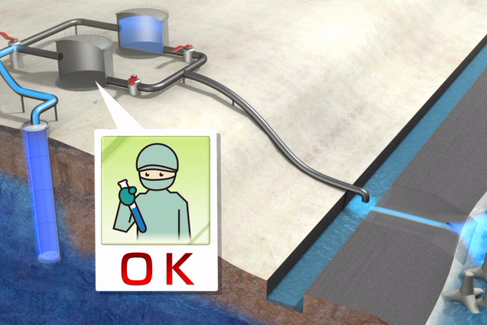
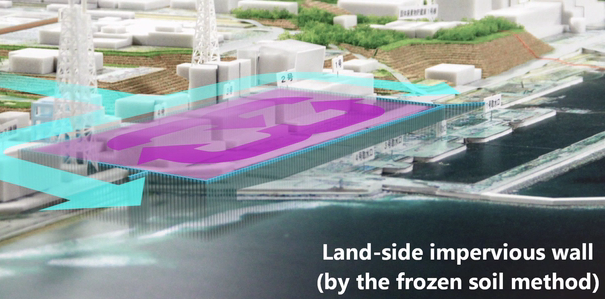
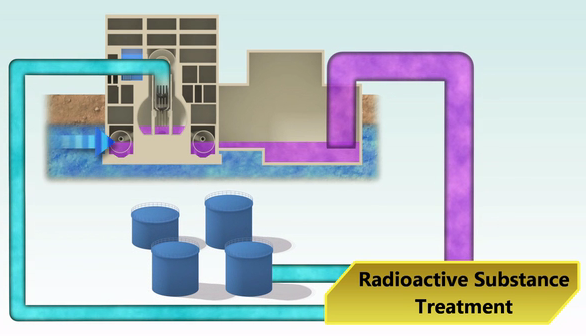
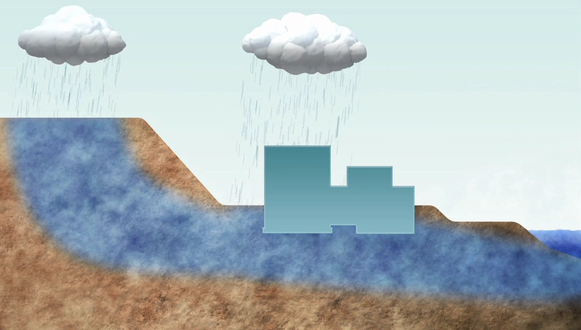
The program is expected to reduce the amount of water flowing into the building basements by a maximum of 100 tons from the current amount of around 400 tons a day to 300 tons a day, TEPCO said.


Image and quote source ; http://peakoil.com/enviroment/japan-starts-cleaning-radioactive-groundwater-at-fukushima-before-dumping-into-ocean/comment-page-1
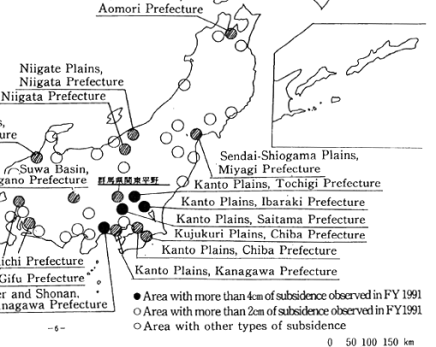
Other information ; Fig. 1-1-27 Land Subsidence Across the Nation in FY 1991
Posted by Mochizuki on April 9th, 2014
Tepco is not going to analyze / put the safety limit on α nuclides including Plutonium-238/239/240 and Uranium-235/238 in bypassed groundwater to discharge.
They are planning to discharge the pumped groundwater to the Pacific from this coming June. They are supposed to analyze the contamination though they won’t filter the pumped water.
However from their answer to the local fishery cooperative, α nuclides will be excluded from the checking list. No matter how contaminated by Plutonium, Uranium, or / and Americium the water is, the pumped water will be discharged limitlessly.
α nuclides, which are the highest risk for the health and environment, are hardly checked in fishery products either. Potential Plutonium or Uranium of Fukushima plant will be discharged to the Pacific without any checking, and it can be transferred to the body of the fishery products consumers with no control.
http://www.tepco.co.jp/news/2014/images/140404a.pdf
Iori MochizukiDownplay it in the beginning, and quietly add more information so nobody notices it. All for not letting the cattle escape. This is their strategy.
3/30から5/5まで、おれ氏はキプロスを調査しておりもす。
(キプロス調査の詳しいところ)
オ ラソダ調査の時に何度も弁護士の口から出てきた国、キプロスで起業→オラソダで支店開設をすれば同じ要領で世界中の国でビザが(σ・∀・)σゲッツ!! 出来るのか。理論上では可能ですが、実際に出来るのかは誰か暇な奴が確かめてみないといけません。ということで、世界で幼稚園児の次に暇な男、おれ氏が やってきます。
調査費は自腹で、見積もりを出す以前にキプロスに飛び込んでしまいましたが、未開の地を開拓するサソタ・オレオ号にみなさんのオレオを投資して頂けると嬉 しいです。費用は全部で切りのいいところで222.5オレオになる見込みですたい。1オレオ(10$、オレオ数はQuantityで変更可能)〜から、顔 本、たそぶらーの専用ページへアクセス出来もふ!
現在の総オレオ/目標オレオ:64/222.5
_____
Français :
Tepco n’analysera PAS le Plutonium ou l’Uranium des eaux de la dérivation avant leur décharge dans le Pacifique
Even low-level radioactivity is damaging, scientists conclude
“And the truth is, if we see effects at these low levels, then we have to be thinking differently about how we develop regulations for exposures, and especially intentional exposures to populations, like the emissions from nuclear power plants, medical procedures, and even some x-ray machines at airports.”
“With the levels of contamination that we have seen as a result of nuclear power plants, especially in the past, and even as a result of Chernobyl and Fukushima and related accidents, there’s an attempt in the industry to downplay the doses that the populations are getting, because maybe it’s only one or two times beyond what is thought to be the natural background level,”
Date November 13, 2012
Source:University of South Carolina
Summary:Even the very lowest levels of radiation are harmful to life, scientists have concluded, reporting the results of a wide-ranging analysis of 46 peer-reviewed studies published over the past 40 years. Variation in low-level, natural background radiation was found to have small, but highly statistically significant, negative effects on DNA as well as several measures of health.
http://www.sciencedaily.com/releases/2012/11/121113134224.htm
Even the very lowest levels of radiation are harmful to life, scientists have concluded in the Cambridge Philosophical Society’s journal Biological Reviews. Reporting the results of a wide-ranging analysis of 46 peer-reviewed studies published over the past 40 years, researchers from the University of South Carolina and the University of Paris-Sud found that variation in low-level, natural background radiation was found to have small, but highly statistically significant, negative effects on DNA as well as several measures of health.
The review is a meta-analysis of studies of locations around the globe that have very high natural background radiation as a result of the minerals in the ground there, including Ramsar, Iran, Mombasa, Kenya, Lodeve, France, and Yangjiang, China. These, and a few other geographic locations with natural background radiation that greatly exceeds normal amounts, have long drawn scientists intent on understanding the effects of radiation on life. Individual studies by themselves, however, have often only shown small effects on small populations from which conclusive statistical conclusions were difficult to draw.
“When you’re looking at such small effect sizes, the size of the population you need to study is huge,” said co-author Timothy Mousseau, a biologist in the College of Arts and Sciences at the University of South Carolina. “Pooling across multiple studies, in multiple areas, and in a rigorous statistical manner provides a tool to really get at these questions about low-level radiation.”
Continue reading
long-term cardiac effects of low doses of ionizing radiation – Report 2013

Abstract from http://www.ncbi.nlm.nih.gov/pmc/articles/PMC3579799/
Aim
Investigating long-term cardiac effects of low doses of ionizing radiation is highly relevant in the context of interventional cardiology and radiotherapy. Epidemiological data report that low doses of irradiation to the heart can result in significant increase in the cardiovascular mortality by yet unknown mechanisms. In addition co-morbidity factor such as hypertension or/and atherosclerosis can enhance cardiac complications. Therefore, we explored the mechanisms that lead to long-term cardiac remodelling and investigated the interaction of radiation-induced damage to heart and cardiovascular systems with atherosclerosis, using wild-type and ApoE-deficient mice.
Methods and Results
ApoE−/− and wild-type mice were locally irradiated to the heart at 0, 0.2 and 2 Gy (RX). Twenty, 40 and 60 weeks post-irradiation, echocardiography were performed and hearts were collected for cardiomyocyte isolation, histopathological analysis, study of inflammatory infiltration and fibrosis deposition. Common and strain-specific pathogenic pathways were found. Significant alteration of left ventricular function (eccentric hypertrophy) occurred in both strains of mice. Low dose irradiation (0.2 Gy) induced premature death in ApoE−/− mice (47% died at 20 weeks). Acute inflammatory infiltrate was observed in scarring areas with accumulation of M1-macrophages and secretion of IL-6. Increased expression of the fibrogenic factors (TGF-β1 and PAI-1) was measured earlier in cardiomyocytes isolated from ApoE−/− than in wt animals.
Conclusion
The present study shows that cardiac exposure to low dose of ionizing radiation induce significant physiological, histopathological, cellular and molecular alterations in irradiated heart with mild functional impairment. Atherosclerotic predisposition precipitated cardiac damage induced by low doses with an early pro-inflammatory polarization of macrophages.
Introduction
Epidemiological reports clearly show that cardiac exposure to high doses of ionizing radiation after radiotherapy increase the risk of cardiovascular disease in cancer patients (for instance, in left sided breast cancer patients the heart dose can range from 3 to 17 Gy with an increased risk of cardiovascular death equal to 44%) [1]; [2]; [3]; [4]. Alteration of cardiac function with a decrease in ejection fraction (EF) suggestive of heart failure was also reported in patients who developed long-term radiation-induced cardiac toxicity either after exposure to intermediate dose of ionizing radiation to the heart (<3 Gy) [3] and/or chemo-induced heart toxicity after exposure to anthracyclines [5]. Although the potential risk of late cardiac disease after exposure to low radiation doses was raised a long time ago by the analysis of mortality from cancer and non-malignant diseases among Japanese A-bomb survivors [6]; [7], controversies are still ongoing and biological evidence remains scarce. Mortality from myocardial infarction more than 40 years after radiation exposure was significantly increased in victims who had received an acute total body dose of 1 to 2 Gy. Other data are accruing that both environmental and occupational low-dose exposure may lead to increased risk of cardiac disorders [8]. However, studies conducted in Canadian, British and German nuclear workers showed no evidence of enhanced cardiovascular disease (CVD) [9]; [10]; [11]. The dose threshold and latency time for CVD development after low dose exposure is unknown as well as the pathogenic features and mechanisms of the disease. The enormous latency time (≥15 years) required before occurrence of any measurable symptoms [3];[12] makes the disease difficult to study in humans and co-morbidity factors inevitably influence final outcome.
The establishment of an experimental model dedicated to study heart response to low dose of ionizing radiation constituted the first part of the present study. As cardiovascular co-morbidity such as atherosclerosis is present in >20% of cancer patients [13], we investigated cardiac response in pro-atherogenic ApoE-deficient mice [14]. Finally, several questions were addressed: i) the impact of low doses of ionizing radiation on cardiac function, ii) the time course of the pathogenic development if any, iii) and potential structural and cellular alterations associated. Functional studies along with structural, cellular and molecular characterization allowed us to document for the first time that low doses of irradiation induce cardiac lesions and remodelling that are amplified in a pro-atherogenic genetic background with mild but measurable functional impact. The development of post-irradiation cardiac pathology is largely amplified by aging factors and structural alterations consistent with ongoing scarring and fibrogenic processes. The pathological picture was enhanced and more precocious in ApoE−/− as compared with wild-type (wt). However, in both strains, cardiac fibrosis was associated with inflammatory infiltration that was further characterized.
Today the role of macrophages in cardiac remodelling is well recognized and M1 versus M2-polarization is thought to drive the balance between exacerbation of tissue damage (M1) or protection/recovery but possibly fibrogenesis (M2) [15]; [16]; [17]; [18]. Interestingly, a role for macrophages after total body exposure to low dose irradiation has been suggested [19] but macrophage polarization has never been characterized. These long-term changes in the micro-environment and persistent inflammation might alter the tissue and contribute to long-term defects and to chronic release of fibrogenic growth factors [17]. Amongst them a key role for TGF-β1 signalling has been shown, by us and others, in the constitution of radiation-induced fibrotic tissue [20]; [21]; [22]; [23]; [24]. TGF-β1 is also an important mediator of cardiac remodelling and cardiomyocyte hypertrophy [25], its contribution after exposure to low dose of ionizing radiation has been shown in mammary epithelium [26], but has not been previously investigated in the heart. Given the cellular features observed in irradiated hearts at low dose, we hypothesized that both precocious macrophage polarization and earlier TGF- β1 activation could provide the molecular basis for ApoE−/− enhanced sensitivity to low dose of ionizing radiation.
Materials and Methods
Animals and irradiation procedures
After a nuclear catastrophe, radiation victims become “unpersons”
 When life becomes a shadow – after nuclear catastrophe, Ecologist Robert Jacobs 8th April 2014 Those caught up in nuclear disasters suffer many times over, writes Robert Jacobs. Ill-health and early death aside, they are also cut off from their former communities, identities and family life, and the victims of social and medical discrimination. Radiation makes people invisible. We know that exposure to radiation can be deleterious to one’s health; can cause sickness or even death when received in high doses.
But it does more. People who have been exposed to radiation, or even those who suspect that they have been exposed to radiation that never experience radiation related illnesses may find that their lives are forever changed – that they have assumed a kind of second class citizenship.
They may find that their relationship to their families, to their communities, to their hometowns, to their traditional diets and even traditional knowledge systems have become broken. They often spend the remainder of their lives wishing that they could go back, that things would become normal.
Unpersons
They slowly realize that they have become expendable and that their government and even their society is no longer invested in their wellbeing.
As a historian of the social and cultural aspects of nuclear technologies I have spent years working in radiation-affected communities around the world.
Many of these people have experienced exposure to radiation from nuclear weapon testing, from nuclear weapon production, from nuclear power plant accidents, from nuclear power production or storage, or, like the people in the community that I live, in Hiroshima, from being subjected to direct nuclear attack.
 For the last five years I have been working with Dr. Mick Broderick of Murdoch University in Perth, Australia on the Global Hibakusha Project. We have been working in radiation-affected communities all around the world. In our research we have found a powerful continuity to the experience of radiation exposure across a broad range of cultures, geographies, and populations.
Fukushima – the victims’ future is all too predictable
About half way between beginning this study and this present moment the nuclear disaster at Fukushima Daiichi happened here in Japan.
One of the most distressing things (among so many) since this crisis began is to hear so many people, often people in positions of political power and influence say that the future for those affected by the nuclear disaster is uncertain.
I wish that it were so, but there is actually a deep historical precedence that suggests that the future for the people of Tohoku is predictable.
In this short article I will outline some continuities to the experiences of radiation-affected people. Most of the following is also true for people who merely suspect that they have been exposed to radiation, even if they never suffer any health effects.
Many have already become a part of the experiences of those affected by the Fukushima disaster. There are, of course, many differences and specificities to each community, but there is also much continuity…….. http://www.theecologist.org/blogs_and_comments/Blogs/2351503/when_life_becomes_a_shadow_after_nuclear_catastrophe.html
Fukushima insects have significant and unprecedented deformities
PHOTOS: Study finds deformities “significantly higher” in Fukushima insects — “To my knowledge, such deformations haven’t been reported” in species before — Lower body split in half, 2 tail-like appendages — 1,000% higher death rate in young than other Japan area — Urgent investigations called for, 8 April 14 http://enenews.com/photos-study-finds-deformities-significantly-higher-in-sample-of-fukushima-insects-to-my-knowledge-such-deformations-have-not-previously-been-reported-in-species-lower-body-split-in-ha?utm_source=feedburner&utm_medium=email&utm_campaign=Feed%3A+ENENews+%28Energy+News%29

Migratory birds could be picking up Fukushima’s radioactive cesium
Birds Could Be Flying Japan Radiation Around Pacific Rim http://www.earthweek.com/2014/ew140404/ew140404b.htmlApril 4, 2014 MigMig Mi
Migratory seabirds that spend part of the year around New Zealand after flying in from Japan’s coastal waters are being checked for contamination from the Fukushima nuclear disaster.
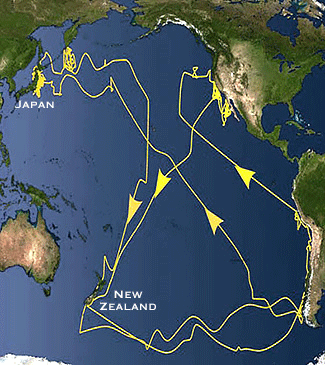
A study by the University of Auckland is investigating whether radioactive cesium has entered the New Zealand ecosystem or food chain via the shearwaters, known in New Zealand as muttonbirds. Physicist David Krofcheck told NZ Newswire that the “detection of gamma rays would tell us whether the birds spend sufficient time near Fukushima to accumulate cesium-134 from nuclear fission.”
Vast amounts of contaminated water from the meltdown-plagued Fukushima Daiichi plant have poured into the Pacific since the disaster began in March 2011. Fish have since been measured with unsafe levels of nuclear contamination. Because the shearwaters feed on seafood, it is feared the long-haul birds could be carrying radioactive debris for many thousands of miles around the Pacific Rim.
Shock horror! the youth of Britain are anti nuclear!
 Younger people ‘more anti-nuclear’ Courier UK By PRESS ASSOCIATION, 8 April 2014 “…….Voters aged 18-35 in the UK are more likely to oppose the like-for-like renewal of Trident – Britain’s nuclear weapons system – than their older peers, the survey carried out by ComRes on behalf of WMD Awareness found.
The findings come just two years before the Government is due to decide whether to renew the fleet of submarines that will carry the UK’s nuclear weapons.
It is the first time this decision will be made since the 1980s, when Trident replaced the previous Polaris system.
The research, based on responses from 4,207 people across Britain, found younger voters are not engaged in this issue, with only one in fifteen thinking the UK Government should prioritise spending on defence over the next 10 years.
It found that 19% of people aged 18-35 believe the UK nuclear weapon system should be renewed to maintain its current size and capacity, compared to 33% of people aged 36 and older.
51% agree that the UK nuclear weapon system should be disbanded or reduced in size and capacity, while 54% think nuclear weapons for defence purposes are too expensive for governments to maintain.
The research found 47% of people aged 18-35 disagree that nuclear weapons protect the countries which possess them from modern day threats such as terrorism.
A third (34%) believe renewing Trident is going to cost up to £5 billion, when it is actually estimated to cost up to £100 billion, according to WMD Awareness.
Young Ambassadors for WMD Awareness, who carried out the research, have responded to the findings by launching Talking Trident, a national debate to raise awareness of the issues surrounding defence and Trident renewal ahead of the Main Gate decision in 2016.
Hannah Cornford, ambassador lead at WMD Awareness, said: “Renewing Trident is the largest and most expensive British investment project.
“Yet, while support for Trident was widespread in the 1980s, our research shows that, for those born after the Cold War, spending on defence comes last on their list of government priorities.”
Madeline Held, Chair of Nuclear Education Trust, said: “The Talking Trident debate is a welcome development in stimulating a much needed discussion around nuclear weapons in the UK.
“The Nuclear Education Trust believes there should be a much deeper and wider public and parliamentary debate about whether to retain and modernise the UK’s nuclear weapons, especially given their expense at a time of austerity; the risk of accidents, and the fact that the majority of the UK’s European neighbours do not possess nuclear weapons to guarantee their security.”…… http://www.thecourier.co.uk/news/politics/younger-people-more-anti-nuclear-1.307616
Obama’s efforts to get rid of some of USA’s costly nuclear missiles
 US will cut deployed nuclear missile force by 50 News Sentinel, By Robert Burns of The Associated Press Tuesday, April 8, 2014 WASHINGTON — The U.S. will keep its current force of 450 land-based nuclear missiles but remove 50 from their launch silos as part of a plan to bring the U.S. into compliance with a 2011 U.S.-Russia arms control treaty, the Pentagon said Tuesday.
The resulting launch-ready total of 400 Minuteman 3 intercontinental ballistic missiles would be the lowest deployed ICBM total since the early 1960s.
The decisions come after a strong push by members of Congress from the states that host missile bases — North Dakota, Wyoming and Montana — to not eliminate any of the silos from which the missiles would be launched. Fifty silos will be kept in “warm” status — empty of missiles but capable of returning to active use……..
Some question the value of retaining ICBMs, although President Barack Obama has committed to keeping them as part of the nuclear “triad” of forces that can be launched from land, sea and air. In addition to the 450 ICBM silos currently in use, the Air Force has four at Vandenberg Air Force Base, Calif., used only for test launches. They will remain.
The Pentagon said Tuesday it probably will cost about $300 million to implement all the announced changes required to comply with New START by 2018. About two-thirds of the cost will be for altering some of the missile tubes aboard Navy submarines so they can no longer launch ballistic missiles.
The nuclear sub fleet is far more costly to operate than either the land-based missiles or the bombers, but its strategic advantage is the relative invulnerability of the submarines while at sea, and thus their ability to survive a first strike.
The New START treaty also requires both Russia and the U.S. to reduce to 1,550 the number of nuclear warheads associated with the deployed missiles and bombers. The Pentagon has not spelled out how it will do that, but analysts have said they believe the breakdown will be: 1,090 warheads aboard subs, 400 on land-based missiles and the 60 bombers counting as one warhead each.
Obama announced last summer that the U.S. would be ready to reduce its total warheads by another one-third, to about 1,100, in a new round of negotiations with Russia. But there is scant chance of that happening anytime soon, especially with the crisis over Russian intervention in Ukraine. http://www.news-sentinel.com/apps/pbcs.dll/article?AID=/20140408/NEWS/140409697
1 This Month
26 April – Chernobyl: Inside the Meltdown airs on National Geographic on Sunday 26th April from 4pm

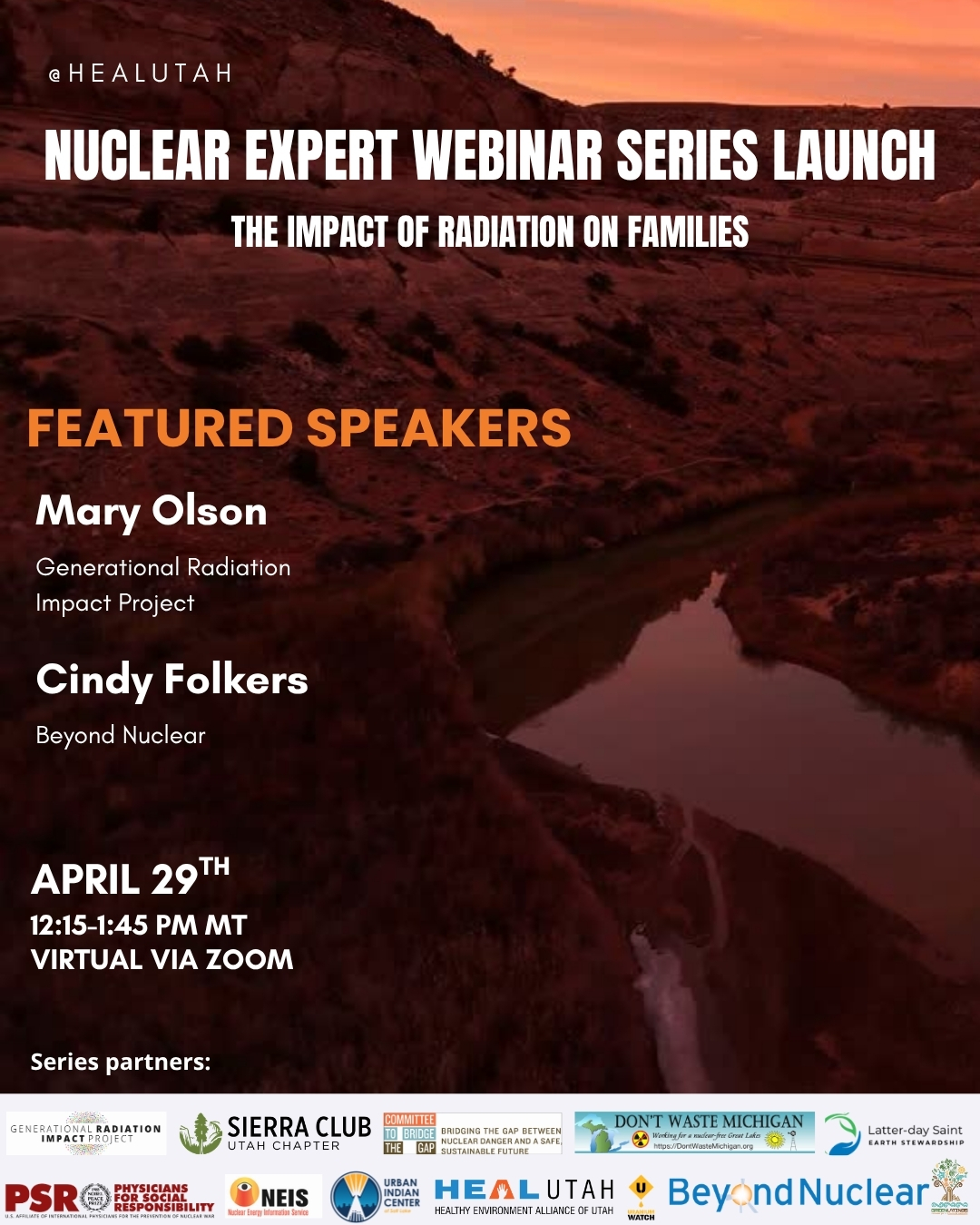
29 April – Nuclear Expert Webinar #1 – Radiation Impacts on Families with Mary Olson and Cindy Folkers
- 12:15 PM MT – 1:45 PM MT
- Location: Virtual – REGISTER TODAY

4 May -West Suburban Peace Coalition to discuss Iran war at May Educational Forum
Monday, May 4, 7:00 – 8:00 PM Central Standard Time
Title: : How Trump’s Narrative Tries to Shape the Reality of the War on Iran.
Contact Walt Zlotow, zlotow@hotmail.com 630 442 3045 for further information
14 May – online event From Bombs to Data Centres: the Face of Nuclear Colonialism

Pine Ridge Uranium is the real threat, not Tehran- Tell Burgum: Stop the Extraction.
Chernobyl: The Lost Tapes – A good documentary on Chernobyl on SBS available On Demand for the next 3 weeks– https://www.sbs.com.au/ondemand/tv-program/chernobyl-the-lost-tapes/2352741955560
To see nuclear-related stories in greater depth and intensity – go to https://nuclearinformation.wordpress.com
-
Archives
- April 2026 (327)
- March 2026 (251)
- February 2026 (268)
- January 2026 (308)
- December 2025 (358)
- November 2025 (359)
- October 2025 (376)
- September 2025 (257)
- August 2025 (319)
- July 2025 (230)
- June 2025 (348)
- May 2025 (261)
-
Categories
- 1
- 1 NUCLEAR ISSUES
- business and costs
- climate change
- culture and arts
- ENERGY
- environment
- health
- history
- indigenous issues
- Legal
- marketing of nuclear
- media
- opposition to nuclear
- PERSONAL STORIES
- politics
- politics international
- Religion and ethics
- safety
- secrets,lies and civil liberties
- spinbuster
- technology
- Uranium
- wastes
- weapons and war
- Women
- 2 WORLD
- ACTION
- AFRICA
- Atrocities
- AUSTRALIA
- Christina's notes
- Christina's themes
- culture and arts
- Events
- Fuk 2022
- Fuk 2023
- Fukushima 2017
- Fukushima 2018
- fukushima 2019
- Fukushima 2020
- Fukushima 2021
- general
- global warming
- Humour (God we need it)
- Nuclear
- RARE EARTHS
- Reference
- resources – print
- Resources -audiovicual
- Weekly Newsletter
- World
- World Nuclear
- YouTube
-
RSS
Entries RSS
Comments RSS
 nuclear-news