Particle accelerators likely to take over from nuclear reactors, for production of medical radioisotopes.

Greg Phillips , Nuclear Fuel Cycle Watch Australia, 14 May 21
Lest we forget. The majority of the radioactivity they want to send to South Australia/Kimba is from the production of medical isotopes using a method that should be replaced by much cleaner/safer/reliable accelerator/cyclotron methods:”Pallas’s original business case was mainly based on the production of technetium-99m, which is obtained from molybdenum-99 via a generator. Despite the initially favorable forecasts for this reactor isotope, the business case ultimately did not hold up. This is partly due to the rise of the cyclotron, the linear particle accelerator (linac), and the advent of new large-scale production techniques, based on systems or reactors driven by particle accelerators, such as SHINE.
In the current market, the major role of research reactors is mainly determined by the production of technetium-99m, a SPECT isotope and by far the most widely used medical isotope in radiodiagnostics. But new suppliers will soon be entering the market, including SHINE, producers with cyclotrons, and a series of suppliers with linacs.More important than the future production of technetium-99m is the amazing innovative power of the accelerator technology.
For example, the PET isotope rubidium-82 has been marketed fairly recently for measuring the blood flow in the heart muscle. However, this treatment will soon face competition from the even more efficient PET drug fluorine-18 Flurpiridaz.
Although these treatments are more expensive than traditional technetium-99 (SPECT) treatment, they can compete because the imaging is very accurate and takes place in “real time”. This means that one treatment suffices, saving costs.
Pallas’ latest business case focuses mainly on the production of therapeutic isotopes for the treatment of cancer and tumors, with beta-emitter isotopes such as lutetium-177 and yttrium-90 in particular determining the picture in this growing market. But here too the question applies: can Pallas really withstand the innovative power of accelerator technology? Then it is not so much about SHINE, which can certainly become a formidable competitor of reactor manufacturers for the production of lutetium-177 (and later also yttrium-90), but mainly about the advance of new generations of therapeutic accelerator isotopes. For example, alpha emitters, and a new class of beta emitters, will conquer an increasing part of the current beta emitter market. …” more https://www.technischweekblad.nl/opinie-analyse/pallas-versus-de-innovatiekracht-van-versnellertechnologie?fbclid=IwAR2T6Ns_xt27fPBsbTHP0BkNG6x0Xk3x-nbaSJshNSQrZ2W5Q21C4GdvwY0 https://www.facebook.com/groups/1021186047913052
Human intervention may be required at Chernobyl as radiation levels spike
Unilad 13th May 2021, Scientists monitoring increased radiation levels at Chernobyl Nuclear Power Plant are considering whether human intervention may be required to prevent a further catastrophe.
It was reported last week that sensors in one of the basement rooms containing solidified fuel (FCMs) from the remains of the destroyed nuclear reactor had been picking up increased levels of neutrons over the past four years, signalling the nuclear fission process has restarted. Nuclear scientists monitoring the activity say they aren’t
sure why the reactions are increasing, and they can’t rule out the possibility of an accident should levels continue to rise. Now, authorities are working to figure out a solution.
Biden administration promises progress on nuclear waste
Escape From Yucca Mountain: Biden Administration Promises Progress on Nuclear Waste
Energy Department expects to announce next steps in coming months, WSJ, By Gabriel T. Rubin, May 14, 2021
THE ENERGY DEPARTMENT TAKES ON the politically radioactive issue of nuclear-waste disposal, which the past several administrations have tried and failed to resolve. The only federally designated long-term disposal site for waste from the nuclear power industry is at Yucca Mountain in Nevada (there is also a site near Carlsbad, N.M., for waste generated by the government’s nuclear weapons program). But sustained political pushback from Nevada officials has prevented the Yucca Mountain site from becoming operational. It’s a top issue for Nevada Sen. Catherine Cortez Masto, who Mr. Biden considered picking as his running mate and who is up for re-election next year.
Ms. Cortez Masto has extracted promises from Energy Secretary Jennifer Granholm that Yucca Mountain won’t be part of the administration’s planning for nuclear-waste disposal. But Ms. Granholm seems eager to still make progress on the issue, telling a House Appropriations panel last week that she anticipated announcing the department’s next steps “in the coming months.” Former President Donald Trumptried to restart the process, but after an outcry from Nevadans he reversed himself—tweeting, “Nevada, I hear you on Yucca Mountain”—and promised “innovative solutions” that didn’t come to fruition.
In a letter this month to Ms. Granholm, the American Nuclear Society and other industry groups urged her to establish an office to be the “focal point” of engagement on the waste issue with Congress and outside stakeholders. Congress appropriated money for such an office in its year-end funding deal in December. The office also would coordinate with the private sector on interim storage facilities.
n hopes of preventing presidents present and future from unilaterally establishing a Yucca Mountain-type plan, all the Democratic members of the Nevada congressional delegation co-sponsored legislation in March that would require the federal government to first receive permission from the governor and local officials before moving nuclear waste into a state
It’s anyone’s guess how concrete the Energy Department’s next steps might be ….(subscribers only) https://www.wsj.com/articles/escape-from-yucca-mountain-biden-administration-promises-progress-on-nuclear-waste-11620984602
Safety and security issues at Kashiwazaki-Kariwa nuclear power station
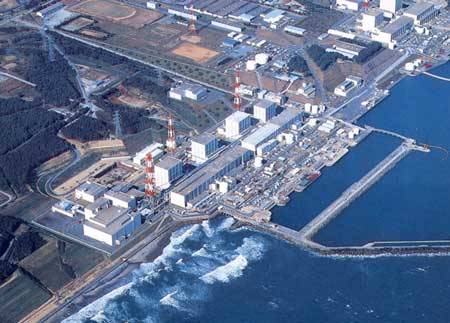
Nuclear Power in Japan: Safety at Kashiwazaki-Kariwa Remains an Issue, Nippon.com Takino Yūsaku 14 May 21
The Fukushima Daiichi accident forced Japan to bolster regulations for its fleet of nuclear reactors. After undergoing significant upgrades, the Kashiwazaki-Kariwa plant in Niigata Prefecture is on track to restart, although recent security issues have come to light that raise new concerns about the safety of nuclear power……..
Over the last several years, utilities looking to restart idled reactors have heavily invested in upgrading facilities to meet rigorous new regulations. So far, though, only a handful of plants have come back online.
Security issues recently uncovered at the Kashiwazaki-Kariwa Nuclear Power Station operated by Tokyo Electric Power Company illustrate the difficulty of passing the Nuclear Regulatory Authority’s stringent safety measures. TEPCO had poured resources into the facility in Niigata Prefecture with the goal of restarting the Unit 6 and 7 reactors at the site, but the NRA has ordered that further improvements be made before authorizing the utility to begin the refueling process. Below I assess the major upgrades made at the Kashiwazaki-Kariwa plant under the new NRA regulations released in July 2013.
Safeguarding Against Tsunami
,,,,,,,,,,,, In the wake of the incident, protecting reactors from tsunami has become a priority. The NRA assessment of the Kashiwazaki-Kariwa plant estimates a tidal wave as high as 6.8 meters could reach the coastline where the facility sits. Learning from Fukushima, TEPCO chose to exceed the regulatory body’s requirement and built a seawall towering 15 meters above the surf. Using existing topography to its advantage, it constructed a 10-meter steel-reinforced concrete barrier for the low-lying Units 1–4 and a 3-meter earth embankment at Units 5–7, which are perched higher above the sea……….
Blackout Response
In an emergency, keeping cooling systems functioning is of utmost importance. To prepare for an event where the seawall and smaller barriers fail or that the power goes out at the Niigata plant, TEPCO installed four sets of mobile gas-fired generators and switchboards on high ground and stationed a fleet of 20 generator cars as backup.
…………… TEPCO faced major challenges in bringing the plant in line with the NRA’s new regulations, considered the strictest in the global nuclear industry. Along with tsunami measures, the utility had to meet stringent antiterrorism guidelines, including developing a response to attackers flying an airplane into the facility. The government completed an inspection of Unit 7 in October 2020 and the bulk of construction was completed in January of this year. TEPCO was confident it had covered all bases, but the discovery that individuals had used an employee ID card to enter the central control room without authorization and that an intruder detection system had not been functioning for an extended period have led the NRA to halt plans for restarting the reactor. The security problems also throw into question whether residents will agree to bringing the plant back online.
Community Considerations
Along with meeting NRA regulations, utilities aiming to restart reactors must win the approval of residents of the towns and cities where plants are located. Debate is often fraught as host communities weigh the economic benefits of nuclear power, including jobs and revenue from government subsidies and local taxes, against safety concerns. Money pouring into construction industries from huge projects to upgrade facilities has only complicated the issue………………..https://www.nippon.com/en/in-depth/d00687/
Opportunities for US-Russian collaboration on the safe disposal of nuclear waste
Opportunities for US-Russian collaboration on the safe disposal of nuclear waste, Bulletin of the Atomic Scientists By Cameron Tracy, Sulgiye Park, Maria Plevaka, Ekaterina Bogdanova, May 13, 2021
Russia and the United States share a common legacy of nuclear waste production and a common need to safely and effectively manage this waste. Both have operated nuclear reactors for more than six decades.
……. . This nuclear energy is unavoidably accompanied by the production of vast quantities of nuclear wastes. The United States possesses approximately 80,000 metric tons of civilian high-level radioactive waste; Russia possesses about 24,000 metric tons (Laverov 2016; Nuclear Energy Institute 2019). Much of this is in the form of spent fuel composed largely of uranium, as well as transmutation productions (e.g., plutonium, neptunium, and americium) and fission products (e.g., cesium, strontium, and iodine) produced during the irradiation of fuel (Bruno and Ewing 2006). Low level wastes resulting from nuclear energy generation, including contaminated clothing or equipment exposed to neutron irradiation, constitute another nuclear waste stream (Yim and Simonson 2000).
Alongside these civilian inventories, Russia and the United States possess the vast majority of the world’s weapons plutonium and highly enriched uranium—fissile materials from which nuclear weapons are constructed (International Panel on Fillile Materials 2015). Much of this material has been declared excess to military needs and must be disposed of. Furthermore, the past production of these fissile material stockpiles and of nuclear arsenals has yielded large quantities of radionuclide-contaminated wastes. This totals 340,000 metric tons of material in the United States, and likely similar quantities in Russia (US Department of Energy 1997)……… (subscribers only) https://thebulletin.org/premium/2021-05/opportunities-for-us-russian-collaboration-on-the-safe-disposal-of-nuclear-waste/
If Bitcoin is virtual, why are there environmental concerns?
Why does Elon Musk say Bitcoin is bad for the environment? ABC, By Jordan Hayne, 14 May 21,
……………If Bitcoin is virtual, why are there environmental concerns?
The issue is that all these computer farms working overtime to mine bitcoin use up a lot of real-world energy.The grunt work of adding to the block chain has computers run guessing games involving an astronomically large number of guesses each second.
To be more precise, the network is currently estimated as being able to handle 176,000,000,000,000,000,000 (that’s 176 quintillion) computations every single second.
All those numbers are energy intensive, so the power consumption of the Bitcoin network is huge.
According to the University of Cambridge’s Centre for Alternative Finance, the estimated annualised consumption of electricity by the Bitcoin network is 149.6 terawatt hours and growing.
That’s more than countries like Sweden, Pakistan and Malaysia, and about 61 per cent of Australia’s total energy consumption…. https://www.abc.net.au/news/2021-05-14/why-is-bitcoin-bad-for-the-environment-elon-musk/100139280
Nuclear industry survives on its false claim that it helps the fight against climate change

April 28th, 2021, by Paul Brown, The nuclear industry’s unfounded claims let it rely on “dark arts”, ignoring much better ways to cut carbon emissions.
Nuclear industry’s unfounded claims let it survive, https://climatenewsnetwork.net/nuclear-industrys-unfounded-claims-let-it-survive/
– It is the global nuclear industry’s unfounded claims – not least that it is part of the solution to climate change because it is a low-carbon source of electricity – that allow it to survive, says a devastating demolition job by one of the world’s leading environmental experts, Jonathan Porritt.
In a report, Net Zero Without Nuclear, he says the industry is in fact hindering the fight against climate change. Its claim that new types of reactor are part of the solution is, he says, like its previous promises, over-hyped and illusionary.
Porritt, a former director of Friends of the Earth UK, who was appointed chairman of the UK government’s Sustainable Development Commission after years of campaigning on green issues, has written the report in a personal capacity, but it is endorsed by an impressive group of academics and environmental campaigners.
His analysis is timely, because the nuclear industry is currently sinking billions of dollars into supporting environmental think tanks and energy “experts” who bombard politicians and news outlets with pro-nuclear propaganda.
Porritt provides a figure of 46 front groups in 18 countries practising these “dark arts”, and says it is only this “army of lobbyists and PR specialists” that is keeping the industry alive.
First he discusses the so-called levelized cost of energy (LCOE), a measure of the average net present cost of electricity generation for a generating plant over its lifetime.
“The case against nuclear power is stronger than it has ever been before”
n 2020, the LCOE of producing one megawatt of electricity in the UK showed huge variations:
- large scale solar came out cheapest at £27 (US$38)
- onshore wind was £30
- the cheapest gas: £44
- offshore wind: £63
- coal was £83
- nuclear – a massive £121 ($168).
Porritt argues that even if you dispute some of the methods of reaching these figures, it is important to look at trends. Over time wind and solar are constantly getting cheaper, while nuclear costs on the other hand are rising – by 26% in ten years.
His second issue is the time it takes to build a nuclear station. He concludes that the pace of building them is so slow that if western countries started building new ones now, the amount of carbon dioxide produced in manufacturing the concrete and steel needed to complete them would far outweigh any contribution the stations might make by 2050 to low carbon electricity production. New build nuclear power stations would in fact make existing net zero targets harder to reach.
“It is very misleading to make out that renewables and nuclear are equivalently low-carbon – and even more misleading to describe nuclear as zero-carbon, as a regrettably significant number of politicians and industry representatives continue to do – many of them in the full knowledge that they are lying”, he writes.
He says that the British government and all the main opposition political parties in England and Wales are pro-nuclear, effectively stifling public debate, and that the government neglects the most important way of reducing carbon emissions: energy efficiency.
Also, with the UK particularly well-endowed with wind, solar and tidal resources, it would be far quicker and cheaper to reach 100% renewable energy without harbouring any new nuclear ambitions.
The report discusses as well issues the industry would rather not examine – the unresolved problem of nuclear waste, and the immense time it takes to decommission nuclear stations. This leads on to the issue of safety, not just the difficult question of potential terrorist and cyber attacks, but also the dangers of sea level rise and other effects of climate change.
Failed expectations
These include the possibility of sea water, particularly in the Middle East, becoming too warm to cool the reactors and so rendering them difficult to operate, and rivers running low during droughts, for example in France and the US, forcing the stations to close when power is most needed.
Porritt insists he has kept an open mind on nuclear power since the 1970s and still does so, but that they have never lived up to their promises. He makes the point that he does not want existing nuclear stations to close early if they are safe, since they are producing low carbon electricity. However, he is baffled by the continuing enthusiasm among politicians for nuclear power: “The case against nuclear power is stronger than it has ever been before.”
But it is not just the politicians and industry chiefs that come in for criticism. Trade unions which advocate new nuclear power because it is a heavily unionised industry when there are far more jobs in the renewable sector are “especially repugnant.”
He also rehearses the fact that without a healthy civil nuclear industry countries would struggle to afford nuclear weapons, as it is electricity consumers that provide support for the weapons programme.
The newest argument employed by nuclear enthusiasts, the idea that green hydrogen could be produced in large quantities, is one he also debunks. It would simply be too expensive and inefficient, he says, except perhaps for the steel and concrete industries.
Porritt’s report is principally directed at the UK’s nuclear programme, where he says the government very much stands alone in Europe in its “unbridled enthusiasm for new nuclear power stations.”
This is despite the fact that the nuclear case has continued to fade for 15 years. Instead, he argues, British governments should go for what the report concentrates on: Net Zero Without Nuclear. – Climate News Network
UK’s Magnox nuclear reprocessing plant to close, leaving world’s largest stockpile of separated civil plutonium

Plutonium Policy, No2NuclearPower, No 132 May 2021, Update Introduction ..The Nuclear Decommissioning Authority (NDA) now expects the Magnox Reprocessing Plant at Sellafield to close this year (2021) – one year later than previously planned. The newer Thermal Oxide Reprocessing Plant (THORP) was shut in November 2018. Reprocessing, which has always been unnecessary, is the chemical separation of plutonium and unused uranium from spent nuclear waste fuel.
When reprocessing ends there will be around 140 tonnes of separated civil plutonium stored at Sellafield – the world’s largest stockpile of separated civil plutonium. (1) In 2008 the NDA launched a consultation on options (2) for dealing with this embarrassing stockpile – it is highly toxic, poses a permanent risk of proliferation, and will cost taxpayers around £73 million a year to store for the next century. (3) Today, after almost a decade and a half of dithering, the UK Government has failed to make any decisions, but still appears to favour the re-use option, which would probably involve transporting weapons useable plutonium or MoX fuel to reactor sites, such as Hinkley Point C and Sizewell B (and C if it is ever built) with an armed escort.
The NDA itself said in 2008 that deciding soon could save money by removing the need to build further plutonium stores. And the Government’s refusal to admit that using the plutonium as fuel for new reactors is not only extremely technically challenging but also probably unaffordable, means funds are being spent developing both re-use and immobilisation options thus maximising the cost of plutonium disposition at the same time maximising the cost of plutonium storage.
The story so far When reprocessing ends in 2021 there will be around 140 tonnes of separated civil plutonium stored at Sellafield. About 23 tonnes of this is foreign-owned, largely but not exclusively by Japanese utilities, and is managed under long-term contracts. (4) The UK’s stockpile of plutonium has been consolidated at Sellafield by transporting material at the former fast reactor site at Dounreay in Caithness down to Cumbria. The NDA says it has been working with the UK government to determine the right approach for putting this nuclear material beyond reach. (5) The options it is considering are all predicated on the development of a Geological Disposal Facility (GDF). Radioactive Waste Management Ltd (RWM) – a subsidiary of the NDA – is assuming that a GDF will be available to receive its first waste in the late 2040s. Then it will take around 90 years to emplace all existing waste before it can begin emplacing other materials such as immobilised plutonium or spent plutonium fuel. And there are no guarantees this timetable will be achieved. In Sweden, for example, which is perhaps one of the countries most advanced in its development of an underground repository, nuclear utilities have warned reactors may have to close early because of delays in the approval of the repository. (6)
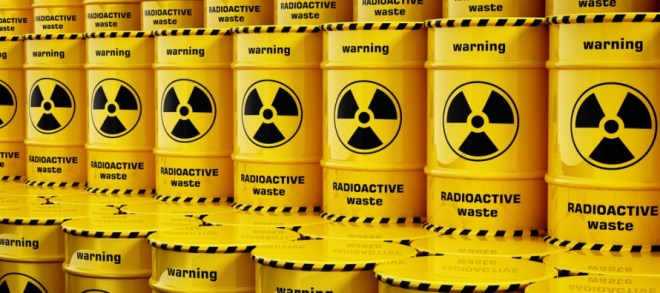
The Options Options considered for dealing with plutonium include using it as a fuel called Mixed Oxide Fuel (MoX) in nuclear reactors (followed by storage as spent fuel pending disposal in a Geological Disposal Facility (GDF)).
Storage Problems Meanwhile plutonium will have to continue to be stored at Sellafield. The NDA’s 2008 report said “If a decision were taken today on a solution for the inventory, there could still be a requirement to provide storage for around 40 years.” (17) Continued long-term storage of civil plutonium is not as easy as it sounds nor is it cheap, and there are many technical challenges. ……………..
The NDA considers some of the older plutonium packages and facilities used in early production to be amongst the highest hazards on the Sellafield site. Therefore, it is aiming to gradually transfer all plutonium to a new store, the Sellafield Product and Residue Store (SPRS) which opened in 2010……..
A proportion of the plutonium canisters at Sellafield are decaying faster than the NDA anticipated. A leak from any package would lead to an ‘intolerable’ risk as defined by the Office for Nuclear Regulation (ONR). The NDA has therefore decided to place the canisters more at risk in extra layers of packaging until SRP is operational. ………..
In 2014, the House of Commons Public Accounts Committee reported that the Government did not have a strategy in place for the plutonium stored at Sellafield. 7 years later, it has still not decided between the two options available to it: readying the plutonium stockpile for long-term storage in a geological disposal facility (that has yet to be constructed); or reusing it as fuel in new nuclear power stations. (25)
Conclusion The Government’s preferred option for the disposition of plutonium still appears to be to use the majority of the stockpile to fabricate Mixed Oxide Fuel for use in Light Water Reactors. This could mean transporting weapons-useable plutonium on our roads or rail network to Sizewell and Hinkley Point. These transports would need to be accompanied by armed police.
This is despite the fact that a plutonium immobilisation plant would be required in any case to immobilise that portion of the plutonium stockpile which is not suitable for use in MoX fuel.
Meanwhile, the Nuclear Decommissioning Authority needs to continue its programme of modernising Sellafield’s plutonium storage facilities, which will involve the construction extensions to the Sellafield Product and Residue Store (SPRS) and retreating and repacking some of the existing canisters which are considered unsuitable for storage in a modern store. This will also involve construction the Sellafield (Product and Residue store) Retreatment Plant (SRP).
Had the Government decided soon after the publication of the NDA’s options report to immobilise the UK plutonium stockpile, as advised by environmentalists and proliferation specialists, it is likely that savings could have been made by removing the requirement for one or both of the plutonium store extensions. Indeed, if a decision is taken soon, it may still be possible to avoid the cost of building the second store extension. of two
In short, Government policy appears to be maximising the cost of plutonium disposition by requiring both a MoX fuel fabrication plant AND a plutonium immobilisation plant, and at the same time maximising the cost of plutonium storage. Under this policy MoX fuel containing weapons useable plutonium would have to be transported under armed guard around the country. https://www.no2nuclearpower.org.uk/wp/wp-content/uploads/2021/05/nuClearNewsNo132.pdf
How Bill Gates bankrolls the news agenda.

Nowhere does this concern loom larger than with the Gates Foundation, a leading donor to newsrooms and a frequent subject of favorable news coverage.
During the pandemic, news outlets have widely looked to Bill Gates as a public health expert on covid—even though Gates has no medical training and is not a public official.
PolitiFact and USA Today (run by the Poynter Institute and Gannett, respectively—both of which have received funds from the Gates Foundation) have even used their fact-checking platforms to defend Gates from “false conspiracy theories” and “misinformation,” like the idea that the foundation has financial investments in companies developing covid vaccines and therapies. In fact, the foundation’s website and most recent tax forms clearly show investments in such companies, including Gilead and CureVac.
critical questions about journalists’ tendency to cover the Gates Foundation as a dispassionate charity instead of a structure of power.
Journalism’s Gates keepers, Columbia Journalism Review, By Tim Schwab AUGUST 21, 2020 ,
LAST AUGUST, NPR PROFILED A HARVARD-LED EXPERIMENT to help low-income families find housing in wealthier neighborhoods, giving their children access to better schools and an opportunity to “break the cycle of poverty.” According to researchers cited in the article, these children could see $183,000 greater earnings over their lifetimes—a striking forecast for a housing program still in its experimental stage.
If you squint as you read the story, you’ll notice that every quoted expert is connected to the Bill & Melinda Gates Foundation, which helps fund the project. And if you’re really paying attention, you’ll also see the editor’s note at the end of the story, which reveals that NPR itself receives funding from Gates..
NPR’s funding from Gates “was not a factor in why or how we did the story,” reporter Pam Fessler says, adding that her reporting went beyond the voices quoted in her article. The story, nevertheless, is one of hundreds NPR has reported about the Gates Foundation or the work it funds, including myriad favorable pieces written from the perspective of Gates or its grantees.
And that speaks to a larger trend—and ethical issue—with billionaire philanthropists’ bankrolling the news. The Broad Foundation, whose philanthropic agenda includes promoting charter schools, at one point funded part of the LA Times’ reporting on education. Charles Koch has made charitable donations to journalistic institutions such as the Poynter Institute, as well as to news organizations such as the Daily Caller News Foundation, that support his conservative politics. And the Rockefeller Foundation funds Vox’s Future Perfect, a reporting project that examines the world “through the lens of effective altruism”—often looking at philanthropy.
As philanthropists increasingly fill in the funding gaps at news organizations—a role that is almost certain to expand in the media downturn following the coronavirus pandemic—an underexamined worry is how this will affect the ways newsrooms report on their benefactors. Nowhere does this concern loom larger than with the Gates Foundation, a leading donor to newsrooms and a frequent subject of favorable news coverage.
I recently examined nearly twenty thousand charitable grants the Gates Foundation had made through the end of June and found more than $250 million going toward journalism. Recipients included news operations like the BBC, NBC, Al Jazeera, ProPublica, National Journal, The Guardian, Univision, Medium, the Financial Times, The Atlantic, the Texas Tribune, Gannett, Washington Monthly, Le Monde, and the Center for Investigative Reporting; charitable organizations affiliated with news outlets, like BBC Media Action and the New York Times’ Neediest Cases Fund; media companies such as Participant, whose documentary Waiting for “Superman” supports Gates’s agenda on charter schools; journalistic organizations such as the Pulitzer Center on Crisis Reporting, the National Press Foundation, and the International Center for Journalists; and a variety of other groups creating news content or working on journalism, such as the Leo Burnett Company, an ad agency that Gates commissioned to create a “news site” to promote the success of aid groups. In some cases, recipients say they distributed part of the funding as subgrants to other journalistic organizations—which makes it difficult to see the full picture of Gates’s funding into the fourth estate.
The foundation even helped fund a 2016 report from the American Press Institute that was used to develop guidelines on how newsrooms can maintain editorial independence from philanthropic funders. A top-level finding: “There is little evidence that funders insist on or have any editorial review.” Notably, the study’s underlying survey data showed that nearly a third of funders reported having seen at least some content they funded before publication.
Gates’s generosity appears to have helped foster an increasingly friendly media environment for the world’s most visible charity. Twenty years ago, journalists scrutinized Bill Gates’s initial foray into philanthropy as a vehicle to enrich his software company, or a PR exercise to salvage his battered reputation following Microsoft’s bruising antitrust battle with the Department of Justice. Today, the foundation is most often the subject of soft profiles and glowing editorials describing its good works.
During the pandemic, news outlets have widely looked to Bill Gates as a public health expert on covid—even though Gates has no medical training and is not a public official. PolitiFact and USA Today (run by the Poynter Institute and Gannett, respectively—both of which have received funds from the Gates Foundation) have even used their fact-checking platforms to defend Gates from “false conspiracy theories” and “misinformation,” like the idea that the foundation has financial investments in companies developing covid vaccines and therapies. In fact, the foundation’s website and most recent tax forms clearly show investments in such companies, including Gilead and CureVac.
In the same way that the news media has given Gates an outsize voice in the pandemic, the foundation has long used its charitable giving to shape the public discourse on everything from global health to education to agriculture—a level of influence that has landed Bill Gates on Forbes’s list of the most powerful people in the world. The Gates Foundation can point to important charitable accomplishments over the past two decades—like helping drive down polio and putting new funds into fighting malaria—but even these efforts have drawn expert detractors who say that Gates may actually be introducing harm, or distracting us from more important, lifesaving public health projects.
From virtually any of Gates’s good deeds, reporters can also find problems with the foundation’s outsize power, if they choose to look. But readers don’t hear these critical voices in the news as often or as loudly as Bill and Melinda’s. News about Gates these days is often filtered through the perspectives of the many academics, nonprofits, and think tanks that Gates funds. Sometimes it is delivered to readers by newsrooms with financial ties to the foundation.
……. In 2015, Vox ran an article examining the widespread uncritical journalistic coverage surrounding the foundation—coverage that comes even as many experts and scholars raise red flags. Vox didn’t cite Gates’s charitable giving to newsrooms as a contributing factor, nor did it address Bill Gates’s month-long stint as guest editor for The Verge, a Vox subsidiary, earlier that year. Still, the news outlet did raise critical questions about journalists’ tendency to cover the Gates Foundation as a dispassionate charity instead of a structure of power.
Five years earlier, in 2010, CJR published a two-part series that examined, in part, the millions of dollars going toward PBS NewsHour, which it found to reliably avoid critical reporting on Gates.
In 2011, the Seattle Times detailed concerns over the ways in which Gates Foundation funding might hamper independent reporting:
To garner attention for the issues it cares about, the foundation has invested millions in training programs for journalists. It funds research on the most effective ways to craft media messages. Gates-backed think tanks turn out media fact sheets and newspaper opinion pieces. Magazines and scientific journals get Gates money to publish research and articles. Experts coached in Gates-funded programs write columns that appear in media outlets from The New York Times to The Huffington Post, while digital portals blur the line between journalism and spin………
These stories offered compelling evidence of Gates’s editorial influence, but they didn’t attempt to investigate the full scope of the foundation’s financial reach into the fourth estate…………
NPR does occasionally hold a critical lens to the Gates Foundation. Last September, it covered a decision by the foundation to give a humanitarian award to Indian prime minister Narendra Modi, despite Modi’s dismal record on human rights and freedom of expression. (That story was widely covered by news outlets—a rare bad news cycle for Gates.)
On the same day, the foundation appeared in another NPR headline: “Gates Foundation Says World Not on Track to Meet Goal of Ending Poverty by 2030.” That story cites only two sources: the Gates Foundation and a representative from the Center for Global Development, a Gates-funded NGO. The lack of independent perspectives is hard to miss. Bill Gates is the second-richest man in the world and might reasonably be viewed as a totem of economic inequality, but NPR has transformed him into a moral authority on poverty.
Given Gates’s large funding role at NPR, one could imagine editors insisting that reporters seek out financially independent voices or include sources who can offer critical perspectives. (Many NPR stories on Gates don’t: here, here, here, here, here, here.) Likewise, NPR could seek a measure of independence from Gates by rejecting donations that are earmarked for reporting on Gates’s favored topics.
Even when NPR publishes critical reporting on Gates, it can feel scripted. In February 2018, NPR ran a story headlined “Bill Gates Addresses ‘Tough Questions’ on Poverty and Power.” The “tough questions” NPR posed in this Q&A were mostly based on a list curated by Gates himself, which he previously answered in a letter posted to his foundation’s website. With no irony at all, reporter Ari Shapiro asked, “How do you…encourage people to be frank with you, even at risk of perhaps alienating their funder?”
……………… If critical reporting about the Gates Foundation is rare, it is largely beside the point in “solutions journalism,” a new-ish brand of reporting that focuses on solutions to problems, not just the problems themselves. That more upbeat orientation has drawn the patronage of the Gates Foundation, which directed $6.3 million to the Solutions Journalism Network (SJN) to train journalists and fund reporting projects. Gates is the largest donor to SJN—supplying around one-fifth of the organization’s lifetime funding. SJN says more than half of this money has been distributed as subgrants, including to Education Lab, its partnership with the Seattle Times.
………… Even perfect disclosure of Gates funding doesn’t mean the money can’t still introduce bias. At the same time, Gates funding, alone, doesn’t fully explain why so much of the news about the foundation is positive. Even news outlets with no obvious financial ties to Gates—the foundation isn’t required to publicly report all of the money it gives to journalism, making the full extent of its giving unknown—tend to report favorably on the foundation. That may be because Gates’s expansive giving over the decades has helped influence a larger media narrative about its work. And it may also be because the news media is always, and especially right now, looking for heroes.
A larger worry is the precedent the prevailing coverage of Gates sets for how we report on the next generation of tech billionaires–turned-philanthropists, including Jeff Bezos and Mark Zuckerberg. Bill Gates has shown how seamlessly the most controversial industry captain can transform his public image from tech villain to benevolent philanthropist. Insofar as journalists are supposed to scrutinize wealth and power, Gates should probably be one of the most investigated people on earth—not the most admired. A larger worry is the precedent the prevailing coverage of Gates sets for how we report on the next generation of tech billionaires–turned-philanthropists, including Jeff Bezos and Mark Zuckerberg. Bill Gates has shown how seamlessly the most controversial industry captain can transform his public image from tech villain to benevolent philanthropist. Insofar as journalists are supposed to scrutinize wealth and power, Gates should probably be one of the most investigated people on earth—not the most admired. https://www.cjr.org/criticism/gates-foundation-journalism-funding.php
Fusion: Ten Times More Expensive Than Nuclear Power

Fusion: Ten Times More Expensive Than Nuclear Power, https://www.realclearenergy.org/articles/2021/05/12/fusion_ten_times_more_expensive_than_nuclear_power_776839.htmlBy Robert L. Hirsch & Roger H. Bezdek
May 12, 2021
The U.S. and world fusion energy research programs are developing something that no one will want or can afford. The stated goal of fusion energy research is to provide a new source of electric power based on nuclear fusion, the process that powers the sun and the stars. That has proven to be an extremely difficult task because the related physics is extremely difficult. In the 1970s, the Russian tokamak fusion configuration emerged as having great promise for creating and containing the extremely hot gas, known as plasma.
Physicists worldwide adopted the tokamak approach and worked mightily to understand what was going on in the associated hot plasma while scaling up tokamak experiments. The goal was to progress to a system large enough that more energy would be produced in a tokamak system than was required to heat the plasma. Over the past six decades, while substantial progress has been made, ever so slowly the promise of commercially viable fusion power from tokamaks has ebbed away. Some recognized the worsening commercial outlook, but most researchers simply continued to study and increase the size of their tokamak devices — and to increase the size of their budgets.
At present, there are a number of large tokamak experiments worldwide. The largest such facility is the so-called ITER tokamak experiment, now under construction in France. ITER’s goal is to create a tokamak plasma that is so hot and long lived that it would produce ten times more energy than was used to heat the plasma. ITER was originally envisioned to cost roughly $5 billion, a level that might extrapolate to a reasonably priced tokamak fusion power plant.
However, reality slowly intervened, and the cost of ITER greatly escalated. ITER managers now contend that ITER’s cost is approximately $22 billion. This contention cannot be easily verified, because different parts of ITER are being built in different places around the world, and actual costs are difficult to estimate. The U.S. Department of Energy, which is supposed to be paying 9% of total ITER costs, has estimated that actual ITER costs are much higher, roughly $65 billion.
We calculated that even at a cost of $22 billion, the resulting cost of a power plant based on ITER would be approximately ten times the cost of a nuclear fission power plant, and nuclear fission power plants are considered to be too expensive for further adoption in the U.S. If the ITER cost $65 billion, the resulting cost of a power plant based on ITER would be nearly 30 times more expensive than the cost of a nuclear fission power plant. Thus, no matter how you calculate, ITER is clearly a “White Elephant!”
But the situation is even worse. There are four fusion fuel combinations that might be considered for a practical fusion power plant. The easiest — but by no means easy — involves the fusing of two isotopes of hydrogen, deuterium and tritium. Deuterium occurs as a small fraction of ordinary water, which is easily extracted. This implies that deuterium exists as an essentially infinite, very low-cost fuel. On the other hand, tritium does not exist in nature and decays radioactively. So, tritium must be produced.
The largest source of tritium in the world is heavy water nuclear reactors in Canada. The combination of very limited world production of tritium and its loss by radioactive decay means that world supplies of tritium are inherently limited. It has recently become clear that world supplies of tritium for larger fusion experiments are limited to the point that world supplies are inadequate for future fusion pilot plants, let alone commercial fusion reactors based on the deuterium-tritium fuel cycle. In other words, fusion researchers are developing a fusion concept for which there will not be enough fuel in the world to operate!
So fusion researchers are developing a fusion concept that stands no hope of being economically acceptable, running on a fuel that does not exist in adequate quantities. The situation sounds impossible. How could this happen? The answer is that the cost escalation happened so slowly that researchers failed to notice. Neither did program managers and those involved in program oversight. The tritium supply issue became known after researchers were very far along with expensive, new tokamak experiments.
In effect “The foxes were watching the chicken coop” because all world fusion oversight over the past 60+ years has been conducted by fusion researchers and sympathizers — something we unfortunately witness in numerous government R&D programs. Practical electric power engineers, utility executives, and others who are not members of the fusion mafia have been excluded from fusion program evaluation. We recently suggested to the Secretary of Energy that she appoint a panel of non-fusion engineers and environmentalists to conduct the objective, independent evaluation we believe is necessary. The Secretary gave the request to the leader of the fusion program, who responded that the program is guided by two recent fusion panel determinations. Those panels consisted of fusion physicists and related researchers.
The situation is tragic. With so many people and institutions at risk of losing jobs and financial support, the “wagons have been circled,” and programs continue with excuses held in reserve. The waste is enormous. Talented people and large sums of money are being wasted. For example, the U.S. fusion research budget for the current fiscal year is over $600 million.
And that is not all. The ITER fusion experiment, which will soak up a large fraction of world radioactive tritium, will yield an enormous amount of radioactive waste. That volume has been estimated at roughly 30,000 tons. Researchers feel that is not a problem because the radioactive decay of that waste will occur in roughly 100 years, which is a much shorter time period than the decay of radioactive waste from fission reactors. So, the argument is that this rad waste is not so terrible. However, this is debatable.
Is there no hope for attractive fusion power? The answer is yes, because there are a number of other fusion fuel cycles that could be economically and environmentally attractive. The fuel for these cycles is in huge supply, but the physics is much more difficult. Some physicists shy away from even thinking about the related physics challenges. We will not know if one of these fuel cycles could prove viable unless we try. Right now, government support for these higher fuel cycles worldwide is trivial.
We continue to have hope for practical, acceptable, environmentally attractive fusion power. However, without sharp focus, capable management, and careful, independent oversight it will not happen. Change in fusion research will be jolting. It will also take considerable political courage.
Bill Gates with his GAVI (the Global Alliance for Vaccine Initiative) has the power of a member State in the WorldHealth Organisation.

it becomes very clear that the private part of this public-private partnership has taken over control. And not only have they taken over control, they’re immune from everything. They’re not responsible for anything. This has got to stop.
The corruption of the WHO: Astrid Stuckelberger, Final Hour. Substack.com, 12 May 21,
Stuckelberger explains how the WHO has mutated into a system of global governance…..
Astrid Stuckelberger interviewed by the Corona Ausschuss
The lawyers at the Corona Ausschuss (the Corona Investigative Committee) have interviewed Dr. Astrid Stuckelberger, https://www.astridstuckelberger.com/, a health scientist, researcher and long-term WHO collaborator. She says she was asked to “take a mandate” on international health regulation, which led to WHO collaboration on pandemic preparedness. She recounts her experience in this field in the interview below and reveals a number of rather extraordinary facts.
Briefly, they are:
1. Incredibly, Bill Gates apparently attempted to get himself the same status as any other country on the board of the WHO! As one of the lawyers remarks, he tried to create ‘Billgateistan’.
2. Gates was rejected in a vote but has seemingly managed, thanks to the leverage that his funding provides, to acquire some sort of special privileges.
Stuckelberger proposes deeper research into the nature of these, starting with the meeting in which Gates was turned down. I had a look at these but couldn’t find a reference to it directly. I did find these minutes from the meeting in 2017 in which a representative of the International Baby Food Action Network raise concerns about a lack of transparency around the relationship between the Gates Foundation and the WHO, the fact that “Foundation had made substantial contributions to many health initiatives and the fact that it could influence WHO’s nutrition policy was no secret. What was less well known, however, was that the Foundation had invested heavily in the food and beverage industries.”
As quoted: “Those investments had been glossed over in the Framework process and the resulting lack of clarity on the relationship had undermined public trust. She echoed the concerns of several Member States concerning the criteria and principles for secondments from nongovernmental organizations, philanthropic foundations and academic institutions. The Framework should be a safeguard; it should not be seen as a funding opportunity. It should be reviewed and evaluated at the earliest opportunity and the terms “partnership” and “stakeholder” clearly defined.”
The framework referred to is the ‘Framework of engagement with non-State actors’.Earlier that year a group of organisations, including the IBFAN, issued an open letter regarding their concern about commercial interests formally entering the WHO.
“Making up WHO budget shortfalls with funding from major investors in food, drug, and alcohol companies (which are often headquartered in wealthy countries) further compromises the independence of the WHO. Granting the Gates Foundation Official Relations status signifies a sharp departure from the post-WWII tradition of the World Health Assembly and makes a mockery of the conflict of interest safeguards purported to underpin the new “Framework of engagement with non-State actors (FENSA).”)
3. GAVI has diplomatic immunity that means it is almost completely protected and can do whatever it wants from its base in Geneva.
4. Swissmedic, the medical regulator, signed a three-way deal between Gates and the WHO. Stuckelberger believes Gates created such deals with many countries after being rejected by the board.
…………… there was already severe discomfort about the expanding power of the Gates Foundation and the commercial interests that it fronts for within the WHO. As the open letter mentioned above also states: “It is, of course, deeply troubling from a governance standpoint that the Executive Board is being asked to approve applicants for Official Relations and verify compliance with conflicts of interest safeguards without being provided with any relevant evidence—verified or otherwise—on the public record.” Does that means Gates’ request to join the Executive Board was entirely unrecorded?
…….. Here’s a machine translation of the terms of GAVI’s [ Global Alliance for Vaccine Initative”s] immunity:
“Art. 5 Immunity from Jurisdiction and Enforcement
1. in the course of its activities, GAVI Alliance shall enjoy immunity from jurisdiction and execution, except:
a)
when such immunity has been expressly waived in a particular case by the Executive Director or by the person designated by him…………
Switzerland is the centre of a lot of corruption because we have one of the most important NGO, it’s GAVI, the Global Alliance for Vaccine Initative, which the foundation Bill Gates has, which has, I tell you, I have the papers, total immunity. Total, total. They can do whatever they want, the police cannot come and look into their computer. …………….. Maybe we can get the minutes of the executive board. They even accepted that he would be considered as a member state because of the money he gives. So, this is unprecendented in the constitution of the member states.
RF: Is he now being considered as a member state?
AS: Not officially.
RF: But unofficially yes? And that’s probably, that’s why he has this immunity, right?
AS: Yeah. Well, I can tell you why it is very suspicious, it because I think he has done something which every member state the same contracts. What I found out with Swissmedic, Swissmedic is the FDA of Switzerland, because I gave the paper to a jouranlist and I can’t even find it…Swissmedic has signed a contract with Bill Gates and the WHO.
Continue readingRadioactive gas seeping out in the Arctic, as permafrost thaws
Barents Observer 4th May 2021 Massive amounts of uranium are stored in high concentrations underground
throughout the Arctic zone. A product of uranium decay is radon gas. Normally, radon is contained in the soil by layers of ground and snow atop of it.
However, as permafrost thaws, the radioactive gas seeps out from underground and is released into the atmosphere. The link between thawing permafrost and increased risk of lung cancer is presented by researchers with the Federal Center for Comprehensive Study of the Arctic with the Russian Academy of Science.
Scepticism in Canada, about the government’s push for small nuclear reactors.
Canada pegs its energy future on nuclear power, but not everyone’s buying it, Canada’s National Observer, By Charles Mandel May 12th 2021 “…………. Gorman, along with the rest of the nuclear industry, pins the country’s future decarbonization efforts on a new breed of nuclear power known as small modular reactors (SMRs).
……… To date, not a single SMR has been built in Canada, but no matter, the technology is the current darling of nuclear power circles…. Currently, 12 proposals for SMR development are winding their way through the Canadian Nuclear Safety Commission’s (CNSC) pre-licensing vendor review process, which enables CNSC staff to provide feedback on proposed designs at a company’s request. But not a single project has yet been approved.
That hasn’t stopped the Canadian federal government from actively promoting a shift to SMRs………
For the time being, any vision of SMRs is largely aspirational. A Conference Board of Canada report in March on SMRs outlined that from concept to commercialization, the technology will require about a billion dollars of development expenditure. The same report noted that as an emerging technology, costs are still uncertain, and the “risky pre-commercial phase needs capital investment, but governments will be reluctant without major private capital commitment.”
It’s early days for financing the technology. For instance, one infusion of federal funds, the $50 million granted to New Brunswick’s Moltex Energy in mid-April, only supports research and development, employee recruitment and the expansion of academic, research and supply chain partnerships, not the physical construction of that firm’s SMR.
Beyond financial considerations, the Liberal government will have a tough time convincing environmentalists to embrace the merits of SMRs, or any nuclear power, as a clean energy source. More than 100 groups have signed a letter issued by the Canadian Environmental Law Association (CELA) condemning the government’s push to pursue nuclear power and SMRs. Among their concerns are that SMRs are more expensive to develop than renewable energy and that the reactors are “dirty and dangerous,” creating new forms of radioactive waste that are especially dangerous to manage.
As the SMR developments move forward, the environmental groups will have a chance to make their views heard during the public consultations that will have to take place as part of the environmental review phase of licensing each SMR.
For now, however, nothing is slowing the momentum. In mid-April, the Canadian Nuclear Association triumphantly announced Alberta was joining Ontario, New Brunswick and Saskatchewan in the development of SMRs.
…….. there are signs Europe is now shifting away from nuclear power. In 2019, solar installed capacity exceeded nuclear for the first time in the EU, with 130 gigawatts versus 116 gigawatts, according to the World Nuclear Industry Status annual report, which provides independent assessments of global nuclear developments. And a technical expert group convened in the EU chose not to recommend nuclear energy when asked to advise on screening criteria that would substantially contribute to climate change mitigation or adaptation while “avoiding significant harm” to other environmental objectives.
NO,nuclear lobby, a nuclear reactor is NOT the only, nor the best, way to produce medical Technetium TC99

NorthStar Medical Radioisotopes Receives Electron Beam Accelerators for First-of-its-Kind Advanced Medical Radioisotope Production.
NorthStar, leading the way as the sole U.S. commercial supplier of molybdenum-99 (Mo-99), continues expansion efforts for increased capacity and ongoing reliable supply for diagnostic imaging −BELOIT, Wis.–(BUSINESS WIRE), 12 May 21, —NorthStar Medical Radioisotopes, LLC, a global innovator in the development, production and commercialization of radiopharmaceuticals used for medical imaging and therapeutic applications, announced that it has achieved a major milestone in its efforts to expand U.S. production capacity for the important medical radioisotope, molybdenum-99 (Mo-99). The Company has received two custom-built IBA Rhodotron®TT 300-HE (High Energy) electron beam accelerators at its facility in Beloit, Wisconsin. The accelerators are critical components in a first-of-its-kind commercial-scale process to produce Mo-99, the parent radioisotope of technetium-99m, the most widely used medical imaging radioisotope, informing healthcare decisions for approximately 40,000 U.S. patients daily.
NorthStar Medical Radioisotopes is the sole commercial U.S. producer of the important medical radioisotope Mo-99 and the only company in the world to use environmentally friendly Mo-99 production processes that are non-uranium based. For over two years, NorthStar has provided the United States with reliable Mo-99 supply, which is used in its RadioGenix® System (technetium Tc 99m generator) to produce Tc-99m. NorthStar is aggressively expanding and establishing dual production and processing hubs for additional Mo-99 capacity to better meet customer demand and to ensure reliable, sustainable U.S. supply. Two facility expansion projects are nearing completion in Beloit, Wisconsin, to augment current Mo-99 production and processing in Columbia, Missouri, conducted in partnership with the University of Missouri Research Reactor (MURR®). NorthStar’s Isotope Processing facility in Beloit will enable it to more than double its current Mo-99 processing and is nearing completion, with FDA approval anticipated in 2022. The Company’s Accelerator Production facility in Beloit will add significant Mo-99 capacity, enable flexible production scheduling and minimize customer supply risks.
Delivery of these electron beam accelerators to advance Mo-99 production marks a tremendous milestone event for NorthStar, nuclear medicine and the patients who rely on diagnostic imaging studies for their health,” said Stephen Merrick, President and Chief Executive Officer of NorthStar Medical Radioisotopes. “Using electron beam accelerators is one of the most efficient methods of producing Mo-99, and like other NorthStar processes, it is non-uranium based and environmentally friendly. This production method will increase capacity, provide additional production days, and minimize supply risks. Additionally, electron beam accelerators can be used to produce therapeutic radioisotopes such as actinium-225 and copper-67. We anticipate that testing of these accelerators will begin this year, with commercial accelerator production commencing in 2023, pending appropriate licensure and FDA approval.”……………
Delivery of these electron beam accelerators to advance Mo-99 production marks a tremendous milestone event for NorthStar, nuclear medicine and the patients who rely on diagnostic imaging studies for their health,” said Stephen Merrick, President and Chief Executive Officer of NorthStar Medical Radioisotopes. “Using electron beam accelerators is one of the most efficient methods of producing Mo-99, and like other NorthStar processes, it is non-uranium based and environmentally friendly. This production method will increase capacity, provide additional production days, and minimize supply risks. Additionally, electron beam accelerators can be used to produce therapeutic radioisotopes such as actinium-225 and copper-67. We anticipate that testing of these accelerators will begin this year, with commercial accelerator production commencing in 2023, pending appropriate licensure and FDA approval.”….https://www.businesswire.com/news/home/20210511005048/en/
Corruption in the pharmaceutical industry – the Bill Gates connection

I Never Trusted Bill Gates, Nor Should You
While leading a Senate investigation, I tracked a corrupt pharmaceutical executive right into the lobby of the much-vaunted Bill and Melinda Gates Foundation—Bill Gates did nothing.
| The DisInformation Chronicle, May 11The last year has not been kind to Bill Gates. For two decades, Gates has shoveled out buckets of cash through the Bill and Melinda Gates Foundation to transform himself from despised 1990’s software monopolist to a present-day public health intellectual—a miraculous, money-fueled metamorphosis. But that reputational makeover has stumbled, as a series of critical articles have tarnished Gates’ paid-for golden image and cast doubt on his credibility. However, long before these articles came to light, I already knew that Gates could not to be trusted. |
A decade ago, I led a Senate investigation into a multi-billion-dollar diabetes drug sold by GlaxoSmithKline (GSK) that government scientists found to have caused around 83,000 heart attacks. During this federal investigation, I uncovered multiple examples of GSK officials intimidating medical experts who decried the drug’s dangers. A leader in this campaign was GSK’s chairman of research and development, Dr. Tadataka (Tachi) Yamada.
By the time our committee uncovered GSK’s coercion campaign, Yamada had left the company to run Gates’ global health program. And yet, as the media outlets reported on Yamada’s prior role bullying physicians who tried to warn about the drug’s dangers, the Gates Foundation ignored this public outcry and allowed Yamada to maintain his pulpit as global health protector.
Twenty years back, journalists scrutinized Gates’ foundation as a vehicle to enrich himself and polish his appearance. But over the years, reporters began to forget Gates’ past and provide him a platform to puff himself up as scientific expert, despite his having no medical or scientific credentials. Bill Gates’ sculpted persona as health policy guru began to wobble last summer, however, precisely because of revelations showing the tools he had used to improve his media cachet.
In August 2020, Tim Schwab published an article in the Columbia Journalism Review exposing around $250 million in grants that Gates was throwing at journalism outlets including the BBC, NBC, Al Jazeera, ProPublica, National Journal, The Guardian, Univision, Medium, the Financial Times, The Atlantic, the Texas Tribune, Gannett, Washington Monthly, Le Monde, and the Center for Investigative Reporting.
A later article in The Nation spotlighted Gates’ potential to profit from investments in companies situated to reap a windfall from the COVID pandemic. And another report in The Nation found that Gates’ funding has stifled debate in public health—described as “the Bill chill”—as organizations are reluctant to bite the hand that feeds them.
These revelations came as little surprise to me.
Continue reading1 This Month
Tell Congress: Prevent Nuclear Catastrophe in Iran

Tell Congress: Prevent Nuclear Catastrophe in Iran

Read the Public Inquiry Report, the Commissioners’ report, Surrendering Australia: The AUKUS Deception is available to download for free at aukuspublicinquiry.com. Or just watch the replay of the National Press Club Luncheon.


Shut down the radiation-damaged Heysham nuclear reactors now
To see nuclear-related stories in greater depth and intensity – go to https://nuclearinformation.wordpress.com

Say No to NASA’s Reckless Nuclear Reactor on the Moon
Say No to NASA’s Reckless Nuclear Reactor on the Moon
-
Archives
- November 2026 (251)
- October 2026 (302)
- September 2026 (339)
- August 2026 (330)
- July 2026 (355)
- June 2026 (287)
- May 2026 (306)
- April 2026 (356)
- March 2026 (251)
- February 2026 (267)
- January 2026 (308)
- December 2025 (358)
-
Categories
- 1
- 1 NUCLEAR ISSUES
- business and costs
- climate change
- culture and arts
- ENERGY
- environment
- health
- history
- indigenous issues
- Legal
- marketing of nuclear
- media
- opposition to nuclear
- PERSONAL STORIES
- politics
- politics international
- Religion and ethics
- safety
- secrets,lies and civil liberties
- spinbuster
- technology
- Uranium
- wastes
- weapons and war
- Women
- 2 WORLD
- ACTION
- AFRICA
- Atrocities
- AUSTRALIA
- Christina's notes
- Christina's themes
- culture and arts
- Events
- Fuk 2022
- Fuk 2023
- Fukushima 2017
- Fukushima 2018
- fukushima 2019
- Fukushima 2020
- Fukushima 2021
- general
- global warming
- Humour (God we need it)
- Nuclear
- RARE EARTHS
- Reference
- resources – print
- Resources -audiovicual
- Weekly Newsletter
- World
- World Nuclear
- YouTube
-
RSS
Entries RSS
Comments RSS

