Academic paper: “Increases in perinatal mortality in prefectures contaminated by the Fukushima nuclear power plant accident in Japan” Source Institute: 医療問題研究会
Authors and copyright: Hagen Heinrich Scherb, Dr rer nat Dipl-Matha,∗, Kuniyoshi Mori, MDb, Keiji Hayashi, MDcEditor: Roman Leischik.
Abstract:
Descriptive observational studies showed upward jumps in secular European perinatal mortality trends after Chernobyl.
The question arises whether the Fukushima nuclear power plant accident entailed similar phenomena in Japan. For 47 prefectures representing 15.2 million births from 2001 to 2014, the Japanese government provides monthly statistics on 69,171 cases of perinatal death of the fetus or the newborn after 22 weeks of pregnancy to 7 days after birth.
Employing change-point methodology for detecting alterations in longitudinal data, we analyzed time trends in perinatal mortality in the Japanese prefectures stratified by exposure to estimate and test potential increases in perinatal death proportions after Fukushima possibly associated with the earthquake, the tsunami, or the estimated radiation exposure.
Areas with moderate to high levels of radiation were compared with less exposed and unaffected areas, as were highly contaminated areas hit versus untroubled by the earthquake and the tsunami. Ten months after the earthquake and tsunami and the subsequent nuclear accident, perinatal mortality in 6 severely contaminated prefectures jumped up from January 2012 onward: jump odds ratio 1.156; 95% confidence interval (1.061, 1.259), P-value 0.0009.
There were slight increases in areas with moderate levels of contamination and no increases in the rest of Japan.
In severely contaminated areas, the increases of perinatal mortality 10 months after Fukushima were essentially independent of the numbers of dead and missing due to the earthquake and the tsunami. Perinatal mortality in areas contaminated with radioactive substances started to increase 10 months after the nuclear accident relative to the prevailing and stable secular downward trend. These results are consistent with findings in Europe after Chernobyl.
Authorities finally admit that Argayash was at the centre of a radiation cloud. Henry Foy in Argayash , 24 Nov 17
Argayash is a cynical, mistrustful town. Decades of being lied to by the government about being down the road from a leaking nuclear plant does that to a place. So too does watching generations of people dying of radiation-related ailments while officials assure them nothing is amiss.
A small, two-road settlement where homes roofed with corrugated iron and Soviet-era Lada cars nod to its poverty, Argayash is one of a handful of towns surrounding the Mayak Production Facility in southern Russia, one of the world’s biggest radiation emitters where a litany of tragic accidents has made it a byword for the dangers of the atomic industry.
This week, 76 years after radiation first began seeping from Mayak into the surrounding rivers, lakes and atmosphere, Russian authorities admitted that Argayash was at the centre of a radiation cloud containing “exceptionally high” levels of radioactive isotope ruthenium-106, which spread so far west that it reached France. The radiation was detected by Russia’s meteoological agency in late September, but only revealed on Monday, after local politicians had spent weeks denying rumours of a leak and rubbishing reports from EU agencies that had tracked the cloud’s movement.
The levels of the isotope in Argayash were almost 1,000 times the normal level. Officials say it is not harmful to public health. “Nobody tells us anything. They keep it secret,” says Lilia Galimzhanova, a cook at a café in the town. “We are afraid. We are afraid for our children and grandchildren.” “But we know that the air, the environment is very bad here,” she says. Her 80-year-old mother suffers from radiation poisoning from Mayak. “We are not protected by anyone here . . . We are survivors.”
The source of the leaked isotope, which does not occur naturally and is produced during the processing of nuclear fuel, has not been confirmed. Rosatom, which operates the Mayak facility, has repeatedly denied it is to blame. “[Mayak] is not a source of increased content of ruthenium-106 in the atmosphere,” Rosatom said in a statement. On Thursday, the company published a message poking fun at journalists on its Facebook page, inviting them to tour the plant, which it sarcastically dubbed “the cradle of ruthenium”. The local region’s chief oncology specialist has told concerned residents to stop worrying, advising them to instead “watch football and drink beer”.
But local residents see little to laugh about. Many scoff at official denials, having heard similar for decades, even as they watched family and friends die from radiation-related ailments. “We are not told anything about Mayak,” says Nadia, an 18-year-old medical student living in the town, 1,700km east of Moscow. “The government should not keep things secret when people suffer.” “People in the west know more about this than we do here,” she adds.
Ms Galimzhanova only heard of the radiation that had enveloped her town when a friend in Germany read about it in a western newspaper. Before the authorities admitted its existence, text messages had been sent to residents saying that high levels of pollution from nearby industrial factories meant people should stay indoors. Regardless of the potential health risks, many here say the government’s initial silence, denial and obfuscation has dredged up painful memories of a past that refuses to stay buried. Secretly constructed in the 1940s, Mayak was at the forefront of the USSR’s scramble to catch up with the US nuclear programme. As it raced to produce weapons-grade plutonium, a vast amount of nuclear waste was discharged into nearby lakes and the Techa river. Then, in 1957, nuclear waste storage tanks at the site exploded, raining fallout over hundreds of towns — and releasing more radiation than any other nuclear accident except Chernobyl and Fukushima. Ten years later, an adjacent reservoir used for waste disposal dried out, and powdered radioactive dust was blown over the area.
Not that local people were evacuated, or even warned: Mayak’s very existence was only acknowledged in the late 1980s, as information began to circulate about the long-term contamination. An estimated 450,000 were exposed to radiation from the accidents and the discharging of waste into the water supply, Russian authorities said in 1993, making Mayak one of the world’s biggest sources of harmful radiation. But anti-nuclear campaigners say safety breaches continued: a 2005 court case revealed nuclear waste was still being dumped into rivers as late as 2004, while Rosatom only sealed off the radioactive lake that caused the 1967 disaster in 2015.
An estimated 450,000 were exposed to radiation from the accidents and the discharging of waste into the water supply, Russian authorities said in 1993, making Mayak one of the world’s biggest sources of harmful radiation. But anti-nuclear campaigners say safety breaches continued: a 2005 court case revealed nuclear waste was still being dumped into rivers as late as 2004, while Rosatom only sealed off the radioactive lake that caused the 1967 disaster in 2015.
“Previous experience has taught us that they lie and suppress information,” said Andrey Talevlin, co-chairman of the Russian Social-Ecological Union NGO. “We can’t trust what they say, whether they mislead the population on purpose or not.”
Mr Talevlin, an academic and environmental activist who this week was branded a “foreign agent” by Russian state TV after he called for an investigation into the ruthenium leak, says that suppression of anti-nuclear groups in Russia has rapidly increased over the past two decades. A fellow activist, Nadezhda Kutepova, fled to France in 2015 seeking political asylum after a similar media campaign accused her of “industrial espionage”. President Vladimir Putin’s spokesman said this week that the Kremlin has “no information” regarding any possible causes of the radiation. And some in Argayash say it is little more than an occupational hazard of living in one of Russia’s most industrialised regions.
The authorities say they do not know anything about it. And we must trust them,” says Jamshed, who runs a greengrocer on the town’s main Lenin Street. “Nobody has proven anything. And even if something is proved, I am sure our government will immediately take measures,” he says, looking over his locally-grown vegetables.
Why the desire for so many nukes? There is, in fact, a dirty little secret behind the massive US arsenal: It has more to do with the power and profits of this country’s major weapons makers than it does with any imaginable strategic considerations.
It may not surprise you to learn that there’s nothing new about the influence the nuclear weapons lobby has over Pentagon spending priorities. The successful machinations of the makers of strategic bombers and intercontinental ballistic missiles, intended to keep taxpayer dollars flowing their way, date back to the dawn of the nuclear age and are the primary reason President Dwight D. Eisenhower coined the term “military-industrial complex” and warned of its dangers in his 1961 farewell address.
Without the development of such weapons, that complex simply would not exist in the form it does today. The Manhattan Project, the vast scientific-industrial endeavor that produced the first such weaponry during World War II, was one of the largest government-funded research and manufacturing projects in history. Today’s nuclear warhead complex is still largely built around facilities and locations that date back to that time.
The Manhattan Project was the first building block of the permanent arms establishment that came to rule Washington. In addition, the nuclear arms race against that other superpower of the era, the Soviet Union, was crucial to the rationale for a permanent war state. In those years, it was the key to sustaining the building, funding, and institutionalizing of the arms establishment.
As Eisenhower noted in that farewell address of his, “a permanent arms industry of vast proportions” had developed for a simple enough reason. In a nuclear age, America had to be ready ahead of time. As he put it, “We can no longer risk emergency improvisation of national defense.” And that was for a simple enough reason: In an era of potential nuclear war, any society could be destroyed in a matter of hours. There would be no time, as in the past, to mobilize or prepare after the fact.
In addition, there were some very specific ways in which the quest for more nuclear weapons and delivery vehicles drove Eisenhower to give that farewell address. One of his biggest fights was over whether to build a new nuclear bomber. The Air Force and the arms industry were desperate to do so. Eisenhower thought it a waste of money, given all the other nuclear delivery vehicles the United States was building at the time. He even cancelled the bomber, only to find himself forced to revive it under immense pressure from the arms lobby. In the process, he lost the larger struggle to rein in the nation’s nuclear buildup and corral the burgeoning military-industrial complex.
At the same time, there were rumblings in the intelligence community, the military establishment, the media, and Congress about a “missile gap” with the Soviet Union. The notion was that Moscow had somehow jumped ahead of the United States in developing and building intercontinental ballistic missiles (ICBMs). There was no definitive intelligence to substantiate the claim (and it was later proved to be false). However, a wave of worst-case scenarios leaked by or promoted by intelligence analysts and eagerly backed by industry propaganda made that missile gap part of the everyday news of the time.
Such fears were then exaggerated further, thanks to hawkish journalists of the era like Joseph Alsop and prominent Democratic senators like John F. Kennedy and Lyndon Johnson, as well as Stuart Symington, who just happened to be a friend and former colleague of an executive at the aircraft manufacturing company Convair, which, in turn, just happened to make ICBMs. As a result, he lobbied hard on behalf of a Pentagon plan to build more of that corporation’s Atlas ballistic missiles, while Kennedy would famously make the nonexistent missile gap a central theme of his successful 1960 campaign for the presidency.
Eisenhower couldn’t have been more clear-eyed about all of this. He saw the missile gap for the fiction it was or, as he put it, a “useful piece of political demagoguery” for his opponents. “Munitions makers,” he insisted, “are making tremendous efforts towards getting more contracts and in fact seem to be exerting undue influence over the Senators.”
Once Kennedy took office, it became all too apparent that there was no missile gap, but by then it hardly mattered. The damage had been done. Billions of dollars more were flowing into the nuclear-industrial complex to build up an American arsenal of ICBMs already unmatched on the planet.
The techniques that the arms lobby and its allies in government used more than half a century ago to promote sky-high nuclear weapons spending continue to be wielded to this day. The twenty-first-century arms complex employs tools of influence that Kennedy and his compatriots would have found familiar indeed—including millions of dollars in campaign contributions that flow to members of Congress and the continual employmentof 700 to 1,000 lobbyists to influence them. At certain moments, in other words, there have been nearly two arms lobbyists for every member of Congress. Much of this sort of activity remains focused on ensuring that nuclear weapons of all types are amply financed and that the funding for the new generations of the bombers, submarines, and missiles that will deliver them stays on track.
When traditional lobbying methods don’t get the job done, the industry’s argument of last resort is jobs—in particular, jobs in the states and districts of key members of Congress. This process is aided by the fact that nuclear weapons facilities are spread remarkably widely across the country. There are nuclear weapons labs in California and New Mexico; a nuclear weapons testing and research site in Nevada; a nuclear warhead assembly and disassembly plant in Texas; a factory in Kansas City, Missouri, that builds nonnuclear parts for such weapons; and a plant in Oak Ridge, Tennessee, that enriches uranium for those same weapons. There are factories or bases for ICBMs, bombers, and ballistic missile submarines in Connecticut, Georgia, Washington State, California, Ohio, Massachusetts, Louisiana, North Dakota, and Wyoming. Such a nuclear geography ensures that a striking number of congressional representatives will automatically favor more spending on nuclear weapons.
In reality, the jobs argument is deeply flawed. As the experts know, virtually any other activity into which such funding flowed would create significantly more jobs than Pentagon spending. A study by economists at the University of Massachusetts, for example, found infrastructure investment would create one and one-half times as many jobs as Pentagon funding and education spending twice as many.
In most cases it hasn’t seemed to matter that the jobs claims for weapons spending are grotesquely exaggerated and better alternatives litter the landscape. The argument remains remarkably potent in states and communities that are particularly dependent on the Pentagon. Perhaps unsurprisingly, members of Congress from such areas are disproportionately represented on the committees that decide how much will be spent on nuclear and conventional weaponry…….. https://www.thenation.com/article/whos-really-driving-nuclear-weapons-production/
Informal Labour, Local Citizens and the Tokyo Electric Fukushima Daiichi Nuclear Crisis: Responses to Neoliberal Disaster Management, ANU, Adam Broinowski, 7 Nov 17,
Sworn to secrecy,12 after a superficial safety education drill, they are sent into highly contaminated, hot and wet labyrinthine areas.
Irregular workers’ oral contracts with tehaishi are often illegal or dangerous, and are sometimes imposed on workers through threats or use of force.
Over the past 40 years, poor monitoring and record-keeping has meant that many former nuclear workers who develop leukaemia and other illnesses have been denied government compensation due to their lawyers’ inability to prove the etiological link between their disease and employment.
Informal Labour, Local Citizens and the Tokyo Electric Fukushima Daiichi Nuclear Crisis: Responses to Neoliberal Disaster Management, ANU, Adam Broinowski, 7 Nov 17, “…
Conditions for Informal Labour Employed in Nuclear Power Stations The phenomenon of assembling and recruiting a relatively unskilled labour pool at the cheapest rate possible is typical in nearly all of Japan’s large-scale modern industrial projects in the 20th century. As early as the late 19th century, however, non-criminal homeless men were recruited for such projects, whether forced, coerced or voluntarily from the major day-labourer (hiyatoi rōdōsha 日雇い労働者) sites (yoseba) established in Sanya (Tokyo), Kotobuki (Yokohama), Kamagasaki (Osaka) and Sasashima (Nagoya). In pre–World War II and wartime Japan, yakuzatehaishi (手配師 labour recruiters) operated forced labour camps known as takobeya (たこ部屋 octopus rooms) for Korean and Chinese labourers who had been transported to work mainly in coal mines and on construction sites.6………
The rapid build of nuclear power stations was planned in the 1960s by a consortium of major investment banks, electric utilities and construction companies and/or industry manufacturers (Mitsubishi, Tōshiba, Hitachi, Sumitomo, etc.), and was carried out in the 1970s, with increased momentum in response to the oil crisis of 1974–76. Through an intensive ‘regional development’ program of rural industrialisation from the early 1970s, politically disempowered communities were targeted as potential cheap labour as their environs were designated as sites for nuclear projects by investment capital. In a combination of regulatory capture and economic dependency, utilities moved in to provide employment opportunities to communities while the same communities steadily lost control over their resources and subsistence economies. In the process, they lost political agency as their political representatives often received corporate and state inducements for these projects. As TEPCO owns the electricity distribution system in Fukushima Prefecture, which includes hydroelectric and thermal power stations as well as nuclear, and is a major employer and investor in Fukushima Prefecture,10 it has considerable sway in the political process as well as over electricity bills.
By the early 1980s, irregular workers came to comprise nearly 90 per cent of all nuclear workers.11As nuclear reactors grow increasingly contaminated and corroded by radiation over time, informal labour became fodder for regular maintenance, cleaning, repairing and/or venting and refuelling of these nuclear reactors to reduce exposures to permanent company employees such as scientists and engineers. As the power station must be halted during the maintenance period, this period equates to a lack of production and profitability and is kept to a bare minimum by the operators, an approach that led to a litany of safety oversights and accidents.
Although provided less training, informal nuclear workers are paid higher over a shorter employment period than regular workers, whose insurance is taken out of their wage. Sworn to secrecy,12 after a superficial safety education drill, they are sent into highly contaminated, hot and wet labyrinthine areas. Their work includes scrubbing contaminated areas, installing shields to reduce exposure for skilled workers, decontaminating and repairing pipes and tanks, welding, transporting contaminated materials and waste, washing contaminated uniforms and tools, removing filters and clearing garbage, inspecting gauges in high-level areas, dispersing chemicals over nuclear waste piles, pouring high-level liquid waste into drums and mopping up waste water. Although radioprotection regulations have been tightened in the last decade, working conditions for irregular workers have not necessarily improved and, without sufficient information about radiation danger, they can still be exposed to over 1 millisievert (mSv) of external radiation within minutes in high concentration areas and accumulate large amounts of internal radiation.13
Since 3.11, invoking the International Commission on Radiological Protection’s (ICRPs) often-used ALARA (as low as reasonably allowable) principle to justify this regulatory contingency, the state also raised nuclear workers’ limits from no more than 50 mSv per year (mSv/y) and 100 mSv/5 years to 250 mSv/y to deal with emergency conditions, and determined that there would be no follow-up health treatment for those exposed to doses below 50 mSv/y, while TEPCO decided to not record radiation levels below 2 mSv/y in the misplaced justification that the effects would be negligible. In December 2011, ‘cold shutdown’ was (erroneously) declared and the workers’ limit was returned to 100 mSv/5 years. It will likely be raised again as the government expedites decommissioning to meet its estimated completion by 2030–2050.14 Although very few regular workers’ cumulative doses exceeded 20 mSv/y in any year prior to 3.11, by June 2015 the official number rose to 6,64215 with doses of irregular nuclear workers often un(der)counted.
In a fast-track 40-year plan to decommission Fukushima Daiichi (i.e. removing the cores and dismantling the plant), as of August 2015 roughly 45,000 irregular workers (‘front-line’ workers, or ‘nuclear gypsies’) had been assembled at the J-Village Iwaki-Naraha soccer stadium before entering the sites. As well as jobs at the power stations, they work on decontamination and construction sites throughout the prefecture, which include those designated for the 2020 Olympics, a new school in Futaba (the town nearest to FDNPS), a large centre for radiation monitoring, a large research and training institute for reactor decommissioning, and a giant sea wall for tsunami prevention (see also Chapter Five). Yakuza-linked labour brokers (tehaishi/ninpu-dashi), eager to profit from the post-3.11 decommissioning budget (conservatively estimated at $150 billion), use social media and oral contracts to recruit these workers from the most vulnerable populations for ‘clean up’ work.16 In this customary cascade of diluted responsibility, their original wage and conditions are skimmed or cut away (pinhane sareta ピンハネされた) by contractors (roughly 733 companies) so that some irregular workers receive as little as 6,000 yen per day and only a very small fraction of the 10,000 yen per day in danger money promised by the Ministry of the Environment (MoE) and TEPCO.17
Irregular workers’ oral contracts with tehaishi are often illegal or dangerous, and are sometimes imposed on workers through threats or use of force.18 In addition, the day labourer may become indebted to tehaishi for housing and/or loans for lifestyle dependencies (i.e. gambling, drugs, prostitution). As products of structural discrimination, itinerant and/or irregular workers who are already socially isolated may find it difficult to build support networks, whether through marriage, family or solid friendships. Obligated within a semi-legal economy and stripped of rights and protections, each worker is pitted against the other, young and old, stronger and weaker, individual and family man, for basic survival.
Over the past 40 years, poor monitoring and record-keeping has meant that many former nuclear workers who develop leukaemia and other illnesses have been denied government compensation due to their lawyers’ inability to prove the etiological link between their disease and employment. For example, the death of Yoshida Masao (58), the Fukushima Daiichi manager who was among the ‘Fukushima 50’ who remained at the plant to manage the nuclear meltdowns in their critical phase and who developed oesophagal cancer in 2013, was not recognised by TEPCO as related to radiation exposure from Fukushima Daiichi as the cancer was deemed to have developed too quickly after the initial accident.
Irregular nuclear workers have commonly relied on permanent employees to monitor, record and calibrate their doses. Denied sufficient information about radiation exposure risks, and preferring not to jeopardise their contracts and provoke physical intimidation if they complain about their conditions, many collude with company officers (who record their accumulated doses) to camouflage and underestimate their dose rates (particularly for internal doses). This allows them to extend their time and contracts at nuclear plants before they are deemed to have reached (or exceeded) the maximum annual dose limit (50 mSv/y).19 When a nuclear worker is diagnosed with abnormalities in a routine check-up, some subcontractors may falsify nuclear workers’ passbooks.20 Despite the long lives of internalised radionuclides, it has been customary either not to measure this properly and/or to simply reset the dose record at the end of each financial year.
While protective clothing and procedures have grown more stringent for nuclear workers, especially after some workers died and fell ill from heat-related causes, irregular workers remain far less protected.22 At Fukushima Daiichi, where crews are overworked and understaffed, irregular workers often commit errors leading to cases of serious injury and large leaks of radioactive materials into the environment. This is further compounded by the lack of understanding or recognition of chronic illnesses in either permanent or irregular nuclear workers. This has sometimes led to poorly explained deaths of nuclear workers.23
In October 2015, a welder in his late 30s and father of three from Kita-Kyushu became the first worker in four years to be awarded workers’ insurance payments (medical costs and loss of income for temporary disability) while three more cases remained undecided. He was diagnosed with acute myelogenous leukaemia after having accumulated 19.8 mSv/y from exposure to a radiation leak and one year’s work at Fukushima Daiichi (Reactors 3 and 4) and the Genkai nuclear plant (Kyushu) (both of which use MOX fuel).24 While compensation was recognised under nuclear workers’ compensation insurance legislation (1976), the Health Ministry maintained that a causal link between illness and employment remains to be scientifically proven. After the delayed report by TEPCO of 1,973 workers exposed to over 100 mSv/y by mid-2013, by August 2015 21,000 of the 45,000 irregular workers had been exposed to over 5 mSv/y and 9,000 workers to over 20 mSv/y.25TEPCO and the central government would certainly be worried about a spike in compensation claims.
Without a proper health regime, the permanent damage incurred by irregular nuclear workers far outweighs the value of their cheap labour power. With their use as filters as they move to each plant, as nuclear workers grow older and sicker they become less able to commodify their labour and are unlikely to receive proper treatment and/or compensation (due to insufficient data and high radiation safety limits among other things). Although the endless production of labour willing to take on this dangerous work and the devolution of responsibility and ambiguity around radiation health effects are used to justify the continuation of these practices, if workers are knowingly placed in harmful conditions the employer is in breach of a duty of care under the Labour Standards Law. As byproducts of a discriminatory industrial labour system, these irregular nuclear workers and their families, like many elsewhere, are deprived of basic rights to health and well-being. As one labourer stated in relation to Fukushima Daiichi:‘TEPCO is God. The main contractors are kings, and we are slaves’.26 In short, Fukushima Daiichi clearly illustrates the social reproduction, exploitation and disposability of informal labour, in the state protection of capital, corporations and their assets….http://press-files.anu.edu.au/downloads/press/n2335/html/ch06.xhtml?referer=2335&page=11
it is not surprising that the overwhelming emphasis in scientific studies and public reports has been placed on psychological impacts rather than disease and deaths
Informal Labour, Local Citizens and the Tokyo Electric Fukushima Daiichi Nuclear Crisis: Responses to Neoliberal Disaster Management, Adam Broinowski , ANU 7 Nov 17
“….Official Medicine: The (Il)logic of Radiation Dosimetry
On what basis have these policies on radiation from Fukushima Daiichi been made? Instead of containing contamination, the authorities have mounted a concerted campaign to convince the public that it is safe to live with radiation in areas that should be considered uninhabitable and unusable according to internationally accepted standards. To do so, they have concealed from public knowledge the material conditions of radiation contamination so as to facilitate the return of the evacuee population to ‘normalcy’, or life as it was before 3.11. This position has been further supported by the International Atomic Energy Agency (IAEA), which stated annual doses of up to 20 mSv/y are safe for the total population including women and children.43 The World Health Organisation (WHO) and United Nations Scientific Commission on the Effects of Atomic Radiation (UNSCEAR) also asserted that there were no ‘immediate’ radiation related illnesses or deaths (genpatsu kanren shi 原発関連死) and declared the major health impact to be psychological.
While the central and prefectural governments have repeatedly reassured the public since the beginning of the disaster that there is no immediate health risk, in May 2011 access to official statistics for cancer-related illnesses (including leukaemia) in Fukushima and southern Miyagi prefectures was shut down. On 6 December 2013, the Special Secrets Protection Law (Tokutei Himitsu Hogo Hō 特定秘密保護法) aimed at restricting government employees and experts from giving journalists access to information deemed sensitive to national security was passed (effective December 2014). Passed at the same time was the Cancer Registration Law (Gan Tōroku Hō 癌登録法), which made it illegal to share medical data or information on radiation-related issues including evaluation of medical data obtained through screenings, and denied public access to certain medical records, with violations punishable with a 2 million yen fine or 5–10 years’ imprisonment. In January 2014, the IAEA, UNSCEAR and Fukushima Prefecture and Fukushima Medical University (FMU) signed a confidentiality agreement to control medical data on radiation. All medical personnel (hospitals) must submit data (mortality, morbidity, general illnesses from radiation exposures) to a central repository run by the FMU and IAEA.44 It is likely this data has been collected in the large Fukushima Centre for Environmental Creation, which opened in Minami-Sōma in late 2015 to communicate ‘accurate information on radiation to the public and dispel anxiety’.
This official position contrasts with the results of the first round of the Fukushima Health Management Survey (October 2011 – April 2015) of 370,000 young people (under 18 at the time of the disaster) in Fukushima prefecture since 3.11, as mandated in the Children and Disaster Victims Support Act (June 2012).45 The survey report admitted that paediatric thyroid cancers were ‘several tens of times larger’ (suitei sareruyūbyōsū ni kurabete sūjūbai no ōdā de ōi 推定される有病数に比べて数十倍のオーダーで多い) than the amount estimated.46 By 30 September 2015, as part of the second-round screening (April 2014–March 2016) to be conducted once every two years until the age of 20 and once every five years after 20, there were 15 additional confirmed thyroid cancers coming to a total of 152 malignant or suspected paediatric thyroid cancer cases with 115 surgically confirmed and 37 awaiting surgical confirmation. Almost all have been papillary thyroid cancer with only three as poorly differentiated thyroid cancer (these are no less dangerous). By June 2016, this had increased to 173 confirmed (131) or suspected (42) paediatric thyroid cancer cases.47
The National Cancer Research Center also estimated an increase of childhood thyroid cancer by 61 times, from the 2010 national average of 1–3 per million to 1 in 3,000 children. Other estimates of exposure to radiation, obtained from direct thyroid measurements in Namie town in April 2011, although discontinued under government pressure, also returned much higher results than official estimates (i.e. 80 per cent positive, 1 at 89 mSv, 5 over 50 mSv, 10 at 10mSv or under).48 In April 2014, Dr Tsuda Toshihide, an epidemiologist at Okayama University, declared this a ‘thyroid cancer epidemic’ (kōjōsendensenbyō 甲状腺伝染病), and predicted multiple illnesses from long-term internal radiation below 100 mSv/y and advocated for a program of outbreak (emergency or rapid) epidemiology in and outside Fukushima.49Similarly, a Tokyo-based physician, Dr Mita Shigeru, circulated a public statement notifying his colleagues of his intention to relocate his practice to Okayama due to overwhelming evidence of unusual symptoms in his patients (roughly 2,000). Given that soil in Tokyo post-Fukushima returned between 1,000 and 4,000 Bq/kg, as compared to an average of 500 Bq/kg (Cs 137 only) in Kiev soil, Mita pointed to a correlation between these symptoms and the significant radiation contamination in Tōhoku and metropolitan Tokyo.50
While results from the Fukushima Health Survey demonstrate flaws in the official dosimetry model and public safety campaign, the survey itself also has clear limitations. It is limited to subjects in a specific age bracket in one prefecture and one non-fatal illness (thyroid cancer, which can be treated with surgery but has lifelong side effects) from the ingestion of one radionuclide (Iodine 131) with a relatively short half-life (eight days) that comprised only 9.1 per cent of the total releases. Its dosimetry is based on the National Institute of Radiological Sciences (NIRS) model,51 which is for external exposure only, does not account for exposures in the initial days of the disaster and uses Japanese Government data that has been criticised for underestimating releases and exposures.52 Further, the survey ignores the damage from the bulk of the total inventory including longer-lived radionuclides (such as Plutonium 239, Caesium 137, Strontium 90, Americium 241, among others), some of which are more difficult to measure on ordinary and less sensitive Geiger counters and which have been distributed and continue to circulate across a wide area. It also ignores other organ diseases, unusual chronic illnesses and premature births and stillbirths, voluntary terminations and birth deformities occurring in and beyond Fukushima prefecture.
In addition to the control of relevant data, the government has used other methods to encourage residents to stay in radiation-contaminated areas. In May 2011, Dr Yamashita Shunichi, then co-director of Fukushima Medical University and the Fukushima Health Management Survey and a specialist from Nagasaki on radiation illness in Chernobyl, declared there was a 1 in 1 million chance of children getting any kind of cancer from radiation and there would be negligible health damage from radiation below 100 microSv/h, and prescribed smiling as an aid to living with radiation to a public audience in Fukushima.53
Dr Yamashita is only one among a host of politicians, bureaucrats, experts and advertising and media consultants who support the post-3.11 safety mantra of anshin (secure 安心), anzen (safe 安全), fukkō (recovery 復興). Through public meetings, media channels, education manuals and workshops,54 local citizens in Fukushima Prefecture were inundated with optimistic and reassuring messages, also known as ‘risk communication discourse’, and central and prefectural government-sponsored ‘health seminars’ encouraging a ‘practical radiation protection culture’ in which they have been urged to take responsibility (jiko sekinin 自己責任) for their own health (e.g. wearing glass badges, self-monitoring, avoiding hotspots), form bonds of solidarity (kizuna 絆) with their community and participate in the great reconstruction (fukkatsu 復活) for the revitalisation of a resilient nation (kyōjinka kokka 強靭化国家) as a whole. To counteract baseless rumours (ryūgen higo 流言蜚語) and the negative impact of gossip (fūhyō higai 風評被害) of radiation in contaminated Fukushima produce, citizens in and beyond Fukushima Prefecture, and even non-citizens, have been encouraged to buy and consume Fukushima produce as an expression of moral and economic support (through slogans such as ‘Ganbare Fukushima!’ がんばれ福島!). At the same time, to reduce ‘radiophobia’ and anxiety, while focusing on the psychological impact from stress, health risks from radiation exposures have been trivialised and/or normalised for the general public.55
This approach is backed up by international nuclear-related agencies. As stipulated on 28 May 1959 in the ‘WHA12-40’ agreement, the WHO is mandated to report all data on health effects from radiation exposures to the IAEA, which controls publication. On no other medical health issue is the WHO required to defer publication responsibilities to another institution. Scientific expertise at the IAEA primarily lies in nuclear physics (radiology and dosimetry) as opposed to epidemiology and medical expertise on radiation effects to living tissue. The IAEA and its related UN bodies are informed by the International Commission of Radiation Protection (ICRP) recommendations on radiation dose assessments derived from the Atomic Bomb Casualty Commission/Radiation Exposure Research Foundation (ABCC/RERF) lifetime studies of hibakusha (被爆者) in Hiroshima and Nagasaki. This dosimetry is primarily based on an average exposure of a 20–30-year-old ‘reference man’ (originally modelled on a US Army soldier) mainly to short-term one-off acute gamma radiation exposure. While it recommends caution, the ICRP continues to maintain that anything below 100 mSv/y is a ‘low dose’ and that the risk of ‘stochastic effects’ are yet to be scientifically proven beyond doubt. Within this framework, it would seem reasonable to raise the level from 1 to 20 mSv/y.
The ABCC/RERF studies ignored, however, biological contingencies of sex, age, constitution, other health conditions and the variegated effects (including complicating chemical and metabolic dynamics) from both internal and external exposures to different radionuclides of all types (‘low level’ internal radiation is at least 20 times greater). After Chernobyl, the WHO and IAEA used the ICRP dose model to conclude that there were up to 56 deaths of ‘liquidators’ (clean-up workers) from acute radiation sickness and 4,000 additional cancers;56 and that environmental effects such as lifestyle (i.e. parental alcoholism, smoking) and ‘radiophobia’ (stress and depression) contributed to excess illnesses in 80 per cent of adult cases. It also concluded that no harm would be received by the 2 million farmers and more than 500,000 children who continued living in radioactive areas in Belarus.
Nevertheless, it is no longer possible to ignore a significant body of research, including 20 years of scientific studies compiled in Belarus and Ukraine that show serious depopulation, ongoing illnesses and state decline.57 These studies have found genetic effects within a radius of 250–300 km from Chernobyl, while children’s health in Belarus has declined from a situation where 80 per cent of the child population was healthy prior to the Chernobyl disaster to a situation post-Chernobyl where only 20 per cent are healthy.58 In 1995, Professor Nechaev from the Ministry of Health and Medical Industry (Moscow) stated that 2.5 million people were irradiated from Chernobyl in the Russian Federation, the Ukrainian Prime Minister Marchuk stated that 3.1 million had been exposed to Chernobyl radiation and Professor Okeanov from Belarus observed a spike in leukaemia and cancers among liquidators in Gomel relative to duration of exposure.59 By 2001, of 800,000 healthy Russian and Ukrainian liquidators (with an average age of 33 years) sent to decontaminate, isolate and stabilise the reactor, 10 per cent had died and 30 per cent were disabled. By 2009, 120,000 liquidators had died, and an epidemic of chronic illness and genetic and perigenetic damage in nuclear workers’ descendants appeared (this is predicted to increase over subsequent generations).60 The full extent of the damage will not be understood until the fifth generation of descendants. By the mid-2000s, 985,000 additional deaths between 1986 and 2004 across Europe were estimated as a direct result from radiation exposure from Chernobyl.61
Given this background of regulatory capture and radical discrepancies in methods and estimates prior to the Fukushima disaster, it is less surprising that there may be a process of regulatory capture and cover up underway in response to Fukushima Daiichi. In December 2011, a Cabinet Office Working Group chaired by RERF chairman Nagataki Shigenobu consisted of 18 Japanese ICRP members (including Niwa Otsura and Yamashita Shunichi). The experts invited Mr Jacques Lochard to provide external expertise. Lochard is an economist, ICRP member, Director of the Center of Studies on the Evaluation of Protection in the Nuclear Field (CEPN) (funded by Electricité de France EDF), and co-director of the CORE-ETHOS Programme in Chernobyl (1996–1998).
The CORE (Cooperation and Rehabilitation in the Belarusian territories contaminated by Chernobyl) Programme organised a takeover of radioprotection health centres in Ukraine and Belarus, and delayed a health audit beyond five years while it produced the ETHOS report outlining a ‘sustainable system of post-radiological accident management for France and the European Union’.62 While local scientists (led by Yuri Bandazhevsky and Vassili Nesterenko) recommended whole body counts (WBC) for each child (in which 50,000 children would be tested with spectrometers), food measurement, dietary radioprotection (prophylaxis through adsorbents) and resettlement of those exposed to radiation over 1 mSv/y,63 the ETHOS manual concluded that in a similar radiological event in western Europe, resettlement would be restricted to those exposed to more than 100 mSv/y. By factoring in ‘social, economic and political’ costs, ETHOS proposed ways for populations to live with radiation, and identified psychosomatic illnesses derived from ‘stress’ based on unfounded fears (i.e. ‘radiophobia’) of radiation as the greatest health risk. After a prolonged delay, in 1996 the IAEA and WHO finally settled on 5 mSv/y as the mandatory evacuation limit in a compromise between the Soviet (1 mSv/y) and western European (100 mSv/y) recommendations after Chernobyl.64These agencies targeted ‘alarmist’ reports (including social protests) as encouraging ‘radiophobia’, stressing the psychological impacts of radiological events.
In post-3.11 Japan, the Japanese Cabinet Office Working Group65 reinforced the IAEA dosimetry regime by reiterating that cancers only emerge four to five years after exposure, that increases in cancers within this period could not be attributable to the accident,66 and that illnesses in people exposed to radiation below 100 mSv/y could be concealed by other carcinogenic effects and other factors (rendering them statistically negligible), and thus could not be proven to be radiation related. In fact, in July 2014, Nagataki Shigenobu declared that it would be ‘disastrous to conclude [from the survey findings] an increase in thyroid cancer’ was due to radiation exposure.67 Consequently, privileging a government study of the thyroid glands of 1,080 children in late March 2011 (a very small sample), Nagataki claimed that almost none had exceeded 50 mSv for internal exposure and that 99.8 per cent of the population in Fukushima Prefecture could be estimated to have received an external dose below 5 mSv. Nagataki dismissed the need for further medical screenings, regular check-ups or internal radiation tests (whole body counter, urine and blood tests) at hospitals and clinics in Fukushima Prefecture or elsewhere.
Instead, the government appears to have adopted the ETHOS model: ‘improving’ community life in radiation-contaminated areas through local education and support groups; encouraging proactive self-responsibility (i.e. self-monitoring with government monitors) for children and parents (including pregnant women); stamping out ‘stigma’ attached to ‘Fukushima’ residents, the area and its produce while stigmatising ‘radiophobia’; and encouraging evacuees’ return after and even prior to ‘decontamination’.68
By September 2015, an officially estimated 3,407 people (up from 3,194 the previous year) had died from ‘effects related to the great east Japan earthquake’ (Daishinsai kanren shi 大震災関連死).69 In March 2015, about 1,870 deaths of those who had evacuated due to the overall disaster were deemed to have been from ill-health and suicide. By March 2016, this had increased to 2,208 deaths, while 1,386 deaths were estimated to have been caused by effects related specifically to the nuclear disaster (genpatsu kanren shi).70 Further, a statistically significant 15 per cent drop in live births in Fukushima Prefecture in December 2011, and a 20 per cent spike in infant mortality were found to have been caused mainly by internal radiation from the consumption of contaminated food.71 Nor do statistics on abortions seem to have been factored into official accounts. As the statistics are so temporally specific, anxiety (disruption, evacuation) is unlikely to have been the major factor as the spikes would be more prolonged. It has also been extrapolated from the conservative UNSCEAR 2013 estimate of a 48,000 person Sv collective dose, that another 5,000 are expected to die from future cancers in Japan (and larger numbers to become ill).72 Using the Tondel model, however, the European Commission on Radiation Risk (ECRR), in contrast to the ICRP dose model, which estimates 2,838 excess cancers within 100 km radius over 50 years excluding internal radiation, estimated that 103,000 excess cancers within 100 km would be diagnosed within 10 years and 200,000 in the next 50 years.73
As with informal and formal nuclear workers, if these deaths were officially recognised as being tied to radiation from Fukushima Daiichi, then the family of the deceased as main income earner would be eligible for a 5 million yen ‘consolation’ payment (half for others). Further, it would also imply the need for stricter radiological protection standards and a greater number of permanent evacuations and official health treatment program that would effectively limit the so-called ‘benefits’ associated with nuclear power generation.74 In short, it is not surprising that the overwhelming emphasis in scientific studies and public reports has been placed on psychological impacts rather than disease and deaths (particularly but not limited to nuclear workers and children) and the argumentation over the significance of thyroid cancers. The same pattern occurred after Chernobyl and Three Mile Island……http://press-files.anu.edu.au/downloads/press/n2335/html/ch06.xhtml?referer=2335&page=11
the majority of people seem to have adopted denial as a way to excise the present danger from their consciousness.
In March 2015, Asami reported that doctors undertook paediatric thyroid operations while denying any correlation (inga kankei 因果関係) with radiation exposures. They also urged their patients to keep their thyroid cancer a secret to enhance their employment or marriage prospects, although it would be difficult to conceal the post-operation scar
While radiation contamination is clearly a health and environmental issue, state-corporate methods deployed by executives to protect (transnational) financial, industry and security interests and assets also make it a political issue.
information and communication control appears to be widespread. After 3.11, the central government hired advertising companies Dentsū and Hakuhōdō (formerly McCann Ericson Hakuhodo) to run a ‘public acceptance’ campaign.
Informal Labour, Local Citizens and the Tokyo Electric Fukushima Daiichi Nuclear Crisis: Responses to Neoliberal Disaster Management, ANU, Adam Broinowski, 7 Nov 17
“…..Local Responses to State–Corporate Suppression and Lack of Public Health Protection
Faced with the post-3.11 reality of government (and corporate) policy that protects economic and security interests over public health and well-being, the majority of the 2 million inhabitants of Fukushima Prefecture are either unconscious of or have been encouraged to accept living with radioactive contamination. People dry their clothes outside, drink local tap water and consume local food, swim in outdoor pools and the ocean, consume and sell their own produce or catches. Financial pressure after 3.11 as well as the persistent danger of social marginalisation has made it more difficult to take precautionary measures (i.e. permanent relocation, dual accommodation, importing food and water) and develop and share counter-narratives to the official message. Nevertheless, some continue to conceal their anxiety beneath a mask of superficial calm.
As Fukushima city resident Shiina Chieko observed, the majority of people seem to have adopted denial as a way to excise the present danger from their consciousness. Her sister-in-law, for example, ignored her son’s ‘continuous nosebleeds’, while her mother had decided that the community must endure by pretending that things were no different from pre-3.11 conditions.75 Unlike the claim that risk is evenly distributed, it is likely that greater risk is borne by those who eat processed foods from family restaurants and convenience stores, as well as infants, children and young women who are disproportionately vulnerable to internal radiation exposures. Most mothers, then, have an added burden to shield their children while maintaining a positive front in their family and community.
Some, such as Yokota Asami (40 years old), a small business owner and mother from Kōriyama (60 km from FDNPS), demonstrated initiative in voluntarily evacuating her family. She decided to return (wearing goggles and a mask, she joked) in September 2011 when her son’s regular and continuous nosebleeds (in 30-minute spells) subsided. The Yokotas found themselves the victims of bullying when they called attention to radiation dangers, and were labelled non-nationals (hikokumin 非国民) who had betrayed reconstruction efforts. Her son was the only one to put up his hand when he was asked along with 300 fellow junior high school students if he objected to eating locally produced school lunches. He also chose not to participate in outdoor exercise classes and to go on respite trips instead. When it came time to take the high school entrance exam, he was told by the school principal that those who took breaks could not pass. He took the exam and failed. When he asked to see his results he found that he had, in fact, enough points to pass (the cut-off was 156 while he received 198 out of 250 points). The Yokotas decided that it was better to be a ‘non-national’ and protect one’s health. Their son moved to live in Sapporo.76
In March 2015, Asami reported that doctors undertook paediatric thyroid operations while denying any correlation (inga kankei 因果関係) with radiation exposures. They also urged their patients to keep their thyroid cancer a secret to enhance their employment or marriage prospects, although it would be difficult to conceal the post-operation scar.77Yokota also indicated she knew of students having sudden heart attacks and developing leukaemia and other illnesses.78
This seems to be supported by Mr Ōkoshi, a Fukushima city resident, whose two daughters experienced stillbirths after 3.11. While Ōkoshi found that doctors have regularly advised women in the area to abort after 3.11, presumably to avoid miscarriages and defects, they do not discuss direct causes. He also observed regular illnesses experienced by many of his friends, and some sudden deaths. After a friend (62 years old) started saying strange things, he was diagnosed with brain dysfunction. He died quickly. Another friend (53 years old) was advised by a doctor to monitor a polyp in her breast. When she sought second opinions, she discovered she had accumulated an internal dose of 22 mSv and had a rapidly developing liver cancer. She also died quickly.79 There are many more such stories that are being actively ignored by the authorities. As Shiina put it, ‘we’re getting leukaemia and cataracts and we die suddenly. The TEPCO registrar has been inundated with complaints’.80
While radiation contamination is clearly a health and environmental issue, state-corporate methods deployed by executives to protect (transnational) financial, industry and security interests and assets also make it a political issue.81As things do not change by themselves, rather than turning one’s frustration inward in self-blame, turning to prayer or deceiving oneself into returning to pre-3.11 lifeways in contaminated areas, Shiina states that people, particularly those most affected, must develop political consciousness.
To achieve this ambitious objective is not as complicated as it might sound. Nishiyama Chikako (60 years old), for example, returned to Kawauchi village to run for the local assembly after the mandatory order was lifted in December 2011. She found, as she commented in her blog, a link between TEPCO and the tripling of the Kawauchi budget post-3.11. Subsequently, she reported that her blog was shut down by unknown hackers on several occasions.82
This sort of information and communication control appears to be widespread. After 3.11, the central government hired advertising companies Dentsū and Hakuhōdō (formerly McCann Ericson Hakuhodo) to run a ‘public acceptance’ campaign. Young teams were dispatched nationwide to conduct ‘public opinion guidance’ (yoron yūdō 世論誘導). The teams consisted of casual labour (earning 2,000–4,000 yen per hour) hired under a confidentiality clause (shuhi gimu 守秘義務) to manipulate information (jōhō kōsaku 情報工作) and harass internet users.83
Media professionals have been subjected to similar tactics. The Asahi TV journalist Iwaji Masaki (Hōdō Station), one of the few mainstream journalists covering the Fukushima Daiichi nuclear accident in depth, for example, was intimidated by police for interviewing (December 2012) informal nuclear workers who showed shoddy decontamination practices that entailed contaminated waste disposal rather than removal and the mother of a child with thyroid cancer. Airing the program was delayed until August 2013. Before he could complete his planned segments on the US$1 billion class action for compensation for unusual and serious illnesses filed against TEPCO, General Electric, Hitachi and Tōshiba in 2015 by sailors from the USS Ronald Reagan (which provided assistance quickly after the disaster, and among whose crew 250 were ill and three had died),84 on 29 September 2013, Iwaji was reportedly found dead in his apartment (having suffered carbon monoxide poisoning in a sealed room as he slept). Much speculation followed on social media, including both plausible reasons for suicide and testimonies from friends that knew him well that Iwaji himself stated he would never commit suicide, but the story was conspicuously ignored by major news channels.85
The former mayor of Futaba village Idogawa Katsuichi was harassed on social media for calling attention to illnesses and for the resettlement of pregnant women and children. When Kariya Tetsu characterised Idogawa in his popular manga series (Oishinbo 美味しんぼ), and depicted the manga’s main character as suffering from nosebleeds after visiting Fukushima, Kariya’s editors shut the series down following accusations of ‘spreading rumours’ from some readers, media commentators and high-level politicians. Similarly, Takenouchi Mari, a freelance journalist and mother who evacuated from Fukushima in 2011, received thousands of slanderous messages and threats to her two-year-old son and her property after criticising the co-founder of Fukushima ETHOS on her blog in mid-2012. She too reported that her internet account was suspended and her request for a police investigation ignored. She was counter-sued for harassment and subjected to a criminal investigation and civil law suit.86
Among the activists who have been arrested for anti-nuclear protests, the academic Shimoji Masaki of Hannan University (9 December 2012) was arrested by Osaka Prefectural Police and charged with ‘violating the Railway Operation Act’ for walking through an Osaka station concourse while participating in a demonstration against radioactive waste incineration (17 October 2012). Shimoji had reiterated that residents, due to radioactive incineration (which was due to commence in Osaka in February 2013), would be forced to bear the burden of air, food and water contamination.87
Despite such obstacles to developing a political consciousness as well as the obvious difficulties in permanently resettling large populations, it has been not only evacuees who have had to think about their fundamental life priorities after the Fukushima Daiichi nuclear distaster. Some have adopted real (not only psychological) self-protection mechanisms. The voluntary Fukushima Collective Health Clinic (Fukushima Kyōdō Shinryōjo 福島共同診療所), for example, is founded on three principles: respite (hoyō 保養), treatment (shinryō 診療) and healing (iryō 医療). Co-founder Dr Sugii, advocates a return to the 1 mSv/y limit, and seeks to inform those who for whatever reason cannot move from contaminated areas in Fukushima Prefecture.88 This is modelled on Belrad, the independent health clinic in Belarus run by Alexey Nesterenko, which prioritises knowledge, safety and open information on radiation and its health impacts.
To counteract the misinformation residents were exposed to post-Chernobyl, over time and with limited resources, Belrad and other organisations have disseminated information and organised respite trips for children in affected areas. In 2015, for example, subsidised respite trips were organised for 50,000 children, and results have shown that over two continuous years of respite those who accumulated 25–35 Bq/kg had reduced the amount to 0 Bq/kg. Unlike the flat limit of 100 Bq/kg of Caesium in food in Japan (50 Bq/kg for milk and infant foods, 10 Bq/kg for drinking water), Belrad recommends an internal radiation limit of 10–30 Bq/kg in the body (although it advises below 10 Bq for infants to avoid lesions and heart irregularities).89 It should be noted that these limits do not guarantee safety against the effects of repeating internal radiation exposure from consuming contaminated foods, which is relative to the length of time the radiation remains and its location in the body.
While some communities, such as the town of Aketo in Tanohama, Iwate Prefecture, have struggled to block the siting of nuclear waste storage facilities,90 others are also organising to reduce radio-accumulation in their children through respite trips,91 as well as concentrating on indoor activities, measuring hotspots and decontaminating public areas and pathways, pooling funds for expensive spectrometers to monitor internal exposure and food and water, incorporating dietary radioprotection, as well as finding ways to reduce anxiety.
Many local farmers cannot admit the already near-permanent damage to their land (which may continue for hundreds of years) because it would imply the devaluation of their property and produce as well as threatening their ancestral ties to the land, commitments and future plans. While many are keenly aware of their responsibilities, the push by the Fukushima and central governments to identify and gain access to markets for produce from irradiated areas would make it easier to overlook uncomfortable factors. Some have argued that given the reassurances of safety from the highest authorities, these offical figures should therefore relocate to contaminated areas and consume these products regularly. Despite the fairness of this statement, a more utilitarian logic has prevailed. In the name of reconstruction and revitalisation of Fukushima and the nation, the dilution of Fukushima produce with unirradiated produce to return measurements just under the required limits, radiation spikes in soil and food or the mutation of plants as Caesium replaces potassium (K40), for example, tend to be minimised. In this climate, the distribution and relabelling of Fukushima produce for urban and international markets (i.e. in a black market of cut-price bulk produce picked up by yakuza and other brokers) is likely to continue.
To date, the majority of evacuees have refused to return to (de)contaminated areas. Some claim they are yet to receive accurate information to justify it. Independent specialists such as Hosokawa Kōmei (Citizens’ Commission on Nuclear Energy), who develops models for transition to renewable alternatives, anticipate an increase in evacuee populations as they predict increased resettlement of Fukushima residents over 20–30 years.92 As some evacuees recognise the potential for second or third Fukushimas, they have sought to strengthen their collective identities and rights. Through local organisation and alternative life practices, whether in micro-scale ecovillages and transition towns93 with communal occupancies and squats, parallel currencies and local exchange systems (roughly 70 substantive projects), organic food co-ops, self-sufficient energy systems, local production and recycling, carpools and free kindergartens, such groups are seeking to reconstruct and model core social priorities, focusing on clean food, health and community cooperation rather than the internalised and dreary competition for material accumulation.
Although the accountability of authorities with prior knowledge has yet to be properly investigated, one of the largest groups of collective legal actions to be mounted in Japanese history includes some 20 lawsuits by 10,000 plaintiffs. The Fukushima genpatsu kokuso-dan (Group of Plaintiffs for Criminal Prosecution 福島原発告訴団), formed on 20 April 2012, filed a criminal case (lodged 3 September 2013, Fukushima District Court) against 33 previous and present officers of TEPCO, government officials and medical experts for ‘group irresponsibility’ and the neglect of duty of care, environmental damage and harm to human health. Mutō Ruiko, one of the key plaintiffs, declared the main aim to be symbolic: to publicly record injury, reclaim the victims’ sense of agency and protect the next generation. In short, they were seeking recognition of wrong and harm done rather than primarily financial redress. This moderate aim was undoubtedly tempered by recognition of regulatory capture: those who were cavalier with safety procedures ‘were now in charge of restarts; those responsible for the “safety” campaign were now in charge of the Health Survey; [there has been] no responsibility for the SPEEDI cover-up; and TEPCO is not being held responsible for [faulty] decontamination’.94
The judgement of this case was handed down at the Tokyo District Court on the same day as the announcement of Tokyo’s successful Olympics bid (9 September 2013). The case was dismissed on the grounds that the disaster was beyond predictability (sōteigai 想定外), which made negligence hypothetical.95 A citizens’ panel (Committee for inquest of Prosecution) overturned the dismissal and renewed the claim against three TEPCO executives on 18 December 2013. They demanded, alongside a ruling of negligence against three former TEPCO executives, the inclusion of physical, economic, social and psychological harms: illness, paediatric underdevelopment (radiation exposures, excessive isolation indoors), financial losses (unemployment, loss in property value, rental costs of two homes, relocation, travel, etc.), family and community division, ijime (bullying いじめ) and stress. Many plaintiffs also claimed that their disrupted reliance upon nature,96 as inviolable and precious,97 should be recognised as harm. This too was dismissed and again a citizen’s panel found against the three TEPCO executives.98In May 2015, 10 groups of plaintiffs formed a network named Hidanren (被弾連, Genpatsu Jiko Higaisha Dantai Renrakukai) comprising 20,000 people. The Fukushima kokuso-dan again made a claim to another citizens’ panel, which found in July 2015 in favour of indicting the three TEPCO executives for trial.99 In addition, a civil case filed in June 2015 by 4,000 plaintiffs from Iwaki seeking to prove negligence and not just harm sought to use previously withheld evidence to show fair warning of a 3.11-type scenario was given. This case focused the court on the operator’s calculation of risk probability of a tsunami of that size and, rather than aiming at financial compensation, it sought to deter nuclear operators from future negligent practices if ruled in favour. In anticipation of out-of-court settlements, the Japanese Government increased the budget for compensation payments to 7 trillion yen (US$56 billion)….http://press-files.anu.edu.au/downloads/press/n2335/html/ch06.xhtml?referer=2335&page=11
Informal Labour, Local Citizens and the Tokyo Electric Fukushima Daiichi Nuclear Crisis: Responses to Neoliberal Disaster Management. ANU, Adam Broinowski, 7 Nov 17, “…..Conditions for Residents of Post-3.11 Radiation-Affected Areas
For roughly 30 years, the exclusion zone around Chernobyl has been set at 30 kilometres. Between 1 and 5 mSv/y is the assisted evacuation level and mandatory evacuation is 5 mSv/y and above. Unlike the approach adopted for Chernobyl, which was to achieve containment (a sarcophagus was built in eight months) and permanent resettlement of 350,000 people, the government and TEPCO have adopted a ‘dilution’ approach—to widely disperse and redistribute (‘share’) radioactive materials and waste and decontaminate residential areas. To date, this has permitted the permanent release through venting, dumping and incinerating of radioactive materials into the air, land, water and sea, and circulation in the food chain and recycled materials on a daily basis since March 2011.
Over the first few days at Fukushima Daiichi nuclear power station, severity (International Nuclear Event Scale) levels were steadily raised from level 3 to level 5 to level 7, and the mandatory evacuation zone was gradually expanded from 10 to 30 kilometres. On 16 March 2011, readings in Aizu-Wakamatsu Middle School (100 kilometres from FDNPS) in Fukushima Prefecture returned 2.57 microSv/h (microsieverts per hour),27 and Kōriyama (60 kilometres) recordings returned 3.6–3.9 microSv/h. Inside people’s homes in Kōriyama, levels were between 1.5 and 2.0 microSv/h and 8.2 microSv/h in the downpipes.28 This data was made public only three months later. On 6 April, schools in Fukushima Prefecture were reopened. As the boundaries, legal limits and information were gradually altered, populations were urged to return to work. At the same time the legal safety level for mandatory evacuation for the public (radiation safety level 1972) was raised from 1 to 20 mSv/y,29 based on a cumulative 100 mSv dose averaged over five years, suddenly shifting the parameters for ‘low-level’ radiation and designating the general public with the level previously designated to nuclear workers.
The US Government advised a mandatory evacuation zone of 50 miles (80 kilometres). Several nations’ embassies in Tokyo evacuated their staff. Of roughly 2 million in Fukushima Prefecture, about 80,000 people from 11 municipalities were ordered to evacuate while another 80,000 evacuated voluntarily. By late 2015, about 118,862 remained evacuated.30 Sixty thousand of these people live in temporary housing and many lacked basic needs. There were many evacuees who sought public housing who have been turned away.31 There are additional evacuees affected by the earthquakes and tsunami who come from other prefectures (including parts of Miyagi and Ibaraki), some of whom were also affected by radiation exposure.
The situation in many villages within contaminated areas signifies how government policies have further exposed a wide range of people—farmers, shopkeepers, taxi drivers, factory workers, mothers (as reproductive workers), school students, local public servants—to conditions informal workers have long had to endure. In several cases (i.e. Iitate, Minami Soma, Namie), the notification of residents of radiation danger was delayed and potassium iodide pills were not distributed. Similarly, data on weather patterns and distribution gathered by the SPEEDI monitoring system32 was suppressed. These populations were not adequately informed of what the dose readings meant in terms of health risk. When people did seek measurement and treatment for their likely exposures, hospitals and other institutions with the requisite measuring technologies refused to measure them, as it was deemed ‘there was no reason for internal contamination and so there was no reason to measure’.33 These people unwittingly became hibakusha (被曝者), broadly defined as victims of radiation exposure.
Even though the Fukushima Daiichi nuclear disaster has caused near-permanent pollution, the conflation of the radiation problem with tsunami and earthquake destruction to be managed as a single large-scale ‘clean-up’, reconstruction and revitalisation operation as instituted by the National Resilience Council 2013 has occluded the materiality of radiation.
Informal workers on ‘decontamination projects’ washed down public buildings and homes and scraped up and replaced soil and sludge contaminated at levels found for example at between 84,000–446,000 Becquerels per kilogram (Bq/kg) in Kōriyama (60 km from Fukushima Daiichi).34 They also collected waste that included radioactive debris, uniforms and tools. The organic waste is stored on government-purchased land in black industrial bags piled in large walls and mounds to create a sort of buffer zone on town margins and in areas determined as long-term irradiated zones.35 Other contaminated waste is burned in newly constructed incinerators in towns nearest the plant (such as Futaba, Okuma, Naraha, Tamura, Tomioka, with more planned) in addition to the incineration already underway in major cities since 3.11, even while evacuees are being compelled to return to some of them (Tamura, Kawauchi, Naraha) where evacuation orders have been lifted. In addition, in June 2016 the Ministry of the Environment approved radioactive soil of up to 8,000 Bq/kg to be reused in national public works. Although stipulated to be used for roads and barriers (such as sea walls) under a layer of non-contaminated materials, there is concern that these will corrode over time leading to recirculation in the environment.
As compensation schemes are contingent upon where evacuees come from (whether these are areas where there are plans to lift evacuation orders, areas pending decontamination in the shorter term, or those deemed difficult to return to), those mandatory evacuees without property have received on average 100,000 yen per month while voluntary evacuees have received 60,000 yen per month, even if radiation levels in their residential areas were high.
The return to towns that received over 50 mSv/y (Futaba, Namie, Okuma) remains unlikely for decades, but if evacuees do return to other villages, they risk lifetime re-exposures of up to 20 mSv/y. In late 2015, Iitate village, for example, was divided into Areas 1 and 2, which are being prepared for repopulation (54,000 people), and Area 3, which so far remains out of bounds. Although the topsoil contaminated with Caesium was stripped and replaced (i.e. returning 0.6 microSv/h) and its houses and roads were washed down, 96 per cent of Iitate remained at 1 microSv/h. As Iitate is 75 per cent forest, which trapped a large stock of contamination, the land re-concentrates through radiation circulation (hence, quickly returned to 2.6 microSv/h).36 If the majority in Iitate, who are primarily agricultural workers, can no longer harvest vegetables, rice, wild mushrooms and vegetables (sansai 山菜) or burn wood for heat, and their houses are re-irradiated, then only the semi-autonomous elderly are likely to return. By August 2015, less than 10 per cent of roughly 14,000 eligible had applied for temporary return.37
So-called ‘decontamination’ and ‘remediation’ has been deployed to justify redefining evacuation boundaries and lifting evacuation orders so as to cut compensation payments. Following the 37th National Emergency Response Headquarters meeting held at the Prime Minister’s Office in June 2015 in which the Prime Minister decreed that ‘evacuees must return to their hometowns as quickly as possible and start new lives’,38 in late August 2015 evacuees were told if they chose to return home they would receive a one-off payment of 100,000 yen per household. If they did not, once evacuation orders had been lifted, ‘free rent’ (yachin hojo 家賃補助) for voluntary evacuees would be cut by March 2017 at the very latest.39 Further, the government announced its intention to partially lift the restriction on the ‘difficult-to-return zone’ by 2022 so as to counteract the negative image of the area and its produce.40 Without alternative income, and with a significant housing shortage due to the restriction of new public housing, many have been and will be forced to return to contaminated areas, to endure radiation exposure without compensation. If only the elderly return, there will be few prospects for young families in such towns where there is little local business and infrastructure, and public facilities and housing are in disrepair.
In Naraha, between May and August 2015, ambient readings in populated areas officially determined as ‘low or moderate’ returned 0.3–0.7 microSv/h and soil samples returned 26,480–52,500 Bq/kg of Caesium 137 and 134 combined (and 18,700 Bq/kg in the town’s water reservoir).41 While the majority of former residents are more likely to either pull down their houses and sell the land or maintain their homes as vacationers, there is additional private and state pressure to industrialise these former idylls as ‘reconstruction hubs’. As part of the ‘Innovation Coast’ plan, for example, 1,000 irregular workers have resided on the town’s outskirts as they built a giant research facility (estimated cost: 85 billion yen) to train hundreds of workers in reactor simulations and use of specialised robots. As industry colonises and transforms such towns, the pressing concern of unmitigated radiation levels in soil, forests and water, whether from distribution or recirculation, remains due to the long-lived decay and harmful effects of these radionuclides.
Similarly, in the effort to stimulate business, highways (Route 6) and train lines (Jōban line) passing directly through the (former) evacuation zone were reopened in 2015, although traffic must still travel with closed windows at the time of writing. Regular users of these corridors such as railway and transport workers and irregular nuclear workers accumulate higher doses from regular exposure while radioactive particles attached to vehicles are dispersed beyond contaminated areas. Clearly, a containment and permanent resettlement approach has been deemed untenable in the belief it would disrupt economic productivity levels. As one high school student insightfully observed, ‘Sensei … If they [really wanted to turn] Fukushima into an evacuation zone they’d have to block the Route 4 highway, Tōhoku expressway and Shinkansen’.42 Nevertheless, in lieu of overall reconstruction costs less conservatively estimated at half a trillion dollars, it may have been cheaper in the longer term to adopt permanent resettlement, education, health treatment and work creation strategies……http://press-files.anu.edu.au/downloads/press/n2335/html/ch06.xhtml?referer=2335&page=11
Emissions Gap Report, http://www.unenvironment.org/resources/emissions-gap-report [good graphs] , Authors: UN Environment, November 17 The goal of the Paris Agreement on climate change, as agreed at the Conference of the Parties in 2015, is to keep global temperature rise this century to well below 2 degrees Celsius above pre-industrial levels. It also calls for efforts to limit the temperature increase even further to 1.5 degrees Celsius.
The UN Environment Emissions Gap Report 2017 presents an assessment of current national mitigation efforts and the ambitions countries have presented in their Nationally Determined Contributions, which form the foundation of the Paris Agreement.
The report has been prepared by an international team of leading scientists, assessing all available information. The governments of countries mentioned specifically in the report have been invited to comment on the specific assessment findings; independent experts have also been invited to review the different chapters.
What’s new in this year’s report?
Update on global greenhouse gas emissions
This year, the Emissions Gap Report includes an assessment of the emissions associated with the Nationally Determined Contributions and current policies of each of the G20 members, including the European Union. This is in addition to presenting an update on global greenhouse gas emissions and national actions to meet the earlier Cancun pledges.
Exploring “negative emission technologies”
This year’s report explores removing carbon dioxide from the atmosphere as an additional way to mitigate climate change, over and above conventional abatement strategies.
An analysis of global carbon dioxide emissions from energy and industry
The Report includes a new systematic assessment of how various economic sectors can reduce their climate-warming emissions, focusing on the potential eductions from the wide application of already-known and cost-effective technologies.
The role of short-lived climate pollutants
The report describes the opportunities offered by limiting emissions of the so-called short-lived climate pollutants. Reductions of these pollutants will limit the rate of short-term warming, and when sustained and combined with reductions in carbon dioxide emissions, they help to limit long-term warming, which is the ultimate aim of closing the emissions gap.
Phasing out coal
This year’s report includes a detailed assessment of global developments in the coal sector. This also examines the options and barriers for a gradual coal phase-out.
channelling revenues ultimately funded by electricity consumers towards a joint civil-military national nuclear industry base
Evidence from Andy Stirling and Philip Johnstone: As the early part of the process of the BEIS Committee Brexit Inquiry has unfolded, the salience of this civil/military link is being further underscored in statements in which a number of relevant senior civil servants and ministers are confirming that the priority attached to UK military submarine capabilities is deeply entangled in strategic commitments to civil nuclear industry strategy 6 . Several possibly serious implications therefore arise in relation to the particular circumstances of Brexit.
Written evidence from the University of Sussex, Science Policy Research Unit (BRN0015)
We submit this evidence to the inquiry on Brexit and the Implications for UK Business.s. The content draws on a detailed submission by the same authors to the Public Accounts Committee (PAC), discussed at the PAC witness session on Monday 9 th October 2017, which informed illuminating exchanges with senior civil service witnesses to that Committee and was subsequently published by PAC 1 . A number of potentially important implications arise in relation to issues under discussion around Brexit.
2: This earlier evidence to PAC addressed the otherwise difficult-to-explain intensity of Government commitments to civil nuclear power in the face of growing recognition of the relative competitiveness of alternative UK low carbon energy investments. Multiple grounds were found for inferring that this persistent Government attachment is due, at least in part (and with no public discussion), to perceived needs to engineer a cross-subsidy from electricity consumers to help cover costs of a national nuclear industrial base that is deemed to be essential for maintaining UK military nuclear infrastructures 2 .
3: The issues that arise are central to the general remit of the BEIS Committee. For instance, this recent evidence to the PAC documents significant statements by the National Audit Office, which suggest that UK military nuclear infrastructures are being bolstered by revenue flows to UK industry strategy in other sectors 3 . Many statements in support of this interpretation are cited from defence policy discussions, acknowledging incentives to “mask” costs of military industrial strategy behind civil energy programmes 4 . As a result, it is evident that Government-negotiated, high-price, guaranteed long-term contracts for civil nuclear power, are channelling revenues ultimately funded by electricity consumers towards a joint civil-military national nuclear industry base, whose full costs probably could not otherwise feasibly be covered by defence budgets alone. Resulting implications for wider industry strategy and energy policy have received effectively zero Parliamentary or other policy scrutiny.
4: Much other evidence was presented in submission to PAC, concerning this evidently significant-buthidden influence on civil industry policy by military nuclear considerations 5 . As a result, it seems that undetermined but likely large cross-subsidies are being engineered from UK electricity consumers, in order to cover otherwise insupportable costs of military nuclear industry strategies. In the present evidence we outline key implications for the BEIS Committee inquiry on nuclear implications of Brexit
5: As the early part of the process of the BEIS Committee Brexit Inquiry has unfolded, the salience of this civil/military link is being further underscored in statements in which a number of relevant senior civil servants and ministers are confirming that the priority attached to UK military submarine capabilities is deeply entangled in strategic commitments to civil nuclear industry strategy 6 . Several possibly serious implications therefore arise in relation to the particular circumstances of Brexit.
6: First, there are well-documented general concerns that Brexit-related pressures on the UK industrial base are likely to have a particular impact on large infrastructure projects, specifically including new nuclear build. If these developments unfold, then pressures are likely to intensify around the interlinkages between UK civil and military nuclear infrastructures. With foregone opportunities for industry strategy in other sectors (like offshore wind), the these Brexit-related implications for UK industrial strategy are central issues for the BEIS Committee, which remain unexplored elsewhere 7 .
7: Second, there are concerns that the economic effects of Brexit may include current and possible continuing future depreciation of Sterling. If these effects transpire as variously predicted, then economic pressures will likely intensify to find ways to cross-subsidise growing military nuclear costs in some fashion that mitigates the impact on public spending. Brexit may thus exacerbate incentives to ‘mask’ otherwise-unbearable wider industrial costs of military nuclear submarine infrastructures behind strategic support for civil nuclear supply chains ultimately funded by electricity consumers 8 .
8: Third, there are prospects that demand for UK access to overseas specialist nuclear skills may be aggravated by Brexit-related constraints on labour movement. If this occurs, then competition can be expected to accentuate between recruitment needs for national civil and military nuclear industries. Since key military nuclear skills in particular must for obvious reasons be disproportionately UKbased, so Brexit may reinforce upward pressures on costs of military nuclear infrastructures and so help further increase the pressures for cross-subsidy documented in the earlier PAC evidence 9
9: Fourth, there is the likely effect of Brexit in reinforcing pressures towards Scottish independence. If this transpires, then strong opposition in Scotland to continued associations with the current UK nuclear weapons infrastructure, mean that Brexit will make it more probable that a move will be required of key military nuclear facilities away from Scotland. The result will be a very large Brexitrelated increase in military nuclear costs, further exacerbating pressures for cross-subsidies 10 . 10: We hope it is useful to draw these emerging issues to the attention of the BEIS Committee – both in relation to the above specific repercussions around Brexit and to their wider implications for UK energy strategies, industrial policy and more general qualities of national democratic accountability 11 . October 2017
Extensive references are given on the original document .
How a State Department Study Prevented Nuclear War With China, The U.S. considered preemptive strikes to prevent Mao from attaining nuclear weapons.The Diplomat By Franz-Stefan Gady, October 25, 2017, The People’s Republic of China (PRC) under Mao Zedong was the nuclear “rogue state” of the 1960s in the eyes of the United States. The PRC was viewed by officials in two consecutive U.S. administrations — John F. Kennedy and Lyndon B. Johnson — as both extremist and irrational, a country where the prevailing U.S. Cold War strategies of containment and deterrence would not apply. President Kennedy reportedly saw a nuclear China as “the great menace in the future to humanity, the free world, and freedom on earth.” Lyndon B. Johnson told a reporter in 1964 during the ongoing presidential campaign that “we can’t let [Barry] Goldwater [Johnson’s opponent] and Red China both get the bomb at the same time. Then the shit would really hit the fan.”
Given the possible disastrous consequences of a nuclear-armed PRC for the United States, both the Kennedy and Johnson administrations discussed the option of launching preventive strikes on Chinese nuclear weapon facilities. Amid these deliberations, a member of the U.S. Department of State’s Policy Planning Council, Robert H. Johnson, compiled two studies arguing that a nuclear China will not significantly alter the military balance of power in Asia and that, as a corollary, the United States would not need to take radical steps, including military action, in the foreseeable future. Johnson’s papers helped to broaden the discussion about possible policy options vis-à-vis China and may have contributed to the United States not launching a preventive attack on Chinese nuclear facilities in the early 1960s.
China: The Rogue State of the 1960s……..
The State Department Responds While Kennedy was considering preventive war against China’s nuclear weapons capability, several U.S. State Department officials grew skeptical about the White House’s alarmism and militancy. The then-head of the State Department’s Policy Planning Council (PPC), Walt Rostow, noted in July 1963 that even if Beijing developed nuclear weapons, its “desire to preserve its nuclear force as a credible deterrent might tend to make China even more cautious than it is today in its encounters with American power.” Rostow’s opinion was influenced by the first draft of a study titled “A Chinese Communist Nuclear Detonation and Nuclear Capability,” compiled by PPC staffer Robert H. Johnson in close cooperation with officials from the Pentagon, the CIA, the Arms Control and Disarmament Agency, and the U.S. Information Agency.
A 100-page version of the paper was distributed in October 1963 to select officials. It is unclear, however, whether Kennedy ever saw it. Its conclusion was distinctly non-alarmist. Most importantly, the report concluded that “apart from serving as an additional inhibition on some levels of U.S. attack upon the mainland, a Chinese nuclear capability need impose no new military restrictions on the U.S. response to aggression in Asia (…)” Even intercontinental ballistic missiles would not “eliminate this basic asymmetry.” Furthermore: “The basic military problems we will face are likely to be much like those we face now: military probing operations (…) relatively low-level border wars” and “‘revolutionary wars’ supported by the ChiComs [Chinese Communists].”
In short, the study suggested that the United States pursue status-quo policies vis-à-vis China (“present policies require no change”) anchored on nuclear deterrence.
The Impact
According to the scholars William Burr and Jeffrey T. Richelson, the study had an immediate impact……..
Robert H. Johnson’s reports helped accentuate the reasons against preventive war. They offered U.S. policymakers alternatives to more hawkish views on how to deal with a nuclear China. ……..
Considering the current U.S. administration’s disjointed responses to North Korea’s nuclear weapons program and the repeated talk of the possible necessity of military action, getting the government to “sing from the same sheet” on a very complex issue is no minor achievement. Indeed, our best hope may be that somewhere in the D.C. bureaucracy a 21st century incarnation of Johnson can get the ear of a senior administration official with access to U.S. President Donald Trump and offer a nuanced perspective on the nuclear standoff on the Korean Peninsula.
A wide range of radioactive material was dumped cavalierly on site during the Second World War and the decades that followed: plutonium, uranium, thorium, cesium, polonium, strontium, and other dangerous materials. On site today, buried with that steel ball, is what is assumed to be irradiated graphite and almost 4,000 tons of radioactive radium-226, the largest repository in the western hemisphere, representing a staggering quantity of radiation.
—isotopes of plutonium, uranium, cesium, polonium, and other elements that are produced only inside nuclear reactors and by nuclear explosions—
It was known as the Radiological Warfare, or RW, program, and under its auspices scientists studied what materials could best be weaponized, what health consequences they would have on an enemy,
Are the remains of an experimental reactor buried on the Niagara Falls storage site?
This is going to seem complicated and take a long way to get where it’s going. So here’s the gist, right upfront: Possibly, in Lewiston, are buried the remnants of an experimental nuclear reactor dating from the 1940s. This reactor would have been part of a secret program to weaponize poisonous materials—a program with roots in the study of poison gases in the First World War and whose culmination is found today in the use of depleted uranium munitions around the world.
Sure, it sounds like a plot inspired by Dr. Strangelove. But read on.
Amid the radioactive slurry and scrap interred in the 10-acre interim containment facility at the Niagara Falls Storage Site in Lewiston is a curiosity: a hollow industrial steel ball, 38 feet in diameter.
You won’t find that house-sized steel ball on any waste materials manifest, at least not on any manifest released to the public by the US Army Corp of Engineers, which is the site’s caretaker, or the US Department of Energy, which owns the site and the hazardous waste buried there.
The ball exists in aerial photographs taken of the site in the mid 1940s, however, and it appears to have been rediscovered in a 2002 electric resistivity underground imaging study performed by defense contracting giant SAIC.
In those aerial photos, the ball sits some distance from the main cluster of buildings; the nearest structure is a concrete silo, which eventually became a receptacle for high-energy radium wastes, a legacy of local industry’s central role in the Manhattan Project and the Atomic Energy Commission, which produced the first atomic bombs.
The Army Corps say there is no documentary record of the ball having been removed from the site. And the 2002 electric imaging scans suggest that a steel sphere, 38 feet in diameter, just like the one in the photos, is buried about a quarter mile from the ball’s original location, on the developed portion of a vast, former federal reservation called the Lake Ontario Ordnance Works. The LOOW came online officially in 1942, a 7,500-acre facility cobbled together from farm fields by the Department of War. Its initial use, according to the site’s official history, was a TNT factory. That factory closed, however, after nine months, at the height of the Second World War. The factory and all its infrastructure—miles of massive pipes, a water and power grid sufficient to sustain a city of 100,000 people, dozens of industrial buildings—were declared surplus.
The LOOW’s actual uses have been a mystery, whose plots and subplots have been revealed slowly and grudgingly by an unforthcoming federal government. ……..
Various sectors of the vast compound became dumping grounds for toxic radiological and chemical waste produced in Niagara Falls factories, as well as laboratories and reactors nationwide, working first on the atom bomb project and later on other Atomic Energy Commission and defense- and intelligence-related projects. A wide range of radioactive material was dumped cavalierly on site during the Second World War and the decades that followed: plutonium, uranium, thorium, cesium, polonium, strontium, and other dangerous materials. On site today, buried with that steel ball, is what is assumed to be irradiated graphite and almost 4,000 tons of radioactive radium-226, the largest repository in the western hemisphere, representing a staggering quantity of radiation.
Beginning in 1980, these wastes—originally dumped in open pools, seeping out of corroded barrels, or just piled on open ground—were consolidated by the DOE into a temporary containment structure on the 119-acre Niagara Falls Storage Site.
The existence on the LOOW of particularly exotic transuranics (that is, above uranium on the periodic table) and fission materials—isotopes of plutonium, uranium, cesium, polonium, and other elements that are produced only inside nuclear reactors and by nuclear explosions—has begged an explanation for decades. The Army Corps says that these transuranics and fission materials arrived at the LOOW with waste from the Navy’s Knolls Atomic Power Laboratory near Schenectady. But the waste from Knolls doesn’t explain all the transuranics and fission materials found on the LOOW, according to some experts, and it doesn’t explain how widespread and how much.
That steel sphere buried among this collection of radiological waste suggests another, simpler explanation: Could that steel ball—a Hortonsphere, named for the inventor of the process of its fabrication—been a component in an early model of an experimental ball-and-pile reactor? One in which exotic materials were created or irradiated, all in the service of a federal weapons program that sought to find new and lethal applications of the materials created in Niagara Falls for the Manhattan Project and beyond?
“I’d have to say yes,” says Tedd Weyman, of the Uranium Medical Research Centre, based in Toronto.
Occam’s Razor
Weyman is a physicist and his group, UMRC, studies the effects of uranium, transuranium elements, and radionuclides produced by the process of uranium decay and fission. UMRC is especially interested in the health effects of depleted uranium, whether it enters the environment as a result of munitions use or as waste.
Weyman examined the aerial photographs of the ball and silo, the list of transuranics and fission materials found on site, and the electric imaging scan that seemed to show that same ball from the photos buried alongside radioactive waste. He reviewed documents that describe the history of the LOOW site and of Niagara Falls industry over the past 60 or so years: the metals and chemicals and devices created in nearby factories, the experimental programs undertaken by defense and intelligence agencies beginning in the 1940s. He considered the size of the Hortonsphere, which he said is consistent with a ball reactor, and its placement in relation to the silo, which is consistent with the pile in a ball and pile reactor—that is, the source of the reactor’s “fuel” and critical reactions.
Weyman then listened to the explanations the Army Corps offered for the ball and the transuranics and fission products: that the ball was used to store anhydrous ammonia used in making TNT and the transuranics and fission products came from Knolls. He concluded that an on-site reactor was a far simpler explanation.
“They’re fission products,” Weyman says of the residues found on site…..
On the subject of the history of the LOOW site and the environmental dangers it poses, the Army Corps has been less than reliable when discussing the documentary evidence. In 2000, for example, when offered evidence that plutonium-tainted waste from medical experiments conducted at the University of Rochester had been buried on the LOOW site, the Corps denied such evidence existed. Eventually, they allowed both that the evidence existed and that the plutonium-tainted waste had been found on site…….
Occam’s Razor is the principle that the simplest explanation is most often the correct one. There’s that anomaly, exactly the diameter of the ball in question, which is exactly the size and manufacture of a ball reactor vessel. It is interred alongside radioactive waste. It originally sat near a silo, which once stored radioactive waste; a 1944 photo of the site looks like a photo of a ball and pile reactor of that era. And there are transuranics and fission materials buried nearby, as well as irradiated graphite, whose nature, quantity, and location aren’t completely explained by the Knolls hypothesis.
“If it quacks, is it not a duck?” Weyman says. “It’s quacking pretty loud.”……….
It was known as the Radiological Warfare, or RW, program, and under its auspices scientists studied what materials could best be weaponized, what health consequences they would have on an enemy, how best to deliver and disperse radioactive materials to a battle zone, and how much to use. This research was more secretive, but here too the expertise of local industries proved valuable. In a brochure from the postwar era, Bell Aircraft (later Bell Aerospace) bragged of its research in area weapons: that is, devices that disperse materials across a battlefield. Niagara Sprayer (a.k.a. FMC, the Middleport company that manufactured Agent Orange) created specialized compounds and nozzles for spraying agricultural metals, powders, and insecticides.
And over at the LOOW site, there was a mammoth federal reserve on which exotic radioactive wastes were accumulating.
Bob Nichols, the San Francisco-based writer who came to the same conculsion as Weyman about the ball buried on the NFSS, specializes in the history of this second track of research. He draws a straight line that connects the radiological warfare program to American research into poison gases, such as mustard gas and chlorine gas (both of which were produced in Niagara County), during the First World War; that line passes through the Manhattan Project along the way, and continues to the present-day use of depleted uranium munitions, which release a cloud of poisonous ceramicized uranium particles as a form of gas when they vaporize on impact.
Nichols explains that the first track—the building of more and better nuclear weapons—created vast stores of radiological waste materials. “The question back then was what on earth to do with it,” he said………
Whatever took place on the former LOOW site in the first decades of the Cold War may have evolved and—like so many local industries—moved away. But its legacy is in the dirt, air, and water. It’s interred under that clay cap. It’s in the region’s higher-than-expected rates of cancer, diabetes, and other illnesses. History should matter to the Corps as much as it matters to those who live in its aftermath.
Nuclear power is often referred to as a low-carbon source of energy, implying that it would be a good idea to replace our fossil fuel based energy system with one based on nuclear energy. This is part of a dog and pony show, where the problem of climate change is reduced to its current main contributor, human carbon dioxide emissions. The problem with this approach is that replacing fossil fuel based energy with other energy sources is not a solution, if these other energy sources cause climate change through different mechanisms.
This brings us to the nuclear industry’s dirty little secret, known as Krypton-85. Natural processes generate small amounts of Krypton-85. This leads to an equilibrium concentration in the atmosphere of 0.009 PBq. However, nuclear power plants generate Krypton-85 as well. When spent fuel is recycled, Krypton-85 is released into the atmosphere. As a result, Krypton-85 concentrations in the atmosphere have risen dramatically. The concentration in 1973 was estimated at 1961 PBq. In 2000, the concentration was estimated at 4800 PBq, by 2009, this had increased to 5500 PBq.1
Why should we be interested in the Krypton-85 concentration in our atmosphere? Krypton-85 has a number of interesting effects. As a beta-emitter, Krypton-85 is capable of ionizing our atmosphere. This leads to the formation of ozone.2 In the stratosphere, we’re quite happy to witness the formation of ozone, as it protects us against harmful radiation from the sun. On the other hand, in the troposphere, the layer of the atmosphere beneath the stratosphere, the formation of ozone is a big problem. Unfortunately, Krypton-85’s ozone formation in the stratosphere is minor compared to that by cosmic rays.
In the troposphere on the other hand, Krypton-85 is believed to have a significant role in ozone formation compared to cosmic rays. This is especially significant at night, because normally ozone is not generated during the night, as it requires the presence of sunlight. Krypton-85 generates tropospheric ozone, during the day as well as during the night. Normally, Ozone concentrations in the troposphere drop to near zero during the night.3 In the presence of Krypton-85 however, ozone can be created at night as well.
What are the effect of this? Not a lot is known yet, unfortunately, despite the estimated eight orders of magnitude increase of ozone in our atmosphere. What is know about ozone however, reveals a cause of concern. Besides the fact that tropospheric ozone functions as a greenhouse gas, ozone damages plants. It is believed that ozone causes relatively more damage when trees are exposed to it at night, when concentrations are normally very low due to the absence of sunlight.4 Other worrisome effects of Krypton-85 are expected as well. In a 1994 study it was suggested that “there are unforeseeable effects for weather and climate if the krypton-85 content of the earth atmosphere continues to rise”.5 In its global atmosphere watch measurement guide, the World Meteorological Organization warned:
If 85Kr continues to increase, changes in such atmospheric processes and properties as atmospheric electric conductivity, ion current, the Earth’s magnetic field, formation of cloud condensation nuclei and aerosols, and frequency of lightning may result and thus disturb the Earth’s heat balance and precipitation patterns. These 85Kr-induced consequences call for 85Kr monitoring.6
Fortunately, there is good news as well. Thanks to the ongoing global phase-out of nuclear energy, global atmospheric Krypton-85 concentrations are estimated to have peaked back in 2009. If on the hand, a nuclear renaissance occurs after all, we could expect global atmospheric concentrations to continue to increase. It remains to be seen what the subsequent effects of this would be.
ground crews who washed down planes that flew through the cloud soon began falling sick and low levels of radiation were detected all over Australia.
In 2007 it was found nuclear veterans had the same DNA damage as Chernobyl survivors.
Wives had three times the normal numbers of miscarriage and children 10 times more birth defects.
The secrets behind Britain’s first atomic bomb – and the heartbreaking aftermath The detonation of the plutonium bomb in 1952 was hailed a national success, but many of the servicemen involved were left permanently damaged by the fallout BY SUSIE BONIFACE, MIRROR UK, 6 OCT 2017
A blinding flash, an eerie silence, and then the sky cracked.
The sound reached those watching at the same time as the blast – a scorching 600mph wind carrying with it the long, grumbling roar of the worst weapon known to humankind.
It was 65 years ago this week – 9.30am local time on October 3, 1952 – that Britain detonated its first nuclear bomb .
Winston Churchill was jubilant, the scientists bursting with pride. But on a tiny island off Australia the cost of the radioactive fallout from Operation Hurricane had yet to be counted.
Many of the servicemen present that day went on to suffer heartbreaking consequences.
Royal Engineer Derek Hickman, now 84, was there. He says: “We had no protective clothing. You wore shorts and sandals and if you remembered your bush hat, that was all you had.” The blast took place on HMS Plym, an old frigate anchored 300 yards off Trimouille, one of the Monte Bello islands. Troops and scientists lived and worked for months on a small fleet that accompanied her on her final mission.
Derek remembers: “They ordered us to muster on deck – I was on HMS Zeebrugge – and turn our backs to the Plym. We put our hands over our eyes and they counted down over the Tannoy.
“There was a sharp flash and I could see the bones in my hands like an X-ray. Then the sound and the wind and they told us to turn and face it. We watched the mushroom cloud just melt away. They gave us five photos as a memento.
“All that was left of the Plym were a few pieces of metal that fell like rain and her outline scorched on the sea bed.”………
In 1951 Australia agreed the blast could take place at Monte Bello. ….
Thousands of UK and Aussie servicemen saw the mushroom cloud disperse before dozens of planes flew through it to collect dust samples.
The press had been given a viewing tower 55 miles away. The Mirror announced: “This bang has changed the world”.
No official statement was made until October 23 when PM Churchill told the Commons: “All concerned are to be warmly congratulated on the successful outcome of an historic episode.”
But ground crews who washed down planes that flew through the cloud soon began falling sick and low levels of radiation were detected all over Australia.
James Stephenson, 85,remembers being given an unexplained posting to Abergavenny. The former Royal Engineers soldier says: “We went for training and they started weeding us out, removing lads they thought were Communist sympathisers or not up to it.
“Nobody told us what it was about. When we embarked in Portsmouth we had to load machinery ourselves, they wouldn’t let the dockers do it.”James left with the first wave of vessels in January 1952. They were followed six months later by HMS Plym carrying the bomb.
Derek explains: “It was a plutonium bomb – the dirtiest. A few years later I went to the doctor and mentioned Monte Bello.
“He asked if I was married. I said ‘Yes’ and he replied ‘My advice is never have children’. He wouldn’t say why.”
It was a warning Derek, now living alone in Crediton, Devon, couldn’t ignore. He says: “My wife wanted children and in the end I walked away from the marriage.
“She never blamed me but it’s the worst thing I’ve ever done. Since then I’ve discovered my friends’ wives suffered many miscarriages and their children had deformities.
“It’s given me a small comfort that at least we avoided that.”
In 2007 it was found nuclear veterans had the same DNA damage as Chernobyl survivors.
Wives had three times the normal numbers of miscarriage and children 10 times more birth defects. James, from Taunton, Devon, had two healthy children. But he was lucky.
He says: “I know people whose children were born with organs outside their bodies. It made me worry about my grandchildren. Thank God they’re fine.”
Hurricane had an explosive yield of 25 kilotons – 15 kilotons had flattened Hiroshima and killed 126,000. But less than four weeks later the US detonated a hydrogen bomb 400 times more powerful than Hurricane.
The UK was back out in the cold and would not be accepted at the nuclear top table until 1958 when it finally developed its own H-bomb.
In all 22,000 servicemen took part in Britain’s nuclear tests which ended only in 1991. Derek and James are among the 2,000 or so who survive and are still coming to terms with the chain reaction unleashed at Monte Bello.
James says: “Nobody really knew what they were doing, not us or the scientists. It was just a job we had to do.”
The Monte Bello islands are now a wildlife park but visitors are warned not to stay for more than an hour or take home the fragments of metal that can still be found – radioactive pieces of a long-forgotten Royal Navy warship that unleashed a hurricane. http://www.mirror.co.uk/news/uk-news/secrets-behind-britains-first-atomic-11300935
Thousands of UK and Aussie servicemen saw the mushroom cloud disperse before dozens of planes flew through it to collect dust samples.
The press had been given a viewing tower 55 miles away. The Mirror announced: “This bang has changed the world”.
No official statement was made until October 23 when PM Churchill told the Commons: “All concerned are to be warmly congratulated on the successful outcome of an historic episode.”
The idea that nuclear pollution can be rendered safe by extreme dilution has been proven wrong
radioactive materials bioaccumulate. A worm can contain 2,000 to 3,000 times higher levels than its environment. The worm is then eaten by another marine animal, which gets eating by another, and so on. At each step, the radioactive level rises. Barbey has identified reproductive defects in sea crabs, caused by radioactive contamination, and these genetic defects are passed on to future generations of crabs.
Are we to believe the same is not happening in humans, who are at the top of the food chain?
The fact of the matter is that a certain number of cancer deaths are considered acceptable in order to keep costs for the nuclear waste industry down. The question no one has the answer to is: At what point do the deaths begin to outweigh the cost-savings of the nuclear industry?
As to where such cost-benefit considerations came from in the first place, the filmmakers identify the International Commission on Radiological Protection (ICRP)
the nuclear industry is hardly operating for the benefit of the many.
For decades, the common method of nuclear disposal was to dump plutonium-filled steel barrels into the ocean. Today, many if not most of these barrels have corroded and disintegrated, releasing radioactive material into the environment
“Versenkt und Vergessen” (Sunk and Forgotten) investigates what happened to the barrels of nuclear waste, and how radioactive material is disposed of today
In 1993, nuclear waste dumping into the ocean was banned worldwide, yet the ocean remains a primary dumping ground for radioactive waste
Instead of ditching barrels overboard, the nuclear waste industry built pipes along the bottom of the sea, through which the radioactive material is discharged directly into the open sea
Cancer deaths are considered acceptable to keep costs for the nuclear waste industry down. According to the International Commission on Radiological Protection, this cost-benefit consideration is part of Epicurus’ utilitarian ethics, which states that the needs of the many outweigh the needs of the few
By Dr. Mercola
A rarely addressed environmental problem is radioactive pollution from nuclear waste disposal. For decades, the common method of nuclear disposal was to simply dump plutonium-filled steel barrels into the ocean. Continue reading →
Since the 1940s, nuclear weapons tests, power plant failures and uranium mining have left radioactive contamination at hundreds of sites around the world. Whether the contamination is from weapons tests, accidents, or just reckless routine operations, the story of the affected people unfolds in much the same way, as if it were a formulaic plot for a generic television soap opera. Communities that have been chemically contaminated follow much the same script, but radiation adds some distinctive elements to the situation.
Radiation is invisible, and it has always been imbued with a diverse range of magical powers in science fiction. Ironically, in a very real sense, radiation does make people invisible (the phenomenon is fully explained by Robert Jacobs in “Radiation Makes People Invisible”) [1]. Once groups of people have become victims of a radiological contamination, they are, in addition to being poisoned (or being traumatized by the possibility that they have been poisoned), marginalized and forgotten. Their traditions and communities are fragmented, and they are shamed into concealing their trauma. When contamination occurs, there is a strong impulse even among many victims to not admit that they have been harmed, for they know the fate that awaits them if they do.
The victims are helped in this denial by those who inflicted the damage on them because nuclear technology, both for weapons and electricity production, has always been treated as two sides of a single national security problem that requires secrecy and the occasional sacrifice. Its workings must be hidden from enemies, terrorists and citizens themselves. Thus governments have never been interested in helping their citizens investigate nuclear accidents and environmental damage left in the wake of nuclear development.
As secretive programs of nation states, nuclear complexes operate free of any governing body that could provide checks and balances. In this sense, they are a more intractable problem than the corporate villains that are occasionally held in check by government supervision. The American tobacco industry was eventually forced into retreat by government, and it had to pay enormous damages to state governments for health care costs, but the nuclear weapons and energy complexes still operate free of any higher power that could restrain or abolish them.
Thus it is that hibakusha (the Japanese word for radiation victims) become invisible. When a new group of people become victims, such as in Fukushima in 2011, they feel that they have experienced a unique new kind of horror. For them, for their generation, it is new, but for those who know the historical record, it is a familiar replay of an old story. The people of Fukushima should know by now that they are bit players who have been handed down a tattered script from the past.
A case in point is “Blind Faith,” the superb 1981 book by journalist Penny Sanger, about the small irradiated Canadian town of Port Hope on the shores of Lake Ontario. (See the timeline at the end of this article) [2] In the 1970s it faced (and more often failed to face) the toxic legacy of processing first radium, then uranium for nuclear weapons and nuclear power plants.
In a saner world this book would not be out of print and forgotten. It would be a classic text known by everyone who has ever had to share his town with a dangerous corporate citizen. Then there would be no surprises when a nuclear reactor explodes or a cancer cluster appears somewhere new. It wouldn’t be a shock to see the victims themselves fall over each other in a rush to excuse their abuser, beg for a continuation of jobs and tax revenue, and threaten the minority who try to break the conspiracy of silence.
On the back cover of the 1981 paperback edition of “Blind Faith” there was an endorsement by the late great Canadian writer Farley Mowat, who passed away in the spring of 2014:
Penny Sanger has written a fascinating and fearsome account of the emotional turmoil that engulfs a small town when it discovers that its major industry is a threat to the health of its citizens. This is a classic account of how economic power enables industry to ride roughshod over those who must depend on it for their daily bread.
Although I wrote above that “Blind Faith” illustrates universal truths about what happens to communities contaminated with radiation, there are always unique aspects of the situation that come into play. In this case, we see the extreme complacency and obliviousness of Canadian society to the role that the country played in the development of nuclear weapons and nuclear power.
The uranium refinery in Port Hope was a key element in the Manhattan Project. It was the main facility for refining uranium ores from the Congo and northern Canada. However, as a subordinate nation in the American-led war, Canada just had to go along in complete secrecy. As was the case even in the US, there was never any debate in public or in elected legislatures. Canada was just taking orders and didn’t have to feel responsible. Canadians are still largely ignorant about their complicity in making the bombs that fell on Japan, as they are about being one of the sources of the uranium that was in the reactors of Fukushima Daiichi.
Another factor in our sense of irresponsibility is the comfortable delusion that all bad things are done by the evil empire south of the border. We’re the good guys, with universal health care and multiculturalism……..
The Port Hope refinery began operations in the 1930s to produce radium from uranium ore. The ore came from the recently discovered rich deposits in the Port Radium mine on the shore of Great Bear Lake in the Northwest Territories (previous post on this topic here). This mine would later become one of the primary sources of uranium for the first atomic weapons, but in the 1930s radium was the only product that had value for its use in making luminescent paint and medical applications.
By the 1930s it was well understood that radium and uranium mines were extremely dangerous. The high lung cancer rates of miners in Czechoslovakia had been noted for a long time, but there were others who failed to acknowledge any connection. Marie Curie died in 1934 from aplastic anemia, and she never acknowledged that her numerous health problems had been related to the vials of radium that she carried around in her pocket or perhaps to the unshielded x-ray machines she worked with. [3] Today her diaries and papers still have to be stored in a lead box.
Because there was no consensus on the dangers of radium by the early pioneers (DNA wasn’t even understood until the 1950s), there were few safety controls in place when radium became an industrial product. Radium paint workers got sick and died for mysterious reasons, as did workers in processing plants like the Eldorado Mining and Refining facility in Port Hope. Almost nothing was done to protect workers or properly dispose of the waste product. The wastes were isolated in a dump, but when that became problem, the dirt was sold as fill to unsuspecting (or unscrupulous) buyers and used at construction sites all over town.
It wasn’t until the 1970s that a few citizens of Port Hope started to notice radioactive wastes turning up in various locations. This new awareness was the beginning of bitter social divides that would be familiar to anyone who has followed what has happened in Fukushima prefecture since 2011. The enormous implications of the necessary cleanup forced political and economic powers to downplay or ignore the dangers, and ostracize anyone who dared to threaten real estate values and tarnish the image of the community. The mayor even boasted of what a great role the town had played in the Cold War by refining uranium so that America could beat back the Soviet threat, as if the contamination had been worth it.
There was a minimal recognition of the need to do something about the worst hot spots, to placate critics and relocate residents in the worst danger. Everyone agreed, for example, that something had to be done to clean up a contaminated school, but for the most part the problem was denied in favor of keeping the town’s biggest tax payer and employer satisfied. At the same time, the federal government was not motivated to do anything that would set back the expansion of the nation’s nuclear energy program. The Darlington and Pickering nuclear plants were built nearby in this era on the shores of Lake Ontario.
By this time, Eldorado was no longer selling uranium for American nuclear weapons, but it had become a major player in the uranium fuel market. It would provide the fuel for the large fleet of CANDU reactors that Ontario was building, and by the 1980s Eldorado was privatized, turned into Cameco, and was then selling about 80% of its output to the US where the uranium was enriched for use in light water reactors.
Thus a full acknowledgment of the extent of the problem—the cost of cleanup and the health impacts—would have jeopardized the refinery’s role as a major supplier in a growing nuclear energy industry. Eldorado might have seemed like a wealthy giant to outsiders, but the uranium business was perilous and changing rapidly. Just as the public was becoming aware of the extent of the pollution, Eldorado was stuck in long-term contracts that were a bargain for its customers but disastrous in a time of soaring costs.
The situation presented especially difficult obstacles for opponents because Eldorado was a crown (publicly owned) corporation. One obstacle was secrecy. Since 1942, the operations of Eldorado have been state secrets, and much remains locked up in archives that are yet to be opened to historians. [4]
The other problem was in the fact that the government had no interest in investigating its own corporation, and because Eldorado was a federal crown corporation, the province of Ontario had no authority to investigate it for environmental crimes. Thus complaints from citizens ran into this dead end.
Similar situations in the United States, such as at the Rocky Flats plutonium pit factory, involved the Department of Energy hiring large defense contractors like Rockwell to manage the plant. This meant there was a possibility the Environmental Protection Agency and the Federal Bureau of Investigations could act if enough public pressure were applied and evidence of crimes became apparent. As much as the American nuclear weapons complex was a monstrous crime against nature, there is at least something redeeming in the fact that the American system of government consisted of various institutions that could sometimes keep the others in check. In the dying days of operations at Rocky Flats in 1989, the EPA and the FBI raided the facility which was then operated by Rockwell under contract for the Department of Energy. The US government essentially raided and prosecuted itself. [5]
Unfortunately, no such checks and balances existed in Canada’s nuclear industry. The federal government and its crown corporation had a monolithic grip on the historical records and on decisions about environmental safety and health related to radiation. There was no outside force that had legal authority to prosecute them and force them to divulge information.
There are some further details in “Blind Faith” that stand out in my memory. Some are unique to the Port Hope story, while others are typical of stories of other irradiated and poisoned communities.
At one point, a doctor in a nearby town grew alarmed at the number cancer cases that appeared in his patients from Port Hope. He tried to bring the issue to the attention of health authorities, but was slandered and opposed by city officials to a degree that he found alarming. He had foolishly thought that his efforts to speak up for public health would be appreciated.
Instead, city officials made a pathetic attempt to sue him for defaming Port Hope, and when that immediately failed, they complained to the provincial medical association. They had thought that this would succeed in getting him stripped of his license to practice, but they were quickly rebuffed by the medical association that found no fault in a doctor expressing his opinion about a serious public health concern. Such was the sophistication of the strategies of the town fathers as they floundered for ways to preserve the tax base.
Eldorado and the federal government, and even the Workmen’s Compensation Board were equally combative in the lawsuits that former workers eventually managed to bring to court. Lung cancer was the only health issue that was admitted for consideration in the lawsuits, and once it became a legal battle, all ethical considerations went by the wayside. It became a matter of winning at all costs, of admitting to absolutely no wrongdoing no matter how absurd the defendants had to appear. The government lawyers played hardball, abandoning any thought that the government corporation owed anything to the citizens who had lost their health working on a project so essential for national security. The government side was not too ashamed to engage in extreme forms of legalistic hair-splitting.
For example, the victims were forced to prove their exposure, but everyone involved knew that the only party that had the information were the defendants, and Eldorado did its best to conceal it. One victim was denied compensation because the records showed his cumulative exposure was 10.8 working level months. Expert witnesses were brought in to say that the threshold of danger to health was 12 working level months.
Another segment of the book that stands out is that in which Penny Sanger was able to discover that at one time, before the contamination was known by townspeople, the Canadian military had used Port Hope as a training ground for operating in the aftermath of nuclear warfare. The military knew what the citizens of the town didn’t know at the time: there were sizzling hot spots of various sizes all over town, so it made for an ideal training ground for soldiers who would have to map radiation levels and move through contaminated terrain after a nuclear attack. After the training exercise, they might have bothered to tell the locals about what they were living with, but the contamination remained a secret until residents started to figure it out for themselves.
As the years of legal struggles and activism dragged on, there were signs that the government was tacitly admitting to the scale of the problem, even if it refused to accept legal responsibility for health damages. The management of Eldorado was routed, and it would eventually be privatized and turned into Cameco. The refinery became the object of pork barrel politics when the federal Liberals came back to power in 1980. They announced that the more dangerous uranium trioxide operation would be relocated to Blind River, a town in the north that had voted Liberal. Eldorado wanted the refinery kept in place close to markets. (I wonder if anyone saw the ironic symbolism of progress in the names; going from hope to blind—a fiction writer couldn’t have come up with anything better).
One stand-out account is that of a widow whose husband, a long-time Eldorado worker, had died of lung cancer at age 50. He had worked at Eldorado for over twenty years, during the era when workplace monitoring and standards were non-existent. Her husband was no longer there to say whether he too was “philosophical” about it and “couldn’t be bitter about it” like his wife and his daughter claimed. The widow said that in spite of her husband’s shortened life, they were grateful for the good jobs and university education that the children were able to get. Thanks to Eldorado, they had come up in the world.
Penny Sanger passed no judgment on this thinking, but I find it to be a rather disturbinging example of working man’s Stockholm Syndrome. The victim has internalized the values of the captor, and lost self-esteem and critical thinking skills in the process. The bereaved family shrugs that they “can’t be bitter about it.” They’ve internalized the value that children have to go to university to live worthwhile lives, and it’s alright if parents have to kill themselves to accomplish this goal.
It seemed to never occur to any of the Port Hope boosters that there were dozens of similar towns in rural Ontario that had found ways to survive without hosting toxic industries. I know a family of Polish immigrants who landed in Port Hope in the 1960s, and they managed to get by without working for Cameco. The children had the sense to leave town after high school when they saw their friends going straight to grim lives working with the yellowcake down at the plant. One of them managed somehow to get a couple of university degrees after he left town.
This lack of imagination among the terminally hopeful applies more widely. Not only do company towns fail to imagine less toxic ways to live, but large nations also fail to imagine new paradigms for energy and economic systems.
Port Hope’s troubles with its radioactive legacy didn’t end with the privatization of the refinery and other varied forms of resolution that came about in the 1980s. A cleanup was done in the 1980s, but twenty years later hot spots were still turning up, and the Canadian Nuclear Safety Commission finally admitted the extent of the problem and committed taxpayer funds to a billion-dollar decontamination project which is presently underway—an amount that is, ironically, about the same as the budget for the new Chernobyl sarcophagus under construction now. [6][7]
There is further irony in the fact that while the Fukushima and Chernobyl exclusion zones have become the famous global icons of radiation-affected communities, the Port Hope disaster has no place in Canada’s national consciousness. [8] There is little public awareness of the history, and the present billion-dollar decontamination project has received scant media attention and no public alarm over the high cost.
Opposition parties in Ontario have focused in recent years on stoking citizen outrage over cancelled plans to build gas-powered electric generating stations. That loss was comparatively little, amounting to “only” a few hundred million dollars. The same can be said of the province’s plan to spend $20 billion or more to refurbish nuclear power plants to operate them beyond their originally planned expiry dates. This issue receives little attention, as none of the major political parties wish to use it to stoke debate with rivals. Nuclear energy has vanished from political discourse.
Meanwhile, Cameco has continued to practice its philosophy of good corporate citizenship by funneling all its uranium sales through Switzerland in order to avoid Canadian taxes. The company is in an ongoing legal battle with Canada Revenue Agency, while it has warned stockholders it may owe as much as $850 million in back taxes[9]. Note that this amount falls a bit short of the cost of the decontamination project in Port Hope, but it would provide a big chunk of it.
“Blind Faith” is available on a website dedicated to the history of Port Hope. Since it is out of print and over thirty years old, I asked the author if she would allow its free distribution as a pdf file. She gave her permission, but of course the common sense rules apply. If you want to sell the book, ask the author for permission. If you redistribute it free, in whole or in part, do so with proper citation.Read it in a web browser: http://www.porthopehistory.com/blindfaith/blindfaith.htmFree download (permitted by author):
Penny Sanger,“Blind Faith” (pdf) (McGraw-Hill Ryerson, 1981), 135 pages.http://www.mintpressnews.com/MyMPN/blind-faith-nuclear-history-port-hope-ontario/


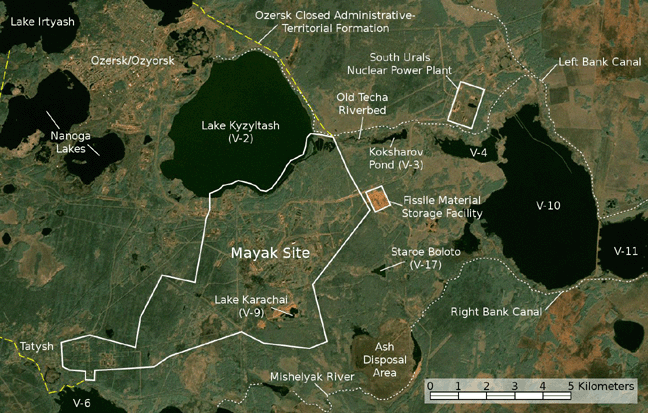
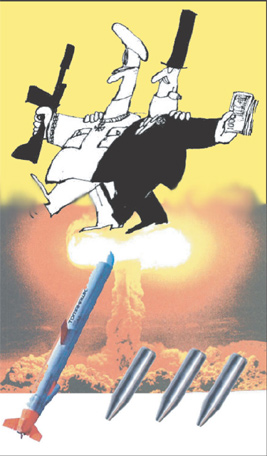
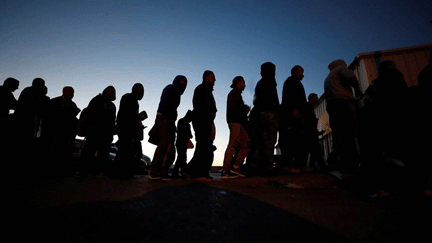





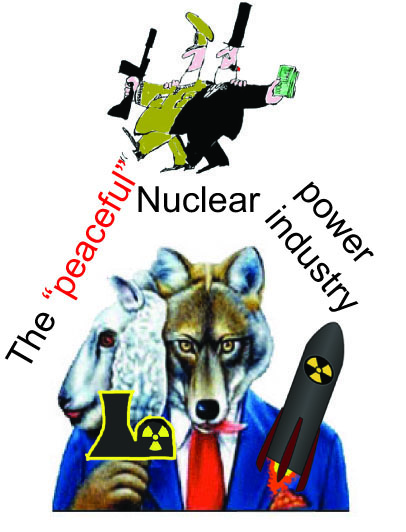










 nuclear-news