This article disputes the “Stimson narrative”, – the story that the atomic bombing was necessary, and therefore acceptable.
What Europeans believe about Hiroshima and Nagasaki—and why it matters , Bulletin of the Atomic Scientists Benoît Pelopidas Benoît Pelopidas is the founder of the Nuclear Knowledges program at the Center for International Studies at Sciences Po in Paris (formerly chair of excellence in security studies). Kjølv Egeland, Kjølv Egeland is Marie Skłodowska-Curie Postdoctoral Fellow in Security Studies at Sciences Po, focusing on strategic narratives and global nuclear order.
By Benoît Pelopidas, Kjølv Egeland, August 3, 2020 Did the atomic bombings ofHiroshima and Nagasakishorten the war, and were they necessary to force the Japanese surrender? Many people believe the answer to both questions is yes: In dropping the Bomb, America chose the lesser of two evils.
Although historians have long challenged this narrative as wrong or misleading, a significant number of Europeans still believe it. That is the primary result of a recent survey of European views on nuclear affairs generally and the atomic bombings of Japan specifically. The survey, carried out in October 2019, involved approximately 7,000 respondents aged 18 and upward, carefully selected to ensure representative samples from Belgium, France, Germany, Italy, the Netherlands, Poland, Sweden, Turkey, and the United Kingdom.
The survey also shows that those who believe the bombings were necessary and effective at significantly shortening the war are more likely to harbor skepticism toward nuclear disarmament than those who do not. That being said, European publics remain on the whole staunch in their support for the elimination of nuclear weapons. Even in nuclear-armed France and the United Kingdom, large majorities reject the idea that nuclear weapons could ever be used morally. Although others across the world may hold similar views, to date there has been no broad survey posing these questions in the United States or elsewhere. Future surveys could investigate whether the same pattern exists beyond Europe…………
it does not appear that the US executive spent much time deliberating whether atomic weapons should be used or not. Discussions instead focused on how, when, and where they would be employed. ………….
According to declassified documents, the US military estimated in June 1945 that a full-scale invasion of the Japanese home islands, in the worst-case scenario, could be expected to incur up to 220,000 casualties—quite far from Stimson’s “over a million.” Moreover, of the 220,000 casualties, only 46,000 were projected as fatalities. The number of people killed in Hiroshima and Nagasaki, on the other hand, was probably at least twice as high as the “over a hundred thousand Japanese” reported by Stimson in 1947………
the idea that the US government was faced with only two options in August 1945—full invasion or atomic bombing of Japanese population centers—has little basis in reality. Alternative courses of action, not mutually exclusive, would have included negotiations, a demonstration of the atomic bomb in an uninhabited area, continued strategic bombing short of the use of atomic weapons, continued economic blockade, and waiting for the Soviets to declare war against the Japanese empire.
it is not clear that the atomic bombs were in fact responsible for the Japanese surrender. The Japanese war cabinet had over an extended period of time been divided between a “peace party,” which argued that Japan should seek an end to the war as quickly as possible, and a “war party,” which argued the war should be continued as Japan sought good offices from the Soviet Union to negotiate a peace deal with the United States and Britain. In the view of the acclaimed historian Tsuyoshi Hasegawa, who consulted primary sources in Japanese, it was the Soviet Union’s breach of the Soviet–Japanese Neutrality Pact and attack against Japan on August 9, 1945 that tipped the scale and forced the emperor’s decision to surrender the very next day (the final decision was formalized a few days later, following discussions within the Japanese executive). In the absence of the Soviet invasion, Hasegawa concludes, the two atomic bombs would “most likely not have prompted the Japanese to surrender, so long as they still had hope that Moscow would mediate.”
The historian John Dower concurs: The Soviet entry into war was more important than the atomic bombing in producing Japanese surrender. Once the Soviets intervened, the Japanese appear to have favored surrendering to Washington over allowing Moscow to conquer their country. At the same time, from the perspective of the Japanese government, the atomic bombings provided an opportunity to frame the Japanese military’s shattering defeat as a result not of its own incompetence, but as an outcome of the introduction of a new and revolutionary weapon by the enemy. In Dower’s words, the atomic bombings allowed the Japanese emperor to spin the capitulation as “nothing less than a magnanimous act that might save humanity itself from annihilation by an atrocious adversary.”
In fact, according to the US Air Force’s own review, finalized not long after the end of the war, Japan would likely have surrendered that same autumn even in the absence of atomic bombings or an invasion. Similarly, the Joint Chiefs of Staff expressed skepticism about the use of atomic bombs both before and after the fact.
In summary, many of the central claims on which the official story about Hiroshima and Nagasaki is founded—that the atomic bombings were necessary to end the war, that they ended a conflict that otherwise would have slogged on, and that they saved a large number of American soldiers’ lives—appear to rest on shaky ground. While certain aspects of the story stand up to scrutiny, others have been proven plain wrong, and others remain contested by scholarship. But have people caught up with the historiography?
European views on the atomic bombings of Japan. Asked to note their agreement or disagreement with the statement that “the atomic bombings of Japan in World War II shortened the war significantly,” 23 percent of respondents to the October 2019 survey “strongly” agreed, 29 percent “somewhat” agreed, 31 percent reported no opinion, 9 percent “somewhat” disagreed, and 8 percent “strongly” disagreed. In other words, while 52 percent of respondents expressed support for the idea that the war was significantly shortened by the atomic bombings, only 17 percent pushed back against that idea.
Regarding the question of whether “the atomic bombings of Japan in World War II were necessary to bring Japan to surrender,” the survey results were more balanced. 12 percent of respondents “strongly” agreed, 19 percent “somewhat” agreed, 33 percent reported no opinion, 15 percent “somewhat” disagreed, and 21 percent “strongly” disagreed.
On the statement, “The atomic bombings of Japan in World War II saved American soldiers’ lives,” 14 percent of respondents expressed that they “strongly” agreed, 25 percent that they “somewhat” agreed, 38 percent reported no opinion, 11 percent expressed that they “somewhat” disagreed, and 13 percent expressed that they “strongly” disagreed.
Finally, asked to note their agreement or disagreement with the statement that “the atomic bombings of Japan in World War II killed innocent civilians,” 71 percent of respondents to the 2019 survey “strongly” agreed, 14 percent “somewhat” agreed, 12 percent expressed no opinion, and less than 5 percent “strongly” or “somewhat” disagreed.
The results suggest that the Stimson narrative still holds sway among Europeans, but that support might be weakening over time. On each statement, older respondents were slightly more likely than younger respondents to express agreement with Stimson’s interpretation of the atomic bombings.
Finally, it bears mentioning that British respondents stand out among the nine European populations sampled as the greatest believers in the Stimson narrative. The results unfortunately do not give further insight into the causes of this tendency, but three mutually reinforcing hypotheses are plausible. First, the shared language of the United States and the United Kingdom allows narratives and talking points to travel relatively frictionless across borders. Second, the United Kingdom was directly involved in the building of the atomic bomb through the Manhattan Project and, by extension, partly responsible for the fates of the people of Hiroshima and Nagasaki……..
Attitudes toward nuclear disarmament. European publics have long offered strong support for arms control and the elimination of nuclear weapons. This pattern is further corroborated by the survey data, which show consistent support for nuclear disarmament. ……..
The support for disarmament is robust and consistent: 81 percent of respondents who strongly agreed with the goal of eliminating nuclear weapons within 25 years also offered strong support for an agreement to eliminate nuclear weapons. …….
However, there is clear relationship between degree of faith in the Stimson narrative and support for the abolition of nuclear weapons. Respondents who said the atomic bombings shortened the war significantly, were necessary to bring about the Japanese surrender, or saved American soldiers’ lives were significantly more likely to believe that the abolition of nuclear weapons would “make the world less safe” compared to those who did not express such views. ………..
However, there is clear relationship between degree of faith in the Stimson narrative and support for the abolition of nuclear weapons. Respondents who said the atomic bombings shortened the war significantly, were necessary to bring about the Japanese surrender, or saved American soldiers’ lives were significantly more likely to believe that the abolition of nuclear weapons would “make the world less safe” compared to those who did not express such views. ……….
the intruders, as well as establishing that Palo Verde lacks effective drone defenses, may now have highly detailed maps of the facility, showing the exact location of every valve, pipe, switch and control. Perhaps they simply aim to sell these on the dark web to anyone who will pay. Or perhaps they have something else in mind. Either way, it is an alarming demonstration of how easily drone intruders can now go anywhere anytime they wish.
‘Drone Swarm’ Invaded Palo Verde Nuclear Power Plant Last September — Twice Forbes Jul 30, 2020, David Hambling
Documents gained under the Freedom of Information Act show how a number of small drones flew around a restricted area at Palo Verde Nuclear Power Plant on two successive nights last September. Security forces watched, but were apparently helpless to act as the drones carried out their incursions before disappearing into the night. Details of the event gives some clues as to just what they were doing, but who sent them remains a mystery.
Details of the events were obtained from the Nuclear Regulatory Commission by Douglas D. Johnson on behalf of the Scientific Coalition for UAP Studies (SCU) using the Freedom of Information Act (FOIA). The SCU’s main interest is in anomalous aerospace phenomena, what other people term UFOs. In this case though the flying objects were easily identifiable as drones, although their exact mission and origin are unknown. Johnson passed the information to The War Zone who give a detailed account.
Palo Verde Nuclear Power Plant is the largest in the U.S., producing over three gigawatts, 35% of Arizona’s total power capacity. It supplies electricity to Phoenix and Tucson, as well as San Diego and Los Angeles. It is a critical piece of strategic infrastructure; during the 2003 Iraq War, National Guard troops were deployed to Palo Verde to defend against a possible terrorist threat. In normal times, as with other nuclear installations, it is protected by armed security guards.
The armed guards, gates, fences and barriers were useless on the night of September 29th. According to the official report:
Officer noticed several drones (5 or 6) flying over the site. The drones are circling the 3 unit site inside and outside the Protected Area. The drones have flashing red and white rights [sic] and are estimated to be 200 to 300 hundred [sic] feet above the site. It was reported the drones had spotlights on while approaching the site that they turned off when they entered the Security Owner Controlled Area. Drones were first noticed at 20:50 MST and are still over the site as of 21:47 MST. Security Posture was normal, which was changed to elevated when the drones were noticed.”
The drones departed at 22:30, eighty minutes after they were first spotted. The security officers estimated that they were over two feet in diameter. This indicates that they were not simply consumer drones like the popular DJI Phantom, which have a flight endurance of about half an hour and is about a foot across, but something larger and more capable. The Lockheed Martin Indago, a military-grade quadcopter recently sold to the Swiss Army, has a flight endurance of about seventy minutes and is more than two feet across. At several thousand dollars apiece minimum, these are far less expendable than consumer drones costing a few hundred. All of which suggests this was not just a prank.
The next night events were repeated:…….
Despite this incident, two months later the NRC decided not to require drone defenses at nuclear plants, asserting that small drones could not damage a reactor or steal nuclear material. It is highly likely that such sites are still vulnerable to drone overflights.
Are such drones a genuine threat to nuclear facilities?…….
their ability to strike pinpoint targets to hit control systems and failsafes. While this would be unlikely to cause a Chernobyl, it might well shut the plant down, taking out 35% of Arizona’s electricity at a stroke. The successful attack on the Abqaiq facility last year, in which about twenty garage-built drones knocked out a heavily-defended oil facility in Saudi Arabia, should be a wakeup call that such unmanned precision strikes are not just the preserve of state actors any more………
the intruders, as well as establishing that Palo Verde lacks effective drone defenses, may now have highly detailed maps of the facility, showing the exact location of every valve, pipe, switch and control. Perhaps they simply aim to sell these on the dark web to anyone who will pay. Or perhaps they have something else in mind. Either way, it is an alarming demonstration of how easily drone intruders can now go anywhere anytime they wish. https://www.forbes.com/sites/davidhambling/2020/07/30/drone-swarm-invaded-palo-verde-nuclear-power-plant/#78cb15aa43de
DCEG 13th July 2020,An international team of experts in the study of cancer risks associated with low-dose ionizing radiation published the monograph, “Epidemiological studies of low-dose ionizing radiation and cancer: Summary bias assessment and meta-analysis,” in the Journal of the National Cancer Institute on July 13, 2020. It is well established that ionizing radiation causes cancer through direct DNA damage. The general public are exposed to low doses of ionizing radiation from medical exposures like computed tomography (CT) scans, naturally occurring radiation (emitted from bedrock with the earth’s crust and cosmic rays emitted by the sun), and occupational exposures to medical, aircrew and nuclear workers.
A key question for low-dose exposures is how much of the damage can be repaired and whether other mechanisms, including inflammation, also play a role. This critical question has been long debated for radiation protection standards. After combing data from 26 epidemiological studies the authors found clear evidence of excess cancer
risk from low dose ionizing radiation: 17 of 22 studies showed risk for solid cancers and 17 of 20 studies showed risk for leukemia. The summary risk estimates were statistically significant and the magnitude of risk(per unit dose) was consistent with studies of populations exposed to higher doses. https://dceg.cancer.gov/news-events/news/2020/low-dose-monograph?s=09
The Fukushima Diiachi Accident Chain, Part 6, Nuclear Exhaust, 22 July 20
A Discussion of Official Reports Describing the Fukushma Diiachi Nuclear Disaster
The references used for this discussion are:
“The Official report of the Fukushima Nuclear Accident Independent Investigation Commission Executive Summary”, The National Diet of Japan, 2012.
“FUKUSHIMA DAIICHI: ANS Committee Report”, A Report by The American Nuclear Society Special Committee on Fukushima, March 2012.
“The Fukushima Daiichi Accident, Technical Volume 1/5 Description and Context of the Accident, IAEA, Vienna, 2015.
“FACT AND CAUSE OF FUKUSHIMA NUCLEAR POWER PLANTS ACCIDENT”, Hideki NARIAI, Proceedings of the International Symposium on Engineering Lessons Learned from the 2011 Great East Japan Earthquake, March 1-4, 2012, Tokyo, Japan.
Other sources, such as press reports, industry and authority regulations and technical bulletins will also be used.
The very great complexity of the disaster and of the human and systems responses to the challenges which confronted, and confront, the Fukushima Diiachi nuclear plant and the people operating and tending to the plant is obvious. The aim of this discussion is to attempt to produce, in review, a coherent picture of the events as reported by the authorities given above.
While the nuclear industry and permanent nuclear authorities – the IAEA – tend to agree closely in their reports of the events, the Fukushima Nuclear Accident Independent Investigation Commission, appointed by the Japanese national Parliament (Diet) reports various aspects of the disaster with pointedly local questioning of events based upon witness accounts and the Committee’s own findings. And these perceptions, based on local knowledge of both the plant and witness statements actually challenge, in aspects, the findings of the other authorities.
As a preamble to the discussion of the disaster, a central consideration to all nuclear power plants in use today has to be included. The long term, intermediate term and short term safety of nuclear power plants depends upon the availability of electrical grid connection and power to the reactors and the entire plant. This is not an opinion, it is a technical fact which nuclear authorities have repeatedly reported upon.
The surprising fact is, that although nuclear reactors can supply electrical power to the world’s largest cities and nations, when the grid goes down, there is no ability for any nuclear reactor to power itself and its systems on any long term basis. There is nothing integral to the reactors which allows the energy resident in the reactors’ cores and pressure vessels to be controlled and managed so as to manage the cooling of the reactors.
While the nuclear industry and nuclear authorities have touted the virtues of nuclear power plant emergency cooling systems for over 50 years. However:
“The emergency cooling systems started. However, they did not work for so long time, and the fuels became to heat up and melt down, resulting the severe accident. “ Source: English translation of “FACT AND CAUSE OF FUKUSHIMA NUCLEAR POWER PLANTS ACCIDENT , Hideki NARIAI, Proceedings of the International Symposium on Engineering Lessons Learned from the 2011 Great East Japan Earthquake, March 1-4, 2012, Tokyo, Japan.
As we shall see later, the workers at the Fukushima Diiachi site during the early stages kept the emergency cooling systems going for many hours longer than the systems were designed to last. And these systems are designed to work for 8 hours only. (See the ANS report)..……….
It is beyond me why the nuclear industry, for more then 50 years, has been so wilfully dumb, ignorant and arrogant in the design of its emergency systems. And everything else. It seems to me the main aim of the industry is to sell reactors by any means. Whereas the industry should have the main aim of assuring safety in the context of the modern world and the modern world energy market. The problem is, though solar panels mounted on the Fukushima Shima Diiachi reactor building roofs could have save the day by keeping cooling pumps going, the obvious thought is this: why not just replace the Fukushima Diiachi with a solar and wind farm?
No danger of meltdown at all. As soon the 2009 scientific assessment came in demonstrating that an earthquake and tsunami was due “within the next 30 years”. that is precisely what should have been down. Perhaps Barry Brook and Pam Sykes, two academic non nuclear experts in Australia, were right. No human skill could have saved Fukushima Diiachi. So why leave it there? Pity the authorities in the nuclear industry hid and suppressed the scientific warnings of 2009, including TEPCOs own confirmation of the growing threat. This is standard procedure for the nuclear industry. It is not a particularly Japanese culture. It is nuclear norm.
The IAEA requirements for electricity grids which supply Nuclear Power Plants.
The following text is a straight quote from : ” “ELECTRIC GRID RELIABILITY AND INTERFACE WITH NUCLEAR POWER PLANTS” IAEA NUCLEAR ENERGY SERIES No. NG-T-3.8, IAEA, ….
Quote: ““The safe and economic operation of a nuclear power plant (NPP) requires the plant to be connected to an electrical grid system that has adequate capacity for exporting the power from the NPP, and for providing a reliable electrical supply to the NPP for safe startup, operation and normal or emergency shutdown of the plant.
“Connection of any large new power plant to the electrical grid system in a country may require significant modification and strengthening of the grid system, but for NPPs there may be added requirements to the structure of the grid system and the way it is controlled and maintained to ensure adequate reliability.
“The organization responsible for the NPP and the organization responsible for the grid system will need to establish and agree the necessary characteristics of the grid and of the NPP, well before the NPP is built, so that they are compatible with each other. They will also need to agree the necessary modifications to the grid system, and how they are to be financed.
“For a Member State that does not yet use nuclear power, the introduction and development of nuclear power is a major undertaking. It requires the country to build physical infrastructure and develop human resources so it can
construct and operate a nuclear power plant (NPP) in a safe, secure and technically sound manner. ” end quote. Source: “ELECTRIC GRID RELIABILITY AND INTERFACE WITH NUCLEAR POWER PLANTS” IAEA NUCLEAR ENERGY SERIES No. NG-T-3.8, IAEA,
Hmm. very interesting. NPPs require a specifically designed and modified baseload capable grid network before they can be expected to safely start up, operation and shut down. Further the grid is needed, according to the world nuclear authority, for SAFE EMERGENCY SHUTDOWN.
The Earthquake and the Grid in Japan on the day of the disaster
One would have thought the following information would have been clearly discussed by the nuclear authorities from the day of the disaster. It’s nearly 10 years and still no word from them:
““Vibrations from the magnitude 9.0 earthquake triggered an immediate shut down of 15 of Japan’s nuclear power stations. Seismic sensors picked up the earthquake and control rods were automatically inserted into the reactors, halting the fission reaction that is used to produce electricity. This sudden loss of power across Japan’s national power grid caused widespread power failures, cutting vital electricity supplies to Fukushima Daiichi. There were three reactors, one, two and three, operating at the time when the earthquake hit while reactors four, five and six had already been shutdown as part of routine maintenance work.” “Japan earthquake: how the nuclear crisis unfolded”. Richard Gray, Science Correspondent, The Telegraph, 20 March 2011. end quote.
The first thing the earthquake did was to cause the shutdown of nuclear power feed into the grid. 15 Nuclear Power Plants threw in the towel because they cannot safely operate during an earthquake. Apparently. Nuclear power guarantees black out in an earthquake.
Fukushima may have scattered plutonium widely, Physics World 20 Jul 2020 Tiny fragments of plutonium may have been carried more than 200 km by caesium particles released following the meltdown at the Fukushima Daiichi nuclear power plant in Japan in 2011. So says an international group of scientists that has made detailed studies of soil samples at sites close to the damaged reactors. The researchers say the findings shed new light on conditions inside the sealed-off reactors and should aid the plant’s decommissioning……..
Mapping plutonium spread
To date, plutonium from the accident has been detected as far as 50 km from the damaged reactors. Researchers had previously thought that this plutonium, like the caesium, was released after evaporating from the fuel. But the new analysis instead points to some of it having escaped from the stricken plant in particulate form within fragments of fuel “captured” by the CsMPs…….
Implications for decommissioning
The researchers note that previous studies have shown that plutonium and caesium are distributed differently in the extended area around Fukushima, which suggests that not all CsMPs contain plutonium. However, they say that the fact plutonium is found in some of these particles implies that it could have been transported as far afield as the caesium – up to 230 km from the Fukushima plant.
As regards any threat to health, they note that radioactivity levels of the emitted plutonium are comparable with global counts from nuclear weapons tests. Such low concentrations, they say, “may not have significant health effects”, but they add that if the plutonium were ingested, the isotopes that make it up could yield quite high effective doses.
With radiation levels still too high for humans to enter the damaged reactors, the researchers argue that the fuel fragments they have uncovered provide precious direct information on what happened during the meltdown and the current state of the fuel debris. In particular, Utsunomiya points out that the composition of the debris, just like that of normal nuclear fuel, varies on the very smallest scales. This information, he says, will be vital when it comes to decommissioning the reactors safely, given the potential risk of inhaling dust particles containing uranium or plutonium.
Free News 17th July 2020, An international consortium of scientists has specified a map of
concentrations of cesium and plutonium radionuclides in soils in
Switzerland and several neighboring countries. Using an archive of European
soil samples, a team of researchers led by Catherine Meisburger from the
University of Basel was able to track down the sources of radioactive
fallout between 1960 and 2009.
This study was published in the journal
Scientific Reports. On the new map of radioactive contamination of the
soil, there are not only Switzerland but also several neighboring countries
– France, Italy, Germany and Belgium. The map is based on a new
calculation method, namely the use of the ratio of cesium to plutonium.
These two radionuclides were released during military nuclear tests in the
1960s. Additional cesium fell into some countries during the Chernobyl
accident in 1986.
It’s Been 75 Years, and America Still Won’t Admit a Nuclear Disaster. Remember when we blew radioactive ash over New Mexico? Now the Trump administration is talking about testing bombs again.https://www.nytimes.com/2020/07/15/opinion/75-anniversary-trinity-nuclear-testing.html, By Joshua Wheeler, Mr. Wheeler is the author of “Acid West.” July 15, 2020 When America detonated the world’s first atomic bomb at 0529 hours on July 16, 1945, it was an attack on American soil.
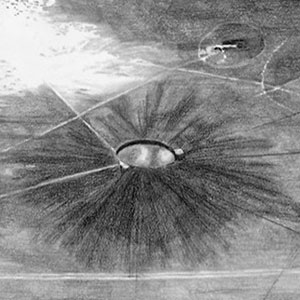
The blast melted the sand of southern New Mexico and infused it with the bomb’s plutonium core — 80 percent of which failed to fission — scattering radioactive material across the desert. The first atomic bomb was both a feat of engineering and, by today’s standards, a crude dirty bomb.
After riding the fireball over seven miles into the sky, as much as 230 tons of radioactive sand mixed with ash and caught the breeze of a cool summer morning. It floated 15 miles northwest to the Gallegos Ranch, where it fell and bleached the cattle. The dirty ash floated 20 miles northeast to the M.C. Ratliff Ranch, where that family would spend days cleaning it off their roof, off their crops and out of their water cistern. Thirty-five miles southeast at the Herreras’ home in Tularosa, the radioactive soot stained the white linens drying on the clotheslines.
The fallout from that detonation — code-named Trinity — floated over a thousand square miles and exposed thousands of families to radiation levels that “approached 10,000 times what is currently allowed,” according to the Centers for Disease Control and Prevention.
In the hours after the explosion, 185 Army personnel chased the fallout to monitor its extent. They chased it so far that their communications radios stopped working. Some who were stationed a few miles north of Trinity looked anxiously at their whirring Geiger counters and decided to bury their now-irradiated breakfast steaks.
Those soldiers had been given respirators, but at least one forgot his and was forced to take the officially sanctioned precaution of breathing through a slice of bread. Others were sent out with Filter Queens, a popular vacuum cleaner, in a futile attempt to suck up the fallout as though it was nothing more than household dust.
In short, the Army was woefully unprepared and even willfully negligent about the fallout of its first atomic bomb. It warned no residents. It ordered no evacuations. It maintained that the area around Trinity was absolutely safe, even when it knew it was not. So Americans went on living in the fallout, working in the fallout, eating from the dirty American soil.
Downwind of the blast, the local infant mortality rate, after declining in previous years, spiked. It increased by as much as 52 percent in 1945, with the highest increase occurring in August through October, the months immediately after Trinity. Recent research suggests that when America detonated the world’s first atomic bomb, its first victims were American babies.
Though there is no conclusive data about the rise in cancer rates after Trinity — largely because of a lack of government funding for such studies — stories collected by the Tularosa Basin Downwinders Consortium reveal generations ravaged by nearly every imaginable cancer.
An Army doctor later wrote about Trinity: “A few people were probably overexposed, but they couldn’t prove it and we couldn’t prove it. So we just assumed we got away with it.”
It has been 75 years and the American government still refuses to admit that the detonation of the “gadget,” as the Trinity bomb was called, was a nuclear disaster.
Aboveground nuclear testing was halted in 1963. Underground testing, which is comparably safer but still terrifying, was stopped in 1992. But today the Trump administration is floating the idea of resuming such testing — despite the fact that America is, after more than 1,000 tests, already the most nuclear-bombed country in the world.
“We maintain and will maintain the ability to conduct nuclear tests if we see any reason to do so, whatever that reason may be,” President Trump’s nuclear negotiator said last month.
Mr. Trump campaigned in 2016 saying he wanted to be “unpredictable” with nuclear weapons. He went on to antagonize North Korea in 2017 by tweeting, “My first order as President was to renovate and modernize our nuclear arsenal.” According to Axios he suggested “multiple times” the use of “nuclear bombs to stop hurricanes from hitting the United States.” He withdrew from many arms agreements, including the Iran nuclear deal, the Intermediate-Range Nuclear Forces Treaty and the Open Skies Treaty. And he raised the budget of the National Nuclear Security Administration by more than 50 percent.
What’s next? An explosive nuclear test can be orchestrated in as little as six months. And with a president whose lust for nuclear weapons is as evident as his lust for showmanship, that should terrify all of us. Resumed explosive testing, even underground, will undoubtedly encourage other nations to follow suit.
Any explosive nuclear test is an escalation toward global annihilation.
Congress is now so concerned that Democrats in the House have proposed a bill that would prohibit Energy Department funds from being used for nuclear weapons testing, while the Senate has moved to make any nuclear testing require a joint resolution. Senator Catherine Cortez Masto of Nevada said, “The decision to conduct an explosive nuclear test should not be made without congressional approval and should never be made by a president hoping to gain political points.”
But the decision to resume explosive nuclear tests should never be made at all. We can and do perform successful tests in virtual-reality chambers using advanced supercomputers. Explosives tests of any kind carry magnitudes more risk, and the consequence of that risk has historically fallen on the most vulnerable Americans.
It should come as no surprise that the downwinders of Trinity were largely impoverished agricultural families, mostly Hispanic and Native. New Mexico, one of the poorest states in the nation, is the only one with a cradle-to-grave nuclear industry, where weapons are designed, uranium mined, and waste stored. After a recent study from the Nuclear Regulatory Commission raised no concerns, the federal government looks poised to finalize Holtec International’s bid to store nuclear waste between the New Mexico towns of Hobbs and Carlsbad, despite vehement objections from the governor and many residents of the area. And any resumed nuclear testing would add more radioactive waste to the controversial storage site already in existence near Carlsbad.
This is further evidence of what’s been called radioactive colonialism, where minority and impoverished communities are forced to suffer the costs of the nuclear industry.
Henry Herrera, whose family’s drying linens were stained by the fallout on that July morning in 1945, told me: “We were lab rats. That ought to make us hero patriots or something. Which we are. But nobody gives a damn.” Mr. Herrera, his brother and his two sisters all had cancer.
If Congress truly wants to awaken Americans to the dangers of nuclear testing, it should start by finally telling the truth about the disaster at Trinity. Bills to acknowledge and compensate Mr. Herrera and other Trinity downwinders have lingered in legislative purgatory for over a decade. Passing them would help establish what should be obvious: The shameful legacy of nuclear weapons testing is something we should never attempt to revive.
Joshua Wheeler is the author of the essay collection “Acid West.” He teaches in the creative writing program at Louisiana State University.
The Times is committed to publishing a diversity of letters to the editor. We’d like to hear what you think about this or any of our articles. Here are some tips. And here’s our email: letters@nytimes.com.
100% Renewables 16th July 2020, The Government has just announced a £40 million research programme into so-called advanced modular reactor technology that is highly unlikely ever to see any practical use. That is because the so-called small modular reactors (SMRs) are much too expensive for civilian use.
In an important sense it is nonsense to talk about research to develop SMRs as a ‘new’ technology simply because they already exist. They power military submarines and also US aircraft carriers. Their design is simply a smaller
version of the Pressurised Water Reactor (PWR) design that dominates the world nuclear power industry. Indeed PWRs began as small projects housed in submarines which were then developed up in scale so that they could produce electricity more cheaply.
At 450 MW for their proposed plant, the plant is not far off the same order of magnitude as conventional plant – for
example the AGR series that currently generates the bulk of British nuclear plant has units of around 600-660 MW. In fact, as Tom Burke points out, they are close to the size of Britain’s first generation of reactors, the ‘Magnox’ reactors.
Neither is the plant proposed by Rolls Royce modular in the sense that such plant can be rolled off a production line. What Rolls Royce claims is that some parts can be produced in a ‘modular’ fashion. This is not the same as producing whole units off a production line, and in fact the developers of the nuclear plant Vogtle in the USA also claim to produce parts in a ‘modular ‘fashion (although this plant is now hopelessly behind schedule with very large cost overruns).
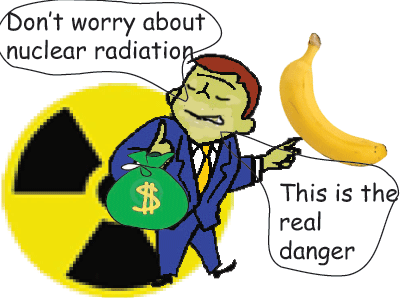
One such tactic, which was witnessed after Fukushima, occurred through the reframing of radiation risks as simplistic and natural, unrelated to the specific risks associated with Fukushima. For instance, the government distributed pamphlets that explained that radiation naturally exists in our food, ch as the potassium levels present in bananas.
Yet such information is irrelevant to the hazards of internalizing fission products from a nuclear power plant. While bananas have naturally occurring potassium, it would require eating around 20 million bananas to get radiation poisoning. On the other hand, each radionuclide released during nuclear meltdown events like Fukushima possesses specific biological signatures and presents particular risks when inhaled or ingested.
Being Clear-Eyed About Citizen Science in the Age of COVID-19, Sapiens MAXIME POLLERI / 15 JUL 2020
“……..there are inherent political complexities involved when citizens or nongovernmental organizations step in and claim expertise in areas typically reserved for state agencies and experts. Like those entities, citizen science has its own potential pitfalls.
For one, corporate polluters or state agencies can potentially exploit citizen science, delegating the monitoring of contamination to the victims of a disaster. For instance, by the end of this year, Japan’s Nuclear Regulation Agency plans to remove 80 percent of radiation monitoring posts in Fukushima, arguing that the radiation levels in many areas have stabilized themselves—owing also in part to the presence and efficiency of monitoring networks provided by citizens. This decision has been controversial, since problems of radioactive contamination persist in Fukushima. For instance, one of the main radioactive pollutants, Cesium-137, has a long lifespan and can emit radiation for nearly 300 years.
Retiring these posts will force citizen scientists to take on the burden of monitoring, shifting liability for ensuring safe living conditions onto the shoulders of the nuclear victims. In addition, the growing impact of citizen science can lead to reduced public expenditure, minimal government intervention, and risk privatization, meaning that risk becomes individual and private. Too much delegation to citizens runs the risk of creating societies where individuals have to take care of themselves in increasingly polluted environments, while interpreting complex data about controversial environmental dangers. And not every community can afford to purchase expensive monitoring devices or test food in a consistent manner.
Citizen scientists also risk reproducing forms of ignorance around certain hazards. n post-Fukushima Japan, what is meant by the “science” of citizen science is often synonymous with a tracking and monitoring agenda, where individuals resort to the very same technologies and knowledge forms used by states, nuclear lobbies, or radiological protection agencies.
Yet many anthropologists and historians have argued that what we know (and don’t know) about the extent of radiation hazards and dangers was embedded in a culture of secrecy, denial, and propaganda that was shaped by the nuclear arms race of the Cold War. Considerations over international security and political stability were often prioritized over the safety of workers or citizens who had been exposed to radiation. As a result, some of the negative effects of radiation were downplayed through different tactics.
One such tactic, which was witnessed after Fukushima, occurred through the reframing of radiation risks as simplistic and natural, unrelated to the specific risks associated with Fukushima. For instance, the government distributed pamphlets that explained that radiation naturally exists in our food, ch as the potassium levels present in bananas.
Yet such information is irrelevant to the hazards of internalizing fission products from a nuclear power plant. While bananas have naturally occurring potassium, it would require eating around 20 million bananas to get radiation poisoning. On the other hand, each radionuclide released during nuclear meltdown events like Fukushima possesses specific biological signatures and presents particular risks when inhaled or ingested. During my fieldwork in Fukushima, I witnessed that this legacy of misinformation was carried on by some citizens who unwittingly replicated these propagandist forms of knowledge by making similar naturalistic or overly simplistic comparisons.
As citizen science efforts grow, it is also critical to consider to what extent citizen involvement might put individuals at risk of adverse health effects. This is a tricky question when one considers that certain members of the population, like children, are more sensitive to radiation than others. In Fukushima, some Japanese parents have understandably opted to evacuate rather than rely on citizen science, arguing that doing so would expose their children to unacceptable levels of radiation and that forcing children to be responsible for their own safety is unethical.
Citizen scientists are hardly homogeneous groups, as mothers, farmers, and urban citizens do not experience hazards and recovery in the same way. In that regard, factors such as gender, employment, and social class strongly influence why people enter citizen science, how science is mobilized, and how data about a controversial hazard ends up being interpreted. For instance, people like Natsuo have used the results gathered by citizen science to highlight the dangers of living in Fukushima, while other citizen science organizations help bring people back to their beloved region. These conflicts can result in even more fragmented communities and conflicts within and around citizen science. ……
In Japanese, two words—shiru and wakaru—can be used for the verb “knowing.” Shiru means “to find out” or “to learn.” It implies a process of acquisition of knowledge and information. Wakaru, on the other hand, is closer to “understanding this knowledge.” Shiru comes before wakaru, and in a way, one can know but not necessarily understand. Wakaru consequently shows a greater and more personal level of comprehension often based on a given context.
For Masayuki, state institutional experts possessed shiru, but not wakaru. Having been directly affected by radioactive contamination, Masayuki strongly believed that the inhabitants of a place, the jūmin (literally, the people who resided) were best suited to manage their life in a post-Fukushima Japan. https://www.sapiens.org/culture/fukushima-citizen-science/
Being Clear-Eyed About Citizen Science in the Age of COVID-19
An anthropologist explores the network of citizen monitoring capabilities that developed after the Fukushima nuclear disaster in Japan in 2011 for what they might teach all of us about such strategies for the covonavirus pandemic. Sapiens MAXIME POLLERI / 15 JUL 2020“…………… The earthquake and subsequent tsunami led to core meltdowns within some of the Fukushima power plant’s nuclear reactors. This malfunction, along with other technical incidents, resulted in the atmospheric release of radioactive pollutants, which spread predominantly over the northeastern part of Japan, forcing a widespread evacuation of Fukushima residents. By March 12, the area around the power plant had been evacuated; those living and working within 20 kilometers of the radius of the plant were forced to relocate. In the days, weeks, and months following this disaster, uncertainty around the scale and extent of contamination grew swiftly—much like what we see occurring throughout the world during the COVID-19 pandemic.
Most notably, the public grew increasingly concerned about the legitimacy of institutional experts’ ability to control and explain the risks of residual radioactivity, while citizens like Natsuo were unable to get adequate information through traditional media venues. Initially, data about radioactive contamination came sporadically and was often explained in hard-to-understand metrics by scientists who were cherry-picked by the state to send reassuring messages to citizens.
Moreover, radioactive contamination was later found to be present in some food products and in school yards where children had been playing that lay beyond the official zone of evacuation. Over the ensuing months and years, the public lost confidence in the state’s response and began to take matters into their own hands, mobilizing expert practices of their own. Widespread grassroot actions led to citizen science networks in which people tracked radiation in their environment, organized learning workshops on radiation dangers, and tested food for contamination, often through local organizations or individual households.
As an anthropologist who conducted fieldwork on the Fukushima nuclear disaster between 2015 and 2017, I came to realize that citizen science can rise up to fill in the gaps of state responses toward crises, for better or for worse. As we’ve seen play out throughout the COVID-19 pandemic in various parts of the world, governance and leadership have often been confusing, mismatched, and at times utterly misleading. The case of Fukushima offers lessons about both the promises and pitfalls of citizen science and how civil society is playing an increasingly important role in managing various disasters, catastrophes, and crises.
The Geiger counter of Masayuki was not silent for long before it began to emit the distinctive “clicking” sound associated with radiation monitoring devices. The “click” grew louder in intensity as we located a hot spot, an area where the level of radiation is significantly higher than elsewhere. Masayuki dutifully noted the number provided by the device before leaving to search for another hot spot. We were standing in the Japanese village of Iitate, situated in the prefecture of Fukushima. It was common at this time for citizens to own their own Geiger counters—often purchased off the internet using international donations or made at home as DIY devices—to measure the level of radiation around them.
When I first came to this rural village in the spring of 2016, more than five years had passed since the nuclear disaster. The forced evacuation of citizens from Fukushima and the surrounding areas had proved short-lived; by 2012, the Japanese state had already embraced a policy of repatriation to irradiated areas like Iitate village, which is where I met Masayuki and citizens like him in 2016. ……….
While happy to be back in their beloved region, many residents were critical of the state radiation-monitoring networks that were supposed to provide them with adequate information to allow them to live safely in the village. Indeed, state data on radiation was often provided through fixed monitoring in precise locations or through an average radiation level taken in the village. This kind of information was not practical enough for residents, who wanted to know the specific radiation levels behind their houses or in their rice paddy fields.
Likewise, official depictions of radiation levels through clear-cut chromatic zones did little to offer the citizens reassurance. As a result of the perceived limitation of state measures, residents quickly decided to track radiation themselves as a means to keep the map of their village relevant—often finding contamination that was not evident from state mapping. In the house of one farmer, I witnessed homemade models that exhibited a 3D topography of Iitate’s geographical landscape. These models had been made using 3D printers, and the level of radiation had been monitored by the citizens themselves.
In particular, the local knowledge of the geography of Iitate helped citizens to attain a level of precision that far exceeded that of the government map. Citizens soon learned that radiation doses could be higher at the bottom of a hill than farther upslope or that the woods behind one’s home, having trapped radiation, might impact the radiation level inside houses. These practices helped strengthen a community that had previously felt helpless in the face of an imperceptible radiation threat. Geiger counters became the ears and eyes of citizens like Masayuki, enabling them to make sense of and gain some semblance of control over a hazard that cannot be registered by the senses.
After the Chernobyl nuclear disaster in 1986, one of the main sources of radiation exposure stemmed from consumption of food products such as milk or wild mushrooms that had been contaminated by radioactive fallout. In an effort to make sure that this did not happen in Japan, the government took on the task of testing the food produced in Fukushima, implementing a limit to the allowable amount of radioactivity in food products.
Within months after the meltdowns, the government assured the public of the safety of its food products, encouraging citizens to consume foods sold at public fairs and other public events. However, citizens of Fukushima also consume food harvested from streams, forests, home gardens, and mountain areas—where state monitoring was largely absent or insufficient.
Again, citizens mobilized to fill in the gaps in food testing: With the help of public donations, citizen scientists were able to purchase scintillation detectors, which are used to measure radioactive contaminants in foodstuff. Such testing enabled citizens to gain an understanding of the types of foods most prone to radioactive contamination, such as mushrooms, green leafy vegetables, citrus, sea cucumber, and seaweeds. This in turn helped people avoid eating the most risky foods. Together with state monitoring, such citizen science practices resulted in lower consumption of contaminated foods.
While such examples demonstrate the power and potential of citizen science, there are inherent political complexities involved when citizens or nongovernmental organizations step in and claim expertise in areas typically reserved for state agencies and experts. Like those entities, citizen science has its own potential pitfalls…….. https://www.sapiens.org/culture/fukushima-citizen-science/
An ex-SCANA executive is to plead guilty tomorrow in a $9 billion nuclear fraud.
SCANA’s top nuclear executive, Steve Byrne, is accused of conspiracy in a failed nuclear project which cost investors – including his own employees – millions in stock losses.
The joint SCANA-Santee Cooper project:
1. Saddled more than 725,000 SC Electric & Gas ratepayers with $2 billion in costs.
2. Led to a near bankruptcy of Lexington County-based SCE&G and its sale to Dominion Energy.
3. Damaged the future of nuclear power in SC.
Byrne’s guilty plea will be entered Tuesday, July 14, at the federal courthouse in Columbia.
As Chief Operating Officer of SCANA, the owners of SCE&G, Byrne has admitted to knowingly engaging with others in fraud during construction of 2 Westinghouse AP100 reactors.
Byrne may face 5 years in prison and fines of not more than $1 million although the court could fine him more.
Federal officials are believed to have offered him a deal to testify against fellow executives and their lawyers who may have participated in the conspiracy.
To assure that Byrne, a former Irmo resident, follows the terms, sentencing will occur later.
Byrne has signed a plea agreement with federal agents which stipulate what he must do.
According to court postings, a bond hearing will immediately follow before Magistrate Judge Shiva V. Hodges
The failed nuclear project and a state law that allowed SCE&G to bilk rqtepayers of $2 billion was formally opposed before the Public Service Commission by Friends of the Earth, the Sierra Club, the SC Small Business Chamber and the Coalition to Stop the Blank Check.
Byrne agreed to be “fully truthful” about “criminal activities about which he has knowledge” and to provide documentation and testify at the trial of others.
Court documents reveal that the federal attorney believes other executives and lawyers:
1. Were involved in the conspiracy to cover-up problems at the failing nuclear project.
2. Made “false and misleading statements” about it to the PSC.
3. Took advantage of the Base Load Review Act in which SC lawmakers allowed SCE&G to pass all costs and risks to ratepayers.
State regulators inadequately reviewed the fraud due to a bias for SCE&G and against ratepayers, said Tom Clements, director Savannah River Site Watch.
“Byrne’s plea for his role in the reactor construction boondoggle will be historic as officials responsible for such failed projects rarely get caught and never confess to their crimes,” he said.
Clements was a main intervenor at the start and finish of the project.
“Byrne, who should serve prison time, must fully reveal the criminal role of others in the conspiracy that has been so disastrous for ratepayers, Clements said.
These include former CEO Kevin Marsh and former CFO Jimmy Addison,” he said.
Court documents imply that other individuals are being investigated,.
That means they and “lawyers who advised them” may face criminal charges, Clements said.
Arctic Ocean changes driven by sub-Arctic seashttps://www.eurekalert.org/pub_releases/2020-07/uoaf-aoc071020.php b UNIVERSITY OF ALASKA FAIRBANKNew research explores how lower-latitude oceans drive complex changes in the Arctic Ocean, pushing the region into a new reality distinct from the 20th-century norm.
The University of Alaska Fairbanks and Finnish Meteorological Institute led the international effort, which included researchers from six countries. The first of several related papers was published this month in Frontiers in Marine Science.
Climate change is most pronounced in the Arctic. The Arctic Ocean, which covers less than 3% of the Earth’s surface, appears to be quite sensitive to abnormal conditions in lower-latitude oceans.
“With this in mind, the goal of our research was to illustrate the part of Arctic climate change driven by anomalous [different from the norm] influxes of oceanic water from the Atlantic Ocean and the Pacific Ocean, a process which we refer to as borealization,” said lead author Igor Polyakov, an oceanographer at UAF’s International Arctic Research Center and FMI.
Although the Arctic is often viewed as a single system that is impacted by climate change uniformly, the research stressed that the Arctic’s Amerasian Basin (influenced by Pacific waters) and its Eurasian Basin (influenced by Atlantic waters) tend to differ in their responses to climate change.
Since the first temperature and salinity measurements taken in the late 1800s, scientists have known that cold and relatively fresh water, which is lighter than salty water, floats at the surface of the Arctic Ocean. This fresh layer blocks the warmth of the deeper water from melting sea ice.
In the Eurasian Basin, that is changing. Abnormal influx of warm, salty Atlantic water destabilizes the water column, making it more susceptible to mixing. The cool, fresh protective upper ocean layer is weakening and the ice is becoming vulnerable to heat from deeper in the ocean. As mixing and sea ice decay continues, the process accelerates. The ocean becomes more biologically productive as deeper, nutrient-rich water reaches the surface.
By contrast, increased influx of warm, relatively fresh Pacific water and local processes like sea ice melt and accumulation of river water make the separation between the surface and deep layers more pronounced on the Amerasian side of the Arctic. As the pool of fresh water grows, it limits mixing and the movement of nutrients to the surface, potentially making the region less biologically productive.
The study also explores how these physical changes impact other components of the Arctic system, including chemical composition and biological communities.
Retreating sea ice allows more light to penetrate into the ocean. Changes in circulation patterns and water column structure control availability of nutrients. In some regions, organisms at the base of the food web are becoming more productive. Many marine organisms from sub-Arctic latitudes are moving north, in some cases replacing the local Arctic species.
“In many respects, the Arctic Ocean now looks like a new ocean,” said Polyakov.
These differences change our ability to predict weather, currents and the behavior of sea ice. There are major implications for Arctic residents, fisheries, tourism and navigation.
This study focused on rather large-scale changes in the Arctic Ocean, and its findings do not necessarily represent conditions in nearshore waters where people live and hunt.
The study stressed the importance of future scientific monitoring to understand how this new realm affects links between the ocean, ice and atmosphere.
###
Co-authors of the paper include Matthew Alkire, Bodil Bluhm, Kristina Brown, Eddy Carmack, Melissa Chierici, Seth Danielson, Ingrid Ellingsen, Elizaveta Ershova, Katarina Gårdfeldt, Randi Ingvaldsen, Andrey V. Pnyushkov, Dag Slagstad and Paul Wassmann.
“My task was to go in and pick up all the radioactive debris, load them into my truck and take them to the decontamination centre.“I had no protection whatsoever. The only people who had protection on Christmas Island were civilian AWREs – Atomic Weapons Research Establishment people.” A study undertaken by Sue Rabbitt Roff, a social scientist at Dundee University in 1999, found that of 2,261 children born to veterans, 39% were born with serious medical conditions. By contrast, the national incidence figure in Britain is around 2.5%.“I want them to apologise to all the nuclear veterans for using us as experiments,” he said. I still maintain that they wanted to find out the level of radiation that a person could survive the nuclear bombs with.I want them to apologise to all the nuclear veterans for using us as experiments’, says Fife Christmas Island veteran, https://www.thecourier.co.uk/fp/news/local/fife/1377815/i-want-them-to-apologise-to-all-the-nuclear-veterans-for-using-us-as-experiments-says-fife-christmas-island-veteran/ July 4 2020 Michael Alexander. Here’s why nuclear test veteran Dave Whyte from Fife intends to campaign for justice “until the end”
In the 18 years that Christmas Island veteran Dave Whyte from Fife has been campaigning for “justice” for Britain’s nuclear test veterans, he has never held back with the language he has used to describe the Ministry of Defence’s treatment of British soldiers during the nuclear tests of the 1950s.
He has compared the nuclear tests with the “experiments of Nazi Doctor Joseph Mengele”, accused the MoD of treating soldiers as “guinea pigs” and made comparisons with the aftermath of “Chernobyl”.
He blames his exposure to the fallout from five atomic and hydrogen bomb blasts in 1958 for a catalogue of health problems he’s experienced over the years including the loss of all his teeth at 25 and the discovery in his mid-30s that he was sterile.
The Ministry of Defence, meanwhile, has said there is no valid evidence linking the nuclear tests to ill health.
But despite numerous attempts at legal action against the MoD over the years, which, he admits have “hit every brick wall available”, the now 83-year-old, of Kirkcaldy, is refusing to give up as he continues searching for an admission that he, and thousands of other servicemen – now dwindling in numbers – were exposed to more radiation than the authorities have ever admitted.
Born and raised in Montrose before a spell living in Edinburgh and Germany where his sergeant major father served with the Royal Artillery, Mr Whyte was 22-years-old and serving with the Royal Engineers when he was sent to Christmas Island in the South Pacific in 1958.
The Cold War was at its height and Mr Whyte was stationed there, off the north-eastern coast of Australia, to assist with British nuclear tests.
His job was to collect samples afterwards.
At the time the stakes were high. Amid real fears that the Cold War could escalate into open warfare with the USSR, Britain was determined that it should have its own nuclear deterrent.
In all, Britain and the USA caused some 40 nuclear test explosions in the Pacific region between 1952 and 1962.
Something like 21,000 British servicemen were exposed to these explosions.
But little did Mr Whyte and his colleagues realise that in years to come, some would suffer ill health and in some cases premature death.
Some would suffer from rare forms of leukaemia.
Others reported congenital deformities in their children with a disproportionate number of stillbirths.
“I was at Grapple Y – the largest hydrogen bomb exploded by Britain,” said Mr Whyte. Continue reading →
The Record, 28 June 20,The remote Siberian town of Verkhoyansk, three thousand miles east of Moscow and six miles north of the Arctic Circle, has long held the record, with another Siberian town, for the coldest inhabited place in the world. The record was set in 1892, when the temperature dropped to ninety below zero Fahrenheit, although these days winter temperatures are noticeably milder, hovering around fifty below. Last Saturday, Verkhoyansk claimed a new record: the hottesttemperature ever recorded in the Arctic, with an observation of 100.4 degrees Fahrenheit—the same temperature was recorded that day in Las Vegas. Miami has only hit a hundred degrees once since 1896. “This has been an unusually hot spring in Siberia,”Randy Cerveny, the World Meteorological Organization’s rapporteur of weather and climate extremes, said. “The coinciding lack of underlying snow in the region, combined with over-all global temperature increases, undoubtedly helped play a critical role in causing this extreme.” Siberia, in other words, is in the midst of an astonishing and historic heat wave.
Anthropogenic climate change is causing the Arctic to heat up twice as fast as the rest of the planet. Climate models had predicted this phenomenon, known as Arctic amplification, but they did not predict how fast the warming would occur. Although Verkhoyansk has seen hot temperatures in the past, Saturday’s 100.4-degree record follows a wildly warm year across the region. Since December, temperatures in western Siberia have been eighteen degrees above normal. Since January, the mean temperature across Siberia has been at least 5.4 degrees Fahrenheit above the long-term average. As the meteorologist Jeff Berardelli reported for CBS, the heat that has fallen on Russia in 2020 “is so remarkable that it matches what’s projected to be normal by the year 2100, if current trends in heat-trapping carbon emissions continue.” By April, owing to the heat, wildfires across the region were larger and more numerousthan they were at the same time last year, when the Russian government eventually had to send military aircrafts to battle vast blazes. The scale of the current wildfires—with towering plumes of smoke visible for thousands of miles on satellite images—suggest that this summer could be worse. Because of the coronavirus pandemic, they will also be more complicated to fight.
Toward the end of May, as the sun stopped dropping below the horizon, the heat continued. In the town of Khatanga, far north of the Arctic Circle, the temperature hit seventy-eight degrees Fahrenheit, or forty-sixdegrees above normal, topping the previous record by twenty-four degrees. The heat and fires are also hastening the dissolution of Siberian permafrost, perennially frozen ground that, when thawed, unleashes more greenhouse gases and dramatically destabilizes the land, with grave consequences. On May 29th, outside Norilsk, the northernmost city in the world, the thawing ground buckled, causing an oil-storage tank to collapse and spew more than a hundred and fifty thousand barrels, or twenty-one thousand tons, of diesel fuel into the Ambarnaya River. The spill was the largest to ever occur in the Russian Arctic.
Norilsk, which was constructed in the nineteen-thirties by prisoners of a nearby Gulag camp, Norillag, was already one of the most polluted places in the world. Most of its hundred and seventy-seven thousand residents work for Norilsk Nickel, the company that owns the collapsed oil tank. Its massive mining and metallurgy complex alone is worth two per cent of Russia’s G.D.P. The city contributes a fifth of the global nickel supply and nearly half of the world’s palladium, a metal used to make catalytic converters. Factories billow clouds of sulfur dioxide incessantly, and the resulting acid rain has turned the city and its surroundings into an industrial wasteland, with no green space or parks, just dirt and dead trees. Life expectancy in Norilsk is twenty years shorter than it is in the United States. The last time the town made the news, before the oil spill, was exactly a year ago, when an emaciated polar bear, a refugee from its melting home, was photographed rummaging through the city dump.
Norilsk Nickel’s executives have tried to skirt responsibility for the oil spill by blaming the thawing permafrost—or, as a press release stated, “a sudden sinking of the storage tank’s pillars, which served accident-free for more than thirty years.”
But the thaw did not happen unexpectedly, out of nowhere. Buildings in Norilsk have collapsed because of the sagging ground. Russian and international experts have been aware of the risks that rapidly thawing permafrost represents for more than a decade. A 2017 report from an Arctic Council working group said that “communities and infrastructure built on frozen soils are significantly affected by thawing permafrost, one of the most economically costly impacts of climate change in the Arctic.” They found that thawing permafrost could contaminate freshwater, when previously frozen industrial and municipal waste is released, and that the bearing capacity of building foundations has declined by forty to fifty per cent in some Siberian settlements since the nineteen-sixties. They also noted that “the vast Bovanenkovo gas field in western Siberia has seen a recent increase in landslides related to thawing permafrost.” The authors of a 2018 paper, published in Nature Communications,found that “45% of the hydrocarbon extraction fields in the Russian Arctic are in regions where thaw-related ground instability can cause severe damage to the built environment.” The paper continued, “Alarmingly, these figures are not reduced substantially even if the climate change targets of the Paris Agreement are reached.”
In early June, President Vladimir Putin declared a national emergency, and scolded local authorities for their slow response to the spill. The Kremlin allegedly found out about the spill two days after the fact, from pictures of a crimson river posted on social media. Although the Russian prosecutor general’s office agreed, in a preliminary finding, that the thawing permafrost was a contributing factor to the spill, investigators also said that the fuel-storage tank had needed repairs since 2018. They arrested four employees of the power plant on charges of violating environmental regulations. Norilsk Nickel denied the accusations but said that the company is coöperating with law-enforcement agencies and has launched “a full and thorough investigation.” “We fully accept our responsibility for the event,” the company said in a statement provided to the Guardian. Vladimir Potanin, the president of Norilsk Nickel and the richest man in Russia, said that the company will pay for the full cost of the disaster, which he estimated at ten billion rubles, or a hundred and forty-six million dollars. (A Russian environmental watchdog, Rosprirodnadzor, put the cost at around one and a half billion dollars.) Putin, meanwhile, publicly lambasted Potanin for the disaster, emphasizing that it was his company’s negligence that led to the spill. “If you replaced them in time,” Putin said, in a video call in early June, referring to the aging oil-storage tank, “there wouldn’t have been the damage to the environment and your company wouldn’t have to carry such costs.”
The company’s initial response efforts—floating booms to contain the spill—largely failed. By June 9th, the oil had entered the forty-three-mile-long Lake Pyasino, which borders a nature preserve and flows into the Pyasino River. “Once it enters that river system, it can’t be stopped,” Rob Huebert, an Arctic expert at the University of Calgary, said. “The oil could then make its way to the Arctic Ocean.” On June 11th, Russia’s investigative committee charged Norilsk’s mayor with criminal negligence, for his botched response to the disaster. Last Friday, in another video call, Putin’s emergencies minister reported that response teams had collected 3.6 million cubic feet of polluted soil and 1.1 million cubic feet of contaminated water. The company will construct a pipeline to pump the contaminated muck to unspecified disposal sites. But the region will remain toxic. Diesel oil seeps into river banks. Even if the oil is contained to the lake, the contamination can never be fully removed. Some of it will make its way through the food chain. Wildlife—fish, birds, reindeer—could suffer for decades. “You can’t ever really clean a spill up,” Huebert said. Putin, in the call, emphasized that work must continue until the damage is remedied. “Obviously, the disaster has brought dire consequences for the environment and severely impacted biodiversity in water bodies,” he said. “It will take a lot of time to reclaim and restore the environment.”
Putin, however, is not known for his environmentalism. His anger and concern about the Norilsk oil spill might have more to do with how much it exposed his government, making visible the overwhelming economic and environmental risks facing oil, gas, and mineral development in Siberia if temperatures there continue to rise. “The Russians’ continued development of oil and gas in the central Arctic region is their economic future,” Huebert said. “The Russians’ interest in all this is to keep the oil flowing, whatever it takes.” But sixty per cent of Russia is permafrost. Although much of the newest oil and gas infrastructure in the Far North has been engineered with climate change in mind, temperatures are currently on track to far exceed projections. Perhaps that is why the Kremlin did, finally, officially ratify the Paris accord last October. And yet the Kremlin continues to incentivize increased oil and gas development in eastern Siberia and the Arctic, which will lead to more greenhouse-gas emissions, which will continue speeding up the permafrost thaw.
As the nuclear power crisis has unfolded in recent months ‒ engulfing major nuclear companies and utilities in the US, Japan and France ‒ South Korea’s nuclear industry has been held up as a model for others to follow. US nuclear lobbyist Michael Shellenberger, for example, explains ‘why Korea won’: “Korea is winning the global competition to build new nuclear plants against China and Russia despite being a fraction of the size, at just 50 million people, and energy-poor. It has done so through focus: standard design, standard construction of plants, standard operation and standard regulation.”1
But South Korea’s nuclear industry is scandal-plagued, it hasn’t won any bids to build reactors overseas since 2009, and it is more than a stretch to describe it as “world class” as nuclear advocate Rod Adams would have you believe.2 Public and political support has been in freefall over the past five years because of the Fukushima disaster and a domestic nuclear corruption scandal (see the following article in this issue of the NuclearMonitor). In the coming years, nuclear power’s contribution to domestic electricity supply is likely to decline and there is little likelihood that an export industry will flourish. Moreover, with public support for the nuclear industry in freefall, the government has little hope of achieving its aim of securing a site for a high-level nuclear waste repository by 2028.
Korea Times noted on April 21 that every major candidate in South Korea’s presidential election promised to stop building new nuclear reactors and to close down older ones.3 The winner of the May 9 presidential election, Moon Jae-in, who stood as the candidate of the Democratic Party of Korea, is a former human rights lawyer. World Nuclear News reported that Moon was one of seven presidential candidates who signed an agreement in March for a “common policy” to phase out nuclear power.4 During the election campaign, Moon said he would scrap plans for new reactors ‒ including Shin Kori units 5 and 6 ‒ while immediately closing the Wolsong-1 reactor.4 (In February 2017, the Seoul Administrative Court ordered the Nuclear Safety and Security Commission to cancel its decision to extend the lifespan of Wolsong-1 because legal procedures had not been followed in the decision-making process.) Moon also said he would block lifespan extensions for the older reactors at the Kori plant5 ‒ the four Kori reactors were grid-connected between 1977 and 1985. Continue reading →










 nuclear-news