$16-million-a-second and no electricity — Beyond Nuclear International

ITER fusion reactor has countries cooperating for the wrong cause
$16-million-a-second and no electricity — Beyond Nuclear International
Exorbitant fusion project is obsolete and might even be inoperable
By Linda Pentz Gunter, 10 Apr 23,
As defined by World Nuclear News, the international fusion project known as ITER, exists “to prove the feasibility of fusion as a large-scale and carbon-free source of energy. The goal of ITER is to operate at 500 MW (for at least 400 seconds continuously) with 50 MW of plasma heating power input. It appears that an additional 300 MWe of electricity input may be required in operation. No electricity will be generated at ITER.”
Four hundred seconds. No electricity.
ITER, which stands for International Thermonuclear Experimental Reactor, is a collaboration between 35 countries that was first conceived in 1985 and formally agreed to on November 21, 2006. Construction began in 2010 at the Cadarache nuclear complex in southern France.
The official seven group founding members of ITER are China, the European Union (then including the UK, which remains in the project), India, Japan, Korea, Russia and the United States.
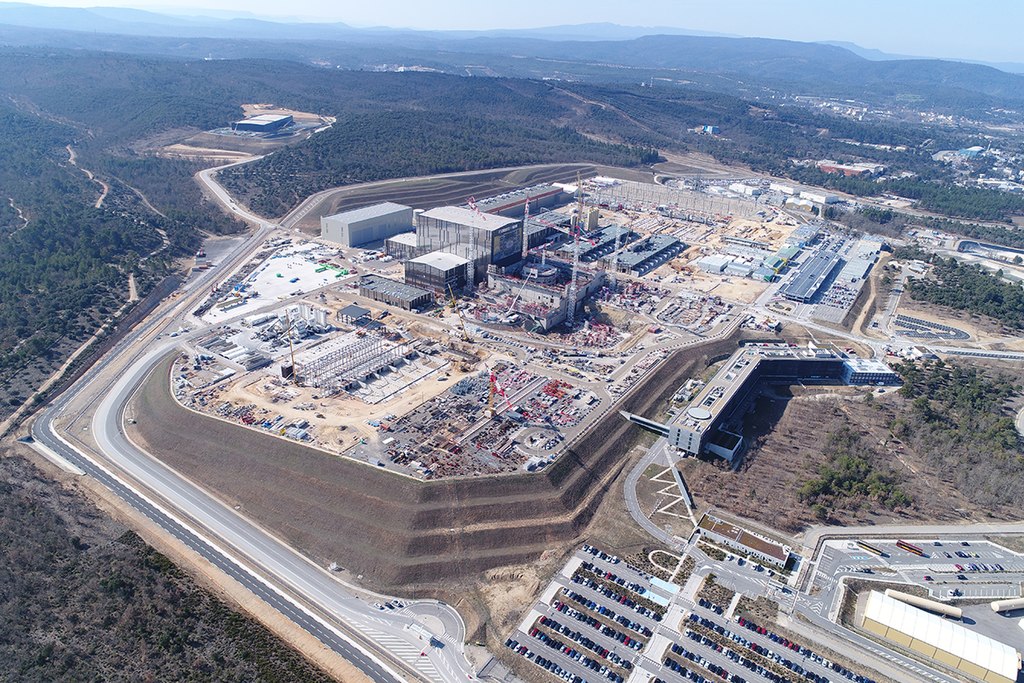
By the time ITER is actually operational — if it ever is — it will have gobbled up billions of dollars. Currently, those cost estimates range wildly between the official ITER figure of $19-23 billion (likely a gross under-estimate) and the U.S. Department of Energy’s (DOE) current estimate of $65 billion.
The starting price when the project began was around $6.3 billion.
If the DOE numbers are right, then those 400 seconds will cost $16.25 million a second. Just to prove that fusion power is possible. Without actually delivering anything practical at all to anyone.
Whatever the costs, they are too high to be remotely justifiable, given the end product and the far more compelling and essential competing needs of the world right now.
Worse still, ITER may not actually work. “ITER is of the tokamak based design using strong magnetic fields to confine the very hot plasma needed to induce the fusion reaction,” explained two scientists in a January 2021 paper published in Nature — Potential design problems for ITER fusion device. “Building a successful magnetic fusion device for energy production is of great challenge.”
The paper’s authors, Hassanein and Sizyuk, who modeled the ITER design “in full and exact 3D geometry,” contend that, “The current ITER divertor design will not work properly during transient plasma events and needs to be modified or a new design should be developed to ensure successful operation and maintain the confidence in the tokamak concept as a viable magnetic fusion energy production system.”
So far, the ITER project has already experienced some technical failures. ………………………………………………………
There is now considerable competition in the fusion field, with US laboratories, especially, eager to demonstrate ITER as obsolete before it is even completed — current predictions make that date some time in 2035. But, as we pointed out last December, during the false fanfare about a breakthrough at the National Ignition Facility (NIF), fusion is already obsolete. Given the confluence of the climate crisis and emerging energy needs in much of the less developed world, fusion has no practical applicability.
International collaboration is desperately needed in today’s conflict-riven world. It just needs to focus on something that’s mutually beneficial to our collective survival. Let’s start spending $16 million a second on that. https://beyondnuclearinternational.org/2023/04/10/16-million-a-second-and-no-electricity/
Iraqi children with congenital disabilities caused by depleted uranium
 Iraqi Kids Test Positive for Depleted Uranium Remnants Near Former US Air Base, https://truthout.org/articles/iraqi-children-test-positive-for-depleted-uranium-near-former-us-air-base/ Mike Ludwig, September 19, 2019 For the first time, independent researchers have found that the bodies of Iraqi children born with congenital disabilities, such as heart disease and malformed limbs, near a former United States air base in southern Iraq are contaminated with high levels of radioactive heavy metals associated with toxic depleted uranium pollution leftover from the 2003 U.S.-led invasion. Iraqi Kids Test Positive for Depleted Uranium Remnants Near Former US Air Base, https://truthout.org/articles/iraqi-children-test-positive-for-depleted-uranium-near-former-us-air-base/ Mike Ludwig, September 19, 2019 For the first time, independent researchers have found that the bodies of Iraqi children born with congenital disabilities, such as heart disease and malformed limbs, near a former United States air base in southern Iraq are contaminated with high levels of radioactive heavy metals associated with toxic depleted uranium pollution leftover from the 2003 U.S.-led invasion.
The findings appear to bolster claims made by Iraqi doctors who observed high rates of congenital disabilities in babies born in areas that experienced heavy fighting during the bloody first year of the most recent Iraq war. In 2016, researchers tested the hair and teeth of children from villages in proximity to the Talil Air Base, a former U.S. air base, located south of Baghdad and near the city Nasiriyah. They found elevated levels of uranium and of thorium, two slightly radioactive heavy metals linked to cancer and used to make nuclear fuel. Thorium is a direct decay product of depleted uranium, a chemically toxic byproduct of the nuclear power industry that was added to weapons used during the first year of the war in Iraq. Thanks to its high density, depleted uranium can reinforce tank armor and allow bullets and other munitions to penetrate armored vehicles and other heavy defenses. Depleted uranium was also released into the environment from trash dumps and burn pits outside U.S. military bases. Mozhgan Savabieasfahani, an independent researcher based in Michigan and a co-author of the study, said that levels of thorium in children born with congenital disabilities near the Talil Air Base were up to 28 times higher than in a control group of children who were born without congenital disabilities and live much further away. “We are basically seeing a depleted uranium footprint on these children,” Savabieasfahani said in an interview. Using statistical analysis, the researchers also determined that living near the air base was associated with an increased risk of giving birth to a child with congenital disabilities, including congenital heart disease, spinal deformations, cleft lip and missing or malformed and paralyzed limbs. The results of the study will soon be published in the journal Environmental Pollution, where the authors argue more research is needed to determine the extent that toxins left behind after the U.S.-led war and occupation are continuing to contaminate and sicken the Iraqi population. For years following the 2003 U.S-led invasion, Iraqi doctors raised alarms about increasing numbers of babies being born with congenital disabilities in areas of heavy fighting. Other peer-reviewed studies found dramatic increases in child cancer, leukemia, miscarriages and infant mortality in cities such as Fallujah, which saw the largest battles of the war. Scientists, Iraqi physicians and international observers have long suspected depleted uranium to be the culprit. In 2014, one Iraqi doctor told Truthout reporter Dahr Jamail that depleted uranium pollution amounted to “genocide.” The U.S. government provided Iraq’s health ministry with data to track depleted uranium contamination but has said it would be impossible to identify all the material used during wartime. War leaves behind a variety of potentially toxic pollutants, and some researchers have cast doubt on the connection between depleted uranium and congenital disabilities, noting that Iraq has faced a number environmental problems in recent decades. However, political manipulation was suspected to have skewed results of at least one study, a survey of congenital disabilities released by the World Health Organization and the Iraqi government in 2013 that contradicted claims made by Iraqi doctors. While the authors caution that more research is needed, by identifying the presence of thorium in the teeth and hair of Iraqi children born with congenital disabilities near the Talil Air Base, the latest studies draw direct links to depleted uranium and the U.S. military. “Baby teeth are highly sensitive to environmental exposures,” said Savabieasfahani. “Such high levels of thorium simply suggest high exposure at an early age and potentially in utero.” Up to 2,000 metric tons of depleted uranium entered the Iraqi environment in 2003, mostly from thousands of rounds fired by the U.S., according to United Nations estimates. Depleted uranium munitions were also fired by U.S. forces in Iraq, Kuwait and Saudi Arabia during the Persian Gulf War in 1993. Researchers and veterans have long suspected that depleted uranium could be a potential cause of Gulf War syndrome, a wide range of harmful symptoms experienced by thousands of service members for years after the war. The U.S. has also imported thousands of tons of military equipment into Iraq, including tanks, trucks, bombers, armored vehicles, infantry weapons, antiaircraft systems, artillery and mortars – some of which were coated with depleted uranium. Much of this equipment eventually found its way into military junkyards, dozens of which remain scattered near former U.S. military bases and other installations across country. Depleted uranium was also stored at U.S. military bases and was known to leak into the environment. The Talil Air Base, which served as a focal point for the new study, is only one of dozens of sites across Iraq where the U.S. military is believed to have left a highly toxic legacy. “What we see here, and what we imply with this study, is that we could see this very same scenario around every single U.S. military base in Iraq,” Savabieasfahani said. “The exposure of pregnant mothers to the pollutions of war, including uranium and thorium, irreversibly damages their unborn children.” In 2013, international observers reported that between 300 and 365 sites with depleted uranium contamination were identified by Iraqi authorities in the years following the 2003 U.S. invasion, with an estimated cleanup cost of $30 million to $45 million. In some cases, military junk contaminated with depleted uranium was being sold as scrap metal, spreading the contamination further. At one scrap site, children were seen climbing and playing on contaminated scrap metal. Savabieasfahani, who has researched military pollution across Iraq, said the violence of war continues through pollution long after the carnage ends and the troops come home. Dropping tons of bombs and releasing millions of bullets leaves toxic residues in the air, water and soil of the “targeted population,” poisoning the landscape – and the people — for generations. Of course, U.S. war making in Iraq has not ended. The U.S. military continues to train Iraqi security forces and lead a coalition that carried out airstrikes against ISIS (also known as Daesh) insurgents in Iraq as recently as last week. “The U.S. must be held responsible and forced to clean up all the sites which it has polluted. Technology exists for the cleanup of radiation contamination,” Savabieasfahani said. “The removal and disposal of U.S.-created military junkyards would go a long way toward cleaning toxic releases out of the Iraqi environment.” The U.N. Internal Law Commission is currently circulating 24 draft principles urging governments to protect the environment from the ravages of war. In July, an international group of scientists renewed calls for a Fifth Geneva Convention that would establish an international treaty declaring environmental destruction a war crime under international law. While a Fifth Geneva convention on environmental war crimes would be significant, it would not ensure accountability for the U.S., which routinely shields itself from international prosecution for its war crimes. |
|
How the World Health Organisation is constrained from true research into depleted uranium

It is quite unlikely that the WHO, as a professional organisation, has ever tried to block or downplay research. However, it is clear that the imbalances that exist in its funding, particularly for those public health projects that go beyond its regular country budgets, are open to state influence. In a system in which the financing is so disparate among member states, it is obvious that those who influence the purse influence the spend.
Iraq: Politics and Science in Post-Conflict Health Research HUFFINGTON POST,30 Dec 13 Neel Mani Director of the World Health Organisation’s Iraq programme between 2001-2003 15/10/2013 During my time as the director of the World Health Organisation’s (WHO) programme in Iraq between 2001 and 2003, the WHO, together with other agencies, were aware of the reports of abnormal rates of health problems, such as cancers and birth defects, in southern Iraq. In the 1991 Gulf War, the fighting had been concentrated in the south and it was notable that reports of illnesses were far more prevalent in this region. A decade on, and a long overdue study by the Iraqi Ministry of Health into the prevalence of congenital birth defects has been undertaken in collaboration with the WHO; however its interim results have puzzled observers.
The institutional capacity that has finally allowed the study to take place should have been developed with funds from the Oil For Food Programme (OFP) in 2001. OFP money was required as the cost of the proposed work far exceeded the WHO’s regular budget for Iraq at the time. Unfortunately, all projects funded through the OFP were subject to a complex process that required the final approval of the United Nations Security Council. Frustratingly, any project that proposed to investigate abnormal rates of birth defects in southern Iraq and their relation, if any, to environmental contamination, never got through the Security Council’s approval process.
Before the 2003 invasion, the cynicism demonstrated by certain member states of the Security Council towards the post-conflict health conditions in southern Iraq was appalling. Following regime change, the attitude of the Coalition Provisional Authority just added arrogance to the cynicism. The funds from the OFP belonged to the Iraqi people, yet the Security Council responded with little alacrity to any attempt to release Iraqi money to finance research into the legacy of conflict on cancer rates in the south. ……..
The interim report by the Iraqi Ministry of Health, which was published without fanfare on the WHO website on September 11th, had been widely expected to confirm that rates of congenital birth defects in Iraq were not only high but higher in areas subject to heavy fighting in 1991 and 2003. Instead it reported the opposite – that rates in cities such as Fallujah and Basrah are around half that typical of high income countries.
Puzzlingly, the interim findings in the study run counter to the consistent reports of medical professionals across Iraq. They also stand in stark contrast to the views expressed by Ministry of Health officials interviewed by the BBC earlier this year. In their opinion, there was a clear link between areas subject to heavy fighting and an increased incidence of birth defects. If confirmed, such findings could have significant political ramifications for not only Iraq but for post-conflict civilian health in general. As a result, the study has received considerable attention, with more than 53,000 people signing a Change.org petition calling for release of the study data and for its independent peer-review.
A number of experts have now come forward to question the study’s methodology and the robustness of the peer-review process, most recently in the respected medical journal The Lancet. Critics have questioned the decision to undertake a household survey, instead of collating hospital records and challenged the anonymous authors on the lack of information concerning the selection criteria for areas included in the survey……..
I believe that the only way to resolve such concerns and ensure the best outcome for the Iraqi people is for the Ministry of Health and WHO to be more transparent than they have been thus far. Lessons must be learned from the history of public health research in Iraq.
The politicisation of Iraq’s public health research under the OFP should serve as a reminder that the WHO is nothing more than a reflection of the collective will of its member states. This collective will is often greatly influenced by those nations that exercise global power and, while the structure of the WHO does not necessarily reflect this influence, the decisions it implements certainly do.
It is quite unlikely that the WHO, as a professional organisation, has ever tried to block or downplay research. However, it is clear that the imbalances that exist in its funding, particularly for those public health projects that go beyond its regular country budgets, are open to state influence. In a system in which the financing is so disparate among member states, it is obvious that those who influence the purse influence the spend.
The agency continues to play a crucial role globally, thus it is important for the WHO to be transparent in all cases, as it was constitutionally created to be. The need for transparency is particularly acute in post-conflict public health research and the WHO has an important role to play in ensuring that its research partners pursue open, robust, science…… http://www.huffingtonpost.co.uk/neel-mani/iraq-politics-and-science_b_4098231.html?just_reloaded=1
World on ‘thin ice’ as UN climate report gives stark warning
By Associated Press, CNN Mar 21, 2023, https://www.9news.com.au/world/climate-change-ipcc-report-antonio-guterres-says-world-on-thin-ice-as-un-climate-report-gives-stark-warning/fd6c84d9-6139-40a9-a971-866da5233ca1—
Humanity still has a chance, close to the last one, to prevent the worst of climate change‘s future harms, a top United Nations panel of scientists says.
But doing so requires quickly slashing carbon pollution and fossil fuel use by nearly two-thirds by 2035, the Intergovernmental Panel on Climate Change said.
The United Nations chief said it more bluntly, calling for an end to new fossil fuel exploration and rich countries quitting coal, oil and gas by 2040.
“Humanity is on thin ice — and that ice is melting fast,” United Nations Secretary-General Antonio Guterres said.
“Our world needs climate action on all fronts — everything, everywhere, all at once.”
Stepping up his pleas for action on fossil fuels, Guterres not only called for “no new coal” but also for eliminating its use in rich countries by 2030 and poor countries by 2040.
He urged carbon-free electricity generation in the developed world by 2035, meaning no gas-fired power plants too.
That date is key because nations soon have to come up with goals for pollution reduction by 2035, according to the Paris climate agreement.
“The climate time-bomb is ticking,” Guterres said, describing the IPCC report as a “a how-to guide to defuse” it.
The report draws on the findings of hundreds of scientists to provide a comprehensive assessment of how the climate crisis is unfolding.
After contentious debate, the UN science panel calculated and reported that to stay under the warming limit set in Paris the world needs to cut 60 per cent of its greenhouse gas emissions by 2035, compared with 2019, adding a new target not previously mentioned in the six reports issued since 2018.
“The choices and actions implemented in this decade will have impacts for thousands of years,” the report, said calling climate change “a threat to human well-being and planetary health”.
“We are not on the right track but it’s not too late,” said report co-author and water scientist Aditi Mukherji.
“Our intention is really a message of hope, and not that of doomsday.”
With the world only a few tenths of a degree away from the globally accepted goal of limiting warming to 1.5 degrees since pre-industrial times, scientists stressed a sense of urgency. The goal was adopted as part of the 2015 Paris climate agreement and the world has already warmed 1.1 degrees.
This is likely the last warning the Nobel Peace Prize-winning collection of scientists will be able to make about the 1.5 mark because their next set of reports will likely come after Earth has either breached the mark or locked into exceeding it soon, several scientists, including report authors, told The Associated Press.
‘We are pretty much locked into 1.5’
After 1.5 degrees “the risks are starting to pile on,” said report co-author Francis X Johnson, a climate, land and policy scientist at the Stockholm Environment Institute.
The report mentions “tipping points” around that temperature of species extinction, including coral reefs, irreversible melting of ice sheets and sea level rise on the order of several metres.
“The window is closing if emissions are not reduced as quickly as possible,” Johnson said in an interview.
“Scientists are rather alarmed.”
“1.5 is a critical critical limit, particularly for small islands and mountain (communities) which depend on glaciers,” said Mukherji, who’s also the climate change impact platform director at the research institute CGIAR.
Many scientists, including at least three co-authors, said hitting 1.5 degrees is inevitable.
“We are pretty much locked into 1.5,” said report co-author Malte Meinshausen, a climate scientist at the University of Melbourne in Australia.
“There’s very little way we will be able to avoid crossing 1.5 C sometime in the 2030s” but the big issue is whether the temperature keeps rising from there or stabilises.
Guterres insisted “the 1.5-degree limit is achievable”. Science panel chief Hoesung Lee said so far the world is far off course
“This report confirms that if the current trends, current patterns of consumption and production continues, then … the global average 1.5 degrees temperature increase will be seen sometime in this decade,” Lee said.
Scientists emphasise that the world, civilisation or humanity won’t end if and when Earth hits and passes the 1.5 degree mark. Mukherji said “it’s not as if it’s a cliff that we all fall off”. But an earlier IPCC report detailed how the harms – from coral reef extinction to Arctic sea ice absent summers to even nastier extreme weather – are much worse beyond 1.5 degrees of warming.
“It is certainly prudent to be planning for a future that’s warmer than 1.5 degrees,” said IPCC report review editor Steven Rose, an economist at the Electric Power Research Institute in the United States.
Threats from fossil fuels
If the world continues to use all the fossil fuel-powered infrastructure either existing now or proposed Earth will warm at least 2 degrees Celsius since pre-industrial times, blowing past the 1.5 mark, the report said.
Because the report is based on data from a few years ago, the calculations about fossil fuel projects already in the pipeline do not include the increase in coal and natural gas use after Russia’s invasion of Ukraine, said report co-author Dipak Dasgupta, a climate economist at The Energy and Resources Institute in India.
The report comes a week after the Biden Administration in the United States approved the huge Willow oil-drilling project in Alaska, which could produce up to 180,000 barrels of oil a day.
The rich vs poor divide
The report and the underlying discussions also touch on the disparity between rich nations, which caused much of the problem because carbon dioxide emissions from industrialisation stay in the air for more than a century, and poorer countries that get hit harder by extreme weather.
If the world is to achieve its climate goals, poorer countries need a “many-fold” increase in financial help to adapt to a warmer world and switch to non-polluting energy. Countries have made financial pledges and promises of a damage compensation fund.
If rich countries don’t cut emissions quicker and better help victim nations adapt to future harms, “the world is relegating the least developed countries to poverty”, said Madeline Diouf Sarr, chair of a coalition of the poorest nations.
Despite the risk, ‘a message of hope’
The report offers hope if action is taken, using the word “opportunity” nine times in a 27-page summary. Though opportunity is overshadowed by 94 uses of the word “risk.”
The head of the IPCC said the report contains “a message of hope in addition to those various scientific findings about the tremendous damages and also the losses that climate change has imposed on us and on the planet”.
“There is a pathway that we can resolve these problems, and this report provides a comprehensive overview of what actions we can take to lead us into a much better, liveable future,” Lee told The Associated Press.
Lee was at pains to stress that it’s not the panel’s job to tell countries what they should or shouldn’t do to cap global temperature rise at 1.5 Celsius.
“It’s up to each government to find the best solution,” he said, adding that scientists hope those solutions will stabilise the globe’s temperature around 1.5 degrees.
Asked whether this would be the last report to describe ways in which 1.5 degrees can be achieved, Lee said it was impossible to predict what advances might be made that could keep that target alive.
“The possibility is still there,” he said.
“It depends upon, again I want to emphasise that, the political will to achieve that goal.”
Activists also found grains of hope in the reports.
“The findings of these reports can make us feel disheartened about the slow pace of emissions reductions, the limited transition to renewable energy and the growing, daily impact of the climate crisis on children,” said youth climate activist Vanessa Nakate, a goodwill ambassador for UNICEF.
“But those children need us to read this report and take action, not lose hope.”
AUKUS nuclear submarine plan brings danger as it uses a loophole in the Nuclear Non-Proliferation Treaty

The Aukus scheme announced on Monday in San Diego represents the first time
a loophole in the 1968 Nuclear Non-Proliferation Treaty (NPT) has been used
to transfer fissile material and nuclear technology from a nuclear weapons
state to a non-weapons state.
The loophole is paragraph 14, and it allows
fissile material utilised for non-explosive military use, like naval
propulsion, to be exempt from inspections and monitoring by the UN nuclear
watchdog, the International Atomic Energy Agency (IAEA). It makes arms
controls experts nervous because it sets a precedent that could be used by
others to hide highly enriched uranium, or plutonium, the core of a nuclear
weapon, from international oversight.
Guardian 14th March 2023
Ocean discharge is the worst plan for Fukushima waste water — IPPNW peace and health blog

Japan may soon start dumping radioactively contaminated waste water from the Fukushima Daichi nuclear plant into the Pacific Ocean, despite warnings from neighboring countries, marine scientists, and health experts. As soon as within a month or two, Japan could begin dumping into the Pacific Ocean 1.3 million tons of treated but still radioactively contaminated wastewater […]
Ocean discharge is the worst plan for Fukushima waste water — IPPNW peace and health blog
As soon as within a month or two, Japan could begin dumping into the Pacific Ocean 1.3 million tons of treated but still radioactively contaminated wastewater from the stricken Fukushima Daichi nuclear plant. Construction of the kilometer long undersea discharge tunnel and a complex of pipes feeding it commenced last August.
This cheap and dirty approach of “out of sight out of mind” and “dilution is the solution to pollution” belongs in a past century. It ignores the significant transboundary, transgenerational and human rights issues involved in this planned radioactive dumping, projected to continue over the next 40 years.
Concerns about Japan’s ocean dumping plans have been strongly voiced by China and South Korea, and by numerous Pacific island nations. Multiple UN Special Rapporteurs have severely criticised the plan, which has also been opposed by the United States National Association of Marine Laboratories and many regional and international health and environmental civil society organisations.
Australia bears a particular responsibility in relation to the aftermath of the ongoing Fukushima nuclear disaster, since fuel fabricated with uranium from Australia was in each of the Fukushima reactors which exploded. Yet my letters to the relevant Australian federal ministers on this matter have gone unanswered for seven weeks, and no evidence is publicly available that the Australian government has supported our Pacific neighbours in raising concerns about the planned discharge with its Japanese counterparts.
We are in the UN Decade of Ocean Science for Sustainable Development (2021-30). As Pacific Islands Forum (PIF) Secretary-General Henry Puna reminded us in his piece in The Guardian on 4 January, in 1985 the Forum welcomed the then Japanese prime minister’s statement that “Japan had no intention of dumping radioactive waste in the Pacific Ocean in disregard of the concern expressed by the communities of the region.” The current plan is inconsistent with this commitment.
In a public event organised by the PIF in Suva on 18 January, Puna noted Prime Minister Kishida’s reassurance during Japan’s regular meeting with the Forum in July 2022 of the need to progress this matter consistent with international law and verifiable science. The Secretary-General reiterated his request on behalf of Forum members for postponement of the planned discharge in order to allow adequate consideration of alternative options and to engage in respectful and full evidence-based consultation with Pacific nations in planning the best course of action. His calls have been ignored.
The most authoritative independent scientific assessment of the planned discharge has been conducted by a five-member independent international scientific panel appointed by the PIF. The experts were unanimous in their conclusions and recommendations. Their main conclusions:
- TEPCO’s knowledge of the specific radionuclide contents of all the tanks is seriously deficient. Only roughly one quarter of the more than 1,000 tanks at the site have been sampled at all, and in almost all cases only nine or fewer of 64 total radionuclides are measured in the data shared with PIF. TEPCO’s assumptions of consistent ratios of various radionuclides across different tanks are contradicted by the data, with show many thousand-fold variation.
Sampling and measurements have been unrepresentative, statistically deficient and biased, and have not included the debris and sludges, which Japan has acknowledged are present in at least some of the tanks. Sludges and debris are likely to be most radioactive, particularly in relation to harmful isotopes like plutonium and americium.- More than 70% of the tanks which had gone through ALPS (Advanced Liquid Processing System), designed to remove most of the radioactive contaminants, will require re-treatment. For some isotopes, the levels after treatment are up to 19,900 times higher than the regulatory limits for discharge. There is no evidence confirming that even repeated processing through ALPS can provide consistently effective purification.
- There has been no adequate consideration of the behavior of radioactive elements in the ocean, with transport by ocean currents and organisms, accumulation in biota and sea floor sediments, or the behavior of organically bound tritium in an ocean environment. The seafloor off Japan’s east coast still contains up to 10,000 times the cesium concentration as before the disaster, before any planned discharge.
- Neither TEPCO nor the IAEA acknowledged or addressed the many serious scientific questions raised by the panel. For example, TEPCO reported that tanks sampled in 2019 contained tellurium-127, an isotope with a half-life of only 9 hours. This signifies either that accidental criticality with fission reactions are occurring on an ongoing basis in the molten reactor cores, which would be very significant, or that the measurements are wrong. However no satisfactory answers were provided. Indeed the IAEA cut off contact with the panel.
- Neither TEPCO, the International Atomic Energy Agency (IAEA) nor the Japanese Nuclear Regulatory Authority have properly considered several viable alternative approaches, including storage in purpose-built seismically safe tanks, possibly after initial purification, subsequent use in concrete for structural applications with little or no potential for contact with humans and other organisms, and bioremediation for some important isotopes such as strontium-90. All the proposed alternatives would have orders of magnitude less impact and avoid transboundary impacts.
The argument that the site is running out of room to store water is spurious. Contaminated water will continue to be generated for many decades hence, and there is plenty of nearby space available that will be unfit for other uses for a very long time and is already being used to store large amounts of contaminated soil from around the prefecture. There is in fact no urgency to begin ocean discharge.
The independent expert panel recommended unanimously that the planned ocean dumping should not proceed. Their overwhelming case, based on scientific evidence and the need to minimise transboundary and transgenerational impacts, is that new approaches and alternatives to ocean dumping are needed and are the responsible way forward.
This matter requires urgent attention. Construction of the pipeline through which the ocean discharge is planned to occur is well underway, and the discharge may commence as soon as this month. Given that the discharge is planned to continue over 30-40 years, reconsideration could still be undertaken even after ocean discharge commenced. However it would be far better if the planned discharge were postponed until better alternatives were properly considered and implemented.
Now is the time for the Australian government, scientists and citizens to join with our Pacific neighbours in calling on Japan to stop its irresponsible plan to use the Pacific Ocean as a radioactive waste dump.
Why were studies canceled? — Beyond Nuclear International

Do federal agencies fear a connection between nuclear power and cancer?
Why were studies canceled? — Beyond Nuclear International
Federal agencies won’t look at cancer impacts of commercial nuclear facilities
By Cindy Folkers, 12 Mar 23
If you thought the government of the United States, the country with the most nuclear power reactors in the world, might be interested in finding out the cancer impact of nuclear power on our children, you’d be wrong. But, our government is willing to give failed, uneconomic, decaying nuclear power reactors oodles of taxpayer money without first figuring out if and how they harm our children. Assessing potential health damage should be a prerequisite for reactor license renewal.
Citizens and lawmakers from California have been working to revivify a cancelled National Academy of Sciences (NAS) health study originally requested and funded by the U.S. Nuclear Regulatory Commission (NRC) in 2010. The study was to have been carried out in two phases. The first phase “identified scientifically sound approaches for carrying out an assessment of cancer risks” that would inform the study design(s) to be carried out in Phase 2.
Phase 1 recommended examining seven pilot sites, six of which are operating or closed nuclear power plants: Big Rock Point (MI, closed), Dresden (IL), Haddam (CT, closed), Millstone (CT), Oyster Creek (NJ), and San Onofre (CA, closed). The seventh site, Nuclear Fuel Services (TN), is a fuel processing and stockpile conversion facility.

There were also two study designs recommended in the subsequent 2012 Phase 1 report: an ecologic study that would look at a variety of cancers among adults and children over the operational history of the facilities; and a record-linkage-based case-control study examining cancer risks for childhood exposures to radiation during more recent operating histories of the facilities. Because the case-control study would have focused on children, Beyond Nuclear supported this study type over the ecologic study recommendation.
The NAS was preparing to perform the pilot study at the seven sites in order to see which study type had the stronger methodology to be performed nationwide when it was scuttled by the NRC in 2015.
The NRC justified the cancelation by publicly contending that it would cost too much, take too long, and not be able to see any health impact — claims that are still disputed. The NAS health study would have cost an estimated $8 million at the time it was first proposed.
Yet, at the same time that the NRC claimed the cancer study was too expensive, it signed a 20-year lease for a third building at its Rockville, MD headquarters (against the advice of Congress) that will eventually mount to a cost of $350 million. The decision was made in anticipation of the so-called Nuclear Renaissance, which instead fizzled, leaving the NRC scrambling to lease out the new space instead.
The NAS was considering using new ways of examining the health impacts of radioactivity from NRC licensed sites by implementing a more detailed, more thorough, publicly shared research protocol. Such a protocol could have opened up the NRC’s regulatory regime to exhaustive scrutiny, revealing just how inadequate it is for examining health impacts.
Instead of asking the NRC to restart the original study, three members of the U.S. House of Representatives from California have asked the U.S. Department of Health and Human Services (HHS) to pick up the NAS study where the NRC left off, only to be rebuffed with the jaw-dropping claim by HHS Secretary Xavier Becerra, that such a study would be “premature”(letter from X. Becerra to Hon. Mike Levin (D-CA), September 12, 2022), despite 60+ years of exposures to radiation from nuclear power. Becerra wants more delays to allow “collaboration” with other agencies, like the U.S. Department of Energy that has historically been sanctioned from involvement in certain health studies.
In fact, such studies done in Europe have shown increases of childhood leukemia around nuclear facilities worldwide. These studies were not “premature”, they were revelatory. Despite these findings, there has never been independent nationwide analysis in the U.S. examining connections between childhood cancer and nuclear power facilities. The NAS case-control study under consideration had a design similar to the European studies that found linkage between living near a nuclear reactor and increases in childhood cancers.
While Bacerra claims it is “premature” to study health impacts from nuclear power, it seems to be just the right time to throw more bailout money down the nuclear bottomless pit in order to keep the current reactor fleet running without knowing what their health impacts have been or will be.
In an ironic twist, the first $1.1 billion nuclear bailout was given to Diablo Canyon in California, a slap in the face for those asking for the health study. This taxpayer largess given to the California nuclear power plant was just a small piece of the $30 billion subsidy (by some estimates, nuclear subsidies could be even higher) earmarked for nuclear power in the Inflation Reduction Act.
The two Diablo Canyon nuclear generating units released 72 curies of tritium gas alone in 2019, part of a suite of radionuclides routinely released by operating reactors. This particular isotope is a radioactive form of hydrogen that can collect in fetal tissue to twice the concentration as it does in maternal tissue. It is well-known that pregnancy development is particularly sensitive to damage from radiation exposure — more so than adults or even children — clearly making this an issue that should interest HHS, as well as one that should help determine whether nuclear power can continue to operate or if its impact on our future generations might be too great. After all, we have readily available, cheaper and safer alternatives.
Despite its published motto — “Protecting people and the environment” — the NRC’s main focus has always been nuclear reactor operations, while downplaying and denying rather than investigating health impacts. The agency’s cancellation of the child cancer study was industry-friendly and tone-deaf; in other words, expected. It had undertaken the study to soothe public anxiety about health impacts. When the NRC learned the study might not accomplish this, or worse, might reveal the agency’s shortcomings as a watchdog agency, it pulled the plug.
From HHS, on the other hand, I expected better. “Health” after all, is in their name.
Cindy Folkers is the Radiation and Health Hazard Specialist at Beyond Nuclear.
Twelve years after 3/11, dispute grows over Fukushima’s radioactive soil

BY TOMOKO OTAKE, STAFF WRITER, https://www.japantimes.co.jp/news/2023/03/10/national/dispute-fukushima-radioactive-soil/
OKUMA, FUKUSHIMA PREF. – On the surface, everything seems to be under control at the expansive site storing radioactive soil collected from across Fukushima Prefecture in the aftermath of the 2011 core meltdowns at the Fukushima No. 1 nuclear power plant.
Since 2015, the Interim Storage Facility, which straddles the towns of Okuma and Futaba and overlooks the crippled plant, has safely processed massive amounts of radioactive soil — enough to fill 11 Tokyo Domes — in an area nearly five times the size of New York’s Central Park. The soil was collected during decontamination procedures in Fukushima’s cities, towns and villages that were polluted by the disaster.
Here, black plastic bags full of contaminated soil are put on conveyor belts and unpacked. The contents are sifted through to remove plastic, leaves, twigs and other nonsoil waste. Then the soil is taken to dump zones, where it’s buried in 15-meter-deep pits with protective sheeting and a drainage pipe at the bottom so that radioactive cesium won’t leak into the ground. Finally, the soil is covered with noncontaminated soil and topped with a lawn. Areas where the work has been completed look like soccer fields.
The level of radiation here is about 0.2 microsieverts per hour (uSv/h), explained Hiroshi Hattori, an official at the Environment Ministry’s local office, during a recent tour of the areas where the polluted soil is buried. The radiation level there is harmless to humans, though higher than an average of 0.04 uSv/h elsewhere in Japan.
“It’s higher not because of the soil, but because of surrounding forests (which have not been decontaminated).”
The problem is that, as smooth and orderly as its operations are, the site is only a temporary home for the radioactive soil. Nobody knows where this massive pile of dirt will eventually end up. All that is certain is that the central government has pledged to — and is legally obliged to — move all of the soil out of Fukushima Prefecture by 2045.
This unresolved soil issue — along with the lingering dispute over the planned ocean release of tritium-laced wastewater from Fukushima No. 1 — is a sour reminder of the enormous toll the nuclear disaster in Fukushima has inflicted on the country and beyond.
Opposition from residents
The soil is a product of years of state-funded measures to bring radiation levels down in communities affected by the disaster. The government drew up a “decontamination road map” soon after the accident, in the hopes of a speedy return of residents to their hometowns.
The desire to avoid moving the massive amount of soil again — and to make it easier to find a final destination for it — has also led the Environment Ministry to try to reduce its volume first by reusing some of the less contaminated mud for public works projects across the nation. That way, only a quarter of the total amount that contains over 8,000 becquerel per kilogram of cesium will be subject to final disposal, the ministry says.
But it’s a tough sell. In December, the ministry held its first round of meetings with residents in areas of greater Tokyo where pilot projects to utilize the soil under the 8,000 Bq/kg threshold are planned: the Shinjuku Gyoen National Garden in Tokyo, the National Environmental Research and Training Institute in Tokorozawa, Saitama Prefecture, and the National Institute for Environmental studies in Tsukuba, Ibaraki Prefecture.
Nearby residents vehemently opposed the plan. Last month, they formally demanded that the ministry cancel the pilot projects, under which the ministry plans to bury radioactive soil underneath a 50 cm layer of cover soil, for flower beds and parking lots.
Roads, tidal walls and dams
Though little known until recently, the ministry released a policy document in 2016 that outlined the “safe use” of radioactive soil with radiation levels of 8,000 Bq/kg or less. According to the document, the government will divert such soil to embankments in public works projects “whose management entities and responsibilities are clearly defined.”
Roads, tidal walls, seaside protection forest and earthfill dams are some of the projects where use of the soil is envisioned, the document says.
The plan has raised the eyebrows of not just residents but also experts.
“Japan is very seismic and we have (harsh) weather and typhoons,” said Azby Brown, architect and lead researcher for Safecast, a citizen science group that has independently measured and publicized radiation levels in Fukushima and elsewhere.
“The half-life of cesium-137 is 30 years. It’s going to stay radioactive for a long time. What happens when these embankments get old?… It is not a very rational or sound decision, from the sense of certainly the perception of safety.”
Kenichi Oshima, professor of energy policy at Ryukoku University in Kyoto, questions the rationale of treating the soil of 8,000 Bq/kg or less as safe, pointing to a “double standard” between the ministry’s policy and the rigorous control of waste required for other nuclear power plants under the Nuclear Reactor Regulation Law. That law states only waste with radiation levels under 100 Bq/kg is considered safe enough to be reused.
All of the radioactive waste produced by the Fukushima disaster is covered by a separate “special law” that went into force in 2012. This says that Tokyo Electric Power Co. Holdings (Tepco), the operator of Fukushima No. 1, is responsible for the handling of the radioactive waste and soil within its property, while the Environment Ministry is responsible for the disposal of the 3/11-borne radioactive waste outside the plant, though the law itself does not mention the reuse of soil that has been decontaminated.
The ministry has explained that the 8,000 Bq/kg threshold keeps it consistent with the level of “designated waste materials” stipulated in that special legislation. When people are exposed to waste below 8,000 Bq/kg, the additional radiation exposure is limited to less than 1 millisievert per year, not a level that causes health concerns, according to the ministry.
“Granted, soil with 8,000 Bq/kg of radioactive materials is not one that immediately kills people who touch it,” Oshima said. “But it is low-level radioactive waste nonetheless, and so should be managed properly as such, just like low-level radioactive waste from other nuclear power plants is. It’s just inconceivable that it would be utilized as materials for infrastructure that people will be using often.”
Public support elusive
On Feb. 24, Environment Minister Akihiro Nishimura reiterated the ministry’s stance, telling a news conference that utilization of soil outside the prefecture is “important to realize its final disposal outside the prefecture (of Fukushima).”
“We would like to continue explaining our stance in detail so as to nurture public understanding,” he said.
But to nurture this understanding about an issue as serious as radioactive waste, everyone who has a stake should be involved in the decision-making process, Brown says.
“The strong consensus internationally regarding where to put things like radioactive waste requires full agreement and participation by all of the stakeholders, all of the citizens, everyone who’s involved,” Brown said. “What we usually see often in Japan in general, and certainly regarding the Fukushima issues, is that a decision is made at the top. It’s decided, it’s announced and then they try to persuade people to go along with it. This is the case with the water release issue (as well as) the soil issue.”
Around this spring or summer, the government and Tepco hope to begin discharging water that has all the radioactive nuclides except tritium removed. Construction work is already under way at the seaside plant to install an undersea tunnel, through which the water will be released 1 kilometer offshore.
The so-called JESCO law, which went into effect in 2014, gives legal grounds for the creation of the government-funded entity that runs the interim storage site, as well as the obligation for the central government to move the soil out of Fukushima by 2045. The obligation was written into law following a political compromise with the Fukushima Prefectural Government, with officials from the national government saying they “considered the excessive burden” being shouldered by the people of Fukushima.
Both Oshima and Brown, however, say they find the government’s plan to recycle the dirt out of line.
In fact, Oshima says the best solution would be to set aside an area and make it a controlled zone for all the polluted soil for 50 years until the radioactive cesium decays, which is how waste from other nuclear plants is handled, and is what the final disposal site is going to look like.
He cites a 2017 report by the Japan Atomic Energy Agency that estimated the size of the area needed for final disposal, which should be ready by 2045. If the volume of the soil is estimated at 20 million cubic meters, a subsurface ground facility for its final disposal will need to measure about 1.3 km by 1.3 km, the report concluded.
“It may sound like a huge space, but both the national government and Tepco have vacant land plots of that size,” Oshima said. Once the soil’s use as construction materials is greenlighted, however, it would be transported nationwide, and it would be impossible to track and measure its radiation doses, he argued.
“If the soil is properly stored in a controlled area, it would make the public feel so much more at ease.”
Low-dose radiation linked to increased lifetime risk of heart disease

by British Medical Journal, https://medicalxpress.com/news/2023-03-low-dose-linked-lifetime-heart-disease.html 8 March 23,
Exposure to low doses of ionizing radiation is associated with a modestly increased excess risk of heart disease, finds an analysis of the latest evidence published by The BMJ today.
The researchers say these findings “have implications for patients who undergo radiation exposure as part of their medical care, as well as policy makers involved in managing radiation risks to radiation workers and the public.”
A linked editorial suggests that these risks “should now be carefully considered in protection against radiation in medicine and elsewhere.”
It’s well recognized that exposure to high dose radiation can damage the heart, but firm evidence linking low dose radiation to heart disease (e.g., scatter radiation dose from radiotherapy or working in the nuclear industry) is less clear.
To address this knowledge gap, an international team of researchers examined scientific databases for studies evaluating links between a range of cardiovascular diseases and exposure to radiation (mostly radiotherapy and occupational exposures).
They excluded uninformative datasets or those largely duplicating others, leaving 93 studies, published mainly during the past decade, suitable for analysis. These studies covered a broad range of doses, brief and prolonged exposures, and evaluated frequency (incidence) and mortality of various types of vascular diseases.
After taking account of other important factors, such as age at exposure, the researchers found consistent evidence for a dose dependent increase in cardiovascular risks across a broad range of radiation doses.
For example, the relative risk per gray (Gy) increased for all cardiovascular disease and for specific types of cardiovascular disease, and there was a higher relative risk per dose unit at lower dose ranges (less than 0.1 Gy), and also for lower dose rates (multiple exposures over hours to years).
At a population level, excess absolute risks ranged from 2.33% per Gy for a current England and Wales population to 3.66% per Gy for Germany, largely reflecting the underlying rates of cardiovascular disease mortality in these populations.
This equates to a modest but significantly increased excess lifetime risk of 2.3-3.9 cardiovascular deaths per 100 persons exposed to one Gy of radiation, explain the authors.
Substantial variation was found between studies, although this was markedly reduced when the authors restricted their analysis to higher quality studies or to those at moderate doses (less than 0.5 Gy) or low dose rates (less than 5 mGy/h).
The authors suggest that mechanisms for these cardiovascular effects are poorly understood, even at high dose.
They also acknowledge that few studies assessed the possible modifying effects of lifestyle and medical risk factors on radiation risk, particularly major modifiable risk factors for cardiovascular disease like smoking, obesity, diabetes, high blood pressure and high cholesterol, and say further research is needed in this area.
In conclusion, they say their findings support an association between acute high dose and (to a lesser extent) chronic low dose radiation exposure and most types of cardiovascular disease and suggest that “radiation detriment might have been significantly underestimated, implying that radiation protection and optimization at low doses should be rethought.”
This view is supported by Professor Anssi Auvinen at Tampere University in Finland in a linked editorial, who points out that while inconsistencies and gaps remain in the evidence linking vascular disease to low dose radiation exposure, “evidence for cardiovascular disease will soon need to be added to the existing list of radiation-induced health risks.”
This will involve revisiting concepts and standards in radiological protection, while more stringent standards for justification and optimization, especially for high dose procedures, will have to be considered, he explains.
Their implementation will also require training to improve awareness, knowledge, and understanding of the risks associated with specific procedures and cumulative exposure, as well as risk communication for patients and the public, he concludes.
More Evidence Emerges That US Wanted Russia to Invade

February 24, 2023
In the past year, additional proof has emerged proving the West’s provocation of Russia to give it its “Vietnam” in Ukraine.
Consortium News on Feb. 4, 2022 warned that the U.S. was setting a trap for Russia in Ukraine, as it had in Afghanistan in 1979 and Iraq in 1990, to provoke Russia to invade Ukraine to provide the pretext to launch an economic, information and proxy war designed to weaken Russia and bring down its government — in other words, to give Russia its “Vietnam.” Twenty days later Russia invaded.
One month later, President Joe Biden confirmed that a trap had indeed been set, as reported by Consortium News on March 27, 2022, republished here today. The evidence that the U.S. wanted and needed Russia to invade as cause to launch its economic, information and proxy wars was clear:
- The U.S. backed a coup in 2014, installing an anti-Russian government in Kiev and supporting a war against coup resisters in Donbass.
- The 2015 Minsk Accords to end the Ukrainian civil war were never implemented.
- On the day of the Feb. 24, 2022 invasion Biden told reporters that economic sanctions were never intended to deter Russia, but to show the Russian people who Russian President Vladimir Putin was. In other words the U.S. was not trying to stop the invasion but to overthrow Putin, as Biden confirmed a month later in Warsaw, in order to restore the dominance over Russia the U.S. enjoyed in the 1990s.
The United States and NATO rejected Russian treaty proposals to create a new security architecture in Europe, taking Russia’s security concerns into account. Despite a Russian warning of a technical/military response if the draft treaties were rejected. The U.S. and NATO rejected them nonetheless, knowing and welcoming the consequences. Rather than withdrawing NATO forces from Eastern Europe as the treaty proposals called for, NATO sent more troops.- For 30 years, NATO continued expanding towards Russia, despite promises to the contrary, routinely holding exercises near its border, despite fully understanding Russia’s objections, from Boris Yeltsin to Putin, and knowing it would provoke a hostile reaction. Sen. Joe Biden said as much in 1997.
- The fake Russiagate scandal helped prepare the U.S. population for hostilities against Russia and launched sanctions based on a lie that have never been lifted.
- Despite 100,000 Russian troops on the Russian side of the border, the OSCE reported an increase of shelling by Ukraine of Donbass at the end of February 2022 indicating an impending offensive against ethnic Russian civilians who had suffered eight years for resisting an unconstitutional change of government in 2014. It was tantamount to baiting those Russian forces to cross the border.
- In the past year, additional evidence has emerged proving the West’s provocation:
- U.S. Secretary of Defense Lloyd Austin acknowledged that the U.S. strategy in Ukraine is to “weaken” Russia. To this end, the U.S. has stopped peace efforts, even by Israel, to prolong the conflict.
- Former German Chancellor Angela Merkel, former French President Francois Holland, former British Prime Minister Boris Johnson and former Ukrainian President Petro Poroschenko all admitted in recent months that they never had any intention of implementing the Minsk Accords (endorsed by the U.N. Security Council) and were stringing Russia along to give time for NATO to train and equip the Ukrainian military for the Russian intervention it anticipated.
- Planning for sanctions against Russia began in November 2021, three months before the invasion, according to Ursula von der Leyen, the president of the European Council.
- Planning to destroy the Nord Stream pipelines were begun by the United States in September 2021, five months before the invasion, according to reporting by Seymour Hersh.
- Taken together, all this evidence leaves little doubt that the U.S. was provoking Russia to invade Ukraine in order to implement its plan to bring down the Russian government. That the U.S. plan has so far failed, is another matter.
This was Consortium News‘ report on March 27, 2022:
By Joe Lauria
Special to Consortium News
March 27, 2022
The U.S. got its war in Ukraine. Without it, Washington could not attempt to destroy Russia’s economy, orchestrate worldwide condemnation and lead an insurgency to bleed Russia, all part of an attempt to bring down its government. Joe Biden has now left no doubt that it’s true.
The president of the United States has confirmed what Consortium News and others have been reporting since the beginnings of Russsiagate in 2016, that the ultimate U.S. aim is to overthrow the government of Vladimir Putin.
“For God’s sake, this man cannot remain in power,” Biden said on Saturday at the Royal Castle in Warsaw. The White House and the State Dept. have been scrambling to explain away Biden’s remark.
But it is too late.
…………………………………………………… Biden first gave the game away at his Feb. 24 White House press conference — the first day of the invasion. He was asked why he thought new sanctions would work when the earlier sanctions had not prevented Russia’s invasion. Biden said the sanctions were never designed to prevent Russia’s intervention but to punish it afterward. Therefore the U.S. needed Russia to invade.
………………………….. It was the second time that Biden confirmed that the purpose of the draconian U.S. sanctions on Russia was never to prevent the invasion of Ukraine, which the U.S. desperately needed to activate its plans, but to punish Russia and get its people to rise up against Putin and ultimately restore a Yeltsin-like puppet to Moscow. Without a cause those sanctions could never have been imposed. The cause was Russia’s invasion.
Regime Change in Moscow
Once hidden in studies such as this 2019 RAND study, the desire to overthrow the government in Moscow is now out in the open.
One of the earliest threats came from Carl Gersham, the long-time director of the National Endowment for Democracy (NED). Gershman, wrote in 2013, before the Kiev coup: “Ukraine is the biggest prize.” If it could be pulled away from Russia and into the West, then “Putin may find himself on the losing end not just in the near abroad but within Russia itself.”
David Ignatius wrote in The Washington Post in 1999 that the NED could now practice regime change out in the open, rather than covertly as the C.I.A. had done.
The RAND Corporation on March 18 then published an article titled, “If Regime Change Should Come to Moscow,” the U.S. should be ready for it. Michael McFaul, the hawkish former U.S. ambassador to Russia, has been calling for regime change in Russia for some time…………………………………………………………………………………….
Back in 2017, Consortium News saw Russiagate as a prelude to regime change in Moscow. That year I wrote:
“The Russia-gate story fits neatly into a geopolitical strategy that long predates the 2016 election. Since Wall Street and the U.S. government lost the dominant position in Russia that existed under the pliable President Boris Yeltsin, the strategy has been to put pressure on getting rid of Putin to restore a U.S. friendly leader in Moscow. There is substance to Russia’s concerns about American designs for ‘regime change’ in the Kremlin…………………………………………..
The Invasion Was Necessary
The United States could have easily prevented Russia’s military action. It could have stopped Russia’s intervention in Ukraine’s civil war from happening by doing three things: forcing implementation of the 8-year old Minsk peace accords, dissolving extreme right Ukrainian militias and engaging Russia in serious negotiations about a new security architecture in Europe.
But it didn’t.
The U.S. can still end this war through serious diplomacy with Russia. But it won’t. Blinken has refused to speak with Russian Foreign Minister Sergei Lavrov. Instead, Biden announced on March 16 another $800 million in military aid for Ukraine on the same day it was revealed Russia and Ukraine have been working on a 15-point peace plan. It has never been clearer that the U.S. wanted this war and wants it to continue………………………………………………………………………………………………………….
The Excised Background to the Invasion
It is vital to recall the events of 2014 in Ukraine and what has followed until now because it is routinely whitewashed from Western media coverage. Without that context, it is impossible to understand what is happening in Ukraine.
Both Donetsk and Lugansk had voted for independence from Ukraine in 2014 after a U.S.-backed coup overthrew the democratically elected president Viktor Yanukovych. The new, U.S.-installed Ukrainian government then launched a war against the provinces to crush their resistance to the coup and their bid for independence, a war that is still going on eight years later at the cost of thousands of lives with U.S. support. It is this war that Russia has entered.
Neo-Nazi groups, such as Right Sector and the Azov Battalion, who revere the World War II Ukrainian fascist leader Stepan Bandera, took part in the coup as well as in the ongoing violence against Lugansk and Donetsk.
Despite reporting in the BBC, the NYT, the Daily Telegraph and CNN on the neo-Nazis at the time, their role in the story is now excised by Western media, reducing Putin to a madman hellbent on conquest without reason. As though he woke up one morning and looked at a map to decide what country he would invade next.
The public has been induced to embrace the Western narrative, while being kept in the dark about Washington’s ulterior motives.
The Traps Set for Russia
Six weeks ago, on Feb. 4, I wrote an article, “What a US Trap for Russia in Ukraine Might Look Like,” in which I laid out a scenario in which Ukraine would begin an offensive against ethnic Russian civilians in Donbass, forcing Russia to decide whether to abandon them or to intervene to save them.
If Russia intervened with regular army units, I argued, this would be the “Invasion!” the U.S. needed to attack Russia’s economy, turn the world against Moscow and end Putin’s rule.
In the third week of February, Ukrainian government shelling of Donbass dramatically increased, according to the OSCE, with what appeared to be the new offensive. Russia was forced to make its decision.
It first recognized the Donbass republics of Donetsk and Lugansk, a move it put off for eight years. And then on Feb. 24 President Vladimir Putin announced a military operation in Ukraine to “demilitarize” and “denazify” the country.
Russia stepped into a trap, which grows more perilous by the day as Russia’s military intervention continues with a second trap in sight. From Moscow’s perspective, the stakes were too high not to intervene. And if it can induce Kiev to accept a settlement, it might escape the clutches of the United States.
A Planned Insurgency ………………………………………………………………………………………………………………………………The Economic War
Along with the quagmire, are the raft of profound economic sanctions on Russia designed to collapse its economy and drive Putin from power.
These are the harshest sanctions the U.S. and Europe have ever imposed on any nation. Sanctions against Russia’s Central Bank sanctions are the most serious, as they were intended to destroy the value of the ruble………………………………………………………………………………
The aim is clear: “asphyxiating Russia’s economy”, as French Foreign Minister Jean-Yves Le Drian put it, even if it damages the West.
more https://consortiumnews.com/2023/02/24/more-evidence-emerges-that-us-wanted-russia-to-invade/
Joe Lauria is editor-in-chief of Consortium News and a former U.N. correspondent for The Wall Street Journal, Boston Globe, and numerous other newspapers, including The Montreal Gazette and The Star of Johannesburg. He was an investigative reporter for the Sunday Times of London, a financial reporter for Bloomberg News and began his professional work as a 19-year old stringer for The New York Times. He can be reached at joelauria@consortiumnews.com and followed on Twitter @unjoe

How US and Ukraine’s far-right made pro-peace Zelensky a ‘no peace’ president

the exalted version of Zelensky promoted to NATO state audiences today is a sharp contrast to the pro-peace candidate that Ukrainians overwhelmingly elected four years ago.
it is no wonder that the same US political establishment that sabotaged Zelensky’s peace mandate now holds him up as a hero.
In October 2019, as he took steps to implement Minsk in the face of far-right protests and US hostility, Zelensky assured Ukrainians that he was “the president of peace,” and that “ending this war is of utmost importance to me.” He added: “I, the president, am not ready to sacrifice our people. And that is why I choose diplomacy.”
Elected in 2019 to bring peace to Ukraine, a Zelensky aide now declares that “there is no peace with Russia, and Ukraine must arm itself to the teeth.”
Aaron Maté https://mate.substack.com/p/how-us-and-ukraines-far-right-made?utm_source=post-email-title&publication_id=100118&post_id=105251040&isFreemail=false&utm_medium=email 26 Feb 23,
Volodymyr Zelensky marked the one-year anniversary of Russia’s invasion of Ukraine by rejecting any negotiations with the Kremlin.
“There is nothing to talk about and nobody to talk about over there,” Zelensky declared.
The Ukrainian President delivered the message just two weeks after his French and German counterparts urged him, at a meeting in Paris, “to start considering peace talks with Moscow,” the Wall Street Journal reports.
But as an adviser explained to the New York Times, Zelensky is now “more at peace with himself,” and therefore has no need to entertain the possibility of peace with his neighbor.
He has a clear understanding what Ukraine should do,” the adviser said. “There is no ambiguity: There is no peace with Russia, and Ukraine must arm itself to the teeth.”
Zelensky’s “clear understanding” of the need to reject peace with Russia and turn his country into a NATO arms depot is a resounding victory for the Ukrainian far-right and its US government allies. As I wrote here last year, these two powerful forces, aligned by their converging interests in prolonging the post-2014 war in Ukraine’s Donbas region, sabotaged the peace platform that Zelensky was elected on in April 2019. As Adam Schiff put it, the US has used Ukraine’s civil war “so that we can fight Russia over there, and we don’t have to fight Russia here.”
The commemoration of the first anniversary of Russia’s cross-border invasion to end Schiff’s bipartisan “fight” has yielded more insight into how the US, in concert with its ideological allies in Ukraine’s powerful far-right, helped convert Zelensky from pro-peace candidate to “no peace” president.
In a fawning profile, the Washington Post approvingly recounts how Zelensky shifted from naively “thinking peace with Putin was possible” to now believing that “victory is the only answer.” Although the Post attempts to cast Zelensky’s “transformation” as the result of “Russian President Vladimir Putin’s threat,” the details tell a different story.
The Post describes a summer 2019 exchange between the then-rookie president and the top US diplomat in Ukraine, William Taylor. At the time, Zelensky was “expressing curiosity” about the Steinmeier Formula, a German-led effort to revive the stalled Minsk Accords. Minsk, reached in 2015, called for granting limited autonomy to the rebellious Donbas regions in eastern Ukraine in exchange for their demilitarization. Ukraine’s far-right, the driving force behind the 2014 Maidan coup that triggered the ensuing Donbas war, had opposed Minsk’s implementation at every turn.
Zelensky, Taylor recalls, “hoped” that the Steinmeier initiative “might lead to a deal with the Kremlin.” The Ukrainian president “pointed to a document explaining the formulation, thinking that somewhere in the details of the legalese a workable compromise with Moscow might be found.”
But Washington knew better: no compromise with Moscow could be allowed. “No one knows what it is,” Taylor told Zelensky of the German plan. “Steinmeier doesn’t know what it is… It’s a terrible idea.”
The Steinmeier plan was in fact a simple idea, and a welcome one to anyone interested in bringing peace to Ukraine. For his part, Taylor was never shy about advocating war. In a December 2014 letter to The Washington Post, Taylor denounced an opinion article that had opposed sending US arms to Ukraine and advocated an agreement between NATO and Russia to resolve the Ukrainian crisis. Backers of such steps, Taylor wrote, are “advocating that the West appease Russia.… Now is not the time for appeasement.”
This explains why Taylor was similarly hostile to the “terrible” plan named after former German foreign minister Frank-Walter Steinmeier. The Steinmeier Formula called for holding local elections in the rebel-held Donbas areas under Ukrainian law and international supervision. If OSCE monitors certified the results, then Ukraine would regain control of its eastern border and enact a special status law granting the rebellious Donbas regions limited autonomy.
But this road map, along with a similar initiative from French diplomat Pierre Morel, “got nowhere because of opposition in Ukraine,” former UK diplomat Duncan Allan observed for the UK government-funded think tank Chatham House. When Zelensky tried to revive it in late 2019, Allan added, “[a]nother sharp reaction in Ukraine forced him to back down.” As the New York Times now notes in passing, “a backlash at home — with street protesters in Kyiv accusing him of treason for surrendering land — steered the Ukrainian president to a political formula in which he rejected concessions” with Russia.
Specifically, that “backlash” in Ukraine included not only violent protests but outright threats to Zelensky’s life.
“Zelenskyy said he was ready to lose his ratings, popularity, position,” Right Sector co-founder Dmytro Yarosh, commander of the Ukrainian Volunteer Army and former senior Ukrainian military advisor, said shortly after Zelensky’s May 2019 inauguration. “No he would lose his life. He will hang on some tree on Khreshchatyk – if he betrays Ukraine and those people who died in the [Maidan] Revolution and the [Donbas] War.” (Two years after threatening to hang the president from a tree, Yarosh was given a repeat appointment as an advisor to the Commander-in-Chief of the Ukrainian military. The Ukrainian military subsequently claimed that the appointment was withdrawn).
Despite the internal and external opposition, Zelensky departed a meeting with Putin in December 2019 feeling “hopeful”, the Post reports. “Within weeks, Russia agreed to a broader prisoner exchange and offered Ukraine a $3 billion gas arbitration settlement as well as a new gas transit deal.”
But on top of the far-right backlash at home, Zelensky’s peace initiative faced direct hostility from Ukraine’s patron in Washington. After warning Zelensky against pursuing a “terrible” European-brokered peace plan, William Taylor soon became a hero of Trump’s first impeachment over Ukraine. At the impeachment proceedings, which kicked off in October 2019 just as Zelensky was trying to follow through on his peace mandate, Taylor was summoned to assure Congress and a Russiagate-crazed media class that Trump’s pause on weapons subsidies for the Ukrainian fight against the Russia-backed Donbas rebels endangered “our national security.” (For his services, the New York Times lauded Taylor as “a septuagenarian Vietnam veteran with a chiseled face and reassuring gray hair,” while the Washington Post declared him to be a “meticulous note taker.”)
The prevailing imperative to use Ukraine “to fight Russia over there” (Schiff) meant that Zelensky had no chance to pursue the “terrible” Minsk agreement that Taylor and other influential proxy warriors opposed.
“The reality is that Ukraine depends on political, diplomatic, economic and military support from the West, and particularly from the United States,” Samuel Charap of the Pentagon-tied RAND Corporation wrote in November 2021. Up to that point, “Ukraine has shown little desire” to “[implement] its obligations under the Minsk II agreement,” and the US had “not yet used its influence to push for progress on the Donbas conflict.” If the Ukrainian government could be pushed “toward complying”, Charap noted, that “might actually invite de-escalation from Russia” while saving Ukraine “from calamity.”
But by then, Zelensky had decided to side with the forces that had sabotaged him. According to the Post’s account, citing David Arakhamia, the leader of Zelensky’s faction in parliament: “By early 2021, Zelensky believed that negotiations wouldn’t work and that Ukraine would need to retake the Donetsk and Luhansk regions ‘either through a political or military path.’” As a result, “[t]he Kremlin disengaged.”
Zelensky’s early 2021 decision that “negotiations wouldn’t work” explains why, in early 2022, he shunned all opportunities to prevent Russia’s looming invasion. At the final talks on implement Minsk, a “key obstacle,” the Washington Post reported, “was Kyiv’s opposition to negotiating with the pro-Russian separatists.” When Germany proposed a last-minute deal in which Ukraine would “renounce its NATO aspirations and declare neutrality as part of a wider European security deal,” Zelensky turned it down, according to the Wall Street Journal. After rejecting diplomacy, Zelensky’s government then significantly increased its shelling of the Donbas, a potential step toward trying to “retake the Donetsk and Luhansk regions” via the “military path” that the Washington Post has newly confirmed.
And as the recent disclosures of former Israeli Prime Minister Naftali Bennet underscore, the US went from sabotaging Zelensky’s peace mandate before the Russian invasion to blocking diplomatic efforts in the period since.
As a result, the exalted version of Zelensky promoted to NATO state audiences today is a sharp contrast to the pro-peace candidate that Ukrainians overwhelmingly elected four years ago.
In October 2019, as he took steps to implement Minsk in the face of far-right protests and US hostility, Zelensky assured Ukrainians that he was “the president of peace,” and that “ending this war is of utmost importance to me.” He added: “I, the president, am not ready to sacrifice our people. And that is why I choose diplomacy.”
By now choosing to reject diplomacy, President Zelensky has shown that he is more than willing to sacrifice his people for the sake of his NATO state patrons’ desired proxy war against Russia. Accordingly, one year into the catastrophic Russian invasion that it helped provoke, it is no wonder that the same US political establishment that sabotaged Zelensky’s peace mandate now holds him up as a hero.
The latest warning — Continuing with Akkuyu nuclear plant in seismic Turkey would be reckless

Devastating Turkey earthquake should end nuclear plant plans
The station is being built like all major projects in Turkey through non-transparent procedures with direct commissioning and guarantees from the government, just like the apartment buildings we saw crumble into rubble during the recent earthquake.
For those wondering why Erdogan supports unsafe, expensive and dirty nuclear power, the answer lies in his statement in 2019, at an AKP conference, that “Turkey’s intention is to acquire a nuclear arsenal”.
The latest warning — Beyond Nuclear International
Continuing with Akkuyu nuclear plant in seismic Turkey would be reckless
By Maria Arvanitis Sotiropoulou
The devastating earthquakes of February 7, with a magnitude of 7.8 in Turkey, brought to the fore the issue of the danger of the nuclear plant under construction there in Akkuyu.
The Akkuyu Nuclear Power Plant, consisting of four 1,200 MWe VVER1200 units, is being built under an intergovernmental agreement between the Turkish and Russian governments. In May 2010, Russia and Turkey signed an agreement that Rosatom would build, own and operate the 4.8 GW nuclear power plant at Akkuyu. The agreement was ratified by the Parliament of Turkey in July 2010. Construction began in 2011 and was expected to be commissioned in 2023 in celebration of the 100 years of the Turkish Republic.
The station is being built like all major projects in Turkey through non-transparent procedures with direct commissioning and guarantees from the government, just like the apartment buildings we saw crumble into rubble during the recent earthquake.
From the beginning of the construction, many technical issues were revealed: ground subsidence, serious deficiencies in the geotechnical and environmental studies, even a case of a forged design signature in 2015. Then, in January 2021, two explosions occurred at the construction site, causing interventions in the European Union where MEP George Georgiou submitted a pertinent question to the European Commission, while the Minister of Foreign Affairs Nikos Dendias also took similar actions without a response.
Unfortunately, as demonstrated by the Classification Vote (on including nuclear power in the green taxonomy) in the European Parliament, the nuclear lobby prevails in the EU today, despite the justifiable alarm among European citizens caused by the war in Ukraine, due to the presence of the Chornobyl and Zaporizhzhia nuclear plants in the war zone.
On January 10, 2021, Kemalist Republican People’s Party (CHP) MP, Mahir Basasir, tweeted that seawater was seeping through the concrete floor of the Akkuyu station. But even if the nuclear plant were structurally safe, such strong earthquakes can cause damage to the piping, so a Fukushima-style disaster is to be expected.
In Fukushima, we saw radioactive contaminated water pouring into the Pacific ocean and pollution has now been measured in the Atlantic as well. The Mediterranean is a closed basin and a similar disaster would turn it into a Dead Sea.
Additional risks arise with radioactive waste because Turkey is not a party to the IAEA (1997) treaty on the safe management of nuclear waste, and, in the Agreement with Rosatom, Russia retains the right to return the irradiated highly radioactive waste fuel to Turkey, after five to 10 years, for dry storage.
The recent earthquakes are an opportunity to stop this madness again. After all, this is not the first time that citizens have managed to reason with their leaders on this matter.
The nuclear era in Turkey began in 1969 when Demirel decided to build a 3,000MW nuclear plant. Ecevit approved a bid from the Swedish ASEA — Atom Metex — but the agreement ended due to problems within the company. Because the nuclear lobby has always been powerful, three companies, from Switzerland, France and Germany, immediately bid and in 1975 the Akkuyu site, 25 km from an active seismic area, was chosen.
In 1985, an agreement was signed with the Canadian AECL for a capacity of 7,000 MW, causing many negative reactions both in Turkey and in the Mediterranean, Europe and Canada, especially after the deadly 6.3 earthquake of June 27, 1998 in Adana, whose epicenter was 136 km east of Akkuyu .
This, along with the 1986 Chornobyl nuclear disaster, prompted a rapid mobilization of citizens, including in Greece, where a press conference was held in Athens on September 28, 1998 with the Greek-Canadian MP and scientific director of the “Nuclear Awareness Project”, David Martin, as the speaker.
Further concerns were raised after the even larger earthquake of August 17, 1999 in the Kocaeli Province of Turkey, with a catastrophic magnitude of 7.6. It caused enormous damage and led to more than 18,000 deaths.
Thanks to the reactions of citizen activists and due to the enormous financial costs, the construction of Akkuyu was canceled in 2000. However, President Erdogan, who does not hide his nuclear ambitions, decided in 2010 to revive it using Russian financing and know-how. Ground was broken for the first of the four reactors in April 2018. Groundbreaking for the fourth reactor took place in July 2022.
Although the nuclear lobby argues that it provides cheap and sustainable energy production, Akkuyu refutes this.
With an estimated cost of $20 billion, the Akkuyu nuclear power plant is one of the most expensive for an estimated lifetime of 60 years. Its construction and operation for the first 20 years is under the exclusive control of Rosatom. Although control of the power station will pass to Turkey after that, 51% of the shares will remain with Rosatom.
The claim that Akkuyu will provide cheap energy is also not true. With the Akkuyu deal, Turkey has guaranteed to buy electricity at a weighted average price of 12.35 to 15.33 US cents/kWh for at least 15 years, while Turkey’s average power purchase price is 4.4 cents/kW currently.
For those wondering why Erdogan supports unsafe, expensive and dirty nuclear power, the answer lies in his statement in 2019, at an AKP conference, that “Turkey’s intention is to acquire a nuclear arsenal”.
Although after the experience of India and Pakistan, who went from nuclear reactors to nuclear everything, the process has become more difficult, Erdogan apparently hopes that the three planned nuclear plants (Akkuyu, Sinop, Iconium, all in seismic areas of military interest) will allow Turkish scientists to be trained in the relevant fields.
As happened after the deadly earthquakes of 1998 and 1999, we hope today that the politics of peace will prevail, that the disastrous nuclear course for the Mediterranean will stop and that the nuclear plant in Akkuyu will remain on the drawing board.
This article is a translation from the Greek of Maria Arvanitis Sotiropoulou’s blog. A retired doctor, she is the President of the Greek affiliate of International Physicians for the Prevention of Nuclear War.
Headline photo of February 2023 earthquake damage in Turkey by Voice of America/Wikimedia Commons.
Radioactive releases from the nuclear power sector and implications for child health.
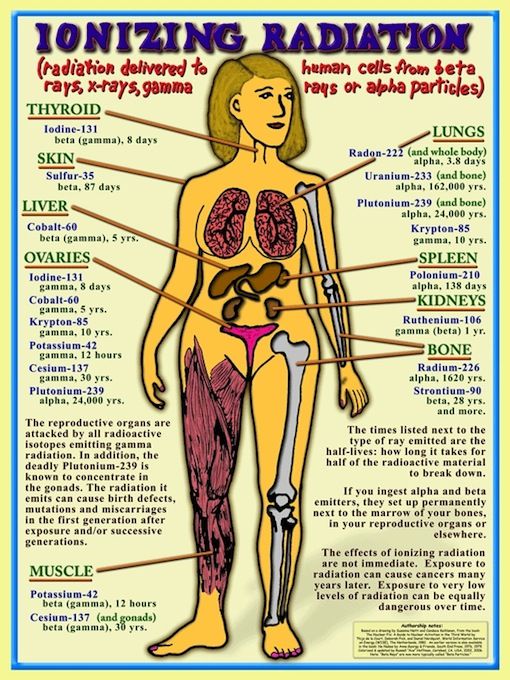
Notes here provided by:
Simon J Daigle, B.Sc., M.Sc., M.Sc(A)
Industrial / Occupational Hygienist, Climatologist,
Environmental Sciences Expert (Air Quality tropospheric Ozone),
Epidemiologist, Citizen scientist
Montreal, Quebec, Canada.
This BMJ article articulated extremely well the challenges of women’s health, pregnancy and radioactive exposures and includes nuclear power and related industries (nuclear waste). The facts below were known for decades and true to this very day and I quote:
“exposure standards in the USA remain based on a Reference Man—a model that does not fully account for sex and age differences.”
“Early in the nuclear weapons era, a ‘permissible dose’ was more aptly recognised as an ‘acceptable injury limit,’ but that language has since been sanitised. Permissible does not mean safe.”
“As noted by the EPA, this gives radiation a ‘privileged pollutant’ status”
The facts above are not only astonishing, in which the general public may either be oblivious or uninformed, but in 2023, these facts remain true and yet the nuclear industry remain “willfully blind” and disingenuous about the real radiation risks, especially to the most vulnerable groups in our population.
British Medical Journal – Paediatrics (Open Access).
A reputable journal! A recent article in the British Medical Journal – Paediatrics (Oct 2022).
Open access to all. A reputable journal!
Radioactive releases from the nuclear power sector and implications for child health (October 2022).
Link: https://bmjpaedsopen.bmj.com/content/6/1/e001326
Selected excerpts:
“Children, women and particularly pregnant women living near nuclear production facilities appear to be at disproportionately higher risk of harm from exposure to these releases. Children in poorer often Non-White and Indigenous communities with fewer resources and reduced access to healthcare are even more vulnerable—an impact compounded by discrimination, socioeconomic and cultural factors.”
“Nevertheless, pregnancy, children and women are under protected by current regulatory standards that are based on ‘allowable’ or ‘permissible’ doses for a ‘Reference Man’.”
“Early in the nuclear weapons era, a ‘permissible dose’ was more aptly recognised as an ‘acceptable injury limit,’ but that language has since been sanitised. Permissible does not mean safe. Reference Man is defined as ‘…a nuclear industry worker 20–30 years of age, [who] weighs 70kg (154 pounds), is 170cm (67 inches) tall…is a Caucasian and is a Western European or North American in habitat and custom’.”
“However, many studies are unable to link these adverse outcomes to radioactivity because the studies’ authors tend to use several faulty assumptions:
- ‘doses will be too low to create an effect’—a beginning assumption ensuring poor hypothesis formation and study design. Therefore, when an effect is found, radioactivity has been predetermined not to have an association with the effect. This exclusion often leads to an inability to find an alternate associated disease agent;
‘small negative findings matter’—In fact, what matters are positive findings or very large negative findings;- ‘statistical non-significance means a lack of association between radiation exposure and disease’ — a usage a number of scientists in various disciplines now call ‘ludicrous’;
- ‘potential bias or confounding factors are reasons to dismiss low dose studies’—In fact, when assessing low dose impacts, researchers should take care not to dismiss studies with these issues and researchers should minimise use of quality score ranking.
“Consequently, we examine and reference studies even if they contain such faulty assumptions because they still indicate increases in certain diseases, such as some leukaemias, known to be caused by radiation exposure. Additionally, few alternative explanations were offered in the conclusions of these studies, meaning radiation exposure might still have been the cause.”
“Current U.S. regulations allow a radiation dose to the public (100 mrem per year) which poses a lifetime cancer risk to the Reference Man model of 1 person in 143. This is despite the EPA’s acceptable risk range for lifetime cancer risk from toxics being 1 person in 1million to 1 person in 10000. As noted by the EPA, this gives radiation a ‘privileged pollutant’ status. Additionally, biokinetic models for radioisotopes are not sex-specific. A male model is still used for females. The models are also not fully age-dependent. Radiation damage models also fail to account for a whole host of childhood and pregnancy damage.”
Highlights (Conclusion)
- Despite the numerous observations globally, linking radiation exposures to increased risks for children, pregnant and non-pregnant women and the well-demonstrated sensitivity to other toxicants during these life stages, exposure standards in the USA remain based on a Reference Man—a model that does not fully account for sex and age differences.
- In addition, faulty research assumptions, unique exposure pathways, systemic inequities and legacy exposures to both heavy metals and radioactivity from mining wastes add to the risks for women and children, especially those in underserved communities.
- Socioeconomic factors that drive higher deprivation of services in non-homogenous low-income communities of colour also put non-White children at higher risk of negative health outcomes when exposed to radioactive releases, than their White counterparts.
- A first and essential step is to acknowledge the connection between radiation, heavy metal and chemical exposures from industries and the negative health impacts observed among children, so that early diagnosis and treatment can be provided.
- Measures should then be taken to protect communities from further exposures, including a prompt phaseout of nuclear power and its supporting industries.
Studies are also urgently needed where there are none, and the findings of independent doctors, scientists and laboratories should be given equal attention and credence as those conducted by industry or government-controlled bodies, whose vested and policy interests could compromise both their methodologies and conclusions.- Finally, in the face of uncertainty, particularly at lower and chronic radiation doses, precaution is paramount.
Notes:
Funding: The authors have not declared a specific grant for this research from any funding agency in the public, commercial or not-for-profit sectors.
Competing interests: None declared.
Patient consent for publication: Not applicable.
Ethics approval: Not applicable.
Provenance and peer review: Commissioned; externally peer reviewed
Health status of the population living in the zone of influence of radioactive waste repositories

Health status of the population living in the zone of influence of radioactive waste repositories. (2019)
D. J. Janavayev1 , Ye. T. Kashkinbayev1 , K. B. Ilbekova1 , Ye. A. Saifulina1 , M. M. Bakhtin1 , M. K. Sharipov1 , P. K. Kazymbet. (2016). Electron J Gen Med 2019;16(6):em176.
Some brief extracts:
“The results of the study indicate an almost complete absence of healthy individuals living in the area.”
- Currently, the study of the effects of low doses of ionizing radiation on biological objects continues to be a complex problem in the field of radiation biology.
- The urgency of this problem is due to the increase in the number of people exposed to man-made radiation in small doses, this category of the population includes people living near the storage of radioactive waste of uranium production
- The risk of environmental problems and living conditions is high for public health.
- Radioactive contamination of the territories behind the sanitary protection zone, tailings of radioactive waste is one of the serious problems of the Republic of Kazakhstan
- As a result of earlier clinical and epidemiological studies found that the population living in a tense environmental situation, had a high medical and social risk of chronic somatic and cancer.
Results:
- Analyzing the research results, we note a clear pattern of the distribution of the incidence of the pathology among the population, depending on the length of stay in the territory longer duration of residence in the territory of the tailings, the greater the prevalence of diseases observed in the population.
- In the population of the control group, the prevalence of diseases, depending on the period of residence in the Akkol settlement of Akmola region, tended to increase, but did not change significantly. This may indicate that the influence of technogenic factors of radiation nature on the overall morbidity of the population living near the tailings dump for a long time is not excluded.
- A significant increase in the prevalence of diseases, depending on the length of residence in ecologically unfavorable areas, was detected for diseases of the eye, cardiovascular system, digestive and genitourinary systems.
Summary:
- Thus, living conditions in the zone of influence of radioactive waste repositories determine the wide prevalence among the population of the main group living in the settlements of Zavodskaya and Aksu.
- The results of the study indicate an almost complete absence of healthy individuals living in the area.
Length of living near radioactive waste storage affect the formation and character of General somatic morbidity: increase the duration of life in the areas adjacent to the tailings, leading to increased incidence of chronic diseases.- It should be noted that in order to fully assess the health of the population of the settlements of Zavodskaya and Aksu under prolonged exposure to radioactive waste storage factors, data are required, which will be obtained in the course of further research.
Emerging Environmental Justice Issues in Nuclear Power and Radioactive Contamination.

As long as the public is excluded by “national security” concerns and by government agencies relying on nuclear expert knowledge and self-serving rules that favor commercial interests over public well-being, justice will be elusive.
Emerging Environmental Justice Issues in Nuclear Power and Radioactive Contamination (2016). By : Dean Kyne and Bob Bolin, and Jayajit Chakraborty, Academic Editor, Sara E. Grineski, Academic Editor, and Timothy W. Collins, Academic Editor.
Highlights:
- Nuclear hazards, linked to both U.S. weapons programs and civilian nuclear power, pose substantial environment justice issues. Nuclear power plant (NPP) reactors produce low-level ionizing radiation, high level nuclear waste, and are subject to catastrophic contamination events.
- Justice concerns include plant locations and the large potentially exposed populations, as well as issues in siting, nuclear safety, and barriers to public participation.
- Other justice issues relate to extensive contamination in the U.S. nuclear weapons complex, and the mining and processing industries that have supported it.
- To approach the topic, first we discuss distributional justice issues of NPP sites in the U.S. and related procedural injustices in siting, operation, and emergency preparedness.
- Finally, we discuss the persistent risks of nuclear technologies and renewable energy alternatives.
- Then we discuss justice concerns involving the U.S. nuclear weapons complex and the ways that uranium mining, processing, and weapons development have affected those living downwind, including a substantial American Indian population.
Conclusion:
- What steps could be taken to begin to resolve some of the above discussed justice issues?
- To overcome all types of environmental justice issues, it is imperative for all key stakeholders including nuclear regulatory agency to take accountability and responsibility in carrying out activities in risk evaluation, risk decision-making, and risk management regarding nuclear power and radiation [69].
- This requires full disclosure and public right-to-know principles and full democratic procedures in all nuclear issues, even those involving the military [27].
- Next we examine the problem of high-level nuclear waste and the risk implications of the lack of secure long-term storage.
- The handling and deposition of toxic nuclear wastes pose new transgenerational justice issues of unprecedented duration, in comparison to any other industry.
As long as the public is excluded by “national security” concerns and by government agencies relying on nuclear expert knowledge and self-serving rules that favor commercial interests over public well-being, justice will be elusive.- Given the history of secrecy and denial in the U.S. over nuclear technology risks and impacts [14] whether a more just approach could be developed remains unclear.
- Clearly, phasing out of nuclear energy and nuclear weapons technologies, with their centralized and authoritarian tendencies [102] (as many European countries have initiated) is a positive step that responds to public opinion.
- Likewise, planning for high-level waste storage must involve democratic procedures and full consultation with those people and places that will be most affected. To do otherwise will repeat a history of nuclear injustice.
1 This Month



Shut down the radiation-damaged Heysham nuclear reactors now
To see nuclear-related stories in greater depth and intensity – go to https://nuclearinformation.wordpress.com

Say No to NASA’s Reckless Nuclear Reactor on the Moon
Say No to NASA’s Reckless Nuclear Reactor on the Moon
-
Archives
- October 2026 (256)
- September 2026 (339)
- August 2026 (330)
- July 2026 (355)
- June 2026 (287)
- May 2026 (306)
- April 2026 (356)
- March 2026 (251)
- February 2026 (267)
- January 2026 (308)
- December 2025 (358)
- November 2025 (359)
-
Categories
- 1
- 1 NUCLEAR ISSUES
- business and costs
- climate change
- culture and arts
- ENERGY
- environment
- health
- history
- indigenous issues
- Legal
- marketing of nuclear
- media
- opposition to nuclear
- PERSONAL STORIES
- politics
- politics international
- Religion and ethics
- safety
- secrets,lies and civil liberties
- spinbuster
- technology
- Uranium
- wastes
- weapons and war
- Women
- 2 WORLD
- ACTION
- AFRICA
- Atrocities
- AUSTRALIA
- Christina's notes
- Christina's themes
- culture and arts
- Events
- Fuk 2022
- Fuk 2023
- Fukushima 2017
- Fukushima 2018
- fukushima 2019
- Fukushima 2020
- Fukushima 2021
- general
- global warming
- Humour (God we need it)
- Nuclear
- RARE EARTHS
- Reference
- resources – print
- Resources -audiovicual
- Weekly Newsletter
- World
- World Nuclear
- YouTube
-
RSS
Entries RSS
Comments RSS

