Niger’s 20 million tonnes of radioactive waste
Uranium tailings in Niger are blowing in the wind and poisoning the water
By Linda Pentz Gunter
Note: In late July, a military coup ousted Niger’s president, Mohamed Bazoum. Since then, those who have declared themselves in charge have announced a halt to uranium exports to France. France relies on Niger for around 17% of the uranium that fuels its troubled commercial reactor fleet (with Kazakhstan and Uzbekistan the main suppliers). Since Russia’s invasion of Ukraine, European countries have been wrestling with their uncomfortable dependence on Russian-sourced uranium supplies. The Russian mercenary group, Wagner, already has a strong presence in Africa, and one that is now growing.
The grey mountain looms, mirage-like, on the horizon of the uranium mining town of Arlit in Niger. (Picture below is of Kyrgyzstan’s mountain of uranium tailings, not Niger’s – but the same type)

This lethal legacy has been confirmed by the independent French radiological research laboratory — Commission de Recherche et d’Information Indépendantes sur la Radioactivité — known in international circles simply as CRIIRAD. The lab, and its director, Bruno Chareyron, have been studying the situation around uranium mines in Niger for years. In 2009 his lab measured the radioactive levels of the wastes at 450,000 Becquerels per kilogram.
In a recent video, CRIIRAD describes the waste pile— mostly radioactive sludges — as “a sword of Damocles hanging over the drinking water supply for more than 100,000 people.” (You can watch the video below, in French with English subtitles. If you understand French, you can also listen to the CRIIRAD podcast episodes on this topic on Spotify.)
Under its subsidiary, Cominak, Orano exploited mines near Arlit for 40 years. Much of the uranium extracted was used as fuel for reactors in France and other countries in the European Union.
As part of the extraction process, radon gas was released into the air along with fine radioactive dusts, inhaled by the uranium mine workers and local residents. Radioactively contaminated materials ended up in workers’ homes, used to fashion furniture and utensils and even as construction materials for the homes themselves. And yet, no effort was made by Orano to contain this waste. Instead, as the Radio France International report says, “it was simply dumped on the ground.”
Some workers who were treated in the local Areva-run hospital were told their illnesses had nothing whatever to do with the uranium mines.
Diners along the Seine, sitting under their Parisian fairy lights, rarely if ever thought about the workers in Arlit who helped turn those lights on, and who suffered all the negative health consequences while enjoying none of the financial gain. Niger remains one of the world’s poorest countries.
Niger is yet another example of colonialism, its people burdened effectively with a radioactive smallpox blanket. It’s a story and a pattern that repeats itself across the world where people of color toil in uranium mines or other foreign-imposed government or corporate methods of exploitation, working to benefit white western customers thousands of miles away.
And it’s an exploitation that could now be prolonged at Orano’s only remaining uranium mine in Niger — Somair. Earlier this year, Orano and the then Niger government signed an agreement to extend operations at Somair until 2040, 11 years longer than its originally projected closure date. That agreement may now be in doubt under the current political uncertainty brought about by the July coup.
Imouraren in northern Niger, with potentially 200,000 tonnes of uranium deposits, is still also potentially within Orano’s sights, although what would become the world’s biggest uranium mine has been on hold for some time, even before the current coup.
Meanwhile, in Arlit, many live without electricity at all. Or even running water. That water, according to Chareyron, has already been contaminated by the 40 years of waste discharges from the mines —chemicals and heavy metals along with radioactive uranium and its daughter products such as radium and polonium— which have migrated into groundwater. Absent other alternatives, local populations are obligated to keep drinking it.
According to the Radio France International report, “Orano’s Niger subsidiary, Cominak, said that it will cover the radioactive mud with a two-metre layer of clay and rocks to contain the radiation.” But, even though it is a necessary first step to prevent further dispersal into the air, the measure will scarcely be an enduring barrier, given the wastes will be dangerous to human health for hundreds of thousands of years.
But while it is dangerous for Arlit locals to wash their hands in their radioactively contaminated water supply, has Cominak washed its hands of them? In the two years since the mines closed, nothing has happened to safeguard the waste piles.
Almoustapha Alhacen, a former mine worker who heads the local NGO, Aghir’n Man and collaborates with CRIIRAD, told Chareyron that the reason given for inaction is lack of financing.
In reality, the problem is an even bigger one than miserly corporate inaction. Worldwide, points out Chareyron, authorities have yet to figure out how to confine lethal radioactive waste safely over the longterm. The simple answer is that, when it comes to radioactive waste, no one really knows what to do.
Why The Niger Coup Has Sparked Concerns About Nuclear Power

Forbes, Ana Faguy, Forbes Staff, 1 Aug 23
When a coup left Niger’s democratically elected president detained and rebellious soldiers in charge of the West African nation last week, it also sparked concern about how the supply of uranium to European countries, used to fuel nuclear reactors, might be at risk —those fears materialized Monday when the junta reportedly said it was suspending exports if the heavy metal to France, but some European agencies are squashing those concerns and noting there’s enough uranium inventories to last a few years regardless of what happens in Niger.
While Niger only accounts for a small percentage of global production of uranium—about 5% according to the World Nuclear Association—it is a major supplier of uranium for France, which receives some 15% of its uranium supply from the Western African nation, according to Politico and the EU which gets more than 20% of its uranium from Niger, according to the Euratom Supply Agency.
The junta purportedly said it was suspending exports of uranium to France—Niger’s once longtime colonial ruler—immediately, the Financial Times reported Monday.
…………………………………EU officials have also tried to downplay concerns, with European Commission spokesman Adalbert Jahnz noting that EU utilities have sufficient inventories of natural uranium to mitigate short-term supply risks and “for the medium and long term there are enough deposits on the world market to cover the EU needs,” he said to AFP.
………………………………………..
The need for uranium in many European countries could prevent the EU from adopting nuclear sanctions against Russia, Phuc-Vinh Nguyen, an energy expert at the Jacques Delors Institute in Paris, told Politico. Uranium, and nuclear power more generally, is currently not subject to EU sanctions. If the supply of uranium decreases from Niger, then EU countries could look elsewhere to find supply. Meanwhile, Russia is one of the world’s largest uranium exporters, producing some 2,500 tons in 2022, according to the World Nuclear Association.
…………………………..If the militant leaders who took over in the coup—and expressed their dismay for how the Nigerien president has run the country—took Wagner up on his offer, it’s possible that his support could affect the amount of uranium supplied to the EU. https://www.forbes.com/sites/anafaguy/2023/08/01/why-the-niger-coup-has-sparked-concerns-about-nuclear-power/?sh=253224392738
Kenya has restated its commitment to ensuring nuclear energy and nuclear weapons are not used in the continent.

Kenya reiterates stand on nuclear weapons during exhibition
Ogola noted that Kenya recently enacted the Nuclear Regulatory Act 29 of 2019.
Star 16 July 23
In Summary
- The Treaty of Pelindaba is the international agreement that establishes Africa as a zone free of nuclear weapons.
- Hence contributing to peace and security in Africa.
Kenya has restated its commitment to ensuring nuclear energy and nuclear weapons are not used in the continent.
This was when stakeholders in the Energy sector convened on Saturday to commemorate the 14th Anniversary of the African Nuclear Weapon Free Zone treaty.
The treaty is called the Treaty of Pelindaba.
The Treaty of Pelindaba is the international agreement that establishes Africa as a zone free of nuclear weapons, hence contributing to peace and security in Africa.
The event took place at the Trademark Hotel in Nairobi under the auspices of the Kenyan government.
Former Prisons Commissioner Wycliffe Ogola, while speaking on behalf of Energy CS Davis Chirchir, reiterated Kenya’s stand against possession of nuclear weapons adding that Kenya recognises the pivotal role the treaty plays in protecting civilians against nuclear weapons.
Ogola noted that Kenya recently enacted the Nuclear Regulatory Act 29 of 2019.
“The Act has committed the country to exclusively exclude uses of nuclear technology, recognising the need to meet Kenya’s obligation under various international considerations and criminalised access to nuclear material and radiation sources,” Ogola said.
He called for more forums to allow for the exchange of ideas on how to ensure nuclear weapons and technology are not used in Africa. ………………………. more https://www.the-star.co.ke/news/realtime/2023-07-16-kenya-reiterates-stand-on-nuclear-weapons-during-exhibition/
French nuclear group Orano (previously Areva) evacuates foreign workers to Niger capital following security threat
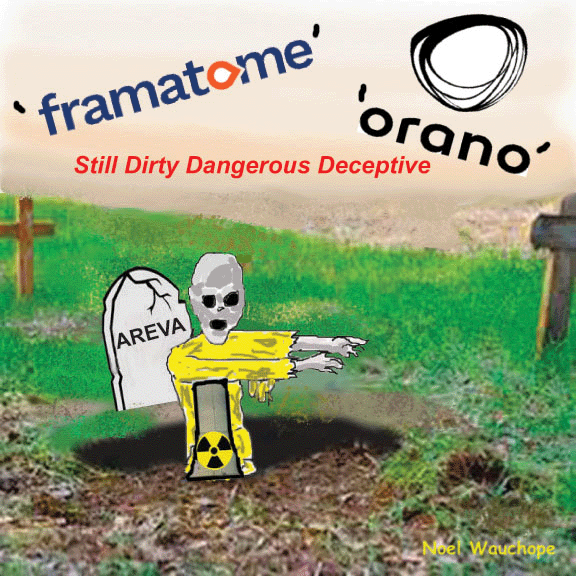
NIAMEY, May 12 (Reuters) – French nuclear group Orano has evacuated 18 expatriate workers from a uranium mining site in Arlit, northern Niger, to the capital Niamey on Friday, following a security threat, a spokesperson for the company said in statement to Reuters.
Orano ceased exploiting uranium at the mine in 2021 due to the depletion of reserves, but plans to operate in the country to retrain workers and remediate the mining site for at least a decade.
The spokesperson did not give details about the security threat but said it occurred in a village halfway between the border with Mali and Arlit, which lies some 800 km (500 miles) to the northeast of the capital.
South Korea coming for a slice of Africa’s emerging nuclear power market
As African countries firm up their nuclear power ambitions, South Korea’s Korea Hydro & Nuclear Power (KHNP), a subsidiary of state-owned Korea Electric Power Corporation is coming for a share of the continent’s emerging market.…… (Subscribers only) https://www.theafricareport.com/293984/south-korea-coming-for-a-slice-of-africas-emerging-nuclear-power-market/
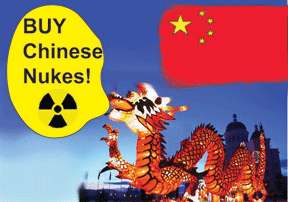
China marketing nuclear power to Uganda
Uganda announces plans to start nuclear power generation
Energy minister says preparation ongoing to pave way for 1st nuclear power project
Hamza Kyeyune |09.03.2023,
KAMPALA, Uganda
Uganda announced Thursday it will begin construction of the country’s first nuclear facility, the Buyende Nuclear Power Plant, in partnership with China National Nuclear Corporation that would assist the East African country in developing capabilities for peaceful use of atomic energy.
Currently in Africa, only South Africa has an active nuclear power plant, while Russia’s state-owned energy corporation Rosatom commenced construction of Egypt’s first nuclear facility last year………..
https://www.aa.com.tr/en/africa/uganda-announces-plans-to-start-nuclear-power-generation/2841543
Morocco committed to elimination of nuclear weapons – Envoy speaks at African seminar on the Treaty on the Prohibition of Nuclear Weapons, in Pretoria
05.02.2023 by APA News https://www.journalducameroun.com/en/morocco-committed-to-elimination-of-nuclear-weapons-wmds-envoy/—
Morocco supports “serious, efficient and joint actions” for the total elimination of nuclear weapons and weapons of mass destruction (WMDs) around the world, the kingdom’s top envoy in South Africa has said.Speaking during an African regional seminar on the universalisation of the Treaty on the Prohibition of Nuclear Weapons in Pretoria, Moroccan ambassador Youssef Amrani said his country is “firmly committed to the total elimination of nuclear weapons and weapons of mass destruction”, noting that the recent resurgence of the nuclear threat was “a challenge that requires serious, efficient and joint actions.”
“Morocco reaffirms its unwavering support for multilateral initiatives aimed at combating the arms race, promoting the strengthening of disarmament agreements aimed at limiting weapons of mass destruction, as well as promoting the efforts of the international community to prevent the proliferation of nuclear weapons and the elimination of weapons of mass destruction,” Amrani said.
The ambassador’s comments come against the backdrop of heightened global tensions over the threat of a nuclear war in the aftermath of the Russia-Ukraine war.
Ambassador Amrani said Morocco was committed to the complete general and irreversible disarmament, stressing that multilateralism and regional and international cooperation remained the key to providing effective responses to the global threats of proliferation of WMDs.
He stressed that, as a promoter and provider of international peace and security, Morocco is convinced that global peace and stability can only be achieved on the basis of peaceful coexistence, constructive and sincere dialogue on the basis of mutual respect.
He said Morocco considered the existence of WMDs as a permanent threat with devastating risks that have “a continuous impact on the future of the world and future generations.”
He noted that the kingdom remained convinced that nuclear weapons and WMDs do not guarantee effective peace and security at the regional and international levels.
African states meet in South Africa to discuss UN Nuclear Ban Treaty
https://www.icanw.org/african_states_meet_in_south_africa_to_discuss_un_nuclear_weapon_ban_treaty 30 Jan 23
Representatives from 37 African states have gathered in Pretoria at the African Regional Seminar on the Universalisation of the Treaty on the Prohibition of Nuclear Weapons (TPNW) to discuss how to get every African state to sign and ratify the UN nuclear ban treaty as soon as possible.
The two day Seminar, co-hosted by South Africa’s Department of International Relations and Cooperation (DIRCO), ICAN, and the International Committee of the Red Cross, will serve to take stock of the TPNW from a regional perspective and consider the need for further progress towards universalisation of the treaty on the continent.
African countries have been long-time leaders on nuclear disarmament. The continent is a nuclear-weapon-free zone under the Treaty of Pelindaba, and the TPNW enjoys strong support from all the countries in the region. So far 33 African UN member states out of 54 have signed the TPNW and 15 have ratified it.
While opening the Seminar, Deputy Minister of DIRCO, Mr Alvin Botes, highlighted South Africa’s history as one of the few states to start developing and then fully dismantle its nuclear arsenals to being an active supporter of the TPNW. “South Africa’s own experience has shown that neither the possession nor the pursuit of nuclear weapons can enhance international peace and security. The continued retention of nuclear weapons based on the perceived security interests of some states comes at the expense of the rest of humanity.”
He also called on all African states “to sign and ratify the TPNW at the earliest possible opportunity and thus reassert Africa’s leadership in nuclear disarmament and contributing to international peace and security.”
ICAN’s Executive Director Beatrice Fihn also highlighted this leadership during the opening speeches:“African states are rightly proud of the role they played in the TPNW’s negotiation and adoption. Support for the treaty in this region is universal, even if much work remains to be done to bring all states on board as parties,” calling on the 21 states that had not yet done so to sign and ratify the treaty. She also celebrated African civil society for their tireless efforts to raise public awareness of the TPNW and promote its universalisation.
A number of ICAN partner organisations are represented at the meeting, and ICAN campaigners have been delivering presentations about the TPNW’s status, and campaign activities throughout Africa, as well as engaging with representatives of the countries that have yet to sign the treaty to make it a priority.
‘The day the desert wind cried’: French nuclear tests cast long shadow in Libyan Sahara

Middle East Eye, By Samira Elsaidi, 29 January 2023
Between 1960 and 1966, France detonated 17 bombs in the Algerian Sahara. In neighbouring Libya, the deadly effects are felt to this day
“I search for words that do not exist. My father passed away on the day the desert wind cried, and his absence is still there, like a loud mute cry, like a void that words cannot fill.”
Abed Alfitory is 64-years old now. But he still remembers his father’s death and the events that led to it.
Alfitory is from Fezzan, the largely desert region of southwestern Libya. It is here, deep in the Sahara, that he spent 20 years collecting material for his book Desert Cry, motivated by the loss of his father’s sight in 1960 and his death a few years later.
Speaking to Middle East Eye from his home in al-Zighan, the professor of philosophy at Sabha university told Middle East Eye that his childhood had come at a great cost, that he struggled amidst hard conditions and that he had been haunted by his father’s blindness.
Later, Alfitory discovered what had caused his father’s condition. He learnt, too, that he was not alone.
Many people in Fezzan had been struck down by respiratory diseases and ophthalmia in 1960. The acute eye infection was so prevalent then that it became known as the “year of ophthalmia”.
This was followed by the “year of smallpox”, the “year of the yellow wind” and the “year of gnawing”. The people of the Fezzan began to get cancer in greater numbers. Acid rain fell. The land was afflicted. What had happened?
Explosions in the Sahara
On 13 February 1960, France conducted its first nuclear test at Reggane, an oasis town in southern Algeria. The war for the North African country’s independence had been ongoing since 1954 and French President Charles de Gaulle was keen to show the world that France belonged at the top table of military powers.
To that end, the first French atomic bomb, named Gerboise Bleue after the blue of the tricolour flag and a small desert animal in the Sahara, was detonated in the Algerian desert. It released over four times the amount of energy as that of the US bomb dropped on Hiroshima.
A few months later, as Soviet leader Nikita Khrushchev was in France for an official visit, a second French bomb was detonated in the Sahara.
Between 1960 and 1966, four years after Algeria gained its independence, France detonated 17 bombs in the Sahara, including four in the atmosphere near Reggane. Witnesses to the tests described them as the most brutal thing they’d ever seen in their lives.
Four underground explosions in the Algerian Sahara “were not totally contained or confined”, according to a French parliamentary report.
Most famous of these was the Beryl incident, during which nine soldiers and a number of local Tuareg villagers were heavily contaminated by radioactivity.
The impact of France’s nuclear testing programme in Algeria was immediate and has been ongoing.
Following the first explosion in 1960, radioactive fallout landed in newly independent Ghana and in Nigeria, which was in its last days as a British colony.
Secret defence documents cited by Le Parisien in 2014 revealed that much larger areas than had been claimed by the government had been affected.
In fact, contrary to Paris’s assertions, radiation from the first bomb alone had covered a region that ran from Algeria to Libya to Mauritania and on to Mali and Nigeria. The impact even reached as far north as Spain and Italy…………………………………… more https://www.middleeasteye.net/news/france-libya-algeria-nuclear-tests-still-haunt-desert-cried
France promises to speed up handover of colonial archives and clean up nuclear test sites in Algeria
https://www.middleeastmonitor.com/20230126-france-promises-to-speed-up-handover-of-colonial-archives-and-clean-up-nuclear-test-sites-in-algeria/ January 26, 2023
France has promised to speed up the handover of its colonial archives to Algeria, and to clean up the sites where it conducted nuclear tests in the Sahara Desert in the 1960s, the ministry of foreign affairs in Algiers has announced.
The announcement was made at the end of a meeting on Wednesday of the 9th session of the Algeria-France political consultations in the Algerian capital. The meeting was chaired by the Secretaries General of the Algerian and French Ministries of Foreign Affairs, Amar Belani and Anne-Marie Descotes, with the participation of representatives from several sectors in each country.
The consultations were in preparation for the upcoming visit of Algerian President Abdelmadjid Tebboune to Paris in May, at the invitation of his French counterpart, Emmanuel Macron.
There was no immediate French comment on the Algerian announcement.
According to Algerian officials, France still holds 98 per cent of their country’s archives, which date back to the colonial era which lasted from 1830 to 1962, and inevitably go back to the Ottoman era that preceded it.
Between 1960 and 1966, the French colonial authorities conducted a series of nuclear explosions in the Algerian Sahara, four of which were in the atmosphere and thirteen were underground, according to French officials. Algerian historians and officials insist that the number is greater and that the effects still threaten the health of the regional population and the safety of the environment.
At the end of December, Tebboune called on France to clean up its nuclear waste at the test sites in Tamanrasset and Reggane, and to take care of the victims of the tests in the area.
Nuclear colonialism? Nuclear country Canada “helps” Ghana to develop nuclear waste disposal facility
Nuclear power ambitions in Ghana receive boost with disposal facilities, ESI Africa By Nomvuyo Tena, Jan 10, 2023
Ghana has joined a pilot project run by the International Atomic Energy Agency (IAEA) for the disposal of sealed radioactive sources. The disposal facilities will bring the country closer to its nuclear power ambitions.
The IAEA is providing technological and engineering support for the first of a kind construction and implementation of borehole disposal facilities for radioactive waste. This is part of a pilot project underway in Malaysia and Ghana, funded by Canada……………….
Significant progress in the regulatory framework bring nuclear power closer
Ghana is at an advanced stage of implementing its borehole project, with significant progress having been made in the regulatory authorisation processes. The borehole facility construction is expected to begin as soon as the licensing review process is completed.
“We are implementing the borehole disposal system as a final solution for disused sealed radioactive sources generated in the country,” said Eric Tetteh Glover, head of the Radioactive Waste Management Centre of the Radiation Protection Institute, Ghana Atomic Energy Commission. “The successful implementation of the borehole disposal system will provide the country with a licensed disposal facility, and at the same time will further enhance the human and technical capabilities required for the country’s nuclear power programme.”…………………………………….. more https://www.esi-africa.com/industry-sectors/smart-technologies/nuclear-power-ambitions-in-ghana-receive-boost-with-disposal-facilities/
Djibouti signs Treaty on the Prohibition of Nuclear Weapons
https://www.icanw.org/djibouti_tpnw_signature 9 Jan 23,
Djibouti has become the first new signatory to the Treaty on the Prohibition of Nuclear Weapons (TPNW) in 2023. At the UN headquarters in New York on 9 January, the country’s ambassador to the United Nations, Mohamed Siad Doualeh, signed the landmark treaty, bringing the total number of signatories to 92. Djibouti will now commence its domestic ratification process in order to become a state party.
ICAN Executive Director, Beatrice Fihn, welcomed Djibouti’s decision: “The steady increase in adherence to the landmark nuclear ban treaty reflects the strong desire of the international community to strengthen the global norm against nuclear weapons and see more rapid progress on disarmament.”
To date, 33 African countries have signed the TPNW, of which 15 have also ratified it. The TPNW complements and reinforces the 1996 Treaty of Pelindaba, which established Africa as a nuclear-weapon-free zone. The states parties to the Treaty of Pelindaba have called upon all African Union member states “to speedily sign and ratify the [TPNW]”.
Support for the TPNW
Djibouti has historically been a strong supporter of the TPNW. In 2016, Djibouti voted in favour of the UN General Assembly resolution that established the mandate for states to begin negotiations on “a legally binding instrument to prohibit nuclear weapons, leading towards their total elimination,” participated in the negotiation of the TPNW in 2017 and was among 122 states that voted in favour of its adoption.
More recently, in a statement to the United Nations in October 2022, Djibouti announced that it would adhere to the TPNW as part of its “commitment to peace and disarmament”. It also encouraged other states that have not yet signed it to do so. In December 2022, Djibouti voted in favour of an annual UN General Assembly resolution calling on all states to sign, ratify, or accede to the TPNW “at the earliest possible date”.
Namibia orders Russian uranium exploration to stop due to environmental concerns
North Africa Post January 2, 2023 https://northafricapost.com/64030-namibia-orders-russian-uranium-exploration-to-stop-due-to-environmental-concerns.html
Namibian authorities have ordered Russia’s state atomic energy agency to stop uranium exploration over concerns about potential contamination of underground water.
Namibia’s Ministry of Agriculture, Water and Land Reform refused to grant Russia’s Rosatom subsidiary, One Uranium, a water use permit required for mining, saying the company failed to prove its uranium extraction method would not cause pollution. Namibia — the world’s second and Africa’s no. 1 producer of the nuclear fuel — granted Russia’s state atomic energy agency exploration rights in 2019.
The Namibian official Calle Schlettwein said Namibia could not grant One Uranium a permit for uranium mining. The Russian entity still needs a water use permit to begin mining.
Schlettwein said no further permit would be granted because the mining method the company proposed, known as the in-situ leaching, was raising environmental concerns. In situ mining involves recovering minerals by dissolving them in an acid pumped into the ground and then pumping the solution back to the surface.
Schlettwein said farmers in Namibia’s eastern Omaheke region had petitioned against the technique. Although One Uranium’s spokesperson, Riaan Van Rooyen, dismissed the concerns, Namibian activists maintain the mining project is not worth the risk. Rosatom’s subsidiary is expected to appeal Namibia’s decision against the water permit for uranium mining.
Past time for action — France should clean up atomic mess in Algeria

Past time for action — Beyond Nuclear International Algerian victims of French atomic tests should be recognized and compensated
By Jean-Marie Collin, Patrice Bouveret and Merzak Remki
Editor’s note: This article (originally in French) was written before the October 9-10 meeting described below, but unfortunately there were no new developments made there. The article explores what needs to happen to deliver restitution and justice to the Algerian victims of French atomic tests.
Last August 27, Presidents Abdelmadjid Tebboune and Emmanuel Macron renewed the partnership between Algeria and France to “embark on a future in the spirit of appeasement and mutual respect.” With the holding of the High Level Intergovernmental Committee in Algiers on October 9 and 10, this intention should translate into new commitments which will reunite the governments of the two states.
Not having been discussed during the meeting of the two presidents, this new encounter must mark a decisive turning point for resolving the issue of the consequences of the nuclear tests that France carried out in Algeria and which still impact the local population today.
Between 1960 and 1966, France carried out a total of 17 atmospheric and underground nuclear tests in the south of Algeria, at Reggane and In Ekker.
Among the 13 underground tests conducted at In-Ekker, two of them (Béryl and Améthyste) resulted in a very large release of rocks and lava from the mountain, which has left the area highly contaminated. In addition to the nuclear tests, there were also approximately 40 explosions conducted at Reggane (Adrar) and at Tan Ataram (Tamanrasset), using small quantities of plutonium, but which did not release nuclear energy (these were subcritical tests).
It is clear that the health and environmental conditions in these areas remain a cause for great concern still today.
As the result of major mobilization, France has, with the law of January 5, 2010, accepted that, in recognizing and compensating the victims of the nuclear tests that these tests, both in Algeria and then in Polynesia, were not “clean”. It has even been admitted that the people present during these tests in South Algeria (civilians, workers, members of the military, scientists) have been affected by radiation-induced illnesses.
The French law requires the applicant seeking compensation to meet very difficult criteria in order to have their status as a victim recognized. Most notably, the person must demonstrate that they were in the geographical area of the test fallout, at the time the tests took place, and must suffer from one of the 23 diseases listed in the decree.
Unfortunately, since 2010, only one single Algerian national has been compensated out of 723 people recognized as victims by the Committee for Compensation of the Victims of Nuclear Tests. The situation points to a serious problem. Moreover, this law has never been translated into Arabic (even though it has been available since 2019 in Polynesian), thus restricting its access to a large population.
Furthermore, we know that present generations — and future ones if no remediation measures are put in place — continue to be impacted by the consequences of these tests. In effect, after numerous testimonials and much research (notably the study by ICAN France and l’Observatoire des armements — “Radioactivity under the sand! The French nuclear tests in Algeria: an analysis regarding the Treaty on the Prohibition of Nuclear Weapons”, published in 2020 by the Heinrich Böll Foundation), it is recognized that France knowingly buried various wastes contaminated with radioactivity at the test sites.
To these wastes must be added radioactive materials (vitrified sand, contaminated rocks and lava), resulting from the atmospheric nuclear explosions that took place on the site of the “Gerboise” shots and on a large area on the side of the Taourirt Tan Afella mountain at In Ekker.
Algeria, for its part, has taken another step in the process of taking charge of this issue at the national level, in creating, on May 31, 2021, the National Agency for the Remediation of former French Testing and Nuclear Explosion Sites in southern Algeria.
But if the two states have been well aware of the existence of this “radioactive heritage” for a number of years, we note, unfortunately, an absence of tangible progress in advancing this important case. The time has come to act quickly, in full cooperation and without taboo, just as Presidents Tebboune and Macron underlined.
Will the fifth session of the High-Level Intergovernmental Committee (HLIC), which is to take place October 9 and 10, be the occasion on which concrete announcements will be made?
In effect, this committee, launched in 2013, has, from the beginning, included a section related to nuclear tests, but the pace it notably slow. The first meeting of the mixed working group on compensation for the Algerian victims of French nuclear tests, on February 3, 2016, came up only with the prospect of “establishing a focused dialogue as soon as possible.”
During the HLIC, a plan of action should be drawn up, made public, and, most importantly for France, must include easy access to the Morin law* for Algerians, and the handing over to the Algerian authorities of all the archives on the consequences of the tests and on the wastes buried on site.
Algeria can realize its desire to act by establishing a cancer registry for the inhabitants of southern Algeria through its ministry of health and by launching an official study on cleanup of the radioactive zones via its remediation agency.
It is left to Algeria, one of the first countries to have signed the 2017 Treaty on the Prohibition of Nuclear Weapons, to begin the process of ratifying it. That would allow it to get international cooperation for environmental cleanup of the contaminated areas.
Algeria can realize its desire to act by establishing a cancer registry for the inhabitants of southern Algeria through its ministry of health and by launching an official study on cleanup of the radioactive zones via its remediation agency.
It is left to Algeria, one of the first countries to have signed the 2017 Treaty on the Prohibition of Nuclear Weapons, to begin the process of ratifying it. That would allow it to get international cooperation for environmental cleanup of the contaminated areas.
The parliamentarians of the two countries also have a role to play in establishing a mixed working group to monitor the timetable of work carried out as close as possible to the field and the populations. NGOs, academics, journalists and local actors must also be involved with this plan of global action, to ensure its implementation for the benefit of affected populations.
A compensation law for French nuclear test victims, or the Morin Law, was enacted on January 5, 2010. Hervé Morin, who was defense minister at the time, promised compensation for the people suffering health problems resulting from exposure to French nuclear tests conducted in Algeria and in French Polynesia. However, the law judges cases individually and places strict limits on how, when and for what health complications compensation is paid.
This article first appeared in Le Journal de Dimanche, just prior to the October meeting, and is republished in translation with permission of the authors. Translation by Linda Pentz Gunter.
As Australia gets American nuclear-capable bombers, it risks becoming a dangerous military mess and target – like Guam

China’s furious reaction as Australia gets US nuclear-capable bombers A furious Beijing has blasted reports of the US gifting Australia nuclear-capable bombers, prompting a concerning warning from China.
https://www.news.com.au/technology/innovation/military/chinas-ominous-threat-to-australia-over-us-nuclearcapable-bombers/news-story/ca67d55d29ef716883078e4fb8e2101f Ally Foster and Frank Chung, November 1, 2022 –
Australia has been issued an ominous threat, after China lashed out at reports of the US sending nuclear-capable bombers to the Northern Territory.
According to an investigation by the ABC’s Four Cornersthat aired on Monday, Washington has drawn up plans to build a dedicated a “squadron operations facility” at the Tindal air base south of Darwin that will house “six B-52s”.
These aircraft are capable of delivering both nuclear and conventional weapons, with a combat range of more than 14,000km.
The news has prompted a furious response from Beijing, with the former editor-in-chief of the CCP-run Global Times issuing an ominous warning to Australia.military
Commentator Hu Xijin said Australia would need to “bear the risks” of this move.
“The PLA’s Dongfeng missiles definitely fly faster than the B-52 bombers,” he wrote on Twitter.
“If Australia wants to become a “big Guam,” then it must bear the corresponding strategic risks.”
There have even been warnings that accepting these bombers could “trigger a regional arms race”.
Chinese Ministry of Foreign Affairs spokesman Zhao Lijian said by sending the bombers to Australia, the US had “increased regional tensions, seriously undermined regional peace and stability, and may trigger a regional arms race”.
“Defence and security co-operation between any countries should be conducive to regional peace and stability and not target or harm the interests of third parties,” he told reporters in Beijing.
Mr Zhao said Beijing was urging all the countries concerned to “abandon the old Cold War zero-sum thinking and narrow geopolitical concepts”.
The focus should instead be on contributing more to regional peace and stability and enhancing “mutual trust”, he said.
1 This Month
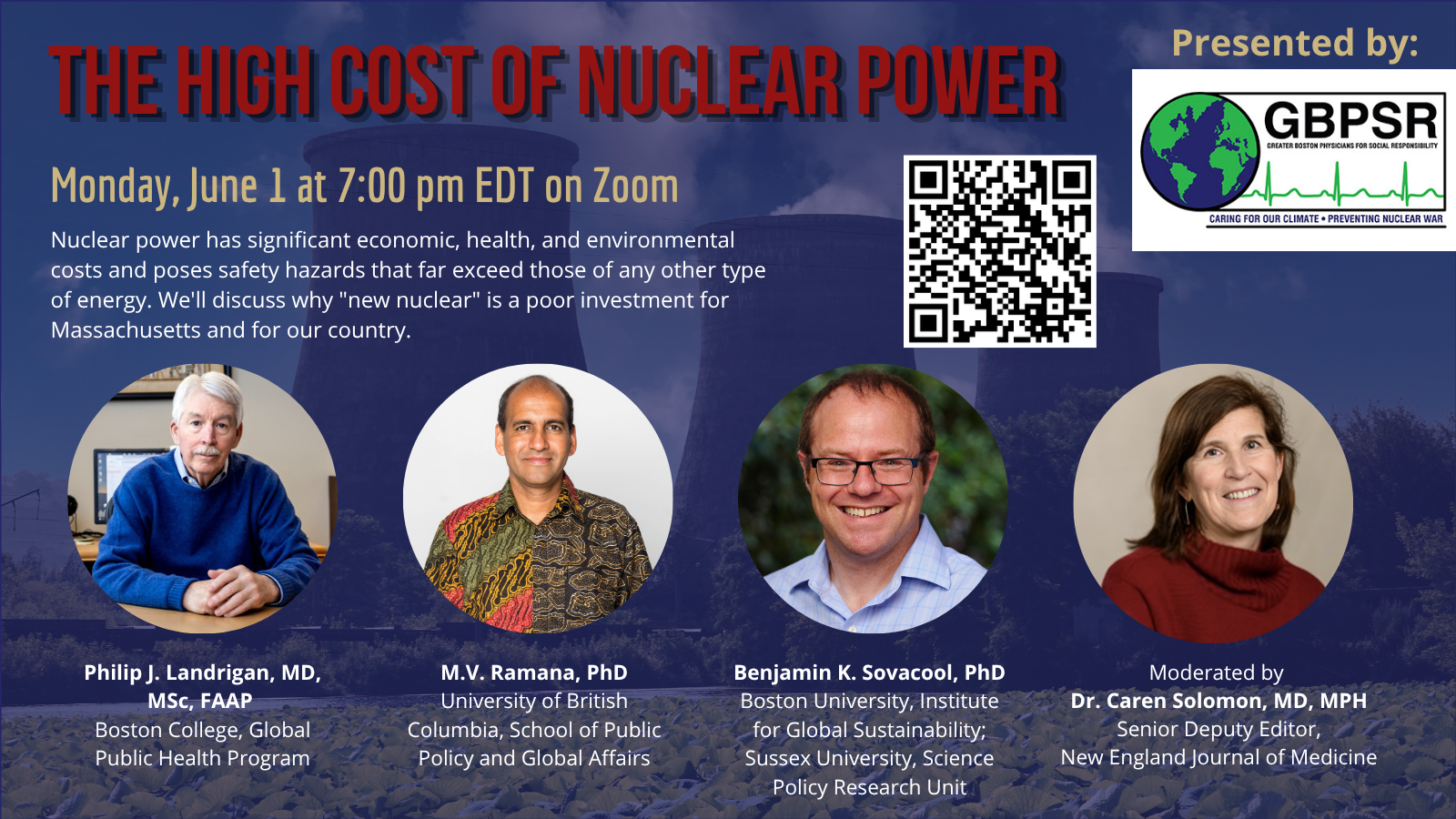
1 June Webinar – The High Cost of Nuclear Power – Register
6 June – WEBINAR- Get Inspired by Protests Against Military Bases!


Cuba Is Not a Failed State – It Is a Besieged State
PETITION: “Global Appeal to Endorse Palestinian Right of Return of Refugees”

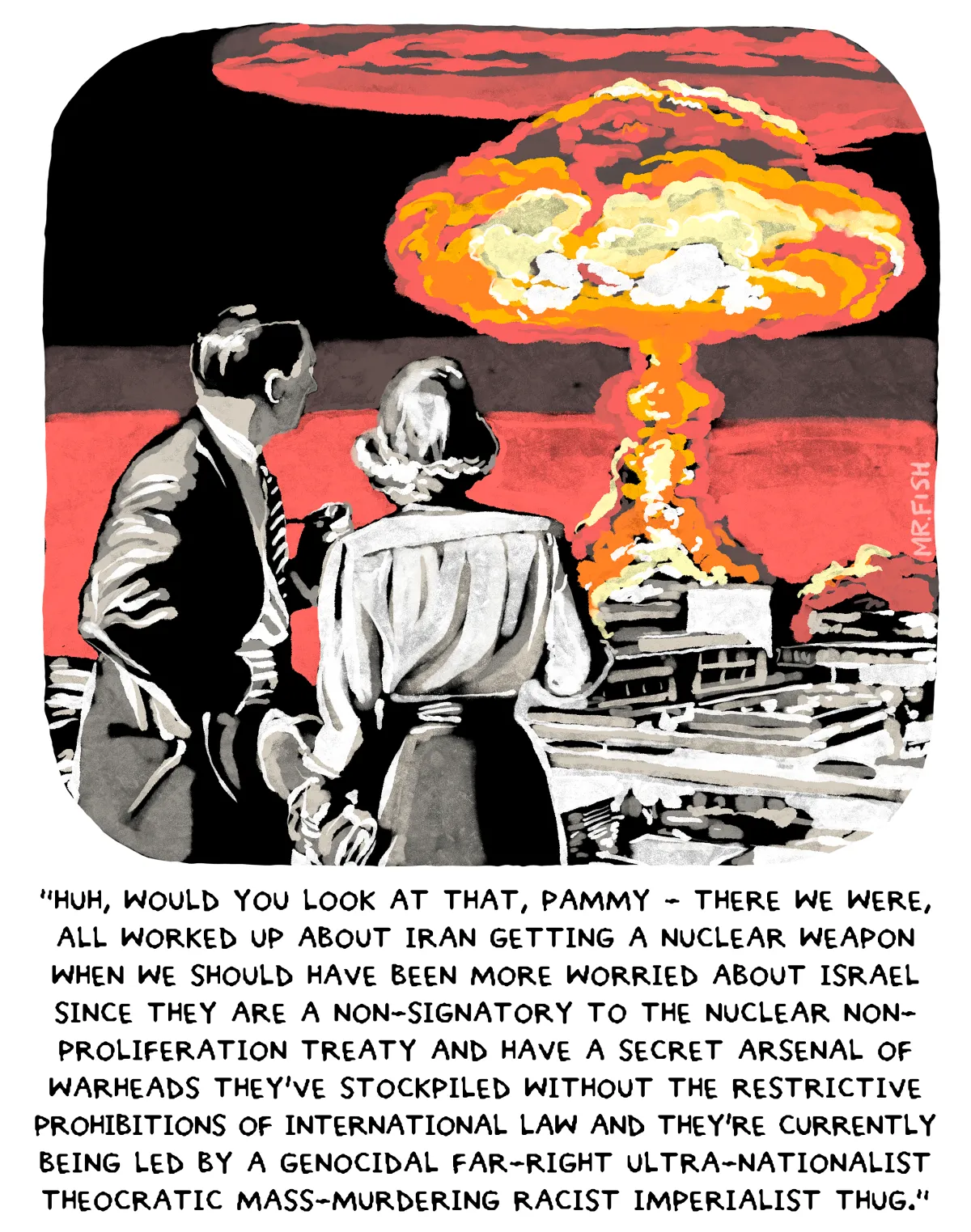

of the week– Nuclear Reactor Information Task Force
To see nuclear-related stories in greater depth and intensity – go to https://nuclearinformation.wordpress.com
-
Archives
- June 2026 (27)
- May 2026 (306)
- April 2026 (356)
- March 2026 (251)
- February 2026 (268)
- January 2026 (308)
- December 2025 (358)
- November 2025 (359)
- October 2025 (376)
- September 2025 (257)
- August 2025 (319)
- July 2025 (230)
-
Categories
- 1
- 1 NUCLEAR ISSUES
- business and costs
- climate change
- culture and arts
- ENERGY
- environment
- health
- history
- indigenous issues
- Legal
- marketing of nuclear
- media
- opposition to nuclear
- PERSONAL STORIES
- politics
- politics international
- Religion and ethics
- safety
- secrets,lies and civil liberties
- spinbuster
- technology
- Uranium
- wastes
- weapons and war
- Women
- 2 WORLD
- ACTION
- AFRICA
- Atrocities
- AUSTRALIA
- Christina's notes
- Christina's themes
- culture and arts
- Events
- Fuk 2022
- Fuk 2023
- Fukushima 2017
- Fukushima 2018
- fukushima 2019
- Fukushima 2020
- Fukushima 2021
- general
- global warming
- Humour (God we need it)
- Nuclear
- RARE EARTHS
- Reference
- resources – print
- Resources -audiovicual
- Weekly Newsletter
- World
- World Nuclear
- YouTube
-
RSS
Entries RSS
Comments RSS
 nuclear-news