Palisades nuclear power plant shut down due to another leak
New water leak forces Palisades nuclear power plant to shut down again Michigan Radio 12 Aug 12 By LINDSEY SMITH The leak is somewhere in the containment building, the circular shaped one on the left. That’s where the nuclear reactor is housed. The Palisades Nuclear Power Plant near South Haven is shut down again. This is the second time this summer Entergy Corporation has had to shut down the plant for repairs. Continue reading
“Who will rid the nuclear industry of this troublesome nun?”
The actions of Sister Rice, a New York native who grew up on a prosperous block in Morningside Heights, and her companions, ages 57 and 63, are a huge embarrassment for President Obama
“It’s the criminality of this 70-year industry,” she said. “We spend more on nuclear arms than on the departments of education, health, transportation, disaster relief and a number of other government agencies that I can’t remember.”

The Nun Who Broke Into the Nuclear Sanctum. NYT, By WILLIAM J. BROAD August 10, 2012 She has been arrested 40 or 50 times for acts of civil disobedience and once served six months in prison. In the Nevada desert, she and other peace activists knelt down to block a truck rumbling across the government’s nuclear test site, prompting the authorities to take her into custody.
She gained so much attention that the Energy Department, which maintains the nation’s nuclear arsenal, helped pay for an oral history in which she described her upbringing and the development of her antinuclear views.
Now, Sister Megan Rice, 82, a Roman Catholic nun of the Society of the Holy Child Jesus, and two male accomplices have carried out what nuclear experts call the biggest security breach in the history of the nation’s atomic complex, making their way to the inner sanctum of the site where the United States keeps crucial nuclear bomb parts and fuel.
“Deadly force is authorized,” signs there read. “Halt!” Images of skulls emphasize the lethal danger. Continue reading
No nuclear waste solution in sight, as USA suspends new and renewing nuclear power licences
The suspension is likely to lower confidence in the nuclear industry, both on the part of the public and lawmakers. At least one congressman called for the end of new nuclear power in response to the order.
A century after a reactor shuts down, “the entity that operates reactors might not exist; the NRC might not exist. How do you say with a straight face that’s going to be safe?”

 US nuke plant delay fails to solve storage conundrum http://www.newscientist.com/article/dn22165-us-nuke-plant-delay-fails-to-solve-storage-conundrum.html 10 August 2012 by Sara Reardon The gauntlet has been thrown: until the US figures out what to do with its nuclear waste, new nuclear plants can’t be licensed and existing licences can’t be renewed.
The dramatic decision, taken by the Nuclear Regulatory Commission on 8 August, is a sign of mounting pressure over the issue of nuclear waste storage, and is likely to rekindle doubts over the future of the nuclear industry. But whether it will result in a solution anytime soon is still unclear.
In taking the decision, the NRC was responding to a complaint from 24 organisations, demanding that it set more specific guidelines for its plans regarding nuclear waste.
The current modus operandi is for US nuclear plants to store spent fuel in pools onsite in the hope that a permanent geological repository, such as Nevada’s Yucca Mountain – or even better, somewhere else – becomes available within the coming decades. Continue reading
Up to 113,845 jobs in clean energy for Michigan
“It’s a job creating machine, with the added benefit of cleaner air, improved public health and healthier communities.”
All told, the initiative would create between 74,495 and 113,845 jobs in Michigan..

Renewable energy ballot measure called ‘job creating machine‘ By Karen Bouffard Detroit News Lansing Bureau, August 10, 2012 Lansing— At least 74,000 jobs would be created if voters approve a proposed ballot measure that requires 25 percent of energy to come
from renewable sources by 2025, according to a Michigan State University study released Friday.
Results of the study were announced by supporters of the Michigan Energy Michigan Jobs renewable energy ballot proposal, which is opposed by utility companies and business groups. The higher renewable electricity standard would create more than $10
billion in investments, according to the study. Continue reading
Nuclear weapons lab security – like a fish, it rots from the head down
 Where’s the Oversight at Nuclear Labs? Hands-Off Approach Is Recipe for Disaster HUFFINGTON POST, Project on Government Oversight (POGO) 08/10/2012 By Peter Stockton and Lydia Dennett As the saying goes, “The fish rots from the head down.” This is certainly the case at the Y-12 National Security Complex in Oak Ridge, Tenn., where an 82-year-old nun and two accomplices recently broke in, raising serious questions about the Department of Energy’s (DOE) security strategy.
Energy Secretary Steven Chu said in a statement provided to the Knoxville News Sentinel on Monday: “The department has no tolerance for security breaches at any of our sites, and I am committed to ensure that those responsible will be held accountable.” But there is no denying that Y-12 was a giant failure of federal oversight. Now the people being axed are lower-level employees rather than those who have allowed the security standards to fall far below acceptable levels, such as Secretary Chu, himself. Continue reading
Secret Cold War Nuclear Policies – USA and Japan
Declassified U.S. government documents make a mockery of the Three Non-Nuclear Principles. The papers reveal that Japanese government officials ignored evidence that the United States was routinely bringing nuclear weapons into Japanese ports.

 United States Circumvented Laws To Help Japan Accumulate Tons of Plutonium, DC Burea By Joseph Trento, April 9th, 2012 “….. In October 1964, communist China stunned the world by detonating its first nuclear bomb. The world was caught by surprise, but nowhere were emotions as strong as in Japan. Three months later Japanese Prime Minister Eisaku Sato went to Washington for secret talks with President Lyndon Johnson. Sato gave LBJ an extraordinary ultimatum: if the United States did not guarantee Japan’s security against nuclear attack, Japan would develop a nuclear arsenal. The ultimatum forced LBJ to extend the U.S. “nuclear umbrella” over Japan. Ironically, this guarantee later enabled Sato to establish Japan’s Three Non-Nuclear Principles: to never own or produce nuclear weapons or allow them on Japanese territory. The policy won Sato the Nobel Prize for Peace. The Japanese public and the rest of the world never knew that these three principles were never fully enforced, and Sato allowed the secret nuclear weapons program to go on. Continue reading
Secret shipment of radioactive spent nuclear fuel to South Carolina
This shipment of research reactor fuel to SRS in no way means that the public is open to receipt of highly radioactive commercial spent fuel from U.S. nuclear reactors for consolidated storage at SRS, which some narrow special interests are eyeing
Radioactive Spent Fuel Containing Bomb-Grade Uranium Arriving at SRS http://aikenleader.villagesoup.com/blog/blogpost/radioactive-spent-fuel-containing-bomb-grade-uranium-arriving-at-srs/881381
By Thomas Clements | Aug 09, 2012 A secretive shipment of radioactive spent research reactor fuel containing highly enriched uranium (HEU) from Germany is soon to arrive at the Department of Energy’s (DOE) Savannah River Site (SRS) near Aiken, South Carolina, where it will be indefinitely stored. The shipment is likely to be transiting the Naval Weapons Station in Charleston, South Carolina. Continue reading
Nuclear reactor licensing in USA – an uncertain future
An Uncertain Phase for Nuclear Power Licenses NYT By MATTHEW L. WALD , August 9, 2012, In a rare action, the Nuclear Regulatory Commission has acceded to a petition filed by anti-nuclear groups that it halt some licensing activities until the agency can sort out its troubled policy on nuclear waste….
.. The crux of the waste issue is that for years, the commission has licensed reactors on the assumption that the federal government would eventually establish a disposal system for spent fuel. An official policy known as the “waste confidence decision” stated, in typical commission lingo, that there was “reasonable assurance” that a burial place would eventually be available and that the fuel could in the meantime be stored in spent fuel pools or on site in dry casks without significant environmental risks.
But in June the United States Court of Appeals for the District of Columbia ruled that in reaching this conclusion, the commission did not comply with the National Environmental Policy Act, a law that mandates that environmental impact studies be issued before such a finding is reached.
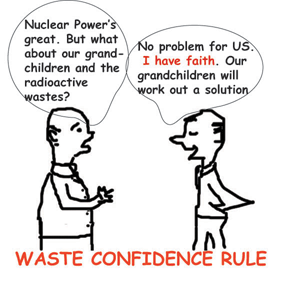
The commission is now pondering whether it can fix the problem by issuing a broad generic statement about the safety of storage in pools and dry casks or whether it will have to do a reactor-by-reactor review. Continue reading
The very dodgy plans for Small Modular Nuclear Reactors (SMRs)
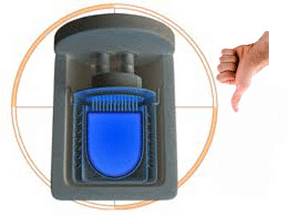 As SMRs are being promoted for overseas markets, SRS officials will not say what plans are for used reactor vessels or highly radioactive spent fuel which would be taken back to the production site.
“If SRS would become a nuclear waste dumping site due to involvement in SMR programs, this is something that the public in the Aiken area and in South Carolina will soundly reject,”
Documents Reveal Time-line and Plans for “Small Modular Reactors” (SMRs) at the Savannah River Site (SRS) Unrealistic and Promise no Funding http://aikenleader.villagesoup.com/blog/blog/documents-reveal-time-line-and-plans-for-small-modular-reactors-smrs-at-the-savannah-river-site-sr/840884 By Thomas Clements | Jun 19, 2012 One SMR Design being Eyed at SRS for Use of Plutonium Fuel (MOX) and Production of Tritium Gas Used in Nuclear Weapons
Documents obtained under the Freedom of Information Act (FOIA) by the Alliance for Nuclear Accountability (ANA) in Columbia, South Carolina reveal unrealistic plans for pursuit of “small modular reactors” (SMR) at the Department of Energy’s Savannah River Site, located near Aiken, South Carolina. Continue reading
Tougher charges against elderly Catholic anti nuclear nun: could face 10 years in prison
 New charges filed in nuclear weapons plant breach The Sacfamento Bee, By ERIK SCHELZIG Associated Press, Aug. 9, 2012 – NASHVILLE, Tenn. — A federal grand jury toughened the charges against three anti-war protesters who authorities say cut their way through three security fences and spray-painted slogans on the walls of a nuclear weapons plant in Tennessee.
An indictment released Thursday in Knoxville charges an 82-year-old Roman Catholic nun with Sisters of the Holy Child Jesus, a gardener and a housepainter with “depredation”
of the Y-12 National Security Complex in Oak Ridge. The charge carries a maximum penalty of 10 years in prison. Continue reading
Nuclear war danger in USA’s Air-Sea Battle plan
US blueprint for war with China flawed and could spark nuclear strikes, says expert http://www.melbournetimesweekly.com.au/news/world/world/general/us-blueprint-for-war-with-china-flawed-and-could-spark-nuclear-strikes-says-expert/2646720.aspx DYLAN WELCH 09 Aug, 2012 THE US government might like to deny it, but Barack Obama’s former intelligence chief has confirmed China is a principal target of a major US war plan.
The American plan, known in Washington as Air-Sea Battle, is strategically flawed, Australia’s foremost regional defence expert, Hugh White, said, and risks escalating a US-China struggle to the level of nuclear strikes. It is also known to have angered the Chinese military, and the confirmation is likely to be viewed with displeasure in Beijing. Continue reading
How fast breeder nuclear reactors were tried in USA, and failed
Despite the efforts of the country’s best minds and nearly limitless budgets, the breeder program did not work. And it was not only the Clinch River team who failed. Breeder programs in Germany, France and the United Kingdom also could not make the leap from lab experiment to commercially viable practice.
United States Circumvented Laws To Help Japan Accumulate Tons of Plutonium, DC Bureau By Joseph Trento, April 9th, 2012.….Reversing Course – Reagan Undermines Carter’s Policies Richard Kennedy One of the most passionate nuclear believers was a career bureaucrat named Richard Kennedy. A former Army officer, he labored in obscurity at the Nuclear Regulatory Commission, his career held hostage by his vehement opposition to President Carter’s nuclear policies. All of that changed after Ronald Reagan’s election in 1980. One of Reagan’s first acts as president was to effectively reverse Carter’s nuclear doctrine, which had barred the United States from using plutonium in civilian power projects with America’s friends or adversaries.
Reagan made Kennedy his right-hand man for nuclear affairs. From his new post as Ambassador at Large for Nuclear Energy, Kennedy oversaw the dismantling of the Carter policies he despised. The new administration rejuvenated American and international reliance on plutonium. Continue reading
How USA secretly transferred nuclear weapons research to Japan
United States Circumvented Laws To Help Japan Accumulate Tons of Plutonium, DC Bureau By Joseph Trento, April 9th, 2012 National Security News Service The United States deliberately allowed Japan access to the United States’ most secret nuclear weapons facilities while it transferred tens of billions of dollars worth of American tax paid research that has allowed Japan to amass 70 tons of weapons grade plutonium since the 1980s, a National Security News Service investigation reveals. These activities repeatedly violated U.S. laws regarding controls of sensitive nuclear materials that could be diverted to weapons programs in Japan. The NSNS investigation found that the United States has known about a secret nuclear weapons program in Japan since the 1960s, according to CIA reports.
The diversion of U.S. classified technology began during the Reagan administration after it allowed a $10 billion reactor sale to China. Japan protested that sensitive technology was being sold to a potential nuclear adversary. The Reagan and George H.W. Bush administrations permitted sensitive technology and nuclear materials to be transferred to Japan despite laws and treaties preventing such transfers. Highly sensitive technology on plutonium separation from the U.S. Department of Energy’s Savannah River Site and Hanford nuclear weapons complex, as well as tens of billions of dollars worth of breeder reactor research was turned over to Japan with almost no safeguards against proliferation. Japanese scientist and technicians were given access to both Hanford and Savannah River as part of the transfer process.
While Japan has refrained from deploying nuclear weapons and remains under an umbrella of U.S. nuclear protection, NSNS has learned that the country has used its electrical utility companies as a cover to allow the country to amass enough nuclear weapons materials to build a nuclear arsenal larger than China, India and Pakistan combined.
This deliberate proliferation by the United States fuels arguments by countries like Iran that the original nuclear powers engage in proliferation despite treaty and internal legal obligations. Russia, France, Great Britain as well as the United States created civilian nuclear power industries around the world from their weapons complexes that amount to government-owned or subsidized industries. Israel, like Japan, has been a major beneficiary and, like Japan, has had nuclear weapons capabilities since the 1960s.
A year ago a natural disaster combined with a man-made tragedy decimated Northern Japan and came close to making Tokyo, a city of 30 million people, uninhabitable. Nuclear tragedies plague Japan’s modern history. It is the only nation in the world attacked with nuclear weapons. In March 2011, after a tsunami swept on shore, hydrogen explosions and the subsequent meltdowns of three reactors at the Fukushima Nuclear Power Plant spewed radiation across the region. Like the bombs dropped on Hiroshima and Nagasaki, Japan will face the aftermath for generations. A twelve-mile area around the site is considered uninhabitable. It is a national sacrifice zone. ……..http://www.dcbureau.org/201204097128/national-security-news-service/united-states-circumvented-laws-to-help-japan-accumulate-tons-of-plutonium.html
According to prosecution, 82 year old anti nuclear nun is “violent”, “a danger to community”
Prosecutor Kirby……asserting that their action was a “crime of violence.” Kirby got worked up enough to hiss, “Their description of nonviolence is not right. They are willing to die for what they believe. That’s violence.”
Unarmed Octogenarian Nun Called ‘Danger to Community’ by Prosecutors Nuclear Security Unmasked by JOHN LaFORGE, AUGUST 08, 2012 “……. something our nuclear war mafia hates as much as vampires hate daylight — is that the gravity of the Y-12 shut-down, along with the government’s wish to keep the interveners behind bars, moved prosecutors to up the charges. The three were at first charged only with federal trespass.
On Aug. 3, prosecutors added a felony count — “willful and malicious destruction or injury to a structure, conveyance, personal or real property” or its attempt — which carries a max of 5 years in prison, 3 years’ probation, and/or a $250,000 fine. Continue reading
USA’s mounting nuclear wastes influenced NRC decision to halt reactor licensing
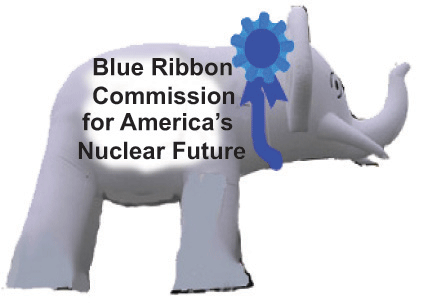 More than 65,000 tons of spent nuclear fuel is stored at operating and shuttered reactor sites across the country. But those 72 sites in 34 states are filling up. Some 2,000 additional tons of waste are produced each year, according to a report released this year by the president’s Blue Ribbon Commission on America’s Nuclear Future. …..
As Nuclear Waste Problem Persists, Federal Regulators Freeze Licensing for Reactors Aug. 8, 2012 Jim Malewitz, Stateline.org The U.S. Nuclear Regulatory Commission (NRC) won’t sign off on licenses for news and existing nuclear power plants until the commission addresses a decades-old problem plaguing states: what to do with spent fuel rods and other hazardous waste piling up at storage sites across the country.
In a unanimous decision on Tuesday (August 7), the commission said it
will hold off licensing plants that are new or up for renewal. That’s
until it responds to a court’s ruling that the NRC failed to consider
the environmental impacts of continuing to store waste at sites meant
to be temporary.
Licensing reviews will continue, the commission said, but no final
decisions will be made.
More than 65,000 tons of spent nuclear fuel is stored at operating and shuttered reactor sites across the country. But those 72 sites in 34 states are filling up. Some 2,000 additional tons of waste are produced each year, according to a report released this year by the
president’s Blue Ribbon Commission on America’s Nuclear Future. …..
In June, a federal appeals court threw out the commission’s “waste
confidence rule” and “temporary storage rule,” decisions that
collectively approved the status quo for onsite storage. Siding with
environmentalists and four states led by New York, the court said the
commission’s rulemaking process was flawed in that it did not
calculate the environmental effects of failing to secure a permanent
disposal site _ “a possibility that cannot be ignored,” the court
ruled. The NRC also, according to the court, “failed to examine future
dangers and key consequences,” in its determination that spent nuclear
fuel could be safely stored at nuclear sites for up to 60 years after
their license expires. ….
Eric Schneiderman, New York’s attorney general, hailed the NRC’s
decision to halt the licensing of reactors.
“The storage of nuclear waste at nuclear power facilities poses
long-term health and environmental risks, including the risk of leaks
from spent fuel pools and fires, he said in a statement yesterday.
“The NRC’s commitment is a welcome step toward ensuring a full, fair
and open examination of the numerous critical questions about the
safety and environmental impact of Indian Point before any decisions
are made about extending its operating licenses for another 20 years.”
1 This Month
23-25 October – on Zoom – World BEYOND War’s annual global conferenc


Shut down the radiation-damaged Heysham nuclear reactors now
To see nuclear-related stories in greater depth and intensity – go to https://nuclearinformation.wordpress.com

Say No to NASA’s Reckless Nuclear Reactor on the Moon
Say No to NASA’s Reckless Nuclear Reactor on the Moon

-
Archives
- October 2026 (247)
- September 2026 (339)
- August 2026 (330)
- July 2026 (355)
- June 2026 (287)
- May 2026 (306)
- April 2026 (356)
- March 2026 (251)
- February 2026 (267)
- January 2026 (308)
- December 2025 (358)
- November 2025 (359)
-
Categories
- 1
- 1 NUCLEAR ISSUES
- business and costs
- climate change
- culture and arts
- ENERGY
- environment
- health
- history
- indigenous issues
- Legal
- marketing of nuclear
- media
- opposition to nuclear
- PERSONAL STORIES
- politics
- politics international
- Religion and ethics
- safety
- secrets,lies and civil liberties
- spinbuster
- technology
- Uranium
- wastes
- weapons and war
- Women
- 2 WORLD
- ACTION
- AFRICA
- Atrocities
- AUSTRALIA
- Christina's notes
- Christina's themes
- culture and arts
- Events
- Fuk 2022
- Fuk 2023
- Fukushima 2017
- Fukushima 2018
- fukushima 2019
- Fukushima 2020
- Fukushima 2021
- general
- global warming
- Humour (God we need it)
- Nuclear
- RARE EARTHS
- Reference
- resources – print
- Resources -audiovicual
- Weekly Newsletter
- World
- World Nuclear
- YouTube
-
RSS
Entries RSS
Comments RSS

