Testing for radiation in Fukushima – the continued anxiety
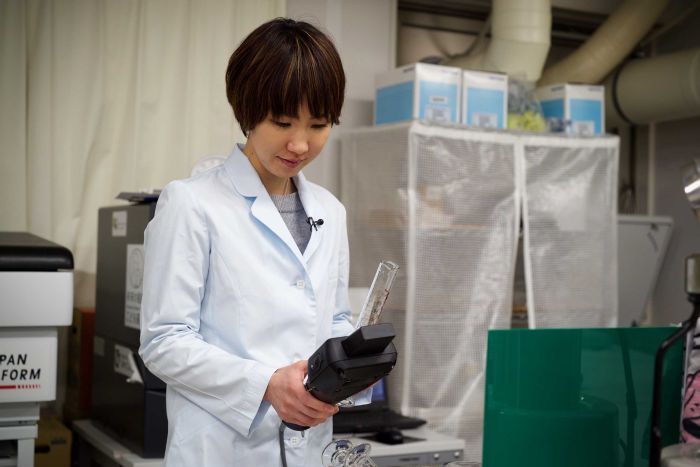
Nine years on, Fukushima’s mental health fallout lingers
As radiation from the Fukushima nuclear accident subsides, a damaging social and psychological legacy continues, Wired
Iida, who is 35, forbids her children from entering the sea or into forests. She agonises over which foods to buy. But no matter what she does, she can’t completely protect her children from radiation. It even lurks in their urine.
“Maybe he’s being exposed through the school lunch,” she says, puzzling over why her nine-year-old son’s urine showed two-and-a-half times the concentration of caesium that hers did, when she takes such care shopping. “Or maybe it’s from the soil outside where he plays. Or is it because children have a faster metabolism, so he flushes more out? We don’t know.”
Iida is a public relations officer at Tarachine, a citizens’ lab in Fukushima, Japan, that tests for radioactive contamination released from the 2011 accident at the Fukushima Daiichi nuclear plant. Agricultural produce grown in the area is subject to government and supermarket testing, but Tarachine wants to provide people with an option to test anything, from foraged mushrooms to dust from their home. Iida tests anything unknown before feeding it to her four children. Recently, she threw out some rice she received as a present after finding its level of contamination – although 80 times lower than the government limit – unacceptably high. “My husband considered eating it ourselves, but it’s too much to cook two batches of rice for every meal. In the end we fed it to some seagulls.”
Tarachine is one of several citizen labs founded in the wake of the Tōhoku earthquake and tsunami on March 11, 2011, which obliterated a swathe of the country’s northwest coast and killed more than 18,000 people. The wave knocked out cooling systems at the Fukushima Daiichi nuclear plant, triggering a meltdown in three of the reactor cores and hydrogen explosions that sprayed radionuclides across the Fukushima prefecture. More than 160,000 people were forced to evacuate. A government decontamination programme has allowed evacuation orders to be lifted in many municipalities, but one zone is still off limits, with only short visits permitted.
Driven by a desire to find out precisely how much radiation there was in the environment and where, a group of volunteers launched Tarachine in Iwaki, a coastal city that escaped the worst of the radioactive plume and was not evacuated, through a crowdfunding campaign in November 2011. It is now registered as a non-profit organisation, and runs on donations.
In a windowless room controlled for temperature and humidity and dotted with screens showing graphs, two women sort and label samples, either collected by staff or sent in by the public: soil from back gardens, candied grasshoppers, seawater. In the beginning, mothers sent in litres of breastmilk. Tarachine initially charged a tenth of what a university lab would charge to make the testing accessible to as many people as possible; last year, they made it free.
To test for caesium-137, the main long-term contaminant released from the plant, staff finely chop samples and put them inside a gamma counter, a cylindrical grey machine that looks like a centrifuge. Tarachine’s machines are more accurate than the more commonly accessible measuring tools: at some public monitoring posts, shoppers can simply place their produce on top of a device to get a reading, but this can be heavily skewed by background radiation (waving a Geiger counter over food won’t give an accurate reading for the same reason). Tarachine tries to get as precise readings as possible; the lab’s machines give results to one decimal place, and they try to block out excess background radiation by placing bottles of water around the machines.
Measuring for strontium, a type of less penetrative beta radiation, is even more complicated: the food has to first be roasted to ash before being mixed with an acid and sifted. The whole process takes two to three days. Tarachine received training and advice from university radiation labs around the country, but the volunteers had to experiment with everyday food items that scientists had never tested. “There was no recipe like ‘Roast the leaf for two hours at so-and-so Celsius’, you know?” says Iida. “If it’s too burnt it’s no good. We also had to experiment with types of acid and how much of the acid to add.”
Japanese government standards for radiation are some of the most stringent in the world: the upper limit of radioactive caesium in food such as meat and vegetables is 100 becquerels per kilogram, compared with 1,250 in the European Union and 1,200 in the US (the becquerel unit measures how much ionizing radiation is released due to radioactive decay). Many supermarkets adhere to a tighter limit, proudly advertising that their produce contains less than 40 becquerels, or as few as 10. Tarachine aims for just 1 becquerel.
“How I think about it is, how much radiation was there in local rice before the accident? It was about 0.01 becquerel. So that’s what I want the standard to be,” says Iida. Continue reading
Across Asia-Pacific, trust in govts rose, except in Japan

June 22, 2020
People’s trust in the governments of the Asia-Pacific rose, following a global pattern, except for Japan, according to the Edelman Trust Barometer Spring Update.
Trust in the government rose in China, India and South Korea, but declined by 5 points in Japan to 38 per cent, in Edelman’s Trust Barometer Spring Update report.
“The outlier in Asia, and indeed the world, is Japan,” noted Mr Stephen Kehoe, president and chief executive officer of Edelman’s Asia Pacific operations.
“Forced to reckon with early global attention due to the cruise ship stranded in the port of Yokohama, Japan appears to have learned few lessons from this crisis, or indeed, in the nine years since Fukushima,” he said in an article on Edelman’s website, referring to the coronavirus-hit Diamond Princess stranded in Yokohoma in February, with 3,700 people and crew on board. In the end, slightly over 700 people were found to be infected while 13 died, earning the government criticism for the delay in handling those infected.
“This, perhaps combined with the delayed decision to impose a state of emergency and subsequent reported missteps in the distribution of personal protective equipment, has resulted in a near-total collapse of confidence by the Japanese in their government to handle the ongoing crisis,” he added.
The March 2011 triple disaster in Fukushima of a tsunami, earthquake and an accident at the Daiichi nuclear power plant left more than 20,000 people dead or missing.
Japanese Prime Minister Shinzo Abe has been rapped for his handling of the coronavirus situation. A poll by public broadcaster NHK from May showed his approval rating had dropped to 37 per cent while another poll by Mainichi Shimbun showed his approval rating was only 27 per cent.
Elsewhere in Asia, people showed more trust in their governments, with the level in China up five points to 95 per cent, India (up 6 points to 87 per cent), and South Korea (up 16 points to 67 per cent).
Those surveyed also showed a high tolerance of government surveillance for public safety. The level in China was 30 points ahead of the global average (at 61 per cent), while in India it was 17 points over, and in South Korea, it was in line with the global average.
“Japan’s appetite for surveillance is the lowest in our sample at 44 per cent, continuing to reflect long-held beliefs around constitutional freedom, which date back to the aftermath of World War II,” noted Mr Kehoe.
https://www.straitstimes.com/asia/across-asia-pacific-trust-in-govts-rose-except-in-japan
It’s Not Techno-Angst That’s Driving East Asia to Abandon Nuclear Power
In the East Asian democracies, nuclear energy is tied to an increasingly unpopular political and economic model.
 Workers at the Fukushima Daiichi nuclear power plant pose for portraits on Feb. 23, 2016, in Okuma, Japan.
June 17, 2020
Western discussions about nuclear energy in East Asia usually start with the Fukushima disaster and end with efforts to address climate change. But anti-nuclear sentiment in Asia looks nothing like that in the West, where it was birthed during the Jane Fonda era and is still based on long-debunked claims about the intrinsic dangers of accidents and nuclear waste. The techno-angst and apocalyptic fears that have always animated Western environmentalism are largely foreign to Asian discussions of nuclear energy, climate change, and similar environmental concerns.The techno-angst and apocalyptic fears that have always animated Western environmentalism are largely foreign to Asian discussions of nuclear energy and climate change. After all, following the 2011 earthquake and tsunami in Japan that led to a meltdown at the Fukushima Daiichi nuclear plant, it was Germany—not Japan—that immediately decided to permanently phase out nuclear power, even if it meant that its carbon emissions would rise.
Japan, South Korea, and Taiwan may nonetheless take a decisive turn against nuclear power. The reasons have little to do with public fears of nuclear energy but are tied to long-standing demands for political and economic reform. That’s because the nuclear industry in each of these three countries is tied to a highly contested political and economic model that the reformers are pressing to change.
In April, the anti-nuclear Democratic Party of Korea swept to the most dominating electoral victory in South Korean history. In January, Taiwan’s reform-minded Democratic Progressive Party, which has proposed phasing out the country’s nuclear power stations, also won by a landslide. Meanwhile, both Japanese Prime Minister Shinzo Abe and his ruling Liberal Democratic Party (LDP), the country’s last major pro-nuclear party, face worsening poll numbers as a major election approaches in 2021.
The proximate causes of these political shifts have little to do with nuclear or environmental policies. South Korean President Moon Jae-in’s smashing victory followed his exemplary management of the national response to the COVID-19 pandemic. In Taiwan, it was China’s brutal crackdown on dissent in Hong Kong that heavily tipped the scales in favor of the Democratic Progressive Party, which has taken a far more defiant position on relations with China than its main rival, the Kuomintang. Japan’s LDP is languishing in the polls because of its failure to revitalize the country’s long-stagnant economy, a task made all the more challenging by the pandemic.
Dig a little deeper, however, and the same underlying political dynamics have undermined support for nuclear energy. In all three nations, the nuclear power sector has become closely identified with long-entrenched political parties and the power of state bureaucracies and industry groups over economic life. Fukushima undoubtedly amplified anti-nuclear sentiment in the region, but opposition to nuclear power has been a proxy for political and economic reform for decades.
In all three nations, state-led nuclear energy development took place during prolonged periods of political dominance by conservative parties with strong ties to industry and business interests. In the aftermath of the Chinese Civil War in the 1940s and the Korean War in the 1950s, respectively, South Korea and Taiwan were led by authoritarian governments that focused on economic development while severely restricting political freedoms. South Korea only held its first free elections in 1988; Taiwan followed in 1992. While Japan has conducted democratic elections since the 1950s, the LPD has maintained nearly continuous control.
The nuclear industries of Taiwan, South Korea, and Japan are thus the product of authoritarian or de facto one-party states, where the ruling party passed control over the energy sector (and many other parts of the economy) to state-owned corporations, government-issued monopolies, or quasi-cartels of favored companies. State-owned Taiwan Power Company controlled Taiwan’s power sector until the electricity market became more liberalized after 1995. In South Korea, the government-operated Korea Electric Power Corporation still holds a monopoly on power generation and grid infrastructure; one of its subsidiaries, Korea Hydro and Nuclear Power, operates all nuclear reactors. In Japan, the power sector consists of 10 regional monopolies that operate in close coordination with the powerful Ministry of Economy, Trade, and Industry.
And just as the nuclear establishment was part and parcel of postwar economic planning by what were effectively one-party states, opposition to that establishment has become a cause for those who demand political and economic reform.
Evolving nuclear policies in East Asia reflect a changing balance of power that is likely to persist. In Taiwan, the conservative Kuomintang’s aging demographic base and support for closer ties with mainland China now appears out of touch with a younger electorate increasingly distrustful of China and hostile to reunification. In South Korea, demographic shifts and evolving public opinion have favored reforms on issues ranging from diplomacy with North Korea to checks on powerful corporations. In both South Korea and Taiwan, successful responses to the COVID-19 pandemic have boosted the credibility of reformist leaders.
Even as the nuclear issue is taken up by reform parties, public support for nuclear energy remains strong in South Korea and Taiwan, and has been growing again in Japan.The political situation in Japan, by contrast, is more uncertain. With the pandemic set to erase the LDP’s recent successes in controlling the national debt and boost the economy, the party also faces a leadership transition when Abe steps down after his current term as prime minster, as he must according to LDP rules. But anti-nuclear opposition parties remain weak and have almost no record of winning national elections, let alone governing—an enormous disadvantage at a moment when the economy is struggling, China has reemerged as the region’s dominant power, and the public health crisis is far from over.
Even as the nuclear issue is taken up by reform parties, public support for nuclear energy remains strong in South Korea and Taiwan, and has been growing again in Japan. In Taiwan, 59 percent of voters supported a 2018 referendum to retain the nation’s nuclear power stations. In South Korea, support for nuclear energy dipped in the wake of Fukushima but has since rebounded to around 70 percent. Opinion in Japan remains divided, but support has slowly rebounded since the Fukushima accident.
FAIR exposes the false claims about China and COVID-19
 Debunking Trump and Corporate Media’s WHO/China Coverup Conspiracy Theories FAIR
The Trump administration suspended funding to WHO in April—the UN’s primary infectious disease–fighting body—accusing it of “severely mismanaging and covering up the spread of the coronavirus,” and of taking China’s allegedly deceptive claims about its handling of Covid-19 at “face value.” But corporate media had already been boosting these same talking points.
The Wall Street Journal’s “The World Health Organization Draws Flak for Coronavirus Response” (2/12/20) effectively accused WHO of being “too deferential to China in its handling of the new virus,” and criticized WHO Director-General Tedros Ghebreyesus for “bending to Beijing” after lauding China’s unquestionably effective swift quarantine of 60 million people, and for declaring that “China is actually setting a new standard for outbreak response” and identifying the virus in “record time.” The Journal further expounded the conspiracy theory of a seemingly omnipotent China having WHO under its thumb:
Over its decades of battling epidemics, the WHO has rarely had to deal with an entity as politically and economically powerful as China today. It can’t afford to alienate the country’s leadership, whose clout and financial largess it aims to attract to global health causes. It needs Beijing’s cooperation in preventing a full-blown pandemic—and this may not be the last time. China is the source of many emerging pathogens, which jump from animals to humans in its teeming live markets and can cause deadly epidemics.
According to the Journal’s logic, when WHO praises China for an effective response containing Covid-19 and giving the rest of the world ample time to take health precautions, it is “compromising its own epidemic response standards, eroding its global authority, and sending the wrong message to other countries that might face future epidemics.” When Dr. Bruce Aylward—a Canadian medical expert with 30 years of experience combating polio, Ebola and other global health emergencies—concluded that he “didn’t see anything that suggested manipulation of numbers,” after leading a team of experts visiting China for WHO, that can’t be an accurate observation. For corporate journalists, it can only be because he was duped by the devious Chinese government “underreporting both total cases and deaths it’s suffered from the disease” (Bloomberg, 4/1/20).
The Journal flimsily explained that China wields such formidable control over the WHO because China is a “future source of funds and a partner with which to tackle the biggest global health problems,” and not as a “current donor.” That would be because a cursory examination of WHO’s funding would reveal that the US donated more than 10 times more money to WHO ($893 million) than China ($86 million), despite the US having almost $200 million in arrears before suspending payments (Axios, 4/15/20).
Neither does the Journal explain how or why WHO could possibly withhold information from Western nations even if it wanted to, when its leadership is stacked with Americans and Europeans, and 15 US officials were embedded with the WHO in Geneva, given that the US is the most “politically and economically powerful” nation on Earth. This makes the Trump administration’s declaration of the US terminating its membership in WHO after threats to permanently cut funding especially egregious.
Nor can the Journal explain the source of China’s fearsome influence over independent and prestigious medical journals like Nature (5/4/20), Science (3/28/20) and the Lancet (3/7/20), which also credited the effectiveness and transparency of China’s response for saving thousands of lives (CGTN, 5/1/20, 5/10/20). Does China’s mysterious and awe-inspiring influence extend over Western medical journals as well?
When Foreign Policy (5/12/20) reported on the exclusive scoop of a leaked dataset of coronavirus cases and deaths from the Chinese military’s National University of Defense Technology, it confirmed that the leaked information “matches” the publicly available numbers the Chinese government posts online—which poses an inconvenience to those spouting conspiracy theories of a Chinese government coverup. Corporate media accounts of Chinese deception and fake statistics also fail to explain how the Chinese government possesses the fantastical ability to deceive governments and independent medical experts around the world, even if it wanted to. As FAIR’s Jim Naureckas (4/2/20) pointed out earlier:
The reality is that it’s very hard to hide an epidemic. Stopping a virus requires identifying and isolating cases of infection, and if you pretend to have done so when you really haven’t, the uncaught cases will grow exponentially. Maintaining a hidden set of real statistics and another set for show would require the secret collusion of China’s 2 million doctors and 3 million nurses—the kind of improbable cooperation that gives conspiracy theories a bad name…. If China is merely pretending to have the coronavirus under control, the pathogen will rapidly surge as people resume interacting with their communities. Once international travel is restored, it will be quite obvious which countries do and don’t have effective management of Covid-19.
Countries revising their figures upon receiving new information is to be expected, and is not necessarily evidence of deceit, as plenty of nations besides China revise their data upwards. Yet only China is singled out as being exceptionally deceptive. For example, in the same week New York revised its death toll upwards by nearly 3,800, China’s adding almost 1,300 dead to its Wuhan data was presented as a possible coverup (Politico, 4/14/20; Guardian, 4/17/20). The Moon of Alabama blog (4/1/20) explained some of the complexities in reporting numbers during a pandemic in real-time:
Does one include co-morbids or not in the count? What about casualties of a car accident that also test positive for Covid-19 when they die? What about those who died with Covid-19 symptoms but could not be tested for lack of test kits? Are the tests really working reliably?… What about asymptomatic cases that test positive. Are these false positives, or do these people really have the virus? One can only know that by testing them a month later for antibodies………
this manipulation of public opinion by the US government and corporate media appears to be working. According to a recent Ipsos survey, more than 30% of Americans have witnessed someone blaming Asian people for the coronavirus pandemic (even though new research indicates that travel from New York City was the primary source of the US outbreak, with New York’s outbreak originating in Europe). Pew Research (4/21/20) found that around two-thirds of Americans have an unfavorable view of China, which is the most negative rating for the country since Pew began asking the question in 2005. This suggests that public opinion has been turned against China, despite it being the first to detect the virus, alert the world and provide a model for containing it.https://fair.org/home/debunking-trump-and-corporate-medias-who-china-coverup-conspiracy-theories/
Explaining the India-China conflict
|
Nuclear powers, a disputed border and an uneasy truce: Explaining the India-China conflict A border clash between the two nuclear armed neighbors has drawn the world’s gaze to a disputed region in the Himalayas NBC News, June 20, 2020, By Saphora Smith High up in the Himalayas, Indian and Chinese armed forces warily eye each other across a disputed border region that has become the scene of a tense standoff between the two nuclear powers. The conflict in the remote Galwan Valley that spans their shared border sparked into life Monday with the killing of 20 Indian soldiers, the first reported deaths in 45 years. China has not disclosed whether its forces suffered any casualties, according to a report in its state-run newspaper, the Global Times. The deaths have drawn the world’s gaze to a region that the two most populous countries have been contesting for decades. The implications go far beyond the lonely snowcapped mountains of this geopolitically complex region.
………Thousands of troops have been camped either side of the Galwan Valley, in the mountainous region of Ladakh, for weeks.
The tense standoff started in early May, when Indian officials said Chinese soldiers crossed the boundary in Ladakh at three different points, erecting tents and guard posts and ignoring verbal warnings to leave, according to The Associated Press. That triggered shouting matches, stone-throwing and even fistfights between the two sides, much of it replayed on television news channels and social media, the news agency reported……. Among the reasons raised by analysts include China’s objection to India’s construction of a road through the Galwan Valley connecting the region to an airstrip, New Delhi’s increasing close alliance with Washington, and Beijing’s support for Pakistan in its dispute with India over the Kashmir region. ……… https://www.nbcnews.com/news/world/nuclear-powers-disputed-border-uneasy-truce-explaining-india-china-conflict-n1231310 |
|
|
Environmental problems, and legal holdup for Russia’s $20 billion nuclear power project in Turkey
Russia’s $20 billion nuclear power project located in Mersin on Turkey’s Mediterranean coast has long come under fire over safety and environmental concerns, including claims of large cracks in the concrete foundations due to loose and unstable ground in the area.
Officials broke ground on the Akkuyu power plant in 2018, which is set to be Turkey’s first nuclear power station and is due to come online in 2023 – the 100th anniversary of the Republic of Turkey.
But engineers and workers began ringing alarm bells over a potential nuclear disaster soon after its inception, and a group of NGOs filed a lawsuit with a Turkish court demanding for construction to be halted…….
A Turkish court in the southern province of Mersin ruled on Friday to accept a request by the NGOs for relevant ministries and the National Security Council (MGK) to be able to intervene in the project, Cumhuriyet newspaper reported.
The court said the case would be reported to the MGK, which has no obligation to intervene in construction, but may now choose to do so. Lawyers involved in the case hd also said that the Russian power power plant could pose a national security threat to Turkey.
The court also gave the green light to a request by the NGOs for the involvement of a number of Turkish ministries in the case, including the Health Ministry, the Treasury and Finance Ministry, as well as the Food, Agriculture and Livestock Ministry.
How this latest development will play out in the ambitious Russian-Turkish joint-venture remains to be seen. But it arrives at a time of ongoing tensions between Ankara and Moscow over Idlib province in northwest Syria, where the two countries back opposing sides……https://ahvalnews.com/nuclear-energy/turkeys-russian-nuclear-power-project-hits-legal-hurdle
COVID-19 sheds doubts on Tokyo Olympics 2021
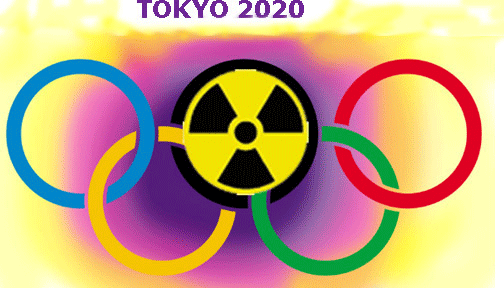 When a year is not long enough to ensure Tokyo Olympics’ hustle-and-bustle, Indian Express, by Shivani Naik | Mumbai June 19, 2020 The prevalent situation in the world with a Covid-vaccine still not firmed up and the virus erupting like a rash, puts an almighty question mark on the deferred dates of the Olympic Games. When a year is not long enough to ensure Tokyo Olympics’ hustle-and-bustle, Indian Express, by Shivani Naik | Mumbai June 19, 2020 The prevalent situation in the world with a Covid-vaccine still not firmed up and the virus erupting like a rash, puts an almighty question mark on the deferred dates of the Olympic Games.
The Olympics is scheduled to open on July 23, 2021. The Paralympics follow on August 24. …….
Sport’s most joyous party – the Olympics, now tiptoes towards its scheduled Tokyo date. For, imagine an Olympic athletes’ village with 10,500 residents and at least the same number of officials and support staff. With the world trooping in from every distant part of the globe, the enormity of troubleshooting needed to pull off the gigantic Olympics amidst this pandemic becomes ominously clear. More than a year from a postponed Tokyo Games scheduled for July-August 2021, murmurs have started about another deferral…….. While IOC chief Thomas Bach has categorically said no Plan B exists and Japanese premier Shinzo Abe has stated that 2021 is the only option, the prevalent situation in the world with a vaccine still not firmed up and the virus erupting like a rash, puts an almighty question mark on even the deferred dates of the Games. While athletes have been urged to carry on their preparations keeping July 23, 2021 as the target, a realistic assessment throws up doubts, which puts the spotlight on the March 2021 deadline to determine if the Games can take off as promised……. “It is hard to imagine the Olympics proceeding without the virus under control throughout the world, or that some countries do not participate based on some criteria that suggests COVID-19 is not under control in a country. Ultimately, the assessment would have to be based on whether a healthy athletes’ village can be maintained… an athletes’ village is akin to the cruise ship difficulties seen during COVID-19,” ……… https://indianexpress.com/article/sports/sport-others/tokyo-olympics-2021-year-not-long-enough-covid-19-6463952/ |
|
Kim Jong Un’s cyberwar preparations
 Kim Jong Un has quietly built a 7,000-man cyber army that gives North Korea an edge nuclear weapons don’t, Business Insider, ELLEN IOANES, JUN 17, 2020,
- North Korea has a cyber army of about 7,000, trained to find secrets, disrupt critical infrastructure, and steal money to circumvent sanctions.
- These cyberattacks are often difficult to pin on North Korea because they originate in countries like China and Russia, and a counterattack is almost impossible because of North Korea’s rudimentary internet.
- North Korea’s likely next targets are critical US infrastructure like power plants, dams, and electrical grids.
The WannaCry virus, on the one hand, was ransomware; you could argue that it’s aimed at getting money, but it caused a huge disruption of hospitals in the UK and, potentially, in something like 100-plus other countries where they had disseminated the ransomware. This was software that brought the operation of critical facilities to a standstill.
This is not hacking; this is cyber warfare.
Because North Korea depends so heavily on China, not just for cyber, but in the case of cyber, for access to servers, its pipelines, and so on, it would be critical for the United States to develop some degree of cooperation with China to limit North Korea’s offensive cyber threat.
U.S. – China talks may cover North Korea nuclear issue
 North Korea nuclear issue may be on the agenda at US-China SCMP, 17 June 20
Stephen Biegun, the US special representative for North Korea, will join the talks in Hawaii on Wednesday.
, suggesting the stalemate in nuclear disarmament negotiations with Pyongyang could be on the agenda.
and threatened military action against the South……….
The Hawaii meeting comes as relations between the world’s two largest economies are at their lowest point in decades and facing off on many fronts – from trade and technology to Hong Kong and the South China Sea. US officials, including President Donald Trump and Pompeo, have blamed Beijing for the coronavirus pandemic, while Beijing has accused Washington of trying to pass the buck to hide its own failings in dealing with Covid-19 in the US.
t also comes as tensions on the Korean peninsula are again escalating after Pyongyang demolished a four-storey liaison office set up near the border with South Korea in 2018 after the first summit between North Korean leader Kim Jong-un and South Korean President Moon Jae-in. A major setback for the detente in the region, observers said the move reflected Pyongyang’s growing frustration over its stalled nuclear talks with Washington.
Fukushima: Japan Must Not Ignore Human Rights Obligations On Nuclear Waste Disposal – UN Experts,
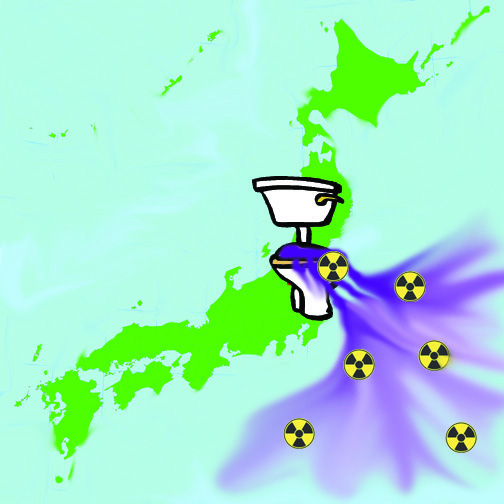 Fukushima: Japan Must Not Ignore Human Rights Obligations On Nuclear Waste Disposal – UN Experts, https://www.scoop.co.nz/stories/WO2006/S00057/fukushima-japan-must-not-ignore-human-rights-obligations-on-nuclear-waste-disposal-un-experts.htm Wednesday, 10 June 2020, UN Special Procedures – Human Rights UN human rights experts* today urged the Japanese Government to delay any decision on the ocean-dumping of nuclear waste water from the reactors at Fukushima Daiichi until after the COVID-19 crisis has passed and proper international consultations can be held.“We are deeply concerned by reports that the Government of Japan has accelerated its timeline for the release of radioactive waste water into the ocean without time or opportunity for meaningful consultations,” the independent experts said. Credible sources indicate the postponement of the 2020 Olympics enabled the Government’s new decision-making process for release of the waste. Fukushima: Japan Must Not Ignore Human Rights Obligations On Nuclear Waste Disposal – UN Experts, https://www.scoop.co.nz/stories/WO2006/S00057/fukushima-japan-must-not-ignore-human-rights-obligations-on-nuclear-waste-disposal-un-experts.htm Wednesday, 10 June 2020, UN Special Procedures – Human Rights UN human rights experts* today urged the Japanese Government to delay any decision on the ocean-dumping of nuclear waste water from the reactors at Fukushima Daiichi until after the COVID-19 crisis has passed and proper international consultations can be held.“We are deeply concerned by reports that the Government of Japan has accelerated its timeline for the release of radioactive waste water into the ocean without time or opportunity for meaningful consultations,” the independent experts said. Credible sources indicate the postponement of the 2020 Olympics enabled the Government’s new decision-making process for release of the waste.
They said the Government’s short extension for the current public consultation was grossly insufficient while COVID-19 measures limited opportunities for input from all affected communities in Japan, as well as those in neighbouring countries, including indigenous peoples.
|
|
India will follow with nuclear weapons testing, if USA resumes testing
If the Donald Trump Resumes U.S. Nuclear Weapons Testing, India Will Follow, Hasan Ehtisham, The National Interest•June 13, 2020
On May 15, according to media reports, the Trump administration conducted serious discussions on whether or not to break the informal ban to carry out a nuclear test explosion. Washington’s intent to resume nuclear testing threatens to elevate already grown strategic tensions with China, Russia, and others. Some analysts comprehended that this is a proper course to influence Russia and China to support Washington’s plan for trilateral talks related to nuclear arms controls and disarmament issues. ……
The head of the Comprehensive Nuclear-Test-Ban Treaty Organisation (CTBTO), Lassina Zerbo, has presaged that any attempt by the United States to recommence nuclear testing would have serious ramifications for global peace and security. While mentioning CTBTO’s close relationship with the U.S. National Laboratories, Zerbo categorically precluded the notion of any requirement for nuclear testing. Chinese Foreign Ministry spokesperson Zhao Lijian has also shown “grave concerns about the report.” He urged the Trump administration to meet its “due obligations and honour its commitment by upholding the purpose and objective of the CTBT.” During the contemporary strategic competition of major powers, an uncertain situation has emerged about any sort of political gains for Washington against Moscow or Shanghai with a nuclear test. The most plausible consequence of a nuclear explosion by the United States at this point will facilitate other countries to resume nuclear testing. Washington will be criticized by other nuclear weapons states for violating the nuclear test moratorium practiced since 1998 by all countries, except North Korea.
Robert Rosner, a professor of physics at the University of Chicago, has evaluated that after the United States others will also resume nuclear testing and “the crucial question is: Who are the others?” In the South Asian strategic scenario, India will be that other country. India, one of the world’s fastest developing nuclear weapons states, has long been waiting for such a mistake, particularly from the United States, so that it could revoke the pledge of nuclear non-testing. It has been unable to do so just because it aspires to become part of the Nuclear Suppliers Group (NSG) and other global regimes. Once the United States resumes nuclear testing, India will find it easier to further demonstrate its nuclear weapon capability.
This latest paradigm shift by the United States allows India to conduct more nuclear testing to assess the design of its thermonuclear weapon which it claimed to have detonated on May 11, 1998, in the Operation Shakti-1. Numerous international experts believe that the results of the thermonuclear test were highly inflated and doubt that the device successfully ignited the second fusion stage of the explosion. The scientist community who coordinated the Operation Shakti-1 in 1998 has concluded that the test was a failure, as the yield of the fusion device never produced the desired results.
Nuclear pundits in India have already materialized a comprehensive and robust nuclear facility to meet any kind of eventuality that could provide India with an opportunity to carry out further nuclear tests. For instance, in 2012, India’s secret nuclear city at Challakere, Karnataka was revealed by independent researchers. Experts have shown apprehensions that the facility will be a major complex of nuclear centrifuges under military control, along with atomic research laboratories, weapons and aircraft testing sites. Once it starts functioning, the facility would enable India to modernize its existing nuclear warheads and the nuclear fuel from domestic reserves will be used for a thermonuclear weapon. India is also working on a uranium enrichment plant from which it will be able to produce about twice as much weapons-grade uranium as New Delhi will need for its operational nuclear weapon programme. That significant excess of the enriched uranium would be used for the development of thermonuclear weapons.
India has already done the necessary homework to manipulate any step the United States may take in the near future. The Defence Research and Development Organisation (DRDO) has signaled the capacity to conduct more nuke tests at short notice. If India alters the status of its moratorium on nuclear testing, then it would not only upset the deterrence balance but most significantly it would start a fresh nuclear arms race in South Asia. Under the pretext of growing Indo-US strategic relations in the region, the U.S. is offering a free ride to India to enhance the nuclear capability by resuming nuclear testing. It is strategically prudent for the U.S. national interest to uphold its commitments regarding the unilateral pledge of nuclear non-testing while ratifying the CTBT. The United States should also press India to continue its moratorium on nuclear weapons testing which was the primary prerequisite for the U.S.-India nuclear deal of 2008. It will reinforce the global standards against nuclear testing and encourage regional stability. https://news.yahoo.com/donald-trump-resumes-u-nuclear-120000804.html
Hasan Ehtisham is the M. Phil Scholar of Defence and Strategic Studies at Quaid-e-Azam University in Islamabad, Pakistan.
Tepco and Toshiba join forces to upgrade Kashiwazaki-Kariwa nuclear plant
 Tepco Holdings Corporation and Toshiba Energy Systems Corporation have signed a memorandum of understanding to establish a company to carry out safety upgrade measures at unit 6 of Tepco’s Kashiwazaki-Kariwa nuclear power plant.
In December 2017, Tepco received approval from the Nuclear Regulation Authority (NRA) to change the installation of Kashiwazaki-Kariwa units 6 and 7. It is currently working to obtain approval for the construction plan for unit 7. In parallel with the examination, it is working on preparations for the application for construction plan approval for unit 6.
“Tepco and Toshiba have brought together technologies and knowledge that cross-industry boundaries to jointly establish a company responsible for safety measures for Kashiwazaki-Kariwa Nuclear Power Station 6,” the companies said. “We aim to establish a new company in mid-June and aim to start a full-scale business in July 2020. Going forward, we will aim to improve safety and quality by maximising the synergistic and complementary effects of the two companies toward the completion of safety measures for the Kashiwazaki Kariwa 6.”
The 1356MWe Kashiwazaki Kariwa 6, a boiling water reactor (BWR), began commercial operation in 1996.
The new company, KK6 Safety Measures Joint Venture Co Ltd, has an investment of JPY 300 million ($2.8m) and capital of JPY150 million with Toshiba and Tepco each holding 50%.
Kashiwazaki-Kariwa was unaffected by the 2011 earthquake, although its reactors were all previously offline for up to three years following the 2007 Niigata-Chuetsu earthquake, which caused damage to the site but did not to the reactors. While the units were shut, work was carried out to improve the plant’s earthquake resistance. Currently, Tepco is focusing on units 6 and 7 while it deals with the Fukushima clean-up. The two units have been offline for periodic inspections since March 2012 and August 2011, and restarting them would increase Tepco’s earnings by an estimated JPY100 billion a year.
Units 6 and 7 at Kashiwazaki-Kariwa are the first BWRs to meet Japan’s revised regulatory standards. Tepco expects to complete safety upgrades at the units by December 2020.
In 2017, Tepco received initial approval from NRA to restart Kashiwazaki-Kariwa 6 and 7. The plant’s total capacity of 8,212MWe represents 20% of Japan’s nuclear capacity. Kashiwazaki-Kariwa is Tepco’s only remaining nuclear plant after it announced plans to shut its Fukushima Daini station, near the Fukushima Daichi plant destroyed in the 2011 earthquake and tsunami.
Government, nuclear industry badly in need of a reality check
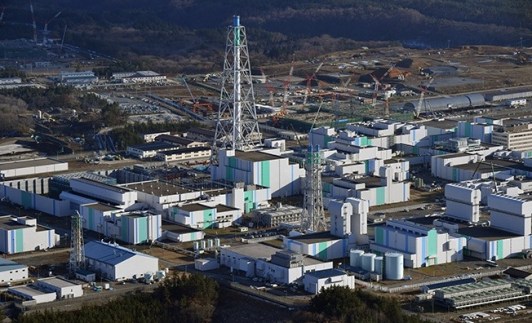 Japan Nuclear Fuel Ltd.’s spent nuclear fuel reprocessing facility in Rokkasho, Aomori Prefecture
May 15, 2020
In his 1991 book “Rokkashomura no Kiroku” (Record of Rokkasho village), journalist Satoshi Kamata documented the displacement of residents for a planned large development project in the northern village.
Kamata reproduced an essay written by an elementary school pupil, whose school was earmarked for closure because of the megaproject.
“I detest development more than I could ever say,” the youngster wrote.
The villagers were promised a rosy future, with rows of factories turning their rural community into a vibrant urban center. But none of that happened, and the school closed in 1984.
“All that talk about the factories was a lie,” the child lamented. “I truly hate being made to feel so sad and lonely.”
Instead of this development project that never materialized, the village of Rokkasho in Aomori Prefecture ended up hosting a facility for reprocessing spent nuclear fuel.
A series of delays held up the project for years, but the Nuclear Regulation Authority finally ruled the plant’s safety measures acceptable under its new standards on May 13.
The Rokkasho plant was meant to be the “nucleus” of the nation’s nuclear fuel recycling program of the future, with the purpose of minimizing nuclear waste by reusing spent fuel.
The reprocessed fuel was to be burned in fast-breeder reactors, but efforts to develop a viable fast-breeder reactor have gone nowhere. Attempts to use the reprocessed fuel in conventional nuclear reactors have also stalled.
The whole project has effectively become a proverbial pie in the sky.
But neither the government nor utilities would acknowledge this reality and review the project, apparently because they fear the issue of nuclear waste will become the focus of attention.
I wonder how long they are going to keep their heads in the sand without addressing the thorny problem of how to dispose of nuclear waste.
Here’s a riddle: What cannot be seen when your eyes are open, but can be seen when your eyes are closed? The answer is a dream.
Where the nuclear fuel recycling program is concerned, I imagine the nation’s nuclear community must be dreaming or hallucinating.
Japan should end its nonsensical effort to recycle nuclear fuel
 A view of the under-construction reprocessing plant, seen from the Obuchi-numa swamp in Rokkasho, Aomori Prefecture, on May 12.
May 14, 2020
Japanese nuclear regulators have endorsed the safety of a contentious plant to reprocess spent nuclear fuel.
The Nuclear Regulation Authority (NRA) on May 13 approved a draft report on the safety inspection of the reprocessing plant being built in Rokkasho, Aomori Prefecture, by Japan Nuclear Fuel Ltd.
The report says the plant meets the new nuclear safety standards introduced after the 2011 Fukushima nuclear disaster. The NRA’s decision represents a big step forward toward bringing the long-delayed Rokkasho reprocessing plant online.
Japan’s policy program to establish a nuclear fuel recycling system to recover plutonium from spent nuclear fuel to be reused in reactors, however, is already bankrupt beyond redemption. Operating the reprocessing plant simply does not make sense because of the many problems it entails with regard to nuclear proliferation, cost effectiveness, energy security and other important policy issues.
Prime Minister Shinzo Abe’s administration should change its policy concerning nuclear fuel recycling. It would be irresponsible to maintain this unsustainable national policy aimlessly simply because of the NRA’s verdict that the plant meets the new safety standards.
TROUBLE-PLAGUED PLANT
The government and the electric power industry have been promoting the concept of recycling separated plutonium back into the fuel of reactors as a valuable “semi-homemade” energy source for a nation without much natural resources.
The Rokkasho reprocessing plant, the core facility for this strategy, was originally scheduled to be completed in 1997, but the deadline has been delayed as many as 24 times due to a series of technological glitches and other problems.
The plant started a trial run in 2006, but the process was plagued by malfunctions and suspended after the catastrophic accident at the Fukushima No. 1 nuclear power plant in 2011.
The NRA, which was created after the accident, spent six years carefully assessing the safety of the reprocessing plant. It was the body’s first safety screening mission for a nuclear fuel reprocessing facility.
Despite the nuclear watchdog’s effective endorsement of its safety, the plant still has a long way to go before it becomes ready for full-scale operation. The details of its design will be scrutinized while the work to install required safety measures has yet to be carried out.
It is unclear whether the plant will be completed in fiscal 2021, the new deadline set by the operator. Winning the consent of the local community is another challenge that has to be overcome before the plant can come on stream.
At nuclear power plants across the nation, growing amounts of spent nuclear fuel are waiting to be shipped to the reprocessing plant. At some nuclear plants, there is not much room left in the spent fuel pools. The power industry warns that there could be disruptions in power generation unless the reprocessing plant starts operating.
The Rokkasho plant is designed to reprocess up to 800 tons of spent fuel annually to extract plutonium. It is true that the facility would help prevent a situation where there is no room left in the pools.
UNUSABLE PLUTONIUM
The plant, when it operates at full capacity, could extract as much as seven tons of plutonium from spent reactor fuel a year. The problem is that there will be few plausible ways to use the material.
The plan to develop a fast neutron reactor that can burn and breed plutonium, which was supposed to be the key technology for plutonium consumption, has gone awry after it was decided that Japan’s “Monju” prototype sodium-cooled fast-breeder reactor should be decommissioned following a sodium leak accident.
There is no plan to develop a new demonstration fast-breeder reactor to succeed the Monju.
The Japanese government then considered participating in France’s Advanced Sodium Technical Reactor for Industrial Demonstration (ASTRID) project to build a prototype sodium-cooled nuclear reactor. But the idea was dropped after the French government decided to scale down and possibly pull the plug on the project.
Japan’s plan to burn so-called MOX (mixed oxide) fuel, which is usually plutonium blended with natural uranium, in existing nuclear reactors has also failed to make progress as fast as the government expected. Currently, only four reactors are using MOX fuel, far less than the industry’s target of operating 16 to 18 MOX reactors.
In short, there is little prospect for massive consumption of plutonium in this nation, at least in the near future.
Japan has a stockpile of 46 tons of weapons-usable plutonium, enough for producing 6,000 atomic bombs. Japan has made an international commitment to reducing its plutonium stock.
If Japan starts extracting plutonium from spent nuclear fuel through reprocessing, the international community will become doubtful of its commitment to reducing its plutonium stockpile despite being the only country to have suffered the devastation of atomic bombings.
Japan could even be suspected of harboring an ambition to develop and possess nuclear weapons in the future.
The government plans to limit the amount of plutonium extracted from spent fuel to less than the volume consumed at the MOX reactors.
But reprocessing spent reactor fuel to recover plutonium simply does not make sense in the first place when the amount of material stored in Japan should be slashed.
SHIFTING FINANCIAL BURDEN IS UNACCEPTABLE
The nuclear fuel recycling policy is also losing its economic rationale as well due to ballooning costs.
Even ordinary nuclear power generation is losing its competitiveness against other energy sources because of higher costs. The cost of building the reprocessing plant is now estimated at 2.9 trillion yen ($27.13 billion), four times higher than the original estimate. The total amount to be shelled out for the project, including operational and scrapping costs, is projected to be nearly 14 trillion yen.
Most major industrial nations have given up on the idea of nuclear fuel recycling as not being worth the cost. All the other countries that are still pursuing this path, including China and Russia, are nuclear powers. Most of these projects are strategic state-financed efforts that disregard costs.
But the reprocessing and MOX reactor projects in Japan are private-sector businesses. The costs involved have to be passed onto consumers through higher electricity bills.
The government and the industry should not be allowed to continue pursuing this unreasonable nuclear fuel policy at the expense of consumers.
In many other parts of the world, renewable energy sources are fast gaining ground, eroding the share of nuclear power.
In addition to sharp declines in costs, the fact that solar and wind power is a purely “homemade” energy source for any country is accelerating the trend.
If Japan really places a high policy priority on energy security, it would make much more sense for it to expand “purely homemade” energy sources than promote a “semi-homemade” one.
But the government continues sticking to the nation’s traditional nuclear power policy, putting a damper on growth in renewable energy production.
If the government decides to scuttle the nuclear fuel recycling agenda, it will immediately face the sticky challenge of deciding how to dispose of spent nuclear fuel.
But the project should not be kept alive through irresponsible collusion between the government and the power industry to avoid tackling this challenge.
Political leaders should make the tough decision as soon as possible to put the nation on a path toward a new energy future.
Chinese Foreign Ministry urges US to avoid nuclear testing
BEIJING, June 8. /TASS/. China urges the United States to abide by its international obligations and abandon plans to carry out nuclear tests, Chinese Foreign Ministry Spokesperson Hua Chunying said at a briefing on Monday.
“We insist that the United States should strictly abide by its obligations to end nuclear testing… and we hope that it will listen to the international community,” the Chinese diplomat pointed out. “The US should abandon plans that could undermine global stability and strategic order,” she added……… https://tass.com/world/1165339
1 This Month
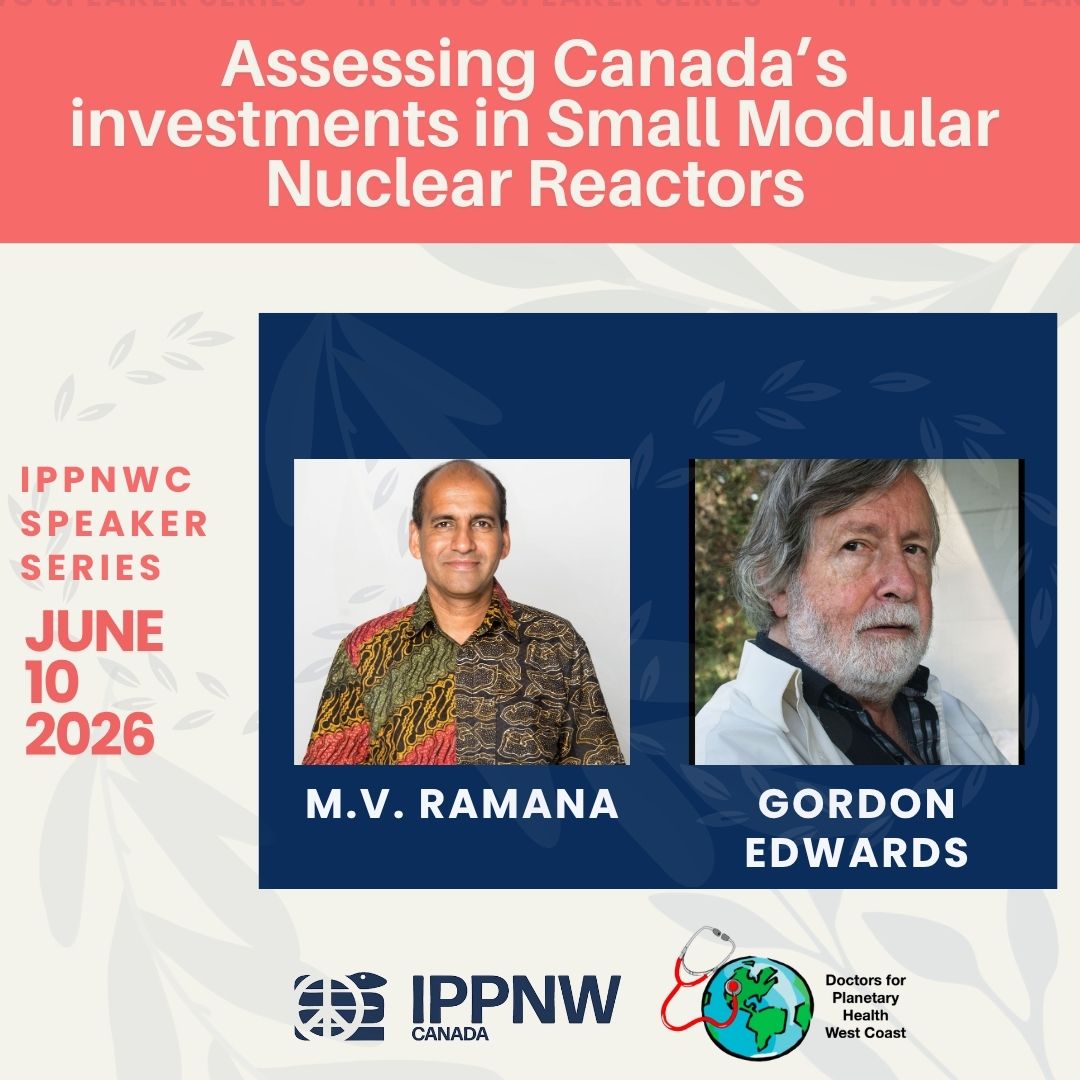
10 June – Assessing Canada’s Investments in Small Modular Nuclear Reactors – https://zoom.us/meeting/register/IiqHA5feRhaEBycOLNTJlA#/registration


Cuba Is Not a Failed State – It Is a Besieged State
PETITION: “Global Appeal to Endorse Palestinian Right of Return of Refugees”
To see nuclear-related stories in greater depth and intensity – go to https://nuclearinformation.wordpress.com
-
Archives
- June 2026 (89)
- May 2026 (306)
- April 2026 (356)
- March 2026 (251)
- February 2026 (268)
- January 2026 (308)
- December 2025 (358)
- November 2025 (359)
- October 2025 (376)
- September 2025 (257)
- August 2025 (319)
- July 2025 (230)
-
Categories
- 1
- 1 NUCLEAR ISSUES
- business and costs
- climate change
- culture and arts
- ENERGY
- environment
- health
- history
- indigenous issues
- Legal
- marketing of nuclear
- media
- opposition to nuclear
- PERSONAL STORIES
- politics
- politics international
- Religion and ethics
- safety
- secrets,lies and civil liberties
- spinbuster
- technology
- Uranium
- wastes
- weapons and war
- Women
- 2 WORLD
- ACTION
- AFRICA
- Atrocities
- AUSTRALIA
- Christina's notes
- Christina's themes
- culture and arts
- Events
- Fuk 2022
- Fuk 2023
- Fukushima 2017
- Fukushima 2018
- fukushima 2019
- Fukushima 2020
- Fukushima 2021
- general
- global warming
- Humour (God we need it)
- Nuclear
- RARE EARTHS
- Reference
- resources – print
- Resources -audiovicual
- Weekly Newsletter
- World
- World Nuclear
- YouTube
-
RSS
Entries RSS
Comments RSS
 nuclear-news