Japan’s nuclear regular demands safety steps, or reactors must close down
Japan to shut down nuclear plants if counterterror steps not taken in time, Japan Times, KYODO, AFP-JIJI, REUTERS, APR 24, 2019
Japan’s nuclear regulator decided Wednesday not to let power companies operate reactors if they fail to install sufficient counterterrorism measures by specified deadlines.
The decision by the Nuclear Regulation Authority came after three utilities that operate five nuclear plants in western and southwestern Japan requested that their deadlines be extended as they expect delays in completing counterterrorism steps required under stricter regulations introduced in 2013 following the Fukushima nuclear crisis.
Kyushu Electric Power Co., Kansai Electric Power Co. and Shikoku Electric Power Co. had sought to postpone their five-year deadlines by one to three years, citing reasons such as the need to carry out massive construction work.
The three companies told the NRA that the measures would not be on time at 10 of their reactors, according to documents published on the regulator’s website.
But the regulator has declined their requests for extensions.
The power plant operators are required to build facilities that can keep reactors cool via remote control and prevent the massive release of radioactive materials if the units are the target of a terrorist attack, such as from planes being flown into them.
Nuclear plant operators need to set up such facilities within five years of the nuclear safety watchdog approving detailed construction plans for the plants.
But several firms have warned they will not meet these criteria. The NRA said after a meeting earlier Wednesday it would no longer push back the deadline as it has done in the past.
“There is no need to extend the deadline, and nuclear facilities have to stop operations if the operators fail to meet it,” an NRA official said.
He added that several other reactors were also at risk of being shut down……… https://www.japantimes.co.jp/news/2019/04/24/business/corporate-business/japan-halt-nuclear-plants-operations-anti-terrorism-steps-not-taken-time/#.XMDXGDAzbGg
Despite World Trade Association ruling, Japan still asks S. Korea to lift ban on Fukushima seafood
Japan asks S. Korea to lift Fukushima seafood ban despite WTO ruling April 23, 2019 (Mainichi Japan) TOKYO(Kyodo) — Japan on Tuesday urged South Korea to lift import restrictions on Japanese seafood introduced in the wake of the 2011 Fukushima nuclear disaster, even after the World Trade Organization ruled in favor of Seoul over the issue……
Seoul imposed a ban on some types of seafood products from eight prefectures, including Aomori, Fukushima, and Chiba, in the wake of the 2011 reactor core meltdowns at the Fukushima Daiichi nuclear power plant triggered by a powerful earthquake and tsunami.
It expanded the ban in September 2013 to include all seafood products from the eight prefectures, and added a requirement that Japanese companies attach safety certificates when any traces of radiation are found in seafood from other regions.
In August 2015, Tokyo filed a complaint with the WTO against the restrictions, which it considers unfair discrimination, and an initial ruling by a dispute settlement panel sided with Japan. South Korea appealed the decision, however, and the WTO’s appellate body, the highest judicial entity of its dispute ettlement mechanism, ultimately ruled in Seoul’s favor on April 11…….. https://mainichi.jp/english/articles/20190423/p2g/00m/0na/059000c
Japan Atomic Power considers launching unit that specializes in scrapping nuclear plants
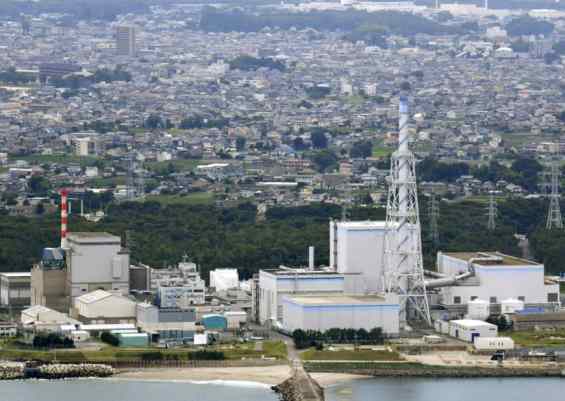
Japan Atomic Power looks to big business cleaning up dead nuclear plants
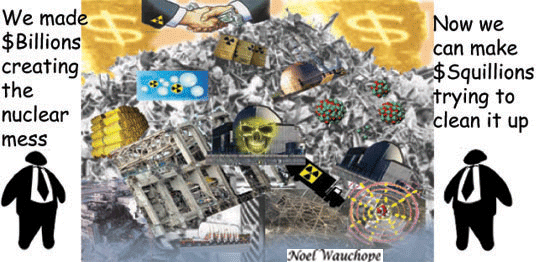
Japan Atomic Power considers launching unit that specializes in scrapping nuclear plants https://www.japantimes.co.jp/news/2019/04/16/national/japan-atomic-power-considers-launching-unit-specializes-scrapping-nuclear-plants/#.XLzjyDAzbGg KYODO, APR 16, 2019
Japan Atomic Power Co. is considering setting up a subsidiary specializing in the scrapping of retired nuclear reactors at domestic power plants, sources close to the matter said Tuesday.
Japan Atomic Power, a wholesaler of electricity generated at its nuclear plants, is planning to have U.S. nuclear waste firm EnergySolutions Inc. invest in the reactor decommissioning service unit, which would be the first of its kind in Japan, the sources said.
The Tokyo-based electricity wholesaler, whose shareholders are major domestic power companies, will make a final decision by the end of this year, they said.
The plan is to support power companies’ scrapping of retired reactors using Japan Atomic Power’s expertise in decontaminating and dismantling work, in which it has been engaged in since before the 2011 nuclear disaster at Tokyo Electric Power Company Holdings Inc.’s Fukushima No. 1 complex, according to the sources.
The plan comes as a series of nuclear reactor decommissioning is expected at power companies in the country. Since stringent safety rules were introduced after the Fukushima disaster, 11 reactors, excluding those at the two Fukushima plants of Tepco, are slated to be scrapped.
Nuclear reactors are allowed to run for 40 years in Japan. Their operation can be extended for 20 years, but operators will need costly safety enhancement measures to clear the Nuclear Regulation Authority’s screening.
Decommissioning a reactor with an output capacity of 1 million kilowatts is said to take about 30 years and cost around ¥50 billion. Typically, some 500,000 tons of waste result from scrapping such a reactor, and 2 percent of the waste is radioactive.
Japan Atomic Power first engaged in decommissioning a commercial reactor in 2001 at its Tokai plant in eastern Japan. It has been conducting decommissioning work at its Tsuruga nuclear power plant in western Japan since 2017.
It is also providing support to Tepco for the decommissioning of reactors at the Fukushima No. 1 plant.
EnergySolutions, founded in 2006, has engaged in scrapping five reactors in the United States.
Japan Atomic Energy and EnergySolutions have had previous business ties, and the Japanese company has sent some employees to the Zion nuclear station in Illinois, where the U.S. partner has been conducting decommissioning work since 2010.
Hazardous removal of spent fuel rods is just one step in the Fukushima nuclear clean-up

|
Nuclear fuel removal is small step in cleanup at Fukushima http://www.asahi.com/ajw/articles/AJ201904190031.htmlApril 19, 2019 Tokyo Electric Power Co., the operator of the crippled Fukushima No. 1 nuclear power plant, has started removing radioactive fuel rods from the fuel storage pool for one of the three reactors that melted down in the 2011 nuclear disaster.Massive amounts of melted nuclear fuel debris remain in the cores or containment vessels of the No. 1 to No. 3 reactors, which melted down. In addition, many fuel rods, batched into assemblies, are stored in storage pools within the reactor buildings.
These pools could be seriously damaged if the plant is hit by another big earthquake or tsunami. Moving spent fuel from these pools to the safe common pool within the premises is an important step to preventing accidents and ensuring steady progress in the process of decommissioning the reactors. All the 1,535 nuclear fuel assemblies that were in the No. 4 reactor building, which did not melt down because it was shut down at the time of the accident, were removed by the end of 2014. Since workers could enter the building, the operation was conducted in a normal manner. By contrast, areas around the fuel storage pool for the No. 3 reactor remain inaccessible due to high levels of radiation. The situation requires the removal operation to be remotely conducted from a control room about 500 meters from the No. 3 reactor building. The work involves putting nuclear fuel assemblies into special containers under water and lifting them up with a crane and putting them down onto the ground for transportation to the common pool. This is a tricky and risky mission that has to be carried out with great care and caution by using a monitor. Initially, the process of removing the fuel rods from the storage pool for the No. 3 reactor was scheduled to start at the end of 2014. But it has been repeatedly postponed due to technical mishaps and other reasons. It was finally started after a delay of more than four years. The plant operator, known as TEPCO, plans to relocate all 566 nuclear fuel assemblies that have been kept in the storage pool in the No. 3 reactor building by the end of March 2021. To reduce the risks posed to the process by possible earthquakes and tsunami, it is desirable to carry out the work quickly. But making undue haste could cause problems and accidents that disrupt the process. Meeting the schedule should not be the top priority. Experience and expertise to be accumulated through the work with the No. 3 reactor will come in handy for the same fuel removal work with the Nos. 1 and 2 reactors, which could be initiated as early as in fiscal 2023, which starts in April 2023. The other two reactors, however, will pose even tougher challenges. The debris situation of the No. 1 reactor building is worse, while radiation levels within the No. 2 reactor building are higher. It is vital to obtain sufficient experience and know-how through the process of removing fuel rods from the No. 3 reactor. TEPCO needs to ensure steady progress in the process through effective and close information sharing with related manufacturers and other actors involved. No decision has yet been made as to what to do with the spent fuel after being transferred to the common pool. This is a complicated and knotty issue that does not lend itself to an easy, quick solution, just like the problem of a rapidly increasing amount of radiation-contaminated water the plant is generating as the reactors are being flooded to cool the melted fuel debris and underground water keeps flowing in the reactor buildings. In 2021, the utility plans to launch the even more challenging mission of removing melted fuel debris from one of the three reactors. Prime Minister Shinzo Abe recently visited the Fukushima No. 1 nuclear plant for the first time in five years and promised the government’s committed leadership for the efforts to decommission the reactors and deal with polluted water. The Abe administration should provide really strong and effective leadership for the long, grueling process in line with the prime minister’s pledge. Both the government and TEPCO have a duty to move the decommissioning process steadily forward while winning support from the local communities through sincere and serious dialogue. |
|
|
Japan has a new kind of visa to lure foreign blue collar workers for Fukushima clean-up
Japan Aims to Hire Foreigners for Nuclear Cleanup
The country’s largest utility is working to decommission the Fukushima plant amid radiation risks at the site of the 2011 disaster, WSJ , By Mayumi Negishi and Chieko Tsuneoka, April 18, 2019 TOKYO—Japan’s largest utility is looking to foreign blue-collar workers to help decommission its Fukushima Daiichi nuclear-power plant amid a labor shortage exacerbated by radiation risks at the site of the 2011 nuclear disaster.
Tokyo Electric Power Co., or Tepco, said Thursday it has informed dozens of contractors that foreigners could qualify for a new type of visa that allows manual workers to stay in the country for five years. Workers who enter areas with elevated radiation would need sufficient Japanese-language skills...(subscribers only) https://www.wsj.com/articles/japan-aims-to-hire-foreigners-for-nuclear-clean-up-11555595613
Nuclear plant operators must pay price for missing deadline
|
Asai Shimbun, April 20, 2019 Recent announcements by three electric utilities that they will miss the deadline for taking legally required anti-terrorism measures for their nuclear power plants raises serious questions about their commitment to nuclear safety.Kansai Electric Power Co., Kyushu Electric Power Co. and Shikoku Electric Power Co. said on April 17 that they will miss the deadline for completing the facilities to respond to emergencies triggered by terrorist attacks against their reactors. The reactors include ones that have been restarted after being shut down following the 2011 Fukushima nuclear disaster.
The companies have asked the Nuclear Regulation Authority to extend the deadline. The facilities in question are supposed to be at the forefront of efforts to prevent severe nuclear accidents in the event their reactors come under terrorist attacks using aircraft. The utilities should not be permitted to continue their operations until this crucial safety aspect is fixed. We call on the nuclear safety watchdog to take a firm stand toward their request. Nuclear plant operators are required to erect anti-terrorism facilities under new nuclear safety standards that took effect in 2013. The regulations are modeled on measures to deal with the risk of terror attacks against nuclear plants worked out by the U.S. Nuclear Regulatory Commission following the Sept. 11 attacks against the United States in 2001. The principal objective of the measures is to prevent the kind of nuclear meltdowns that occurred at the Fukushima No. 1 nuclear power plant in 2011 even if the control room is destroyed by an aerial terror attack…….. http://www.asahi.com/ajw/articles/AJ201904200025.html |
|
|
Japan’s massive task to clean up nuclear fuel pools of Fukushima stricken reactors
|
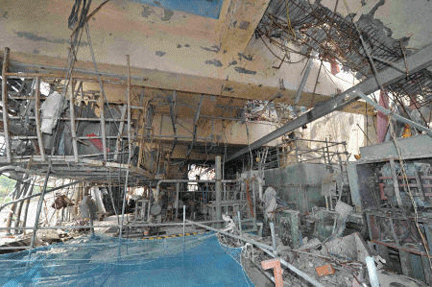
Japan begins massive nuclear pool clean-up after Fukushima disaster, https://www.abc.net.au/news/2019-04-15/japan-taking-nuclear-fuel-rods-from-fukushima-reactor/11009422 The operator of the tsunami-wrecked Fukushima nuclear plant has begun removing fuel from a cooling pool at one of three reactors that melted down in the 2011 disaster, a milestone in the decades-long process to decommission the plant.
Key points:
The process involves taking out spent nuclear fuel rods by using remote-controlled cranes to lift hundreds of radioactive cylinders from a highly contaminated reactor site. Tokyo Electric Power Co (TEPCO) said on Monday that workers started removing the first of 566 used and unused fuel units stored in the pool at Unit 3. The fuel units in the pools located high up in reactor buildings are intact despite the disaster, but the pools are not enclosed, so removing the units to safer ground is crucial to avoid disaster in case of another major quake. “The work is expected to be completed in March 2021, but safety is our first priority,” spokesman Joji Hara said. TEPCO says the removal at Unit 3 would take two years, followed by the two other reactors, where about 1,000 fuel units remain in the storage pools. If the rods are exposed to air or if they break, radioactive gases could be released into the atmosphere. The 2011 disaster forced 160,000 people to evacuate areas near the Fukushima plant, and many of them have never returned to the most contaminated areas. Obstacles to removing melted fuelRemoving fuel units from the cooling pools comes ahead of the real challenge of removing melted fuel from inside the reactors, but details of how that might be done are still largely unknown. Experts say the melted fuel in the three reactors amounts to more than 800 tons. Removing the fuel in the cooling pools was delayed more than four years by mishaps, high radiation and radioactive debris from an explosion that occurred at the time of the reactor meltdown. Workers are remotely operating a crane to raise the fuel from a storage rack in the pool and place it into a protective cask. The whole process occurs underwater to prevent radiation leaks. Each cask will be filled with seven fuel units, then lifted from the pool and lowered to a truck that will transport the cask to a safer cooling pool elsewhere at the plant. The work is directed remotely from a control room about 500 metres away because of still-high radiation levels inside the reactor building that houses the pool. Robotic removalIn 2014, TEPCO safely removed all 1,535 fuel units from the storage pool at a fourth reactor that was idle and had no fuel inside its core when the March 11, 2011, earthquake and tsunami occurred. Robotic probes have photographed and detected traces of damaged nuclear fuel in the three reactors that had meltdowns, but the exact location and other details of the melted fuel are largely unknown. In February, a remote-controlled robot with tongs removed pebbles of nuclear debris from the Unit 2 reactor but was unable to remove larger chunks, indicating a robot would need to be developed that can break the chunks into smaller pieces. TEPCO and government officials plan to determine methods for removing the melted fuel from each of the three damaged reactors later this year so they can begin the process in 2021. |
|
Japan’s plutonium surplus, its history, and its danger
 Japan’s Plutonium Overhang, Wilson Center, Nuclear Proliferation International History Project Jun 7, 2017 By William Burr Plutonium, a key element of nuclear weapons, has been an issue in U.S.-Japan relations for decades. During the administration of Jimmy Carter, the Japanese government pressed Washington for permission to process spent reactor fuel of U.S. origin so that the resulting plutonium could be used for experiments with fast breeder nuclear reactors. The government of Japan wanted to develop a “plutonium economy,” but U.S. government officials worried about the consequences of building plants to reprocess reactor fuel. According to a memo by National Security Council staffer Gerald Oplinger, published for the first time by the National Security Archive and the Nuclear Proliferation International History Project, the “projected plants would more than swamp the projected plutonium needs of all the breeder R&D programs in the world.” That “will produce a vast surplus of pure, weapons grade plutonium … which would constitute a danger in itself.” Indeed, as a result of reprocessing activities since then, Japan possesses 48 tons of plutonium and could be producing more, with no clearly defined use, when a new reprocessing facility goes on line in 2018………
-
- The risk of nuclear of proliferation was a significant element in Jimmy Carter’s presidential campaign, which raised questions about the hazards of nuclear energy and attacked the Ford administration for ignoring the “deadly threat posed by plutonium in the hands of terrorists.” Not long after his inauguration, Carter signed
Presidential Directive 8,-which declared that “U.S. non-proliferation policy shall be directed at preventing the development and use of sensitive nuclear power technologies which involve direct access to plutonium, highly enriched uranium, or other weapons useable material in non-nuclear weapons states, and at minimizing the global accumulation of these materials.”
When NSC staffer Gerald Oplinger wrote that the plutonium surplus would constitute a “danger in itself,” he probably assumed an environmental hazard and possibly a proliferation risk and vulnerability to terrorism. He did not mention the latter risks, although the reference to surpluses of “weapons grade” material evoked such concerns. While Japanese reprocessing plants would be producing reactor-grade plutonium, it nevertheless has significant weapons potential. On the question of Japan’s nuclear intentions, the documents from this period that have been seen by the editor are silent; it is not clear whether U.S. officials wondered whether elements of the government of Japan had a weapons option in the back of their mind. Any such U.S. speculation, however, would have had to take into account strong Japanese anti-nuclear sentiment, rooted in terrible historical experience, Japan’s membership in good standing in the nonproliferation community, and that since the days of Prime Minister Sato, the “three Nos” has been official national policy: no possession, no manufacture, and no allowing nuclear weapons on Japanese territory. According to a 1974 national intelligence estimate, Japan was keeping “open” the possibility of a nuclear weapons capability and had the resources to produce weapons in a few years, but the intelligence agencies were divided over the likelihood of such a development. The CIA, State Department intelligence, and Army intelligence saw such a course of action as highly unlikely without a collapse of U.S. security guarantee and the emergence of a significant threat to Japan’s security.
Sources for this posting include State Department FOIA releases as well as recently declassified records at the National Archives, including the records of Gerard C. Smith and Secretary of State Edmund Muskie. Many documents on Japan from the Smith files are awaiting declassification review.
Documents in this release:…..https://www.wilsoncenter.org/publication/japans-plutonium-overhang
50 countries ban Japanese seafoods from Fukushima region, South Korea will maintain the ban
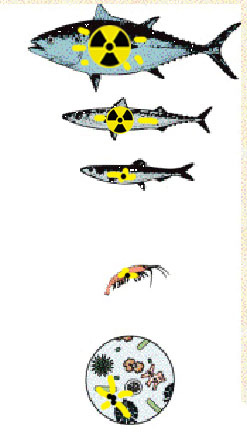 Seoul Welcomes WTO’s Ruling on Fukushima Seafood Ban SEOUL, Apr. 12 (Korea Bizwire) — South Korea on Friday welcomed the World Trade Organization’s decision to rule in favor of Seoul’s import restrictions on Japanese seafood in the wake of the 2011 Fukushima nuclear disaster and said it would keep the ban in place going forward.The WTO appellate body overturned several points of the 2018 verdict earlier in the day, saying the Seoul government’s measures are not unfair trade restrictions and do not fall into the category of arbitrary discrimination.
The appellate body, however, sided with Japan on one point, saying that Seoul has not provided enough information to Tokyo in terms of the import ban measures.
“The government has been making all-out efforts to follow the principle of making the health and safety of the people a priority, and the government highly appraises the WTO’s decision,” the Ministry of Trade, Investment and Energy said in a statement.
The South Korean government said it hopes that there would be no further trade dispute with Japan.
In 2015, Japan officially lodged a complaint at the WTO to challenge South Korea’s import bans and additional testing requirements on fish caught after 2013. Tokyo argued that radioactive levels of its fishery product were lower than those from a number of other nations.
The WTO’s dispute settlement body ruled in favor of Japan in February 2018.
South Korea has been placing import restrictions on 28 kinds of fish caught from eight prefectures near Fukushima since the nuclear power plant accident.
The South Korean government said it will keep the existing import ban on all seafood from the eight prefectures. All Japanese seafood companies will be required to hand in safety certificates when any traces of radiation are found, it added.
About 50 countries have maintained bans on imports since the nuclear disaster, but Japan has complained to the WTO about only one country — South Korea.
“Currently, 19 more countries have implemented an import ban (on Japanese seafood) at different levels,” said Yoon Chang-yul, the head of the social policy coordination office under the Office for Government Policy Coordination……..http://koreabizwire.com/seoul-welcomes-wtos-ruling-on-fukushima-seafood-ban/135802
World Trade Organization approves South Korea’s right to ban Fukushima seafoods
 SOUTH KOREA WTO APPEAL SUCCEEDS IN JAPANESE FUKUSHIMA FOOD DISPUTE, https://www.agriculture.com/markets/newswire/update-2-south-korea-wto-appeal-succeeds-in-japanese-fukushima-food-dispute GENEVA, April 11 (Reuters) – South Korea won the bulk of its appeal on Thursday in a dispute at the World Trade Organization over import bans and testing requirements it had imposed on Japanese seafood in the wake of the 2011 Fukushima nuclear disaster.
Last year a WTO dispute panel supported Japan, saying South Korea was wrong to keep its initial trade restrictions in place. But Thursday’s ruling overturned several key points of that verdict, saying South Korea’s measures were not overly restrictive and did not unfairly discriminate against Japan.
The appeal looked solely at the panel’s interpretation of the WTO rules, without going into the facts about the levels of contaminants in Japanese food products or what the right level of consumer protection should be.
“The South Korean government highly appreciates the WTO’s ruling and welcomes the decision,” South Korea’s Ministry of Trade, Industry and Energy said in a statement.
Following the ruling, South Korea’s current trade restrictions on Japanese seafood will stay in place, the ministry statement added.
South Korea widened its initial ban on Japanese fishery imports in 2013 to cover all seafood from eight Japanese prefectures including Fukushima.
Japan launched its trade complaint at the WTO in 2015, arguing that radioactive levels were safe and that a number of other nations, including the United States and Australia, had lifted or eased Fukushima-related restrictions.
South Korea imported 10.9 billion yen ($102 million) worth of Japanese seafood in the year to August 2013 before it broadened its restrictions. Those imports then fell to 8.4 billion yen the following year, according to the Japanese government. (Reporting by Tom Miles; additional reporting by Jane Chung in SEOUL; Editing by Keith Weir and Hugh Lawson)
Okuma residents reluctant to return : much of the area still highly radioactive
Eight years after a triple meltdown at the Fukushima nuclear power plant, part of nearby Okuma has been declared safe for residents to return. But there has been no rush to go home as radiation levels remain high. The evacuation order for parts of Okuma was lifted by the Japanese government on Wednesday.
But just 367 of the town’s pre-2011 population of 10,341 have registered to go home, according to local media reports in Japan.
Okuma sits alongside the Fukushima Daiichi Nuclear Power Station and 40% of the town has been declared safe for a permanent return. But a survey last year found only 12.5% of former residents wanted to do so.
Prime Minister Shinzo Abe is to attend a ceremony in Okuma on Sunday to mark the occasion. But the government has been accused of promoting the return of residents to showcase safety ahead of the Tokyo Olympics next summer.
“This is a major milestone for the town,” Mayor Toshitsuna Watanabe said in a written statement. “But this is not the goal, but a start toward the lifting of the evacuation order for the entire town.”
Lingering radiation
There are plans to open a new town hall in May to encourage more people to go back to their town which was devastated by the earthquake, tsunami and triple meltdown at the plant in March 2011. But the town center near the main train station remains closed due to high radiation levels which exceed the annual exposure limit. There will be no functioning hospital for another two years.
Much of Okuma still records high radiation levels and is off-limits. All of nearby Futaba remains closed, with the former 40,000 residents unable to return home. In a report from an investigation published last month, environmental campaign group Greenpeace said “radiation levels remain too high for the safe return of thousands of Japanese citizen evacuees.”
Reluctance to return
The government lifted the evacuation order for much of neighboring Tomioka two years ago. But only 10% of Tomioka’s population has so far returned. Some 339 square kilometers (131 square miles) of the area around the plant are designated unsafe.
Fears of exposure to radiation remain high among former residents, especially those with children. In its report, Greenpeace accused the government of failure: “In the case of workers and children, who are in the frontline of hazards resulting from the Fukushima Daiichi nuclear disaster, the Japanese government continues to ignore international radioprotection recommendations.”
Part of the Okuma is being used to store millions of cubic meters of toxic soil collected during the decontanimation operation. Authorities say it will be removed by 2045 but no alternative storage site has yet been found.
In all, 160,000 people were evacuated out of the area when three of Fukushima’s six reactors went into meltdown, leading to radiation leaks.
As WHO upholds South Korea’s ban, Japan promotes Fukushima food exports
Japan pitches safety of food from Fukushima and Tohoku in wake of WTO ruling for South Korea, Japan Times ,12 Apr19, KYODO Japan will seek to reassure other countries about the safety of food produced in areas affected by the 2011 Fukushima nuclear crisis, officials said Friday, after the World Trade Organization supported South Korea’s import ban on some Japanese seafood.Fishermen in Tohoku, the region hit hardest by the devastating earthquake and subsequent tsunami that triggered the triple core meltdown at the Fukushima No. 1 nuclear power plant, expressed disappointment with the WTO’s decision, saying their catches clear strict safety checks before shipment……….
Japan has been promoting its agricultural and seafood exports, which have been growing in recent years and reached ¥906.8 billion ($8.1 billion) in 2018, putting the government’s target of ¥1 trillion for this year in sight.
By holding baseball and soccer games in the disaster-hit region, Japan hopes to present the Tokyo Olympics and Paralympics in 2020 as a symbol of reconstruction.
“I will promote the high quality of food products (in the disaster-hit areas),” Olympics minister Shunichi Suzuki said at a news conference held just a day after he was reappointed to his role.
The WTO’s appellate body for dispute settlement on Thursday ruled in favor of South Korea’s import ban on fishery products from Fukushima and seven other prefectures, reversing an earlier decision.
Thursday’s ruling is final as the appellate body is the highest authority in the WTO’s dispute settlement mechanism.
Due to fears of radioactive contamination, South Korea expanded its initial ban to include all fishery products from Fukushima and the seven other prefectures in 2013.
A total of 54 countries and regions introduced import restrictions following the meltdowns. The number has since declined, but South Korea is among 23 that are keeping the restrictions in place, according to the Japanese government. https://www.japantimes.co.jp/news/2019/04/12/national/japan-pitches-safety-food-fukushima-vicinity-wake-wto-ruling-south-korea/#.XLEUO4kzbGg
Impossible at present to remove all fuel debris from stricken Fukushima nuclear reactors

However, the interior of the No. 2 reactor, which is most likely to be the first to go through the debris removal process, has turned out to be different from what had originally been expected, underscoring the difficulties entailing the removal work. Since many companies are involved in the process, how to pass down the know-how acquired over the course of the more than 30 year-decommissioning process also poses a challenge.
“At present, it is difficult to clearly say we are going to remove all fuel debris,” said Akira Ono, who leads the decommissioning project, at a regular press conference by TEPCO on March 28, while noting that the utility will not back down from its ultimate goal of full debris removal.
If TEPCO fails to take out all debris from the nuclear plant, the very premise for dismantling the facility and returning the plot to its original state will be undermined. Such a scenario would adversely affect the disaster recovery plans envisaged by the national government and the Fukushima Prefectural Government. While awareness about the difficulty of debris removal has been shared among concerned parties, the actual dismal situation had not been recognized until TEPCO conducted the first debris survey at the No. 2 reactor on Feb. 13.
In that survey, a remotely controlled special device that was injected into the No. 2 reactor’s containment vessel succeeded in lifting portions of sediment accumulated at the bottom, which were believed to be fuel debris. Officials involved were relieved because they “had been worried the material would not move at all,” according to Ono.
The radiation level of the material, measured at a distance of some 30 centimeters, was 7.6 sieverts per hour, far less than anticipated. If the sediment contained a good portion of nuclear fuel, the radiation doses ought to have been several hundred sieverts per hour, even eight years after the 2011 nuclear meltdowns.
This finding suggested that the sediment that TEPCO came in contact with in the survey was not the main nuclear fuel debris it was looking for. Many speculate that the surface of the sediment may mainly consist of metals including cladding tubes that used to cover nuclear fuels.
The question now is whether fuel debris exists beneath the surface of the sediment or if nuclear fuel still remains within the reactor pressure vessel, or even somewhere else. There are currently no prospects for TEPCO to ascertain an accurate distributions of debris.
The material that was lifted in the survey mostly comprised pebble-like sediment, weighing less than 1 kilogram in total. Meanwhile, fuel debris generated in the core meltdowns is estimated to total 237 metric tons at the No. 2 reactor alone and a combined 880 tons at the No. 1 through No. 3 reactors.
At the No. 2 reactor, TEPCO will conduct a more detailed survey on debris possibly in the latter half of this fiscal year and attempt to collect small amounts of samples. At the No. 1 reactor, several apparatus including a robot submarine will be used to launch a full-scale survey inside the reactor to try to collect debris this fiscal year. As for the No. 3 reactor, the power company is apparently planning to prioritize removal of spent fuel, as related devices have gone through a series of glitches.
Unlike the other reactors, the No. 2 reactor did not suffer a hydrogen explosion in the 2011 disaster. Therefore, the No. 2 reactor remains the primary candidate for the first full-scale debris removal work, which is hoped to start in 2021.
With regard to the No. 1 and No. 3 reactors, the utility has yet to be able to reach materials appearing to be debris. The decommissioning of the nuclear plant is scheduled to be completed in 2051, a full 40 years after the triple meltdowns, but a concrete path toward that goal is not yet in sight.
“We have no choice but to remove whichever debris we can,” said a senior official with the Ministry of Economy, Trade and Industry.
Naoyuki Takaki, professor of nuclear engineering at Tokyo City University, commented, “There could ultimately be a decision to stop debris removal after pulling out as much debris as possible. In that case, we would have no option but to consider building a sarcophagus like the one at the Chernobyl nuclear plant.”
(Japanese original by Toshiyuki Suzuki, Science & Environment News Department)
Japanese government partially lifts evacuation order in one Fukushima nuclear plant hometown
|
Gov’t lifts evacuation order in parts of Fukushima nuclear plant hometown https://japantoday.com/category/national/japan-lifts-evacuation-in-parts-of-fukushima-plant-hometown By Mari Yamaguchi 10 Apr 19, TOKYO
The Japanese government partially lifted an evacuation order in one of the two hometowns of the tsunami-wrecked Fukushima nuclear plant on Wednesday for the first time since the 2011 disaster. Decontamination efforts have lowered radiation levels significantly in the area about 7 kilometers southwest of the plant where three reactors had meltdowns due to the damage caused by the March 2011 earthquake and tsunami. The action allows people to return to about 40 percent of Okuma. The other hometown, Futaba, remains off-limits, as are several other towns nearby. Many former residents are reluctant to return as the complicated process to safely decommission the plant continues. Opponents of lifting the evacuation orders in long-abandoned communities say the government is promoting residents’ return to showcase safety ahead of the Tokyo Olympics next summer. The government has pushed for an aggressive decontamination program by removing topsoil, chopping trees and washing down houses and roads in contaminated areas, though experts say the effort only caused the contamination to move from one place to another, creating massive amounts of radioactive waste and the need for its long-term storage. The meltdowns at three of Fukushima Dai-ichi’s six reactors caused massive radiation leaks that contaminated the plant’s surroundings, forcing at its peak some 160,000 people to evacuate their homes for areas elsewhere in Fukushima or outside the prefecture. Evacuation orders in most of the initial no-go zones have been lifted, but restrictions are still in place in several towns closest to the plant and to its northwest, which were contaminated by radioactive plumes from the plant soon after its meltdowns. More than 40,000 people were still unable to return home as of March, including Okuma’s population of 10,000. Town officials say the lifting of the evacuation order in the two districts would encourage the area’s recovery. “We are finally standing on a starting line of reconstruction,” Okuma mayor Toshitsuna Watanabe told reporters. A new town hall is opening in the Ogawara district in May and 50 new houses and a convenience store is underway. But the town center near a main train station remains closed due to radiation levels still exceeding the annual exposure limit and a hospital won’t be available for two more years, requiring returnees to drive or take a bus to a neighboring town in case of medical needs. Anti-nuclear sentiment and concerns about radiation exposures remain high in Japan since the disaster, leaving many people skeptical about the safety declaration by the government and utility operators, as risks of developing cancer and other illnesses from low-dose, long-term radiation exposures are still unknown. Critics also say that the annual exposure limit of 20 millisievert, the same as nuclear workers and up from 1 millisievert before the Fukushima meltdowns, is too high. Many people are reluctant to return home because of lingering concerns about radiation, and they have adapted to new jobs and homes after more than eight years away. Only 367 people, or less than 4 percent of Okuma’s population, registered as residents in the two districts where the order was lifted. A survey last year found only 12.5 percent of former residents wanted to return to their hometown. The government hopes to allow some of Futaba’s 5,980 residents to return next year. Okuma is also home to a temporary storage facility for the radioactive waste that came out of the decontamination efforts across Fukushima. A much delayed facility is still underway. Fukushima plant’s operator, Tokyo Electric Power Co., and government officials plan to start removing the melted fuel in 2021 from one of the three melted reactors, but still know little about its condition inside and have not finalized waste management plans. |
|
|
1 This Month
Chernobyl: The Lost Tapes – A good documentary on Chernobyl on SBS available On Demand for the next 3 weeks– https://www.sbs.com.au/ondemand/tv-program/chernobyl-the-lost-tapes/2352741955560

of the week–London Campaign for Nuclear Disarmament

Tell the Ukrainian Government to Drop Prosecution of Peace Activist Yurii Sheliazhenko
To see nuclear-related stories in greater depth and intensity – go to https://nuclearinformation.wordpress.com
-
Archives
- April 2026 (143)
- March 2026 (251)
- February 2026 (268)
- January 2026 (308)
- December 2025 (358)
- November 2025 (359)
- October 2025 (376)
- September 2025 (257)
- August 2025 (319)
- July 2025 (230)
- June 2025 (348)
- May 2025 (261)
-
Categories
- 1
- 1 NUCLEAR ISSUES
- business and costs
- climate change
- culture and arts
- ENERGY
- environment
- health
- history
- indigenous issues
- Legal
- marketing of nuclear
- media
- opposition to nuclear
- PERSONAL STORIES
- politics
- politics international
- Religion and ethics
- safety
- secrets,lies and civil liberties
- spinbuster
- technology
- Uranium
- wastes
- weapons and war
- Women
- 2 WORLD
- ACTION
- AFRICA
- Atrocities
- AUSTRALIA
- Christina's notes
- Christina's themes
- culture and arts
- Events
- Fuk 2022
- Fuk 2023
- Fukushima 2017
- Fukushima 2018
- fukushima 2019
- Fukushima 2020
- Fukushima 2021
- general
- global warming
- Humour (God we need it)
- Nuclear
- RARE EARTHS
- Reference
- resources – print
- Resources -audiovicual
- Weekly Newsletter
- World
- World Nuclear
- YouTube
-
RSS
Entries RSS
Comments RSS
 nuclear-news