Nuclear Regulatory Commission to refuse licensing for Calvert Cliffs nuclear reactor
Experts: NRC Licensing Board Expected Friday To Strike Down Calvert
Cliffs Nuclear Reactor Project, Market Watch, WASHINGTON, July 26, 2012 — End to Former “Flagships” of Sputtering U.S. “Nuclear Renaissance”: Foreign Ownership Rules to Block Licensing of Calvert Cliffs 3 in MD, Nine Mile Point 3 in NY, and South Texas Project. Continue reading
Suspicious geological faults http://www.japantimes.co.jp/text/ed20120727a1.html 27 July 12, The trade and industry ministry’s Nuclear and Industrial Safety Agency (NISA) on July 18 ordered Kansai Electric Power Co. (Kepco) and Hokuriku Electric Power Co. to carry out geological surveys, including boring, at the Oi nuclear power plant in Fukui Prefecture and the
Shika nuclear power plant in Ishikawa Prefecture, respectively.
This is because of suspicions having been raised that fault crushing belts running through the Oi plant site and a fault running through the Shika plant site are active faults. Continue reading
Radiation exposure to over 40 Indian nuclear power plant workers
The first accident occurred on June 23 when 38 people were exposed during maintenance work on a coolant channel at the Rajasthan Atomic Power Station in Rawatbhata, senior plant manager Vinod Kumar told AFP.
Two of them received radiation doses equivalent to the annual permissible limit, he said, but all those involved have returned to work.
In a second incident last Thursday, another four maintenance workers at the plant were exposed to tritium radiation while they were repairing a faulty seal on a pipe.
India is on a nuclear power drive, with a host of plants based on Russian, Japanese, American and French technology under consideration or construction. … environmental watchdogs have expressed concerns about safety in India, where small-scale industrial accidents due to negligence or poor maintenance are commonplace and regulatory bodies are often under-staffed and under-funded…..
In May 2011, four labourers were exposed to low levels of radiation at the Kakrapur Atomic Power Station in eastern Gujarat state.
In November 2009, workers at a nuclear plant in southern Karnataka state fell ill after radioactive water contaminated their drinking water. … http://economictimes.indiatimes.com/news/politics/nation/40-india-nuclear-plant-workers-contaminated-firm/articleshow/15119386.cms
A worker set fire to a nuclear submarine
A Guy Started A Fire On A Nuclear Submarine To Leave Work Early http://www.gizmodo.com.au/2012/07/a-guy-started-a-fire-on-a-nuclear-submarine-to-leave-work-early/ CASEY CHAN 23 July 12, Here’s a friendly reminder for everyone who wants to leave work early: don’t ever set fire to your workplace. Especially if you work on a million nuclear submarine. Continue reading
Japan not able to find truly independent nuclear power regulators
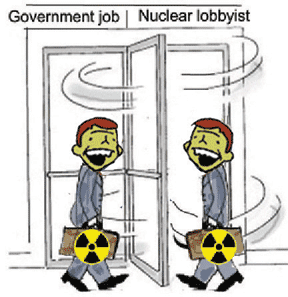 Japan Struggles to Find New Nuclear Regulators WSJ, By MARI IWATA TOKYO July 24, 2012,—Racing against a legislative deadline, the Japanese government
is trying to find regulators who understand nuclear technology—but aren’t close to the nuclear industry.
Cronyism has been widely blamed for contributing to the meltdowns at the Fukushima Daiichi nuclear plant operated by Tokyo Electric Power Co. following the huge earthquake and tsunami that struck northeastern Japan in March 2011. In a scathing investigation commissioned by parliament, a panel concluded: “The Tepco Fukushima nuclear-power-plant accident was the result of collusion between the government, the regulators and Tepco.” Continue reading
4 exposed to radiation at Rajasthan n-plant Express news service : Jaipur, Jul 24 2012 In the second such incident in a month, four workers at Rawatbhata Atomic Power Station in Rajasthan were exposed to harmful doses of leaked tritium radiationon July 19. Two persons were exposed to similar radiation on June 29.http://www.indianexpress.com/news/4-exposed-to-radiation-at-rajasthan-nplant/978569/
New government inquiry finds that Japan’s nuclear reactors are still unsafe
 Japan nuclear plants ‘still not safe’ Report from independent panel delivers damning assessment of country’s nuclear regulator and Fukushima plant operator. Aljazeera 23 Jul 2012 A government-appointed inquiry has delivered a damning assessment of Japanese nuclear regulators and the operator of the Fukushima nuclear power plant, raising further fears that despite new rules, the country’s nuclear sector still does not meet safety requirements.
The 450-page report by a 10-member panel of independent experts was released on Monday, and comes as anti-nuclear activists continue a vociferous campaign against the restarting of two nuclear reactors in the country.
The government is currently readying a new energy policy, due next month. Continue reading
Radioactive danger of Chernobyl forest fires
Chernobyl’s radioactive trees and the forest fire risk BBC News 7 July. (this article also describes the heroism of Ukraine’s firefighters.) By Patrick Evans Chernobyl, Ukraine Much of the 30km exclusion zone around the Chernobyl nuclear plant is pine forest, and some of it so badly contaminated that a forest fire could create a devastating radioactive smoke cloud.
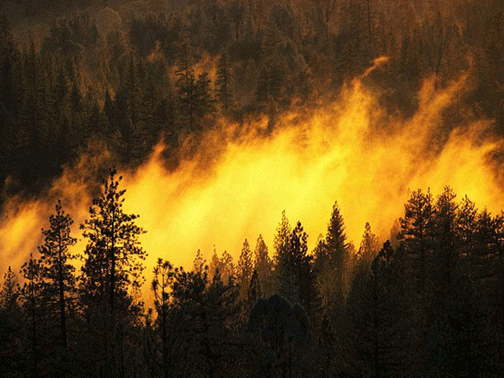
Heading north from Kiev in Ukraine, Continue reading
Stolen vehicle contained radioactive material
Nuclear material on stolen ute TVNZ July 21, 2012 Police fear radioactive material could be released from a nuclear density metre on a utility stolen in Christchurch. Continue reading
In last 24 hours – 3 earthquakes hit Fukushima
M4.5 quake hits Fukushima — Third M4 in last 24 hours July 19th, 2012 By ENENews Title: : Earthquake Information
Source: Japan Meteorological Agency Date: July 20, 2012 http://enenews.com/m4-5-quake-hits-fukushima-third-m4-in-last-24-hours
Earthquake fault line under Japan’s only operating nuclear reactor?
 Japan nuclear watchdog probes claims that country’s only working reactor sits on active fault line Warning comes just 18 months after tsunami wiped out Fukushima plant DAILY MAIL, 19 July 2012 Japan’s nuclear safety watchdog has ordered an investigation into claims the country’s only active nuclear power station is positioned above a tectonic fault line.
Geologists believe the Oi plant in Fukui Prefecture is at real risk of earthquake if the tectonic plates it sits on suddenly shift.
The news comes at a sensitive time for the Japanese nuclear industry – less than 18 months after a tsunami struck the nuclear power station at Fukushima, causing a meltdown…
The first reactor was fired up a few weeks ago and a second is planned to restart later in July. The power company insists it won’t alter its schedule, despite the order to examine the earth under the huge plant…. Experts reporting to the safety watchdog have also recommended tests are carried out at the nearby Shika plant, claiming both sites could be sitting on active fault lines. http://www.dailymail.co.uk/news/article-2176062/Japan-nuclear-watchdog-probes-claims-countrys-working-reactor-sits-active-fault-line.html#ixzz21C4tdqr4
“Uprating” – a cheap way to increase power from nuclear reactors, but is it safe?
nuclear watchdogs have warned that these bigger uprates also carry bigger risks.
“This trend is, in principle, detrimental to the stability characteristics of the reactor, inasmuch as it increases the probability of instability events and increases the severity of such events, if they were to occur,” the Advisory Committee on Reactor Safeguards, which is mandated by Congress to advise the NRC, has warned

 How to expand nuclear power without attracting (too much) attention
Washington Times, by Brad Plumer July 18, 2012 Since the 1970s, construction on new nuclear reactors in the United States has largely ground to a halt, thanks to public protests, regulatory obstacles and tight financing. Yet over that same period, U.S. utilities have managed to increase the amount of electricity they get from nuclear power. By quite a lot, in fact.
How is that possible? Through a process known as “uprating.” According to a new analysis by the U.S. Energy Information Administration, the operators of 98 of the country’s 104 commercial nuclear reactors have asked regulators for permission to boost capacity from their existing plants. All in all, the Nuclear Regulatory Commission has approved more than 6,500 megawatts worth of uprates since 1977. That’s the equivalent of building six entirely new nuclear reactors—and during a period when fresh plants were impossible to build.
Under the public radar, nuclear power is “uprated”, bringing safety concerns
nuclear watchdogs and the U.S. Nuclear Regulatory Commission’s own safety advisory panel have expressed concern over larger boosts — some by up to 20% — that the NRC began approving in 1998. Twenty of the nation’s 104 reactors have undergone these “extended power uprates.”
U.S. is increasing nuclear power through uprating Turning up the power is a little-publicized way of getting more electricity from existing nuclear plants. But scrutiny is likely to increase in the wake of Japan’s nuclear crisis. LA Times, April 17, 2011|By Alan Zarembo and Ben Welsh, Los Angeles Times
The U.S. nuclear industry is turning up the power on old reactors, spurring quiet debate over the safety of pushing aging equipment beyond its original specifications.
The little-publicized practice, known as uprating, has expanded the country’s nuclear capacity without the financial risks, public anxiety and political obstacles that have halted the construction of new plants for the last 15 years.
The power boosts come from more potent fuel rods in the reactor core and, sometimes, more highly enriched uranium. As a result, the nuclear reactions generate more heat, which boils more water into steam to drive the turbines that make electricity. Continue reading
Amid USA heatwave, loss of power to cooling equipment brings shutdown to Pennsylvania nuclear reactor
Exelon shuts Pa. Limerick 1 nuclear power reactor, Reuters Jul 19, 2012 By Scott DiSavino July 18 – Exelon Corp shut down the 1,130-megawatt (MW) Unit 1 at the Limerick nuclear power plant in Pennsylvania early Wednesday following an electrical disturbance on the non-nuclear side of the plant, the company said in a release.
The outage came at a bad time for the power grid: Homes and businesses in the U.S. Mid-Atlantic are cranking up their air conditioners amid a brutal heat wave blanketing the region.
The electrical disturbance caused a loss of power to generator cooling equipment, the company said. The unit will remain offline until repairs, inspections and testing are
completed, it said…. http://in.reuters.com/article/2012/07/18/utilities-operations-exelon-limerick-idINL2E8II8A620120718
Secrecy and safety issues at troubled Kudankulam nuclear power plant

 An atom of doubt at the Kudankulam nuclear power plant Reuters, By Gokul Chandrasekar JULY 17, 2012 KUDANKULAM NUCLEAR POWER PLANT SAFETY ISSUES Opponents of the Kudankulam Nuclear Power Plant, under construction in Tamil Nadu, are raising fresh questions about the plant’s safety because of Indian government documents that they say reveal a problem in the design of one of the two reactors.
The reactor’s design differs from the plan that Russia and India came up with when they agreed to build the reactor in 1988, according to the documents published by India’s Atomic Energy Regulatory Board.
The design of the reactor pressure vessel, which contains the reactor coolant and core, was not supposed to have welds in its core region, the bulletin said. The vessel has two welds there, it said.
People who live near the Kudankulam plant and the People’s Movement Against Nuclear Energy called this deviation a “serious breach of contract” that exposes the plant to high failure risk and a higher possibility of offsite radiological contamination. Continue reading
1 This Month



19 November – Webinar – The Reality of Reprocessing
Time: 11:00 AM Pacific Time (US & Canada) / 2:00 PM Eastern / 7:00 PM UK / 8:00 PM CET
Register for the Zoom Event Here



Shut down the radiation-damaged Heysham nuclear reactors now
To see nuclear-related stories in greater depth and intensity – go to https://nuclearinformation.wordpress.com

Say No to NASA’s Reckless Nuclear Reactor on the Moon
Say No to NASA’s Reckless Nuclear Reactor on the Moon
-
Archives
- November 2026 (74)
- October 2026 (302)
- September 2026 (339)
- August 2026 (330)
- July 2026 (355)
- June 2026 (287)
- May 2026 (306)
- April 2026 (356)
- March 2026 (251)
- February 2026 (267)
- January 2026 (308)
- December 2025 (358)
-
Categories
- 1
- 1 NUCLEAR ISSUES
- business and costs
- climate change
- culture and arts
- ENERGY
- environment
- health
- history
- indigenous issues
- Legal
- marketing of nuclear
- media
- opposition to nuclear
- PERSONAL STORIES
- politics
- politics international
- Religion and ethics
- safety
- secrets,lies and civil liberties
- spinbuster
- technology
- Uranium
- wastes
- weapons and war
- Women
- 2 WORLD
- ACTION
- AFRICA
- Atrocities
- AUSTRALIA
- Christina's notes
- Christina's themes
- culture and arts
- Events
- Fuk 2022
- Fuk 2023
- Fukushima 2017
- Fukushima 2018
- fukushima 2019
- Fukushima 2020
- Fukushima 2021
- general
- global warming
- Humour (God we need it)
- Nuclear
- RARE EARTHS
- Reference
- resources – print
- Resources -audiovicual
- Weekly Newsletter
- World
- World Nuclear
- YouTube
-
RSS
Entries RSS
Comments RSS

