Judge’s refusal to extradite Julian Assange is still part of cowardly process to deny freedom of information
The personal conveniently distracts from the political in the Assange story, https://www.theage.com.au/national/the-personal-conveniently-distracts-from-the-political-in-the-assange-story-20210107-p56siu.html
Elizabeth Farrelly Judge Vanessa Baraitser’s refusal to extradite Julian Assange for “mental health” reasons may look humanitarian but is in fact a deft political move. In reducing what should be an argument of law and principle to a test of personality, Baraitser managed at a blow to impugn Assange’s stability, repudiate any suggestion of innocence and open the door for America to prove the comforts of its solitary confinement and thereby win his extradition.
It’s a story of many twists and turns but underlying it throughout is a profound and widespread moral cowardice.
Baraitser’s 132-page ruling found that although the UK-US Extradition Treaty of 2003 specifically prohibits extradition for “political offence”, this provision never became law in the UK and therefore has no effect. In essence, the treaty is worthless.
The court also supported all 18 of the espionage charges against Assange, arguing that WikiLeaks’ hacking and publication “would amount to” offences in English law. Baraitser identified eight charges under the UK Official Secrets Act that would be, she said, equivalent.
Interestingly, this “would have” construction does not apply to the treaty question. Had Assange engaged in the same conduct in America, targeting British government information, he could not have been extradited because America’s “monist” system regards any treaty as law once signed. So it’s ironic that undermining this particular protection is a key US argument.
Anyone who saw the 2019 docudrama Official Secrets, chronicling the leakage by GCHQ analyst-turned-whistleblower Katharine Gun of information on US-UK dirty dealing in drumming up UN support for the Iraq war, will understand just how murky and terrifying such prosecutions can become.
This fear, and the persistent cowardice of yielding to it, is the theme of Assange’s story. I’ve written about Assange several times. I visited him in Ecuador’s embassy. Yet each time, I’ve found myself reluctant.
Seven years ago, when I met him, Assange was ebullient and hopeful, even funny. Now, as Baraitser says, he is “a depressed and sometimes despairing man who is genuinely fearful about his future”. Assange, she said, was at “high risk of serious depression leading to suicide if he were to be extradited and placed in solitary confinement for a long period”.
Baraitser noted the “bleak” conditions of Assange’s likely US confinement would include “severely restrictive detention conditions designed to remove physical contact and reduce social interaction and contact with the outside world to a bare minimum”, with family limited to one supervised 15-minute phone call a month. Detailing Assange’s mental state, she opined that his risk of suicide, in such conditions, was “very high”. This is the loophole she offers the appellant US prosecutor.
Those fears – his of 175 years in solitary (honestly, who wouldn’t top themselves?) and hers of his suicide – underpin her judgment. But there are other, more insidious fears at play here.
Such fears, I see now, feed my reluctance to revisit the Assange story: fear, in particular, of confronting the terrifying truth about our imperial system. Regardless of Assange’s innocence or guilt, the simple facts of what our controlling powers can do to you if you step out of line are terrifying.
But this small, individual fear also operates, very effectively, at nation level.
From the start, the case against Assange has contrived to turn issues of principle into questions of personality. The initial Swedish rape charges, since dropped for lack of evidence as the witness’s recollections after so long were clouded, were extremely personal, spinning off the cancellation of his credit cards upon his arrival in Stockholm, forcing him to accept hospitality; the seductions, the sex – which everyone agrees was consensual – his failure to wear a condom although asked and reluctance to take an STD test. Then the left turned against him because of the Clinton leaks – which one suspects would have been fine, had they been directed at the other side – and perceptions about Assange’s ego. He was vain, it was said, and narcissistic. As if that itself were a crime, reason enough to let him rot in solitary.
The personal and emotive nature of all this – the Swedish prosecutor’s refusal to interview him in London, Britain’s willingness to imprison him for a year on bail charges, America’s determination to prosecute him for exposing their war crimes (in the Iraq War Logs of October 2010 and the film Collateral Murder showing air crew shooting unarmed civilians from a helicopter) and the description of WikiLeaks by US Secretary of State Mike Pompeo as “a hostile non-state intelligence service” – all suggest a bigger picture, and smaller values, than mere truth or justice.
It’s often said that Assange endangered the lives of US informers but, as Baraitser notes, no causality has been shown. Even the Senate Committee on Armed Service said, “the review to date has not revealed any sensitive sources and methods compromised by disclosure”. It is said that Assange, by dumping hacked emails from Hillary Clinton’s campaign, gave us Trump. But if she was engaged in skulduggery as alleged, wasn’t it better for the world to make its own judgment?
When you look coldly at the facts it’s hard not to suspect that Sweden was coerced into the original charges and that Britain and Ecuador have been similarly pressured. Certainly Australia’s persistent refusal to intervene for Assange, an Australian citizen who has broken no Australian law, suggests a similar abject timidity in the face of US might.
That’s the fear that guys like Assange and Edward Snowden make us confront. And it’s why they deserve, at the very least, a fair and open trial.
Assange denied bail after extradition blocked, will appeal to UK High Court
 Assange denied bail after extradition blocked, will appeal to UK High Court, WSW
District Judge Vanessa Baraitser handed down the decision Wednesday in Westminster Magistrates Court, after ruling on Monday against Assange’s extradition to the United States on mental health grounds. Assange will remain in custody until the prosecution’s appeal of that ruling is heard.
WikiLeaks editor-in-chief Kristinn Hrafnsson announced afterwards that Assange’s legal team would be taking the bail decision to the High Court.
Baraitser’s refusal to grant bail confirms that her decision not to extradite was motivated by political considerations and not any genuine concern for Assange’s health. Assange will be kept in conditions which have had a grave impact on his mental health, during a massive escalation of the UK’s COVID-19 epidemic.
Speaking to the Sydney Morning Herald Tuesday, Nick Vamos, former head of special crime and head of extradition at the Crown Prosecution Service, indicated that the appeal process would likely take two to three months.
In her decision, Baraitser accepted the prosecution’s insistence that Assange’s flight into the Ecuadorian embassy in 2012—after a UK court had granted him bail in connection with Sweden’s trumped-up sexual assault investigation and extradition request—was proof of his willingness to abscond in the future. This is an absurd and vindictive position……..
Assange now has a court ruling in his favour. He is, regardless, prepared to submit to stringent bail conditions amounting to effective house arrest with a GPS tag—conditions which have allowed terror suspects to receive bail. His experience of claiming asylum in an embassy has proved it “unpleasant”, in Fitzgerald’s words, and led “to him being effectively confined for some seven years” before having his asylum revoked. “That is not something that he is ever likely to repeat.”
Assange also now has a family, a partner and two children, in the UK. Besides being a reason for Assange not to abscond, Fitzgerald argued, his family provides significant human rights grounds for his release on bail. On account of COVID-19 restrictions in the prison, Assange “hasn’t seen his family in person since March 2020”. He has never been able to live with them, having spent 15 months held on remand pending his extradition hearing.
Assange’s family, Fitzgerald noted, is highly relevant to the question of his mental and physical wellbeing. “The grant of bail”, he said, “would allow actual physical contact with his family, that would… alleviate mental distress”.
Baraitser had acknowledged the benefit of his family’s support to Assange in her ruling on extradition, which described him as a “depressed and sometimes despairing man, who is genuinely fearful about his future.”
Bail would also “considerably reduce” the risk of Assange’s exposure to COVID-19. Fitzgerald pointed to the “severe outbreak” of the virus suffered by Belmarsh Prison recently and said there had been 59 positive cases prior to Christmas. He added, “on any view, the position [the state of the UK’s epidemic] is worse now and, on any view, he would be safer isolating with his family than if he was in Belmarsh.”
Baraitser dismissed these concerns, declaring “this prison is managing prisoners’ health during this pandemic in an appropriate and responsible manner.”………. https://www.wsws.org/en/articles/2021/01/07/assa-j01.html?pk_campaign=assange-newsletter&pk_kwd=wsws
Human Rights and the UN Treaty on the Prohibition of Nuclear Weapons
|
Australia: The UN Treaty on the Prohibition of Nuclear Weapons: Corrs Human Rights Day event recap https://www.mondaq.com/australia/human-rights/1019602/the-un-treaty-on-the-prohibition-of-nuclear-weapons-corrs-human-rights-day-event-recap
23 December 2020 Corrs Chambers Westgarth On 10 December 2020, Corrs marked Human Rights Day with an ‘In Conversation’ event focused on the UN Treaty on the Prohibition of Nuclear Weapons (Treaty).
The event brought together leading experts in the field of nuclear disarmament and the humanitarian impacts of a nuclear event, including;
Discussion between the panellists focused on the significance of the Treaty and how it may shape future obligations of states and corporates in connection with nuclear weapons and nuclear disarmament. The Treaty currently has 51 parties and 86 signatories and is set to enter into force on 22 January 2021, cementing a categorical ban on nuclear weapons, 75 years after their first use. Australia has yet to ratify the Treaty. A number of themes that emerged from the conversation are explored below. Why is this conversation so critical?The panellists agreed that the prohibition of nuclear weapons is perhaps more urgent now than ever before. In early 2020, the Doomsday Clock – which symbolises the gravest existential dangers facing humankind – was moved to 100 seconds to midnight, indicating that humankind was closer to the apocalypse than ever in history. This movement was attributed to the increased threats of nuclear war and the continued global failure to address climate change. The adjustment was described as indicative of ‘the most dangerous situation that humanity has ever faced’. This is unsurprising. Today, there remain around 13,500 nuclear weapons in the hands of only a few states. Many are in a high operational readiness, and have the ability to be rapidly deployed. It is well understood that the use of even a fraction of these weapons would result in unimaginable loss of human life and have long-term effects on human health, the environment and global food supplies. The World Health Organisation (WHO) has consistently found that all the world’s health resources would not be effective in responding to even a singlenuclear attack. A paradigm shiftThe Treaty was born out of a shift in focus from the assumed defence and international security benefits of nuclear weapons to the catastrophic humanitarian consequences they would incur. The Red Cross, ICAN and members of civil society played a vital role in shaping that discussion. Dr Durham noted that this shift in momentum began when then President of the ICRC Jakob Kellenberger addressed the Geneva Diplomatic Corp in the lead up to the Non Proliferation Treaty Review Conference in 2010, declaring that the debate on nuclear weapons must be guided not by ‘military doctrine and power politics’, but by ‘human beings, . the fundamental rules of international humanitarian law, and . the collective future of humanity’. The humanitarian focus of the discourse continued its momentum with a series of conferences convened to consider the humanitarian impact of nuclear weapons in Norway (2013), Mexico (2014) and Austria (2014). Dr Durham and Dr Ruff reflected on their respective involvement in these conferences, observing how they provided a platform to discuss the humanitarian consequences of nuclear weapon use at the international level, significantly shifting the debate and bringing to bear increased urgency in the need to ban nuclear weapons. Legal significance and relationship with other treatiesWhen the Treaty enters into force, it will be the first international legal instrument which makes nuclear weapons illegal, prohibiting their development, testing, production, acquisition, stockpiling, use, deployment or threat of use. The Treaty will also prohibit the provision of assistance to any state in the conduct of prohibited activities. It is notable that, even with all their destructive power, nuclear weapons are the last form of weapons of mass destruction to be prohibited. The Treaty will only bind those states which have formally signed and ratified it, which means that non-parties (such as Australia) do not have any formal obligations under the Treaty. Other nuclear weapons treaties, including the nearly universal Treaty on the Non-Proliferation of Nuclear Weapons (NPT) which has been in force since 1970, will continue as a cornerstone in the international legal framework governing nuclear weapons. In this regard, Dr Durham observed that the NPT and the Treaty are complimentary rather than conflicting in their shared aspiration to eliminate nuclear weapons. Legal ramifications for the commercial sectorFor businesses, the Treaty will begin a process of stigmatisation of companies that are involved in the production of nuclear weapons. It may also render their operations unlawful. Tara Gutman observed that the impact of the Treaty’s prohibitions is already being felt, noting that:
In addition, state parties to the Treaty are expected to make the manufacture of nuclear weapons or their components unlawful under domestic laws in their territories. How these matters impact the commercial sector in the coming years will be interesting to follow. What’s next?The panellists reminded us that the entry into force of the Treaty is but a step on what has been a long path towards nuclear disarmament. Other nuclear weapons treaties, including the nearly universal Treaty on the Non-Proliferation of Nuclear Weapons (NPT) which has been in force since 1970, will continue as a cornerstone in the international legal framework governing nuclear weapons. In this regard, Dr Durham observed that the NPT and the Treaty are complimentary rather than conflicting in their shared aspiration to eliminate nuclear weapons. Legal ramifications for the commercial sectorFor businesses, the Treaty will begin a process of stigmatisation of companies that are involved in the production of nuclear weapons. It may also render their operations unlawful. Tara Gutman observed that the impact of the Treaty’s prohibitions is already being felt, noting that:
In addition, state parties to the Treaty are expected to make the manufacture of nuclear weapons or their components unlawful under domestic laws in their territories. How these matters impact the commercial sector in the coming years will be interesting to follow. What’s next?The panellists reminded us that the entry into force of the Treaty is but a step on what has been a long path towards nuclear disarmament. |
|
Australia’s Prime Minister Scott Morrison could stop the persecution of Australian citizen Julian Assange
|
Rex Patrick, Independent senator, January 5, 2021 A British judge has rejected the US Justice Department’s effort to have Wikileaks publisher Julian Assange extradited to the United States to face espionage charges for obtaining and publishing secret documents that revealed war crimes. The decision of Judge Vanessa Baraitser to deny the extradition request has given Assange an important legal victory in his efforts to avoid extradition for actions many would regard as inherent to media freedom – the right of journalists to obtain and publish information and to protect confidential sources. However, in her ruling Judge Baraitser dismissed the arguments of Assange’s lawyers in relation to these matters, saying she was satisfied that the American authorities made their extradition request in good faith, that the case was not politically driven, and that Assange was not merely acting as a journalist. |
|

Seven regions in Italy to take legal action against plan for nuclear waste dumping
  Row after 7 regions tapped to take nuclear waste. https://www.ansa.it/english/news/2021/01/05/row-after-7-regions-tapped-to-take-nuclear-waste_b9f64a6e-95fc-442e-8bf0-f67284e0fec8.html Edazione ANSAROME Row after 7 regions tapped to take nuclear waste. https://www.ansa.it/english/news/2021/01/05/row-after-7-regions-tapped-to-take-nuclear-waste_b9f64a6e-95fc-442e-8bf0-f67284e0fec8.html Edazione ANSAROME
05 January 2021, ANSA) – ROME, – A row has erupted in Italy after seven regions were named as having 67 potential sites to take nuclear waste. The industry and environment ministries gave decommissioning company SOGIN the go ahead to draft the national map of areas potentially suitable for the waste.
The regions involved are Piedmont, Tuscany, Lazio, Puglia, Basilicata, Sardinia and Sicily. All seven have announced legal action against the move. The centre-right opposition was also up in arms. Nationalist League leader Matteo Salvini, the leader of the opposition, called the government “incompetent”. His partner, the smaller nationalist Brothers of Italy (FdI) party, said “it is folly to publish the SOGIN map in the midst of a COVID crisis”. (ANSA). |
|
Treaty on the Prohibition of Nuclear Weapons: The Road There and the Road Ahead.
 Treaty on the Prohibition of Nuclear Weapons: The Road There and the Road Ahead. https://www.commondreams.org/views/2021/01/05/treaty-prohibition-nuclear-weapons-road-there-and-road-ahead?utm_campaign=shareaholic&utm_medium=Social&utm_source=twitter For those of us who have been part of the anti-nuclear movement, this moment in history is one filled with possibilities.byMadelyn Hoffman, Ryan Swan, On January 22, 2021, the world will take a major step toward global nuclear disarmament when the Treaty on the Prohibition of Nuclear Weapons (TPNW) enters effect. This is one step closer to realizing the vision the survivors of the 1945 atomic bombings of Hiroshima and Nagasaki (Hibakusha) have spoken about all over the world. They have never given up their efforts to prevent another collision between humans and nuclear weapons and end every talk with “No More Hibakusha, No More Hiroshimas and No More Nagasakis.” Their message of preventing further nuclear catastrophe is now recognized and embodied in this groundbreaking new Treaty. Anti-nuclear organizing efforts need to honor the determination, commitment and vision of Hibakusha, even if achieving the end goal of nuclear abolition requires taking just one step at a time. Treaty on the Prohibition of Nuclear Weapons: The Road There and the Road Ahead. https://www.commondreams.org/views/2021/01/05/treaty-prohibition-nuclear-weapons-road-there-and-road-ahead?utm_campaign=shareaholic&utm_medium=Social&utm_source=twitter For those of us who have been part of the anti-nuclear movement, this moment in history is one filled with possibilities.byMadelyn Hoffman, Ryan Swan, On January 22, 2021, the world will take a major step toward global nuclear disarmament when the Treaty on the Prohibition of Nuclear Weapons (TPNW) enters effect. This is one step closer to realizing the vision the survivors of the 1945 atomic bombings of Hiroshima and Nagasaki (Hibakusha) have spoken about all over the world. They have never given up their efforts to prevent another collision between humans and nuclear weapons and end every talk with “No More Hibakusha, No More Hiroshimas and No More Nagasakis.” Their message of preventing further nuclear catastrophe is now recognized and embodied in this groundbreaking new Treaty. Anti-nuclear organizing efforts need to honor the determination, commitment and vision of Hibakusha, even if achieving the end goal of nuclear abolition requires taking just one step at a time.
The Road to the TPNW An early significant development was the conclusion of the Treaty on the Nonproliferation of Nuclear Weapons (NPT), negotiated throughout the 1960s and entering force in 1970. Its aims were to curtail the spread of nuclear weapons and commit those states already in possession of such weapons to work toward disarmament. While the NPT has proved largely effective on the nonproliferation front, its disarmament achievements have been unsatisfactory, as nuclear weapon states (NWS) have continuously failed to pursue “negotiations in good faith on effective measures relating to the cessation of the nuclear arms race… and to nuclear disarmament, and on a treaty on general and complete disarmament” as the NPT requires them to do (Article VI). Non-nuclear weapon state (NNWS) frustration with the lack of disarmament progress has grown over the years and finally reached a tipping point after the 2014 Ukraine Crisis and reinvigorated major power nuclear competition. The Marshall Islands brought an unprecedented case before the International Court of Justice claiming that the nuclear weapon states had failed to live up to their NPT disarmament obligations, which – while dismissed on suspect jurisdictional grounds – gained widespread international attention and support. Around this same time in 2014, the New Agenda Coalition proposed the idea of a convention banning nuclear weapons to serve as an “effective measure” implementing Article VI.. Negotiations began in 2016 and, in summer 2017, 122 nations came together in support of the historic TPNW. Garnering its 50th ratification in late October 2020, the TPNW is now set to enter force on January 22, 2021 and will round out the chemical weapons and biological weapons conventions in banning the last outstanding weapon of mass destruction. The Road Ahead—Obstacles to Overcome Not unexpectedly, the NWS have maintained firm opposition to the TPNW, with the U.S. casting it as an illegitimate and “dangerous” challenger to the NPT. It asserts that the TPNW fails to recognize the strategic context in which nuclear weapon states find themselves and that it “is and will remain divisive in the international community,” threatening the global nonproliferation regime by permitting “forum-shopping” opportunities for states seeking to skirt the NPT’s strict International Atomic Energy Agency-overseen (IAEA) verification protocols. This characterization is clearly suspect and motivated by self-interest. Countering it is an important first step. Statements from TPNW drafting states specifically emphasize the mutually-reinforcing relationship between the two treaties. Far from being in competition with the NPT, the TPNW specifically complements it by legally augmenting Article VI. The TPNW text also renders dubious the alleged forum-shopping concerns. TPNW Article 3 specifies that each state party “at a minimum, maintain its [IAEA] safeguards obligations in force at the time of entry into force of this Treaty” and that those states which have “not yet done so shall conclude with the [IAEA] and bring into force a comprehensive safeguards agreement.” This battle over narrative is particularly important now in the leadup to the next quinquennial NPT Review Conference (RevCon) this coming spring. A central RevCon issue will be how – and if – RevCon final documents acknowledge the TPNW in the event consensus is reached. The NWS have been fiercely opposed to any mention of the TPNW and the U.S. has urged states not to accede to (or recognize) it. Formal acknowledgement in the RevCon process would be a significant step toward overcoming NWS attempts to stymie the TPNW and toward paving the way for ultimate integration of the treaty into the NPT and broader international legal framework. Such entrenchment would make it more and more difficult for the NWS to continue to belittle the TPNW and perpetually procrastinate on their disarmament obligations. Carpe Diem For those of us who have been part of the anti-nuclear movement, this moment in history is one filled with possibilities. When the majority of the world’s peoples feel the need to mobilize and, once and for all, put a sense of urgency behind the need to eliminate the threat of nuclear weapons, it feels like a “now or never” moment. We must all take advantage of this moment to push for greater TPNW awareness. Those of us who live in the NWS have a unique responsibility to move our governments to understand that, once the TPNW becomes law, mere possession of nuclear weapons, let alone “upgrading and modernizing them” to the tune of trillions of dollars, will be understood as illegal by a growing number of the world’s nations. Everything must be done to apply concerted pressure on NWS governments. In the U.S., calls, e-mails and letters to our Senators should be issued, urging them to acknowledge the Treaty and its validity and value. Discontent with the allocation of enormous tax-payer dollars to gratuitously dangerous nuclear arsenal modernization should also be emphasized. At the international level, the NNWS must insist on formal acknowledgement of the TPNW as a condition for their consent to any eventual NPT RevCon final documents. The International Campaign to Abolish Nuclear Weapons and other NGOs should also continue their public relations campaigns in NWS ally states to pressure domestic governments to recognize the TPNW as valid international law. Madelyn Hoffman is co-chair of the Green Party USA’s Peace Action Committee and was the Green Party of New Jersey’s candidate for U.S. Senate in 2018 and 2020. She was the director of NJ Peace Action (formerly NJ SANE founded in 1957) from 2000 to 2018.
Ryan Swan, J.D., M.Phil., is an incoming doctoral student in peace and conflict studies at the University of Bonn. He has professional experience in security policy analysis and serves on the Green Party USA’s Peace Action Committee. |
|
High court drops TEPCO’s appeal against order for compensation to affected Fukushima worker
| High court drops TEPCO’s appeal against order for compensation to affected Fukushima worker |
http://www.japan-press.co.jp/modules/news/index.php?id=13357, December 17, 2020
In the court battle, the man, who worked for the TEPCO subsidiary Kandenko at the time of the Fukushima nuclear disaster, stated that he experienced anxiety over health problems due to radiation exposure during emergency work he was assigned to do at the crippled nuclear power plant. According to the worker, he was assigned to emergency work that included connecting cables to a power panel in the basement of the No. 3 reactor’s turbine building. He suffered external exposure to radiation of up to 10.81 mSv and internal exposure of 5.8 mSv. The worker demanded a total of 1.1 million yen in damage from his company and TEPCO on the grounds that they failed to fulfill their responsibility to ensure workers’ safety.
At the appeal hearing, TEPCO demanded that the district court decision be reviewed because the amount of radiation which the worker received was less than that needed to be compensated.
The high court ruling pointed out that it is generally accepted that exposure to some levels of radiation may increase the risk of health problems such as getting cancer. Stating that the plaintiff’s health anxiety is understandable, the court turned down the utility’s demand.
At a press conference after the ruling, lawyer Hirota Tsuguo on behalf of the plaintiff’s legal team said, “It is significant that the court ordered TEPCO, which has dominant power in the nuclear power-related industry, to compensate the worker. The company should abide by the court judgement.”
Past related article:
> Radiation-exposed worker sues TEPCO [May 8, 2014]
Legal case on extradition of Julian Assange an alarming precedent for freedom of speech

|
Assange hearing outcome could set an “alarming precedent” for free speech https://www.indexoncensorship.org/2020/12/assange-hearing-outcome-could-set-an-alarming-precedent-for-free-speech/Benjamin Lynch, 2 Jan 2021, People need to “forget what they think they know” about WikiLeaks founder Julian Assange and recognise that if he is extradited to the USA, it would set a worrying precedent for media freedom. We speak to his partner about the case. Assange’s partner, Stella Moris, is remaining resolute despite his extradition hearing decision being less than a month away and him being held in a prison that has recently had a Covid-19 outbreak.
Speaking over the phone to Index, Moris discusses the hearing’s details and what it could mean for the future of freedom of expression. And she talks about the deep implications it has had for her and her young family. “Obviously it is very difficult. I speak to Julian on a daily basis unless there is a problem. [But] he is in prison. Soon to be for two years. He has been there for longer than many violent prisoners who are serving sentences. All in all, he has been deprived of his liberty for ten years now,” she told Index. She adds: “The kids speak to their father every day; we try to normalise it as much as we can for them. But of course, this is not a normal situation and our lives are on hold. It is inhumane and shouldn’t be happening in the UK.” The current hearing – which will decide whether there are grounds for Assange to stand trial in the USA – should reach a conclusion on 4 January. A trial in the USA (should the decision go against Assange) will have major ramifications for free speech and whistleblower journalism. The WikiLeaks founder is charged with conspiring with US intelligence analyst Chelsea Manning and hackers from groups such as Anonymous and LulzSec to obtain and publish classified information. Each of the 18 charges laid by US authorities, if Assange is extradited and convicted, carry a maximum penalty of 10 years. The allegations brought forward under the 1917 Espionage Act, alongside one other under the Computer Fraud and Abuse Act, mean Assange could face up to 175 years in prison – effectively a life sentence. Manning was initially sentenced to 35 years, but under the Obama administration her sentence was commuted to less than seven years. It is easy to get sidetracked about the current extradition hearing and get into arguments about whether Assange is a journalist, whether he is guilty of other crimes or whether the publication of the documents brought harm to anyone involved. Instead people’s attentions should focus on the precedent that will be set should the case go to trial in the USA. As it stands the case is unprecedented. No publisher has ever been tried under the Espionage Act, which itself was essentially created for spies imparting official secrets either for profit or otherwise. This is perhaps a direct contradiction of rulings of the courts in the UK. In December 2017, the UK’s information tribunal recognised WikiLeaks as a media organisation, in direct contradiction to the view of the US State Department. Australia’s media union, the Media, Arts and Entertainment Alliance, also presented an honorary member card to Assange’s Melbourne-based lawyer. Amidst the noise of the separate matters around the case, Moris insists people need to “forget what they think they know” and assess the issues involved. “There are a lot of assumptions being made over what this case is really about. There are all these sideshows. It is not about people being harmed because the US has admitted it has no evidence to make this argument. It comes down to the fact that the material published was classified. People who care about free speech and press freedom need to forget what they think they know about this case and look at it afresh and understand Julian is in prison for publishing. This is not something that democracies do.” “Are they saying what he published was not in the public interest? They say that is irrelevant. They can’t deny [what he published] wasn’t in the public interest because he was publishing information and evidence of state crimes, of state abuse, torture, of rendition, blacksites and of illegal killings. What they are arguing is that Julian published information that was secret and therefore he can be prosecuted over it.” ournalists publishing secret information is not new (nor is pressure for them not to publish) and can often be key to upholding democracy and ensuring states act properly. The Watergate revelations relied heavily on news organisations pressing on with publication despite attempts by the USA to stop them, including the threat of jail time. It proved a significant victory for free speech. If Assange is extradited and tried the case will impact journalists and the media “for years to come”, says Rebecca Vincent, director of international campaigns at Reporters Without Borders (RSF). “It feels like many in the media do not see the implications of this case as something that will possibly affect them,” she told Index. “This case will have ramifications on the climates for journalism and press freedom internationally for years to come.” “This is the first time we have seen the US government prosecute anybody for publishing leaked information. If they are successful, they will not stop with Assange and WikiLeaks. This could be applied, in theory, to any media outlet.” It’s common for journalists and publishers to cite a public interest defence for disputed documents. It is a centrepiece of a defence case against libel, for instance. “The information published was certainly in the public interest; it served to inform extensive public interest reporting that exposed war crimes and other illegal actions by states,” said Vincent. “The Espionage Act lacks a public interest defence. He cannot use it if he is sent to the United States and tried.” Essentially, what this means is that Assange is being treated as a spy not a publisher. If Assange is extradited and loses his case against the US government, any time classified information is published by a journalist there will be a precedent set that they can be charged and tried as a spy in the same way. “These sorts of cases are really highlighting the need for more robust legislation that cannot be manipulated to be used against journalists, whistleblowers and other sources. Ultimately, it is the public’s right to access information that is being impacted,” Vincent added. “You can see this for what it is; this very much feels like a political prosecution by states that are not meant to engage in this behaviour. The reason our states can get away with this is because of a lack of public pressure. A lack of public sympathy has resulted in a lack of widespread public pressure to hold our governments to account.” |
|
Glenn Greenwald: Julian Assange’s Imprisonment Exposes U.S. Myths About Freedom
|
Glenn Greenwald: Julian Assange’s Imprisonment Exposes U.S. Myths About Freedom The real measure of how free is a society is not how its mainstream, well-behaved ruling class servants are treated, but the fate of its actual dissidents. By Glenn Greenwald January 2, 2021
Persecution is not typically doled out to those who recite mainstream pieties, or refrain from posing meaningful threats to those who wield institutional power, or obediently stay within the lines of permissible speech and activism imposed by the ruling class. Those who render themselves acquiescent and harmless that way will — in every society, including the most repressive — usually be free of reprisals. …….. Those who do not seek to meaningfully dissent or subvert power will usually deny — because they do not perceive — that such dissent and subversion are, in fact, rigorously prohibited. They will continue to believe blissfully that the society in which they live guarantees core civic freedoms — of speech, of press, of assembly, of due process — because they have rendered their own speech and activism, if it exists at all, so innocuous that nobody with the capacity to do so would bother to try to curtail it………..
powerful officials in Washington can illegally leak the most sensitive government secrets and will suffer no punishment, or will get the lightest tap on the wrist, provided their aim is to advance mainstream narratives. ……..
those like Julian Assange who publish similar secrets but against the will of those elites, with the goal and outcome of exposing (rather than obscuring) ruling class lies and impeding (rather than advancing) their agenda, will suffer ………..
the ongoing imprisonment of Julian Assange not only a grotesque injustice but also a vital, crystal-clear prism for seeing the fundamental fraud of U.S. narratives about who is free and who is not, about where tyranny reigns and where it does not.
Assange has been imprisoned for almost two years. He was dragged out of the Ecuadorian Embassy in London by British police on April 11, 2019. That was possible only because the U.S., U.K. and Spanish governments coerced Ecuador’s meek President, Lenin Moreno, to withdraw the asylum extended to Assange seven years earlier by his staunch sovereignty-defending predecessor, Rafael Correa. The U.S. and British governments hate Assange because of his revelations that exposed their lies and crimes, ………
Assange is not currently imprisoned because he was convicted of a crime. Two weeks after he was dragged out of the embassy, he was found guilty of the minor offense of “skipping bail” and sentenced to 50 weeks in prison, the maximum penalty allowed by law. He fully served that sentence as of April of this year, and was thus scheduled to be released, facing no more charges. But just weeks before his release date, the U.S. Justice Department unveiled an indictment of Assange arising out of WikiLeaks’ 2010 publication of U.S. State Department diplomatic cables and war logs that revealed massive corruption by numerous governments, Bush and Obama officials, and various corporations around the world. That U.S. indictment and the accompanying request to extradite Assange to the U.S. to stand trial provided, by design, the pretext for the British government to imprison Assange indefinitely.
A judge quickly ruled that Assange could not be released on bail pending his extradition hearing, but instead must stay behind bars while the U.K. courts fully adjudicate the Justice Department’s extradition request. No matter what happens, it will takes years for this extradition process to conclude because whichever side (the DOJ or Assange) loses at each stage (and Assange is highly likely to lose the first round when the lower-court decision on the extradition request is issued next week), they will appeal, and Assange will linger in prison while these appeals wind their way very slowly through the U.K. judicial system. …..
Assange will be locked up for years without any need to prove he is guilty of any crime. He will have been just disappeared: silenced by the very governments whose corruption and crimes he denounced and exposed. Those are the same governments — the U.S. and U.K. — that sanctimoniously condemn their adversaries (but rarely their repressive allies) for violating free speech, free press and due process rights. These are the same governments that succeed — largely due to a limitlessly compliant corporate media that either believes the propaganda or knowingly disseminates it for their own rewards — in convincing large numbers of their citizens that, unlike in the Bad Countries such as Russia and Iran, these civic freedoms are guaranteed and protected in the Good Western Countries.
. (The ample evidence showing that the indictment of Assange is the single gravest threat to press freedoms in years, and that the arguments mounted to justify it are fraudulent, has been repeatedly documented by myself and others, so I will not rehash those discussions here………. https://wordpress.com/read/feeds/34005311/posts/3108045730
|
|
|
Ohio Supreme Court stops collection of nuclear plant subsidy
  Ohio Supreme Court stops collection of nuclear plant subsidy Ohio Supreme Court stops collection of nuclear plant subsidyThe order comes a week after a judge in Franklin County issued a preliminary injunction to stop collection of the fees. Associated Press 10 WBNS, December 28, 2020 The Ohio Supreme Court on Monday issued a temporary stay to stop collection of a fee from nearly every electric customer in the state starting Jan. 1 to subsidize two nuclear power plants, a provision included in a scandal-tainted bill approved by the state Legislature in July 2019. The order signed by Chief Justice Maureen O’Connor comes a week after a judge in Franklin County issued a preliminary injunction to stop collection of the fees. Common Pleas Judge Chris Brown in his ruling from the bench last Monday said, “To not impose an injunction would be to allow certain parties to prevail. It would give the OK that bribery is allowed in the state of Ohio and that any ill-gotten gains can be received. The Ohio Manufacturers’ Association appealed to the Supreme Court earlier this month after the Public Utilities Commission of Ohio in August cited the legislation known as HB6 in issuing an order approving collection of the fees and then refused to reconsider the group’s request for a new hearing. The law calls for the plant’s new owner, Energy Harbor, to receive as much as $150 million a year and nearly $1 billion in total. Another $20 million a year from the fees are earmarked for five large solar projects, none of which are operational. The maelstrom surrounding the subsidies began in late July when U.S. Attorney David DeVillers announced the arrests of then-Ohio House Speaker Larry Householder and four others for their roles in what he called the biggest bribery scandal in state history. Householder is accused of controlling an effort secretly funded by Akron-based FirstEnergy to win legislative approval for the nuclear plant subsidies and to stop a referendum on the bill……….. https://www.10tv.com/article/news/local/ohio/ohio-supreme-court-stops-collection-of-nuclear-plant-subsidy/530-91a539b5-687e-429b-b512-8249d65a416a |
|
Plowshare anti nuclear-weapons activists again face prison .
 Longtime Anti-Nuke Activists Face Prison, Again, After Breaking Into Naval Base https://www.npr.org/2020/12/28/948116757/longtime-anti-nuclear-activists-face-prison-again-after-breaking-into-naval-base
December 28, 20205: Heard on Morning Edition
EMMA PEASLEE. Dressed in black, the seven intruders cut through a fence and stole along the perimeter of the naval base, trying to avoid detection from the guard towers, as a loudspeaker overhead blared: “Deadly force is authorized!”
Patrick O’Neill, who had a GoPro strapped to his head, tried to reassure himself by remembering a scene in the Bible where Jesus escapes unscathed from a wrathful mob that wants to throw him off a cliff.
When O’Neill and the others reached their target, they poured their own blood on the shield of the Kings Bay naval base in Georgia and attached a poster of Martin Luther King Jr. to a mock-up of a Trident II D5 ballistic missile at the welcome area.
The anti-nuclear activists — Roman Catholics who call themselves Plowshares, from the Biblical passage about “beating swords into plowshares” — followed the metaphor quite literally and took a hammer to the replica of the warhead.
The break-in on the night of April 4, 2018, ended with the arrest and conviction on charges of trespassing and destruction of property for the seven activists aged 58 to 81.
And in the midst of a pandemic that’s wreaking havoc on prisons and disproportionately affecting older people, six of them have been sentenced to up to 33 months in prison. The seventh is scheduled to be sentenced in February.
The Plowshares activists were seeking to revive the anti-nuclear movement by committing acts of civil disobedience.
They are part of a larger faith-based movement that has been around since the 1980s, when anti-nuclear protests used to draw millions into the streets.
Those days are long gone, but the threat of nuclear warfare isn’t. According to some atomic scientists, the threat may be even greater now, and the activists are frustrated that in their view hardly anyone is paying attention.
Which is one reason why they have broken into military bases and sometimes succeeded in doing damage to actual nuclear armaments. In a highly publicized protest in 1980, Plowshares activists hammered two missile nose cones at a General Electric complex in King of Prussia, Pa., causing tens of thousands of dollars worth of damage. In 2012, another group that included an 82-year-old Catholic nun defaced a bunker holding weapons-grade uranium at the Y-12 National Security Complex in Oak Ridge, Tenn.
People are always astounded that a bunch of old people or unarmed people or whatever people can gain access to these weapons at all,” said O’Neill, 64.
Martha Hennessey, 65, had already been to prison three times before beginning her sentence at a federal prison in Danbury, Conn., on Dec. 14. She is the granddaughter of the journalist-turned-activist Dorothy Day, who founded the pacifist Catholic Worker Movement in the 1930s.
Rather than dwell on her own sentence, she drew attention to the mass incarceration of people who have committed minor offenses.
“I mean, there are people being thrown into prison for years for, you know, things that are not even crimes,” she said in an interview before reporting to prison.
Members of the Plowshares group prefer not to talk about the risks they might face in prison, but their families are worried.
“I’m afraid that my dad might die in prison,” said Maura O’Neill, 26, one of O’Neill’s eight children. “I worry that he might contract COVID and get really sick, and it feels like a real possibility.”
Former SCANA CEO to plead guilty on another charge for failed nuclear plant project
 Former SCANA CEO to plead guilty on another charge for failed nuclear plant project, https://abcnews4.com/news/local/former-scana-ceo-to-plead-guilty-on-another-charge-for-failed-nuclear-plant-project by Tony Fortier-Bensen, Thursday, December 24th 2020, COLUMBIA, SC (WCIV)
The former CEO of SCANA will plead guilty to a third charge on Tuesday related to fraud charges for the failed V.C. Summer project in Fairfield County.
S.C. Attorney Peter McCoy Jr. announced in a press release that Kevin Marsh would plead guilty on Tuesday, Dec. 29 in federal court to conspiracy to commit mail and wire fraud.
In late November, Marsh pleaded guilty to one count of conspiracy and one count of obtaining false property by false pretenses.
According to that plea agreement, Marsh could serve 18 to 36 months and must pay $5 million in restitution.
His plea agreement for the third charge has not been announced.
Marsh has a hearing scheduled for 10:00 a.m. in federal court, and following that plea, he is scheduled for another hearing on a state charge at noon on the same day.
In June, retired SCANA chief operating officer Steve Byrne entered a guilty plea for his actions in relation to the failed nuclear power plant.
The U.S Attorney’s office alleges Byrne and Marsh conspired with other SCANA executives to deceive state and federal government overseers, stock holders and power customers in order to keep funding coming in to build two nuclear reactors at the V.C. Summer Nuclear Station.
The expansion project cost Santee-Cooper and the defunct South Carolina Electric & Gas over $9 billion before the two entities abandoned the project in July 2017.
Ohio House Fails To Take Any Action On Nuclear Bailout Law.
Ohio House Fails To Take Any Action On Nuclear Bailout Law, WOSU Radio, By ANDY CHOW 24 Dec 20, • Ohio House Republican leadership says 2020 will end without a vote on any proposal to change HB6. With no delays or repeal, the law stays in place despite being connected to the largest alleged bribery scandal in Ohio history.
When it comes to HB6, the nuclear bailout law connected to a racketeering investigation, House Speaker Bob Cupp (R-Lima) has gone from saying the House will find a way to repeal and/or replace the law, to wanting more discussion on the issue, to saying the House ran out of time to come to a consensus.
That was in the span of five months. Now it appears the House will finish the legislative session without making a single change to HB6……….
In their lawsuit, the cities of Columbus and Cincinnati argued that HB6 amounted to an unconstitutional lending of state credit to a private entity. https://radio.wosu.org/post/ohio-house-fails-take-any-action-nuclear-bailout-law#stream/0
Following huge bribery scandal, Energy Harbor still manipulating to keep nuclear bailout law
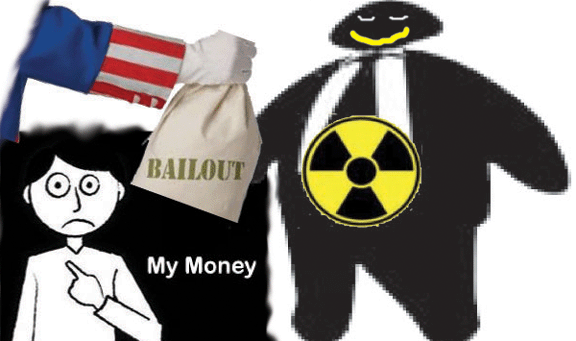 Energy Harbor seeks option of turning down HB6 nuclear bailout money, Cleveland.com Dec 21, 2020; Ohio. Energy Harbor is lobbying for Ohio lawmakers to let it choose whether it should be eligible for House Bill 6 nuclear bailout money,
COLUMBUS, Ohio—Energy Harbor is lobbying for state lawmakers to allow it to decide whether to accept more than $1 billion in House Bill 6 bailout money for its two nuclear power plants because a federal regulatory ruling might otherwise make the subsidies a liability, according to a top lawmaker.
It’s still unclear whether legislators will agree to the proposal, which is being crafted by House Majority Leader Bill Seitz, or whether they will pass any reforms to HB6 at all on Tuesday, expected to be the final day of the current legislative session.But it shows that Energy Harbor, a former subsidiary of FirstEnergy, is working behind the scenes to influence what reforms might be made to HB6, which is at the center of what authorities say is the largest bribery scheme in Ohio history. Federal authorities say $60 million in FirstEnergy bribery money was used to pass the law and keep it on the books.
Under the 2019 law, Energy Harbor’s Davis-Besse and Perry nuclear power plants are set to get $150 million per year from ratepayers from 2021 until 2027. Energy Harbor officials have said without the bailout, they will have to close the plants, though they’ve offered no financial data to back their claims.
But after the HB6 scandal broke last summer, GOP lawmakers have been working on possible changes to the law — including requiring yearly audits to see how much money the nuclear plants need to break even, then adjusting accordingly the amount of subsidies paid to Energy Harbor.
House and Senate leaders are still working to craft an HB6 reform plan that has the votes to pass both chambers. The main reform plan, House Bill 798, would delay the start of the bailout until 2022 to provide time for an audit to be conducted.
When asked whether lawmakers were close to a deal, Seitz said, “That’s kind of above my pay grade.”
“Energy Harbor is a corporation under investigation for orchestrating the largest bribery scandal in Ohio history,” Leland said, “and now Republicans want to let it decide whether to take $1.3 billion straight out of the pockets of everyday Ohioans.” https://www.cleveland.com/open/2020/12/energy-harbor-seeks-option-of-turning-down-hb6-nuclear-bailout-money.html
USA government resists paying compensation to nuclear workers made ill by ionising radiation
the labor department ignored overwhelming evidence that her husband became sick from working at SRS
the system has become hard to navigate, with the government often fighting tooth-and-nail against the workers they were supposed to help
More than 2,200 workers had spent five years or more going through the exhaustive claims process, according to McClatchy’s 2015 “Irradiated’’ series. Some workers who filed for benefits died while awaiting decisions from the government, McClatchy found.
 Death and despair. How the feds refused to help a nuclear worker’s family in SC, The State, BY SAMMY FRETWELL, December18, 2020 Every time Jerry Bolen came home from a construction job at the local nuclear weapons complex, he took off his dusty coveralls before stepping into the house he shared with his wife and children.
It was a precaution against tracking hazardous, radioactive materials into the family’s home in rural Barnwell County, says his widow, recalling how she would gingerly place the contaminated garment into the washing machine.
But while the effort protected the couple’s three kids, Jerry Bolen suffered. The long days he spent working at the Savannah River Site, exposed to chemicals and radiation, eventually killed him, his widow says.
Now, an exasperated Carolyn Bolen has sued the U.S. Department of Labor following a 13-year battle with the government over whether the family should receive compensation for the cancer that took Jerry Bolen’s life in 2006.
Her story is a familiar one. Many people who worked at SRS have complained for years that a federal compensation program for sick workers and their families is a bureaucratic morass that takes too long to maneuver and often doesn’t provide the benefits they were promised.
In Carolyn Bolen’s case, however, she was turned down so many times for benefits through the federal program that she exhausted all her appeals, prompting the federal lawsuit, she and her lawyers say.
The Nov. 20 suit against the labor department is among a handful of cases in South Carolina by ex-SRS workers and their families who were denied benefits in recent years through the federal compensation program, said Bolen’s lawyers, who specialize in helping sick workers.
Bolen’s attorneys said the labor department ignored overwhelming evidence that her husband became sick from working at SRS. They are seeking $275,000, the maximum she can get under the program. Other suits are expected as more workers or their loved ones are turned down by the government, said attorneys Warren Johnson and Josh Fester.
The federal government launched the compensation program two decades ago after conceding that employment at nuclear weapons sites likely made some of the workers ill. It was designed to help former employees who got sick working in U.S. nuclear sites during the Cold War.
To receive compensation, workers or their families must show that radiation on the site was as likely as not to have caused cancer or a handful of other ailments. Or, in some cases, they must show that people worked on the site during times when records of exposure are difficult to find.
The nuclear compensation program provides benefits to sick workers, but in some cases, covers their families after the person has passed away, such as with Bolen.
Unfortunately, the system has become hard to navigate, with the government often fighting tooth-and-nail against the workers they were supposed to help, Johnson said. Taking legal action to force federal compensation shouldn’t be necessary, said Johnson and Fester, whose law practice has represented sick SRS workers for years.
“This was supposed to be a way to make up for, or show our gratitude to these patriotic workers,’’ Johnson said of the compensation program. “They gave their health for our sake for the Cold War. We can at least offset the burden, by giving financial security, knowing they aren’t leaving a burden on their wives and children.’’………..
In 2015, the labor department told The State and the McClatchy Co. the program had approved more than 40 percent of the claims made by nuclear workers and their families, far more than the 25 percent the government anticipated when the program launched in 2001. The labor department said Friday the approval rate nationally is now more than 50 percent.
Even so, many claims don’t get approved and the wait for answers can be time-consuming. More than 2,200 workers had spent five years or more going through the exhaustive claims process, according to McClatchy’s 2015 “Irradiated’’ series. Some workers who filed for benefits died while awaiting decisions from the government, McClatchy found.
Earlier this month, a federal panel considered a proposal, advocated by Johnson, that could make it easier for thousands of workers and their families to receive benefits. But the board put off a decision until next year…………
he never complained about the long hours or said much about hazardous conditions at the site. That was important to the federal government because, during the Cold War, much of the work on the Savannah River Site needed to be kept confidential, family members say.
Tim Bolen, his son, said he never knew his father worked at SRS until just a few weeks before his death. But Carolyn Bolen did.
She remembers the days her husband came home with his coveralls coated in “white stuff’’ that she says came from the Savannah River Site. Bolen never knew what the material was, but she was always wary of the potential danger. And her husband occasionally offered clues that the white material came from SRS, she said……….
The site, a 310-square-mile complex, contains an array of nuclear production areas with some of the most toxic substances in the world.
Among them is a tank farm, which houses nuclear waste deadly enough to rapidly kill a person directly exposed to it. Carolyn Bolen’s lawsuit says her husband worked for a while in the tank farm area and another section where radioactive material is used.
The Savannah River Site, located near the Georgia border outside Aiken, was part of the national effort to produce atomic weapons between World War II and the early 1990s. Nationally, the effort employed some 600,000 people, according to the U.S. Government Accountability Office……
After working periodically at SRS through the years, Jerry Bolen began to feel an uncomfortable sensation in the late 1990s that he couldn’t shake.
Something was wrong with his bladder. During trips to the bathroom, bloody urine flowed into the toilet and a sharp sting caused him to gasp. The pain was so bad, at times, that Carolyn Bolen could hear her husband’s cries throughout the house.
“He just screamed for mercy,’’ she said.
The discomfort sent him to a doctor, where the family learned the man who had faithfully kept a roof over their heads and food on the table was gravely ill. He had bladder and prostate cancer…….
In August 2006, Jerry “Little Mac’’ Bolen died at the age of 60, leaving his wife and family wondering how the once robust man could slip from their world. It didn’t seem right that a man so young and energetic had become so sick, family members say. …….
MISSING RECORDS
Jerry Bolen’s time at SRS, and his devotion to his family, haven’t impressed federal officials who have considered whether his family is eligible for benefits through the labor department’s sick worker compensation program. They’re skeptical an award to his widow is warranted, saying they need more evidence.
An obstacle some workers face is gaining access to records that could show there is at least a 50 percent chance radiation caused cancer they developed after working at the Savannah River Site, a complex developed in the early 1950s.
Many records either can’t be located, are inaccurate or don’t exist, meaning workers can’t prove how many days they worked on site, or the amount of radioactive material they might have been exposed to.
That’s a particular concern for subcontractors like Bolen, who did not work directly for the government or for the major contractors hired by the U.S. Department of Energy to run the site. Subcontractors often were local construction companies brought in to do specific jobs.
Johnson and Fester said records of subcontractors often are harder to find than those for energy department workers.
In Bolen’s case, the labor department turned down the family’s claim for benefits because “the submitted documentation does not establish covered SRS employment for the employee,’’ according to the federal lawsuit Carolyn Bolen filed. In declining comment on the Bolen case, a Department of Labor spokeswoman said Friday that claims can be turned down for a variety of reasons…..
Bolen’s lawsuit, however, said the labor department simply dismissed credible evidence that would prove the case. Jerry Bolen, for instance, worked with acquaintances or for his brothers’ construction businesses in the late 1960s, 1970s and 1980s, according to five affidavits filed in Carolyn Bolen’s federal lawsuit last month.
Those affidavits, provided by family and friends who worked with Jerry Bolen, were combined with SRS identification badges issued in his name, and records of radiation doses the family ran across in his belongings. Some material was unearthed and provided to the government after the labor department had initially denied requests for compensation.
Despite the evidence, the Department of Labor ruled against the Bolen family’s request for reconsideration this past summer. Her case had been turned down at least three times before 2020.
“The department simply ignored additional evidence that Mr. Bolen was present at the site before 1968 and after Jan. 24, 1969,’’ the lawsuit said. “Mrs. Bolen’s request for reconsideration further asserts the department misapplied the law in determining covered employment by holding Mrs. Bolen to an impossible burden of proof.’’
While the Bolens have been turned down repeatedly in seeking compensation, Johnson and Fester are hoping the lawsuit will succeed. Fester said one of the five other cases the firm has filed resulted in a verdict that would have required payment to a sick worker. But the worker died before benefits were dispersed.
In the meantime, Fester and Johnson are pushing the federal government to approve a proposal that could open up benefits to thousands of people who worked at the Savannah River Site.
Under federal law, the government can acknowledge that it is too difficult to find records during certain years that would prove a person’s case for compensation for radiation-related cancer. As a result, the government can declare periods of years free of the need to provide records showing that a person likely got cancer from working at SRS.
The government already has done that for the time from 1953 to fall 1972. Some ex-workers at SRS, who were employed there for at least 250 days between these times, are eligible for benefits without producing extensive documentation about exposure to radioactive materials.
Now, a federal advisory board is considering whether to extend that to cover up to 1990 for some types of workers at SRS. It’s clear that Jerry Bolen worked well above 250 days between 1972 and 1990 at the site, so it’s possible his family could gain compensation if the time period is expanded to 1990, Johnson and Fester said.
A decision, under consideration for years, could be rendered as early as February if the federal advisory board recommends expanding the period. Such a decision ultimately would be made by the U.S. Department of Health and Human Services, the labor department said Friday.
Carolyn Bolen said a favorable decision — and her lawsuit — would mean a lot to many people who need help after they or their loved ones got sick at SRS.
“There are a lot of poor people in this world, and they don’t have the money like the president or the people in the White House,’’ she said. “I ain’t just talking about myself. There are people with needs.’’
This story has been updated with information provided Friday Dec. 18, 2020 by the U.S. Department of Labor. https://www.thestate.com/news/local/environment/article247828620.html
1 This Month
To see nuclear-related stories in greater depth and intensity – go to https://nuclearinformation.wordpress.com/
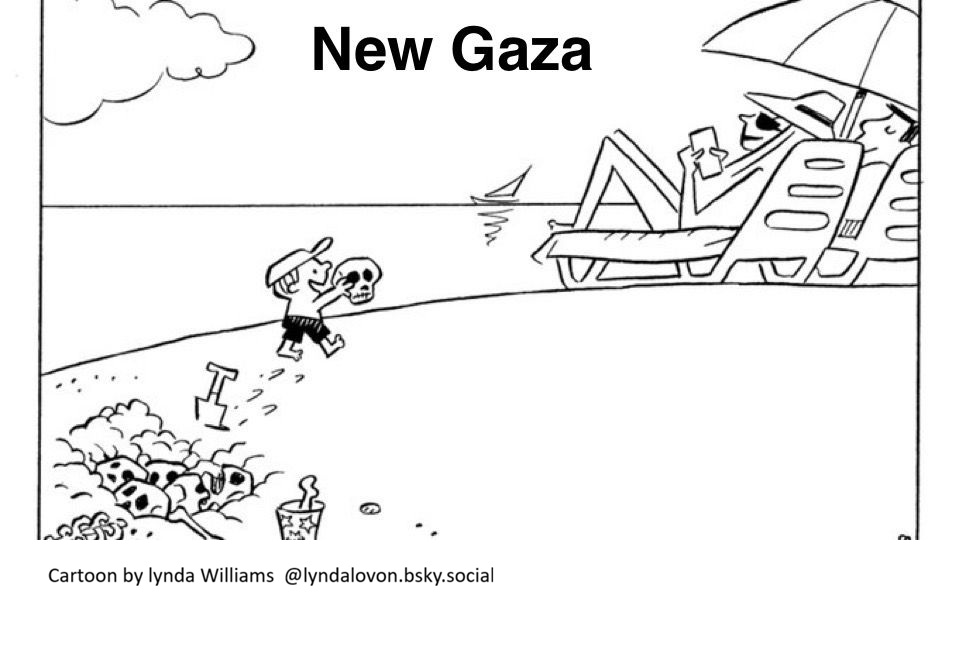
29 Jan. Thursday 7-8 p.m. Webinar – World’s Largest Nuclear Station in Port Hope, ON?

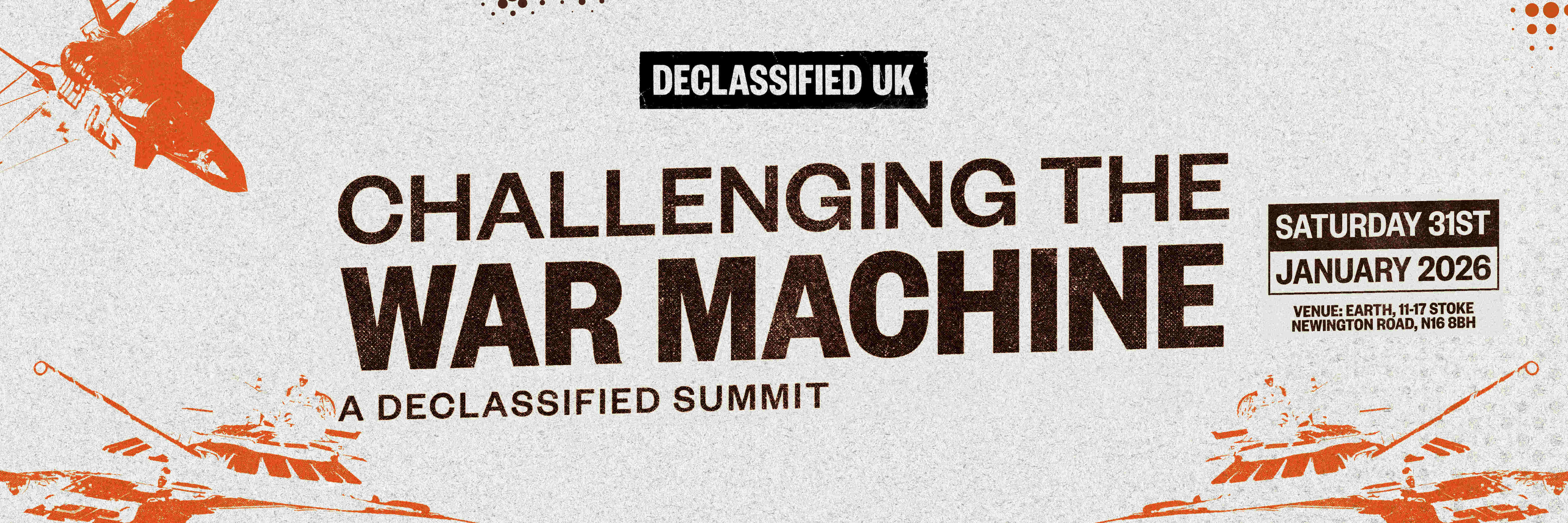
31st January – Challenging the War Machine – a DECLASSIFIED UK SUMMIT

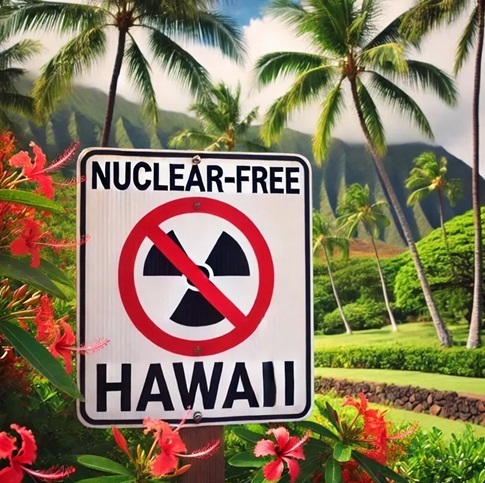
Website of the Week
Now until to February 10, 2026 Radioactive waste storage in France: the debate is finally open! How to participate?
-
Archives
- January 2026 (259)
- December 2025 (358)
- November 2025 (359)
- October 2025 (376)
- September 2025 (258)
- August 2025 (319)
- July 2025 (230)
- June 2025 (348)
- May 2025 (261)
- April 2025 (305)
- March 2025 (319)
- February 2025 (234)
-
Categories
- 1
- 1 NUCLEAR ISSUES
- business and costs
- climate change
- culture and arts
- ENERGY
- environment
- health
- history
- indigenous issues
- Legal
- marketing of nuclear
- media
- opposition to nuclear
- PERSONAL STORIES
- politics
- politics international
- Religion and ethics
- safety
- secrets,lies and civil liberties
- spinbuster
- technology
- Uranium
- wastes
- weapons and war
- Women
- 2 WORLD
- ACTION
- AFRICA
- Atrocities
- AUSTRALIA
- Christina's notes
- Christina's themes
- culture and arts
- Events
- Fuk 2022
- Fuk 2023
- Fukushima 2017
- Fukushima 2018
- fukushima 2019
- Fukushima 2020
- Fukushima 2021
- general
- global warming
- Humour (God we need it)
- Nuclear
- RARE EARTHS
- Reference
- resources – print
- Resources -audiovicual
- Weekly Newsletter
- World
- World Nuclear
- YouTube
-
RSS
Entries RSS
Comments RSS
 nuclear-news