Looking after Chernobyl’s radioactive puppies
The Puppies of Chernobyl
HUNDREDS OF RADIOACTIVE PUPPIES JUST GOT SPAYED, NEUTERED AT CHERNOBYL DISASTER SITE http://www.newsweek.com/hundreds-puppies-got-spayed-and-neutered-chernobyl-year-669093, BY An American nonprofit organization, Clean Futures Fund, has started a spay and neuter clinic for the four-legged descendants of survivors of one of history’s worst nuclear disasters.
After the Chernobyl nuclear reactor melted down on April 26, 1986, some dogs and cats left behind survived and began to breed. More than 400 animals were spayed and neutered in the first year of the clinic’s operation at the former reactor, which ended earlier this month.
The laws governing the exclusion zone around Chernobyl strongly advise people to avoid feeding or touching the dogs, due to the risk of contamination. Not only is the dogs’ fur potentially loaded with radioactive particles, but their food and water is contaminated. The radioactive molecules they ingest may also linger in their bodies.
“We could find areas in their bones where radioisotopes had accumulated. We could survey the bones and we could see the radioactivity in them,” a Clean Futures Fund co-founder, Lucas Hixson, told Newsweek. The program funds medical treatment for locals in addition to running the spay and neuter program at the power plant and in the neighboring city.
“These dogs run through [contaminated areas] and it gets stuck on their coat and on the end of their noses and their feet.”
There are nearly 1,000 dogs in the area around the power plant. Only a few dozen cats live in the highly contaminated areas that the dogs frequent.
Hixson has been traveling to Chernobyl for about five years, initially as a radiation specialist. “I go over there expecting to do my work, and I step off the train at the power plant and there’s a dog in my face. Honestly, it was one of the last things I expected to see at Chernobyl,” he said.
To keep the veterinary hospital as free from radioactive contamination as possible, dogs that come to the facility are examined and washed down until their levels of radioactivity are deemed safe.
Despite the potential risk, Hixson said he’s continued to interact with the dogs. “There is a fair amount of handling that happens. This is a natural reaction between humans and dogs,” he said. “You can’t help yourself.”
“They’re not hazardous to your immediate health and wellbeing. But anytime you go pet the dogs, go wash your hands afterwards before you eat.”
Clean Futures Fund got approval from the Ukranian government for its operations. Other partners include SPCA International, Dogs Trust and two U.S. universities, including Worchester Polytechnic Institute and the University of South Carolina.
Hixson also noted the local workers have welcomed the team. “I remember there was a lot of skepticism when we showed up,” he said. “But after about two or three days of us catching dogs, processing them, releasing them, the attitude immediately changed,” he said. “I can’t thank them enough for everything they did.”
Even if every dog and cat in Chernobyl is sterilized and vaccinated, the wider stray dog issue in Ukraine means that more dogs could move into the contaminated area and Clean Futures Fund’s efforts could be somewhat for naught. Ultimately, Hixson would like to work with the Ukranian government on a wider rescue program to get the dogs out of the area and into homes.
He will be returning in November to measure the impact of the program, which is expected to run for five years. The next spay and neuter clinic will happen next summer.
The motivation of climate denial groups
Climate deniers want to protect the status quo that made them rich
Sceptics prefer to reject regulations to combat global warming and remain indifferent to the havoc it will wreak on future generations , Guardian, John Gibbons, 22 Sept 17 From my vantage point outside the glass doors, the sea of grey hair and balding pates had the appearance of a golf society event or an active retirement group. Instead, it was the inaugural meeting of Ireland’s first climate denial group, the self-styled Irish Climate Science Forum (ICSF) in Dublin in May. All media were barred from attending.
Its guest speaker was the retired physicist and noted US climate contrarian, Richard Lindzen. His jeremiad against the “narrative of hysteria” on climate change was lapped up by an audience largely composed of male engineers and meteorologists – mostly retired. This demographic profile of attendees at climate denier meetings has been replicated in London, Washington and elsewhere.
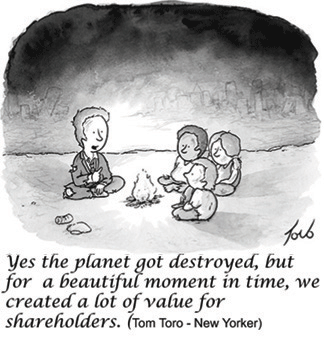 How many people in the room had children or indeed grandchildren, I wondered. Could an audience of experienced, intelligent people really be this blithely indifferent to the devastating impacts that unmitigated climate change will wreak on the world their progeny must inhabit? These same ageing contrarians doubtless insure their homes, put on their seatbelts, check smoke alarms and fret about cholesterol levels.
Why then, when it comes to assessing the greatest threat the world has ever faced and when presented with the most overwhelming scientific consensus on any issue in the modern era, does this caution desert them? Are they prepared quite literally to bet their children’s lives on the faux optimism being peddled by contrarians?
“We have been repeatedly asked: ‘Don’t you want to leave a better Earth for your grandchildren,’” quipped the comedian and talk show host John Oliver. “And we’ve all collectively responded: ‘Ah, fuck ’em!’” This would be a lot funnier were it not so close to the bone.
Climate Change (Abbreviated): Last Week Tonight with John Oliver (HBO)
Short-termism and self-interest is part of the answer. A 2012 study in Nature Climate Change presented evidence of “how remarkably well-equipped ordinary individuals are to discern which stances towards scientific information secure their personal interests”.
This is surely only half the explanation. A 2007 study by Kahan et al on risk perception identified “atypically high levels of technological and environmental risk acceptance among white males”. An earlier paper teased out a similar point: “Perhaps white males see less risk in the world because they create, manage, control and benefit from so much of it.” Others, who have not enjoyed such an armchair ride in life, report far higher levels of risk aversion…….
Facing up to climate change also means confronting the uncomfortable reality that the growth-based economic and political models on which we depend may be built on sand. In some, especially the “winners” in the current economic system, this realisation can trigger an angry backlash.
This at last began to make sense of these elderly engineers crowding into hotel rooms to engage in the pleasant and no doubt emotionally rewarding group delusion of imagining climate change to be some vast liberal hoax.
In truth, the arguments hawked around by elderly white male climate deniers like Fred Singer, William Happer and Nigel Lawson among others are intellectually threadbare, pockmarked with contradictions and offer little more than a cherry-picked parody of how science actually operates. Yet this is catnip for those who choose to be deceived.
It is, however, deeply unfair to tar all elderly white men as reckless and egotistical; notable exceptions include the celebrated naturalist David Attenborough……
A century after elderly military leaders cheerfully sent millions of young men from the trenches to their slaughter in the first world war, the defiant mood of today’s climate deniers is best captured by the stirring words of Blackadder’s General Melchett: “If nothing else works, a total pig-headed unwillingness to look facts in the face will see us through!” https://www.theguardian.com/environment/2017/sep/22/climate-deniers-protect-status-quo-that-made-them-rich
Climate change already affecting world health
 Climate Change Is Already Making People Sicker, TIME. Alexandra Sifferlin, Sep 21, 2017 Climate change is a central issue at this year’s United Nations General Assembly (UNGA), with multiple high-level meetings on the issue happening amid several devastating natural disasters. Hurricane Irma recently swept through the Caribbean and into Florida, only to be quickly followed by Hurricane Maria.
“Climate change casts a long shadow over the development efforts of our country,” said Darren Henfield, the minster of foreign affairs of the Bahamas, during a UNGA meeting on Hurricane Irma. “The implications of rising sea levels and atmospheric temperatures signal dire consequences for low-lying island states like the Bahamas.” Henfield said that the costs of rebuilding after Irma will be “exorbitant, in the tens of millions,” and he estimates similar damage related to Hurricane Maria.
The impact of climate change on global health is also becoming increasingly clear. At the end of last week, the United Nations released a report showing that global hunger is on the rise; 38 million more people were affected in 2016 than in 2015. Climate change and the spread of violent conflicts are responsible, the report says. Other research has linked climate change to increased respiratory problems, poor nutrition, the spread of infectious disease and even anxiety.
Leaders at the UN say that while more countries are explicitly calling out these risks to health now than in the past, there’s still more work to do. “I think it’s clear quite a few countries, particularly in the developing world where air pollution is high, see that there is an opportunity to reduce climate change and improve health,” said Nick Nuttall, spokesperson for the United Nations Framework Convention on Climate Change (UNFCCC) during an interview Wednesday. “But the issue still has a ways to go.”
“Major health benefits come from acting on climate change, both direct and indirect,” says Nuttall. Preventing deforestation limits flooding, which cuts back on the number of pests like mosquitoes that can accumulate and spread diseases, he says.
The issue affects the oceans, as well. “If we lose our coral reefs, we lose revenue for countries, but also fish, which is an important source of protein,” says Nuttall…….http://time.com/4949720/climate-change-united-nations/?xid=homepage
A new psychiatry book warns about Donald Trump
 “A Duty to Warn” and the Dangerous Case of Donald Trump Renowned psychiatrist says despite “Goldwater Rule,” mental health experts have unique responsibility when someone in power may be dangerous, Common Dreams by Bill Moyers, Robert Jay Lifton , 15 Sept 17
As mental health professionals, these men and women respect the long-standing “Goldwater rule” which inhibits them from diagnosing public figures whom they have not personally examined. At the same time, as explained by Dr. Bandy X Lee, who teaches law and psychiatry at Yale School of Medicine, the rule does not have a countervailing rule that directs what to do when the risk of harm from remaining silent outweighs the damage that could result from speaking about a public figure — “which in this case, could even be the greatest possible harm.” It is an old and difficult moral issue that requires a great exertion of conscience. Their decision: “We respect the rule, we deem it subordinate to the single most important principle that guides our professional conduct: that we hold our responsibility to human life and well-being as paramount.”
Hence, this profound, illuminating and discomforting book undertaken as “a duty to warn.”
The foreword is by one of America’s leading psychohistorians, Robert Jay Lifton. He is renowned for his studies of people under stress — for books such as Death in Life: Survivors of Hiroshima (1967), Home from the War: Vietnam Veterans — Neither Victims nor Executioners (1973), and The Nazi Doctors: Medical Killing and the Psychology of Genocide(1986). The Nazi Doctors was the first in-depth study of how medical professionals rationalized their participation in the Holocaust, from the early stages of the Hitler’s euthanasia project to extermination camps.
The Dangerous Case of Donald Trump will be published Oct. 3 by St. Martin’s Press.
Here is my interview with Robert Jay Lifton — Bill Moyers………
“And that’s what I call malignant normality. What we put forward as self-evident and normal may be deeply dangerous and destructive. I came to that idea in my work on the psychology of Nazi doctors — and I’m not equating anybody with Nazi doctors, but it’s the principle that prevails — and also with American psychologists who became architects of CIA torture during the Iraq War era. These are forms of malignant normality. For example, Donald Trump lies repeatedly. We may come to see a president as liar as normal. He also makes bombastic statements about nuclear weapons, for instance, which can then be seen as somehow normal. In other words, his behavior as president, with all those who defend his behavior in the administration, becomes a norm. We have to contest it, because it is malignantnormality. For the contributors to this book, this means striving to be witnessing professionals, confronting the malignancy and making it known”……..
“the only reality he’s capable of embracing has to do with his own self and the perception by and protection of his own self. And for a president to be so bound in this isolated solipsistic reality could not be more dangerous for the country and for the world. In that sense, he does what psychotics do. Psychotics engage in, or frequently engage in a view of reality based only on the self. He’s not psychotic, but I think ultimately this solipsistic reality will be the source of his removal from the presidency.”………https://www.commondreams.org/views/2017/09/15/duty-warn-and-dangerous-case-donald-trump
HOW 5 PEOPLE SURVIVED NAGASAKI’S NUCLEAR HELL
 http://www.nationalgeographic.com.au/people/how-5-people-survived-nagasakis-nuclear-hell.aspx Three days after Hiroshima, an American B-29 dropped an atomic bomb on Nagasaki. A new book tells stories of those who lived through horror. on August 9, 1945, an American B-29 dropped an atomic bomb on the Japanese city of Nagasaki, obliterating much of it and killing 74,000 people, mostly civilians. It was only the second time in history an atomic bomb had been used as a weapon. BY SIMON WORRALL 14 SEPTEMBER 2017 In Nagasaki: Life After Nuclear War, Susan Southard follows the lives of five hibakusha (survivors) who escaped the firestorm and through extraordinary courage and resilience went on to live happy, fulfilled lives.
Speaking from her home in Arizona, she talks about the battle for the truth over what happened in Nagasaki; how square dancing helped heal the wounds of war; and why the survivors no longer harbour feelings of animosity towards Americans.
Yours is the first book to tell this story. Why has it taken so long?
One of the reasons is that the bombs were kept top secret. Very few military leaders knew they existed, except for the people who were creating the bombs and those directly overseeing them. After the bombs were dropped, several factors, both in the U.S. and Japan, contributed to people not knowing the effects.
One was direct denial of any radiation effects by key U.S. military leaders like General Leslie Groves, General Thomas Farrell and the U.S. War Department. During the U.S. occupation of Japan, which lasted from 1945 to 1952, General Douglas MacArthur also instituted a strict press code banning “false or destructive criticism” of the Allied powers out of concern that too much anger could put the thousands of U.S. troops in Japan at risk.
General Groves and others promoted the idea that the Japanese were using the effects of the bomb as anti-American propaganda. So, the people of Japan, other than the people in the cities directly affected, didn’t know for years what was happening in their own country. There was medical censorship as well. Physicians working with the survivors weren’t allowed to publish studies or findings of what was happening.
They also didn’t want the decision to use the bombs to be challenged in the U.S., by books like John Hersey’s Hiroshima. So President Truman and the Secretary of War, Henry Stimson, made a concerted effort to publish articles justifying the use of the bombs, excluding any information about what happened to the people beneath the atomic clouds.
The justifications were so airtight that they became the dominant way of perceiving the decision to use the bombs on Japan: that the two bombs ended the war and saved a million American lives.”
What made you want to write this book?
“It has deep roots in my life. In high school, I spent a year as an exchange student in Japan and happened to go on a field trip to the southern island of Kyushu, where I visited the Nagasaki Atomic Bomb Museum. I stood next to my Japanese classmates as the only American and observed the destruction.
But the key event came in 1986, when one of the Nagasaki survivors, Taniguchi Sumiteru, who was 57 years old by then, came to Washington on a speaking tour. I went to hear him speak, then, through a series of unexpected events, his interpreter became unable to complete the last few days of his time in Washington, and I became his interpreter.
In between his presentations we spent hours together. I got to ask him questions and tried to grasp what his experience had been like; it was truly a horrific experience. His entire back had been burned off. From that time on I couldn’t get out of my mind what it would be like to have survived nuclear war.”
Explain the term “hypocenter” and describe the destructive power of the blast in relation to it.
“Contrary to what some of us might imagine, the bomb did not explode on the ground but about one-third of a mile above ground. The purpose was to maximize the blast force and the effect of the heat on the city because the blast and the heat would travel further.
The area directly beneath the blast is called the “hypocenter.” The heat on the ground directly below it was about 5,000 to 7,000 degrees Fahrenheit. For quite a long distance, buildings were pulverized and trees, plants, and animals were blown away or carbonized. It’s an unimaginable level of instantaneous destruction.”
You recount the stories of five survivors. I want to focus on two of them: Do-oh Mineko and Taniguchi. Where were they at the moment of impact and what happened to them?
“Taniguchi was 16 years old at the time. He was delivering mail in the northwestern part of the valley on his bicycle. He was facing away from the blast a little over a mile away. He was thrown off his bicycle and although he didn’t know it at the time, because he was in a daze, his entire back was burned off. He also had severe burns on his arms and legs.
The earth was shaking but he was able to stand up. He gathered the mail he could still see. All the children that had been playing around him were dead. He wandered to a factory and some men carried him to a hillside where they laid him on his stomach. He lay there for two nights, dipping in and out of consciousness, while his grandfather searched for him.
Do-oh was about three-fourths of a mile from the hypocenter, inside a Mitsubishi torpedo factory. The massive steel and concrete Mitsubishi factory collapsed on top of her and thousands of others. Remarkably, she was able to get up. She had a big gash in the back of her neck and was desperate to escape because fires were beginning to flare around her. She had to step over dead bodies to get to an embankment, where her father found her.”
Tanaguchi’s ordeal is of almost biblical proportions. Tell us about his first few years after the bombing.
“There were no hospitals or medical supplies in Nagasaki, so he was taken to a village outside Nagasaki with his grandfather and cared for in a very basic way for three months. He was finally taken to a naval hospital in Omura, 22 miles north of Nagasaki, where he finally began to get proper medical care.
He lay on his stomach in extraordinary agony for three years. As he wasn’t able to lie on his sides or his back, he got incredibly deep bedsores—so deep, that the doctors could see his internal organs, including his heart beating. He was finally released from the hospital on March 20, 1949, when he was 20 years old.”
One of the more bizarre actions taken by the Americans after the bombing was to introduce square dancing. What was that all about?
“It’s so crazy! And quite lovely in the end. It began in Nagasaki. The people assigned to lead the occupation efforts in Nagasaki were very sympathetic toward the suffering of the survivors and tried to find ways to help them. One night, the civilian education officer for the U.S. occupation in Nagasaki, Winfield Niblo, was at a dinner party with Japanese educators.
Afterwards, there was a presentation of Japanese folk dancing. Niblo decided to present some American square dancing to add to the festivities. It caught on nationally to become a post-war American contribution to Japanese life.”
One of the things that shocked me was the extent to which the hibakusha werediscriminated against and mocked by their fellow Japanese. They were even called “tempura face.”
“It was surprising to me as well. The children were made fun of and laughed at. Those who were disfigured, even after the economy recovered a decade later, had trouble getting jobs. Even those who had no physical disfigurement often kept their status as a hibakusha quiet. It made it difficult to get a job and their marriage prospects were almost completely eliminated. Anyone who found out they were hibakusha was afraid of the genetic effects that radiation would have on their children. Many of them married other hibakusha.”
It took many years for the survivors to tell their stories. Why was it so difficult for them to go public and what changed their minds?
“Recovering from nuclear war is a very long process—healthwise, psychologically and economically. Some lost every member of their family and all their friends. The survivors I write about were all in their teen years at the time of the bombing. It was something so extremely painful that they didn’t want to revisit it.
The people who did decide to speak out, including the five survivors I feature in my book, had very personal reasons. One told me that as he held his first granddaughter in his arms, he had a flashback of a baby’s charred body that he had to step over as he was helping in the relief effort. He suddenly realized I have to do something about this, I don’t want my beautiful granddaughter to ever experience what I experienced.
Together, he and other hibakusha are fighting to ensure that Nagasaki will be the last city to be destroyed by an atomic bomb.”
How did the survivors feel towards the United States?
“Each survivor is different. Two I know well had a lot of anger towards the U.S. for dropping the bomb and causing this suffering. Others were so preoccupied with survival and grief and trying to deal with the medical implications that they didn’t think about the Americans too much. They just had to survive. The five I know well no longer feel negatively toward Americans. They accept that it was the governments and militaries of each nation that waged war, not individuals.”
Do-oh’s story has a remarkable happy ending. Tell us about her afterlife in Tokyo.
“Do-oh lost all her hair after the bomb. It didn’t grow back for 10 years, so she remained in her house until she was 25 years old. Her father said she had to learn how to support herself as an adult.
Before the war, she had dreamed of being in fashion so she got a part time job in Nagasaki in a cosmetics shop and was eventually offered a job in Tokyo with that same company. Against her parents’ wishes and cultural norms, she went on her own to Tokyo and began a new life. She worked fiercely and over time rose in the ranks to become a Senior VP of Utena, one of Japan’s leading cosmetics companies. It was unheard of at that time for a woman to have such a high executive position with a corporation.
She then returned to Nagasaki for retirement. She was an artist and poet as well, and she created this beautiful work of art, with green stems and a purple flowering iris. In Japanese writing from the top right, down, she says, “Thank you for a good life.”
How did the time you spent with these survivors change your life, Susan?
“It expanded my appreciation of human courage, resilience and strength. I also learned to appreciate the complexity of political and military actions and decisions, the consequences of those decisions, and how we respond and react to them.
I’ve been changed very profoundly by getting to know these people and being allowed to know the many difficult, intimate moments of their lives, which were split in half by nuclear war.”
Anniversary of radiation-caused death (at 24 years) of Manhattan Project physicist
Paul Waldon, Fight to stop nuclear waste dump in flinders ranges sa, Today the 15th of September is another red letter day in the nuclear arena, with the 72nd anniversary of the death of Haroutune Krikor “Harry” Daglian, physicist with the Manhattan Project.
Harry was NOT the only person working on the project to die from “Acute Radiation Syndrome” but he was the youngest at only 24 years of age. Three members of the big four were to follow Harry to a early grave with cancer deemed to be from the radiation they were subjected to during their time on the Manhattan and other projects.
The contaminated materials left over from the development of the bombs are still having a impact on life and the environment, and will continue to do so for generations. However the deaths and contamination on American soil from the development of the bombs, outnumber Japan’s. RIP Harry. https://www.facebook.com/groups/344452605899556/
Global Doctors Congress recognises nuclear war as the greatest public health threat
 Nuclear Weapons, Natural Disasters, Bullies and Your Doctor ‘Together, we have the power to decide whether the nuclear era ends in a bang or a worldwide celebration’, Common Dreams, by Robert Dodge , September 10, 2017 “…… While these climate events were occurring this last week, more than 400 health professionals representing 33 countries including the U.S., Russia, Japan, and North Korea, met in York, England for the World Congress of the International Physicians for the Prevention of Nuclear War (IPPNW) and Medact for the “Health Through Peace” forum. Meeting to discuss the effects of war and conflict on health and to reinforce their efforts to provide for the health, well being and security of people throughout the world, the conference celebrated the recent Treaty on the Prohibition of Nuclear Weapons and worked on how to facilitate its ratification including the Nuclear Weapons States (NWS) and Nuclear Dependent States (NDS).
These doctors and health professionals who deal with public health threats that arise from disease, poverty, climate change and war on a daily basis, recognize that the greatest public health threat we face is the threat of nuclear war. No other public health threat even comes close. They also acknowledge that there is no adequate medical response to nuclear war and prevention is the only response. And the only way to prevent nuclear war is to eliminate all nuclear weapons.
While President’s Trump and Kim Jong un taunt and threaten each other and the U.S. ignites the new nuclear arms race with our proposed trillion dollar buildup over the next three decades, each of the other nuclear nations follow suit not to be outdone, and the world moves closer to nuclear war. The Bulletin of Atomic Scientist’s Doomsday Clock has moved to 2 ½ minutes till midnight or nuclear Armageddon. This is the future we face, though it is a future that does not have to be. The non-nuclear nations have spoken and taken action, having grown weary and fearful of the nuclear nations.
For 47 years the nuclear powers have failed to abide by their obligation in the Nuclear Non-Proliferation Treaty to eliminate their nuclear arsenals. Tired of being bullied and threatened any longer they have come together with Indigenous peoples, victims of atomic war and nuclear weapons production and testing particularly harmful to women and children. The coalition also included civil society, the International Red Cross and Red Crescent Movement, NGOs and the entire international health community armed with the health and humanitarian consequences of nuclear war report of IPPNW.
 Led by the decade-long efforts of the International Campaign to Abolish Nuclear Weapons (ICAN), a global campaign coalition of more than 400 organizations in 100 countries, the Ban Treaty case was developed. The resulting “Prohibition of Nuclear Weapons Treaty” (PNWT) was adopted July 7, 2017. The Treaty explicitly condemns and declares illegal nuclear weapons because of their medical, environmental, and humanitarian consequences, placing those who continue to possess and rely upon them on the wrong side of a powerful new international norm.
The Treaty will be open for signature when the U.N. reconvenes on September 20. Once ratified or signed by 50 nations, it will go into force 90 days later. Thereafter, those nations who maintain their nuclear arsenals will be stigmatized, de-legitimized, and will be on the wrong side of history……https://www.commondreams.org/views/2017/09/10/nuclear-weapons-natural-disasters-bullies-and-your-doctor?utm_campaign=shareaholic&utm_medium=twitter&utm_source=socialnetwork
A picnic in a uranium town that used to be
“Every house. Every tree. Everything was dug up, shredded and buried in a big hole on top of the hill,” Thompson said. Decades and decades of mining left Uravan contaminated with radioactive chemicals and heavy metals. The EPA declared it a superfund site in the 1980s and ordered the mining company, Umetco, to start clearing away the entire town.
You’d never know the empty picnic area was once a community of about 1000 people. Today, you just see the bottom of a crumbling sandstone river valley
she wants to keep having these annual reunion picnics, where the real star of the show is the desert: an actual yellow cake, with yellow frosting and black radioactive signs on top.
Uravan residents may have lost their town, but not their sense of humor.

Uravan: The Uranium Town That Was http://wyomingpublicmedia.org/post/uravan-uranium-town-was, By DAN BOYCE • SEP 8, 2017 Superfund cleanups are a priority for Scott Pruitt, the administrator of the Environmental Protection Agency. He wants to cut through red tape that has left more than a thousand sites still contaminated with everything from radioactive waste to lead.
He also wants to remove sites that have already been cleaned up from the so-called National Priority List, which has more than 1300 sites. One of those sites is the town of Uravan.
After hours in the dark main room of the Rimrocker Historical Society, Jane Thompson showed off what put this part of Western Colorado on the map. She turned on a geiger counter, which began wildly clicking due to the radioactive yellow rock in a nearby antique jar.
Thompson also helps spearhead an annual picnic some 15 minutes up the road, as she did last weekend. She calls it a reunion picnic at the site of her hometown of Uravan.
“The things that happened here were very important,” Thompson said.
A few dozen people gathered under trees and canopies in the otherwise hot empty field on that late August day. Uravan, a tiny mining company town, provided uranium for nuclear weapons developed during the Manhattan Project.
“Even though the town is gone, we feel like that the history of those people need(s) to be kept,” she said.
Uravan — it is gone. Not just the mill where those yellow rocks were processed into so-called yellowcake uranium ore; everything is gone.
“Every house. Every tree. Everything was dug up, shredded and buried in a big hole on top of the hill,” Thompson said. Decades and decades of mining left Uravan contaminated with radioactive chemicals and heavy metals. The EPA declared it a superfund site in the 1980s and ordered the mining company, Umetco, to start clearing away the entire town.
You’d never know the empty picnic area was once a community of about 1000 people. Today, you just see the bottom of a crumbling sandstone river valley. Larry Cooper, 91, sat in a camping chair, wearing suspenders and breathing with the help of an oxygen tank.
“I didn’t know it was dangerous,” he said. “I didn’t know it would hurt ya.”
He worked in the mills and mines around Uravan, starting in the 1950s. His health suffered.
“I got cancer. I lost half of my lung on the right side,” he said.
Registered Nurse Joanna Godwin said it’s very common for former Uravan workers. She attended the picnic with a non-profit called Nuclear Care Partners. They provide free health care through the Department of Labor for medical issues that can be traced back to the mining of radioactive materials.
“We’ve had people with skin cancers. Pulmonary things are very prevalent. It’s a whole array of things,” she said, referring to conditions in former Uravan employees.
After two decades of cleanup, the EPA declared the remediation of Uravan wrapped up in 2008. But, this empty-field-that-used-to-be-a-town was never taken off the list. The agency says it needs further investigation and study before giving it a clean bill of health.
The Colorado Department of Public Health and Environment recently submitted comments to the EPA, saying the agency’s continued work in Uravan is duplicative, costly and causing delay. That seems to be the kind of thing Administrator Pruitt is looking to streamline.
Still, Jane Thompson doesn’t hold out any hope the Uravan site will ever totally be out of the hands of the federal government.
“Well, I think it will remain forever,” she said.
But, she wants to keep having these annual reunion picnics, where the real star of the show is the desert: an actual yellow cake, with yellow frosting and black radioactive signs on top.
Uravan residents may have lost their town, but not their sense of humor.
Radioactive particles from North Korea nuclear tests now found in South Korea’s air, land and water
South Korea detects radioactive material following North Korean nuclear test, http://www.foxnews.com/world/2017/09/08/south-korea-detects-radioactive-material-following-north-korean-nuclear-test.html, September 08, 2017 Traces of radioactive material were detected in South Korea by the nation’s nuclear safety agency Friday, less than a week after North Korea conducted its most powerful nuclear test.
South Korea’s Nuclear Safety and Security Commission discovered trace amounts of xenon gas, a radionuclide, in an analysis of samples from the air, ground and water collected following North Korea’s nuclear test, according to Yonhap News Agency.
North Korea defied international warnings Sunday, conducting its sixth and most powerful nuclear test. The country said it detonated a hydrogen bomb that can fit on an intercontinental ballistic missile. South Korean Prime Minister Lee Nak-yon said Thursday he expects its neighbor to launch a missile Saturday while celebrating its founding day. North Korea has already fired 21 missiles this year.
The radioactive material’s inflow is still being tracked to determine definitively if it came from the nuclear test, according to the agency.
The agency added the level of radioactive material detected in the analysis is not enough to cause any effects on South Koreans’ health.
Promising development in non nuclear production of medical isotope technetium-99m (Tc-99m)
 ARTMS Products Inc. partners with Alliance Medical to modernize, stabilize UK medical isotope supply chain https://www.alliancemedical.co.uk/news/artms-products-inc-partners-with-alliance-medical-to-modernize-stabilize-uk-medical-isotope May 16, 2017
ARTMS Products, Inc., a Vancouver-based medical technology company, is pleased to announce that it has entered into a strategic partnership with Alliance Medical to enable and demonstrate an alternative, non-reactor supply of technetium-99m (Tc-99m) within the United Kingdom. ARTMS will provide to Alliance the hardware, know-how, and proprietary consumables to gain regulatory marketing approval within the UK and subsequently implement commercial supply of accelerator-, or cyclotron-produced Tc-99m. This technology will enable a reduction in the reliance in the UK of foreign, subsidized, reactor-based medical isotope production; enhancing supply reliability and eliminating the use of enriched uranium as a source of life-saving medical isotopes.
Tc-99m is used in over 80% of all nuclear medicine imaging procedures in areas such as cardiology, oncology, and neurology. Typically sourced from an ageing fleet of global nuclear reactors, this important isotope has been subjected to significant supply disruptions in recent years. ARTMS’s technology to produce Tc-99m using medical cyclotrons is a viable alternative and forges a path to securing a safe, reliable, and environmentally sound supply of a critical medical isotope for the future. Continue reading
The key to reversing climate change – the education of women
Educated women are the key to reversing climate change https://thenextweb.com/science/2017/08/24/educated-women-are-the-key-to-reversing-climate-change/#.tnw_mQzgoobNby RACHEL KASER — One author and activist thinks he’s found the answer to reversing climate change: the education and empowerment of women.
Climate change will boost some infectious diseases
the pathogen with the highest sensitivity to climate factors was Vibrio cholera, the microbe that causes the serious, and often deadly, diarrheal disease, cholera. Cholera had nine climate drivers, indicating high volatility in the face of climate change.
These Infections Are Likely to Get Worse as the Climate Changes, Invisiverse, BY CYNTHIA WALLENTINE, 08/23/2017
When the climate changes, so do all the things that rely on the climate, including people, plants, and pathogens. A European study recently took a broad look at what kind of microorganisms are most likely to be affected as climate change heats, cools, dries, and wets the world around us.
In a study published in the journal Scientific Reports, a research team from the University of Liverpool performed a broad assessment of how factors of climate change impact pathogens that make humans and animals sick. By understanding which microorganisms are more sensitive to environmental change, we have a better idea of how infection rates might change as the environment grows progressively less stable.
What Are Climate Drivers?
In the study, the authors note there is evidence that climate shifts are already causing changes in the incidence of disease — allowing some to appear at higher or lower altitudes and latitudes. The authors note modeling is frequently used to predict which pathogens could advance, but this study uses climate variables, along with data on selected pathogens, to get an idea of which pathogens we should worry about the most.
Climate variables that affect these pathogens are an important part of this study. The research team refers to these variables as “climate drivers” that include:
Primary drivers: Extreme weather events, climate change, climate oscillations, moisture, rainfall, temperature, and wind fluctuations.
Secondary drivers: Altitude, salinity, particulate matter, and vegetation.
The team chose to analyze 101 pathogens considered “high impact” to humans and animals in Europe and categorized them by how sensitive they are to these factors. These pathogens included bacteria, fungi, helminths, protozoa, and viruses. Overall, there are 157 pathogens categorized because some pathogens are affected by both primary and secondary variables.
Which Pathogens Are Set to Be Destabilized by Climate Change?
Humans, animals, plants, and microorganisms rely on climate variables that are always in some local flux. When climate drivers swing far enough beyond the expected spectrum, larger change is bound to happen.
When comparing pathogens to climate drivers, the study team found that 99, or 63% of the pathogens were likely to respond to at least one climate driver. Fifty-eight, or 37%, of the pathogens, like HIV, did not show sensitivity to climate variables. That narrows the field of pathogens likely to go askew because of environmental change.
More than 90% of that initial group of 99 pathogens were sensitive to between one and five climate drivers. Other statistical findings on the numbers of pathogens likely to be affected by climate change include:
- 81 of 99 pathogens were affected by primary climate drivers
- 56 of the 99 pathogens also had secondary climate drivers
- 18 of the 99 agents had sensitivity to secondary, but not primary climate drivers
Overall, pathogens were found to be most sensitive to climate drivers (primary and secondary) that include rainfall, temperature, moisture, and particulate matter.
- The pathogen with the highest sensitivity to climate factors was Vibrio cholera, the microbe that causes the serious, and often deadly, diarrheal disease, cholera. Cholera had nine climate drivers, indicating high volatility in the face of climate change.
- First runner up was the helminth, a parasite known as the “liver fluke” found throughout the world where sheep and cattle are present. A “helminth,” is the term for any parasitic nematode, worm, or fluke.
- Next up is anthrax, Bacillus anthracis, a naturally occurring bacteria that can prove fatal depending on infection type, and available treatment.
- Rounding out the top four is Borrelia burgdorferi, the tick-borne bacteria that causes Lyme disease. (We’re already seeing increased incidence of Lyme-bearing ticks in the Northeast US.)
Ionizing radiation: Radiation protection standards need to be improved

Translated by Hervé Courtois
Doctors and scientists are warning about the health risks of ionizing radiation.
Even small doses of about 1 millisievert (mSv) increase the risk of developing radiation-induced diseases.
There is no threshold below which radiation could be considered harmless.
Summary of a meeting of experts in Ulm (Germany) on 19 October 2013
On 19 October 2013, the German and Swiss members of the International Physicians for the Prevention of Nuclear War (IPPNW) invited doctors and scientists in the fields of radiobiology, epidemiology , statistics and physics at a meeting of experts in Ulm, Einstein’s hometown. Participants discussed current knowledge about the health effects of ionizing radiation, especially in the field of low doses.
The panel concluded that a revision of current radiation protection standards is essential to reflect the current level of scientific knowledge. Ionizing radiation is capable of causing detrimental effects on health; Some can be predicted and quantified through the use of epidemiological models.
In the past, the identification of the health risks of ionizing radiation was based on studies of survivors of the Hiroshima and Nagasaki bombings. This reference group can no longer be considered appropriate in the light of the new statistical evidence. Even very low doses of radiation are likely to cause disease.
Here are the conclusions of the Ulm Symposium:
1. Even background natural radiation has detrimental effects that are measurable;
2. The use of radiation for medical diagnosis has measurable adverse health effects;
3. The use of nuclear energy and nuclear weapons tests have measurable adverse health effects;
4. The use of the collective dose concept in epidemiological studies can reliably predict and quantify the health risks of low radiation doses.
5- The use by the ICRP of basing the risk factors for low doses of radiation on the examination of Hiroshima and Nagasaki survivors should be considered outdated.
6. Improved radiation protection based on the notion of risk is necessary. It must be combined with the rigorous application of the minimization requirement of radiation exposure.
1. Even natural radiation has measurable adverse health effects.
Even low doses of natural radiation (terrestrial and cosmic radiation, inhaled radon and ingestion of natural radioisotopes) have adverse health effects that can be measured by epidemiological studies. It is therefore a deception to assert that exposure to radiation can be considered safe as long as it is at the level of the doses of “natural” background radiation. 1-17
2. The use of radiation for medical diagnosis has adverse health effects that are measurable
It has been shown that conventional CT scans and radiological examinations cause an increase in cancer cases (mainly breast cancer, leukemia, thyroid cancer and brain tumors). The risk is greater in children and adolescents than in adults and the embryo is the most vulnerable of all. 18-40
Limiting the use of diagnostic rays and the use of nuclear medicine to cases of absolute necessity is urgently recommended.It would be necessary to adhere to strict rules for the use of scanners and to use only CT scanners [Computed tomography = scanners called scanners -ndt] with low radiation emission. Whenever possible ultrasound and magnetic resonance imaging should be preferred.
Some population groups have an increased risk of developing cancer due to exposure to radiation, for example women who have a genetic predisposition to breast cancer. Therefore, it is recommended that women with such a risk not be included in X-ray screening. 41-45
3. The use of nuclear energy and nuclear weapons tests have measurable adverse health effects
Due to the use of nuclear weapons (over 2,000 tests) and serious nuclear accidents, large quantities of radionuclides have been released and widely dispersed; They expose a large part of the world’s population to increased exposure to radiation. The epidemiological studies carried out in the populations concerned, around the Nevada and Semipalatinsk nuclear weapons test sites and in the areas affected by the Chernobyl and Fukushima disasters show an increase in morbidity and mortality. 46-54
Even the routine operations of nuclear power plants have adverse effects on the health of the surrounding population. Depending on the distance, an increase in cases of leukemia and other types of cancer has been observed in children under 5 years of age in the nuclear power plant environment. (Currently, the strongest evidence is in Germany, with concordant results in studies in Switzerland, France and the United Kingdom.) 55-59
In workers exposed to ionizing radiations, there is a significant increase in cancer cases compared with the other groups even though the official limit dose has not been exceeded.
The health of their children is more impaired than that of other children. 60-64
Among employees of uranium mining companies and atomic weapons production sites, there is an increase in chronic lymphocytic leukemia. 65-68
Leukemias and many other types of cancers have been caused by low doses of ionizing radiation, in areas with increased background radiation due to nuclear weapons tests, nuclear accidents, or medical diagnostic examinations and occupational exposure. 69-92
Following exposure to low doses of radioactive iodine, thyroid diseases including cancers have been observed in children, adolescents and adults. 93-99
In addition, low doses of ionizing radiation cause serious non-malignant diseases such as meningiomas and other benign tumors, cardiac, cerebrovascular, respiratory, gastrointestinal and endocrine diseases or dysfunctions; And also psychiatric disorders and cataracts.100-113
Studies have shown that in utero and in children, brain exposure to ionizing radiation causes a decrease in cognitive development. Possible sources of radiation include, but are not limited to, diagnostic X-rays, radiotherapy and exposure to radiation due to nuclear accidents. 114-116
As a result of the nuclear accidents, teratogenic effects have been observed in both animals and humans, even in those exposed to low levels of radiation. 117-120
Some genetic effects can already be observed in the first generation of offsprings, others only appear in later generations. Late affections may be difficult to confirm.
Numerous studies have been carried out in the “dead zones” of Chernobyl and Fukushima on animals whose generations succeed one another rapidly; they showed severe genetic abnormalities related to the level of radiation in their habitat.
In humans, such abnormalities have been observed for a long time following exposure to low doses.
Transgenerational effects of radiation, that is to say genetically fixed, have often been documented, for example, in the children of the Chernobyl liquidators. 121-128. Many other studies also suggest that ionizing radiation causes long-term genetic or epigenetic damage. 129-146
4.The use of the concept of collective dose in epidemiological studies can reliably predict and quantify the health risks of low doses of radiation.
The concept of collective dose is, in the current state of knowledge, the surest way to quantitatively evaluate the stochastic risks of radiation. Significant new clinical studies confirm the linear no-threshold model; this model establishes that there is no threshold below which radiation would have no effect on health. 147,148
Using the concept of collective dose that takes into account current scientific studies, the following risk factors (excess absolute risk, EAR) should be applied:
A risk factor of 0.2 / Sv should be used to predict cancer mortality and 0.4 / Sv to predict the incidence of cancer. 149-151
The United Nations Scientific Committee for the Effects of Atomic Radiation (UNSCEAR) and the International Commission on Radiological Protection (ICRP) still use low risk factors of 0.05 / Sv for cancer mortality and 0.1 / Sv for the incidence of cancers. However, in its 2013 assessment of health risks in Fukushima, the World Health Organization (WHO) recognized that ICRP risk factors should be doubled. 152
The above risk factors apply to an exposed population whose ages have a standard distribution. However, according to the ICRP, the sensitivity to ionizing radiation of young children (less than 10 years) and fetuses is three times higher than that of adults. 153-155
Risk factors for the prediction of the incidence and mortality of non-malignant diseases (non-cancerous diseases), especially cardiovascular diseases, are of the same order as those of malignant diseases. 156-157
It would be desirable for WHO and national radiation protection institutions to adopt the risk factors mentioned above as a basis for risk assessment after nuclear accidents.
5. The use by the ICRP of studies on Hiroshima and Nagasaki survivors as a basis for determining the risks of low radiation doses should be considered an outdated practice.
In their studies, institutions such as the ICRP used as reference the survivors of the atomic bombings of Hiroshima and Nagasaki for the prediction of the effects of radiation.
Risk prediction on this basis is not transferable to other populations exposed over a long period of time to increasing levels of radiation, for the following reasons:
The Japanese survivors were briefly exposed to high energy penetrating gamma radiation.
Radiobiological investigations have shown that such exposure is less harmful to tissues than an internal alpha or Beta irradiation following the incorporation of radionuclides.
The same applies to long-term exposure to x-rays or Gamma rays from natural or artificial sources at levels comparable to normal background radiation. 158-159
The radiation delivered by the nuclear bombs has an extremely high dose level.
Previously, it was accepted that the mutagenicity would therefore be higher in this case than for low doses. Currently, the ICRP claims that this assertion always holds and divides in its calculations the risk of developing cancers by a factor of 2.
Studies on occupationally exposed cohorts of workers contradict this assertion and WHO sees no justification for dividing this risk factor into two. 160-161
Radiation doses received due to radioactive fallout and neutron activation have not been taken into account by the Radiation Effects Research Foundation (RERF), despite the fact that they have caused significant effects on the survivors of Hiroshima And Nagasaki. The actual effects of radiation have therefore been underestimated. 162
Because the RERF only began its work in 1950, there is a lack of important data on the first five years after the nuclear bombing. It should be recognized, therefore, that the assessment of teratogenic and genetic effects, as well as those of cancers with a short latency period, is incomplete.
Because of the catastrophic situation after the bombing of Hiroshima and Nagasaki, we must admit to considering the survivors as a selected cohort of specially resistant people (“the survival of the fittest”). Therefore, these studies were not representative of a normal population. This selection bias caused an underestimation of about 30% of the radiation risk. 163
The survivors of the nuclear bombing were ostracized by the Japanese society. It is very likely that information about the origin of the family or the morbidity of the descendants has been hidden or falsified so as not to endanger, for example the chances of marriage and the social integration of children. 164
Risk factors used in the concept of collective dose describe the likelihood that additional cases of disease, higher than rates of spontaneous cancers, occur, that carcinogenesis caused by radiation, cancer incidence or mortality, Increase above the baseline of a given population.
Usually this Excess Absolute Risk (EAR) is represented by unit 1 / Sv. A risk factor (EAR) of 0.2 / Sv for cancer mortality means that a 1Sv irradiation would cause an additional 20% risk of cancer death – in addition to the 25% base risk. An EAR of 0.2 / Sv corresponds to a relative risk excess (ERR) of 0.2 / 0.25 = 0.8 / Sv.
6. Improved radiation protection based on the notion of risk is necessary. It must be combined with the rigorous application of the minimization requirement of radiation exposure.
Determining the level of radiation health risk that is acceptable and reasonable can only be achieved at the societal level by listening to the voices of those involved. To protect populations, the risks of ionizing radiation should be determined as accurately as possible and presented in a comprehensible manner. In medicine, such radiation protection criteria are already becoming more and more important.
Assessing the dangers of ionizing radiation according to a risk-based concept can help to minimize their adverse effects even at low doses. Associated with the legal minimization requirements, a set of concrete measures using such a concept could serve to further reduce the harmful effects of radiation. The concept of risk acceptability for carcinogenic materials at work already existing in German legislation is, in broad outline, a good example to follow. 165-169
The highest priority should be given to the protection of life before birth and the integrity of future generations. Radiation protection must broaden its adult-based models and adapt them to the particular vulnerability of the embryo and children.
Speakers and participants in the Ulm expert meeting,
19 October 2013:
» » Prof. Dr. med. Wolfgang Hoffmann, MPH, Professor für
bevölkerungsbezogene Versorgungsepidemiologie und
Community Health, Institut für Community Medicine,
Universitätsmedizin in Greifswald
» » Dr. rer. nat. Alfred Körblein, Dipl. Phys., selbstständiger
Wissenschaftler in Nürnberg, Wissenschaftlicher Beirat
der IPPNW.de
» » Prof. Dr. med. Dr. h.c. Edmund Lengfelder, Professor
em. des Strahlenbiologisches Institutes an der Medizini-
schen Fakultät der LMU München, Leiter des Otto Hug
Strahleninstitutes für Gesundheit und Umwelt
» » Dr. rer. nat. Hagen Scherb, Dipl. Math., Helmholtz Zen-
trum, Deutsches Forschungszentrum für Gesundheit und
Umwelt in München
» » Prof. Dr. rer. nat. Inge Schmitz-Feuerhake, Professorin
em. für experimentelle Physik an der Universität in Bre-
men, Wissenschaftlicher Beirat der IPPNW.de
» » Dr. med. Hartmut Heinz, Facharzt für Arbeitsmedizin,
ehem. leitender Werksarzt in Salzgitter, AK Atomenergie
der IPPNW.de
» » Dr. med. Angelika Claußen, Fachärztin für Psychothe-
rapie in Bielefeld, AK Atomenergie der IPPNW.de
» » Dr. med. Winfrid Eisenberg, ehem. Chefarzt der Kin-
derklinik in Herford, AK Atomenergie der IPPNW.de
» » Dr. med. Claudio Knüsli, Leitender Arzt der Onkologie
im St. Claraspital in Basel, Vorstandsmitglied IPPNW.ch
» » Dr. med. Helmut Lohrer, Facharzt für Allgemeinmedizin
in Villingen, Int. Board der IPPNW, International Councillor
der IPPNW.de
» » Henrik Paulitz, Dipl.-Biol., Atomenergie-Referent der
IPPNW.de in Seeheim
» » Dr. med. Alex Rosen, Kinderarzt in Berlin, Stellv. Vorsit-
zender der IPPNW.de
» » Dr. med. Jörg Schmid, Facharzt für Psychotherapie in
Stuttgart, AK Atomenergie der IPPNW.de
» » Reinhold Thiel, Facharzt für Allgemeinmedizin, Ulmer
Ärzteinitiative, AK Atomenergie der IPPNW.de
I add a reference: Risk of cancer in 680,000 people exposed to CT scans in childhood or adolescence: a study linking data from 11 million Australians
http://www.bmj.com/content/346/bmj.f2360
International Physicians for the Prevention of Nuclear War, IPPNW), is a pacifist international organization of doctors committed to nuclear disarmament. Established in 1980, the organization was awarded the Unesco Prize for Peace Education in 1984 and the Nobel Peace Prize in 1985 for its “important and competent information work”, which improved global awareness of the consequences of a nuclear war and acute radiation syndrome. The organization has close to 150,000 members in more than 50 countries.
The IPPNW website: http://ippnw.org/
Sources:
The text is complemented by a long list of references to download here
https://www.vivre-apres-fukushima.fr/gm-documents/ref-Ulmer_expertentreffen.pdf
https://www.ippnw.de/commonFiles/pdfs/Atomenergie/Health_effects_of_ionising_radiation.pdf
Iodine-129 waste used to track ocean currents for 15,000 km after discharge from nuclear plants
In connection to the article I wrote last August 3, 2017 “Radioactive Contamination of Oceans: Sellafield, La Hague, Fukushima” https://dunrenard.wordpress.com/2017/08/03/radioactive-contamination-of-oceans-sellafield-la-hague-fukushima/
This study is about radioactive 129I travelling the equivalent of a third of the way round the globe, a 15,000 km journey, legally released since 20 years from nuclear fuel reprocessing plants in the UK and France. Of course as usual, in complete disregard of recent studies about the dangerosity of low dose,They emphasise that the radioactivity levels found in the North Atlantic are extremely low and not considered dangerous.
This study still is letting us envisage the travel of the Fukushima Daiichi nuclear plant numerous radioactive contaminants which have been dispersed since March 2011, which still are being dispersed and will be additionally dispersed into the Pacific Ocean.
Radioactive 129I has travelled the equivalent of a third of the way round the globe, since being released from nuclear fuel reprocessing plants in the UK and France. The iodine’s 15,000 km journey begins in the nuclear plants at Sellafield and La Hague and continues via the Arctic Ocean and then southward via the Grand Banks towards Bermuda, where it is found at very low concentrations about 20 years later. This tracer has been used to provide the most complete up-to-date, high-accuracy mapping of the oceanic currents that transport CO2 and other greenhouse gases from the atmosphere to the abyssal depths of the deep North Atlantic Ocean. These results are being presented at the Goldschmidt geochemistry conference in Paris.

Radioactive contaminants have been legally released for more than half a century from the nuclear reprocessing plants at Sellafield (UK) and La Hague (France). Scientists have recently begun to use the radioactive 129iodine (129I) as a way of tracking the movement of ocean currents. They emphasise that the radioactivity levels found in the North Atlantic are extremely low and not considered dangerous.
“What we have found is that by tracing radioactive iodine released into the seas off the UK and France we have been able to confirm how the deep ocean currents flow in the North Atlantic. This is the first study to show precise and continuous tracking of Atlantic water flowing northward into the Arctic Ocean off Norway, circulating around the arctic basins and returning to the Nordic seas in what we call the “Arctic loop”, and then flowing southward down the continental slope of North America to Bermuda at depths below 3000 m” said lead researcher Dr John N. Smith (Bedford Institute of Oceanography, Canada).
The research is part of the international GEOTRACES project, which aims to use geochemical markers to follow ocean currents, and so provide precise estimates of transit times and mixing rates in the North Atlantic and Arctic Oceans. So far the 129I has been measured as far south as Puerto Rico, but the researchers assume that it will continue to flow southward into the South Atlantic and eventually spread throughout the global ocean.
Dr Smith continued, “These currents have previously been studied using dissolved CFCs (Chlorofluorocarbons) – the molecules which used to be used in fridges until banned in 1989. However, CFCs undergo ocean-atmosphere exchange which means that surface water is continually replenished with CFCs during the arctic leg of the journey, whereas the 129I plume retains the initial imprint of its input history over a long period of years. Further, 129I is relatively easy to detect at extremely low levels using accelerator mass spectrometry methods which gives us a large measurement advantage in terms of the signal to noise ratio. Since we know exactly where the 129I comes from and when it entered the ocean, for the first time we can be absolutely sure that detecting an atom in a particular place is as a specific result of the currents”.
“In many ways this is a bit like the old ‘stick in a stream’ game we used to play as kids – what people call ‘Pooh sticks’ in England – where you would drop a buoyant object in the water and observe where it comes out. Of course, it would be much better if these markers were not in the ocean at all, but they are, and we can use them to do some important environmental science”.
Commenting, Dr Núria Casacuberta Arola (ETH, Zurich) said:
“The work performed by John Smith and colleagues in recent years has greatly contributed to the understanding of water circulation, especially in the North Atlantic and Arctic Ocean. The advantage of using 129I as a transient tracer in oceanography is the long half-life (15.7 My) of this isotope compared to the circulation times, and the fact that it is largely soluble in seawater. Now, major efforts are also devoted to find other artificial radionuclides with similar sources and behaviour than 129I (e.g. 236U, 237Np) so that the more tools we have, the better we will understand the ocean circulation. Recent advances in mass spectrometry (ICP-MS and AMS) allow today for very low detection limits so that we can measure very low concentrations of these isotopes in deep ocean waters”.
https://phys.org/news/2017-08-129i-track-ocean-currents-km.html#jCp
1 This Month
29 Jan. Thursday 7-8 p.m. Webinar – World’s Largest Nuclear Station in Port Hope, ON?
To see nuclear-related stories in greater depth and intensity – go to https://nuclearinformation.wordpress.com/
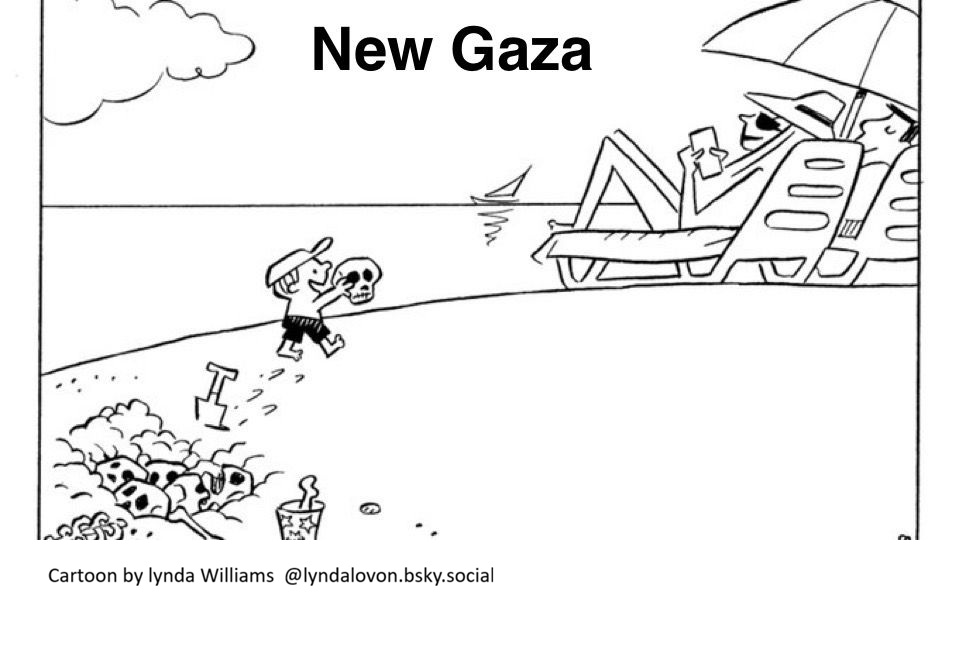

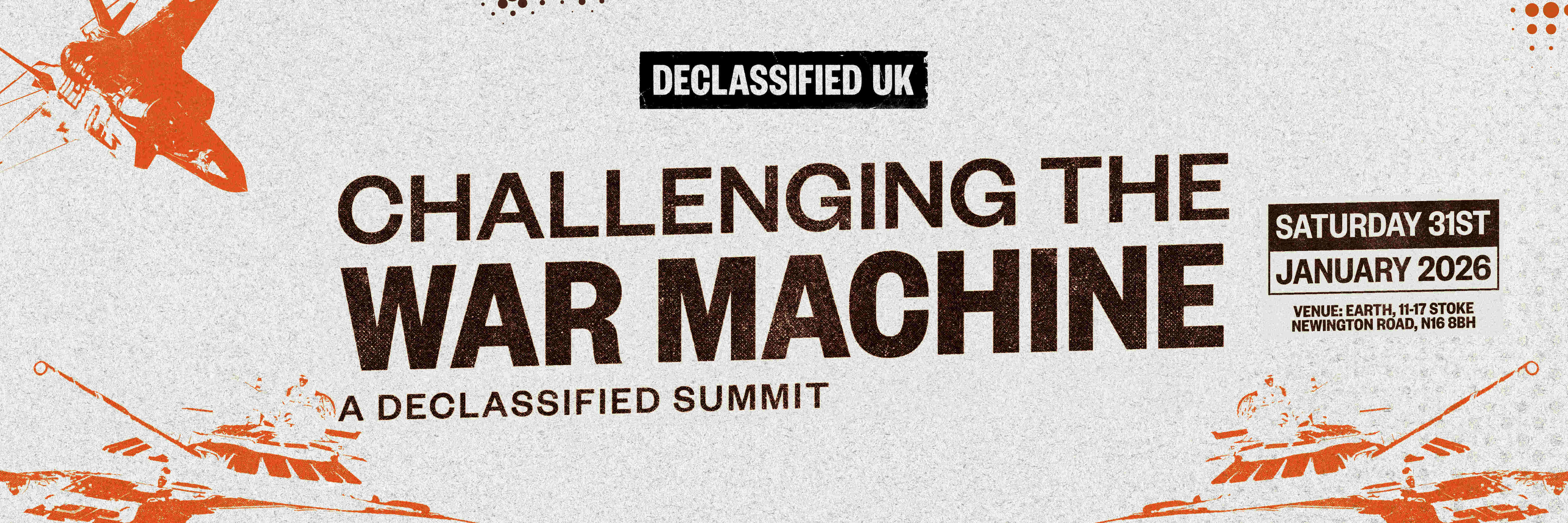
31st January – Challenging the War Machine – a DECLASSIFIED UK SUMMIT


Website of the Week
Now until to February 10, 2026 Radioactive waste storage in France: the debate is finally open! How to participate?
-
Archives
- January 2026 (283)
- December 2025 (358)
- November 2025 (359)
- October 2025 (376)
- September 2025 (258)
- August 2025 (319)
- July 2025 (230)
- June 2025 (348)
- May 2025 (261)
- April 2025 (305)
- March 2025 (319)
- February 2025 (234)
-
Categories
- 1
- 1 NUCLEAR ISSUES
- business and costs
- climate change
- culture and arts
- ENERGY
- environment
- health
- history
- indigenous issues
- Legal
- marketing of nuclear
- media
- opposition to nuclear
- PERSONAL STORIES
- politics
- politics international
- Religion and ethics
- safety
- secrets,lies and civil liberties
- spinbuster
- technology
- Uranium
- wastes
- weapons and war
- Women
- 2 WORLD
- ACTION
- AFRICA
- Atrocities
- AUSTRALIA
- Christina's notes
- Christina's themes
- culture and arts
- Events
- Fuk 2022
- Fuk 2023
- Fukushima 2017
- Fukushima 2018
- fukushima 2019
- Fukushima 2020
- Fukushima 2021
- general
- global warming
- Humour (God we need it)
- Nuclear
- RARE EARTHS
- Reference
- resources – print
- Resources -audiovicual
- Weekly Newsletter
- World
- World Nuclear
- YouTube
-
RSS
Entries RSS
Comments RSS
 nuclear-news