USA’s Nuclear Regulatory Commission affirms that a little ionising radiation may be bad for health

Nuclear Regulatory Commission Affirms that a Little Radiation may be Bad for Health https://srswatch.org/nuclear-regulatory-commission-affirms-that-a-little-radiation-may-be-bad-for-health/?utm_source=rss&utm_medium=rss&utm_campaign=nuclear-regulatory-commission-affirms-that-a-little-radiation-may-be-bad-for-health SRS Watch 21 August 21 Amazingly, the NRC denies industry friendly petitions that claim “a little radiation is good for you.”
“Petition for Rulemaking; Denial: Linear No-Threshold Model and Standards for Protection Against Radiation”Nuclear Regulatory Commission, August 17, 2021
“The U.S. Nuclear Regulatory Commission (NRC) is denying three petitions for rulemaking (PRMs), submitted by Dr. Carol S. Marcus, Mr. Mark L. Miller, Certified Health Physicist, and Dr. Mohan Doss, et al. (collectively, the petitioners) in correspondence dated February 9, 2015, February 13, 2015, and February 24, 2015, respectively.
The petitioners request that the NRC amend its regulations based on what they assert is new science and evidence that contradicts the linear no-threshold (LNT) dose-effect model that serves as the basis for the NRC’s radiation protection regulations. The NRC docketed these petitions on February 20, 2015, February 27, 2015, and March 16, 2015, and assigned them Docket Numbers PRM-20-28, PRM-20-29, and PRM-20-30, respectively.
The NRC is denying the three petitions because they fail to present an adequate basis supporting the request to discontinue use of the LNT model. The NRC has determined that the LNT model continues to provide a sound regulatory basis for minimizing the risk of unnecessary radiation exposure to both members of the public and radiation workers. Therefore, the NRC will maintain the current dose limit requirements contained in its regulations.”NRC webpage: https://www.regulations.gov/document/NRC-2015-0057-0671
Covid Defense Act – new Bill to prioritise U.S. health, vaccine spending over weapons spending !

New Bill Proposes Cutting Pentagon Spending to Fund Vaccines for Poor Nations, Common Dreams “We can’t bomb our way out of a global pandemic,” said Rep. Mark Pocan, the sponsor of the legislation, “Shifting funds from weaponry and military contractors to producing Covid vaccines will save hundreds of thousands—if not millions—of lives around the world.”
JAKE JOHNSON, August 20, 2021 Congressman Mark Pocan of Wisconsin introduced legislation this week that would cut billions of dollars from the Pentagon’s massive budget and invest those funds in global coronavirus vaccination efforts, which are badly lagging as rich countries continue to hoard doses and rush ahead with booster shots.
The Covid Defense Act proposes transferring $9.6 billion in U.S. military spending to Covax—a global vaccination initiative led by the World Health Organization—to assist with the procurement of doses for the people of low-income nations. Thus far, just 1.3% of people in poor countries have received at least one vaccine dose.
In a press release, Pocan’s office said that the funding—which represents just 1.3% of the $740.5 billion in U.S. military spending approved for 2021—”could lead to an additional 1.8 billion Covid vaccine doses for lower-income countries in 2021 and early 2022.” If passed, Pocan’s office said, the new legislation could provide vaccine access to another 30% of the world’s poorest and most vulnerable populations……….. https://www.commondreams.org/news/2021/08/20/new-bill-proposes-cutting-pentagon-spending-fund-vaccines-poor-nations
Radioactive snakes may monitor Fukushima fallout
Radioactive snakes may monitor Fukushima fallout, Bulletin of the Atomic Scientists, By Susan D’Agostino | August 17, 2021 When a massive earthquake followed by a tsunami hit Japan a decade ago, the Fukushima Daiichi Nuclear Power Plant experienced a catastrophic meltdown. Humans fled a wide area around the plant that today is known as the Fukushima Exclusion Zone, while animals and plants remained. Now, scientists have enlisted the help of snakes in the zone to make sense of the disaster’s impact on the environment. Their findings, reported in an Ichthyology and Herpetology paper, indicate that Fukushima’s native rat snakes, like canaries in a coal mine, may act as living monitors of radiation levels in the region.
“Because snakes don’t move that much, and they spend their time in one particular local area, the level of radiation and contaminants in the environment is reflected by the level of contaminants in the snake itself,” Hannah Gerke, a lead author on the study, said.
………… The scientists’ findings reinforced their 2020 study that found a high correlation between levels of radiocesium—a radioactive isotope of cesium—in the snakes and levels of radiation in their environment.
………. rat snakes have relatively small home ranges; they travel an average of 65 meters (approximately 213 feet) each day, according to the study. And they are susceptible to accumulating radionuclides—unstable atoms with excess nuclear energy—from disasters such as the one that took place in Fukushima. A rat snake that makes its home in a small but heavily contaminated area will tell a different story than a rat snake lives in a less contaminated locale.
In the decade since the nuclear disaster, most of the contaminants have settled in the soil. This means that animals such as birds that spend much of their time in trees have limited insight to offer about contaminants on the ground. But snakes, whose long bodies slither in and burrow under the soil, can help determine degrees of contamination.
Also, snakes live long, which means that the data they gather provides information about environmental contaminants over time……………..
The scientists identified more than 1,700 locations in the region that the snakes frequented. Rat snakes in Fukushima, it turns out, avoid evergreen broadleaf forests but spend time close to streams, roads, and grassland. They also frequent trees and buildings.
What did the snakes reveal? Some of the snakes’ radiation exposure in the Fukushima Exclusion Zone hails from contaminated prey they eat, but most—80 percent—comes from contact with contaminated soil, trees, and plants.
“Understanding how contaminants move throughout an ecosystem and how they move in different animals throughout the food web gives us a better picture of the impacts [of the nuclear disaster] to the ecosystem,” Gerke said………….. https://thebulletin.org/2021/08/radioactive-snakes-may-monitor-fukushima-fallout/
New research on baby teeth will show the impact of nuclear bomb testing, and the connection with later cancers

Three decades later, [after the 1950s] Washington University staff discovered thousands of abandoned baby teeth that had gone untested. The school donated the teeth to the Radiation and Public Health Project, which was conducting a study of strontium-90 in teeth of U.S. children near nuclear reactors.
Now, using strontium-90 still present in teeth, the Radiation and Public Health Project will conduct an analysis of health risk, which was not addressed in the original tooth study, and minimally addressed by government agencies. Based on actual radiation exposure in bodies, the issue of how many Americans suffered from cancer and other diseases from nuclear testing fallout will be clarified.
Baby teeth collected six decades ago will reveal the damage to Americans’ health caused by US nuclear weapons tests https://peaceandhealthblog.com/2021/08/16/baby-teeth-collected-six-decades-ago-will-reveal-the-damage-to-americans-health-caused-by-us-nuclear-weapons-tests/ AUGUST 16, 2021 by Lawrence Wittner by Lawrence Wittner and Joseph Mangano
In 2020, Harvard University’s T. C. Chan School of Public Health began a five-year study, funded by the National Institutes of Health, that will examine the connection between early life exposure to toxic metals and later-life risk of neurological disease. A collaborator with Harvard, the Radiation and Public Health Project, will analyze the relationship of strontium-90 (a radioactive element in nuclear weapons explosions) and disease risk in later life.
The centerpiece of the study is a collection of nearly 100,000 baby teeth, gathered in the late 1950s and early 1960s by the St. Louis Committee for Nuclear Information.
The collection of these teeth occurred during a time of intense public agitation over the escalating nuclear arms race between the U.S. and Soviet governments that featured the new hydrogen bomb (H-bomb), a weapon more than a thousand times as powerful as the bomb that had annihilated Hiroshima. To prepare themselves for nuclear war, the two Cold War rivals conducted well-publicized, sometimes televised nuclear weapons tests in the atmosphere—434 of them between 1945 and 1963. These tests sent vast clouds of radioactive debris aloft where, carried along by the winds, it often traveled substantial distances before it fell to earth and was absorbed by the soil, plants, animals, and human beings.
Continue readingThe importance of the Radiation Exposure Compensation Act and of coming to terms with USA’s nuclear history.
When Nuclear Fallout Comes Home. Rep. Teresa Leger Fernández (NM03) spoke on the importance of the Radiation Exposure Compensation Act and coming to terms with our nuclear history. https://nationalinterest.org/blog/buzz/when-nuclear-fallout-comes-home-191720by Harry Tarpey Whether in New Mexico, Guam, or the Marshall Islands, the consequences of uranium mining, atmospheric testing, and nuclear weapons manufacturing continue to impact communities around the world, with little awareness from the international community.
I know people who have been impacted by uranium mining, and by the fallout and nuclear testing, so this is not abstract,” said Rep. Teresa Leger Fernández of New Mexico’s 3rd District, who recently sat down for an interview with Press the Button. “These are people I know, these are families I know—you can’t ignore it.”
Leger Fernández is a leading advocate in Congress for the extension and expansion of the Radiation Exposure Compensation Act (RECA), reforms that would establish a more robust and easier to navigate compensation program for the victims of nuclear radiation in the United States and its territories.
RECA is a federal statute established in 1990 as a mechanism to compensate individuals whose health or livelihood was affected by unintended radiation exposure due to our nuclear weapons complex. To date, it has compensated over $2.2 billion to tens of thousands of claimants suffering from health ailments caused by exposure to radiation.
These include atomic veterans, downwinders, and individuals working on atmospheric nuclear tests and in uranium mines.
Though many of these recipients have undoubtedly benefited from the program, Leger Fernández and her colleagues are recommending several improvements to the statute to expand its impact.
One such change she is championing is an increase in the amount of compensation provided per individual grant. “Right now, [RECA payments] are $50,000. That’s not sufficient, so we’re going to raise it to $150,000.” The legislation she will be co-sponsoring, if passed, would expand the limited scope of eligibility that RECA currently maintains to include geographic areas and age groups not currently covered by the statute.
When RECA was first designed, “it had a very limited area where, if you happen to be exposed in these certain counties, you got compensation. But we know that it’s not just a few counties that were impacted,” argues Leger Fernández, “we need to make sure they are all entitled to the compensation.”
Although this expansion would no doubt have a positive impact within her district, Leger Fernández views it as an issue that resonates well beyond her constituency: “I want to take on this fight because this impacts not just New Mexicans, but people elsewhere, who were exposed to radiation from testing, from the development of the weapons, through no fault of their own are
now suffering the consequences. We as a government who inflicted this harm cannot stand back and say ‘too bad’—we must act.”
With RECA set to either expire or be reauthorized in July 2022, Leger Fernández views the year ahead as an important opportunity to reassess and refine RECA to ensure its continued effectiveness. “We need to take this moment and re-authorize the act,” she told guest host Lily Adams, “but also, when we look at it, ask ‘where is [RECA] efficient, and what do we need to do to make it better?”
Academies Panel to Consider Future of Revived DOE Low-Dose Radiation Program,
Academies Panel to Consider Future of Revived DOE Low-Dose Radiation Program, https://www.aip.org/fyi/2021/academies-panel-consider-future-revived-doe-low-dose-radiation-program Julia BauerAmerican Institute of Physics
fyi@aip.orgThe National Academies has kicked off development of a strategy for the Department of Energy’s low-dose radiation research program. DOE terminated the program in 2016 but recently revived it at the behest of Congress.
The National Academies held a kickoff meeting last month for a study that will propose a long-term strategy for research on the biological effects of low doses of ionizing radiation. Congress mandated the study through the Energy Act of 2020, which updated a 2018 law directing the Department of Energy to reestablish the low-dose radiation research program it had terminated two years earlier.
Continue readingA hard rain did fall — Hiroshima victims beyond “official” zone will now be compensated

Hiroshima victims beyond “official” zone will now be compensated
A hard rain did fall — Beyond Nuclear International A hard rain did fall, Black rain” victims finally win in court https://beyondnuclearinternational.org/2021/08/01/a-hard-rain-did-fall/ By Linda Pentz Gunter
Just weeks before the 2021 commemoration of the August 6, 1945 US atomic bombing of the city of Hiroshima, a Japanese court ruled that victims of the radioactive “black rain” who were living beyond the officially recognized contamination zone at the time, should be included in the group considered bomb “survivors” or “Hibakusha” and receive the same benefits.
A Hiroshima high court acknowledged in its July 14, 2021 ruling that many more people suffered as a result of exposure to “black rain” than have hitherto been recognized as victims.
“Black rain” was described in a CNN story as a “mixture of fallout particles from the explosion, carbon residue from citywide fires, and other dangerous elements. The black rain fell on peoples’ skin and clothing, was breathed in, contaminated food and water, and caused widespread radiation poisoning.”
When the verdict was first released last month, it appeared that the Japanese government, under Prime Minister Yoshihide Suga, might appeal the decision. Instead, Suga declared his government, the defendants in the case, would not appeal it and even suggested that relief might be extended to other affected people beyond the plaintiffs. According to the Asahi Shimbun, this may even include those exposed to radiation as a result of the 2011 Fukushima nuclear disaster on the Japan coast.
The court ruling was important because it recognized and acknowledged not only the heaths effects of the radioactive “black rain” atomic bomb fallout, but also the internal exposure to radiation through the ingestion of contaminated water and food experienced by the 84 plaintiffs in the case.
The ruling of course comes very late in the day as many Hibakusha are already deceased. Indeed, one of the plaintiffs, 79-year-old Seiji Takato, told CNN he was worried that if there was no verdict soon, “we would all die if this (case were) prolonged”.
The plaintiffs will now receive the same benefits as residents of the state-designated black rain zone. According to the Kyodo News, these will include “free health checkups and atomic bomb survivors’ certificates entitling them to medical benefits in the event that they develop 11 specific illnesses caused by radiation.”
The United States, the country which dropped the two atomic bombs — on Hiroshima on August 6, 1945 and then on Nagasaki three days later — has taken neither responsibility for the devastating health consequences, nor offered an apology or compensation.
Indeed, President Truman, in office when the bombings were authorized, told the Japanese, chillingly, that their sacrifice and suffering were “urgent and necessary.” President Clinton declared that the US “owes no apology to Japan”. He, like other US presidents before and since, clung to the disputable notion that the atomic bombings saved at least one million American lives, an argument ably dispatched by Ward Wilson on these pages in 2018.
To date, Barack Obama is the only sitting US president to have visited Hiroshima, when he traveled there in 2016, but he too failed to apologize for the atrocity. There have been plenty of lively debates on this question: Would an apology open up old wounds, focus too much on the past and be an admission of wrongdoing? Would it also open the door to a floodgate of demands for monetary compensation? Or is an official apology an essential atonement, albeit merely symbolic at this late stage? Could an apology lead in turn to meaningful international engagement on global peace?
Slowly, the Hibakusha have been gaining recognition. One of its most famous and outspoken members, Setsuko Thurlow, accepted the Nobel Peace Prize awarded the International Campaign to Abolish Nuclear Weapons (ICAN) alongside its executive director, Beatrice Fihn, in 2017.
The award came on the heels of the instrumental role the Hibakusha played in persuading the UN to create the Treaty on the Prohibition of Nuclear Weapons, now ratified by 55 countries and counting, five more than the number that ensured it became law this past January. None of the nuclear weapons states, nor Japan, has signed or ratified the treaty.
At the end of the day, the lesson here is the mantra adopted by the nuclear researchers, whistleblowers and watchdogs at Fairewinds Energy Education: “Radiation knows no borders.”
As Fairewinds wrote in the context of the “black rain” verdict: “Radioactive microscopic particles generated from mining uranium ore, reprocessing atomic fuel, bomb tests, and disastrous meltdowns travel well beyond the arbitrary boundaries and demarcation lines that governments establish to limit their liability and to maintain control over others.”
These warnings serve as a compelling reason to neither test nor use atomic weapons and also as a powerful admonition against the continued use of “civil” nuclear power.
Higher cancer and stillbirth rates in Aboriginal people living near Australia’s Ranger uranium mine
Aboriginal people near the Ranger uranium mine suffered more stillbirths and cancer. We don’t know why, The Conversation, Rosalie Schultz, Adjunct Senior Lecturer, College of Medicine and Public Health Centre for Remote Health, Flinders University, August 2, 2021 This article mentions stillbirth deaths in Aboriginal communities.
The Ranger uranium mine, surrounded by Kakadu National Park in the Northern Territory, operated for 40 years until it closed in 2021. During this time, Aboriginal people in the region experienced stillbirth rates double those of Aboriginal people elsewhere in the Top End, and cancer rates almost 50% higher.
But a NT government investigation couldn’t explain why. And as I write today in the Medical Journal of Australia, we’re still no wiser.
We owe it to Aboriginal people living near mines to understand and overcome what’s making them sick. We need to do this in partnership with Aboriginal community-controlled health organisations. This may require research that goes beyond a biomedical focus to consider the web of socio-cultural and political factors contributing to Aboriginal well-being and sickness.
Investigating the health impacts
Uranium was mined at Ranger from 1981 until 2012. Processing of stockpiled ore continued until 2021. This is despite community opposition when the mine was proposed and during its operation.
Over the life of the mine, there have been more than 200 documented incidents. Diesel and acid spills have contaminated creeks and drinking water.
The Gundjeihmi Aboriginal Corporation represents the Mirarr people of the region. For decades it has expressed grave concerns about continuing incidents and the lack of an effective government response.
When Ranger’s operators proposed expanding the mine in 2014, opponents pointed to suggestions of higher rates of stillbirth and cancer among Aboriginal people living nearby.
The NT health department then set up an investigation. Investigators began by identifying all Aboriginal people who had spent more than half their lives near the mine between 1991 and 2014. These people were compared with all other Aboriginal people in the Top End.
The investigators considered the worst-case scenario would be if Aboriginal people were exposed to radiation from the mine contaminating bush food, water or air, and this exposure increased stillbirth and cancer rates.
Investigators also looked at smoking tobacco, drinking alcohol and poor diet as possible contributing causes.
Here’s what they found
Investigators found the rate of stillbirth was 2.17 times higher among Aboriginal women near the mine. Radiation can lead to stillbirth by causing congenital malformations, and some other risk factors for stillbirth appeared more common amongst women near the mine. However the investigation found neither radiation nor other risk factors explained the higher rate of stillbirth.
The rate of cancer overall was 1.48 times higher among Aboriginal people near the mine than elsewhere in the Top End. No rates of single cancers were significantly higher…………. https://theconversation.com/aboriginal-people-near-the-ranger-uranium-mine-suffered-more-stillbirths-and-cancer-we-dont-know-why-164862
Algeria: deep resentment of French colonialism and the effects of nuclear bombing -still very real today.

In Algeria, France’s 1960s nuclear tests still taint ties, https://www.france24.com/en/africa/20210729-in-algeria-france-s-1960s-nuclear-tests-still-taint-ties More than 60 years since France started its nuclear tests in Algeria, their legacy continues to poison relations between the North African nation and its former colonial ruler.The issue has come to the fore again after President Emmanuel Macron said in French Polynesia on Tuesday that Paris owed “a debt” to the South Pacific territory over atomic tests there between 1966 and 1996.
The damage the mega-blasts did to people and nature in the former colonies remains a source of deep resentment, seen as proof of discriminatory colonial attitudes and disregard for local lives.
Diseases related to radioactivity are passed on as an inheritance, generation after generation,” said Abderahmane Toumi, head of the Algerian victims’ support group El Gheith El Kadem.
“As long as the region is polluted, the danger will persist,” he said, citing severe health impacts from birth defects and cancers to miscarriages and sterility.
France carried out its first successful atomic bomb test deep in the Algerian Sahara in 1960, making it the world’s fourth nuclear power after the United States, the Soviet Union and Britain.
Today, as Algeria and France struggle to deal with their painful shared history, the identification and decontamination of radioactive sites remains one of the main disputes.
In his landmark report on French colonial rule and the 1954-62 Algerian War, historian Benjamin Stora recommended continued joint work that looks into “the locations of nuclear tests in Algeria and their consequences”.
France in the 1960s had a policy of burying all radioactive waste from the Algerian bomb tests in the desert sands, and for decades declined to reveal their locations.
‘Radioactive fallout’
Algeria’s former veterans affairs minister Tayeb Zitouni recently accused France of refusing to release topographical maps that would identify “burial sites of polluting, radioactive or chemical waste not discovered to date”.”The French side has not technically conducted any initiative to clean up the sites, and France has not undertaken any humanitarian act to compensate the victims,” said Zitouni. According to the Ministry of the Armed Forces in Paris, Algeria and France now “deal with the whole subject at the highest level of state”.
“France has provided the Algerian authorities with the maps it has,” said the ministry.
Between 1960 and 1966, France conducted 17 atmospheric or underground nuclear tests near the town of Reggane, 1,200 kilometres (750 miles) from the capital Algiers, and in mountain tunnels at a site then called In Ekker.
Eleven of them were conducted after the 1962 Evian Accords, which granted Algeria independence but included an article allowing France to use the sites until 1967.
A radioactive cloud from a 1962 test sickened at least 30,000 Algerians, the country’s official APS news agency estimated in 2012.
French documents declassified in 2013 revealed significant radioactive fallout from West Africa to southern Europe. Algeria last month set up a national agency for the rehabilitation of former French nuclear test sites.
In April, Algeria’s army chief of staff, General Said Chengriha, asked his then French counterpart, General Francois Lecointre, for his support, including access to all the maps.
We respect our dead’Receiving the maps is “a right that the Algerian state strongly demands, without forgetting the question of compensation for the Algerian victims of the tests,” stressed a senior army officer, General Bouzid Boufrioua, writing in the defence ministry magazine El Djeich.”France must assume its historical responsibilities,” he argued.President Abdelmadjid Tebboune, however, ruled out any demands for compensation, telling Le Point weekly that “we respect our dead so much that financial compensation would be a belittlement. We are not a begging people.”France passed a law in 2010 which provided for a compensation procedure for “people suffering from illnesses resulting from exposure to radiation from nuclear tests carried out in the Algerian Sahara and in Polynesia between 1960 and 1998”.
But out of 50 Algerians who have since launched claims, only one, a soldier from Algiers who was stationed at one of the sites, “has been able to obtain compensation”, says the International Campaign to Abolish Nuclear Weapons (ICAN).
No resident of the remote desert region has been compensated, it said.
In a study released a year ago, “Radioactivity Under the Sand”, ICAN France urged Paris to hand Algeria a complete list of the burial sites and to facilitate their clean-up.
The 2017 Treaty on the Prohibition of Nuclear Weapons obliges states to provide adequate assistance to individuals affected by the use or testing of nuclear weapons.
It was signed by 122 UN member states, but by none of the nuclear powers. France argued the treaty was”incompatible with a realistic and progressive approach to nuclear disarmament”.
ICAN France in its study argued that “people have been waiting for more than 50 years. There is a need to go faster.
“We are still facing an important health and environmental problem that must be addressed as soon as possible.”
The need for integrity in epidemiological research: investigation of uranium miners’health to be carried out by pro nuclear bodies

“They want to show that it doesn’t cause cancer. I think they want to find that result.”
for years, the CNSC has served both as a regulator and promoter of the nuclear industry
“It is concerning that health standards are set by physicists and industries, based on financial and technological convenience, rather than by those educated in and committed to public health and safety.”
Canadian Nuclear Safety Commission to Investigate Lung Cancer Rates Among Uranium Workers, Mother Jones
What’s happened to 80,000 people who have worked in Canada’s mines and processing facilities?CHARLES MANDEL, 25 July 21, The Canadian Nuclear Safety Commission (CNSC) is leading a national study examining incidences of lung cancer in uranium workers from across the country.
The Canadian Uranium Workers Study (CANUWS) will examine health data from 80,000 past and present employees at Canada’s uranium mines, mills and processing and fabrication facilities. The study, which is now underway and set to end in 2023, is the largest examination of lung cancer in Canadian uranium workers to date.
Rachel Lane, one of the lead researchers on the new study, told Canada’s National Observer she believes it will reassure workers they face less risk than before from lung cancer arising from exposure to radon, ……..
The $800-million mining and milling uranium industry employs over 2,000 people—of whom more than half are residents of northern Saskatchewan—at mine sites. The researchers plan to examine causes of death in uranium workers from 1950 on and chart their cancer data from 1970 onwards, using research from previous studies.
The new study will build on the results of two historical studies: the Eldorado study and the Ontario Uranium Mine Workers Study, both of which found elevated risks of lung cancer in uranium workers. During numerous follow-ups ending in 2015, both studies found lung cancer among miners was still more prevalent than in the general population………….
deaths from lung cancer associated with radiation were historically higher for uranium workers than the general male population……….
In 2015, a follow-up to the 2007 Ontario Uranium Miner Cohort study was done. It examined approximately 28,546 male and 413 female uranium miners who had worked at least one week in the Elliot Lake and Bancroft regions or at the Agnew Lake Mine between 1954 and 1996.
The conclusion: “Significant elevations in lung cancer mortality and incidence, as well as silicosis and injury mortality were observed in comparison with the general Canadian population.”……….
Anne Leis, the department head of Community Health and Epidemiology at the University of Saskatchewan, will administer the project and analyze the data. Her colleague, Punam Pahwa, a professor of biostatistics, will lead the statistical analysis of the health data……….
Uranium mining companies Cameco, Orano, and BWXT are co-funding the study, contributing $60,000. The CNSC is providing $125,000, while the Saskatchewan government is kicking in $60,000, and the University of Saskatchewan is contributing $90,000 of in-kind funding.…………
Concerns Over Possible Bias
While former employees and industry watchers applaud efforts to study the health of uranium workers, some are skeptical about the ability of CNSC to produce an unbiased report.
Jamie Kneen, communications and outreach coordinator at Mining Watch Canada, says it’s important to understand the longer-term impacts of radon on the miners. But he cautions that the peer review and oversight of the study must be carefully examined because it is being led by CNSC.Kneen contends that for years, the CNSC has served both as a regulator and promoter of the nuclear industry. “Their tendency has been to extend license periods and to give operators, whether it’s in the uranium industry or the nuclear power industry, more space, more time in terms of licensing and more leeway rather than the kind of tight supervision and oversight that the public probably would expect.”
Therefore, it’s a question of scrutinizing who’s doing the work and reviewing the study to ensure that it really is independent, according to Kneen. He notes that’s a difficult task given that the methodology around radiation is intricate and that not many people can decipher the technical details.
“So there’s a lot of potential for not necessarily deliberate manipulation, but for error to creep in and biases to creep in.”
Rod Gardiner, a former general foreman at the now-defunct Cluff Lake Mine in Saskatchewan, expresses his own concerns about the industry. Gardiner was at the mine for 33 years, working his way up to general foreman and acting mine manager.
He alleges management at Cluff Lake, which was owned by the multinational mining corporation Orano Group, consistently boasted that working in the mine was as safe as working in a supermarket and putting prices on soup cans. “That’s what they used to say, the company.”
He hopes a new study might answer questions about workers’ health. But others aren’t sure whether results will be trustworthy, primarily because the CNSC is partially funding and leading the study.
The CNSC’s work has been subject to just those kinds of complaints in the past.
Writing in the journal Canadian Family Physician in 2013, Dale Dewar and two other authors expressed concern over the CNSC’s ability to act independently of government and industry. The authors noted the former Conservative federal government fired the commission’s CEO when she applied safety guidelines to shut down the Chalk River reactor in Ontario.
The authors observed: “It is concerning that health standards are set by physicists and industries, based on financial and technological convenience, rather than by those educated in and committed to public health and safety.”
Dewar, a longtime general physician in northern Saskatchewan, recently told Canada’s National Observer: “They want to show that it doesn’t cause cancer. I think they want to find that result.”
Dewar expressed surprise that the CNSC has opted for a focused study when northerners have been asking for decades for a baseline health study to determine such things as whether or not there have been increases in autoimmune diseases or cancers that couldn’t be explained by diet, for example.
“I think not only is it virtually a sin that they’ve never done this, but I think it’s a really huge missed opportunity because if they had a study done like this, they would have researchers around the world trying to get information out of it.”…………
Compensation for Uranium Workers
Another, less discussed issue is compensation for uranium miners. In the United States, the Radiation Exposure Compensation Act (RECA) administered by the Department of Justice has awarded over US$2.4 billion in benefits to more than 37,000 claimants since its introduction in 1990. https://www.motherjones.com/environment/2021/07/canadian-nuclear-safety-commission-to-investigate-lung-cancer-rates-among-uranium-workers/
Most Hanford nuclear site workers report exposure to toxic or radioactive chemicals
57% of Hanford nuclear site workers surveyed by WA state report toxic exposures, Tri City Herald
BY ANNETTE CARY, JULY 07, 2021
More than half of Hanford site workers responding to a Washington state survey said they had been involved in an incident at the Hanford nuclear reservation that resulted in exposure to radioactive or toxic chemicals.
Some 57% of about 1,600 past and present workers who took the survey reported being in an exposure incident, which could include the release of radioactive material into the air.
And nearly a third, 32%, reported they had long-term exposure to hazardous materials at the nuclear reservation, rather than exposure during a single incident………
Workers are cleaning up and treating radioactive and hazardous chemical waste left from the past production at Hanford of two-thirds of the nation’s plutonium for its nuclear weapons program……….
For incurable diseases, such as chronic beryllium disease caused by breathing in fine particles of the metal beryllium, information sharing could be key to finding cures, the board said.
SICK HANFORD WORKER ISSUES
It also recommended expanding Tri-Cities access to care that is tailored to Hanford workers’ health needs.
Some workers reported they did not receive a diagnosis until they visited clinics outside the Tri-Cities area and sometimes outside the state.
After an initial assessment or diagnosis related to Hanford exposures there was not long-term coordination of care, said workers in survey comments.
Part of the difficulty was that some health problems, such as cancers, are not diagnosed until years after exposures, the report said……………https://www.tri-cityherald.com/news/local/hanford/article252613523.html
Perils to austronauts’ health – high radiation and low gravity

High Radiation, Low Gravitation: The Perils of a Trip to Mars, Sunscreen and calcium supplements aren’t enough to protect Mars-bound space travelers from radiation and a lack of gravity in outer space. July 23, 2021 – 17:00Yuen Yiu, Staff Writer (Inside Science) — Back in May, SpaceX launched its Starship SN15 prototype to about the cruising altitude of a commercial airliner before landing it safely. The company claims future versions of the rocket will be able to take 100 passengers at a time to the moon, and even Mars.
But while it’s one thing to send a rocket to Mars, it’s another to send people there alive. And it’s yet another thing to make sure the people can be as healthy as they were when they left Earth.
Besides packing enough fuel and air and water and food for the seven-month-long journey to Mars (and more for a return trip if you want a return ticket), there are other luxuries we enjoy here on Earth that the spaceship will have to provide if we want to stay healthy during the long flight.
Nasty sunburns and zero gravity
Earth’s atmosphere and magnetic field protect us from harmful space radiation, but passengers bound for Mars will lose that protection. So, their spaceship would need to provide some kind of radiation shielding.
Depending on where radiation comes from, it may be made of different particles and have different energies, which would require different means of shielding and pose different levels of danger to our radiation-prone DNA. For example, radiations from energetic particles ejected from the sun behave very differently than cosmic rays from outside our galaxy.
So, how many times more radiation would a Mars-bound astronaut experience compared to what they would experience on Earth?
Enough to be of concern, according to Athanasios Petridis, a physicist from Drake University in Des Moines. According to calculations by his team, high-end estimates for radiation exposure during a round trip to Mars are in the range of several Sieverts (Sv). For reference, the U.S. Nuclear Regulatory Commission has set 0.05 Sv/year as the dose limit for workers who are exposed to radiation at their jobs.
Solar weather also plays a role in the amount of radiation you would get in space. For instance, the 11-year solar cycle affects the amount of radiation the sun emits. However, due to the complicated interplay between sun-generated radiation and cosmic rays from outer space, it may not be worth it to time the launch around these cycles.
“There are enough competing factors in radiation exposure that trying to plan around the solar cycle is like trying to time the stock market, which usually results in losing,” said Kerry Lee, a radiation analyst from NASA in Houston, Texas.
The lack of gravity can also wreak havoc on the human body given enough time. Astronauts aboard space stations have been shown to lose 1 to 1.5 % of the mineral density in their weight-bearing bones every month. They also tend to lose muscle mass, even when exercising as much as they do on Earth. ……….. https://www.insidescience.org/news/high-radiation-low-gravitation-perils-trip-mars
Environment Working Group recommends stringent health-based standards for radiation exposure from wireless devices
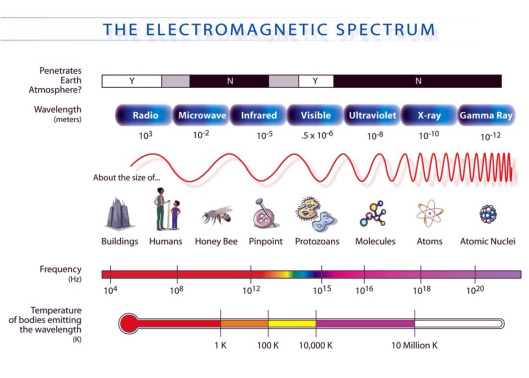
EWG study recommends stringent health-based standards for radiation exposure from wireless devices Medical Network News, 21 July 21, A peer-reviewed study by the Environmental Working Group recommends stringent health-based exposure standards for both children and adults for radiofrequency radiation emitted from wireless devices. EWG’s children’s guideline is the first of its kind and fills a gap left by federal regulators.
The study, published in the journal Environmental Health, relies on the methodology developed by the Environmental Protection Agency to assess human health risks arising from toxic chemical exposures. EWG scientists have applied the same methods to radiofrequency radiation from wireless devices, including cellphones and tablets.
EWG recommends the Federal Communications Commission, or FCC, adjust its woefully outdated health standards for wireless radiation, last revised a quarter-century ago, well before wireless devices became ubiquitous, heavily used appliances synonymous with modern life. The recommendation draws on data from a landmark 2018 study from the National Toxicology Program, or NTP, one of the largest long-term studies on the health effects of radiofrequency radiation exposure.
EWG’s new guidelines, the first developed in the U.S. to focus on children’s health, recommend that children’s exposure overall be 200 to 400 lower than the whole-body exposure limit set by the FCC in 1996.
The EWG recommended limit for so-called whole-body Specific Absorption Rate, or SAR, for children is 0.2 to 0.4 milliwatts per kilogram, or mW/kg. For adults, EWG recommends a whole-body SAR limit of 2 to 4 mW/kg, which is 20 to 40 times lower than the federal limit.
The FCC has not set a separate standard for children. Its standards for radiofrequency radiation set a maximum SAR of 0.08 watts per kilogram, or W/kg, for whole-body exposure and an SAR for localized spatial peak – the highest exposure level for a specific part of the body, such as the brain – of 1.6 W/kg for the general population.
The NTP studies examined the health effects of 2G and 3G wireless radiation and found there is “clear evidence” of a link between exposure to radiofrequency radiation and heart tumors in laboratory animals. Similar results were reported by a team of Italian scientists from the Ramazzini Institute.
Cellphone radiation was classified a “possible carcinogen” in 2011 by the International Agency for Research on Cancer, part of the World Health Organization, a conclusion based on human epidemiological studies that found an increased risk of glioma, a malignant brain cancer, associated with cellphone use.
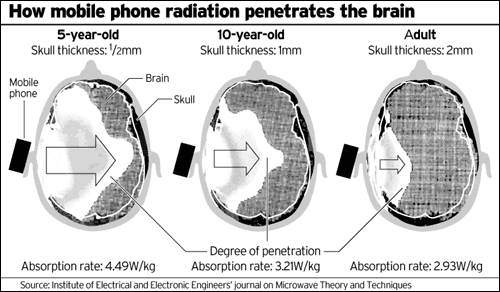
EWG scientists say that more research is needed on the health impacts of the latest generation of communication technologies, such as 5G. In the meantime, EWG’s recommendation for strict, lower exposure limits for all radiofrequency sources, especially for children………
“We have grave concerns over the outdated approach the federal government has relied on to study the health effects of cellphone radiation and set its current safety limit and advice for consumers,” said EWG President Ken Cook. “Government guidelines are a quarter-century old and were established at a time when wireless devices were not a constant feature of the lives of nearly every American, including children.”…………
“The evidence shows that children absorb more radiofrequency radiation than adults, and the developing body of a child is more vulnerable to such effects,” said Olga Naidenko, Ph.D., EWG’s vice president for science investigations and co-author of the study.
“More research on the safety and sustainability of wireless technology is essential,” added Naidenko. “Meanwhile, there are simple steps everyone can take to protect their health, such as keeping wireless devices farther from their bodies.”……
EWG’s recommendation for limits for radiofrequency radiation exposure is its latest effort to advance the public dialogue about science-based standards that protect public health. https://www.news-medical.net/news/20210720/EWG-study-recommends-stringent-health-based-standards-for-radiation-exposure-from-wireless-devices.aspx
Using snakes to monitor Fukushima radiation,
Using snakes to monitor Fukushima radiation, EurekAlert, 21 July 21,
Researchers placed tiny GPS trackers on rat snakes to track their movements at Fukushima
UNIVERSITY OF GEORGIA Ten years after one of the largest nuclear accidents in history spewed radioactive contamination over the landscape in Fukushima, Japan, a University of Georgia study has shown that radioactive contamination in the Fukushima Exclusion Zone can be measured through its resident snakes.
The team’s findings, published in the recent journal of Ichthyology & Herpetology, report that rat snakes are an effective bioindicator of residual radioactivity. Like canaries in a coal mine, bioindicators are organisms that can signal an ecosystem’s health.
An abundant species in Japan, rat snakes travel short distances and can accumulate high levels of radionuclides. According to the researchers, the snakes’ limited movement and close contact with contaminated soil are key factors in their ability to reflect the varying levels of contamination in the zone.
Hanna Gerke, an alumna of UGA’s Savannah River Ecology Laboratory and the Warnell School of Forestry and Natural Resources, said tracked snakes moved an average of just 65 meters (approximately 213 feet) per day.
An abundant species in Japan, rat snakes travel short distances and can accumulate high levels of radionuclides. According to the researchers, the snakes’ limited movement and close contact with contaminated soil are key factors in their ability to reflect the varying levels of contamination in the zone.
Our results indicate that animal behavior has a large impact on radiation exposure and contaminant accumulation,” Gerke said. “Studying how specific animals use contaminated landscapes helps increase our understanding of the environmental impacts of huge nuclear accidents such as Fukushima and Chernobyl.” https://www.eurekalert.org/pub_releases/2021-07/uog-ust072021.php
Astronauts to Mars – a game of cancer-russian-roulette, especially dangerous to women


women were more likely to develop lung cancer than men, suggesting a greater sex-based vulnerability to harmful radiation.
the risk to an astronaut exposed to space radiation is long-term rather than immediate. Without proper shielding (which tends to be rather heavy and thus prohibitively expensive to launch) their chances of developing cancer, as well as cardiovascular disease, cataracts and central nervous system damage, slightly increase each day they are in space. In a person’s cells, space radiation can sever both strands of a DNA molecule’s double helix. And while a few such instances might come with very limited risks, each additional severance raises the odds of developing a harmful mutation that could cause cancer………
New Space Radiation Limits Needed for NASA Astronauts, Report Says, Scientific American, By Ramin Skibba on July 14, 2021 https://www.scientificamerican.com/article/new-space-radiation-limits-needed-for-nasa-astronauts-report-says/ Although meant to minimize risks to human health, the proposed new limits would still be exceeded by any conceivable near-future crewed voyage to MarsAstronaut Scott Kelly famously spent an entire year residing onboard the International Space Station (ISS), about 400 kilometers above Earth, and his NASA colleague Christina Koch spent nearly that long “on station.” Each returned to Earth with slightly atrophied muscles and other deleterious physiological effects from their extended stay in near-zero gravity.
But another, more insidious danger lurks for spacefarers, especially those who venture beyond low-Earth orbit.
Space is filled with invisible yet harmful radiation, most of it sourced from energetic particles ejected by the sun or from cosmic rays created in extreme astrophysical events across the universe. Such radiation can damage an organism’s DNA and other delicate cellular machinery. And the damage increases in proportion to exposure, which is drastically higher beyond the protective cocoon of Earth’s atmosphere and magnetic field (such as on notional voyages to the moon or Mars). Over time, the accrued cellular damage significantly raises the risk of developing cancer.
To address the situation, at NASA’s request, a team of top scientists organized by the National Academies of Sciences, Engineering, and Medicine published a report in June recommending that the space agency adopt a maximum career-long limit of 600 millisieverts for the space radiation astronauts can receive. The sievert is a unit that measures the amount of radiation absorbed by a person—while accounting for the type of radiation and its impact on particular organs and tissues in the body—and is equivalent to one joule of energy per kilogram of mass. Scientists typically use the smaller (but still quite significant) quantity of the millisievert, or 0.001 sievert. Bananas, for instance, host minute quantities of naturally occurring radioactive isotopes, but to ingest a millisievert’s worth, one would have to eat 10,000 bananas within a couple of hours.
Every current member of NASA’s astronaut corps has received less than 600 millisieverts during their orbital sojourns, and most, including Koch, have received much less and can thus safely return to space. But a year on the ISS still exposes them to more radiation than experienced by residents of Japan who lived near the Fukushima Daiichi nuclear accidents of 2011.
“Everybody is planning trips to the moon and Mars,” and these missions could have high radiation exposures, says Hedvig Hricak, lead author of the report and a radiologist at Memorial Sloan Kettering Cancer Center in New York City. Using current spaceflight-proved technologies, long-distance voyages—especially to the Red Planet—would exceed the proposed threshold, she says.
That could be a big problem for NASA’s Artemis program, which seeks to send astronauts to the moon in preparation for future trips to Mars. Another problem for the space agency is that the epidemiological data it uses mostly come from a longevity study of Japanese survivors of atomic bomb blasts, as well as from the handful of astronauts and cosmonauts who have endured many months or even years in low-Earth orbit. NASA’s current space radiation limit, which was developed in 2014, involves a complicated risk assessment for cancer mortality that depends on age and sex, yet more relevant data are necessary, Hricak argues. In the atomic bomb survivor study, for instance, women were more likely to develop lung cancer than men, suggesting a greater sex-based vulnerability to harmful radiation. “But with the knowledge we presently have, we know we cannot make a comparison between high exposure versus chronic exposure,” Hricak says. “The environment is different. There are so many factors that are different.”
NASA wants to update its standards now because the agency is on the cusp of sending so many astronauts well beyond low-Earth orbit, where greater amounts of space radiation seem destined to exceed previously mandated exposure limits. Furthermore, Hricak says, having a single, universal radiation limit for all space travelers is operationally advantageous because of its simplicity. A universal limit could also be seen as a boon for female astronauts, [ Ed. a boon?when they still are more susceptible to cancer than men are?] who had a lower limit than men in the old system and therefore were barred from spending as many days in space as their male counterparts.
The new radiation limit proposed by Hricak and her team is linked to the risks to all organs of a 35-year-old woman—a demographic deemed most vulnerable in light of gender differences in the atomic bomb survivor data and the fact that younger people have higher radiation risks, partly because they have more time for cancers to develop. The goal of the radiation maximum is to keep an individual below a 3 percent risk of cancer mortality: in other words, with this radiation limit, at most three out of 100 astronauts would be expected to die of radiation-induced cancer in their lifetime.
“NASA uses standards to set spaceflight exposure limits to protect NASA astronauts’ health and performance, both in mission and after mission,” says Dave Francisco of NASA’s Office of the Chief Health and Medical Officer. He acknowledges that, while astronauts on Mars missions would benefit from the thin Martian atmosphere that provides some limited protection, “transit in deep space has the highest exposure levels.”
That means long-haul space trips come with the biggest risks. A stay on the lunar surface for six months or more—presuming, of course, that astronauts eventually have a presence there and do not spend most of their time in subsurface habitats—would involve nearly 200 millisieverts of exposure, a higher amount than an extended visit to the ISS. And an astronaut traveling to Mars would be exposed to even more radiation. Whether they reached the Red Planet through a lunar stopover or on a direct spaceflight, they could have experienced significant radiation exposure en route. Even before they embarked on the trip back home, they could have already exceeded the 600 millisievert limit. The entire voyage, which would likely last a couple of years, could involve well more than 1,000 millisieverts. So if astronauts—and not just robots—will be sent to Mars, NASA likely will need to request waivers for them,
Hricak says, although the exact process for obtaining a waiver has not yet been laid out.
The report’s proposal for a new radiation maximum is not without its critics. “For a mission to Mars, a 35-year-old woman right at that limit could have an over 10 percent chance of dying in 15 to 20 years. To me, this is like playing Russian roulette with the crew,” says Francis Cucinotta, a physicist at the University of Nevada, Las Vegas, and former radiation health officer at NASA. Despite the supposed benefits the new limits would have for female astronauts, he is concerned that the risks are particularly pronounced for younger women in space.
On the contrary, Hricak says, in its request for new limits, NASA has sought to be conservative. The European, Canadian, and Russian space agencies all currently have a higher maximum allowed dose of 1,000 millisieverts, while Japan’s limit is age- and sex-dependent like NASA’s current one, mainly because of a shared dependence on the atomic bomb survivor data.
But unlike someone in the vicinity of a nuclear explosion, the risk to an astronaut exposed to space radiation is long-term rather than immediate. Without proper shielding (which tends to be rather heavy and thus prohibitively expensive to launch) their chances of developing cancer, as well as cardiovascular disease, cataracts and central nervous system damage, slightly increase each day they are in space. In a person’s cells, space radiation can sever both strands of a DNA molecule’s double helix. And while a few such instances might come with very limited risks, each additional severance raises the odds of developing a harmful mutation that could cause cancer………
considering how little is known about various health risks from different kinds of space radiation, compared with radiation we are familiar with on Earth, researchers will surely continue with more studies like these to protect astronauts as much as possible. “I can tell you exactly how much exposure you’re going to get from a CT scan,” Hricak says, “but there are many uncertainties with space radiation.”….. https://www.scientificamerican.com/article/new-space-radiation-limits-needed-for-nasa-astronauts-report-says/
1 This Month



4 August – WEBINAR – Hiroshima & Nagasaki: Nuclear Bombs Never Again
Tuesday, Aug. 4 at 5 pm PT / 8 pm ET.
Aug 5, 2026 10:00 AM in Australia/Melbourne
Join the Nuclear Bombs Never Again webinar on August 4th at 5pm Pacific Time / 8pm Eastern Time / 9am Japan Standard Time.
Cross generational voices at the intersection of Japan-Korea-US policy and militarization will share their lived experiences, nuclear impacts in these contexts, anti-war strategies, and actions you can take to advocate for a world with Nuclear Bombs Never Again. This 75-minute event is co-hosted by WILPF US and Korea Peace Now.

22,000+ miles voyaging for nuclear disarmament
and a radiation-free environment https://vfpgoldenruleproject.org/
To see nuclear-related stories in greater depth and intensity – go to https://nuclearinformation.wordpress.com
-
Archives
- July 2026 (266)
- June 2026 (287)
- May 2026 (306)
- April 2026 (356)
- March 2026 (251)
- February 2026 (267)
- January 2026 (308)
- December 2025 (358)
- November 2025 (359)
- October 2025 (375)
- September 2025 (257)
- August 2025 (319)
-
Categories
- 1
- 1 NUCLEAR ISSUES
- business and costs
- climate change
- culture and arts
- ENERGY
- environment
- health
- history
- indigenous issues
- Legal
- marketing of nuclear
- media
- opposition to nuclear
- PERSONAL STORIES
- politics
- politics international
- Religion and ethics
- safety
- secrets,lies and civil liberties
- spinbuster
- technology
- Uranium
- wastes
- weapons and war
- Women
- 2 WORLD
- ACTION
- AFRICA
- Atrocities
- AUSTRALIA
- Christina's notes
- Christina's themes
- culture and arts
- Events
- Fuk 2022
- Fuk 2023
- Fukushima 2017
- Fukushima 2018
- fukushima 2019
- Fukushima 2020
- Fukushima 2021
- general
- global warming
- Humour (God we need it)
- Nuclear
- RARE EARTHS
- Reference
- resources – print
- Resources -audiovicual
- Weekly Newsletter
- World
- World Nuclear
- YouTube
-
RSS
Entries RSS
Comments RSS
 nuclear-news