NASA wants to increase allowable radiation exposure for astronauts – women affected most.
“As missions go deeper into space, we need to communicate why astronauts are being asked to take on that risk and offer explicit ethical justifications. This report offers a framework for accomplishing that,”

Report backs NASA proposal to change astronaut radiation exposure limits, Space News, by Jeff Foust — June 25, 2021 WASHINGTON — A National Academies committee has endorsed a NASA proposal to change the radiation exposure limits the agency sets for its astronauts but cautioned that the revised limit is still insufficient for human Mars missions.
The June 24 report by a committee established by the National Academies and sponsored by NASA backs the agency’s proposal to set a single lifetime radiation exposure limit for astronauts, rather than different limits based on age and gender.
Currently, lifetime exposure limits range from 180 millisieverts for a 30-year-old woman to 700 millisieverts for a 60-year-old man. Those limits are based on models intended to set a limit of no more than a 3% risk of radiation exposure-induced death (REID) at the 95% confidence level.
NASA proposed changing that to a limit of about 600 millisieverts, regardless of age or gender. That limit is based on the mean 3% risk of REID for a 35-year-old woman, the most conservative case but measured to a different standard than the earlier calculation.
The change, the committee noted, will allow more opportunities for female astronauts given the higher radiation limits. “Taken together, the proposed standard creates equality of opportunity for spaceflight with the trade-offs of somewhat higher allowable exposure to radiation for a subset of astronauts (primarily women) and limiting exposures below otherwise acceptable doses for others (primarily older men),” the committee’s report stated………
While the revised levels will increase flight opportunities for many NASA astronauts, the levels are still more conservative than many other space agencies. Roscosmos, the European Space Agency and the Canadian Space Agency all set lifetime exposure limits of 1,000 millisieverts for their astronauts and cosmonauts, without any age or gender differences. The Japanese space agency JAXA does have age and gender differences, varying between 500 and 1,000 millisieverts.
Even those higher levels fall short of projected radiation exposures for round-trip Mars missions, which the report noted would exceed 1,000 millisieverts. Any astronauts who fly on a Mars mission would need a waiver to NASA’s radiation exposure limits, which raises ethical questions. “NASA should develop a protocol for waiver of the proposed space radiation standard that is judicious, transparent, and informed by ethics,” the committee recommended.
“As missions go deeper into space, we need to communicate why astronauts are being asked to take on that risk and offer explicit ethical justifications. This report offers a framework for accomplishing that,” said Julian Preston of the U.S. Environmental Protection Agency, vice-chair of the committee, in a statement.https://spacenews.com/report-backs-nasa-proposal-to-change-astronaut-radiation-exposure-limits/
Justice demanded for the ‘Atomic Marines’ of America’s botched Bikini Atoll nuclear test
The ‘Atomic Marines’ of America’s botched Bikini Atoll nuclear test demand justice. After being sworn to secrecy about their Cold War mission, the men are now finally speaking out ahead of ‘Burning Sky’, a documentary which premieres on PBS America on Wednesday 23 June. As part of a series of top-secret nuclear tests codenamed Operation Castle, on 1 March 1954 the US military carried out a trial known as “Castle Bravo”, detonating a 15-megaton hydrogen bomb on Bikini Atoll in the Marshall Islands. Delivered to the West Pacific on the USS Curtiss by marines who had taken an oath of secrecy, the device was 1,000 times more powerful than the bomb dropped on Hiroshima in 1945 – and, due to an error in calculation, two-and-a-half times more destructive than expected. iNews 23rd June 2021 https://inews.co.uk/news/long-reads/the-atomic-marines-of-americas-botched-bikini-atoll-nuclear-test-demand-justice-1066321 |
Shattered remains — the fallout from the Trinity nuclear bomb test

Tularosa Basin Downwinders continue their fight for recognition
Shattered remains — Beyond Nuclear International The fight to right the injustices of Trinity https://wordpress.com/read/feeds/72759838/posts/3391600721 By Tina Cordova, 14 June 21, In a world searching for sustainable energy infrastructures, the US has still not rectified the injustices that came about with the earliest moments of the nuclear era. On July 16, 1945, when the US government detonated the first atomic bomb at the Trinity Site in South Central New Mexico, officials had little to no concern for the people who lived in the adjacent area.
Most of them were people of color, Native Americans and also Hispanos who had emigrated north from Mexico (or their ancestors had likely done so). These people were warned neither before nor after the so-called “test” as to the dangers they were facing as a result of the bomb.
As we know, this “test” would be the first of many from both Western and Eastern superpowers. Within the US context, other communities considered marginal to the US would be devastated; the atomic explosions on the Marshall Islands and their impacts on Indigenous communities are one of the best-known of these horrific accounts. Debates around nuclear power continue to have great international resonance today.
As documented in written and oral histories recorded by the Tularosa Basin Downwinders Consortium (TBDC), ash fell from the sky for days after the bomb was detonated and settled on everything—the people, the land, and the animals. The TBDC was originally organized to bring attention to the negative health effects suffered by the people of New Mexico as a result of their overexposure to radiation as a result of the “test.” Ultimately, the TBDC’S goals include raising awareness and attaining justice for impacted local communities and families.
Fallout
The bomb detonated at Trinity produced massive fallout that blanketed the earth and became part of the water and food supply that the people of the area rely on for sustenance. The bomb was incredibly inefficient, inasmuch as it was overpacked with plutonium: it incorporated 13 pounds of plutonium when only three pounds were necessary for the fission process. The remaining 10 lbs. of plutonium—with a half-life of 24,000 years—was dispersed in the radioactive cloud that rose over eight miles above the atmosphere, penetrating the stratosphere.
The bomb was detonated on a platform at a height of 100 feet off the ground, the only time a device was ever detonated so close to the ground. At this height the blast did not produce massive destruction—but it did produce massive fallout. In fact, Trinity produced more fallout than any of the atomic bombs detonated at the Nevada Site. In Japan, the bombs were detonated at heights of 1600 (Nagasaki) and 1800 (Hiroshima) feet respectively, which produced massive destruction and the horrific images which we know too well. In contrast, the accounts of communities in southern New Mexico are best characterized by what Rob Nixon calls “slow violence.” Through this concept, Nixon wants us to focus on how environmental degradation that occurs at the hands of human actors can slowly accumulate and impact communities for years after an initial event.
To understand the exposure received by New Mexicans in the area, it is important to understand the lifestyles of the people living there in the 1940s and ’50s. In rural parts of New Mexico in 1945 there was no running water, so people collected rainwater for the purpose of drinking, cooking, and the like. There was no refrigeration, so there were no grocery stores to buy produce, meat, or dairy products. Mercantile stores sold things like sugar, flour, coffee, rice, cereal, and other nonperishables, but all the meat, dairy, and produce that was consumed was grown, raised, hunted locally. Most if not all the food sources were negatively affected by the radioactive fallout that became part of almost everything that was consumed.
The regional water infrastructures included cisterns, sometimes dug into the ground, to collect water directed off of rooftops. Once inside a cistern, radioactive debris would remain effectively forever (having no place else to go) so that water dipped out of a cistern for drinking or cooking would be replete with radioactive isotopes that were then consumed. Even one particle of plutonium inhaled or ingested would remain in the body giving off radiation and destroying cells, tissue, and organs.
Denial
People who have shared with the TBDC their stories of the blast that day have said that they thought it was the end of the world. Imagine: the bomb produced more heat and more light than the sun. It was detonated at about 5:30 a.m. and many reported that the explosion “knocked them out of bed.” They said first the sky lit up brighter than day, and then the blast followed. Many said that they were gathered up by their mothers and made to pray. The light is reported to have been seen all the way to California and the blast was felt as far north as Albuquerque. It was an unprecedented event that no one received warning about, and within days a lie was delivered and perpetuated by the US government: a munition dump at the Alamogordo Bombing Range had accidently exploded but no one was hurt, it claimed.
People who have shared with the TBDC their stories of the blast that day have said that they thought it was the end of the world. Imagine: the bomb produced more heat and more light than the sun. It was detonated at about 5:30 a.m. and many reported that the explosion “knocked them out of bed.” They said first the sky lit up brighter than day, and then the blast followed. Many said that they were gathered up by their mothers and made to pray. The light is reported to have been seen all the way to California and the blast was felt as far north as Albuquerque. It was an unprecedented event that no one received warning about, and within days a lie was delivered and perpetuated by the US government: a munition dump at the Alamogordo Bombing Range had accidently exploded but no one was hurt, it claimed.
The US government has never returned to conduct a full epidemiological study on the impacts of this exposure on the people of New Mexico. Yet in 1990, a bill was passed called the Radiation Exposure Compensation Act (RECA), which provided recognition, an apology, and reparations to the people living downwind of the Nevada Test Site and elsewhere in the Southwest not counting the region around the Trinity site. So while the people of New Mexico were the first to be exposed to this horrific form radiation anyplace in the world, while they lived much closer to the Trinity test site and were therefore exposed to much more higher doses of radiation, and while they were also documented as being downwind of the Nevada Test site, they have never been included in the RECA fund.
Documentation
There has been a recent challenge by the National Cancer Institute to what we know to be true about the people’s use of cisterns in rural parts of New Mexico. To dispel the idea that people in the 1940s and ’50s didn’t use cisterns, the TBDC is now undertaking a process for collecting notarized affidavits in which people recount what they remember about how they acquired water for drinking and cooking purposes. Many of the statements are clear about how rainwater was collected mainly in cisterns and that this water was considered a precious commodity.
This archival work provides the TBDC with the opportunity to document, for the first time, the memories of local and elderly community members about the region’s water infrastructures and support their efforts for environmental justice. This ongoing archival work was even useful for TBDC’s March, 2021, presentation to the US Congress on the importance of expanding RECA.
The collection of affidavits is made public so that there is a record of what has been shared with the TBDC through this process. People who wrote the statements in these affidavits are from varying communities across New Mexico, and it is interesting to note that most of them were typically not familiar with each other, yet their statements have many common themes.
The TBDC believes that there is an imperative to document the truth as told by those who experienced the Trinity bomb and know of their living conditions. It is hoped that the affidavits will inform the public as to the inaccuracies that are often told by the government and agencies that represent the government. All of this is especially crucial today as nuclear energy has continued to be of great importance globally. Numerous administrations have sought to expand US nuclear power abroad, yet as both the US and other governments around the world continue to look towards nuclear, its origins and those present during its origins must no longer be overlooked.
Tina Cordova is a seventh generation native New Mexican born and raised in the small town of Tularosa in south central New Mexico, and is past Vice President of the New Mexico Highlands University Foundation, her Alma Mater. A thyroid cancer survivor, in 2005 Tina co-founded the Tularosa Basin Downwinders Consortium.
Marginalized voices are ignored in favor of nuclear development
How Nuclear Waste Impacts Marginalized Communities, Geopolitics. By Ainsley Lawrence -June 11, 2021 ‘
(Amazingly, this excerpt comes from a quite enthusiastic pro nuclear article)
‘………………..Marginalized Voices are Ignored in Favor of Nuclear Development.
All over the world, nuclear power plants are planned and developed within communities that do not want them and question their safety. Yet, corporations press on with their plans. One prominent example occurred in the aftermath of the Fukushima nuclear disaster, in which an estimated 32 million people were affected.
Marginalized Voices are Ignored in Favor of Nuclear Development
All over the world, nuclear power plants are planned and developed within communities that do not want them and question their safety. Yet, corporations press on with their plans. One prominent example occurred in the aftermath of the Fukushima nuclear disaster, in which an estimated 32 million people were affected.
As a direct consequence of their being ignored, marginalized communities like those below the poverty level or with higher populations of minority groups tend to live closer to nuclear power plants. According to Stanford University research, a larger percentage of African Americans lived within 50 miles of nuclear power plants than their white peers.
Infamously, Chernobyl represents exactly what happens to marginalized communities when a nuclear disaster occurs. The city’s many subsistence farmers found themselves suddenly without the means to make a living when the disaster occurred. As a result, they were forced to rely on government subsistence to make ends meet, and many have either returned or stayed in the region where housing is cheaper.
Because the risks associated with nuclear power lower property values, lower-income families both already live in planned sites for nuclear development or come to live there after they’re built. This means when a disaster occurs, it is the poor who face more of the devastation.
Protections Aren’t for Everyone
The leaks at the Savannah River nuclear site in the American South showcased just how racially and financially disparate the effects tend to be when dealing with dangerous nuclear waste. From the evidence that emerged that black workers were frequently sent into high-radiation areas without the proper protection to the lack of job mobility experienced by the same, historically marginalized workers and the larger black community in Savannah River took a disproportionate amount of the fallout.
There were at least 30 cases of cancer and ailments associated with the Savannah River site in its earlier days, but the leaks of nuclear containments continue to give the community health concerns, especially when it comes to the availability of safe drinking water. Poor water quality can lead to illness and even death. When polluted with radiation, the effects of contaminated drinking water can be even worse.
But Stanford research shows that ionizing radiation standards are designed more to protect adult males. For nuclear facility workers, even these standards can be waived, allowing facility owners to expose workers to as much as 50 times more radiation than is allowed for the common citizen. Often, these workers don’t even receive hazard pay.
Minority and low-income communities are at higher risk of the radiation pumped via nuclear waste into their communities because of their proximity. At the same, these communities have statistically higher levels of women and children. These risk factors, much like the reasons nuclear power plants are built in these areas in the first place, perpetuate racist and classist outcomes………
Elevated cancer deaths in Monroe may be result of nuclear plant,
Report alleges elevated cancer deaths in Monroe may be result of nuclear plant,
Tyler EagleThe Monroe News, 12 March 2921 A new report has found that Monroe County’s cancer mortality rate is significantly higher than that of the national average.
And the scientist behind it contends the driving force behind that statistic is DTE Energy’s Fermi 2 Nuclear Power Plant in Newport.
A new report has found that Monroe County’s cancer mortality rate is significantly higher than that of the national average.
And the scientist behind it contends the driving force behind that statistic is DTE Energy’s Fermi 2 Nuclear Power Plant in Newport.
Epidemiologist and executive director of the Radiation and Health Project Joseph Mangano unveiled a report titled “Fermi 2 Nuclear Reactor and Rising Cancer Rates” Thursday afternoon during a virtual press conference.
Using mortality data collected by the Centers for Disease Control and Prevention, Mangano’s analysis found that cancer-related deaths in Monroe County were 14.3% higher than the national average.
“We have raised red flags — these are matters of concern,” Mangano said. “There are no other obvious reasons for such an unexpected change. …
You wouldn’t think Monroe County is a (center) for cancer. It’s a suburban county.”
More:DTE Energy decries advocacy group’s report
The national average for cancer-related deaths nationally was about 150 deaths per 100,000, according to Mangano’s report. Monroe County’s most recent metric — which is from 2019 — was 170 per 100,000.
Prior to Fermi 2’s activation in 1985, Monroe County’s cancer death rate was 3% less the national average, according to Mangano. He said the elevated trend has continued to increase in the last ten years, resulting in the most recent and highest metric.
Mangano said elevated risk and mortality of cancer was present in all population groups, including those classified by gender, race and age.
His report shows that in Monroe County, 10 of the 11 most common cancers in the U.S. occurred at a significantly higher rate, including leukemia, brain and central nervous system and bronchus and lung cancers.
The report also indicates that cancer-related mortality among younger populations is also much higher than the national average.
According to the report, cancer-related deaths among those ages 0-24 occurred 40.2% more than the national average.
Among those ages 25-49, the rate was 49.2% above the U.S. average.
Mangano is calling for more research into the matter, saying the federal and state government have not done enough to examine nuclear plants’ impact on those who live near such sites.
“You don’t have to wait for a meltdown for nuclear reactor to harm people,” Mangano said. “Every single day, reactors release a mix of 100 or more (harmful) chemicals into the environment. It gets into people’s bodies through the food chain.”
……….. Mangano also discussed a new initiative to collect donated baby teeth from Monroe County residents in an effort to investigate whether there are increased instances of in-body radioactive contamination.
Mangano said the Tooth Fairy Project will analyze collected specimens for Strontium-90, a harmful substance that is a byproduct of nuclear reaction.
The project will seek to collect 25-50 local specimens, he said. ………..
For more information, to read Mangano’s report in full or to find out how to participate in the Tooth Fairy Project, visit radiaiton.org. https://www.monroenews.com/story/news/2021/03/11/study-elevated-cancer-deaths-monroe-may-result-nuclear-plant/4649665001/
Nuclear test veterans: ‘My dad was treated like a guinea pig’
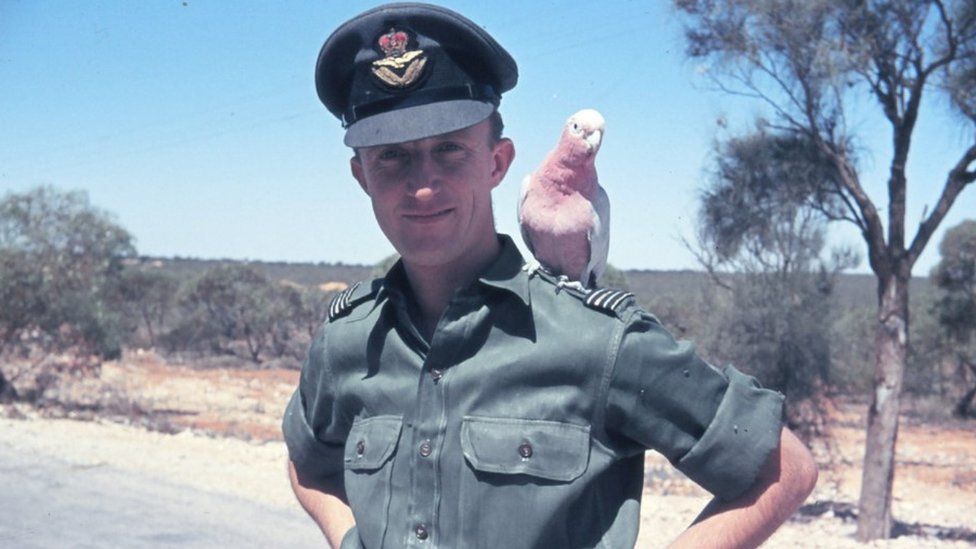
Nuclear test veterans: ‘My dad was treated like a guinea pig’, By Chris Wood, BBC News 30 May 21, When David Purse was sent to Australia, he thought it would be a “wild adventure” in a little-explored place.
However, the RAF flight lieutenant’s posting to a remote area called Maralinga was to test atomic weapons.
Son Steve, 47, from Prestatyn in Denbighshire, puts his own “unique” condition down to “a rare genetic mutation” caused by radiation.
The Ministry of Defence said three large studies found no link between the tests and ill health.
But a study at Brunel University is currently looking at the possibility genetic damage from the tests has affected the children of personnel.
“Flying through mushroom clouds or watching”, Steve believes men were “treated like guinea pigs” and wants recognition for them, adding: “It wasn’t an act of God but an act of government.”
In all, about 40,000 British personnel took part in the testing of atomic and hydrogen bombs in the 1950s and 1960s.
Most were in the Pacific – the biggest being Operation Grapple, where about 22,000 people oversaw the exploding of bombs in 1957.
Maralinga, in South Australia, saw the first test launches of atomic weapons from aircraft in 1962.
“He was told at short notice and was looking forward to visiting a warm country, a relatively unexplained place, and having a wild adventure,” Steve said of his father.
However, he was “close enough to ground zero to see sand to turn to glass” during tests, with no protective equipment.
Steve added: “There was a rope saying ‘do not enter’ but radiation was in the sand and would blow into food, into their face.
“They would swim in the lagoon, and catch fish that contained highly toxic radiation.”……………..
Steve describes his condition as “unique”, with doctors unable to diagnose it exactly, but says it is a form of short stature, similar to that of actor Warwick Davis.
He believes it is because of a “rare genetic mutation” as a result of the nuclear tests, and part of the “roulette” future generations must live with.
Steve is worried his baby son, Sascha, could also develop problems as he grows older.
“That’s the sad thing, it probably won’t die with veterans,” he said………
The possibility that children of personnel could be affected was first raised in a study at New Zealand’s Massey University in 2007.
Al Rowlands, who led the investigation at the university, said results were “unequivocal” that veterans had suffered genetic damage as a result of radiation.
Support group Labrats estimates there are 200,000 descendants of those who took part in British tests – and says the UK is the only nuclear state not to properly recognise its veterans and support them.
It conducted a health survey with 123 people who took part in tests, 76 from the UK.
“Many [problems experienced by descendants] tend to be autoimmune diseases, but if there are problems, they tend to be severe,” said founder Alan Owen.
“There are bone problems, teeth problems, eye sight. Issues that are meant to affect one in 1,000 – we talked to 10 descendants, four were affected.
“They have developed cancer, heart problems, a wide range of diseases.”
He described talking to veterans about their fears, adding: “When a grandchild is born, they don’t ask if it’s a boy or a girl, but if it’s okay. It’s quite sad they’re living with that now.”
Mr Owen’s father was involved at Operation Dominic, where the United States conducted 31 tests in the Pacific in 1962.
The American government has paid compensation to British personnel present and Mr Owen wants recognition by UK authorities.
He believes there are about 1,500 British nuclear veterans still alive, adding: “All they want is for the government to say ‘we did wrong, it was the 1950s’.
“No prime minister has ever met nuclear veterans. Anthony Eden was warned about the consequences and his reply was ‘it’s a pity but we can’t help it’…………
A number of veterans have already called for an apology, linking their cancer to the testing.
The Ministry of Defence responded by saying: “The National Radiological Protection Board has carried out three large studies of nuclear test veterans and found no valid evidence to link participation in these tests to ill health.”
The Brunel University study has been carried out with those involved in British nuclear tests and their children, with results due soon.
“We anticipate that our findings will have a lasting benefit for the broader nuclear community by providing scientific evidence that will resolve current uncertainties and speculation about potential adverse health effects in nuclear test veterans and their families,” said chief investigator Rhona Anderson. https://www.bbc.com/news/uk-wales-57157476
Ionising radiation the big danger to astronauts

NASA says that not only does space radiation potentially put astronauts at greater risk of radiation sickness, but an “increased lifetime risk for cancer, central nervous system effects, and degenerative diseases.”
Astronauts in space are exposed to the radiation equivalent of 150 to 6,000 chest x-rays https://www.revelstokereview.com/news/morning-start-astronauts-in-space-are-exposed-to-the-radiation-equivalent-of-150-to-6000-chest-x-rays/ May 28, 2021
As noted by NASA, radiation is a type of energy that is emitted in the form of rays, electromagnetic waves and/or particles. Radiation can be seen as visible light or felt as infrared radiation. However, some forms of radiation, like x-rays and gamma rays, are not visible.
Space radiation differs from the type of radiation experienced on Earth because intergalactic radiation “is comprised of atoms in which electrons have been stripped away as the atom accelerated in interstellar space to speeds approaching the speed of light – eventually, only the nucleus of the atom remains.”
So how much space radiation are astronauts exposed to? They’re exposed to “ionizing radiation with effective doses in the range from 50 to 2,000 mSv. 1 mSv of ionizing radiation is equivalent to about three chest x-rays. So that’s like if you were to have 150 to 6,000 chest x-rays.”
With that being said, NASA says that not only does space radiation potentially put astronauts at greater risk of radiation sickness, but an “increased lifetime risk for cancer, central nervous system effects, and degenerative diseases.”
Thyroid cancer in Fukushima children increased 20-fold — Beyond Nuclear International

In addition to thyroid cancer, other types of malignancies and other diseases triggered or adversely affected by ionized radiation are expected to increase. The FMU thyroid studies represent the only scientific study that can provide any relevant information at all about the health consequences of the Fukushima nuclear disaster. And they are currently in danger of being undermined by the proponents of nuclear energy such as IAEA, which has entered a cooperation with FMU and by the Japanese government, which is trying to dispel any concerns about the meltdowns and nuclear energy as a whole.
Increases are real and can’t be attributed to “screening effect”
Thyroid cancer in Fukushima children increased 20-fold — Beyond Nuclear International
Latest results of the Fukushima thyroid screenings confirm worrying trend https://wordpress.com/read/feeds/72759838/posts/3354864780 By Dr. Alex Rosen, 23 May 21,
In 2011, people in Japan were exposed to radioactive fallout. Some still live in contaminated regions where they are exposed to elevated levels of radiation on a daily basis: radioactive hot-spots on the side of the road, in rice paddies or in sandboxes, contaminated mushrooms or algae, contaminated groundwater, and recontamination from forest fires or flooding.
One of the most dreaded effects of radioactive exposure is the development of cancer through mutation of the DNA. Thyroid cancer in children is certainly not the most dangerous form of radiation-induced cancer, but it is probably the easiest to detect. For one thing, the latency periods before a cancer develops are relatively short, while at the same time, thyroid cancer in children is an extremely rare disease, so that even a slight absolute increase can be statistically detected.
Accordingly, in 2011, there was great pressure on Japanese authorities to investigate the development of thyroid cancer in children and adolescents in Fukushima by conducting long-term screening examinations.
For almost 10 years now, Fukushima Medical University has been regularly examining the thyroid glands of people who lived in Fukushima Prefecture at the time of the meltdowns and were under 18 years of age. Initially, this group consisted of about 368,000 individuals. Of these, 300,000 (about 82%) were successfully screened in the first few years. After the initial screening (2011-2014), follow-up examinations of these children took place every two years. The second examination has already been completed, the third examination is in its final stage, the fourth series of examinations has been running since 2018, and the fifth since 2020.
In the initial investigation in Fukushima, 116 abnormal biopsies were found. Amongst these, 101 cases of cancers were found that were so aggressive that they required surgery. The patients with abnormal biopsies were 6 to 18 years old (average of 14.9 years) at the time of the nuclear disaster. This unexpectedly high number was explained by Fukushima Medical University as a screening effect, the phenomenon of identifying more cases of disease in large-scale screening than would be expected. While the exact magnitude of this screening effect in the first round is unknown, it can be ruled out that the increased cancer rates in subsequent screenings are consequences of a screening effect, because all of these children had already been examined and found to be cancer-free in previous screenings. They must therefore have developed the cancer between the screening examinations.
In the 2nd screening round, 54 cancer cases were found in 71 abnormal biopsies (age at the time of the nuclear disaster 5-18, average of 12.6 years), in the 3rd screening round, another 27 cases were found in 31 abnormal biopsies (age at the time of the nuclear disaster 5-16, average of 9.6 years), and in the current 4th round, 16 new diagnoses have been made in 27 abnormal biopsies (age at the time of the nuclear disaster 0-12, average of 8.0 years). A total of 46 children with suspicious fine-needle biopsies are still under observation and have not yet undergone surgery. The steadily decreasing average age in the screenings is striking: with time, more and more cancer cases are becoming apparent in patients who were still very young at the time of the nuclear disaster, even under 5 years of age.
Incidentally, adolescents in the study cohort who turn 25 are excluded from the main study and transferred to a newly created cohort, the “Age 25 Milestone” group. In this group, 4 additional cases of thyroid cancer have been registered, with 7 conspicuous biopsies so far. The number of unreported cases is likely to be much higher: the participation rate in this study is just 8%. The creation of a new study cohort is generally seen as a measure by FMU to further reduce the number of diagnosed cancer cases.
In addition, there are 11 thyroid cancer cases diagnosed in children from the study cohort, but not during the official screenings. These patients were seen and diagnosed at Fukushima University Hospital. These 11 cases are not reported in the official results, although they show identical tumor entities and occurred in patients who are in the actual study cohort. The 11 cases came to light in June 2017. How many more cases have been diagnosed but not reported since then is unknown. In addition, data from other hospitals in Japan are not available, and patients from contaminated areas outside Fukushima Prefecture are not examined at all, so the unreported number of thyroid cancer cases among patients who were children in the contaminated areas at the time of the meltdowns is likely to be much higher. Nevertheless, the total number of thyroid cancer cases in Fukushima currently stands at 213 (198 official cases from the serial examinations, 4 cases from the Age 25 Milestone cohort and 11 cases from the Fukushima University Hospital).
It is interesting to compare these figures with the overall Japanese incidence rate. The official incidence rate of thyroid cancer in children under 25 in Japan is about 0.59 per 100,000 per year, which means that in the cohort of about 218,000 children, about 1.3 new thyroid cancer cases per year would be expected. Today, 10 years after the beginning of the nuclear disaster, just under 13 thyroid cancer cases would thus have been expected in the study population.
However, the actual number of thyroid cancer cases in Fukushima of 213 is higher by a factor of 16. If we consider only the 112 cases diagnosed after the initial screening and thus not suspected to be caused by a screening effect of any kind, the number of confirmed cases is 20 times higher than the number of expected thyroid cancer cases (5.5 new cases after the end of the initial 1st screening in 2014)
In the following graph, [on original] the officially confirmed thyroid cancer cases (in blue) are compared to the cases expected mathematically in the screening cohort (in orange). It can be seen that the number of cases increased steadily over the course of the initial screening, and continue to increase beyond that, in the years 2014-2020 – an effect that cannot be explained by any kind of screening effect. [Graph on original explains this]
In addition, the geographic distribution of thyroid cancer rates corresponds to the level of radioactive contamination. A significantly higher incidence of thyroid cancer in children was recorded in the 13 most severely contaminated municipalities in eastern Fukushima than in the less contaminated areas in the north, south and central parts of the prefecture. The incidence was lowest in the western part of the prefecture, where the radioactive fallout was also least pronounced.
In the following graph, [on original] the officially confirmed thyroid cancer cases (in blue) are compared to the cases expected mathematically in the screening cohort (in orange). It can be seen that the number of cases increased steadily over the course of the initial screening, and continue to increase beyond that, in the years 2014-2020 – an effect that cannot be explained by any kind of screening effect.
There seems to be a system behind this trend: Fukushima Medical University, which is in charge of the study, has been sending staff to schools in the prefecture for years to educate children about their “right not to participate” and the “right not to know”. On the study forms, there is now a prominent “opt-out” option for people who wish to be removed from the screening. FMU seems to encourage people to opt out of the study. The drop in participation can also be explained by the removal of people over 25 years from the main study. Are FMU staff concerned that the disturbing trend of increasing numbers of thyroid cancer cases will continue? Are they uncomfortable with data that contradicts the thesis, propagated since the beginning of the nuclear disaster, that the multiple meltdowns would not lead to additional cancers?
In addition to thyroid cancer, other types of malignancies and other diseases triggered or adversely affected by ionized radiation are expected to increase. The FMU thyroid studies represent the only scientific study that can provide any relevant information at all about the health consequences of the Fukushima nuclear disaster. And they are currently in danger of being undermined by the proponents of nuclear energy such as IAEA, which has entered a cooperation with FMU and by the Japanese government, which is trying to dispel any concerns about the meltdowns and nuclear energy as a whole.
The people of Japan have an inalienable right to health and to life in a healthy environment. The examination of children’s thyroid glands benefits not only the patients themselves, whose cancers can be detected and treated at an early stage, but also the entire population, which is affected by irradiation from radioactive fallout.
The correct continuation and scientific monitoring of thyroid examinations are therefore in the public interest and must not be thwarted by political or economic motives. It is important to continue to critically accompany these developments from the outside.
Dr. Alex Rosen is a pediatrician and Co-Chair of the German affiliate of IPPNW
Note: this article was first published in IPPNW Germany’s member magazine ippnw forum in 03/21
Headline photo showing thyroid cancer by National Human Genome Research Institute (NHGRI) from Bethesda, MD, USA/Wikimedia Commons
New study into mental health of atomic bomb test veterans

Eastern Daily Press 22nd May 2021, A nuclear test veteran blamed himself for the birth defects which he
believed he passed on to members of his family, his daughter has revealed.
Suzanna Ward spoke as a new study was launched into the mental health of
the children, wives and widows of nuclear veterans. Around 22,000 British
servicemen witnessed nuclear tests on mainland Australia, the Montebello
Islands off Western Australia and Christmas Island in the South Pacific,
during the 1950s and 1960s.
https://www.edp24.co.uk/news/new-study-into-mental-health-of-nuclear-veterans-7991116
The dark legacy of a nuclear meltdown – The Santa Susana Field Laboratory.
Newsletter: The dark legacy of a nuclear meltdown, and what it means for climate change L.A. Times, By SAMMY ROTH. STAFF WRITER MAY 20, 2021
”………………The Santa Susana Field Laboratory.
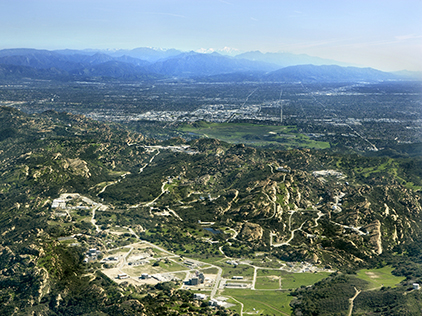
Despite growing up in Los Angeles, until recently I knew next to nothing about Santa Susana, which is nestled in the Simi Hills west of the San Fernando Valley. As my L.A. Times colleagues have chronicled, it was a nuclear reactor and rocket engine test facility for decades, and the site of a partial nuclear meltdown in 1959. Today more than 700,000 people live within 10 miles.
Santa Susana is an incredibly toxic site.
And the parties responsible for the long legacy of radioactive waste and other contaminants — namely Boeing, NASA and the federal Department of Energy — have done hardly anything to clean it up.
“That work was supposed to be completed by 2017. Yet much of it has not even started,” columnist Michael Hiltzik wrote last year.
Santa Susana is also the subject of a new documentary, “In the Dark of the Valley,” which is making the rounds on the film festival circuit. It’s a gut-wrenching story about children living near the field lab who have been diagnosed with cancer, and whose mothers have banded together to demand a full cleanup, in hopes that other families won’t suffer like theirs have.
The film focuses on Melissa Bumstead, whose daughter Grace Ellen was diagnosed with a rare and aggressive form of leukemia at age 4. Bumstead started a Change.org petition that has garnered more than 700,000 signatures, calling on politicians including Gov. Gavin Newsom to compel Boeing and the federal agencies to live up to their long-unfulfilled promises.
“I’m not going to stop. So we’ll just have to find out who has more endurance, me or them,” she says in the film’s closing moments. “The thing that’s heartbreaking is that it’s just going to continue. But it’s the kids who have to suffer, and it’s the parents who have to bury them.”
…. there’s been research suggesting that Santa Susana may pose a serious health risk to people nearby.
In 1997, UCLA scientists reported that field lab workers exposed to higher doses of radiation from 1950 through 1993 were more likely to die of cancer. A decade later, University of Michigan researchers found that people living within two miles of the site had been diagnosed with thyroid, bladder and other cancers at a 60% higher rate than people living more than five miles away.
The scope of the contamination far exceeds a single meltdown more than 60 years ago.
Daniel Hirsch — a retired UCLA and UC Santa Cruz lecturer whose students originally uncovered the meltdown, which was hidden from public view for two decades — says there were several accidents at the field lab, worsened by a lack of containment domes for the nuclear reactors. There were shockingly unsafe waste disposal practices too. For years, workers used rifles to shoot barrels of toxic chemicals to make them ignite or explode. Radioactive waste was also routinely burned in open-air pits, Hirsch said.
This was completely illegal. They weren’t supposed to be doing it,” he said
Hirsch runs the anti-nuclear group Committee to Bridge the Gap, and he’s been trying to get Santa Susana cleaned up for more than 40 years. His concerns include the continued presence of cancer-causing chemicals that can seep into groundwater, or be flushed down into the San Fernando and Simi valleys during rainstorms — or become airborne during a wind-driven wildfire.
That was a major worry during the 2018 Woolsey fire, which was ignited by a Southern California Edison electrical line at the field lab. State officials said the wildfire smoke wasn’t any more dangerous to breathe than usual, but Hirsch had a hard time believing that.
“They set up the air monitor two days after the fire,” he said.
……….. Hirsch and many local residents say Boeing and the federal government have repeatedly tried to weasel out of their commitments. And the Department of Toxic Substances Control hasn’t put up much of a fight, critics say. In January, for instance, the agency agreed to confidential talks with Boeing to resolve a dispute over the extent of the cleanup.
Another wrinkle is NASA’s recent decision to nominate the entire field lab for inclusion in the National Register of Historic Places, citing its Native American cave drawings and archaeological relics. Critics fear the historic designation is a thinly veiled attempt by NASA to shirk some of its cleanup obligations, a charge the space agency denies, as my colleague Louis Sahagún reported.
…… I was definitely jarred by Hirsch’s response when I told him I had hiked in the Simi Hills, within a few miles of the Santa Susana Field Lab, and asked whether he would feel safe doing the same. He didn’t hedge. He told me he would not.
“Every area around the site has been found to have contamination,” he said. https://www.latimes.com/environment/newsletter/2021-05-20/long-legacy-nuclear-meltdown-climate-change-boiling-point
New study on children, wives and widows of UK nuclear test veterans
Kent Online 18th May 2021, The children, wives and widows of nuclear test veterans in Kent are being
urged to sign up for a ground-breaking study. During the 1950s and 1960s,
around 22,000 British Servicemen – many of them called up for National
Service – witnessed nuclear tests on mainland Australia, the Montebello
Islands off Western Australia and Christmas Island in the South Pacific.
Nuclear emergency guidelines on thyroid radiation exposure under review in Japan
Nuclear emergency guidelines on thyroid radiation exposure under review in Japan, Japan News, The Yomiuri Shimbun, 17 May, 21
The Nuclear Regulation Authority (NRA) plans to establish a system for measuring thyroid gland radiation levels of nearby residents in the immediate aftermath of a nuclear power plant accident, during a review of the government’s nuclear emergency response guidelines being undertaken this fiscal year.
Revisions will likely include a requirement to measure radiation levels of children under the age of 18 and pregnant women, who are most vulnerable to radiation exposure………
Officials are particularly concerned about areas where radiation levels reach 500 microsieverts per hour, which requires immediate evacuation, and those where levels continuously exceed 20 microsieverts per hour, which requires temporary relocation.
The NRA is considering mainly targeting children under the age of 18, pregnant women and nursing mothers in such areas.
Radioactive iodine-131 released in a nuclear accident halves in about eight days, highlighting the importance of taking measurements immediately after an accident to determine radiation exposure levels.
However, the measurement target until now was unclear and the response system and equipment were insufficient………. only about 1,000 of the 370,000 children under the age of 18 in Fukushima Prefecture have had their thyroid gland radiation levels measured. https://the-japan-news.com/news/article/0007405020
Alabama hospital installs radiation-free spine imaging tool
Alabama hospital installs radiation-free spine imaging tool https://www.beckersspine.com/orthopedic-a-spine-device-a-implant-news/item/51800-alabama-hospital-installs-radiation-free-spine-imaging-tool.htmlAlan Condon – Birmingham, Ala.-based Princeton Baptist Medical Center reportedly is the first hospital in the state to implement the Flash navigation system for spine and cranial procedures, CBS affiliate WIAT reported May 14.
Designed by 7D Surgical, Flash uses visible light to create a 3D image for spine surgical navigation, eliminating patient and staff exposure to intraoperative radiation, according to the company.
The technology was approved for neurologic surgery in 2016 but since has expanded to spine surgery.
The Flash system costs $500,000, compared to other navigation systems on the market that run up to $1.2 million, according to 7D Surgical.
7D Surgical is expected to be acquired by SeaSpine this quarter.
Pacific Nuclear test veterans encouraged quest for apology will succeed
Nuclear test veterans encouraged quest for apology will succeed https://www.stuff.co.nz/national/300309768/nuclear-test-veterans-encouraged-quest-for-apology-will-succeed, Jimmy Ellingham May 17 2021 Pacific nuclear test veterans are encouraged their quest to gain a long-awaited apology for being exposed to radiation appears to have ministerial support
Kiwi sailors on the decks of the HMNZS Rotoiti and HMNZS Pukaki witnessed atomic explosions and collected weather data during Operation Grapple, Britain’s Pacific nuclear testing programme of the 1950s.
The New Zealand Nuclear Test Veterans’ Association, which represents the more than 500 Kiwi sailors involved, is pushing for a meeting with Prime Minister Jacinda Ardern.
The association wants an apology for the sailors, and help for medical problems in their children and grandchildren.
To lay the groundwork for the prime ministerial audience the association’s chairman, Tere Tahi, of Bulls, has met with Veterans’ Affairs Minister Meka Whaitiri.
Tahi said last week’s audience with the minister, her secretary and head of Veterans’ Affairs Bernadine Mackenzie went well, a feeling he hadn’t had from meetings with previous ministers.
“They were mighty to talk to. The minister was really good and she said that she’ll do what she can for the veterans.”
The trio listened to arguments about how what the navy veterans went through had affected their children and grandchildren. Tahi and his son James represented the association.
At present the veterans can get help for medical problems, but their offspring cannot.
Tahi said Whaitiri was asked if she could approach Ardern about a meeting, and she said she would try.
“We put our case across to her [Whaitiri], which is what we wanted to do. She was very good.
“We want recognition. We want an apology.”
The association’s plan was to argue its case to Ardern on humanitarian grounds, telling the stories of its members.
It’s thought about 60 of the Kiwi sailors are still alive.
The association’s plan was to argue its case to Ardern on humanitarian grounds, telling the stories of its members.
It’s thought about 60 of the Kiwi sailors are still alive.
The association was formed in the 1990s. At a reunion about that time it became clear many veterans were affected by cancer and other health
1 This Month

of the week – Shut Down Drone Warfare!


Tell the Ukrainian Government to Drop Prosecution of Peace Activist Yurii Sheliazhenko

Petition to revoke the licensing of the Near Surface Nuclear Disposal Facility (NSDF) at Chalk River. https://www.ourcommons.ca/petitions/en/Petition/Details?Petition=e-7247
To see nuclear-related stories in greater depth and intensity – go to https://nuclearinformation.wordpress.com
-
Archives
- April 2026 (68)
- March 2026 (251)
- February 2026 (268)
- January 2026 (308)
- December 2025 (358)
- November 2025 (359)
- October 2025 (376)
- September 2025 (257)
- August 2025 (319)
- July 2025 (230)
- June 2025 (348)
- May 2025 (261)
-
Categories
- 1
- 1 NUCLEAR ISSUES
- business and costs
- climate change
- culture and arts
- ENERGY
- environment
- health
- history
- indigenous issues
- Legal
- marketing of nuclear
- media
- opposition to nuclear
- PERSONAL STORIES
- politics
- politics international
- Religion and ethics
- safety
- secrets,lies and civil liberties
- spinbuster
- technology
- Uranium
- wastes
- weapons and war
- Women
- 2 WORLD
- ACTION
- AFRICA
- Atrocities
- AUSTRALIA
- Christina's notes
- Christina's themes
- culture and arts
- Events
- Fuk 2022
- Fuk 2023
- Fukushima 2017
- Fukushima 2018
- fukushima 2019
- Fukushima 2020
- Fukushima 2021
- general
- global warming
- Humour (God we need it)
- Nuclear
- RARE EARTHS
- Reference
- resources – print
- Resources -audiovicual
- Weekly Newsletter
- World
- World Nuclear
- YouTube
-
RSS
Entries RSS
Comments RSS
 nuclear-news