Rare Pediatric Cancers Persist 63 Years After Nuclear Accident

Melissa Bumstead is one of those residents. She and her family live 3.7 miles from the Santa Susana site. When her toddler Grace was diagnosed with a rare form of leukemia in 2014, doctors told Bumstead there were no known links between her daughter’s cancer and environmental contamination.
But during Grace’s treatment at Children’s Hospital Los Angeles, her mother began meeting other parents who lived near her and had children facing equally rare cancers.
They plotted their homes on Google Maps and found that they all lived within roughly 10 miles of one another. It would take another year for them to realize that the SSFL site was at the center of the circle.
WebMD Cancer news, By Neil Osterweil, March 11, 2022 –– Chernobyl. Fukushima. Three Mile Island.
The world knows these names all too well because of accidents there: complete or partial meltdowns of nuclear reactors that released massive amounts of cancer-causing radiation into the air, soil, and water.
The Santa Susana Field Lab (SSFL) is far less well-known, but no less infamous for what took place at this former rocket engine and nuclear energy test site just 28 miles northwest of downtown Los Angeles.
In July 1959, an accident involving one of 10 experimental nuclear reactors at the SSFL sitereleased a cloud of harmful radiation and toxic chemicals over the surrounding area, including Simi Valley, San Gabriel Valley, Chatsworth, and Canoga Park. The small reactor had no containment vessel.
This accident resulted in a release of radioactive iodine estimated to be as much as 250 times that of the partial meltdown that would occur 2 decades later at Three Mile Island, a much larger commercial reactor that had a containment vessel.
Six decades later, hundreds of potentially carcinogenic chemicals remain in the surrounding environment. And local children are being diagnosed with rare cancers at a rate that far outpaces what experts would predict.
Decades-Long Cover-Up
In 1959, the public knew nothing about what had happened at the site.
According to John Pace, then an employee at SSFL, the accident was covered up. Pace recounted the cover-up in the documentary In the Dark of the Valley, which first aired in November 2021 on MSNBC.
In fact, the accident at SSFL remained under wraps for 2 decades, according to Daniel Hirsch, former director of the Program on Environmental and Nuclear Policy at the University of California, Santa Cruz, and now president of Committee to Bridge the Gap, a nuclear policy nongovernmental organization.
“Students working with me while I was teaching at UCLA in 1979 uncovered these Atomic Energy Commission reports from Atomics International,” he said in an interview. “We had to order the documents from the annex to the UCLA Engineering Library. They were stored offsite, and it took a few days, and when we got them, we opened them up, and there were these fold-out photographs of the fuel [rods]. As we folded out the photographs further, we saw one photo with an arrow labeled ‘longitudinal cracks,’ and then other arrows showing other kinds of cracks, and then another arrow labeled ‘melted blob.’”
Hirsch and his students found that other accidents had occurred at SSFL, including a fuel fabrication system that leached plutonium, fires in a “hot” lab where irradiated nuclear fuel from around the United States was handled, and open-air burn pits where radioactive and toxic chemical wastes were illegally torched.
According to the Committee to Bridge the Gap, when the 2,800-acre SSFL site was being developed under the name Rocketdyne by aircraft maker North American Aviation, the area was sparsely populated, with nearly as many grazing animals as people in its hills and valleys.
North American Aviation later became part of Rockwell International, which in turn sold its aerospace and defense business units to the Boeing Company in 1996. Boeing, now in charge of the site and the cleanup efforts, is doing everything in its power to shirk or diminish its responsibility, Hirsch and other critics say.
Parents Against SSFL
Today, more than 150,000 people live within 5 miles of SSFL, and more than half a million live within 10 miles.
Continue readingAfter the meltdown

Because many health impacts appear years or decades after the radiological catastrophe, this allows governments, media and nuclear power proponents to claim minimal health impacts, and thereby to misrepresent the true state of affairs. This downplays the significant long-term health impacts of accidents, including among those who were not alive when the initial radioactive fallout occurred.
The most effective, and precautionary, approach, is the prompt phaseout of nuclear power and its supporting industries, which would be beneficial for both health and the climate.
https://beyondnuclearinternational.org/2022/05/29/after-the-meltdown/ by beyondnuclearinternational, Reactors in a war zone and potential health consequences, By Cindy Folkers, Beyond Nuclear (US) and Dr Ian Fairlie, CND (UK)
Nuclear power plants are vulnerable to meltdown at any time, but they are especially vulnerable during wars, such as we are seeing in Ukraine, as evidenced by Russian attacks on the six-reactor Zaporizhizhia nuclear power facility and on the closed nuclear facility at Chornobyl in March 2022.
Media articles often dwell on the conditions that could spark a meltdown, but attention should also be paid to the possible human health consequences. We answer some questions about the short-term and long-term consequences for human health of a radiological disaster at a nuclear power plant.
What happens at a reactor during a major nuclear power disaster?
The main dangers would arise at the reactor and at its irradiated fuel pool. Loss of power can result in both of these draining down, as their water contents leaked or boiled away. This would expose highly radioactive fuel rods, resulting in meltdowns and explosions as occurred at Fukushima in Japan in 2011, where large amounts of radioactivity were released into the environment.
Explosions, as happened at both Chornobyl and Fukushima, eject radioactive nuclides high into the atmosphere, so that they travel long distances downwind via weather patterns, such as winds and rain. The result is radioactive fallout over large areas, as occurred at Chornobyl and Fukushima. The map below, from the European Environment Agency, shows that the dispersion and deposition of caesium-137 (Cs-137) from the Chornobyl catastrophe in Ukraine in 1986 was far-reaching — covering 40% of the land area of Europe, as it followed weather patterns over the 10-day period of the accident.
Contrary to what many people think, the radioactive fallout from Chornobyl reached the UK (2,500 km away) in 1986 as also shown in the above map [on original].
In Japan, radiation deposition from Fukushima in 2011 also fell in selective areas of Japan, with some radioactive particles traveling as far as 400 km. It is estimated that about 7% of Japan was seriously contaminated.
What is released during a major nuclear power accident?
In the first few days and weeks after the disaster, the first releases are generally short-lived radioactive gases and vapors including tritium (i.e. as tritiated water vapor), xenon, krypton, and iodine. These gases and vapors deliver harmful exposures to people living downwind of the nuclear plant when they are inhaled.
Later, hundreds of non-volatile nuclides can be released. These are non-gaseous, generally longer-lived radionuclides which can nevertheless travel long distances. They include strontium, caesium and plutonium. These pose dangers over longer time periods, contaminating the trees, farms, fields and urban areas where they settle and recirculate for decades afterwards.
Although media reports usually talk about the half-lives of radionuclides (defined as the time it takes for half of the substance to decay), this is misleading, as the hazardous longevity of these nuclides is often 10 to 20 times longer than their radiological half-life. For example, nuclear waste consultants routinely use 300 years (i.e. 10 x the 30-year half-life of Cs-137) as a benchmark for the required longevity of waste facilities.
What are the harmful health effects?
Both short-lived and long-lived nuclides are dangerous.
Although short-lived radionuclides, for example, iodine-131 (I-131) with a half-life of 8.3 days, decay relatively quickly, this means that their doses-rates are high. Therefore during their short times they still give high doses. These cause (a) immediate impacts (e.g. skin rashes, metallic taste, nausea, hair loss, etc.) and (b) diseases years later, such as thyroid cancer, long after the nuclide has decayed away. As they decay, they result in exposures both externally (e.g. to skin) and internally, by inhalation or ingestion.
Longer-lived nuclides in the environment, such as caesium-131 (Cs-137) with a half-life of 30 years, also pose dangers. These occur both initially during the first phases of a catastrophe when they are inhaled or ingested but also decades later when soils and leaf litter are disturbed by storms or forest fires. They can continually expose subsequent generations of people and animals, especially those unable to evacuate from contaminated areas or who lack access to clean food.
Can I protect myself and my family?
The main responses to a nuclear disaster are shelter, evacuation and stable iodine prophylaxis. The most important, in terms of preventing future cancer epidemics, is evacuation, in other words, reducing exposure time as much as possible.
However unless evacuations are properly planned and executed, they can add to the death toll. For an accurate account of what happened during the poorly planned evacuations after the Fukushima see Ian Fairlie’s article, Evacuations After Severe Nuclear Accidents.
Shelter means staying indoors and closing all doors and windows tightly, blocking any areas where air might enter.
Potassium iodide (KI) tablets are proven to be effective in protecting against the harmful effects of fast-traveling iodine-131, as radioactive gases are the first to arrive in the event of a nuclear disaster. This protection is particularly important for pregnant women and children. However KI ONLY protects the thyroid and does NOT provide protection against exposures to the other nuclides commonly released during nuclear accidents, such as caesium-137, strontium-90 and tritium.
Harm down the generations and continuing recontamination
The contamination released by nuclear reactors doesn’t stay in one place. Through forest fires, heavy rains, snowmelt, and human activities such as war, radioactivity in plants and soils can be resuspended later on, becoming available for yet more inhalation or ingestion, ensuring ongoing exposures.
Much of the impact in populations in radioactively contaminated areas could be avoided if people were assisted in moving away in order to stop breathing contaminated air and eating contaminated food. In addition, Korsakov et al., (2020) showed that babies in contaminated areas suffered raised levels of birth defects and congenital malformations.
Studies have also shown that animals living on contaminated lands show an increased sensitivity to radiation compared to their parents (Goncharova and Ryabokon, 1998) and accelerated mutation rates (Baker et al., 2017, Kesäniemi et al., 2017).
What we already know about health effects from nuclear accidents
The radioactive plumes from the Three Mile Island (TMI) nuclear catastrophe near Harrisburg, Pennsylvania US in 1979 resulted in local people complaining of skin rashes, metallic tastes in their mouths, hair loss (Wing, 1997) and the deaths of their pets. These are all deterministic (i.e. cell killing) effects due to exposures to the very high concentrations of the radioactive gases iodine, krypton, xenon and tritium vapor released during the TMI accident. Radiation levels were so high they overwhelmed radiation monitors, which then failed to measure levels, or erroneously registered them as zero.
At TMI, Chornobyl, and Fukushima, children exposed to radioactive iodine in the initial release experienced thyroid problems, including thyroid cancer. At Chornobyl, the link between this exposure and thyroid cancer was definitively made and even accepted by radiation authorities – see UNSCEAR (2008). After Fukushima, the incidence of thyroid cancer has increased to 20 times the expected number of thyroid cancers among those exposed as children. However the Japanese Government and its agencies have refrained from accepting these figures.
Because many health impacts appear years or decades after the radiological catastrophe, this allows governments, media and nuclear power proponents to claim minimal health impacts, and thereby to misrepresent the true state of affairs. This downplays the significant long-term health impacts of accidents, including among those who were not alive when the initial radioactive fallout occurred.
For example, the Torch 2 report in 2016 showed a long list of other health effects apart from thyroid cancer after the Chornobyl disaster.
Women, especially pregnant women and children are especially susceptible to damage from radiation exposure. This means that they suffer effects at lower doses. Resulting diseases include childhood cancers, impaired neural development, lower IQ rates, respiratory difficulties, cardiovascular diseases, perinatal mortality and birth defects — some appearing for the first time within a family in the population studied (Folkers, 2021).
Animals are also harmed: they have been found to suffer from genetic mutations, tumors, eye cataracts, sterility and neurological impairment, along with reductions in population sizes and biodiversity in areas of high contamination.
What needs to happen
During the confusion and upheaval of past nuclear catastrophes, authorities have invariably attempted to downplay the dangers, deny the risks, and even raise allowable levels of radiation exposures. In all cases, they have comprehensively failed to protect the public. This needs to change.
Officials need to acknowledge the connection between radiation exposures and negative health impacts, particularly among women and children, so that early diagnoses and treatments can be provided. Independent, rather than industry-funded, science is needed to fully understand the cross-generational impact of radiation exposures.
Ultimately, the best protection is the elimination of the risk of exposure, whether from routine radioactive releases or from a major disaster. The most effective, and precautionary, approach, is the prompt phaseout of nuclear power and its supporting industries, which would be beneficial for both health and the climate.
Read the report with full references — Possible health consequences of radioactive releases from stricken nuclear reactors — and a second report by Dr. Fairlie — A Primer on Radiation and Radioactivity—here.
Cindy Folkers is the radiation and health hazards specialist at Beyond Nuclear. Dr. Ian Fairlie is an independent consultant on radioactivity in the environment.
Cancer Patients Seek Damages from Fukushima Nuclear Plant
Claims Journal , By Mari Yamaguchi | May 27, 2022 TOKYO (AP) — A Tokyo court began hearings Thursday in a lawsuit seeking nearly $5 million in damages for six people who were children in Fukushima at the time of its 2011 nuclear power plant disaster and later developed thyroid cancer.
The plaintiffs are suing the operator of the nuclear plant, saying radiation released in the accident caused their illnesses.
It is the first group lawsuit filed by Fukushima residents over health problems allegedly linked to the disaster, their lawyers say.
One plaintiff, identified only as a woman in her 20s, testified from behind a screen that she had to give up plans to attend university because of repeated operations and treatments.
“Because of the treatments, I could not attend university, or continue my studies for my future job, or go to a concert. I had to give up everything,” she said. “I want to regain my healthy body, but that’s impossible no matter how hard I wish.”
She and the five other plaintiffs are seeking a total of 616 million yen ($4.9 million) in damages from Tokyo Electric Power Company Holdings for allegedly causing their cancers.
On March 11, 2011, a magnitude 9.0 earthquake and massive tsunami destroyed the Fukushima plant’s cooling systems, causing three reactor cores to melt and release large amounts of radiation. Critics say the plant operator should have known that a large tsunami was possible at the site.
The plaintiffs, who were 6 to 16 years old at the time of the accident and lived in different parts of Fukushima, were diagnosed with thyroid cancer between 2012 and 2018, their lawyers said……………..
The Fukushima prefectural government tested 380,000 residents aged 18 or younger at the time of the accident for thyroid cancer. About 300 were diagnosed with cancer or suspected cancer.
That occurrence rate, about 77 per 100,000, is significantly higher than the usual 1-2 per million and can only be linked to radiation from the accident, the plaintiffs’ lawyers said.
………… Three other plaintiffs who attended the hearing were also behind a partition to protect their privacy because of criticism on social media accusing them of fabricating their illnesses and hurting the image of Fukushima, the lawyers said.
Ido said many people with health problems feel intimidated to speak out in Fukushima and that he hopes the lawsuit will prove a correlation between radiation and the plaintiffs’ cancers “so that we can have a society in which people can talk freely about their difficulties.”…………… https://www.claimsjournal.com/news/international/2022/05/27/310693.htm
Nuclear expert reaffirms harm of dumping nuclear-contaminated water into ocean, calls on Japan to stop pressuring opposition voices
By Zhang Changyue, May 22, 2022
Nuclear expert reaffirms harm of dumping nuclear-contaminated water into ocean, calls on Japan to stop pressuring opposition voices https://www.globaltimes.cn/page/202205/1266269.shtml
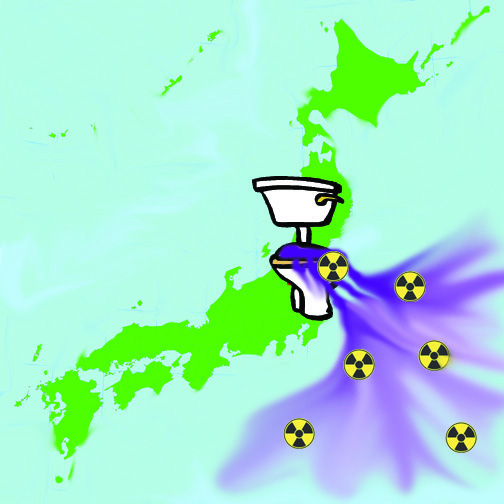
Experts have reaffirmed the inevitable radioactive pollution to be caused by the dumping of nuclear-contaminated water from the Fukushima nuclear plant into the Pacific Ocean after Japan on Wednesday initially approved the discharge plan.
They demanded the Japanese government to stop pressuring those opposed to the plan and to truly listen to concerns from domestic public and international community, as a 30-day public comment period will finally determine the fate of the plan.
The Japanese government and Tokyo Electric Power Company (TEPCO) haven’t conducted a comprehensive environmental impact assessment as required by international law, Shaun Burnie, a senior nuclear specialist at Greenpeace, a global environmental protection organization, told the Global Times.
Their assessment made fundamental mistakes in radiation protection by ignoring the evidence that many different radionuclides would be discharged from the Fukushima nuclear power plant. For example, how much radioactivity in total is planned to be discharged has not been provided,” Burnie pointed out.
“The contaminated water contains radioactive cesium, strontium, tritium and other radioactive substances, which could be incorporated and concentrated in marine biota and end up in the bodies of humans. Some could cause damage to DNA, while others result in higher risks of diseases such as leukemia and blood cancer,” said Burnie.
“To assess the consequences of the tank releases, we need a full accounting of what isotopes are left in each tank after any secondary treatments. This is not just for the nine isotopes currently reported but for a larger suite of possible contaminants, such as plutonium,” explained Burnie. The expert added that since different radionuclides behave differently in the environment, models of tritium’s rapid dispersion and dilution in the ocean cannot be used to assess the fate of other potential contaminants.
Some isotopes are more readily incorporated into marine biota or seafloor sediment, said Burnie. For example, the biological concentration factor for fish for carbon-14 is up to 50,000 times higher than for tritium. Cobalt-60 is up to 300,000 times more likely to end up associated with seafloor sediment.
Also, the discharge could in reality continue for many decades longer than the period of 30 years claimed by the Japanese government – potentially for the rest of this century and beyond, Burnie noted.
Although the Japanese government and TEPCO agreed in 2015 that the consent of the Fukushima Fishermen’s Association would be a condition for any future discharges, they are trying to pressure those opposed to say yes, said Burnie, encouraging efforts in Japan and the international community to continue to stop the unlawful and unjustified dumping plan.
Tritium isn’t harmless — Beyond Nuclear International

Dumping Fukushima’s radioactive water is one of many wrong options
Tritium isn’t harmless — Beyond Nuclear International Japan plan to dump tritiated water into the ocean comes with big risks https://wordpress.com/read/feeds/72759838/posts/4028994254
On May 18, Japan’s Nuclear Regulation Authority gave its initial approval for Tokyo Electric Power to release radioactive water from the destroyed Fukushima nuclear power plant into the Pacific Ocean, claiming that there are no safety concerns. But science disagrees with this conclusion. In a September 2019 blog entry, now updated by the author, Dr. Ian Fairlie looks at the implications of dumping largely tritiated water into the sea and whether there are any viable alternatives.
By Ian Fairlie
At the present time, over a million tonnes of tritium-contaminated water are being held in about a thousand tanks at the site of the Fukushima Daichi nuclear power station in Japan. This is being added to at the rate of ~300 tonnes a day from the water being pumped to keep cool the melted nuclear fuels from the three destroyed reactors at Fukushima. Therefore new tanks are having to be built each week to cope with the influx.
These problems constitute a sharp reminder to the world’s media that the nuclear disaster at Fukushima did not end in 2011 and is continuing with no end in sight.
Recently TEPCO / Japanese Government have been proposing to dilute, then dump, some or all of these tritium-contaminated waters from Fukushima into the sea off the coast of Japan. This has been opposed by Japanese fishermen and environment groups.
There has been quite a media debate, especially in Japan, about the merits and demerits of dumping tritium into the sea.
Many opinions have been voiced in the debate: most are either incorrect or uninformed or both. This post aims to rectify matters and put the discussion on a more sound technical basis.
- TEPCO / Japanese Government have argued that, as tritium is naturally-occurring, it is OK to discharge more of it. This argument is partly correct but misleading. It is true that tritium is created in the stratosphere by cosmic ray bombardment, but the argument that, because it exists naturally, it’s OK to dump more is false. For example, dioxins, furans and ozone are all highly toxic and occur naturally, but dumping more of them into the environment would be regarded as anti-social and to be avoided.
- TEPCO / Japanese Government have argued that it is safe to dump tritium because it already exists in the sea. Yes, tritium is there but at low concentrations of a few becquerels per litre (Bq/l). But the tritium concentrations in the holding tanks at Fukushima are typically about a megabecquerel per litre (MBq/l). In layman’s terms, that’s about a million times more concentrated.
- TEPCO / Japanese Government have argued coastal nuclear plants routinely dump water that contains tritium into the ocean. Yes, this does (regrettably) occur as their cooling waters become tritiated during their transits of reactor cooling circuits. But two wrongs do not make a right. Moreover, the annual amounts are small compared with what is being proposed at Fukushima. A one GW(e) BWR reactor typically releases about a terabecquerel (trillion Bq) of tritium to sea annually. But Fukushima’s tanks hold about one petabecquerel (PBq or a thousand trillion Bq) of tritium – that is, a thousand times more. A much bigger problem.
- Readers may well ask where is all this tritium coming from? Most (or maybe all) the tritium will come from the concrete structures of the ruined Fukushima reactor buildings. After ~40 years’ operation they are extremely contaminated with tritium. (Recall that tritium is both an activation product and a tertiary fission product of nuclear fission.) And, yes, this is the case for all decommissioned (and by corollary, existing) reactors: their concrete structures are all highly contaminated with tritium. The older the station, the more contaminated it is. In my view, this problem constitutes an argument for not building more nuclear power stations: at the end of their lives, all reactor hulks will remain radioactive for over 100 years.
- What about other radioactive contaminants? Reports are emerging that the tank waters also remain contaminated with other nuclides such as caesium-137 and especially strontium-90. This is due to the poor performance of Hitachi’s Advanced Liquid Processing System (ALPS). Their concentrations are much lower than the tritium concentrations but they are still unacceptably high.
For example, on 16 October 2018, the UK Daily Telegraph stated:
“Tokyo Electric Power Co (Tepco) which runs the plant, has until recently claimed that the only significant
contaminant in the water is safe levels of tritium, which can be found in small amounts in drinking water, but is dangerous in large amounts. The [Japanese] government has promised that all other radioactive material [apart from tritium] is being reduced to “non-detect” levels by the sophisticated (ALPS).
“However documents provided to The Telegraph by a source in the Japanese government suggest that the ALPS has consistently failed to eliminate a cocktail of other radioactive elements, including iodine, ruthenium, rhodium, antimony, tellurium, cobalt and strontium.
“That adds to reports of a study by the regional Kahoko Shinpo newspaper which it said confirmed that levels of iodine-129 and ruthenium-106 exceeded acceptable levels in 45 samples out of 84 in 2017. Iodine 129 has a half-life of 15.7 million years and can cause cancer of the thyroid; ruthenium 106 is produced by nuclear fission and high doses can be toxic and carcinogenic when ingested.
In late September 2017, TEPCO was forced to admit that around 80 per cent of the water stored at the Fukushima site still contains radioactive substances above legal levels after the Ministry of Economy, Trade and Industry held public hearings in Tokyo and Fukushima at which local residents and fishermen protested against the plans. It admitted that levels of strontium 90, for example, are more than 100 times above legally permitted levels in 65,000 tons of water that has been through the ALPS cleansing system and are 20,000 times above levels set by the government in several storage tanks at the site.”
So what is to be done?
First of all, the ALPS system has to be drastically improved. After that, some observers have argued that, ideally, the tritium should be separated out of the tank waters. Some isotopic tritium removal technologies have been proposed, for example by the International Atomic Energy Agency, but the picture is complicated. The only operating facility I’m aware of, is located at Darlington near Toronto in Canada, though secret military separation facilities may exist in the US or France.
However the Darlington facility was extremely difficult and expensive to construct (~12 years to build and to get working properly), and its operation consumes large amounts of electricity obtained from the Darlington nuclear power station nearby. Its raison d’ȇtre is to recover very expensive deuterium for Canadian heavy water reactors.
Other proposed remedies will probably be more expensive. One problem is basic physics. The tritium is in the form of tritiated water, which is effectively the same as water itself, so that chemical separation or filtration methods simply do not work.
Another problem is inefficiency: with isotope separation, one would have to put the source hydrogen through thousands of times to get even small amounts of separated non-radioactive hydrogen. A third problem is that hydrogen, as the smallest element, is notoriously difficult to contain, so that gaseous tritium emissions would be very large each year.
None of these technologies is recommended as a solution for Japan: any such facility would release large amounts of tritium gas and tritiated water vapor to air each year, as occurs at Darlington. Tritium gas is quickly converted to tritiated water vapor in the environment. The inhalation of tritiated water vapor from any mooted Japanese facility would likely result in higher collective doses than the ingestion of tritiated sea food, were the tritium to be dumped in the sea.
I recommend neither of these proposed solutions.
There are no easy answers here. Barring a miraculous technical discovery which is unlikely, I think TEPCO/Japanese Government will have to buy more land and keep on building more holding tanks to allow for tritium decay to take place. Ten half-lives for tritium is 123 years: that’s how long these tanks will have to last – at least.
This will allow time not only for tritium to decay, but also for politicians to reflect on the wisdom of their support for nuclear power.
The extent of American radiation exposure is larger than you think

U.S. nuclear bomb testing spread radiation across the vast majority of the country https://www.deseret.com/opinion/2022/5/20/23125918/opinion-the-extent-of-american-radiation-exposure-nuclear-bomb-testing-reca By John LaForge, Readers’ Forum, May 21, 2022
In a May 3 editorial board opinion “The steep price of America bombing its own people,” it says “the interior West of the United States” is “the only part of the nation exposed repeatedly, over many years, to fallout from nuclear weapons tests conducted by the United States government.”
This is a gross underestimation of the nationwide extent of radioactive fallout spread from U.S. bomb testing in the atmosphere, fallout which, in fact, contaminated each and every county in the continental United States.
The board must certainly know of the groundbreaking October 1997 report by the National Cancer Institute, “Estimated Exposures and Thyroid Doses Received by the American People from Iodine-131 in Fallout Following Nevada Atmospheric Nuclear Bomb Tests.”
This report notes in its executive summary and in multiple map illustrations that “Some radioiodine was deposited everywhere in the United States, with the highest deposits immediately downwind of the NTS (Nevada test site).”
The report notes that “Ninety nuclear tests … released about 150 million curies of iodine-131, mainly in the years 1952, 1953, 1955, and 1957.” Of course beyond just iodine-131, there were dozens of other dangerous radioactive materials in the fallout. Radioiodine alone was studied because after being deposited on grass, it quickly contaminated cow’s milk and consequently the infants, children and adults that consumed the milk.
1.2 billion people threatened by escalating heat due to climate change

Rolling out cooling technologies to the 1.2 billion people most at risk
from extreme heat incidents should be a global priority, according to the
global Sustainable Energy for All (SEforALL) campaign.
In a new report, titled Chilling Prospects, SEforALL reveals the escalating threat
communities are facing from extreme heatwaves and warns that the world is
entering a decisive decade when sustainable cooling solutions must be
deployed at pace if increasingly common heatwaves are not to have
catastrophic and deadly consequences.
The report assesses 76 countries with
cooling access challenges and found that, globally, 1.2 billion people do
not have adequate access to cooling, threatening their ability to survive
extreme heat, store nutritious food, or secure access to safe vaccines.
Business Green 17th May 2022
Injured troops to be evacuated from Azovstal – Moscow
https://www.rt.com/russia/555560-injured-troops-evacuation-azovstal/— 16 May 22,
Evacuation from the Mariupol stronghold to a Donbass city agreed, Russian military said. Russian and allied troops blocking the Azovstal steelworks in Mariupol will allow injured Ukrainian soldiers to leave the stronghold and go to hospital in Novoazovsk, the Russian defense ministry said on Monday. The evacuation is planned for later on Monday after an agreement was reached, the military said.
According to the Russian ministry, it has suspended hostilities at Azovstal to allow the humanitarian evacuation later in the day.
Novoazovsk is a small city about 40km east of Mariupol, which is controlled by the militia force of the Donetsk People’s Republic. The evacuated troops will apparently remain in the custody of the breakaway republic, which Russia recognized as an independent state before launching its attack against Ukraine in late February.
Azovstal serves as the last bastion of Ukrainian troops in Mariupol, a major port city that saw some of the most intense fighting during Russia’s offensive in Ukraine. The vast facility has an extensive network of underground tunnels and shelters, where Ukrainian fighters are holed up.
Russia decided not to storm the site, saying it would take too many lives of its soldiers, and opted for a prolonged siege instead. Ukrainian troops stationed there, many of whom belong to the controversial nationalist Azov battalion, have been complaining about a shortage of food, medical supplies and ammunition for weeks.
Russia attacked the neighboring state in late February, following Ukraine’s failure to implement the terms of the Minsk agreements, first signed in 2014, and Moscow’s eventual recognition of the Donbass republics of Donetsk and Lugansk.
The German- and French-brokered protocols were designed to give the breakaway regions special status within the Ukrainian state.The Kremlin has since demanded that Ukraine officially declare itself a neutral country that will never join the US-led NATO military bloc. Kiev insists the Russian offensive was completely unprovoked and has denied claims it was planning to retake the two republics by force.
Forgetting the apocalypse: why our nuclear fears faded – and why that’s dangerous
The horrors of Hiroshima and Nagasaki made the whole world afraid of the atomic bomb – even those who might launch one. Today that fear has mostly passed out of living memory, and with it we may have lost a crucial safeguard,
Guardian, by Daniel Immerwahr 13 May, 22”…………………. what had happened in Hiroshima, and three days later in Nagasaki, could happen anywhere.
The thought proved impossible to shake, especially as, within the year, on-the-ground accounts emerged. Reports came of flesh bubbling, of melted eyes, of a terrifying sickness afflicting even those who’d avoided the blast. “All the scientists are frightened – frightened for their lives,” a Nobel-winning chemist confessed in 1946. Despite scientists’ hopes that the weapons would be retired, in the coming decades they proliferated, with nuclear states testing ever-more-powerful devices on Pacific atolls, the Algerian desert and the Kazakh steppe.
The fear – the pervasive, enduring fear – that characterised the cold war is hard to appreciate today. It wasn’t only powerless city-dwellers who were terrified (“select and fortify a room in which to shelter”, the UK government grimly advised). Leaders themselves were shaken. It was “insane”, US president John F Kennedy felt, that “two men, sitting on the opposite sides of the world, should be able to decide to bring an end to civilisation”. Yet everyone knowingly lived with that insanity for decades…………..
………. The memory of nuclear war, once vivid, is quietly vanishing. ……..
Except that the threat of nuclear war, as Vladimir Putin is reminding the world, has not gone away.
……….. Yet many of Putin’s adversaries seem either unconvinced or, worse, unbothered by his threats. Boris Johnson has flatly dismissed the idea that Russia may use a nuclear weapon. Three former Nato supreme allied commanders have proposed a no-fly zone over Ukraine. This would almost certainly entail direct military conflict between Nato and Russia, and possibly trigger the world’s first all-out war between nuclear states. Still, social media boils over with calls to action, and a poll found that more than a third of US respondents wanted their military to intervene “even if it risks a nuclear conflict”.
Nuclear norms are fraying elsewhere, too. Nine countries collectively hold some 10,000 warheads, and six of those countries are increasing their inventories. Current and recent leaders such as Kim Jong-un, Narendra Modi and Donald Trump have, like Putin, spoken brazenly of firing their weapons……………..
Leaders have talked tough before. But now their talk seems less tethered to reality. This is the first decade when not a single head of a nuclear state can remember Hiroshima.
Does that matter? We’ve seen in other contexts what happens when our experience of a risk attenuates. In rich countries, the waning memory of preventable diseases has fed the anti-vaccination movement. “People have become complacent,” notes epidemiologist Peter Salk, whose father, Jonas Salk, invented the polio vaccine. Not having lived through a polio epidemic, parents are rejecting vaccines to the point where measles and whooping cough are coming back and many have needlessly died of Covid-19.
That is the danger with nuclear war. Using declassified documents, historians now understand how close we came, multiple times, to seeing the missiles fired. In those heartstopping moments, a visceral understanding of what nuclear war entailed helped keep the launch keys from turning. It’s precisely that visceral understanding that’s missing today. We’re entering an age with nuclear weapons but no nuclear memory. Without fanfare, without even noticing, we may have lost a guardrail keeping us from catastrophe.
……………….The US occupation authorities in Japan had censored details of the bomb’s aftermath. But, without consulting the censors, the American writer John Hersey published in the New Yorker one of the most important long-form works of journalism ever written, a graphic account of the bombing. Born to missionaries in China, Hersey was unusually sympathetic to Asian perspectives. His Hiroshima article rejected the bomber’s-eye view and instead told the stories of six survivors.
For many readers, this was the first time they registered that Hiroshima wasn’t a “Japanese army base”, as US president Harry Truman had described it when announcing the bombing, but a city of civilians – doctors, seamstresses, factory workers – who had watched loved ones die. Nor did they die cleanly, vaporised in the puff of a mushroom cloud. Hersey profiled a Methodist pastor, Kiyoshi Tanimoto, who raced to the aid of his ailing but very much still-living neighbours. As Tanimoto grasped one woman, “her skin slipped off in huge, glove-pieces”. Tanimoto “was so sickened by this that he had to sit down for a minute”, wrote Hersey. “He had to keep consciously repeating to himself, ‘These are human beings.’”
Hersey’s contemporaries understood the significance of these accounts. The New Yorker dedicated its full issue to Hersey’s article, and within an hour sold out its entire newsstand print run of 300,000 (plus another 200,000 copies to subscribers). Knopf published it as a book, which eventually sold millions. The text was reprinted in newspapers from France to China, the Netherlands to Bolivia. The massive ABC radio network broadcast Hersey’s text – with no commercials, music or sound effects – over four consecutive evenings. “No other publication in the American 20th century,” the journalism historian Kathy Roberts Forde has written, “was so widely circulated, republished, discussed, and venerated.”
Tanimoto, boosted to celebrity by Hersey’s reporting, made speaking tours of the US. By the end of 1949, he had visited 256 cities. Like Einstein, he pleaded for world government.
Rising tensions between Washington and Moscow erased the possibility of global government. Still, they didn’t change the fact: across the west, leading thinkers felt nuclear weapons to be so dangerous that they required, in Churchill’s words, remoulding “the relationships of all men of all nations” so that “international bodies by supreme authority may give peace on earth and justice among men”.
……………………………………… Maybe one could dismiss the fallout shelters as theatre and the films as fiction. But then there were the bomb tests – great belches of radioactivity that previewed the otherworldly dangers of nuclear weapons. By 1980, the nuclear powers had run 528 atmospheric tests, raising mushroom clouds everywhere from the Pacific atoll of Kiritimati to the Chinese desert. A widely publicised 1961 study of 61,000 baby teeth collected in St Louis showed that children born after the first hydrogen bombs were tested had markedly higher levels of the carcinogen strontium-90, a byproduct of the tests, despite being some 1,500km away from the closest test site.
Unsurprisingly, nuclear tests stoked resistance. In 1954, a detonation by the US at Bikini Atoll in the Pacific got out of hand, irradiating the inhabited atoll of Rongelap and an unfortunate Japanese tuna fishing boat. When the boat’s sickened crew returned to Japan, pandemonium erupted. Petitions describing Japan as “thrice victimised by nuclear bombs” and calling for a ban collected tens of millions of signatures. Ishiro Honda, a film director who’d seen the Hiroshima damage firsthand, made a wildly popular film about a monster, Gojira, awakened by the nuclear testing. Emitting “high levels of H-bomb radiation”, Gojira attacks a fishing boat and then breathes fire on a Japanese city.
………………….. Hiroshima occupied a similar place in public memory to Auschwitz, the other avatar of the unspeakable. The resemblance ran deep. Both terms identified specific events within the broader violence of the second world war – highlighting the Jews among Hitler’s victims, and the atomic bomb victims among the many Japanese who were bombed – and marked them as morally distinct. Both Hiroshima and Auschwitz had been the site of “holocausts” (indeed, early writers more often used that term to describe atomic war than European genocide). And both Hiroshima and Auschwitz sent forth a new type of personage: the “survivor”, a hallowed individual who had borne witness to a historically unique horror. What Elie Wiesel did to raise the stature of Europe’s survivors, Tanimoto did for Japan’s. In their hands, Hiroshima and Auschwitz shared a message: never forget, never again
.…………The whole idea is to kill the bastards,” said US general Thomas Power, when presented in 1960 with a nuclear plan designed to minimise casualties. “Look. At the end of the war, if there are two Americans and one Russian, we win.” This is the man who led the US Strategic Air Command – responsible for its nuclear bombs and missiles – during the Cuban missile crisis.
Generals like Power, tasked with winning wars, pressed often for pre-emptive strikes……………………..
Today, knowledge of the Holocaust is kept alive by more than 100 museums and memorials, including in such unexpected countries as Cuba, Indonesia and Taiwan. But there is no comparable memory industry outside of Japan to remind people of nuclear war.
The result is a profound generational split, evident in nearly every family in a nuclear state……………
the dispelling of dread has made it hard for many to take nuclear war seriously…………
With nuclear threats far from mind, voters seem more tolerant of reckless politicians. ……..
Nor is it only Trump. The nine nuclear states have had an impressive string of norm-breakers among their recent leaders, including Trump, Vladimir Putin, Narendra Modi, Kim Jong-un and Benjamin Netanyahu. With such erratic men talking wildly and tearing up rulebooks, it’s plausible that one of them might be provoked to break the ultimate norm: don’t start a nuclear war.
………… how guided are leaders by such fears? In the past 20 years, the US has pulled out of the 2015 nuclear deal with Iran and two of the three main treaties restraining its arms race with Russia (the third is in bad shape). Meanwhile, China has been developing aggressive new weapons……… India’s its prime minister, Modi, declared. India has the “mother of nuclear bombs” ……
The cost of the shredded norms and torn-up treaties may be paid in Ukraine. Russia invested heavily in its nuclear arsenal after the cold war; it now has the world’s largest. The worse the war in Ukraine goes, the more Putin might be tempted to reach for a tactical nuclear weapon to signal his resolve.
……………… we can’t drive nuclear war to extinction by ignoring it. Instead, we must dismantle arsenals, strengthen treaties and reinforce antinuclear norms. Right now, we’re doing the opposite. And we’re doing it just at the time when those who have most effectively testified to nuclear war’s horrors – the survivors – are entering their 90s. Our nuclear consciousness is badly atrophied. We’re left with a world full of nuclear weapons but emptying of people who understand their consequences. https://www.theguardian.com/world/2022/may/12/forgetting-the-apocalypse-why-our-nuclear-fears-faded-and-why-thats-dangerous
Anti- Russian hysteria
U.S. Plays ‘Dangerous Game’ in Trying to ‘Cancel’ Russia, Ambassador Says
NewsWeek, BY TOM O’CONNOR 5/11/22 MOSCOW’S ENVOY IN WASHINGTON HAS WARNED THAT A GROWING BACKLASH AGAINST ALL THINGS RUSSIA-RELATED IN THE UNITED STATES IN RESPONSE TO THE WAR IN UKRAINE HAS SURPASSED EVEN COLD WAR-ERA LEVELS, TELLING NEWSWEEK THAT NOT ONLY DIPLOMATIC TIES BUT ALSO CULTURAL, EDUCATIONAL AND SCIENTIFIC WERE UNDER UNPRECEDENTED STRAIN.
“The United States has been swamped by a wave of Russophobia fuelled by the media at the instigation of the ruling circles,” Russia’s ambassador to the U.S., Anatoly Antonov told Newsweek. “The situation has taken the worst forms of the anti-communist paranoia and witch-hunt of the McCarthy era.”
He argued that the present state of affairs has sunken below even that of the infamous “red scare” led by late Senator Joseph McCarthy in the aftermath of World War II, as he stated that the scope of targets was now broader.
“Even during the Cold War, our nations continued cultural, educational and scientific contacts,” Antonov said. “I just hope that common sense will prevail and help end the dangerous game of canceling Russia, bordering on the ideas of racial superiority.”…….
Pointing to some recent examples, he said that “anti-Russian hysteria has quickly spread to everyday life.”
Among the more high-profile incidents has been the decision by a number of major musical institutions to drop performances by Russian conductor Valery Gergiev and pianist Denis Matsuev, both prominent supporters of Putin, shortly after the conflict in Ukraine erupted. In some cases, even classical songs have been removed from the bill, including the works of 19th-century composer Pyotr Tchaikovsky, renowned for ballets such as “Swan Lake,” “The Nutcracker” and the “1812 Overture.”
Also on the chopping block have been longstanding associations between professionals in the U.S. and Russia. The Educational Commission for Foreign Medical Graduates has suspended certification for Russian citizens and the oncology group OncoAlert has severed ties with Russian doctors, both actions taken in displays of solidarity with Ukraine………………… https://www.newsweek.com/us-plays-dangerous-game-trying-cancel-russia-ambassador-says-1705770
Ask me about … the 1986 Chernobyl nuclear disaster and its lingering effects
PATRICIA SABATINI, Pittsburgh Post-Gazette, psabatini@post-gazette.com 2 May 22,
Olga Klimova-Magnotta is a lecturer and director of the Russian program at the University of Pittsburgh who teaches a humanities course on the 1986 Chernobyl nuclear disaster.
A native of Belarus, she was 7 years old when a massive explosion at the No. 4 reactor at the Chernobyl nuclear power plant in northern Ukraine (then part of the Soviet Union) resulted in a fire and the uncontrolled release of radioactive contamination. Ms. Klimova — who moved to the U.S. in her early 20s ,was living in the Belarus capital of Minsk at the time of the accident, about 200 miles north of the explosion — or about the distance from Pittsburgh to Harrisburg.
She believes her heart problems stem from radiation exposure. “Many children born or growing up during this time had heart diseases,” she said.
“We all had different health issues. … The doctors connected it to the radiation.”
Talk about the course you teach on Chernobyl. What is the goal?
2021 marked the 35th anniversary of Chernobyl. That’s when I decided to develop the course and draw attention to the Chernobyl tragedy. I wanted students to be aware of the disaster and specifically about its continued effects on the ecosystem and the social, economic, political and cultural lives of people in the area.
Many in the United States didn’t know much about the explosion of the Chernobyl plant before the popular 2019 HBO miniseries [“Chernobyl”]. At least half of my students registered because they watched the miniseries and wanted to learn more.
What stands out in your mind about the catastrophe?
I think it’s the fact that none of us who were living in this area knew the real impact of the disaster. Because radiation is invisible … many of us didn’t know. We were not informed by the government about the negative effects of radiation. There was a lack of information.
When I was growing up after 1986 and in the early 1990s, the disaster affected a lot of people in terms of health. A lot of people started to suffer from [cancer and other health issues]. The numbers of these diseases grew dramatically. Doctors would explain it was because you were a child of Chernobyl.
What are some things about the Chernobyl disaster that you think people would be surprised to know?
I think people would be surprised that the government refused to acknowledge that radiation had a big impact on people’s health.
A lot of volunteers went to Ukraine to do cleanup. It was the Soviet Union. A lot of people in Belarus [also formerly part of the Soviet Union] and Russia and also Ukrainians were sent there. People didn’t get disability or special help with their health issues.
People living in the area were severely affected. Many had long battles with the government trying to get support and get treatment at the hospital. The government denied that the health issues people were having were directly connected to the nuclear disaster.
………….. The radiation hasn’t disappeared. It has a constant effect on people’s health……………………………….. https://www.post-gazette.com/business/powersource/2022/05/02/1986-chernobyl-nuclear-disaster-ukraine-olga-kilmova-magnotta-university-of-pittsburgh/stories/202205010040.
NASA Is Sending Artificial Female Bodies to the Moon to Study Radiation Risks.

Gizmodo, Passant Rabie, May 3, 22, Helga and Zohar are headed for a trip around the Moon on an important mission, measuring radiation risks for female astronauts for the first time.
The inanimate pair are manikins modelled after the body of an adult woman. For the Artemis 1 mission, in which an uncrewed Orion capsule will travel to the Moon and back, one of the manikins will be outfitted with a newly developed radiation protection vest. Helga and Zohar, as they’re called, won’t be alone, as they’ll be joined by a third manikin that will collect data about flight accelerations and vibrations. Artemis 1 is scheduled to blast off later this year.
The Artemis program aims to return humans to the Moon for the first time in over 50 years, but this time the space agency has vowed to land the first woman on the dusty lunar surface.
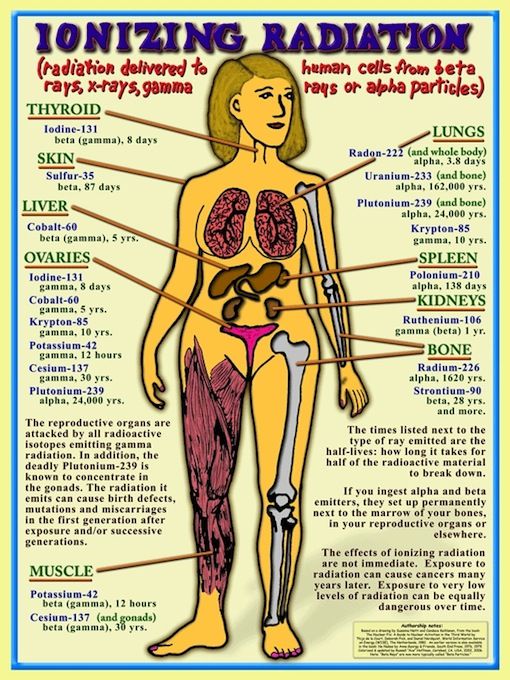
Women appear to be at a greater risk of suffering from the harmful effects of space radiation, so they have different radiation boundary levels than their male colleagues. Studies of radiation exposure for men and women indicate a higher chance of women developing cancer, while other research has found that space radiation is likely to affect female reproductive health…………………………………. https://www.gizmodo.com.au/2022/05/nasa-is-sending-artificial-female-bodies-to-the-moon-to-study-radiation-risks/
Senate Approves Radiation Exposure Compensation Act Extension
https://nativenewsonline.net/health/senate-approves-radiation-exposure-compensation-act-extension, BY KELSEY TURNER MAY 02, 2022, The U.S. Senate on Thursday unanimously approved a two-year extension of an act giving compensation to people who were exposed to radiation from atomic weapons testing and uranium mining. The Radiation Exposure Compensation Act (RECA), which is set to expire in July, provides one-time benefit payments to those who have been diagnosed with cancer or other diseases relating to radiation exposure. The extension now awaits approval by the House.
Since its creation in 1990, RECA has given over $2.4 billion in benefits to more than 38,000 people in Nevada, Utah and other impacted areas. Compensation is available to several groups, including “onsite participants” involved in atmospheric test of an atomic weapon, “downwinders” who were present in certain areas near test sites, and uranium miners, millers and ore transporters who worked with uranium. If passed, the extension would give people more time to apply for compensation.
Navajo Nation President Jonathan Nez applauded the Senate’s approval of the extension, saying it “demonstrates strong bi-partisan support for former uranium miners, downwinders, and many others who have to live with the devastating health effects to this day.”
In March, Nez met with members of both political parties in Washington, D.C., where he voiced the concerns of Navajo people experiencing health impacts due to radioactive contamination and exposure from abandoned uranium mines.
“This is a united effort on behalf of former uranium miners and their families, to secure just compensation and benefits for the health issues and detrimental impacts of uranium mining conducted by the federal government,” Nez said in a Navajo Nation press release. “The RECA bill is an opportunity for Congress to be a part of something historic for the Navajo people, the Navajo Uranium Radiation Victims Committee, and other impacted groups.”
Nez encouraged legislators to work toward a long-term solution that would extend RECA until 2040. A bill sponsored by Idaho Sen. Mike Crapo proposes to expand and extend RECA for another 19 years following the bill’s enactment.
Navajo Nation is pushing for this expansion to include all downwinders, create additional categories of uranium workers and radiation-related illnesses, and increase the minimum compensation received by affected individuals.
Girl’s Cancer Leads Mom to ‘Overwhelming’ Discovery of More Than 50 Sick Kids Near Closed Nuclear Lab
https://people.com/health/calif-girls-cancer-leads-mom-to-overwhelming-discovery-more-than-50-kids-near-closed-lab-were-also-sick/ By Johnny Dodd, 29 Apr 22,
“Pediatric cancer is rare — you’re not supposed to have neighbors whose children also have it,” says Melissa Bumstead, who “knew I had to do something”
Melissa Bumstead made a terrifying discovery in 2014 as her four-year-old daughter Grace lay in a hospital bed battling a rare form of leukemia. While keeping vigil at the Los Angeles medical center where Grace was receiving treatment, Bumstead began meeting the parents of more than 50 children with equally rare cancers and was horrified to learn that they all lived near one another.
“I just kept meeting people who lived down the corner or around the block or behind the high school,” she tells PEOPLE during an interview in this week’s issue. “And that’s when the panic started to set in.”
Even more alarming, Bumstead soon learned that all their homes were located in a circle around a 2,850-acre former top-secret rocket engine and nuclear energy test site—built in 1947—that had long been contaminated with radioactive waste and toxic chemicals.
And for the past seven years the 41-year-old mother of two, who lives 3.7 miles west of the facility, has helped lead the fight to finally get the Santa Susana Field Laboratory property — run chiefly by the Department of Energy, Boeing and NASA before its closure in 2006 — cleaned up.
“This is a hugely contaminated site that contains a who’s-who of chemicals toxic to human health,” says Dr. Robert Dodge, a Ventura, Calif., family doctor and board member of the group Physicians for Social Responsibility. “They can cause cancers, leukemias, along with developmental, genetic, neurologic and immune system disorders.”
While caring for her daughter, whose acute lymphoblastic leukemia has been in remission since a bone marrow transplant five years ago, Bumstead and her group — Parents Against the Santa Susana Field Lab — has pressured California state officials to enforce a 2007 cleanup agreement, scheduled to have been completed in 2017, that they say has remained stalled. That agreement, among other things, called for the removal of contaminated topsoil that residents allege gets blown from the site into surrounding communities by high winds or washed offsite during rains.
Since 2015 Bumstead has immersed herself in scientific studies on the site, testifying at countless public meetings, launching a Facebook page (now with nearly 5,000 members) and creating a change.org petition on the issue (that has attracted over 750,000 signatures).
“It was frightening,” says Bumstead, who is featured in the 2021 documentary In The Dark of the Valley, “to read studies about how adults who lived within two miles from the lab had a 60 percent higher cancer rate than those living more than five miles away or that over 1,500 former workers at the site received federal compensation after being diagnosed with cancer.”
Even more frightening for Bumstead was learning that the lab was the location of one of the nation’s largest — and least known — nuclear accidents that occurred 1959 when one of the facility’s ten sodium nuclear reactors experienced a partial meltdown, releasing enormous amounts of radiation into the surrounding environment.
“It’s exhausting, depressing and often overwhelming,” says Bumstead of her crusade to get the contaminated site cleaned up. “But the cancer was all around us. And I realized that kids are just going to keep getting sick. So I need to do something to make the situation better.”
Climate change ‘already’ raising risk of virus spread between mammals
Mammals forced to move to cooler climes amid global warming are
“already” spreading their viruses further – with “undoubtable”
impacts for human health, a new study says. The research, published in
Nature, uses modelling to map how climate change could shift the geographic
ranges of 3,100 mammals species and the viruses they carry by 2070.
It finds that climate change is increasingly driving new encounters between
mammal species, raising the risk of novel disease spread. The world’s
“biodiversity hotspots” and densely populated parts of Asia and Africa
are most likely to be affected. The findings suggest that climate change
could “easily become the dominant [human] driver” of cross-species
virus transmission by 2070, the authors say.
Carbon Brief 28th April 2022
1 This Month
6 June – WEBINAR- Get Inspired by Protests Against Military Bases!


Cuba Is Not a Failed State – It Is a Besieged State
PETITION: “Global Appeal to Endorse Palestinian Right of Return of Refugees”


of the week– Nuclear Reactor Information Task Force
To see nuclear-related stories in greater depth and intensity – go to https://nuclearinformation.wordpress.com
-
Archives
- June 2026 (34)
- May 2026 (306)
- April 2026 (356)
- March 2026 (251)
- February 2026 (268)
- January 2026 (308)
- December 2025 (358)
- November 2025 (359)
- October 2025 (376)
- September 2025 (257)
- August 2025 (319)
- July 2025 (230)
-
Categories
- 1
- 1 NUCLEAR ISSUES
- business and costs
- climate change
- culture and arts
- ENERGY
- environment
- health
- history
- indigenous issues
- Legal
- marketing of nuclear
- media
- opposition to nuclear
- PERSONAL STORIES
- politics
- politics international
- Religion and ethics
- safety
- secrets,lies and civil liberties
- spinbuster
- technology
- Uranium
- wastes
- weapons and war
- Women
- 2 WORLD
- ACTION
- AFRICA
- Atrocities
- AUSTRALIA
- Christina's notes
- Christina's themes
- culture and arts
- Events
- Fuk 2022
- Fuk 2023
- Fukushima 2017
- Fukushima 2018
- fukushima 2019
- Fukushima 2020
- Fukushima 2021
- general
- global warming
- Humour (God we need it)
- Nuclear
- RARE EARTHS
- Reference
- resources – print
- Resources -audiovicual
- Weekly Newsletter
- World
- World Nuclear
- YouTube
-
RSS
Entries RSS
Comments RSS
 nuclear-news