Four nuclear sites in Russia at risk from fires
The Mayak plant can process 400 tonnes of waste a year. It was the scene of one of the former Soviet Union’s major nuclear disasters in 1957 when a liquid waste accident affected some 260,000 people and forced the evacuation of several towns.

Russia nuclear sites under threat from the flames, Khaleej Times, (AFP)9 August 2010, MOSCOW — Here is a list of sensitive nuclear sites threatened by the spread of fires raging in Russia since late July.· Continue reading
A second Russian nuclear facility endangered by wildfires
Fire threatens Russian nuclear centre, By Benedikt Von Imhoff AAP * August 09, 2010 THE battle against forest and peat bog fires around Russia continues, with new fires at one nuclear research site just after firefighters had succeeded in securing another one. Continue reading
Russian fires pose nuclear radiation danger
heat from fires in the Bryansk region, which already has nuclear contamination from the Chernobyl disaster more than 20 years ago, could release harmful radioactive particles into the atmosphere.
Russia fires pose nuclear threat, death toll hits 50 | Reuters, 6 August 2010, Emergencies Ministry warns of nuclear threat By Amie Ferris-RotmanMOSCOW, Aug 5 (Reuters) – The Russian government warned on Thursday that the country’s deadliest wildfires in nearly four decades posed a nuclear threat Continue reading
Boars in Europe – radioactive from Chernobyl nuclear fallout
Because it is illegal to sell contaminated boar meat, Berlin has to compensate hunters who have harvested the radioactive boars that contain high levels of caesium-137. Caesium-137 is an unstable chemical that is water soluble (mushrooms are very absorbent) and toxic in small amounts.
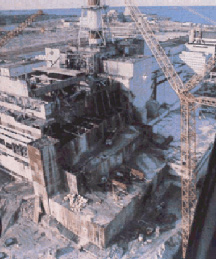
Chernobyl fallout making some German boars radioactive National Post, Jodi lai, August 2, 2010 “Nearly 25 years after the Chernobyl explosion, Europe still sees signs of radiation. Now it’s even in their wild boars…………Wild boars are particularly susceptible to radiation because they eat mushrooms and truffles, which are very efficient at absorbing radioactivity. Continue reading
Chernobyl’s largest wildlife census shows radiation harm
Chernobyl zone shows decline in biodiversity, BBC News, 30 July 2010 By Victoria Gill The largest wildlife census of its kind conducted in Chernobyl has revealed that mammals are declining in the exclusion zone surrounding the nuclear power plant. Continue reading
Nuclear radioactive threat to the Great Lakes

natives, like 40 million Canadians and Americans draw their drinking water from the Great Lakes and they also rely on fish caught in them.
(Canada) Coalition opposes shipping plan, By CHIP MARTIN, The London Free Press : July 27, 2010 Aboriginal voices have joined the growing international chorus opposing plans to ship radioactive nuclear generators along the Great Lakes. Continue reading
Water is critical issue in Climate Change
These key messages delivered and explained in new report, Protecting the Lifeline of the West: How Climate and Clean Energy Policies Can Safeguard Water, written by Environmental Defense Fund and Western Resource Advocates. It gives more details about why, in the West, climate and clean energy policy is water policy – and why we need the Senate to pass a strong climate and clean energy bill now.



(USA) In the West, Climate and Energy Policy Is Water Policy, Dan Grossmand Bart Miller, 19 July 2010, “………………scientists are concluding that the extended droughts of the past may become the norm of the future. So what should we do about this bleak situation? If we are serious about avoiding the biggest looming crisis of meeting the water needs of the West, we have to understand the energy-water connection and advance clean energy solutions. Continue reading
Video on radioactive fallout in Iceland’s volcanic dust
VIDEO
// <
New Colorado clean-up law could put the brakes on uranium industry
The new Colorado law requires Cotter to restore polluted groundwater to safe levels before restarting operations. ….Ripple effects of the Colorado law could reach beyond state lines.
Mopping up uranium’s mess, High Country News, States push to clean up mine and mill sites, July 09, 2010 by Nathan Rice When Sharyn Cunningham moved to Cañon City, Colorado in 1994, no one told her the groundwater was contaminated – not her real estate agent, not the county health department, not state regulators. Continue reading
Effect of nuclear radiation on sheep
Caesium-137 is considered a health hazard because it can easily enter the food chain and be taken up by the body. Sheep grazing on upland grass especially in the summer months are likely in the worst-affected regions to build up levels of caesium-137 t
Scottish sheep farms finally free of Chernobyl fallout – Science, News – The Independent, By Kevin Rawlinson and Rachel Hovenden, 7 July”…….
The effect of radiation* Two factors led to the imposition of restrictions on the sale and movement of some flocks of sheep in Britain soon after the Chernobyl accident in 1986, which sent a radioactive plume over much of north-west Europe. Continue reading
Radioactivity in British sheep – the long legacy of Chernobyl
Before farmers in restricted areas can sell or move any of their livestock, they must have each animal tested..
Scottish sheep farms finally free of Chernobyl fallout – Science, News – The Independent, By Kevin Rawlinson and Rachel Hovenden, 7 July 2010 Farmers in affected areas have to have each of their animals tested before they can move or sell any livestock Continue reading
Uranium milling’s legacy of cancer
One family who left the area knows well the paradox uranium has brought to the region. They lived in Uravan in the 1960s and paid a tragic price for living in the old mill town. Three daughters died of cancer. The parents each have lost cancer-ridden body organs. They still have ties to the area and requested anonymity given the contentious nature of the uranium debate in the valley.
Is It Time to Restart the Uranium Industry in the U.S.? Scientific American By Nathan Rice and The Daily Climate June 29, 2010 A proposal to build the nation’s first uranium mill in 25 years has divided opinions Continue reading
Water shortage may be the finish of the nuclear industry
Water Scarcity: Nuclear Power’s Achilles’ Heel, THE HUFFINGTON POST Kyle Rabin: June 28, 2010, Scientists, researchers and other experts warn that the United States is entering an era of water scarcity. Back in 2003, the US General Accounting Office (now known as the US Government Accountability Office or GAO) projected that 36 states, under normal conditions, could face water shortages by 2013. However, those shortages were realized in 2008 — five years sooner than predicted. Current forecasts suggest that climate change will only exacerbate the challenges of managing and protecting water resources. Continue reading
Radiation detected after North Korea nuclear fusion test
South Korea Detects Radiation After Nuclear Fusion Test In North Korea
Windsor Genova – AHN News News Writer, 20 June 2010,Seoul, South Korea (AHN) – A radiation detection station of South Korea measured increased levels of radioactive xenon in the air two days after North Korea announced a nuclear fusion test on May 12. Continue reading
Sulfuric acid leaching of uranium a danger to groundwater, and surface water
“You don’t want anything to come in contact with this,” … “You don’t want it in the groundwater, in surface water, you don’t want any wildlife coming in contact with it.”
Scientists Scrutinize Uranium Mill Application, The Watch Newspapers by Karen James, Jun 16, 2010 “…….scientists hired by local environmental group Sheep Mountain Alliance to examine parts of a 15-volume radioactive materials license application submitted to state regulators last fall by Energy Fuels Resources Corp., a wholly owned subsidiary of the Toronto-based Energy Fuels Inc., presented their findings during two public meetings held in Telluride and Ophir. Continue reading
1 This Month
26 September – International Day for the Total Elimination of Nuclear Weapons





PLEASE OPPOSE HR 8255 AND S.3639 – bills would accelerate satellite deployment, with no environmental review or safeguards – https://ncstd5li.quorum.us/campaign/169331/
To see nuclear-related stories in greater depth and intensity – go to https://nuclearinformation.wordpress.com
-
Archives
- September 2026 (291)
- August 2026 (330)
- July 2026 (355)
- June 2026 (287)
- May 2026 (306)
- April 2026 (356)
- March 2026 (251)
- February 2026 (267)
- January 2026 (308)
- December 2025 (358)
- November 2025 (359)
- October 2025 (375)
-
Categories
- 1
- 1 NUCLEAR ISSUES
- business and costs
- climate change
- culture and arts
- ENERGY
- environment
- health
- history
- indigenous issues
- Legal
- marketing of nuclear
- media
- opposition to nuclear
- PERSONAL STORIES
- politics
- politics international
- Religion and ethics
- safety
- secrets,lies and civil liberties
- spinbuster
- technology
- Uranium
- wastes
- weapons and war
- Women
- 2 WORLD
- ACTION
- AFRICA
- Atrocities
- AUSTRALIA
- Christina's notes
- Christina's themes
- culture and arts
- Events
- Fuk 2022
- Fuk 2023
- Fukushima 2017
- Fukushima 2018
- fukushima 2019
- Fukushima 2020
- Fukushima 2021
- general
- global warming
- Humour (God we need it)
- Nuclear
- RARE EARTHS
- Reference
- resources – print
- Resources -audiovicual
- Weekly Newsletter
- World
- World Nuclear
- YouTube
-
RSS
Entries RSS
Comments RSS

