Newly identified tipping point for ice sheets could mean greater sea level rise
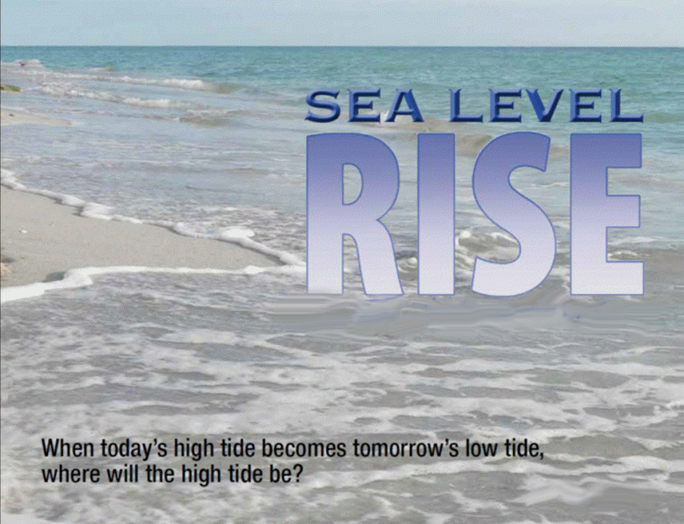
Small increase in temperature of intruding water could lead to very big increase in loss of ice, scientists say
A newly identified tipping point for the loss of ice sheets in Antarctica and elsewhere could mean future sea level rise is significantly higher than current projections.
A new study has examined how warming seawater intrudes between coastal ice sheets and the ground they rest on. The warm water melts cavities in the ice, allowing more water to flow in, expanding the cavities further in a feedback loop. This water then lubricates the collapse of ice into the ocean, pushing up sea levels.
The researchers used computer models to show that a “very small increase” in the temperature of the intruding water could lead to a “very big increase” in the loss of ice – ie, tipping point behaviour.
It is unknown how close the tipping point is, or whether it has even been crossed already. But the researchers said it could be triggered by temperature rises of just tenths of a degree, and very likely by the rises expected in the coming decades.
Sea level rise is the greatest long-term impact of the climate crisis and is set to redraw the world map in coming centuries. It has the potential to put scores of major cities, from New York City to Shanghai, below sea level and to affect billions of people.
The study addresses a key question of why current models underestimate the sea level seen in earlier periods between ice ages. Scientists think some ice sheet melting processes must not be yet included in the models.
“[Seawater intrusion] could basically be the missing piece,” said Dr Alexander Bradley of the British Antarctic Survey, who led the research. “We don’t really have many other good ideas. And there’s a lot of evidence that when you do include it, the amount of sea level rise the models predict could be much, much higher.”
Previous research has shown that seawater intrusion could double the rate of ice loss from some Antarctic ice shelves. There is also real-world evidence that seawater intrusion is causing melting today, including satellite data that shows drops in the height of ice sheets near grounding zones.
“With every tenth of a degree of ocean warming, we get closer and closer to passing this tipping point, and each tenth of a degree is linked to the amount of climate change that takes place,” Bradley said. “So we need very dramatic action to restrict the amount of warming that takes place and prevent this tipping point from being passed.”
The most important action is to cut the burning of fossil fuels to net zero by 2050.
Bradley said: “Now we want to put [seawater intrusion] into ice sheet models and see whether that two-times sea level rise plays out when you analyse the whole of Antarctica.”
Scientists warned in 2022 that the climate crisis had driven the world to the brink of multiple “disastrous” tipping points, including the collapse of Greenland’s ice cap and the collapse of a key current in the north Atlantic, disrupting rains upon which billions of people depend for food.
Research in 2023 found that accelerated ice melting in west Antarctica was inevitable for the rest of the century, no matter how much carbon emissions are cut, with “dire” implications for sea levels.
The new research, published in the journal Nature Geoscience, found that some Antarctic ice sheets were more vulnerable to seawater intrusion than others. The Pine Island glacier, currently Antarctica’s largest contributor to sea level rise, is especially vulnerable, as the base of the glacier slopes down inland, meaning gravity helps the seawater penetrate. The large Larsen ice sheet is similarly at risk.
The so-called “Doomsday” glacier, Thwaites, was found to be among the least vulnerable to seawater intrusion. This is because the ice is flowing into the sea so fast already that any cavities in the ice melted by seawater intrusion are quickly filled with new ice.
Dr Tiago Segabinazzi Dotto, of the UK’s National Oceanography Centre, welcomed the new analysis of the ocean-ice feedback loop under ice sheets.
“The researchers’ simplified model is useful for showing this feedback, but a more realistic model is highly needed to evaluate both positive and negative feedbacks,” he said. “An enhancement of observations at the grounding zone is also essential to better understand the key processes associated with the instability of ice shelves.”
Deaths mount as Pakistan swelters in heatwave

As the temperatures rose in southern Pakistan, so did the body count. The
Edhi ambulance service says it usually takes around 30 to 40 people to the
Karachi city morgue daily. But over the last six days, it has collected
some 568 bodies – 141 of them on Tuesday alone. It is too early to say
exactly what the cause of death was in every case. However, the rising
numbers of dead came as temperatures in Karachi soared above 40C (104F),
with the high humidity making it feel as hot as 49C, reports said. People
have been heading to hospitals seeking help.
BBC 27th June 2024
Climate Emergency strikes Islam’s Holy Ritual, with nearly 600 dead of Heat stroke at 124.24° F. in Mecca

JUAN COLE, 06/19/2024Ann Arbor (Informed Comment)
– As the temperature in Mecca reached 125.24° F. (51.8° C.) on Tuesday, word leaked out that nearly 600 pilgrims had died of heat stroke and 2,000 have been hospitalized for treatment. A virtual clinic treated more thousands remotely. Some 324 of the dead were Egyptians,, while dozens were from Jordan. The season of the annual Hajj or pilgrimage to Mecca, the birthplace of Islam, just ended. Some 1.8 million pilgrims participated.
Eyewitnesses said that not all the dead were elderly, that young persons died, as well.
Pilgrims carry out a series of rituals during the pilgrimage, beginning with preparing themselves and establishing their pious intention. Many of the steps involve being outside and being active. They dress in white robes. They circumambulate the cube-shaped Kaaba shrine. They run between the nearby hillocks of Safa and Marwa seven times, in commemoration of the search of Abraham’s wife Hajar for water for her son with the patriarch, Ishmael. They walk or are taken in buses to Mina and spend some nights of the pilgrimage there. There, they throw stones at satan.
AFP explains that some pilgrims try to avoid paying the hefty visa fees by just showing up unregistered. They however, then lack access to air conditioned facilities and are at special risk of heat stroke.
The number of heat stroke deaths seems to have doubled since last year. Saudi Arabia is one of the world’s major oil producers, and burning petroleum to power vehicles puts the deadly heat-trapping gas, carbon dioxide, into the atmosphere, heating up the planet.
The G20 Climate Risk Atlas writes, “The science shows that Saudi Arabia will experience devastating climate impacts if it follows a high-emissions pathway. Without urgent action, Saudi Arabia will see an 88% increase in the frequency of agricultural drought by 2050. Heatwaves will last more than 4,242% longer and the combination of sea level rise, coastal erosion and fiercer weather will cause chaos for Saudi Arabia’s economy, which stands to lose around 12.2% of GDP by 2050.”……………………………………..more https://www.juancole.com/2024/06/climate-emergency-strikes.html
Extreme heat and flash floods: Scientists warn of hazardous summer weather in Europe
Europe may not break records like 2023 but it could be in store for extreme heat, storms and floods
While the UK experienced a wet and
mild June, much of the rest of Europe has been hit by extreme weather,
including heatwaves and flooding. Flights heading to Palma airport, on the
popular tourist island of Mallorca, had to be rerouted last week following
heavy rainfall that caused flooding on the Balearic Islands and parts of
mainland Spain. It came one week after flooding resulted in mass
cancellations throughout Germany’s railway system. Meanwhile, schools and
popular tourist sites were closed throughout Greece last week as the
country experienced a heatwave that saw temperatures reach 43°C. The
heatwave has been linked to a series of tourists’ deaths, including
British broadcaster Dr Michael Mosley. The scenes have left climate
scientists worried that Europe could be in for another summer of extreme
weather, following the record-breaking heatwave of 2023.
iNews 18th June 2024
Global warming happening at fastest speed in history
Worldwide study finds that the planet is warming at the fastest rates since records began – bringing the planet to the brink of runaway climate change
By Tom Bawden, Science & Environment Correspondent, 5 June 24 https://inews.co.uk/news/science/global-warming-happening-at-fastest-speed-in-history-3091325
Humans are warming the planet at record speed even as the world hurtles towards runaway climate change, a major study has found.
A UK-led report involving 50 scientists from 26 institutions around the world finds that the average temperature of the planet increased by 0.26°C over the past decade as a result of human-induced climate change from rising carbon dioxide emissions.
This is the highest rate of global warming since records began in the 19th century and compares to a 0.20°C rise in the previous decade, from 2004 to 2013.
“Global temperatures are still heading in the wrong direction and faster than ever before. Sadly, this was entirely predictable,” said Professor Piers Foster, of Leeds University, who led the study.
“Our analysis shows that the level of global warming caused by human action has continued to increase over the past year, even though climate action has slowed the rise in greenhouse gas emissions.”
The Global Climate Change report reveals that human-induced warming increased the temperature by an average of 1.19°C between 2014 and 2023 – with warming caused by human activity reaching 1.3°C in 2023 in isolation.
The report comes as the world battles to limit global warming to no more than 2°C above pre-industrial levels and and, if at all possible, 1.5°C.
Beyond this level, every fraction of a degree of temperature increase causes ever greater numbers of storms, droughts and other extreme weather events that can kill people, cause health problems and damage infrastructure.
The report also found that if greenhouse gas emissions continue at current rates then by 2030 there will be enough of them in the atmosphere to push human-induced warming to 1.5°C.
The analysis showed that the remaining “carbon budget” – how much carbon dioxide can be emitted before committing us to 1.5°C of global warming – is only around 200 billion tonnes, around five years’ worth of current emissions.
Yet, despite warnings that the carbon budget is fast running out, global emissions have continued to rise.
Last year, they rose by 1.1 per cent to a new record, according to a report by the world’s main monitoring group, the Global Carbon Project.
While most of the human-induced temperature increases came from burning more fossil fuels, a small portion was the result of countries cleaning up air pollution, the report found.
This adds to global warming by reducing the cooling of aerosol particle pollutants, which would have reflected some sunlight back into the atmosphere.
Professor Pierre Friedlingstein, of Exeter University, who led the Global Carbon Project study and worked on this new report, said: “The situation on greenhouse gas emissions is urgent.”
He said that global carbon emissions are “more or less stable now” – rising at around 0.5 to 1 per cent a year compared to about 3 per cent at the turn of the century.
“But it’s not enough. We don’t need emissions to be stable, we need emissions to be net zero,” he said.
Meanwhile, Professor Foster, while highly concerned about the level of CO2 emissions, thinks they are close to peaking and will start to fall as countries step up their actions to reduce them.
“I don’t expect the rate of warming to go much higher as greenhouse gas emissions are hopefully near the peak,” he told i.
“But of course temperatures rising faster than ever is not a good look, so emissions need to drop fast.”
The study is published in the journal Earth System Science Data.
Heatwaves increase risk of early births and poorer health in babies, study finds
Research that looked at 53 million births says Black and Hispanic mothers and those in lower socioeconomic groups most at risk
Heatwaves increase rates of preterm births, which can lead to poorer
health outcomes for babies and impact their long-term health, a new study
found. Black and Hispanic mothers, as well as those in lower socioeconomic
groups, are particularly at risk of delivering early following heat waves.
Extreme heat events are happening more frequently, lasting longer, and
increasing in intensity due to the climate crisis. Last year saw
record-breaking temperatures, with July 2023 bringing about the hottest day
ever recorded for four days in a row globally. Additionally, pregnant
people are among the most vulnerable to heat stress and are more likely to
experience heat stroke and heat exhaustion, according to the CDC. This can
adversely affect their unborn babies.
Guardian 29th May 2024
https://www.theguardian.com/lifeandstyle/article/2024/may/29/heat-waves-preterm-births-babies-study
“Truly the stuff of nightmares”: unprecedented low in Antarctic sea ice recorded

By Jeremy Smith, May 31, 2024, https://johnmenadue.com/truly-the-stuff-of-nightmares-unprecedented-low-in-antarctic-sea-ice-recorded/?fbclid=IwZXh0bgNhZW0CMTEAAR0LBw8Xpve2S05Os1FH_y7RYvvv8tqj0qhXrhsM-Z3e49hH1Uu2E44lQr4_aem_AbLMAUeHwooBl6H86wLEqHTtPllDKldX5fzB5e2_5LYTTkXQuf4y_brUHNORL5PsxpdKGuD227S1VVLTWCOjJj7N
Each winter the surface of the sea freezes around Antarctica, over a vast area, mostly to a depth of about one metre. But this is starting to change. Last year, the sea ice reached an unprecedentedly low maximum extent of only 17 million square kilometres.
Why aren’t we talking about sea ice? Perhaps it’s because most people haven’t even heard of it, which is a shame because it’s important.
Each winter the surface of the sea freezes around Antarctica, over a vast area, mostly to a depth of about one metre. The continent effectively doubles in size, with 18-20 million square kilometres being covered by floating ice. That’s an area 2.5 times that of Australia; 4% of Earth’s surface.
But this is starting to change. Last year, the sea ice reached an unprecedentedly low maximum extent of only 17 million square kilometres. Although this year looks like being a little less extreme, a clear and concerning trend appears to be under way. This is emphasised in the ice minimum values in late summer. By February each year the sea ice extent shrinks typically to about three million square kilometres (mostly in two large embayments, the Weddell Sea and the Ross Sea), but through most of the present decade it has dwindled to below two million.
Why does this matter? Well for a start, it is the underside of this huge area of sea ice where algae live and multiply, which feed the shrimp-like krill that in turn sustains an entire ecosystem: fish, seals, penguins, whales, the lot. The upper surface of sea ice is also crucially important. Its albedo, or reflectivity, means that 80-90% of the incoming summer sunshine is bounced back into space. Replace the ice with dark ocean and only about 9% is reflected, the rest going to warm the water. So the loss of sea ice is not only a symptom of climate change, it also contributes to it, in a feedback loop that might accelerate.
There’s more. When sea water freezes, the developing ice crystals comprise nearly pure water. Most of the salt is extruded as a heavy brine, and this cold, dense water sinks, becoming the Antarctic Bottom Current. This circulates around the Southern Ocean before spinning off into the other major ocean basins. As this deep cold flow moves north it displaces warmer water which then up-wells and forms the main surface currents. Without the annual ‘push’ of the Antarctic Bottom Current, these warmer currents might slow and cease.
The global ocean is so vast that it changes very slowly. We are only now beginning to see the results of the ocean’s absorbance of a century of industrial environmental heating, in the form of anomalously warm seas particularly this year. Any pronounced weakening of the ocean circulation due to sea ice loss will be slow – but inexorable.
The results, which are probably not going to happen in our own lifetimes but could well become part of our legacy to future generations, are likely to be dire. It could eventually mean goodbye to the Gulf Stream and the other currents which maintain benign climates on the European Atlantic coast, around Japan, and elsewhere in the northern hemisphere.
The possible consequences of such climate change for human societies are truly the stuff of nightmares.
‘Unliveable’: Delhi’s residents struggle to cope in record-breaking heat

Temperatures of more than 45C have left population of 29 million exhausted – but the poorest suffer most
Hannah Ellis-Petersen in Delhi 31May 24
The consensus among experts and residents is that the summer temperatures
are now regularly rising far above the norm as India bears the brunt of the
climate crisis. A heatwave has enveloped much of north India in May –
this week temperatures consecutively rose above 45C – making conditions
unbearable and even life threatening for the millions who cannot afford to
cool themselves down or are forced to work outside in construction or
labouring jobs. Some parts of the city recorded temperatures as high as 52C
on Wednesday, though officials later said that may have been a faulty
reading.
Guardian 30th May 2024
Nuclear sites, including Hanford, feeling the heat as climate change stokes wildfires drought

Dozens of active and idle laboratories and manufacturing and military facilities across the nation that use, store or are contaminated with radioactive material are increasingly vulnerable to extreme weather. Many also perform critical energy and defense research and manufacturing that could be disrupted or crippled by fires, floods and other disasters.
Dozens of active and idle laboratories and manufacturing and military facilities across the nation that use, store or are contaminated with radioactive material are increasingly vulnerable to extreme weather. Many also perform critical energy and defense research and manufacturing that could be disrupted or crippled by fires, floods and other disasters.
Officials scramble to up security at facilities with radioactive materials
The Columbian By TAMMY WEBBER, Associated Press, May 25, 2024,
As Texas wildfires burned toward the nation’s primary nuclear weapons facility, workers hurried to ensure nothing flammable was around buildings and storage areas.
When the fires showed no sign of slowing, Pantex Plant officials urgently called on local contractors, who arrived within minutes with bulldozers to dig trenches and enlarge fire breaks for the sprawling complex where nuclear weapons are assembled and disassembled and dangerous plutonium pits — hollow spheres that trigger nuclear warheads and bombs — are stored.
“The winds can pick up really (quickly) here and can move really fast,” said Jason Armstrong, the federal field office manager at Pantex, outside Amarillo, who was awake 40 hours straight monitoring the risks. Workers were sent home and the plant shut down when smoke began blanketing the site.
Those fires in February — including the largest in Texas history — didn’t reach Pantex, though flames came within 3 miles (5 kilometers). And Armstrong says it’s highly unlikely that plutonium pits, stored in fire-resistant drums and shelters, would have been affected by wildfire.
But the size and speed of the grassland fires, and Pantex’s urgent response, underscore how much is at stake as climate change stokes extreme heat and drought, longer fire seasons with larger, more intense blazes and supercharged rainstorms that can lead to catastrophic flooding. The Texas fire season often starts in February, but farther west it has yet to ramp up, and is usually worst in summer and fall.
Dozens of active and idle laboratories and manufacturing and military facilities across the nation that use, store or are contaminated with radioactive material are increasingly vulnerable to extreme weather. Many also perform critical energy and defense research and manufacturing that could be disrupted or crippled by fires, floods and other disasters.
There’s the 40-square-mile Los Alamos National Laboratory in New Mexico, where a 2000 wildfire burned to within a half mile (0.8 kilometers) of a radioactive waste site. The heavily polluted Santa Susana Field Laboratory in Southern California, where a 2018 wildfire burned 80% of the site, narrowly missing an area contaminated by a 1959 partial nuclear meltdown. And the plutonium-contaminated Hanford nuclear site in Washington, where the U.S. manufactured atomic bombs.
“I think we’re still early in recognizing climate change and … how to deal with these extreme weather events,” said Paul Walker, program director at the environmental organization Green Cross International and a former staff member of the House Armed Services Committee. “I think it’s too early to assume that we’ve got all the worst-case scenarios resolved … (because) what might have been safe 25 years ago probably is no longer safe.”
That realization has begun to change how the government addresses threats at some of the nation’s most sensitive sites.
The Department of Energy in 2022 required its existing sites to assess climate change risks to “mission-critical functions and operations,” including waste storage, and to develop plans to address them. It cited wildfires at Los Alamos and Lawrence Livermore national laboratories and a 2021 deep freeze that damaged “critical facilities” at Pantex.
Yet the agency does not specifically consider future climate risks when issuing permits or licenses for new sites or projects, or in environmental assessments that are reviewed every five years though rarely updated. Instead, it only considers how sites themselves might affect climate change — a paradox critics call short-sighted and potentially dangerous.
Likewise, the Nuclear Regulatory Commission considers only historical climate data rather than future projections in licensing decisions and oversight of nuclear power plants, according to a General Accounting Office study in April that recommended the NRC “fully consider potential climate change effects.” The GAO found that 60 of 75 U.S. plants were in areas with high flood hazard and 16 were in areas with high wildfire potential.
“We’re acting like … (what’s) happening now is what we can expect to happen in 50 years,” said Caroline Reiser, a climate and energy attorney at the Natural Resources Defense Council. “The reality of what our climate is doing has shifted dramatically, and we need to shift our planning … before we experience more and more of the extreme weather events.”……………………………………………………..
One of the most dangerous radioactive materials is plutonium, said Edwin Lyman, director of nuclear power safety at the Union of Concerned Scientists. It can cause cancer, is most dangerous when inhaled, and just a few hundred grams dispersed widely could pose a significant hazard, he said.
Experts say risks vary by site. Most plutonium and other radioactive material is contained in concrete and steel structures or underground storage designed to withstand fire. And many sites are on large tracts in remote areas where risk to the public from a radiation release would be minimal.
In 2000, a wildfire burned one-third of the 580-square-mile (1,502-square-kilometer) Hanford site, which produced plutonium for the U.S. atomic weapons program and is considered the nation’s most radioactive place.
Air monitoring detected plutonium in nearby populated areas at levels higher than background, but only for one day and at levels not considered hazardous, according to a Washington State Department of Health report.
The agency said the plutonium likely was from surface soil blown by the wind during and after the fire, though site officials said radioactive waste is buried several feet deep or stored in concrete structures………………..
The 2018 Woolsey Fire in California was another wakeup call.
About 150,000 people live within 5 miles (8 kilometers) of the Santa Susana Field Laboratory, a former nuclear power research and rocket-engine testing site.
The fire burned within several hundred feet of contaminated buildings and soil, and about 600 feet (183 meters) from where a nuclear reactor core partially melted down 65 years ago.
The state’s Department of Toxic Substances Control said sampling by multiple agencies found no off-site radiation or other hazardous material attributable to the fire. But another study, using hundreds of samples collected by volunteers, found radioactive microparticles in ash just outside of the lab boundary and at three sites farther away that researchers say were from the fire.
The state ordered demolition of 18 buildings, citing “imminent and substantial endangerment to people and the environment because unanticipated and increasingly likely fires could result in the release of radioactive and hazardous substances.”
It also ordered cleanup of old burn pits contaminated with radioactive materials. Though the area was covered with permeable tarps and did not burn in 2018, the state feared it could be damaged by “far more severe” wildfire, high winds or flooding.
“It’s like these places we think, it’ll never happen,” said Melissa Bumstead, founder and co-director of Parents Against Santa Susana Field Laboratory. “But … things are changing very quickly.”
Jay Coghlan, executive director of Nuclear Watch New Mexico, said he and others successfully urged federal nuclear security officials to include a wildfire plan in a 1999 final environmental impact statement for the Los Alamos National Laboratory.
The next year, the 48,000-acre (19,000-hectare) Cerro Grande Fire burned 7,500 acres (3,035 hectares) at the laboratory, including structures, and came within a half-mile (0.8 kilometers) of an area with more than 24,000 above-ground containers of mostly plutonium-contaminated waste………………………………………………………………………………..
In 2010, Pantex was inundated with 10 inches (25 centimeters) of rain that forced the plant to shut down, affecting operations for almost a month. The plutonium storage area flooded and corrosion later was found on some containers that’s since “been addressed,” said Armstrong, the field office manager.
In 2017, storms flooded facilities that processed nuclear material and led to power outages that affected a fire alarm control panel.
Then in 2021, Pantex was shut down for a week because of extreme cold that officials said led to “freeze-related failures” at 10 nuclear facilities and other plants. That included failure of a sprinkler head in a radiation safety storage area’s fire suppression system.
Pantex has since adopted freeze-protection measures and a cold weather response plan. And Armstrong says there have been upgrades, including to its fire protection and electrical systems and installation of backup generators.
Other DOE sites also are investing in infrastructure, the nuclear security agency’s Weckerle said, because what once was considered safe now may be vulnerable.
“We live in a time of increased risk,” he said. “That’s just the heart of it (and) … a lot of that does have to do with climate change.” https://www.columbian.com/news/2024/may/25/nuclear-sites-feeling-the-heat-as-climate-change-stokes-wildfires-drought/
Humanity’s survival is still within our grasp – just. But only if we take these radical steps

David King, 27 May 24 https://www.theguardian.com/commentisfree/article/2024/may/27/humanity-survival-emissions-resilience-ecosystems-greenhouse-gases
Reduce emissions, build resilience, repair ecosystems, remove greenhouse gases: these are the four Rs that can save us
n 2008, the late American climate scientist Wally Broecker warned of the global repercussions of polar ice loss. Today, his predictions echo louder than ever as Greenland ice haemorrhages at an alarming rate, threatening rapid sea-level rise. Over the past 15 years, the Arctic Circle region has been heating up at four times the global average; it’s now more than 3C above levels in the 1980s. In 2023, we witnessed a staggering loss of Antarctic Sea ice.
Over the past year, land and ocean temperatures have soared, far beyond what was anticipated for an El Niño year. Global average temperatures have breached the 1.5C mark, indicating that climate transition has been unleashed. From record-breaking wildfires across continents to catastrophic floods threatening to submerge major cities, extreme climate events have become the new norm, causing massive loss of life and economic damage worldwide.
Yet despite mounting evidence and urgent pleas, meaningful action falters. Global prosperity has historically emerged from fossil fuels. But the stranglehold of fossil fuel giants, generously subsidised by governments and financially backed by banks, places short-term profits over the planet’s survival. This entrenched dependency stymies efforts to transition to a sustainable future, despite the urgent need for change. GDP growth remains sacred, while climate, biodiversity, health, and social equity are sacrificed, condemning future generations to inherit a ravaged planet.
I say this acutely aware of how making such statements can appear as virtue signalling, particularly to those in the global south, where development is still taking hold. This is not primarily about denying them their pathway, but changing where those of us in the developed world stand – and perhaps our final destination.
On our current path, civilisation as we know it will disappear. If we meet current commitments only – net zero by 2050 – perhaps some form of humanity will survive, managing the challenges of continued extreme weather events, ice loss, and sea-level and temperature rises. But we have agency to change this, and a thriving future is still on the table. To grasp it, we must embark on a radical journey encompassing an essential “4R planet” pathway.
This means: reducing emissions; removing the excess greenhouse gases (GHGs) already in the atmosphere; repairing ecosystems; and strengthening local and global resilience against inevitable climate impacts.
It is absurd to think, as some influential fossil fuel leaders claim, that we can continue our economies based on burning fossil fuels because scientists are finding ways to capture the emissions from continued use. Recent analysis shows that annual global GDP costs due to extreme weather events could rise towards 100% of global GDP around the end of the century.
Meanwhile, the transition away from fossil fuels is already under way, with renewables, hydropower, geothermal energy, distributed energy storage, electric transport and nuclear energy already operating at competitive economic levels. For instance, Kenya has already achieved more than 90% electricity production from renewable sources, an enormous advantage to its economy. The rate of global transition, properly led by government regulations and the removal of subsidies for fossil fuel recovery, could and should be increased tenfold. Implementing the four Rs must be seen as a proper risk management cost, offsetting the very large financial loss figures projected.
Today, the world is emitting over 50bn tonnes of GHGs annually into the atmosphere, expressed as CO2 equivalent. Since we are unlikely to achieve a removal rate exceeding 10bn tonnes per annum, there can be no way forward without reducing emissions to a very small figure.
Today, the GHG level in the atmosphere exceeds 500parts per million (ppm), compared with the pre-industrial level of 275ppm. A safe level for humanity is about 350ppm, so we must remove excess GHGs already in the atmosphere. At about 10-20bn tonnes per annum I estimate it would take to the end of the century. We must start this process immediately.
Additionally, we will need to repair ecosystems to buy time, or else we will be overwhelmed by the consequences of melting polar ice and ice from mountain peaks before GHG levels are reduced sufficiently. Repairing the Arctic Circle will be a major enterprise. Promising processes are under development but are hampered by inadequate funding. Two immediate projects worth supporting are: covering the Arctic Sea with bright white cloud cover during the three months of the north pole summer; and pumping seawater on top of the thin layer of ice formed over the sea in the polar winter to thicken it. These will cost billions of dollars annually, a small fraction of the costs of lives and damage avoided. Deployment of such projects will require global governance and collaboration rarely seen, but if not now, then when? If not for this cause, then for what?
We are already seeing incredible changes around us, leading to the most vulnerable suffering most. Investing to the necessary scale in global resilience, particularly in the global south, will not only improve lives in real time but will also help repair the damaged trust between nations needed for a cohesive climate response.
Funding for the development of the four Rs will fall on advanced and emerging economies. Heads of G20 countries must lead the way. Vision and understanding from our leaders, coupled with a global public demanding more, are essential. Beyond policy changes and investment, a seismic cultural shift is imperative to steer humanity away from self-destruction towards a just and sustainable future. We must realign our political will, economic priorities and societal values to recognise that ecological wellbeing is matched to human wellbeing.
We often hear that in response to the climate crisis, we need to make sacrifices. But this framing is flawed. We must find joy in nurturing what is around us, from nature to the things we own. Fulfilment should come from quality, not quantity, and from nature, not new things.
We are a part of the natural world and depend on it. We can choose to transition our societies into a sustainable period of ecological civilisation. Over the coming decades, as we are faced with a self-inflicted set of global challenges, the need for such a cultural transformation will drive action. This process must begin now.
- David King is the founder and chair of the global Climate Crisis Advisory Group
It’s so hot in Mexico that monkeys are dropping dead from trees.
At least 83 of the midsize primates were found dead in the Gulf coast state of Tabasco
Independent, Mark Stevenson, 22 May 24
It’s so hot in Mexico that howler monkeys are falling dead from the trees.
At least 83 of the midsize primates, who are known for their roaring vocal calls, were found dead in the Gulf coast state of Tabasco. Others were rescued by residents, including five that were rushed to a local veterinarian who battled to save them.
“They arrived in critical condition, with dehydration and fever,” said Dr. Sergio Valenzuela. ”They were as limp as rags. It was heatstroke.”
While Mexico’s brutal heatwave has been linked to the deaths of at least 26 people since March, veterinarians and rescuers say it has killed dozens and perhaps hundreds of howler monkeys.
In the town of Tecolutilla, Tabasco, the dead monkeys started appearing on Friday, when a local volunteer fire-and-rescue squad showed up with five of the creatures in the bed of the truck.
Normally quite intimidating, howler monkeys are muscular and can be around 2 feet (60 centimeters) tall, with tails as long again. They are equipped with big jaws and a fearsome set of teeth and fangs. But mostly, their lion-like roars, which bely their size, are what they’re known for.
“They (the volunteers) asked for help, they asked if I could examine some of the animals they had in their truck,” Valenzuela said Monday. “They said they didn’t have any money, and asked if I could do it for free.”
The veterinarian put ice on their limp little hands and feet, and hook them up to IV drips with electrolytes.
So far, the monkeys appear to be on the mend. Once listless and easily handled, they are now in cages at Valenzuela’s office. “They’re recovering. They’re aggressive … they’re biting again,” he said, noting that’s a healthy sign for the usually furtive creatures.
Most aren’t so lucky. Wildlife biologist Gilberto Pozo counted about 83 of the animals dead or dying on the ground under trees. The die-off started around May 5 and hit its peak over the weekend.
“They were falling out of the trees like apples,” Pozo said. “They were in a state of severe dehydration, and they died within a matter of minutes.” Already weakened, Pozo says the falls from dozens of yards (meters) up inflict additional damage that often finishes the monkeys off.
Pozo attributes the deaths to a “synergy” of factors, including high heat, drought, forest fires and logging that deprives the monkeys of water, shade and the fruit they eat.
For people in the steamy, swampy, jungle-covered state of Tabasco, the howler monkey is a cherished, emblematic species; local people say the monkeys tell them the time of day, by howling at dawn and dusk.
Pozo said the local people — who he knows through his work with the Biodiversity Conservation of The Usumacinta group — have tried to help the monkeys they see around their farms. But he notes that could be a double-edged sword.
“They were falling out of the trees, and the people were moved, and they went to help the animals, they set out water and fruit for them,” Pozo said. “They want to care for them, mainly the baby monkeys, adopt them.”
“But no, the truth is that babies are very delicate, they can’t be in a house where there are dogs or cats, because they have pathogens that can potentially be fatal for howler monkeys,” he said, stressing they must be rehabilitated and released into the wild……………………………………………………
“This is a sentinel species,” Pozo said, referring to the canary-in-a-coal mine effect where one species can say a lot about an ecosystem. “It is telling us something about what is happening with climate change.” https://www.independent.co.uk/climate-change/news/mexico-city-heat-drought-monkeys-b2548962.html
The longer-term consequences of nuclear war
Bulletin of the Atomic Scientists OCTOBER 20, 2022, By François Diaz-Maurin [Excellent simulations and graphics]

In recent years, in some US military and policy circles, there has been a growing perception that a limited nuclear war can be fought and won. Many experts believe, however, that a limited nuclear war is unlikely to remain limited. What starts with one tactical nuclear strike or a tit-for-tat nuclear exchange between two countries could escalate to an all-out nuclear war ending with the immediate and utter destruction of both countries.
But the catastrophe will not be limited to those two belligerents and their allies.
The long-term regional and global effects of nuclear explosions have been overshadowed in public discussions by the horrific, obvious, local consequences of nuclear explosions. Military planners have also focused on the short-term effects of nuclear explosions because they are tasked with estimating the capabilities of nuclear forces on civilian and military targets. Blast, local radiation fallout, and electromagnetic pulse (an intense burst of radio waves that can damage electronic equipment) are all desired outcomes of the use of nuclear weapons—from a military perspective.
But widespread fires and other global climatic changes resulting from many nuclear explosions may not be accounted for in war plans and nuclear doctrines. These collateral effects are difficult to predict; assessing them requires scientific knowledge that most military planners don’t possess or take into account. Yet, in the few years following a nuclear war, such collateral damage may be responsible for the death of more than half of the human population on Earth.
Global climatic changes
Since the 1980s, as the threat of nuclear war reached new heights, scientists have investigated the long-term, widespread effects of nuclear war on Earth systems. Using a radiative-convective climate model that simulates the vertical profile of atmospheric temperatures, American scientists first showed that a nuclear winter could occur from the smoke produced by the massive forest fires ignited by nuclear weapons after a nuclear war. Two Russian scientists later conducted the first three-dimensional climate modeling showing that global temperatures would drop lower on land than on oceans, potentially causing an agricultural collapse worldwide. Initially contested for its imprecise results due to uncertainties in the scenarios and physical parameters involved, nuclear winter theory is now supported by more sophisticated climate models. While the basic mechanisms of nuclear winter described in the early studies still hold today, most recent calculations have shown that the effects of nuclear war would be more long-lasting and worse than previously thought.
Stratospheric soot injection
The heat and blast from a thermonuclear explosion are so powerful they can initiate large-scale fires in both urban and rural settings. A 300-kiloton detonation in a city like New York or Washington DC could cause a mass fire with a radius of at least 5.6 kilometers (3.5 miles), not altered by any weather conditions. Air in that area would be turned into dust, fire, and smoke.
But a nuclear war will set not just one city on fire, but hundreds of them, all but simultaneously. Even a regional nuclear war—say between India and Pakistan—could lead to widespread firestorms in cities and industrial areas that would have the potential to cause global climatic change, disrupting every form of life on Earth for decades.
Smoke from mass fires after a nuclear war could inject massive amounts of soot into the stratosphere, the Earth’s upper atmosphere. An all-out nuclear war between India and Pakistan, with both countries launching a total of 100 nuclear warheads of an average yield of 15 kilotons, could produce a stratospheric loading of some 5 million tons (or teragrams, Tg) of soot. This is about the mass of the Great Pyramid of Giza, pulverized and turned into superheated dust.
But these lower-end estimates date back to the late 2000s. Since then, India and Pakistan have significantly expanded their nuclear arsenals, both in the number of nuclear warheads and yield. By 2025, India and Pakistan could have up to 250 nuclear weapons each, with yields of 12 kilotons on the low end, up to a few hundred kilotons. A nuclear war between India and Pakistan with such arsenals could send up to 47 Tg of soot into the stratosphere.
For comparison, the recent catastrophic forest fires in Canada in 2017 and Australia in 2019 and 2020 produced 0.3 Tg and 1 Tg of smoke respectively. Chemical analysis showed, however, that only a small percentage of the smoke from these fires was pure soot—0.006 and 0.02 Tg respectively. This is because only wood was burning. Urban fires following a nuclear war would produce more smoke, and a higher fraction would be soot. But these two episodes of massive forest fires demonstrated that when smoke is injected into the lower stratosphere, it is heated by sunlight and lofted at high altitudes—10 to 20 kilometers (33,000 to 66,000 feet)—prolonging the time it stays in the stratosphere. This is precisely the mechanism that now allows scientists to better simulate the long-term impacts of nuclear war. With their models, researchers were able to accurately simulate the smoke from these large forest fires, further supporting the mechanisms that cause nuclear winter.
The climatic response from volcanic eruptions also continues to serve as a basis for understanding the long-term impacts of nuclear war. Volcanic blasts typically send ash and dust up into the stratosphere where it reflects sunlight back into space, resulting in the temporary cooling of the Earth’s surface. Likewise, in the theory of nuclear winter, the climatic effects of a massive injection of soot aerosols into the stratosphere from fires following a nuclear war would lead to the heating of the stratosphere, ozone depletion, and cooling at the surface under this cloud. Volcanic eruptions are also useful because their magnitude can match—or even surpass—the level of nuclear explosions. For instance, the 2022 Hunga Tonga’s underwater volcano released an explosive energy of 61 megatons of TNT equivalent—more than the Tsar Bomba, the largest human-made explosion in history with 50 Mt. Its plume reached altitudes up to about 56 kilometers (35 miles), injecting well over 50 Tg—even up to 146 Tg—of water vapor into the stratosphere where it will stay for years. Such a massive injection of stratospheric water could temporarily impact the climate—although differently than soot.
Since Russia’s war in Ukraine started, President Putin and other Russian officials have made repeated nuclear threats, in an apparent attempt to deter Western countries from any direct military intervention. If Russia were to ever start—voluntarily or accidentally—nuclear war with the United States and other NATO countries, the number of devastating nuclear explosions involved in a full exchange could waft more than 150 Tg of soot into the stratosphere, leading to a nuclear winter that would disrupt virtually all forms of life on Earth over several decades.
Stratospheric soot injections associated with different nuclear war scenarios would lead to a wide variety of major climatic and biogeochemical changes, including transformations of the atmosphere, oceans, and land. Such global climate changes will be more long-lasting than previously thought because models of the 1980s did not adequately represent the stratospheric plume rise. It is now understood that soot from nuclear firestorms would rise much higher into the stratosphere than once imagined, where soot removal mechanisms in the form of “black rains” are slow. Once the smoke is heated by sunlight it can self-loft to altitudes as high as 80 kilometers (50 miles), penetrating the mesosphere.
Changes in the atmosphere
After soot is injected into the upper atmosphere, it can stay there for months to years, blocking some direct sunlight from reaching the Earth’s surface and decreasing temperatures. At high altitudes—20 kilometers (12 miles) and above near the equator and 7 kilometers (4.3 miles) at the poles—the smoke injected by nuclear firestorms would also absorb more radiation from the sun, heating the stratosphere and perturbing stratospheric circulation.
In the stratosphere, the presence of highly absorptive black carbon aerosols would result in considerably enhanced stratospheric temperatures. For instance, in a regional nuclear war scenario that leads to a 5-Tg injection of soot, stratospheric temperatures would remain elevated by 30 degrees Celsius after four years.
The extreme heating observed in the stratosphere would increase the global average loss of the ozone layer—which protects humans and other life on Earth from the severe health and environmental effects of ultraviolet radiation—for the first few years after a nuclear war. Simulations have shown that a regional nuclear war that lasted three days and injected 5 Tg of soot into the stratosphere would reduce the ozone layer by 25 percent globally; recovery would take 12 years. A global nuclear war injecting 150 Tg of stratospheric smoke would cause a 75 percent global ozone loss, with the depletion lasting 15 years.
Changes on land
Soot injection in the stratosphere will lead to changes on the Earth’s surface, including the amount of solar radiation that is received, air temperature, and precipitation.
The loss of the Earth’s protective ozone layer would result in several years of extremely high ultraviolet (UV) light at the surface, a hazard to human health and food production. Most recent estimates indicate that the ozone loss after a global nuclear war would lead to a tropical UV index above 35, starting three years after the war and lasting for four years. The US Environmental Protection Agency considers a UV index of 11 to pose an “extreme” danger; 15 minutes of exposure to a UV index of 12 causes unprotected human skin to experience sunburn. Globally, the average sunlight in the UV-B range would increase by 20 percent. High levels of UV-B radiation are known to cause sunburn, photoaging, skin cancer, and cataracts in humans. They also inhibit the photolysis reaction required for leaf expansion and plant growth.
Smoke lofted into the stratosphere would reduce the amount of solar radiation making it to Earth’s surface, reducing global surface temperatures and precipitation dramatically.
Even a nuclear exchange between India and Pakistan—causing a relatively modest stratospheric loading of 5 Tg of soot—could produce the lowest temperatures on Earth in the past 1,000 years—temperatures below the post-medieval Little Ice Age. A regional nuclear war with 5-Tg stratospheric soot injection would have the potential to make global average temperatures drop by 1 degree Celsius.
Even though their nuclear arsenals have been cut in size and average yield since the end of the Cold War, a nuclear exchange between the United States and Russia would still likely initiate a much more severe nuclear winter, with much of the northern hemisphere facing below-freezing temperatures even during the summer. A global nuclear war that injected 150 Tg of soot into the stratosphere could make temperatures drop by 8 degrees Celsius—3 degrees lower than Ice Age values.
In any nuclear war scenario, the temperature changes would have their greatest effect on mid- and high-latitude agriculture, by reducing the length of the crop season and the temperature even during that season. Below-freezing temperatures could also lead to a significant expansion of sea ice and terrestrial snowpack, causing food shortages and affecting shipping to crucial ports where sea ice is not now a factor.
Global average precipitation after a nuclear war would also drop significantly because the lower amounts of solar radiation reaching the surface would reduce temperatures and water evaporation rates. The precipitation decrease would be the greatest in the tropics. For instance, even a 5-Tg soot injection would lead to a 40 percent precipitation decrease in the Asian monsoon region. South America and Africa would also experience large drops in rainfall.
Changes in the ocean
The longest-lasting consequences of any nuclear war would involve oceans. Regardless of the location and magnitude of a nuclear war, the smoke from the resulting firestorms would quickly reach the stratosphere and be dispersed globally, where it would absorb sunlight and reduce the solar radiation to the ocean surface. The ocean surface would respond more slowly to changes in radiation than the atmosphere and land due to its higher specific heat capacity (i.e., the quantity of heat needed to raise the temperature per unit of mass).
Global ocean temperature decrease will be the greatest starting three to four years after a nuclear war, dropping by approximately 3.5 degrees Celsius for an India-Pakistan war (that injected 47 Tg of smoke into the stratosphere) and six degrees Celsius for a global US-Russia war (150 Tg). Once cooled, the ocean will take even more time to return to its pre-war temperatures, even after the soot has disappeared from the stratosphere and solar radiation returns to normal levels. The delay and duration of the changes will increase linearly with depth. Abnormally low temperatures are likely to persist for decades near the surface, and hundreds of years or longer at depth. For a global nuclear war (150 Tg), changes in ocean temperature to the Arctic sea-ice are likely to last thousands of years—so long that researchers talk of a “nuclear Little Ice Age.”
Because of the dropping solar radiation and temperature on the ocean surface, marine ecosystems would be highly disrupted both by the initial perturbation and by the new, long-lasting ocean state. This will result in global impacts on ecosystem services, such as fisheries. For instance, the marine net primary production (a measure of the new growth of marine algae, which makes up the base of the marine food web) would decline sharply after any nuclear war. In a US-Russia scenario (150 Tg), the global marine net primary production would be cut almost by half in the months after the war and would remain reduced by 20 to 40 percent for over 4 years, with the largest decreases being in the North Atlantic and North Pacific oceans.
Impacts on food production
Changes in the atmosphere, surface, and oceans following a nuclear war will have massive and long-term consequences on global agricultural production and food availability. Agriculture responds to the length of growing seasons, the temperature during the growing season, light levels, precipitation, and other factors. A nuclear war will significantly alter all of those factors, on a global scale for years to decades.
Using new climate, crop, and fishery models, researchers have now demonstrated that soot injections larger than 5 Tg would lead to mass food shortages in almost all countries, although some will be at greater risk of famine than others. Globally, livestock production and fishing would be unable to compensate for reduced crop output. After a nuclear war, and after stored food is consumed, the total food calories available in each nation will drop dramatically, putting millions at risk of starvation or undernourishment. Mitigation measures—shifts in production and consumption of livestock food and crops, for example—would not be sufficient to compensate for the global loss of available calories.
The aforementioned food production impacts do not account for the long-term direct impacts of radioactivity on humans or the widespread radioactive contamination of food that could follow a nuclear war. International trade of food products could be greatly reduced or halted as countries hoard domestic supplies. But even assuming a heroic action of altruism by countries whose food systems are less affected, trade could be disrupted by another effect of the war: sea ice.
Cooling of the ocean’s surface would lead to an expansion of sea ice in the first years after a nuclear war, when food shortages would be highest. This expansion would affect shipping into crucial ports in regions where sea ice is not currently experienced, such as the Yellow Sea.
Post-nuclear famine
Number of people and percentage of the population who could die from starvation two years after a nuclear war. Regional nuclear war scenario corresponds to 5Tg of soot produced by 100 15-kiloton nuclear weapons launched between India and Pakistan. Large-scale nuclear war scenario corresponds to 150Tg of soot produced by 4,400 100-kiloton nuclear weapons launched between Russia and the United States. (Source: Xia et al. Nature Food 3, no. 8 (2022): 586-596.)
Nowhere to hide
The impacts of nuclear war on agricultural food systems would have dire consequences for most humans who survive the war and its immediate effects.
The overall global consequences of nuclear war—including both short-term and long-term impacts—would be even more horrific causing hundreds of millions—even billions—of people to starve to death……………………………… more https://thebulletin.org/2022/10/nowhere-to-hide-how-a-nuclear-war-would-kill-you-and-almost-everyone-else/#post-heading
Isle of Wight-size iceberg breaks from Antarctica

BBC News, Jonathan Amos, Science correspondent, 20 May 24
Another big iceberg has broken away from an area of the Antarctic that hosts the UK’s Halley research station.
It is the third such block to calve near the base in the past three years.
This new one is not quite as large, but still measures some 380 sq km (145 sq miles) – roughly the size of the Isle of Wight.
The British Antarctic Survey (BAS) took the precaution of moving Halley in 2017 because of concerns over the way the local ice was behaving.
Its buildings were shifted on skis to take them away from immediate trouble.
The station is also now routinely vacated during the long dark months of the southern winter. The last personnel were flown out in February.
Halley sits on top of the Brunt Ice Shelf, which is the floating protrusion of glaciers that have flowed off the continent into the Weddell Sea.
This shelf will periodically shed icebergs at its forward edge and it is currently going through an extremely dynamic phase.
In 2021, the shelf produced a berg the size of Greater Paris (1,300 sq km/810 sq miles) called A74, followed in 2023 by an even bigger block (1,500 sq km/930 sq miles) the size of Greater London, known as A81.
The origin of the new berg goes back to a major crack that was discovered in the shelf on 31 October, 2016. Predictably, it was nicknamed the “Halloween Crack”.
A further fracture perpendicular to Halloween has now cut a free-floating segment of ice that has already begun to drift out into the Weddell Sea………………..
Satellite imagery confirms the GPS data. The berg is surrounded by seawater on all sides.
The loss of so much ice from the Brunt structure these past three years has triggered a rapid acceleration in the shelf’s seaward movement.
Historically, it has flowed forward at a rate of 400-800m (1,300-2,600ft) per year. It is now moving at about 1,300m (4,300ft) a year………………………….
“This latest calving reduces the Brunt Ice Shelf to its smallest observed size,” commented remote sensing specialist Prof Adrian Luckman, from Swansea University…………………………………………… more https://www.bbc.com/news/articles/c033wr32ewno
TODAY. The insanity of DEFENSE: with climate change, Defense becomes our real enemy.

Up until now, a few publications have warned about the dangers of climate change to nuclear facilities, and how they need protection from wildfires, floods etc.
But now, at last, a bit of attention is being paid to the danger of nuclear facilities, to all of us, in this rapidly heating world.
I shudder to think of the risks that hang over Russians – because of the perpetual super-secrecy and censorship that pervades Russia, regarding nuclear and associated serious issues. We know that there is huge cover-up in the USA and other Western nuclear nations, but covering-up is probably a hundred times worse in Russia.
The global nuclear industry is geared to weaponry. That is the sole real reason for its existence. Armaments are, of course, an extremely lucrative industry – so greed adds to the motivation. And of course, that holy cow of Western culture – JOBS JOBS JOBS. (never mind if those jobs are or are not of any real value to society)
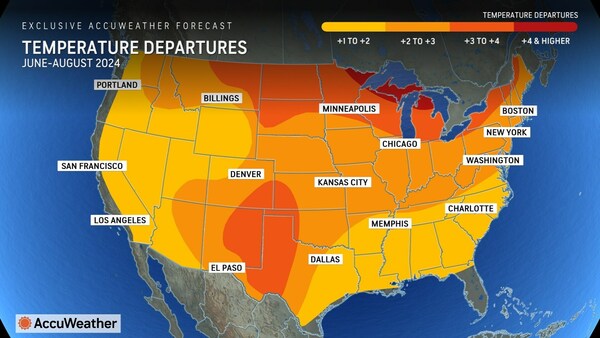
2024 looks like producing a sizzling summer in the North of this planet.:
- AccuWeather Summer 2024 U.S. Forecast: Sizzling Summer Temperatures.
- Periods of abnormally high temperatures will become more common and intense in Russia.
- Canada risks more ‘catastrophic’ wildfires with hot weather forecast
The thing is: people are at risk from radioactive releases as nuclear facilities – as nuclear waste pools, nuclear weapons sites producing plutonium – can be impacted by wildfires, floods.
With global heating – these places pose an increasing danger to humanity (and other species) -Texas’ Pantex Plant and its plutonium pits, New Mexico’s Los Alamos Nuclear Laboratory, Washinton’s plutonium-contaminated Hanford nuclear site.
While Russia has dumped much of its nuclear waste into the sea. On land the Mayak, and Lake Karachay in the Southern Urals is the most plutonium polluted (open-air) place on Earth from a radiological point of view, and is predicted to have extreme heat waves in 2024.
Canada’s nuclear wastes are at Manitoba and Chalk River Laboratories in Ontario, and at nuclear reactors at Ontario, Quebec and New Brunswick – Ontario 66 wildfires in 2023.
So – while the world’s national macho men – and their military-industrial-nuclear-media complex are drumming up fear of attack from each other – the real danger is their foolish but lucrative “defense” industries.
This is insanity.
Sanity would be getting together, talking about our mutual danger problem, and working out ways to co-operate on making these sites safe, and on not producing any more radioactive trash.
Sites with radioactive material more vulnerable as climate change increases wildfire, flood risks

the agency does not specifically consider future climate risks when issuing permits or licenses for new sites or projects
Likewise, the Nuclear Regulatory Commission considers only historical climate data rather than future projections in licensing decisions and oversight of nuclear power plants.
“We’re acting like … (what’s) happening now is what we can expect to happen in 50 years,”
The Canadian Press. Wed, May 22, 2024,
https://ca.news.yahoo.com/sites-radioactive-material-more-vulnerable-050548288.html
As Texas wildfires burned toward the nation’s primary nuclear weapons facility, workers hurried to ensure nothing flammable was around buildings and storage areas.
When the fires showed no sign of slowing, Pantex Plant officials urgently called on local contractors, who arrived within minutes with bulldozers to dig trenches and enlarge fire breaks for the sprawling complex where nuclear weapons are assembled and disassembled and dangerous plutonium pits — hollow spheres that trigger nuclear warheads and bombs — are stored.
“The winds can pick up really (quickly) here and can move really fast,” said Jason Armstrong, the federal field office manager at Pantex, outside Amarillo, who was awake 40 hours straight monitoring the risks. Workers were sent home and the plant shut down when smoke began blanketing the site.
Those fires in February — including the largest in Texas history — didn’t reach Pantex, though flames came within 3 miles (5 kilometers). And Armstrong says it’s highly unlikely that plutonium pits, stored in fire-resistant drums and shelters, would have been affected by wildfire.
But the size and speed of the grassland fires, and Pantex’s urgent response, underscore how much is at stake as climate change stokes extreme heat and drought, longer fire seasons with larger, more intense blazes and supercharged rainstorms that can lead to catastrophic flooding. The Texas fire season often starts in February, but farther west it has yet to ramp up, and is usually worst in summer and fall.
Dozens of active and idle laboratories and manufacturing and military facilities across the nation that use, store or are contaminated with radioactive material are increasingly vulnerable to extreme weather. Many also perform critical energy and defense research and manufacturing that could be disrupted or crippled by fires, floods and other disasters.

There’s the 40-square-mile Los Alamos National Laboratory in New Mexico, where a 2000 wildfire burned to within a half mile (0.8 kilometers) of a radioactive waste site. The heavily polluted Santa Susana Field Laboratory in Southern California, where a 2018 wildfire burned 80% of the site, narrowly missing an area contaminated by a 1959 partial nuclear meltdown. And the plutonium-contaminated Hanford nuclear site in Washington, where the U.S. manufactured atomic bombs.
That realization has begun to change how the government addresses threats at some of the nation’s most sensitive sites.
The Department of Energy in 2022 required its existing sites to assess climate change risks to “mission-critical functions and operations,” including waste storage, and to develop plans to address them. It cited wildfires at Los Alamos and Lawrence Livermore national laboratories and a 2021 deep freeze that damaged “critical facilities” at Pantex.
Yet the agency does not specifically consider future climate risks when issuing permits or licenses for new sites or projects, or in environmental assessments that are reviewed every five years though rarely updated. Instead, it only considers how sites themselves might affect climate change — a paradox critics call short-sighted and potentially dangerous.
Likewise, the Nuclear Regulatory Commission considers only historical climate data rather than future projections in licensing decisions and oversight of nuclear power plants, according to a General Accounting Office study in April that recommended the NRC “fully consider potential climate change effects.” The GAO found that 60 of 75 U.S. plants were in areas with high flood hazard and 16 were in areas with high wildfire potential.
“We’re acting like … (what’s) happening now is what we can expect to happen in 50 years,” said Caroline Reiser, a climate and energy attorney at the Natural Resources Defense Council. “The reality of what our climate is doing has shifted dramatically, and we need to shift our planning … before we experience more and more of the extreme weather events.”
The National Nuclear Security Administration’s environmental safety and health division, which oversees active DOE sites, will conduct an internal review and convene a work group to develop “crucial” methodologies to address climate risks in permitting, licensing and site-wide assessments, John Weckerle, the division’s director of environmental regulatory affairs, told The Associated Press.
Assessments before and after projects are built are critical to protecting infrastructure and waste materials, said Dylan Spaulding, a senior scientist at the Union of Concerned Scientists.
“We know that climate change makes it likely that these events will happen with increased frequency, and that brings the likelihood for unprecedented consequences,” Spaulding said. Sites “can be better protected if you are anticipating these problems ahead of time.”
One of the most dangerous radioactive materials is plutonium, said Edwin Lyman, director of nuclear power safety at the Union of Concerned Scientists. It can cause cancer, is most dangerous when inhaled, and just a few hundred grams dispersed widely could pose a significant hazard, he said.
Experts say risks vary by site. Most plutonium and other radioactive material is contained in concrete and steel structures or underground storage designed to withstand fire. And many sites are on large tracts in remote areas where risk to the public from a radiation release would be minimal.
Even so, potential threats have arisen.
In 2000, a wildfire burned one-third of the 580-square-mile (1,502-square-kilometer) Hanford site, which produced plutonium for the U.S. atomic weapons program and is considered the nation’s most radioactive place.
Air monitoring detected plutonium in nearby populated areas at levels higher than background, but only for one day and at levels not considered hazardous, according to a Washington State Department of Health report.
The agency said the plutonium likely was from surface soil blown by the wind during and after the fire, though site officials said radioactive waste is buried several feet deep or stored in concrete structures.
Because the Hanford site is fire-prone — with 130 wildfires between 2012 and 2023 — officials say they’re diligent about cutting fire breaks and removing flammable vegetation.
The 2018 Woolsey Fire in California was another wakeup call.
About 150,000 people live within 5 miles (8 kilometers) of the Santa Susana Field Laboratory, a former nuclear power research and rocket-engine testing site.
The fire burned within several hundred feet of contaminated buildings and soil, and about 600 feet (183 meters) from where a nuclear reactor core partially melted down 65 years ago.
The state’s Department of Toxic Substances Control said sampling by multiple agencies found no off-site radiation or other hazardous material attributable to the fire. But another study, using hundreds of samples collected by volunteers, found radioactive microparticles in ash just outside of the lab boundary and at three sites farther away that researchers say were from the fire.
The state ordered demolition of 18 buildings, citing “imminent and substantial endangerment to people and the environment because unanticipated and increasingly likely fires could result in the release of radioactive and hazardous substances.”
It also ordered cleanup of old burn pits contaminated with radioactive materials. Though the area was covered with permeable tarps and did not burn in 2018, the state feared it could be damaged by “far more severe” wildfire, high winds or flooding.
“It’s like these places we think, it’ll never happen,” said Melissa Bumstead, founder and co-director of Parents Against Santa Susana Field Laboratory. “But … things are changing very quickly.”
Jay Coghlan, executive director of Nuclear Watch New Mexico, said he and others successfully urged federal nuclear security officials to include a wildfire plan in a 1999 final environmental impact statement for the Los Alamos National Laboratory.
The next year, the 48,000-acre (19,000-hectare) Cerro Grande Fire burned 7,500 acres (3,035 hectares) at the laboratory, including structures, and came within a half-mile (0.8 kilometers) of an area with more than 24,000 above-ground containers of mostly plutonium-contaminated waste.

The plan’s hypothetical fire “eerily matched the real fire,” Coghlan said, adding that it “could have been catastrophic,” if containers had been compromised and plutonium become airborne. But the lab had cut fire breaks around the area — and since then, most containers have been shipped to a permanent storage site in southern New Mexico.
Remaining radioactive material — including from the World War II Manhattan Project — now is underground with barriers to prevent leaching, or in containers stored under fire-retardant fabric-and-steel domes with paved floors until it can be processed for disposal.
The amount of radioactive material in each container is kept low to prevent a significant release if it were compromised, said Nichole Lundgard, engineering and nuclear safety program manager at DOE contractor N3B.
The lab also emphasizes fire preparedness, including thinning forests to reduce the intensity of future fires, said Rich Nieto, manager of the site’s wildland fire program.
“What used to be a three-month (fire) season, sometimes will be a six-month season,” he said.
Wildfires aren’t the only climate-related risk. Flooding from increasingly intense rainstorms can wash away sediment — especially in areas that have burned. Floods and extreme cold also can affect operations and have forced the shutdown of several DOE sites in recent years.
The Lawrence Livermore National Laboratory in Northern California was evacuated during a 2020 wildfire, and last year the lab was forced to shut down for three weeks because of heavy flooding.
The 2000 fire at Los Alamos was followed by heavy rainstorms that washed away sediment with plutonium and other radioactive material.
In 2010, Pantex was inundated with 10 inches (25 centimeters) of rain that forced the plant to shut down, affecting operations for almost a month. The plutonium storage area flooded and corrosion later was found on some containers that’s since “been addressed,” said Armstrong, the field office manager.
In 2017, storms flooded facilities that processed nuclear material and led to power outages that affected a fire alarm control panel.
Then in 2021, Pantex was shut down for a week because of extreme cold that officials said led to “freeze-related failures” at 10 nuclear facilities and other plants. That included failure of a sprinkler head in a radiation safety storage area’s fire suppression system.
Pantex has since adopted freeze-protection measures and a cold weather response plan. And Armstrong says there have been upgrades, including to its fire protection and electrical systems and installation of backup generators.
Other DOE sites also are investing in infrastructure, the nuclear security agency’s Weckerle said, because what once was considered safe now may be vulnerable.
“We live in a time of increased risk,” he said. “That’s just the heart of it (and) … a lot of that does have to do with climate change.”
1 This Month



26 September – International Day for the Total Elimination of Nuclear Weapons


PLEASE OPPOSE HR 8255 AND S.3639 – bills would accelerate satellite deployment, with no environmental review or safeguards – https://ncstd5li.quorum.us/campaign/169331/
To see nuclear-related stories in greater depth and intensity – go to https://nuclearinformation.wordpress.com
-
Archives
- September 2026 (206)
- August 2026 (330)
- July 2026 (355)
- June 2026 (287)
- May 2026 (306)
- April 2026 (356)
- March 2026 (251)
- February 2026 (267)
- January 2026 (308)
- December 2025 (358)
- November 2025 (359)
- October 2025 (375)
-
Categories
- 1
- 1 NUCLEAR ISSUES
- business and costs
- climate change
- culture and arts
- ENERGY
- environment
- health
- history
- indigenous issues
- Legal
- marketing of nuclear
- media
- opposition to nuclear
- PERSONAL STORIES
- politics
- politics international
- Religion and ethics
- safety
- secrets,lies and civil liberties
- spinbuster
- technology
- Uranium
- wastes
- weapons and war
- Women
- 2 WORLD
- ACTION
- AFRICA
- Atrocities
- AUSTRALIA
- Christina's notes
- Christina's themes
- culture and arts
- Events
- Fuk 2022
- Fuk 2023
- Fukushima 2017
- Fukushima 2018
- fukushima 2019
- Fukushima 2020
- Fukushima 2021
- general
- global warming
- Humour (God we need it)
- Nuclear
- RARE EARTHS
- Reference
- resources – print
- Resources -audiovicual
- Weekly Newsletter
- World
- World Nuclear
- YouTube
-
RSS
Entries RSS
Comments RSS
 nuclear-news