Anti nuclear activist and composer Ryuichi Sakamoto has throat cancer
Since the March 2011 tsunami set off a nuclear catastrophe in Japan, Sakamoto has been one of the most vocal celebrities against nuclear power along with Nobel-winning writer Kenzaburo Oe and visual artist Yoshitomo Nara.
Sakamoto, who also acted in and wrote the score for the 1983 film “Merry Christmas, Mr. Lawrence,” directed by Nagisa Oshima, has appeared at anti-nuclear protests and urged Japan to reflect on what he called the mistake of Fukushima.
In a July 2012 rally, he got up on stage and read from notes on an iPhone, warning Japan not to risk people’s lives for electricity.
“Life is more important than money,” he said in Japanese, then added in English, “Keeping silent after Fukushima is barbaric.”
July 11, 2014
TOKYO (AP) — Japanese musician Ryuichi Sakamoto, who shared an Oscar for Bernardo Bertolucci’s “The Last Emperor” score, has been diagnosed with throat cancer and has canceled his upcoming performances to focus on his health.
“I promise to return after a full recovery,” Sakamoto, 62, said Thursday on his official website.
He apologized for bowing out of his upcoming events, saying he would not be able to attend the First Sapporo International Art Festival, which starts later this month. He said he was also “deeply upset” at having to cancel a July 30 concert for the Park Hyatt Tokyo’s 20th anniversary, where he had planned to unveil new material.
At “the end of June, I was diagnosed with throat cancer,” he said on his website. “I have decided to take time off of work in order to concentrate on treating it. I deeply regret causing so many people considerable inconvenience.”
Hideaki Tamamushi, spokesman at Avex Group, which manages Sakamoto, said that in early June the musician went for a checkup after feeling a strange sensation in his throat, and the diagnosis came toward the end of the month. He said the company has been deluged with calls asking about Sakamoto. Tamamushi declined to release further details about his condition.
Sakamoto’s daughter and musician Miu Sakamoto said on her Twitter account that her father was going to stay for a while in the U.S., where he is based.
“I would like my father to take a good rest after working so hard all the time. I hope he will recover completely and return to playing his great music with all his heart,” she tweeted.
Sakamoto, born in Tokyo, rose to fame as a member of the electronic pop band Yellow Magic Orchestra in the 1970s and 1980s. He has been based in New York in recent years, although he visits Japan often.
Since the March 2011 tsunami set off a nuclear catastrophe in Japan, Sakamoto has been one of the most vocal celebrities against nuclear power along with Nobel-winning writer Kenzaburo Oe and visual artist Yoshitomo Nara.
Sakamoto, who also acted in and wrote the score for the 1983 film “Merry Christmas, Mr. Lawrence,” directed by Nagisa Oshima, has appeared at anti-nuclear protests and urged Japan to reflect on what he called the mistake of Fukushima.
In a July 2012 rally, he got up on stage and read from notes on an iPhone, warning Japan not to risk people’s lives for electricity.
“Life is more important than money,” he said in Japanese, then added in English, “Keeping silent after Fukushima is barbaric.”
___
Follow Yuri Kageyama on Twitter at twitter.com/yurikageyama

Nuclear power is no answer to global warming – Ian Fairlie
Ian Fairlie
10th July 2014
If we’re serious about cutting CO2 emissions, there’s no place for nuclear power, writes Ian Fairlie – because it’s the least cost-effective way to do it. By far the best way is to improve energy efficiency. But tell the Government the truth, and it’ll close you down.
In terms of $ per tonne of CO2 saved, Amory Lovins found that nuclear was among the worst methods. The best, by some margin, was energy efficiency.
It’s quite clear that climate change is an extremely serious problem for mankind and that we desperately need carbon-free or low-carbon energy and transport policies.
Many people, even a few who claim to be ‘environmentalists’, remain convinced that nuclear power is an important or even necessary way to reduce our CO2 emissions.
However even the most cursory examination reveals big problems with that view, and when the matter is examined in detail, one wonders how on earth so many people are taken in by it.
Nuclear power stations emit no CO2 … ?
Let’s take the most obvious issue: surely nuclear reactors don’t produce CO2 emissions? Well, true, they don’t when in operation, but reactor operation is only one step in the long nuclear fuel chain.
You need to consider uranium mining, milling and concentration, nuclear fuel fabrication and U-235 enrichment, then reactor construction, spent fuel storage and construction of whatever underground nuclear fuel dump is decided upon in future: none has been built yet.
All of these steps have heavy carbon footprints, especially uranium mining, U-235 enrichment, reactor construction and deep underground excavation.
In such situations, it’s normal to carry out Life Cycle Analyses (LCAs) of all the steps involved. Here the nuclear scenario would be modelled to estimate the number of tonnes of CO2 produced from all the steps per MWh of electricity generated, and compared with similar figures from LCAs of other forms of electricity generation.
Nuclear is low-carbon, not zero-carbon
The problem is that LCAs are prone to different results because of differing assumptions used in modelling scenarios. The most reliable studies are those by independent groups who are not paid by the nuclear industry as their results are less likely to be biased towards industrial viewpoints.
In recent years, two such studies have been published – by the Öko Institut in Germany, and by Dr Storm van Leeuwen and his team in the Netherlands. Both groups found that nuclear produced less CO2 than coal, oil or gas, but the amounts of carbon saved by nuclear power were relatively small.
Van Leeuwen estimated that nuclear produced about 1/3 as much CO2as a modern co-gen gas-fired plant. In other words, nuclear is a low-carbon, not a zero-carbon, source of electricity, as often touted by the Government and others.
But you may say, shouldn’t we still promote nuclear, as a 2/3rds saving compared with gas is still worthwhile?
Perhaps, but there are several better ways of reducing CO2 emissions than gas-fired stations. These include demand reduction measures via greater energy efficiency, and renewables such as biomass, wind, wave, geothermal and solar PV.
DECC refusing to accept the truth
If we’re really serious about reducing CO2 emissions, then we should be examining how much each method costs per tonne of CO2 saved. But the Government and its nuclear acolytes seem to be avoiding this.
Fukushima’s children are dying as the world looks on!
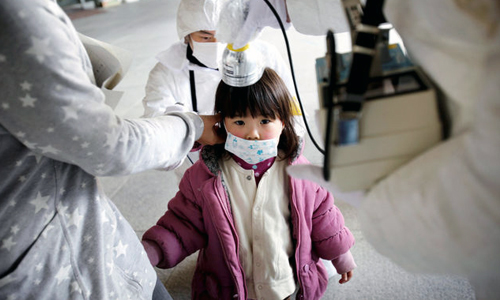
More than 48 percent of some 375,000 young people—nearly 200,000 kids—tested by the Fukushima Medical University near the smoldering reactors now suffer from pre-cancerous thyroid abnormalities, primarily nodules and cysts
https://www.transcend.org/tms/2014/07/fukushimas-children-are-dying/
by Harvey Wasserman, EcoWatch – TRANSCEND Media Service
ASIA & THE PACIFIC, 7 July 2014
Some 39 months after the multiple explosions at Fukushima, thyroid cancer rates among nearby children have skyrocketed to more than forty times (40x) normal.
More than 48 percent of some 375,000 young people—nearly 200,000 kids—tested by the Fukushima Medical University near the smoldering reactors now suffer from pre-cancerous thyroid abnormalities, primarily nodules and cysts. The rate is accelerating.
More than 120 childhood cancers have been indicated where just three would be expected, says Joseph Mangano, executive director of the Radiation and Public Health Project.
The nuclear industry and its apologists continue to deny this public health tragedy. Some have actually asserted that “not one person” has been affected by Fukushima’s massive radiation releases, which for some isotopes exceed Hiroshima by a factor of nearly 30.
But the deadly epidemic at Fukushima is consistent with impacts suffered among children near the 1979 accident at Three Mile Island and the 1986 explosion at Chernobyl, as well as findings at other commercial reactors.
The likelihood that atomic power could cause such epidemics has been confirmed by the Canadian Nuclear Safety Commission, which says that “an increase in the risk of childhood thyroid cancer” would accompany a reactor disaster.
In evaluating the prospects of new reactor construction in Canada, the Commission says the rate “would rise by 0.3 percent at a distance of 12 kilometers” from the accident. But that assumes the distribution of protective potassium iodide pills and a successful emergency evacuation, neither of which happened at Three Mile Island, Chernobyl or Fukushima.
The numbers have been analyzed by Mangano. He has studied the impacts of reactor-created radiation on human health since the 1980s, beginning his work with the legendary radiologist Dr. Ernest Sternglass and statistician Jay Gould.
Speaking on http://www.prn.fm’s Green Power & Wellness Show, Mangano also confirms that the general health among downwind human populations improves when atomic reactors are shut down, and goes into decline when they open or re-open.
Nearby children are not the only casualties at Fukushima. Plant operator Masao Yoshida has died at age 58 of esophogeal cancer. Masao heroically refused to abandon Fukushima at the worst of the crisis, probably saving millions of lives. Workers at the site who are employed by independent contractors—many dominated by organized crime—are often not being monitored for radiation exposure at all. Public anger is rising over government plans to force families—many with small children—back into the heavily contaminated region around the plant.
Following its 1979 accident, Three Mile Island’s owners denied the reactor had melted. But a robotic camera later confirmed otherwise.
The state of Pennsylvania mysteriously killed its tumor registry, then said there was “no evidence” that anyone had been killed.
But a wide range of independent studies confirm heightened infant death rates and excessive cancers among the general population. Excessive death, mutation and disease rates among local animals were confirmed by the Pennsylvania Department of Agriculture and local journalists.
In the 1980s federal Judge Sylvia Rambo blocked a class action suit by some 2,400 central Pennsylvania downwinders, claiming not enough radiation had escaped to harm anyone. But after 35 years, no one knows how much radiation escaped or where it went. Three Mile Island’s owners have quietly paid millions to downwind victims in exchange for gag orders.
At Chernobyl, a compendium of more than 5,000 studies has yielded an estimated death toll of more than 1,000,000 people.
The radiation effects on youngsters in downwind Belarus and Ukraine have been horrific. According to Mangano, some 80 percent of the “Children of Chernobyl” born downwind since the accident have been harmed by a wide range of impacts ranging from birth defects and thyroid cancer to long-term heart, respiratory and mental illnesses. The findings mean that just one in five young downwinders can be termed healthy.
Physicians for Social Responsibility and the German chapter of the International Physicians for the Prevention of Nuclear War have warned of parallel problems near Fukushima.
The United Nations Scientific Committee on the Effects of Atomic Radiation (UNSCEAR) has recently issued reports downplaying the disaster’s human impacts. UNSCEAR is interlocked with the United Nations’ International Atomic Energy Agency, whose mandate is to promote atomic power. The IAEA has a long-term controlling gag order on UN findings about reactor health impacts. For decades UNSCEAR and the World Health Organization have run protective cover for the nuclear industry’s widespread health impacts. Fukushima has proven no exception.
In response, Physicians for Social Responsibility and the German International Physicians for the Prevention of Nuclear War have issued a ten-point rebuttal, warning the public of the UN’s compromised credibility. The disaster is “ongoing” say the groups, and must be monitored for decades. “Things could have turned for the worse” if winds had been blowing toward Tokyo rather than out to sea (and towards America).
There is on-going risk from irradiated produce, and among site workers whose doses and health impacts are not being monitored. Current dose estimates among workers as well as downwinders are unreliable, and special notice must be taken of radiation’s severe impacts on the human embryo.
UNSCEAR’s studies on background radiation are also “misleading,” say the groups, and there must be further study of genetic radiation effects as well as “non-cancer diseases.” The UN assertion that “no discernible radiation-related health effects are expected among exposed members” is “cynical,” say the groups. They add that things were made worse by the official refusal to distribute potassium iodide, which might have protected the public from thyroid impacts from massive releases of radioactive I-131.
Overall, the horrific news from Fukushima can only get worse. Radiation from three lost cores is still being carried into the Pacific. Management of spent fuel rods in pools suspended in the air and scattered around the site remains fraught with danger.
The pro-nuclear Shinzo Abe regime wants to reopen Japan’s remaining 48 reactors. It has pushed hard for families who fled the disaster to re-occupy irradiated homes and villages.
But Three Mile Island, Chernobyl and the plague of death and disease now surfacing near Fukushima make it all too clear that the human cost of such decisions continues to escalate—with our children suffering first and worst.
ISIS Terrorist seizure of nuclear materials in Iraq of minimal concern says USA BUT WHAT ABOUT THE COBALT?


(CNN) — Militants in Iraq have taken hold of nuclear materials at university science facilities near the northern city of Mosul, the Iraqi government has said in a letter to the United Nations.
But two U.S. officials told CNN on Wednesday that the small amounts of uranium aren’t enriched or weapons-grade, prompting only minimal concern.
The letter from Iraq’s U.N. ambassador about the uranium compounds asks for help “to stave off the threat of their use by terrorists in Iraq or abroad” as the country struggles with a deadly insurgency.
In the letter, obtained Wednesday by CNN, Iraqi Ambassador Mohamed Ali Alhakim said that “terrorist groups have seized control” of nearly 40 kilograms (90 pounds) of uranium compounds at science departments at the University of Mosul after the sites “came out of control of the state.”
The Islamic State in Iraq and Syria, an al Qaeda splinter group, has led Sunni insurgents who have taken over large areas of northern and western Iraq in an offensive that began last month. The terrorist group has also made major gains in Syria in its quest to establish an Islamic state spanning both countries.
In his letter, dated Tuesday, Alhakim said the nuclear materials were used in “very limited quantities” for scientific study and research. But he warned that despite the small amounts, the materials could be used by terrorists in Iraq or smuggled out of the country.
“Such materials can be used in manufacturing weapons of mass destruction,” Alhakim wrote in the letter, which was first reported by Reuters.
Iraq witnessed another violent day Wednesday as the country’s security and political crises deepened.
More than 50 unidentified bodies were found in the predominantly Shiite town of Alexandria on Wednesday, Iraqi security officials said.
The bodies of two children were among the dozens found in different parts of the town.
Details about the circumstances of the deaths were not immediately available, and officials did not say when the people may have been killed.
Not far from Alexandria, at least five people were killed and 17 wounded by three car bombs that exploded in front of a courthouse in the town of Hilla, security and medical officials said.
Hilla is about 92 kilometers (57 miles) south of Baghdad and is the first sizable town south of the capital.
2006 – http://www.iraqwatch.org/government/Iraq/IAEC%20reports/iaec1982-1983.htm
THE NUCLEAR MEDICINE CENTRE, MOSUL
The initiative help and enthusiasm of the Iraqi Atomic Energy Commission for the medical uses of radiation centres could not be better shown than the building of the Mosul centre. The whole project was established by the Iraqi AEC and it is now a centre for the Teaching Hospital of the Medical College of Mosul University.
The centre has facilities for all in – vitro and in – vivo use of open sources of radioisotopes.
A cobalt 60 teletherapy unit for external radiotherapy is also within the campus of the Hospital. This cobalt unit was a gift from the International Atomic Energy Agency and it has been replaced recently by a new one.
The Mosul Nuclear Medicine Centre was built on fairly wide ground with the possibility of future addition and extension in mind.
This centre now serves the northern area of Iraq and renders facilities for the medical uses of radioisotopes in clinical diagnosis and medical research.
Most of the diagnostic applications of nuclear medicine well as therapy of the thyroid disease are done at the centre. These include:
Static and dynamic scan of the brain.
Thyroid scanning and other in-vivo thyroid studies.*
Lung liver and spleen scintigraphy.
Renography and kidney scanning.
Bone scanning.
All in – vitro radioimmunoassay of hormones (There are two specialists in nuclear medicine and four practitioners with good experience in nuclear medicine apart from supporting physicists chemists technicians nursing and administrative staff).
Since the opening of the centre in 1971, the number of patients has increased and now it totals over five thousands new patients a year.
* Incidentally Mosul and the surrounding area are amongst the well known regions infested with endemic goitre.

Sino-American rivalry: Energy consumption, nuclear energy and deadly nukes – RT
Both global powerhouses thus appear to persist in gambling with the Earth’s future. In fact, American and Chinese willingness to continue playing with fire is also demonstrated by their actions in the field of nuclear energy and weapons. Some time ago, the award-winning journalist Ken Silverstein wrote in the Christian Science Monitor that the “Obama administration wants to seed the United States with pint-size nuclear reactors … The US Department of Energy said it would provide $217 million in matching funds over five years to [the private company] NuScale, which builds small, ready-made reactors that can be strung together”. These pint-size nuclear reactors would be added to the already existing “100 commercial nuclear power reactors [that] are licensed to operate at 62 sites in 31 States.”
Meanwhile, in China 20 nuclear power reactors are in operation, with a further 28 under construction, and even more about to start construction. The recent Fukushima disaster in Japan (11 March 2011) and the now-legendary Chernobyl disaster in the Ukraine (26 April 1986) provide ample evidence that the mere principle of nuclear energy seems patently absurd: in order to boil water to operate some turbines, nuclear material is fused to produce high levels of energy (or heat) that is then put to use to boil water basically, or to put it in more formal words, as can be found on the website Three Mile Island (named after another famous nuclear mishap on 28 March 1979): the “only purpose of a nuclear power plant is to produce electricity. To produce electricity, a power plant needs a source of heat to boil water which becomes steam. The steam then turns a turbine, the turbine turns an electrical generator, and the generator produces electricity”. And the dangers of nuclear radiation are manifold, as explained by Dr. Helen Caldicott, the well-known Australian anti-nuclear advocate: “[n] dose of radiation is safe. Each dose received by the body is cumulative and adds to the risk of developing malignancy or genetic disease … Children are ten to twenty times more vulnerable to the carcinogenic effects of radiation than adults. Females tend to be more sensitive compared to males, whilst fetuses and immuno-compromised patients are also extremely sensitive … High doses of radiation received from a nuclear meltdown or from a nuclear weapon explosion can cause acute radiation sickness, with alopecia, severe nausea, diarrhea and thrombocytopenia”.
All in all, the US and China seem well-matched in their dedication to endangering the continued existence of humanity on this earth: either by their use and propagation of fossil fuels leading to disastrous climate change. Or by sticking to nuclear energy as an alternative, which is a dangerous proposition to begin with, while the issue of the resultant nuclear waste material has not even been touched upon.

http://rt.com/op-edge/171824-sino-american-rivalry-energy/
Dr. Can Erimtan is an independent scholar residing in İstanbul, with a wide interest in the politics, history and culture of the Balkans and the Greater Middle East.
The Bank of America recently claimed that the US will continue as the world’s biggest crude oil producer in 2014 after overtaking Saudi Arabia and Russia, as extraction from shale rock fuels the nation’s economic recovery.
And this seems like good news for the United States, struggling to recuperate from the ill-effects of the Bush years, those nightmare-like eight years that had disastrous effects on the national as well as the global economy.
As such, it has to be said that it has been quite a while since the US came out on top of any kind of worldwide ranking.
Famously, last year Education Week, the publication of the Editorial Projects in Education – an initiative that was expressly started “to withstand a concerted challenge to [the US’] technological pre-eminence” in the aftermath of the Soviet launch of Sputnik (1957) when American leaders began to fear the advance of their adversaries – indicated that “[i]n mathematics, 29 nations and other jurisdictions outperformed the United States by a statistically significant margin, up from 23 three years ago”, while “[i]n science, 22 education systems scored above the US average, up from 18 in 2009”.
As such, these “dismal US scores in reading, math and science have not changed since 2003″, remarked NPR’s Claudio Sanchez. As the US is now slowly winding down, with its future prospects looking bleak as judged by the school performance of tomorrow’s US wheelers and dealers, the news that, at least, in the field of crude oil production, the Americans are once again on top of the world must come as some kind of solace.
America’s current principal rival is the People’s Republic of China, a huge country still nominally led along Communist principles but actually really employing a strange ideological sauce that has been described as Capitalist Communism and has even received the moniker “socialist market economy with Chinese characteristics”, adhering to the principle of “using capitalism to develop socialism”, as worded by the Chinese Communist Party (CCP). Today, the development of capitalist enterprise in China has achieved really rather unthinkable growth figures and has given China a most unlikely appearance, turning the present ‘Middle Kingdom’ into a “country of extremes”, where “European cars swerve through traffic barely missing battered Soviet-era motorcycles laden with bounties of plastic and metal recyclables [and] [c]ollege students carrying iPads walk past street vendors selling 15 cent eggs in various states of decomposition”, as worded by Warren Rizzi, who spent a yearlong fellowship at a university in northeast China.
In addition, China possesses the largest population of any country on earth (officially, the number involved is 1,354,040,000 and that figure excludes the people living in Taiwan, Hong Kong and Macao); while China’s industry has also become one of the largest in the world, with the Forbes Global 2000 List of the world’s biggest public companies, released last May, being topped by three Chinese companies (ICBC, China Construction Bank, and Agricultural Bank of China); and finally, the number of motor vehicles used in China has also exploded, currently possessing the second largest fleet in the world, slightly more than 78 million actual vehicles – about three years ago, the Guardian’s Jonathan Watts insightfully wrote that between the years “2000 and 2010, the number of cars and motorcycles in China increased twentyfold. In the next 20 years it is forecast to more than double again, which means there will be more cars in China in 2030 than there were in the entire world in 2000.”
Therefore, it stands to reason that China has now earned the somewhat onerous sobriquet of being the “world’s largest net importer of petroleum and other liquid fuels”, as expressed by the US Energy Information Administration (EIA) – having imported 5.66 million barrels per day of crude oil in June 2014. China actually overtook the US as net importer in September 2013. China recently signed a lucrative gas deal with Russia, when Putin visited Beijing last May, envisioning the construction of the so-called Power of Siberia gas pipeline to supply Russian gas to China at a cost to Russia of $60-70 billion. This $400 billion deal between Russia’s Gazprom and the China National Petroleum Corp (CNPC) had been 10 years in the making, when it was signed as a 30-year agreement. As such, Russia will provide China with 38 billion cubic meters of gas per annum with Russia planning to invest $55 billion in the deal, and China around $22 billion. This Siberian addition to the network of “Pipelineistan” neatly complements the already existing connections with Kazakhstan and Iran.
At the same time, China also trades with Saudi Arabia, Sudan, the Republic of the Congo (also known as Congo-Brazzaville and not to be confused with the DRC or the Democratic Republic of Congo), and Angola, Brazil and Venezuela.
The United States, on the other hand, is trying very hard to increase its domestic production of hydrocarbon assets, giving rise to the above-quoted Bank of America statement. But not just shale gas and shale oil exploration, though detrimental to the environment and human health, are being pushed vigorously by the Obama administration. The research, communication, and clean energy advocacy organization Oil Change International recently released a report detailing the extent to which the US federal and state governments give away more than $21 billion in subsidies to oil, gas, and coal companies to promote increased fossil fuel production and exploration. The report, called Cashing in on All of the Above (July 2014), posits that “Thanks in large part to these huge subsidies, US fossil fuel production is booming. Between 2009 and 2013, natural gas production increased by 18 percent and oil production increased by 35 percent. Although President Obama has pledged to tackle climate change and eliminate fossil fuel subsidies, he champions the oil and gas boom as the centerpiece of his administration’s ‘All of the Above’ energy strategy”. Ominously, the report continues that “[s]ince President Obama took office in 2009; federal fossil fuel subsidies have grown in value by 45 percent, from $12.7 billion to a current total of $18.5 billion. This rise is mostly due to increased oil and gas production: the value of tax breaks and other incentives have increased along with greater production and profits, essentially rewarding companies for accelerating climate change”.
Islamist plot to blow up Eiffel Tower, Louvre and nuclear power plant foiled, say French police
Marc Trevidic, one of France’s highest-profile anti-terror judges, said the case of Ali M was far from being isolated. “There are doubtless others on our soil programmed to harm French interests,” he told Le Parisien.
Some 800 French nationals or residents are thought to have left to fight in Syria since the start of the civil war
French police stumbled on terror plans after decrypting coded messages between Algerian butcher living in southern France and high-ranking members of al-Qaeda in the Maghreb
4:48PM BST 09 Jul 2014
France foiled an Islamist terrorist plot to target the Eiffel Tower, the Louvre and even a nuclear power plant, it emerged on Wednesday, as the country unveiled new, tougher anti-terror rules.
French police stumbled on the plans after decrypting coded messages between a 29-year-old Algerian butcher living in the Vaucluse, southern France, known only as Ali M, and one of the highest-ranking members in al-Qaeda in the Islamic Maghreb, or AQIM.
According to Le Parisien newspaper, in April last year, the married father of two who went by the pseudonym Abu Jaji was asked by his AQIM contact, whose web alias was Redouane18, to make “suggestions concerning how to conduct jihad in the place you are currently”.
Ali M suggested targeting nuclear power plants, “planes at the moment of take-off”, and a string of French landmarks, including the Eiffel Tower and the Louvre museum in Paris.
Hamas rockets target Israel’s nuclear reactor
http://news.xinhuanet.com/english/world/2014-07/10/c_133472353.htm
English.news.cn 2014-07-10 02:23:06
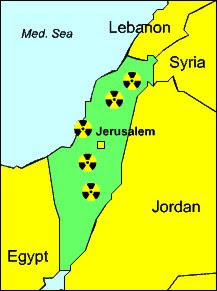 Image source ; http://socialistwebzine.blogspot.ie/2010/06/dismantling-nuclear-dimona-israels-wmds.html
JERUSALEM, July 9 (Xinhua) — Hamas fired three rockets on Wednesday evening from the Gaza Strip into Dimona, a southern city where Israel’s nuclear reactor is located, causing no injury or damage, the Israeli military said.
Israel’s Channel 2 reported that one rocket was intercepted by Israel’s Iron Dome anti-missile defense system, while the rest fell in open fields.
Hamas’ military wing Izz ad-Din al-Qassam Brigades has claimed responsibility for the attack, saying they launched three M-75 missiles targeting the reactor in Dimona.
It’s the first time that rockets have hit Dimona, one of Israel ‘s most sensitive areas.
Sirens also wailed in cities in central and southern Israel for the second night in a row, as rockets showered over the skies of the southern central and central coastal plain on Wednesday. One rocket made its way to Hof Hacarmel, a regional council in northern Israel near Haifa, about 120 km north of the Gaza Strip, which is the most northern spot reached by Gaza rockets.
Israeli Prime Minister Benjamin Netanyahu has said that Israel will further intensify its offensive on Gaza. “We have decided to further increase our attacks against Hamas and other terrorist organizations in the Gaza Strip,” Netanyahu said, swearing that Hamas “will pay a heavy price” for the barrages of rockets launched from the Gaza Strip towards Israel.
Since Israel launched operation Protective Edge early on Tuesday, it has attacked over 560 sites in Gaza, killing at least 41 Palestinians, according to the army. Hamas militants have fired more than 160 rockets at Israel.
Fukushima farmer takes on nuclear plant operator over wife’s suicide
The next morning, Watanabe resumed clearing brush. In the distance, under the spreading boughs of a tall tree, he noticed a fire. He assumed his wife was burning trash as usual, and continued working.
By Mari Saito and Lisa Twaronite
YAMAKIYA Japan (Reuters) – A Japanese court is due to rule next month on a claim that Tokyo Electric Power is responsible for a woman’s suicide, in a landmark case that could force the utility to publicly admit culpability for deaths related to the Fukushima nuclear disaster.
In July 2011, nearly four months after the massive earthquake and tsunami that triggered a series of catastrophic failures at the Fukushima Daiichi nuclear plant, Hamako Watanabe returned to her still-radioactive hilltop home, doused herself in kerosene and set herself on fire.
She left no suicide note, but her husband Mikio says plant operator Tokyo Electric is directly responsible.
“If that accident hadn’t happened, we would have lived a normal, peaceful life” on their family farm some 50 km (30 miles) from the plant, said Watanabe, now 64, who discovered her charred body.
A district court in Fukushima is expected to rule in late August on Watanabe’s lawsuit, which Tokyo Electric (Tepco) is contesting. The outcome could set a precedent for claims against the struggling utility, said Watanabe’s lawyer Tsuguo Hirota.
The triple meltdowns at the plant forced more than 150,000 people from their homes. About a third, including Watanabe, remain in temporary housing.
The utility has settled a number of suicide-related claims through a government dispute resolution system, but declined to say how many or give details on how much it has paid.
Japan has made public 25 disaster-related death cases that were settled through the resolution system, some for more than 16 million yen ($157,000). Causes of death were not always specified, and include those due to natural causes, such as elderly patients who died in evacuation centers. A Mainichi report this week said arbitrators were encouraged to automatically halve requested damage to expedite the process.
Tepco said it could not comment on pending cases, including Watanabe’s.
Watanabe has so far declined to settle outside of court and has broken off contact with relatives who urged him to drop his suit. His oldest son left his job after co-workers harassed him, accusing him of using his mother’s death for personal gain. Watanabe is seeking more than 91.16 million yen ($896,200) in damages.
“No matter what verdict I get in August, I just want my wife to rest in peace,” said Watanabe.
DEEP DEPRESSION
Like her husband, Hamako had grown up in Yamakiya, a rural pocket of farms and rice paddies surrounded by hills inside Kawamata Town. Being forced to leave plunged her into a sudden and deep depression, he said.

“For them to argue that the suicide is not directly related is unforgivable,” Watanabe said.
Hirota, Watanabe’s lawyer, said the verdict could set the stage for others who have experienced losses as a result of the nuclear disaster to take similar legal action.
“For the claimants, it’s not about the money. They want to know what the meaning of their husband’s death was, or why their mother had to perish this way,” he said.
Kazuo Okawa, an Osaka-based lawyer who has spent over three decades representing victims of Minamata disease, a neurological syndrome caused by mercury poisoning from industrial wastewater, said that courts in Japan generally tend to favor companies in liability cases.
Civil suits are uncommon in Japan, where victims are far more likely to skirt arduous court battles and accept settlements.
“There are massive hurdles to go to court in Japan. It takes a long time for court cases to proceed and this discourages many victims … If they felt they had a chance of winning they still might, but that hasn’t always been the case,” Okawa said.
EMOTIONAL DISTRESS
The case also highlights what advocates call a quiet crisis of depression in Japan’s disaster zone, which many say has gone unnoticed in a culture that values stoicism and stigmatizes mental illness.
“Their houses are still there, but they can’t go back,” said Shinichi Niwa, a professor of psychiatry at Fukushima Medical University, who said that displacement contributed to anger, despair and suicide.
Between 2011 and 2013, suicides declined 11 percent across Japan. Suicides in Fukushima had also been decreasing in the years before the disaster, but deaths have ticked up in the past two years.
Since April 2011, there have been more than 1,500 suicides in the prefecture. Authorities have so far ruled 54 of those deaths to be “disaster related”.
Japan’s government has dispatched counsellors, appointed a government minister in charge of suicide prevention and provided funding to local organizations for survivors and evacuees like Watanabe.
Tepco was bailed out with taxpayer funds in 2012 and expects to spend more than $48 billion in compensation alone, and billions more for a decades-long costly decommission.
Compensation halved over nuclear disaster victims’ deaths during evacuation
A center official defended the practice. “The 50 percent rule is merely an unofficial indication, and not part of the official criteria, so we don’t have to disclose it.”
TEPCO has declined to comment on the amount of compensation paid over the deaths of nuclear victims during evacuation. “We’re not in a position to comment on the contribution ratio of the nuclear disaster, but we understand that mediators at the center propose settlement plans based on the circumstances surrounding each individual case,” said an official with the TEPCO public relations division
Image source; http://riversong.wordpress.com/myth-of-corporate-personhood/

http://mainichi.jp/english/english/newsselect/news/20140709p2a00m0na003000c.html
July 09, 2014(Mainichi Japan)
he government-backed center that handles the alternative dispute resolution (ADR) for the Fukushima nuclear disaster has halved the amount of compensation that the operator of the crippled plant must pay in most cases over the deaths of nuclear disaster victims during evacuation, it has been learned.
The Nuclear Damage Claim Dispute Resolution Center has set the contribution ratio of the nuclear disaster to the deaths of most victims during evacuation at 50 percent to halve the amount of compensation to their bereaved families.
Hiroshi Noyama, former head of the Education, Culture, Sports, Science and Technology Ministry section that serves as secretariat to the center, made the admission in an exclusive interview with the Mainichi Shimbun.
Noyama defended the practice, saying the center must quickly handle disputes, while admitting that there are some cases for which full amounts of compensation should have been paid.
“In some cases, we can recognize that the contribution ratio of the nuclear accident to deaths is 100 percent. But we assess the ratio is 50 percent in most settlement plans. If we are to carefully deliberate each case, we couldn’t maintain the current pace of deliberations (an average of about six months per case),” he said. “This is the best thing that the center can do. If you’re dissatisfied with the practice, please file a lawsuit,” Noyama said.
The revelations highlight the insufficiency of relief measures for nuclear disaster victims.
In nuclear ADR processes, lawyers who serve as mediators at the center work out settlement plans in response to petitions from victims and show the plans to both the victims and Tokyo Electric Power Co. (TEPCO), the operator of the tsunami-ravaged Fukushima nuclear plant.
About 260 mediators are supposed to screen petitions independently. However, mediators often consult with the secretariat at the ministry over the details of settlement proposals to prevent conditions for reconciliation from varying from case to case.
Noyama said the secretariat summoned some “influential” mediators to the center and proposed to set the contribution ratio of the nuclear disaster to the deaths of evacuees at about 50 percent, considering that evidence cannot be sufficiently examined. The mediators present at the meeting accepted the proposal.
Japanese engineers struggle to make Fukushima ice wall concept work
Tepco has explained that the water is difficult to freeze because it is flowing at a rate of 2mm a minute. Toyoshi Fuketa, a member of the NRA, told Japan News: “It’s strange that flow on such a scale should prevent the freezing.”
The NRA has commented that the failure to freeze the tunnel made it impossible to create the ice wall around the reactor buildings and that TEPCO should “double or triple” its freezing capabilities.

9 July 2014 | By David Rogers
http://www.globalconreview.com/news/japanese-engineers-struggle-make-fukushima876754/
The Tokyo Electric Power Company (Tepco) has been told to re-examine its attempt to create an ice wall around the crippled reactors of the Fukushima Dai-Ichi nuclear power plant.
The instruction was delivered on Monday by Japan’s Nuclear Regulation Authority (NRA) which is concerned that the container of frozen soil around the partially melted reactors has not yet formed three months after work began.
The NRA ordered Tepco to increase the freezing power of its machinery. It is particularly concerned by the ice failing to contain a 5m2 tunnel filled with heavily contaminated water leading into the number one reactor, which is the one that suffered the greatest damage in the 2011 tsunami.
Tepco had hoped to block this tunnel with the ice, remove about 11,000 tons of radioactive liquid from it and replace it with concrete.
Tepco has explained that the water is difficult to freeze because it is flowing at a rate of 2mm a minute. Toyoshi Fuketa, a member of the NRA, told Japan News: “It’s strange that flow on such a scale should prevent the freezing.”
The NRA has commented that the failure to freeze the tunnel made it impossible to create the ice wall around the reactor buildings and that TEPCO should “double or triple” its freezing capabilities.
Meanwhile, there are reports that Tepco has been forced to switch off the cooling system at the number five reactor after it was discovered that it had been leaking water. The decision was taken after engineers discovered that 1,300 litres of water had leaked from a cooling system intended to stabilise the temperature of the reactor, which was offline at the time of tsunami, but still loaded with fuel rods.
The source of the leak is understood to be a 3 mm-diameter hole near a flow valve, according to a statement released by Tepco on Sunday. If no water is pumped over the next nine days, the reactor may reach a threshold temperature of 65°C, above which dangerous reactions may take place.
(Arclight2011 notes that the pump is now back on with a temporary repair in place)
Fukushima Women Against Nuclear Power – At the Foreign Correspondents Club of Japan July 3, 20l4
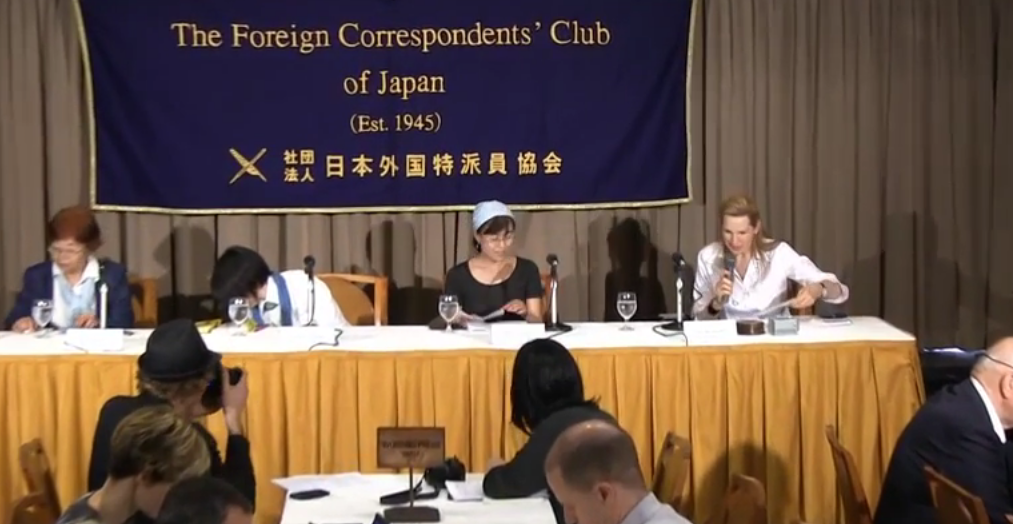
Statement in Japanese http://onna100nin.seesaa.net/
We, The Fukushima Women against Nuclear (Women of Fukushima Demand End to Nuclear Power) have submitted the following 4 demands to the Ministry of Environment, which has critical responsibilities for the decontamination and monitoring of radioactive materials, removal of earthquake debris and tainted soil as well as health care program for victims of the nuclear accidents;
l. Make plans to reduce radioactive exposure and carry them out immediately, getting out of too much dependence on decontamination.
2. Based on the principle of the Act for the relief and support of the nuclear power plant disaster victims, especially the affected children, make drastic changes to the policies of the Ministry of Environment in dealing with the affected areas with its victims, and radioactive contamination.
3. Listen to voices of victims and reflect them into the policies from now on.
4. Environment Minister, Nobuteru lshihara, should resign.
The demands are to protest against the skull session with the experts about decontamination held in Fukushima on June 15th, as well as the remark of Environment Minister lshihara “What matters in the end is the money” on the following day.
The skull session had been closed-door in the original plan, rejecting the participation of public audience. Several experts and hosts are associated with organizations which promote nuclear power, so that the selection of members wasn’t well balanced at all. There were also practices which are totally lack of transparency and fairness, such as;
– Acts to obscure affiliations of experts and hosts in a subtle manner.
– Absence of residents’ participation or representation.
– Substantive downgrade of decontamination target by shifting to measured results of personal dosimeter which measures only a part of external exposure
We strongly protest all of those practices. Yet this is not only about the Ministry of Environment, but it’s spread over various governmental agencies including the Reconstruction Agency, the Ministry of Economy, Trade and lndustry, and the Ministry of Education, Culture, Sports, Science and Technology. Their common premises are:
– No harm would be affected by this level of radioactive contamination.
– No health issues due to the nuclear power plant accident have been identified yet.
– Continuous living in the affected area is desirable both for victims and for economy of the country.
To derive policies aligned with those premises, they practiced actions such as;
– Sabotage of important investigations.
– Denial of the existence of the subjective symptoms of poor health by individuals.
– Underestimation and disregard of initial contamination and internal exposure.
– Disregard of the reports about the health effects of the Chemobyl accident from the local doctors.
– Unfair procedures to prevent submission of objections or counterarguments from citizens.
– Diffusion of the radioactive materials by policies with priority on economy and vested interests.
(The policies in place are going in the completely opposite direction to where it should be going to minimize damages of the nuclear accident;
rubble processing in the wide area and construction of incineration facilities for radioactive debris.)
The lack of sincerity on the part of the government has brought unnecessary contamination to citizens. They haven’t carried out their missions to prevent expansion of the damage.
In Fukushima Prefecture, among the youth and children under l8-year-old at the time of the disaster, the number of patient of thyroid cancers has been increasing. According to the announcement made on June 10th 2014, 89 children have or are suspected to have thyroid cancer. And many out of the 50 who already underwent operations have been suffering more severe symptoms such as lymph node metastasis, lung transition, and hoarseness. We are anxiously awaiting for the publication of reports with more detailed and accurate information.
There are also concerns of immunity system, respiratory system, circulatory organ system, alimentary system, nerve system, psychiatric disorders and others. Yet thorough investigations haven’t been conducted and the government has acted to suppress the voices of concern.
However, we are aware of the data about children who live in the post-Chemobyl nuclear-disaster Ukraine and Belarus. The number of diseases and immunity deficiencies has been increased throughout 28 years and even now. Because operations of decontamination haven’t achieved satisfactory results, the Government shouldn’t downgrade the target and left children, who are susceptible to radioactivity, in the affected area. We believe it’s unforgivable, and it’s sure from a viewpoint of preventive medicine. The Government shouldn’t confine the children in the areas of high air dose, but they should implement comprehensive measures to reduce radiation exposure, and to prevent health hazards. And it shouldn’t rely solely on decontamination work. For families who want to evacuate out of a contaminated area, they should be offered practical plans to meet their needs based on their right to evacuate. For families who decided to stay on, a program should be developed to provide periodical recreation and regular medical check-ups.
Moreover, the support for evacuees, including the voluntary evacuees, runs very short. And serious issues have come out, such as suicides and solitary deaths in evacuation home, child-abuse, unwanted retuning to the original residence, and family breakup. There is an urgent need to investigate the situation, and to provide practical supports to the victims.
Minister lshihara said “Ultimately what matter is the money.” in his answer to the question from a press after he briefed Chief Cabinet Secretary, Yoshihide Suga, about the meeting with local residents on an interim storage facility.
What we desire as the victims of this nuclear disaster is not money, but the hometown and the life we had before March11th 2011. And we do understand it’s extremely difficult. From the depth of sadness and agony, what we are asking from the Government is;
– Policies based on their determination to do the best to secure health of people and to preserve the environment.
– Minimization of the damage of the Eukushima Daiichi nuclear power plant disaster, which has not yet ended.
– Maximum preparation for the potential crisis following a big aftershock.
– Prevention of recurrence of nuclear disaster elsewhere.
However, what they’ve done is to make damage invisible with utmost effort, instead of preventing it. They’ve been accelerating diffusion of radioactive materials, and hiding initial radiation exposure and intemal exposure. On top of those, the Govemment adheres the capability of nuclear weapons through restarting nuclear power plants on the Japanese Islands which have entered into the period of great crust change.
The continuation of nuclear-fuel-cycle planning, and export of nuclear power plants to overseas such as Turkey which is another seismic country . Those activities trample on the sentiment of the victims of the Fukushima nuclear disaster, and we must say that it is the policy which has no respect for the lives of other people in the world.
Two days ago, the Abe Cabinet pushed through the Cabinet decision to approve the exercise of the right-of-collective-self-defense which rocks the foundation of constitutionalism and pacifism of the Constitution of Japan. We believe that such militarization of the country, nuclear power plant promotion, and forced toleration of radiation exposure are the Trinity, and we strongly oppose to them all.
To the People of the World,
We would like you to be aware of this serious reality in Japan, and to pay attention to it. We need your help to our activities toward the minimum damage of nuclear power disaster.
July 3, 20l4 Fukushima Women against Nukes
(Women of Fukushima Demand End to Nuclear Power)
Statement source ; http://onna100nin.up.seesaa.net/image/Speech20At20the20Foreign20Correspondents20Club20of20Japan20July2032C202014.pdf
Does Tepco own a radioactive marshland in Oze national park it can not sell?
Op Ed by Arclight2011
Published on 7 July 2014
Posted to nuclear-news.net
At the early stages of the Fukushima nuclear disaster I wondered if the Oze National park had been contaminated from nuclear fallout. Chris busby had tested car air filters from Tokyo and found high levels of radioactive particles and he also tested a filter from an apartment in Tokyo and found high levels of radioactive lead Pb.

A Japanese scientist was refused to check for radionuclides in the environment and had to leave his university position and then tested for contamination and found high levels of radionuclides in the forest in the mountains.
The map below shows a radionuclide dispertion different from the IAEA/UNSCEAR version in that it shows a wide dispertion that finds its way into the mountains nearly as far as Tokyo.

Image source ; http://backyardworld.wordpress.com/maps/
A recent finding posted by Iori at Fukushima Diary asks why is the level of contamination in Tokyo drinking water as high as Fukushima and even higher than Myiagi prefecture (that is nearer than Tokyo)? A reason might be that the reservoirs that supply Tokyo are contaminated from the higher levels of contaminates washed down from the mountains and or through the rivers from the marshes at Oze National Park, these past 3 years.
If we look at the waters that feed the marshland in Oze National Park that is south of the Fukushima Daichi nuclear site, we might wonder if the waters that feed Oze National Park might also be suffering from contamination.
There are no known studies of this area that have been made public.However an article published in Japan in July 2011 states that in a Spa near to the mountain range that an atmospheric reading showed that the contamination was as much as 50 percent of the contamination found in Fukushima city (0.45 mcSv/h at the spa).
TEPCO own some 70 percent of this unique wildlife area and were asked to sell it to compensate the people of Fukushima but the Yukio Edano, a government minister, was reported to ask TEPCO to not sell it . This is odd as the area had been losing visitors for many years before the disaster and therefore TEPCO were not showing themselves to be good stewarts of the land anyway. In fact, an OECD report from 1999 said that conflicts between the private sector (TEPCO and the Oze Forest Management Co. owned by Tepco and runs 5 lodges in Oze, four of which are in the Special Protection Zone against other park organisers wishes) and the environment agency and conservation NGO`s caused difficulties that would be easier to deal with if the environment agency had overall say in the running of Oze National park.
The fact that TEPCO only provide 200 million Yen a year to the overall 1.4 billion Yen a year running costs (600 million Yen of which comes from the government and 400 Million Yen from NGO`s). A sluice gate that provided water from the park helps to feed the Tone River which is used for irrigation and which dams have been constructed on its headwaters to produce hydroelectricity and to form reservoirs to supply water to the Keihin Industrial Zone. This river meets the pacific just north of Tokyo near the heavily contaminated area of Chiba.
The questions really are “why has TEPCO not sold its shares in the National Park? Is it because the area is contaminated and this might be found out by the new owners? Why is the government saying Tepco should not sell it if the OECD report says that it would be more simple not to have the ownership shared with a private company?
Also the aquifer that feeds the lower marshland is connected to the same aquifer that the nuclear disaster site is situated on. So TEPCO would want control of this large area to cover up any cross contamination from the nuclear site?
The contaminated ground water at Daichi is above another layer of groundwater that is deeper. The water at the lower level was found to have less pressure than the water above that is contaminated. So that means that the lower layer of ground water has been contaminated over the last 3 years and that contaminated water may be making its way slowly towards the Oze national park marshlands that TEPCO owns.
The idea of the ice wall is to possibly lower the pressure of the upper layer under the nuclear reactors and slow down the process. Although it is reported that TEPCO have started the ice wall it seems that this means that they are drilling holes for sensors and the freezing process is not yet begun. I can find no report that the freezing of the water has started. So this means that the heavily contaminated high pressure water is still mixing with the lower pressure deeper layer and likely traveling outwards from there.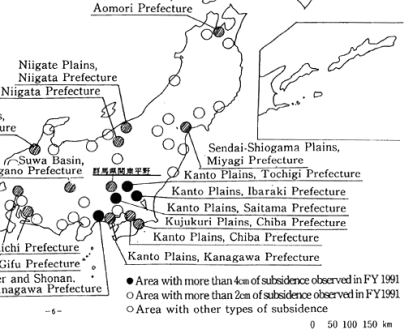
A Japanese government report from 1993 shows that this whole area was effected by industry using this ground water to supply its factories and nuclear plants. This caused a vast subsidence all along the coast and on the Fukushima plain.needless to say, TEPCO need to be very careful how they manage these layers of ground water because it covers a vast area. And this was likely the reason for the need for a sluice gate to replace the ground water restrictions brought in after the ground subsidence issues reported above.
Below I leave you with some relevant quotes and links;
Continue reading
Fukushima has 9 days to prevent ‘unsafe’ overheating
http://rt.com/news/170800-fukushima-water-leak-temperatures/
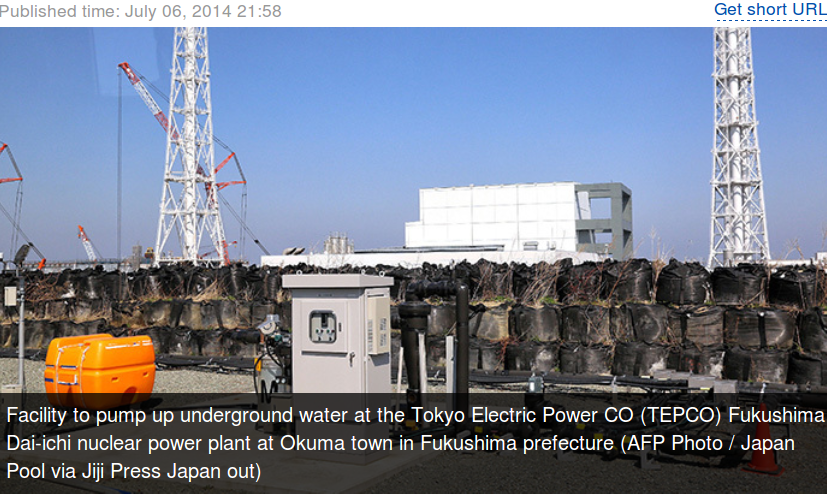
Fukushima operator TEPCO has been forced to switch off the cooling system at mothballed Reactor Unit 5, after it was discovered that it had been leaking water. In nine days, if the system is not repaired, temperatures will exceed dangerous levels.
Engineers have discovered that 1,300 liters of water leaked from a cooling system intended to stabilize the temperature of the spent fuel at the Reactor Unit 5, which was offline but loaded with fuel rods when the plant was damaged by the earthquake and tsunami in March 2011.
The source of the leak was a 3 mm-diameter hole near a flow valve, a statement published by the Japanese energy giant on Sunday asserts. However it is unclear from company data if the location of the opening has been discovered, or whether it was calculated with flow measurements.
At the time when the cooling system was switched off at around 12pm on Sunday, the temperature in the pool in which the rods are submerged was 23C but started increasing by 0.193 degrees per hour, TEPCO says.
If no new cold water is pumped in at such rate it will reach the dangerous threshold of 65C by the midpoint of the month in roughly 9 days.
Such temperatures, which have not been routinely seen at the plant since the failing of the cooling system in the immediate aftermath, would increase the possibility of dangerous reactions and further radiation leaks in the plant.
TEPCO however says that currently, there have been no abnormal readings anywhere in the plant.
Since TEPCO is using seawater for many of its cooling needs at the power plant, it has previously encountered heightened levels of corrosion, in sensitive equipment. The cooling system at various reactors has also been beset by calamities – from rats short circuiting the control panel and forcing a blackout, to an employee “accidentally” switching it off, though all were resolved before rod pools overheated.
At the same time, TEPCO is struggling to deal with ever-increasing volumes of contaminated water which is being stored in hundreds of tanks at the facility and frequently leaking and contaminating the soil beneath it. And the much publicized plan to stop contaminated water from leaking into the sea by building an ‘ice-wall’ and freezing soil and water around the facility is not working as well as Japanese officials had hoped.
The lies and distortions of James Conca and his Science Media Centre advisors concerning the health of the children of Fukushima
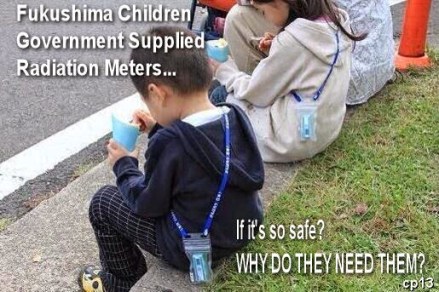
There is an unacknowledged tragedy occurring for the children in Japan.
I think that you and your ilk are some of the most despicable human beings on the planet, willing to prostitute your intellectual abilities to mislead the public in support of an industry of death. Yet even I with such strident rhetoric don’t actually think the intention behind your rhetoric is to see thousands of children struggling with the agony of trying to survive thyroid cancer.
“Although some sporadic tumors unrelated to radiation may be included among our patients, the shortest latency period for both benign and malignant tumors was 1 year as occurred in 3 patients, whereas the longest time was 69 and 58 years, respectively (Fig. 1).” (Latency Period of Thyroid Neoplasia After Radiation Exposure
Shoichi Kikuchi, MD, PhD, et al. Department of Surgery, UCSF Affiliated Hospitals, San Francisco, CA. Journal List nAnn Surg v.239(4); Apr 2004 PMC1356259, full text at Link
{{{ Study Protocol for the Fukushima Health Management Survey – Thyroid Ultrasound Examination (TUE) Program
by Shunichi Yamashita, released online August 25, 2012
Note: Testing of the FY 2011 Cohort was actually performed in late 2011 through 2013. So claims that it is impossible for the FY 2011 Cohort results to be related to Fukushima is a misrepresentation of the actual data.
What were the results of those biopsies?
All of the figures I’ve given were drawn from the Thyroid Ultrasound Examination, FHMS http://www.fmu.ac.jp/radiationhealth/results/media/15-2_Thyroid_Ultrasound_Examination.pdf
Let’s return for a moment to Mr. Conca’s article.
Bald
Faced
Liar
Scottish Bid Imperils UK Nuclear Force
The Scottish government says it seeks “the speediest safe removal” of the weapons “within the first term” of an independent Scottish parliament, which will serve until 2020.
“The most likely option would be submarine basing at Devonport [in southwest England] and a new warhead/missile storage facility in [nearby] Falmouth,” said Chalmers, an opponent of independence. “But the latter, in particular, would take some considerable time—no one knows how long—to build.”
The resulting financial burden could imperil the UK’s status as a nuclear power, said Frances Burwell, director of transatlantic relations at the Atlantic Council in Washington.
https://www.armscontrol.org/act/2014_0708/News/Scottish-Bid-Imperils-UK-Nuclear-Force
The future of the United Kingdom’s nuclear arsenal is in the hands of 4.1 million Scottish voters who go to the polls Sept. 18 to decide whether to end the country’s 307-year union with England and become an independent country.
If the ballot proposal is approved, the ruling pro-independence Scottish National Party (SNP) has pledged to evict the UK fleet of four nuclear-armed submarines from the naval base at Faslane on Scotland’s west coast by 2020. Having no comparable submarine base, the UK government would then face expensive choices about how to maintain its exclusively sea-based nuclear force.
“It would be an enormous exercise to reproduce the facilities elsewhere,” the UK Ministry of Defence said in an October 2013 analysis of Scottish independence. “It would cost billions of pounds and take many years.”
Although issues of jobs and social welfare programs have dominated the referendum debate, the nuclear defense issue has energized anti-nuclear activists and alarmed UK leaders. Prime Minister David Cameron has taken a strong public stance against Scottish independence, as have his predecessors Gordon Brown, Tony Blair, and John Major.
1 This Month

of the week – Shut Down Drone Warfare!


Tell the Ukrainian Government to Drop Prosecution of Peace Activist Yurii Sheliazhenko

Petition to revoke the licensing of the Near Surface Nuclear Disposal Facility (NSDF) at Chalk River. https://www.ourcommons.ca/petitions/en/Petition/Details?Petition=e-7247
To see nuclear-related stories in greater depth and intensity – go to https://nuclearinformation.wordpress.com
-
Archives
- April 2026 (7)
- March 2026 (251)
- February 2026 (268)
- January 2026 (308)
- December 2025 (358)
- November 2025 (359)
- October 2025 (376)
- September 2025 (257)
- August 2025 (319)
- July 2025 (230)
- June 2025 (348)
- May 2025 (261)
-
Categories
- 1
- 1 NUCLEAR ISSUES
- business and costs
- climate change
- culture and arts
- ENERGY
- environment
- health
- history
- indigenous issues
- Legal
- marketing of nuclear
- media
- opposition to nuclear
- PERSONAL STORIES
- politics
- politics international
- Religion and ethics
- safety
- secrets,lies and civil liberties
- spinbuster
- technology
- Uranium
- wastes
- weapons and war
- Women
- 2 WORLD
- ACTION
- AFRICA
- Atrocities
- AUSTRALIA
- Christina's notes
- Christina's themes
- culture and arts
- Events
- Fuk 2022
- Fuk 2023
- Fukushima 2017
- Fukushima 2018
- fukushima 2019
- Fukushima 2020
- Fukushima 2021
- general
- global warming
- Humour (God we need it)
- Nuclear
- RARE EARTHS
- Reference
- resources – print
- Resources -audiovicual
- Weekly Newsletter
- World
- World Nuclear
- YouTube
-
RSS
Entries RSS
Comments RSS
 nuclear-news